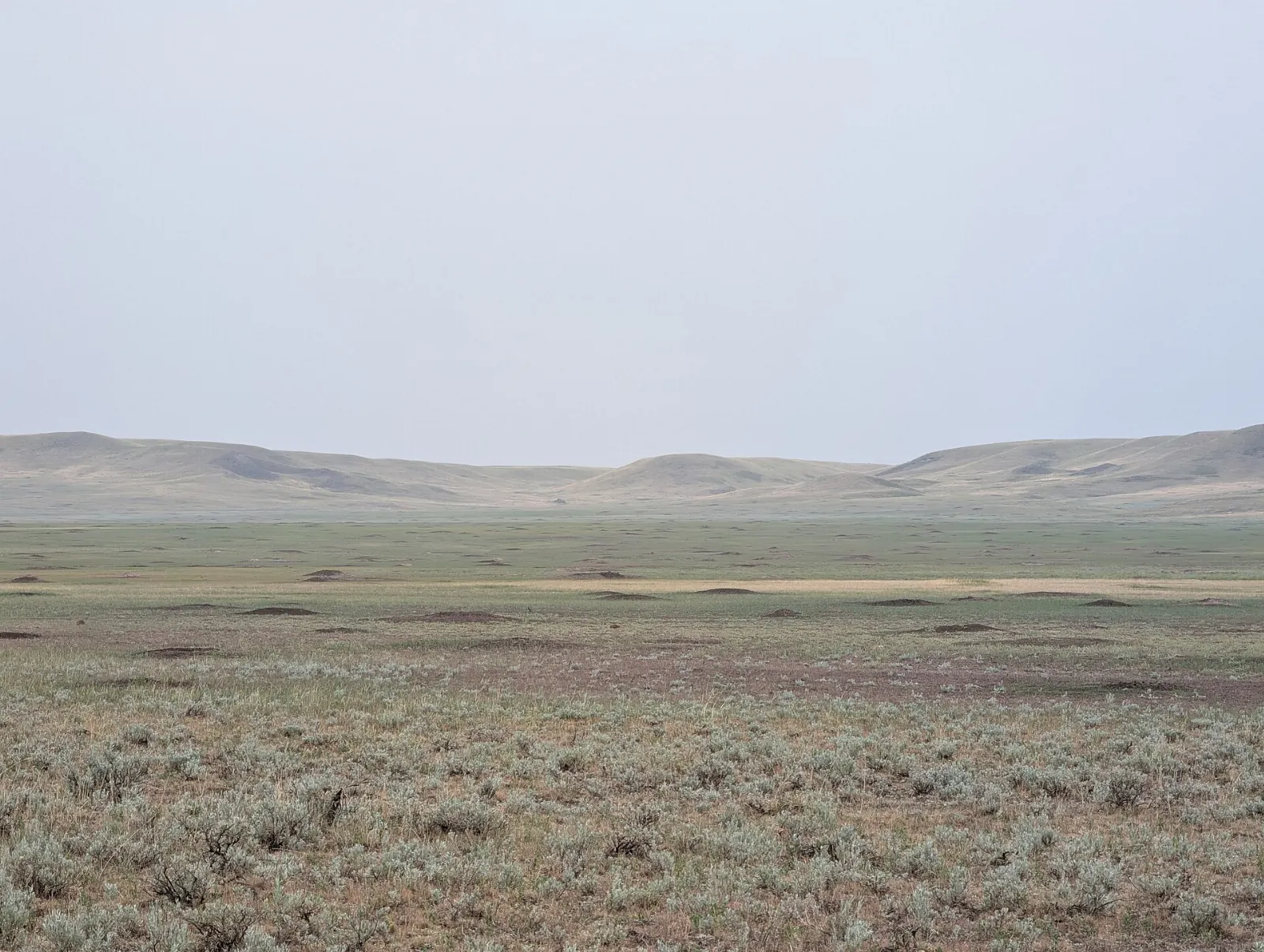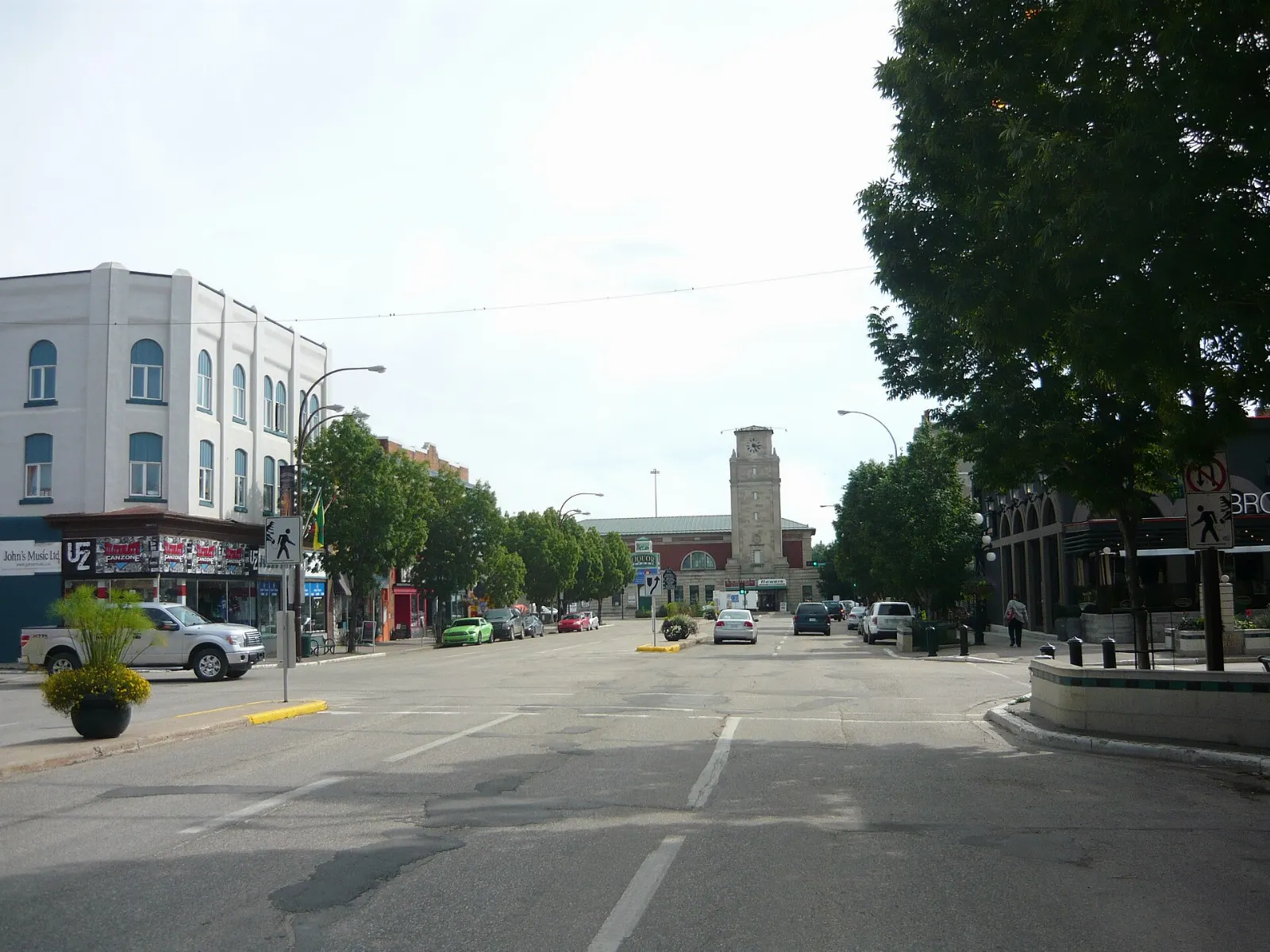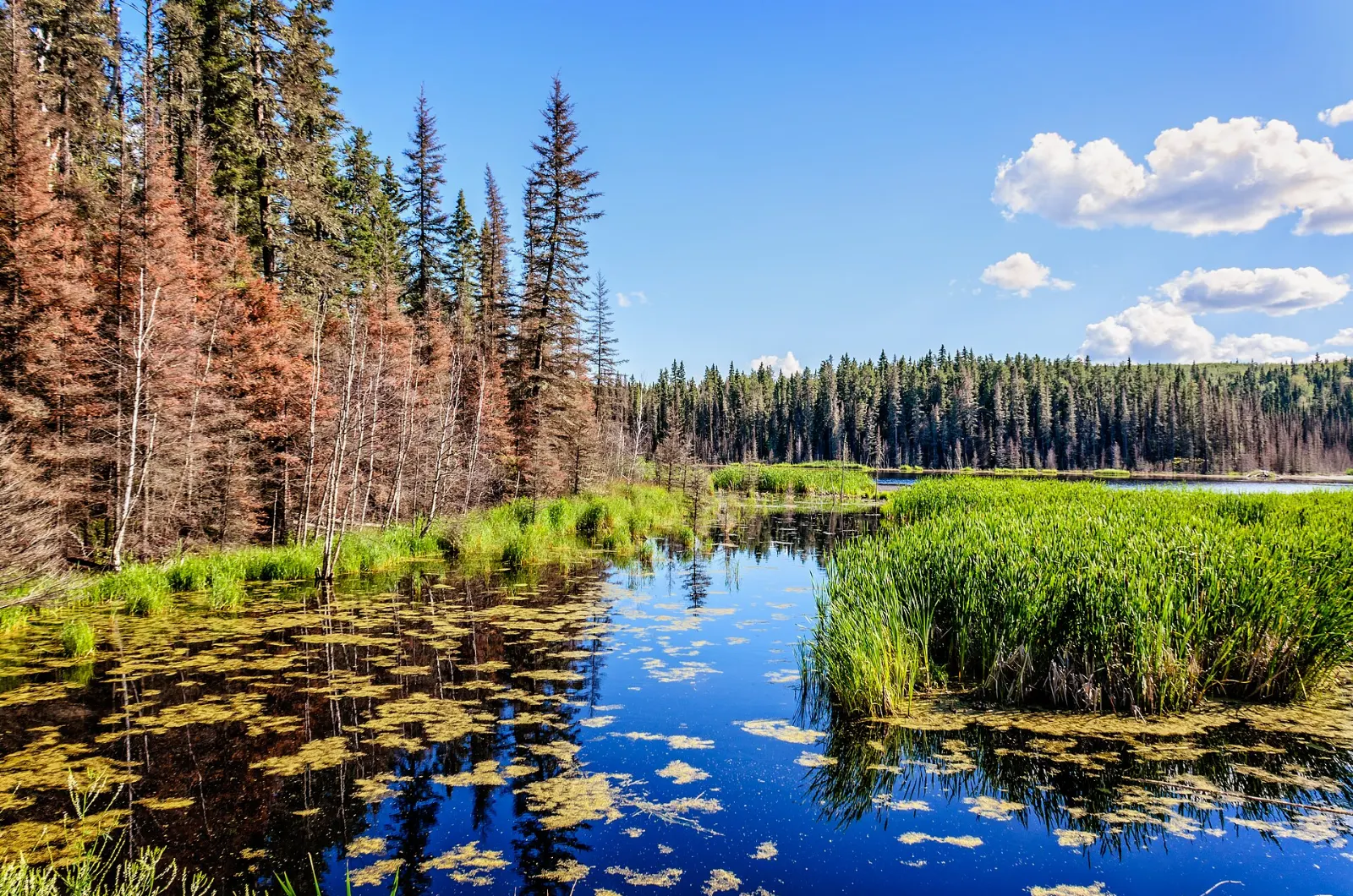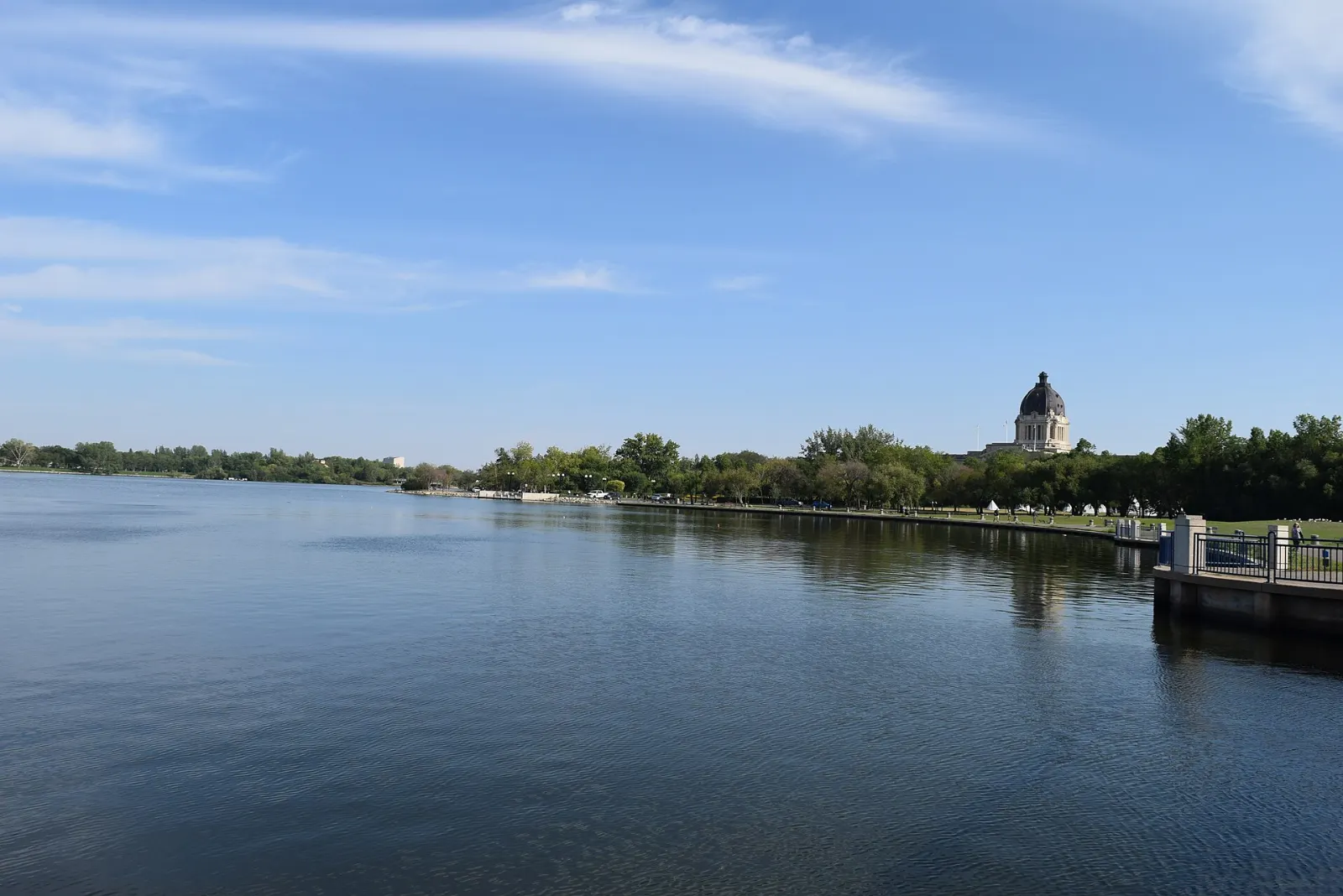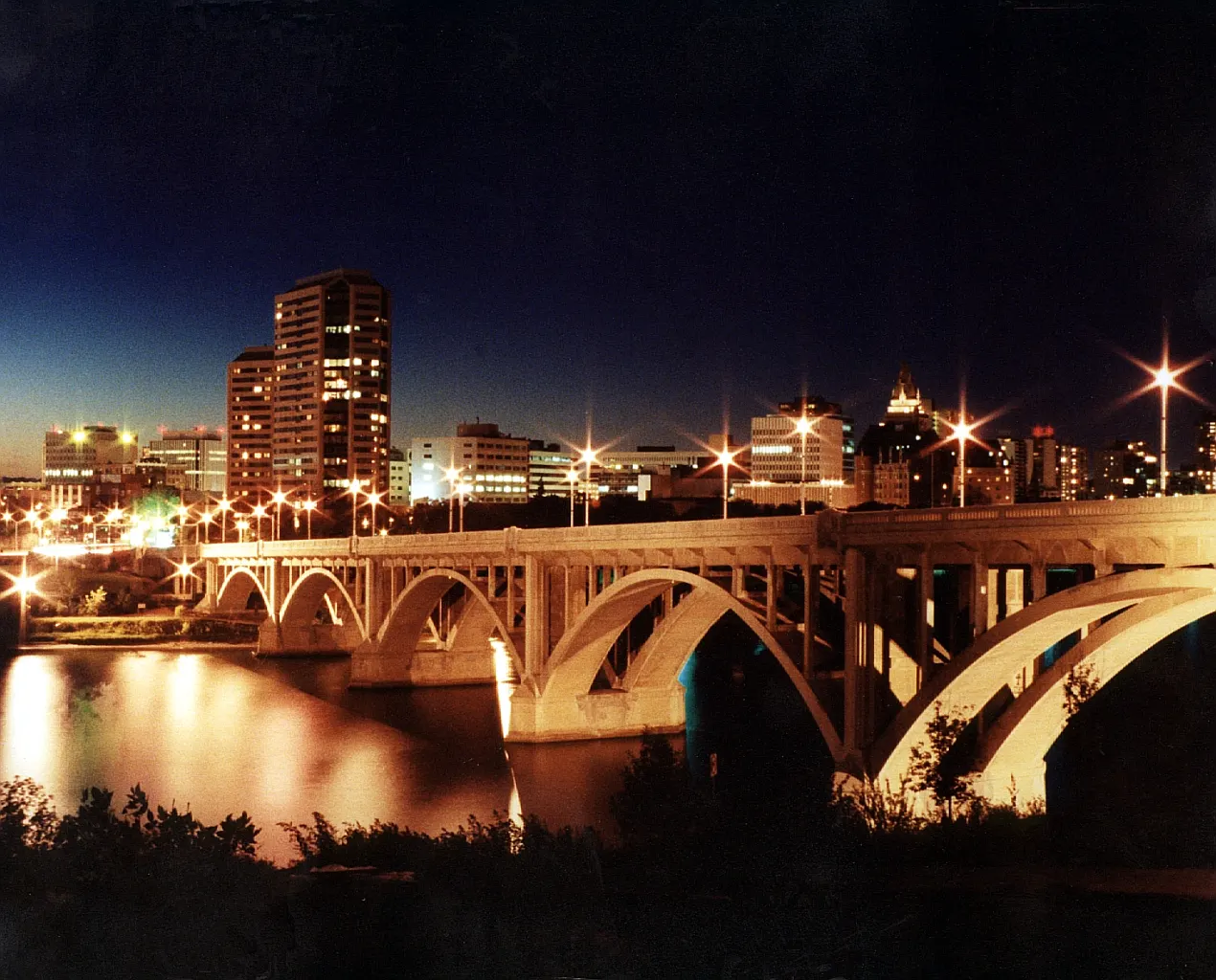
Saskatoon sits on a bend of the South Saskatchewan River, where wide prairie sky meets a skyline of bridges, old brick and riverside parks.
AT A GLANCE
Best time
Summer is warm and sunny with long evenings, which suits the river trails and festivals.
How long
Two or three days cover the riverfront, the museums and a trip to Wanuskewin.
Getting there
Fly into the city’s airport or drive the highways that link Regina, Edmonton and Winnipeg.
Why visit Saskatoon
The city takes its name from the saskatoon berry, a sweet purple fruit that grows along the river, and it nods to the river everywhere. Early planners set the banks aside as parkland, so you can walk or cycle for hours beside water without leaving town.
Saskatoon also makes a smart base for understanding the prairies. Ukrainian settlement, pioneer farming and the First Nations story all have a place here, and each can be explored in a half day or less.
The riverfront and downtown
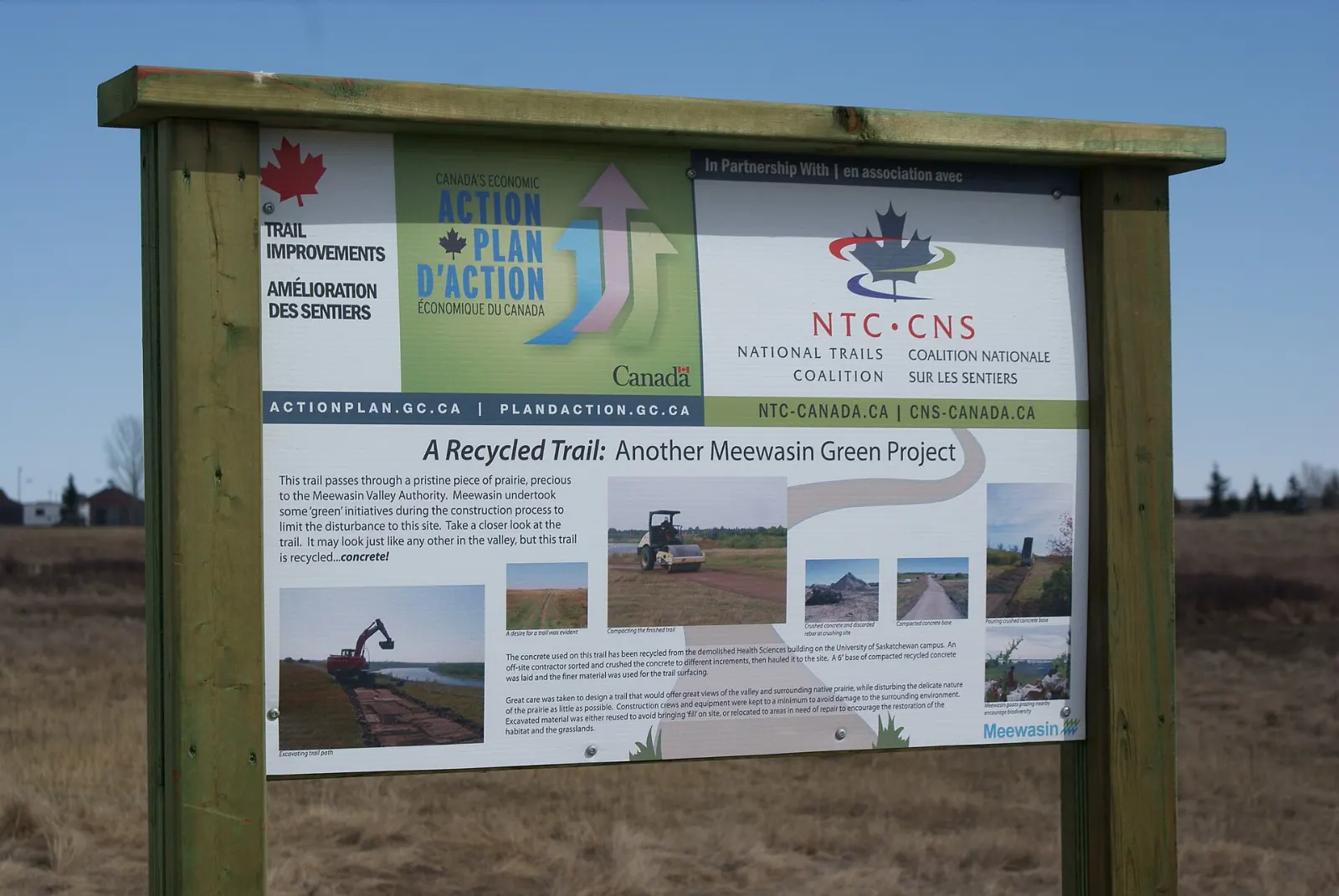
Meewasin Valley Trail
The riverbank trail system runs for about 60 kilometers along both shores, linking the university, downtown and quiet neighborhoods.
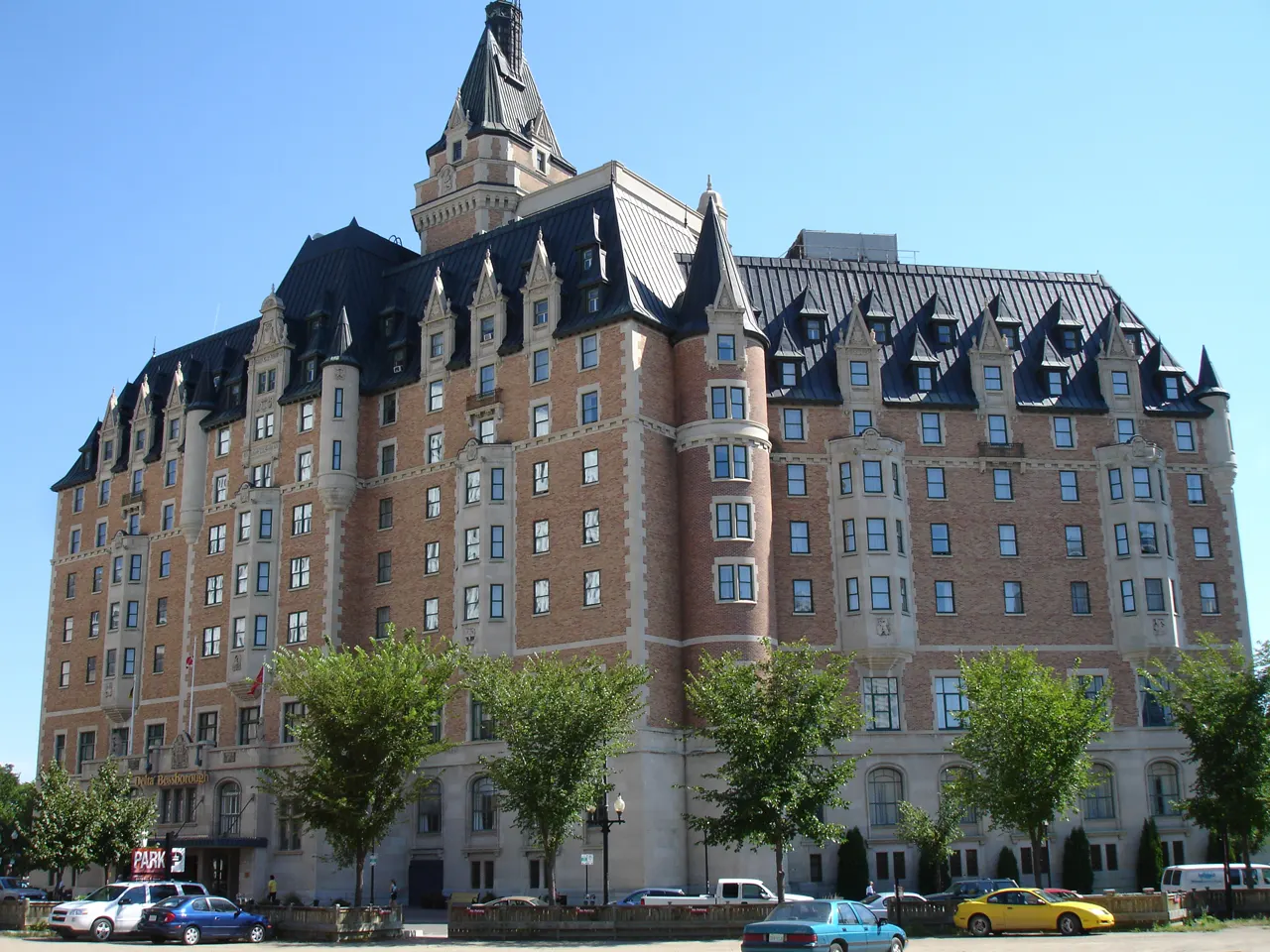
Delta Bessborough
This castle-like railway hotel, finished in 1932 and opened in 1935, anchors many riverside views. You do not need to be a guest to step inside and admire the grand detailing in the public areas.
Broadway Bridge
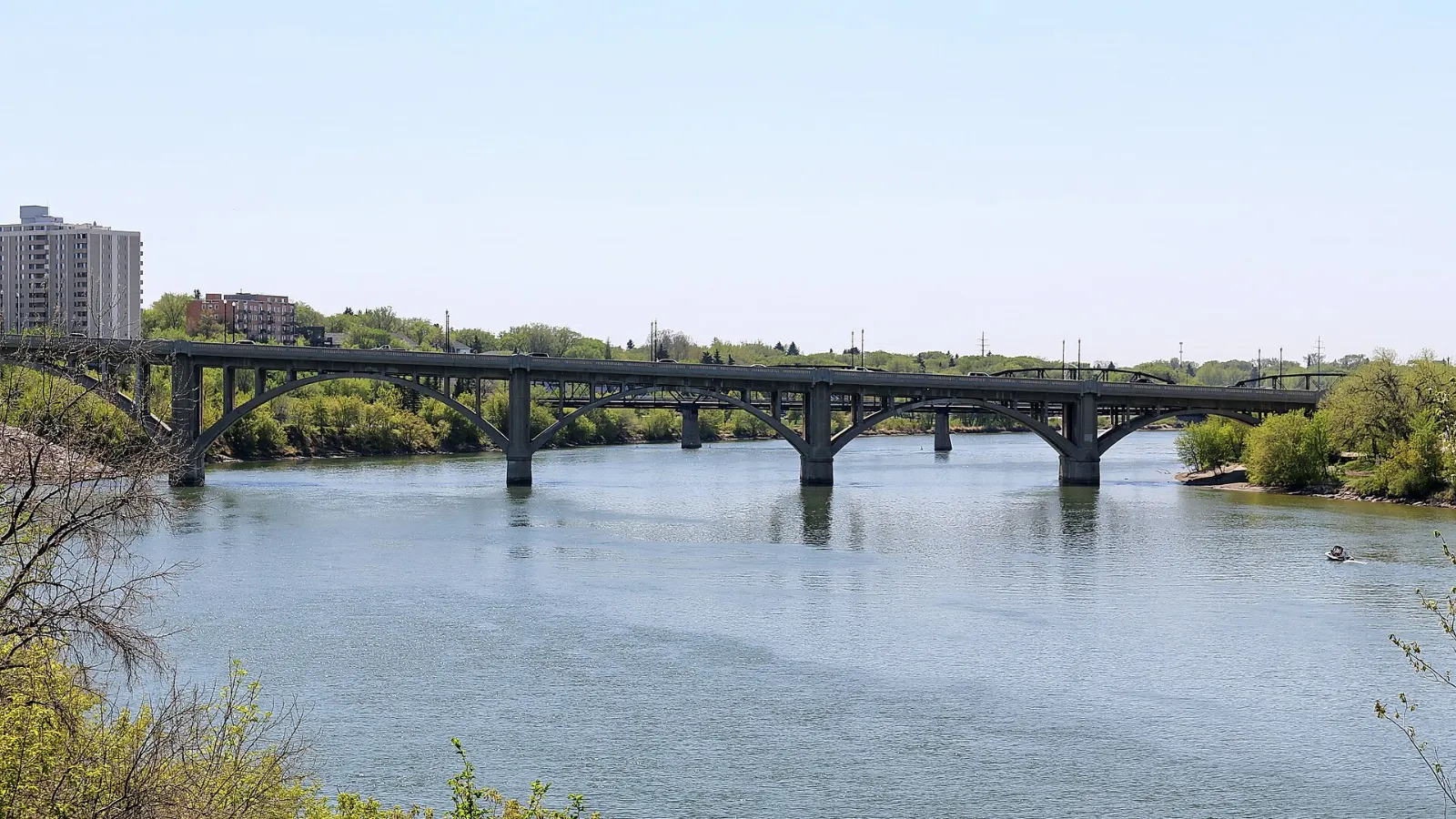
The city has nine river crossings, and the Broadway Bridge is one of the best for photos. A famous view frames the Bessborough inside one of its arches.
Remai Modern
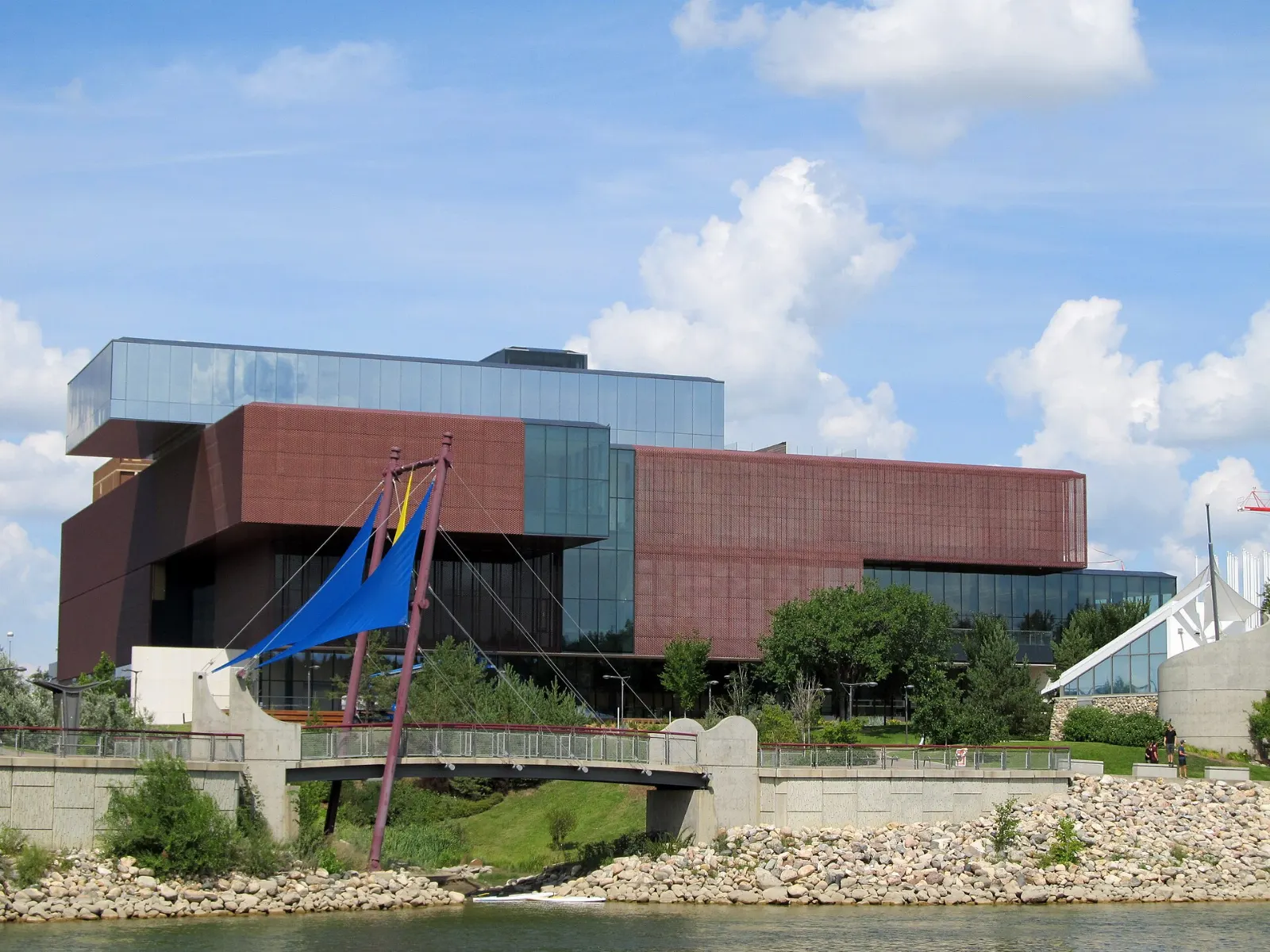
Opened in 2017 at River Landing, this art museum holds thousands of works, including a large collection of linocuts and ceramics by Pablo Picasso.
Saskatoon Farmers Market
Located in the River Landing area, the market is a good stop for local produce and baked goods. Go on a weekend morning when the stalls are busiest, and bring a bag for souvenirs.

Neighborhoods and museums
Broadway Avenue and Nutana
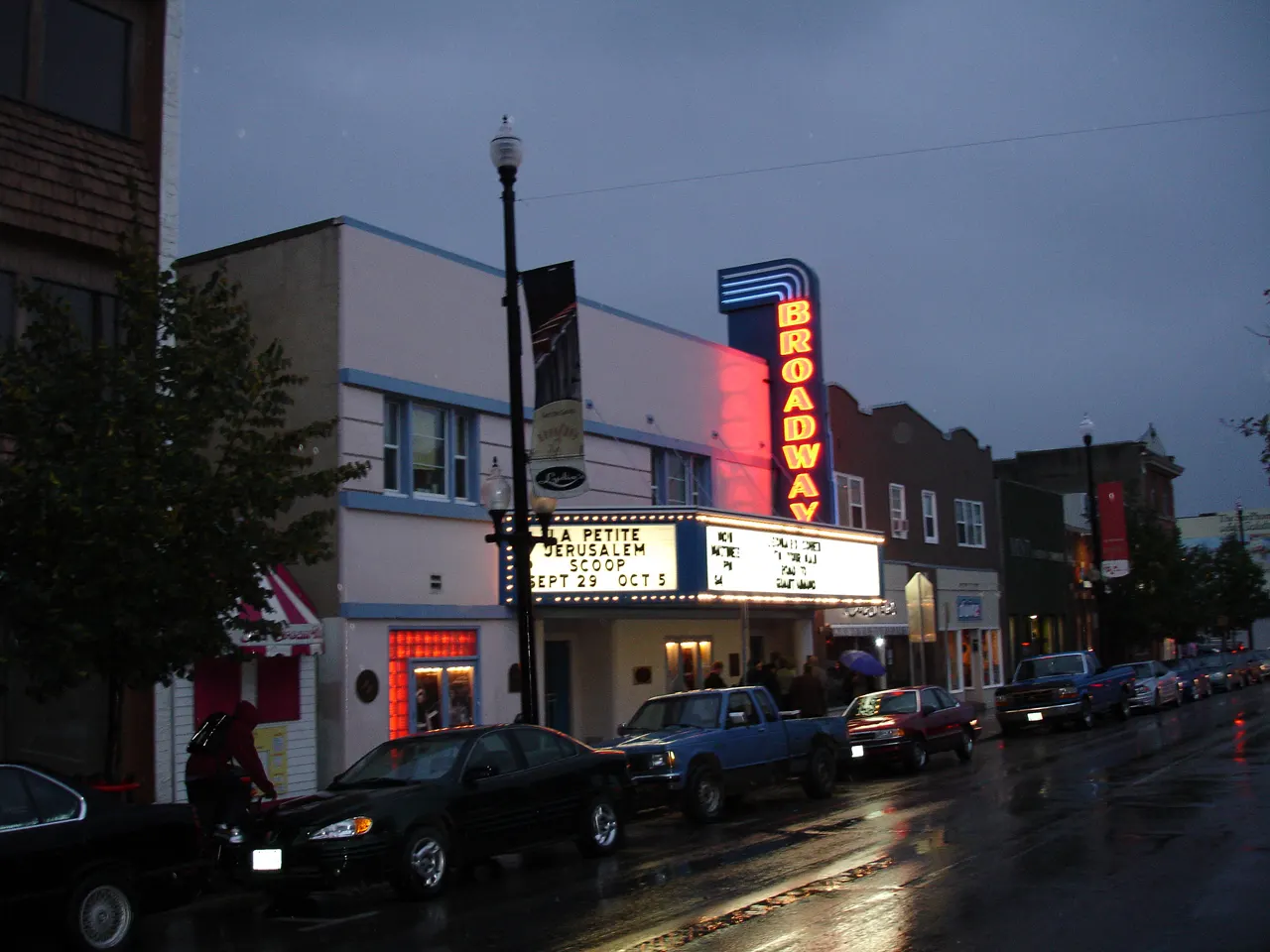
Nutana was a separate town before it joined Saskatoon, and Broadway Avenue is its old main street. The blocks around 8th and 12th Streets hold independent shops, cafes and restaurants, and the atmosphere is friendly and low-key.
Ukrainian Museum of Canada
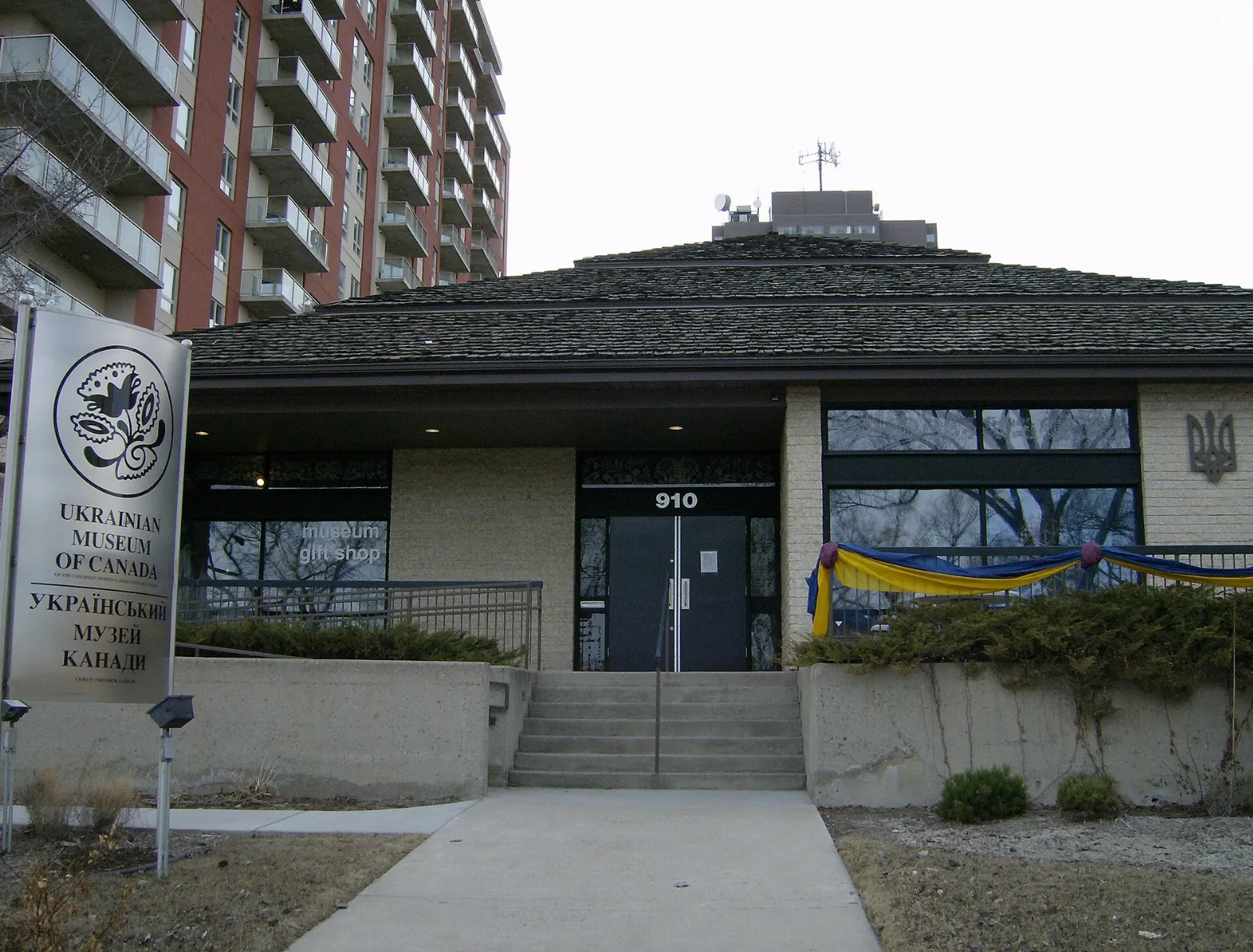
Founded in 1941, this museum on Spadina Crescent tells the story of Ukrainian immigrants who settled across the prairies. Textiles, school books and household objects give a personal view of that history.
Western Development Museum
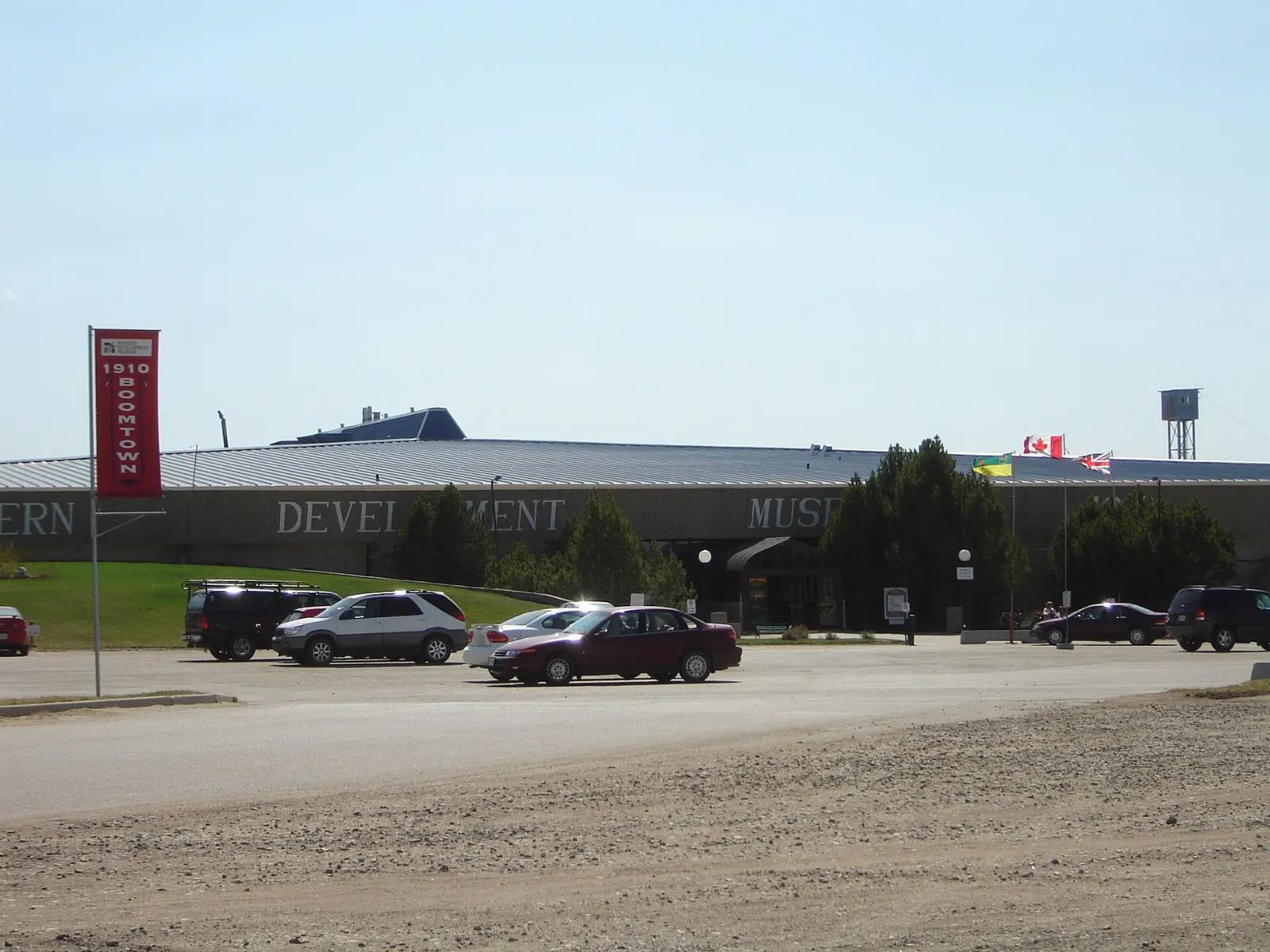
This pioneer museum features a recreated boomtown main street, with one original building moved from its first site. It works well for families and anyone interested in how the prairies were settled.
Forestry Farm Park and Zoo
A National Historic Site in the northeast, this was a tree nursery from 1913 that supplied many of the trees planted across the prairie provinces. Today it holds a municipal park and a small zoo with over 80 species.
Wanuskewin Heritage Park
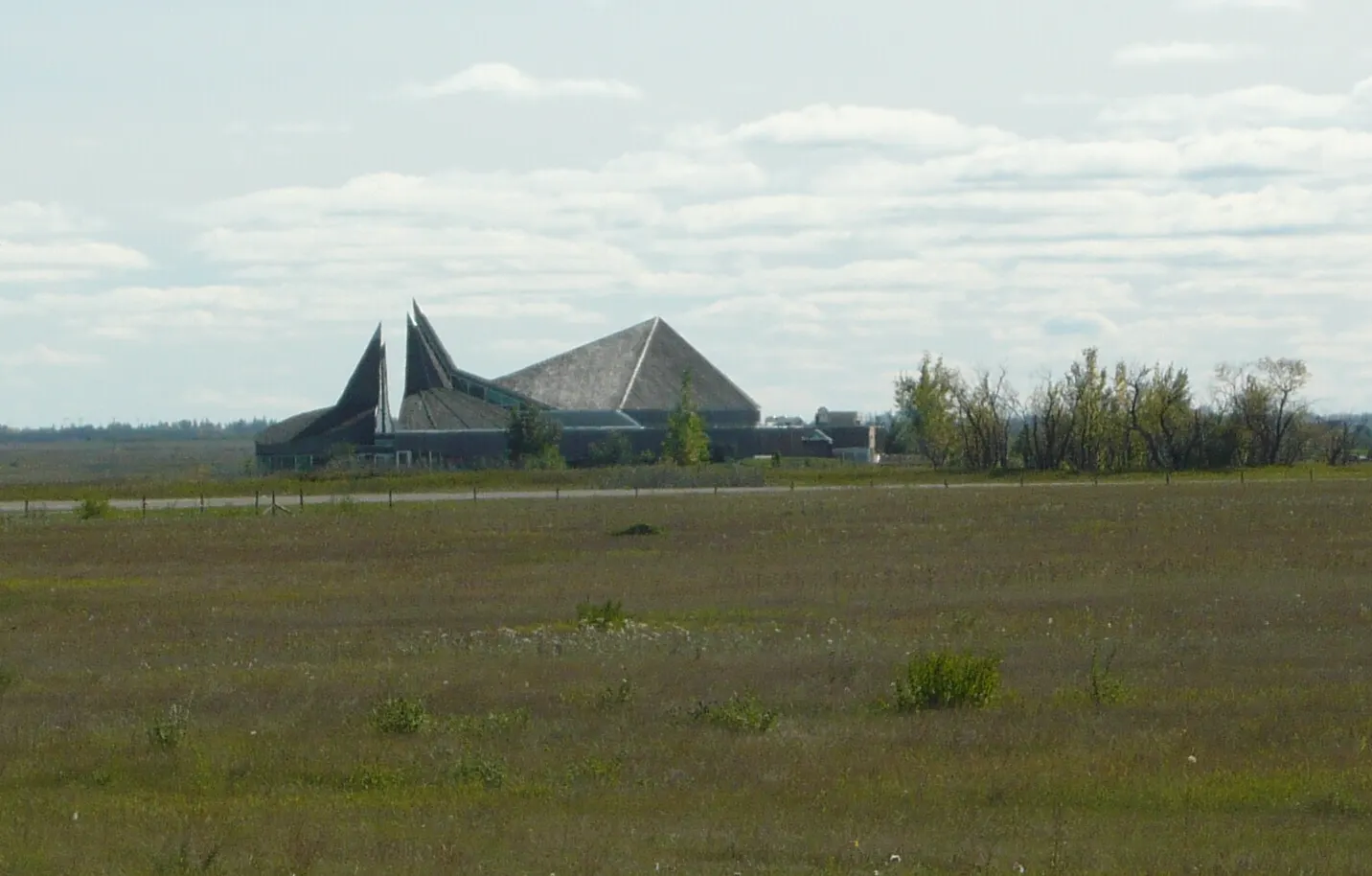
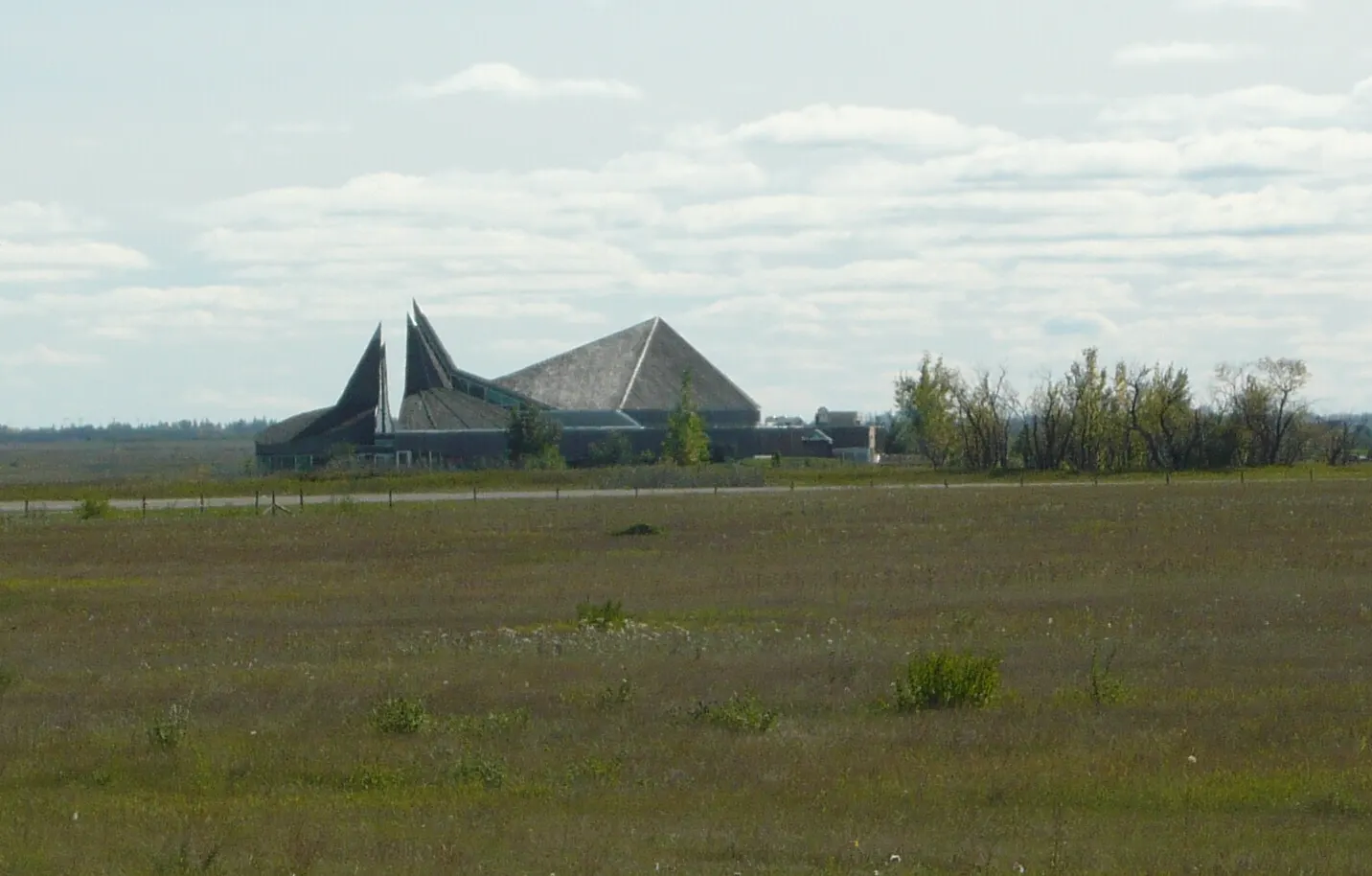
About five kilometers north of the city, Wanuskewin is a National Historic Site that preserves around 6,000 years of Northern Plains history.
 Planning a trip to Saskatoon?Compare hotels, flights and vacation rentals for Saskatoon on Expedia.Book now
Food and local flavors
Start with saskatoon berry pie, the dessert that has become a symbol of the Canadian prairies. The berries also appear in jam, ice cream and baking, and early summer is when they ripen.
Bannock, a simple Indigenous bread, is worth seeking out at restaurants that focus on Indigenous food. For a wider sampling, browse the Saskatoon Farmers Market in the River Landing area, then eat along Broadway Avenue, where cafes and casual restaurants are clustered.
Popular dishes to try in Saskatoon


Where to stay
Downtown is the practical choice, especially if you plan to walk to the riverfront, the Remai Modern and the Delta Bessborough. The core is pedestrian-friendly, with plenty of restaurants and the main transit hub nearby.
Nutana, east of the river, has a village feel and the Broadway Avenue strip on its doorstep. It is a good match for couples and food lovers who like cafes and short strolls to the University Bridge and the riverbank trail.
Riversdale, another historic neighborhood west of downtown, is on the way to a more local, evolving scene of small businesses and older streets.
Where to stay in Saskatoon


Best time to visit
Summer is the high season. Daytime highs hover around the mid-20s Celsius, evenings stay light until about nine, and thunderstorms can roll in on hot afternoons.
Winters are long and cold, but the city does not shut down. People ski and skate along the river, including at the free Meewasin skating rink in Kiwanis Memorial Park. Pack serious winter gear if you visit between December and February.
Getting there and getting around
Saskatoon John G. Diefenbaker International Airport has direct flights from Calgary, Edmonton, Regina, Toronto, Vancouver and Winnipeg, with some links to the United States. By road, Highway 16 (Yellowhead) connects the city with Edmonton and Winnipeg, and Highway 11 runs south to Regina, about three hours away by bus.
Downtown, the riverfront and Broadway Avenue are compact and walkable. Saskatoon Transit buses serve most of the city and centre on a downtown hub. This is a car-oriented city overall, so rent at the airport if you plan to visit Wanuskewin or the Forestry Farm.
A suggested itinerary
First day
Walk the Meewasin Valley Trail from the Delta Bessborough to the Broadway Bridge, then visit the Remai Modern.
Second day
Spend the morning at Wanuskewin Heritage Park, then return for the Ukrainian Museum of Canada or the Western Development Museum.
Third day
Visit the Forestry Farm Park and Zoo, then pick up a slice of saskatoon berry pie for the road. If you are heading to Regina, drive south on Highway 11.
Practical tips
- Book rooms early for the summer festival weeks and the August exhibition.
- Carry insect repellent and sun protection for time along the river.
- Check Wanuskewin’s website for current tours, closures and programming.
- Rent a car if you want to reach Wanuskewin and the Forestry Farm on your own schedule.
- Dress in layers, since prairie weather can shift quickly.