This guide covers the essential palaces and museums, the neighborhoods worth exploring, the food and drink you should not miss and how to plan your days so you see the highlights without rushing.
AT A GLANCE
Best time
April to June and September to October; late November and December for Christmas markets.
How long
Three to four days for the main sights; add a day for the Vienna Woods or the Wachau Valley.
Getting there
Fly into Vienna International Airport or arrive by train at Wien Hauptbahnhof.
Why visit Vienna
Few cities can match Vienna's cultural weight. Mozart, Haydn, Beethoven, Schubert, Brahms and the Strauss family all worked here, and music remains part of daily life, from the State Opera to church concerts and the New Year's Concert broadcast around the world.
Vienna is also exceptionally easy to enjoy. Public transport is excellent, the streets are safe and clean, and the city's coffeehouse culture, recognized by UNESCO as intangible cultural heritage, invites you to slow down. Within the city limits you can hike in the Vienna Woods, swim off the Danube Island and drink young wine at a vineyard tavern, all within a short tram ride of the Opera.
The Inner City and the Hofburg
St. Stephen's Cathedral
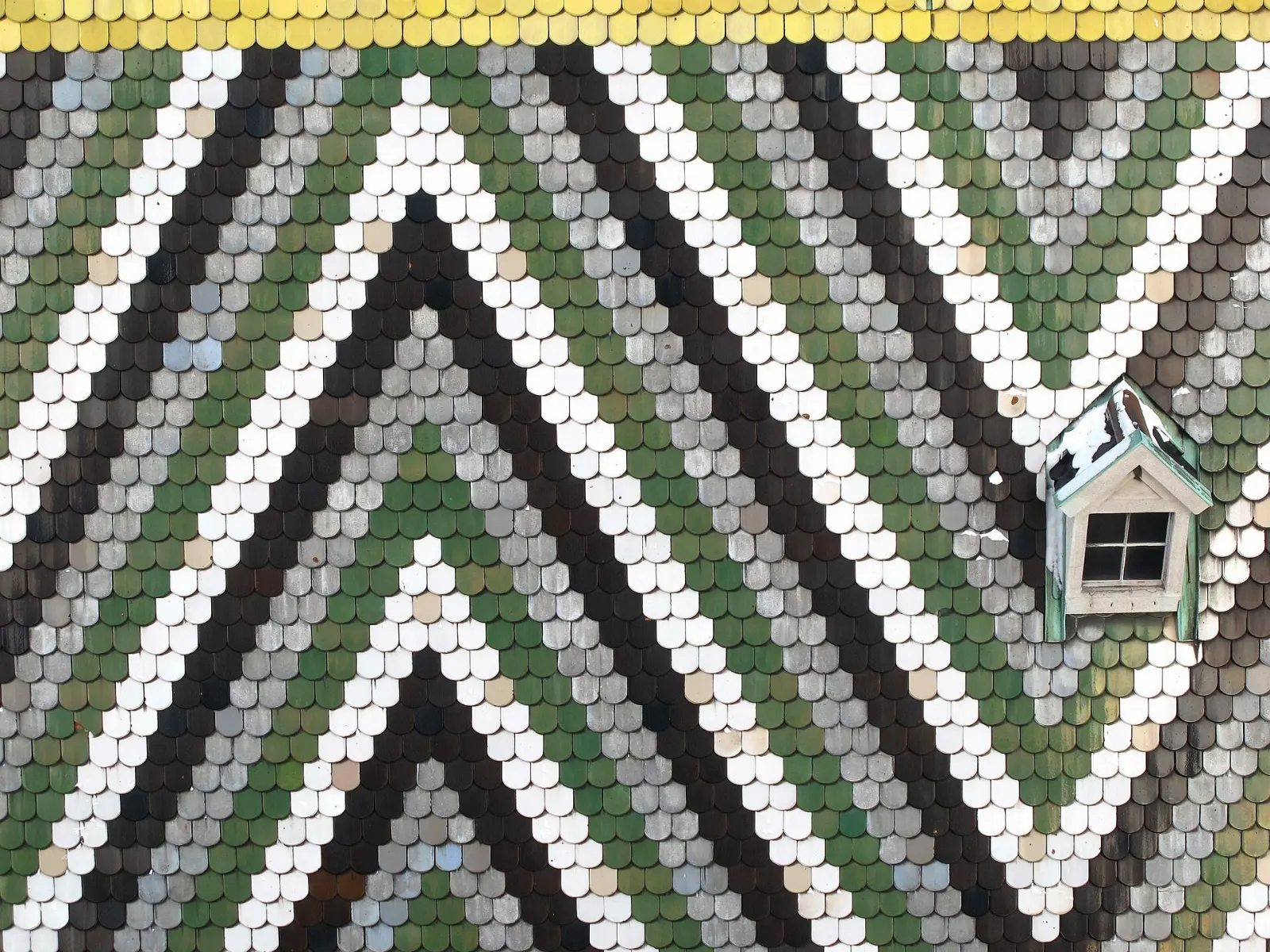
The Stephansdom stands at the center of Vienna, its Gothic south tower reaching 136 meters and its steep roof covered in a dazzling pattern of glazed tiles. Inside, look for the carved stone pulpit and the tomb of Emperor Frederick III.
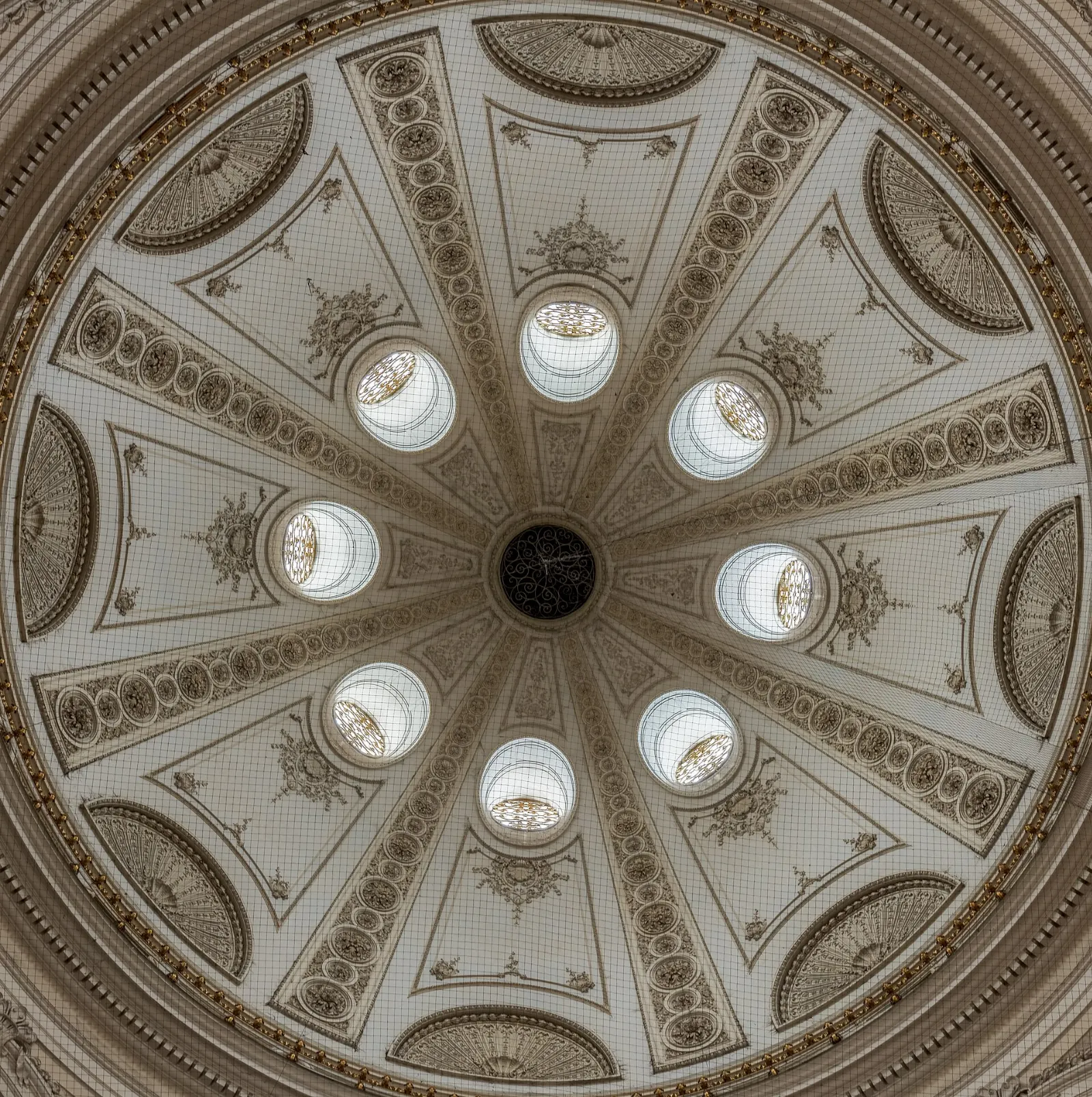
The Hofburg
The sprawling winter palace of the Habsburgs grew over centuries into a city within the city. Highlights include the Imperial Apartments, the Sisi Museum devoted to Empress Elisabeth and the Imperial Silver Collection, along with the Imperial Treasury and its crown jewels.
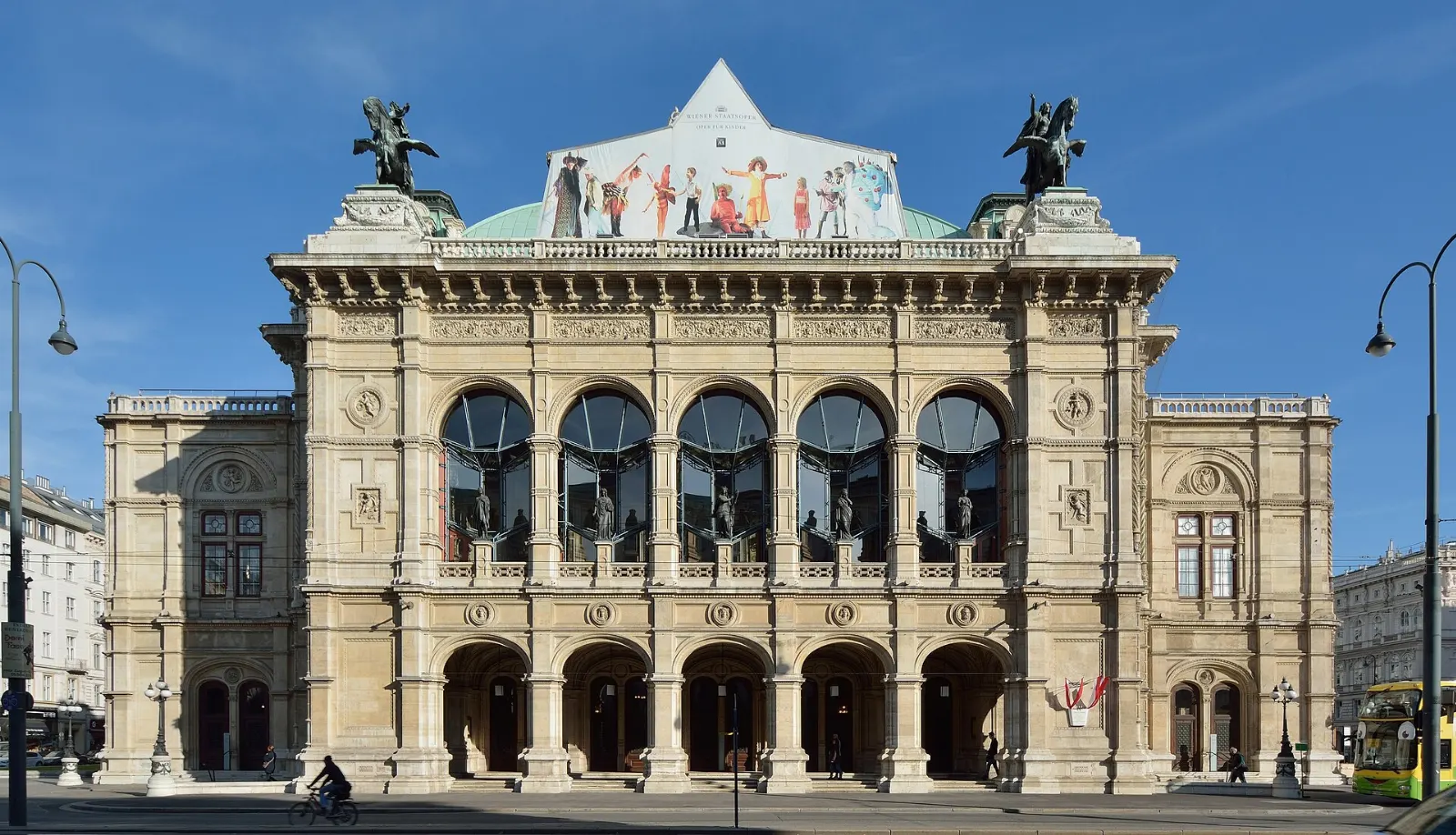
Vienna State Opera and the Ringstrasse
When the city walls came down in the nineteenth century, Vienna built the Ringstrasse, a grand boulevard lined with the Opera, the Parliament, City Hall, the University and the Burgtheater. The State Opera opened in 1869 and stages performances on most nights of its season.
Museums and palaces of art
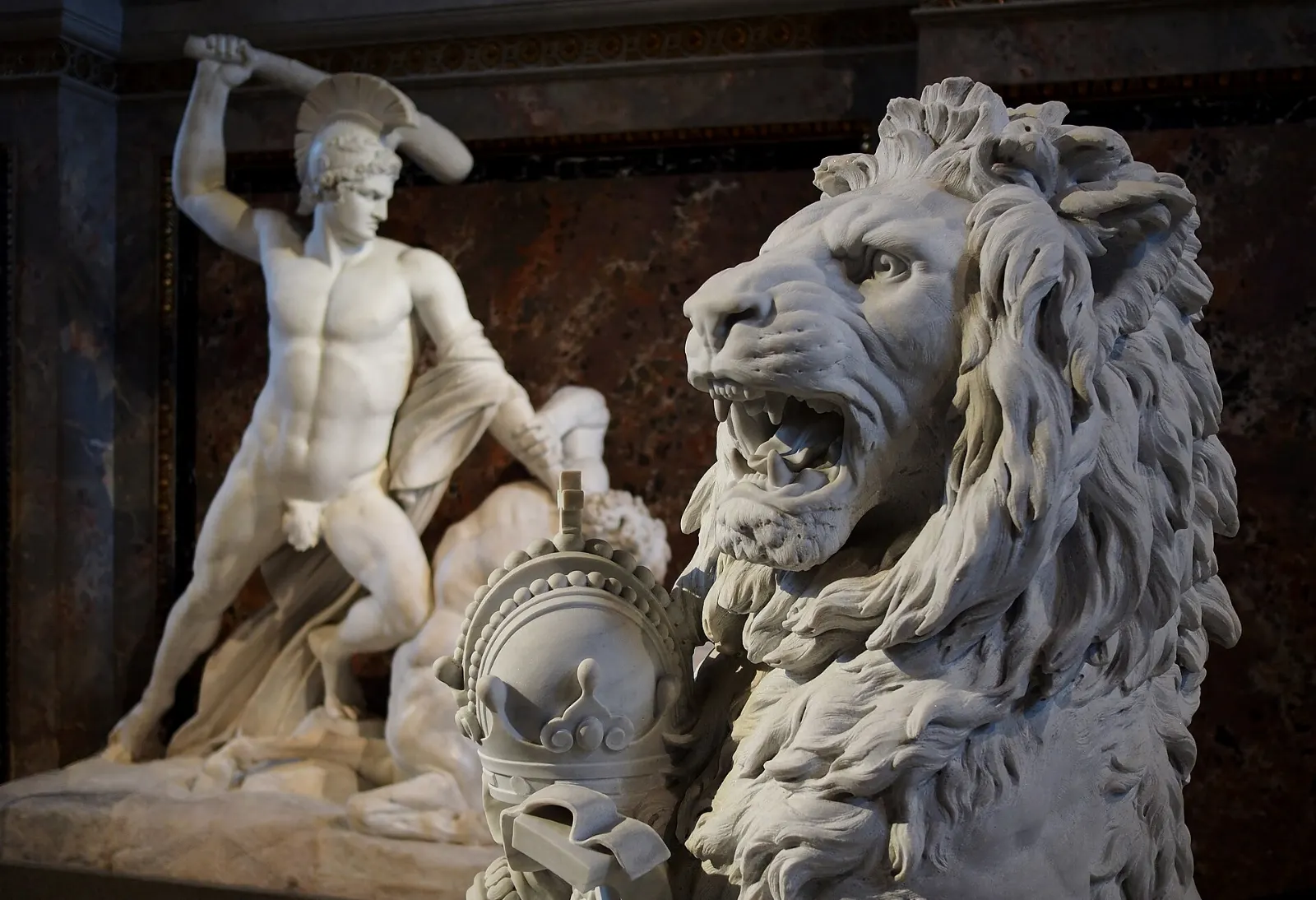
Kunsthistorisches Museum
Opened in 1891 to house the Habsburg collections, the Museum of Fine Arts is one of the great museums of Europe. Its picture gallery holds the world's largest collection of paintings by Pieter Bruegel the Elder, including Hunters in the Snow and The Tower of Babel, alongside works by Titian, Velázquez, Rubens and Vermeer.
MuseumsQuartier and the Albertina
Across the road, the former imperial stables now form the MuseumsQuartier, home to the Leopold Museum, with the world's largest Egon Schiele collection, and the modern art museum mumok. Its courtyards fill with locals on summer evenings.
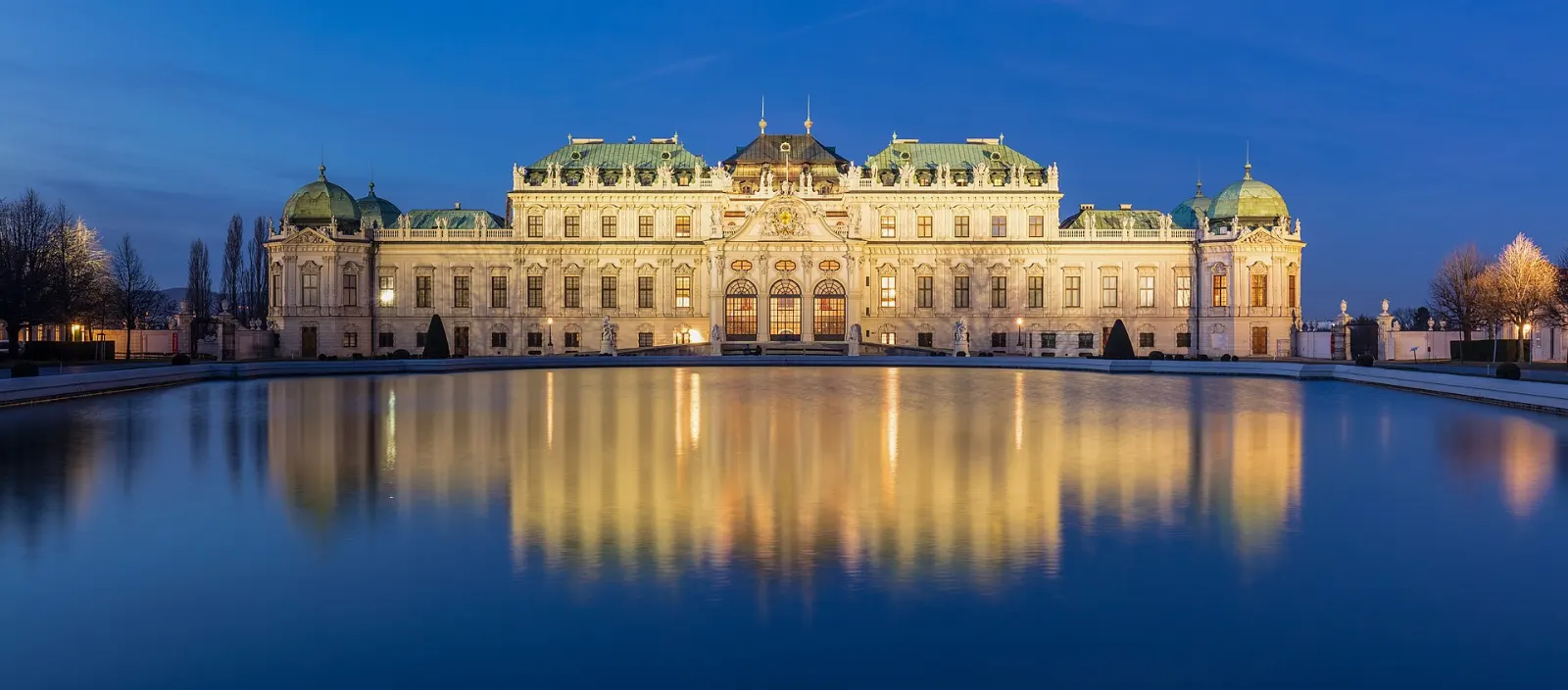
Belvedere
Two Baroque palaces built for Prince Eugene of Savoy face each other across a terraced garden. The Upper Belvedere displays Austrian art from the Middle Ages to the twentieth century and holds the largest collection of Gustav Klimt paintings, including The Kiss.
Schönbrunn, the Prater and beyond the Ring
Schönbrunn Palace
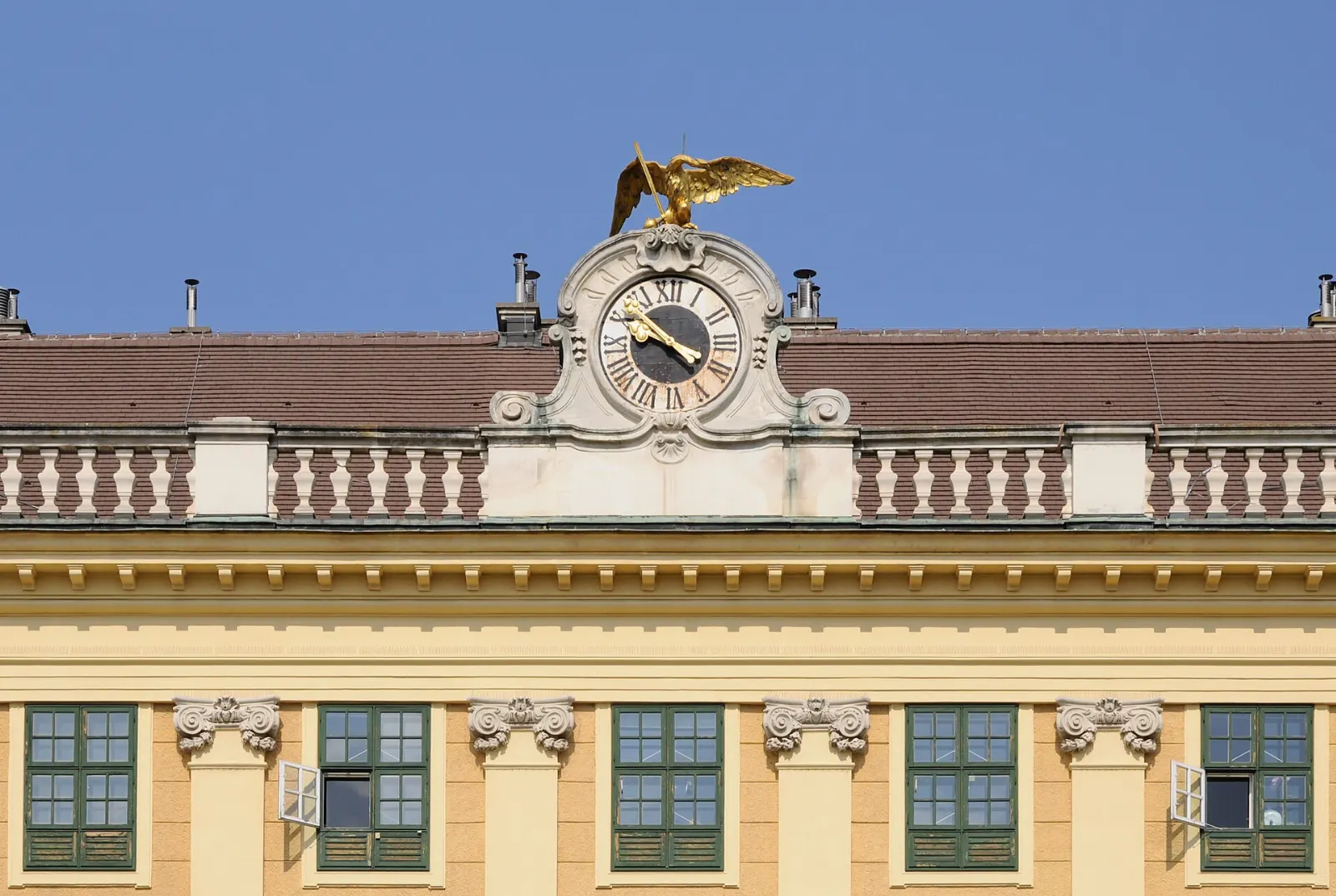
The Habsburg summer palace, with 1,441 rooms, is Vienna's most visited sight. Tours lead through the state rooms where Maria Theresa held court and where the young Mozart performed.
The Prater and the Riesenrad
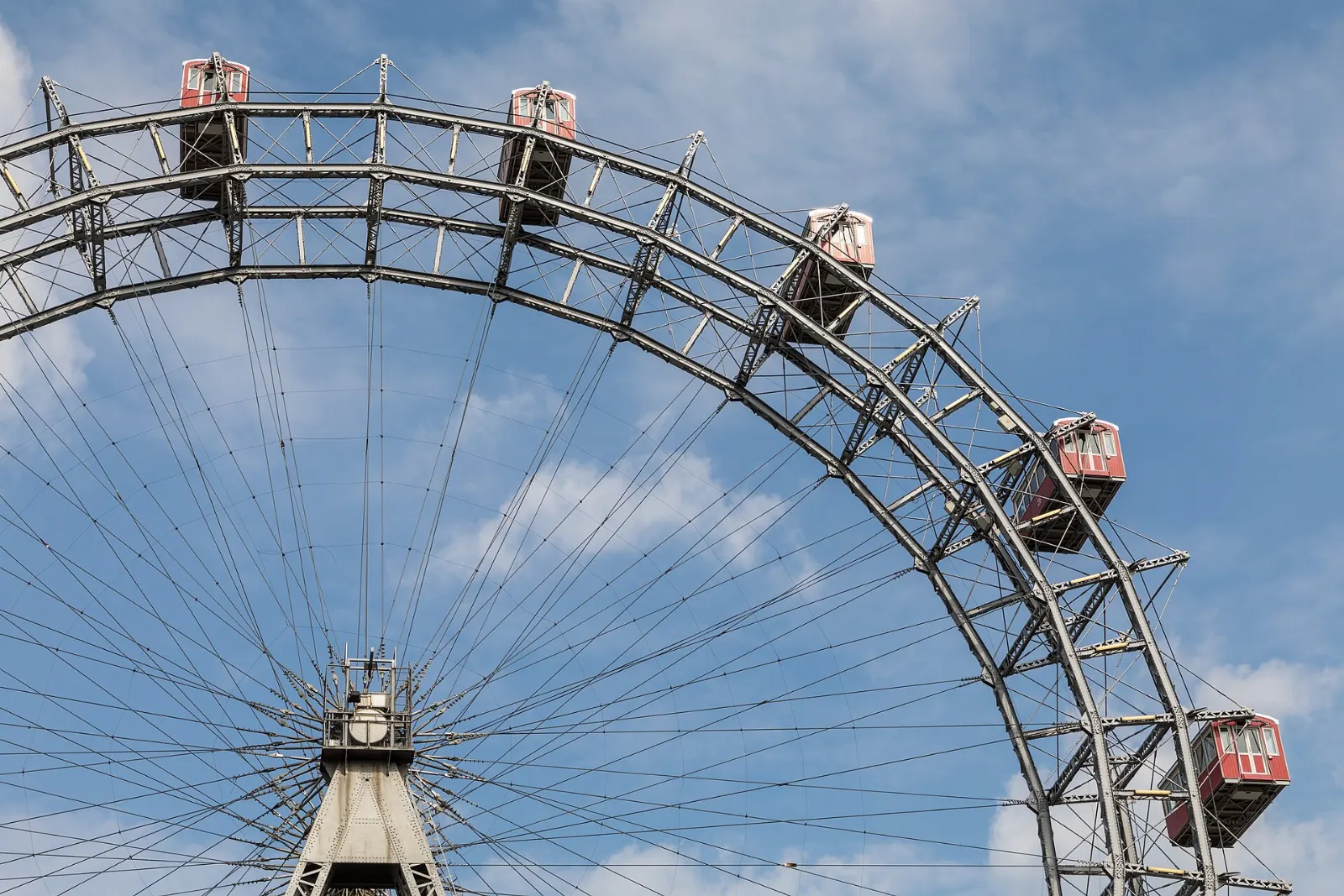
The Prater is a huge former imperial hunting ground in Leopoldstadt, now a public park with long tree-lined avenues and an amusement park at its entrance. Its symbol is the Riesenrad, a Ferris wheel built in 1897 and made famous by the film The Third Man. Allow two hours or more.
Hundertwasserhaus
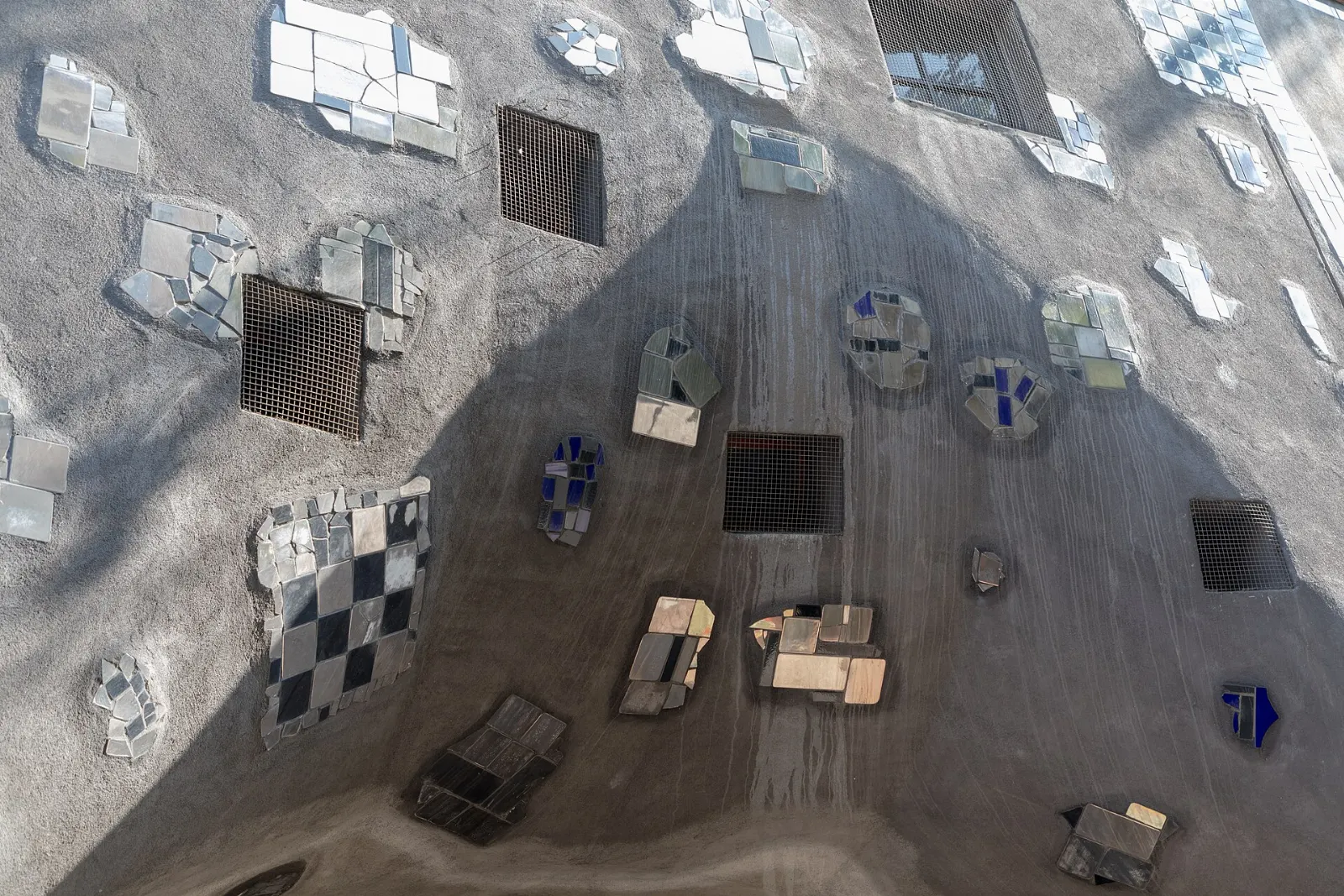
In the Landstraße district, this apartment building completed in 1985 rejects straight lines, with uneven floors, bright colors and trees growing from its balconies. It was conceived by the artist Friedensreich Hundertwasser. Allow 30 minutes.
Grinzing and the Vienna Woods
On the northern edge of the city, vineyard villages such as Grinzing, Heiligenstadt and Nussdorf are home to Heurigen, wine taverns serving the producer's own young wine. Above them rise the hills of the Vienna Woods, with Kahlenberg offering a panoramic view over the Danube and the city.
 Planning a trip to Vienna?Compare hotels, flights and vacation rentals for Vienna on Expedia.Book now
Food and local flavors
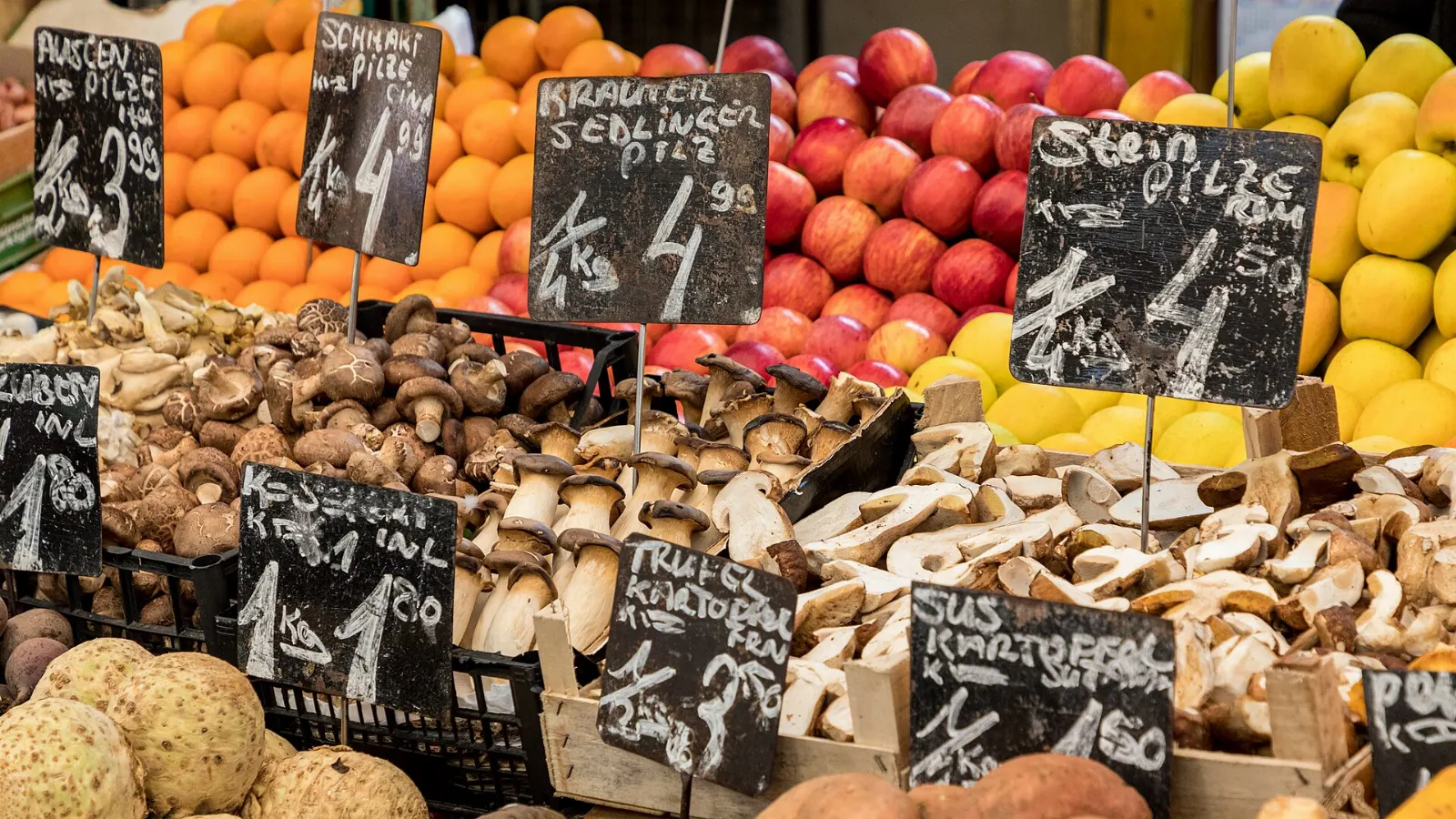
Viennese cuisine draws on the whole former empire. Wiener Schnitzel, a thin veal cutlet fried in breadcrumbs, is the classic, often served with potato salad.
The coffeehouse is an institution. Order a Melange and linger as long as you like; historic cafes such as Café Central, Café Sacher and the confectioner Demel are famous, though neighborhood cafes are quieter.
Popular dishes to try in Vienna


Where to stay
Innere Stadt (first district): inside the Ring and close to everything, ideal for first-time visitors who want to walk to the main sights; it is the most expensive area.
Neubau and Mariahilf (seventh and sixth districts): lively, creative neighborhoods with independent shops, cafes and bars near the MuseumsQuartier and Mariahilfer Strasse.
Wieden (fourth district): close to the Naschmarkt, Karlskirche and the Belvedere, with good transport and a relaxed residential feel.
Near Wien Hauptbahnhof: practical for travelers with early trains or day trips planned.
Where to stay in Vienna


Best time to visit
Spring and early autumn are the most comfortable seasons, with mild temperatures and gardens in bloom or turning gold. September is often warm and sunny, and the vineyard taverns are busy around harvest time.
Winter is cold and often gray, yet it is a special time to visit.
Getting there and getting around
Vienna International Airport is just outside the city near Schwechat. The City Airport Train and the slower, cheaper S-Bahn line S7 both run to Wien Mitte, while long-distance trains go directly to Wien Hauptbahnhof.
Getting around is easy. The U-Bahn metro, trams and buses run frequently and are integrated under one ticket system, and the historic center is compact enough to walk.
A suggested itinerary
First day
Start at St. Stephen's Cathedral and climb a tower, then stroll the Graben and Kohlmarkt to the Hofburg for the Imperial Apartments and the Sisi Museum.
Second day
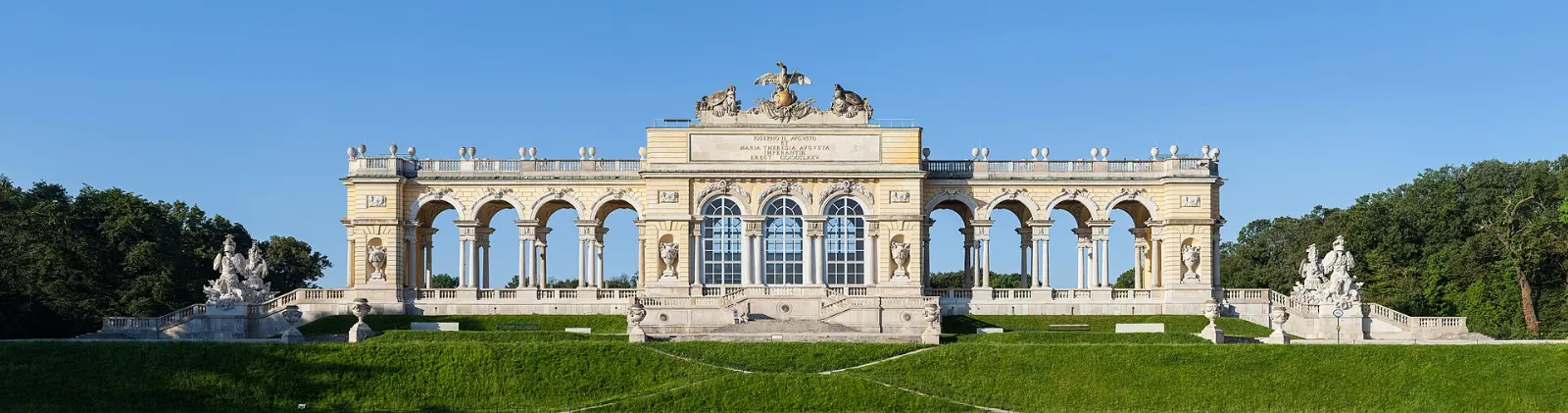
Spend the morning at Schönbrunn Palace and climb to the Gloriette. In the afternoon, visit the Belvedere to see Klimt's The Kiss.
Third day
Devote the morning to the Kunsthistorisches Museum, then explore the MuseumsQuartier.
Practical tips
- Book timed tickets for Schönbrunn, the Spanish Riding School and popular exhibitions online in advance.
- Buy a transit ticket or pass before boarding; there are no ticket barriers, but inspectors check and fines apply.
- Stand on the right on escalators and keep voices low on public transport, as locals do.
- Many shops close on Sundays; museums and cafes usually stay open.
- Rounding up the bill or adding around ten percent is the usual tip, given directly to your server.
- Dress smartly for the Opera and concerts, though a jacket and tie are not required for most performances.