WiserMap — Choose wisely. Connect locally.Choose wisely. Connect locally.Add your business
Maasai Mara, Kenya · Travel guide

Maasai Mara Kenya Great Migration and Big Cat Country

The Maasai Mara in southwest Kenya is one of the most famous wildlife areas on Earth. Its rolling grasslands, scattered with acacia trees and cut by the winding Mara and Talek rivers, form the northern part of the Serengeti-Mara ecosystem, which continues south across the border into Tanzania.

By WiserMap TravelUpdated October 2026 8 places9 min read
FacebookXLinkedIn

This guide covers the best places to visit in the Maasai Mara, from the river crossing points and Musiara Marsh to the Mara Triangle and the private conservancies on the reserve's northern edge.

At a glance Maasai Mara
  1. Best timeJuly to October for the migration; January to March for quieter dry-season game viewing.
  2. How longThree to four nights, ideally split between the reserve and a conservancy.
  3. Getting thereShort flights from Nairobi's Wilson Airport or a long drive via Narok.

Why visit the Maasai Mara

The Mara offers some of the most reliable game viewing in Africa. The open terrain makes animals easy to spot, and the density of predators is remarkable: lions, leopards, cheetahs, spotted hyenas and black-backed jackals all hunt here.

The Great Migration adds high drama in the dry months, when columns of wildebeest gather on the riverbanks and finally leap into currents patrolled by crocodiles. Yet the Mara is far from empty outside migration season, since resident wildlife stays all year.

The Mara River and the northern plains

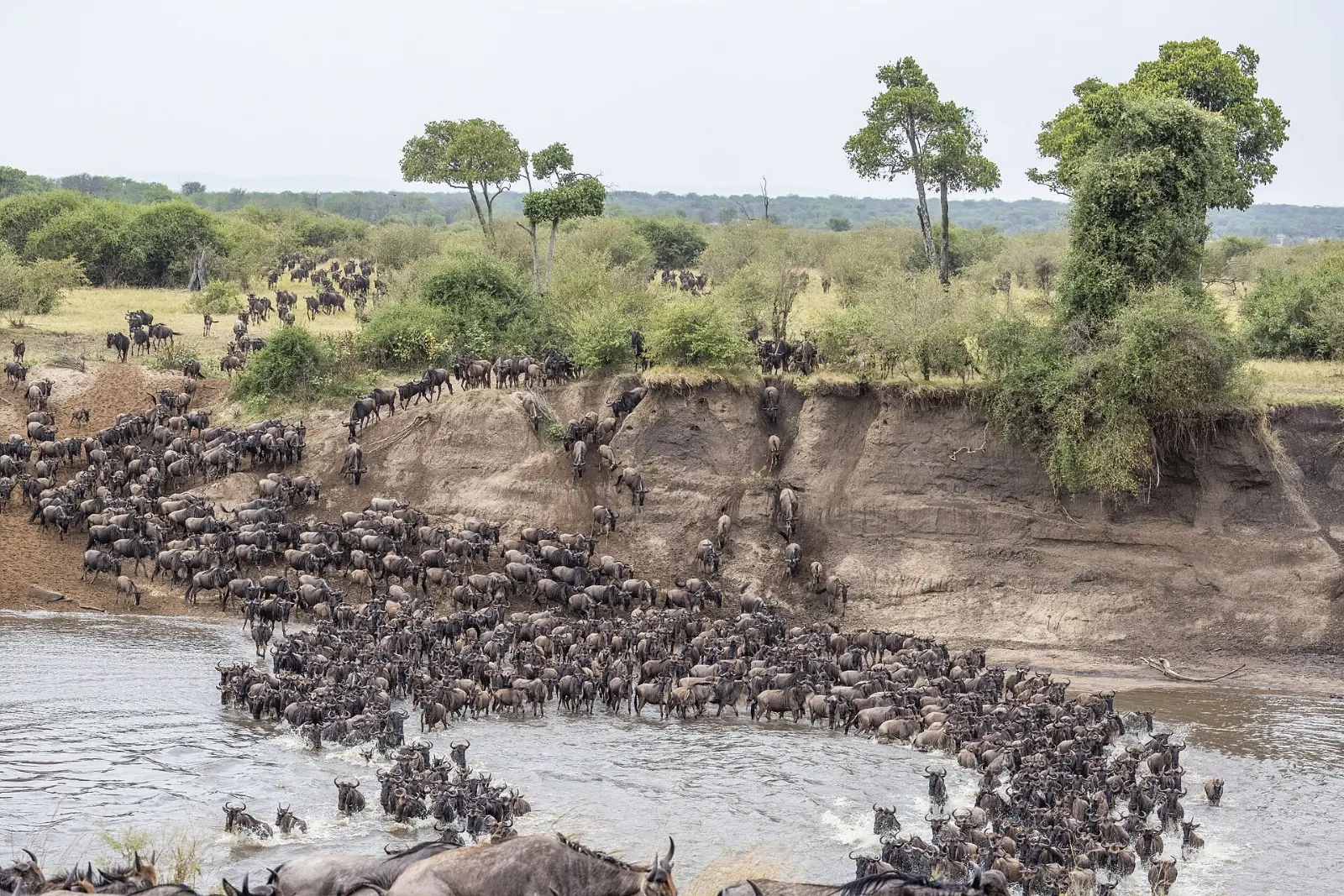
Wildebeest plunging down a steep bank into the Mara River during the migration, Maasai Mara, Kenya

Mara River crossing points

The Mara River flows from the Mau Forest highlands through the reserve and into Tanzania. During the migration, herds gather at traditional crossing points along steep banks, sometimes for hours, before one animal plunges in and thousands follow. Crocodiles wait in the water and lions often lurk nearby.

Wildebeest cross the Mara River in large herds during the annual migration, usually between July and October. Photo: Charles J. Sharp, Wikimedia Commons, CC BY-SA 4.0
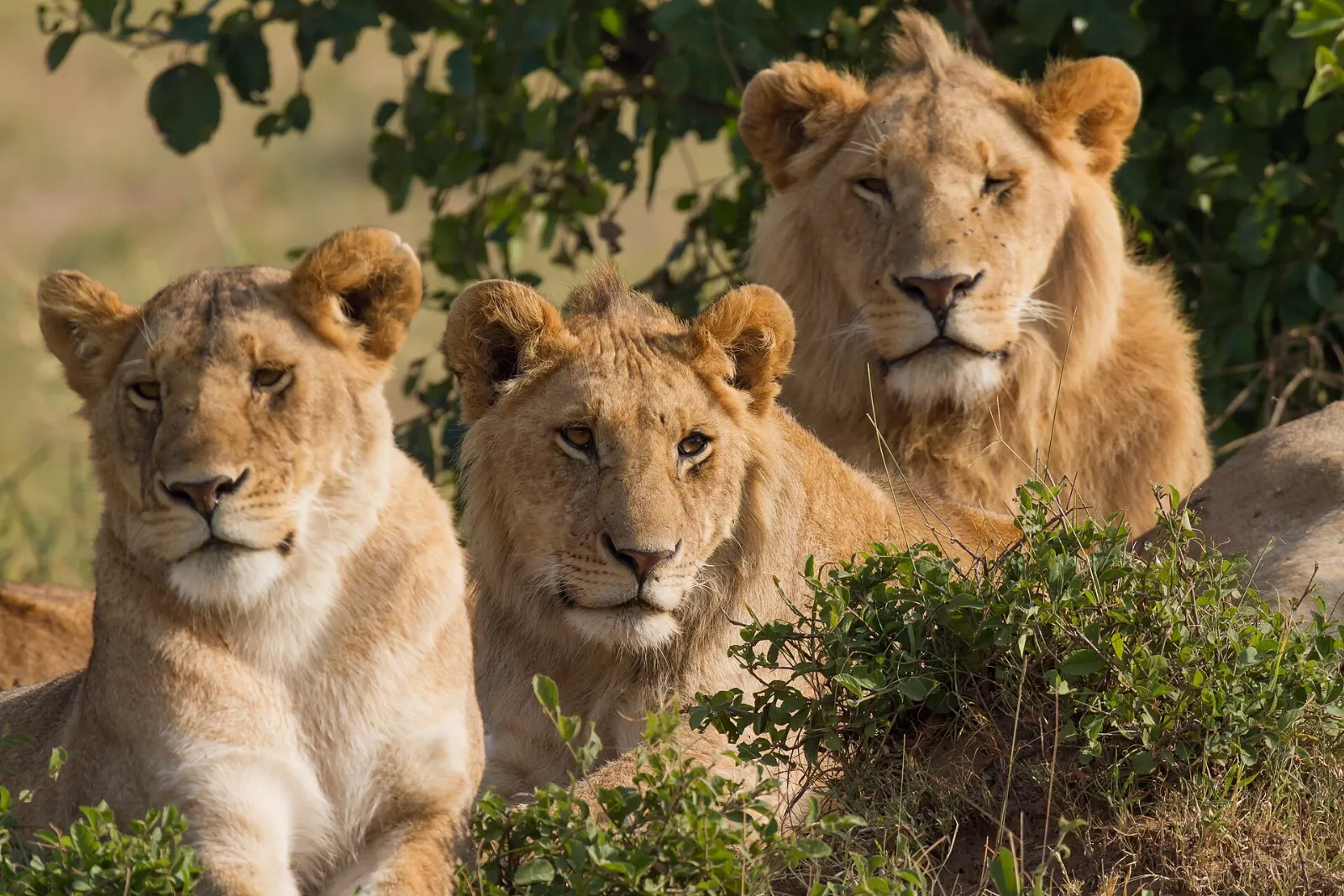
A pride of lions resting together in tall grass in the Maasai Mara, Kenya

Musiara Marsh

In the northwest of the reserve, Musiara Marsh is a permanent wetland that draws grazing animals, and therefore predators, throughout the year. It is the home ground of the Marsh Pride, a lion pride made famous on television, and buffalo, elephants and waterbuck are common.

The Maasai Mara supports one of the densest lion populations in Africa. Photo: Benh LIEU SONG, Wikimedia Commons, CC BY-SA 3.0

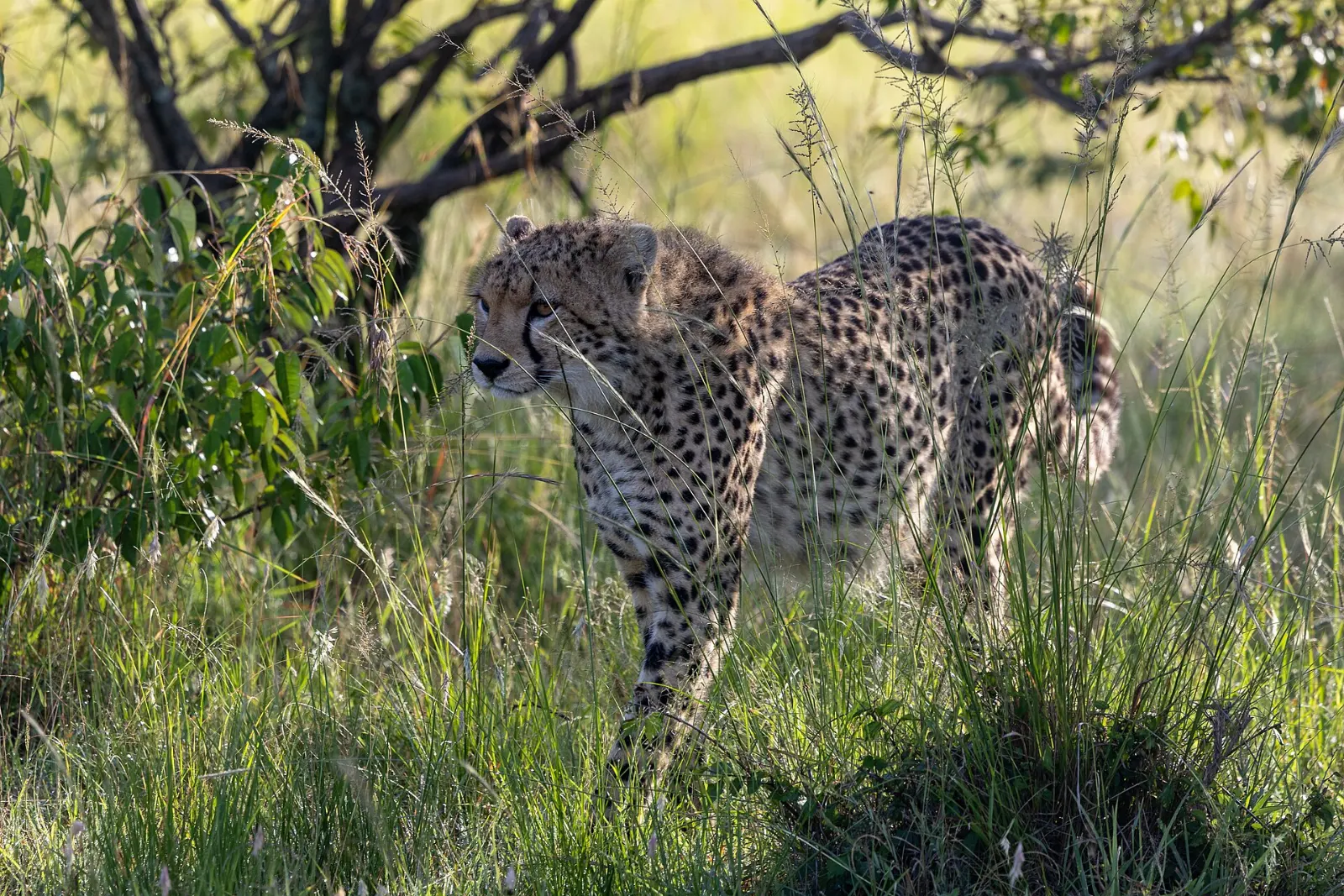
A cheetah sitting on a termite mound scanning the plains, Maasai Mara, Kenya

Talek River and the central plains

The central part of the reserve, around the Talek River, is known for cheetahs, which hunt across the short-grass plains, and for lion prides that rest in the shade of riverine trees. The area around Talek Gate and the Sekenani Gate road is busy, so a guide who knows quieter loops makes a big difference.

Beyond the big cats, the central plains are excellent for the supporting cast of the savanna. Look for topi standing sentry on termite mounds, Maasai giraffes browsing acacias, herds of elephants and buffalo moving toward the river, and ostriches striding across open ground.

Cheetahs often use termite mounds and vehicles as lookouts on the open plains of the Mara. Photo: Hobbyfotowiki, Wikimedia Commons, CC0

The Mara Triangle and the southern reserve

The long ridge of the Oloololo Escarpment rising above the Mara Triangle plains, Maasai Mara, Kenya

The Mara Triangle

West of the Mara River, the Mara Triangle is part of the national reserve but is managed separately by a non-profit organization, the Mara Conservancy. It is bordered by the Oloololo Escarpment on the west and Tanzania to the south.

The Oloololo Escarpment forms the western boundary of the Mara Triangle. Photo: Stumorrisonza, Wikimedia Commons, CC BY-SA 4.0

Keekorok and the Sand River

In the southern part of the reserve, the area around Keekorok has wooded hills and open grassland, and is often the first place the migration herds appear when they arrive from Tanzania.

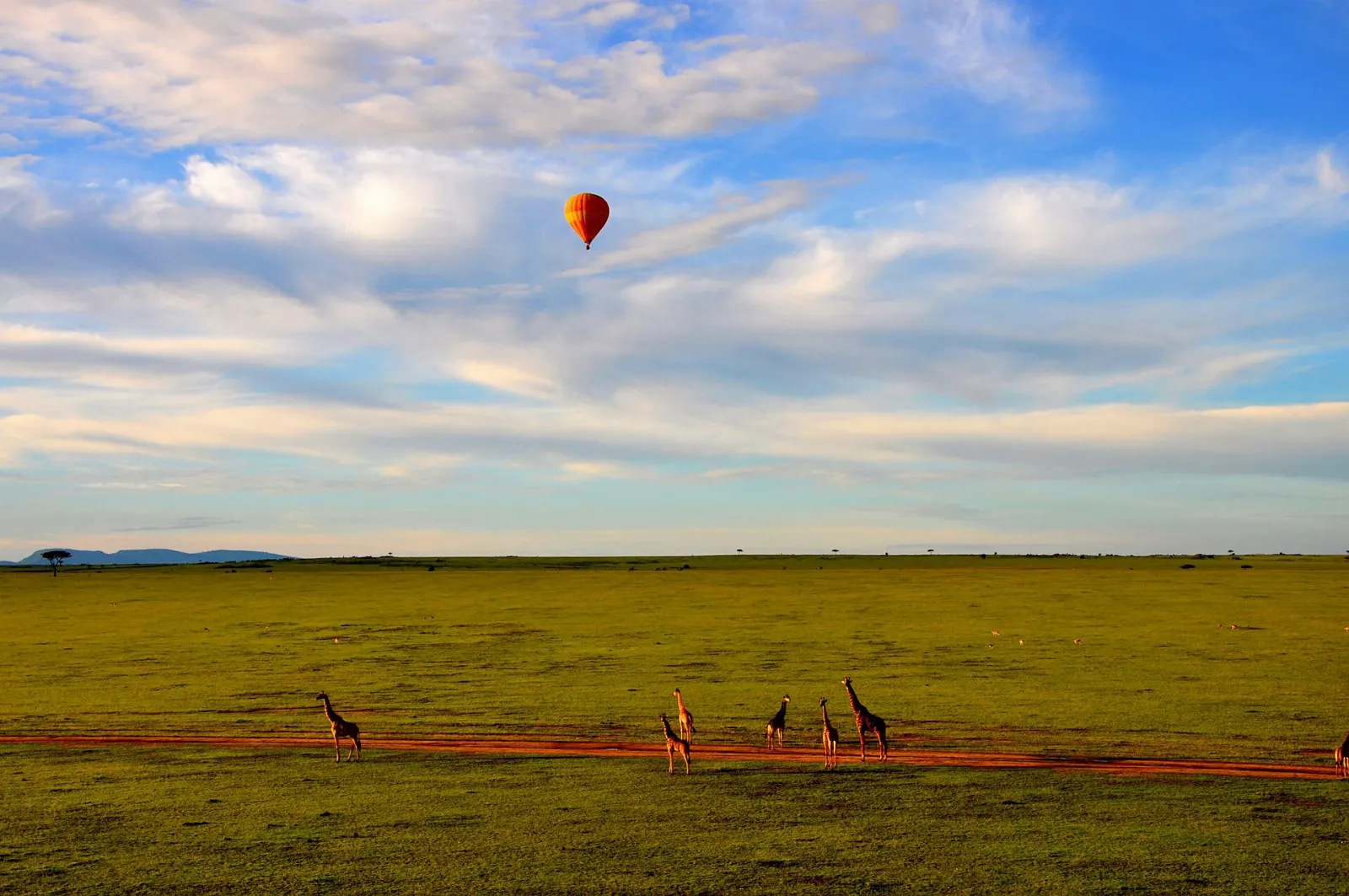
A hot-air balloon drifting low over the Mara plains at sunrise, Maasai Mara, Kenya

Balloon safaris over the plains

Dawn hot-air balloon flights are one of the signature experiences of the Mara. Balloons launch from several sites in the reserve and conservancies, drifting low over herds and rivers for about an hour before landing for a breakfast on the plains.

Balloon flights over the Mara launch at dawn and usually end with a breakfast on the plains. Photo: Wajahatmr, Wikimedia Commons, CC BY-SA 3.0

Conservancies and Maasai culture

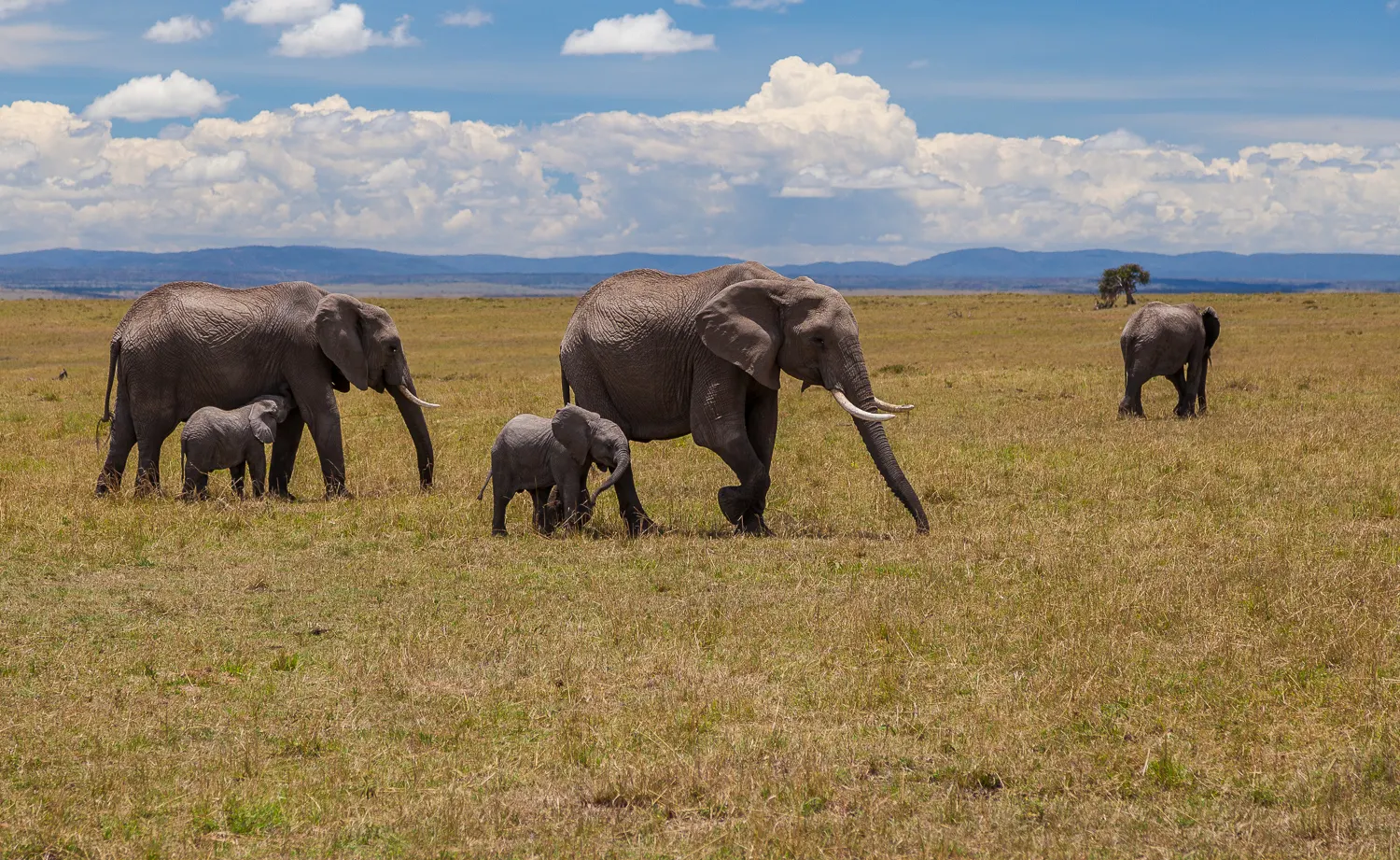
A family of elephants walking across grassland in the Maasai Mara, Kenya

The private conservancies

Surrounding the reserve to the north and east are community conservancies such as Mara North, Olare Motorogi, Naboisho and Ol Kinyei, created through agreements between camps and Maasai landowners. They limit the number of guests and vehicles, so you may share a lion sighting with only a couple of other vehicles instead of dozens.

Elephant herds move between the reserve and the surrounding conservancies. Photo: Svein-Magne Tunli - tunliweb.no, Wikimedia Commons, CC BY-SA 4.0

Maasai men in red shukas performing a traditional jumping dance, Maasai Mara, Kenya

Maasai villages and community visits

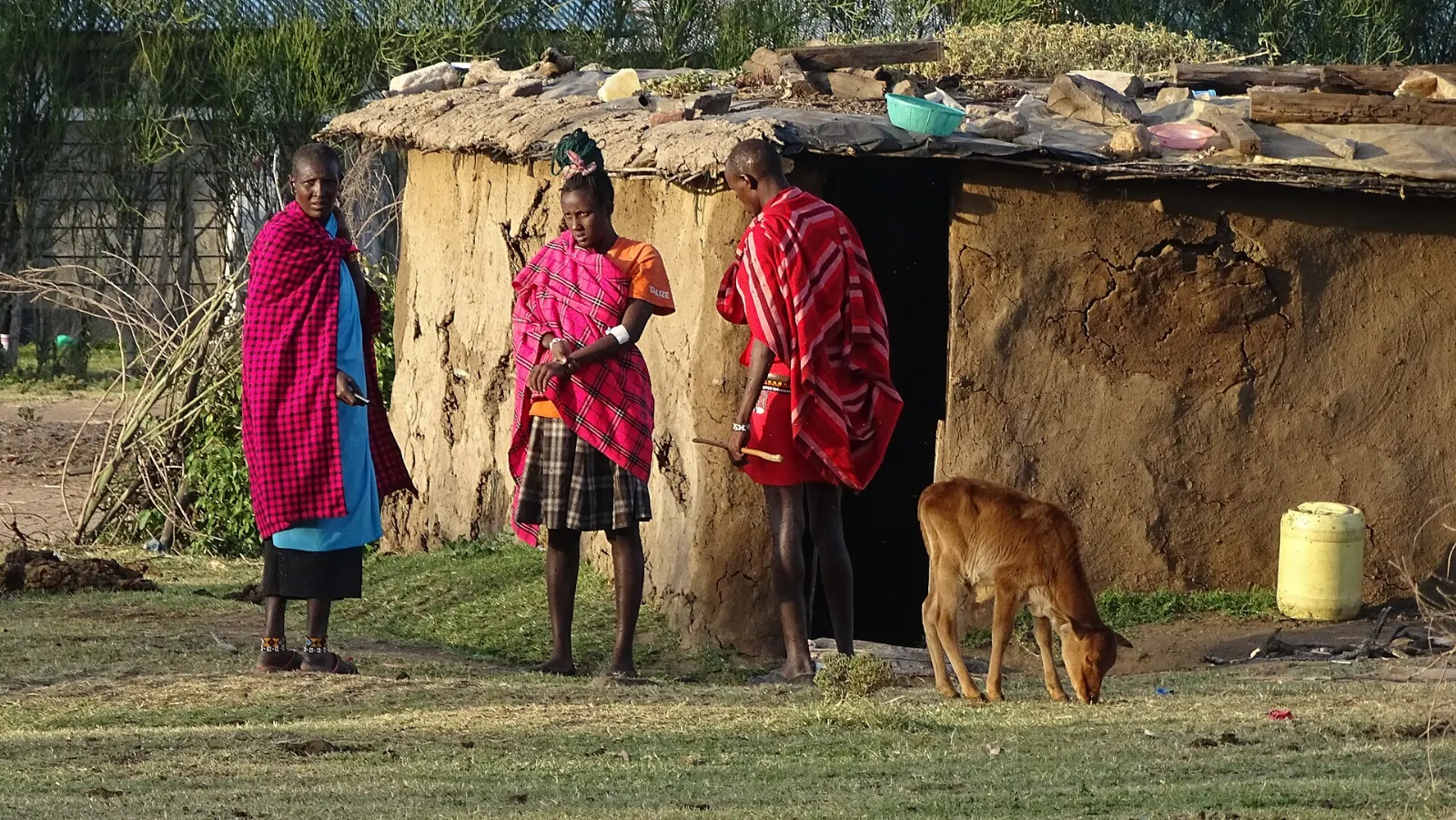
The Maasai are semi-nomadic pastoralists known for their red shukas, intricate beadwork and herding traditions. Many camps can arrange a visit to a nearby village, or manyatta, where you may see homes built of mud, sticks and dung, learn about cattle-keeping and watch the adumu jumping dance.

The adumu, or jumping dance, is performed by young Maasai men during ceremonies. Photo: BarcarolIa, Wikimedia Commons, CC BY-SA 4.0

Food and local flavors

Most visitors eat at their camp or lodge, where meals are included and usually mix international dishes with Kenyan staples.

Kenya grows excellent tea and coffee, and both are served at dawn before game drives. Many camps offer bush breakfasts, sundowner drinks on a hilltop and dinners under the stars.

A platter of grilled meat served with ugali and kachumbari, Maasai Mara, Kenya
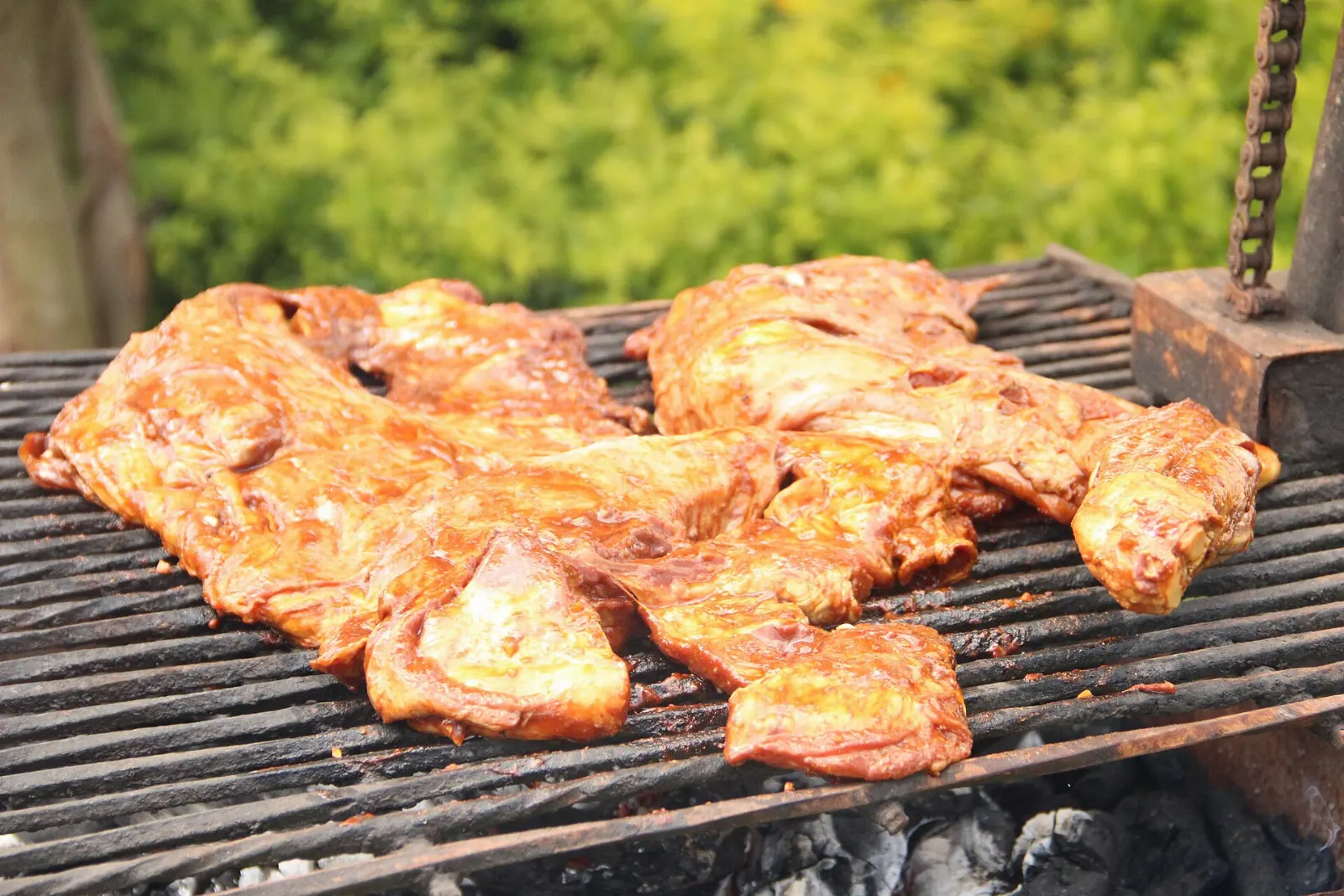
Nyama choma, or grilled meat, is a Kenyan favorite served with ugali and kachumbari salad.Photo: Kengitau254, Wikimedia Commons, CC BY-SA 4.0

Popular dishes to try in Maasai Mara

Nyama choma in Maasai Mara, Kenya
Nyama choma Look out for nyama choma, grilled goat or beef that is a Kenyan social favorite; ugali, a firm maize porridge eaten with the hands; sukuma wiki, sauteed collard greens; and…Photo: Kengitau254, Wikimedia Commons, CC BY-SA 4.0
Ugali in Maasai Mara, Kenya
Ugali Look out for nyama choma, grilled goat or beef that is a Kenyan social favorite; ugali, a firm maize porridge eaten with the hands; sukuma wiki, sauteed collard greens; and…Photo: Ntjalekesi, Wikimedia Commons, CC BY-SA 4.0
Sukuma wiki in Maasai Mara, Kenya
Sukuma wiki Look out for nyama choma, grilled goat or beef that is a Kenyan social favorite; ugali, a firm maize porridge eaten with the hands; sukuma wiki, sauteed collard greens; and…Photo: Nana Pearls, Wikimedia Commons, CC0
Chapati in Maasai Mara, Kenya
Chapati Chapati and pilau show the long influence of Swahili and Indian cooking along the coast, and mandazi, lightly sweet fried dough, is a common breakfast treat.Photo: Kritzolina, Wikimedia Commons, CC BY-SA 4.0
Where to stay

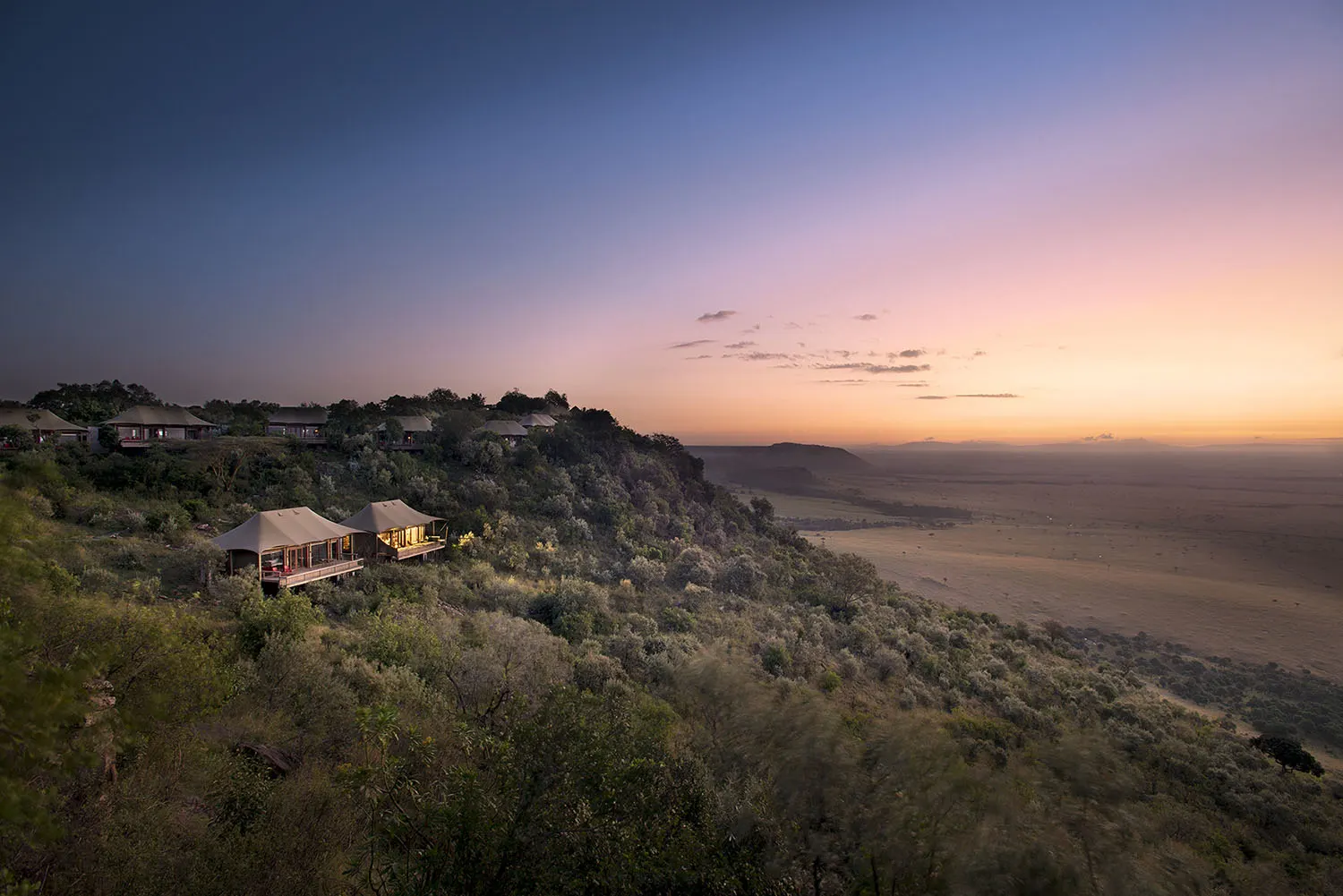
Inside the main reserve, camps near the Talek River and the central plains suit travelers who want to be in the thick of the action and close to the crossing points, with options across many budgets.

The Mara Triangle suits travelers who want river crossings with fewer vehicles. The conservancies, including Mara North, Olare Motorogi and Naboisho, suit those who want an exclusive experience with walking safaris and night drives; many visitors combine two nights there with nights in the reserve.

Where to stay in Maasai Mara

Talek River, Maasai Mara, Kenya
Talek River Where to stayInside the main reserve, camps near the Talek River and the central plains suit travelers who want to be in the thick of the action and close to the crossing…Photo: Daniel Case, Wikimedia Commons, CC BY-SA 4.0
Naboisho, Maasai Mara, Kenya
Naboisho The conservancies, including Mara North, Olare Motorogi and Naboisho, suit those who want an exclusive experience with walking safaris and night drives; many visitors combine…Photo: Dwergenpaartje, Wikimedia Commons, CC BY-SA 4.0
Best time to visit

The Great Migration is usually in the Mara between July and October, with the most frequent river crossings typically in August and September. This is peak season, with the busiest roads and highest demand for camps.

From late December to March the weather is mostly dry and warm, animals are easy to find, and vehicle numbers drop.

Getting there and getting around

International flights arrive at Jomo Kenyatta International Airport in Nairobi.

Inside the reserve you travel by safari vehicle with a guide, either from your camp or a tour operator; self-driving is possible but not recommended for first-time visitors.

A suggested itinerary

First day

Fly from Wilson Airport to a Mara airstrip and meet your guide.

A group of hippos crowded together in the brown water of the Mara River, Maasai Mara, Kenya

Second day

Leave before dawn with a packed breakfast and spend the day along the Mara River, waiting for crossings during migration season or watching hippos and crocodiles at other times of year.

Hundreds of hippos live in the pools of the Mara River. Photo: Christoph Strässler, Wikimedia Commons, CC BY-SA 2.0

Third day

Take a sunrise balloon flight, then explore Musiara Marsh or the Mara Triangle.

Fourth day

Move to a conservancy for a guided bush walk in the morning and a night drive to look for nocturnal animals such as hyenas, genets and bushbabies.

Practical tips

  • Apply for your Kenyan travel authorization online well before departure and keep a copy with you.
  • Book camps and flights for July to October many months ahead.
  • Pack soft-sided luggage to meet small-aircraft limits, along with neutral-colored clothing and a warm layer.
  • Bring binoculars and a camera with a zoom lens; animals are often far away.
  • Stay inside the vehicle unless your guide says otherwise, and never call out or make noise to attract animals.
  • Talk to a travel health clinic about malaria prevention and recommended vaccinations.
  • Ask before photographing people, and buy crafts directly from community projects.
Maasai MaraWISERMAP PLACEMaasai Mara: photos, reviews & things to doSee traveler photos and reviews, or share your own →

More places to visit

All travel guides →