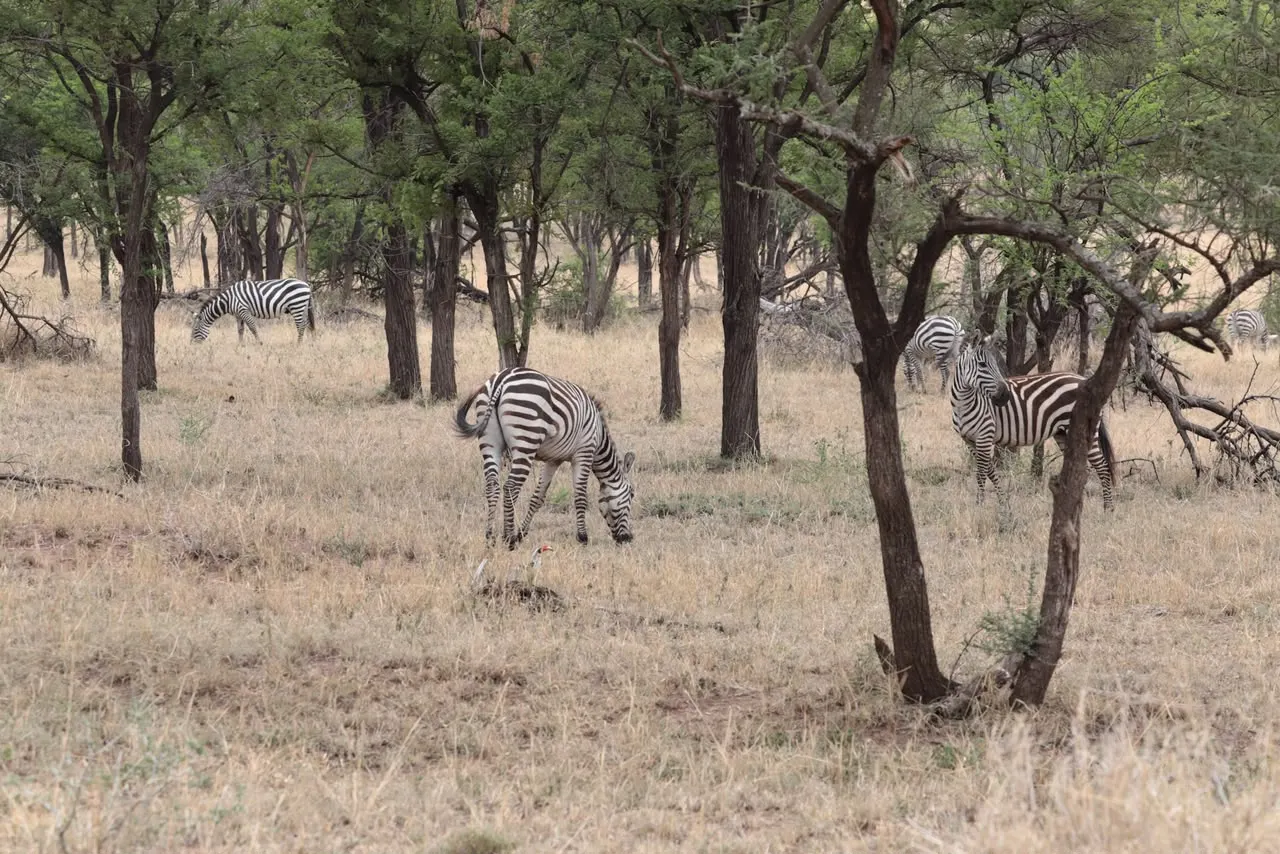
Serengeti National Park covers roughly 14,750 square kilometres of grassland, savanna, riverine forest and granite outcrops in northern Tanzania. Its name comes from a Maa word often translated as endless plains, and standing on the southern grasslands, with nothing but grass and sky in every direction, it is easy to see why.
AT A GLANCE
Best time
June to October for dry-season viewing and Mara River crossings; January to March for the calving season in the south.
How long
Three to five nights in the park, often combined with Ngorongoro Crater and Tarangire.
Getting there
Fly into Kilimanjaro International Airport, then drive from Arusha or take a light aircraft to a park airstrip.
Why visit Serengeti National Park
The Serengeti offers wildlife viewing on a scale few places can match. Its lion population is one of the largest in Africa, and leopards, cheetahs, spotted hyenas, elephants, giraffes, buffalo and countless antelope are found across its varied habitats.
It is also a landscape of striking variety. Rocky kopjes rise like islands from the grass, rivers lined with fig and sausage trees cut through the plains, and the hills and woodlands of the north feel completely different from the open south.
Central Serengeti: Seronera and the river valleys
The central region around Seronera has permanent water, so wildlife is present all year. It is the most visited part of the park and the easiest to combine with other areas.
Seronera River valley
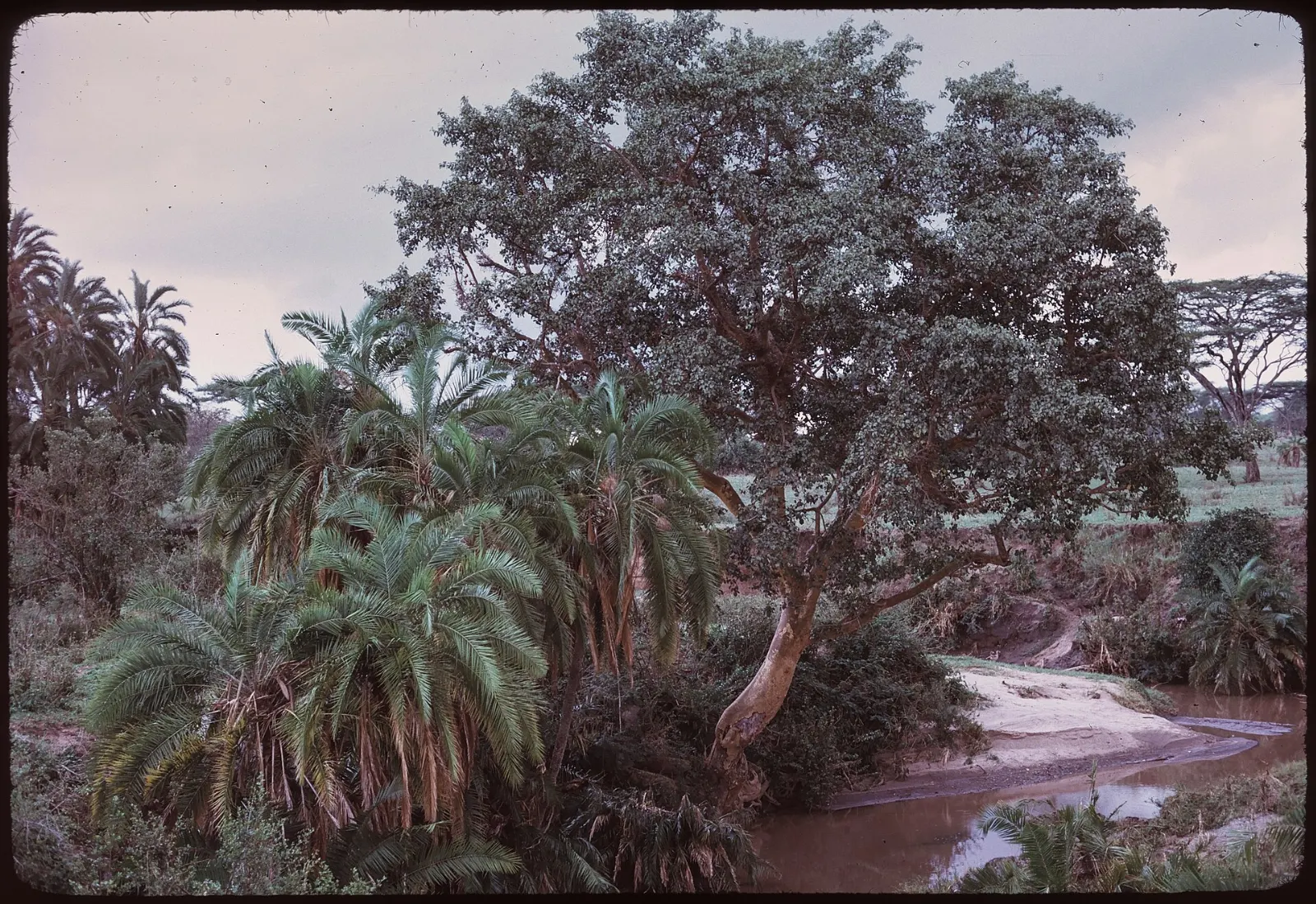
The Seronera River and its tributaries are lined with acacias and sausage trees, and the valley is famous for leopards resting in branches and lions lounging on nearby kopjes.
Retima Hippo Pool
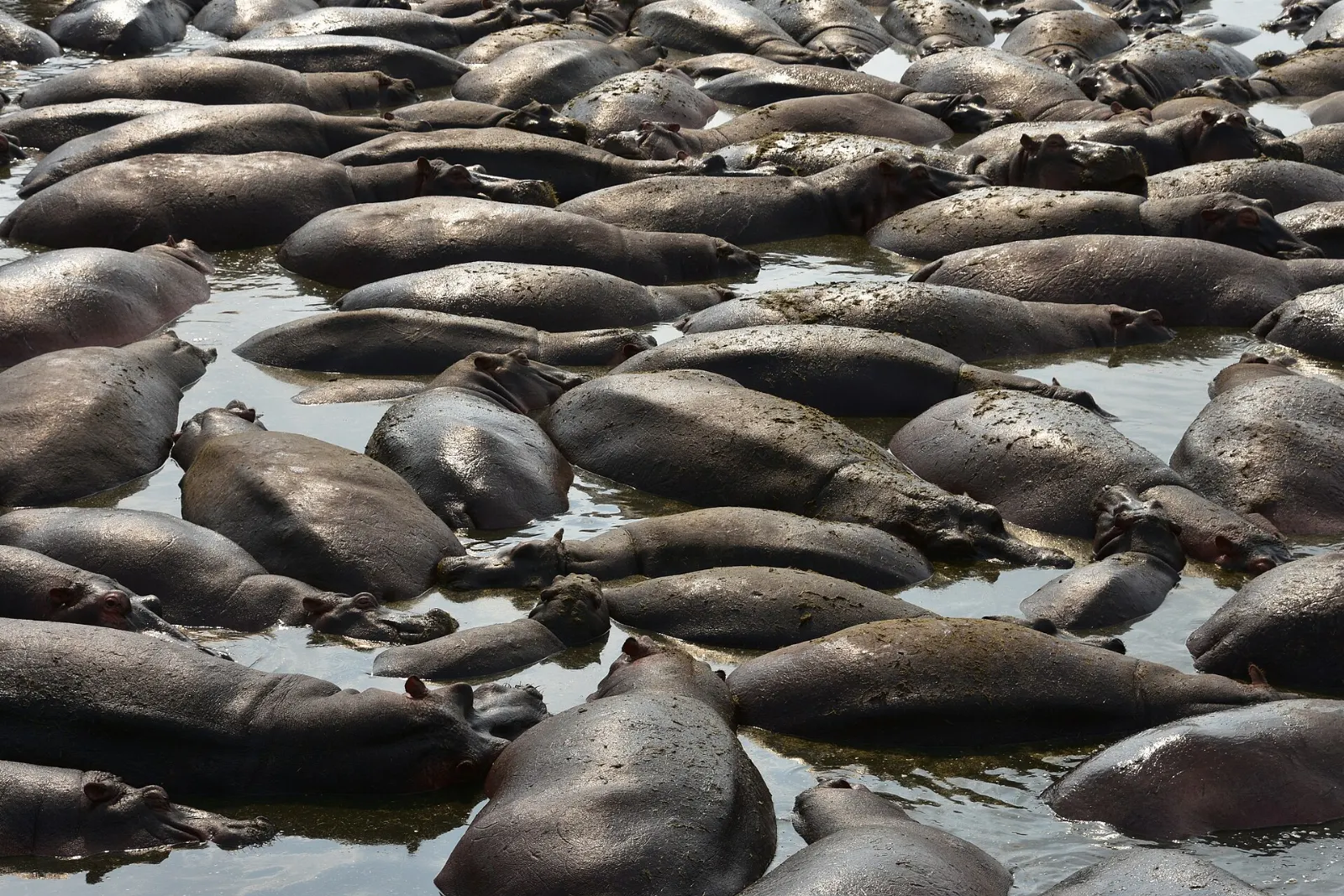
North of Seronera, Retima Hippo Pool is a bend in the river where dozens of hippos crowd together, grunting and splashing.
Serengeti Visitor Centre
Near Seronera, the visitor centre has displays on the ecosystem and the migration, and a short trail winds over a kopje with information panels, giving you a chance to stretch your legs.
Hot air balloon safari
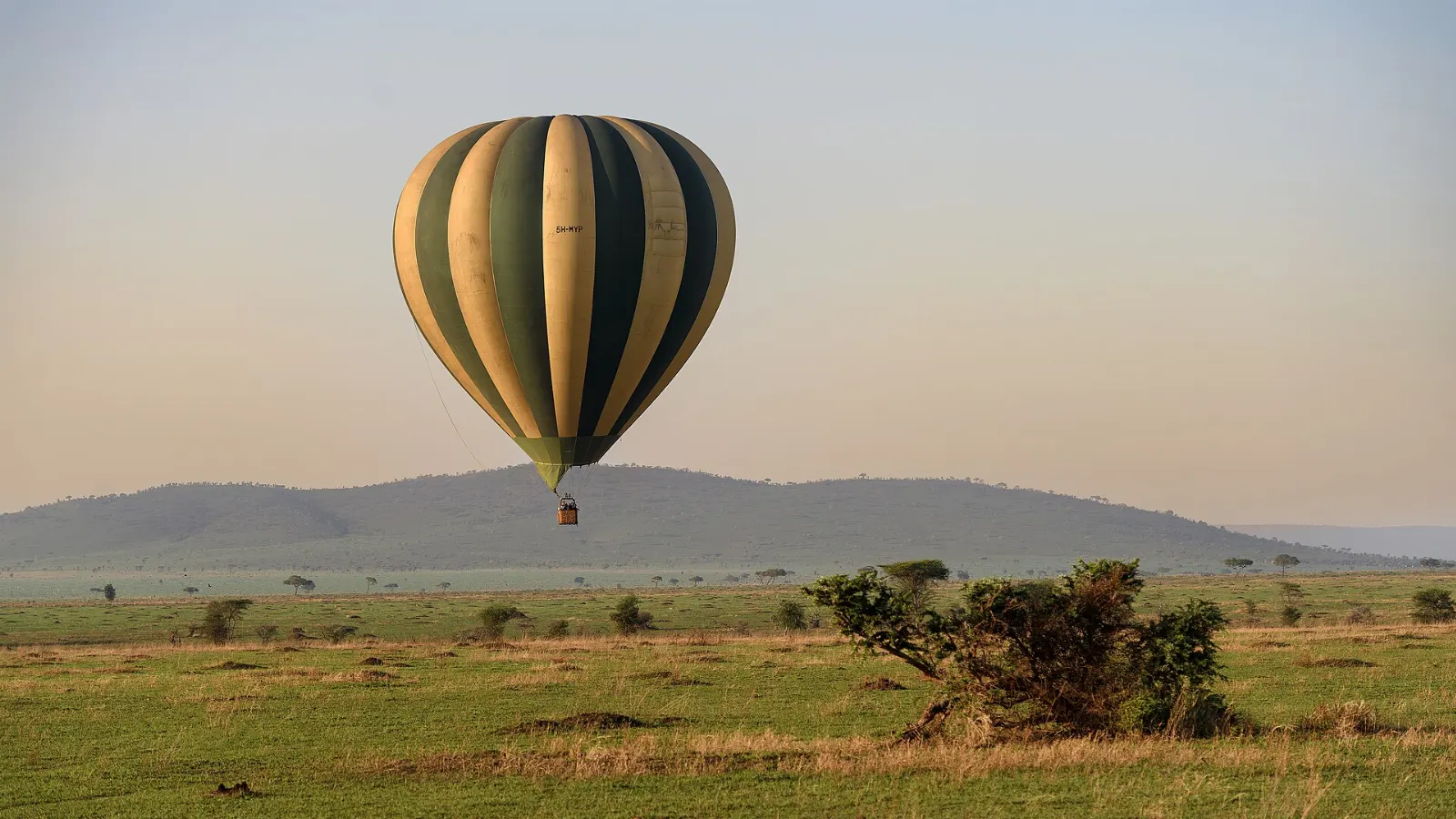
Balloon flights depart at dawn from the Seronera area and other parts of the park, drifting low over the plains and river valleys before landing for a bush breakfast.
Southern Serengeti: kopjes and the calving grounds
Moru Kopjes
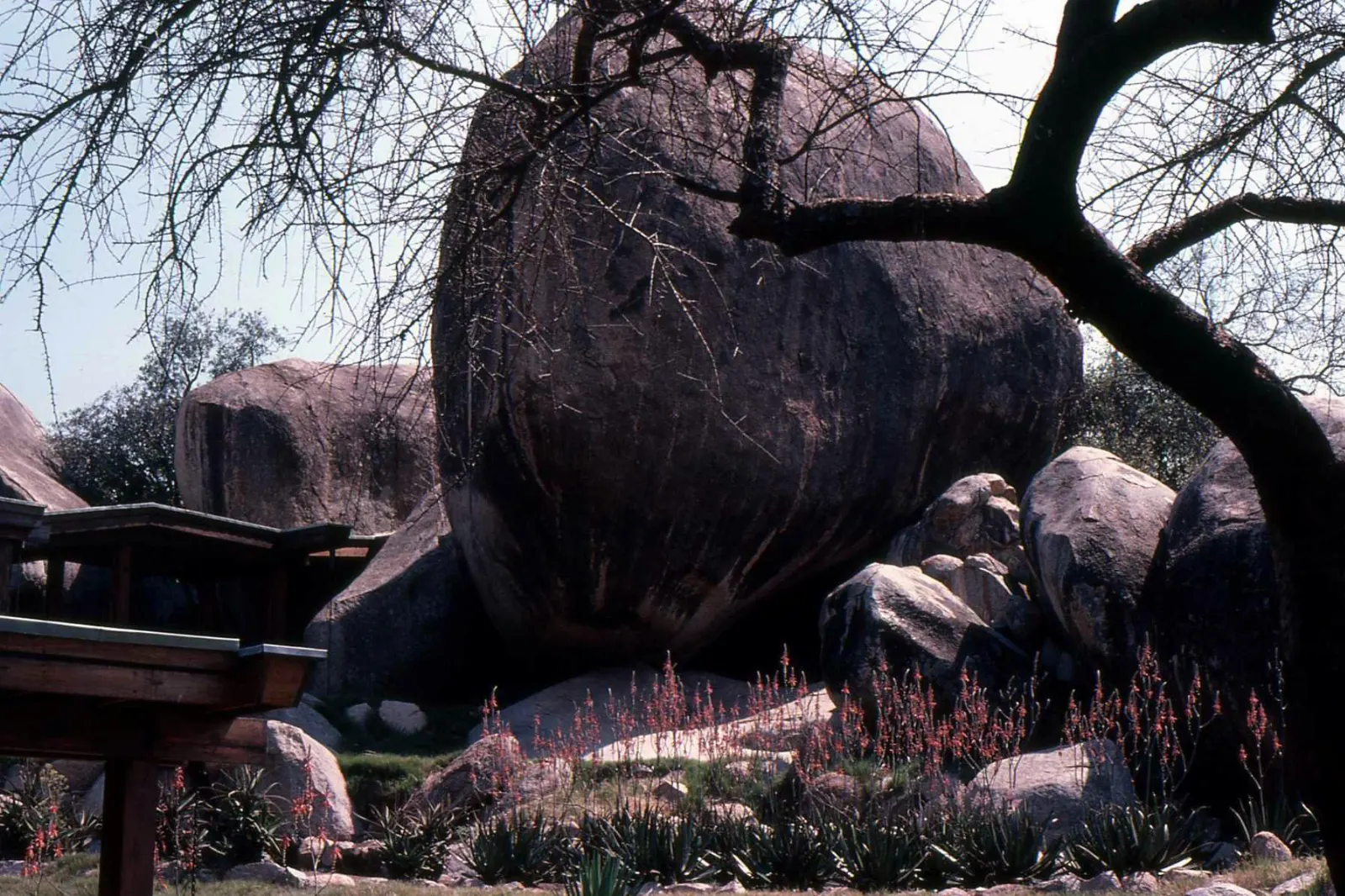
The Moru Kopjes are a cluster of granite outcrops in the south-central part of the park.
Gol Kopjes
On the short-grass plains of the southeast, the Gol Kopjes are known for cheetahs, which use the rocks as lookouts over the open grassland. During the wet season, the surrounding plains fill with grazing herds.
Ndutu and the southern plains
From about December to March, the migrating herds gather on the southern plains around Lake Ndutu and Lake Masek, on the border of the Serengeti and the Ngorongoro Conservation Area.
Naabi Hill Gate
Naabi Hill is the main entrance for travelers arriving from Ngorongoro, and the short trail to the top of the hill offers a broad view over the plains. It is worth half an hour while your guide handles the entry paperwork.
The Western Corridor and the northern Serengeti
Grumeti River and the Western Corridor
The Western Corridor extends toward Lake Victoria along the Grumeti River. Around June and July, the migrating herds often pass through here, crossing the Grumeti, where very large Nile crocodiles wait in the pools.
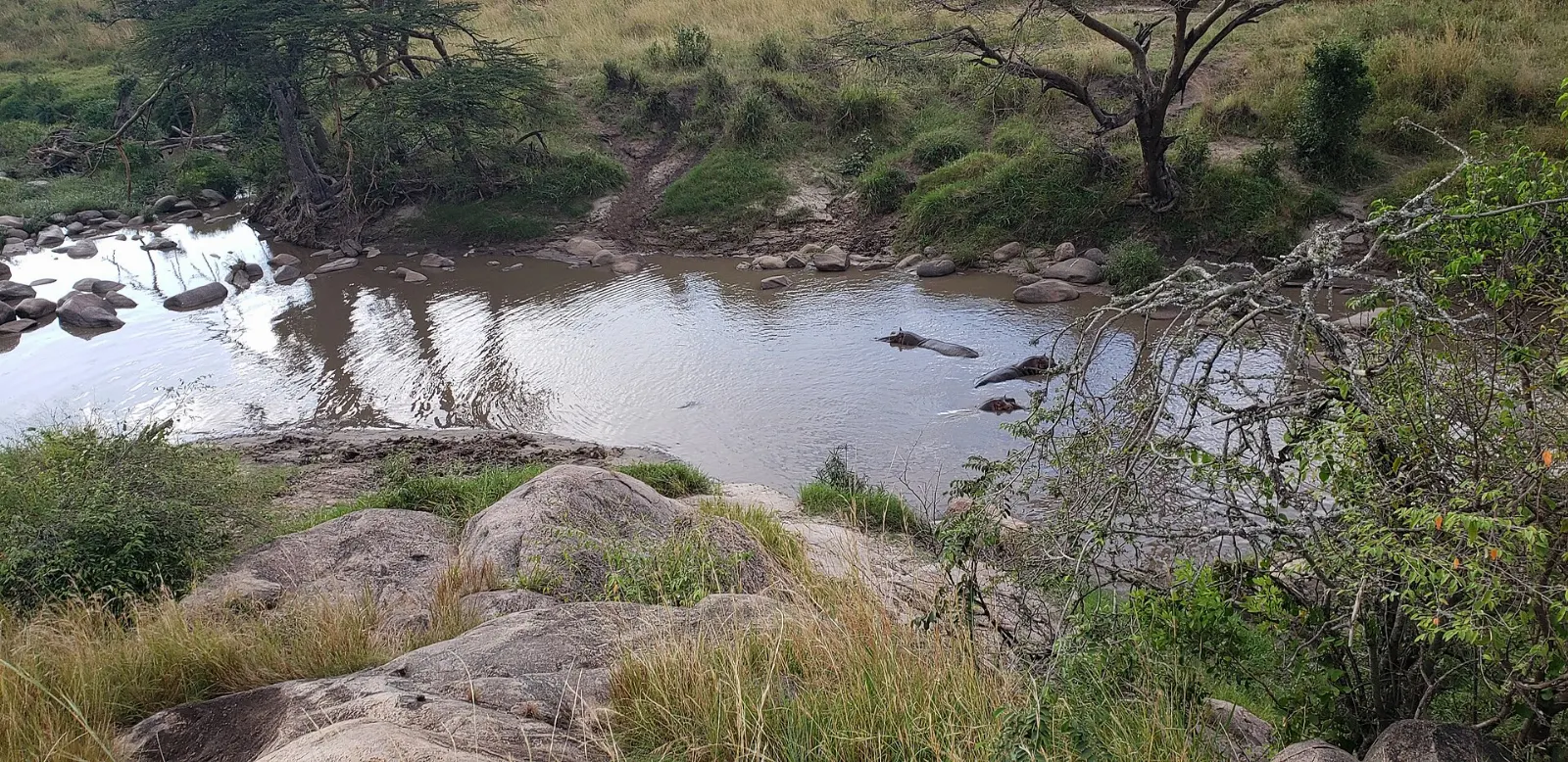
Mara River at Kogatende
In the far north, the Mara River is the setting for the most famous migration scenes. Typically from about July to October, herds gather along the banks and plunge across, sometimes several times in a day, braving crocodiles and strong currents.
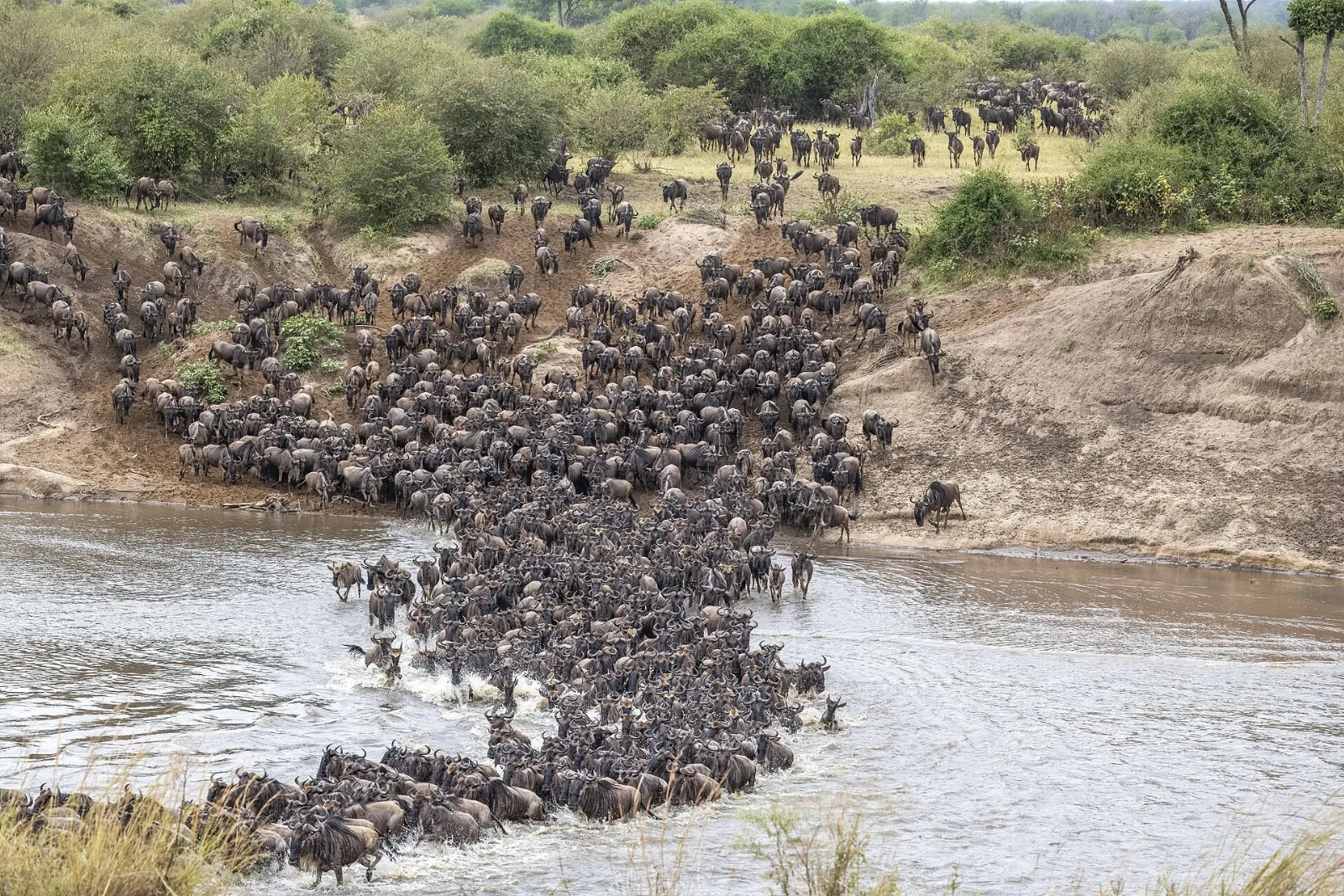
Lobo Valley
The Lobo area in the northeast is a landscape of hills, kopjes and woodland that sees far fewer vehicles than Seronera. It holds resident lions, elephants and buffalo, and the migration passes through on its way north and south.
Olduvai Gorge on the way in
Most road trips to the Serengeti pass through the Ngorongoro Conservation Area, where Olduvai Gorge is one of the most important sites in the study of human origins.
 Planning a trip to Serengeti National Park?Compare hotels, flights and vacation rentals for Serengeti National Park on Expedia.Book now
Food and local flavors
Within the park, meals are provided by lodges and camps, often with picnic lunches packed for full-day drives.
Before or after your safari, Arusha is the place to explore local food. The central market sells tropical fruit, spices and fresh produce, and small local restaurants serve hearty stews and grills.
Popular dishes to try in Serengeti National Park


Where to stay
Central Serengeti around Seronera suits first-time visitors and shorter trips, with year-round wildlife and the widest range of lodges, tented camps and public campsites.
The southern plains and Ndutu area suit visitors traveling from December to March for the calving season.
The northern Serengeti around Kogatende and Lobo suits those focused on the Mara River crossings from July to October.
Mobile tented camps follow the migration through the year, offering the chance to stay close to the herds in each season.
Where to stay in Serengeti National Park


Best time to visit
The long dry season, from about June to October, is the most popular time. Vegetation thins, animals gather near water and the migration moves north through the Western Corridor toward the Mara River.
The short rains usually fall in November and December, bringing green grass and the herds back south.
Getting there and getting around
Most international travelers fly into Kilimanjaro International Airport, between Arusha and Moshi.
Most visitors explore with a licensed guide and safari vehicle, either on a private or group safari. Self-driving is possible but challenging, given rough roads and long distances.
A suggested itinerary
First day
Drive from Arusha via Ngorongoro, stopping at Olduvai Gorge, and enter at Naabi Hill.
Second day
Take a dawn balloon flight or an early game drive along the Seronera River, then visit the visitor centre and Retima Hippo Pool.
Third day
Spend the day exploring the Moru Kopjes, looking for lions on the rocks and visiting Gong Rock and the rock paintings.
Fourth day
Follow the migration according to the season: south to Ndutu in the calving months, west to the Grumeti in early dry season or north to the Mara River from July onward.
Fifth day
Enjoy a final morning drive before flying back to Arusha from the nearest airstrip.
Practical tips
- Book lodges and camps well in advance for July to October and the calving season.
- Speak to a travel doctor about malaria prevention and recommended vaccinations, and check whether a yellow fever certificate is required for your route.
- Pack neutral-colored clothing, a warm layer for early mornings and a wide-brimmed hat.
- Bring binoculars and a camera with a zoom lens; animals are often at a distance.
- Respect light-aircraft luggage limits, which usually require soft bags.
- Ask permission before photographing people, particularly in Maasai villages outside the park.