WiserMap — Choose wisely. Connect locally.Choose wisely. Connect locally.Add your business
Amsterdam, Netherlands · Travel guide

Amsterdam Netherlands Canals Bikes and the Rijksmuseum

Amsterdam packs an extraordinary amount into a compact, walkable center.

By WiserMap TravelUpdated October 2026 9 places10 min read
FacebookXLinkedIn

This guide covers the best places to visit in Amsterdam, how to get timed museum tickets, which neighborhoods to explore and stay in, what to eat, and how to move around like a local.

At a glance Amsterdam
  1. Best timeApril to June for tulips and long days; September for mild weather and fewer crowds.
  2. How longThree to four days for the main museums and neighborhoods, plus a day trip.
  3. Getting thereFly into Schiphol and take the train to Centraal Station, or arrive by international train.

Why visit Amsterdam

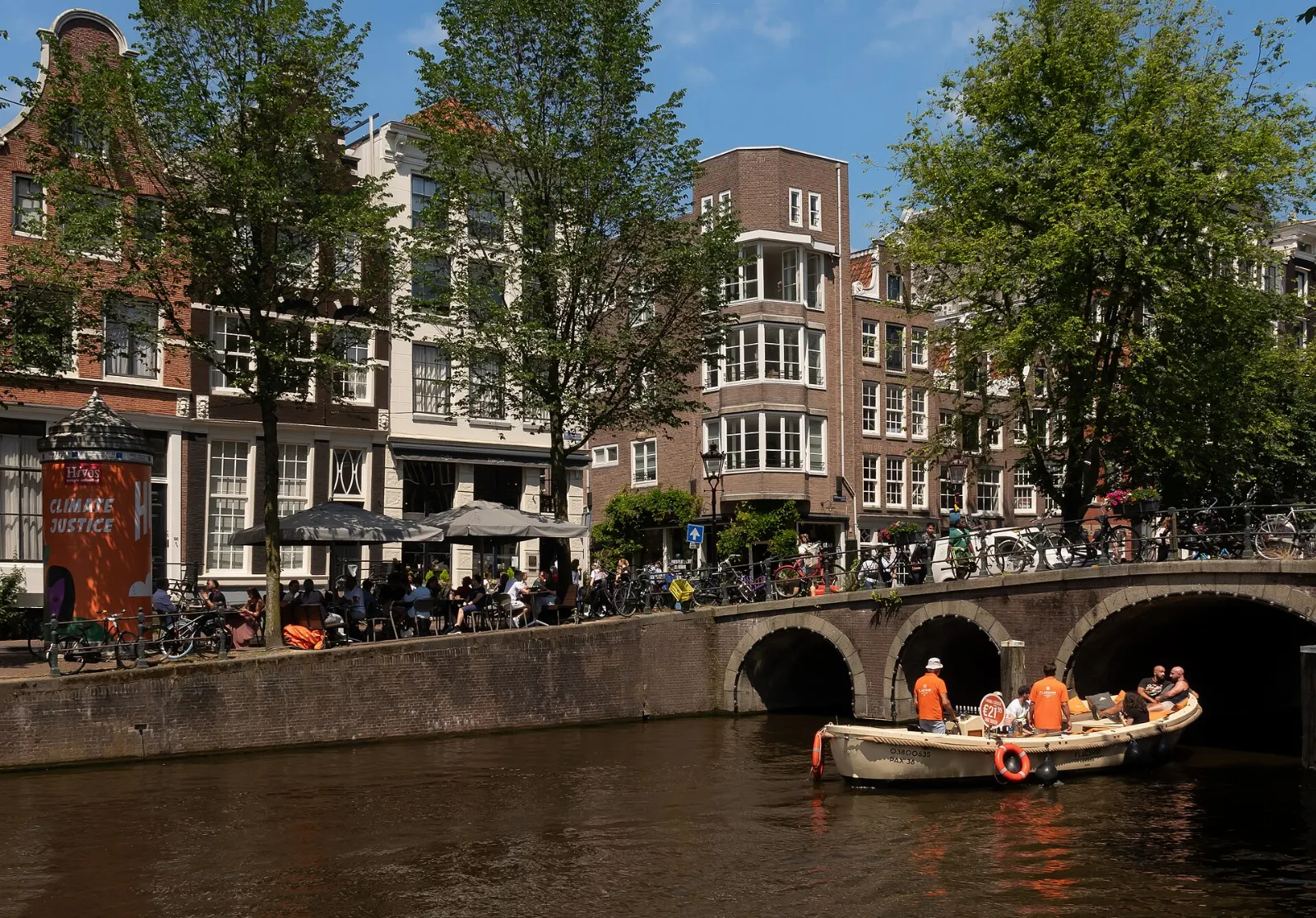
Amsterdam grew from a dam on the Amstel river into the richest port in the world during the Dutch Golden Age of the seventeenth century. Merchants built the concentric canal ring, with the Herengracht, Keizersgracht and Prinsengracht at its heart, as a planned expansion lined with grand homes and warehouses.

The city also carries the weight of twentieth-century history, most movingly at the Anne Frank House, and has long been a place of trade, tolerance and creativity.

The canal ring and old center

Canal ring and canal cruises

The single best introduction to Amsterdam is simply to wander the canal belt, especially the stretches of the Herengracht known as the Golden Bend and the quieter Prinsengracht and Keizersgracht. Look up at the gables, some with hoisting beams still used to haul furniture through upper windows.

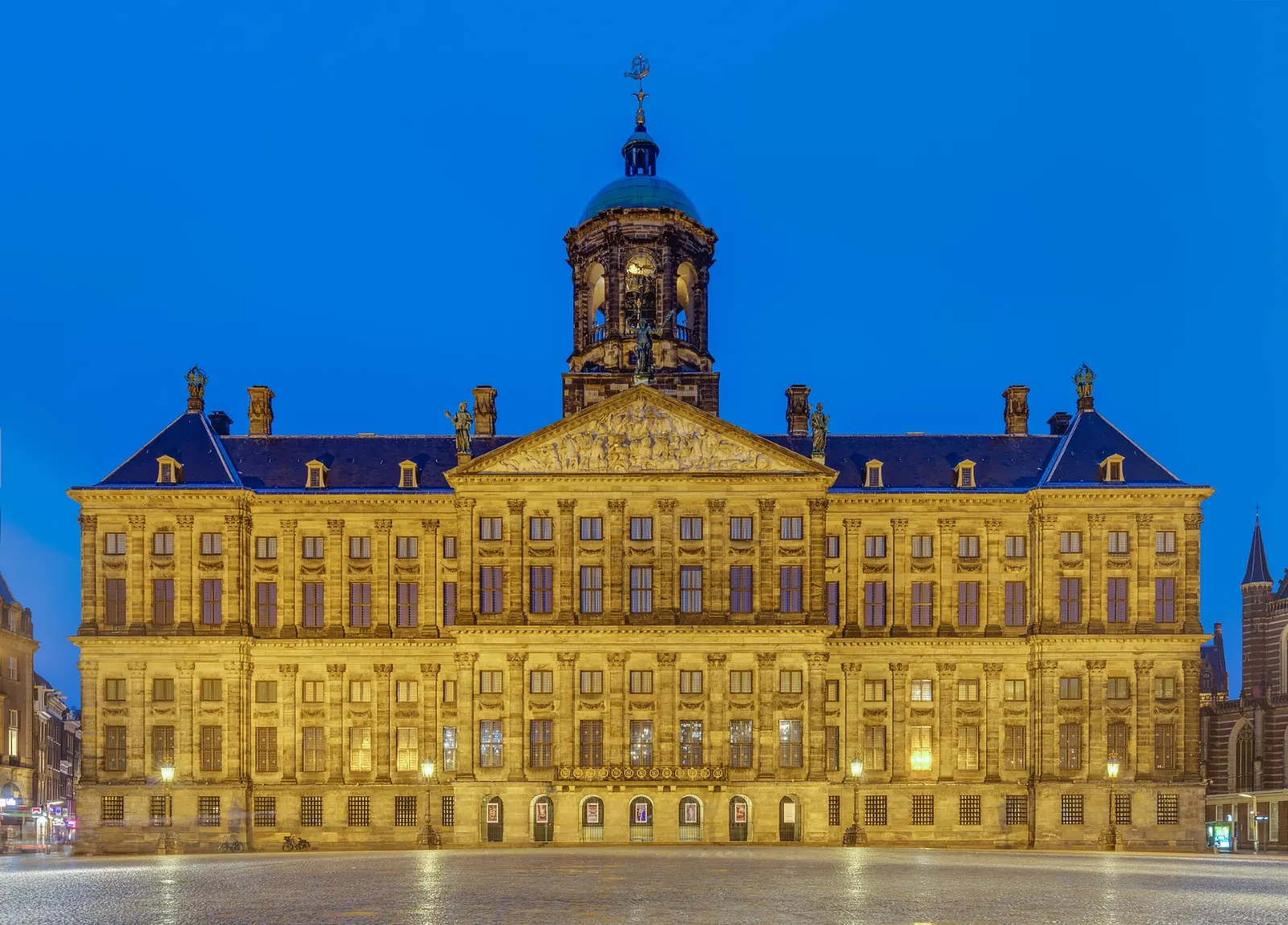
The classical facade of the Royal Palace overlooking Dam Square, Amsterdam, Netherlands

Dam Square and the Royal Palace

Dam Square marks the site of the original dam on the Amstel and is the busy heart of the old city. On its west side stands the Royal Palace, built in the seventeenth century as the city hall and later converted into a royal residence.

The Royal Palace on Dam Square was built in the seventeenth century as Amsterdam's city hall. Photo: Diego Delso, Wikimedia Commons, CC BY-SA 4.0
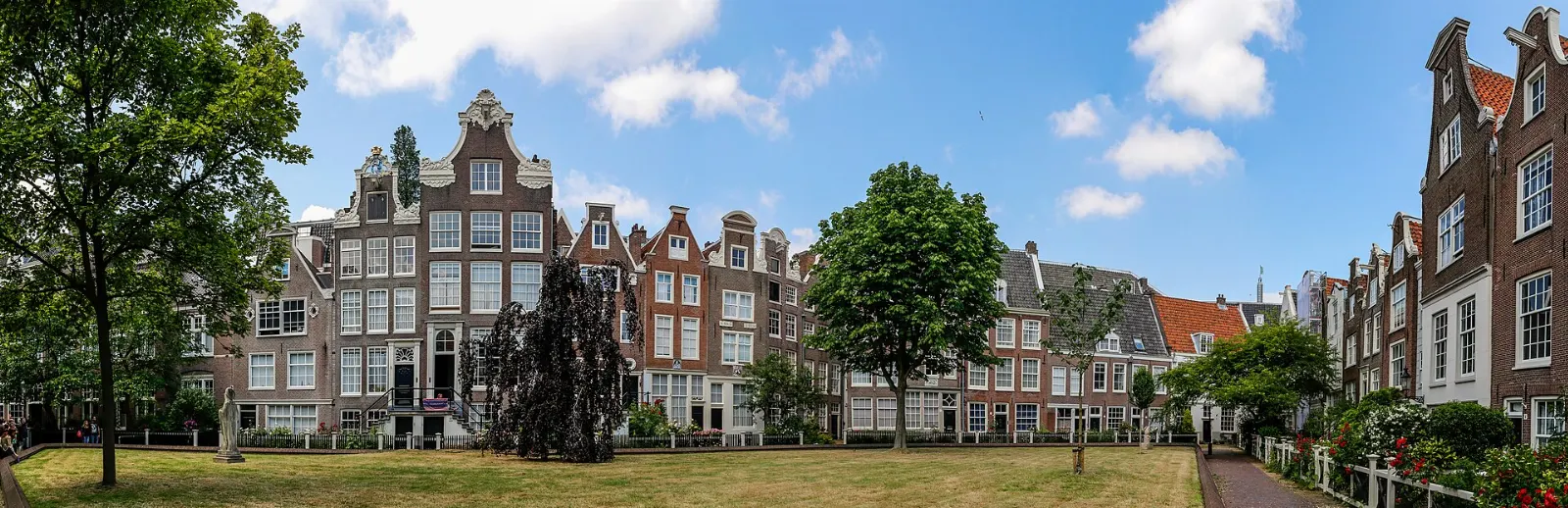
Historic houses around a quiet green courtyard in the Begijnhof, Amsterdam, Netherlands

Begijnhof

Step through an unassuming doorway off the Spui and you enter the Begijnhof, a hushed courtyard of houses around a green lawn that was home to the Beguines, a community of lay Catholic women, from the Middle Ages. Here you will find one of the oldest wooden houses in the city and a small hidden chapel. Allow thirty minutes.

The Begijnhof is a medieval enclosed courtyard of houses once home to a lay Catholic sisterhood. Photo: Dietmar Rabich, Wikimedia Commons, CC BY-SA 4.0

Museums and the Museum Quarter

The red-brick towers and arched facade of the Rijksmuseum seen from Museumplein, Amsterdam, Netherlands

Rijksmuseum

The Rijksmuseum is the national museum of the Netherlands, housed in a grand red-brick building designed by Pierre Cuypers. Its Gallery of Honour leads to Rembrandt's monumental Night Watch and works by Vermeer, including The Milkmaid, along with Frans Hals, Jan Steen and an enormous range of Dutch art and history, from model ships to delftware.

The Rijksmuseum, designed by Pierre Cuypers and opened in 1885, is the national museum of the Netherlands. Photo: Basile Morin, Wikimedia Commons, CC BY-SA 4.0

The modern exterior of the Van Gogh Museum on Museumplein, Amsterdam, Netherlands

Van Gogh Museum

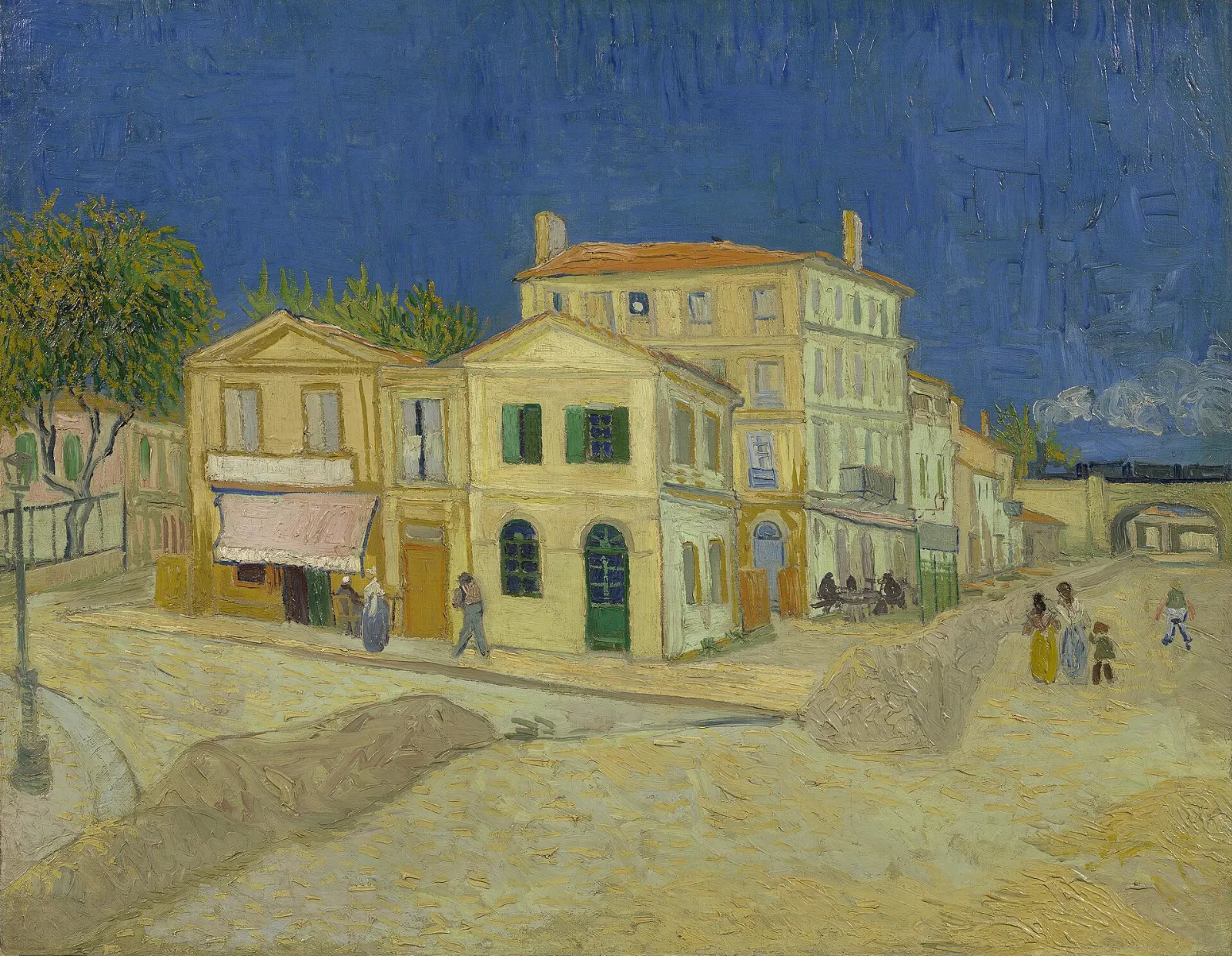
Just across Museumplein, the Van Gogh Museum traces the painter's life and development through paintings, drawings and letters, including sunflowers, self-portraits and works from Arles and Saint-Rémy. Allow two to three hours.

The Van Gogh Museum holds the largest collection of works by Vincent van Gogh in the world. Photo: Vincent van Gogh, Wikimedia Commons, Public domain

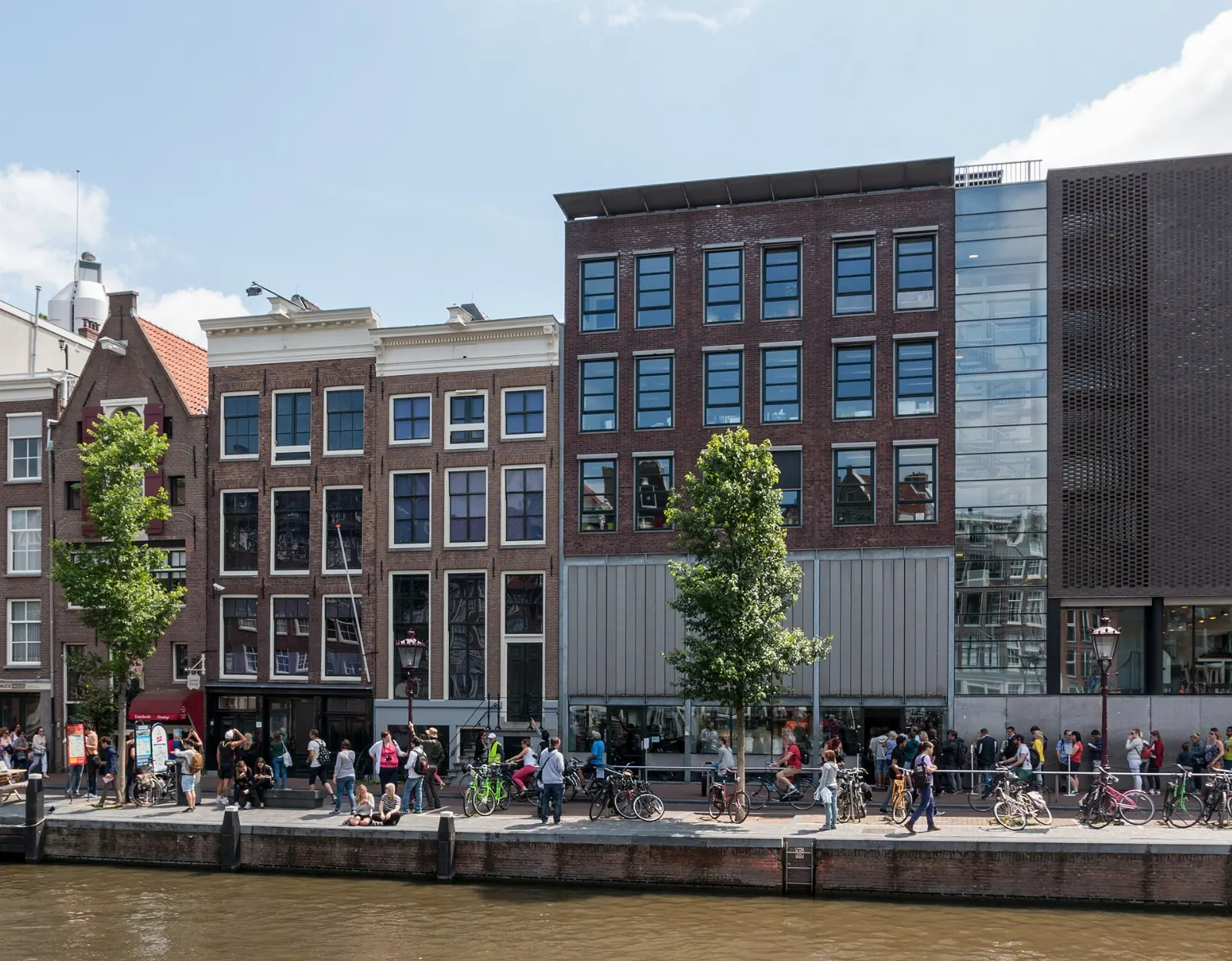
The narrow canal house of the Anne Frank House on the Prinsengracht beside the Westerkerk, Amsterdam, Netherlands

Anne Frank House

On the Prinsengracht, the Anne Frank House preserves the secret annex where Anne Frank, her family and four others hid from the Nazis for more than two years. Walking through the cramped rooms behind the movable bookcase, with Anne's own words alongside, is one of the most powerful museum experiences in Europe.

The Anne Frank House preserves the secret annex where Anne Frank and her family hid during the Second World War. Photo: Dietmar Rabich, Wikimedia Commons, CC BY-SA 4.0

Rembrandt House Museum

In the old Jewish quarter, the house where Rembrandt lived and worked for nearly twenty years has been restored with period furniture, his studio and a large collection of his etchings. Demonstrations of printmaking and paint preparation bring his techniques to life.

Neighborhoods, parks and markets

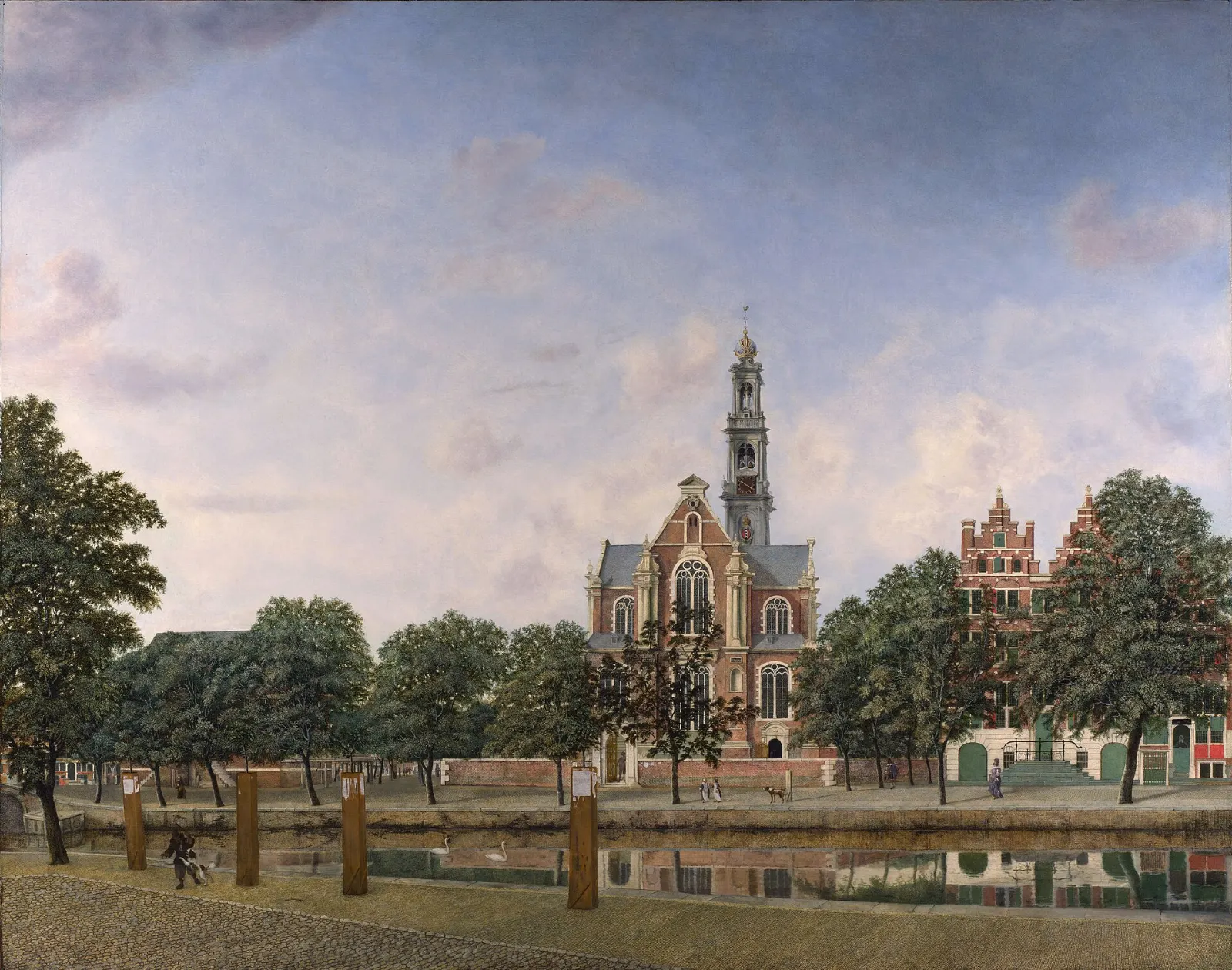
The tall spire of the Westerkerk rising above canal houses on the Prinsengracht, Amsterdam, Netherlands

The Jordaan and Westerkerk

West of the canal ring, the Jordaan began as a working-class district and is now one of the most charming parts of the city, a grid of narrow streets and small canals filled with galleries, independent shops, courtyards and brown cafés.

The Westerkerk, completed in the 1630s, has the tallest church tower in central Amsterdam. Photo: Jan van der Heyden, Wikimedia Commons, Public domain

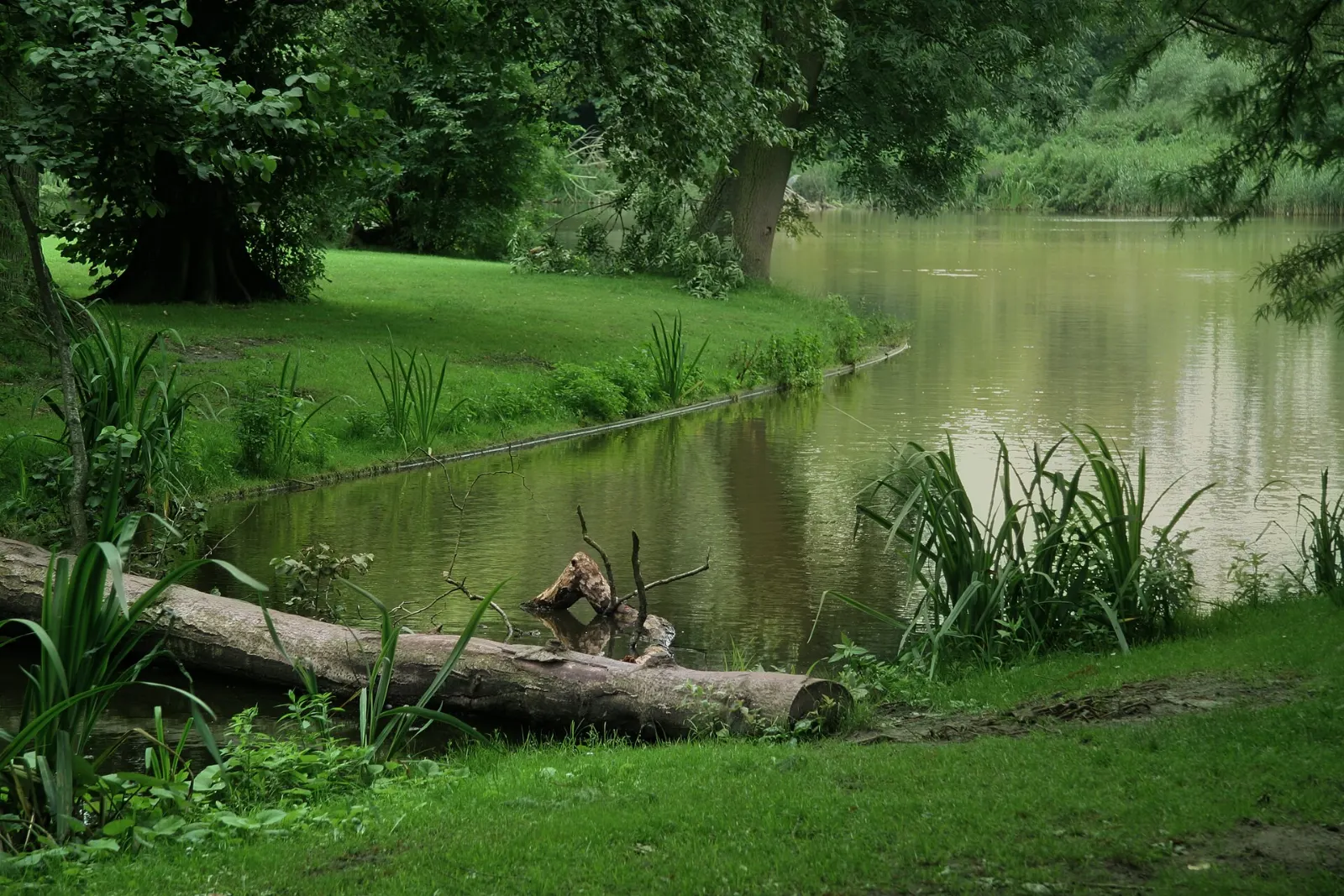
A tree-lined pond and paths in the Vondelpark on a sunny day, Amsterdam, Netherlands

Vondelpark

Amsterdam's favorite park stretches south-west from the Museum Quarter, with ponds, lawns, a rose garden and an open-air theater that stages free performances in summer. Locals come here to jog, picnic and cycle, and it is a welcome break between museum visits.

The Vondelpark is Amsterdam's best-known park, opened in the nineteenth century just south of the old center. Photo: John Salatas, Wikimedia Commons, CC BY-SA 4.0

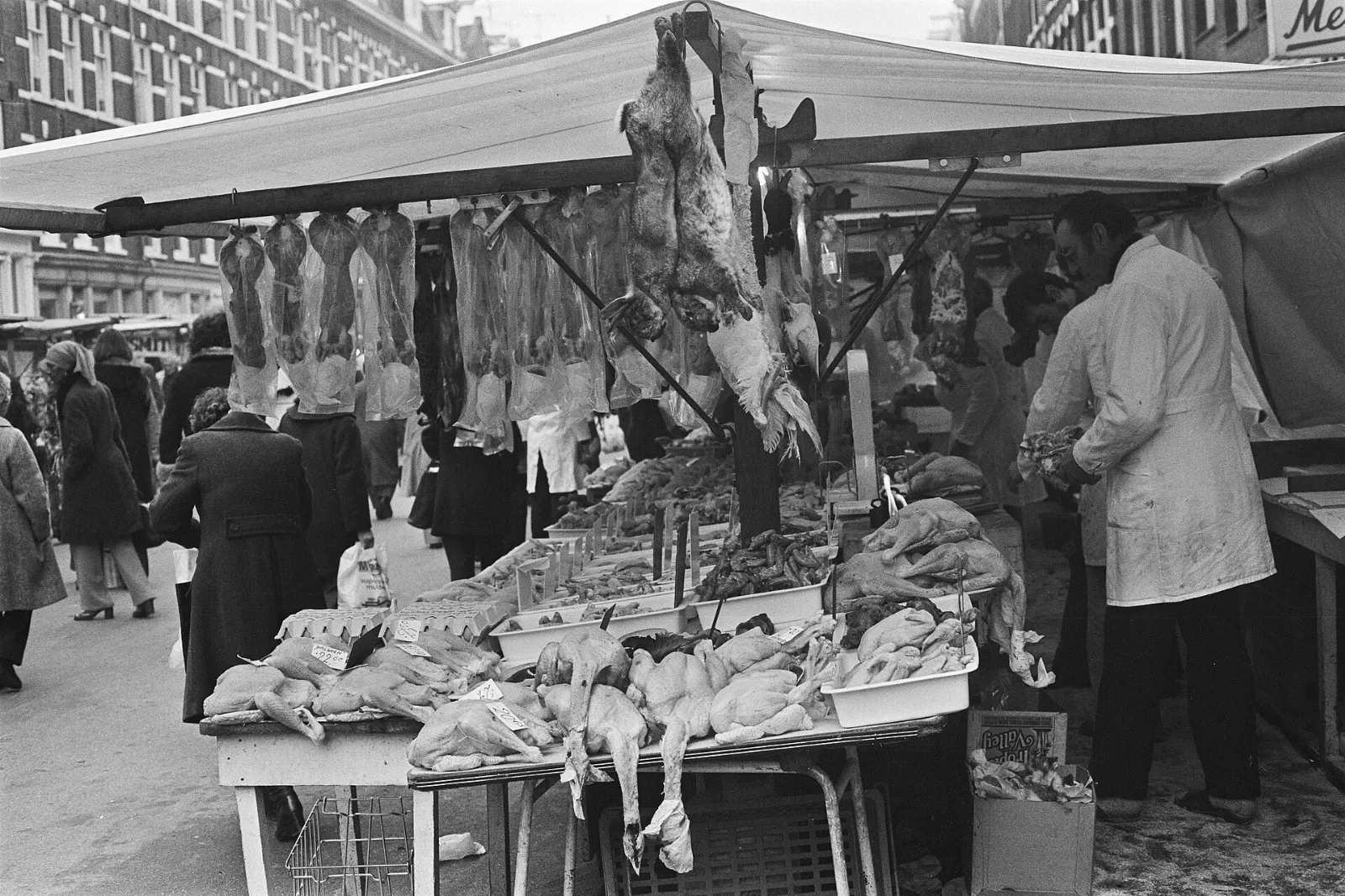
Market stalls with produce and awnings lining the Albert Cuypstraat in De Pijp, Amsterdam, Netherlands

De Pijp and the Albert Cuyp Market

De Pijp is a lively nineteenth-century neighborhood just south of the canal ring, known for its multicultural food scene, terrace cafés and the Albert Cuyp Market.

The Albert Cuyp Market fills a long street in De Pijp and is one of the busiest street markets in the Netherlands. Photo: Fernando Pereira / Anefo, Wikimedia Commons, CC0

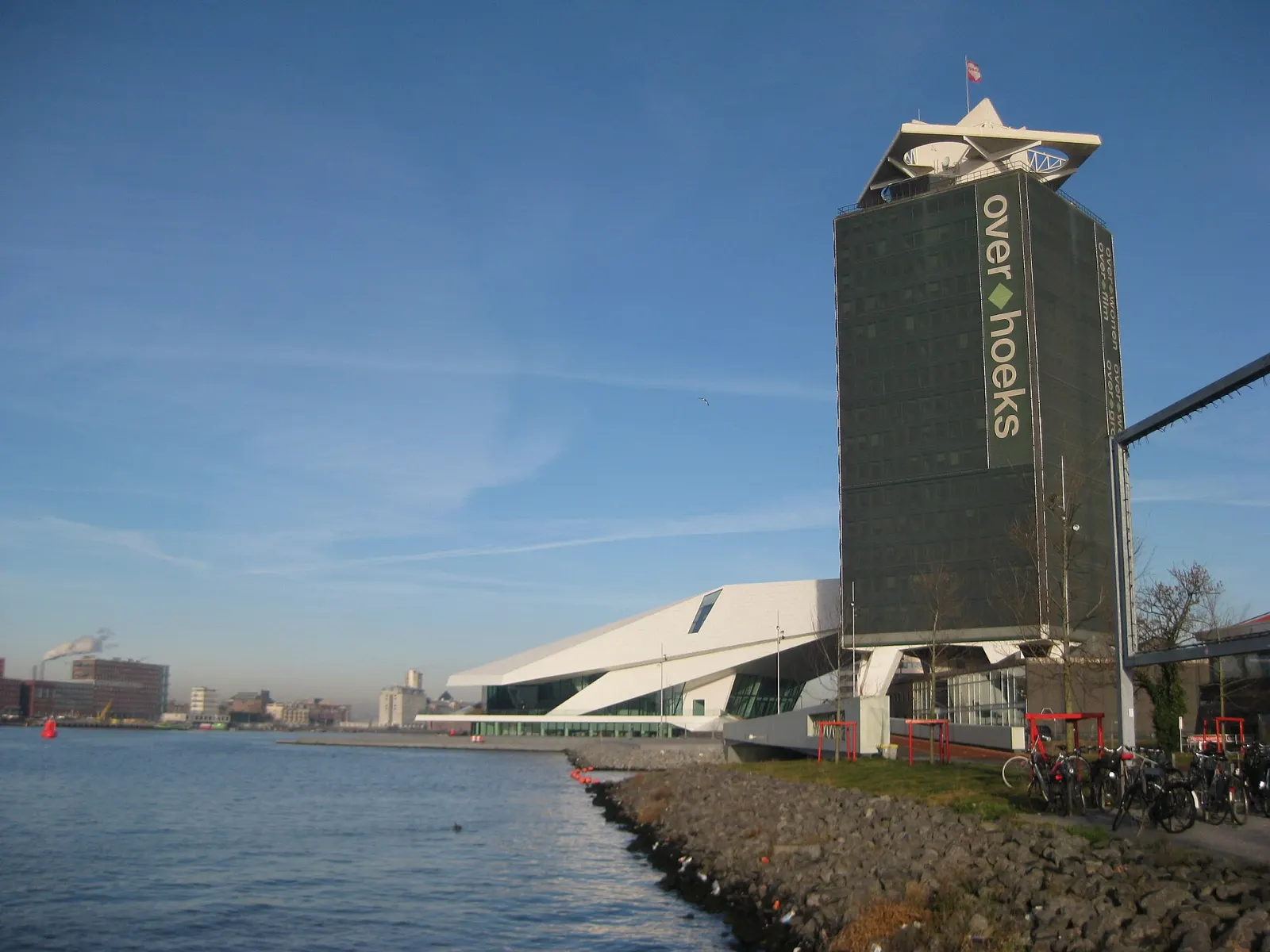
The A'DAM Tower beside the EYE Filmmuseum on the north bank of the IJ, Amsterdam, Netherlands

Amsterdam Noord and the NDSM wharf

Free ferries leave from behind Centraal Station across the IJ to Amsterdam Noord, a former industrial area turned creative district. Near the ferry landing, the A'DAM Tower has an observation deck with views across the city, and the EYE Filmmuseum occupies a striking white building on the waterfront.

The A'DAM Tower in Amsterdam Noord has an observation deck looking back across the IJ to the old city. Photo: Marion Golsteijn, Wikimedia Commons, CC BY-SA 3.0

Food and local flavors

Dutch food is hearty and snack-focused, and some of the best tastes are found at street stalls.

Fresh stroopwafels, thin waffles sandwiched with caramel syrup, are sold warm at markets, while poffertjes, tiny fluffy pancakes dusted with powdered sugar, are a classic treat. Dutch apple pie, tall and dense with spiced apples and served with whipped cream, is found in many cafés.

Popular dishes to try in Amsterdam

Stroopwafel in Amsterdam, Netherlands
Stroopwafel Fresh stroopwafels, thin waffles sandwiched with caramel syrup, are sold warm at markets, while poffertjes, tiny fluffy pancakes dusted with powdered sugar, are a classic treat.Photo: Andy Li, Wikimedia Commons, CC0
Bitterballen in Amsterdam, Netherlands
Bitterballen In a brown café, order bitterballen, crisp fried croquettes served with mustard, alongside a local beer or a glass of jenever, the Dutch gin.Photo: www.snack-nieuws.nl, Wikimedia Commons, CC BY 2.0
Poffertjes in Amsterdam, Netherlands
Poffertjes Fresh stroopwafels, thin waffles sandwiched with caramel syrup, are sold warm at markets, while poffertjes, tiny fluffy pancakes dusted with powdered sugar, are a classic treat.Photo: Illustratedjc, Wikimedia Commons, CC BY-SA 4.0

Where to stay

The canal ring is the classic choice for first-time visitors, putting you within walking distance of most sights in beautiful surroundings, though rooms are compact and in high demand.

The Jordaan suits couples and repeat visitors who want a neighborhood feel with cafés, markets and quieter evenings.

De Pijp is lively and food-focused, good for younger travelers and anyone who wants plenty of restaurants and bars.

Where to stay in Amsterdam

Oud-Zuid, Amsterdam, Netherlands
Oud-Zuid The Museum Quarter and Oud-Zuid are elegant and calm, ideal for art lovers and families, with the Vondelpark on the doorstep.Photo: Guilhem Vellut from Annecy, France, Wikimedia Commons, CC BY 2.0
Noord, Amsterdam, Netherlands
Noord Amsterdam Oost and Noord offer more space, newer hotels and a local atmosphere, with quick tram, metro or ferry links to the center.Photo: Txllxt TxllxT, Wikimedia Commons, CC BY-SA 4.0
Red Light District, Amsterdam, Netherlands
Red Light District Avoid staying right around the Red Light District if you want quiet nights.Photo: Ввласенко, Wikimedia Commons, CC BY-SA 3.0
Amsterdam old town, Amsterdam, Netherlands
Amsterdam old town One of the best areas to base yourself in Amsterdam.Photo: Pieter Jansz. Saenredam, Wikimedia Commons, CC BY-SA 4.0
Best time to visit

Spring is the most popular season.

Summer brings long evenings, outdoor festivals and the Vondelpark open-air theater, but also the biggest crowds and highest demand for rooms.

Winter is cold, damp and dark early, but the museums are less crowded, the brown cafés are at their coziest, and the Amsterdam Light Festival illuminates the canals with art installations.

Getting there and getting around

By air: Amsterdam Airport Schiphol is one of Europe's busiest hubs.

By train: High-speed and international trains connect Amsterdam Centraal with Brussels, Paris, London, Cologne and Berlin, often arriving right in the heart of the city.

Getting around: The center is best explored on foot.

By car: Driving in the center is slow and parking is scarce and costly.

A suggested itinerary

First day

Start at Dam Square and the Royal Palace, then wander to the Begijnhof and along the Herengracht.

Second day

Devote the morning to the Rijksmuseum and the early afternoon to the Van Gogh Museum, then unwind in the Vondelpark.

Third day

Browse the Albert Cuyp Market in the morning, visit the Rembrandt House Museum and the Jewish Cultural Quarter, then take the ferry to Amsterdam Noord for sunset views from the A'DAM Tower.

Fourth day

Take a day trip by train or bus to Zaanse Schans for windmills, Haarlem for its old town, or Keukenhof in spring.

Practical tips

  • Book the Anne Frank House, Van Gogh Museum and Rijksmuseum online in advance for a specific time slot.
  • Never walk in the red bike lanes, and look both ways for bikes and trams before crossing any street.
  • Check in and out on every tram, bus and metro ride, or you may be charged the maximum fare.
  • Watch for pickpockets around Centraal Station, Dam Square and on crowded trams.
  • Smoking cannabis in public is banned in the Red Light District, and photographing workers in the windows is forbidden.
  • Cards are accepted almost everywhere, and some places do not take cash at all.
AmsterdamWISERMAP PLACEAmsterdam: photos, reviews & things to doSee traveler photos and reviews, or share your own →

More places to visit

All travel guides →