WiserMap — Choose wisely. Connect locally.Choose wisely. Connect locally.Add your business
Zanzibar, Tanzania · Travel guide

Zanzibar Tanzania Stone Town and Mnemba Reef Snorkeling

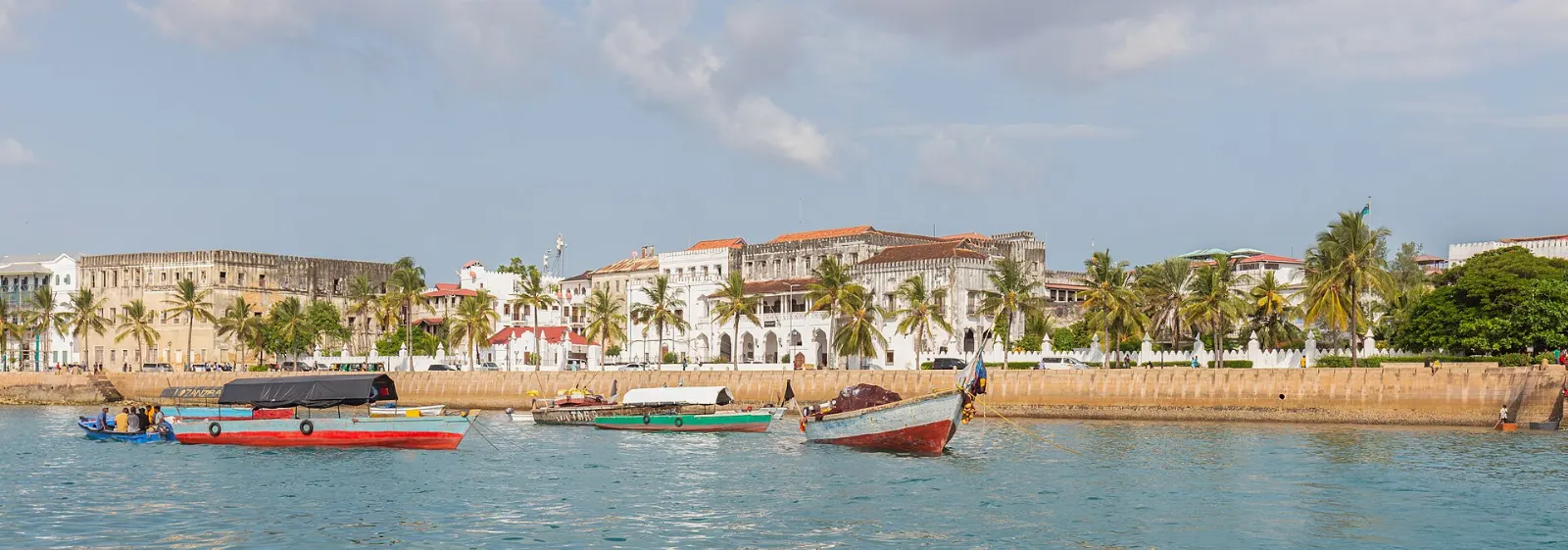
Zanzibar is an archipelago off the coast of Tanzania, and most visitors mean its main island, Unguja, when they use the name. It combines two very different trips in one.

By WiserMap TravelUpdated October 2026 9 places9 min read
FacebookXLinkedIn

This guide covers the best places to visit in Zanzibar, from historic Stone Town and the spice farms to the forests, reefs and beaches of the north and east coasts. You will also find advice on food, where to stay, the best season, getting around and a suggested itinerary.

At a glance Zanzibar
  1. Best timeJune to October for dry, breezy weather; December to February for hot, calm seas.
  2. How longFive to seven days: two in Stone Town, the rest on the coast.
  3. Getting thereFly into Abeid Amani Karume International Airport or take the fast ferry from Dar es Salaam.

Why visit Zanzibar

Few islands carry as much history as Zanzibar. For centuries it was a hub of the Indian Ocean monsoon trade, and in the nineteenth century the Sultans of Oman moved their capital here, building palaces and growing clove plantations.

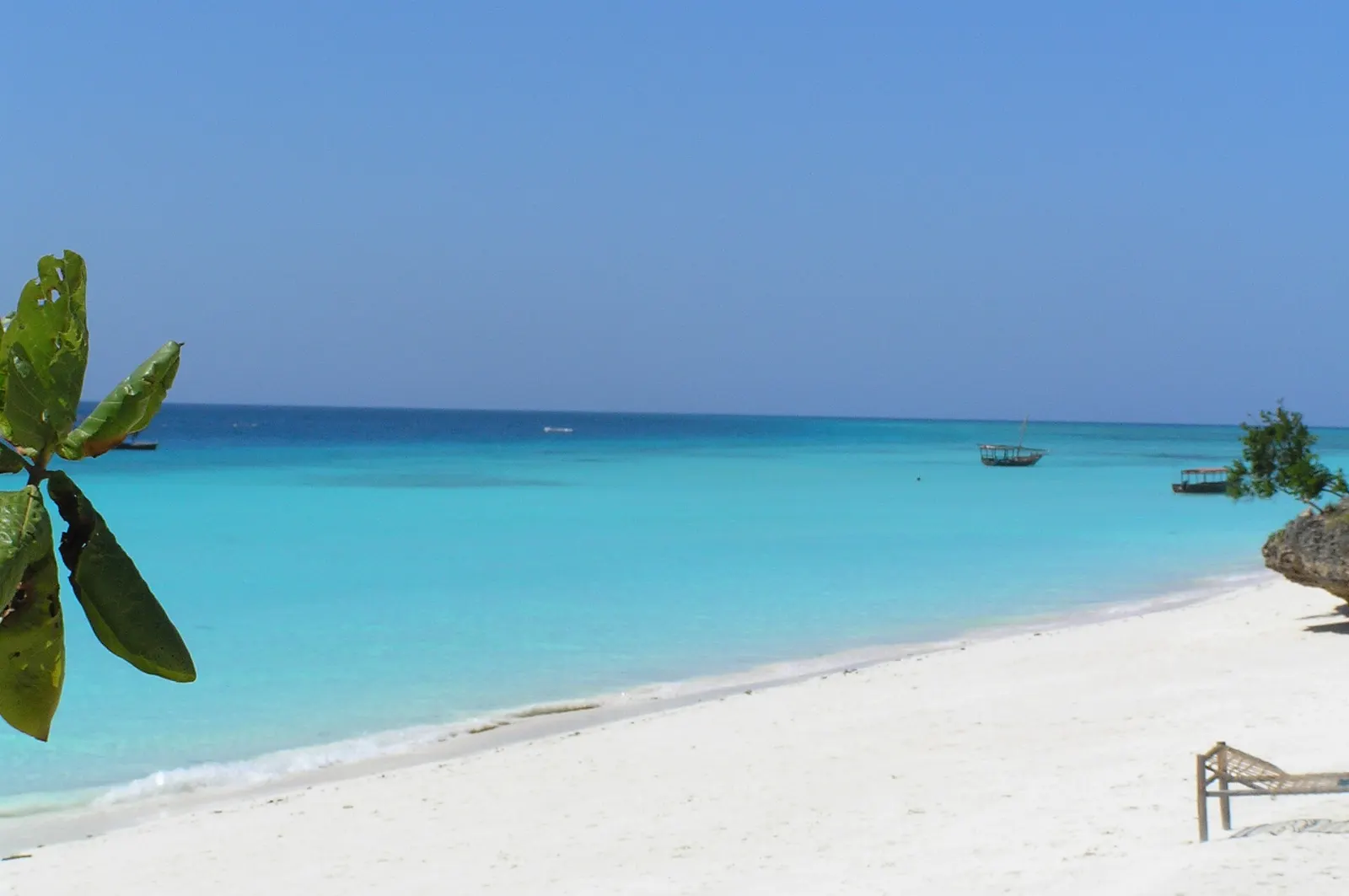
Then there is the sea. The east coast has broad tidal flats where seaweed farmers work at low tide and kitesurfers ride the lagoons when it fills. The north offers deeper water for swimming at any hour, and the reefs around Mnemba Atoll are among the best snorkeling sites in East Africa.

Stone Town and its waterfront

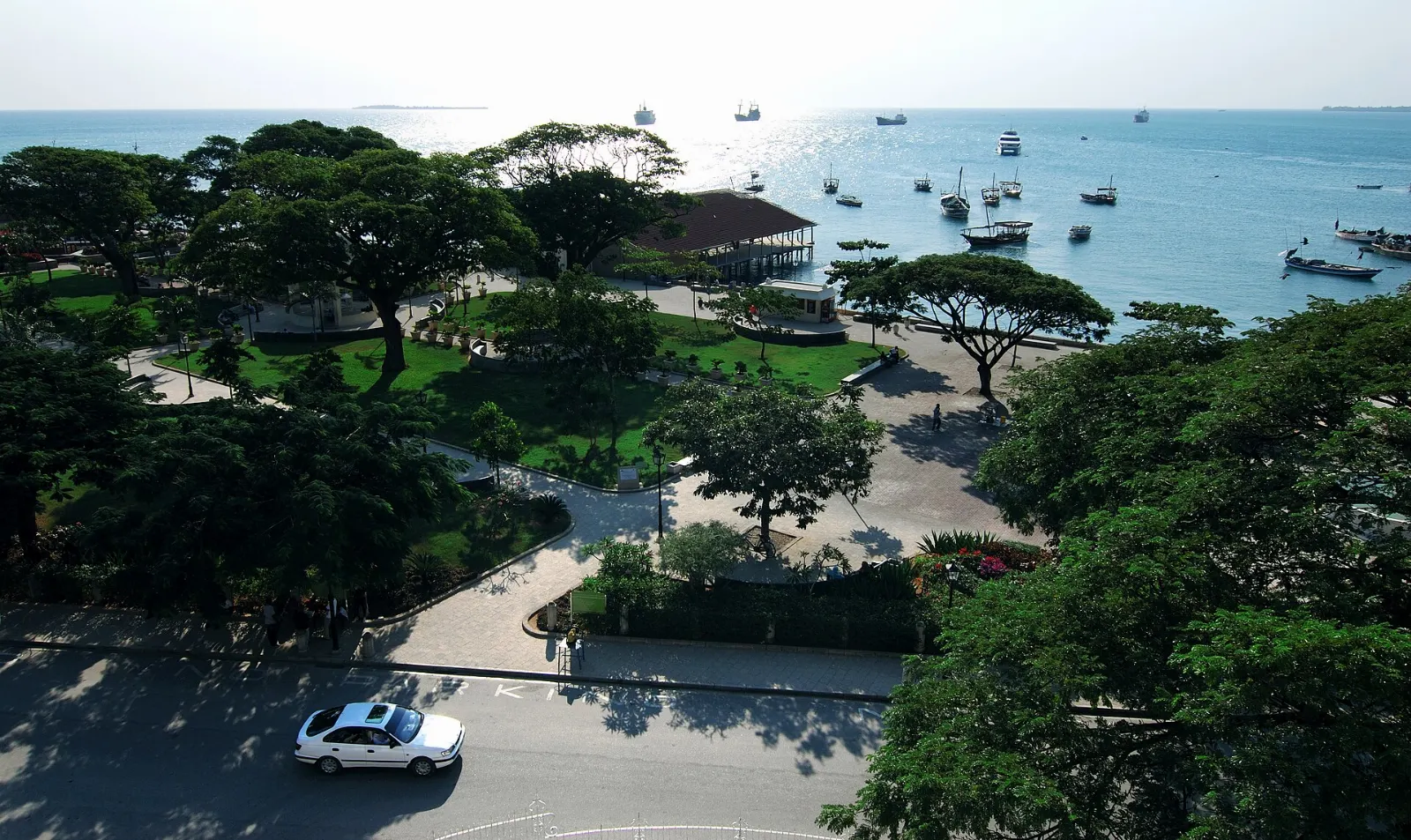
Food stalls and evening crowds in Forodhani Gardens by the sea, Zanzibar, Tanzania

Forodhani Gardens

This seafront park is the social heart of Stone Town. By day it is a shady place to rest between sights; around sunset, vendors set up grills and the gardens become a busy night market.

Forodhani Gardens hosts a nightly street food market on the Stone Town waterfront. Photo: Moongateclimber, Wikimedia Commons, Public domain


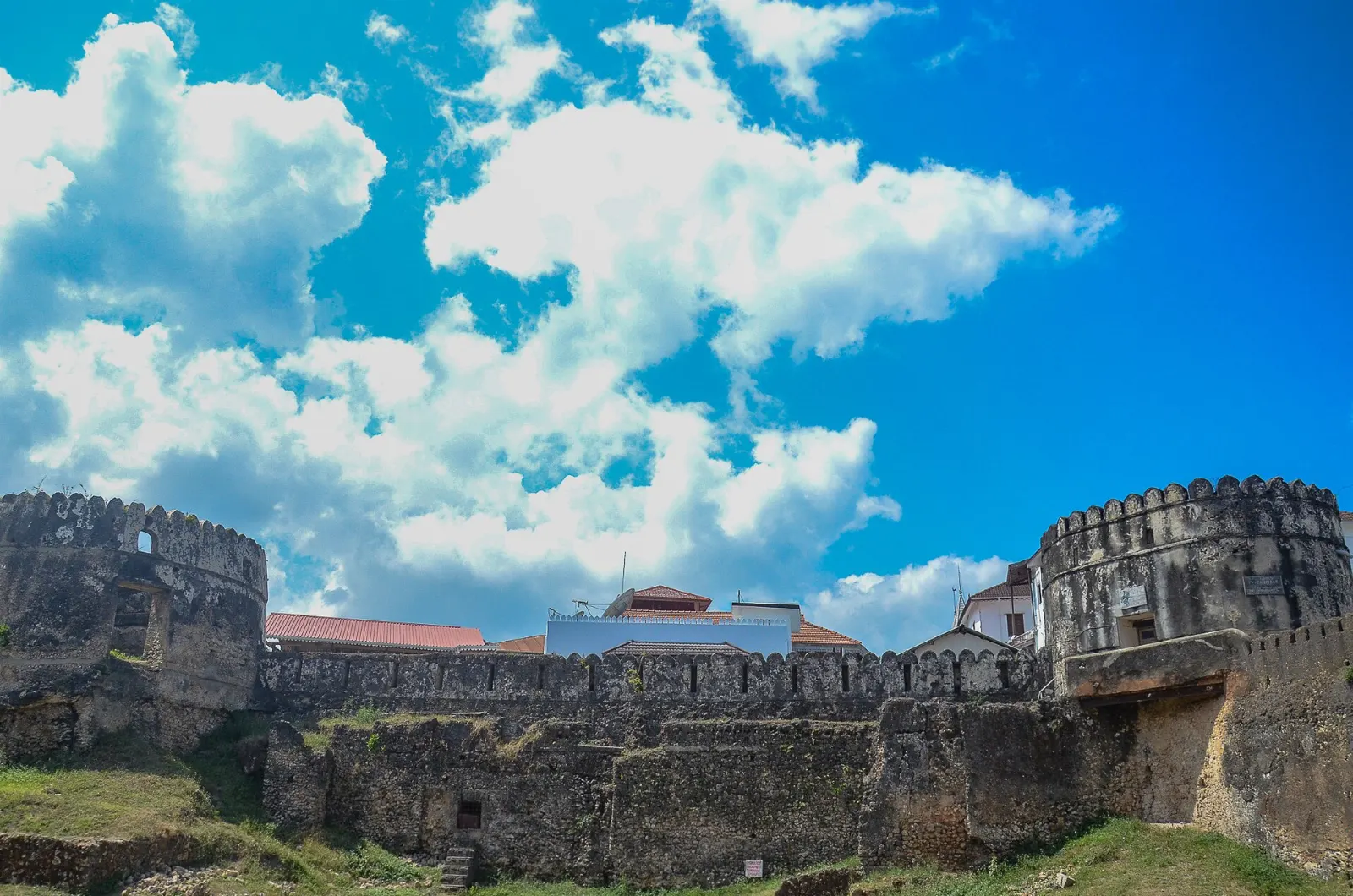
Crenellated stone walls of the Old Fort in Stone Town, Zanzibar, Tanzania

The Old Fort and the House of Wonders

Next to Forodhani, the Old Fort, known locally as Ngome Kongwe, was built by Omani Arabs in the late seventeenth century. Its courtyard holds craft stalls and an amphitheater used for performances and festivals.

The Old Fort, or Ngome Kongwe, was built by Omani Arabs in the late seventeenth century. Photo: Erasmus Kamugisha, Wikimedia Commons, CC BY-SA 4.0

The stone facade of the Anglican cathedral in Stone Town, Zanzibar, Tanzania

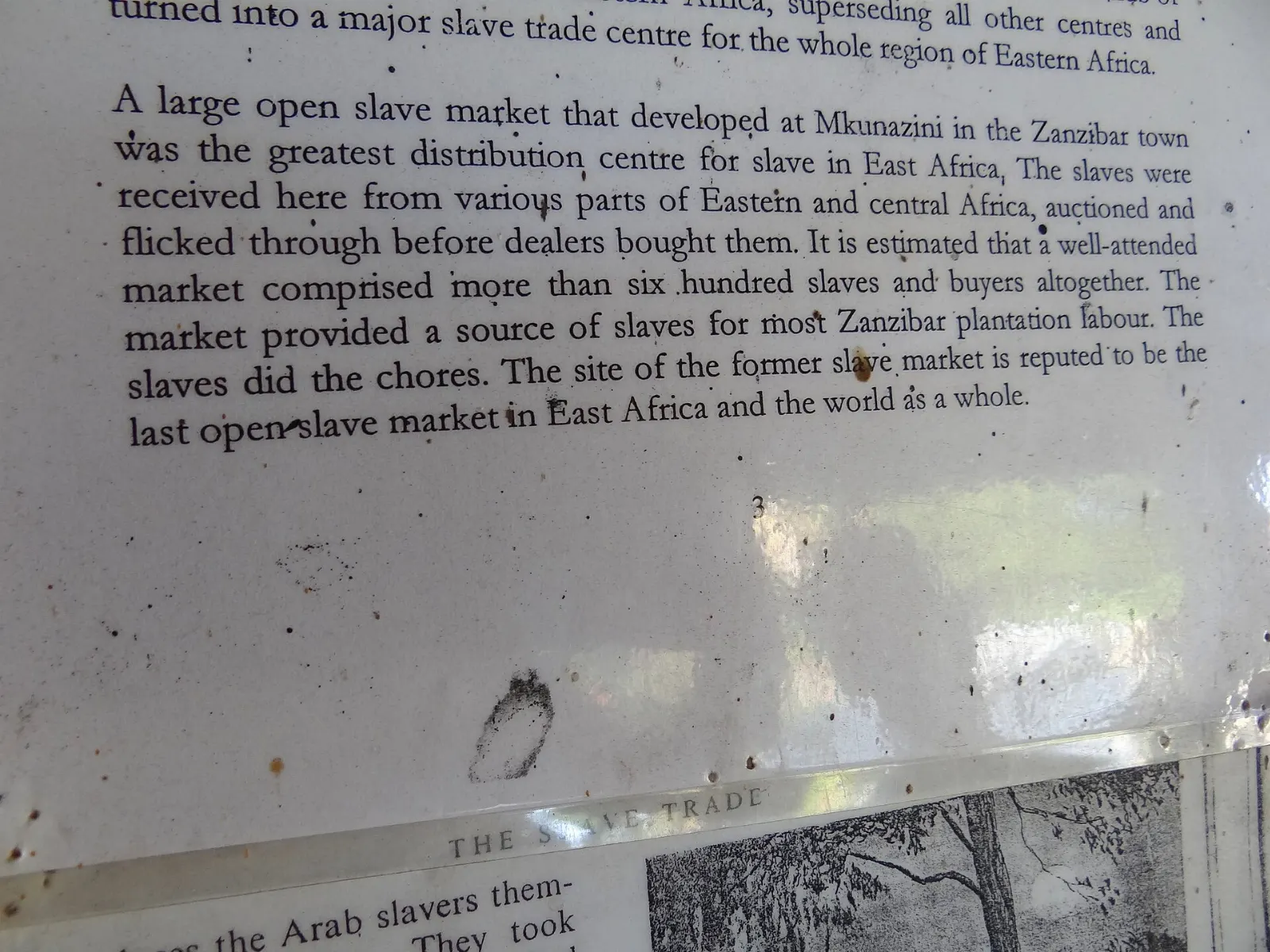
Christ Church Cathedral and the slave market site

The Anglican cathedral was built in the 1870s on the site of the last open slave market in Zanzibar, after the market was closed under British pressure. The adjoining exhibit on the East African slave trade, the preserved underground chambers and the sobering memorial sculpture of chained figures make this the most important historical visit on the island.

Christ Church Cathedral stands on the site of Zanzibar's last open slave market. Photo: Adam Jones from Kelowna, BC, Canada, Wikimedia Commons, CC BY-SA 2.0

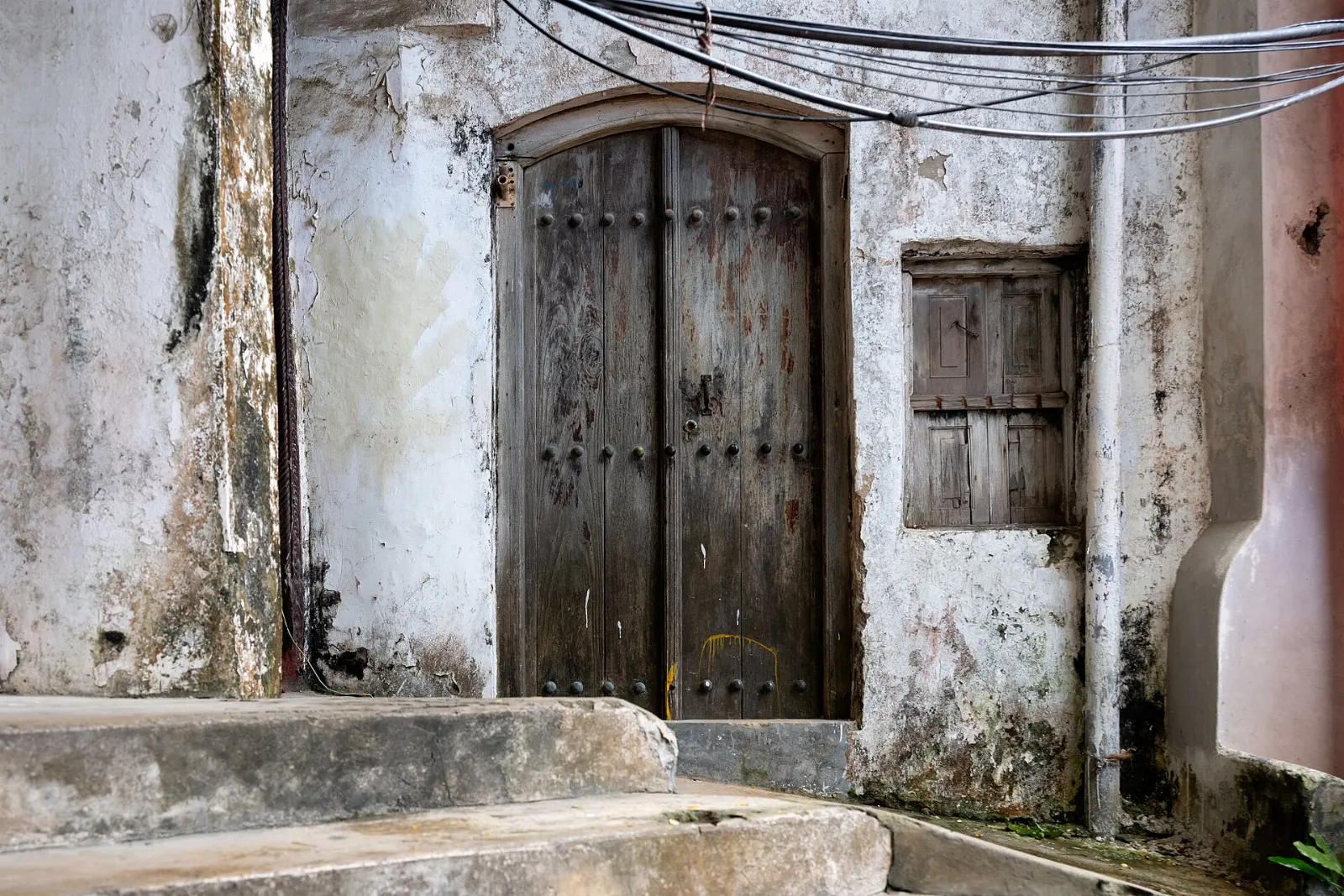
An ornately carved wooden door with brass studs in a Stone Town alley, Zanzibar, Tanzania

The lanes, doors and Darajani Market

The best way to experience Stone Town is to wander. Look for the carved wooden doors, many with brass studs and inscriptions, that signal the status of the families who built them.

Carved wooden doors, many with brass studs, are a signature of Stone Town architecture. Photo: Eric Kilby, Wikimedia Commons, CC BY-SA 2.0

A giant Aldabra tortoise resting on grass on Changuu Island, Zanzibar, Tanzania

Changuu, or Prison Island

A short boat ride from the Stone Town waterfront, Changuu Island was once intended as a prison and later used as a quarantine station. Today it is known for its colony of Aldabra giant tortoises, some of them very old. The island has a small beach and snorkeling spots nearby.

Changuu, or Prison Island, is home to a colony of Aldabra giant tortoises. Photo: Diego Delso, Wikimedia Commons, CC BY-SA 4.0

Spice farms and Jozani Forest

Spice farms

Zanzibar is nicknamed the Spice Island, and a spice tour is a hands-on introduction to that heritage. Farms north of Stone Town, around villages such as Kizimbani, let you see, smell and taste cloves, nutmeg, cinnamon, cardamom, vanilla, lemongrass and black pepper growing.

A Zanzibar red colobus monkey sitting in a tree in Jozani Forest, Tanzania

Jozani Chwaka Bay National Park

Zanzibar's only national park protects the largest remaining area of native forest on Unguja, along with mangroves fringing Chwaka Bay. It is the best place to see the Zanzibar red colobus, an endangered monkey found only on this island, which often feeds close to the paths.

The Zanzibar red colobus is found only on Unguja island and is easiest to see in Jozani Forest. Photo: Diego Delso, Wikimedia Commons, CC BY-SA 4.0

Beaches, reefs and the coast

A traditional wooden dhow pulled up on the white sand beach at Nungwi, Zanzibar, Tanzania

Nungwi and Kendwa

On the northern tip of the island, Nungwi and neighboring Kendwa are the best beaches for swimming at any time of day, since the tide does not retreat as far as on the east coast.

Nungwi, on the northern tip of Unguja, has a long tradition of dhow building. Photo: Jang Woo Lee, Wikimedia Commons, CC BY 3.0

Mnemba Atoll

Off the northeast coast, the waters around Mnemba Atoll are a protected conservation area with clear water, coral gardens, reef fish, turtles and frequently dolphins. Boat trips leave from Nungwi, Kendwa and Matemwe.

Kitesurfers on the shallow turquoise lagoon off Paje beach, Zanzibar, Tanzania

Paje and Jambiani

The east coast villages of Paje and Jambiani sit on a wide lagoon protected by an outer reef. At low tide the water recedes far out, revealing seaweed farms tended mainly by local women; at high tide the lagoon fills with turquoise water.

Paje's shallow lagoon and steady trade winds make it a center for kitesurfing. Photo: Mehmet Ratip, Wikimedia Commons, CC BY-SA 4.0

A small restaurant perched on a rock outcrop surrounded by the sea at high tide, Zanzibar, Tanzania

Michamvi peninsula and The Rock

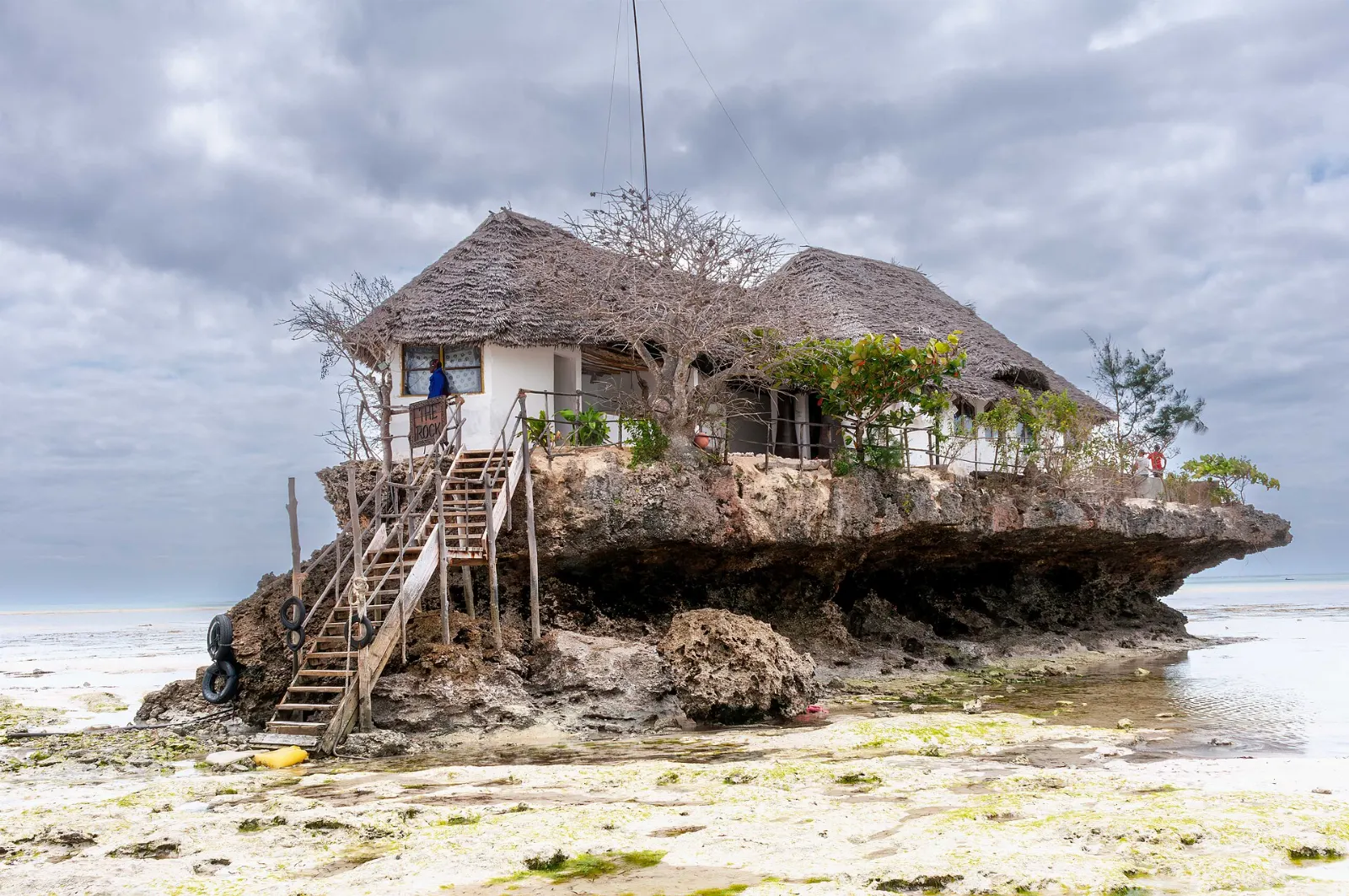
The Michamvi peninsula, north of Paje, faces west across Chwaka Bay, giving it rare east-coast sunsets. Just off Michamvi Pingwe, The Rock is a long-running restaurant built on a coral outcrop; you can walk to it at low tide, and at high tide a small boat ferries diners across.

The Rock restaurant sits on a coral outcrop off Michamvi Pingwe and is cut off by the sea at high tide. Photo: Rod Waddington, Wikimedia Commons, CC BY-SA 2.0

Food and local flavors

Zanzibari cooking blends Swahili, Arab, Indian and Persian influences. Look for pilau, rice cooked with cloves, cinnamon and cardamom; biryani; coconut-based fish and octopus curries; and mishkaki, marinated meat skewers grilled over charcoal.

Seafood is the star along the coast: grilled kingfish, lobster, prawns and octopus caught the same day.

Popular dishes to try in Zanzibar

Urojo in Zanzibar, Tanzania
Urojo Urojo, the tangy turmeric soup topped with bhajia fritters, potatoes and chutney, is a Stone Town specialty.Photo: DonCamillo, Wikimedia Commons, CC BY-SA 4.0
Pilau in Zanzibar, Tanzania
Pilau Look for pilau, rice cooked with cloves, cinnamon and cardamom; biryani; coconut-based fish and octopus curries; and mishkaki, marinated meat skewers grilled over charcoal.Photo: Cmwaura, Wikimedia Commons, CC BY-SA 4.0
Biryani in Zanzibar, Tanzania
Biryani Look for pilau, rice cooked with cloves, cinnamon and cardamom; biryani; coconut-based fish and octopus curries; and mishkaki, marinated meat skewers grilled over charcoal.Photo: Kennedy Bundi, Wikimedia Commons, CC BY-SA 4.0

Where to stay

Stone Town suits travelers who love history, architecture and food, with restored merchant houses converted into boutique guesthouses and rooftop terraces overlooking the sea. Spend at least two nights here.

Paje and Jambiani on the east coast suit kitesurfers, younger travelers and anyone after a laid-back village feel.

Where to stay in Zanzibar

Kendwa, Zanzibar, Tanzania
Kendwa Nungwi and Kendwa in the north suit visitors who want reliable swimming and lively sunsets, with Nungwi busier and Kendwa calmer.Photo: Giuseppe palumbo, Wikimedia Commons, CC0
Jambiani, Zanzibar, Tanzania
Jambiani Paje and Jambiani on the east coast suit kitesurfers, younger travelers and anyone after a laid-back village feel.Photo: Yann Macherez, Wikimedia Commons, CC BY-SA 4.0
Kiwengwa, Zanzibar, Tanzania
Kiwengwa Matemwe and Kiwengwa on the northeast coast are close to Mnemba Atoll and offer quieter stretches with larger resorts.Photo: AliceMartinelli8, Wikimedia Commons, CC BY-SA 4.0
Mnemba Atoll, Zanzibar, Tanzania
Mnemba Atoll Matemwe and Kiwengwa on the northeast coast are close to Mnemba Atoll and offer quieter stretches with larger resorts.Photo: I've Got It On Film!, Wikimedia Commons, CC BY 2.0

Best time to visit

The main dry season runs from June to October, bringing sunny days, lower humidity and steady winds that suit kitesurfing.

The long rains usually fall from March to May, with heavy downpours and some lodges closing, though rates drop.

Getting there and getting around

Abeid Amani Karume International Airport, just outside Stone Town, receives international flights from the Middle East, Europe and East Africa, plus frequent domestic hops from Dar es Salaam, Arusha and safari airstrips.

Zanzibar is part of Tanzania, so Tanzanian visa rules apply; check whether you need an e-visa before travel. Visitors to Zanzibar must also buy the island's mandatory inbound travel insurance, which can be purchased online in advance.

A suggested itinerary

First day

Settle into Stone Town.

Second day

Visit Darajani Market in the morning, then take a boat to Prison Island to see the giant tortoises.

Third day

Drive to Jozani Forest in the morning to see red colobus monkeys, then continue to Paje or Jambiani and spend the afternoon on the lagoon.

Fourth day

Try a kitesurfing lesson or walk the tidal flats at low tide, then head to the Michamvi peninsula for sunset and dinner at The Rock.

Fifth day

Transfer north, take a snorkeling trip to Mnemba Atoll and end with a sunset dhow cruise from Nungwi.

Practical tips

  • Buy the mandatory Zanzibar travel insurance and check visa requirements well before departure.
  • Dress modestly in Stone Town and villages, covering shoulders and knees; swimwear belongs on the beach.
  • Ask permission before photographing people, especially women and children.
  • Check tide tables on the east coast, since low tide can leave the sea far from shore.
  • Use licensed guides and book boat trips through reputable operators that respect marine life.
  • Learn a few Swahili greetings such as jambo and asante; they are warmly received.
  • Carry small notes in local currency for markets and tips, as cards are not accepted everywhere.
ZanzibarWISERMAP PLACEZanzibar: photos, reviews & things to doSee traveler photos and reviews, or share your own →

More places to visit

All travel guides →