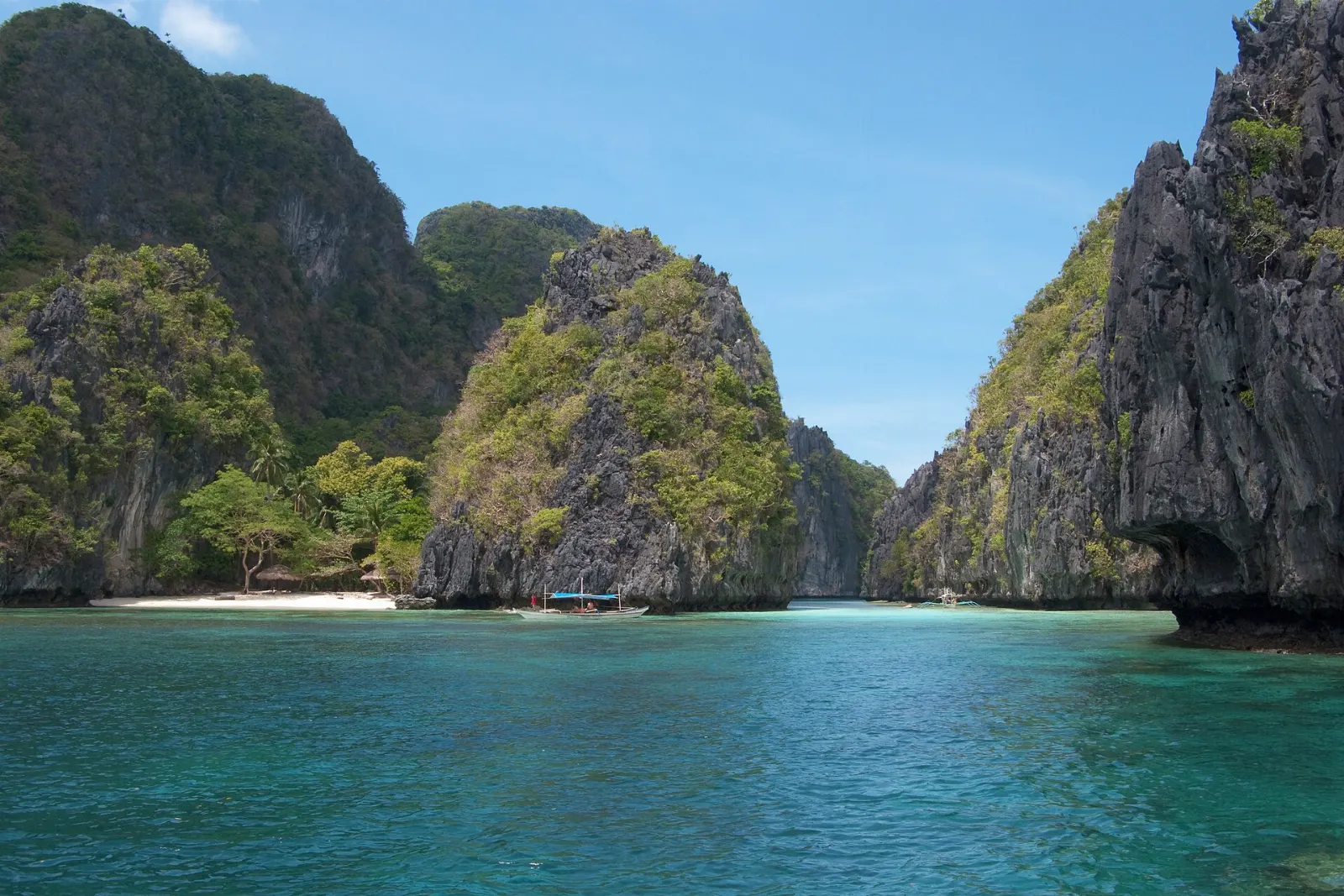
Palawan is the long, narrow island province that stretches southwest across the western Philippines, between the South China Sea and the Sulu Sea. It is known for its limestone karst islands, clear lagoons, coral reefs and some of the most intact forest in the country.
AT A GLANCE
Best time
The dry season, roughly December to May, has the calmest seas for island hopping.
How long
Allow eight to ten days to see Puerto Princesa, El Nido and Coron without rushing.
Getting there
Fly from Manila or Cebu to Puerto Princesa, Busuanga for Coron, or El Nido's small airport.
Why visit Palawan
Palawan's scenery is the main reason people come. The coastline around El Nido and Coron is shaped by limestone that has been carved into towering cliffs, hidden lagoons and pinnacles rising straight out of the sea.
The province also takes conservation seriously. The entire province is a UNESCO biosphere reserve, and it holds two UNESCO World Heritage Sites: the Puerto Princesa Subterranean River National Park and Tubbataha Reefs Natural Park.
Finally, Palawan offers variety. You can stay in a lively town with bars and dive shops, in a village with no traffic lights, or on a remote island where the generator switches off at night.
Puerto Princesa and central Palawan
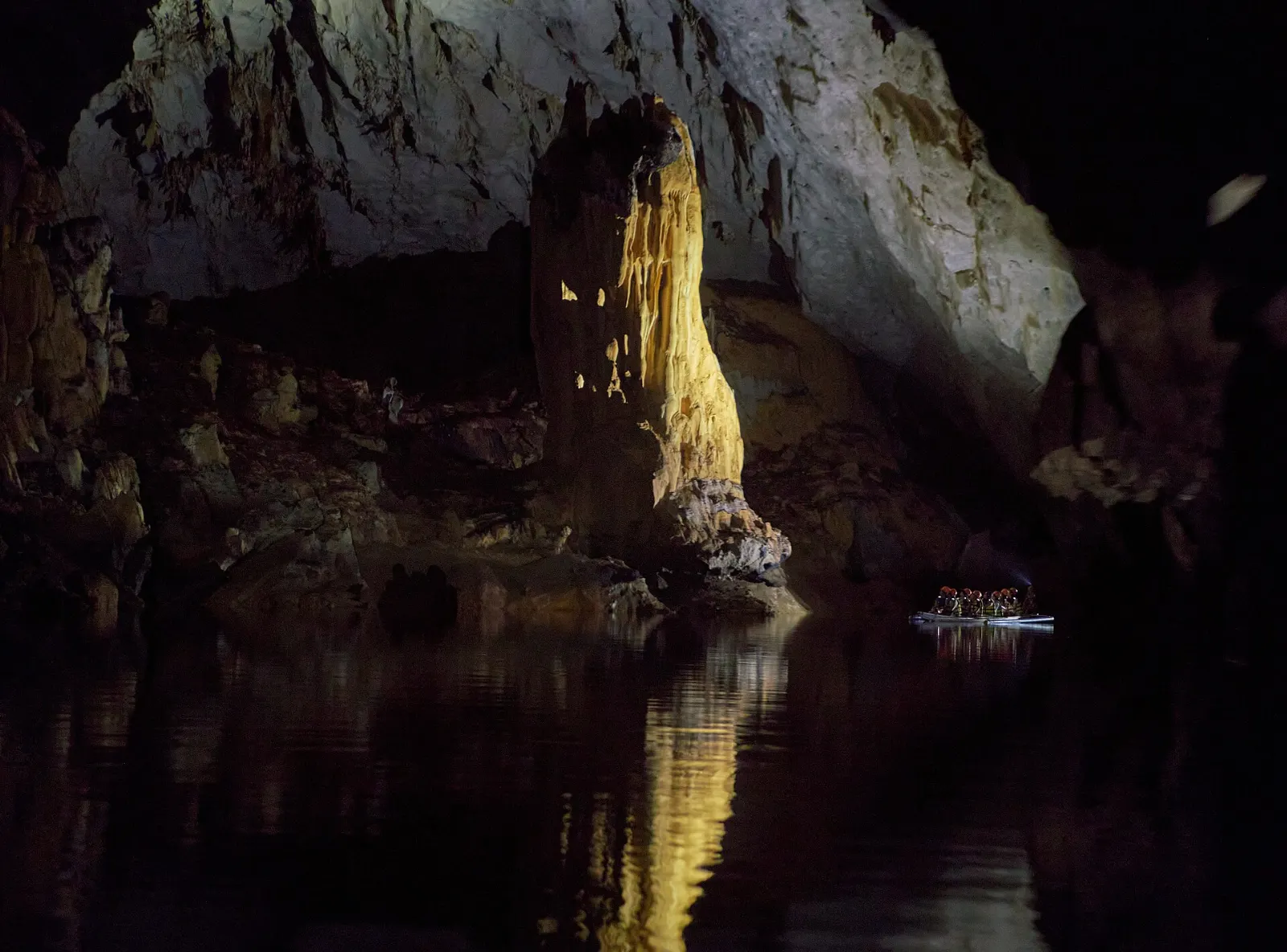
Puerto Princesa Underground River
The Puerto Princesa Subterranean River flows for over eight kilometers through a limestone cave before emptying into the sea at Sabang, on the west coast about two hours by road from Puerto Princesa city.
Entry is limited each day and requires a permit booked in advance, which most people arrange through a tour operator or the city's booking office. Plan a full day from Puerto Princesa.
Honda Bay
East of Puerto Princesa city, Honda Bay is scattered with small islands and sandbars that make an easy, sheltered day of snorkeling and swimming.

Puerto Princesa city
The provincial capital is often treated as a transit point, but it is worth a night. Visit the Plaza Cuartel, the remains of a World War II garrison, and the Immaculate Conception Cathedral nearby, then spend the evening along the baywalk.
El Nido, Port Barton and the northwest
El Nido island hopping
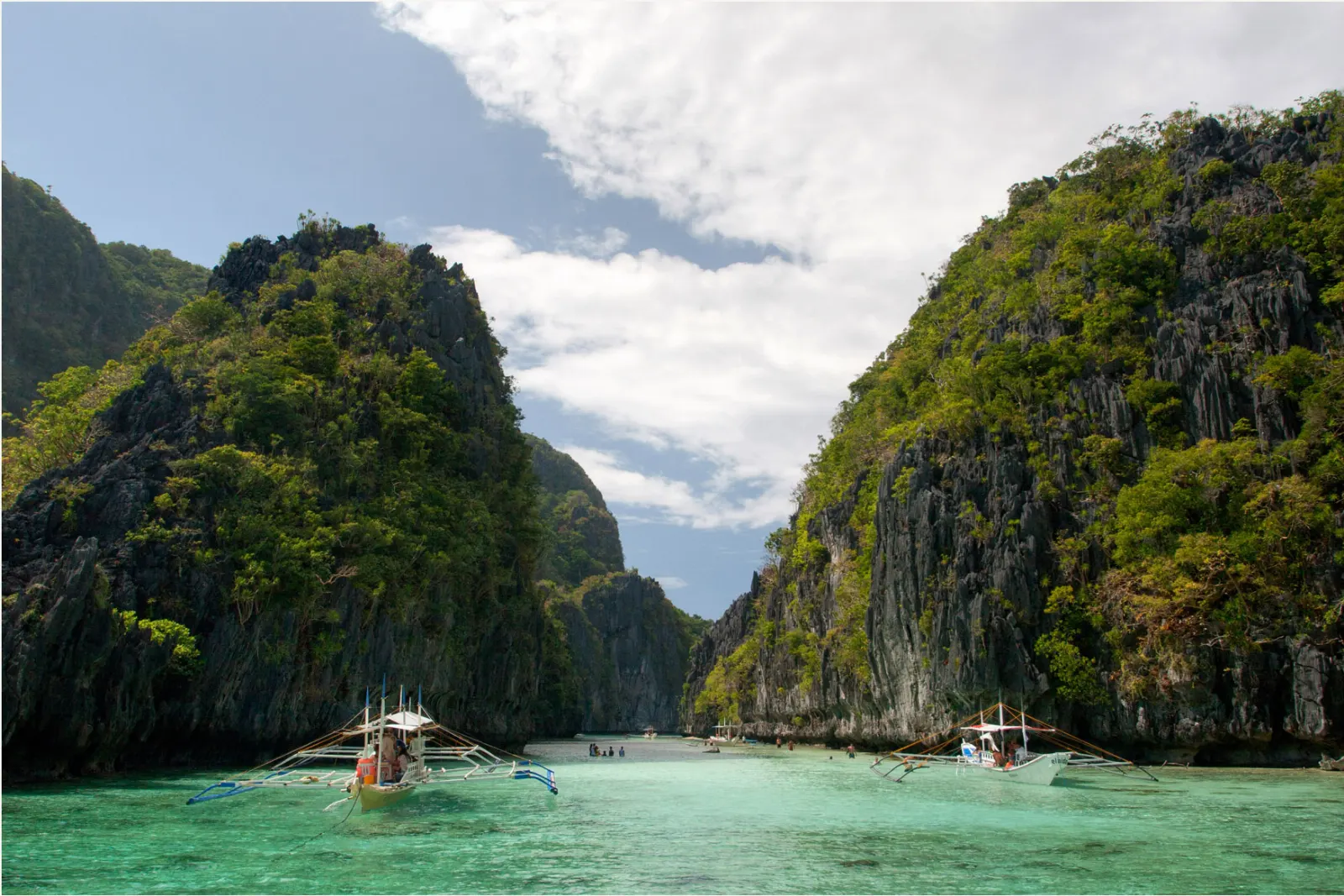
El Nido town sits on Bacuit Bay, a scattering of limestone islands that most visitors explore on organized boat tours.
Each tour takes a full day, with lunch grilled on the boat or a beach.
Nacpan Beach and Taraw Cliff
About a 40-minute ride north of El Nido town, Nacpan Beach is a long, uncrowded arc of golden sand backed by coconut palms, with its twin, Calitang Beach, on the other side of a small hill.
Closer to town, the limestone of Taraw Cliff rises directly behind El Nido. A guided canopy walk and the steep, sharp climb up the rock both offer views over Bacuit Bay.
Port Barton
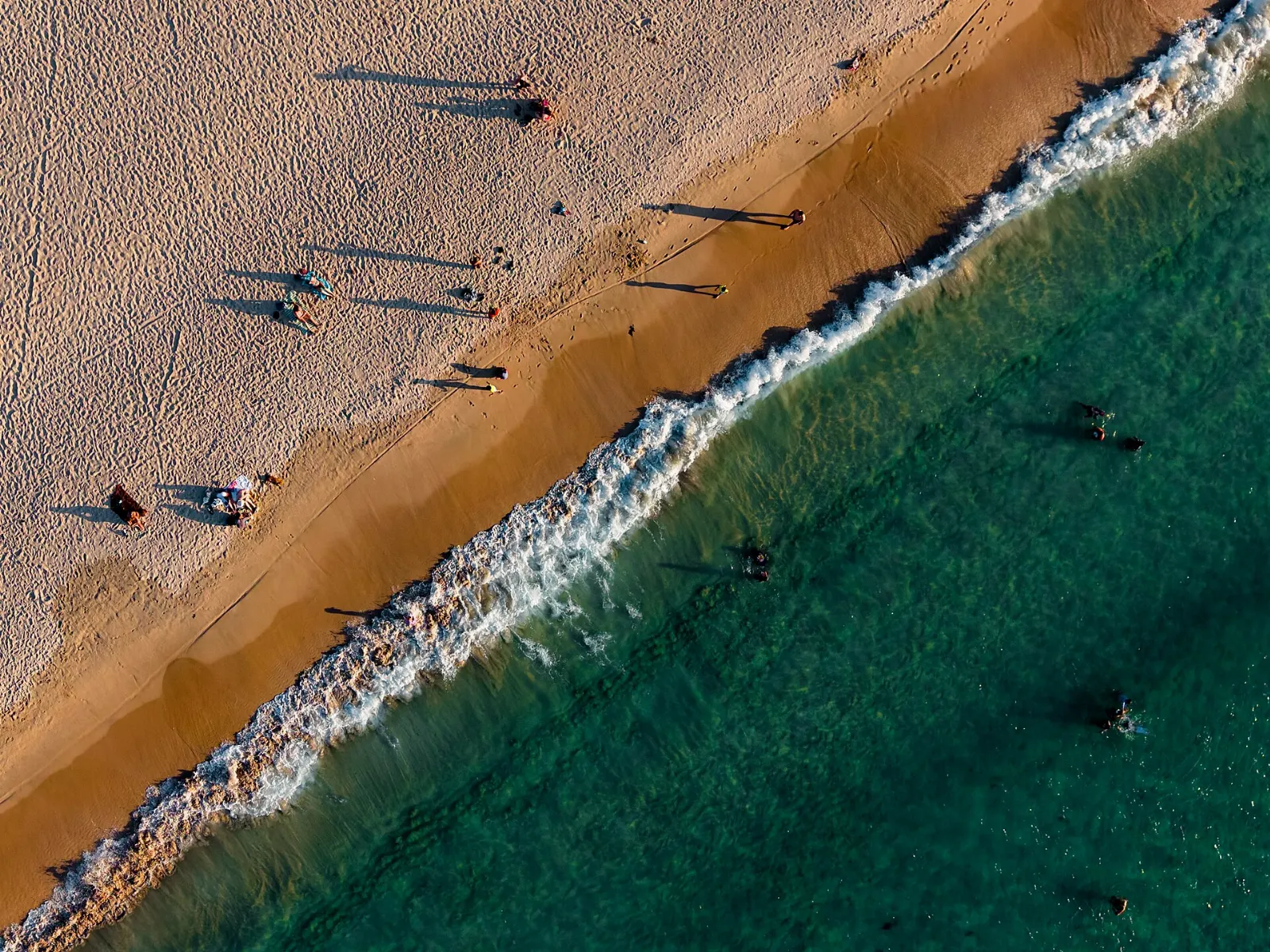
Port Barton, a small village on the west coast between Puerto Princesa and El Nido, is a calmer alternative to its famous neighbor. Island-hopping trips visit coral gardens, starfish-dotted sandbars and quiet beaches, and sea turtles are frequently seen while snorkeling.
San Vicente Long Beach
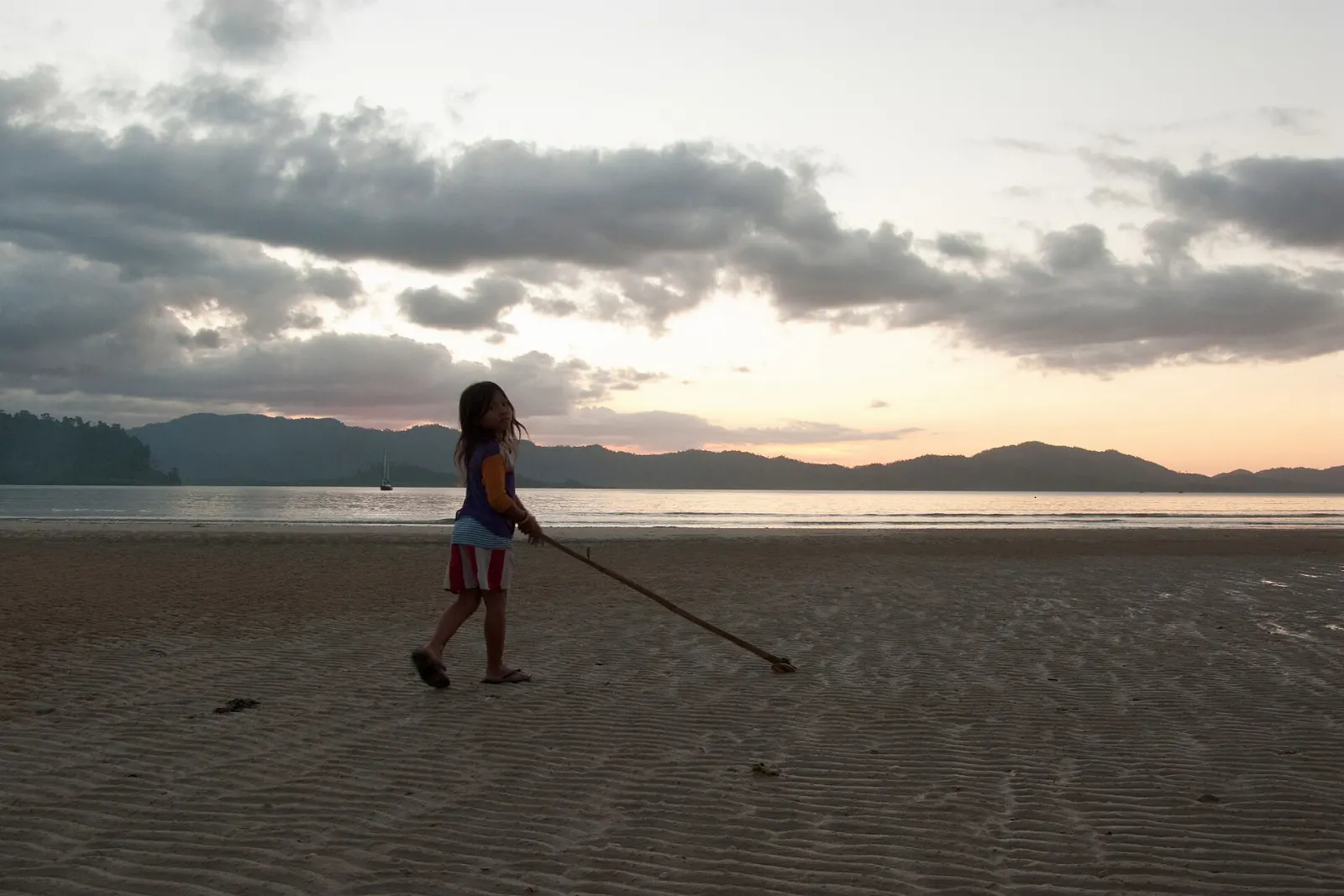
North of Port Barton, San Vicente's Long Beach runs for roughly 14 kilometers, making it one of the longest white-sand beaches in the Philippines. It is still largely undeveloped, so it feels wonderfully empty.
Coron and the Calamian Islands
Kayangan Lake
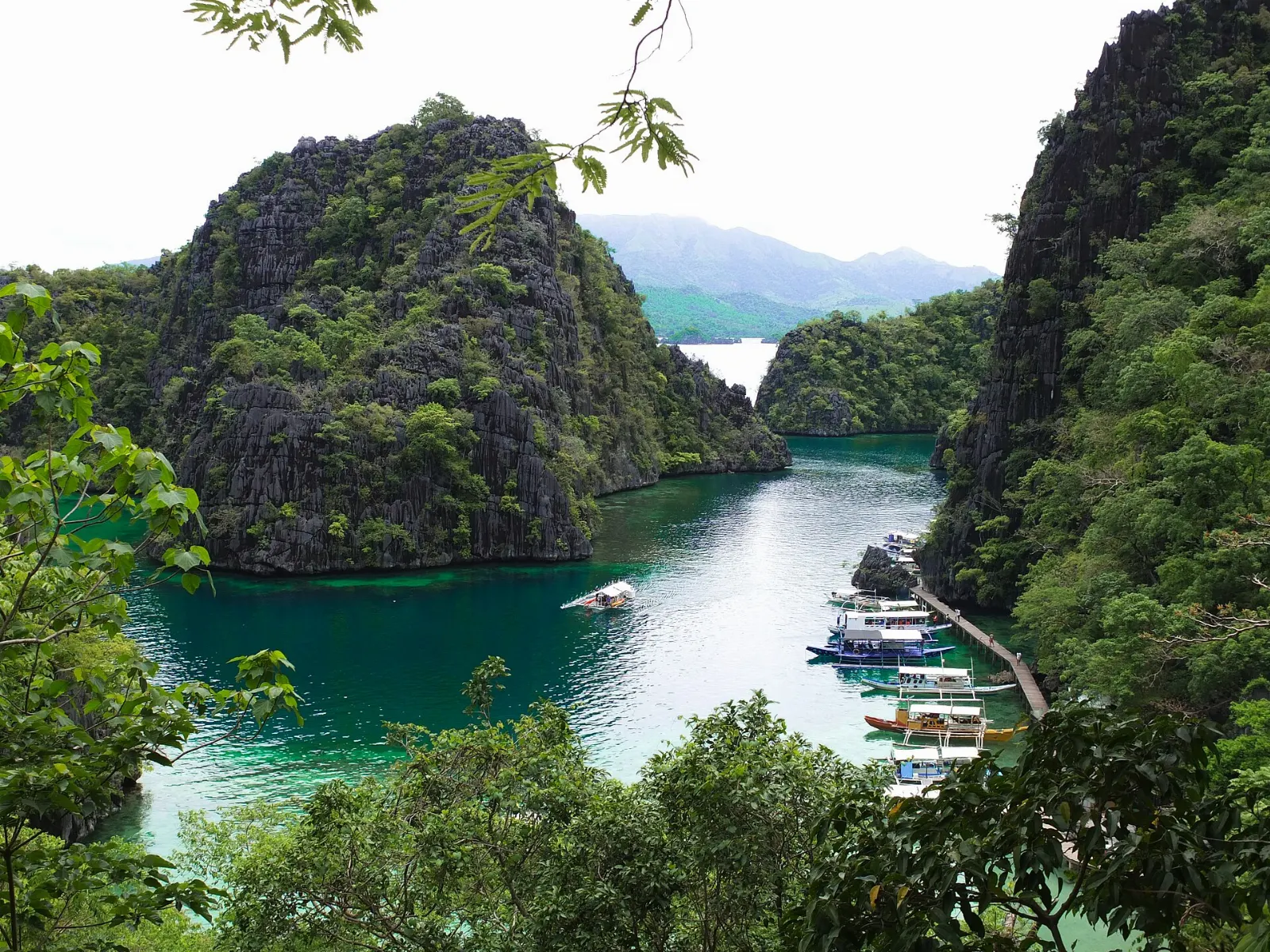
Coron town is on Busuanga Island, and its most famous sights lie across the water on Coron Island, which belongs to the indigenous Tagbanua as ancestral domain. Kayangan Lake is reached by boat and then a steep stairway over a limestone ridge.
Visit early with a boat tour to avoid queues at the viewpoint, and wear a life vest in the lake if you are not a strong swimmer. Expect a half day as part of a full-day island tour.
Barracuda Lake and Twin Lagoon
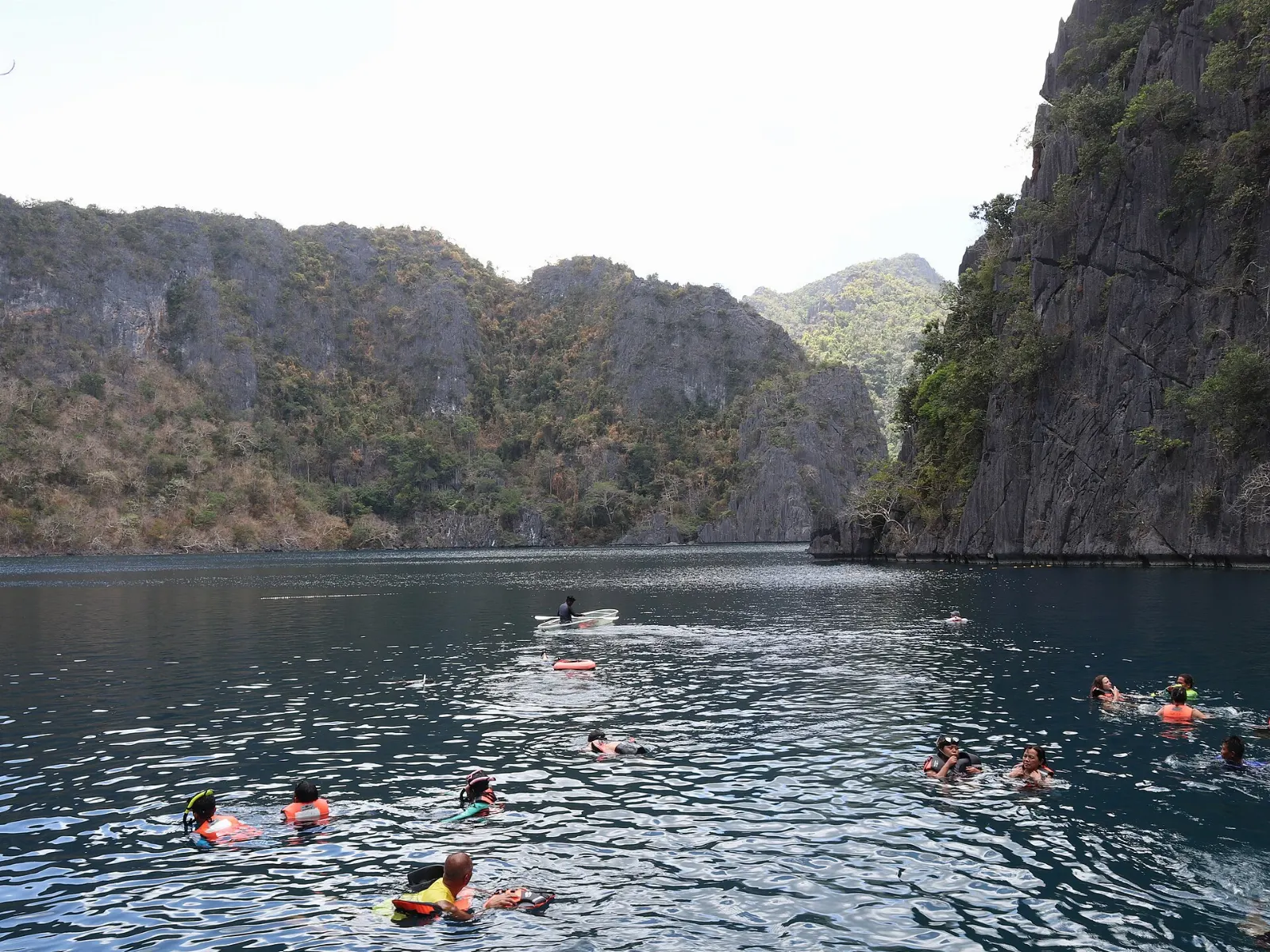
Barracuda Lake, also on Coron Island, is famous among divers for its thermocline, where the water suddenly turns warm as you descend, and for the strange underwater limestone formations. Snorkelers can enjoy the visibility from the surface.
Coron's shipwrecks
In September 1944, United States aircraft attacked a fleet of Japanese supply ships sheltering in Coron Bay, sinking many of them.
Mount Tapyas and Maquinit Hot Spring
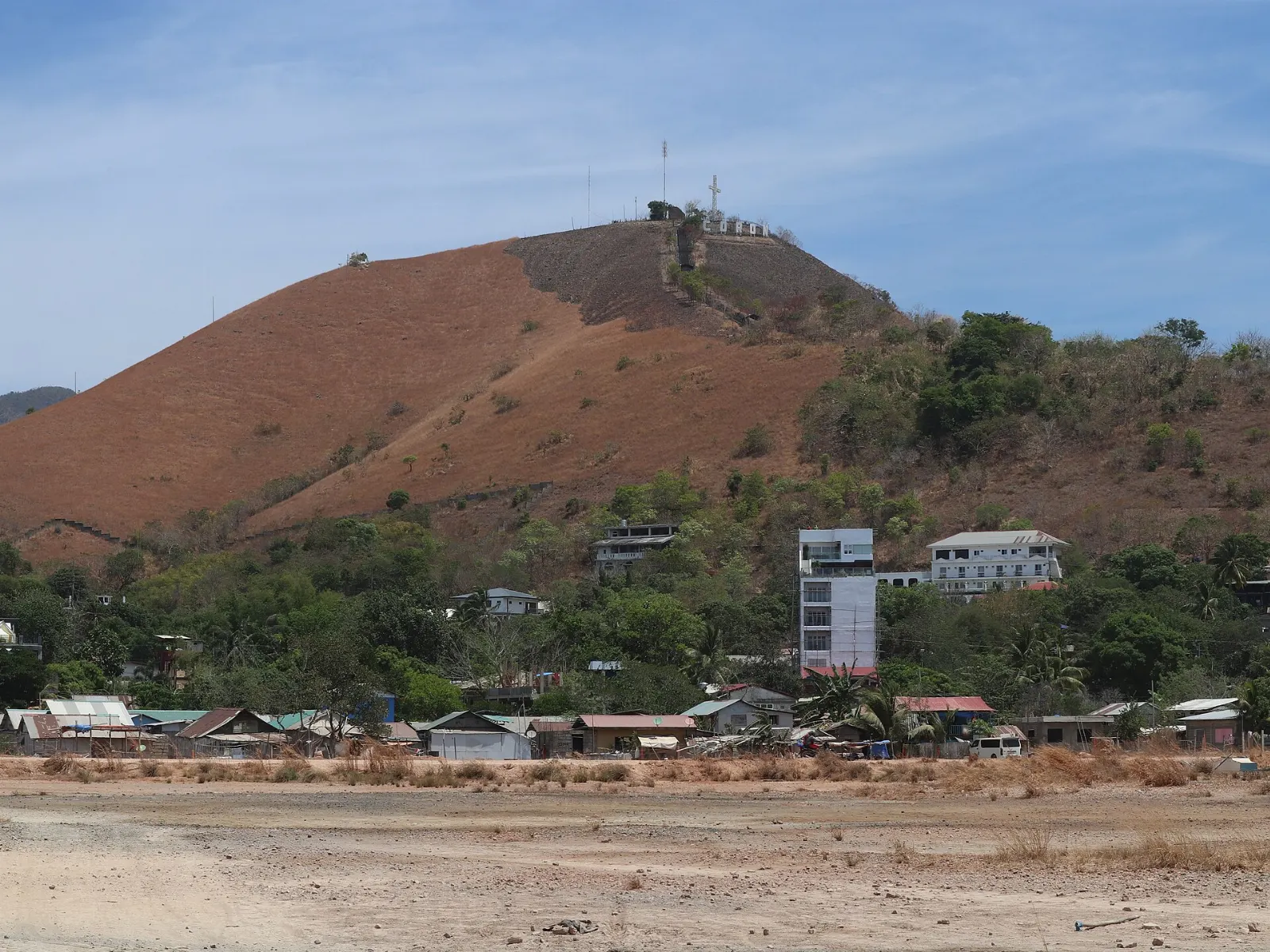
Back in Coron town, a long concrete staircase climbs Mount Tapyas to a viewpoint with a large cross, looking over the town, mangroves and islands. Go in the late afternoon for sunset, and allow about an hour.
Tubbataha Reefs
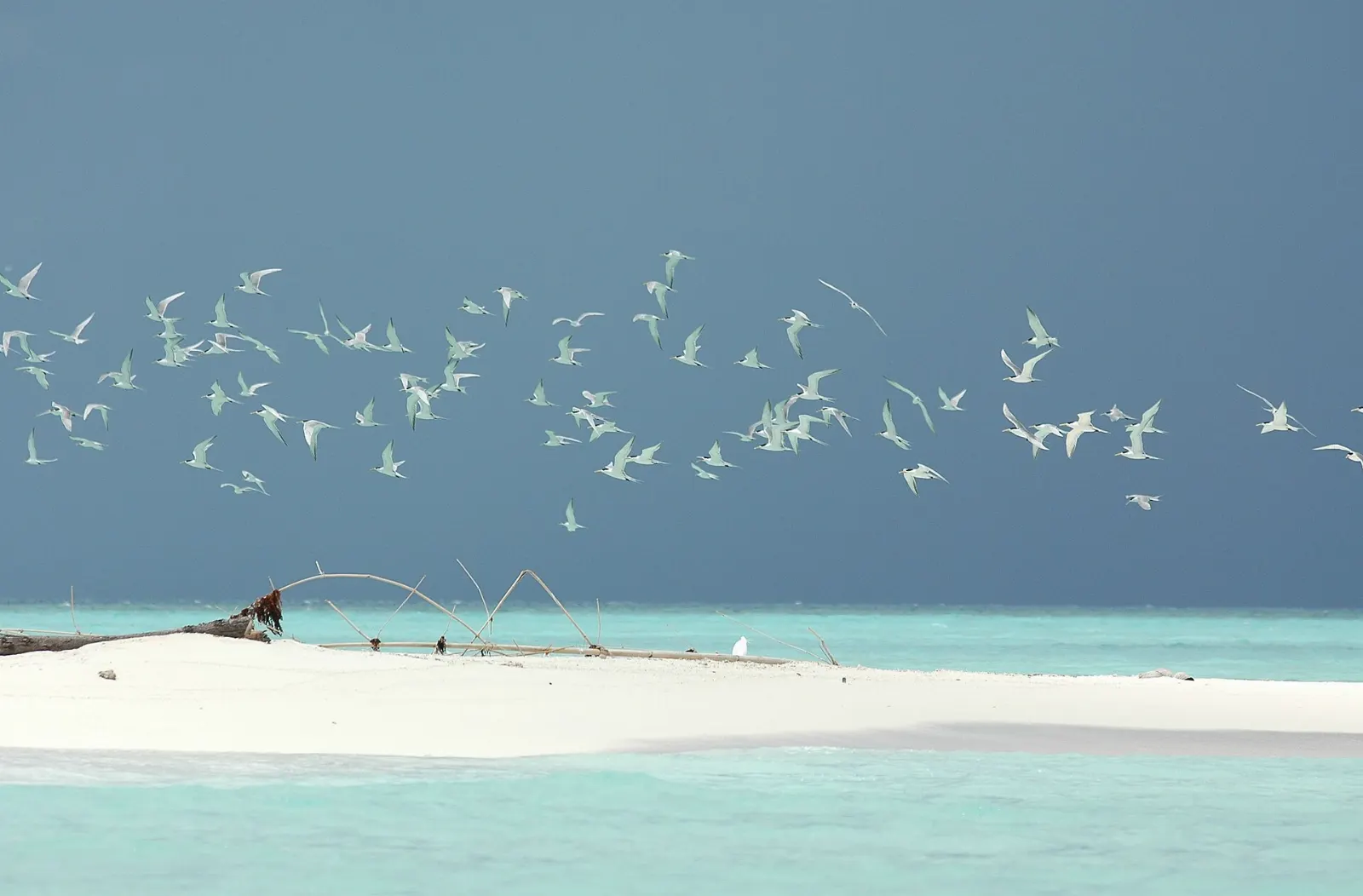
For experienced divers, Tubbataha Reefs Natural Park in the Sulu Sea is the ultimate Palawan trip.
 Planning a trip to Palawan?Compare hotels, flights and vacation rentals for Palawan on Expedia.Book now
Food and local flavors
Seafood is the backbone of Palawan's food. Island-hopping lunches usually feature grilled fish, squid, prawns and pork, served with rice, fresh mango and tomatoes on the boat.
Puerto Princesa has a few specialties of its own. Chao long, a rice noodle soup with beef, is a breakfast favorite that reflects the city's Vietnamese heritage.
El Nido town has the widest range of restaurants, from Filipino carinderias serving adobo and sinigang to bars and international cafes.
Popular dishes to try in Palawan


Where to stay
In El Nido, staying in town puts you close to the tour boats, restaurants and nightlife, which suits first-time visitors and social travelers.
In Coron, most travelers stay in Coron town on Busuanga, which has easy access to island tours and the market.
Puerto Princesa city works well for a night or two before or after flights and for the Underground River. Sabang, near the river itself, offers simple beachside stays for those who want to be first in line.
Where to stay in Palawan


Best time to visit
The dry season, from roughly December to May, is the best time for island hopping, with calmer seas, clearer water and more sunshine.
The wet season runs from about June to November, bringing heavy rain, stronger winds and occasional typhoons, particularly in the north of the province.
Getting there and getting around
Puerto Princesa International Airport has the most flights, with frequent connections from Manila and Cebu and some international routes.
On the main island, shared and private vans link Puerto Princesa with Port Barton, San Vicente and El Nido; the ride to El Nido takes roughly five to six hours.
Within towns, tricycles are the usual way to get around, and scooters can be rented in El Nido and Coron if you are an experienced rider.
A suggested itinerary
First and second days
Fly into Puerto Princesa.
Third and fourth days
Travel by van to Port Barton for two nights of island hopping, turtle snorkeling and a side trip to San Vicente Long Beach.
Fifth to seventh days
Continue north to El Nido. Spend two days on island-hopping tours, starting with Tour A for the lagoons, and use the third for Nacpan Beach and a sunset in Corong-Corong.
Eighth to tenth days
Take the ferry to Coron.
Practical tips
- Book the Underground River permit and popular island tours ahead, especially from January to May.
- Carry enough cash; ATMs in El Nido, Port Barton and Coron can run dry or go offline.
- Use reef-safe sunscreen and never touch or stand on coral.
- Leave buffer days, as boats and flights are cancelled in bad weather.
- Pack a dry bag, water shoes and a light rain jacket.
- Bring a refillable water bottle; many resorts and tour boats offer refills to cut plastic waste.