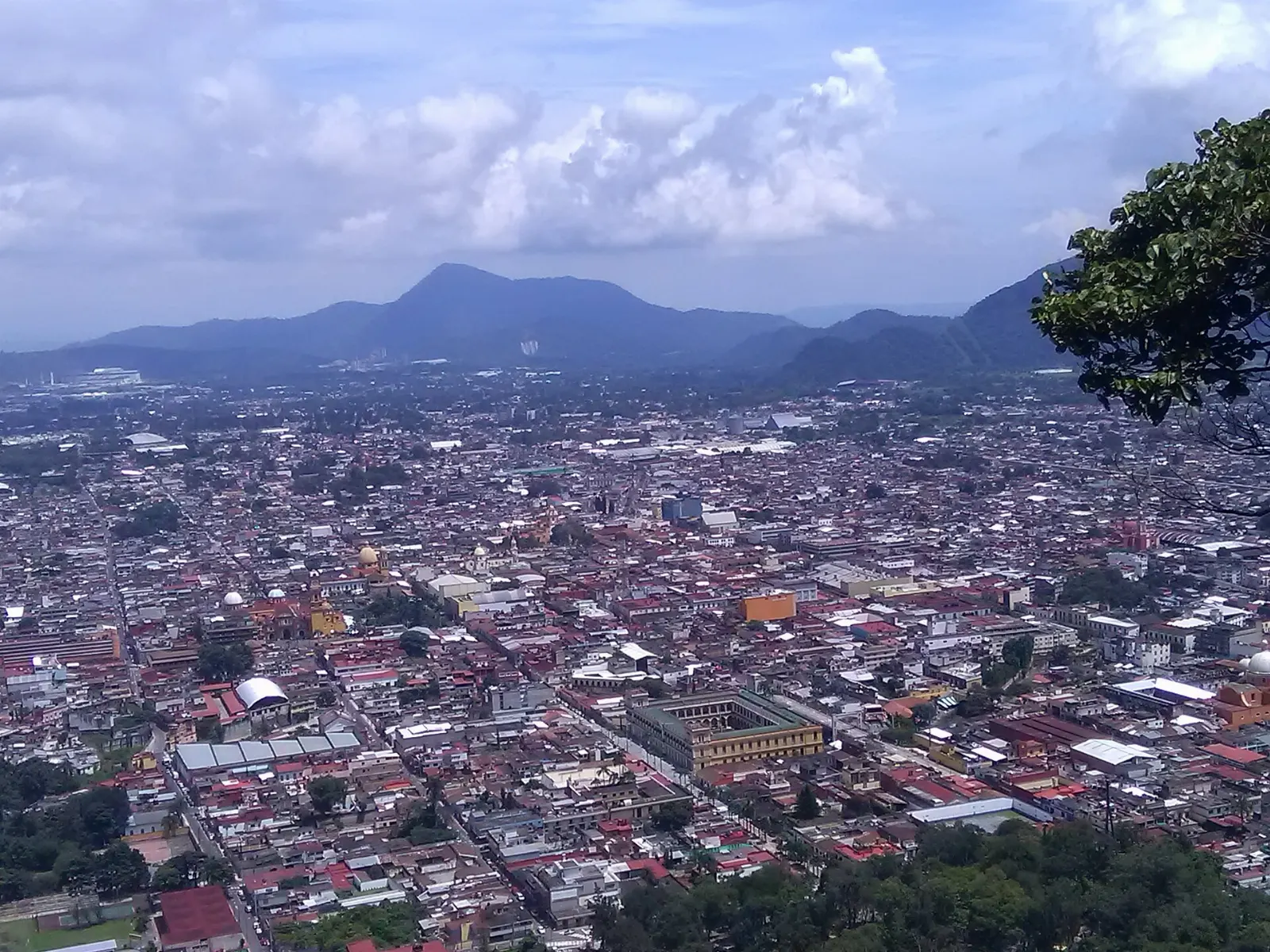
San Luis Potosí is a high-plateau colonial city in central Mexico, founded in 1592 after silver was found nearby. Its plazas, baroque churches and lively cultural scene make it one of the most underrated stops on the Camino Real de Tierra Adentro, the historic royal road that earned the city a UNESCO listing.
AT A GLANCE
Best time
Spring and autumn bring mild days, while winter evenings at this altitude can be chilly.
How long
Two days cover the historic center, and a third adds the museums and parks.
Getting there
A small airport serves the city, and long-distance buses arrive from Mexico City and Monterrey.
Why visit San Luis Potosí
The historic center is a tidy grid of plazas, pedestrian streets and Baroque facades, and it feels lived in rather than staged.
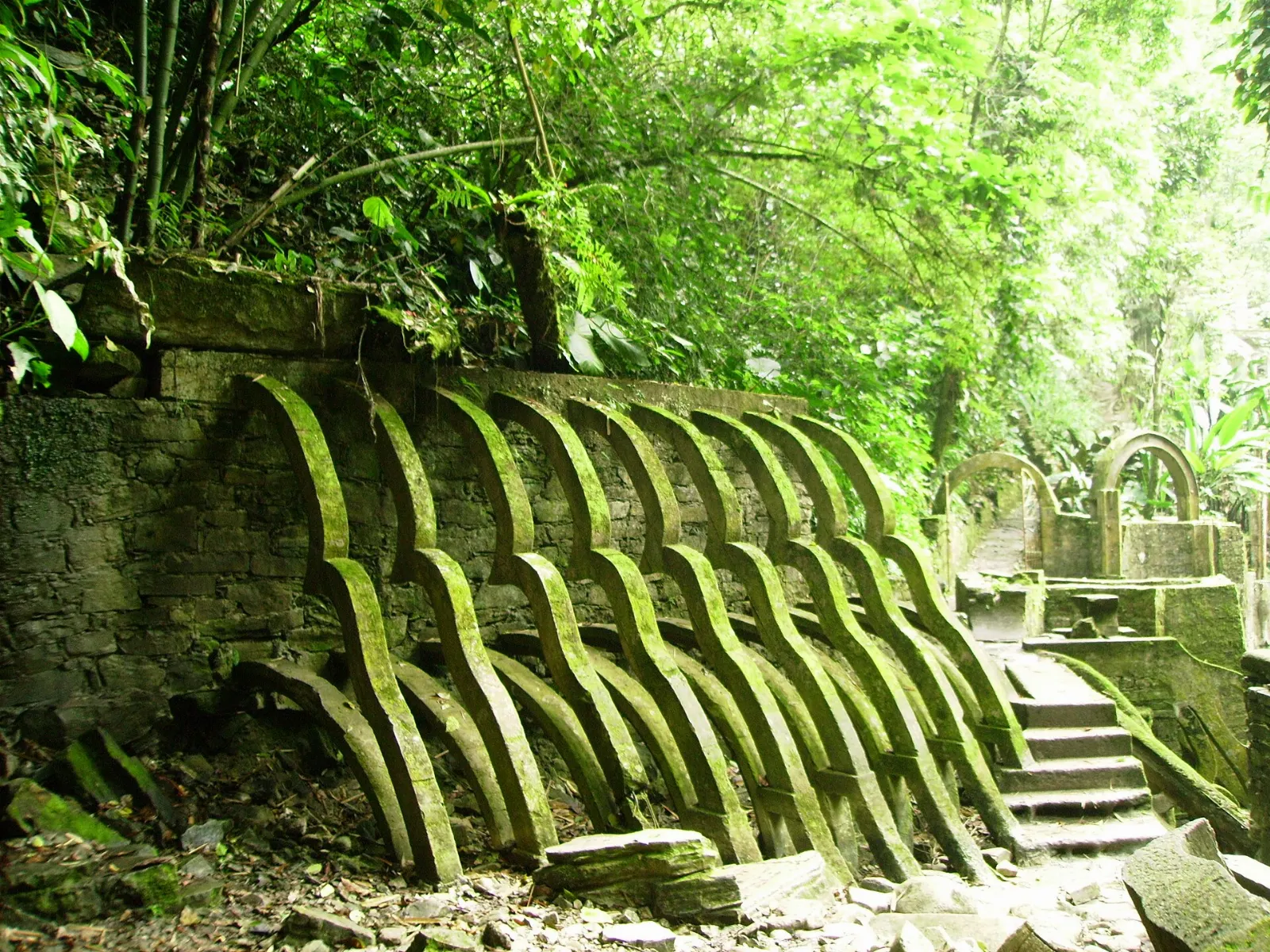
The city also works as a base for the wider state. From here you can reach mountain villages, an old silver mining settlement and the surreal gardens at Xilitla, so it suits both short city breaks and longer regional trips.
The historic center
Plaza de Armas and the Cathedral
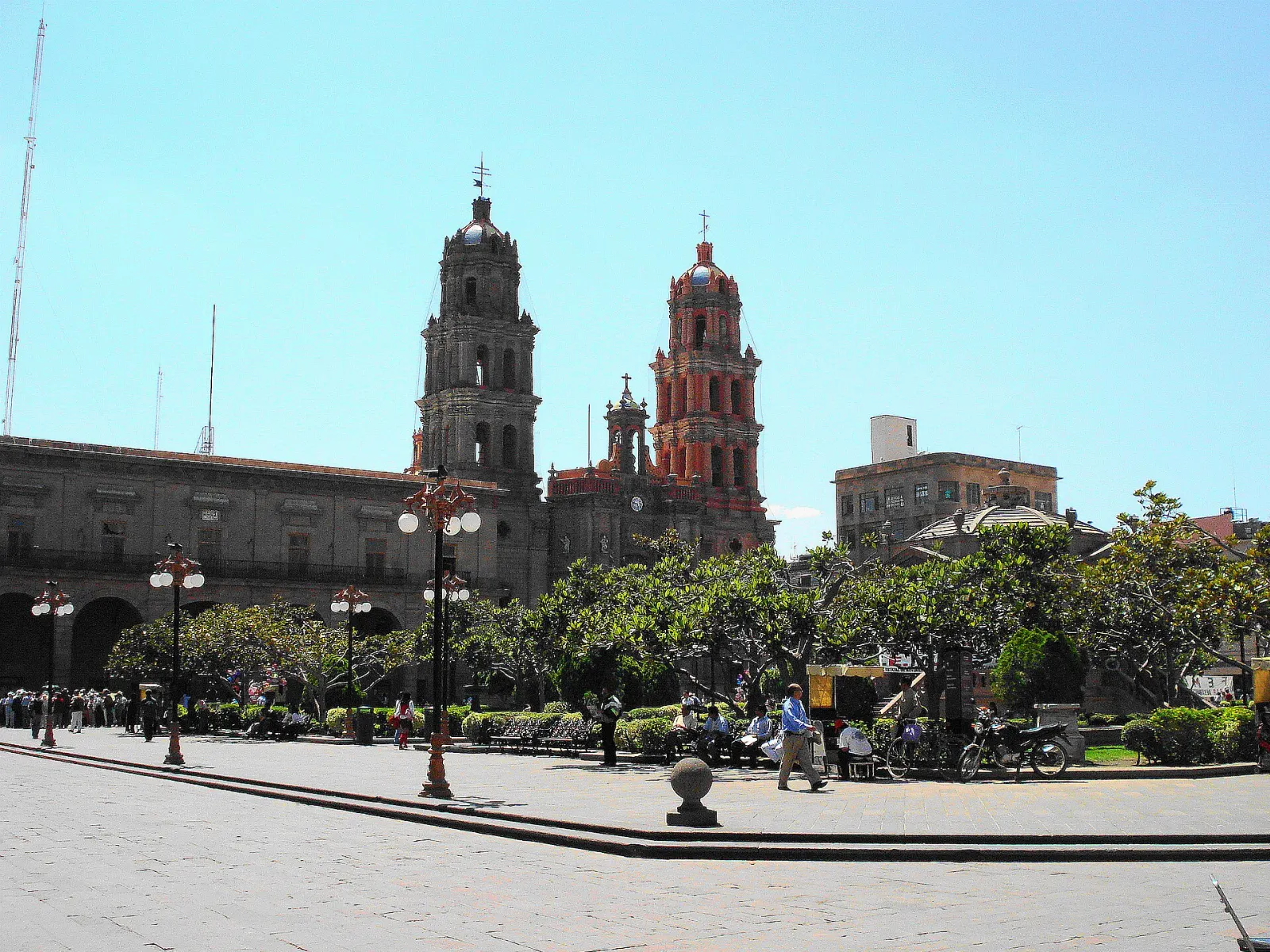
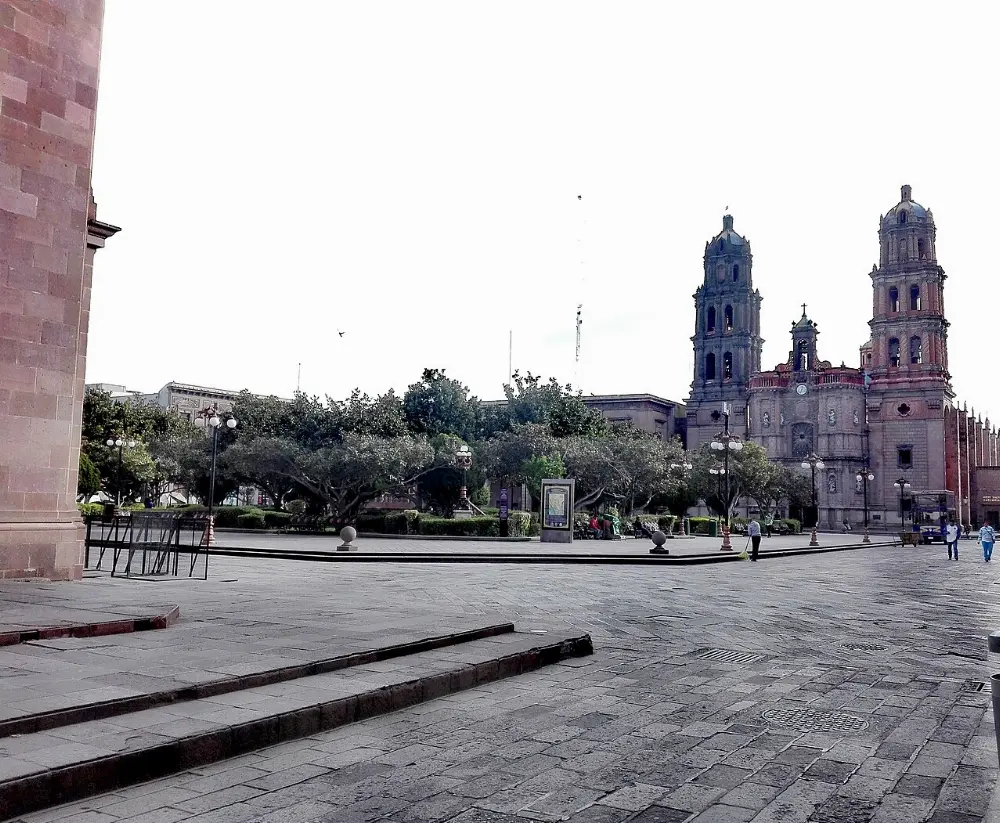
The main square is the natural starting point. The cathedral, built between 1670 and 1730 in a Baroque style, anchors the plaza beside the old governor's palace.
Templo del Carmen
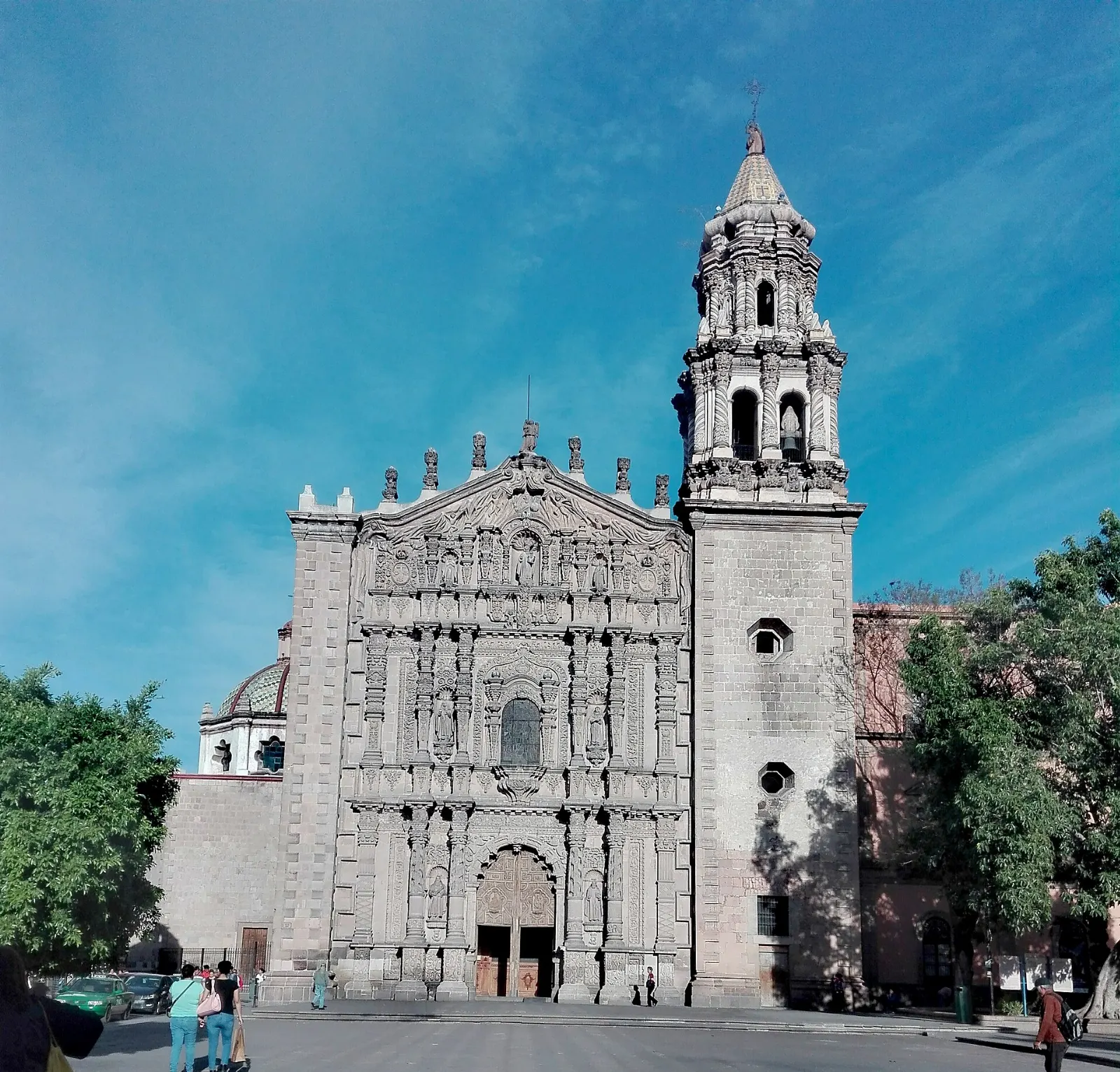
Often named among the finest churches in Mexico, this 18th century Baroque temple is known for its colorful tiled domes and ornate altars.
Teatro de la Paz
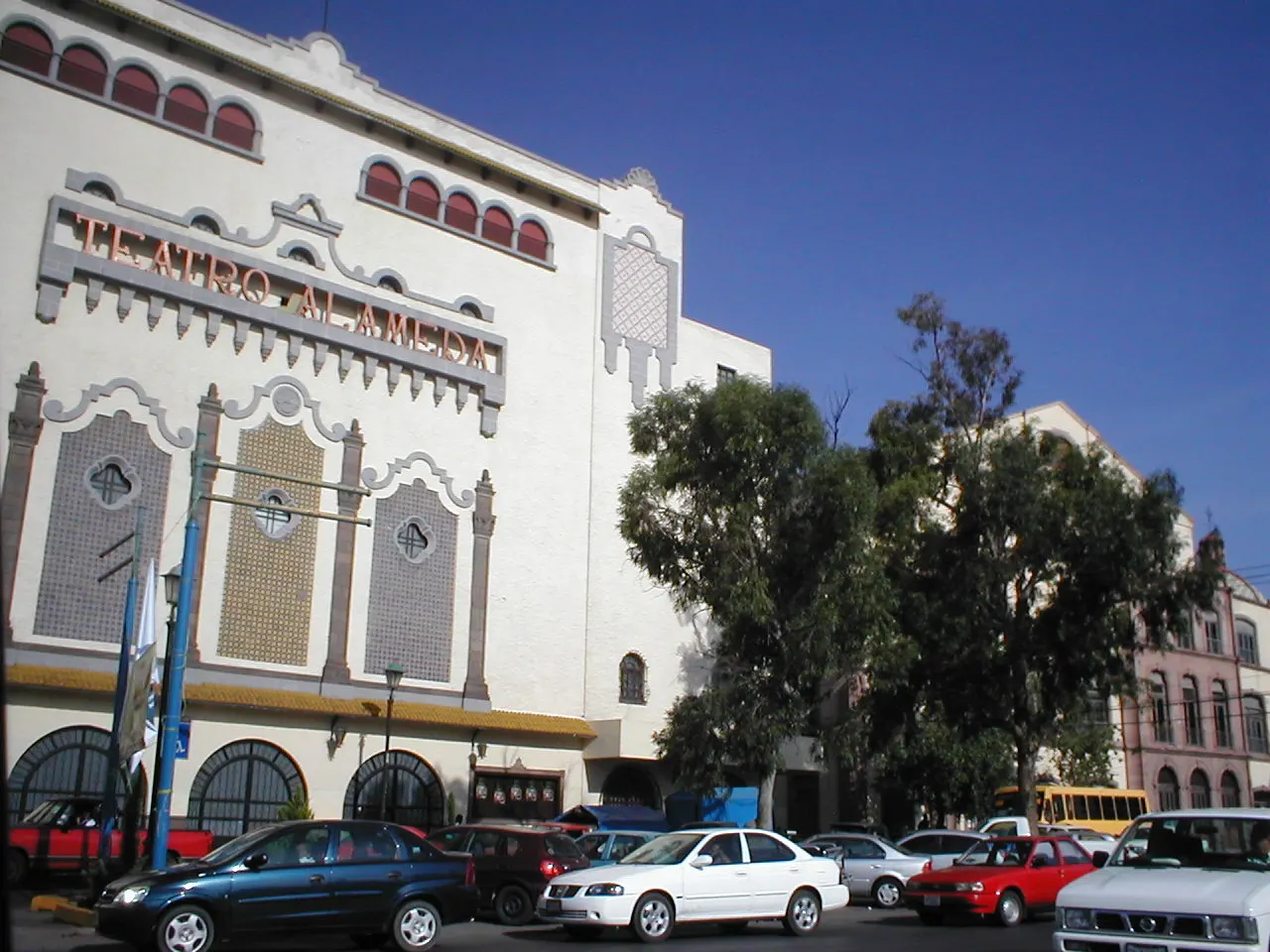
This 19th century theater is admired for its elegant facade and its acoustic interior.
Templo de San Francisco and Plaza de Aranzazu
The Baroque Church of San Francisco, built around 1692, faces a pleasant garden. The Museo Regional Potosino sits beside it, and the small Plaza de Aranzazu is adjacent.
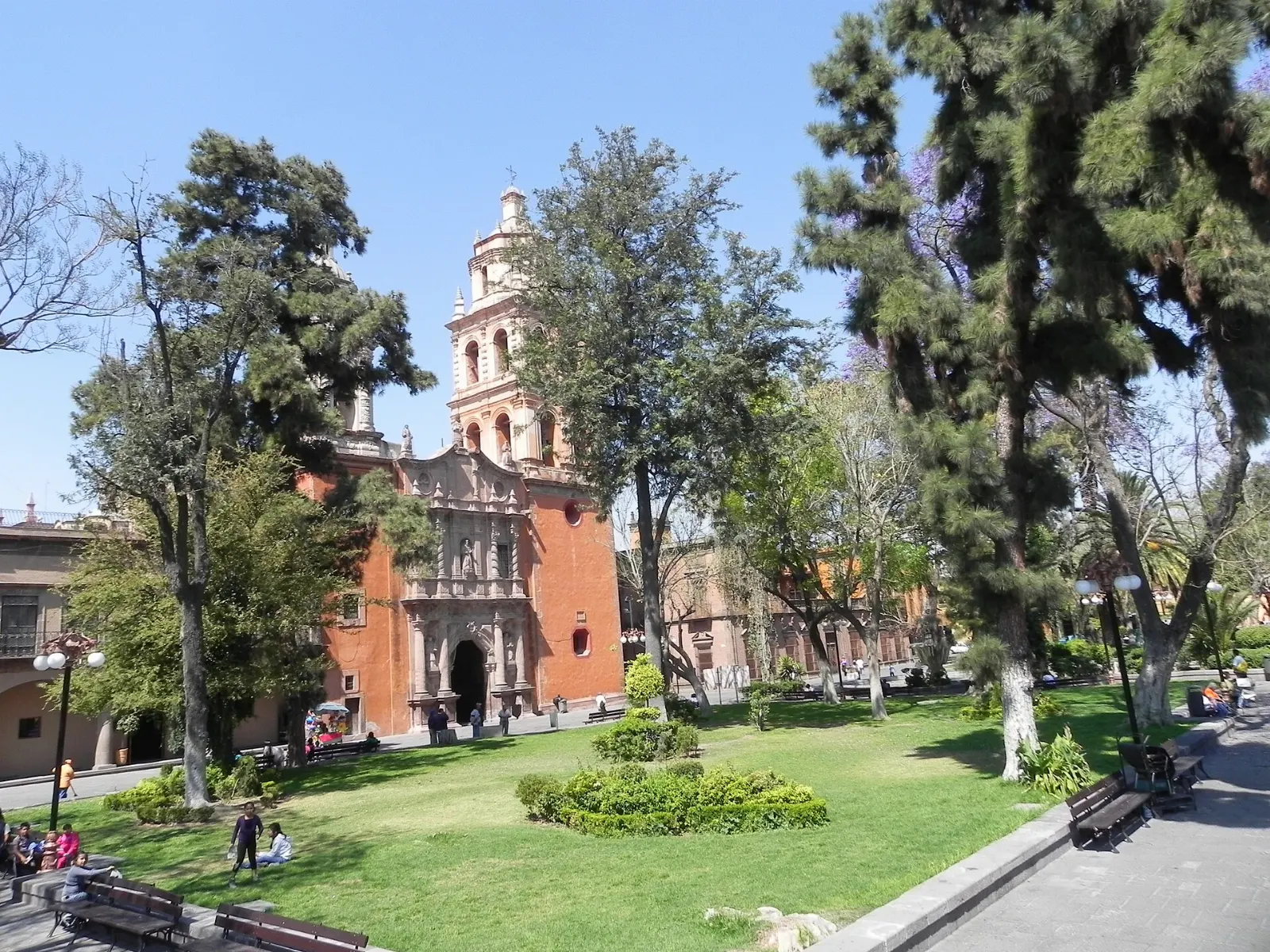
Caja del Agua
This stone fountain is a local symbol, recalling how precious water was once stored and shared from a nearby spring. It is a brief photo stop on the way between the center and the Alameda area.
Museums, art and walking streets
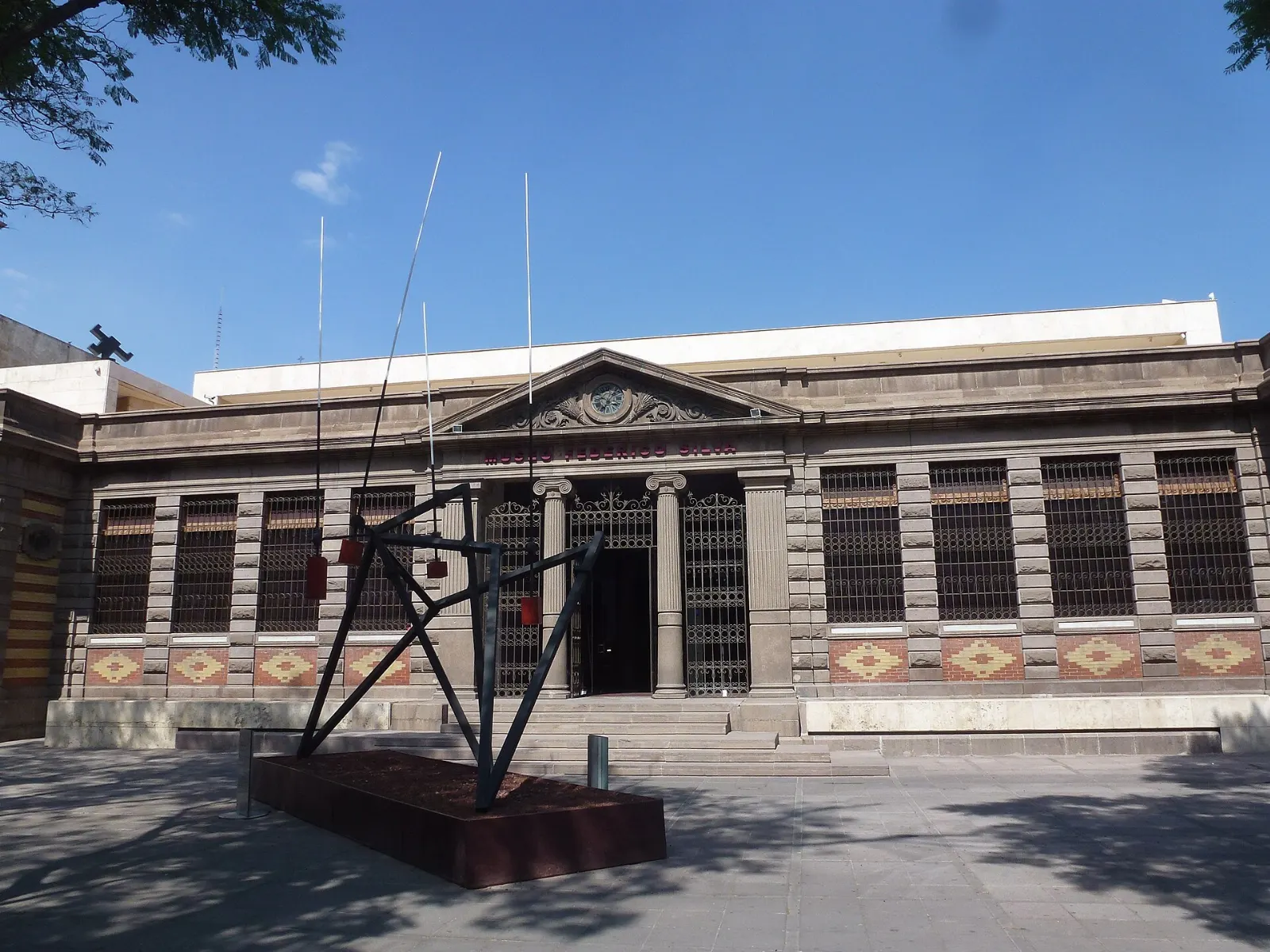
Museo Federico Silva
This museum focuses on contemporary sculpture, especially the work of Federico Silva, whose geometric pieces show a strong Aztec influence. Temporary exhibitions bring in Mexican and international artists.
Museo Nacional de la Máscara
Regional dance masks and the culture around them, from pre-Hispanic times to today, fill this museum. It is an excellent way to understand local festivals and traditions.
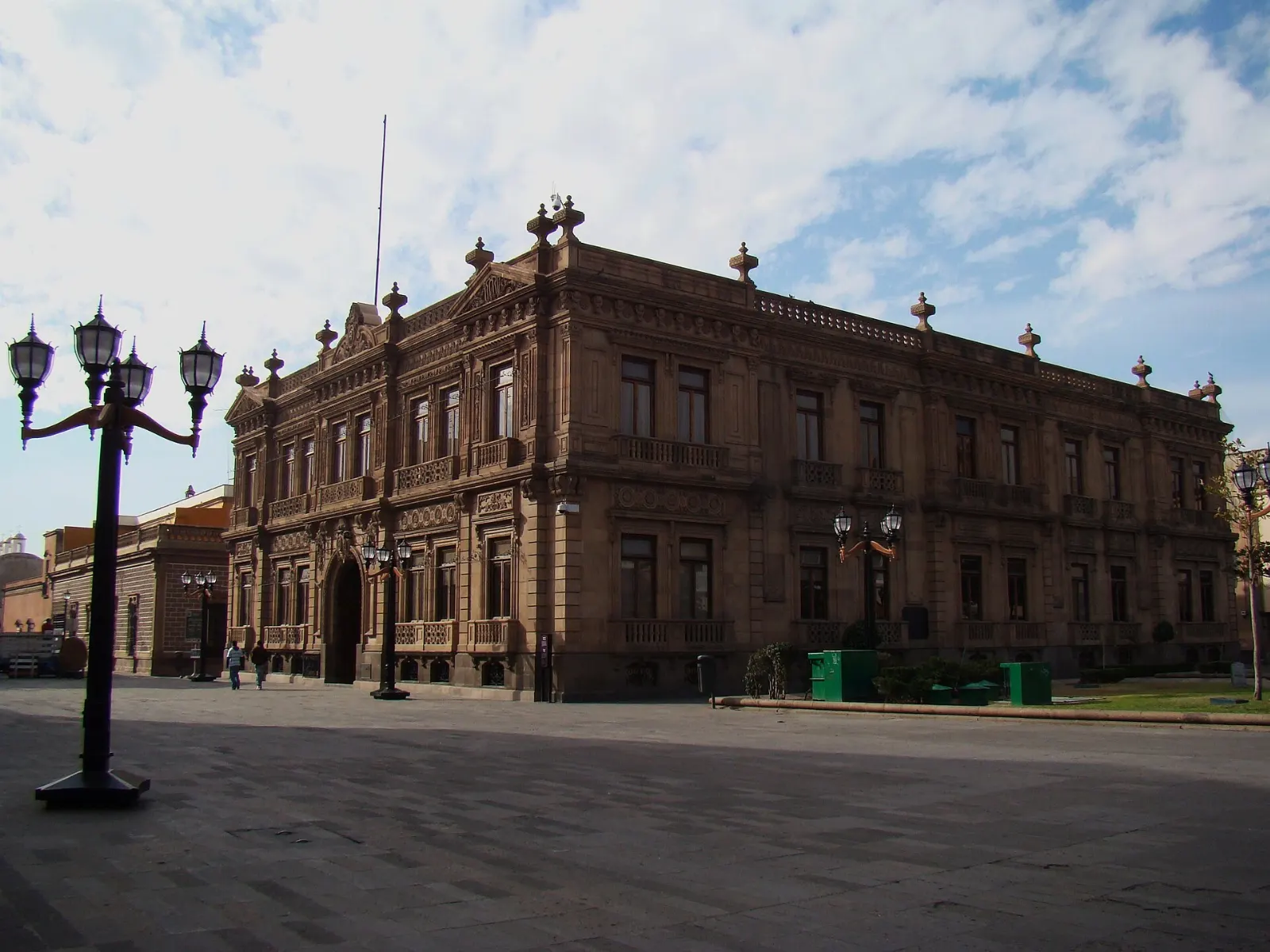
Museo del Ferrocarril and Museo Laberinto
The railway museum celebrates the line that once linked the city to the country, while Museo Laberinto offers hands-on science and art exhibits that are popular with families.
Calzada de Guadalupe
This long pedestrian boulevard runs from the center to the Santuario de Guadalupe, and a city sign claims it is among the longest in the Americas.
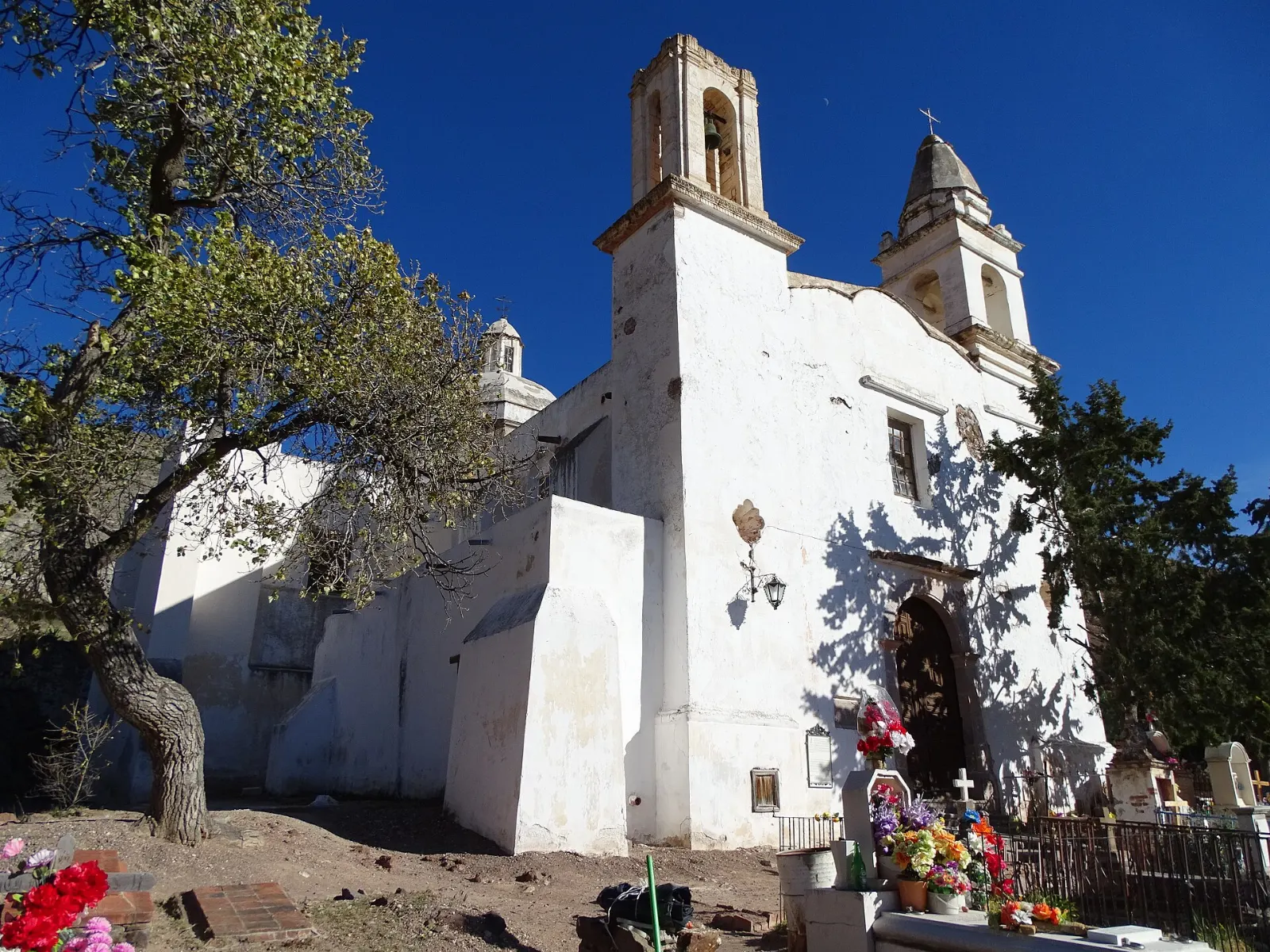
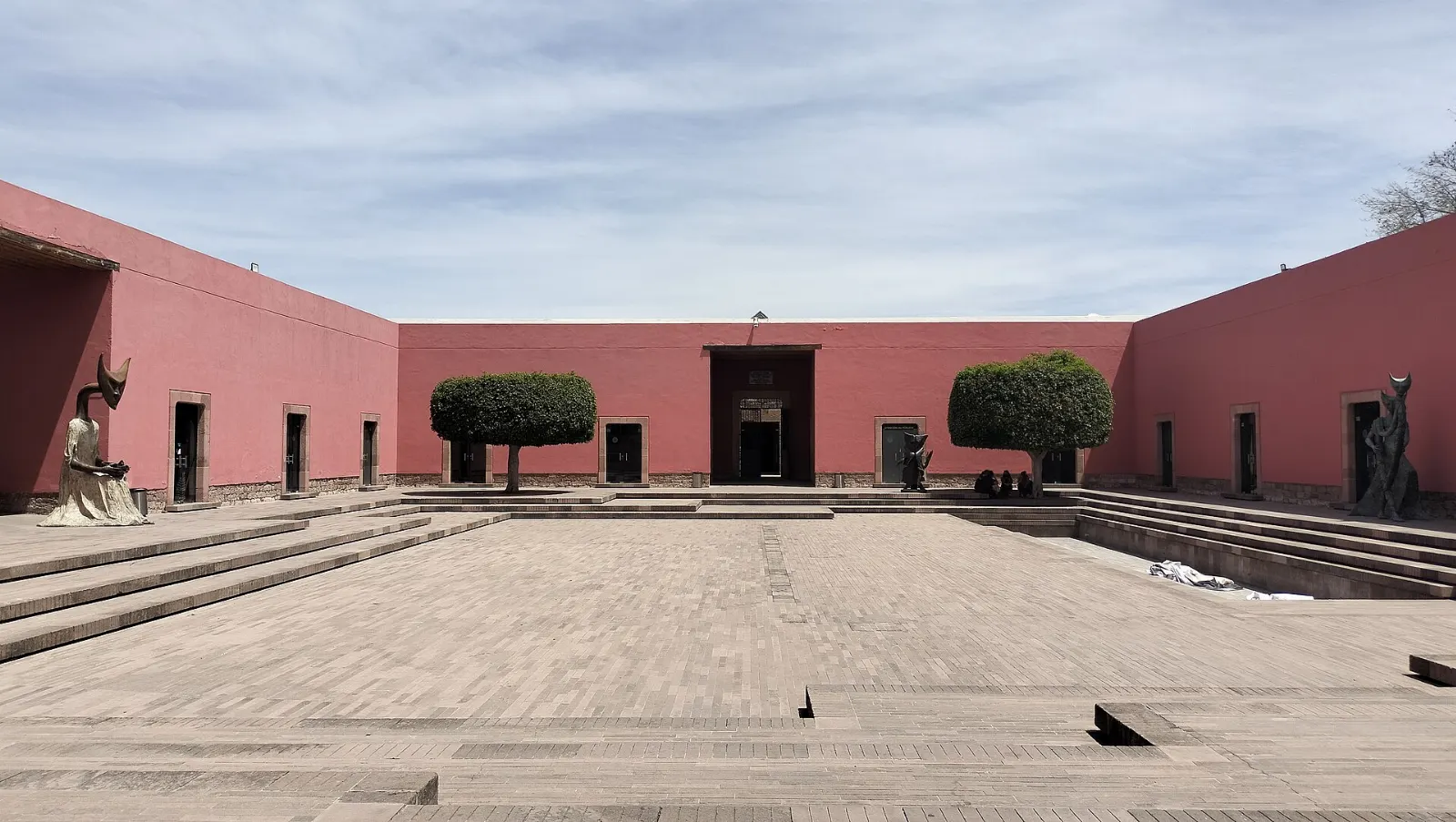
Centro de las Artes and Museo Leonora Carrington
Housed in a former panopticon prison, the Centro de las Artes hosts exhibitions and gardens.
 Planning a trip to San Luis Potosí?Compare hotels, flights and vacation rentals for San Luis Potosí on Expedia.Book now
Parks and short trips
Parque Tangamanga I
The city's largest urban park has a lake, gardens, a planetarium and a small train. Locals jog and picnic here on weekends.
Cerro de San Pedro
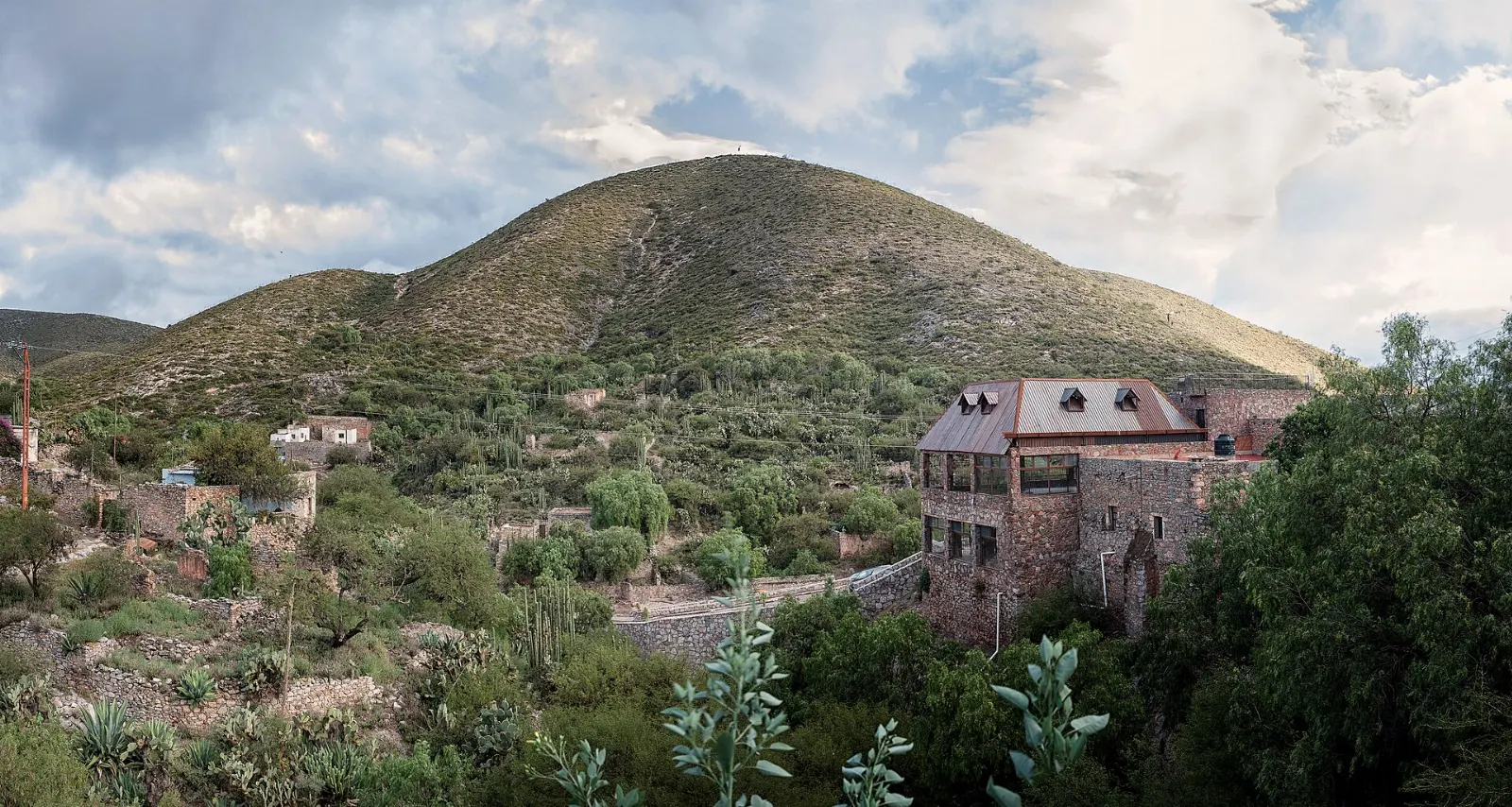
This hill village, about 22 km from the city, was tied to the silver lode that gave San Luis Potosí its name. You can reach it by city bus and then a short taxi ride.
Mexquitic de Carmona
This mountain village lies about 20 km away and offers a dam, a small lake and a viewpoint hike.
Food and local flavors
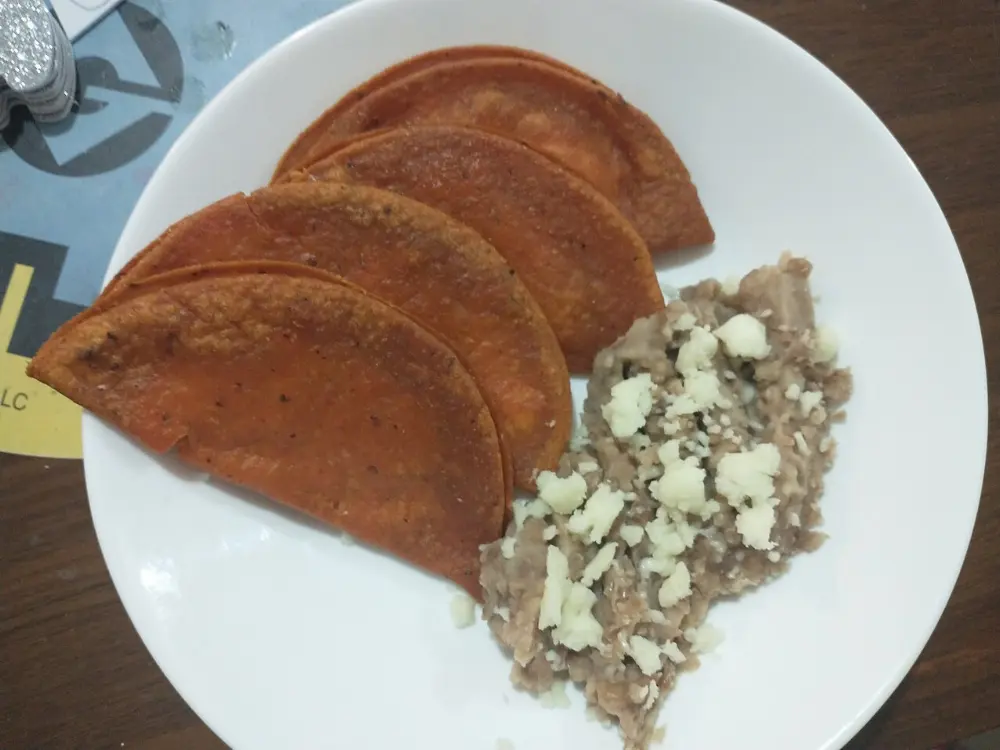
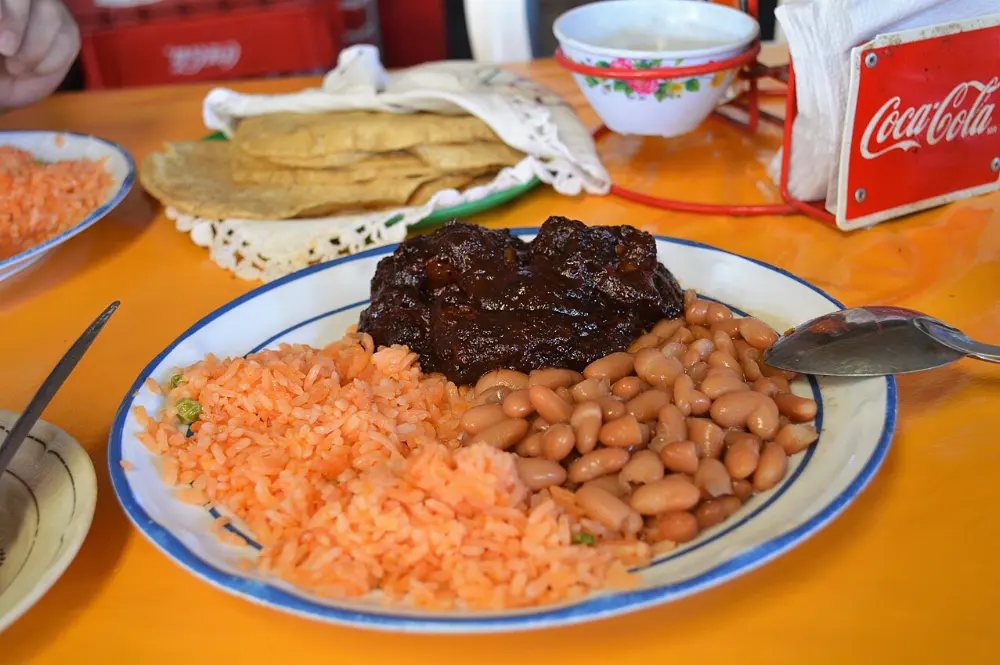
Potosino cooking is distinctive. Try enchiladas potosinas, the bright orange enchiladas made with chile-colored masa and usually served with refried beans and guacamole. Queso de tuna is a sweet, dense paste made from prickly pear fruit, found in local sweet shops and sold as a regional gift.
For street snacks, stroll the plazas near dusk, where vendors sell corn on the cob with cheese, butter, salt and lime. Ask locals for the best market for lunch, as the central markets are a good place to try regional dishes at ease.
Popular dishes to try in San Luis Potosí
Where to stay
The Centro Histórico is the best base for most travelers. You can walk to the cathedral, the theater, the museums and dozens of restaurants, and the pedestrian streets are pleasant after dark.
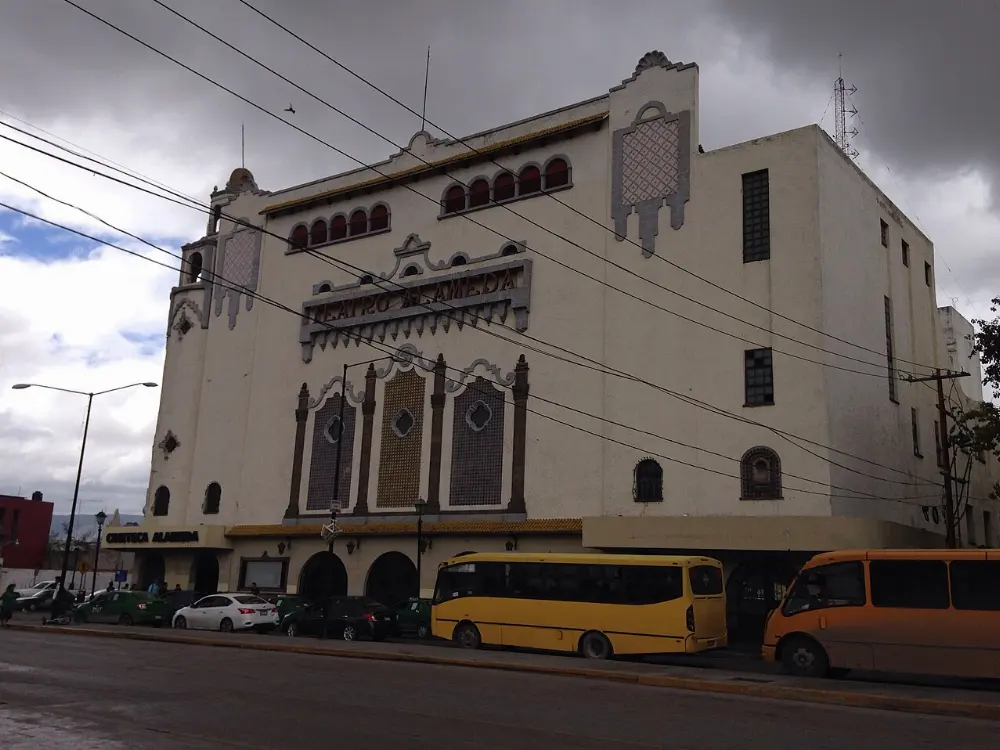
The Alameda area, in the south-eastern part of the old town, suits budget-minded visitors who want to be near city bus lines and the park.
Near Parque Tangamanga I is a good choice for families and for travelers with a car who prefer more space, green views and quieter nights.
Where to stay in San Luis Potosí
Best time to visit
The city sits at about 1,864 meters on a high plain, so days are usually comfortable and evenings can be cool, particularly in winter. Snow is rare but not unheard of, so bring a warm layer from December to February.
Spring and autumn are the most pleasant seasons for walking the center and visiting the parks. During the Christmas and Easter holiday periods, twilight light shows enliven Plaza de Armas and Plaza de los Fundadores, and the plazas fill with families and street food.
Getting there and getting around
The Aeropuerto de San Luis Potosí is small, with two gates and a limited range of flights. Direct services from Dallas and Houston have been offered, and domestic routes connect through Mexico City, Monterrey, Querétaro and Guadalajara.
The Terminal Terrestre Potosina is large, with frequent buses to major cities. Mexico City and Monterrey are each about five hours away.
Within the center, you can walk almost everywhere. City buses, yellow and blue, are flagged down at stops, and Uber operates in the city. Trolley sightseeing tours are also available.
A suggested itinerary
First day
Begin at Plaza de Armas and the cathedral, then visit Templo del Carmen and the Teatro de la Paz.
Second day
Spend the morning at Museo Federico Silva and the mask museum.
Third day
Take a half-day trip to Cerro de San Pedro or Mexquitic de Carmona, or relax in Parque Tangamanga I before an evening meal of enchiladas potosinas.
Practical tips
- Check your government's current travel advisory before you go.
- Carry a light jacket, as evenings on the plateau can be cold.
- Learn basic Spanish, since few residents speak fluent English.
- Check museum days before planning, because many close on one weekday.
- Use official taxi booths or ride-hailing apps from the bus terminal.