Uxmal is one of the best restored and best preserved Maya cities in the Yucatán, a World Heritage site in the Puuc hills south of Mérida. Its low horizontal palaces, rich stone mosaics and rounded pyramid make it one of the most photogenic ruins in Mexico.
AT A GLANCE
Best time
The dry season for comfortable walking and clear light.
How long
A morning at the site, or a full day with the Puuc route.
Getting there
About 85 kilometres from Mérida by road, bus or Tren Maya.
Why visit Uxmal
Uxmal means built three times in the Maya language, a reference to its many phases of construction.
The site is compact and walkable, so you can see its main groups in a few hours without the long distances of larger ruins. It is also an easy base for the other Puuc sites to the south.
Uxmal also works well as the first stop on a wider Yucatán trip. Mérida is close enough for day trips, and the smaller sites on the Puuc route show how the same architectural style spread across the hills, with each one adding its own character to the story.
Inside the archaeological zone
Pyramid of the Magician
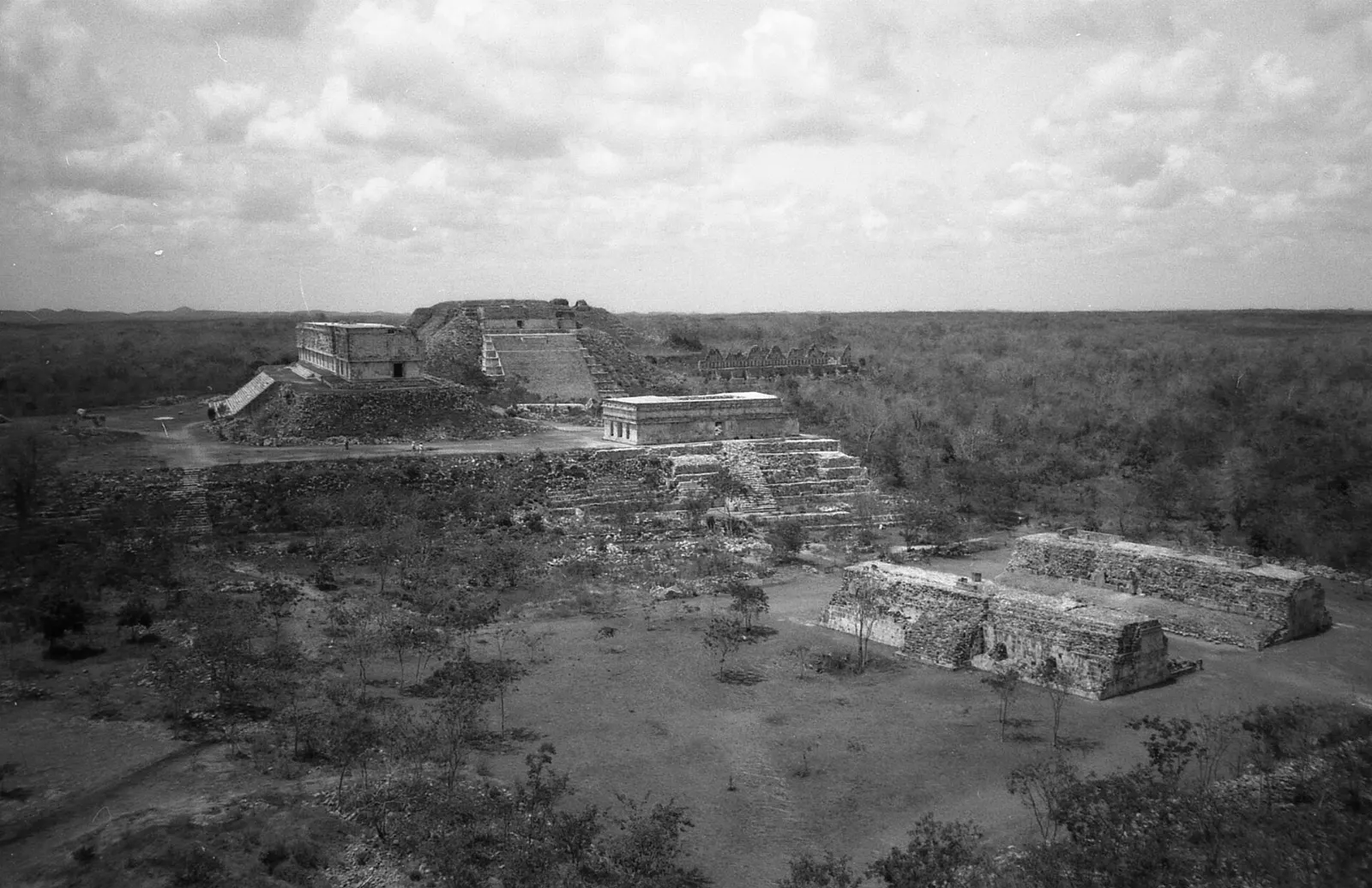
Just beyond the entrance, this rounded pyramid is the tallest structure at Uxmal at about 35 metres. Legend says the god Itzamna built it in a single night, but archaeologists find at least five building phases.
Nunnery Quadrangle
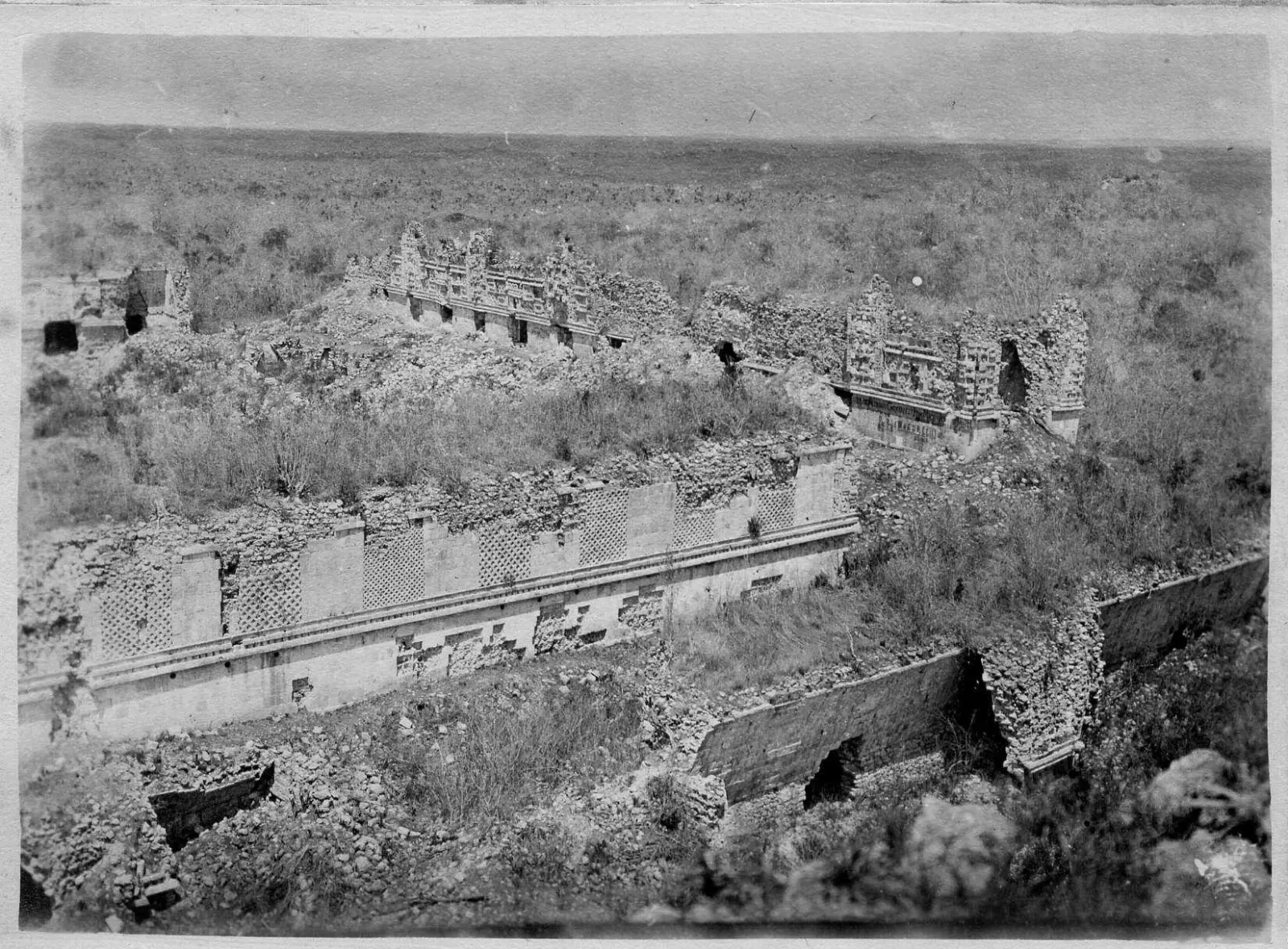
The Spanish gave this large complex its name because it reminded them of a European convent. It was probably used as a school for training healers, astrologers and priests.
Governor's Palace
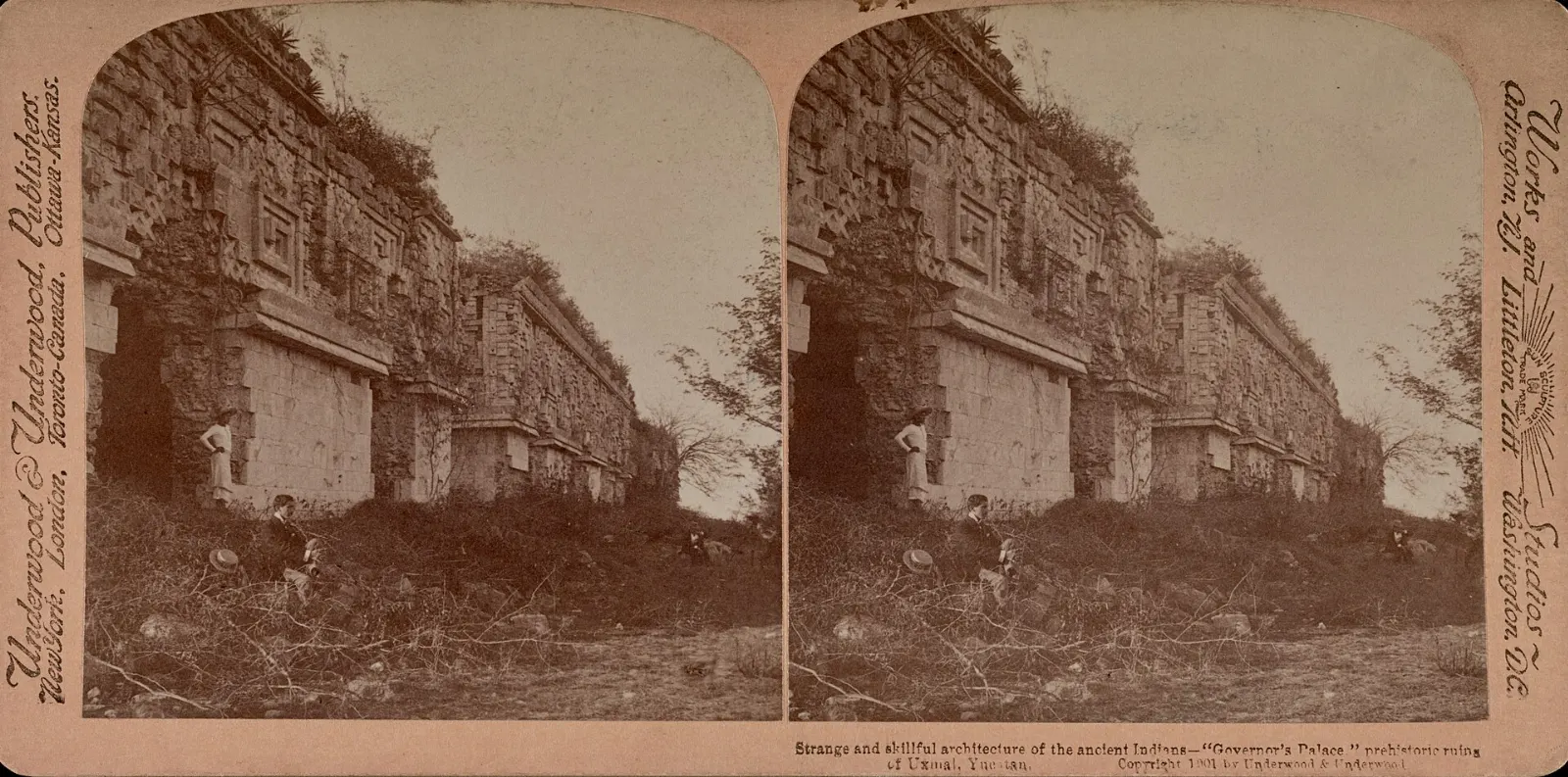
This is a fine example of stone mosaic work, likely created by hundreds of masons and sculptors. The long facade carries sculptures of the rain god Chaac, serpents and astronomical symbols.
House of the Turtles and the Dovecote
The House of the Turtles is decorated with turtle sculptures, which the Maya associated with rain. Nearby, the Dovecote is a building with many separate chambers, and the House of the Old Woman is close by.
The ballcourt
Uxmal also has a large ballcourt, with a playing field about 34 metres long and 10 metres wide. It is smaller than the great court at Chichén Itzá, but it is easy to reach and quiet.
Nearby sites and the Puuc route
Choco-Story
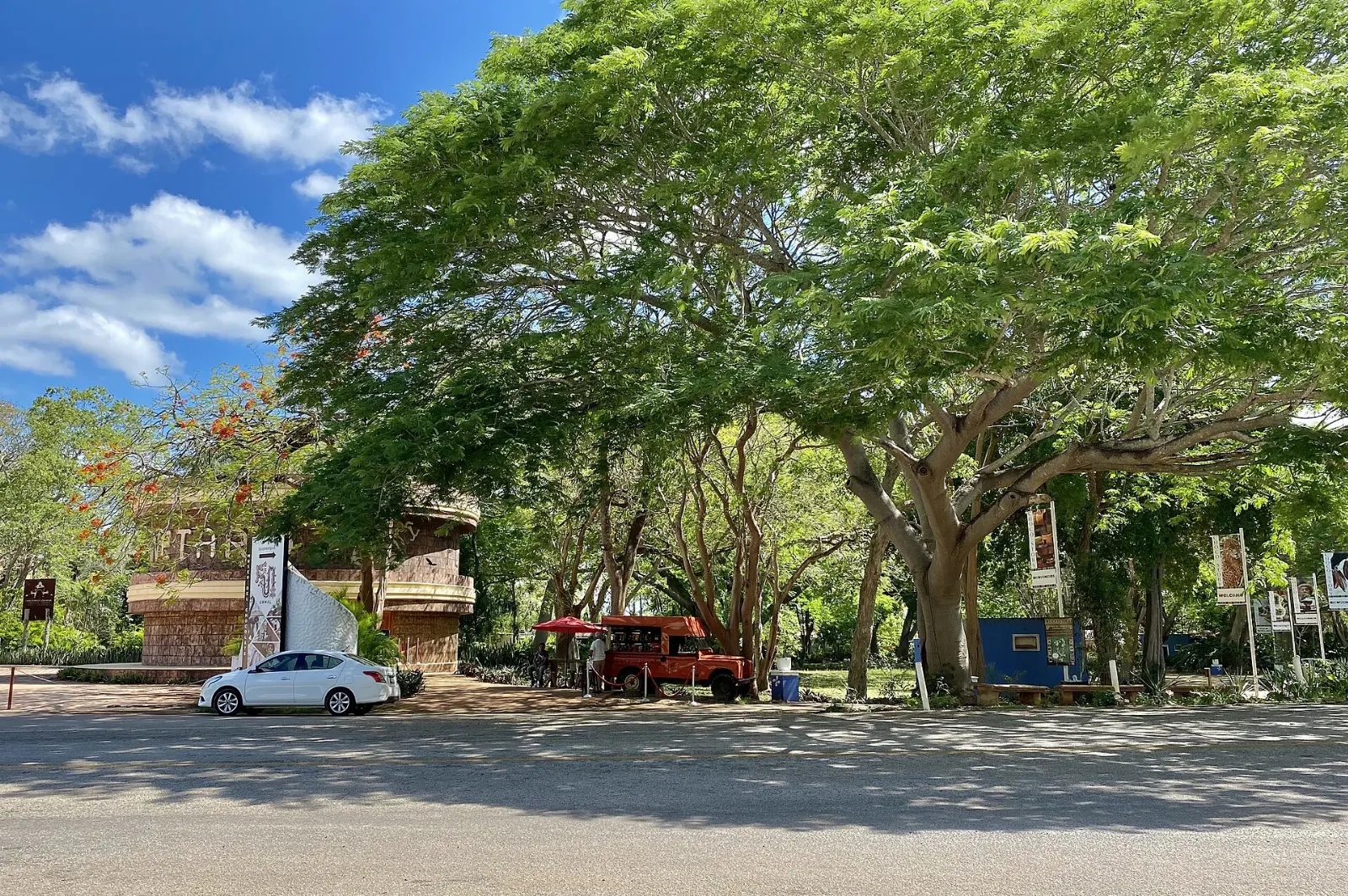
Across the highway from the archaeological site, this museum explains traditional Maya methods of growing and processing cacao. You can taste samples, and the grounds also shelter rescued animals.
Light and sound show
In the evening the site hosts a light and sound show organized by INAH. Some travellers consider it more engaging than the one at Chichén Itzá.
Kabah
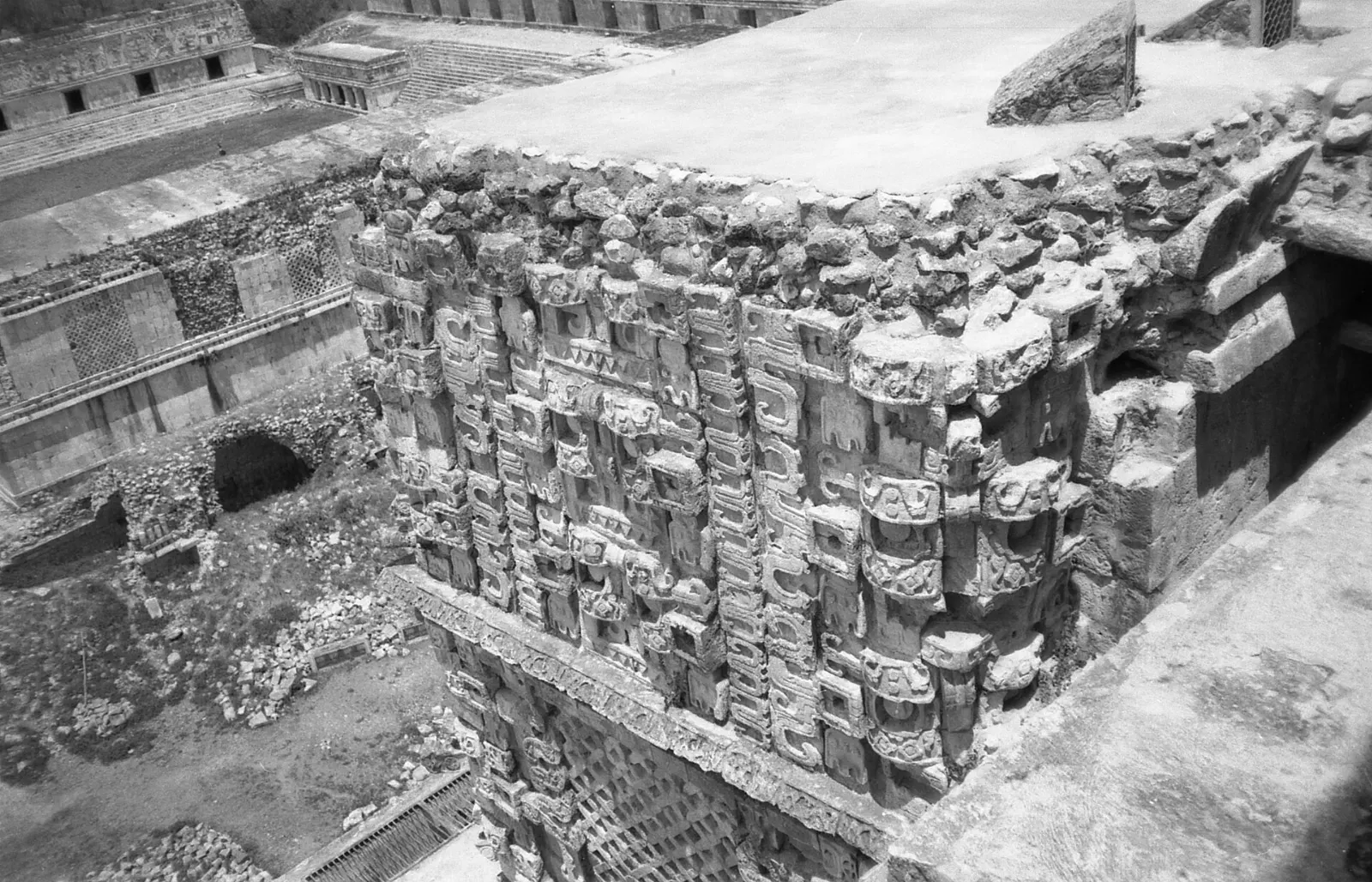
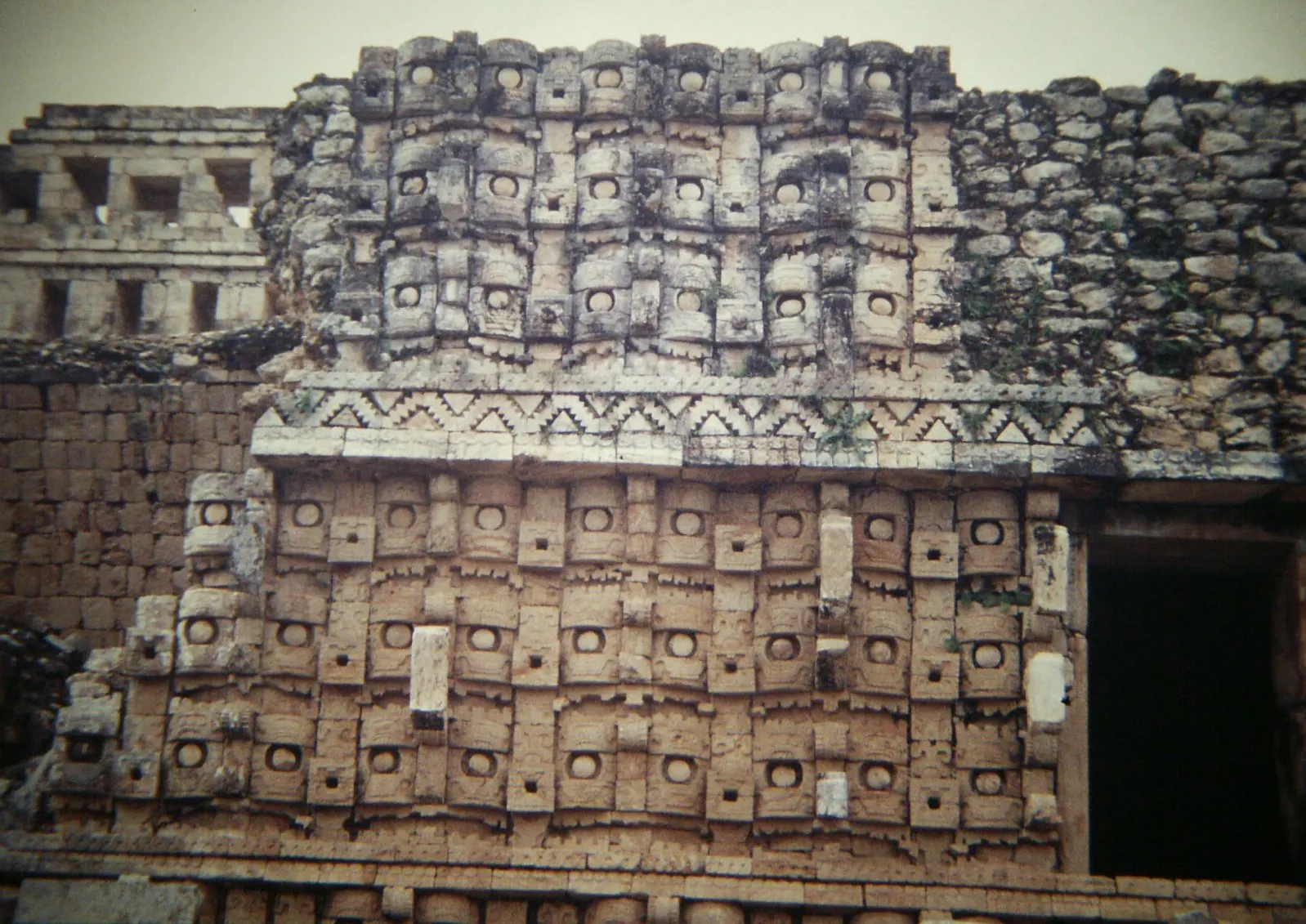
The highway south from Uxmal passes through the ruins of Kabah, and the highlight is the Codz Poop, a temple covered in masks. It is a short and easy stop on the Puuc route.
Sayil
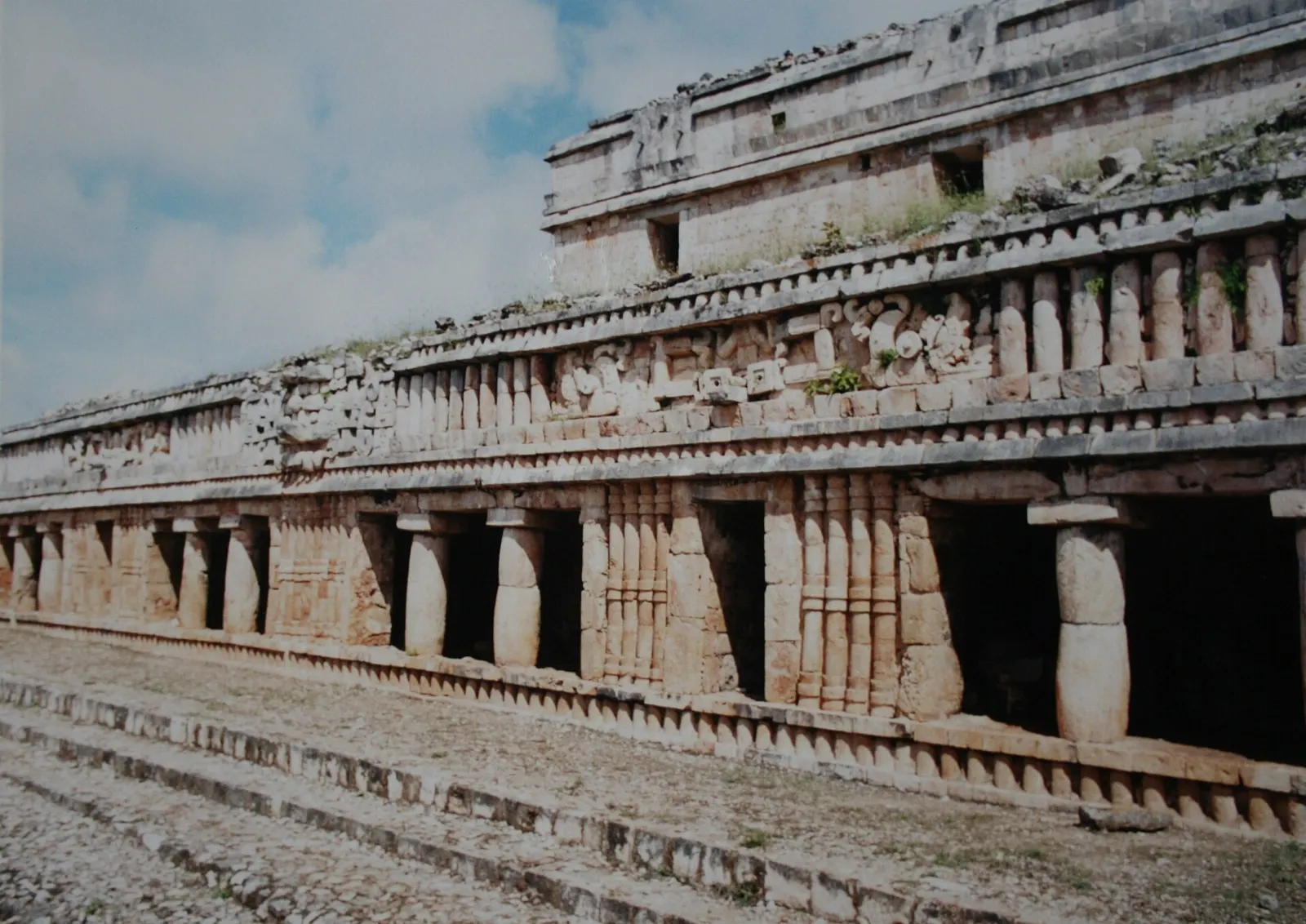
Sayil flourished briefly in the Terminal Classic period and is a prominent example of monumental Puuc style architecture. Its multi-level palace is the main attraction.
Labna
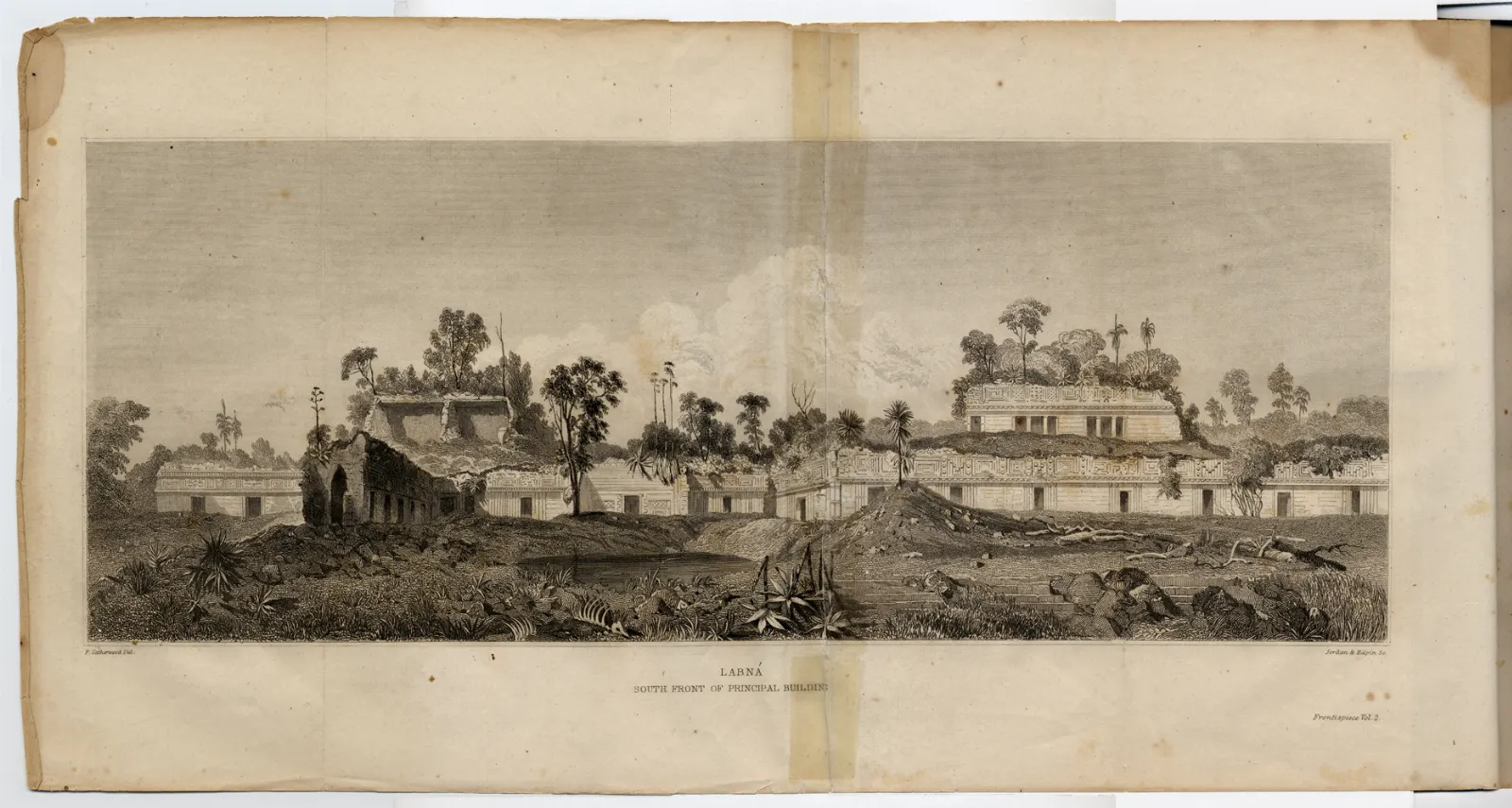
Labna reached its peak between about 800 and 1000 and shares decorative elements with Uxmal, Sayil and Kabah. It has some distinctive features that set it apart from its neighbours.
 Planning a trip to Uxmal?Compare hotels, flights and vacation rentals for Uxmal on Expedia.Book now
Food and local flavors
Uxmal sits in the heart of Yucatecan cooking. Relleno negro is a rich stew of turkey, pork and charred chile paste, traditionally prepared around the Hanal Pixán festival in November.
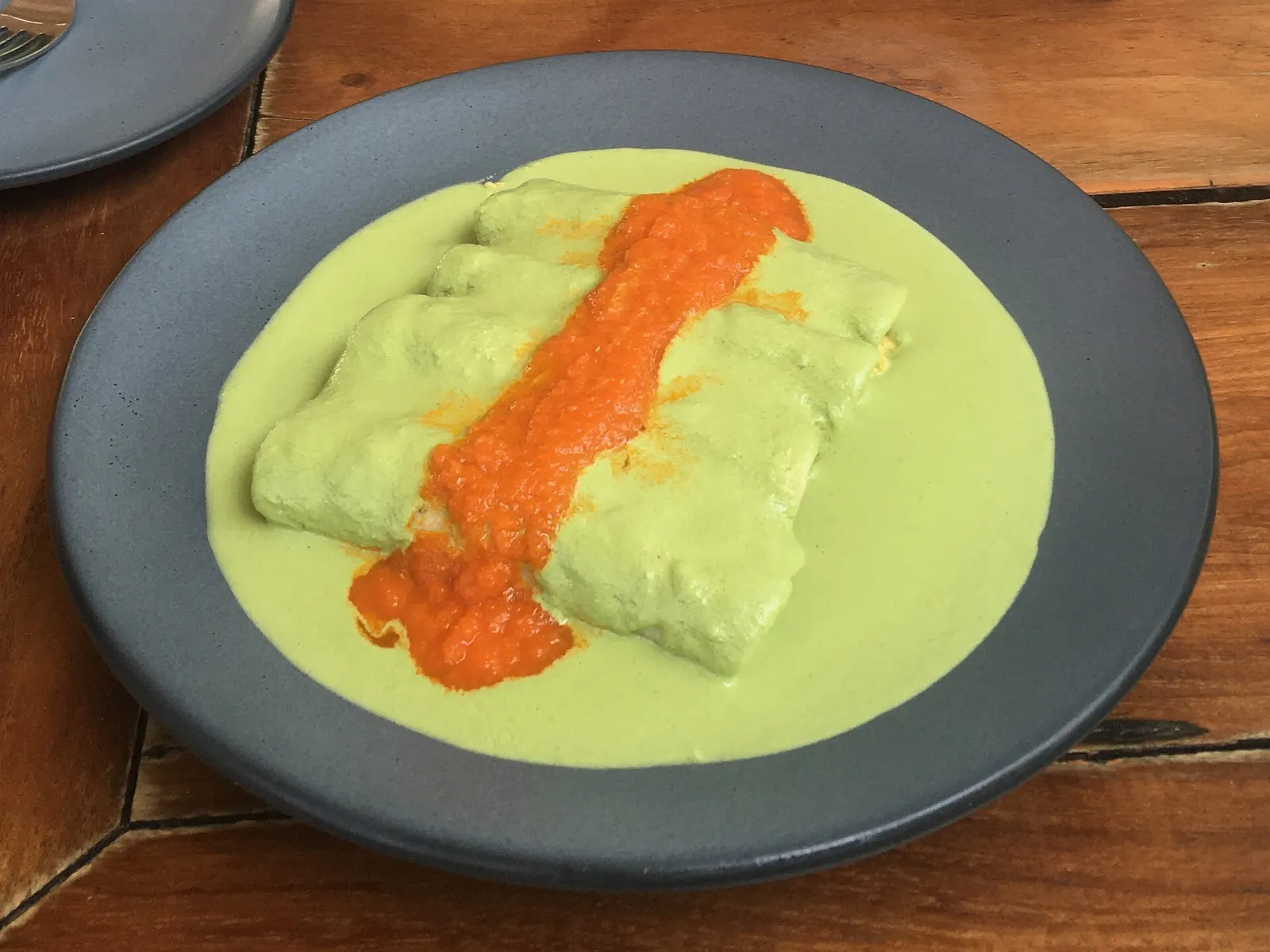
At Choco-Story, you can try traditional Maya chocolate, a drink with deep local roots. In the village of Santa Elena, El Chac Mool offers inexpensive local food, and Restaurante La Central a few blocks into town has similar regional dishes.
Popular dishes to try in Uxmal


Where to stay
Staying near the ruins puts you a short distance from the gates, and there are several hotels along the highway.
Santa Elena is a village not far from Uxmal, with simple accommodation and family-run restaurants. It suits budget-minded travellers who enjoy local atmosphere and an easy base for the Puuc route.
Mérida is the regional capital, about 85 kilometres away, with a wide choice of lodging, museums and markets.
Add the local taxes on room rates when you compare lodging, and book ahead for the dry season when demand is highest.
Where to stay in Uxmal


Best time to visit
The dry season, from roughly November to April, brings the most comfortable conditions for walking between the building groups. The site is hot and the sun is strong across southern Mexico, so go early and bring a hat, sunscreen and insect repellent.
Hanal Pixán, the Yucatec Maya festival of the dead, takes place around the start of November and is a good moment to find traditional dishes such as relleno negro.
Getting there and getting around
Uxmal is about 85 kilometres southwest of Mérida. By car, take federal highway 180 west for about 15 kilometres, then turn south onto highway 261 for about 40 kilometres, following the signs.
Buses from Mérida run on a limited schedule, so check times in advance and plan your return. Admission is paid at two adjacent windows, with a card accepted at one and cash only at the other, so carry cash.
A suggested itinerary
First day
Arrive at opening time, see the Pyramid of the Magician, the Nunnery and the Governor's Palace, and eat lunch in Santa Elena.
Second day
Follow the Puuc route south to Kabah, Sayil and Labna, then continue to Maní for a late lunch.
Evening option
If you stay nearby, attend the light and sound show and have dinner at a local restaurant.
Practical tips
- Check your government's current travel advisory before you go.
- Bring a hat, sunscreen and insect repellent, since the site is hot and surrounded by jungle.
- Walk carefully, stay on marked trails and avoid touching fragile carvings.
- Pay the two admission windows separately, and keep cash for the one that does not take cards.
- Check bus and Tren Maya schedules in advance, as services have changed in recent years.
- Start early so that you reach the Puuc sites before the hottest hours.