WiserMap — Choose wisely. Connect locally.Choose wisely. Connect locally.Add your business
Real de Catorce, San Luis Potosí · Travel guide

Real de Catorce Mexico Silver Ghost Town Through a Tunnel

Real de Catorce is a former silver boom town in the high desert of San Luis Potosí, perched at about 2,700 metres on the side of a mountain. Its cobbled streets, stone churches and ruined mines are reached through a single one-lane tunnel, and the setting still feels like a place apart.

By WiserMap TravelUpdated October 2026 6 places8 min read
FacebookXLinkedIn
At a glance Real de Catorce
  1. Best timeSpring and autumn for clear days; expect crowds at Easter and in early October.
  2. How longTwo nights lets you slow down and see the high desert.
  3. Getting thereDrive or take a bus to Matehuala, then a van through the tunnel.

Why visit Real de Catorce

Silver was found in these mountains in 1772, and by the late 19th century the town had around 15,000 people, a mint, a bullring and shops selling European luxury goods. Then the price of silver collapsed, and most of the population left.

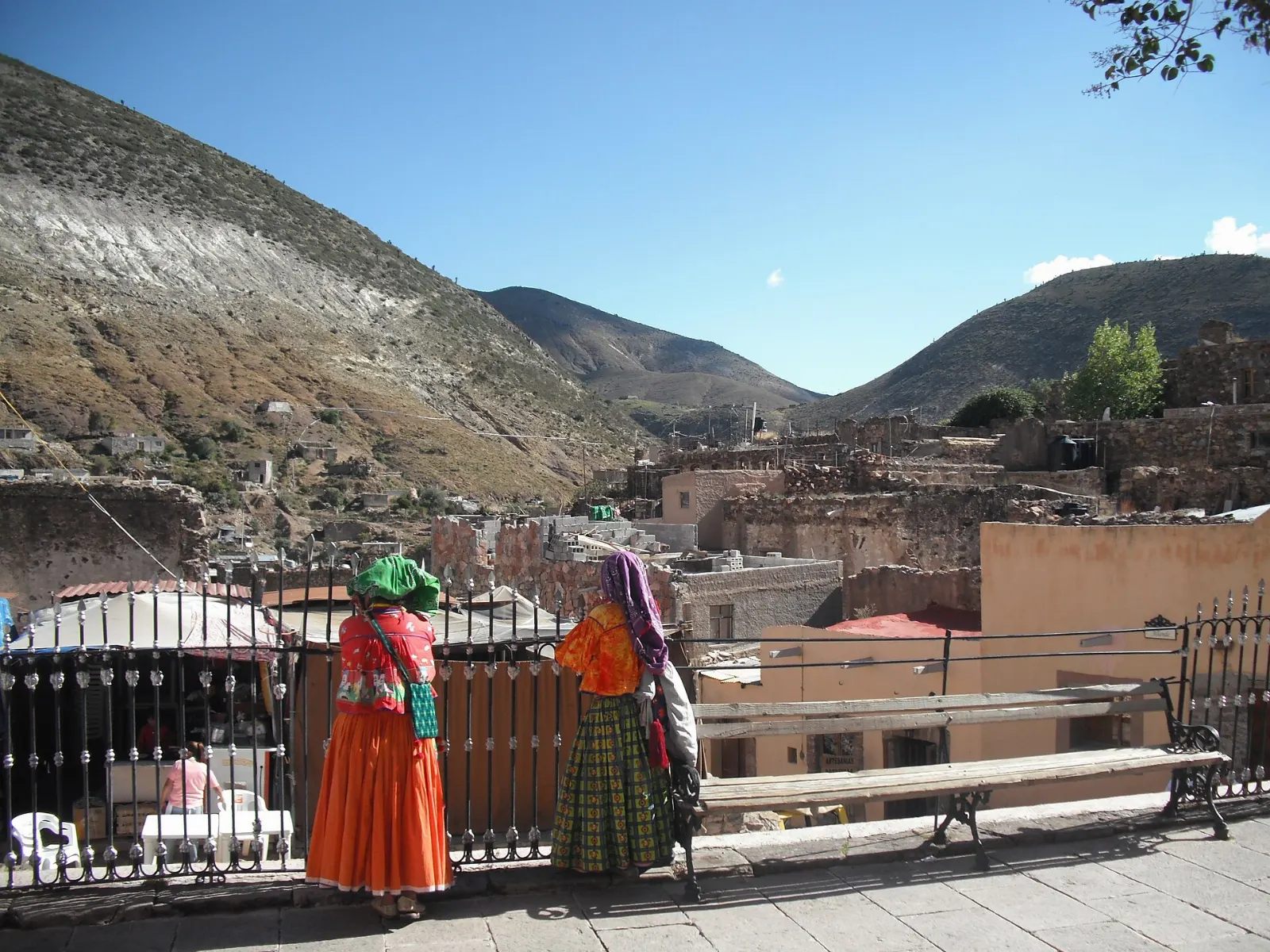
It became a Pueblo Mágico in 2001. Visitors come for the atmosphere, the wide desert views and the spiritual importance of the surrounding land for the Wixárika, or Huichol, people.

Arriving and the town centre

Ogarrio Tunnel

The only road into town passes through this narrow, one-lane tunnel of about 2.4 km. Traffic goes one way at a time, with staff at each end coordinating the flow, and cars, small trucks, horse-drawn wagons and mule trains share it.

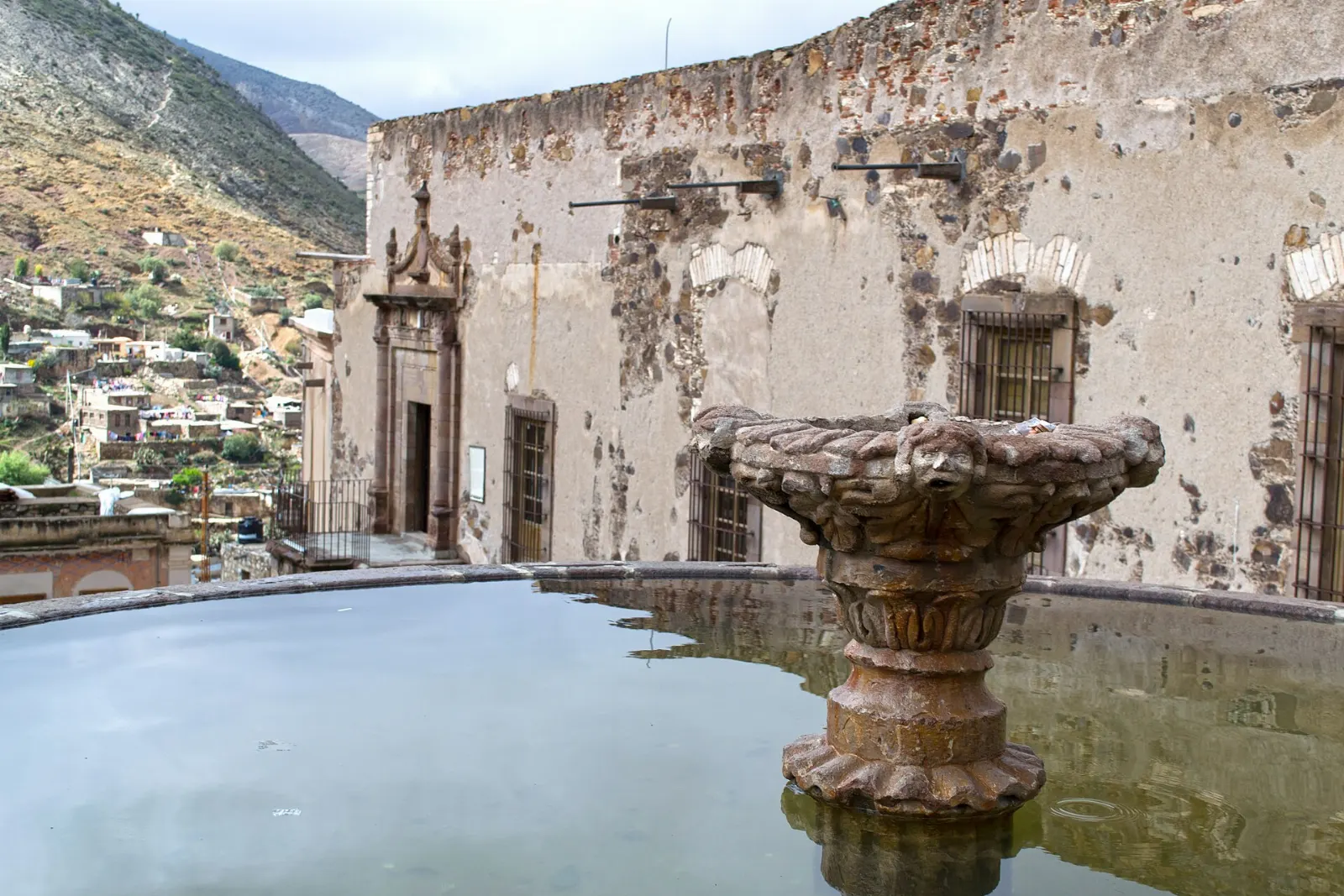
Old stone hacienda near the entrance of the Ogarrio Tunnel, Real de Catorce, San Luis Potosí

Ex-Hacienda Dolores Trompeta

This historic hacienda stands at the tunnel entrance and is a scenic place for photographs. A small shop sells souvenirs and snacks, and you can arrange a ride in a covered vehicle or on an old Willys jeep for the trip through the tunnel.

The ex-hacienda Dolores Trompeta stands at the tunnel entrance. Photo: josma, Wikimedia Commons, CC BY 3.0
Pink stone facade of the parish church of the Immaculate Conception, Real de Catorce, San Luis Potosí

Parroquia de la Purísima Concepción

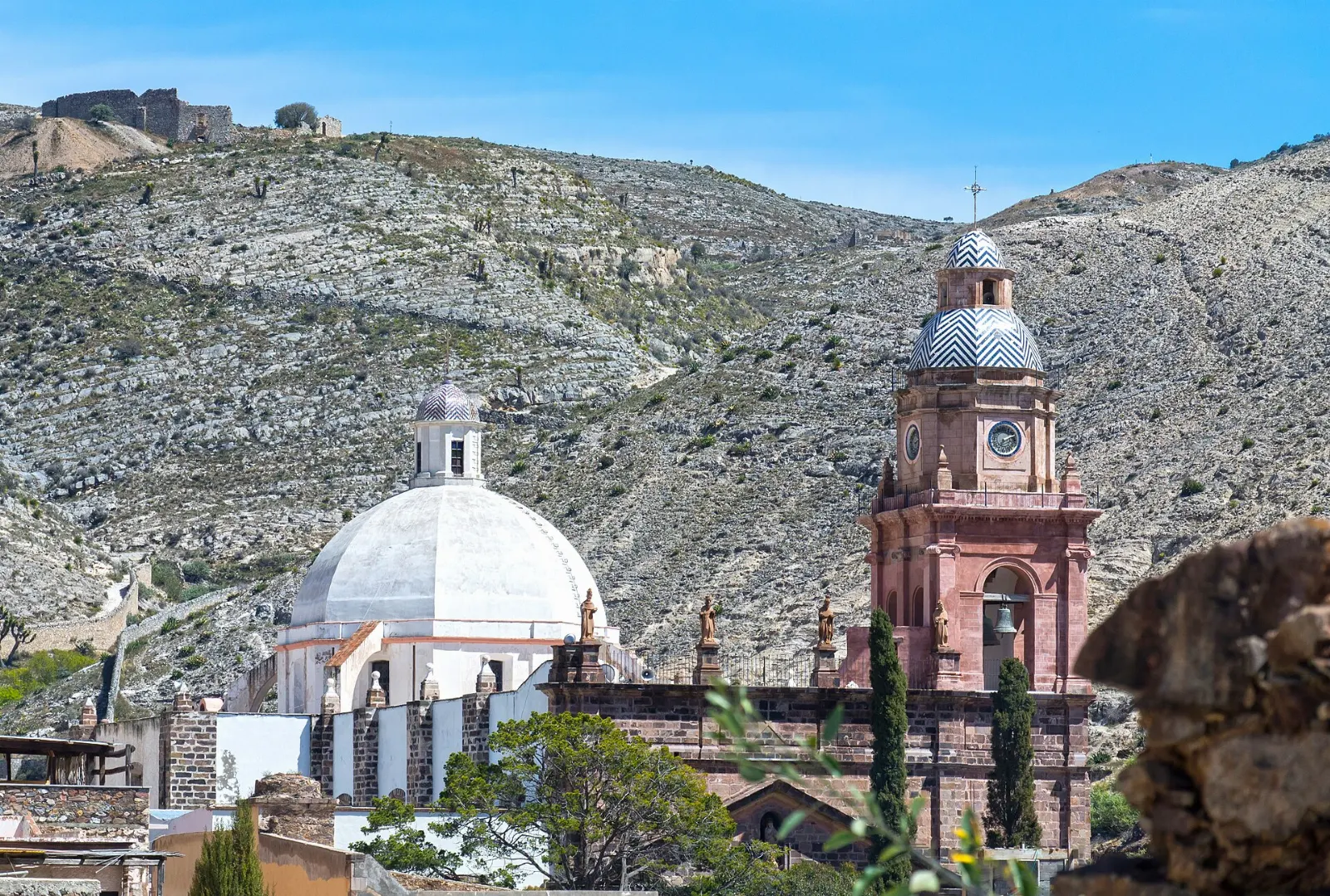
Built between 1790 and 1817 in neoclassical style, this pink stone church has pastel domes along the nave. Inside are hundreds of retablos, small paintings that give thanks for answered prayers.

The parish church was built between 1790 and 1817 and draws pilgrims each October. Photo: Antonio de Jesús Pérez Cruz, Wikimedia Commons, CC BY-SA 4.0

Shaded main plaza and bandstand in Real de Catorce, San Luis Potosí

Plaza Hidalgo

The main square has tall shade trees, fountains, gardens and a small bandstand, and is a good place for people-watching. Nearby shops sell light snacks, and the Willys tours leave from here.

Plaza Hidalgo is the tree-shaded main square of the town. Photo: Jflo23, Wikimedia Commons, CC BY-SA 3.0

Mint, mines and cemetery

Colonial building that once served as the mint in Real de Catorce, San Luis Potosí

Antigua Casa de Moneda

The restored colonial mint is now a regional history museum. Exhibits explain the mining story and the Huichol people who lived in the region, and galleries show colonial and modern art.

The old mint now houses a museum of regional history. Photo: Antonio de Jesús Pérez Cruz, Wikimedia Commons, CC BY-SA 4.0

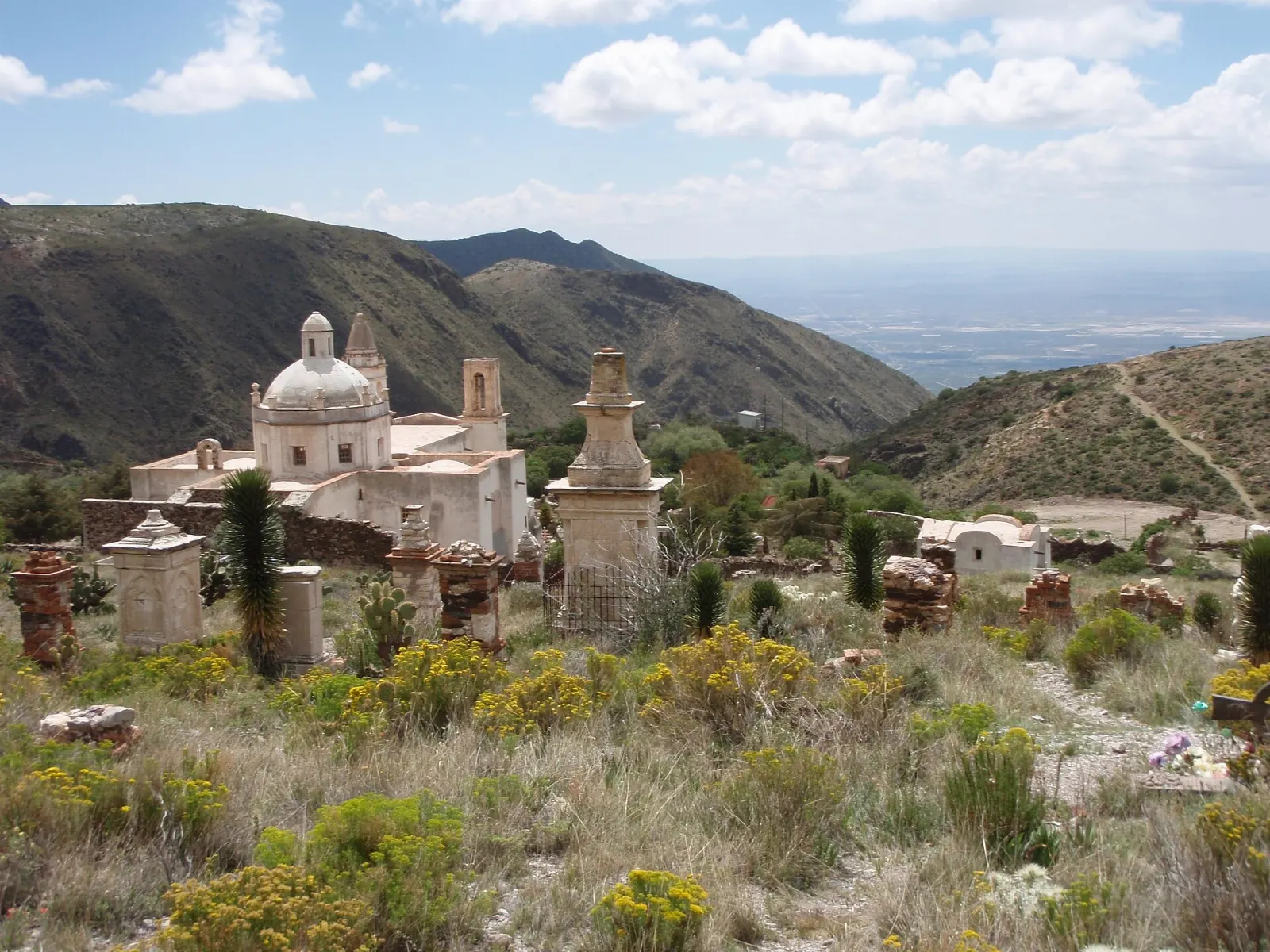
Cemetery and Guadalupe Chapel at Real de Catorce, San Luis Potosí

Panteón de Real de Catorce

Used since 1775, the cemetery sits beside the Guadalupe Chapel, and its crowded graves and old markers tell the story of the boom years. It holds far more people than the town has living residents.

The graveyard has been used since 1775 and holds more graves than the town has residents. Photo: Brenda Viramontes, Wikimedia Commons, CC BY-SA 3.0

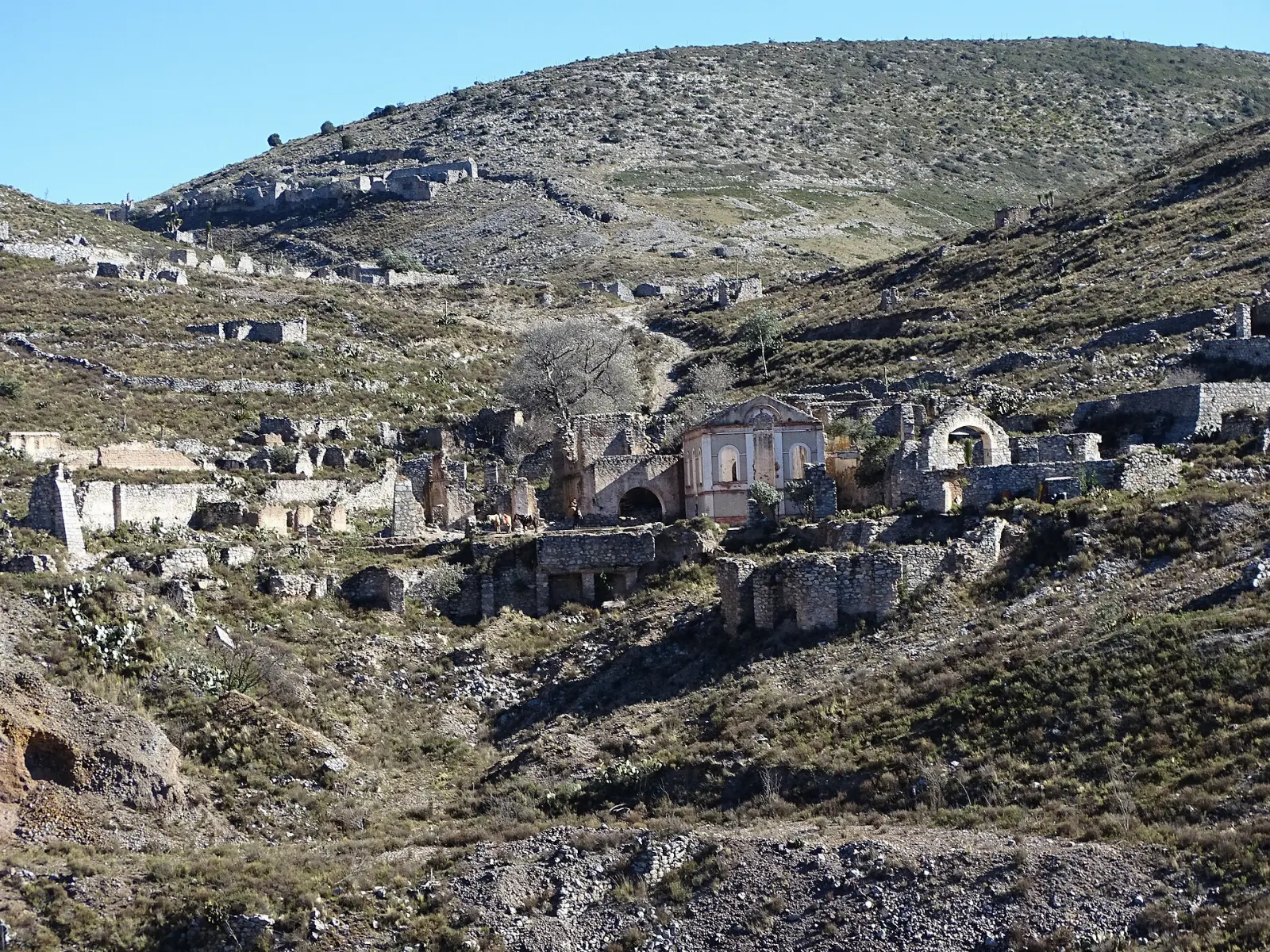
Ruined stone buildings from the silver mines near Real de Catorce, San Luis Potosí

Silver mines

Old mines such as the Mina Española Masónica and the Mina del Padre Flores recall the silver era.

Silver discovered in 1772 made Real de Catorce one of the richest mining towns in Mexico. Photo: Adam Jones from Kelowna, BC, Canada, Wikimedia Commons, CC BY-SA 2.0

Desert and sacred land

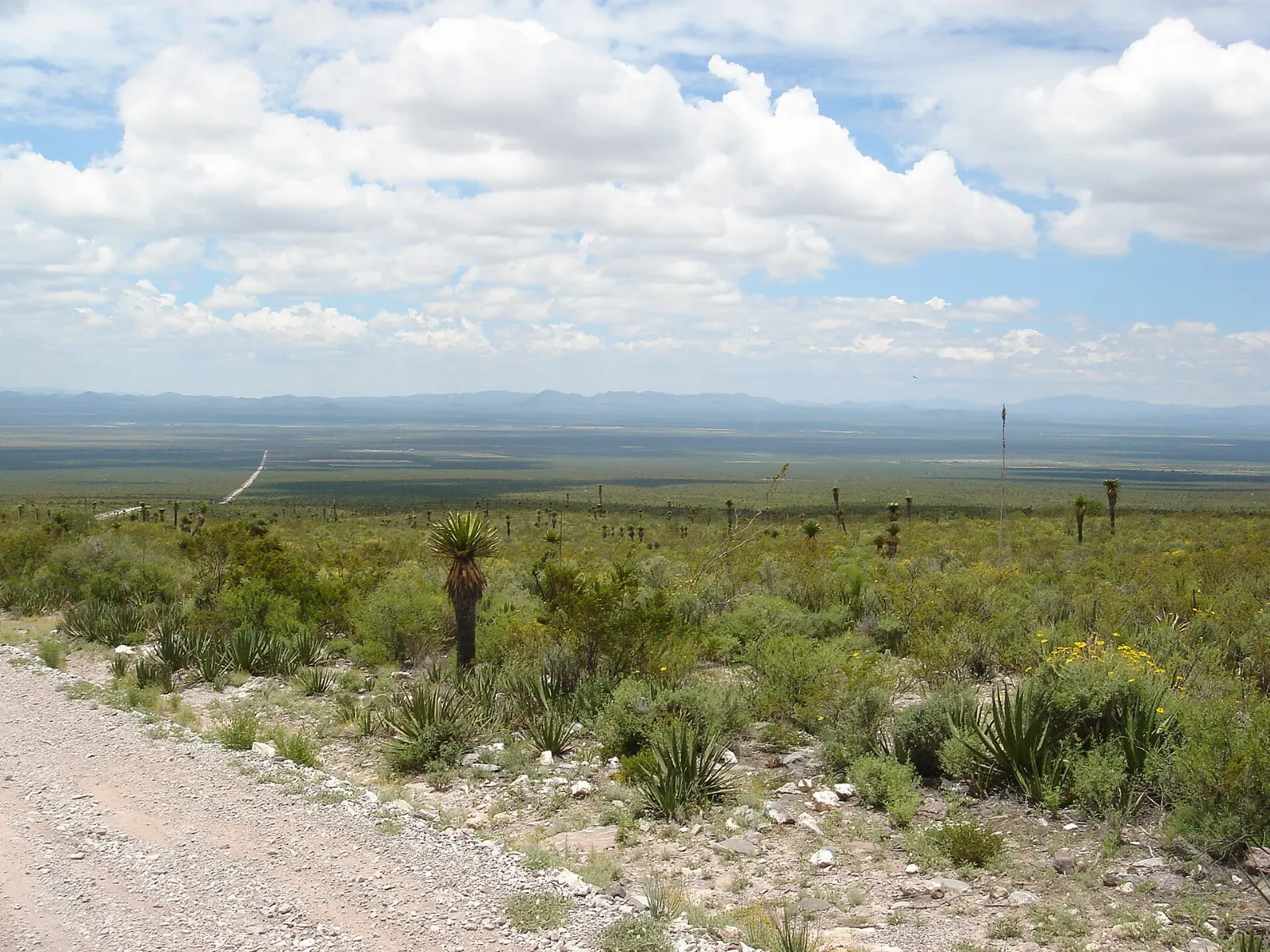
Cerro Quemado and Wirikuta

Each spring Wixárika pilgrims walk across the desert to leave offerings at Cerro Quemado, which they regard as the birthplace of Grandfather Fire.

Willys jeep and horseback tours

Old Willys jeeps wait outside the tunnel and around Plaza Hidalgo for trips into the desert, and horse, donkey or mule rides reach distant sights. The terrain is rugged and the altitude strong, so ask the guide for the route length and take water.

Walking and altitude

The town is hilly and paved with old cobblestones, which look lovely but are tiring for the legs. At close to 2,700 metres, the altitude is a good training ground for runners and cyclists, yet it also means slow, steady walking for most visitors.

Food and local flavors

Real de Catorce keeps its food simple and hearty. Street vendors sell gorditas, thick masa pockets filled with a warm stew or cheese, and they are a good fast breakfast or snack.

Several restaurants in town serve traditional Mexican dishes in historic houses, often alongside Italian options and strong coffee. Some have rooftop terraces with views over the town. Eat early, as the town is very quiet at night, and ask locally which kitchens are open on weekdays.

Popular dishes to try in Real de Catorce

Gorditas in Real de Catorce, San Luis Potosí
Gorditas Street vendors sell gorditas, thick masa pockets filled with a warm stew or cheese, and they are a good fast breakfast or snack.Photo: Juan Carlos Fonseca Mata, Wikimedia Commons, CC BY-SA 4.0
Enchiladas potosinas in Real de Catorce, San Luis Potosí
Enchiladas potosinas From the wider region, look for enchiladas potosinas, from San Luis Potosí, made with cheese-filled, chile-spiced masa.Photo: Sunisplish, Wikimedia Commons, CC BY-SA 4.0
Colonche in Real de Catorce, San Luis Potosí
Colonche To drink, ask whether anyone sells colonche, a sweet, fizzy, red fermented drink made from prickly pear fruit that is typical of the nopal country of San Luis Potosí and Zacatecas.Photo: Aaronmormot, Wikimedia Commons, CC BY-SA 4.0

Where to stay

Centro puts you within walking distance of the church, the plaza and the old mint. Most lodging is in small, upscale inns and bed-and-breakfasts, many in restored houses, with rooftop terraces and fireplaces.

Estación Catorce, at the far end of the tunnel, is a small village with simpler options and is handy if you arrive by bus or want to avoid tunnel queues. Matehuala, about 60 km away, is the larger town with the biggest range of hotels and bus connections, and works well for a short visit.

Where to stay in Real de Catorce

Centro, Real de Catorce, San Luis Potosí
Centro Where to stayCentro puts you within walking distance of the church, the plaza and the old mint.Photo: Jmc.cantero, Wikimedia Commons, CC BY-SA 4.0
Estación Catorce, Real de Catorce, San Luis Potosí
Estación Catorce Estación Catorce, at the far end of the tunnel, is a small village with simpler options and is handy if you arrive by bus or want to avoid tunnel queues.Photo: Lunita28mx, Wikimedia Commons, CC BY 4.0
Matehuala, Real de Catorce, San Luis Potosí
Matehuala Matehuala, about 60 km away, is the larger town with the biggest range of hotels and bus connections, and works well for a short visit.Photo: Amante Darmanin from Malta, Wikimedia Commons, CC BY 2.0

Best time to visit

Spring and autumn give the clearest weather and the best light for photographs. Days can be hot in summer, and nights are cool all year because of the altitude, so bring a jacket even then.

Crowds peak around Easter and in early October, when pilgrims honour Saint Francis of Assisi on his feast day, October 4. During those periods you may need to leave your car outside the tunnel and ride in by carriage or van.

Getting there and getting around

The nearest airport is in San Luis Potosí, roughly 250 km away, and Monterrey has more flights but is farther. Buses from San Luis Potosí, Monterrey and Saltillo reach Matehuala, the nearest main station, and from there vans run to Real de Catorce at set times.

The access road leaves Highway 62 near Cedral and climbs a long cobblestone road into the sierra. Drivers should expect a queue at the tunnel, and oversize vehicles, including RVs, must park outside.

A suggested itinerary

First day

Arrive through the tunnel, settle into your inn, then walk to the parish church and Plaza Hidalgo.

Second day

Take a morning jeep or horseback tour into the desert, then visit the cemetery and a historic mine with a local guide. Spend the evening in the plaza.

Third day

Leave time for a slow breakfast, a last wander through the quiet side streets and a few small craft shops.

Practical tips

  • Check your government's current travel advisory before you go.
  • Pack a warm jacket, even in summer, because nights are cool.
  • Wear comfortable shoes with grip for steep cobblestone streets.
  • Drink water and rest on arrival to adjust to the altitude.
  • Do not gather or carry peyote, since it is illegal for anyone but the Huichol.
Real de CatorceWISERMAP PLACEReal de Catorce: photos, reviews & things to doSee traveler photos and reviews, or share your own →

More places to visit

All travel guides →