WiserMap — Choose wisely. Connect locally.Choose wisely. Connect locally.Add your business
Huasteca Potosina, San Luis Potosí · Travel guide

Huasteca Potosina Mexico Las Pozas Gardens and Tamul Falls

Huasteca Potosina fills the eastern edge of San Luis Potosí with limestone mountains, turquoise rivers, tall waterfalls and a jungle garden of concrete sculptures. It is home to Huastec (Tének) and Nahua communities, and it still sees far more Mexican visitors than foreign ones.

By WiserMap TravelUpdated October 2026 7 places9 min read
FacebookXLinkedIn
At a glance Huasteca Potosina
  1. Best timeChoose the cooler months for hiking, and ask locally about river levels before booking the Tamul boat trip.
  2. How longAllow four to five days to cover the caves, waterfalls, ruins and gardens without rushing.
  3. Getting thereThere is no airport in the region, so fly to San Luis Potosí or Tampico and continue by bus or car.

Why visit Huasteca Potosina

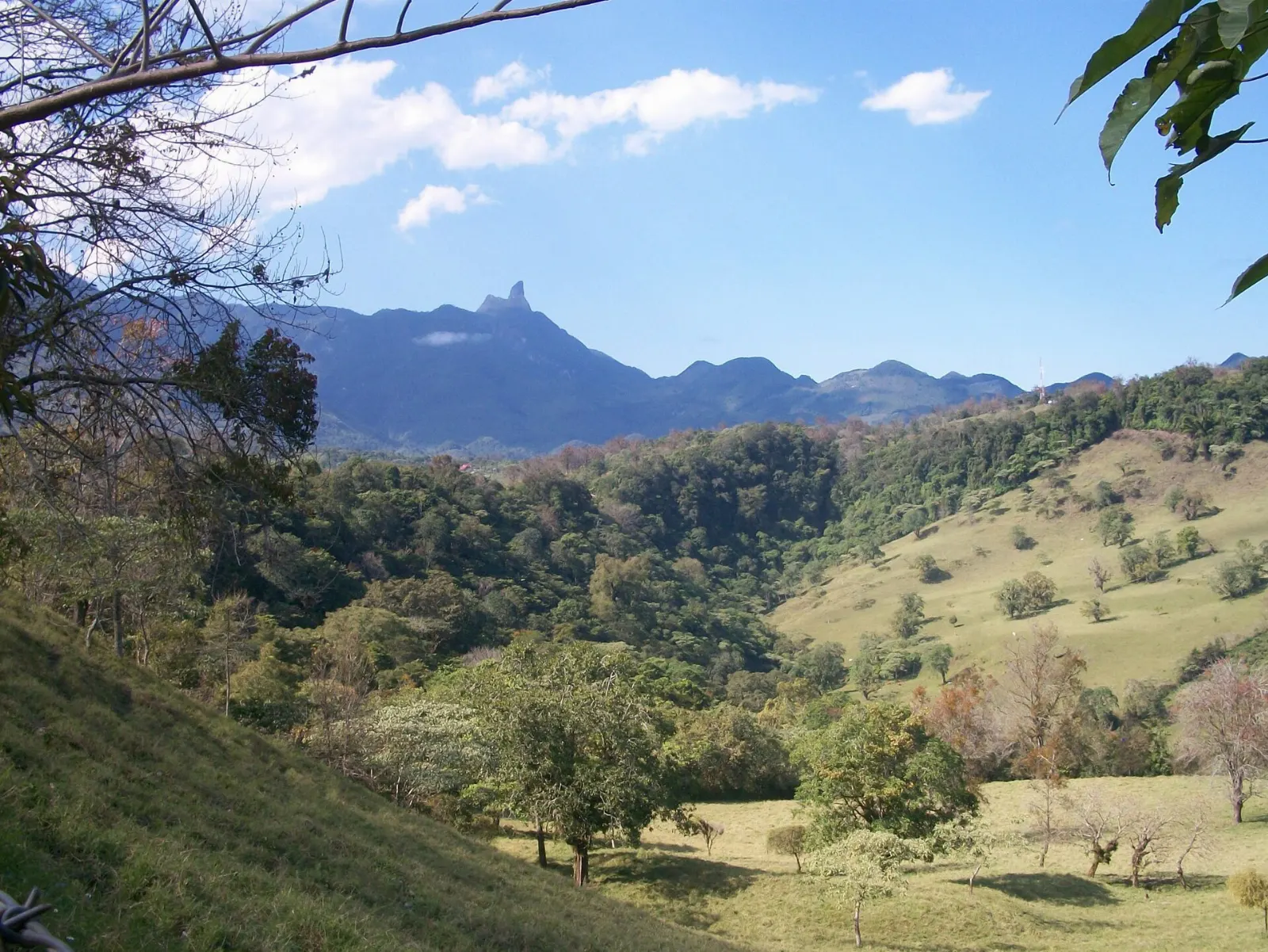
The Huasteca Potosina sits where the Sierra Madre Oriental drops toward the coastal plain. Limestone karst has carved underground rivers, springs, sinkholes and waterfalls, and the climate is hot and tropical, with parrots and parakeets in the forest canopy.

The Huastec people are one of the oldest living cultures in Mexico, and Nahua communities are also strong here. Slow development kept traditions alive, so a trip mixes nature with markets, music and food that feel firmly local.

Xilitla and the mountain sights

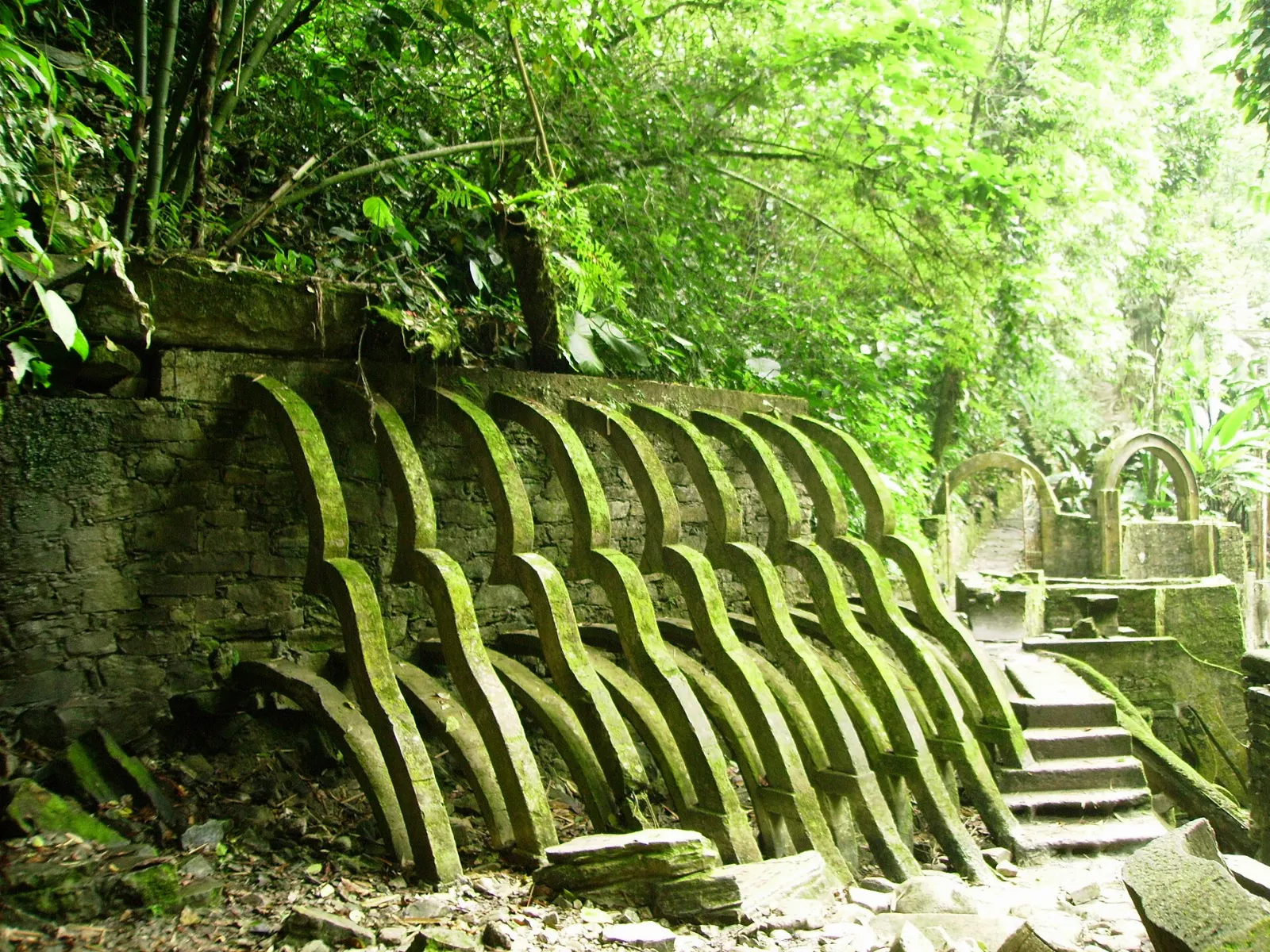
Concrete surrealist sculptures rising among jungle trees at Las Pozas near Xilitla, Huasteca Potosina, San Luis Potosí

Las Pozas

Edward James built this surreal garden near Xilitla between 1949 and 1984, filling a subtropical forest with concrete arches, stairways and flower shapes beside natural pools and falls. The Staircase to Heaven is the best-known structure.

Las Pozas is a garden of concrete structures that Edward James built near Xilitla between 1949 and 1984. Photo: MyName (Bernardo Bolaños), Wikimedia Commons, CC BY 2.5
Hillside town of Xilitla surrounded by green mountains, Huasteca Potosina, San Luis Potosí

Xilitla town

The hillside town is the practical base for Las Pozas. Coffee and citrus are the main crops, and a coffee fair is held each August. The Museo Leonora Carrington opened in 2018, and Parakeet Cave, a short walk from town, is where green parakeets leave and return around dawn and dusk, so go at either end of the day.

Xilitla lies on the eastern slopes of the Sierra Gorda at the edge of the Huasteca. Photo: L8stbefore, Wikimedia Commons, CC BY-SA 4.0

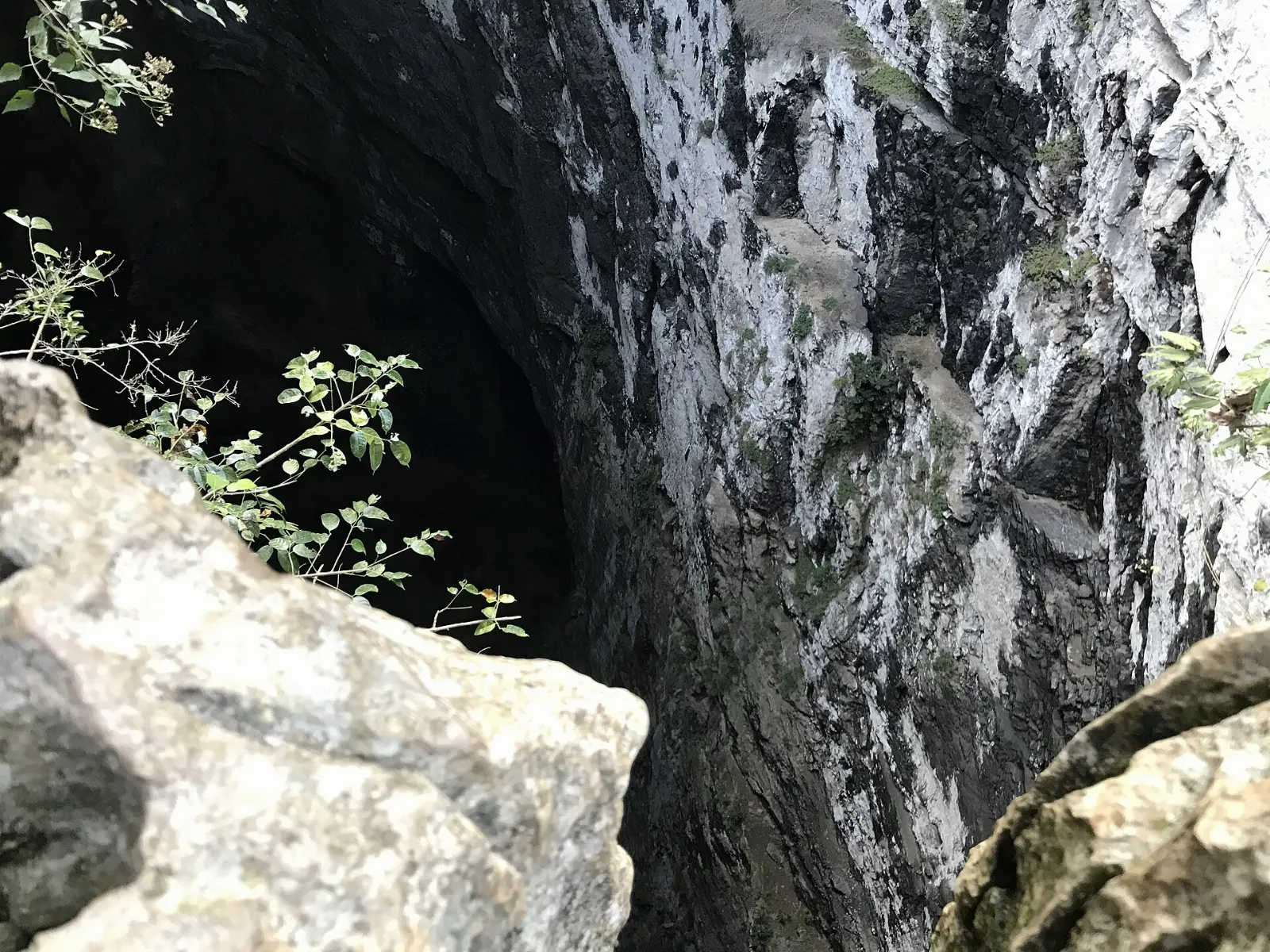
Birds circling above the huge open mouth of the Sótano de las Golondrinas pit cave, Huasteca Potosina, San Luis Potosí

Sótano de las Golondrinas

In the municipality of Aquismón, this open-air pit cave drops about 333 metres from its lowest edge and is considered the largest known cave shaft in the world. Despite the name, most of the birds are white-collared swifts and green parakeets.

The Sótano de las Golondrinas is an open-air pit cave in the municipality of Aquismón. Photo: Ppallaresj, Wikimedia Commons, CC BY-SA 4.0

Waterfalls and rivers

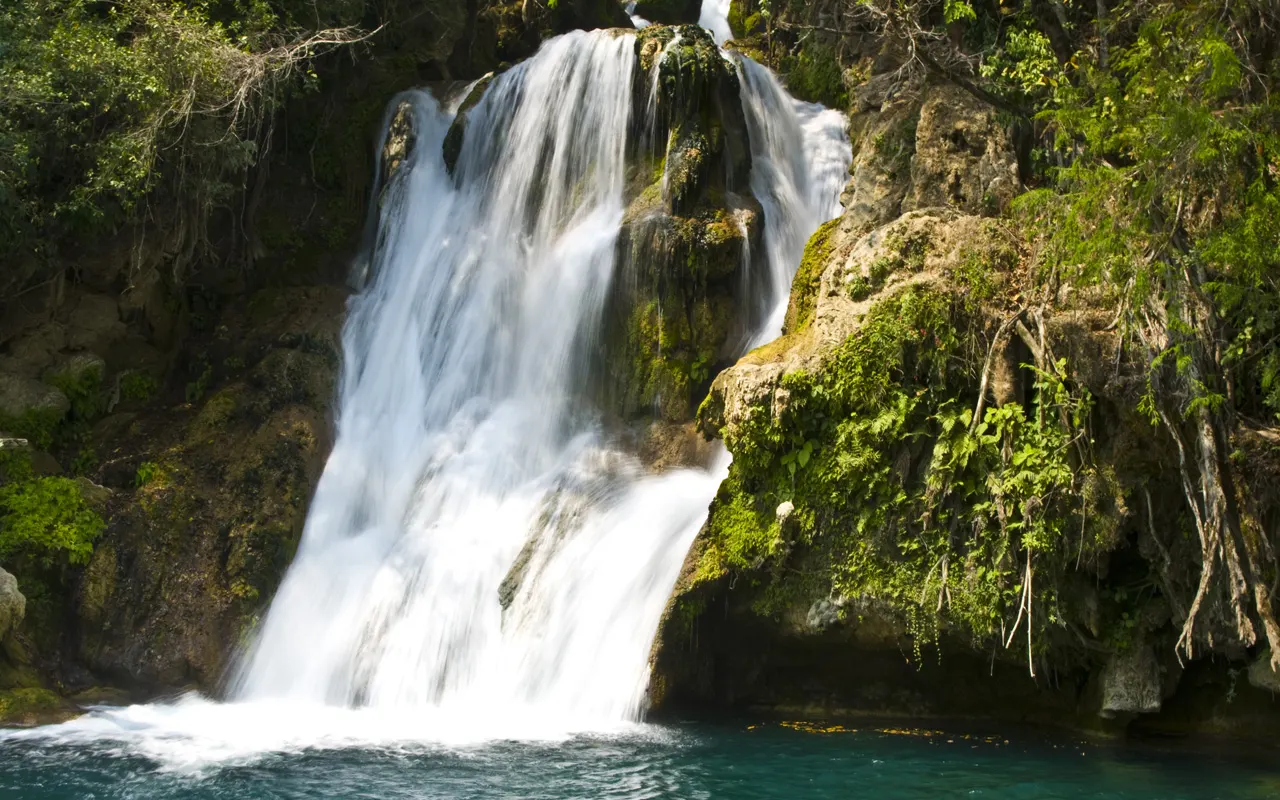
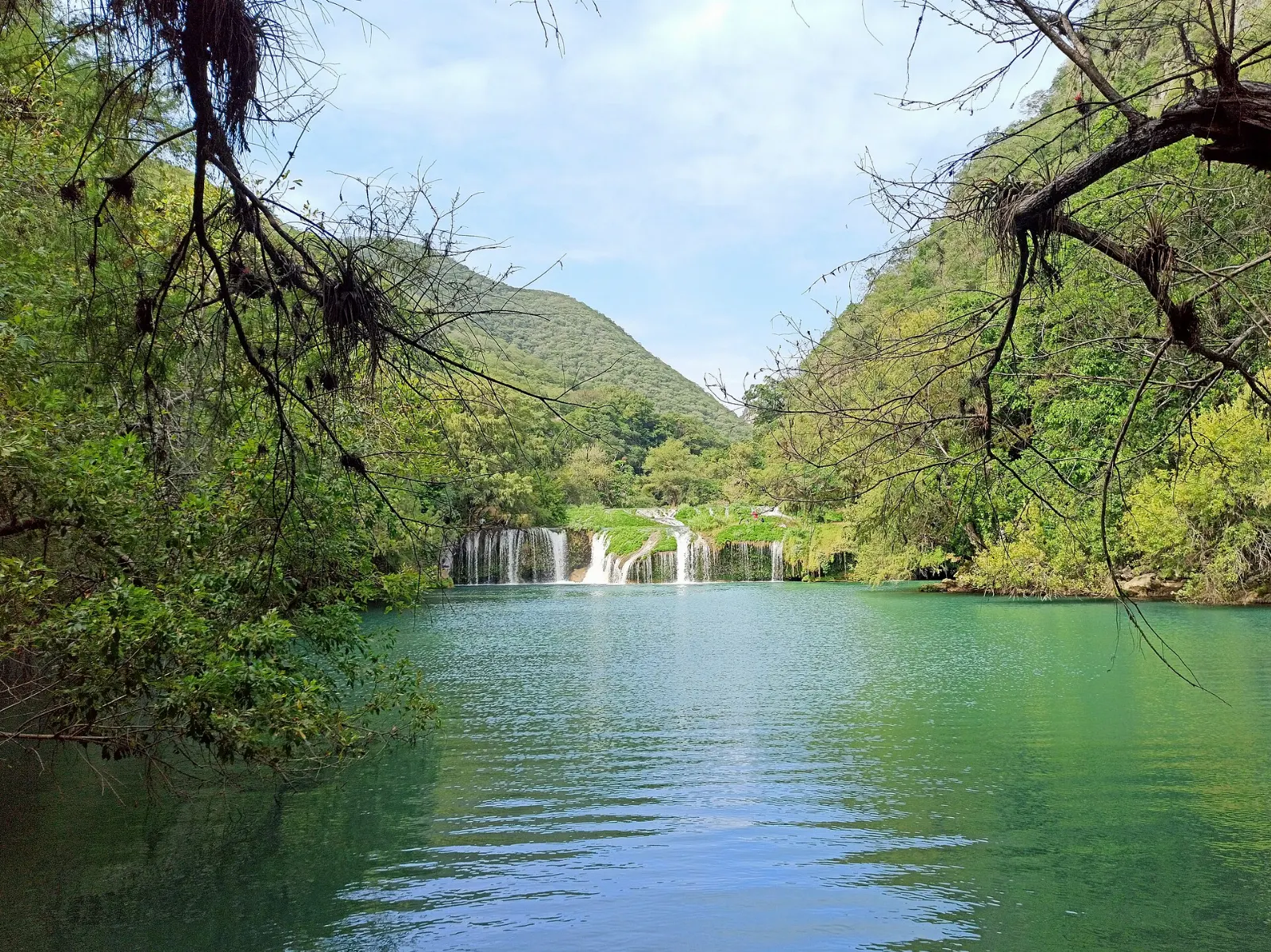
Stepped waterfalls of the Micos River surrounded by green hills, Huasteca Potosina, San Luis Potosí

Cascadas de Micos

About 18 kilometres from Ciudad Valles, the Micos River drops quickly through a series of falls among forested hills. A viewpoint sits at the top, and rafting on the rapids is a common activity.

The Micos River drops through a series of falls not far from Ciudad Valles. Photo: Juan Carlos Fonseca Mata, Wikimedia Commons, CC BY-SA 4.0

Turquoise pools and cascades over travertine ledges at Tamasopo, Huasteca Potosina, San Luis Potosí

Cascada de Tamasopo

This is a set of three cascades about 20 metres high that spill over travertine ledges into pools, and some visitors compare it to Havasu Falls in the Grand Canyon.

Cascada de Tamasopo spills over travertine ledges into blue swimming pools. Photo: Kuroisam, Wikimedia Commons, CC BY-SA 4.0

Natural stone arch and blue pool at Puente de Dios near Tamasopo, Huasteca Potosina, San Luis Potosí

Puente de Dios

A few kilometres northwest of Tamasopo town, the Gallinas River runs through a cavern beneath a natural arch and down into a narrow gorge. Blue swimming pools sit at the top and the bottom of the cavern.

At Puente de Dios the Gallinas River runs through a cavern beneath a natural arch. Photo: Carlos Adampol Galindo from DF, México, Wikimedia Commons, CC BY-SA 2.0

Nacimiento del Río Huichihuayán

Near the village of the same name, water emerges from the mountainside and forms pools large enough for swimming. It suits a relaxed dip between longer drives.

History, markets and base towns

Tamtoc

Near Tamuín, east of Ciudad Valles, Tamtoc was an important Huastec city that opened to visitors in 2006. It is notable for the strong presence of women among its burials and figurines.

Tancanhuitz de Santos

About 65 kilometres from Ciudad Valles, this town sits where Huastec and Nahua communities meet. On Sundays the street market fills with women from nearby villages in embroidered clothing, and you will hear Huastec, Nahuatl and Spanish.

Ciudad Valles

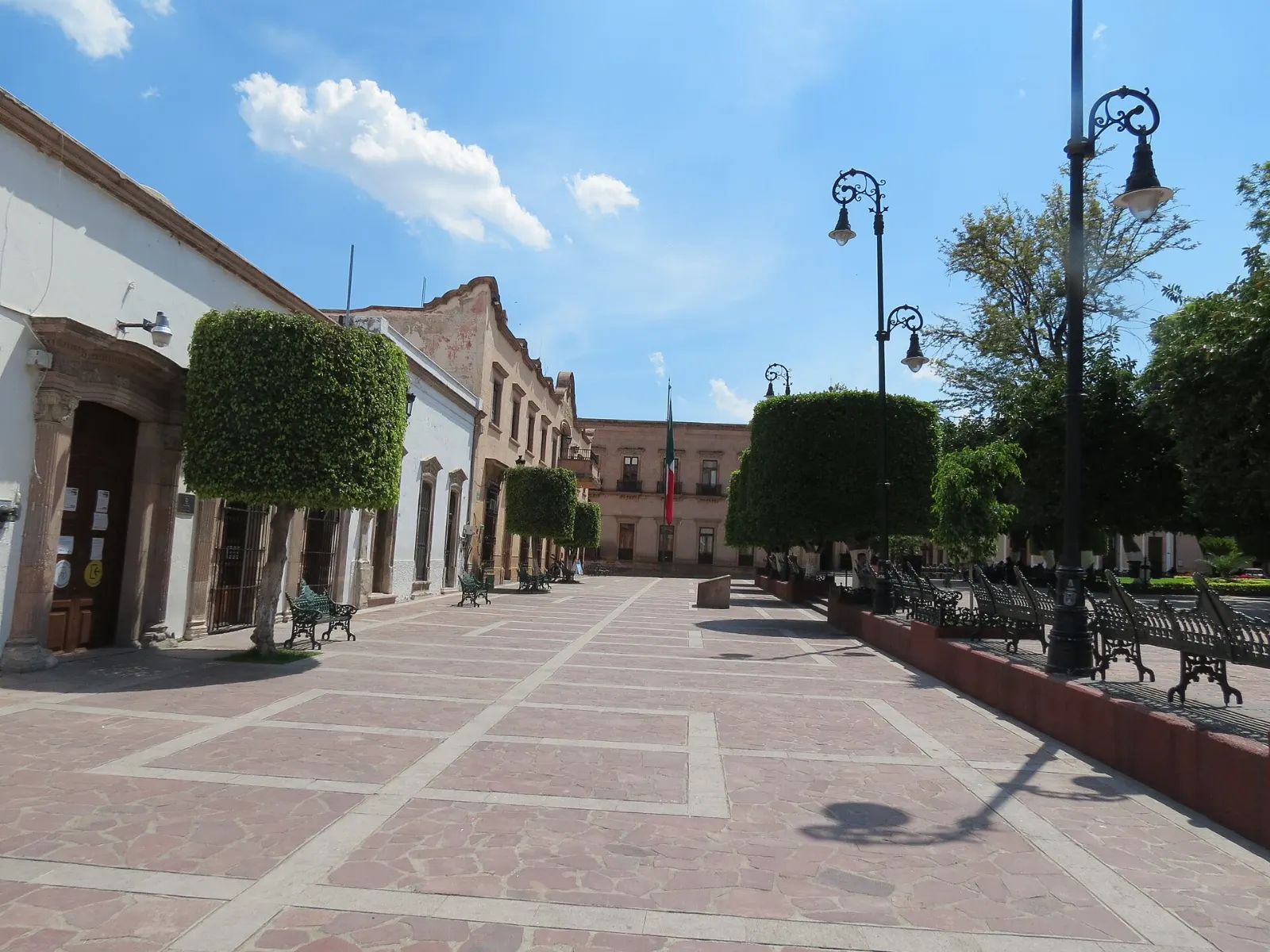
The largest city in the region is a commercial and cultural centre on the old Pan-American Highway. It has first-class bus links and the widest choice of hotels and restaurants, which makes it a convenient base for Micos, Tamtoc and Tamasopo.

Food and local flavors

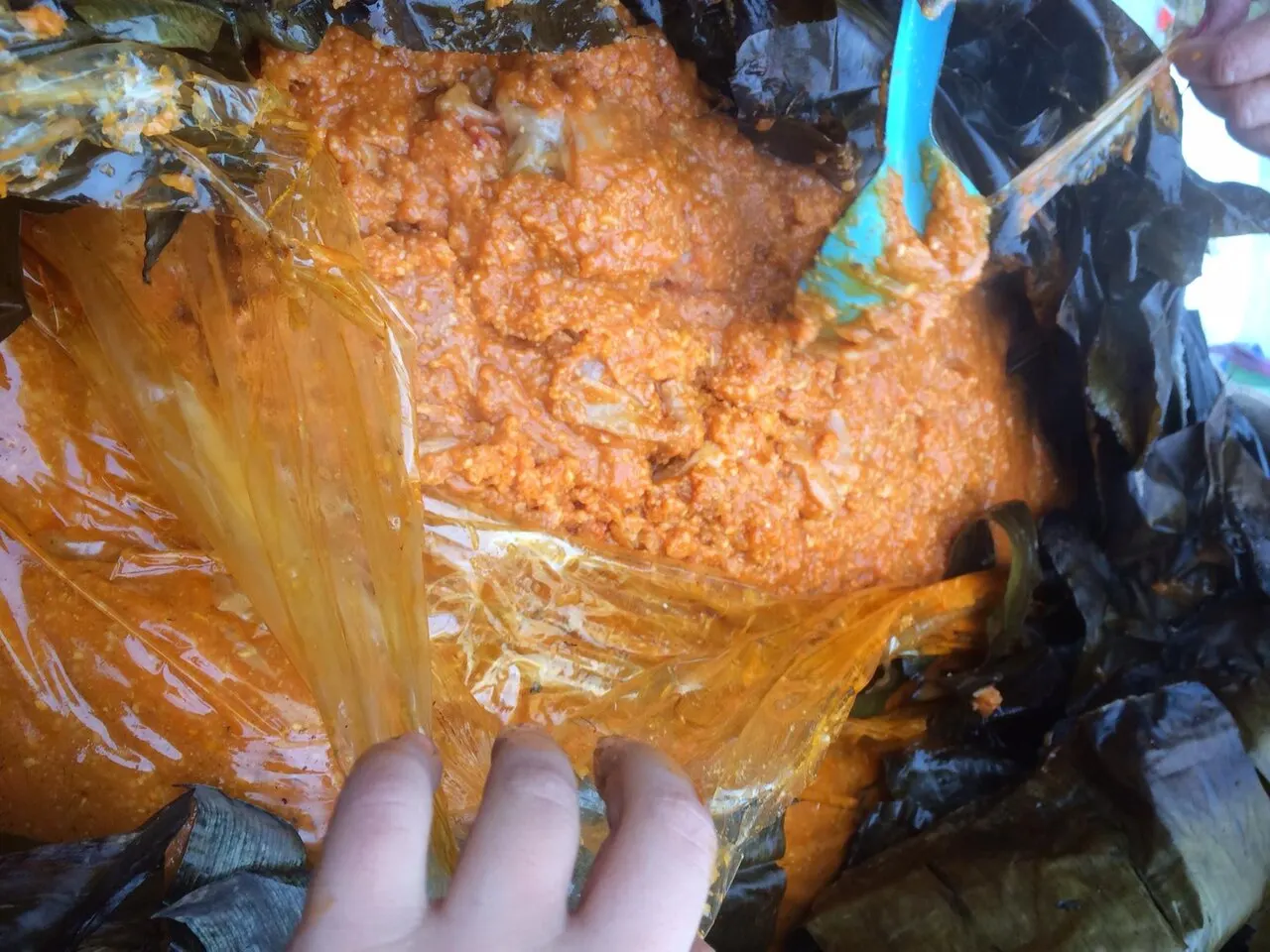
The signature dish is zacahuil, a giant tamale of corn dough steamed in banana leaves and traditionally made by the Huastec community. Around Xilitla it can measure up to about a metre and is often filled with pork on one side and chicken on the other, so share it. Enchiladas huastecas are corn tortillas in chile sauce with a filling, a regional take on a Mexican staple.

Giant zacahuil tamale unwrapped from its banana leaf, Huasteca Potosina, San Luis Potosí
Zacahuil is a giant tamale steamed in banana leaves and made traditionally by the Huastec.Photo: Tekyta, Wikimedia Commons, CC BY-SA 4.0

Popular dishes to try in Huasteca Potosina

Zacahuil in Huasteca Potosina, San Luis Potosí
Zacahuil Food and local flavorsThe signature dish is zacahuil, a giant tamale of corn dough steamed in banana leaves and traditionally made by the Huastec community.Photo: JetsaF, Wikimedia Commons, CC BY-SA 4.0
Enchiladas huastecas in Huasteca Potosina, San Luis Potosí
Enchiladas huastecas Enchiladas huastecas are corn tortillas in chile sauce with a filling, a regional take on a Mexican staple.Photo: Tekyta, Wikimedia Commons, CC BY-SA 4.0
Bocoles in Huasteca Potosina, San Luis Potosí
Bocoles Bocoles are thick corn-dough cakes cooked on a griddle and stuffed or topped with local fillings.Photo: Koffermejia, Wikimedia Commons, CC BY-SA 4.0

Where to stay

The Huasteca is spread out, so choose a base by the sights you want most. Ciudad Valles suits first-time visitors and anyone relying on buses, because it has the best choice of hotels, restaurants and long-distance services, and it is close to Micos and Tamtoc. Xilitla suits garden lovers and slow travellers, with a cooler hillside setting, walks to Parakeet Cave and an easy trip to Las Pozas.

Where to stay in Huasteca Potosina

Ciudad Valles, Huasteca Potosina, San Luis Potosí
Ciudad Valles Ciudad Valles suits first-time visitors and anyone relying on buses, because it has the best choice of hotels, restaurants and long-distance services, and it is close to Micos…Photo: Juan Carlos Fonseca Mata, Wikimedia Commons, CC BY-SA 4.0
Xilitla, Huasteca Potosina, San Luis Potosí
Xilitla Xilitla suits garden lovers and slow travellers, with a cooler hillside setting, walks to Parakeet Cave and an easy trip to Las Pozas.Photo: L8stbefore, Wikimedia Commons, CC BY-SA 4.0
Aquismón, Huasteca Potosina, San Luis Potosí
Aquismón Aquismón is smaller and more local in feel, and it works well if your priorities are the Sótano de las Golondrinas and the Tamul boat trip.Photo: Patricia Alzuarte Díaz, Wikimedia Commons, CC BY-SA 3.0

Best time to visit

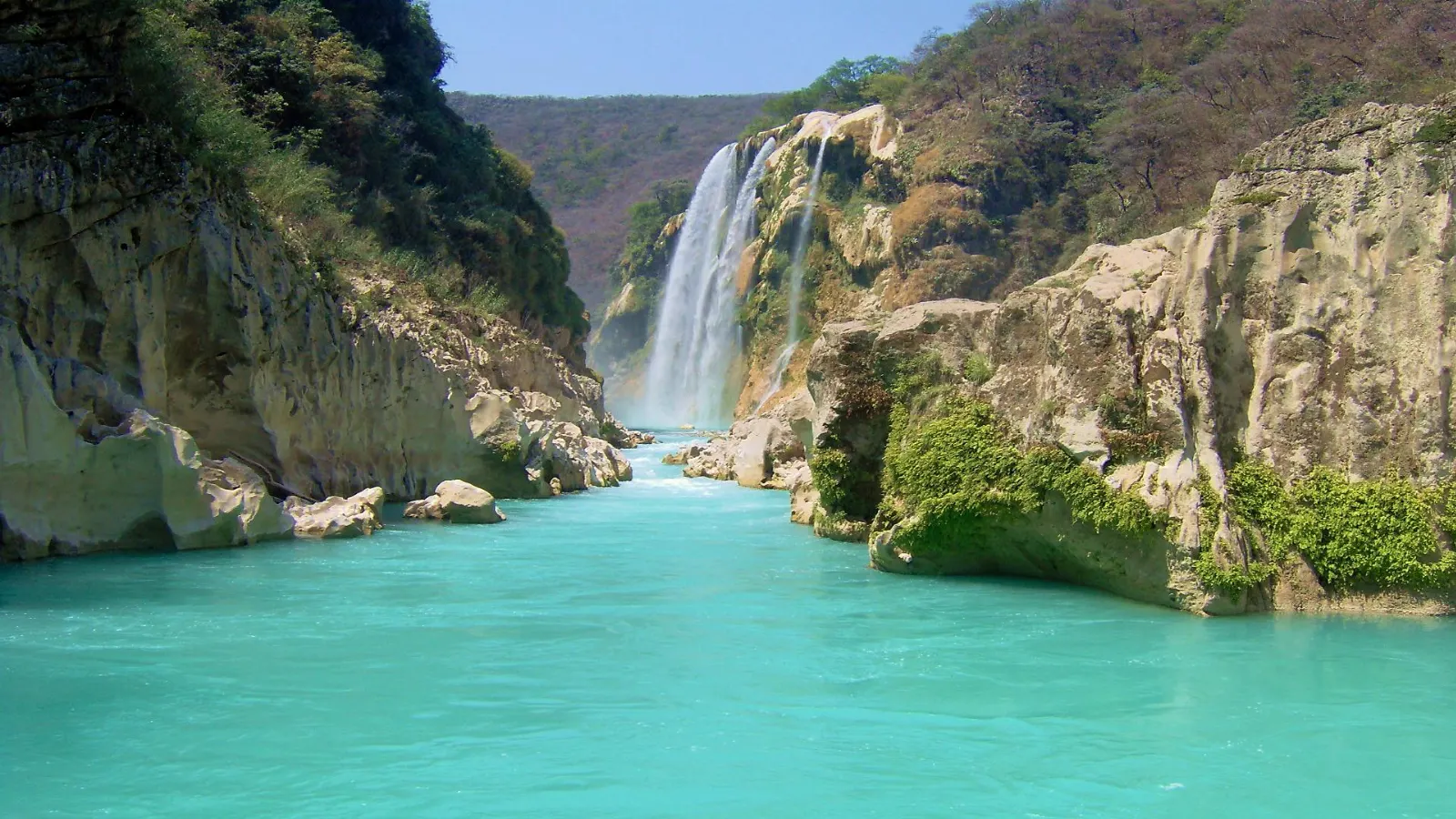
The climate is hot and tropical, with strong rains during the summer monsoon season. Xilitla is one of the wettest places in Mexico, and rain can fall there at any time of year. Ciudad Valles is hot through the summer, while winter brings milder days, which makes the cooler months comfortable for hiking and ruins. For Tamul, local sources point to the low-water season from July to October.

Getting there and getting around

No commercial airport serves the region. The nearest are San Luis Potosí and Tampico, and international visitors usually connect through Mexico City. From San Luis Potosí, first-class buses reach Ciudad Valles in about four hours, and Tampico is about three hours from Ciudad Valles. Xilitla is served mainly by second-class buses, with frequent departures from the junction of La Y Griega. By car, Highway 85 is the main north-south road, and Xilitla lies about 100 kilometres south of Ciudad Valles.

A suggested itinerary

First day

Base yourself in Ciudad Valles.

Second day

Take the early boat trip to the Tamul waterfall from Tanchachín and keep the rest of the day free for rest.

Third day

Drive to Tamasopo for the cascade, El Trampolín and Puente de Dios, then return or continue south.

Fourth day

Visit the Sótano de las Golondrinas near Aquismón at the start or end of the day, then settle in Xilitla and spend the next morning at Las Pozas.

Practical tips

  • Check your government's current travel advisory before you go.
  • Pack water shoes, swimwear, a towel and insect repellent for the waterfalls.
  • Book the Tamul boat trip with a local operator and ask about river levels first.
  • Start early at Las Pozas and Tamtoc to avoid the midday heat.
  • Carry cash for small towns, markets and entry fees, since card machines are not universal.
  • Bring a light rain jacket, because showers can arrive at any time of year in the hills.
Huasteca PotosinaWISERMAP PLACEHuasteca Potosina: photos, reviews & things to doSee traveler photos and reviews, or share your own →

More places to visit

All travel guides →