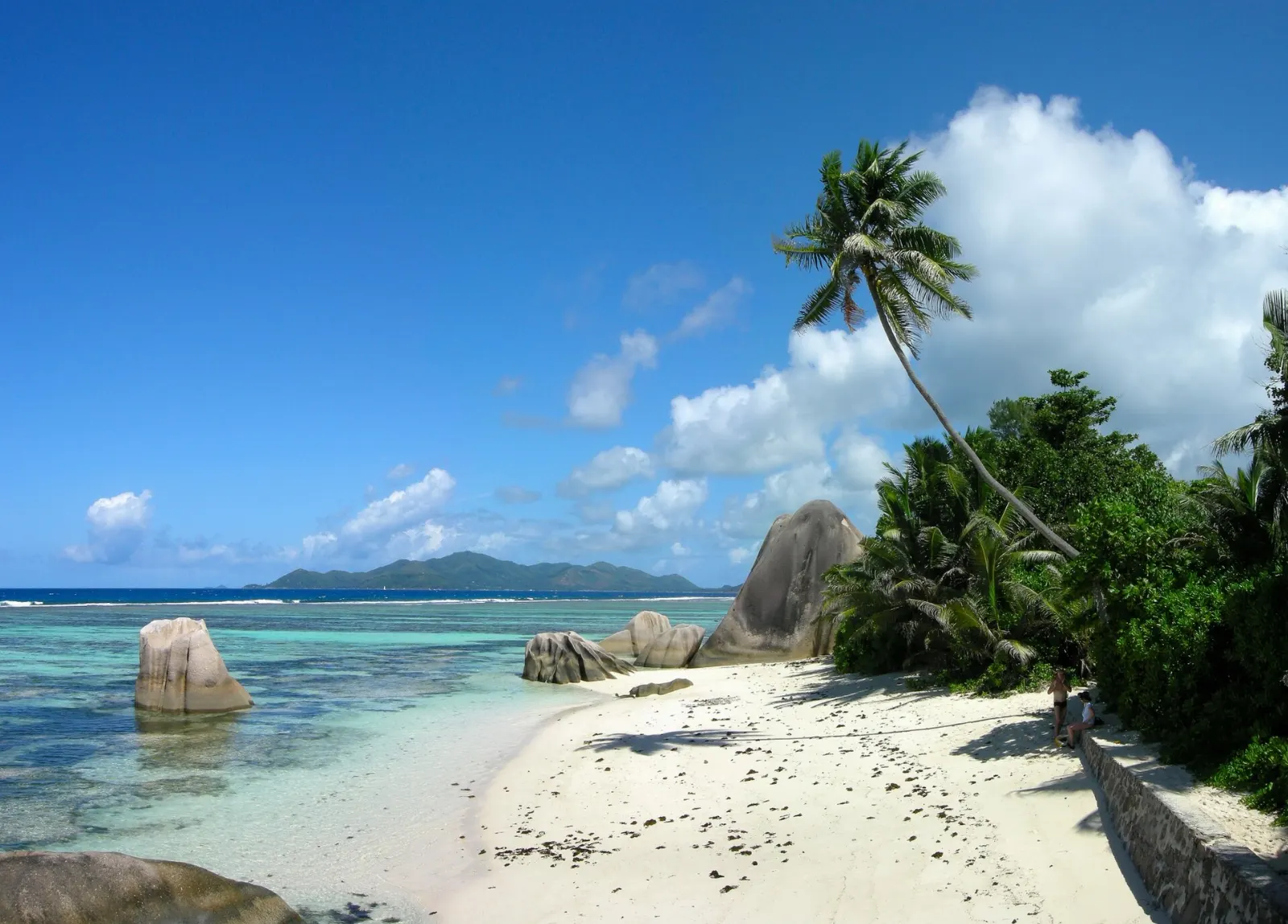
Seychelles is an archipelago of granite and coral islands scattered across the western Indian Ocean, northeast of Madagascar.
AT A GLANCE
Best time
April to May and October to November, between the two trade-wind seasons, for calm seas and clear water.
How long
Eight to ten days to enjoy Mahe, Praslin and La Digue without rushing.
Getting there
Fly into Seychelles International Airport on Mahe, then take ferries or short flights between islands.
Why visit Seychelles
Seychelles combines world-class beaches with a level of nature protection that few countries match. A large share of its land is set aside as national park or reserve, and some islands are run entirely as wildlife sanctuaries.
The islands also have a gentle, unhurried culture. Seychellois Creole, the most widely spoken language, blends French with African and other influences, and you will hear it alongside English and French.
Mahe: the capital and the mountains
Mahe is the largest island and the place where almost every trip begins. It has steep, green mountains, dozens of beaches and the only real town in the country.
Victoria
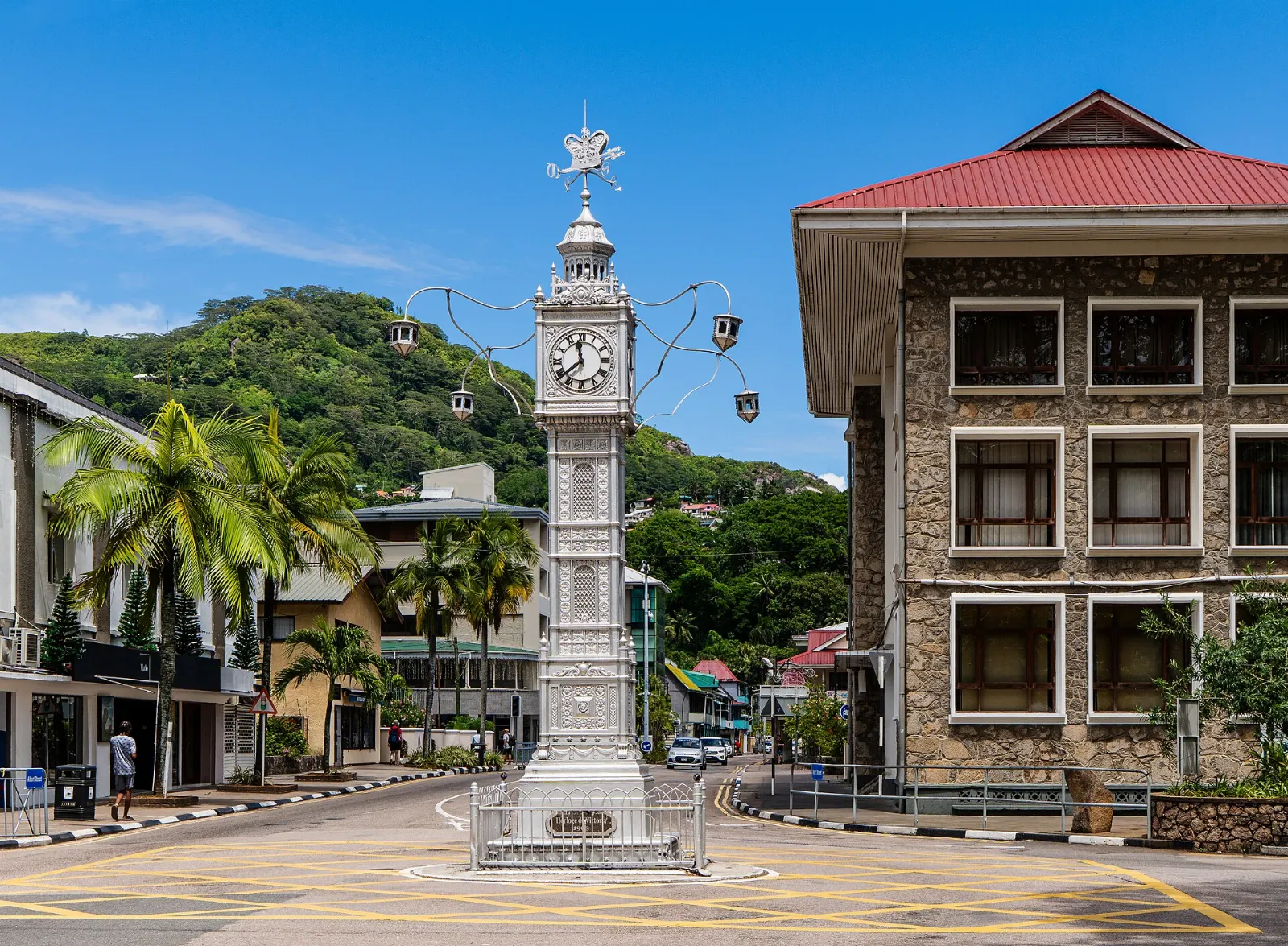
The capital is compact enough to explore on foot in a morning. Start at the little clock tower, often called Lorloz, then visit the colourful Arul Mihu Navasakthi Vinayagar Temple, the Catholic cathedral and the National History Museum.
Sir Selwyn Selwyn-Clarke Market
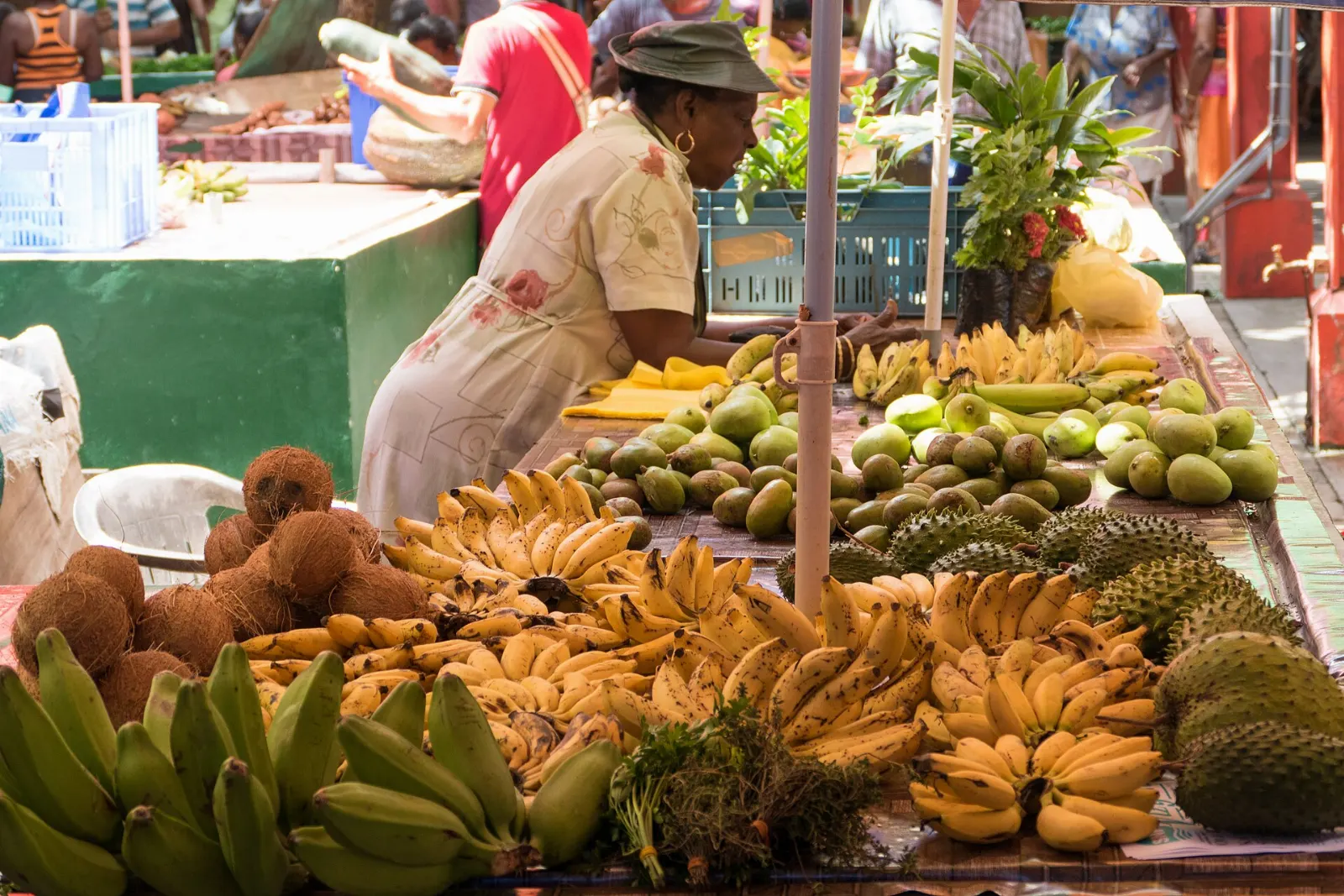
Victoria's covered market is the best place to see what Seychellois eat: piles of red snapper, jobfish and tuna, breadfruit, bananas, chillies and spices, plus small stalls selling vanilla, cinnamon and local crafts. Saturday morning is the busiest and most atmospheric time.
Morne Seychellois National Park
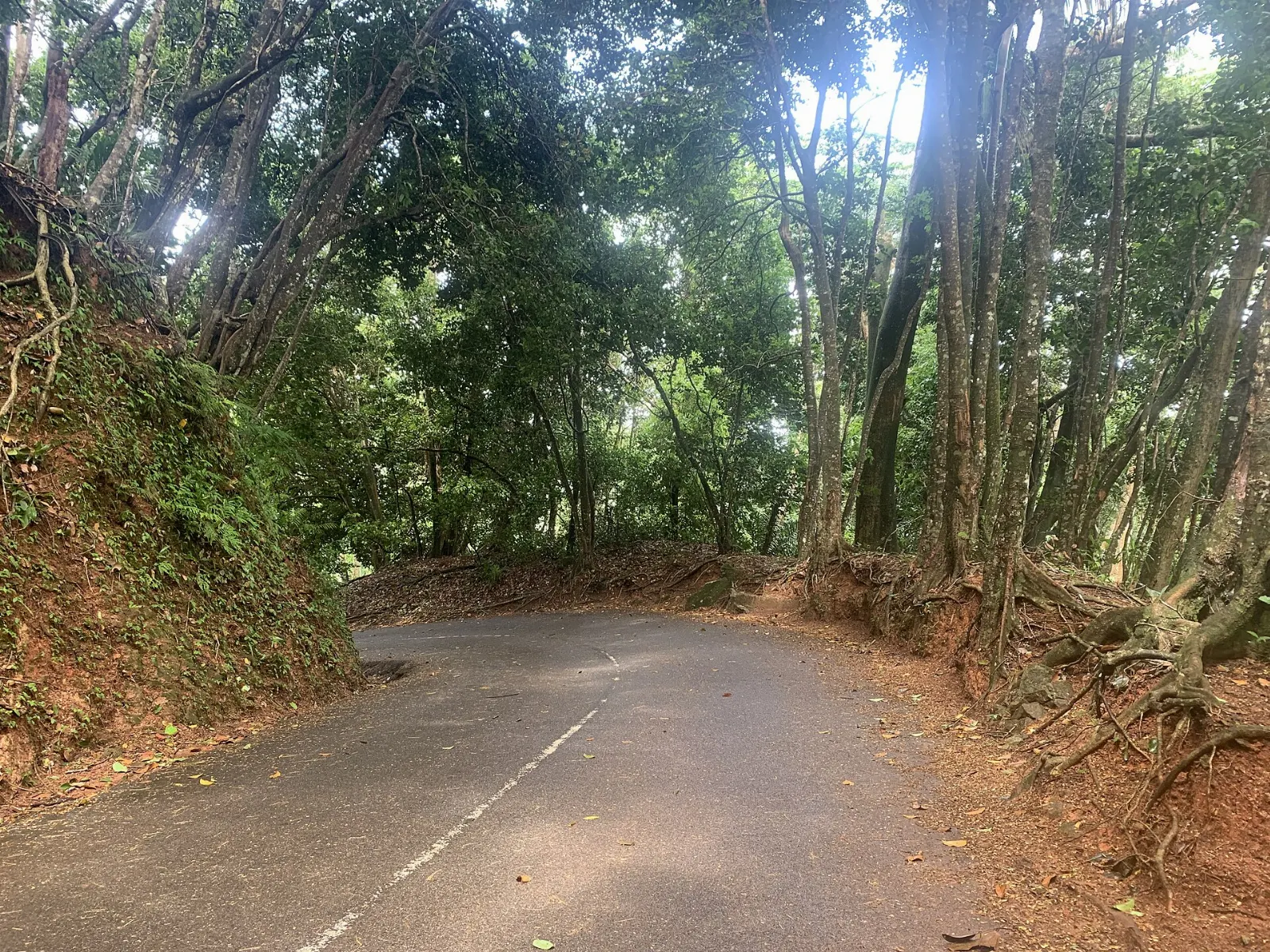
This park covers much of Mahe's mountainous interior and includes Morne Seychellois, the highest peak in the country.
Beau Vallon and the beaches of Mahe
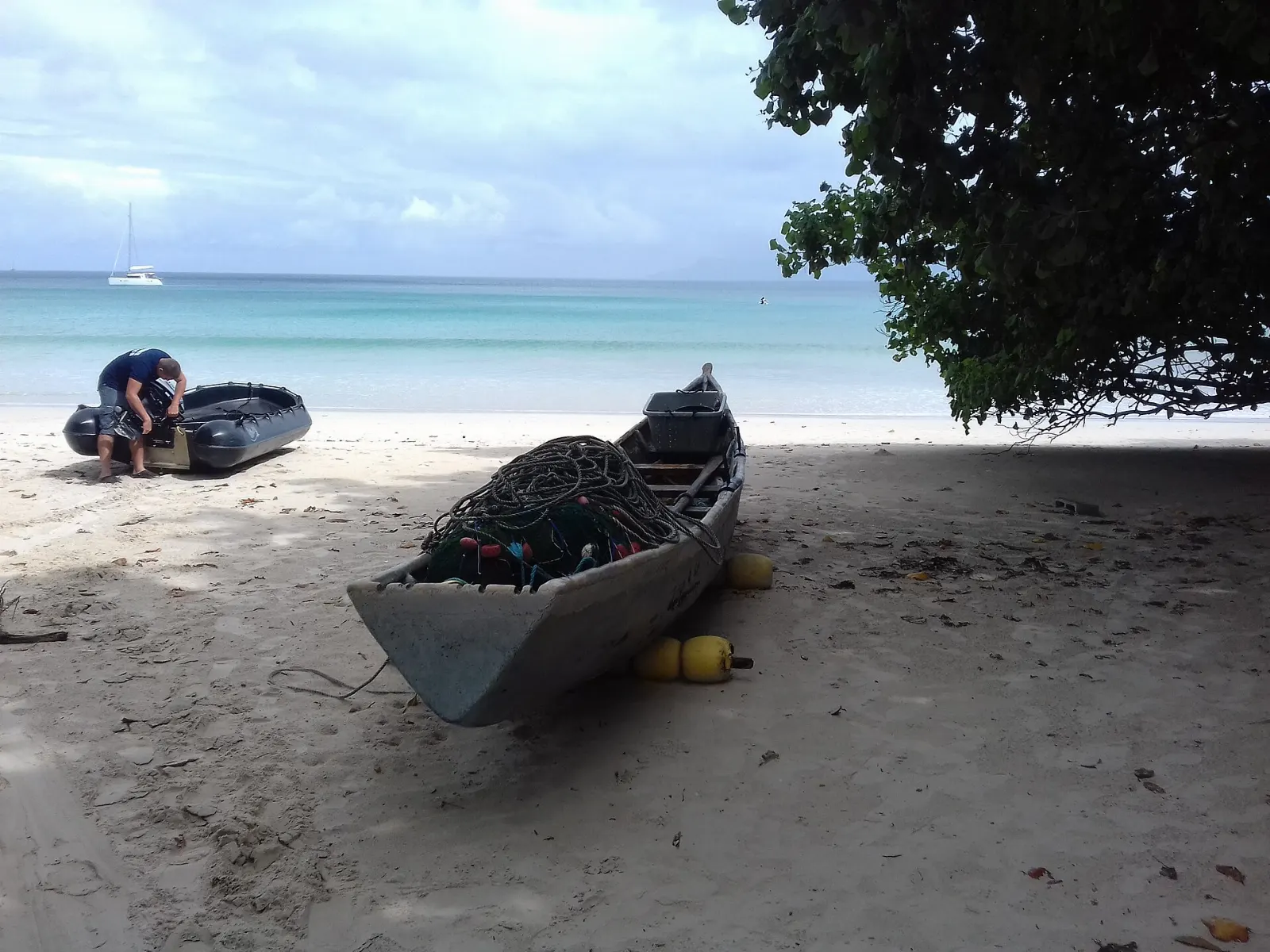
Beau Vallon, on the northwest coast, is Mahe's busiest beach, with calm water for most of the year, water sports and a lively weekly beach market in the evening. For quieter sand, head south to Anse Intendance, Anse Takamaka or Petite Anse.
Praslin and its neighbouring islands
Praslin, the second-largest island, is quieter than Mahe and has some of the country's most famous beaches. It is a short ferry ride or flight from Mahe.
Vallee de Mai
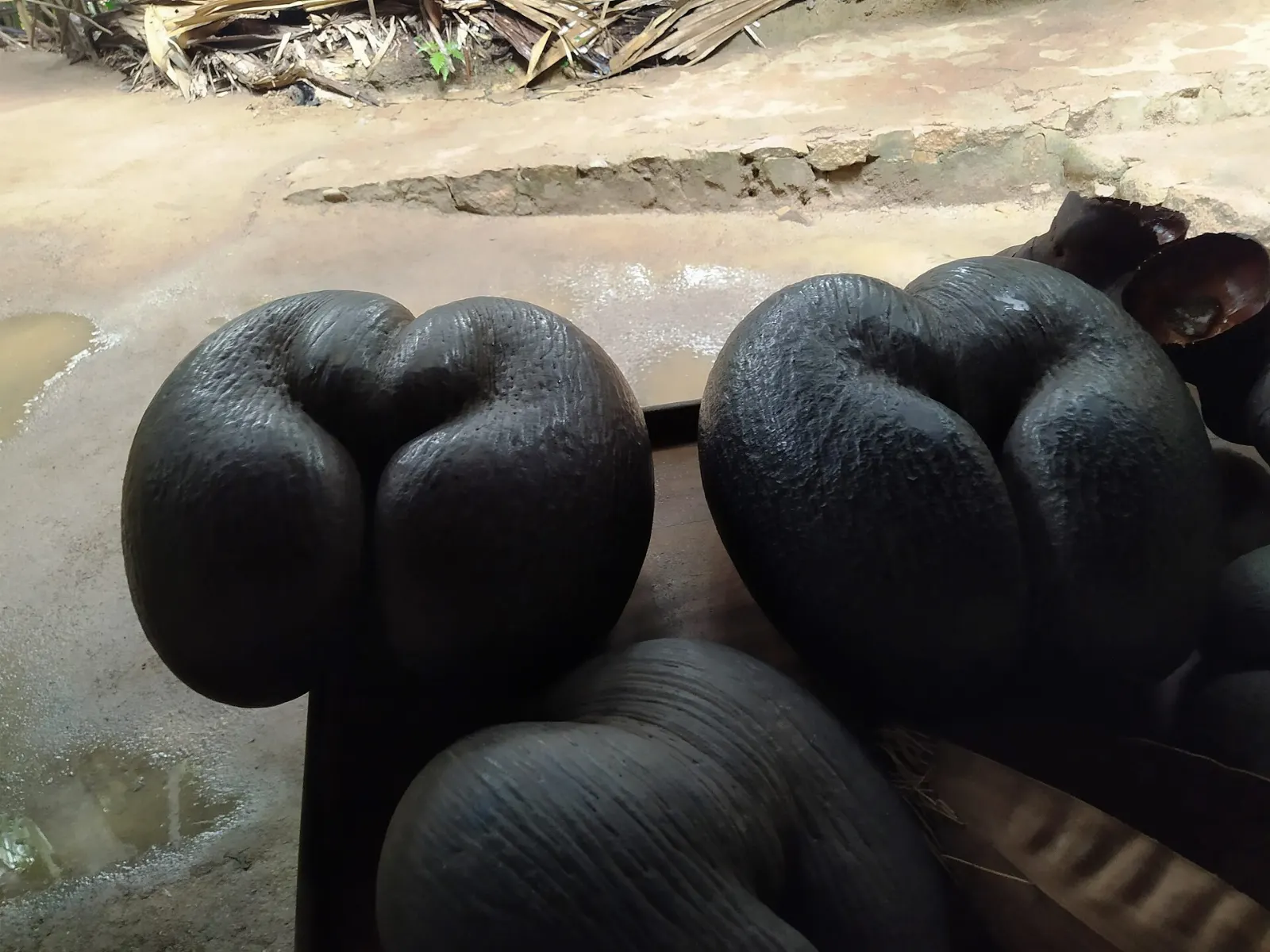
This UNESCO World Heritage Site protects a primeval palm forest where the coco de mer grows wild. The palm produces the largest seed in the plant kingdom, a double coconut with a distinctive shape.
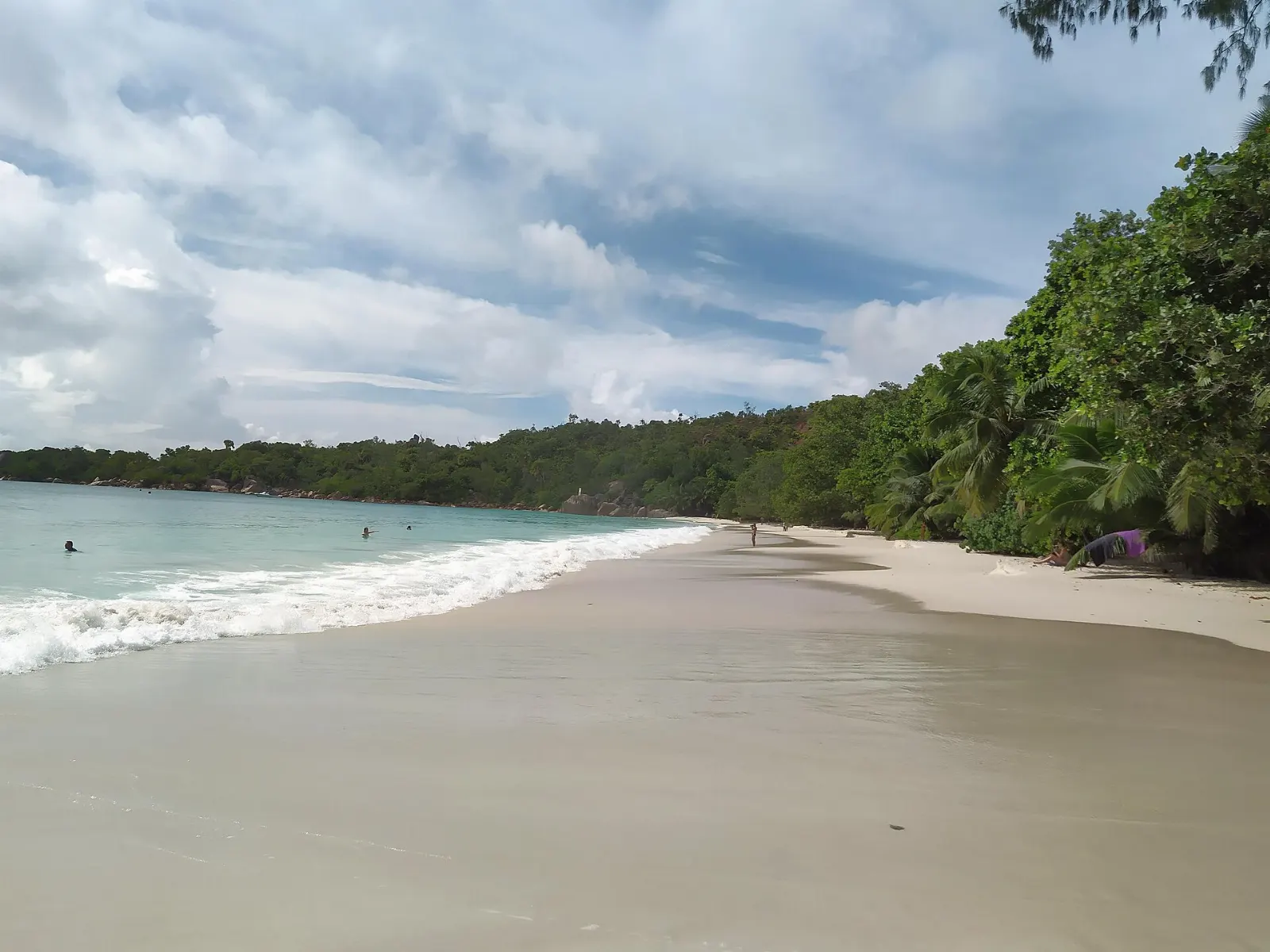
Anse Lazio
At the northwest tip of Praslin, Anse Lazio pairs fine sand with granite boulders at each end and clear water that is excellent for snorkelling along the rocks. Allow a half day or more.
Curieuse Island
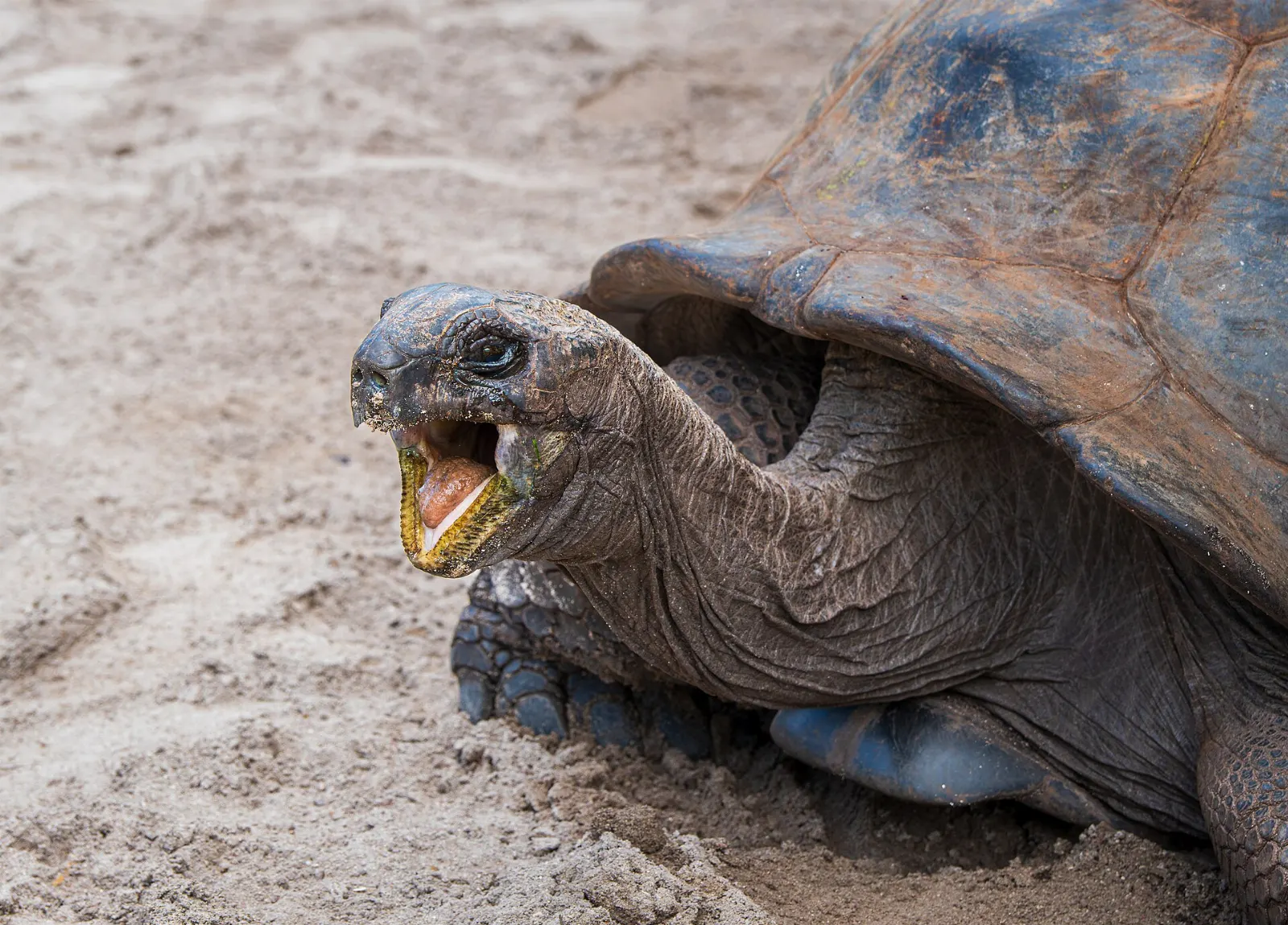
A boat trip from Praslin takes you to Curieuse, a protected island known for free-roaming Aldabra giant tortoises, a former leper colony doctor's house now used as a small museum and a boardwalk through mangroves.
Anse Georgette and Cousin Island
Anse Georgette, reached through a resort property with prior permission, is another beautiful Praslin beach.
La Digue: bicycles and boulders
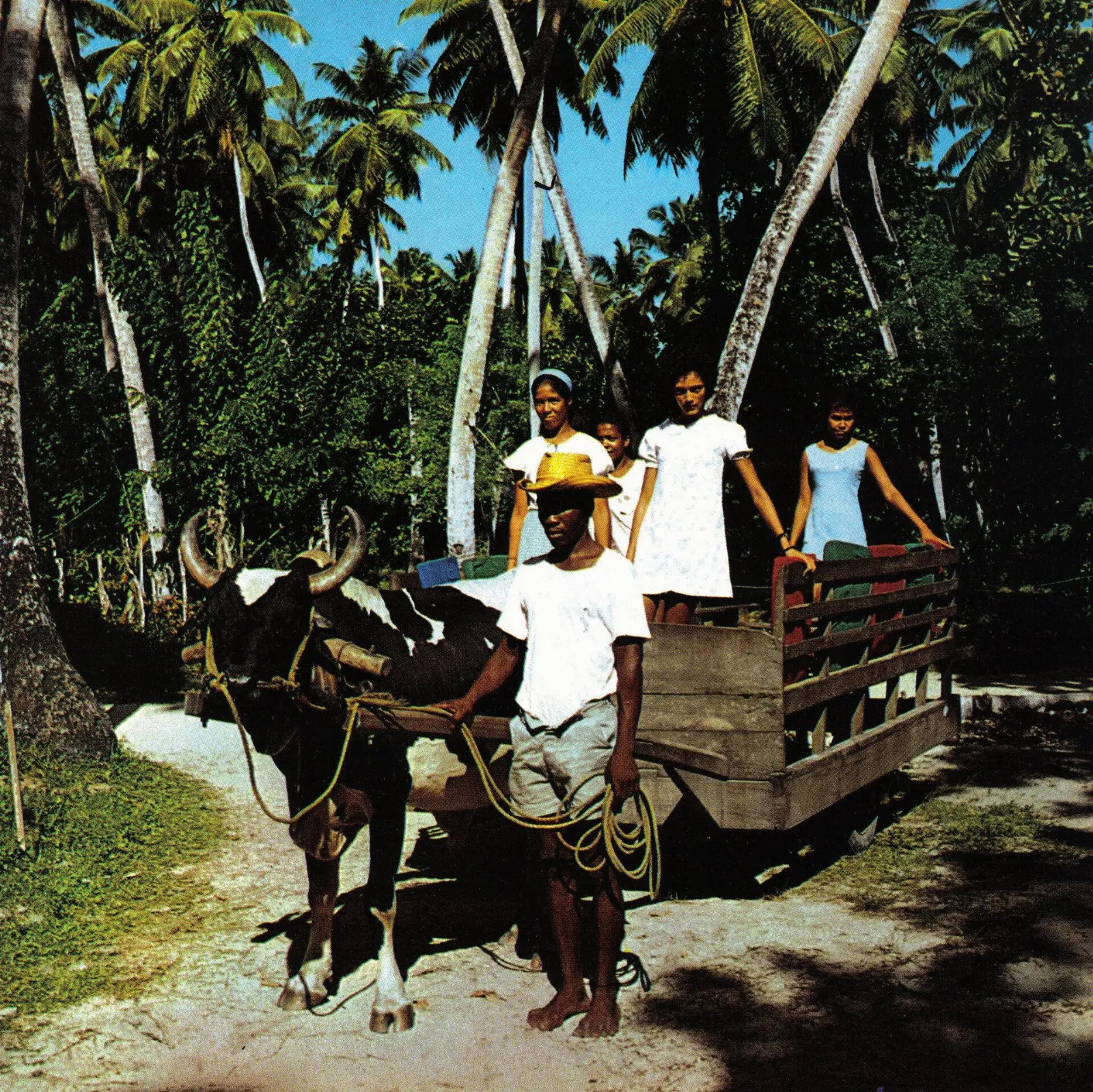
La Digue is small, slow and easy to love. Most people get around by bicycle, and the island's beaches are among the most photographed in the world.
Anse Source d'Argent and L'Union Estate
The country's most famous beach lies inside L'Union Estate, an old coconut and vanilla plantation that charges an entry fee. Inside you find a copra mill, a plantation house, a giant tortoise pen and then the beach itself, a series of small coves framed by huge granite boulders with shallow, sheltered water.
La Passe and island life
La Passe is the small harbour village where ferries arrive. Bicycle rental stands line the jetty, and from there quiet lanes lead past wooden houses, churches and small shops.
Grand Anse, Petite Anse and Anse Cocos
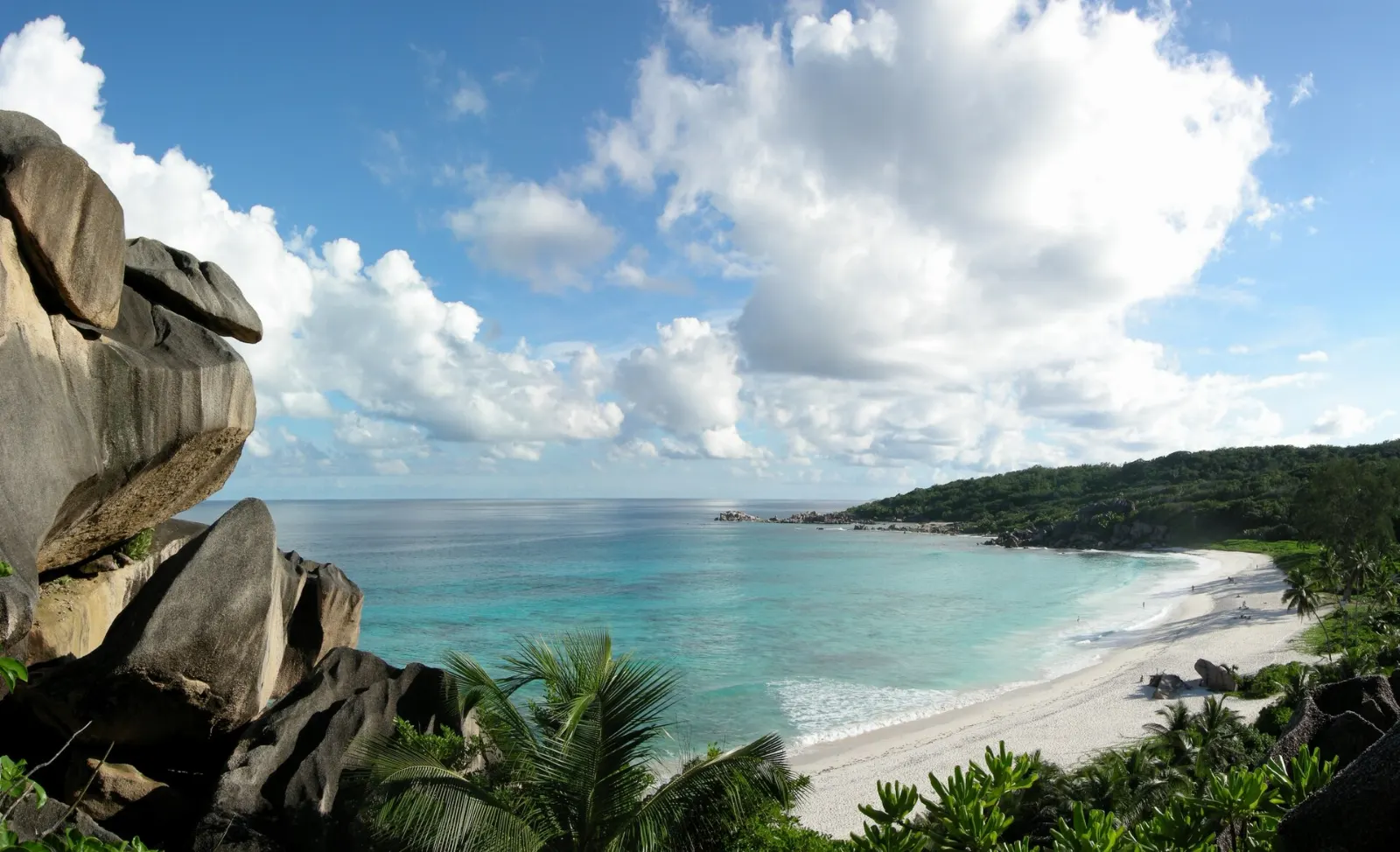
On the southeast coast, Grand Anse is a wide, wild beach backed by forest. From there a trail leads over the headland to Petite Anse and then Anse Cocos, which has a natural rock pool that offers calmer swimming.
 Planning a trip to Seychelles?Compare hotels, flights and vacation rentals for Seychelles on Expedia.Book now
Food and local flavors
Creole cooking in Seychelles leans heavily on fresh fish, coconut, rice and spices. Fish curry made with coconut milk, grilled red snapper and octopus curry are staples.
Look for takeaway counters selling Creole lunch boxes, often the best-value meals on the islands, and for the evening market at Beau Vallon.
Popular dishes to try in Seychelles


Where to stay
On Mahe, Beau Vallon suits travelers who want restaurants, water sports and easy access to Victoria.
On Praslin, the Cote d'Or area at Anse Volbert has a long, calm beach and a good range of places to eat, while Grand Anse on the west side has more guesthouses and is near the airstrip.
Self-catering guesthouses are common across all three islands and are a good way to experience local life.
Where to stay in Seychelles


Best time to visit
Seychelles is warm all year, and its weather is shaped by two trade-wind seasons.
The transition months of April to May and October to November usually offer the calmest seas and the best visibility for diving and snorkelling. The busiest and most expensive periods are Christmas, New Year and Easter.
Getting there and getting around
Seychelles International Airport is on the east coast of Mahe, south of Victoria.
Fast catamaran ferries link Mahe, Praslin and La Digue several times a day, and small inter-island ferries also run between Praslin and La Digue.
On Mahe and Praslin, rental cars give you the most freedom; traffic drives on the left and the mountain roads are narrow and winding.
A suggested itinerary
First day
Arrive on Mahe, settle in and relax on Beau Vallon at sunset.
Second day
Explore Victoria and its market in the morning, then drive the Sans Souci road to the Mission ruins and hike the Copolia trail.
Third day
Spend the day on the southern beaches of Mahe or on a snorkelling trip in Sainte Anne Marine National Park.
Fourth day
Take the ferry to Praslin, visit Vallee de Mai in the afternoon and settle in at Cote d'Or.
Fifth day
Join a boat trip to Curieuse and St Pierre, then end with a swim at Anse Lazio.
Sixth day
Ferry to La Digue, rent a bicycle and explore La Passe and the Veuve Reserve.
Seventh day
Visit L'Union Estate and Anse Source d'Argent at low tide in the morning, then cycle to Grand Anse and walk to Anse Cocos.
Eighth day
Return to Mahe for your flight, or stay one more night to rest before the journey home.
Practical tips
- Apply for the official travel authorization before you fly and carry proof of onward travel and accommodation.
- Book inter-island ferries in advance in high season, and allow extra time in case of weather delays.
- Check tide times before visiting Anse Source d'Argent and other boulder beaches.
- Respect warning flags, since several beaches have strong currents in the trade-wind seasons.
- Do not take coco de mer nuts out of the country without an official export permit.
- Use reef-safe sunscreen and avoid touching coral or marine life.
- Carry cash for small shops, buses and takeaway counters on La Digue and in rural areas.