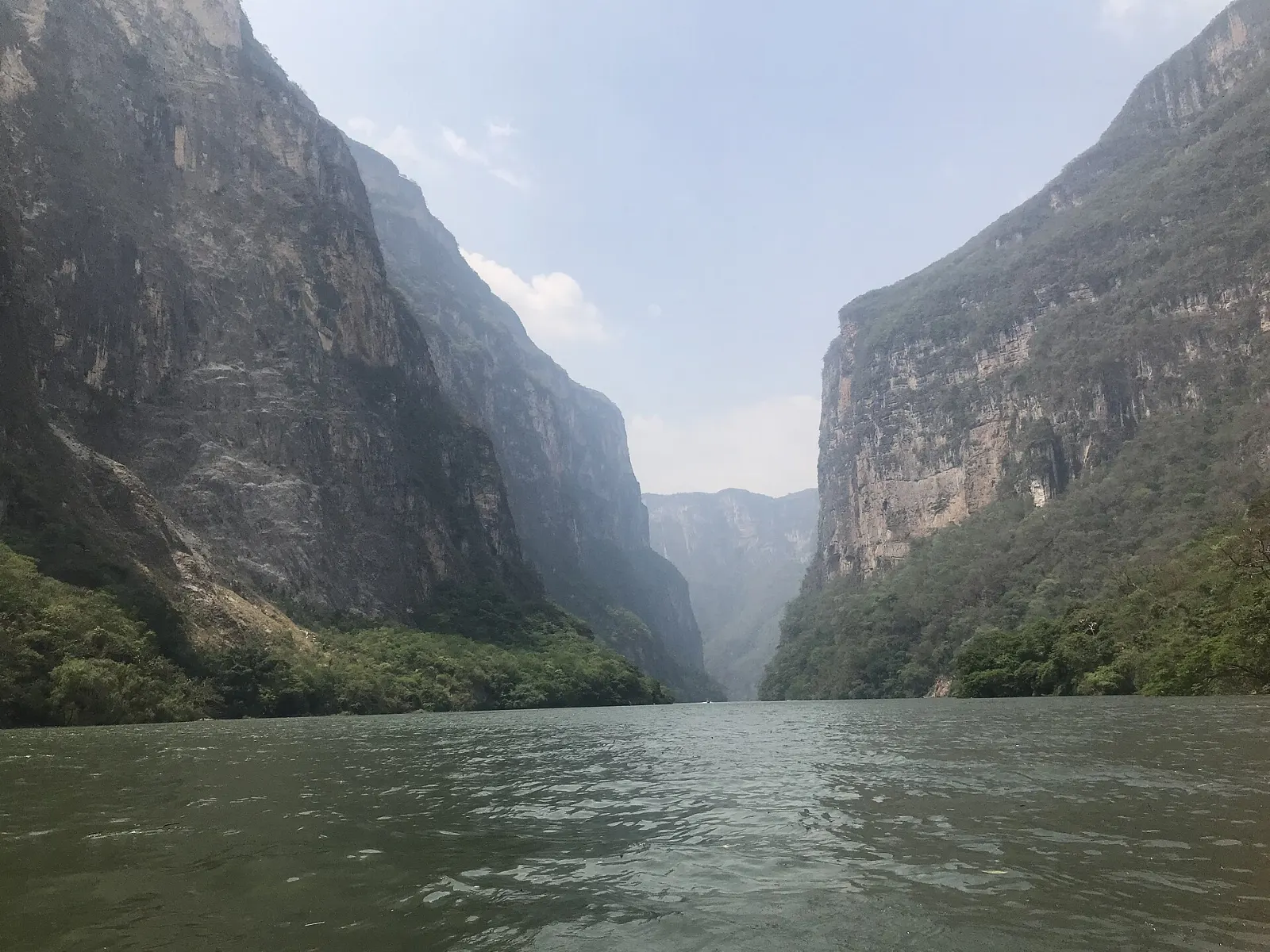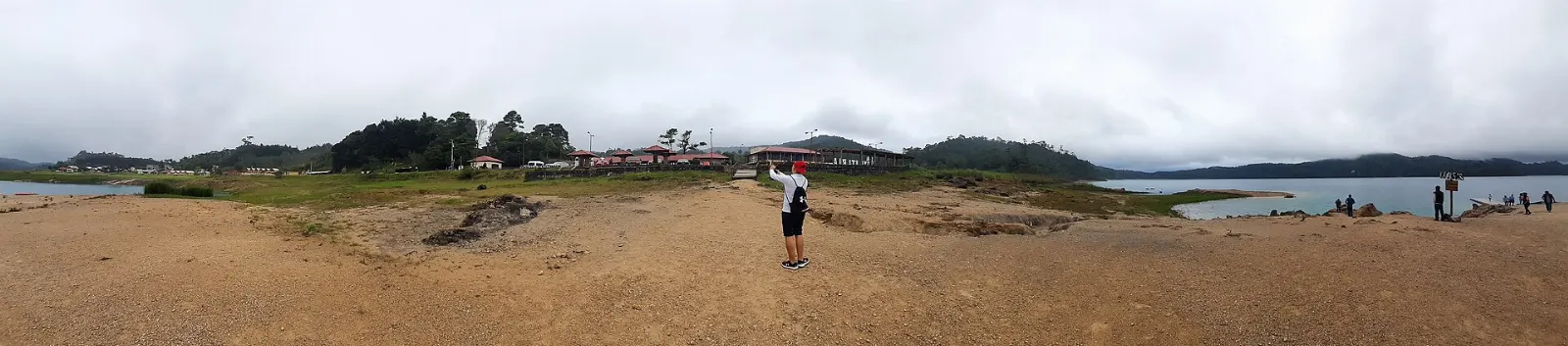
Lagunas de Montebello is a national park in the highlands of Chiapas, close to the border with Guatemala. Dozens of lakes in shades of turquoise, emerald, deep blue and even purple lie scattered among pine forest at roughly 1,500 to 1,800 metres above sea level.
AT A GLANCE
Best time
November to April is generally drier, with cooler mornings.
How long
Plan one full day, or two to add Comitán and nearby falls.
Getting there
Drive about two and a half hours from Tuxtla Gutiérrez or an hour from Comitán.
Why visit Lagunas de Montebello
The park was created in 1959 as the first national park in Chiapas, and UNESCO named it a biosphere reserve in 2009.
Nearby villages are home to Chuj and other Indigenous communities, so you also get a taste of local culture. Note that some lakes have lost their clarity because of pollution and runoff, so manage your expectations and treat the water with care.
The colourful lakes
Lagunas de Colores
The Lagunas de Colores are five lakes named Encantada, Ensueño, Esmeralda, Agua Tinta and Bosque Azul. Their colours shift with the sun, so the best photographs come when the light is high. Allow an hour or two to walk between viewpoints. 
Lago Tziscao
Tziscao is the largest lake in the park and has a village on its shore with cabins, a small hotel and food stalls. Kayaks and canoes are available to rent, and swimming is possible in places. Plan half a day here for a relaxed stop. 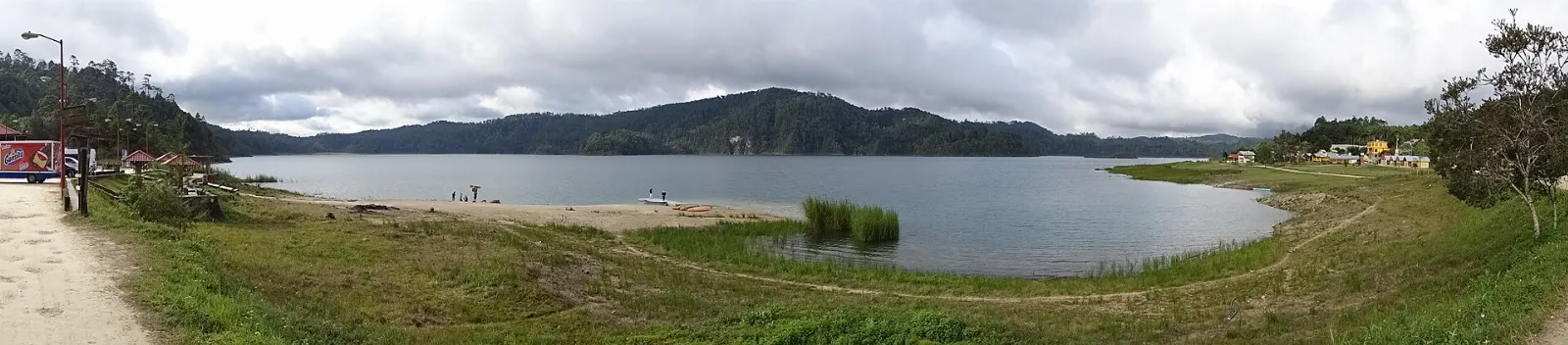
Laguna Pojoj and the Sendero El Pojoj
A trail of about 3 km one way leads through forest to viewpoints over Laguna Pojoj and the Cinco Lagos. You can cross some of the lakes by balsa log raft and walk on to others from the far side, if the operators at the entrance say it is possible.
Laguna Montebello and La Cañada
Laguna Montebello gives the park its name, and nearby La Cañada is another easy stop beside the road. Both look their best in clear weather, when the pine forest reflects in the water. Stay on marked paths to protect the shoreline. 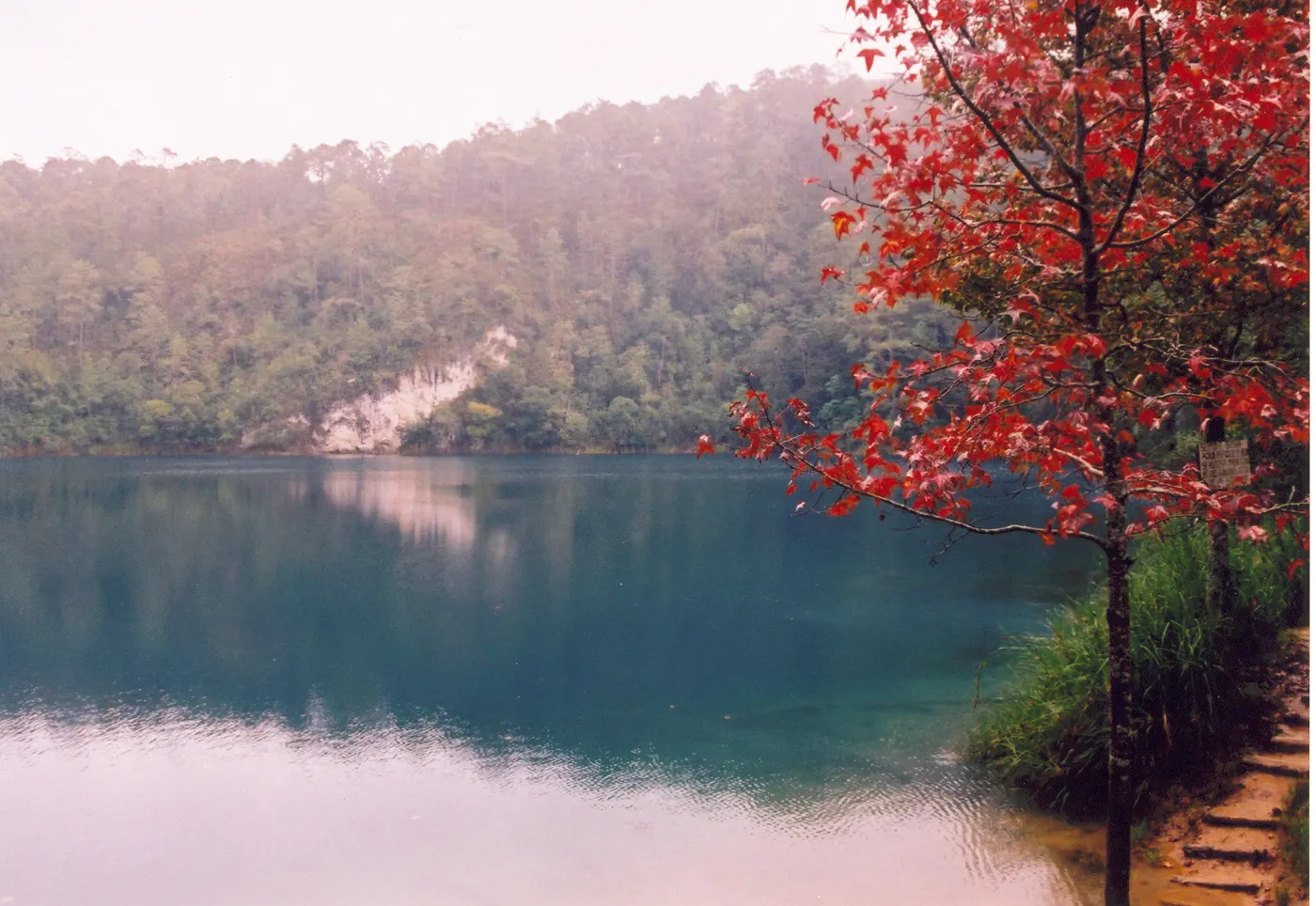
Rafts, kayaks and horses
Beyond walking, the park offers several ways to enjoy the water. Balsa log rafts glide across some lakes, kayaks are available at Tziscao, the Cinco Lagos and Pojoj, and horseback rides run along forest tracks.
Wildlife and forest
The pine forest and cloud forest around the lakes hold more than 270 bird species, along with ocelots, coatis, deer and many orchids. You are unlikely to see the big cats, but birds and butterflies are easy to spot from the trails.
Ruins and caves
Chinkultic
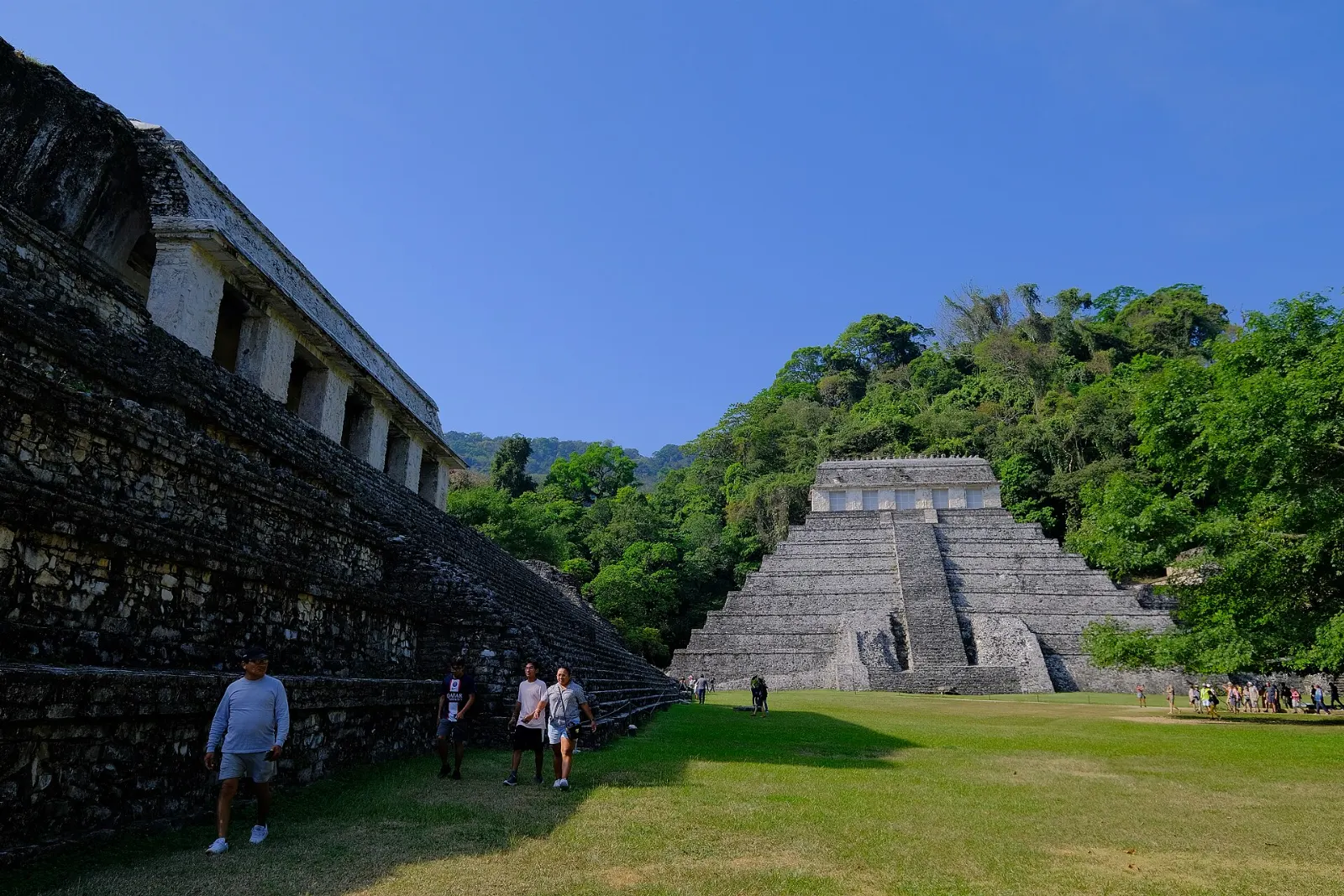
Chinkultic is a Maya city in the western part of the park, occupied from the third century until the 13th. Nearly 200 buildings remain, many still covered by vegetation, along with an unusual asymmetrical ball court dedicated in 591. Climb the Acropolis for a view across the lakes, and allow about two hours. Check the opening hours locally, as they can change. 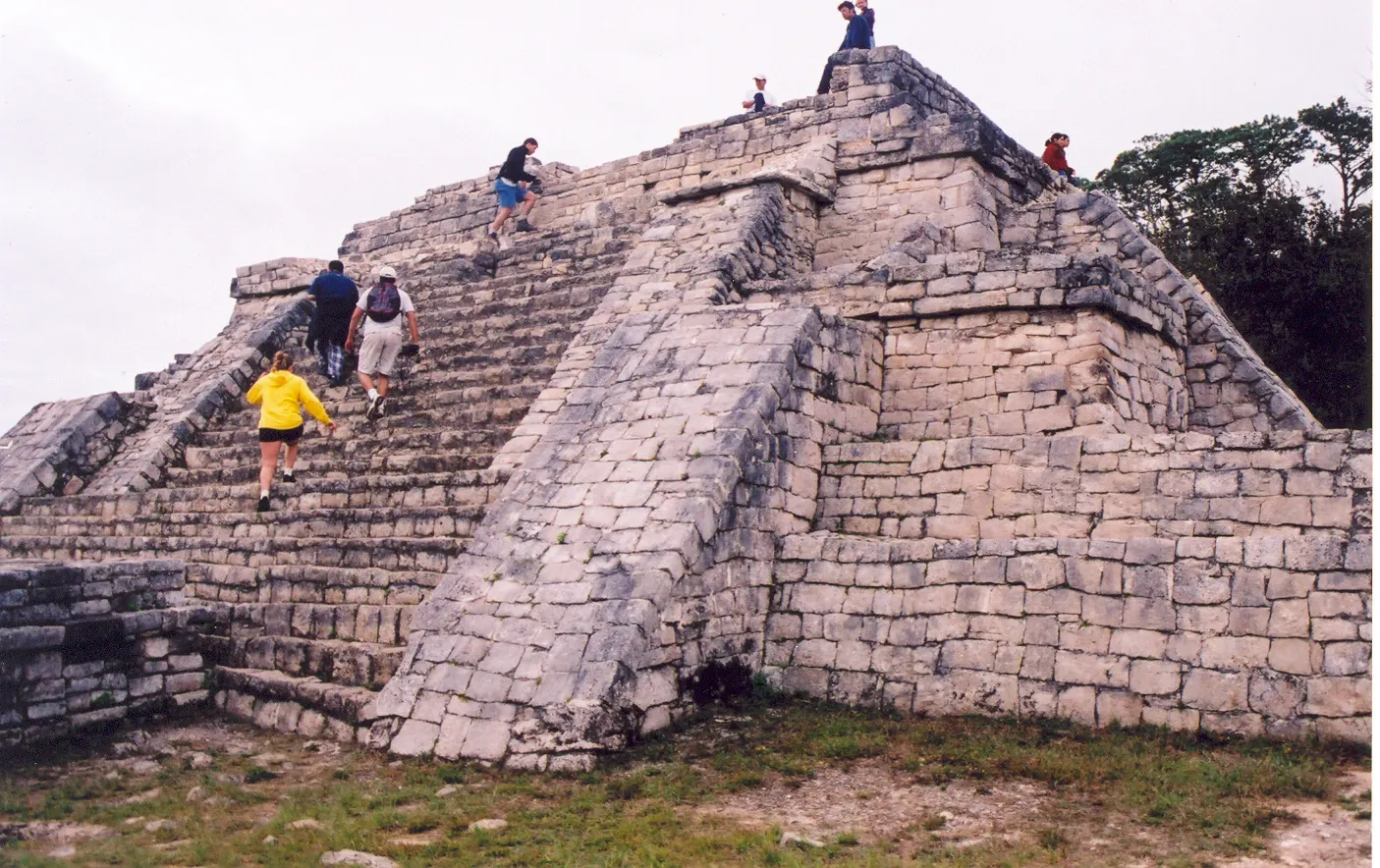
Grutas San Rafael del Arco
This area of limestone caves and two cenotes can be visited on foot or on horseback. It is a cooler, darker contrast to the sunny lakeshores. Go with a local guide, who can explain what you are seeing and keep you safe underground. 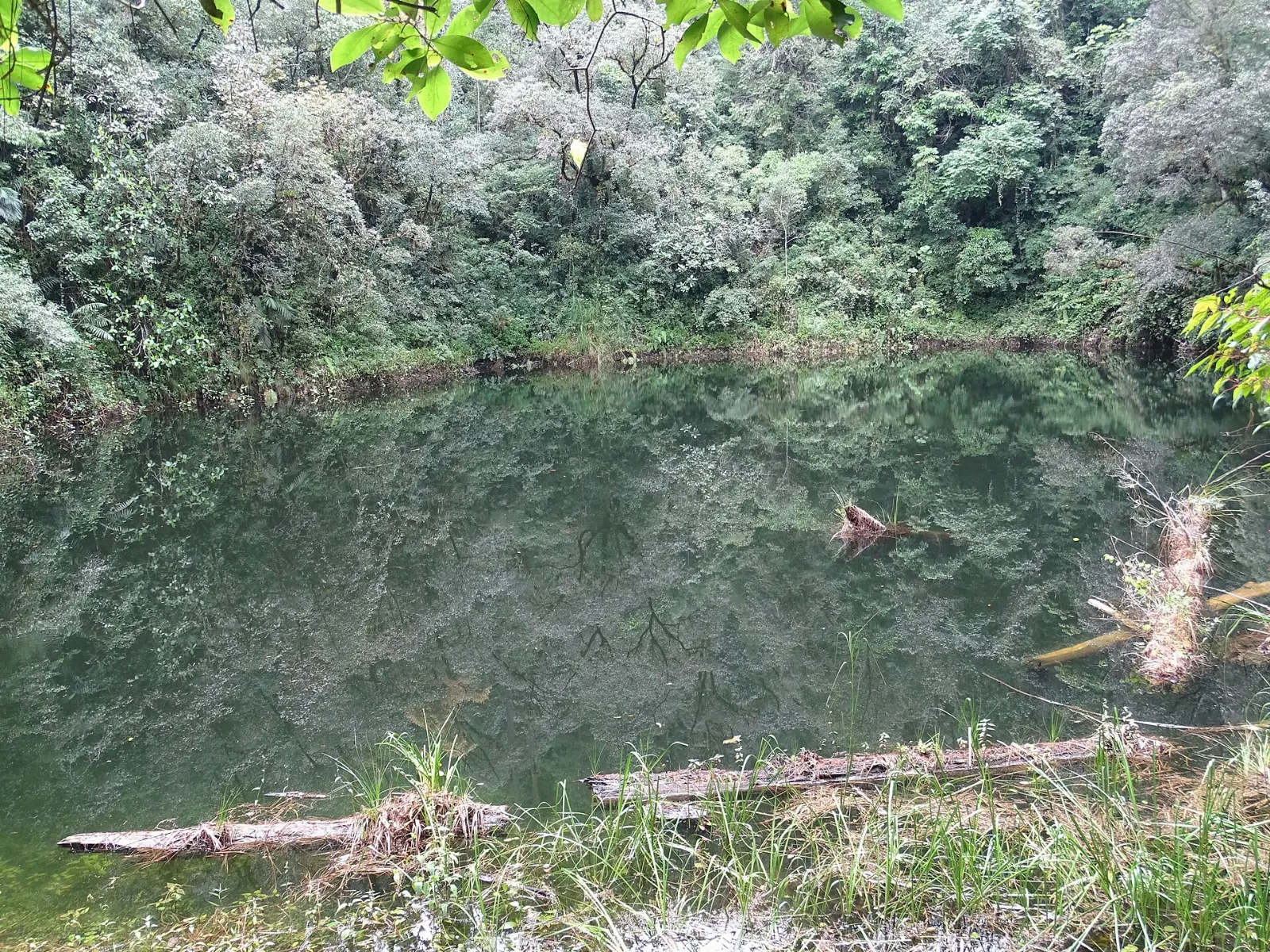
Near the park
El Chiflón
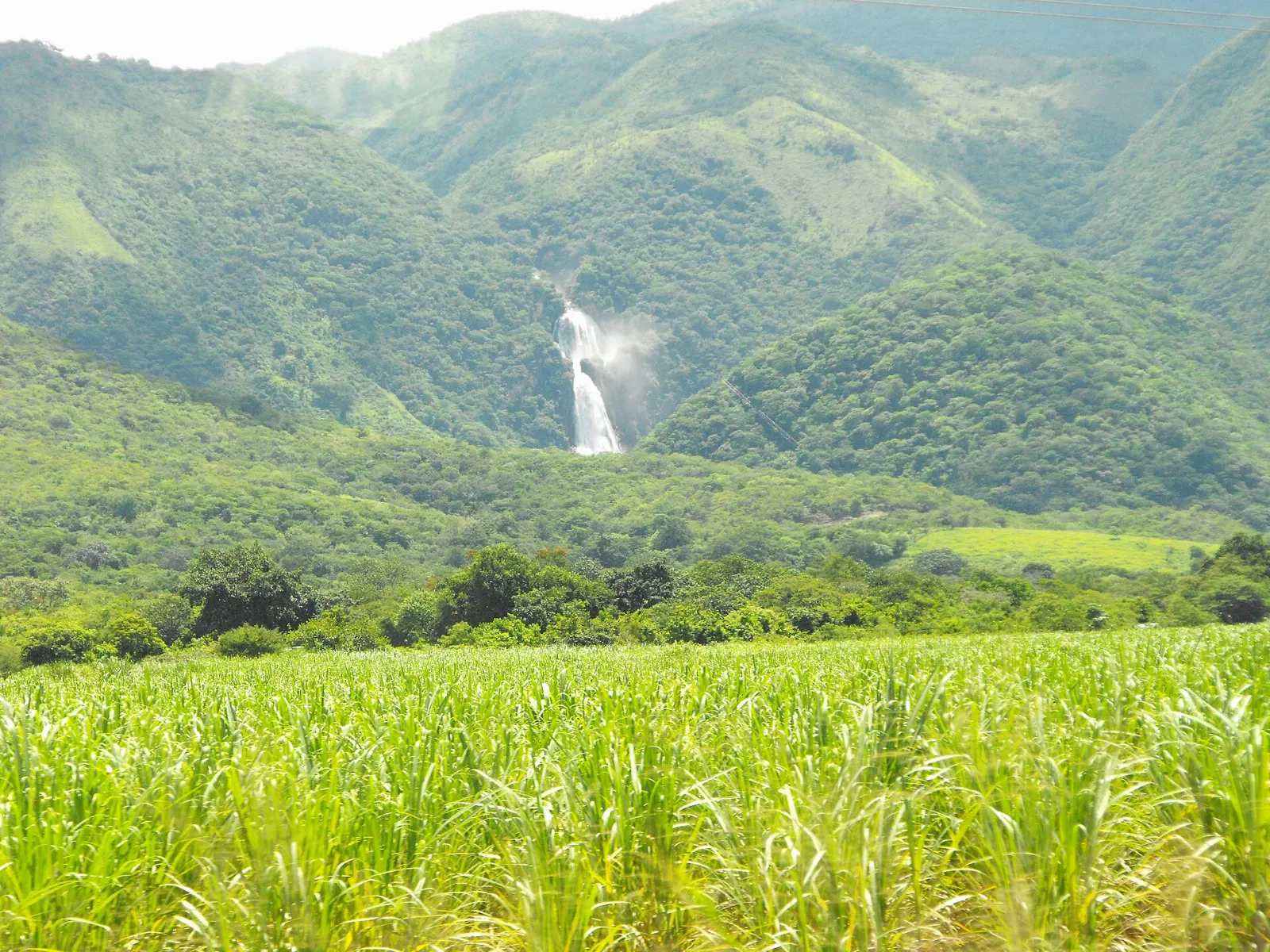
El Chiflón is a series of waterfalls near Comitán, popular for its turquoise pools and its easy walking trail. Pair it with Montebello if you have two days. A small fee applies at the entrance. 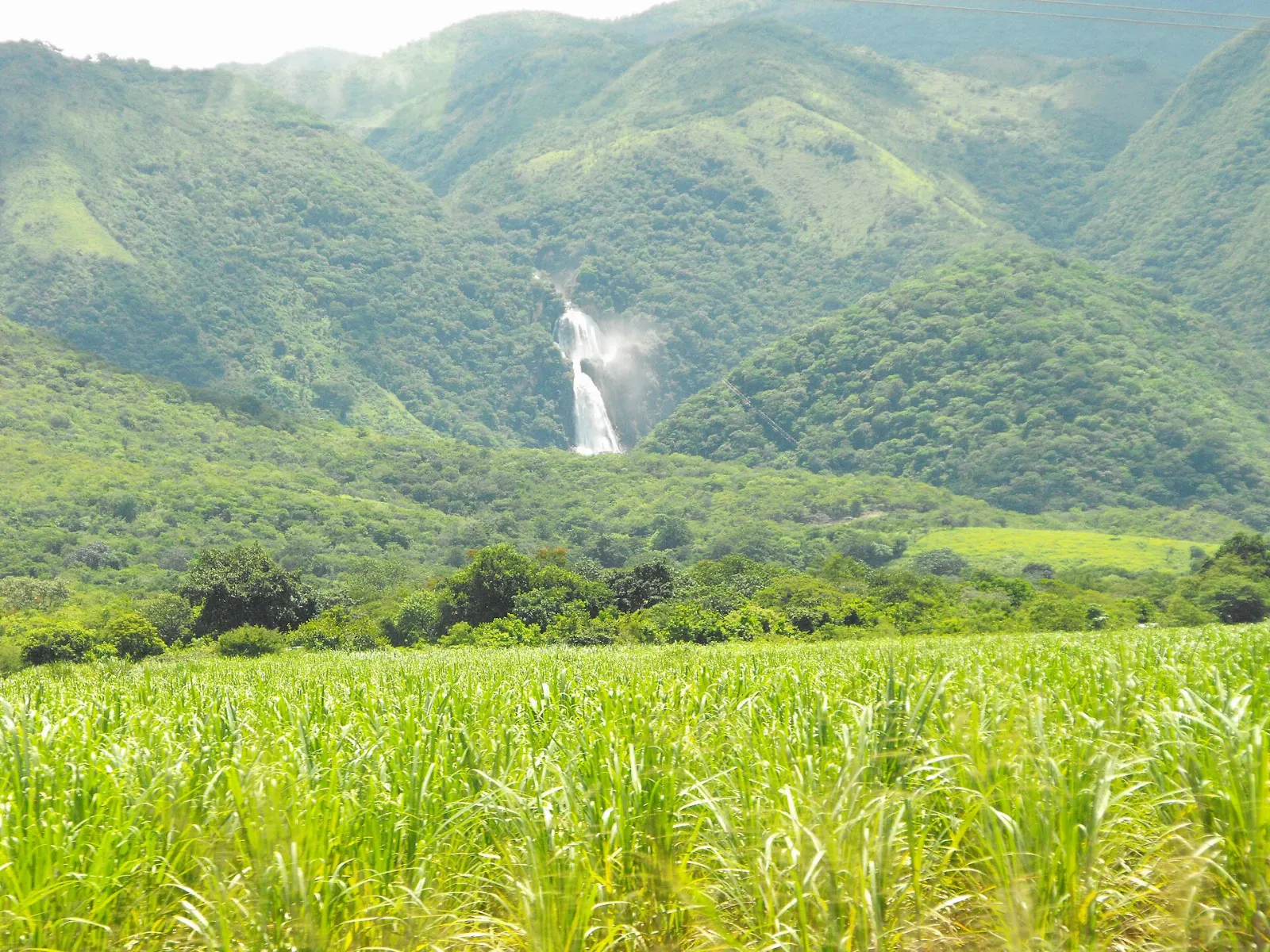
Las Nubes
Las Nubes is a set of turquoise waterfalls on the highway toward Palenque, where water activities are offered. It is a pleasant stop if you continue north rather than return to Comitán. Bring swimwear and a towel. 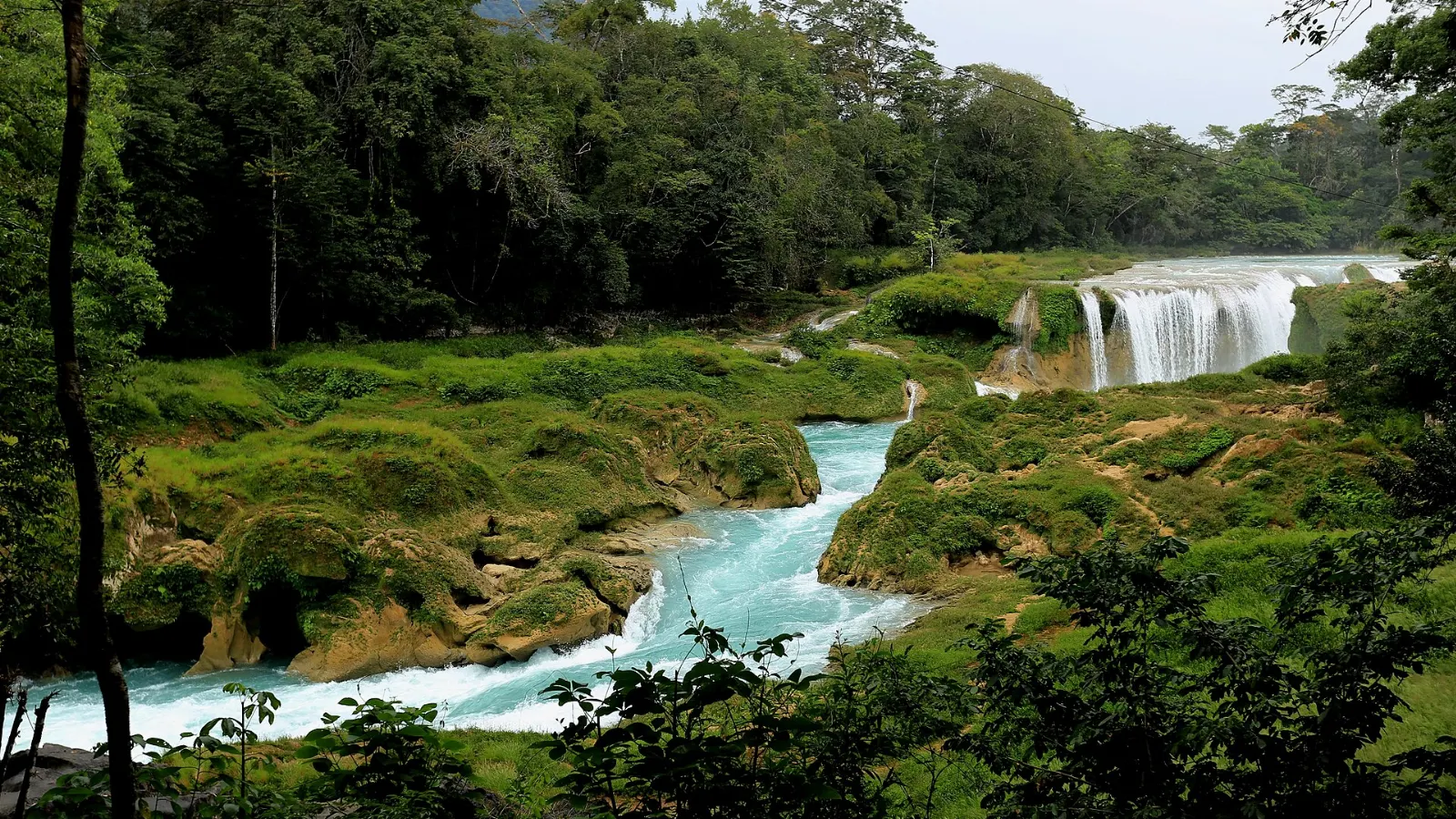
Comitán de Domínguez
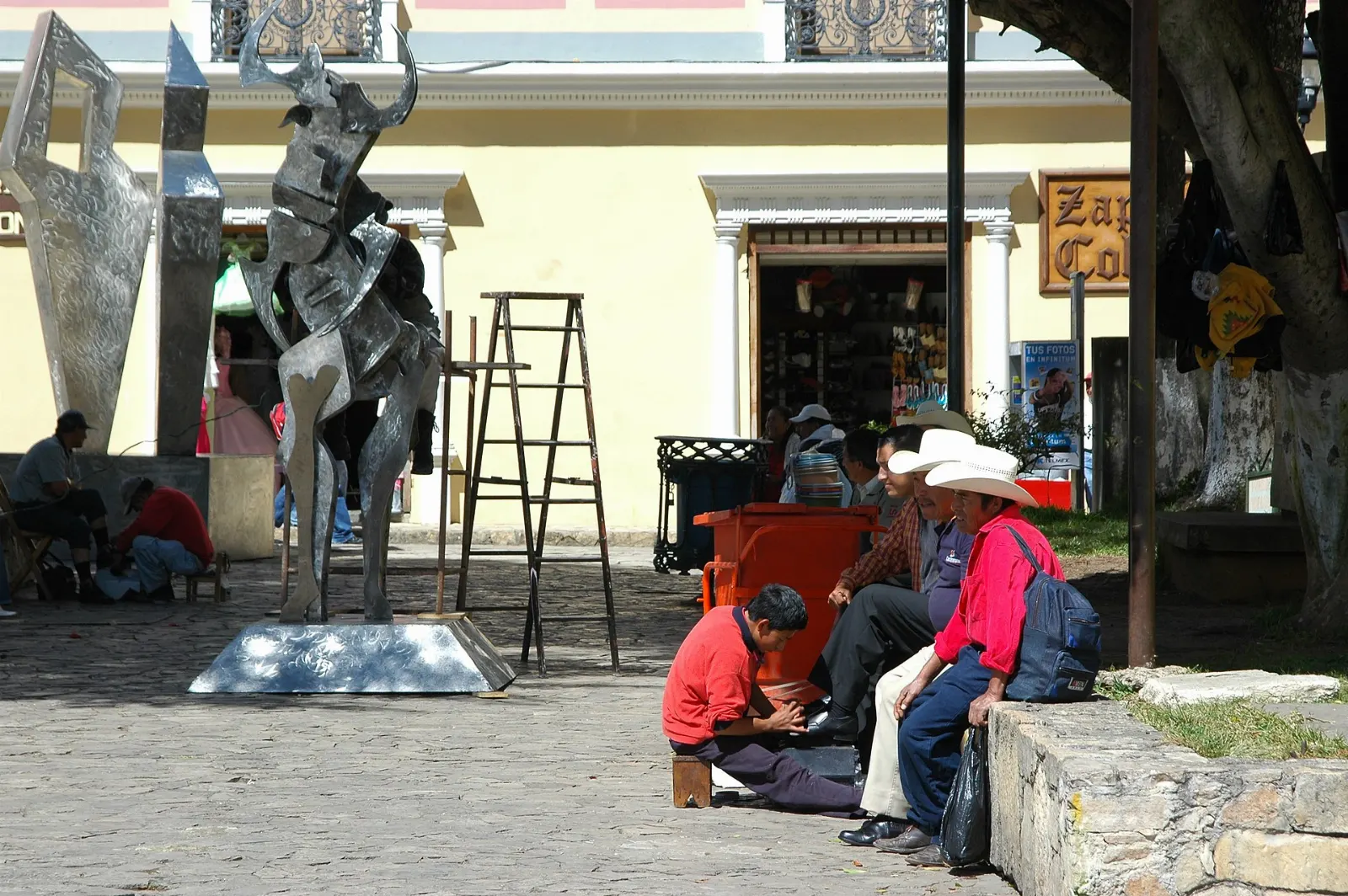
Comitán is the closest city, with colonial architecture, narrow streets and a cool climate. It was founded in 1528 and later named after Belisario Domínguez, and it is the birthplace of the writer Rosario Castellanos. Spend an evening in the main square before or after the park. 
Tenam Puente
The Maya site of Tenam Puente lies near Comitán and rounds out a cultural day alongside Chinkultic.
 Planning a trip to Lagunas de Montebello?Compare hotels, flights and vacation rentals for Lagunas de Montebello on Expedia.Book now
Food and local flavors
Chiapas cooking leans on corn, herbs and slow-cooked meats. Look for tasajo, strips of grilled beef served with sauces, and tamales de chipilín, made with a fragrant herb found in few other parts of Mexico.
Pozol is a cold drink made from fermented corn dough, usually served with sugar or a little salt. Eat simply at the stalls in Tziscao, and head to Comitán for a wider choice of restaurants and the local market.
Popular dishes to try in Lagunas de Montebello


Where to stay
Tziscao, on the shore of the largest lake, has cabins, a small hotel and campsites.
Comitán is about 30 km away and has hotels, boutique inns and good restaurants. It is the best choice for comfort, evening meals and day trips to the park, the ruins and waterfalls.
San Cristóbal de las Casas is farther away, but many travelers sleep there and join a long day tour or drive over.
Where to stay in Lagunas de Montebello


Best time to visit
Weather is warm and humid for much of the year, and rain is frequent from May to October, usually in short showers. The cooler months from October to March can feel chilly in the mornings, while the dry months of March to May get warmer.
Clear days make the lake colours stand out, so plan to arrive in the morning. Weekdays are quieter than holiday weekends.
Getting there and getting around
The easiest way in is to fly to Tuxtla Gutiérrez and rent a car, or take an OCC bus to Comitán. From Tuxtla, follow Highway 190 east toward Comitán and turn onto Highway 307 near La Trinitaria.
From Comitán, taxis, local buses and tours run to the park, which is about an hour away. Inside the park, you can hike, take a mototaxi from Tziscao, or ride a horse.
A suggested itinerary
First day
Reach Comitán, walk its main square and settle in.
Second day
Enter the park early, walk to the Pojoj viewpoints and the Cinco Lagos, then spend the afternoon at Tziscao with a kayak or a lakeside meal.
Third day
Add El Chiflón or Las Nubes before returning to Tuxtla Gutiérrez or continuing to San Cristóbal de las Casas.
Practical tips
- Bring bottled water, snacks and insect repellent.
- Wear sturdy shoes, since trails and rafts can be slippery.
- Do not use sunblock in the lakes, as park rules ban it.
- Pack layers, because mornings can be cool even when afternoons are warm.
- Take cash for entry fees, rafts, kayaks and village food.
- Do not litter or step into the water with products that could pollute it.