Acueducto
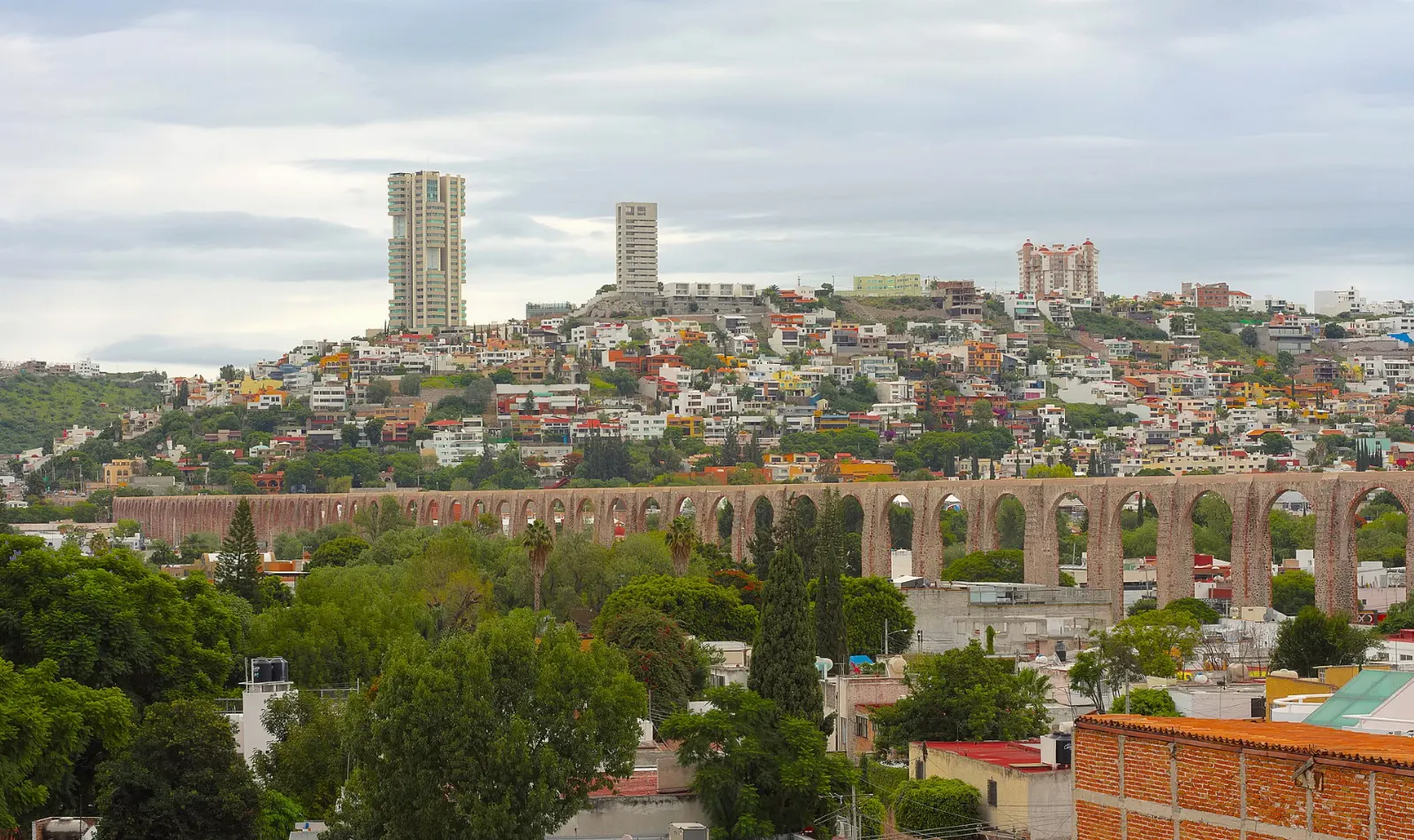
The eighteenth-century aqueduct is a symbol of the city and one of the largest in Mexico.
The aqueduct is 1,280 metres long with 74 arches and is a symbol of the city. Photo: Carlos Valenzuela, Wikimedia Commons, CC BY-SA 4.0
 Choose wisely. Connect locally.Add your business
 Querétaro is a city in central Mexico whose historic center is a UNESCO World Heritage Site, packed with baroque churches, quiet plazas and an unmistakable aqueduct. It is compact, walkable and easy to reach from Mexico City, which makes it an excellent base for a long weekend.
 Acueducto
 Jardín Zenea
 Teatro de la República
 Templo de Santa Clara
+5 more places
Templo de Santa Clara
+5 more places
Querétaro was founded as a Spanish city in 1531, and its golden age in the seventeenth and eighteenth centuries left an exceptional collection of ornate churches, convents and civil buildings.
The city also plays a large role in Mexican history. The conspiracy of 1810 was discovered here, the 1917 constitution was written here, and Emperor Maximilian ended his reign here.
The eighteenth-century aqueduct is a symbol of the city and one of the largest in Mexico.
The aqueduct is 1,280 metres long with 74 arches and is a symbol of the city. Photo: Carlos Valenzuela, Wikimedia Commons, CC BY-SA 4.0
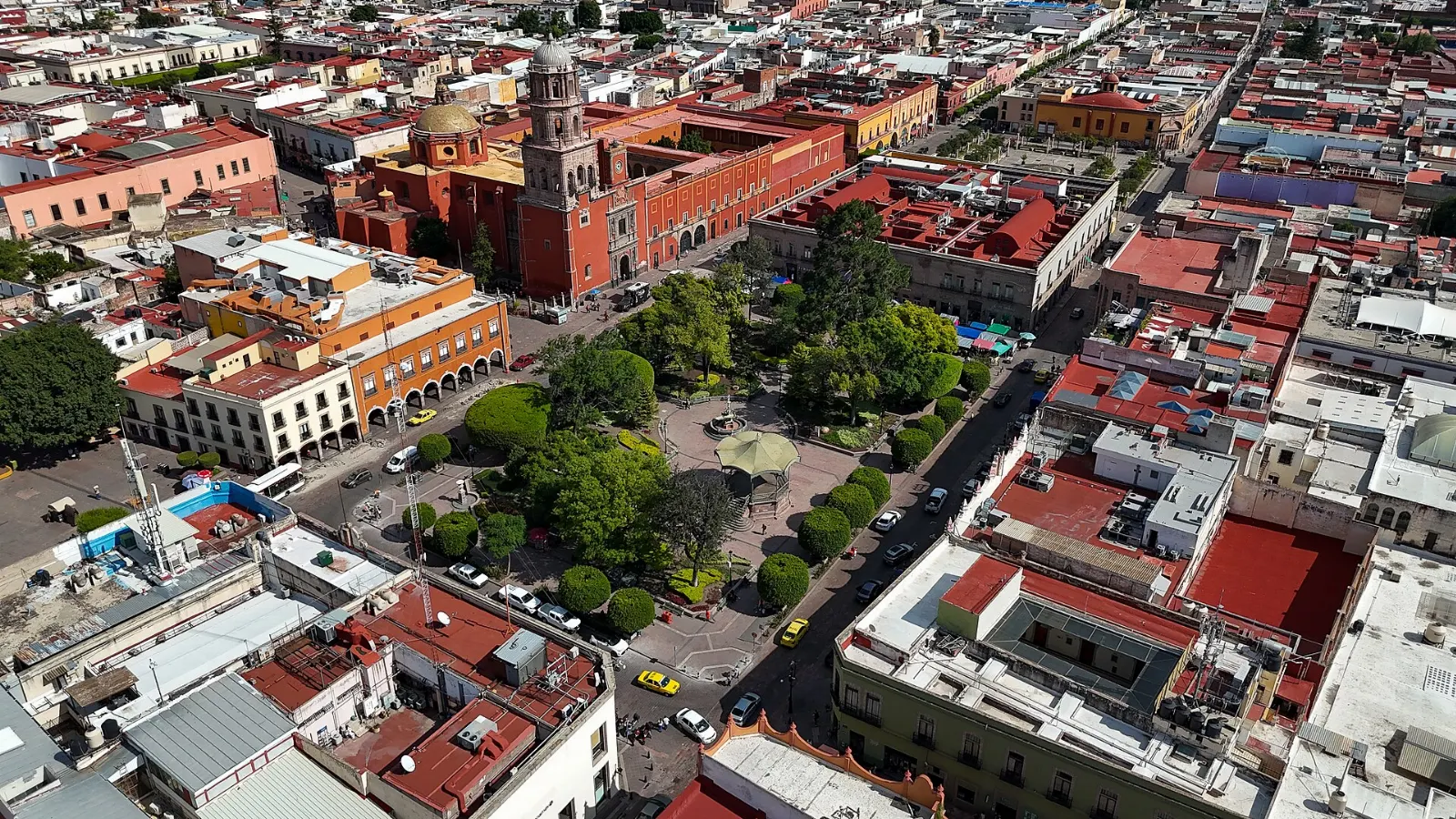
This is the main garden square, with a gazebo, shade trees and benches for people-watching. It was once the old financial center of the city.
Jardín Zenea is the main garden square of the historic center. Photo: Own work, Wikimedia Commons, CC BY-SA 4.0
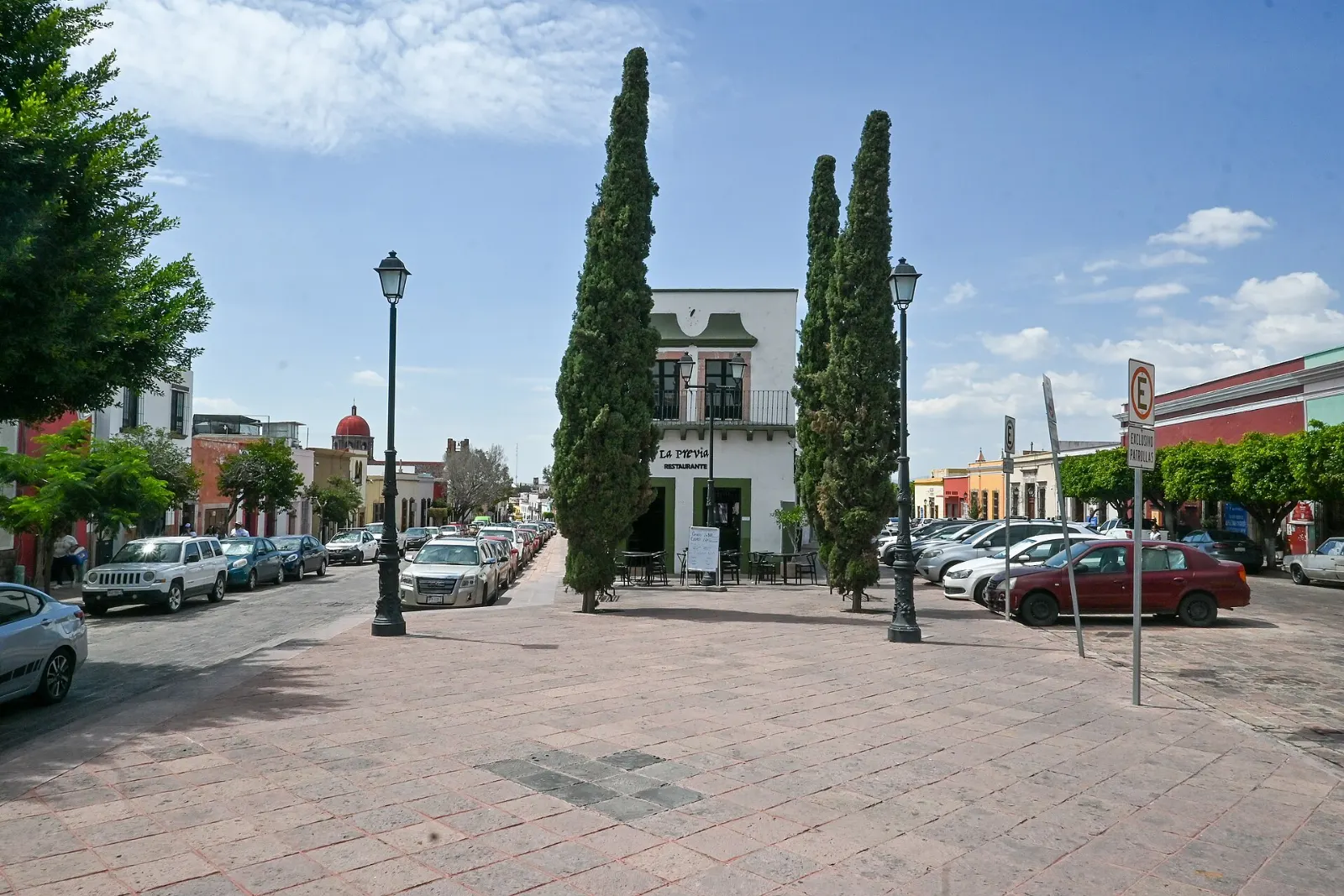
In front of the old city hall, this lovely square is linked by a pedestrian stretch of Madero Street to the atrium of the Santa Clara church.
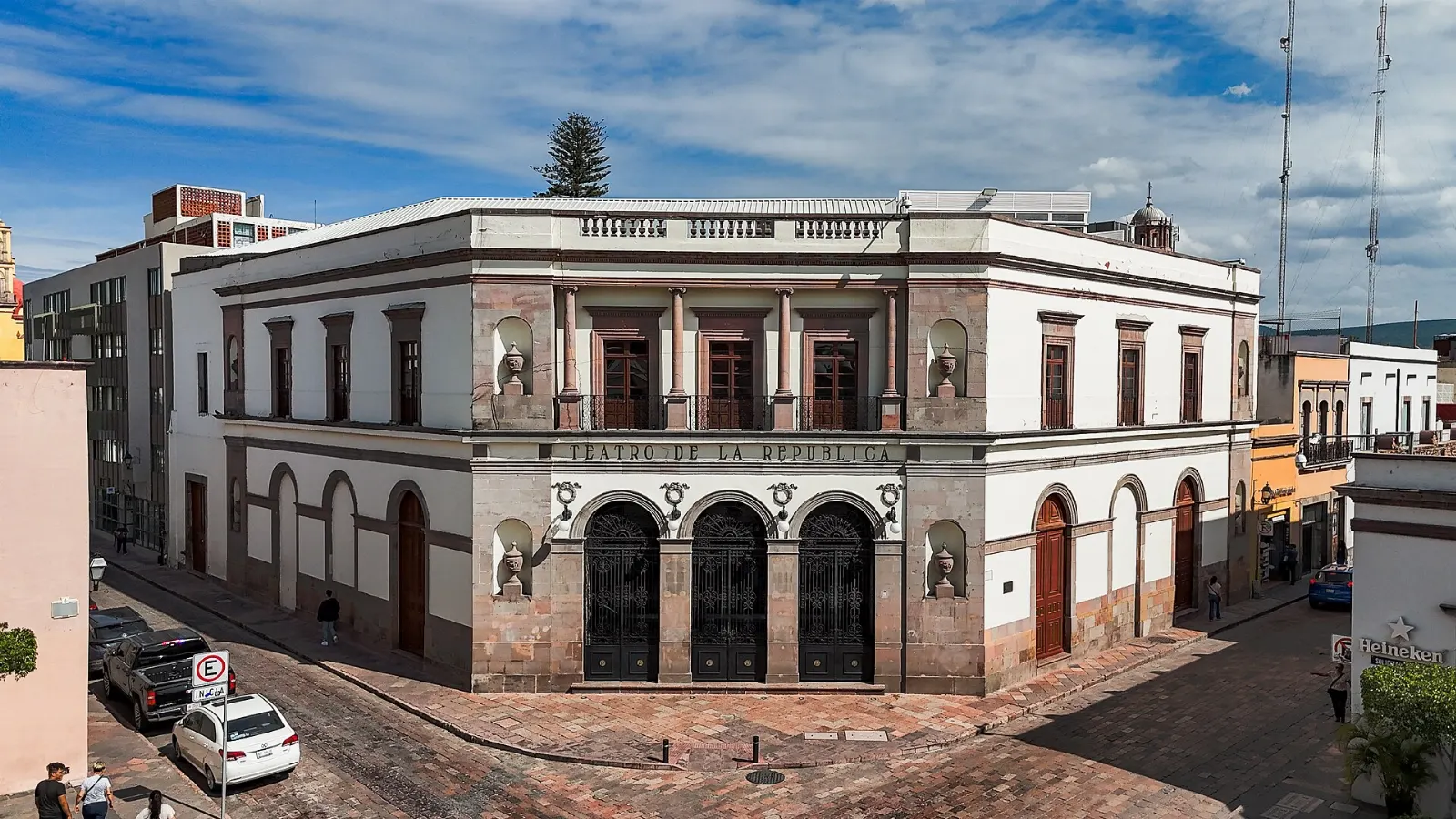
Few theatres matter as much to Mexican history. Emperor Maximilian was tried here, the 1917 constitution was written here, and the national anthem was first played here.
The Teatro de la República hosted the trial of Emperor Maximilian and the 1917 constitutional congress. Photo: Own work, Wikimedia Commons, CC BY-SA 4.0
The government palace was the home of the corregidor, and his wife Josefa Ortiz de Domínguez played a key role in the independence conspiracy by warning Miguel Hidalgo that it had been discovered.
This older plaza has restaurants, gardens and nightlife. It works well for dinner after a day on foot.
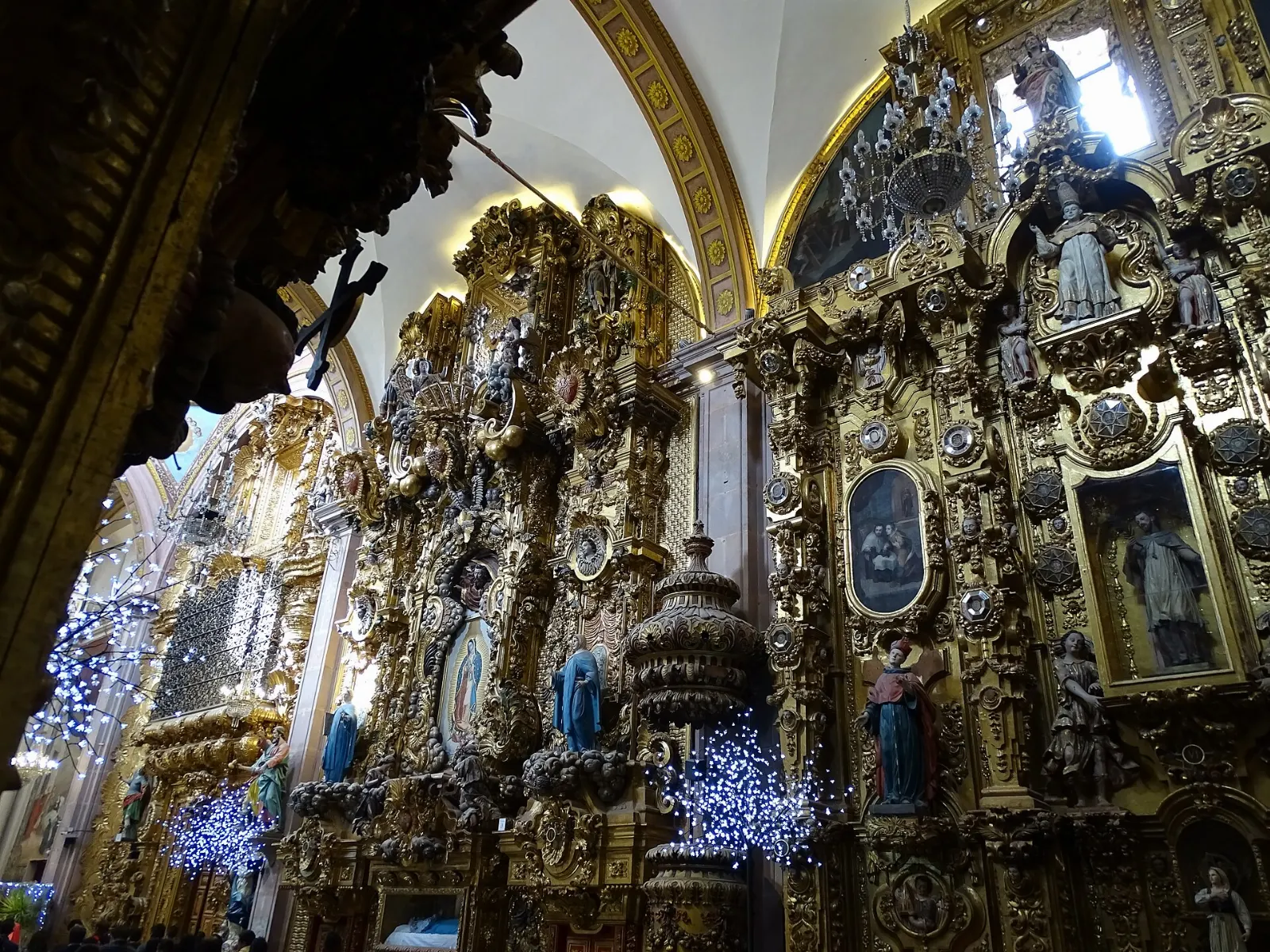
This baroque church is covered in gold inside, a reminder that the Royal Convent of Santa Clara was one of the largest and richest in New Spain.
The Templo de Santa Clara is known for its ornate baroque interior. Photo: Adam Jones from Kelowna, BC, Canada, Wikimedia Commons, CC BY-SA 2.0
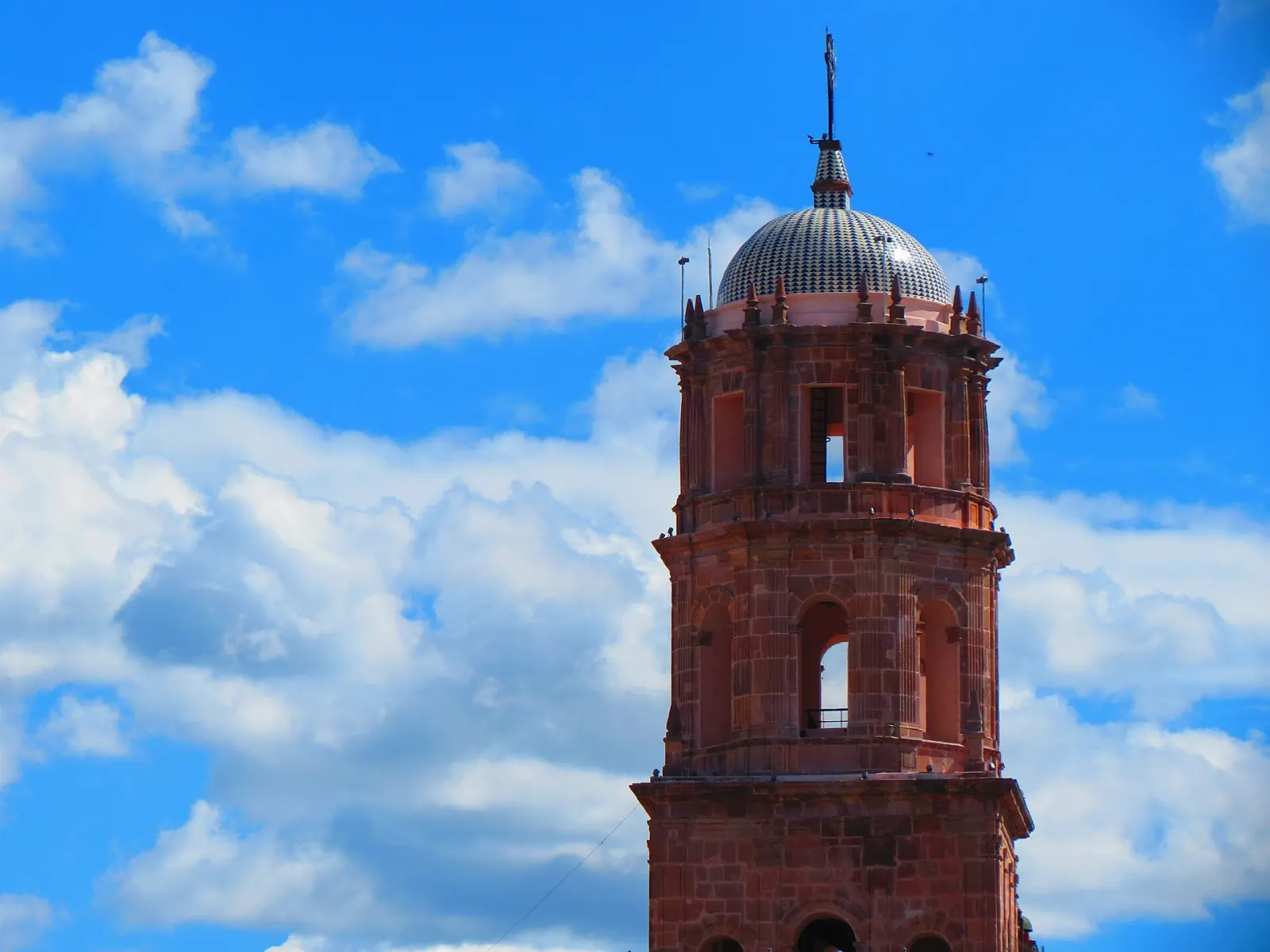
Construction began in 1589 and the church was completed in 1640, with the cloister following in 1698. The courtyards hold quiet gardens, and the church holds important sculpture and baroque details.
The convent of San Francisco began construction in 1589 and its church was completed in 1640. Photo: Luis Alvaz, Wikimedia Commons, CC BY-SA 4.0
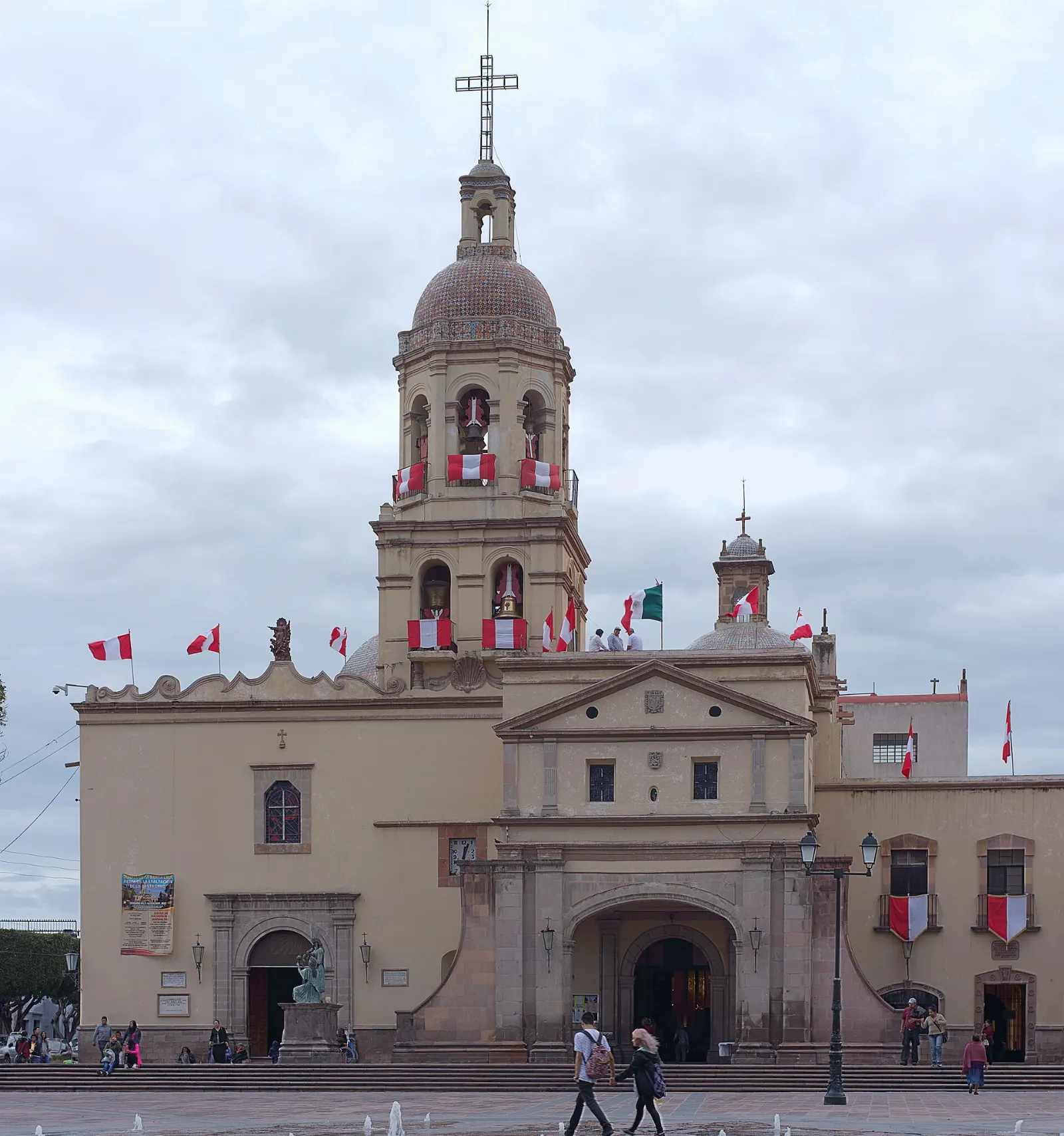
On the Cerro de Sangremal, this convent is where Emperor Maximilian spent his last night before his execution. In the garden you can see a tree with cross-shaped spines.
The Santa Cruz convent crowns the Cerro de Sangremal and is linked to the end of the Second Mexican Empire. Photo: Carlos Valenzuela, Wikimedia Commons, CC BY-SA 4.0
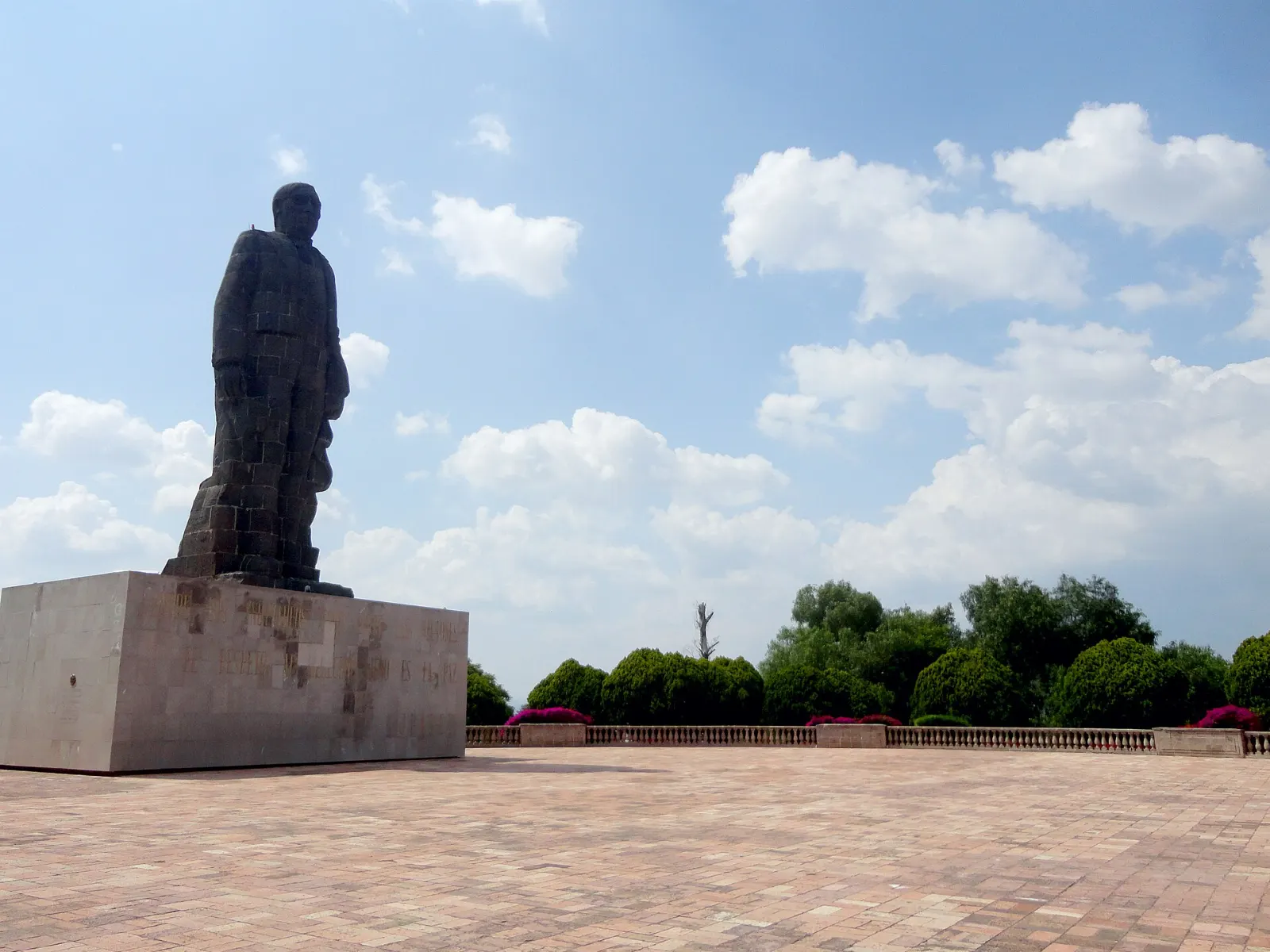
West of downtown, this hill is where Maximilian, Miramón and Mejía were executed in 1867.
Emperor Maximilian was executed on the Cerro de las Campanas in 1867. Photo: Juan Carlos Fonseca Mata, Wikimedia Commons, CC BY-SA 4.0
The center has several museums, including the Museo de Arte Sacro, the Museo del Calendario and MAQRO.
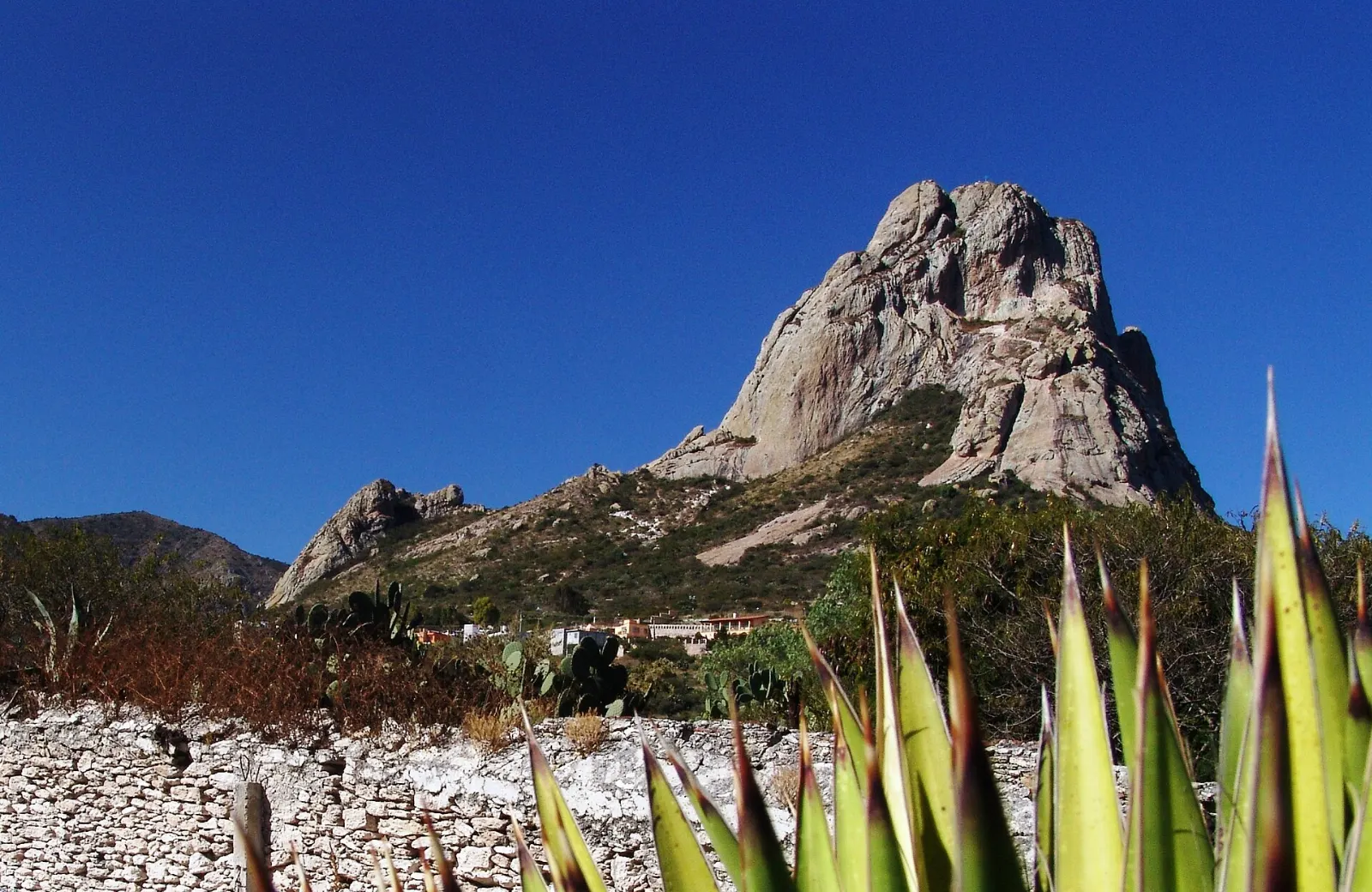
About 40 minutes by road, the town of Bernal sits under a monolith that rises roughly 350 metres. It is a Pueblo Mágico with cobblestone streets and craft shops.
The Peña de Bernal is a monolith about 350 metres tall that dominates the town of Bernal. Photo: Arq. Carlos G. Calzada, Wikimedia Commons, CC BY-SA 4.0
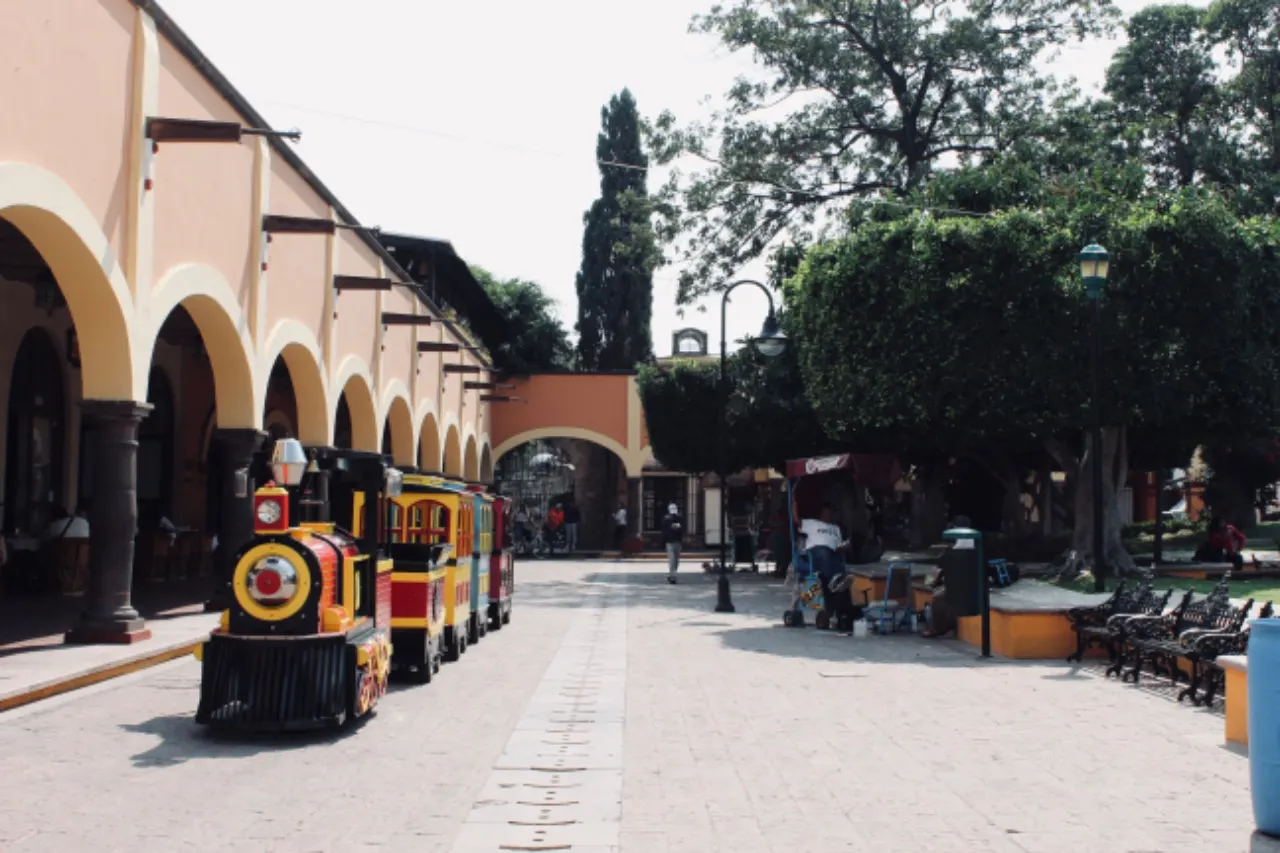
Tequisquiapan is part of the Querétaro Wine Route, and it is known for its handcrafts, baskets, wicker furniture and the annual national cheese and wine fair.
Tequisquiapan is a nearby town on the Querétaro Wine Route. Photo: A01272522 Gerardo, Wikimedia Commons, CC BY-SA 4.0
The Sierra Gorda Biosphere Reserve covers the mountains of northern Querétaro, from semi desert to pine forest.
This 245-hectare park is far from city light pollution and known for stargazing. Pets and motorcycles are not allowed.
Querétaro eats well. Handmade gorditas are the typical snack in the region, filled and griddled at stalls and small restaurants, including around Bernal.
For a meal, Plaza de la Corregidora and the streets around Jardín Zenea hold restaurants and cafes. A pedestrian stretch of Madero Street lets you wander between them. Ask locals which stand or kitchen is their favourite for traditional dishes, since the best places change by neighbourhood.
Popular dishes to try in Querétaro


Centro Histórico is the best base for first-time visitors. Churches, gardens, theatres and restaurants are within walking distance.
Antea is the area around an upscale shopping center, a better fit for travellers who want modern comforts, restaurants and easy road access.
If you plan to visit Tequisquiapan or Bernal for a night, small hotels in those towns offer a calmer pace. Book ahead for holiday weekends.
Where to stay in Querétaro


Querétaro sits on the high Bajío plateau, so days are comfortable for much of the year and evenings can be cool.
Weekends and national holidays bring many visitors from Mexico City. The Hay Festival fills the city with talks and concerts, and December brings the international cattle fair, so book early and check dates.
Avoid the busiest holiday weeks if you prefer quiet plazas and easy restaurant tables.
The city is 213 kilometres northwest of Mexico City, 63 kilometres southeast of San Miguel de Allende and 200 kilometres south of San Luis Potosí.
Querétaro Intercontinental Airport is 26 kilometres from the center, with flights from several Mexican cities and a few in the United States and Madrid. Buses and the AeroQroBus link the airport to the city.
The historic center is compact and walkable. Uber, Didi and Cabify operate here, taxis are unmetered so ask the fare first, and local buses use the QroBus card.
Start at Jardín Zenea and Jardín Guerrero, visit Santa Clara and the Teatro de la República, then see Casa de la Corregidora.
Visit San Francisco and the Santa Cruz convent in the morning, then spend the afternoon at the Cerro de las Campanas.
Take a day trip to Bernal and Tequisquiapan, tasting cheese and wine along the way.
WISERMAP PLACEQuerétaro: photos, reviews & things to doSee traveler photos and reviews, or share your own →
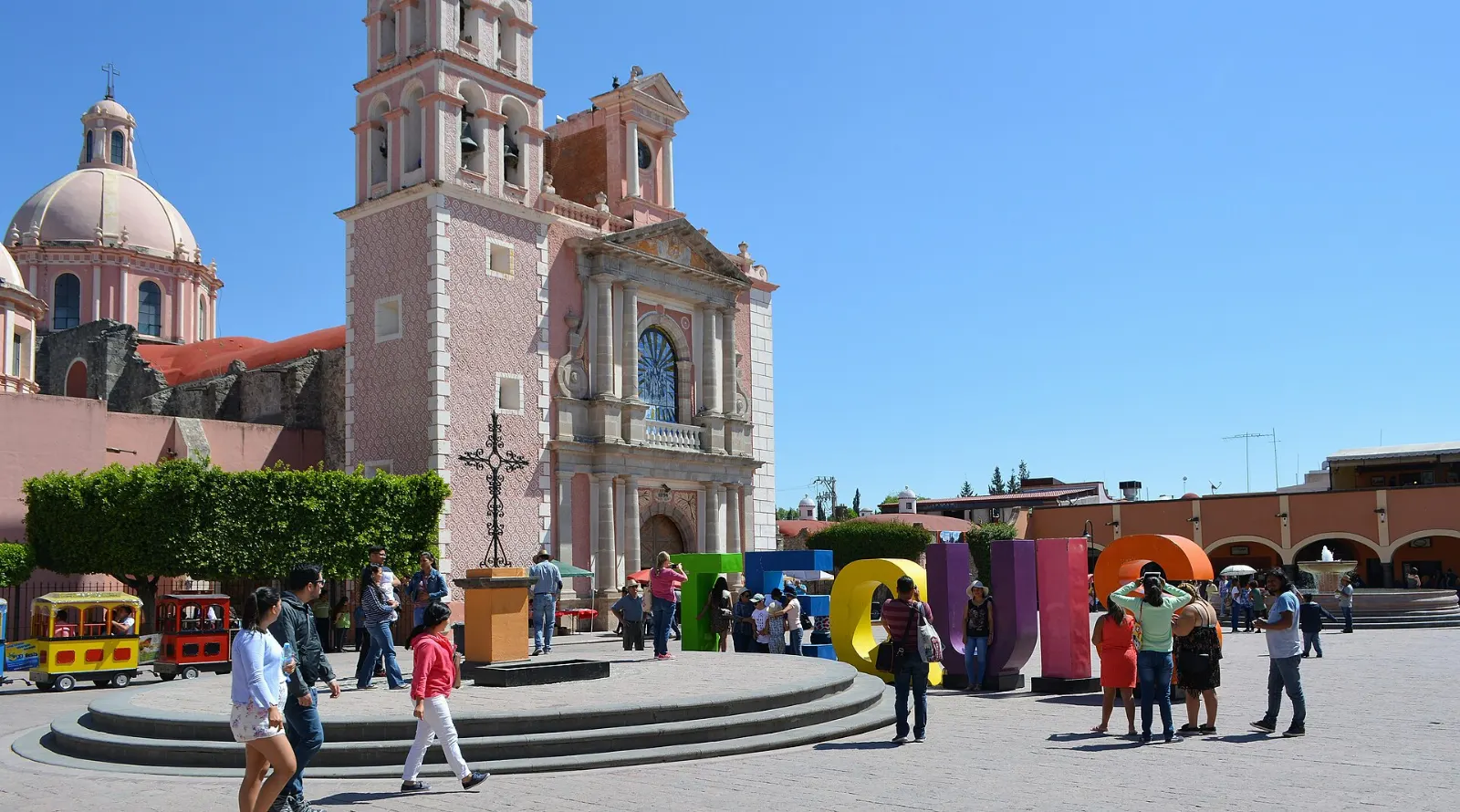
Tequisquiapan, Querétaro
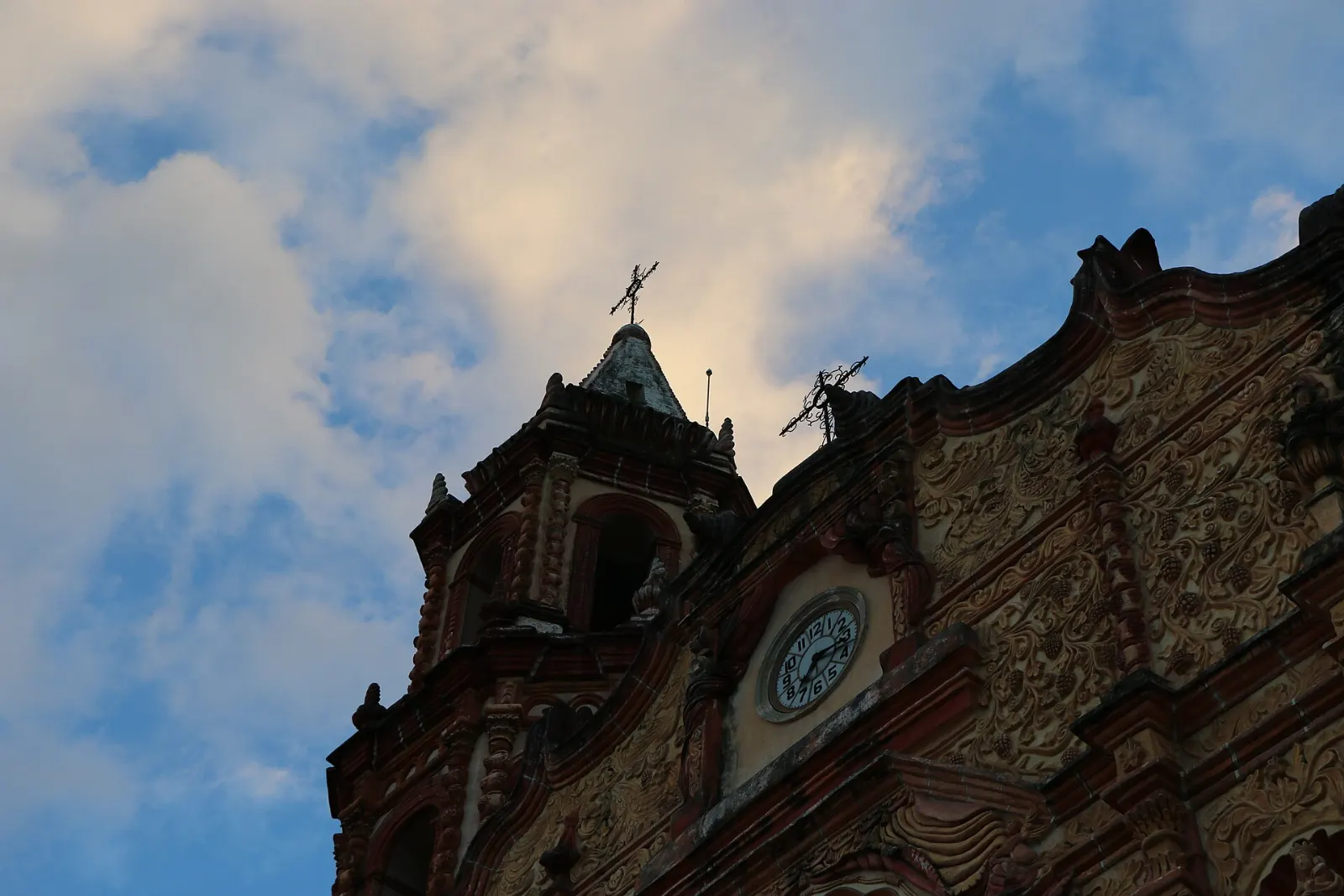
Jalpan de Serra, Querétaro
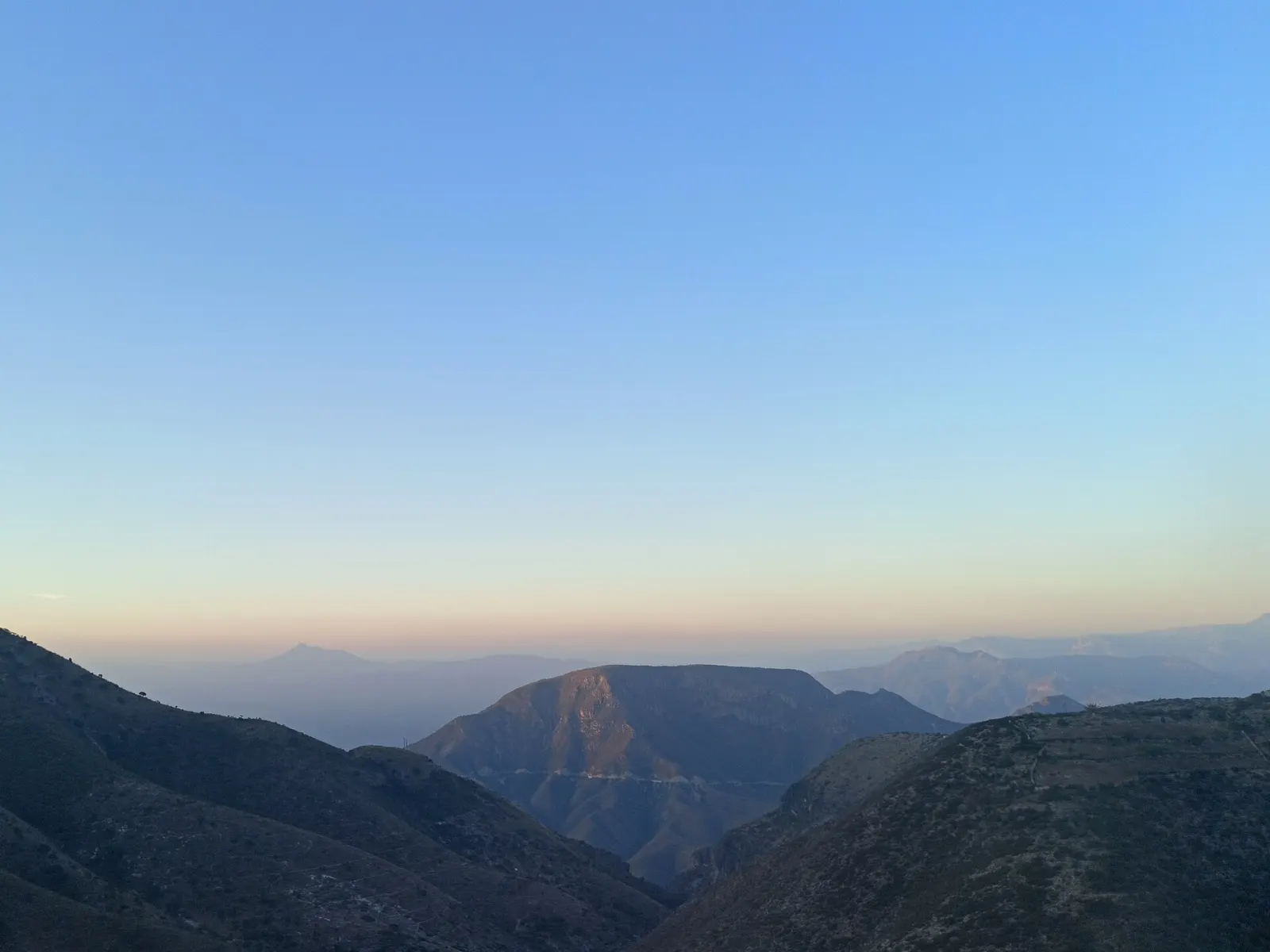
Sierra Gorda, Querétaro
Chiapa de Corzo, Chiapas
Zipolite, Oaxaca
Córdoba, Veracruz