Havana rewards anyone who walks slowly. The Cuban capital was founded by the Spanish in 1519 on a deep, sheltered bay, and for centuries it was the gathering point for treasure fleets sailing home to Spain.
AT A GLANCE
Best time
December to April, the drier and less humid season.
How long
Three to four days for the city, more if you add Viñales or Matanzas.
Getting there
Fly into José Martí International Airport, about half an hour by taxi from the center.
Why visit Havana
Few capitals in the Americas preserve their colonial core as completely as Havana. Old Havana and its system of fortifications are a UNESCO World Heritage Site, and inside that area you can cross several historic plazas in a single morning, each with its own mood.
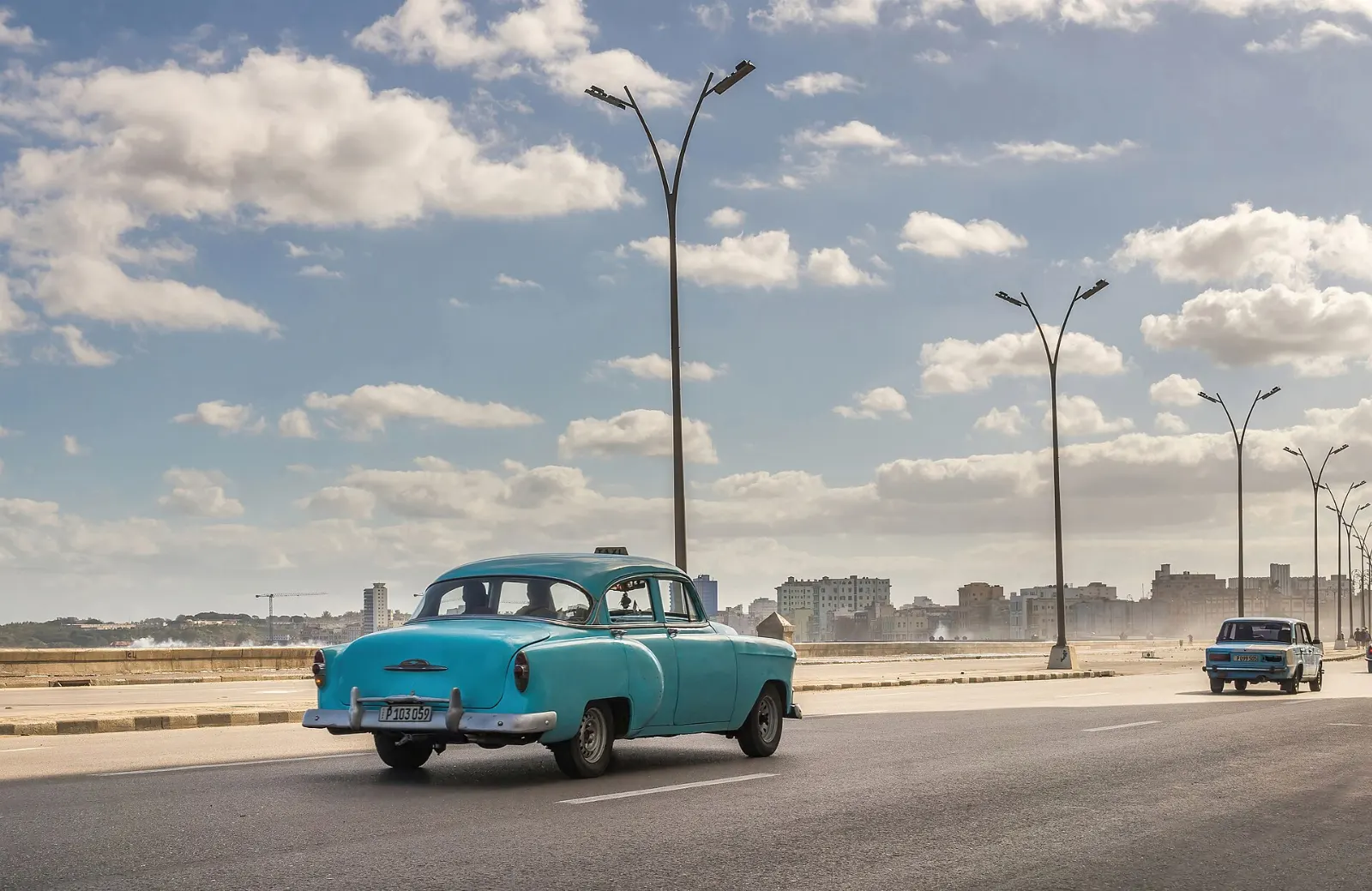
Music is everywhere, from son groups playing in courtyard bars to rumba on Sunday afternoons and the ballet at the Gran Teatro. Vintage American cars from the 1950s still work as taxis, and the evening crowd on the Malecón seawall is one of the great free shows in the Caribbean.
Old Havana and its historic plazas
Habana Vieja is compact and best seen on foot. The main pedestrian streets, Obispo and Mercaderes, link the plazas, and much of the restoration work over the past few decades was led by the office of the City Historian, which reinvested tourism income into rebuilding.
Plaza Vieja
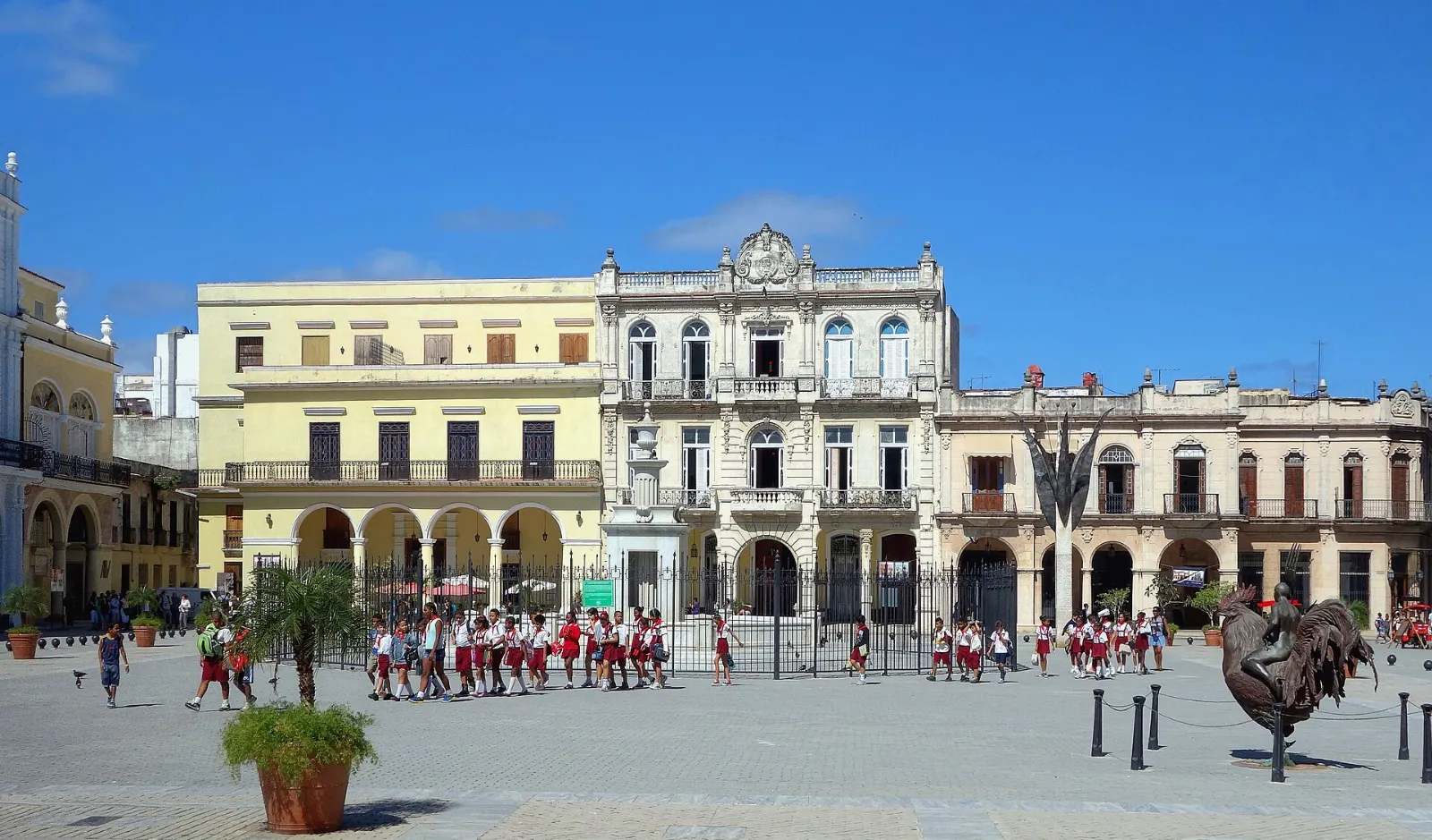
Despite its name, Plaza Vieja was laid out later than the other squares, as a market and residential plaza. Today it is the most photogenic of the old squares, lined with restored mansions painted in soft yellows and blues, with wrought-iron balconies and half-moon stained-glass windows called mediopuntos.
Plaza de la Catedral
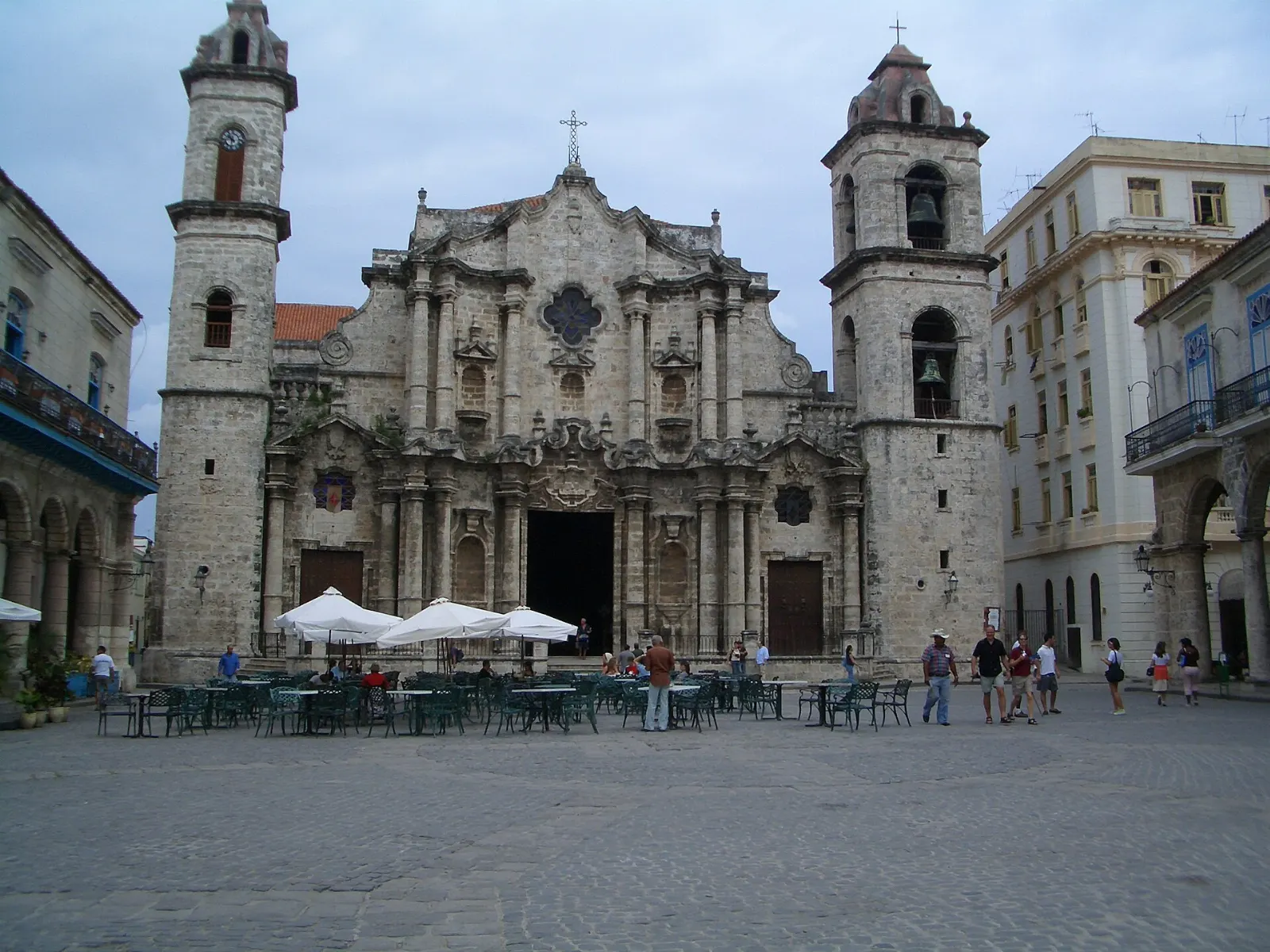
The Cathedral of Havana, dedicated to the Virgin Mary of the Immaculate Conception and often called the Catedral de San Cristóbal, has one of the most admired baroque facades in the Caribbean. It is built from coral limestone, so if you look closely you can see fossil shells in the stone.
Plaza de Armas and Castillo de la Real Fuerza
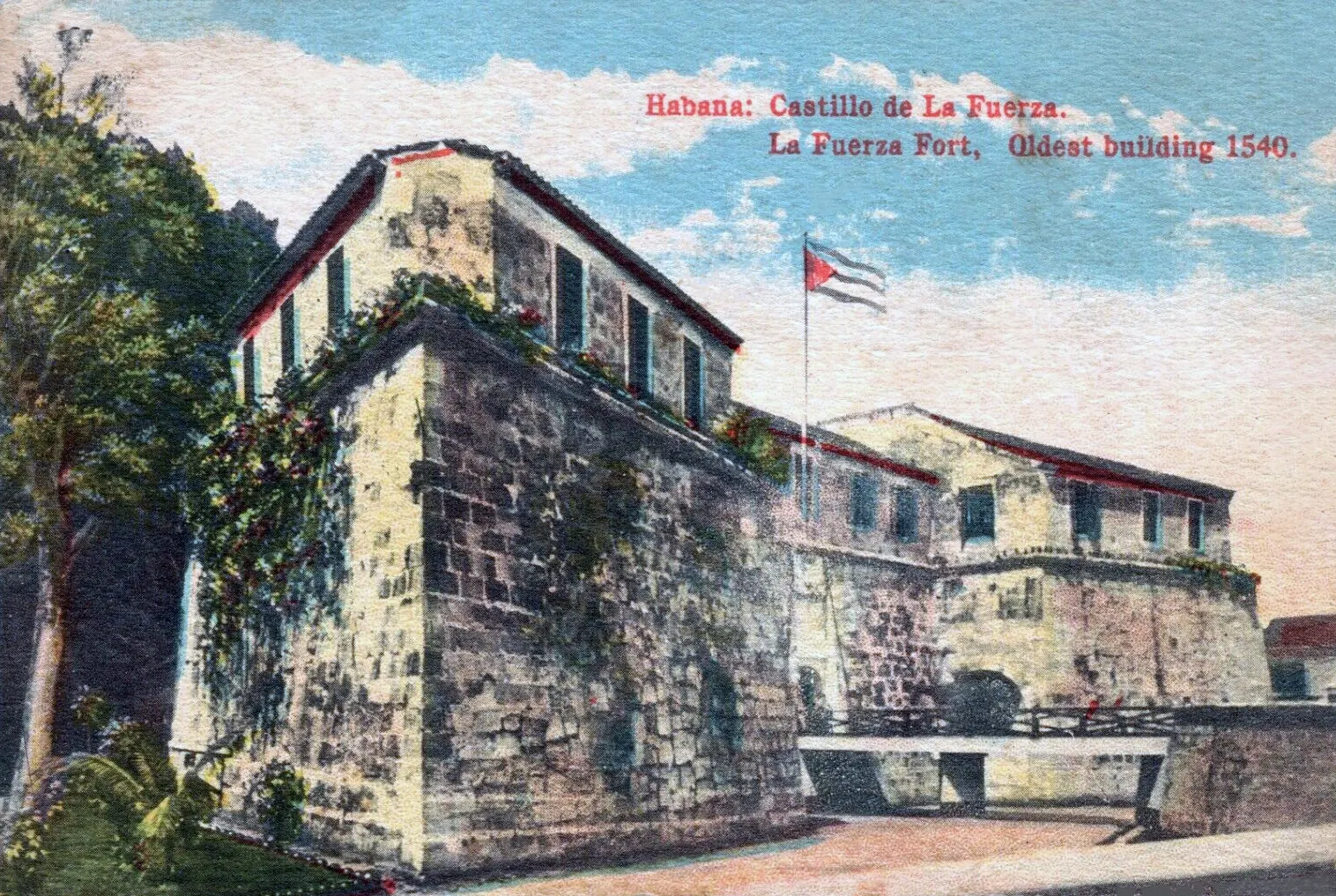
Plaza de Armas is the oldest square in the city, shaded by royal palms and ceiba trees and anchored by a statue of Carlos Manuel de Céspedes, who launched Cuba's first war of independence.
The Prado, Centro and the waterfront
El Capitolio
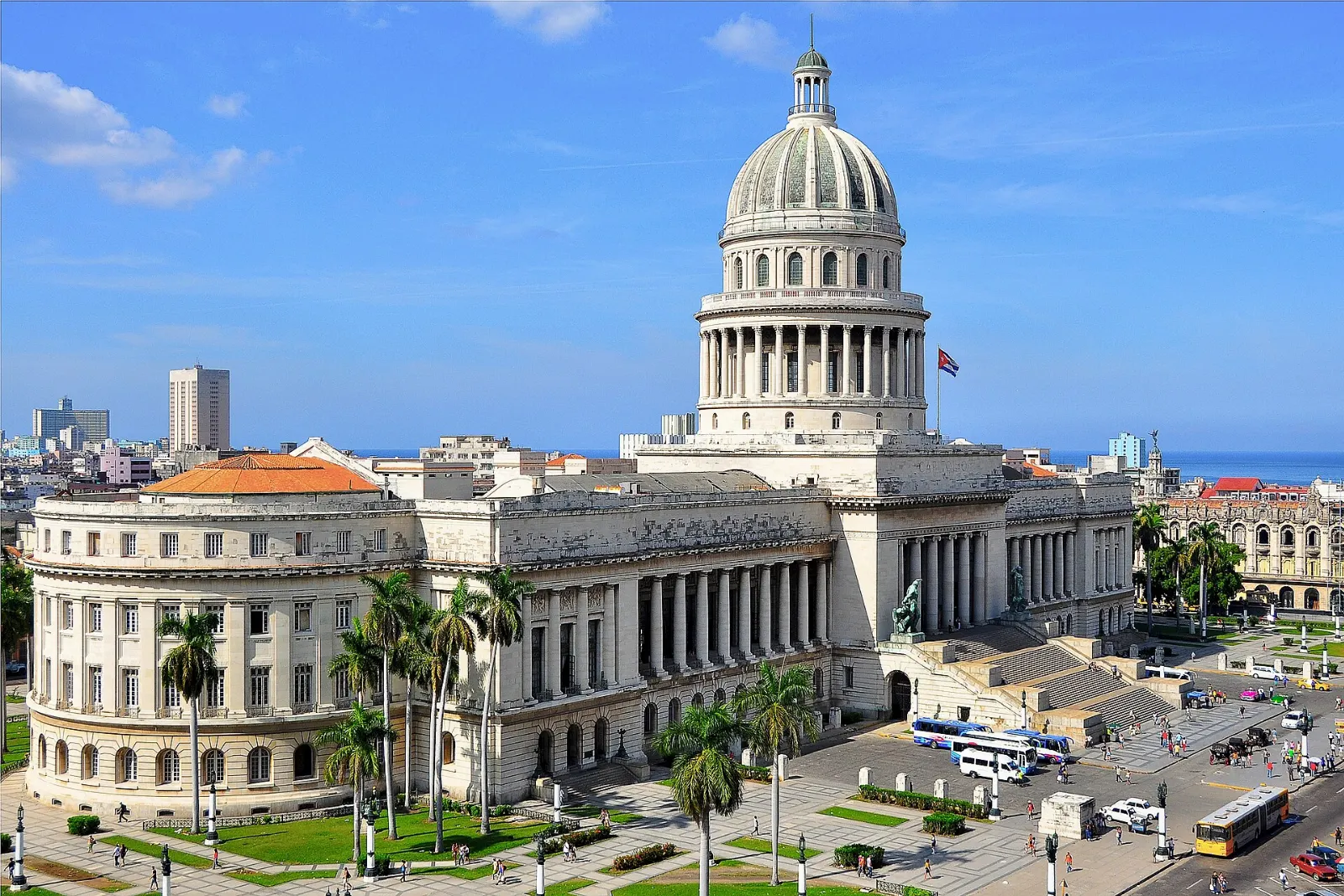
The National Capitol, completed in 1929, is the city's largest landmark and is easy to compare with Washington's capitol, although its designers drew on several European models too. After a long restoration it again houses Cuba's National Assembly.
Gran Teatro de La Habana and Parque Central
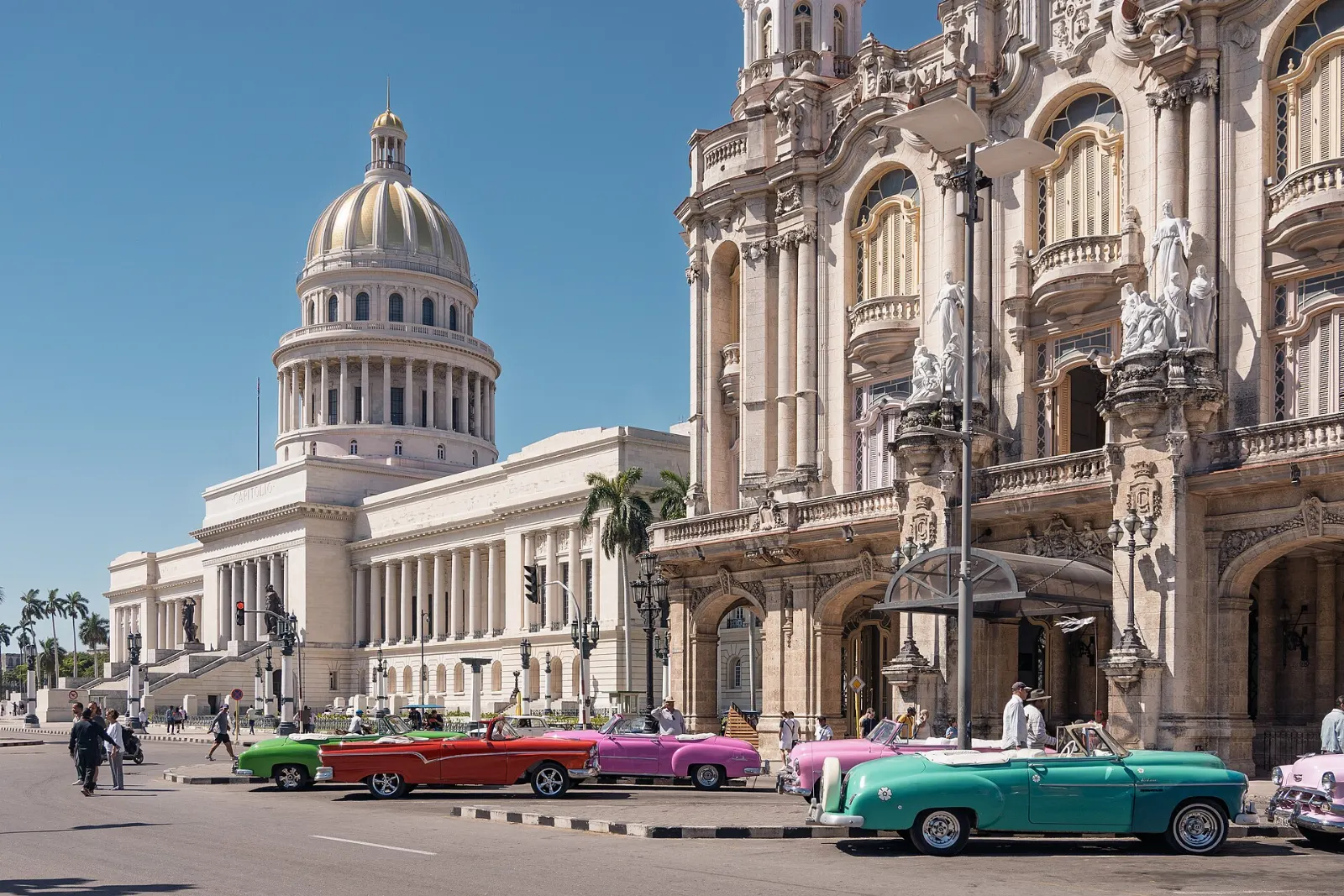
Across from Parque Central, the Gran Teatro de La Habana Alicia Alonso is a riot of balconies, sculpture and corner towers. It is the home of the National Ballet of Cuba, founded by the dancer Alicia Alonso, and seeing a performance here is one of the best evenings Havana offers.
The Prado and the Malecón
The Paseo del Prado, a tree-lined promenade guarded by bronze lions, runs from Parque Central down to the sea. Havana's seawall curves for several kilometres from the harbor mouth to Vedado. By day it can feel empty and sun-blasted; by evening it fills with fishermen, couples, musicians and friends sharing a bottle as the sun sets over the Straits of Florida.
Harbor forts, Vedado and beyond
El Morro and La Cabaña
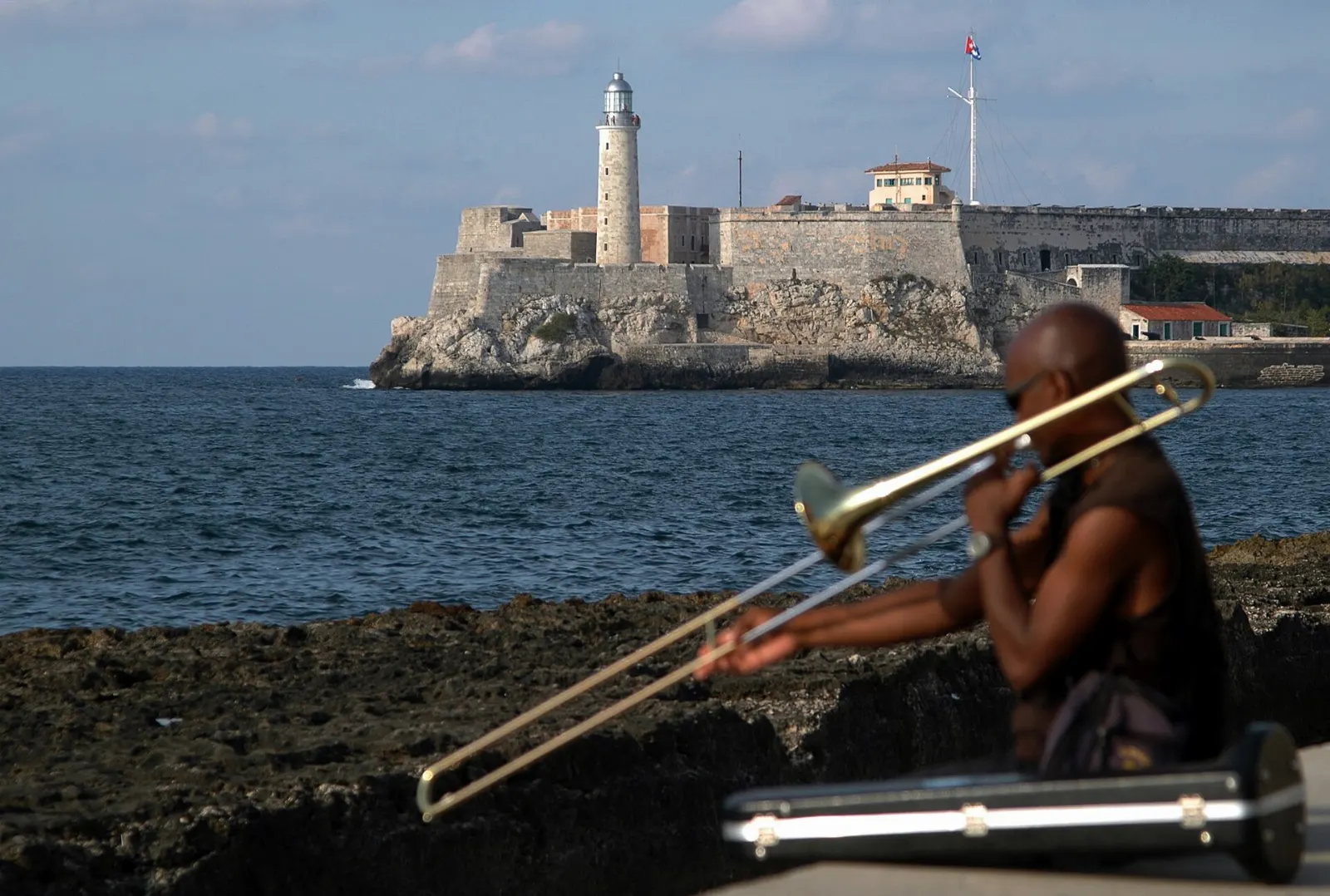
Across the narrow harbor entrance, the Castillo de los Tres Reyes del Morro was built in the late sixteenth century to defend the city, and its lighthouse is one of the classic views from the Malecón. Next to it sprawls the Fortaleza de San Carlos de la Cabaña, a huge eighteenth-century fortress built after the British captured Havana in 1762.
Museo de la Revolución
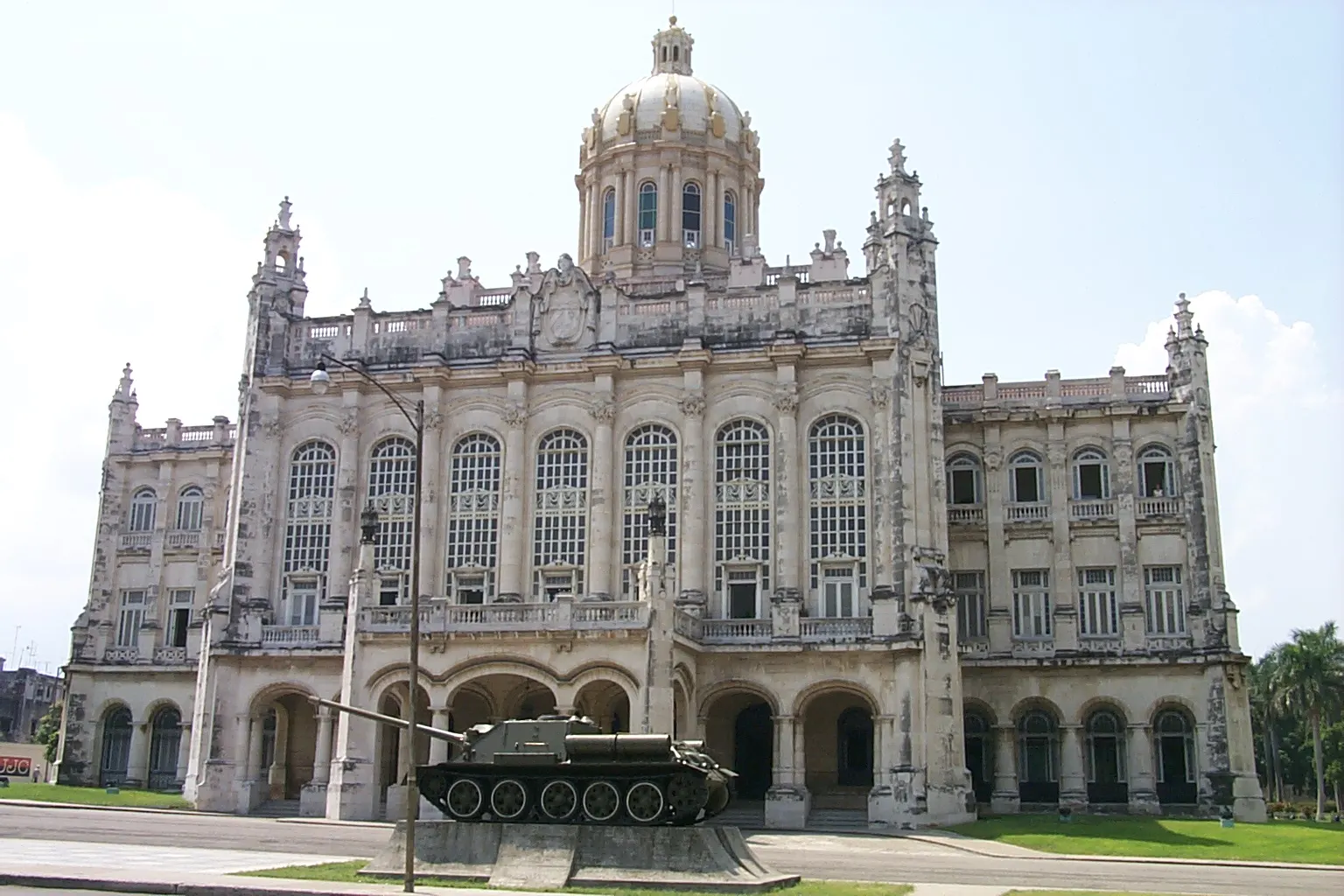
The former Presidential Palace, a lavish early-twentieth-century building, now tells the official Cuban story of the 1959 revolution. Even if the displays are dated, the building's mirrored rooms and the bullet marks from a 1957 attack on the palace are striking. Behind it, the Granma Memorial displays the yacht that carried Fidel Castro and his fighters from Mexico in 1956.
Plaza de la Revolución
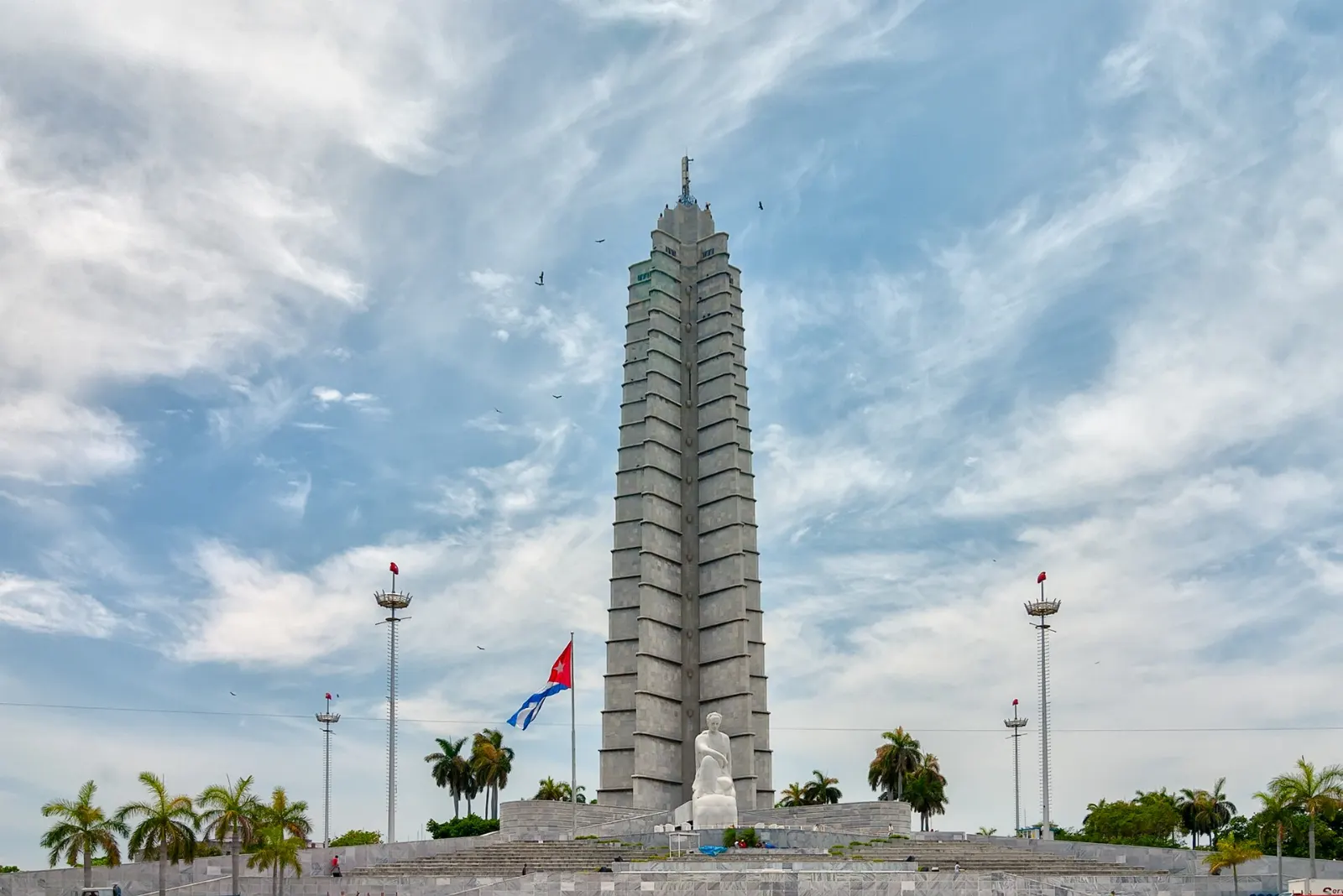
This enormous square in the Vedado and Nuevo Vedado area is where mass rallies and papal masses have been held. The José Martí Memorial, a tall star-shaped tower with a statue of Cuba's national hero at its base, faces the Ministry of the Interior, whose facade carries a steel outline of Che Guevara.
Vedado and Callejón de Hamel
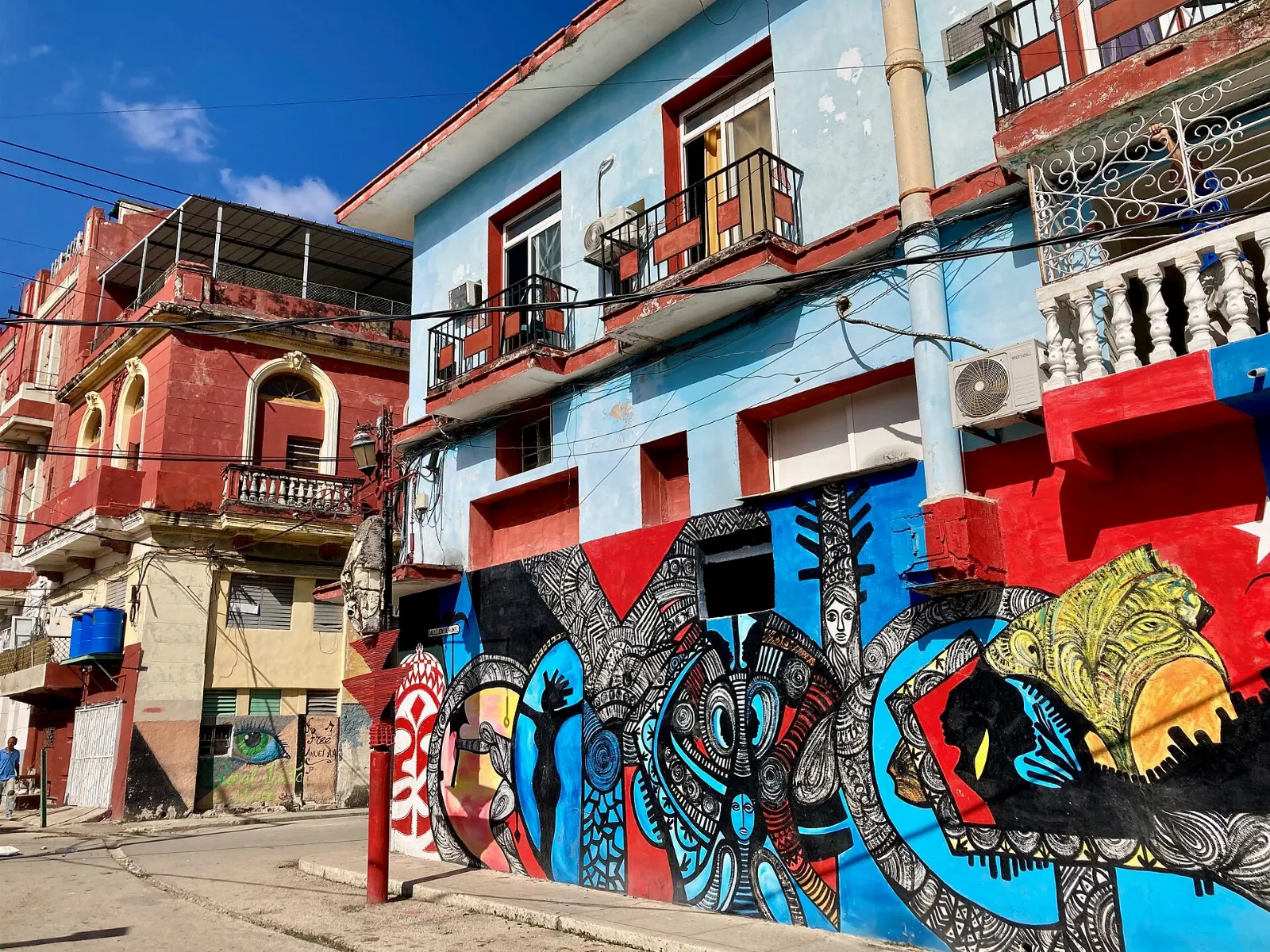
Vedado is a grid of tree-lined streets with eclectic mansions, Art Deco apartment blocks and the University of Havana at the top of its grand staircase. Calle 23, known as La Rampa, runs downhill to the sea.
 Planning a trip to Havana?Compare hotels, flights and vacation rentals for Havana on Expedia.Book now
Food and local flavors
Cuban home cooking is simple and satisfying. Look for ropa vieja, shredded beef stewed with tomato and peppers; picadillo, spiced ground beef often with olives and raisins; lechón asado, slow-roasted pork marinated in sour orange and garlic; and moros y cristianos, black beans cooked together with rice.
The most reliable meals for visitors are usually in privately run restaurants known as paladares, many of them in restored homes in Old Havana, Centro and Vedado, and in the guesthouses called casas particulares, where hosts often cook breakfast and dinner.
Popular dishes to try in Havana


Where to stay
Old Havana puts you within walking distance of the plazas and the best restoration work.
Centro Habana is dense and full of everyday life, close to both the Prado and the Malecón.
Vedado is greener and calmer, with wide avenues, music venues and many guesthouses in large old houses.
Casas particulares, rooms in licensed private homes, are found in every district and are the best way to meet Cuban families.
Where to stay in Havana


Best time to visit
Havana has a tropical climate. The drier season from December to April brings warm days, lower humidity and the most comfortable walking weather; it is also the busiest period, especially around Christmas, New Year and Easter.
Getting there and getting around
Rules for travelers from the United States
Cuba itself welcomes visitors, but the United States government restricts travel to Cuba by people subject to United States jurisdiction, including citizens and permanent residents, wherever they fly from. Travel for tourist activities is not permitted under United States law.
A few other practical points affect Americans and others. Bank cards issued by United States banks generally do not work in Cuba, so plan your money carefully. Because the United States lists Cuba as a state sponsor of terrorism, travelers from Visa Waiver Program countries who have visited Cuba since 2021 are generally no longer eligible for the ESTA and need a full visa to visit the United States later.
Arriving and moving around
José Martí International Airport is about fifteen kilometres south of the center. Official taxis are the simplest way into town; agree the fare first. Viazul coaches link Havana with Viñales, Trinidad, Varadero and other cities, though schedules can be affected by fuel shortages.
A suggested itinerary
First day
Start early at Plaza de Armas and the Castillo de la Real Fuerza, then walk Mercaderes to Plaza Vieja for coffee.
Second day
Tour El Capitolio in the morning and visit the Museum of the Revolution.
Third day
Spend the day in Vedado: the university steps, Plaza de la Revolución and Callejón de Hamel if it is a Sunday.
Practical tips
- If you are subject to United States jurisdiction, confirm which authorized travel category applies to you and keep a written record of your schedule.
- Bring enough cash in a widely accepted foreign currency and plan payments in advance, since cards from many banks fail and ATMs are unreliable.
- Expect power and water outages; pack a flashlight, a power bank and a refillable bottle, and drink bottled or treated water.
- Pack any medicines, sunscreen, insect repellent and toiletries you need, as these are often scarce locally.
- Internet is available through the state telecom provider's mobile data and some Wi-Fi hotspots; download offline maps before you arrive.
- Book casas particulares and paladares ahead in high season, and confirm the day before.
- Agree on taxi fares before you get in, and be polite but firm with street touts offering cigars or restaurant tips.