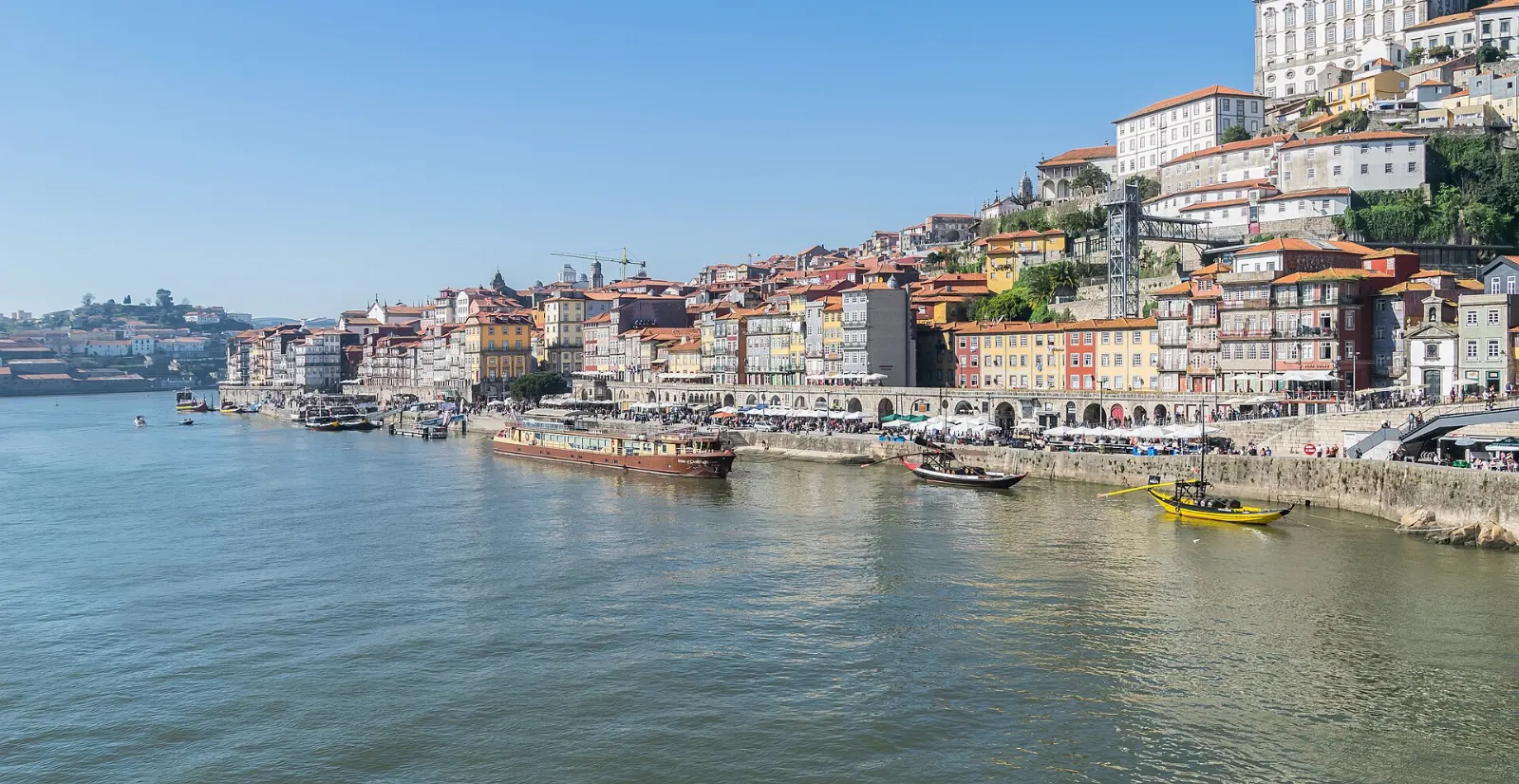
Porto rises in steep, granite tiers from the north bank of the Douro River, a jumble of tiled facades, church towers and laundry-hung balconies that tumble down to the water.
AT A GLANCE
Best time
May, June and September to early October for warm, mostly dry days.
How long
Two to three days for the city, plus a day for the Douro Valley.
Getting there
Francisco Sá Carneiro Airport links to the center by metro in under an hour.
Why visit Porto
Porto gave its name to Portugal and to port wine, and both connections are visible everywhere. For centuries, wine from the terraced vineyards upriver was shipped down the Douro to be aged in the lodges of Gaia and exported to the world, and that trade built grand merchant houses, churches dripping with gold leaf and an elegant exchange palace.
What makes Porto special today is the balance between that heritage and everyday life. Old grocery shops and tascas sit beside specialty coffee bars and design studios, and locals still crowd the riverside on summer evenings.
Ribeira, the cathedral and the riverfront
The lower town around the river is where most visitors begin. The streets here are narrow, steep and full of stairways, so wear comfortable shoes and take your time.
Ribeira and Cais da Ribeira
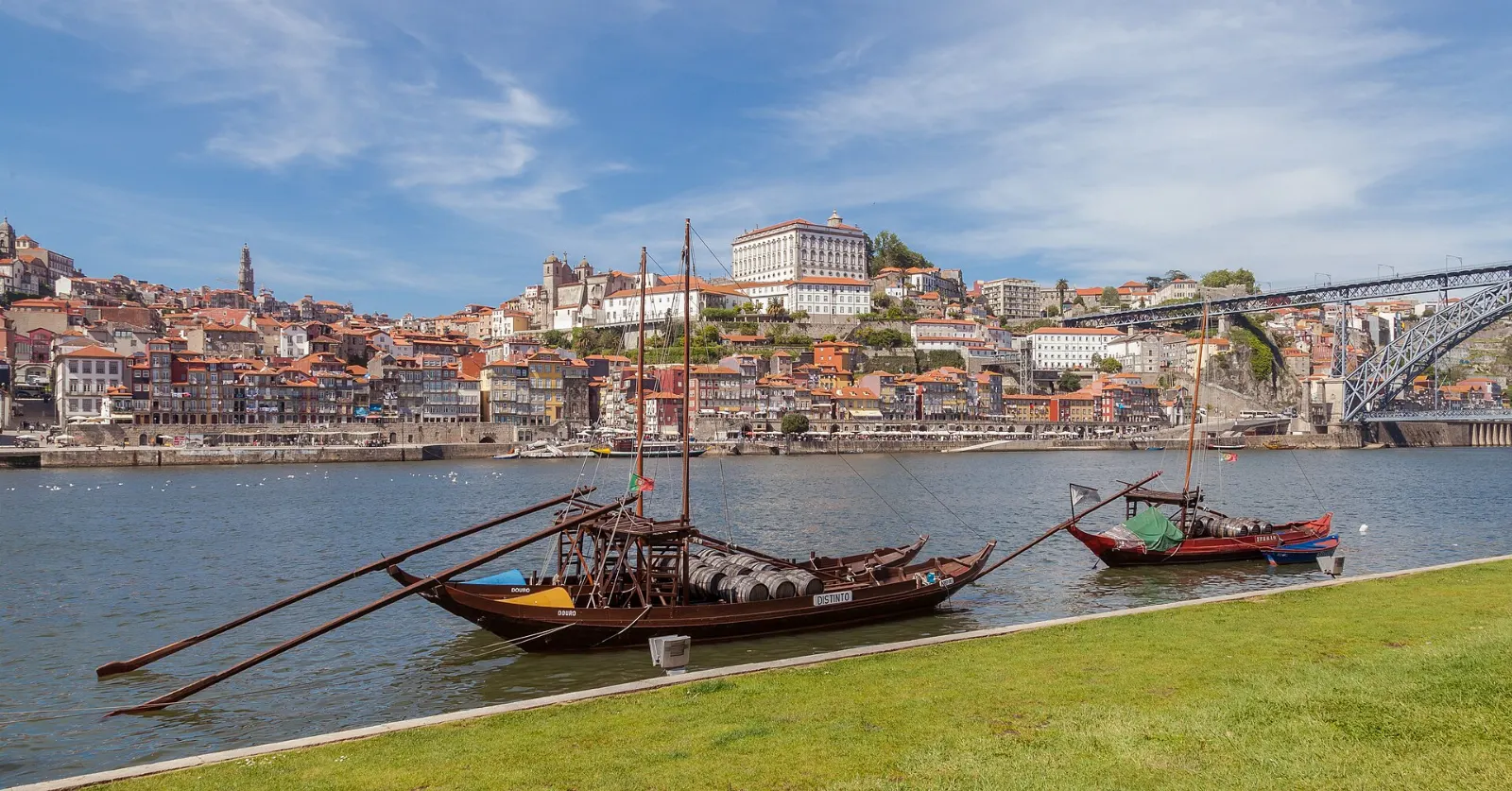
Porto's riverside quarter is a stack of narrow houses painted ocher, blue and red, with café terraces along the quay and river boats bobbing below.
Dom Luís I Bridge
Opened in 1886 and designed by Théophile Seyrig, a former business partner of Gustave Eiffel, this two-level iron bridge is the city's emblem.
Porto Cathedral
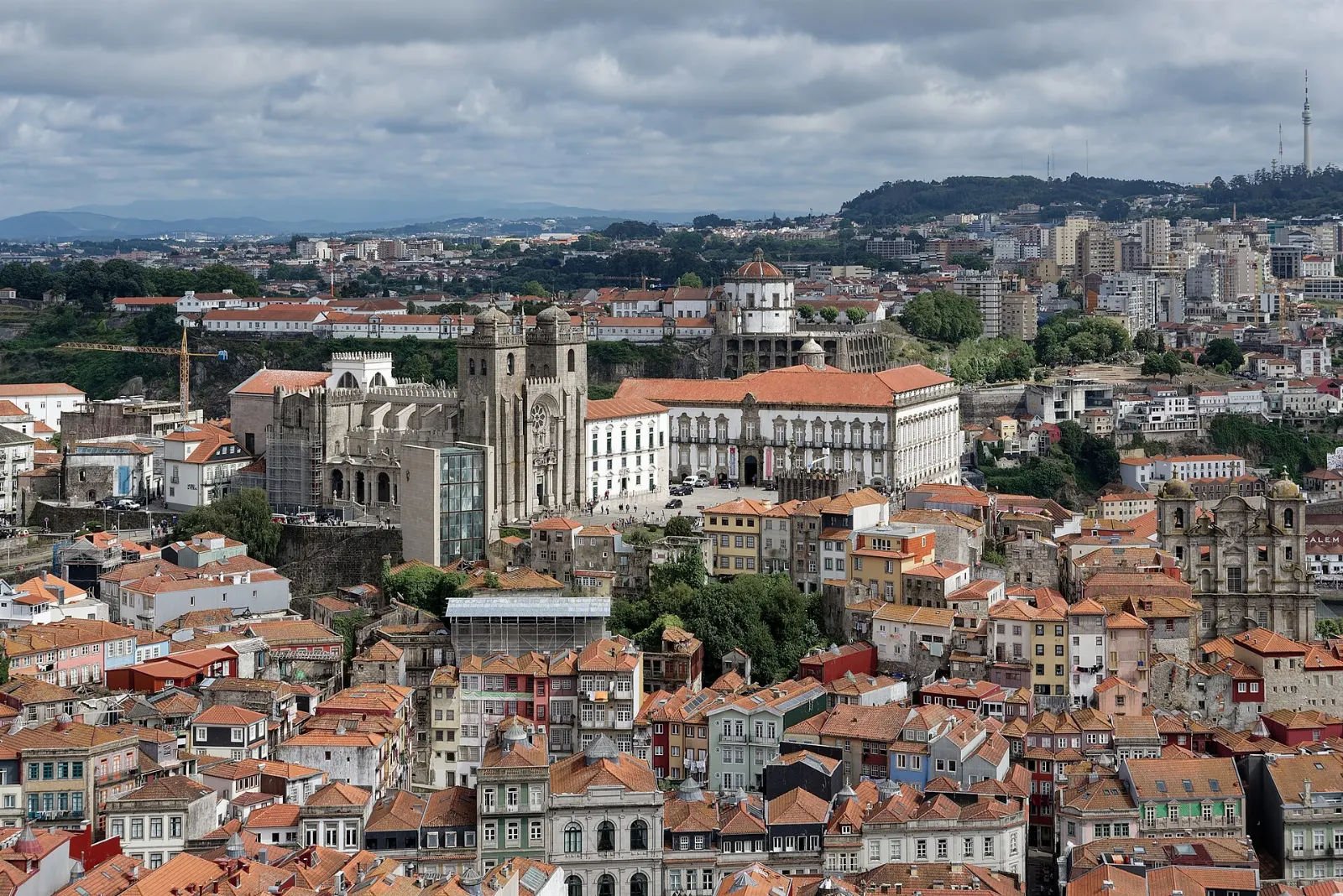
The Sé do Porto is a fortress-like Romanesque church on a hilltop terrace, later adorned with Gothic and baroque additions. Inside, look for the Gothic cloister lined with blue-and-white azulejo panels.
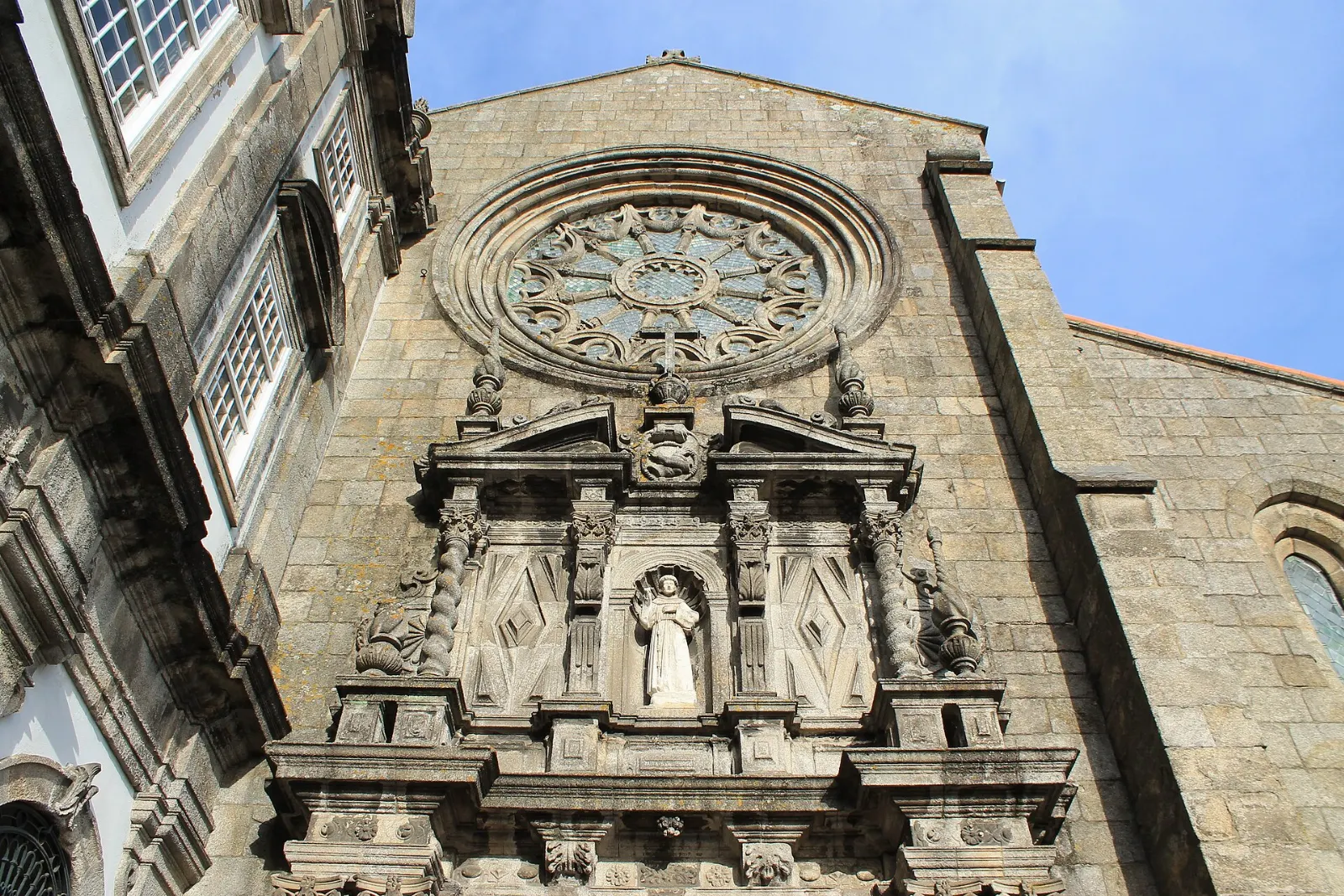
Palácio da Bolsa and the Church of São Francisco
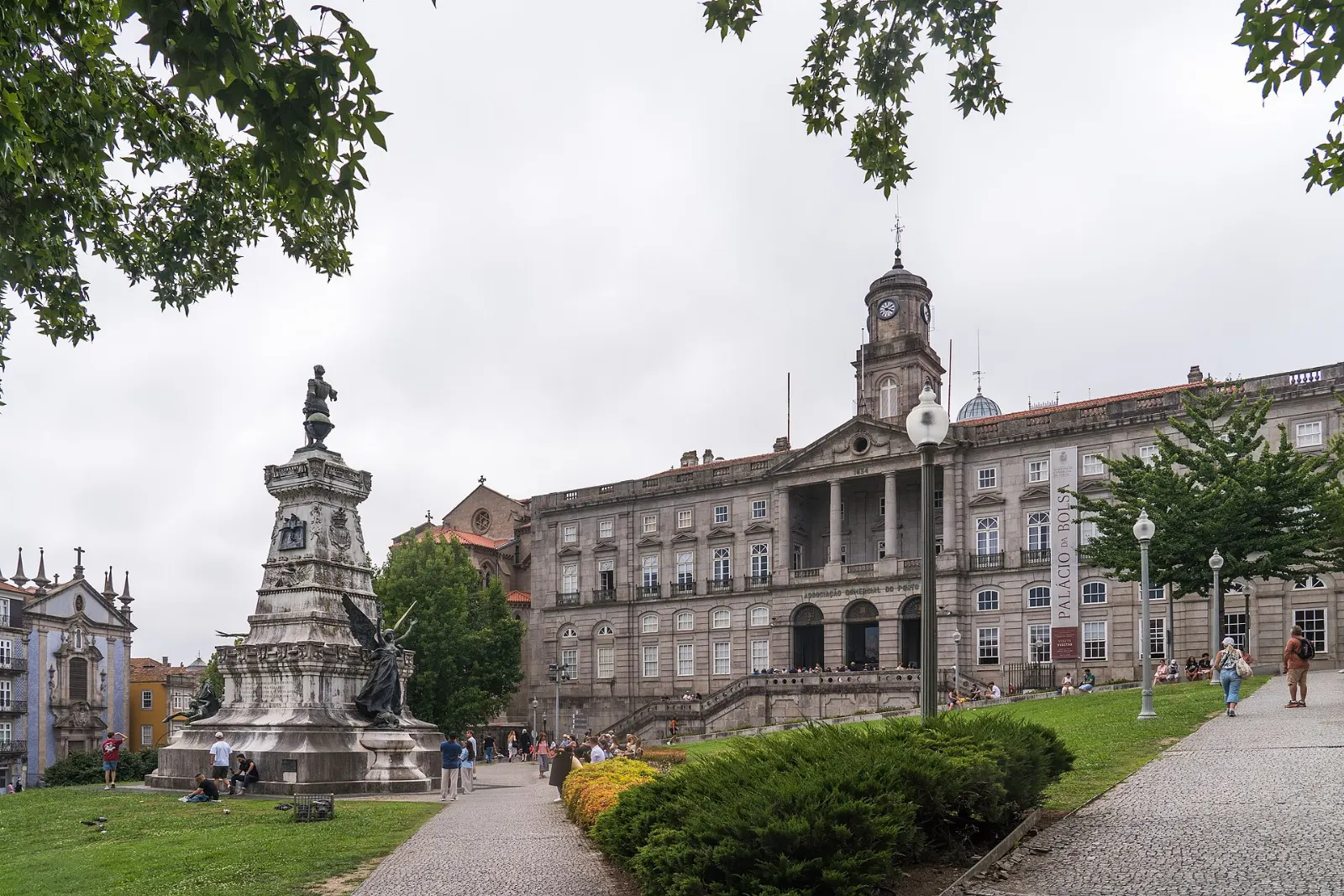
Near the river, the nineteenth-century Palácio da Bolsa was built as the city's stock exchange and is visited by guided tour; the highlight is the lavish Arab Room, inspired by the Alhambra.
The church interior is so heavily gilded that it was eventually closed to worship and is now visited as a museum, with catacombs below.
The upper town: towers, tiles and books
Climb from the river toward the Avenida dos Aliados, the grand boulevard of the modern center, and you will find several of Porto's most famous sights within a few minutes of each other.
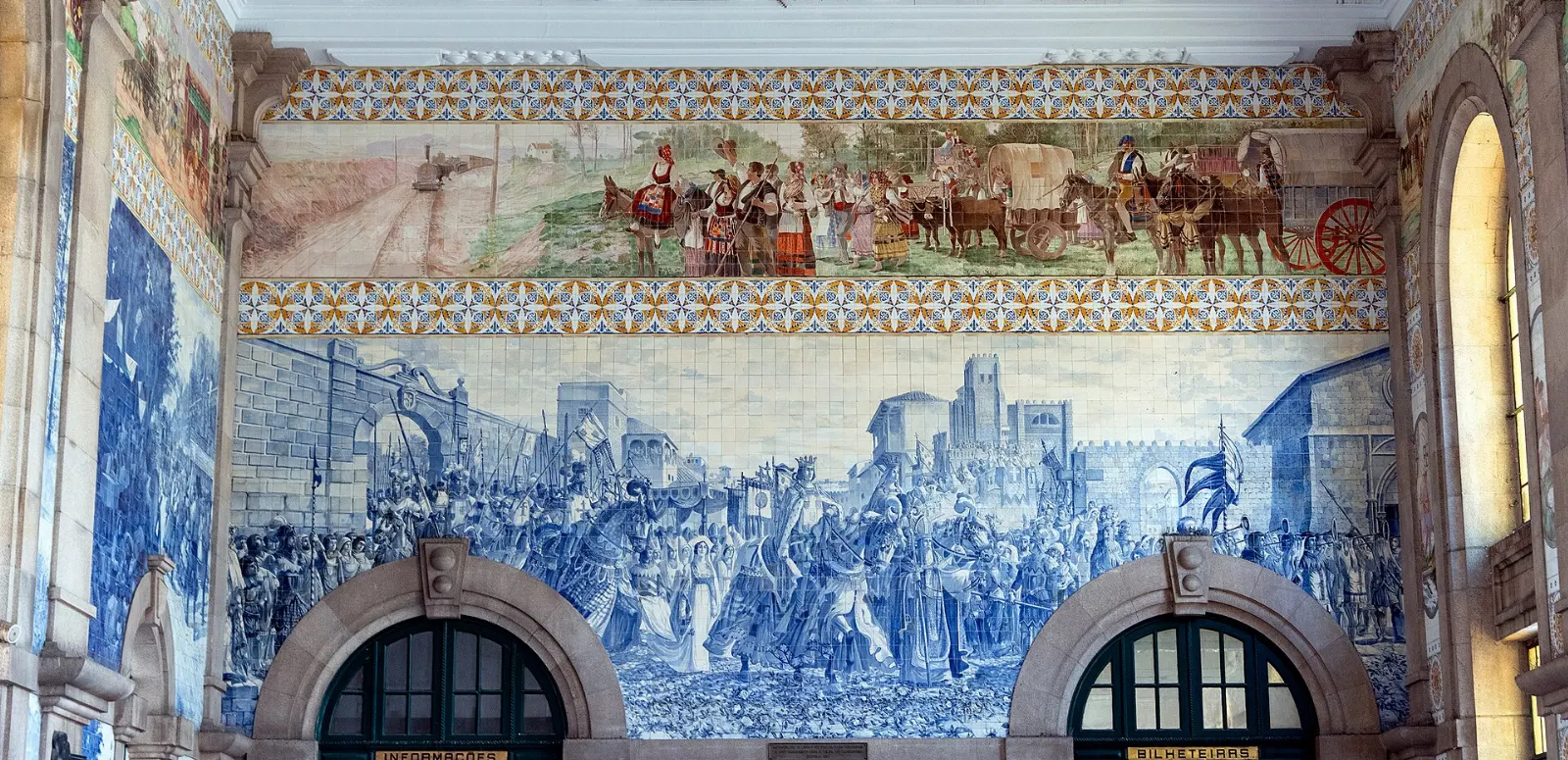
São Bento Station
Even if you are not catching a train, step inside this early twentieth-century station to see its entrance hall, covered with some twenty thousand azulejo tiles by Jorge Colaço depicting battles, royal events and scenes of rural life.
Clérigos Church and Tower
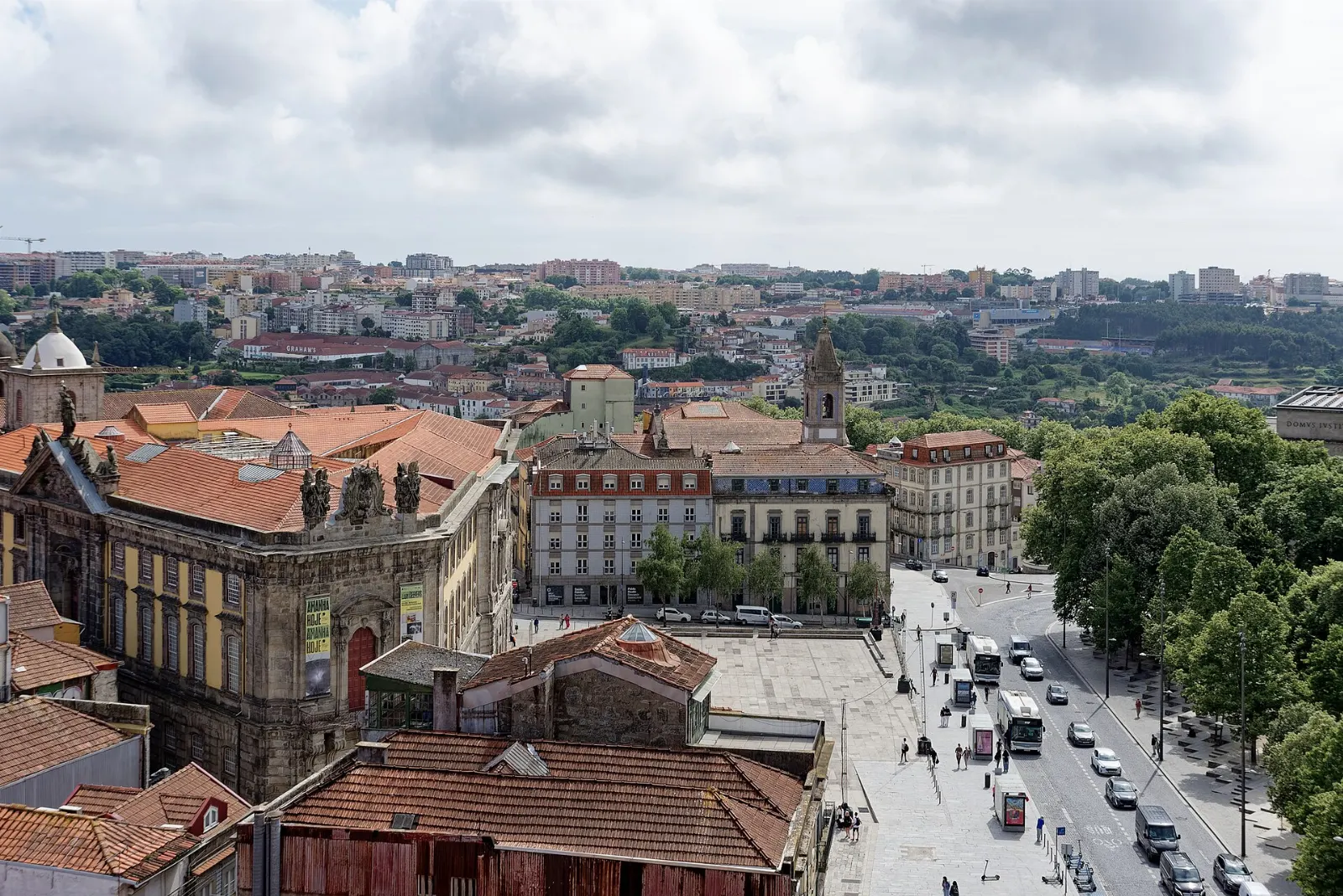
The baroque Clérigos Church, designed by the Italian-born architect Nicolau Nasoni in the eighteenth century, is topped by a tall, slender tower that you can climb by a narrow spiral staircase of more than two hundred steps.
Livraria Lello
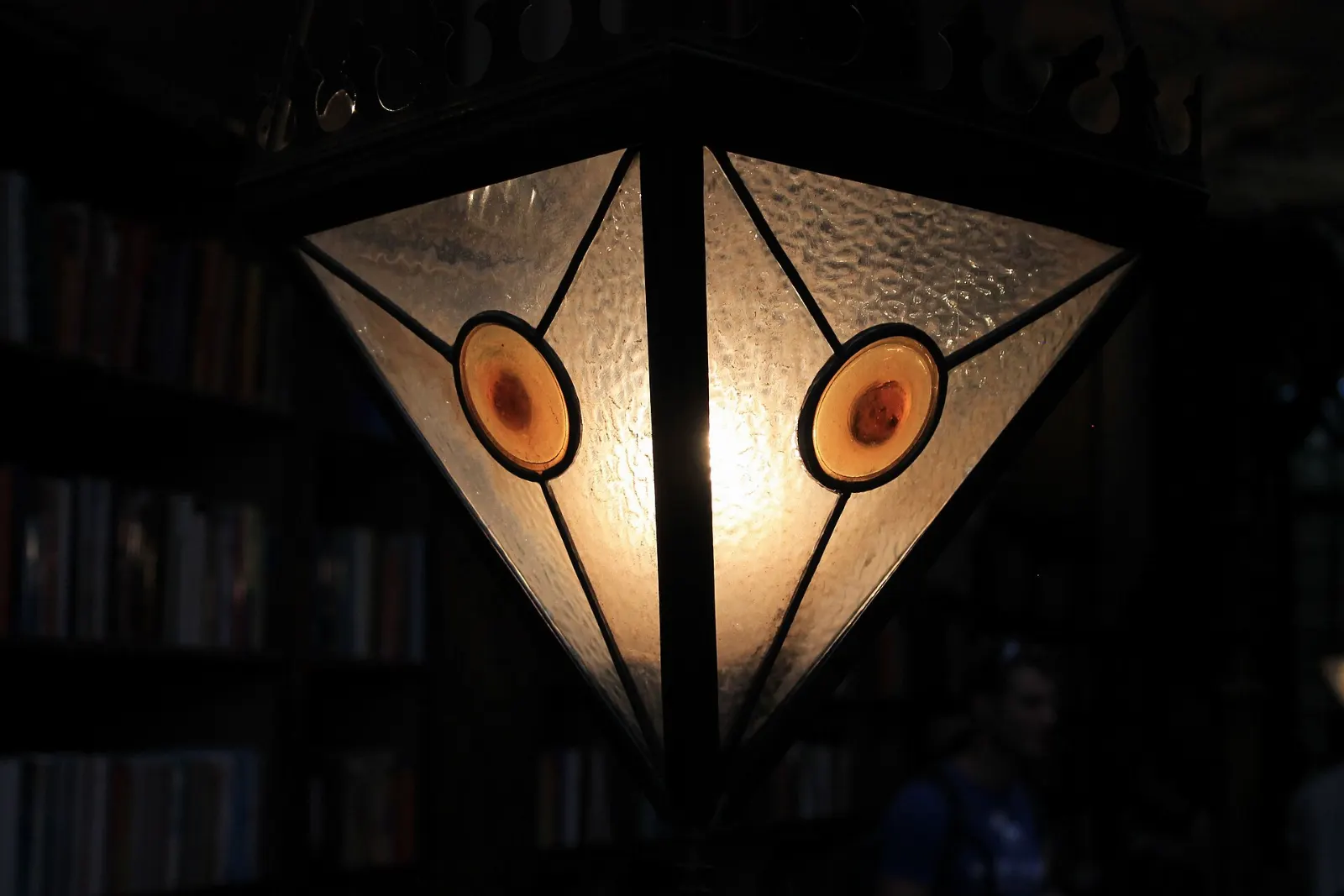
A short walk from Clérigos, this neo-Gothic bookshop opened in its current building in 1906 and is famous for its carved wooden ceilings, stained-glass skylight and curving crimson staircase.
Mercado do Bolhão and Rua de Santa Catarina
Porto's historic market reopened in 2022 after a long restoration and once again sells fish, fruit, flowers, cheese and cured meats from stalls around a two-level courtyard, with small places to eat upstairs.
Gaia, gardens and the Atlantic coast
Port wine cellars of Vila Nova de Gaia
Cross the lower deck of the Dom Luís I Bridge and you arrive in Gaia, where historic port houses such as Sandeman, Taylor's and Graham's have aged their wines for generations.
Serralves
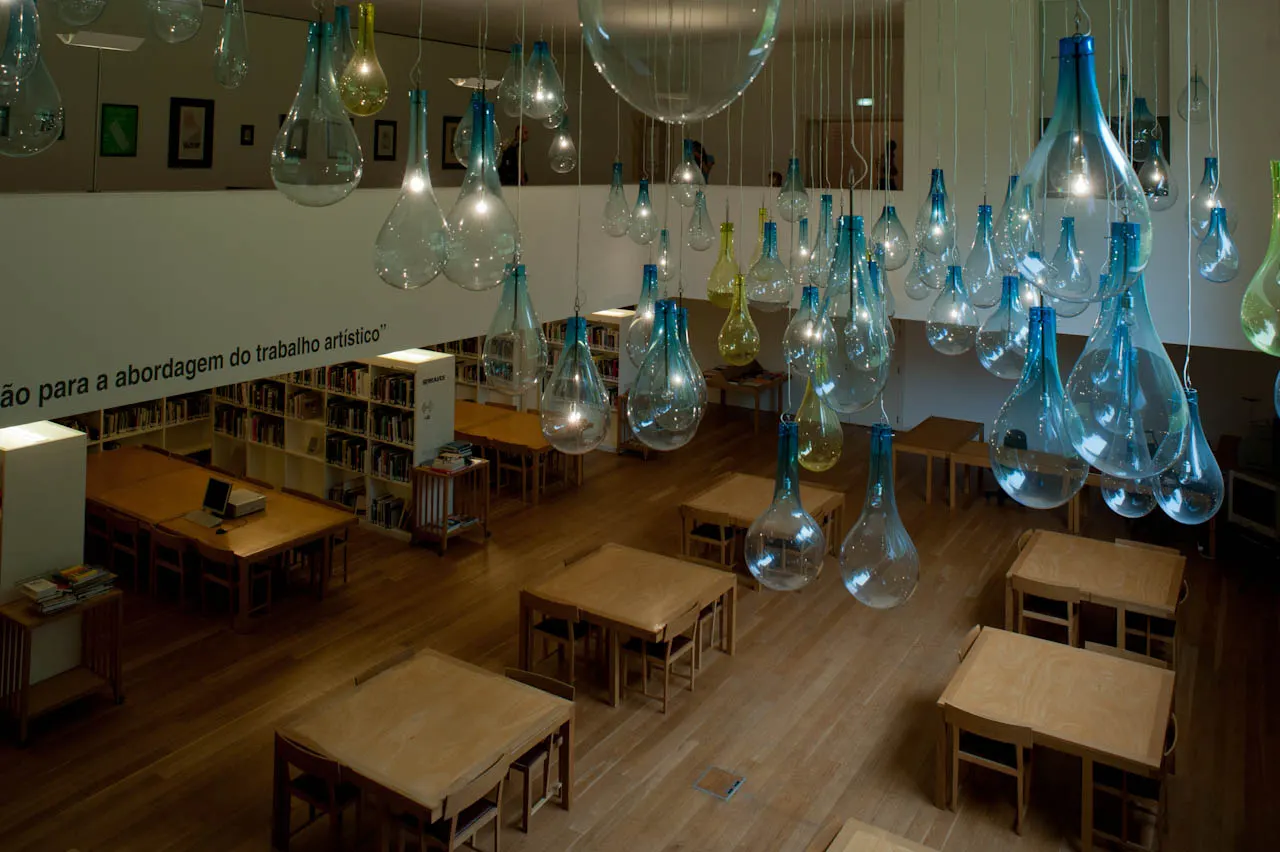
West of the center, the Serralves Foundation combines a museum of contemporary art in a calm white building by Álvaro Siza, an Art Deco villa and extensive gardens and woodland. Allow half a day.
Foz do Douro and Matosinhos
Where the Douro meets the ocean, Foz do Douro has a breezy promenade, a lighthouse pier where waves crash dramatically in winter and a string of small beaches.
For a green break closer to the center, the Jardins do Palácio de Cristal offer shaded paths, peacocks and terraces with views over the river toward the ocean.
Food and local flavors
Porto's signature dish is the francesinha, a hefty sandwich layered with steak, sausage and ham, covered in melted cheese and soaked in a spiced tomato and beer sauce, often served with fries.
Seafood is excellent, especially grilled fish in Matosinhos and bacalhau in its many forms around the city. For atmosphere with your coffee, the Café Majestic on Rua de Santa Catarina has served customers beneath its carved Belle Époque interior since the 1920s.
Popular dishes to try in Porto


Where to stay
The area around Aliados and São Bento suits most visitors: it is central, close to metro stations and an easy walk to both the upper town and the river.
Staying on the Gaia side gives you views back across the river to the historic center and quick access to the port lodges. Families and travelers who prefer sea air and space can choose Foz do Douro or Matosinhos, both connected to the center by bus or metro.
Where to stay in Porto


Best time to visit
Late spring and early autumn are ideal, with warm, mostly dry days and comfortable walking temperatures.
Getting there and getting around
Francisco Sá Carneiro Airport lies north of the city, and metro line E connects it directly to the center.
The center is walkable but hilly.
For the Douro Valley, trains run from São Bento along the river to Pinhão and beyond, one of the most scenic rail journeys in Europe, or you can join a guided tour or a river cruise.
A suggested itinerary
First day
Begin at São Bento station, then climb the Clérigos Tower and visit Livraria Lello early.
Second day
Cross the Dom Luís I Bridge on the upper deck, ride the cable car in Gaia and tour one or two port lodges.
Third day
Browse the Mercado do Bolhão and Rua de Santa Catarina in the morning, then spend the afternoon at Serralves before riding to Foz do Douro and Matosinhos for grilled fish by the sea.
Fourth day
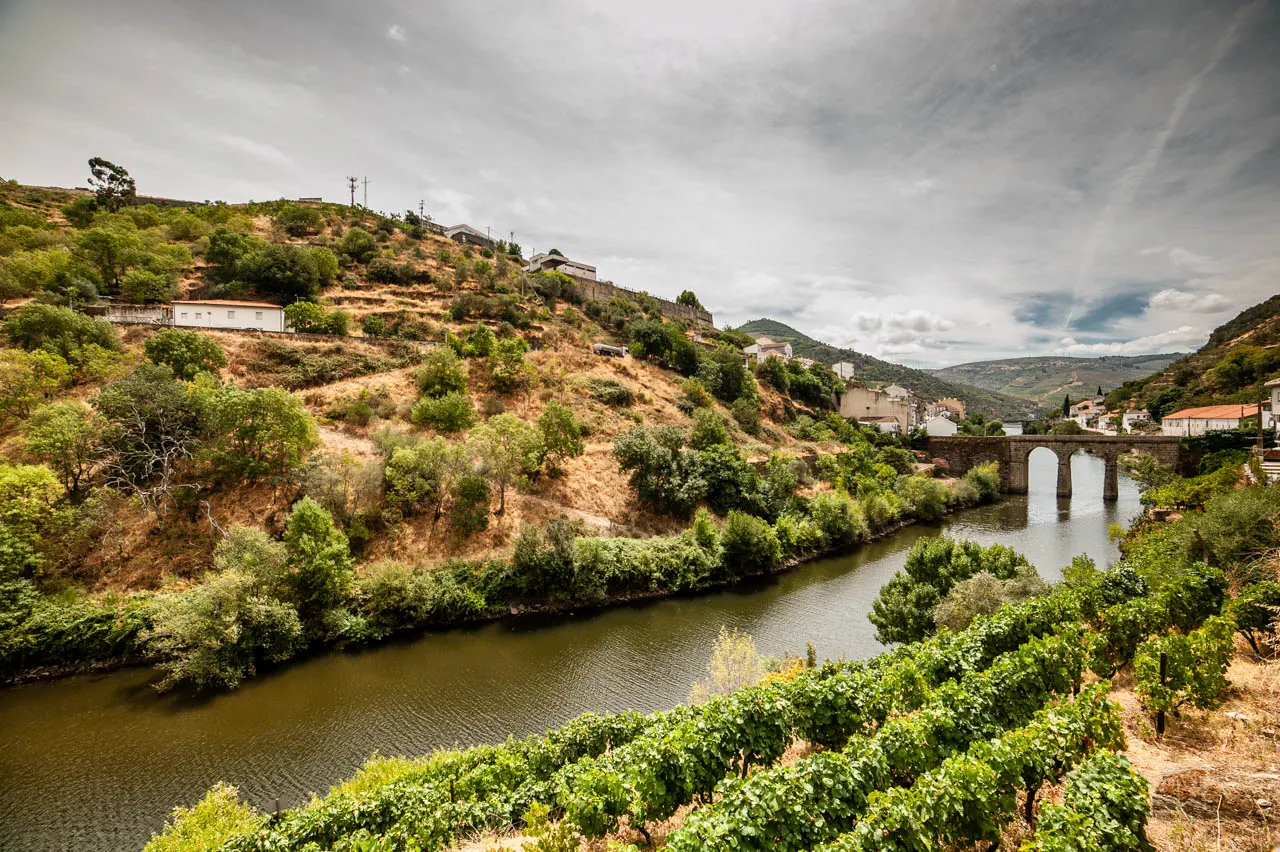
Take the train or a tour up the Douro Valley to Pinhão, visit a quinta for a tasting and enjoy the terraced vineyards before returning to the city.
Practical tips
- Book timed tickets for Livraria Lello, the Clérigos Tower and popular port lodges in advance.
- Wear shoes with good grip; the granite streets are steep and slippery when wet.
- Use the Guindais funicular or the metro to avoid the steepest climbs back from the river.
- Carry a light rain jacket year-round, as Atlantic weather changes quickly.
- Appetizers placed on the table are charged if eaten, so decline them if you are not interested.
- Many museums close one day a week, often Monday, so check before planning your days.