WiserMap — Choose wisely. Connect locally.Choose wisely. Connect locally.Add your business
Skardu, Pakistan · Travel guide

Skardu Pakistan Deosai Plains and Kachura Lakes

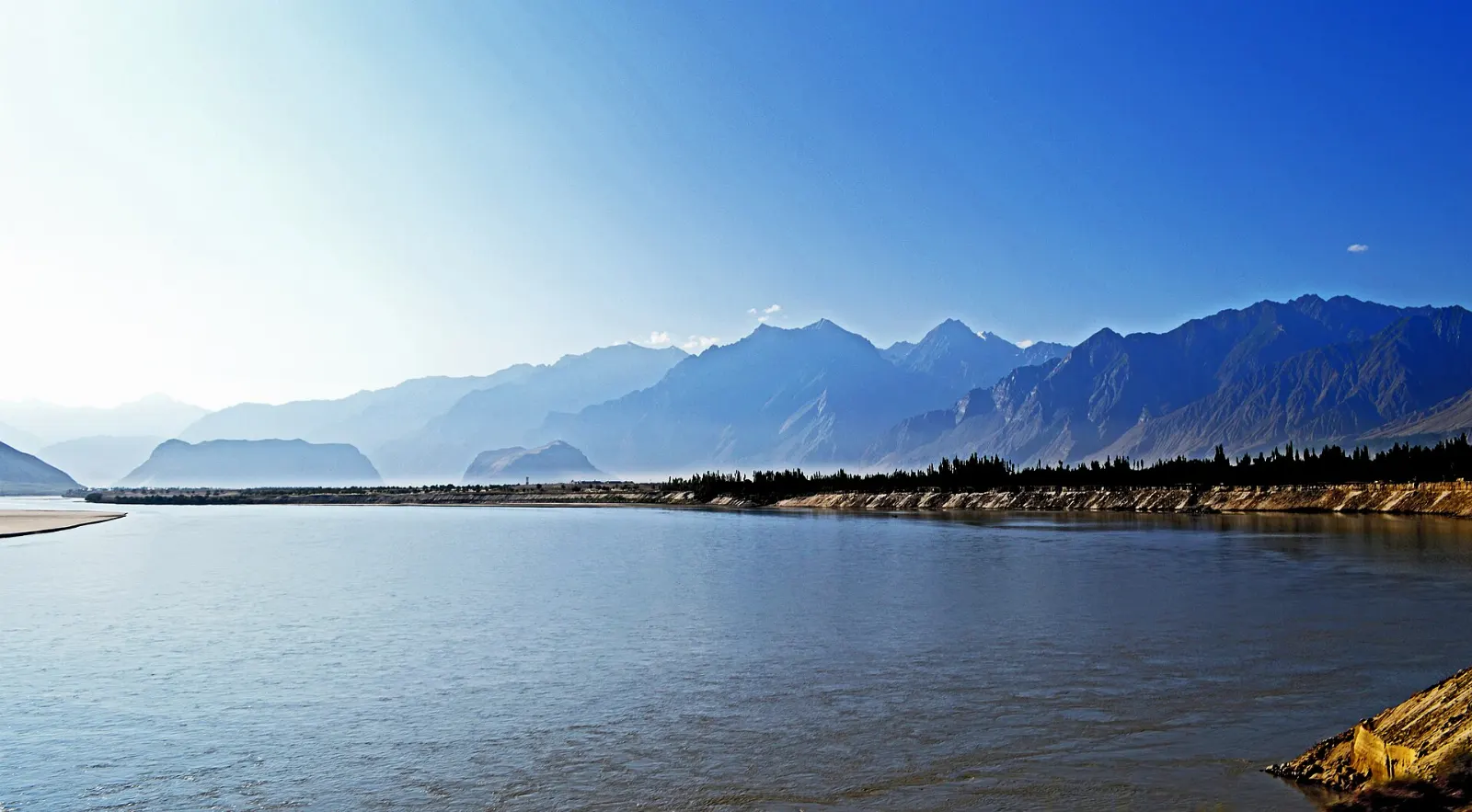
Skardu is the main town of Baltistan, a high, dry region in Gilgit-Baltistan where the Indus River widens into a valley of sand flats and orchards surrounded by some of the highest mountains on earth.

By WiserMap TravelUpdated October 2026 9 places10 min read
FacebookXLinkedIn

This guide covers the lakes and landmarks around Skardu, the historic valleys of Shigar and Khaplu, and the wild landscapes beyond. It also explains when to visit, how to get there, which permits and safety precautions matter, and how to plan a realistic trip in a region where weather and roads shape every itinerary.

At a glance Skardu
  1. Best timeMay to October; July and August for Deosai, October for autumn color.
  2. How longFive to seven days for Skardu, Shigar, Khaplu and Deosai, with buffer days for weather.
  3. Getting thereWeather-dependent flights from Islamabad to Skardu Airport, or a long mountain road journey.

Why visit Skardu

Baltistan is sometimes called Little Tibet, and the comparison makes sense when you see its landscape: brown mountains, turquoise rivers, poplar-lined villages and a culture shaped by both Tibetan and Islamic traditions. The Balti language is related to Tibetan, and old wooden mosques, rock carvings and forts reflect centuries of influences from Kashmir, Central Asia and Ladakh.

The scale of the scenery is the real draw. Within a few hours of town you can stand on a plateau above four thousand meters, walk across sand dunes at the foot of snow peaks, or sleep in a restored royal palace.

Lakes and landmarks around Skardu town

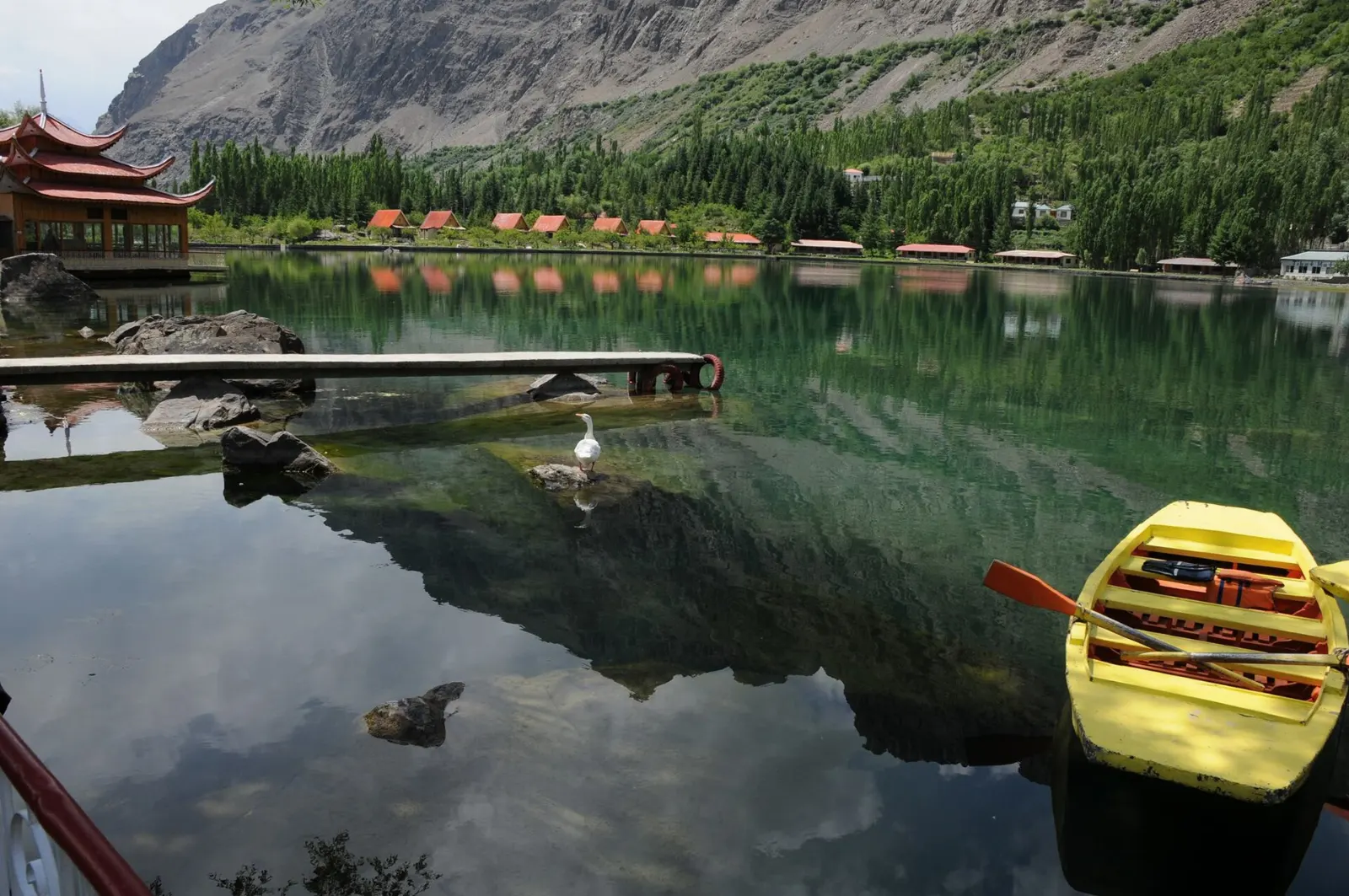
Calm Lower Kachura Lake surrounded by trees and pagoda-style roofs near Skardu, Pakistan

Lower Kachura Lake (Shangrila Lake)

About half an hour's drive west of Skardu, Lower Kachura Lake is better known as Shangrila Lake after the long-established resort built along its shore. Pagoda-style roofs, willow trees and orchards surround the water, and an old aircraft fuselage converted into a cafe has become a local curiosity.

Lower Kachura Lake, widely known as Shangrila Lake, lies a short drive from Skardu town. Photo: Danialn, Wikimedia Commons, CC BY-SA 3.0
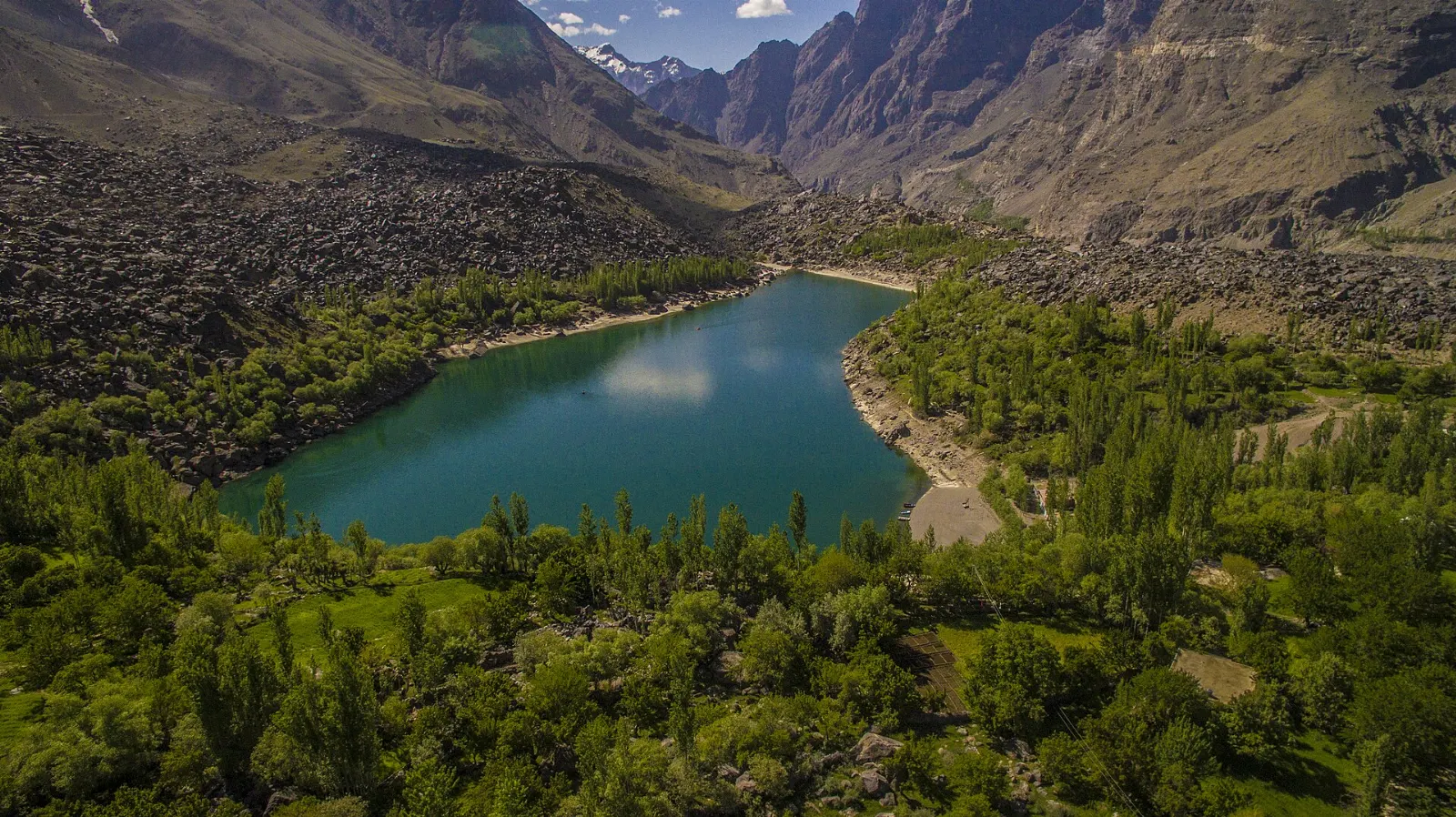
Deep blue water of Upper Kachura Lake framed by steep rocky slopes and poplar trees, Skardu, Pakistan

Upper Kachura Lake

A short drive beyond Shangrila, a path leads down from Kachura village to Upper Kachura Lake, a deep, clear lake framed by rock walls and fruit trees.

Upper Kachura Lake is known for its clear, deep blue water and the walking path down from Kachura village. Photo: ADIL RIAZ, Wikimedia Commons, CC BY-SA 4.0

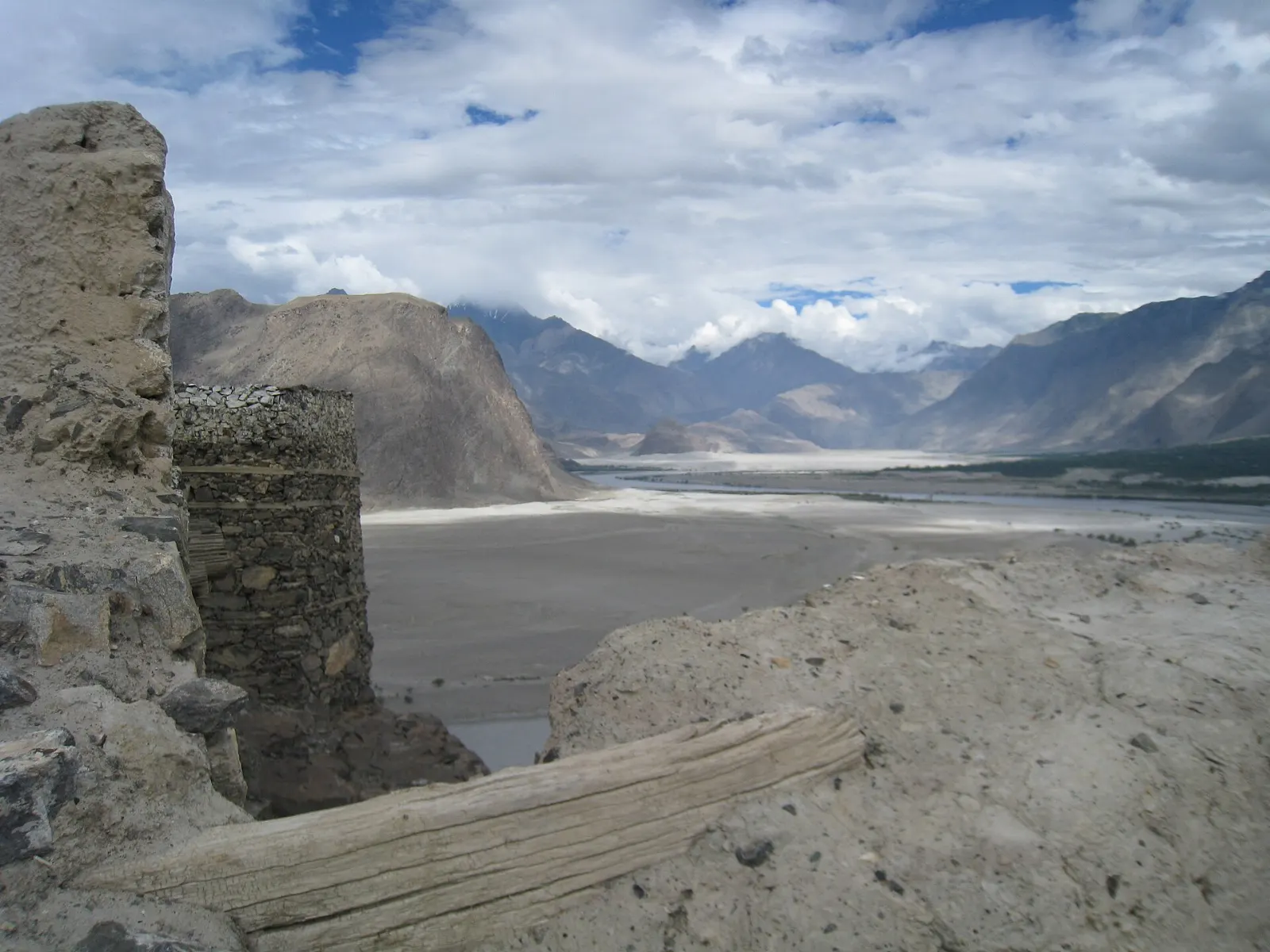
Ruined stone walls of Kharpocho Fort on a rocky ridge above Skardu town, Pakistan

Kharpocho Fort

Rising above Skardu's bazaar, Kharpocho Fort was built by the Maqpon rulers of Baltistan, traditionally credited to Ali Sher Khan Anchan around the turn of the seventeenth century.

Kharpocho Fort stands on a rocky ridge overlooking Skardu town and the Indus River. Photo: Ijaz024, Wikimedia Commons, CC BY-SA 4.0

Turquoise Satpara Lake below barren mountains on the road south of Skardu, Pakistan

Satpara Lake

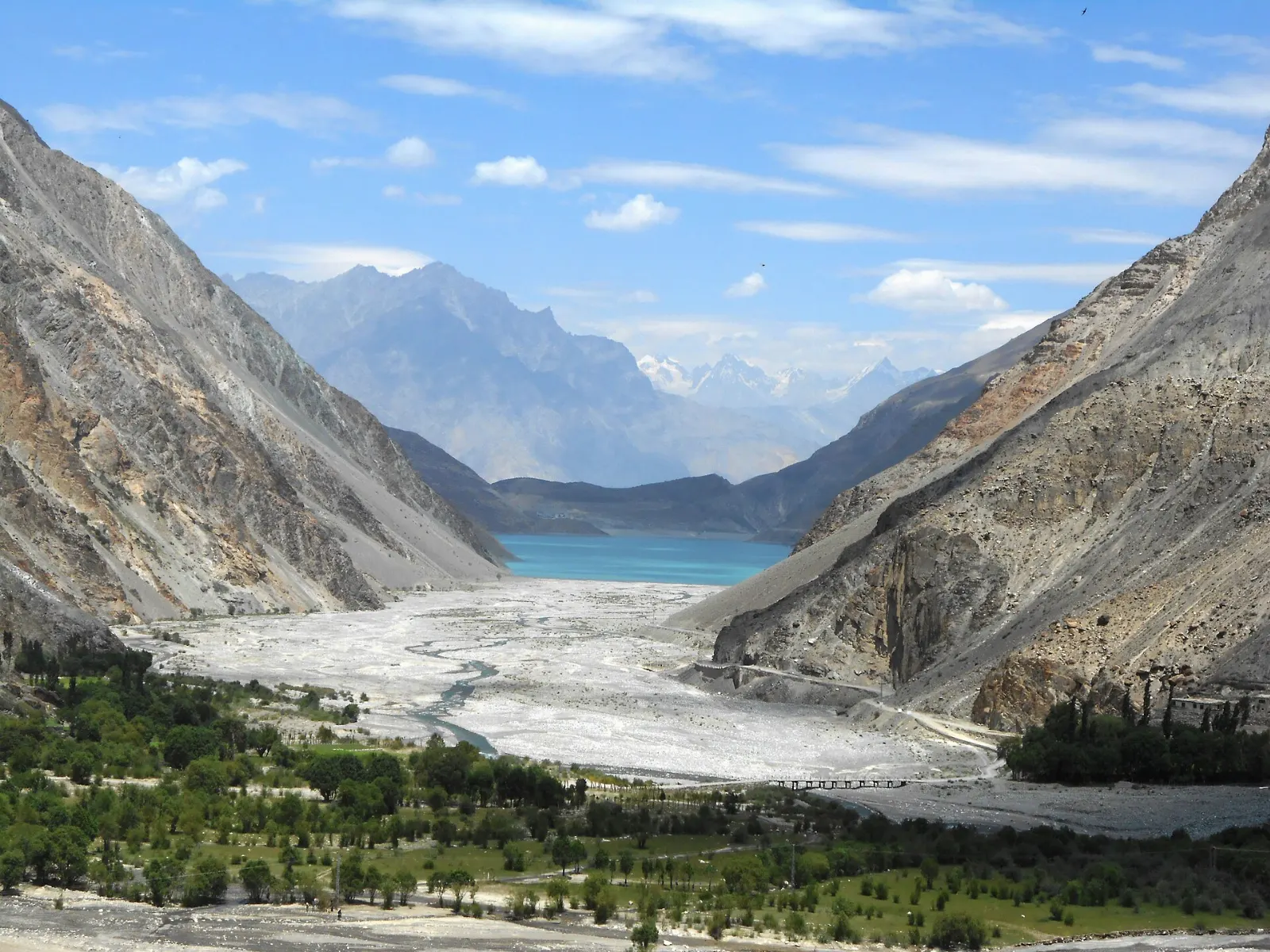
South of town, the road toward Deosai climbs to Satpara Lake, a turquoise lake enlarged by a dam that supplies water and power to Skardu. Barren slopes plunge to the shore, and the village of Sadpara nearby is home to several well-known high-altitude porters and climbers.

Satpara Lake, south of Skardu, feeds a dam that supplies water and power to the valley. Photo: Nigyaal, Wikimedia Commons, CC BY-SA 4.0

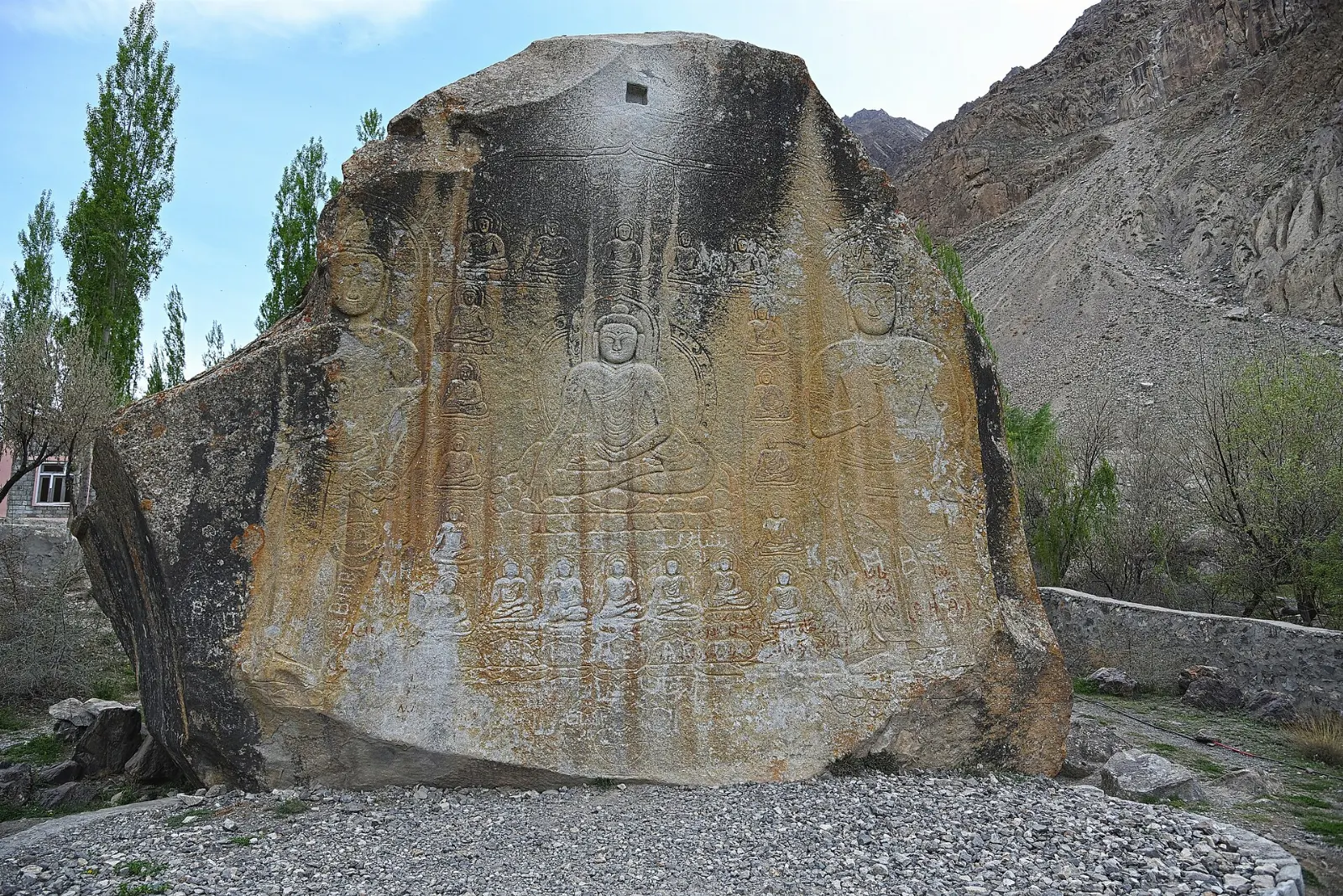
Large granite boulder carved with an image of the Buddha surrounded by smaller figures, Skardu, Pakistan

Manthal Buddha Rock

In Manthal village, on the southern edge of Skardu near the Satpara road, a large granite boulder carved with a seated Buddha surrounded by smaller figures recalls the region's Buddhist past, generally dated to around the eighth century. It sits in a small enclosure among homes and fields.

The Manthal Buddha Rock preserves carvings from Baltistan's Buddhist period. Photo: Mhtoori, Wikimedia Commons, CC BY-SA 4.0

Deosai Plains and the cold deserts

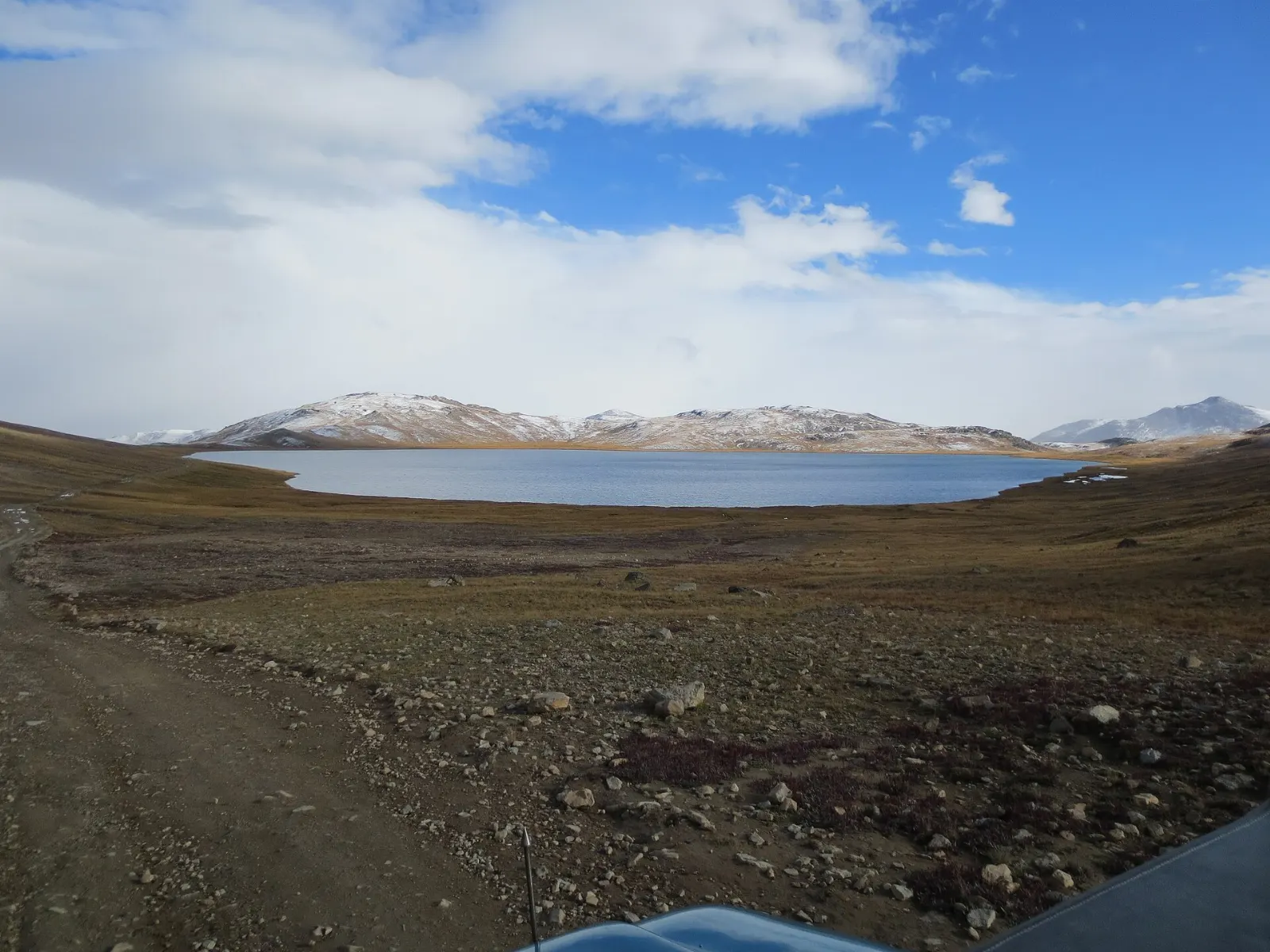
Sheosar Lake on the high grassy Deosai Plains with snow-streaked mountains behind, Skardu, Pakistan

Deosai National Park

Deosai is a vast alpine plateau averaging around four thousand meters in elevation, protected as a national park largely for the Himalayan brown bear. In summer the grasslands burst with wildflowers and marmots whistle from their burrows. Sheosar Lake, near the western side of the plains, is the most photographed spot, and Bara Pani is a popular camping area with a river crossing.

Sheosar Lake sits on the Deosai Plains, one of the highest plateaus in the world. Photo: Hammadnasim, Wikimedia Commons, CC BY-SA 4.0

Pale sand dunes of a high-altitude cold desert beneath rocky mountains in Baltistan, Skardu, Pakistan

Sarfaranga and Katpana cold deserts

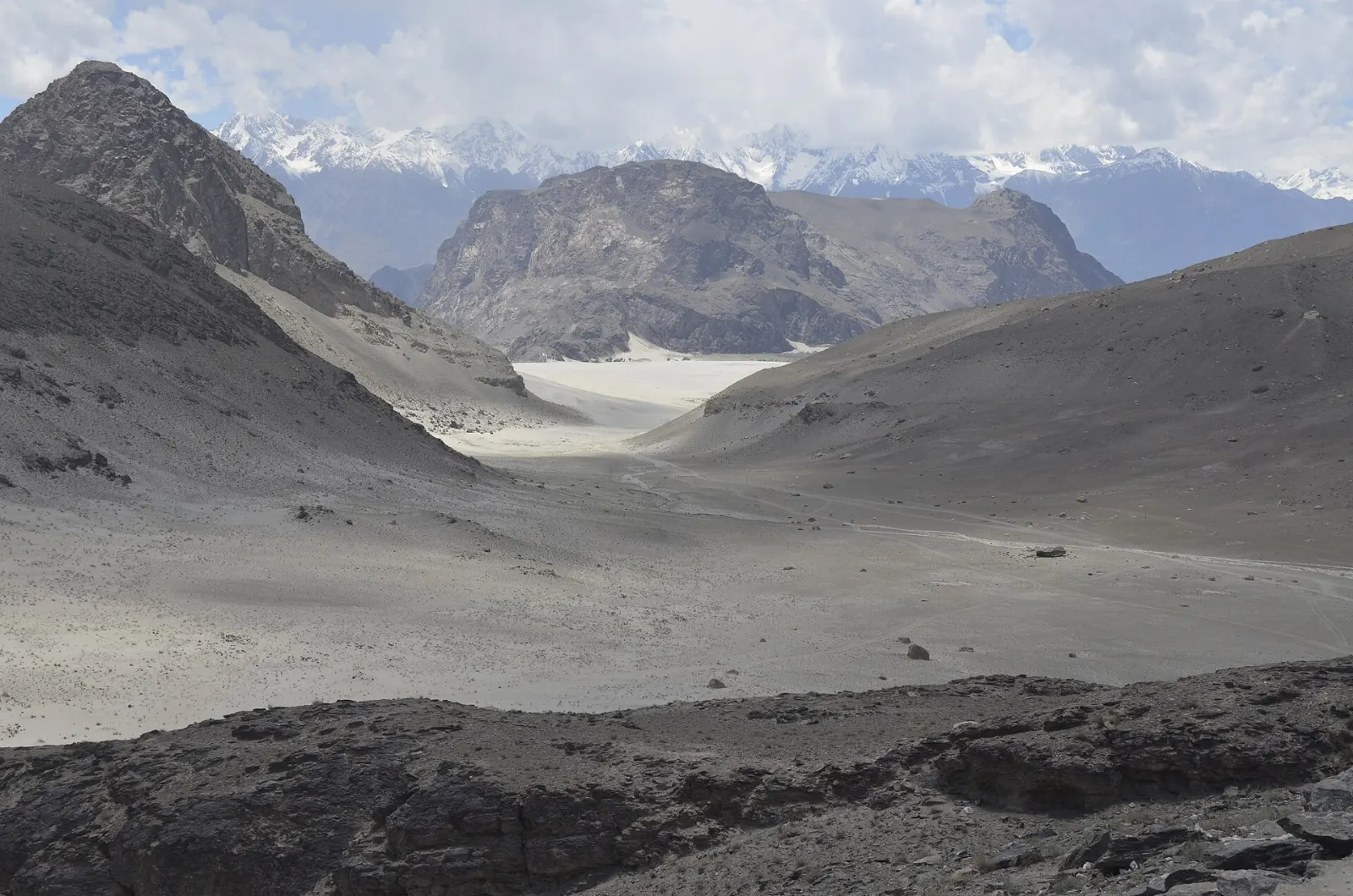
Baltistan's cold deserts are among the most unusual landscapes in the region. The Katpana Desert lies close to Skardu Airport, while the larger Sarfaranga Desert sits on the road toward Shigar and has hosted jeep rallies. Pale dunes stretch beneath bare mountains, and in winter snow can dust the sand.

The cold deserts near Skardu are high-altitude dunes where snow can settle on the sand in winter. Photo: MuhammadYassal, Wikimedia Commons, CC BY-SA 4.0

Shigar, Khaplu and the historic valleys

The restored wooden and stone Shigar Fort palace beside a stream and orchards, Skardu, Pakistan

Shigar Fort and Amburiq Mosque

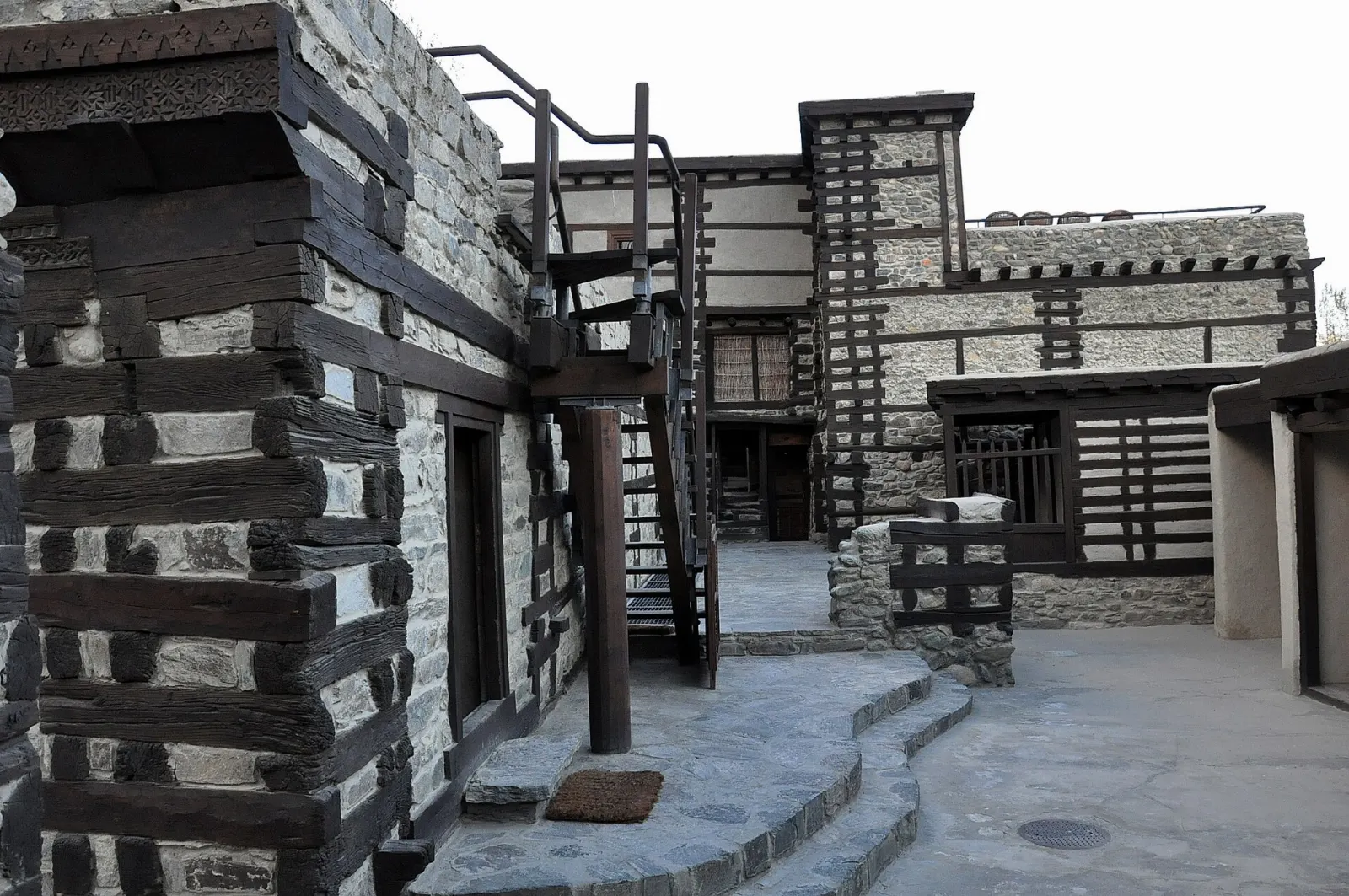
An hour or so north of Skardu, the green Shigar Valley leads toward the Karakoram. Its centerpiece is Shigar Fort, the seventeenth-century palace of the Amacha rajas, restored by the Aga Khan Trust for Culture and now operated as a heritage guesthouse with a small museum.

Shigar Fort, a seventeenth-century palace of the local rajas, was restored with support from the Aga Khan Trust for Culture. Photo: Furqanlw, Wikimedia Commons, CC BY-SA 4.0

The white four-story Khaplu Palace with wooden balconies set against mountains, Skardu, Pakistan

Khaplu Palace and Chaqchan Mosque

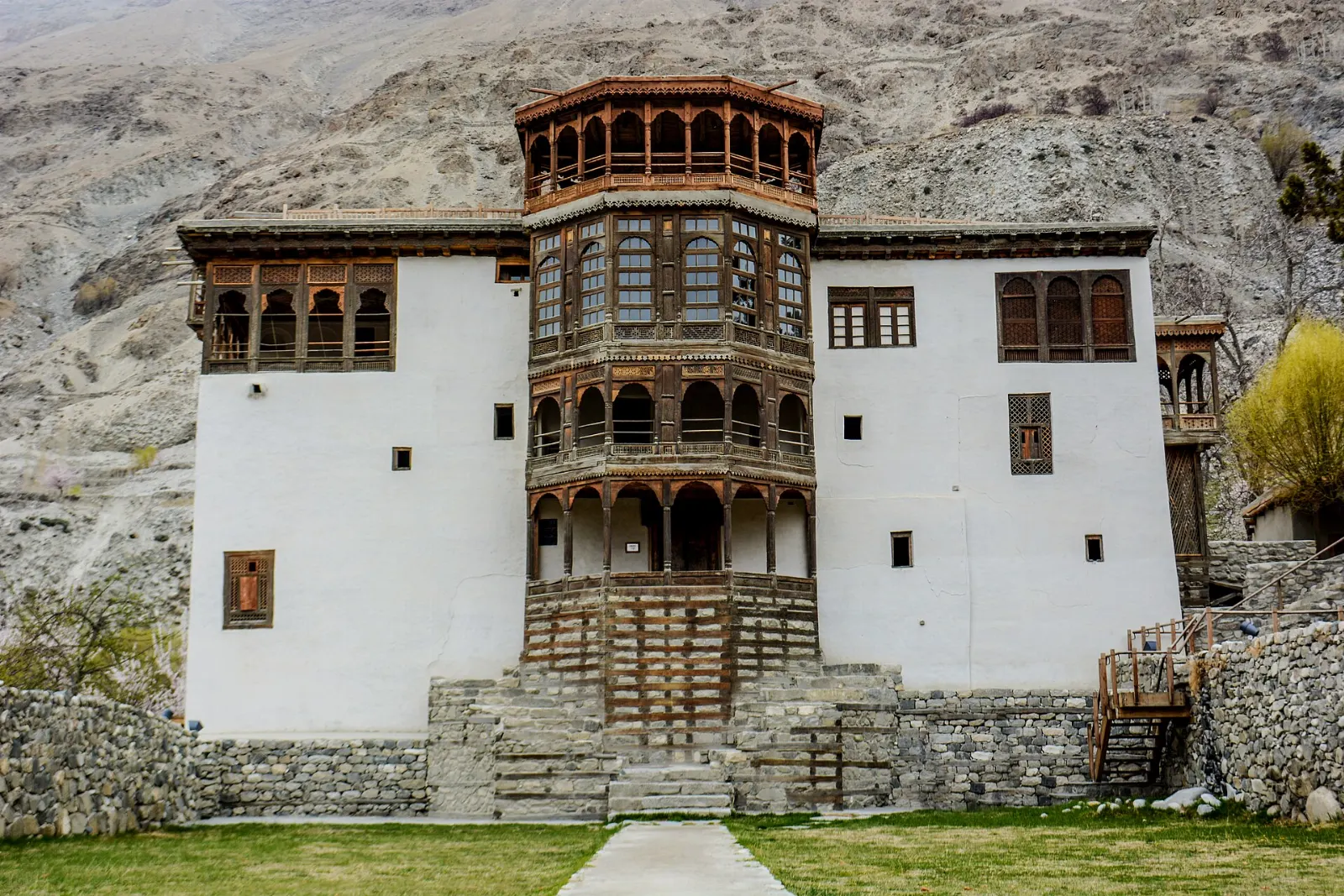
About two to three hours east of Skardu along the Shyok River, the town of Khaplu is home to Khaplu Palace, built in the nineteenth century for the local Yabgo rulers and also restored by the Aga Khan Trust for Culture.

Khaplu Palace, built in the nineteenth century for the rulers of Khaplu, blends Balti, Tibetan and Kashmiri styles. Photo: Qammer Wazir, Wikimedia Commons, CC BY-SA 4.0

Gateway to the Baltoro and K2

Beyond Shigar, a rough jeep road continues to Askole, the last village before the Baltoro Glacier and the trek toward K2 Base Camp and Concordia. This is a serious multi-week expedition, not a casual excursion.

Food and local flavors

Balti cooking is hearty and simple, designed for long winters and high altitude.

Fruit is a highlight in summer and autumn. Baltistan's orchards produce apricots, cherries, apples and mulberries, and dried apricots and apricot kernels are sold in the Skardu bazaar year round.

Popular dishes to try in Skardu

Apricot in Skardu, Pakistan
Apricot Baltistan's orchards produce apricots, cherries, apples and mulberries, and dried apricots and apricot kernels are sold in the Skardu bazaar year round.Photo: Shisma, Wikimedia Commons, CC0
Butter tea in Skardu, Pakistan
Butter tea Salty butter tea, a legacy of Tibetan influence, is served in many homes, and you will also find thick soups and local breads made from wheat and buckwheat.Photo: Peachyeung316, Wikimedia Commons, CC BY-SA 4.0

Where to stay

Skardu town is the most practical base, with the widest range of guesthouses, the main bazaar, transport and the airport nearby. It suits short trips and travelers planning day excursions to Deosai, Satpara and the deserts.

Shigar is ideal for a peaceful night or two in a village setting, and its restored fort is a memorable heritage stay. Khaplu deserves at least one night to avoid a rushed round trip and to explore the palace and the Hushe Valley road.

Where to stay in Skardu

Skardu, Skardu, Pakistan
Skardu Where to staySkardu town is the most practical base, with the widest range of guesthouses, the main bazaar, transport and the airport nearby.Photo: Hannan Balti, Wikimedia Commons, CC BY-SA 4.0
Shangrila Resort Skardu, Skardu, Pakistan
Shangrila Resort Skardu One of the best areas to base yourself in Skardu.Photo: Alirazabashirmalik, Wikimedia Commons, CC BY-SA 4.0
Deosai, Skardu, Pakistan
Deosai It suits short trips and travelers planning day excursions to Deosai, Satpara and the deserts.Photo: Aleerajai, Wikimedia Commons, CC0
Hushe Valley, Skardu, Pakistan
Hushe Valley Khaplu deserves at least one night to avoid a rushed round trip and to explore the palace and the Hushe Valley road.Photo: Cooolvirus, Wikimedia Commons, CC BY-SA 3.0

Best time to visit

The main season runs from May to October. May and June bring blossoms in the valleys and milder temperatures, though higher roads may still be closed by snow.

September and October are often the best months, with clear skies, harvest season and golden poplars and apricot trees lighting up the valleys in late October.

Getting there, permits and safety

The fastest way in is to fly from Islamabad to Skardu Airport, one of the most scenic flights in the world, passing close to Nanga Parbat in clear weather. Flights depend on visibility and are often delayed or cancelled, so build in buffer days and keep onward plans flexible.

Safety guidance changes, so read your government's current travel advice before booking.

Foreign visitors need a Pakistani visa, and you will pass police and army checkpoints where you may be asked to show your passport and register; carry several photocopies of your passport and visa. Areas near the Line of Control east of Skardu are restricted for foreigners, and treks toward K2 and other peaks require permits through a licensed operator.

A suggested itinerary

First day

Arrive in Skardu, rest to adjust to the altitude, then stroll the bazaar and visit the Katpana Desert near the airport for sunset.

Second day

Drive to Shangrila and walk down to Upper Kachura Lake in the morning, then return for a late-afternoon climb to Kharpocho Fort if you feel well acclimatized.

Third day

Set off early for a full day on the Deosai Plains, stopping at the Manthal Buddha Rock and Satpara Lake on the way, and reaching Sheosar Lake before turning back.

Fourth day

Head to Shigar via the Sarfaranga Desert, tour Shigar Fort and the Amburiq Mosque, and spend the night in the valley.

Fifth day

Drive east along the Shyok River to Khaplu, visit Khaplu Palace and Chaqchan Mosque, and stay overnight before returning to Skardu with a buffer day for flights.

Practical tips

  • Check current travel advisories from your government before booking and again before departure, and confirm your insurance covers the areas you plan to visit.
  • Build at least one or two spare days into your plans, since flights and roads are regularly disrupted by weather and landslides.
  • Carry photocopies of your passport and visa for checkpoints, and keep your original documents secure.
  • Arrange trekking permits and any visits to restricted areas through a licensed Pakistani tour operator.
  • Acclimatize slowly, drink plenty of water and descend if you develop severe headaches or breathlessness.
  • Dress modestly, with arms and legs covered; women may wish to carry a scarf, especially when visiting mosques and villages.
  • Ask permission before photographing people, and avoid photographing military sites, checkpoints or bridges.
SkarduWISERMAP PLACESkardu: photos, reviews & things to doSee traveler photos and reviews, or share your own →

More places to visit

All travel guides →