Copenhagen Denmark Nyhavn Tivoli Gardens and Smørrebrød
Copenhagen has a gift for making city life look easy. Bicycles outnumber cars in the center, the harbor is clean enough to swim in, and centuries-old palaces and canals sit comfortably beside some of the most admired modern architecture and design in Europe.
By WiserMap TravelUpdated October 20269 places10 min read
This guide walks you through the best places to visit, grouped by area, from the royal heart of the old city to the canals of Christianshavn and the art museum on the coast to the north.
At a glance Copenhagen
Best timeMay to August for long days and harbor swims; late November and December for Christmas markets.
How longThree to four days, plus a day trip north along the coast.
Getting thereFly into Copenhagen Airport, then take the metro or train to the center in under twenty minutes.
Ad
Why visit Copenhagen
Copenhagen began as a small fishing and trading harbor, and its name means merchant's harbor. In the twelfth century Bishop Absalon built a castle on the islet now called Slotsholmen, and the city grew into the capital of a Danish kingdom that once ruled Norway and much of what is now southern Sweden.
The modern city is equally compelling. Copenhagen is a global model for cycling and urban planning, with dedicated bike lanes on almost every major street and a harbor transformed from industrial waterfront into swimming areas and promenades.
Above all, Copenhagen is easy to enjoy. Distances are short, English is widely spoken and the city feels safe and relaxed.
Tivoli and the royal old city
The historic center, Indre By, holds most of the classic sights within a short walk of one another. Start near the Central Station and work your way north.
Tivoli Gardens
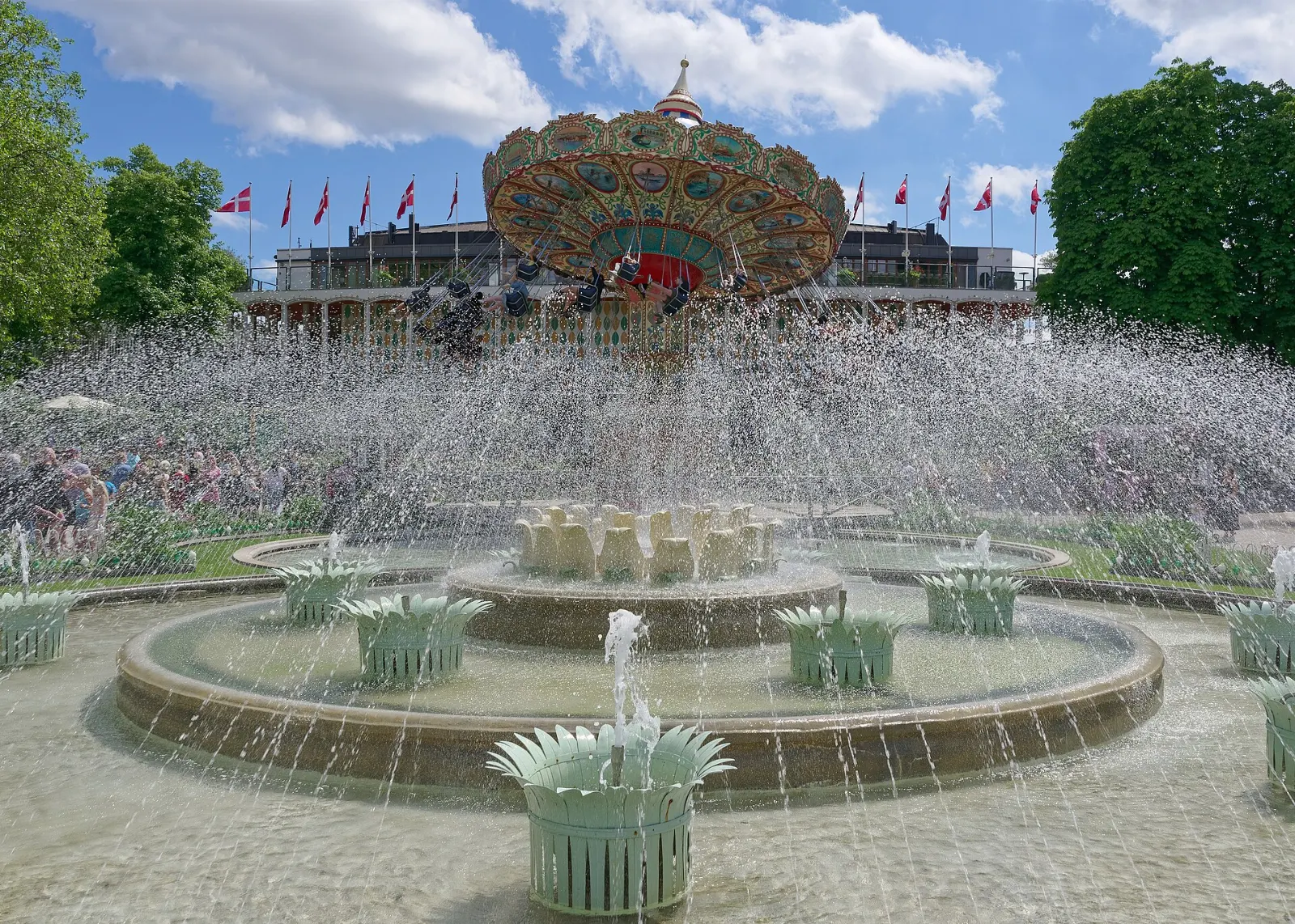
Opened on 15 August 1843, Tivoli is the second-oldest operating amusement park in the world and one of the most visited in Europe. It is part pleasure garden, part theme park, with historic wooden roller coasters, flower beds, a lake, pantomime theater, concerts and thousands of lights that come alive after dark.
Tivoli Gardens opened in 1843 and is one of the oldest operating amusement parks in the world. Photo: Jakub Hałun, Wikimedia Commons, CC BY-SA 4.0
Christiansborg Palace
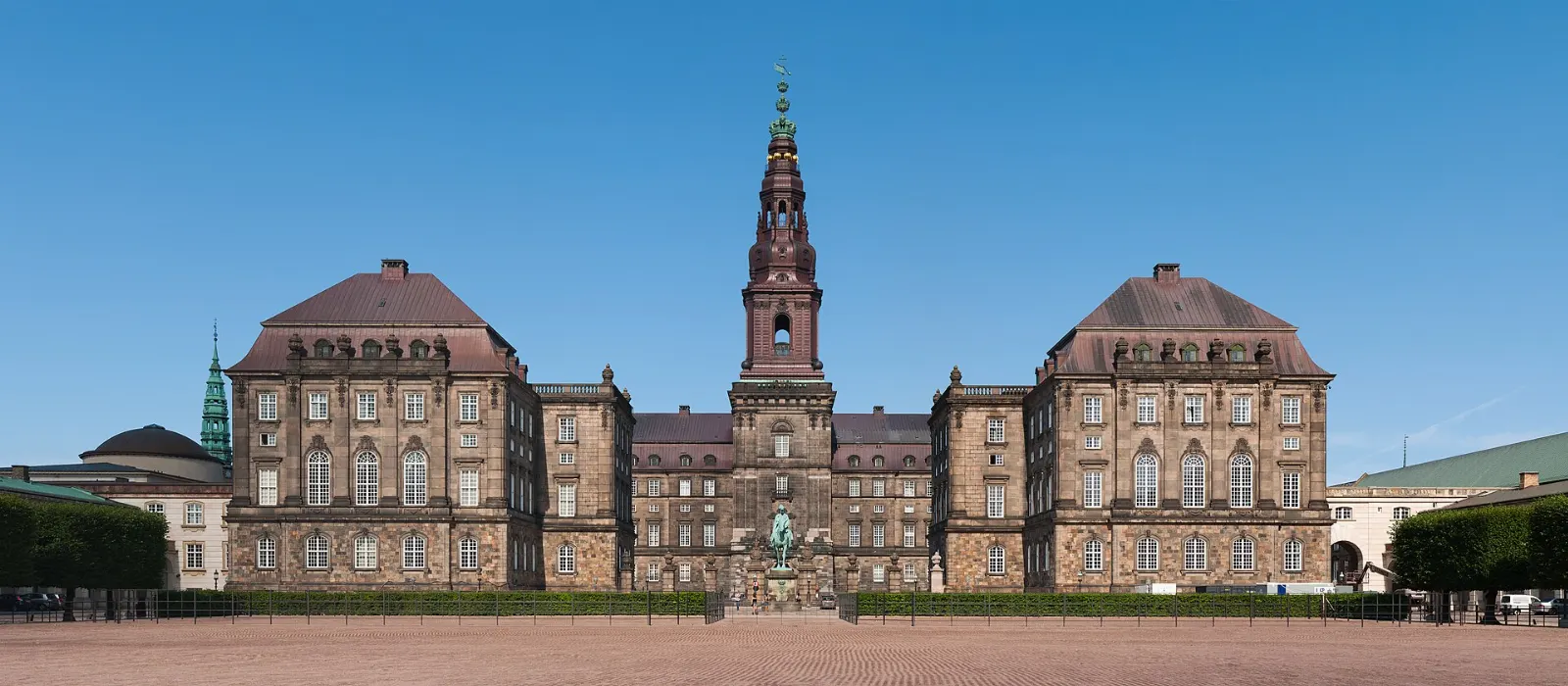
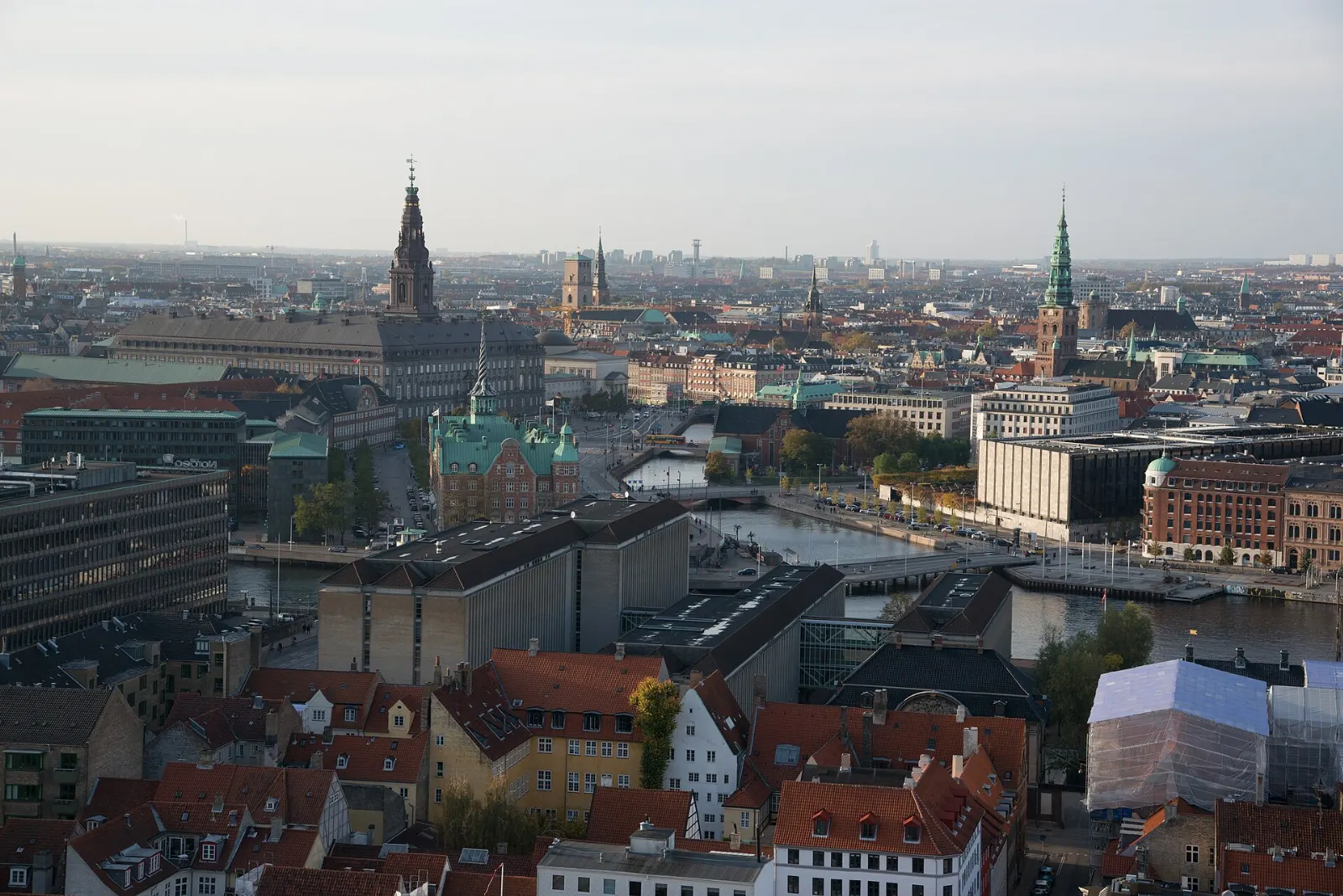
On the islet of Slotsholmen, Christiansborg is unique in housing all three branches of Danish government: Parliament, the Prime Minister's Office and the Supreme Court.
Christiansborg Palace on Slotsholmen houses the Danish Parliament, the Prime Minister's Office and the Supreme Court. Photo: Julian Herzog (Website), Wikimedia Commons, CC BY 4.0
The Round Tower
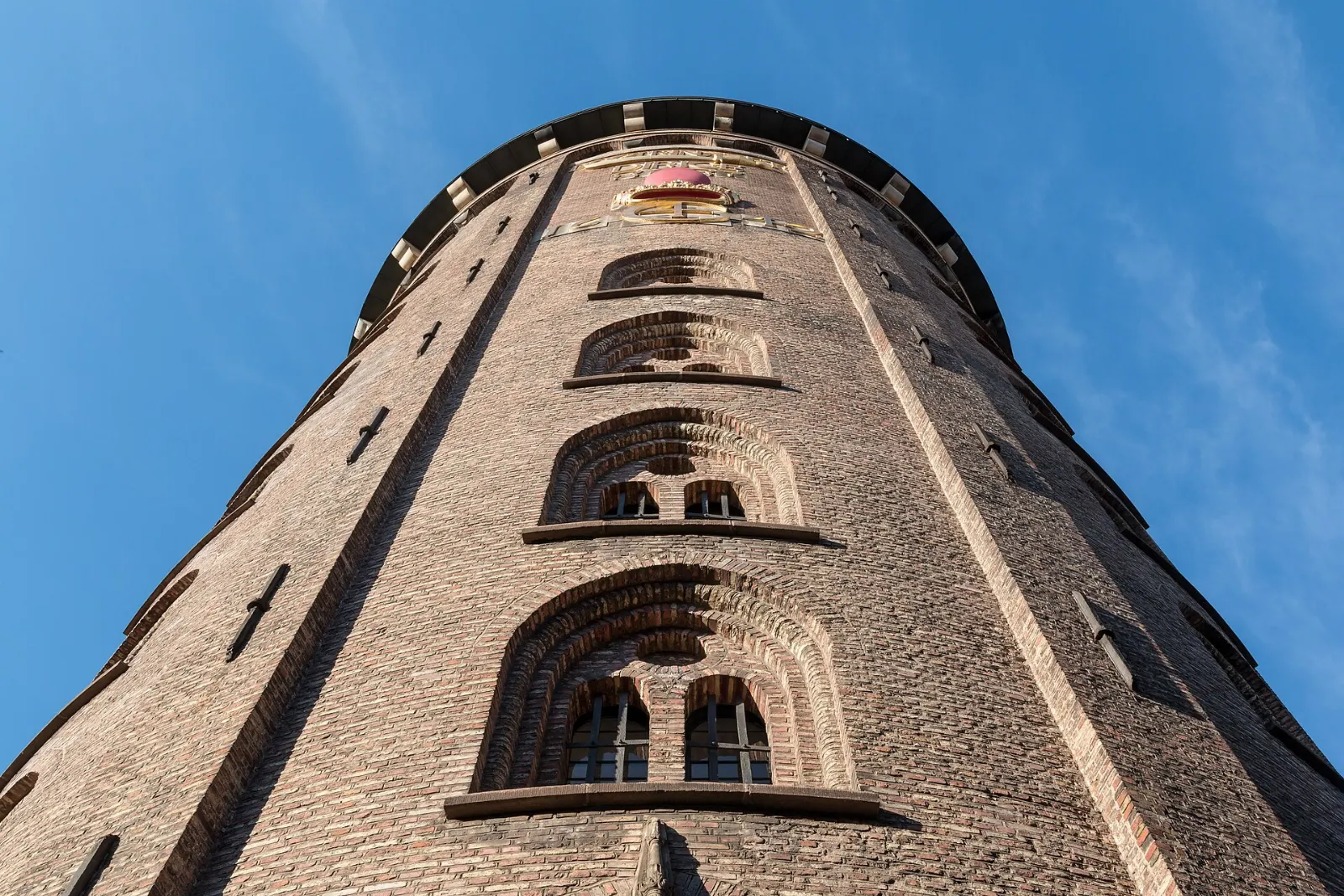
Built by Christian IV as an astronomical observatory, the seventeenth-century Round Tower is famous for its equestrian staircase, a wide spiral ramp that winds seven and a half times to a platform about 35 metres above the street.
The Round Tower was built by Christian IV as an astronomical observatory and is climbed by a spiral ramp. Photo: Dietmar Rabich, Wikimedia Commons, CC BY-SA 4.0
Rosenborg Castle and the King's Garden
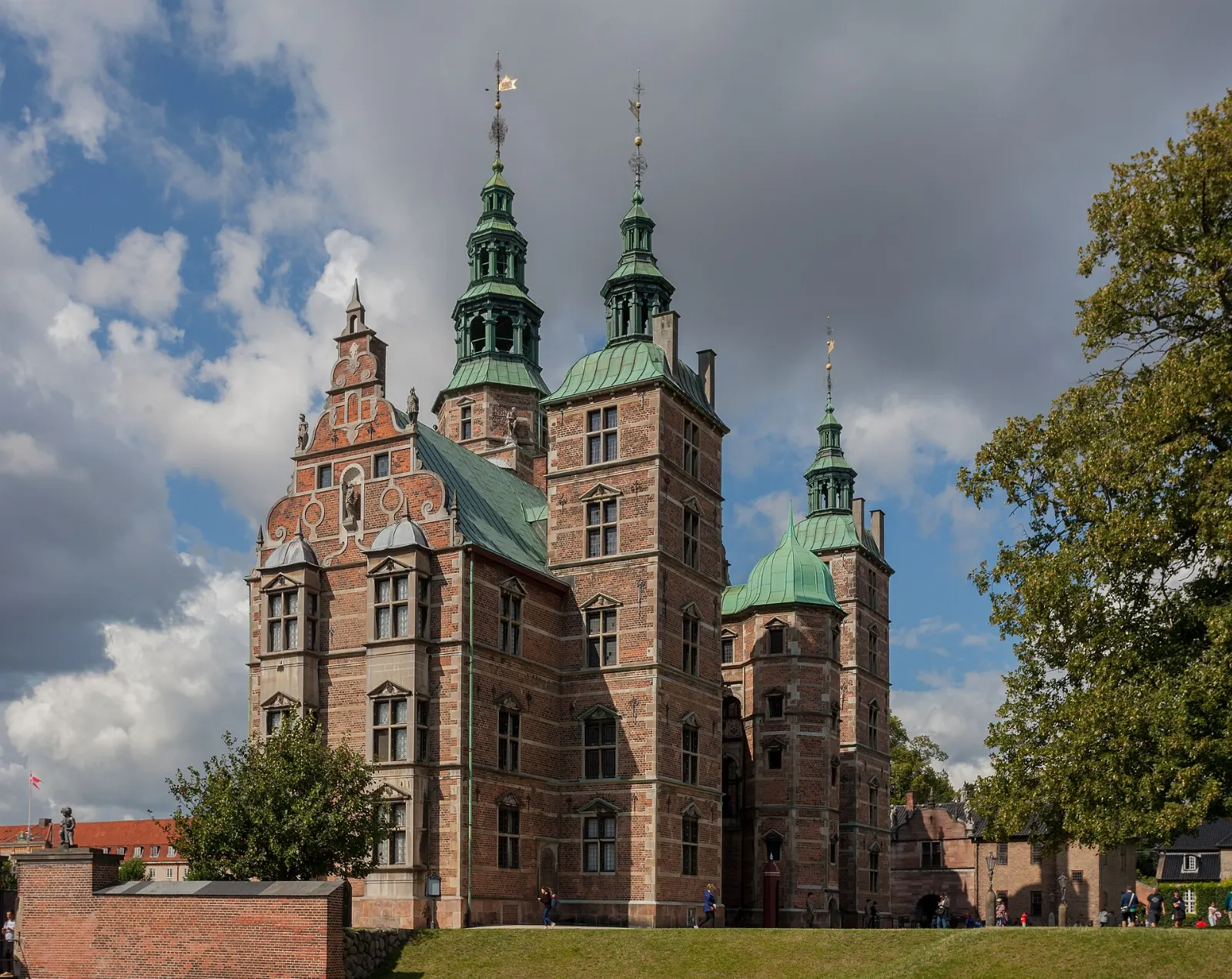
Rosenborg was built in 1606 as a royal summerhouse in the Dutch Renaissance style and expanded over the following two decades. Its rooms are filled with royal portraits, tapestries and furniture, and the treasury in the basement holds the Danish crown jewels and regalia.
Rosenborg Castle was built as a royal summerhouse in 1606 in the Dutch Renaissance style. Photo: Marco Almbauer, Wikimedia Commons, CC0
Ad
Nyhavn, the harbor and the royal quarter
East of the old center, the canals open toward the harbor and the elegant eighteenth-century district of Frederiksstaden.
Nyhavn
Dug in the late seventeenth century to bring ships into the heart of the city, Nyhavn is lined with brightly painted townhouses, wooden sailing ships and busy outdoor tables. Hans Christian Andersen lived in several houses along the quay.
Amalienborg and Frederik's Church
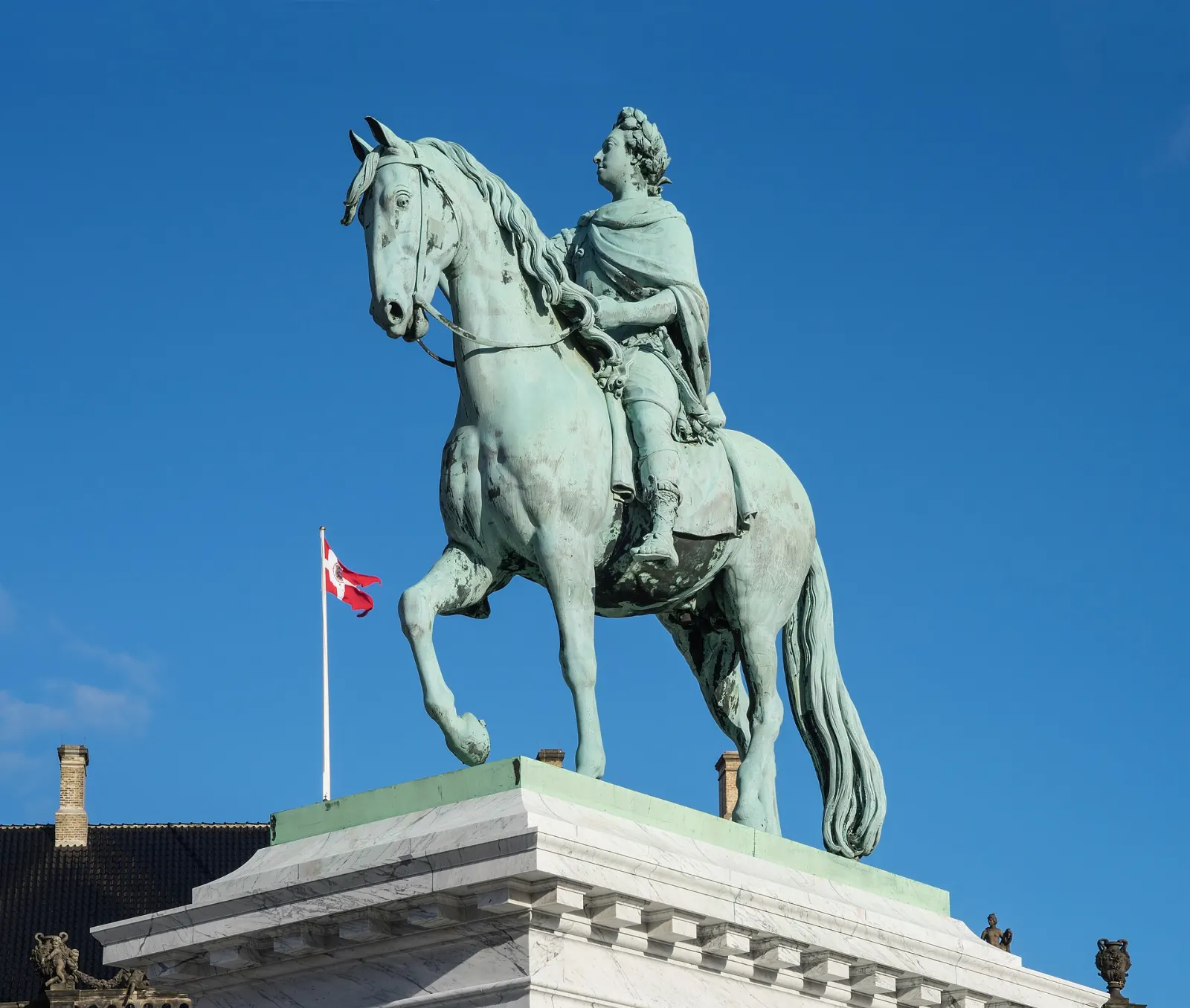
Amalienborg is the winter home of the Danish royal family, made up of four identical rococo palaces around an octagonal square with an equestrian statue of King Frederik V at its center. The changing of the guard takes place daily at noon, when the Royal Life Guards march from their barracks near Rosenborg.
Amalienborg consists of four rococo palaces around an octagonal square with a statue of King Frederik V. Photo: Jebulon, Wikimedia Commons, CC0
Kastellet and the Little Mermaid
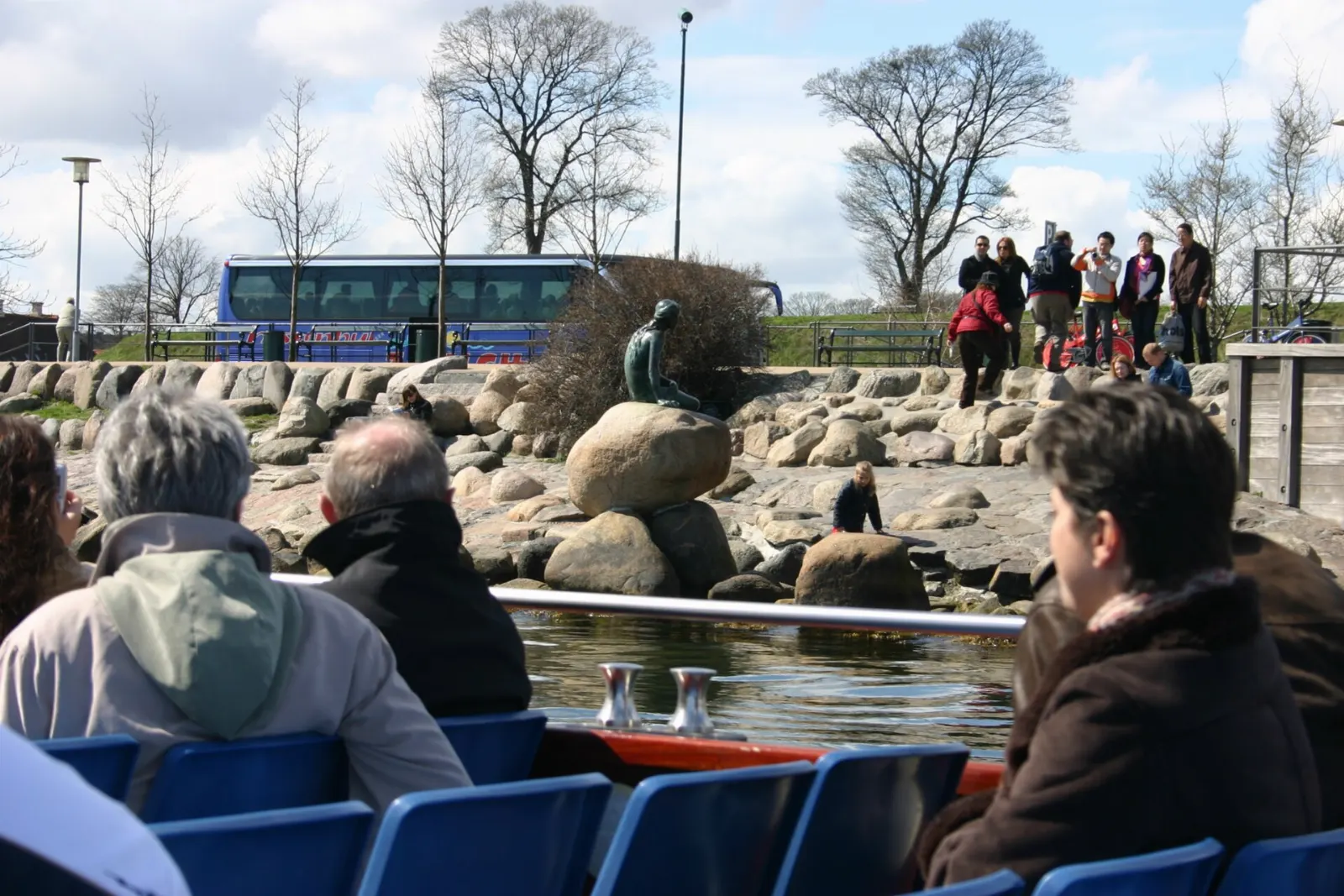
North of Amalienborg, Kastellet is one of the best preserved star-shaped fortresses in northern Europe, with grassy ramparts, red barracks and a windmill, still used by the military. Just beyond, on the Langelinie promenade, sits the Little Mermaid, a small bronze statue unveiled in 1913 and inspired by Andersen's fairy tale. Allow ninety minutes.
The Little Mermaid, unveiled in 1913, sits on a rock at Langelinie and is based on Hans Christian Andersen's fairy tale. Photo: klndonnelly, Wikimedia Commons, CC BY 2.0
Christianshavn and beyond the center
Across the inner harbor, Christianshavn was planned by Christian IV in the seventeenth century as a merchant town. Today its canals, houseboats and cafés give it a relaxed, almost Dutch feel, and it is a short walk or metro ride from the center.
Church of Our Saviour
This baroque church is best known for its spire, around which an external spiral staircase winds to the top, offering sweeping views over the city and harbor. Inside, look for the large organ and the ornate altar, and listen for the carillon that plays melodies through the day.
The Church of Our Saviour in Christianshavn is famous for the external spiral staircase that winds around its spire. Photo: Jorge Láscar from Melbourne, Australia, Wikimedia Commons, CC BY 2.0
Freetown Christiania
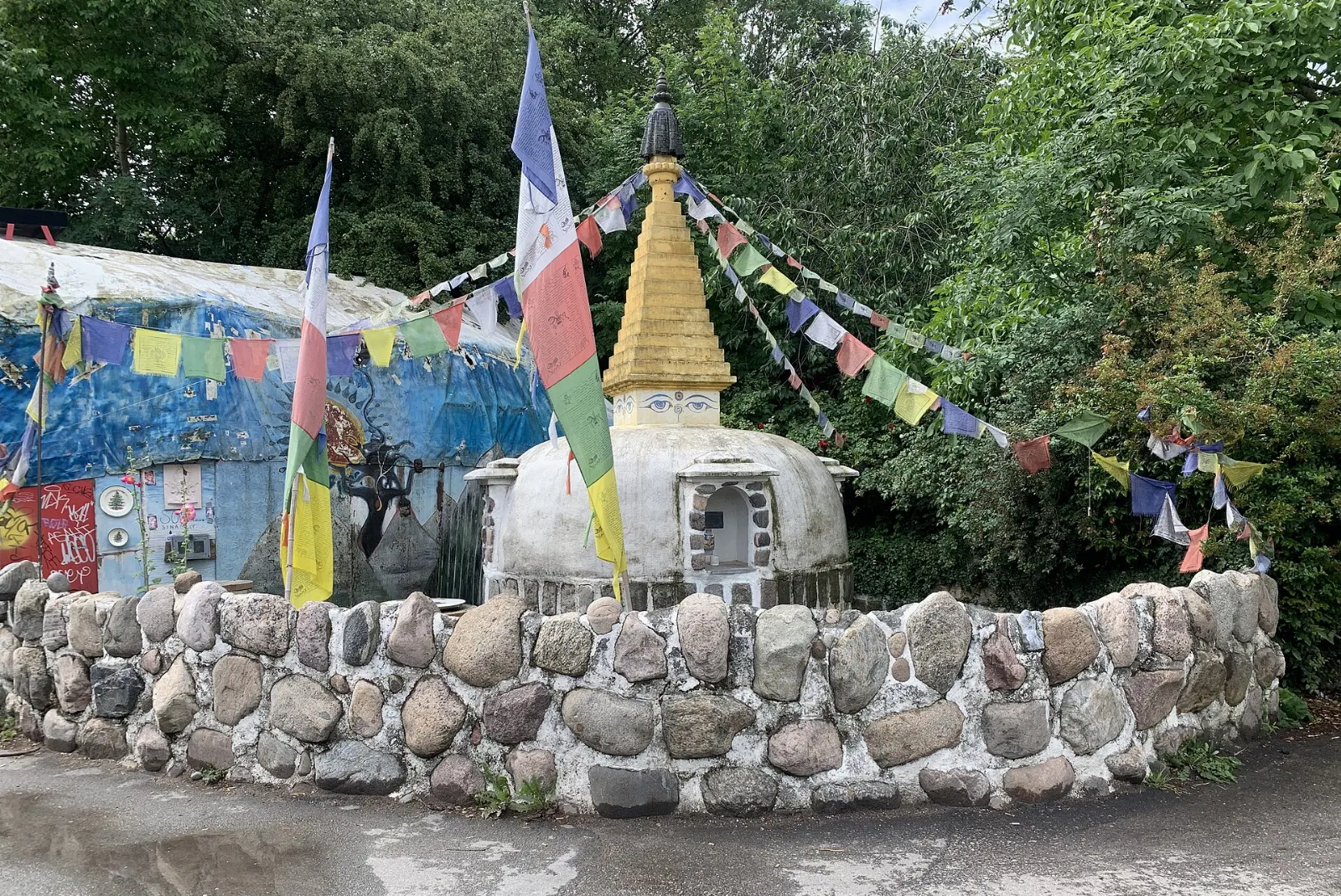
Founded in 1971 when residents occupied a former military base, Christiania is a self-governing community with its own rules, colorful homemade houses, workshops, cafés, music venues and lakeside paths.
Freetown Christiania began in 1971 when residents occupied former military barracks in Christianshavn. Photo: Till Niermann, Wikimedia Commons, CC BY-SA 3.0
Louisiana Museum of Modern Art
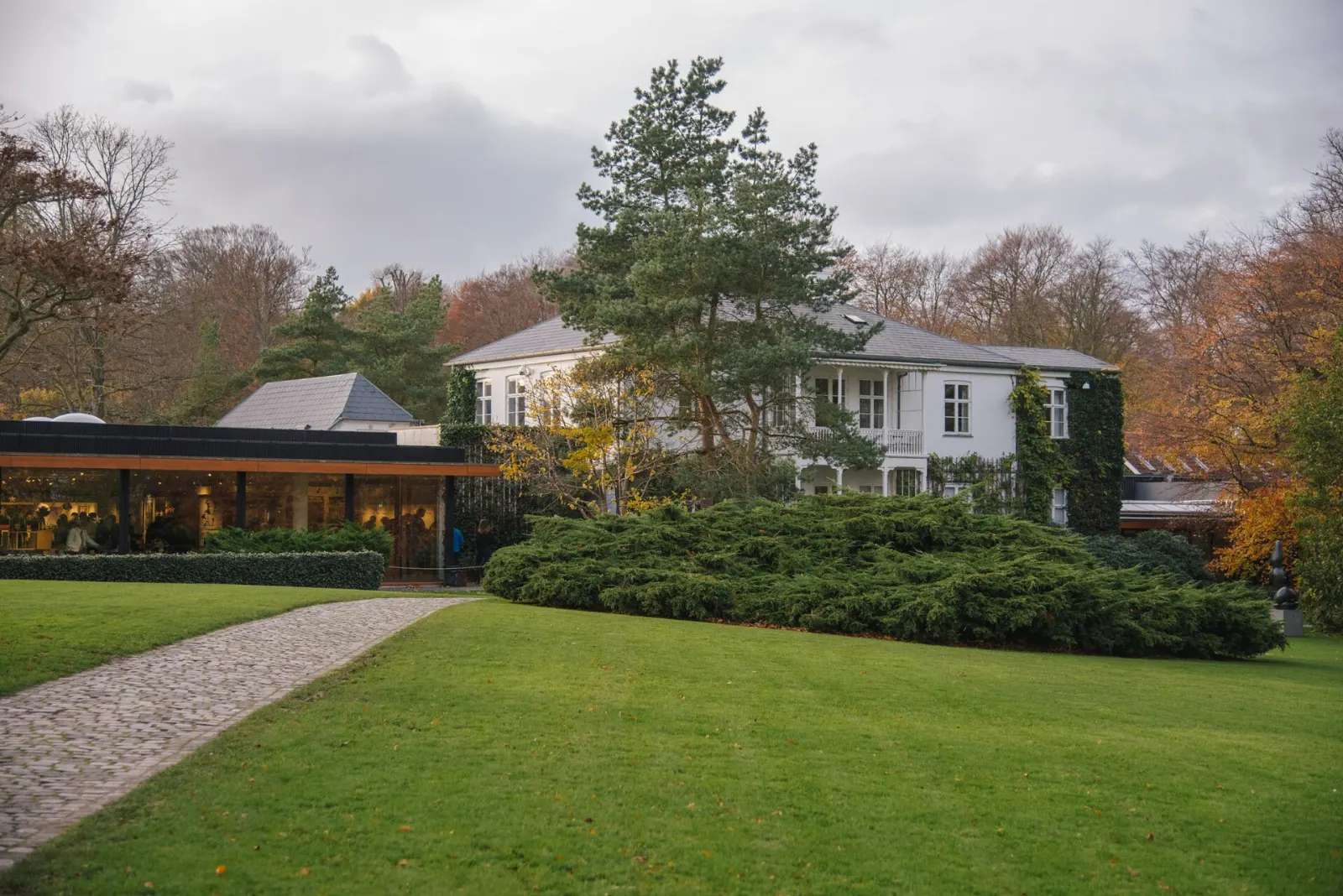
About 35 kilometres north of the city in Humlebæk, Louisiana is Scandinavia's most visited museum of modern and contemporary art.
The Louisiana Museum of Modern Art, north of Copenhagen, combines art, architecture and a seaside sculpture park. Photo: Hanlu Cao, Wikimedia Commons, CC BY-SA 3.0
Ad
Food and local flavors
The classic Danish lunch is smørrebrød, open sandwiches on dense rye bread topped with pickled herring, roast beef with crispy onions, egg and shrimp, liver pâté or fried fish fillet with remoulade.
Danish pastries, known locally as wienerbrød, are a daily pleasure, and you will find excellent bakeries in every neighborhood serving cinnamon swirls called kanelsnegle and cardamom buns.
For browsing, visit Torvehallerne, the glass market halls near Nørreport station, for produce, smørrebrød and coffee.
Popular dishes to try in Copenhagen
Smørrebrød Food and local flavorsThe classic Danish lunch is smørrebrød, open sandwiches on dense rye bread topped with pickled herring, roast beef with crispy onions, egg and shrimp,…Photo: XYZA-2400, Wikimedia Commons, CC0Hot dog For a quick bite, try a hot dog from a traditional sausage stand, served with mustard, ketchup, remoulade, raw and fried onions and pickles.Photo: Ypsilon from Finland, Wikimedia Commons, CC0
Where to stay
Indre By, the historic center, puts you within walking distance of Nyhavn, Strøget and most major sights, ideal for first-time visitors and short stays, though it is the priciest area.
Nørrebro is multicultural and creative, with independent shops, cafés and the tree-lined Assistens Cemetery, where Hans Christian Andersen is buried, suited to younger travelers and repeat visitors. Østerbro is calm, green and residential, good for families.
Where to stay in Copenhagen
Nyhavn Where to stayIndre By, the historic center, puts you within walking distance of Nyhavn, Strøget and most major sights, ideal for first-time visitors and short stays, though it…Photo: Dietmar Rabich, Wikimedia Commons, CC BY-SA 4.0Tivoli Gardens One of the best areas to base yourself in Copenhagen.Photo: Jakub Hałun, Wikimedia Commons, CC BY-SA 4.0Vesterbro Vesterbro, beside the Central Station and Tivoli, mixes convenience with a trendy food and nightlife scene, especially around the Meatpacking District.Photo: Bob Collowan, Wikimedia Commons, CC BY-SA 4.0Christianshavn Christianshavn offers canalside charm and quick metro links, perfect for couples.Photo: Arild Vågen, Wikimedia Commons, CC BY-SA 4.0
Ad
Best time to visit
Late spring and summer, May to August, is the best time, with long days that peak at around eighteen hours of daylight in late June, outdoor dining and harbor swimming.
Autumn, September to November, brings cooler weather, fewer visitors and a cozy atmosphere as cafés light their candles.
Winter, December to February, is dark, damp and chilly, with only a few hours of daylight around the solstice.
Getting there and getting around
By air: Copenhagen Airport, on the island of Amager, is the largest airport in the Nordic region.
By train: Trains connect Copenhagen with the rest of Denmark, Germany and Sweden.
Getting around: The metro runs around the clock and serves the airport, the center, Christianshavn and the City Circle Line around the inner districts.
Ad
A suggested itinerary
First day
Start at Christiansborg Palace and its tower, then walk along Strøget to the Round Tower.
Second day
Visit Rosenborg Castle at opening time and picnic in the King's Garden.
Third day
Cross to Christianshavn to climb the spire of the Church of Our Saviour and explore Christiania.
Fourth day
Ride the coastal train north to the Louisiana Museum of Modern Art, and return in the evening to explore the cafés and bars of Nørrebro.
Practical tips
Denmark is nearly cashless; cards and mobile payments are accepted almost everywhere.
Watch out for cyclists: never stand or walk in a bike lane, and look both ways before stepping off the curb.
Book popular restaurants, Tivoli tickets on busy days and castle visits in advance during summer.
Check the official website for current hours and fees, since many museums close one day a week.
Carry a light rain jacket and layers; weather changes quickly, even in summer.
Swim only in designated harbor baths and swimming areas, and check water quality notices.
Respect the rules in Christiania, especially regarding photography.