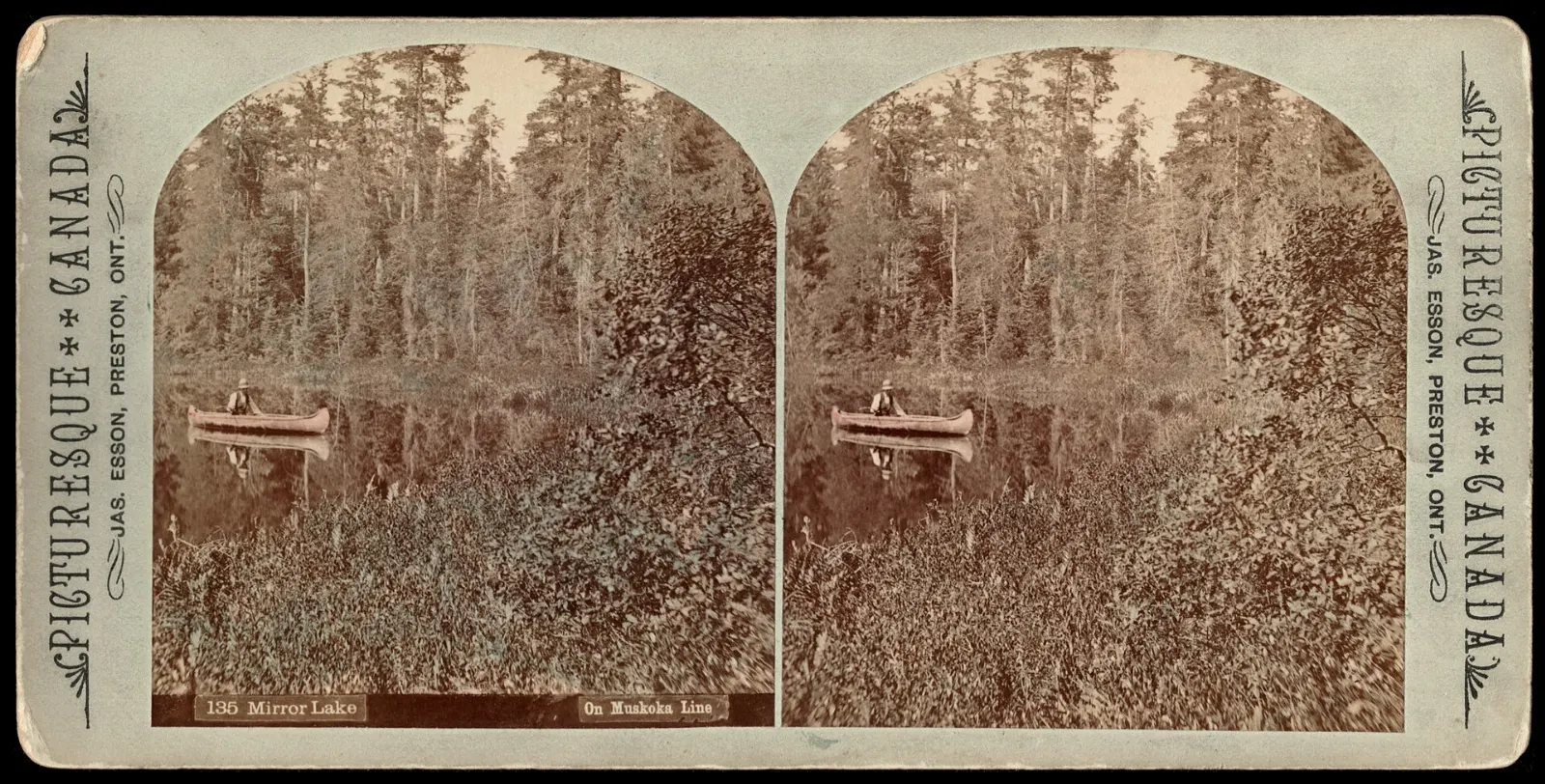
Killarney Provincial Park sits on the north shore of Georgian Bay, about ninety kilometers southwest of Sudbury, and it is one of the most scenic wilderness parks in Ontario. White quartzite hills, clear lakes and pine forests inspired the Group of Seven.
AT A GLANCE
Best time
Late spring to early autumn suits most trips, with fall colors a highlight.
How long
Plan two or three days for day hikes, or more for a canoe trip.
Getting there
Drive in on Highway 637, the only road to Killarney.
Why visit Killarney Provincial Park
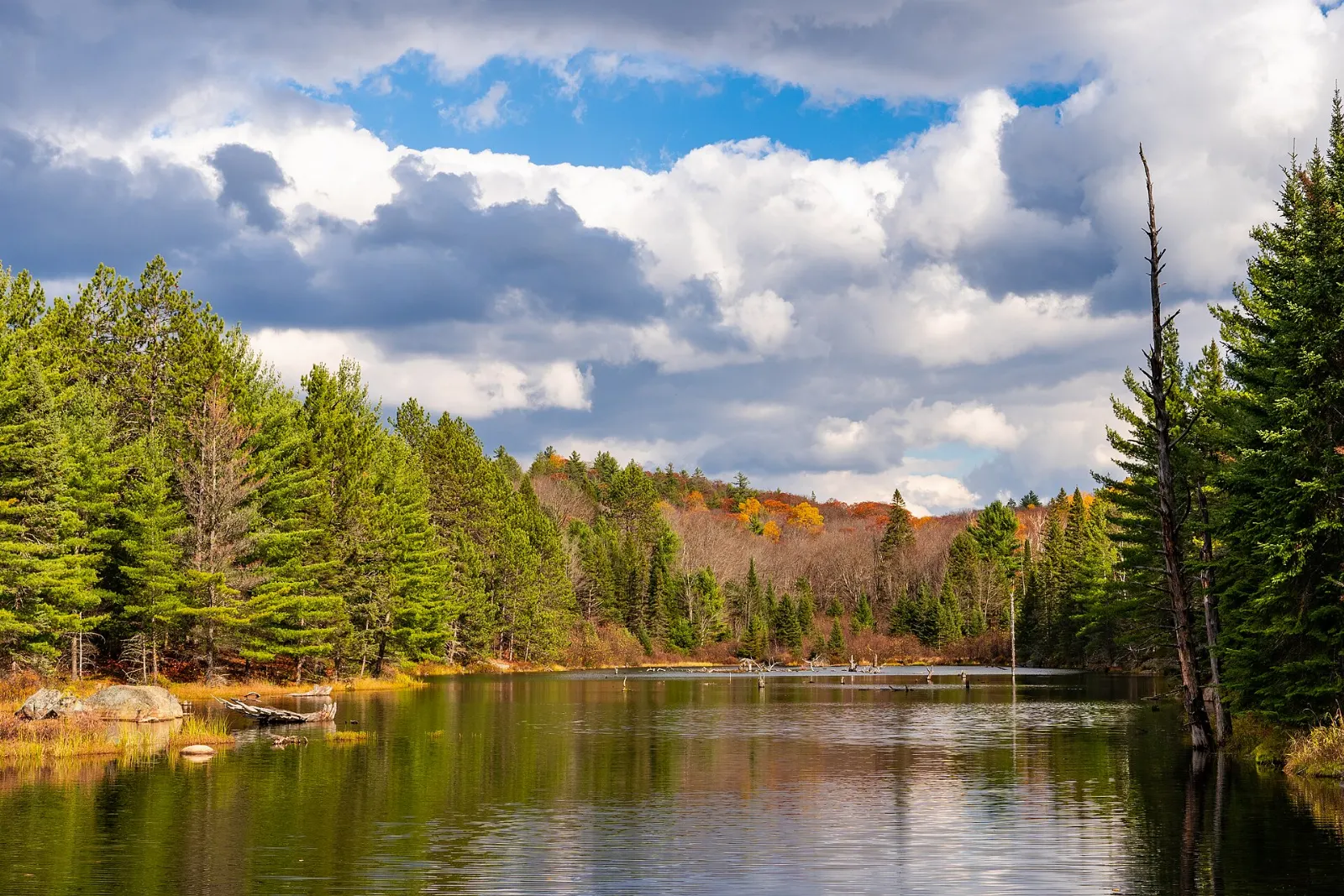
Killarney is a wilderness park, so facilities are few and the landscape is the main event. The park straddles the La Cloche range, where rounded white quartzite hills rise above dark pine forests and bright blue lakes.
Artists, including Group of Seven members, campaigned to protect the area. The park sits within the larger La Cloche region, and its dark skies earned a Dark-Sky Preserve designation.
Hikes and viewpoints
George Lake
George Lake is the heart of the park, with its only campground and the trailheads for many hikes. The shoreline is pink and gray granite, and the water is clean and clear.
Silver Peak
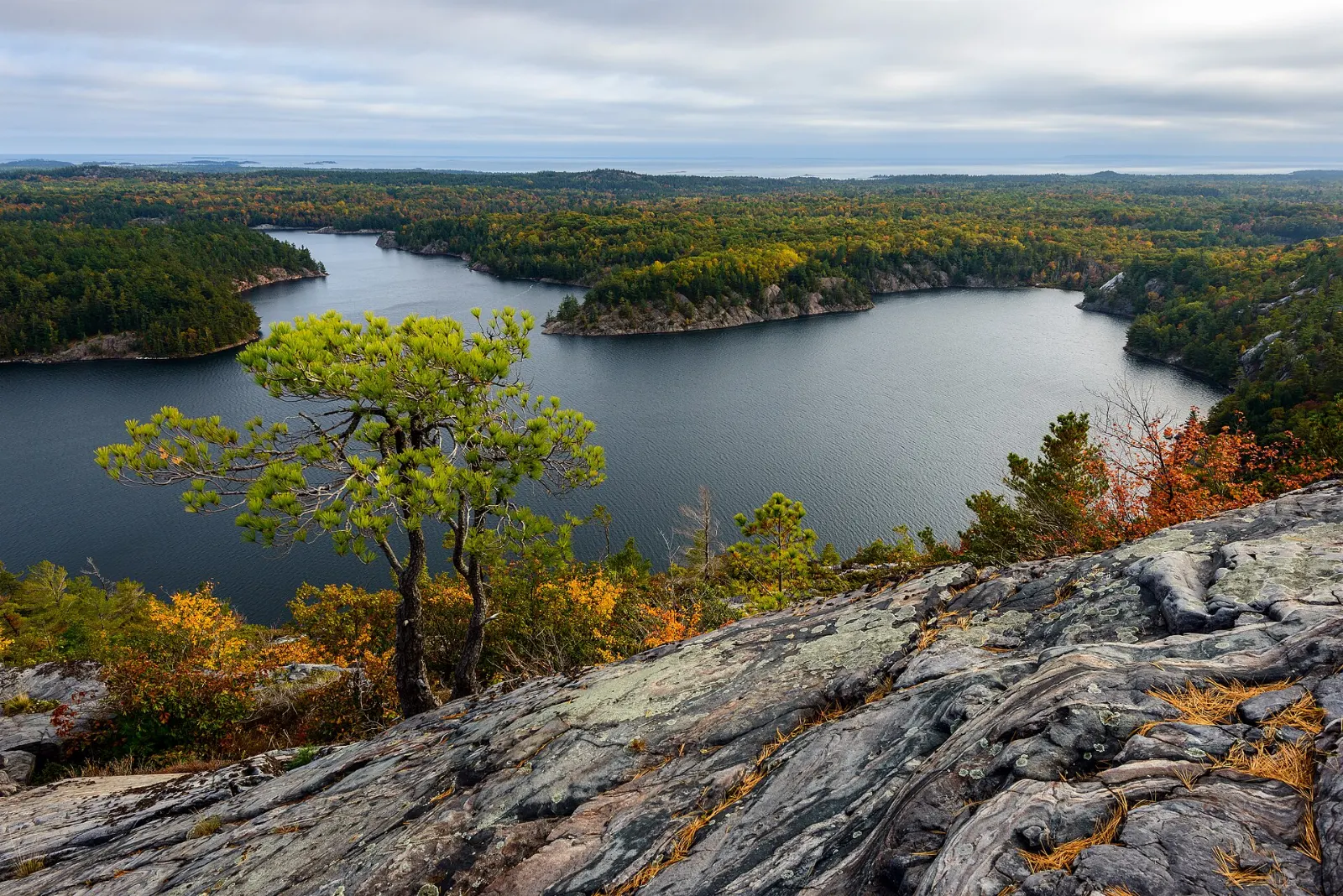
Silver Peak is the highest point in the park at 539 metres above sea level. The summit trail is a long out and back side route from the main trail, and it is difficult.
The Crack
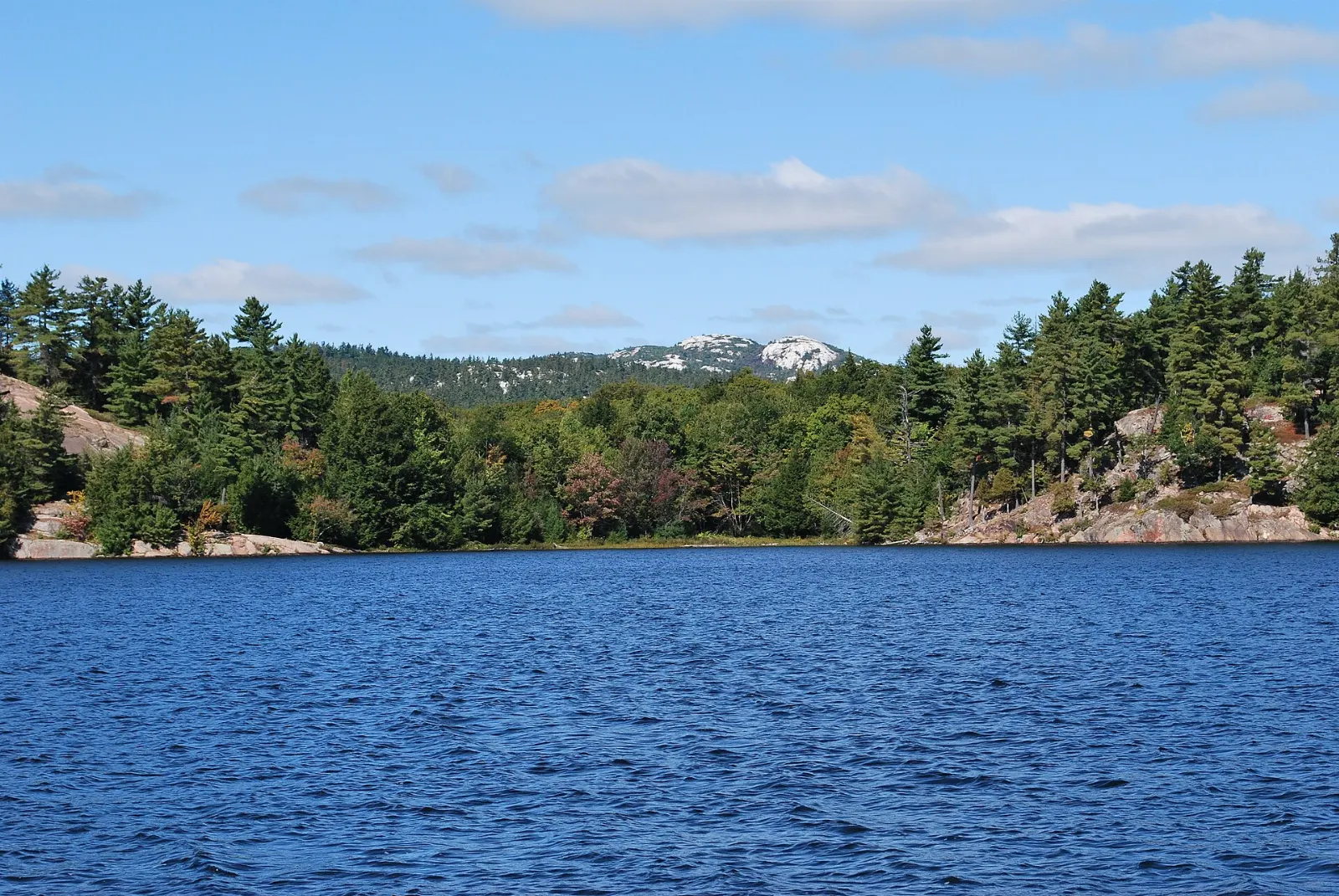
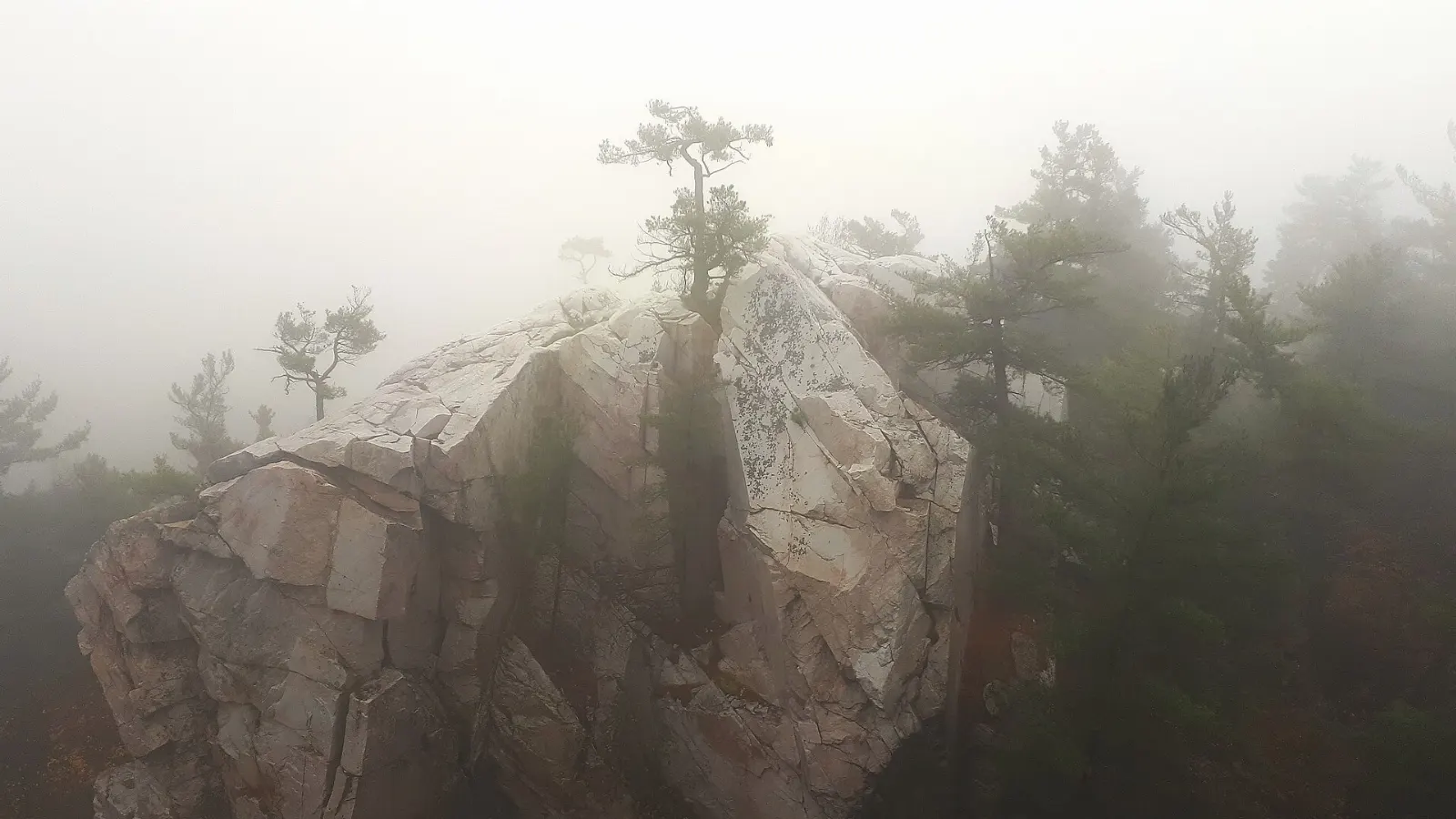
The Crack is a large chasm that hikers pass on the Killarney Ridge section of the La Cloche Silhouette Trail. It involves a steep, rocky scramble, so wear sturdy shoes and take your time.
La Cloche Silhouette Trail
This seventy-eight kilometer backpacking loop crosses the white quartzite peaks of the La Cloche range. It is named after a Franklin Carmichael painting, and it is divided into five sections.
Water and wild places
Baie Fine
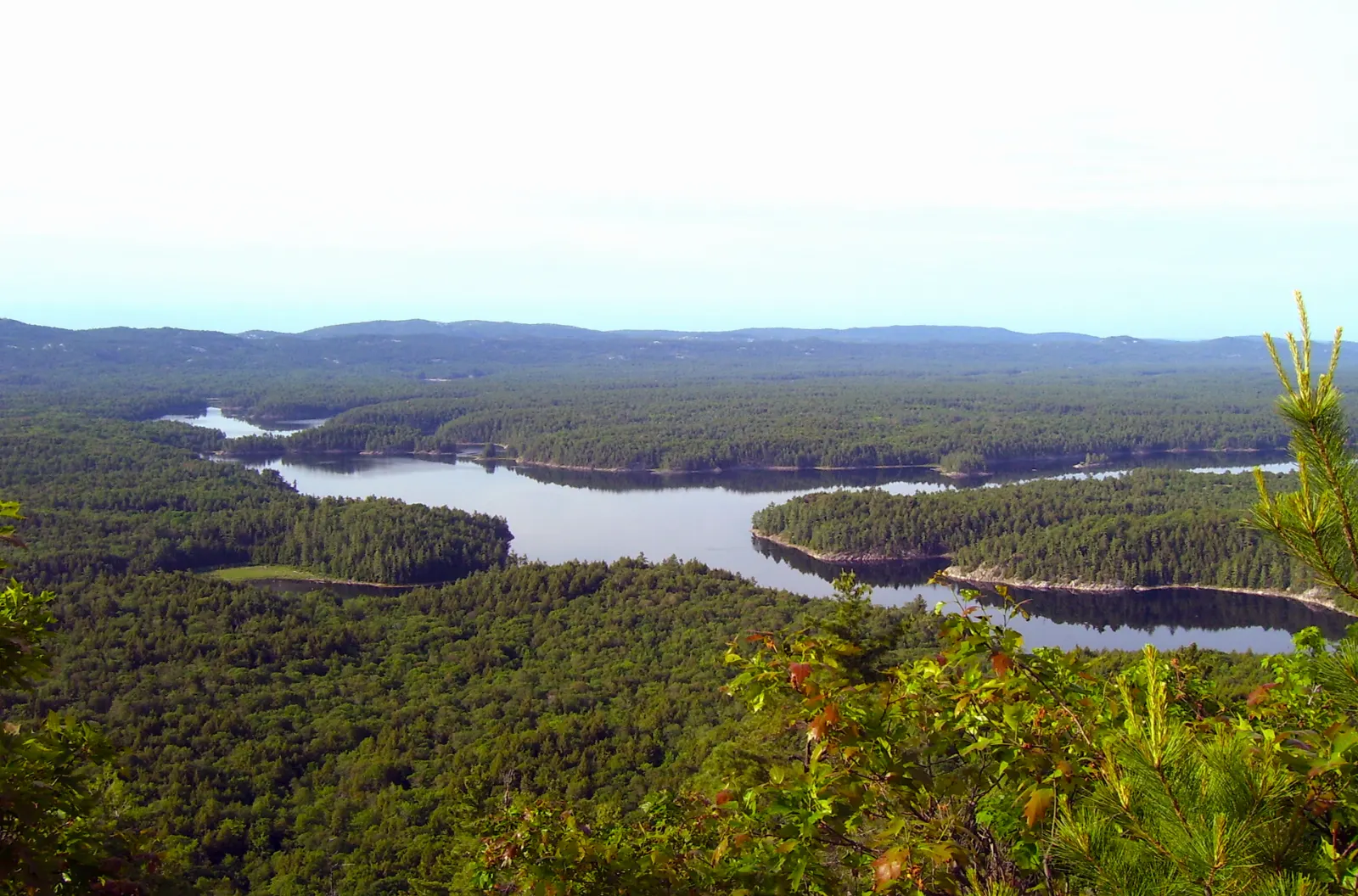
Baie Fine is a long, narrow inlet on the Georgian Bay side, with gentle hills, hardwood forest and pink granite on the shore. A section of the Silhouette Trail starts here.
O.S.A. Lake
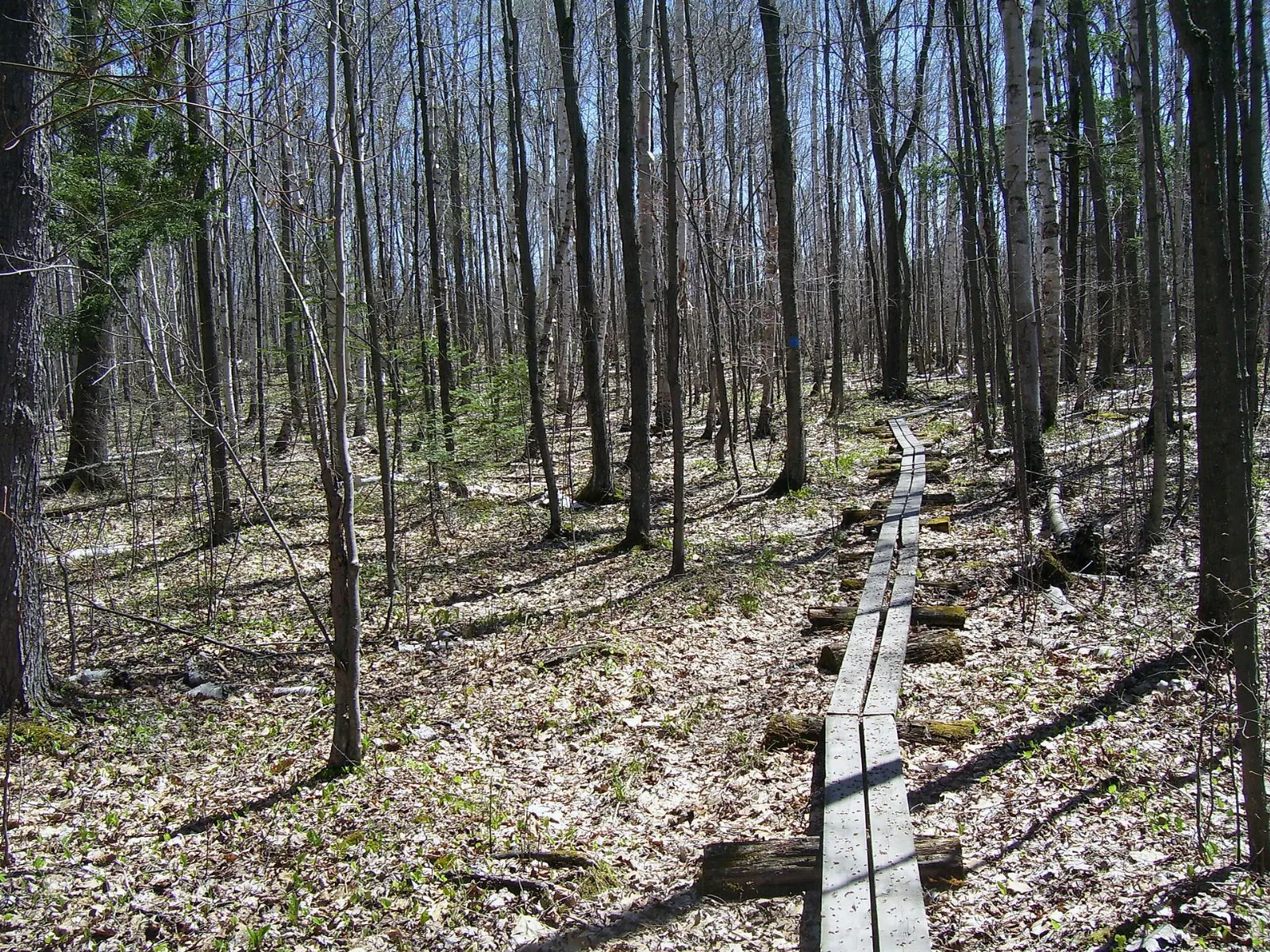
The lake was once called Trout Lake and was nearly logged until A.Y. Jackson petitioned to protect it.
Canoe routes
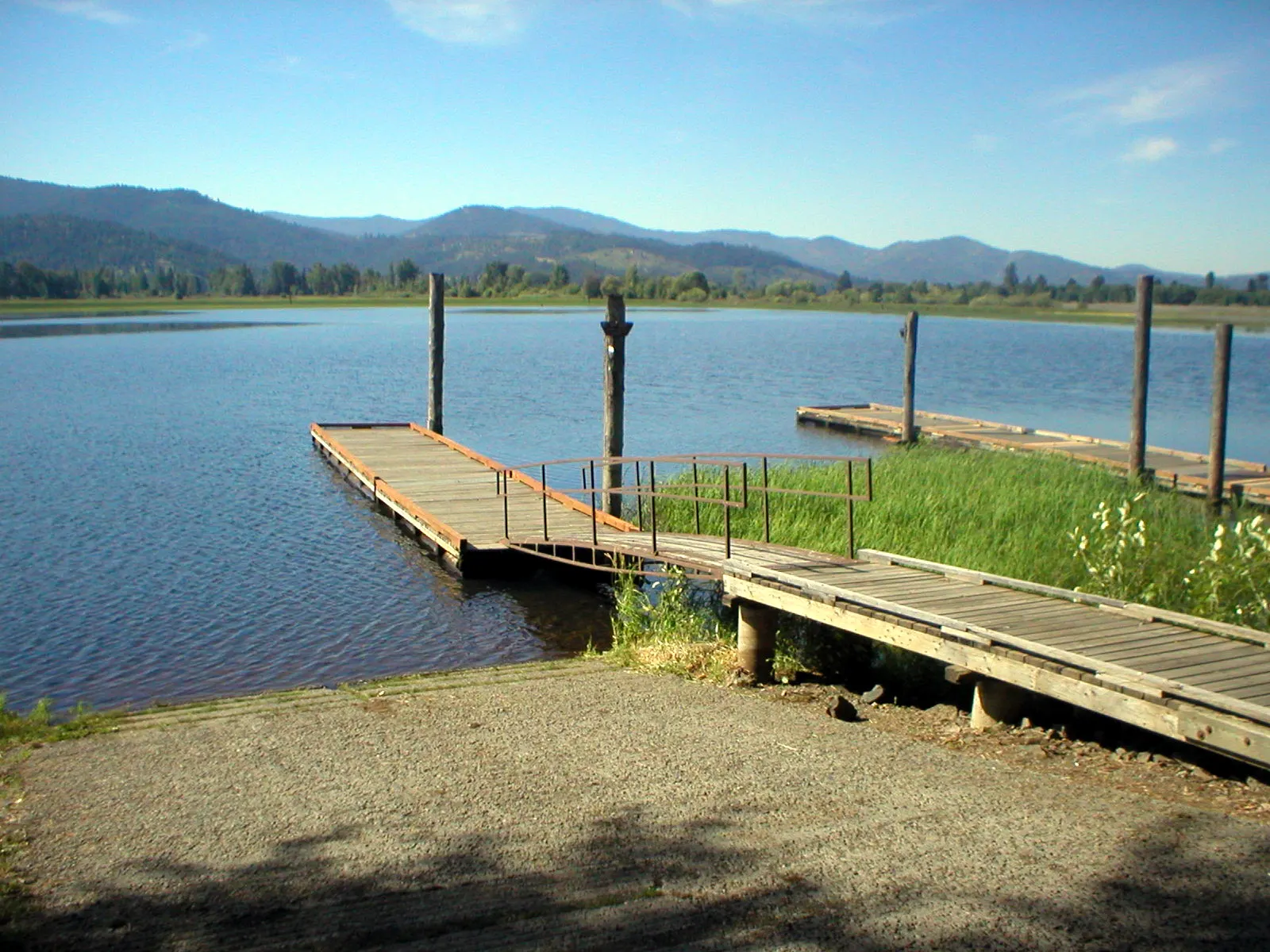
The park has a network of canoe routes with maintained portages between the lakes, and backcountry camping. Paddlers should be comfortable with portaging and wind.
Night skies and the observatory
The park opened an observatory in 2010, the first public observatory in an Ontario provincial park, and it received a Dark-Sky Preserve designation in 2018. Look for programs offered by park staff and bring a warm layer, as nights cool off fast.
The village and the bay
Killarney village
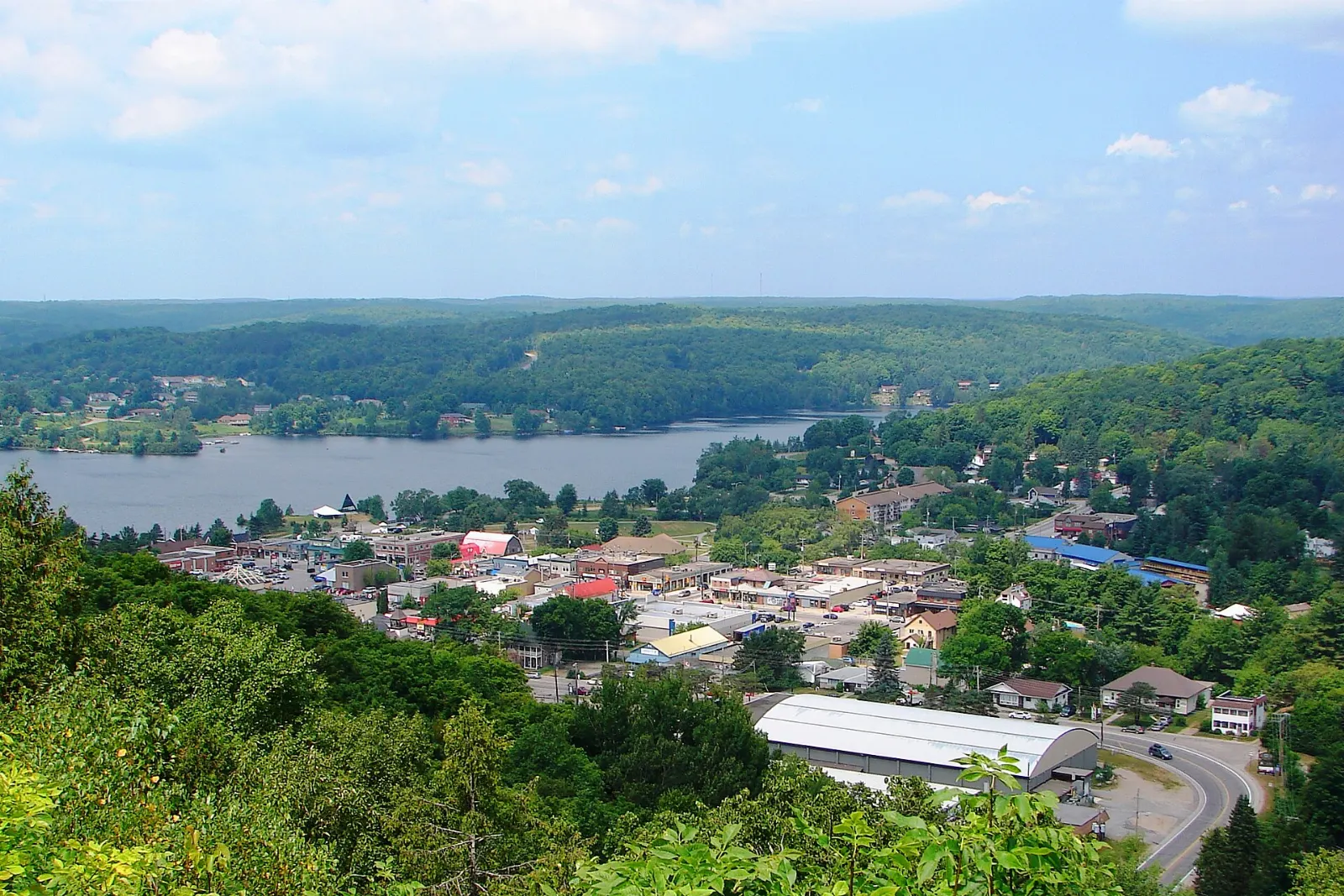
The village of Killarney sits on Georgian Bay at the end of Highway 637. It was founded in the early nineteenth century and has a long fishing history.
Georgian Bay and Point Grondine Park
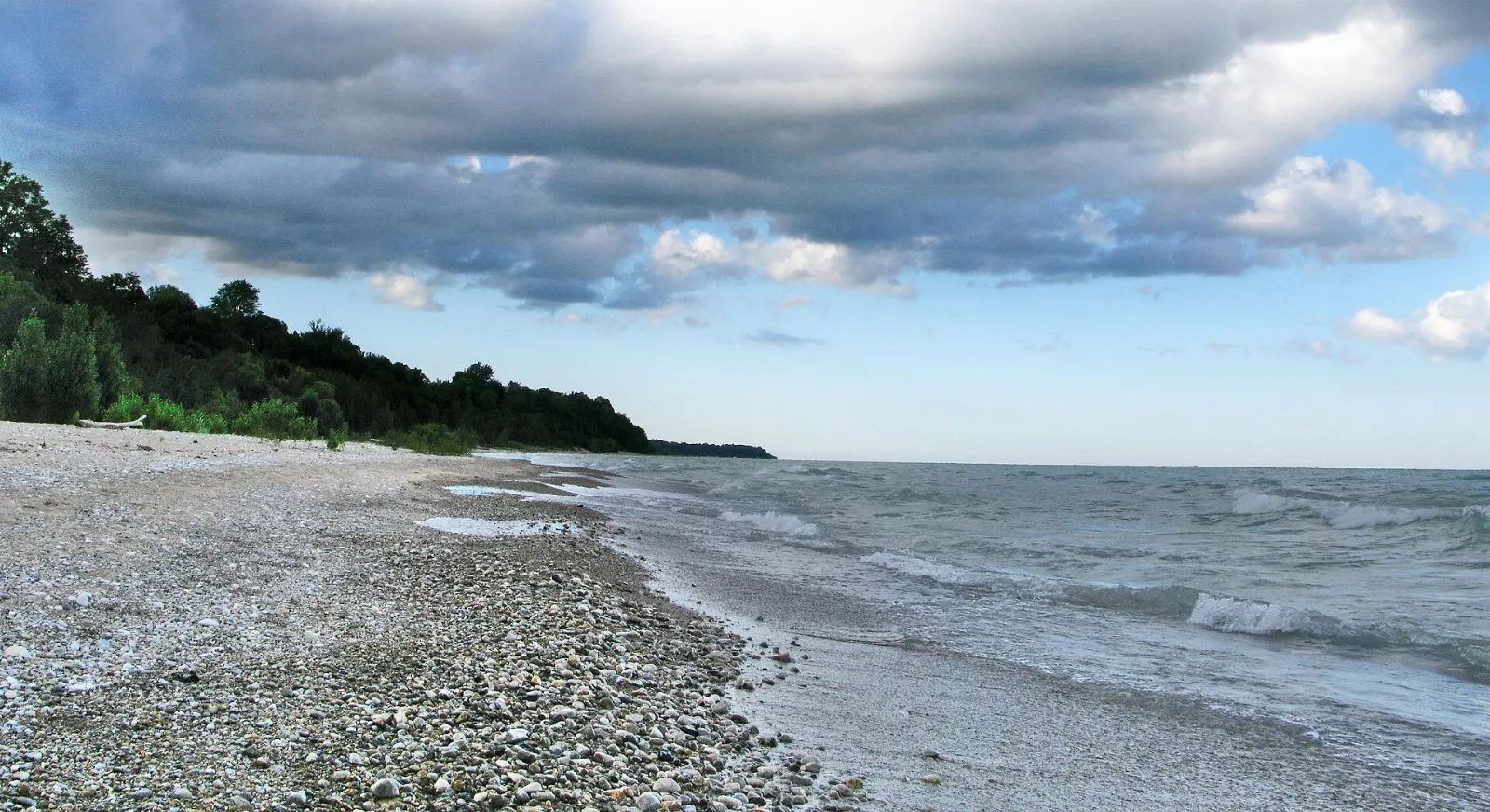
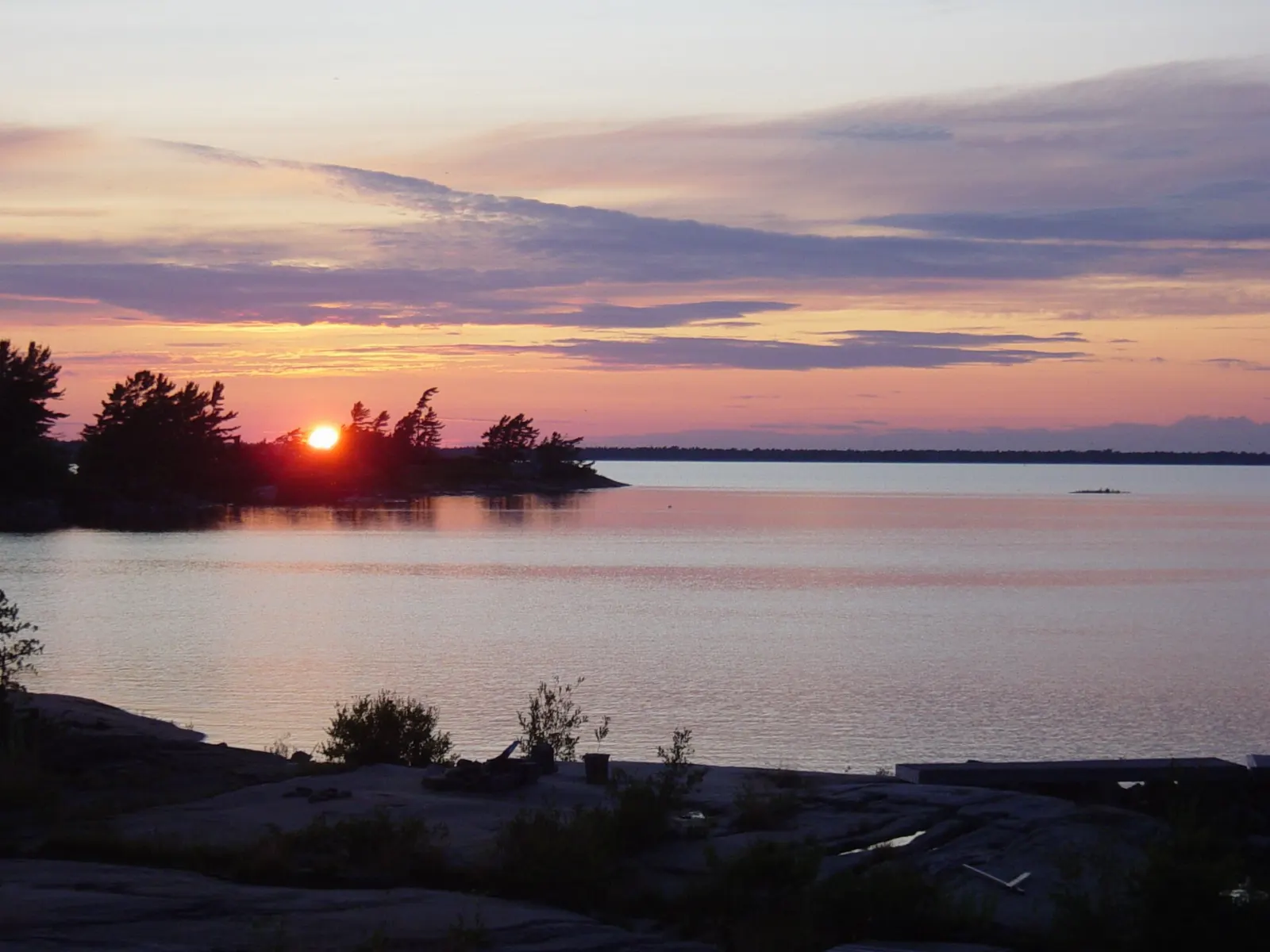
The bay is the backdrop to the whole area, and boat trips and kayaking let you see its islands. Next door is Point Grondine Park, created by the Wiikwemkoong First Nation in 2015 on its heritage territory.
Food and local flavors
Killarney's food story is about the water. The village grew around fishing, and the lake whitefish of the Great Lakes is a prized freshwater fish. Whitefish and chips is the dish most visitors look for near the harbour, so try it by the water on a warm afternoon.
Pack some butter tarts, the classic Canadian pastry with a gooey filling, for the trail, and look for bakeries in nearby towns. Bannock, a simple pan-fried bread with Indigenous roots, shows up at local events and pow wows around the region.
Popular dishes to try in Killarney Provincial Park


Where to stay
Staying close to the trails saves time. George Lake has the park's only campground, and it includes a handful of heated yurts. It suits hikers and families who want to start from their site, and the sites book up in summer, so reserve through Ontario Parks well in advance.
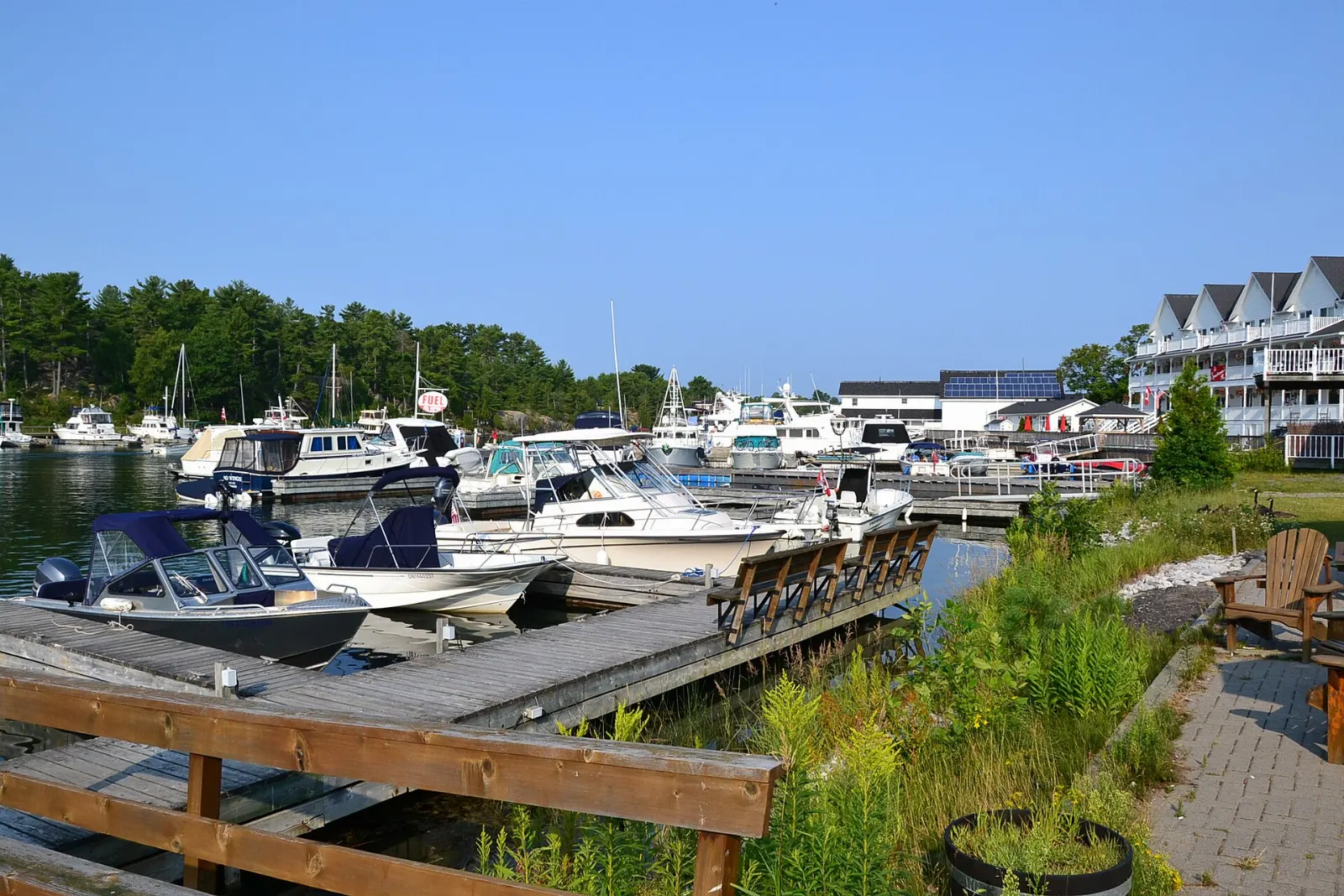
Killarney village has wilderness lodges, campgrounds and a marina, and it suits travelers who prefer a roof, a meal and a view of the bay. It is a short drive from the park gate.
Where to stay in Killarney Provincial Park


Best time to visit
Summer is the busiest season, with warm water and long days for swimming and paddling. Late May and June can be pleasant but busy with biting insects, so bring repellent.
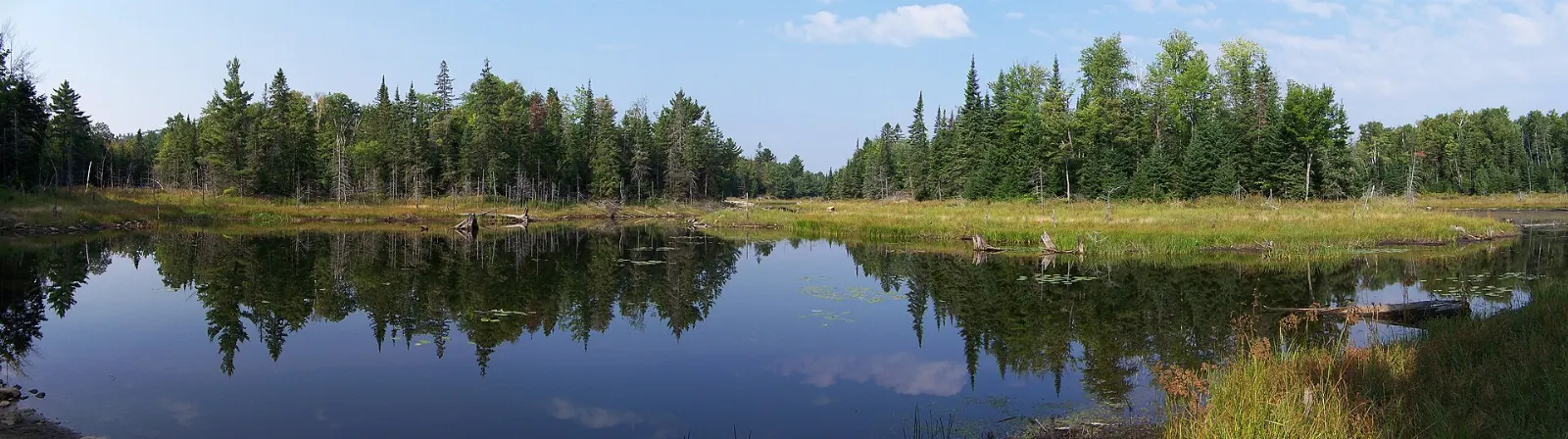
The park lies in a transition zone between eastern and boreal forest, so you can see a mix of trees. Clear fall and winter nights are the best for stargazing, though conditions are colder.
Getting there and getting around
Highway 637 is the only road into Killarney, and it connects to the main highway network north of the park. The park is about ninety kilometers southwest of Sudbury, which has a regional airport and bus links.
There is no public transit within the park, so a car is the practical choice. The park has the George Lake entrance for the campground and main trailheads. Killarney is also visited by boat, and it has a small airport.
A suggested itinerary
First day
Arrive at George Lake, set up camp and take a short walk along the shoreline.
Second day
Hike toward The Crack in the morning, or tackle the side trail to Silver Peak if you are fit and the weather is clear.
Third day
Drive to Killarney village for a harbour walk, the museum and a fish dinner.
Practical tips
- Check the Ontario Parks website for current reservation and permit rules before you go.
- Carry plenty of water, as many routes are exposed and hot in summer.
- Pack insect repellent, especially in early summer.
- Wear sturdy hiking boots for rocky trails and scrambles.
- Keep food stored securely, since black bears live in the park.
- Leave no trace, and carry out everything you bring in.