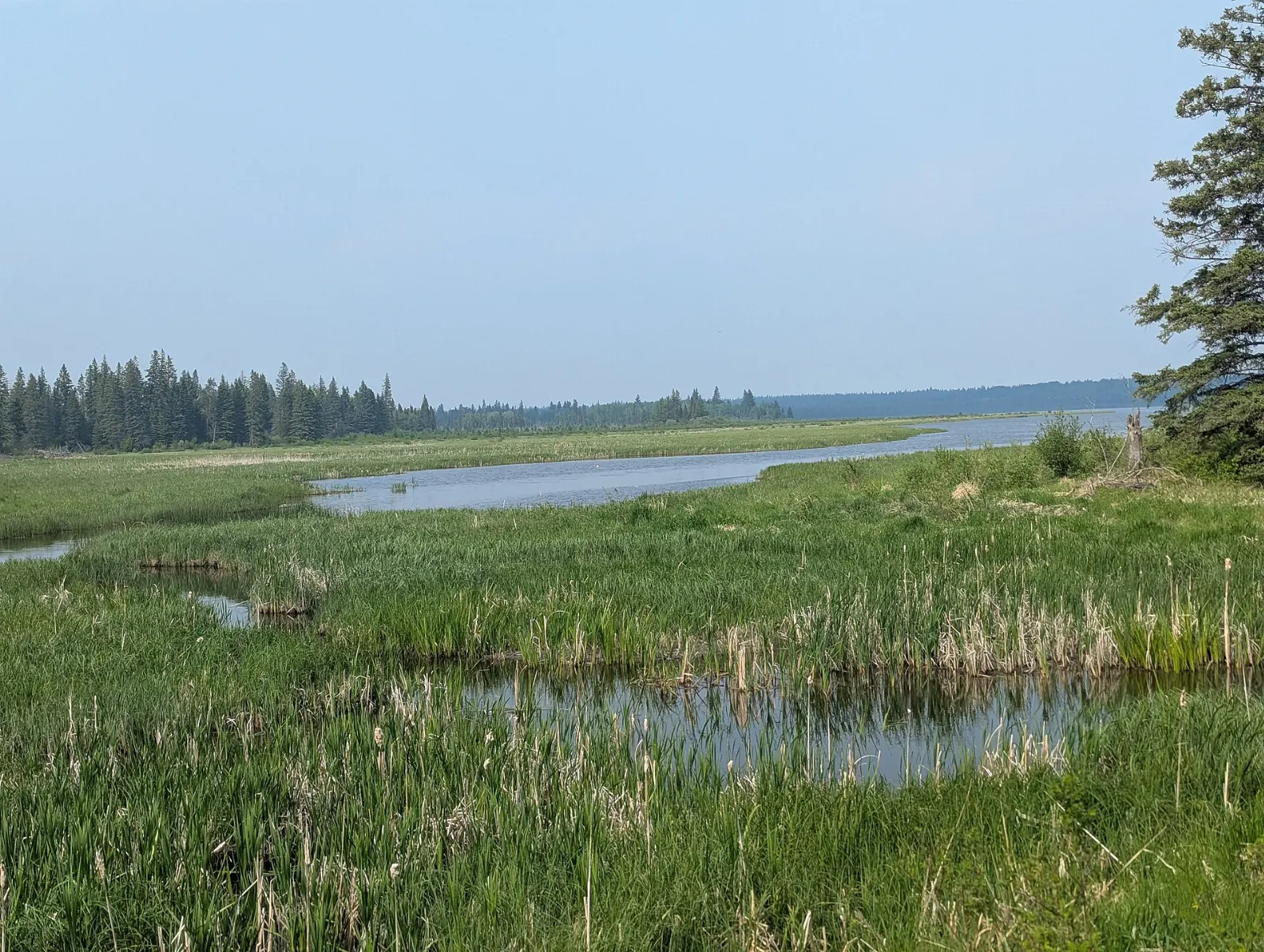
Riding Mountain National Park rises from the prairie of western Manitoba like an island of forest, lakes and meadow. Three ecosystems meet here, grassland, upland boreal forest and eastern deciduous forest, and the mix supports elk, moose, bison and one of the largest black bear populations in North America.
AT A GLANCE
Best time
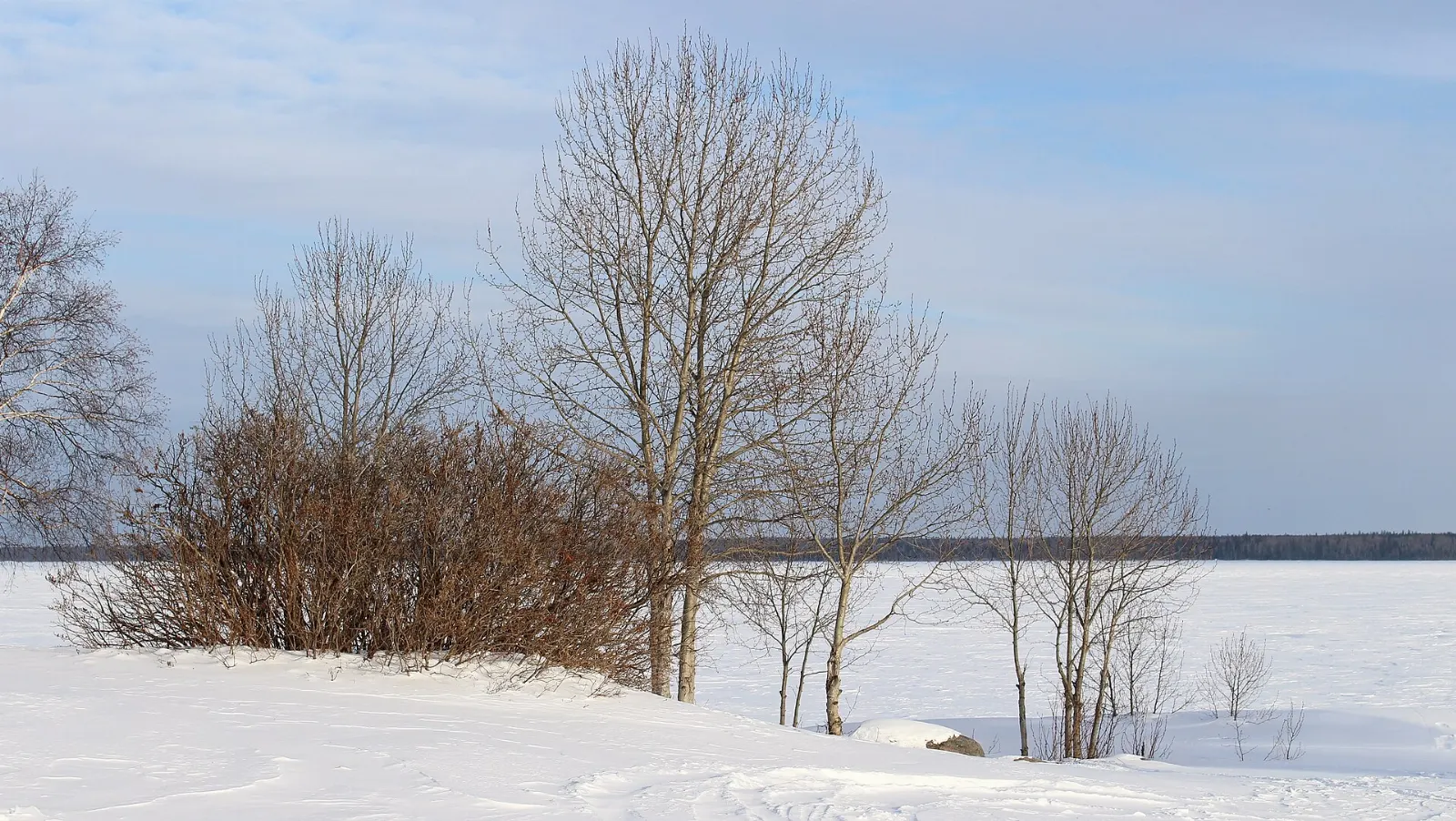
Summer suits lakes and hiking, and winter brings cross-country skiing and ice fishing on Clear Lake.
How long
Two or three days cover Wasagaming, the bison and one longer hike.
Getting there
Drive Highway 10 from Brandon or Dauphin, or about three and a half hours from Winnipeg.
Why visit Riding Mountain National Park
With an area of 2,969 square kilometers, the park sits on top of the Manitoba Escarpment, and its forested hills stand in sharp contrast to the farmland all around. It was set aside as a reserve in 1929 and declared a national park in 1933.
The area is also a place of long Indigenous history. The Cree, Assiniboine and later Ojibwe lived and hunted here, and the park lies within Treaty 2 territory.
Wasagaming and Clear Lake
Wasagaming townsite
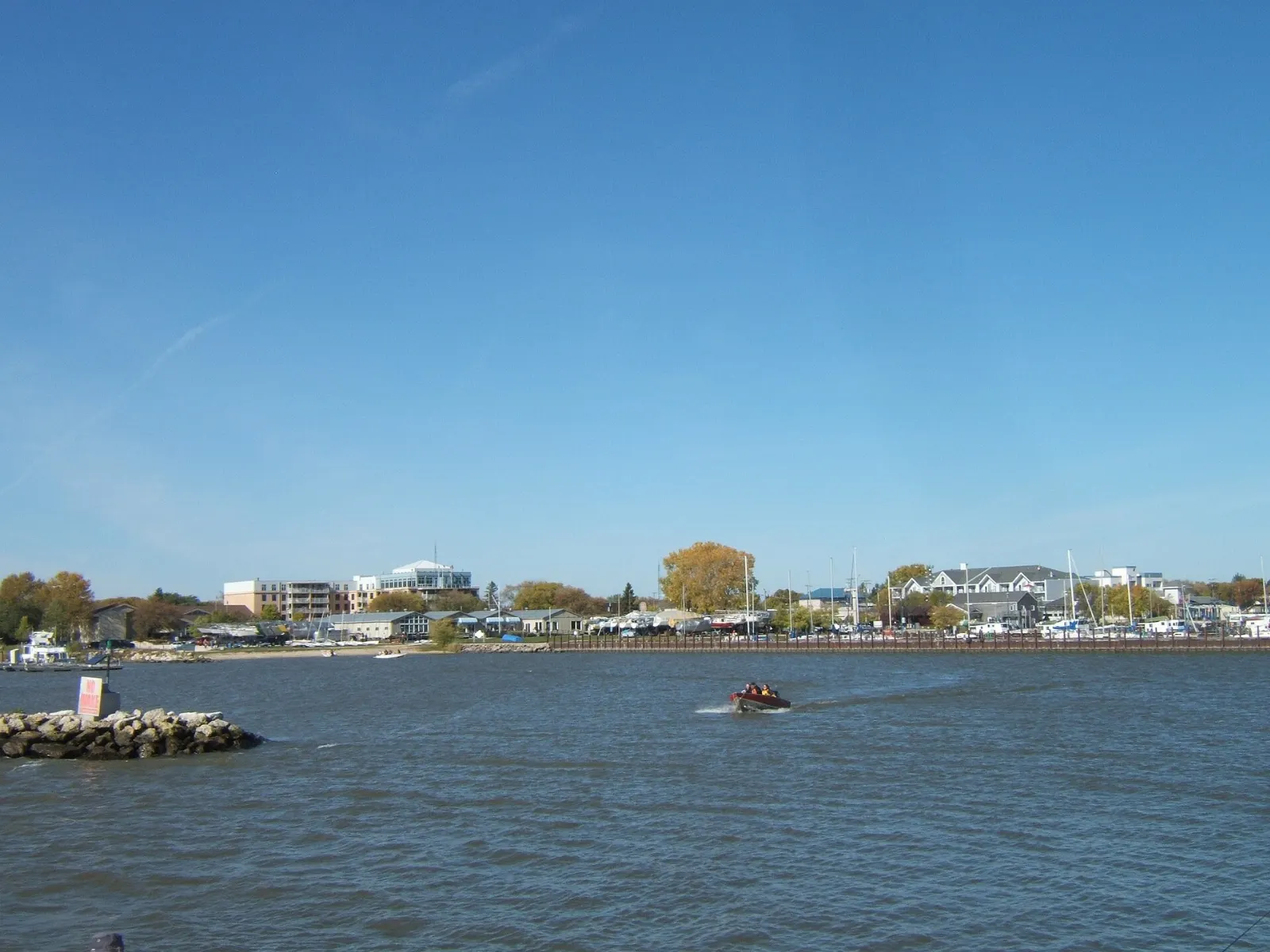
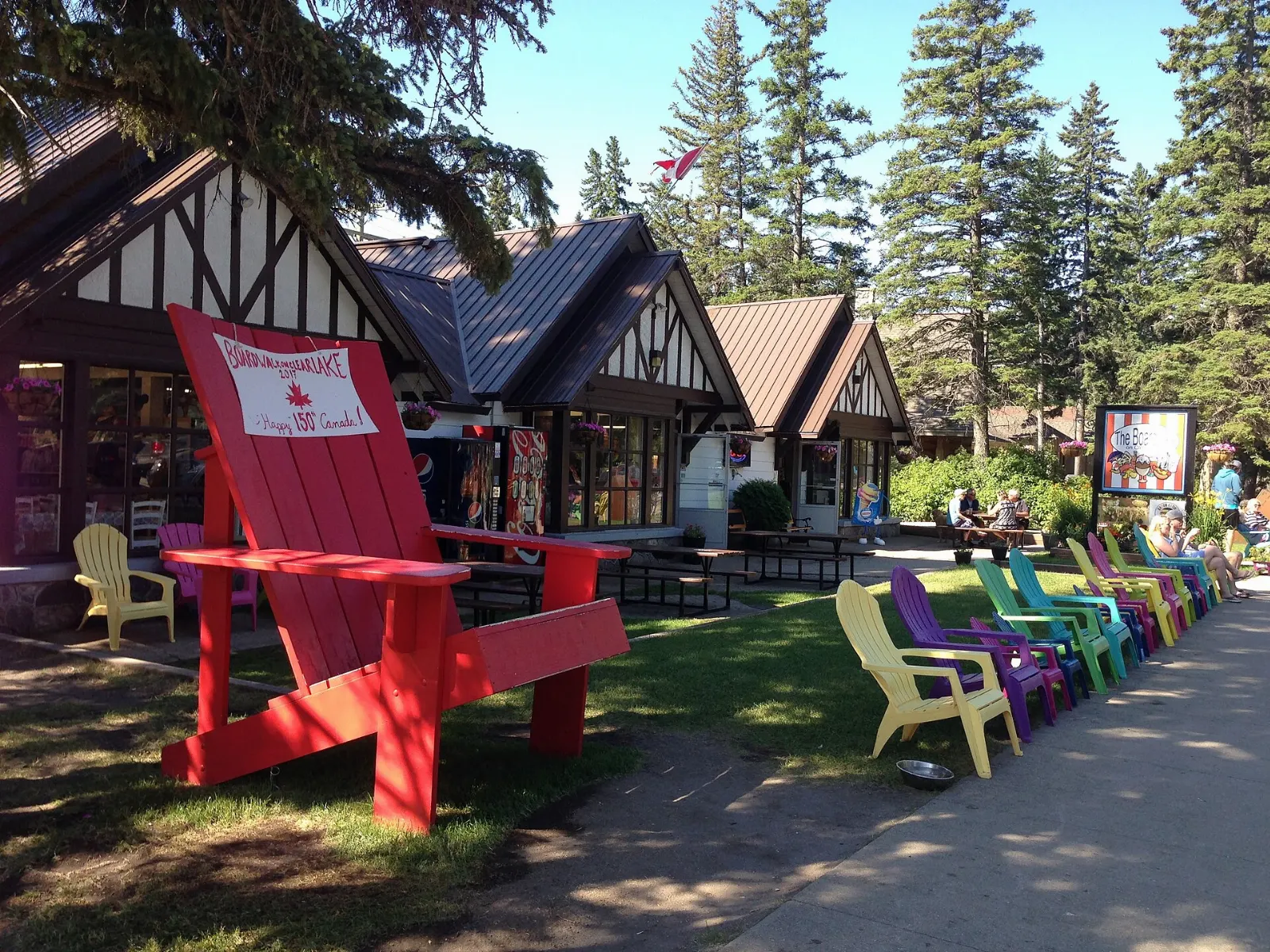
Wasagaming, also called Clear Lake, is the only commercial center inside the park and sits at the south gate on Highway 10. Restaurants, shops, a campground and many seasonal cabins gather along the south shore of the lake.
Clear Lake
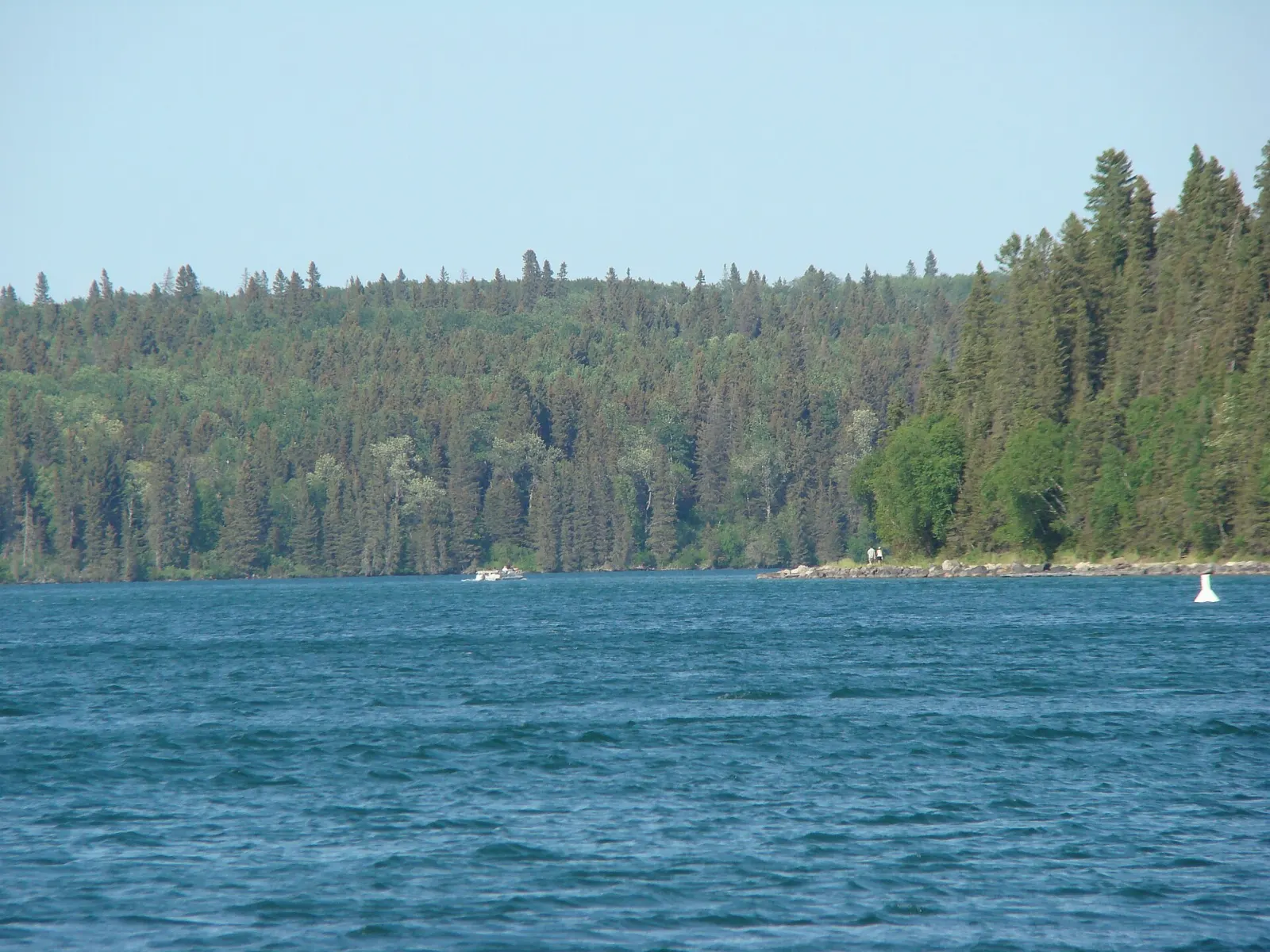
Clear Lake is the largest lake in the park and is fed by underground springs rather than streams. Common loons and Canada geese are among its bird residents.
Visitor centre and log buildings
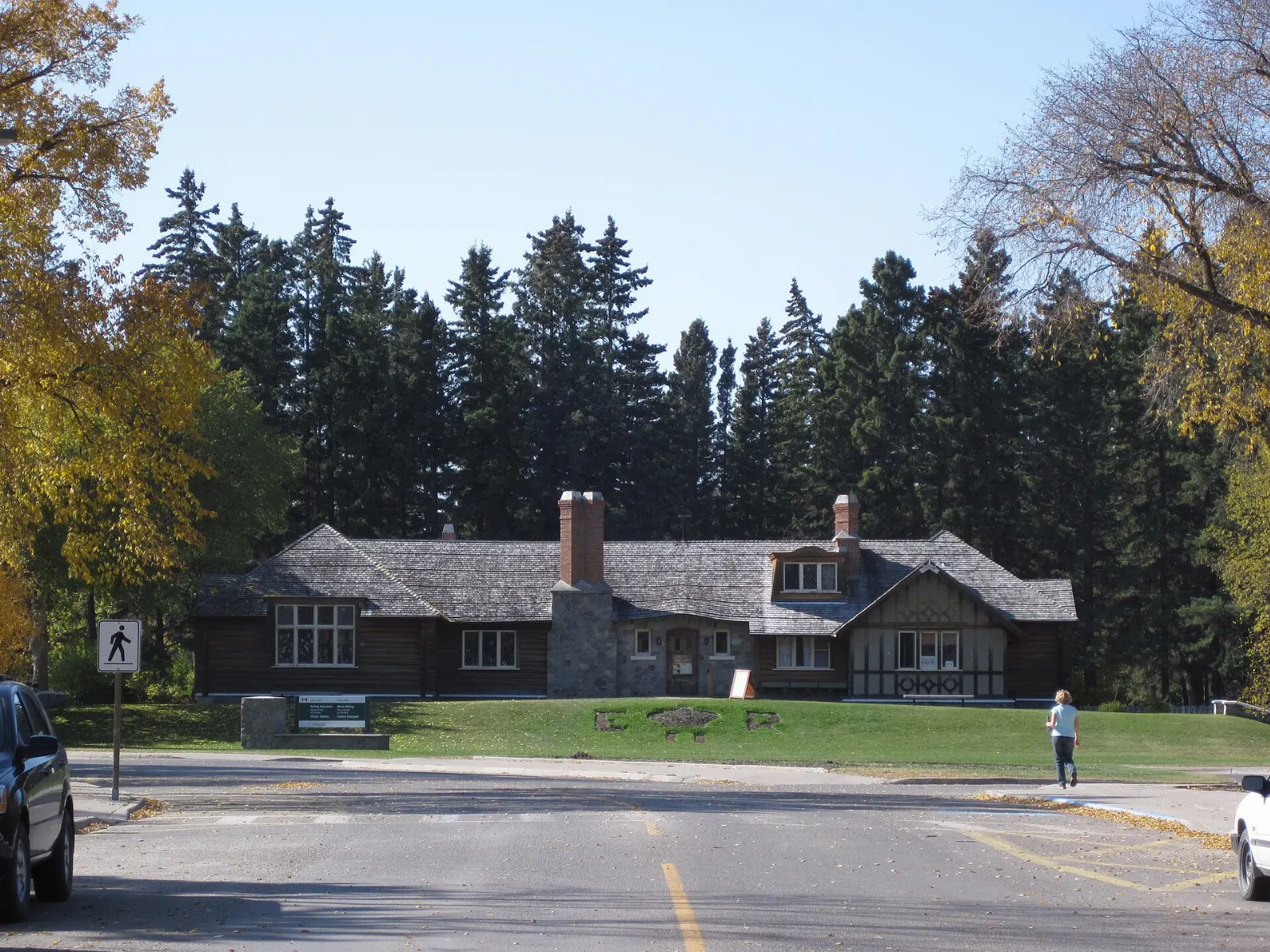
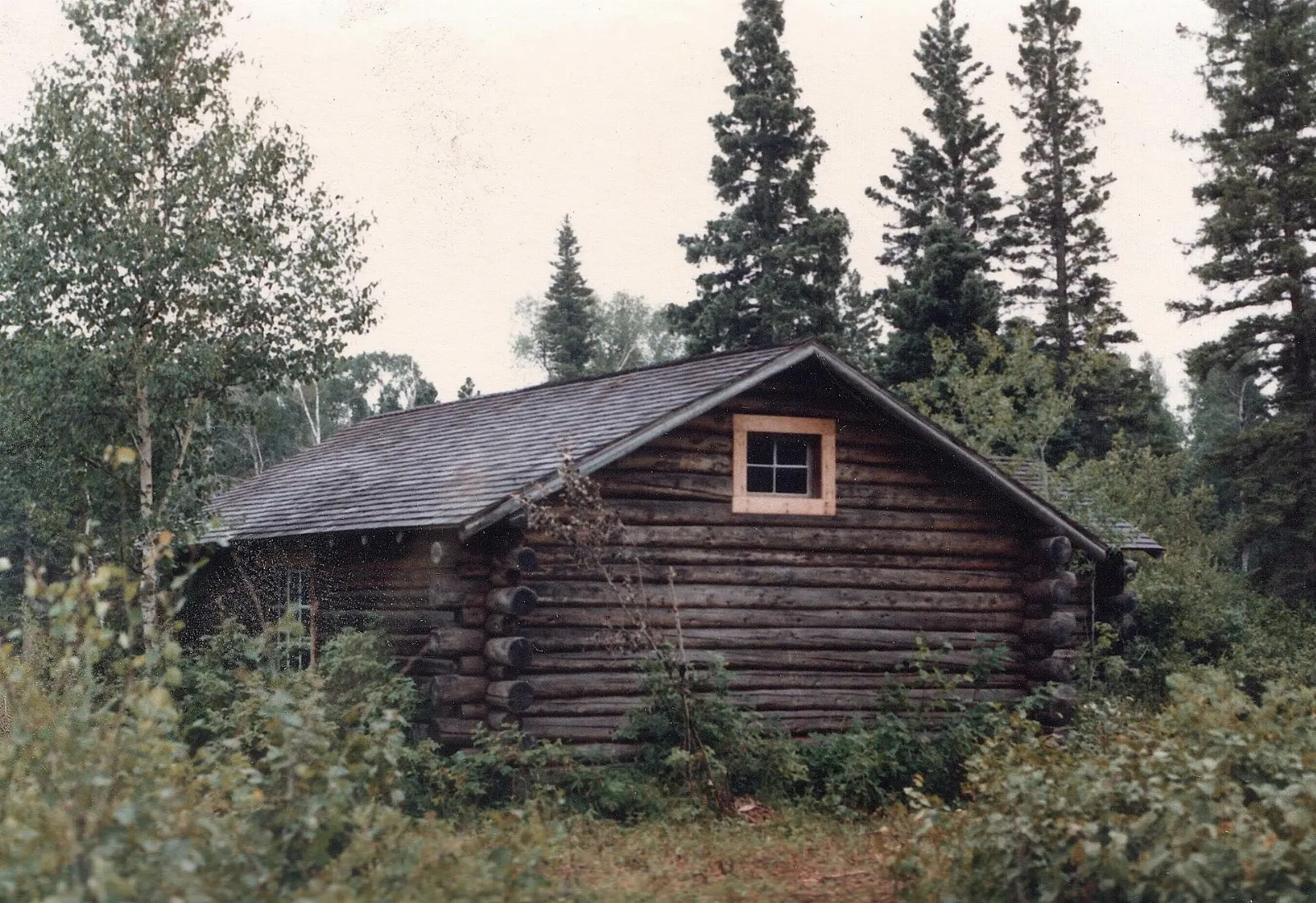
Start your trip at the visitor centre to ask about trail conditions, wildlife sightings and seasonal closures. Several rustic log buildings from the 1930s still stand in Wasagaming, so look for them as you walk.
Loon's Island Trail
This short route of about 2.2 kilometers winds through forest with gentle climbs to a viewpoint over the lake. It is sometimes flooded, so be ready to turn back at the junction.
Wildlife and history
Lake Audy Bison Enclosure
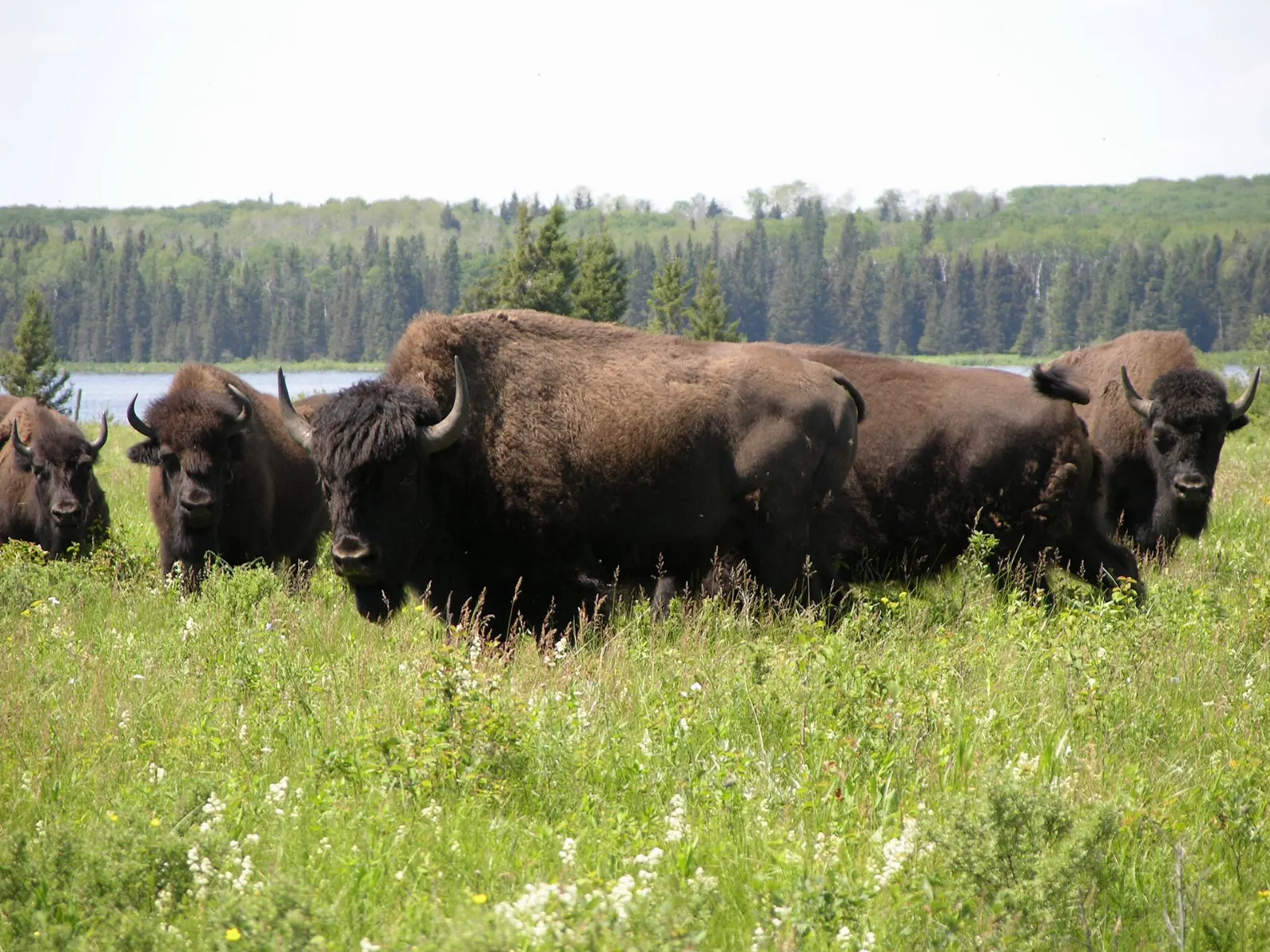
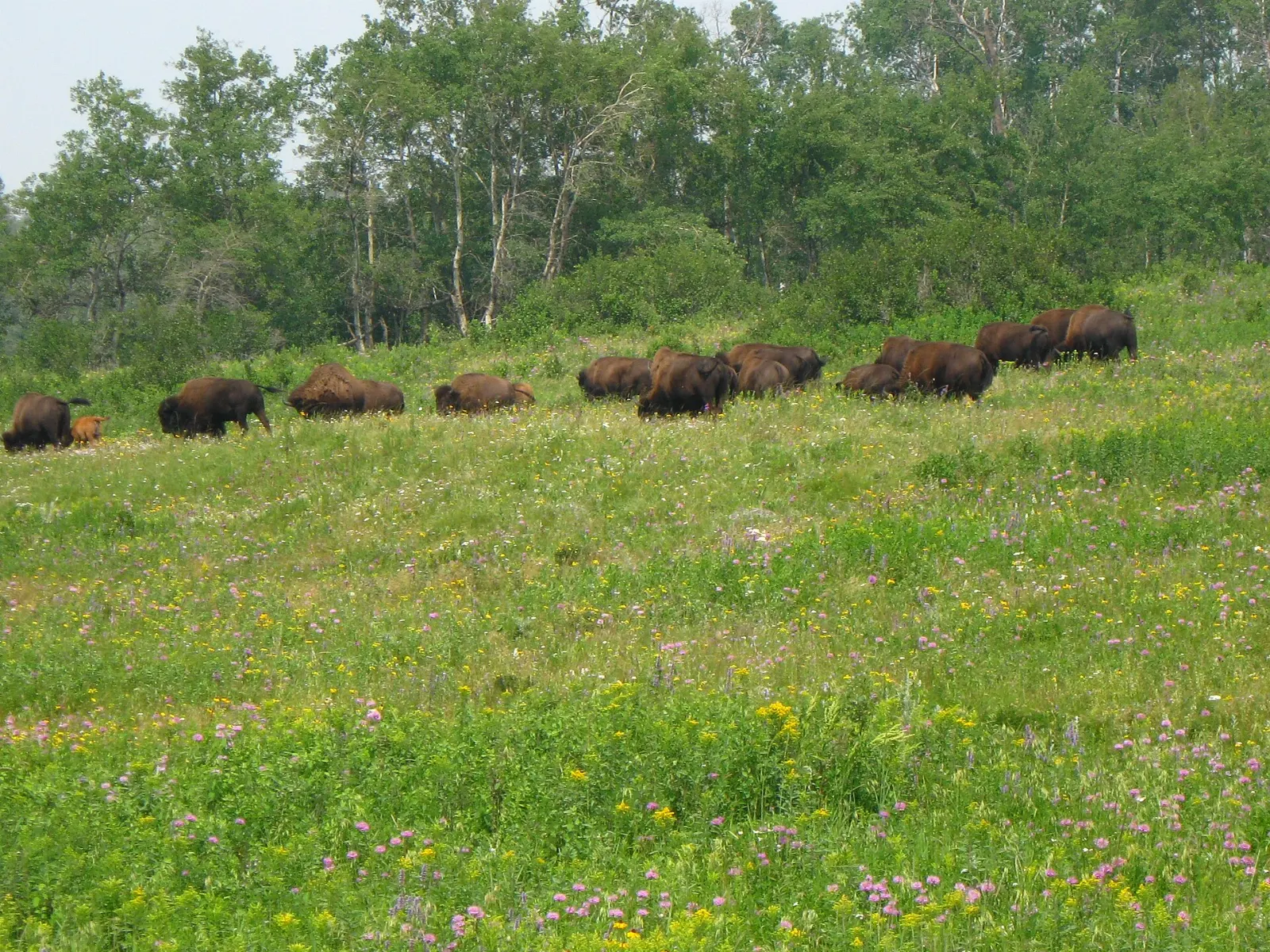
Twenty bison were reintroduced from Alberta in 1931, and the enclosure near Lake Audy now holds a herd of about forty. Ask at the visitor centre about current viewing arrangements.
Grey Owl's Cabin
In 1931 the writer and early conservationist Grey Owl, born Archibald Belaney, spent six months at a small lake north of Wasagaming, working with two beavers.
Elk, moose and black bears
The park is home to elk, moose, coyotes, wolves, lynx and white-tailed deer, and about 233 bird species have been recorded. Dawn and dusk are the best times to look from roadsides and meadows.
Cycling on easy trails
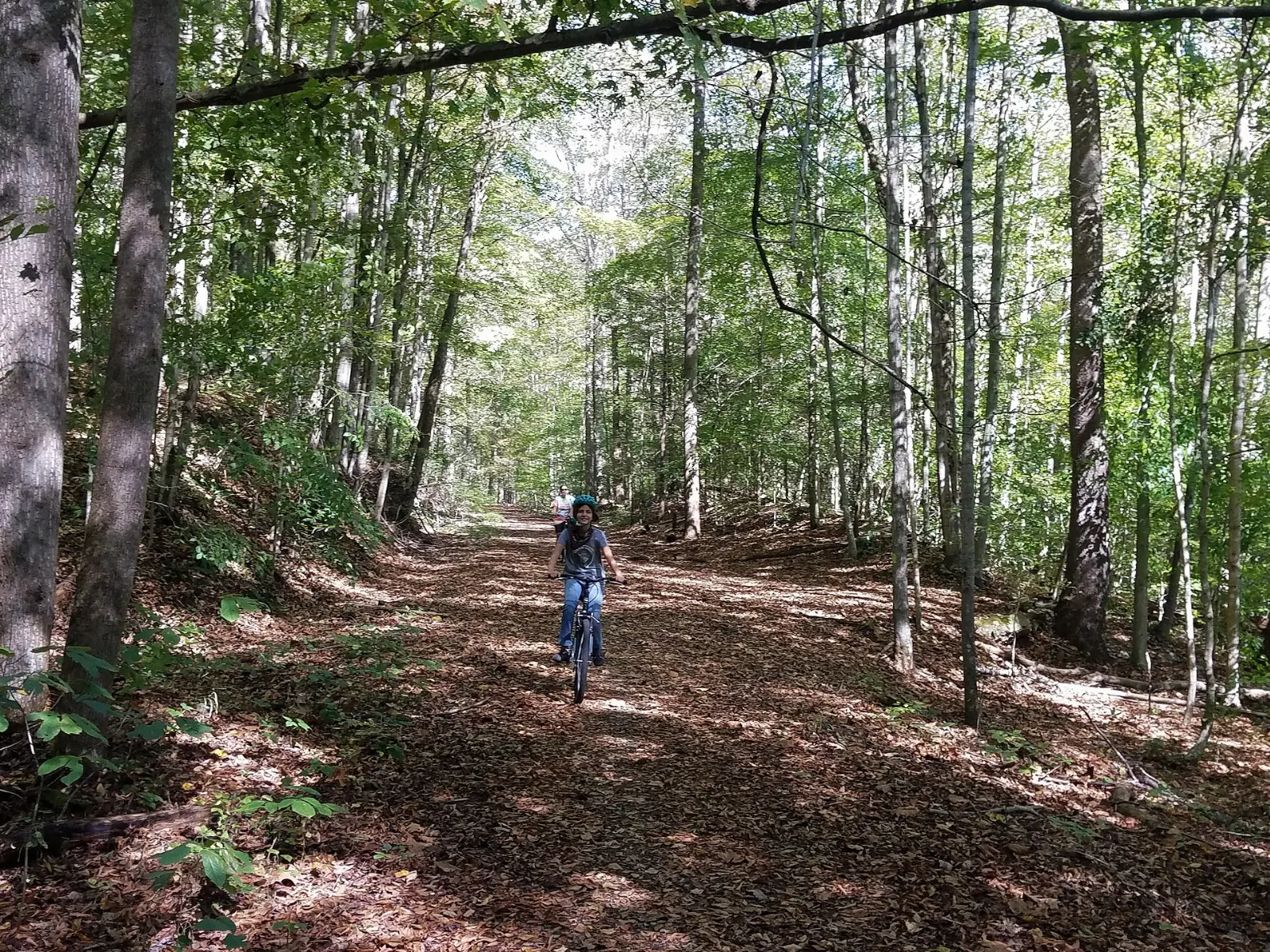
The Central, Baldy Lake and Strathclair trails are easy cycling routes, and tougher ones such as the Packhorse and Jet trails suit confident riders. Bring a trail map from the visitor centre and plan on a half day.
Backcountry and beyond
Ochre River Trail
This trail begins just off Highway 10 and winds through thick forest to the park's northeastern boundary. It passes scenic campsites, river views and stream crossings, and suits backpackers, bikers, riders and skiers.
Tilson Lake Loop
In the western part of the park, the forest opens to meadows and rolling hills.
Moon Lake and Whirlpool Lake
Quiet lakes such as Moon Lake and Whirlpool Lake reward paddlers and anglers who want to leave the busier shore of Clear Lake. Moon Lake allows motorboats, but equipment has to be carried 300 meters from the road.
Dauphin and its Ukrainian festival
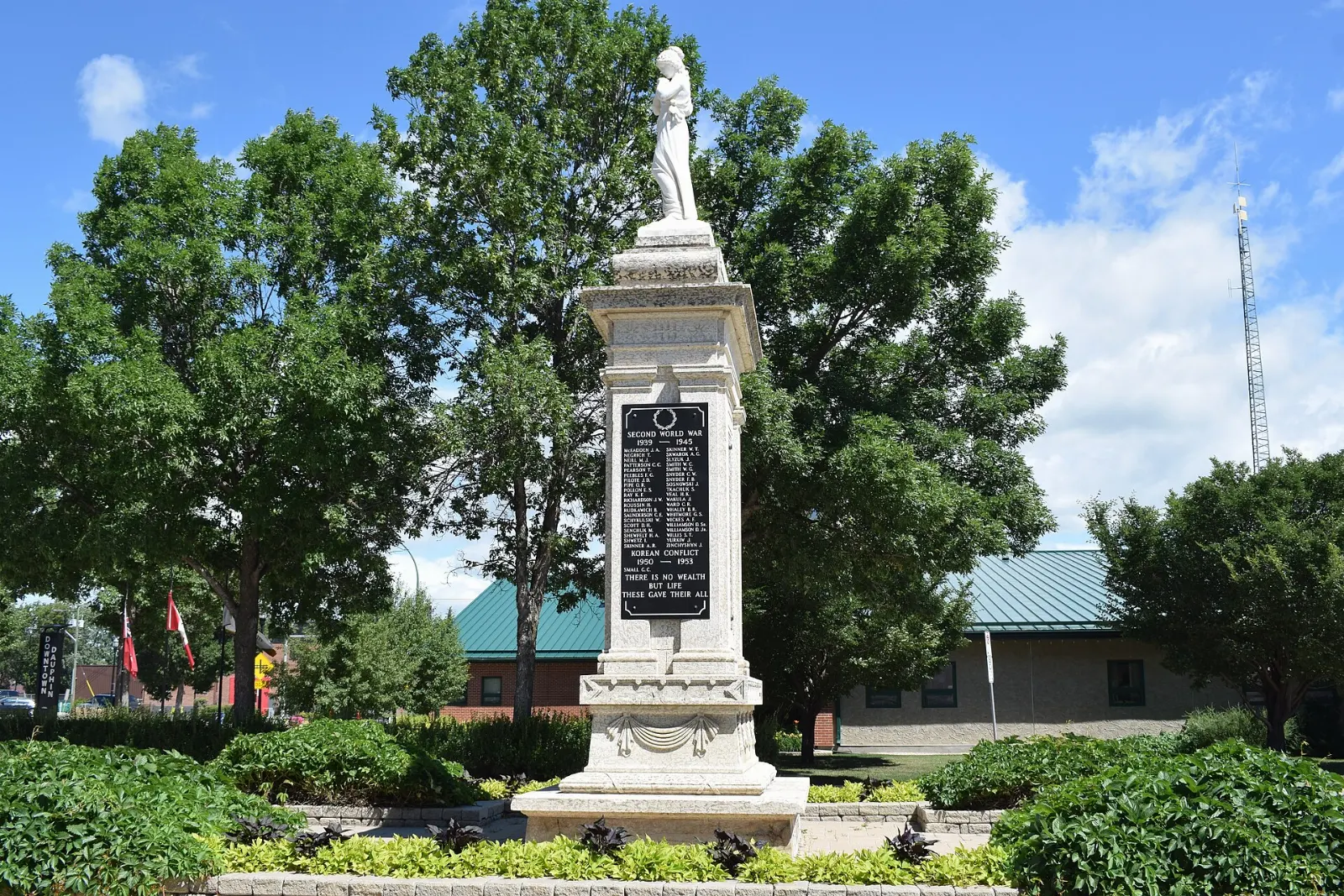
About 30 kilometers north of the park, the city of Dauphin grew when Ukrainian settlers arrived from the 1890s. It hosts Canada's National Ukrainian Festival and Countryfest every summer.
Food and local flavors
Prairie Manitoba cooking reflects its lakes and its Ukrainian settlers. Clear Lake offers walleye, which many Canadians call pickerel, so look for it on lakeside menus.
In early summer, Saskatoon berries ripen across the prairie, and the fruit appears in pies and jams, so ask local bakeries what they have. Wasagaming has seasonal restaurants, and Dauphin and Brandon offer more choice if you are camping and need to stock up.
Popular dishes to try in Riding Mountain National Park


Where to stay
Wasagaming is the obvious base. You can walk to the beach, restaurants and trailheads, and the campground and seasonal cabins suit families who want to stay on the lake.
Dauphin, about 30 kilometers north, suits visitors who want year-round services, a larger choice of lodging and a base for the Ukrainian festival. Brandon, around 100 kilometers south, is a larger city with an airport and is a practical choice if you arrive late or leave early.
Where to stay in Riding Mountain National Park


Best time to visit
Summer is the main season, and the park townsite generally operates from mid-May to early October. Wasagaming has an average July temperature of about 16.5 degrees Celsius, and June is the wettest month.
Winters are long and cold, with January averaging about minus 20 degrees Celsius, so Highway 10 can close in poor weather. Cross-country skiing and ice fishing are the main winter draws.
Getting there and getting around
Highway 10 runs through the eastern half of the park. Brandon is about 100 kilometers south and Dauphin about 30 kilometers north, and Winnipeg is around three and a half hours east.
At last report, intercity buses from Winnipeg only reached Dauphin, from where a taxi continues to the park. A motor vehicle permit is required and can be bought at the park gateways, so a car is the easiest option.
A suggested itinerary
First day
Arrive in Wasagaming, stop at the visitor centre, walk the Loon's Island Trail and spend the afternoon on Clear Lake.
Second day
Drive to the Lake Audy Bison Enclosure in the morning, then hike or drive toward Grey Owl's Cabin and watch for elk along the way.
Third day
Choose a longer hike, a paddle on Moon Lake or a ride on an easy cycling trail, or head north to Dauphin for the festival season.
Practical tips
- Buy a park permit at a gateway and keep it visible in your vehicle.
- Check Parks Canada for trail conditions, closures and fire bans before heading out.
- Carry bear spray and make noise on trails, since the park has one of the largest black bear populations in North America.
- Get a national park fishing license before you fish in any park lake.
- Pack insect repellent and layers, because weather changes quickly on the escarpment.