WiserMap — Choose wisely. Connect locally.Choose wisely. Connect locally.Add your business

Fukuyama

No reviews yetCity Hiroshima, Japan
Fukuyama, Hiroshima, Japan Fukuyama, Hiroshima, Japan Fukuyama, Hiroshima, Japan Fukuyama, Hiroshima, Japan Fukuyama, Hiroshima, Japan

About Fukuyama

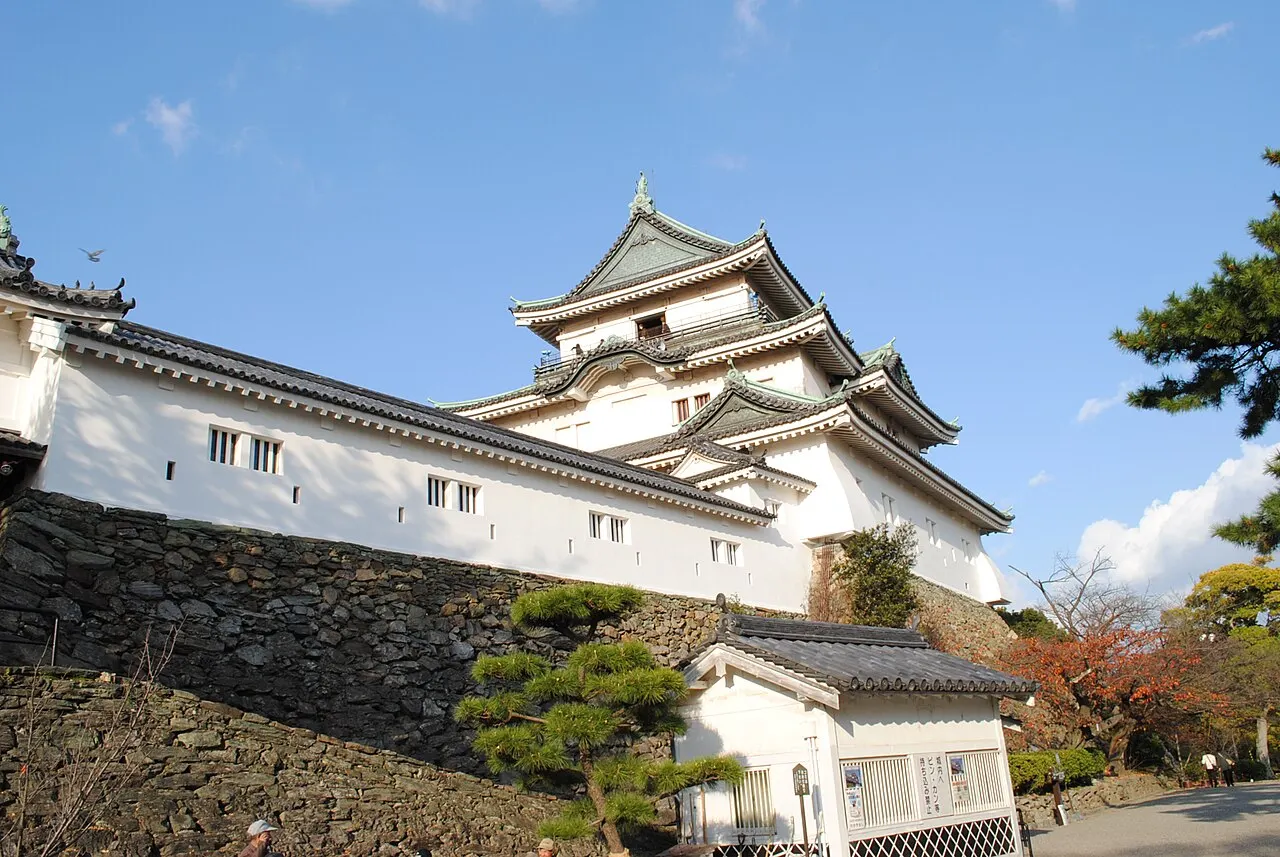
Fukuyama is the second largest city of Hiroshima Prefecture, a castle town on the Sanyō Shinkansen line whose symbol is the rose, with Fukuyama Castle standing right beside its station and the old port of Tomonoura on the Seto Inland Sea at the southern end of the city.

The city grew around the castle that Mizuno Katsunari completed in 1622 on what had been tidal flats. An air raid in August 1945 burned most of the centre, and in 1956 local residents planted about a thousand rose bushes in the city, the beginning of the roses that became the symbol of the city.

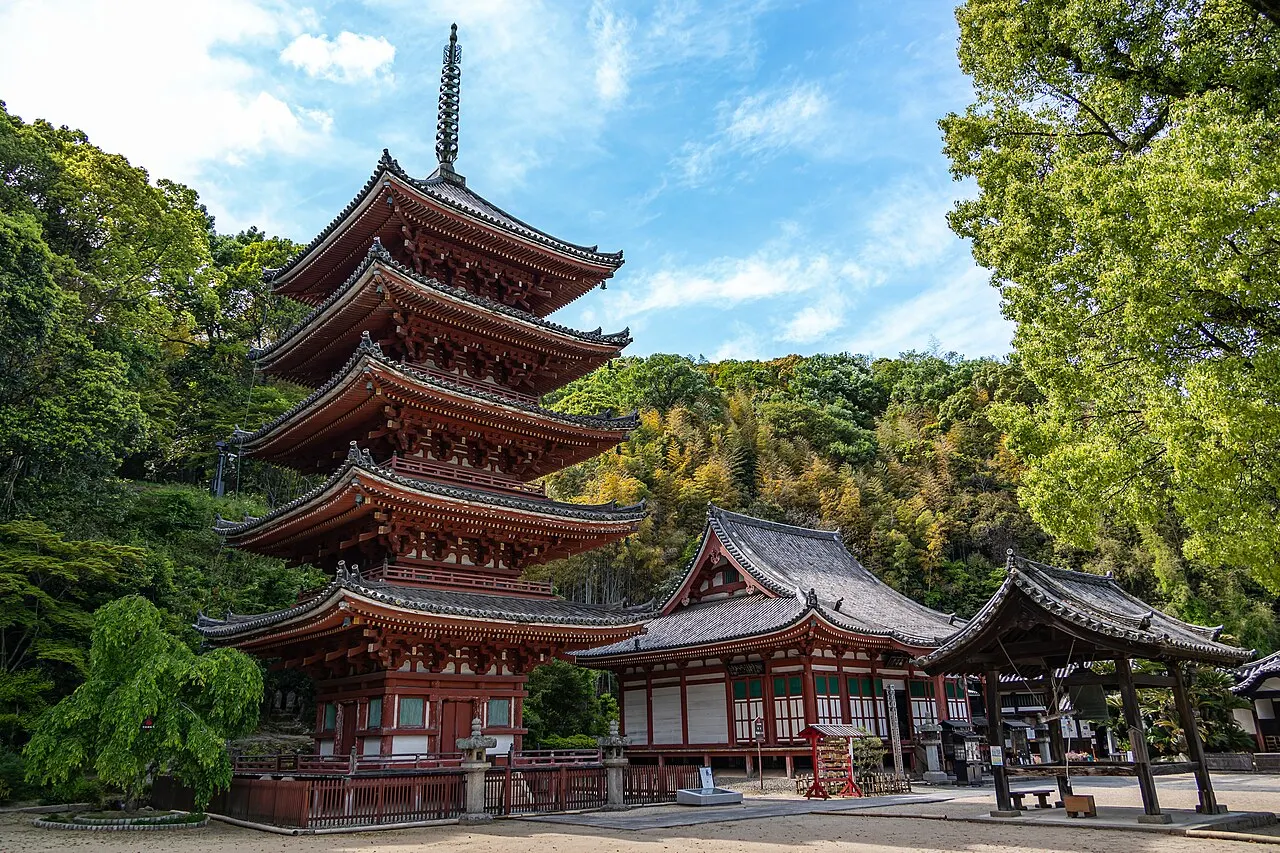
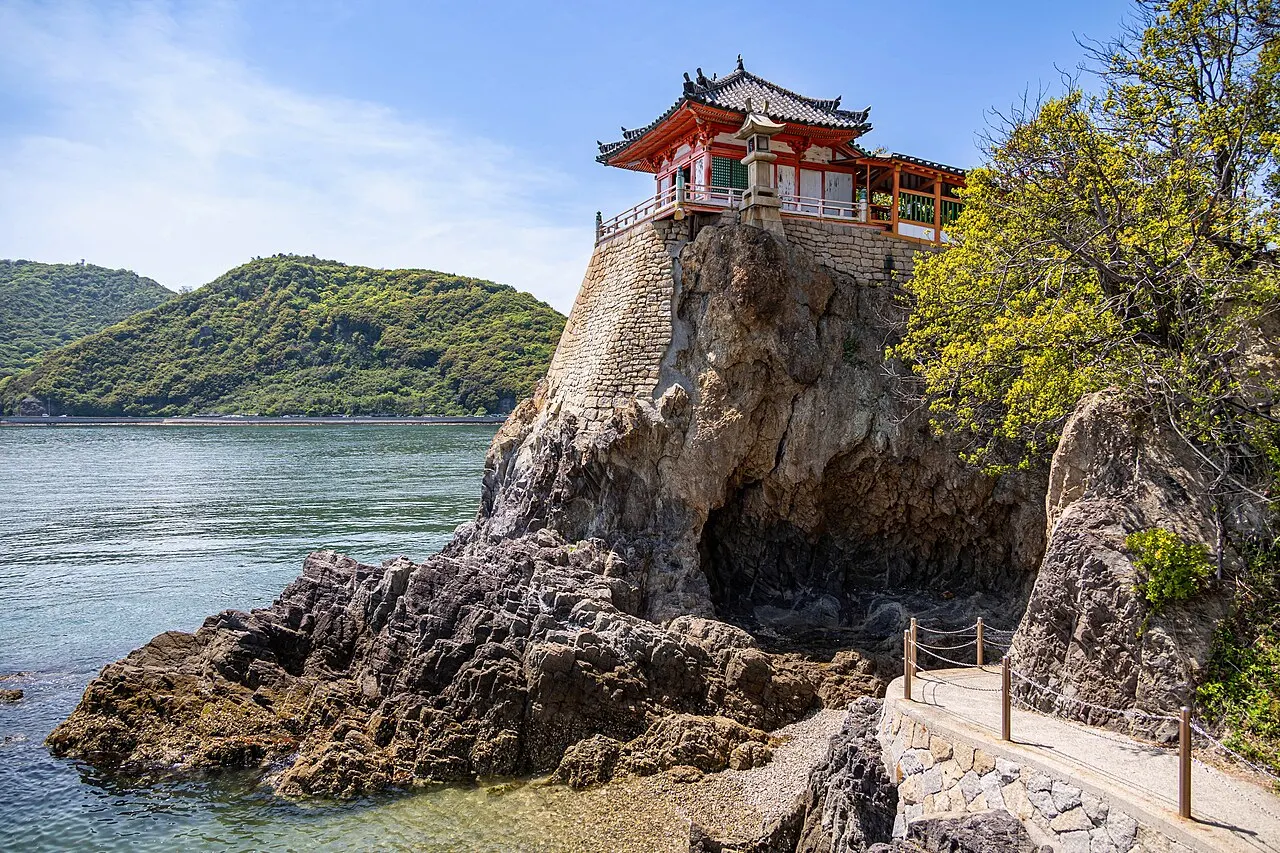
Visitors climb the rebuilt castle keep, see the medieval town of Kusado Sengen at the history museum and the National Treasure pagoda of Myōō-in. In Tomonoura they walk the Edo-period harbour, take in the view from Taichōrō, ferry to Sensuijima and visit the cliff-top hall of Abuto Kannon.

Best seasonMay, for the Fukuyama Rose Festival
Ideal stay2 days
ArrivingFukuyama Station on the Sanyō Shinkansen

12 Ways to Experience Fukuyama

Castle Town 4

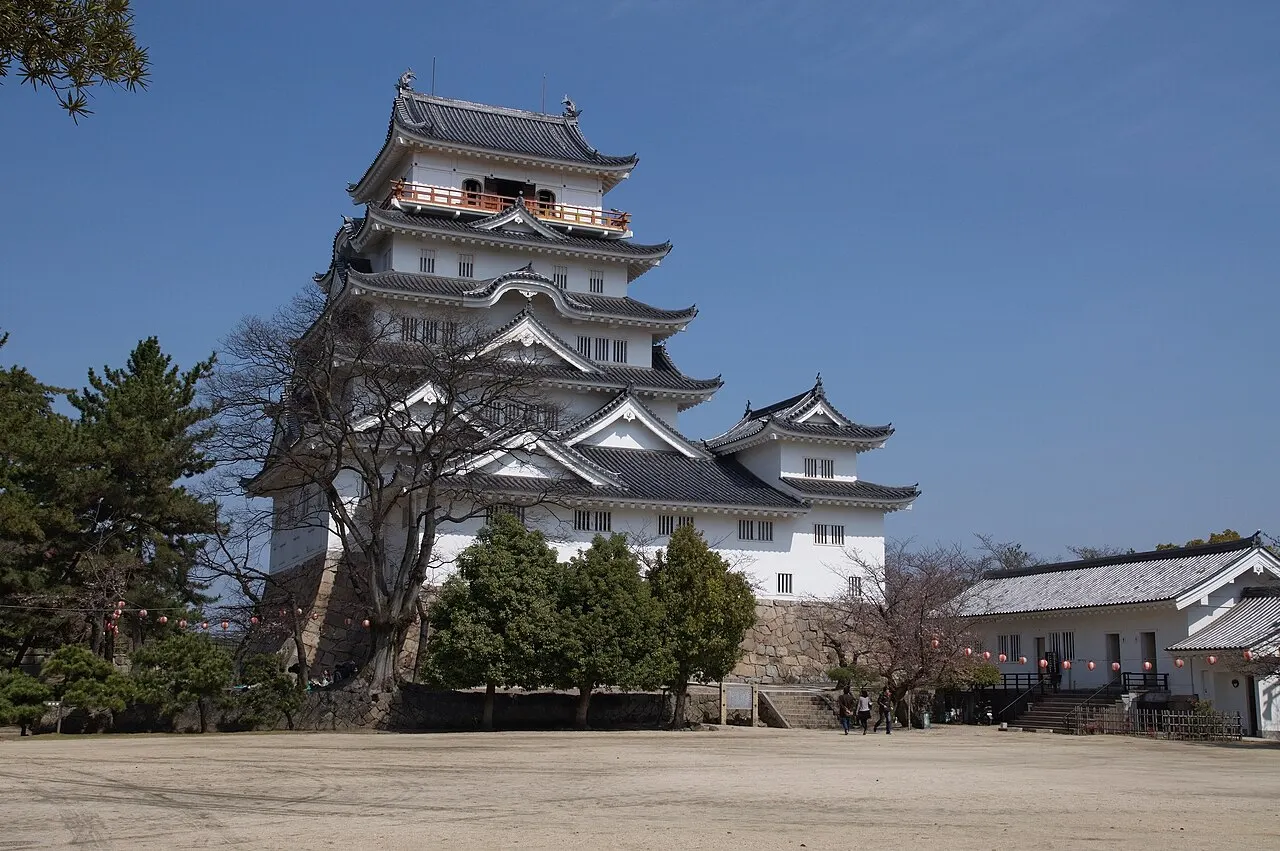
Fukuyama Castle, Fukuyama, Hiroshima, Japan

Fukuyama Castle

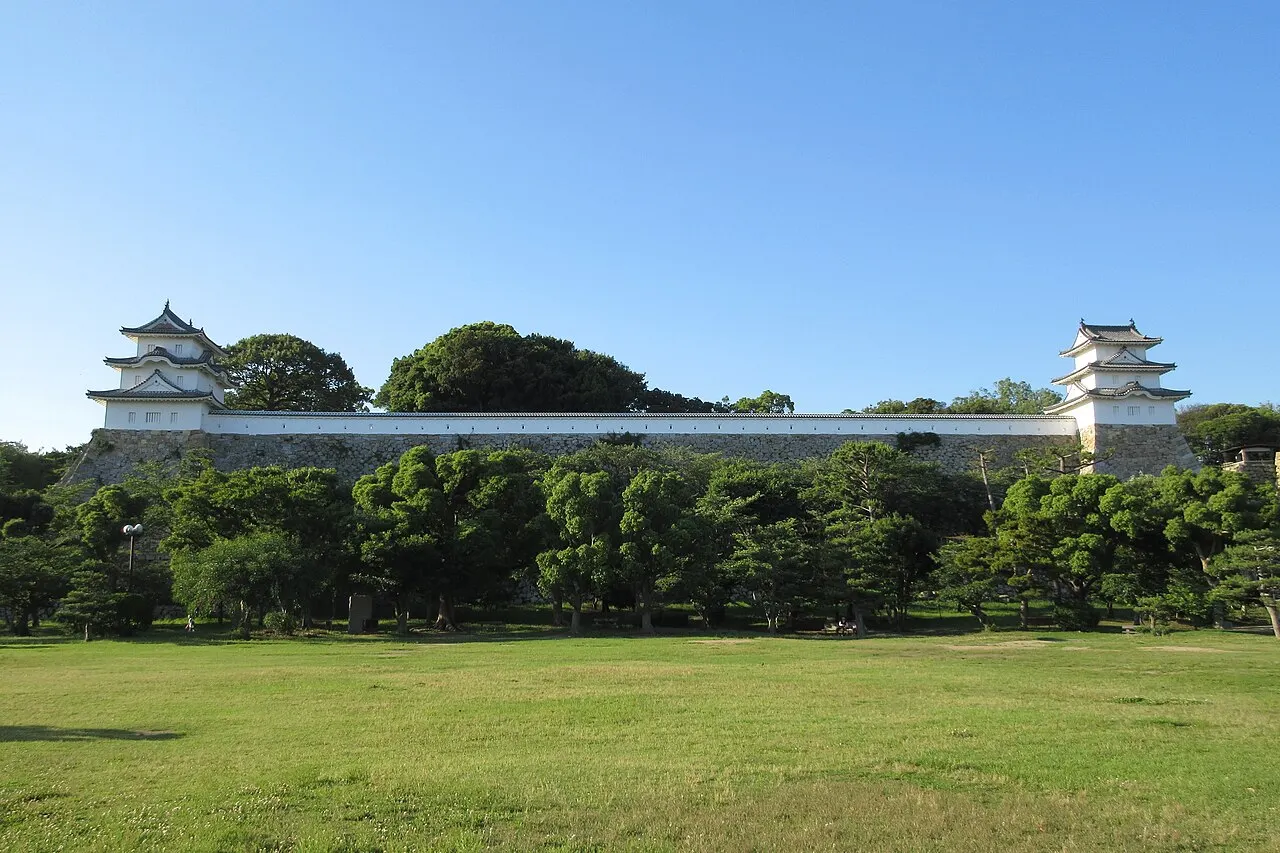
Fukuyama Castle was completed in 1622 by Mizuno Katsunari, partly with buildings from Fushimi Castle, and stands beside Fukuyama S...
Hiroshima Prefectural Museum of History, Fukuyama, Hiroshima, Japan

Hiroshima Prefectural Museum of History

The Hiroshima Prefectural Museum of History opened in 1989 in the grounds of Fukuyama Castle and tells the history of the Setouchi...
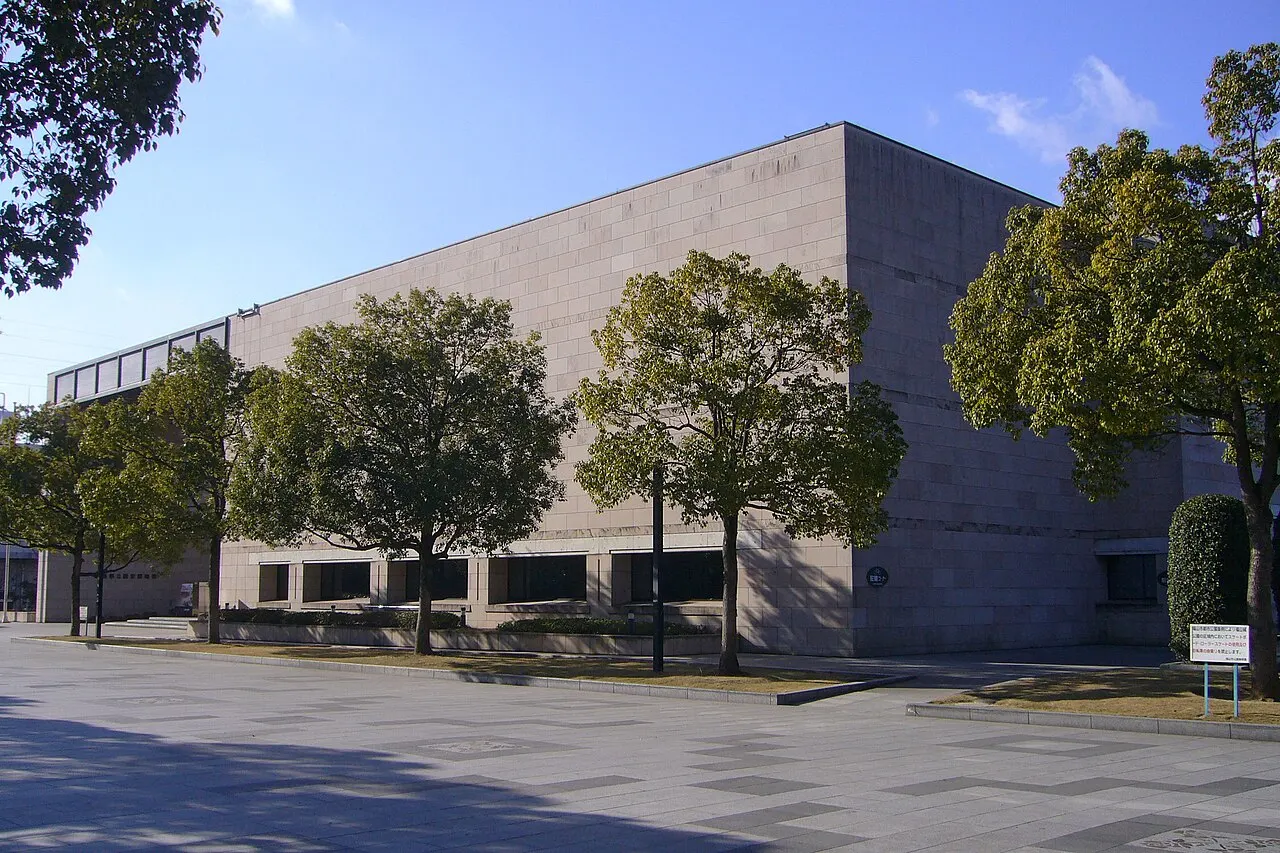
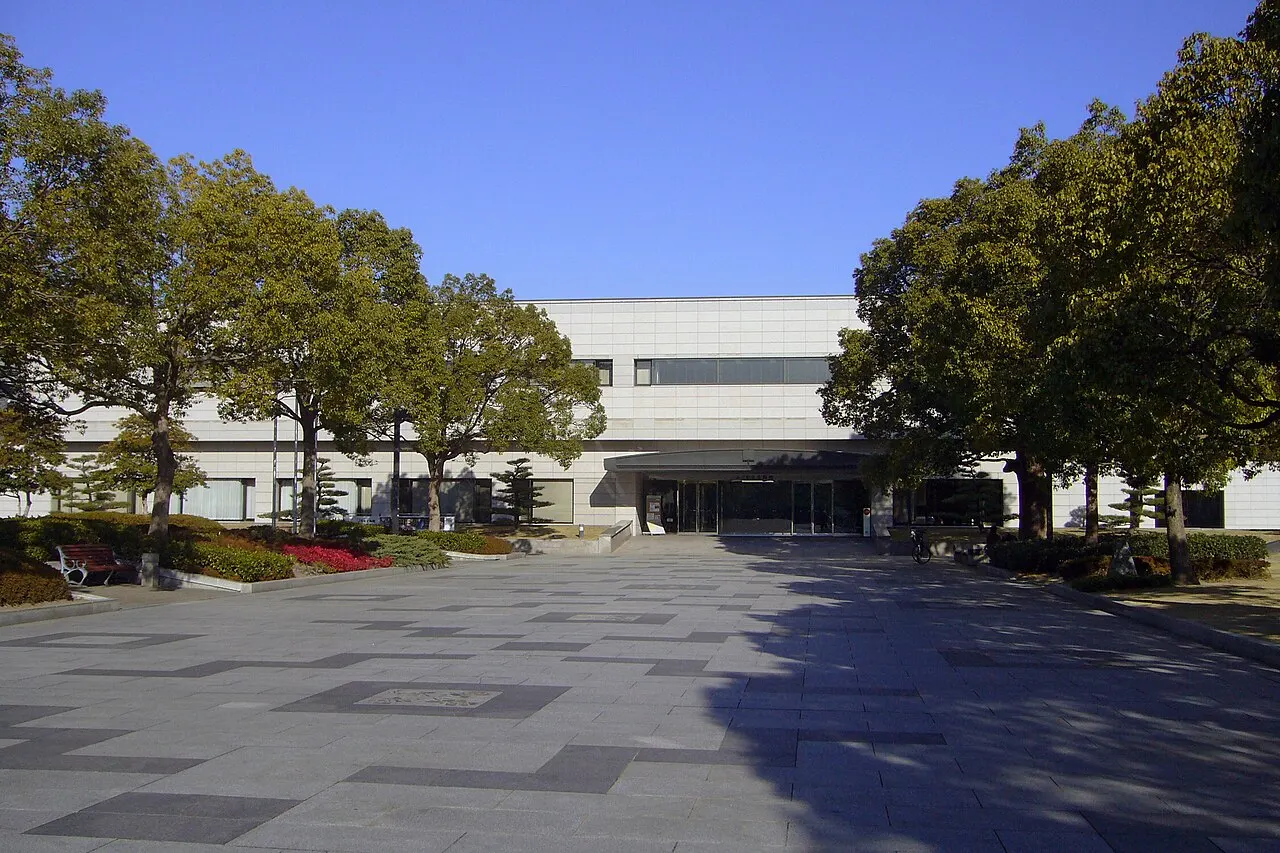
Fukuyama Museum of Art, Fukuyama, Hiroshima, Japan

Fukuyama Museum of Art

The Fukuyama Museum of Art is the city's art museum, opened in November 1988 to promote art and culture in the region. It stands o...
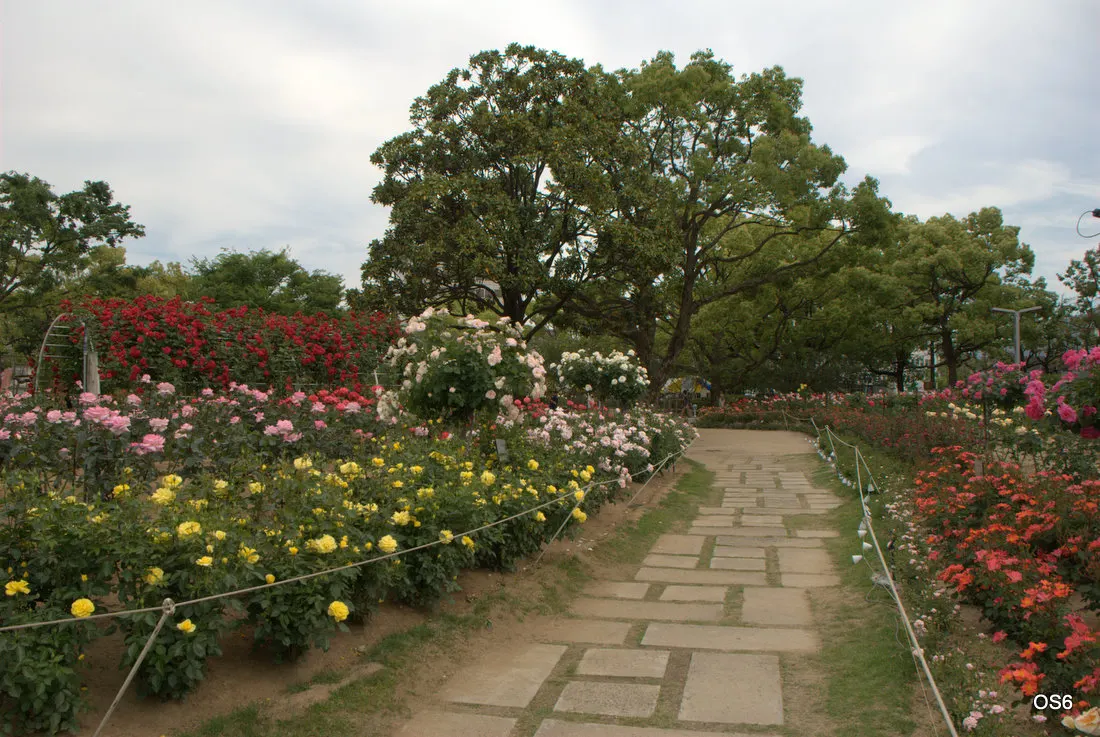
Fukuyama Rose Park, Fukuyama, Hiroshima, Japan

Fukuyama Rose Park

Fukuyama Rose Park is a 1.5-hectare park in the centre of Fukuyama, begun in 1956 when local people planted about 1,000 rose bushe...

Old Port of Tomonoura 4

Tomonoura, Fukuyama, Hiroshima, Japan

Tomonoura

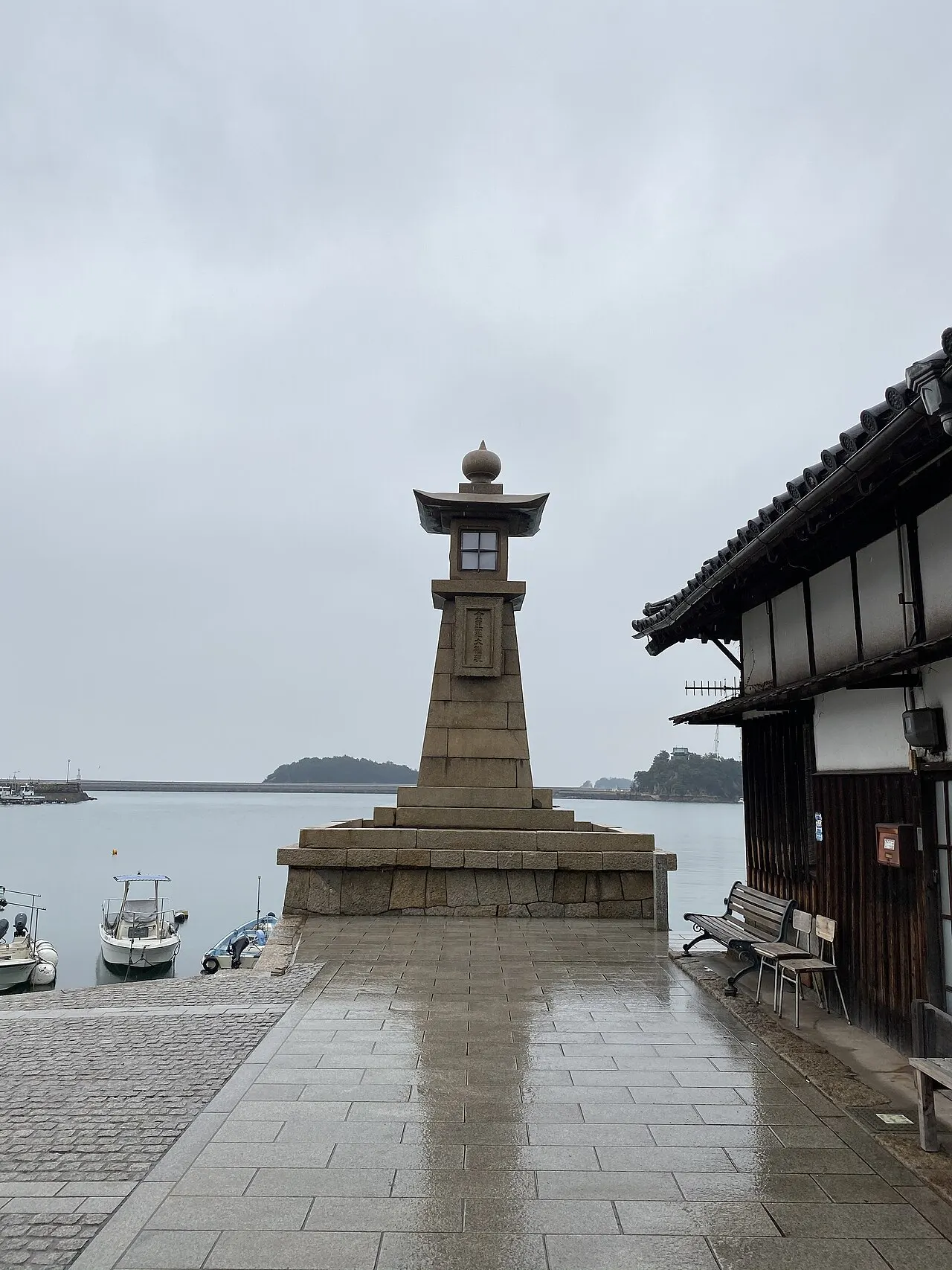
Tomonoura is an old port town at the tip of the Numakuma Peninsula in Fukuyama, 14 km south of the station, whose round harbour ha...
Taichōrō, Fukuyama, Hiroshima, Japan

Taichōrō

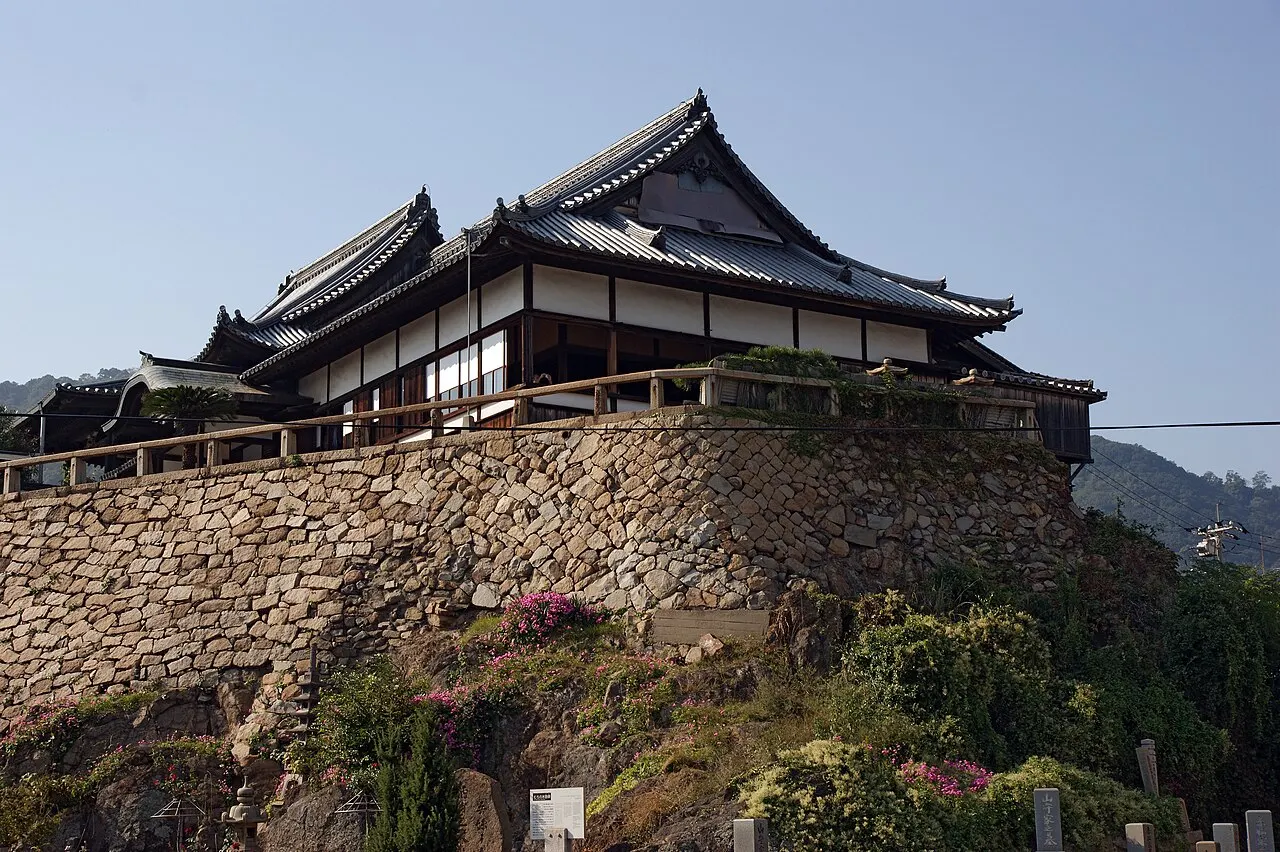
Taichōrō is the guest hall of Fukuzen-ji temple in Tomonoura, built around 1690 and used to lodge Korean envoys during the Edo per...
Ōta Residence, Fukuyama, Hiroshima, Japan

Ōta Residence

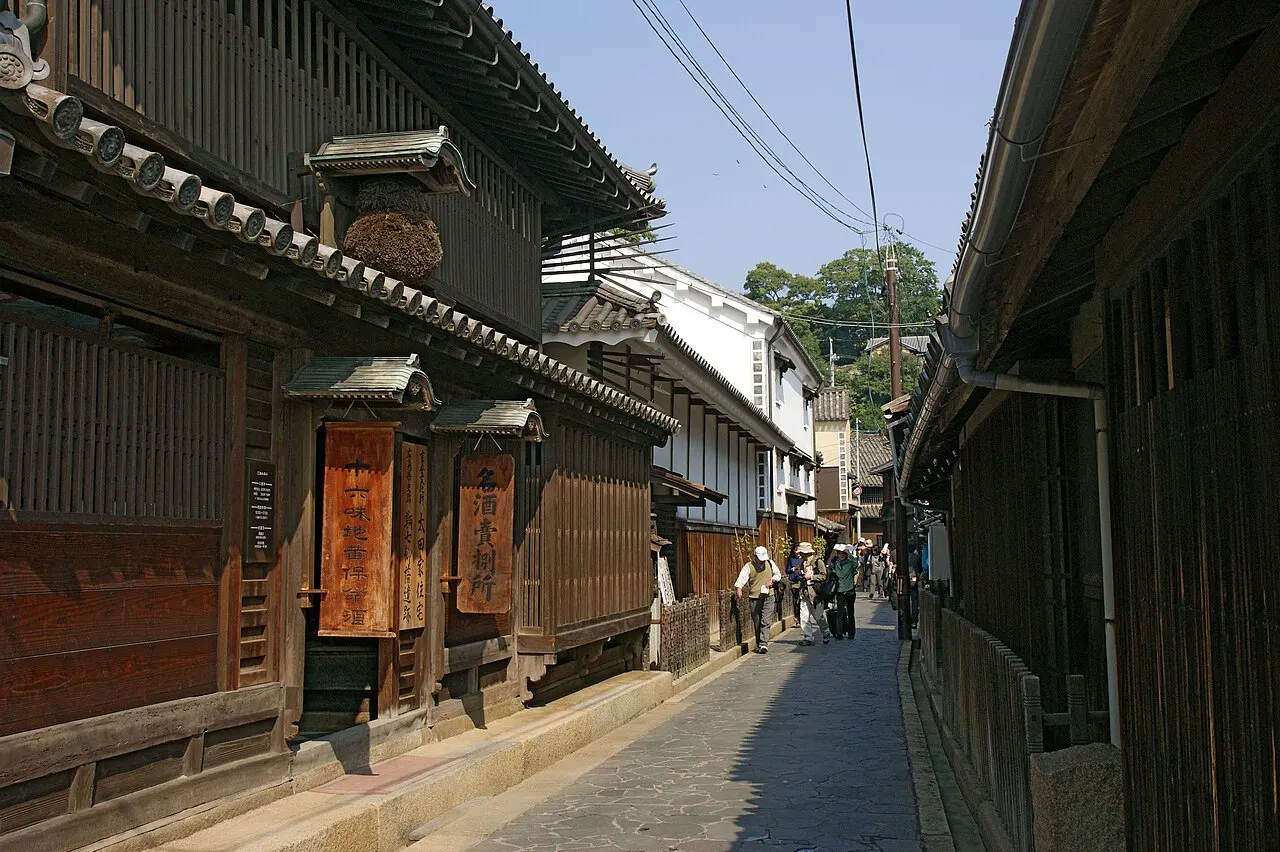
The Ōta Residence in Tomonoura is the former house of the Nakamura family, brewers of the local Homeishu medicinal liqueur, which...
Iroha Maru Museum, Fukuyama, Hiroshima, Japan

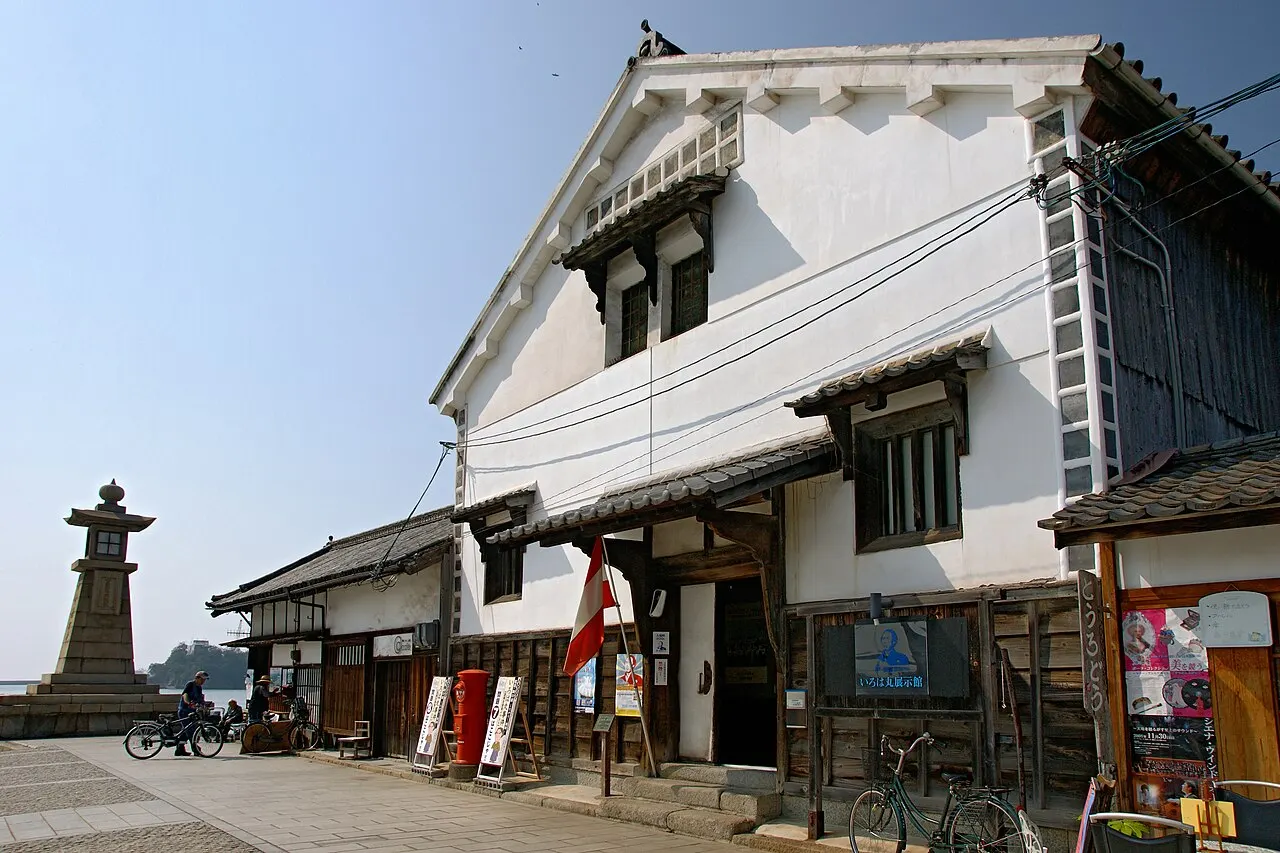
Iroha Maru Museum

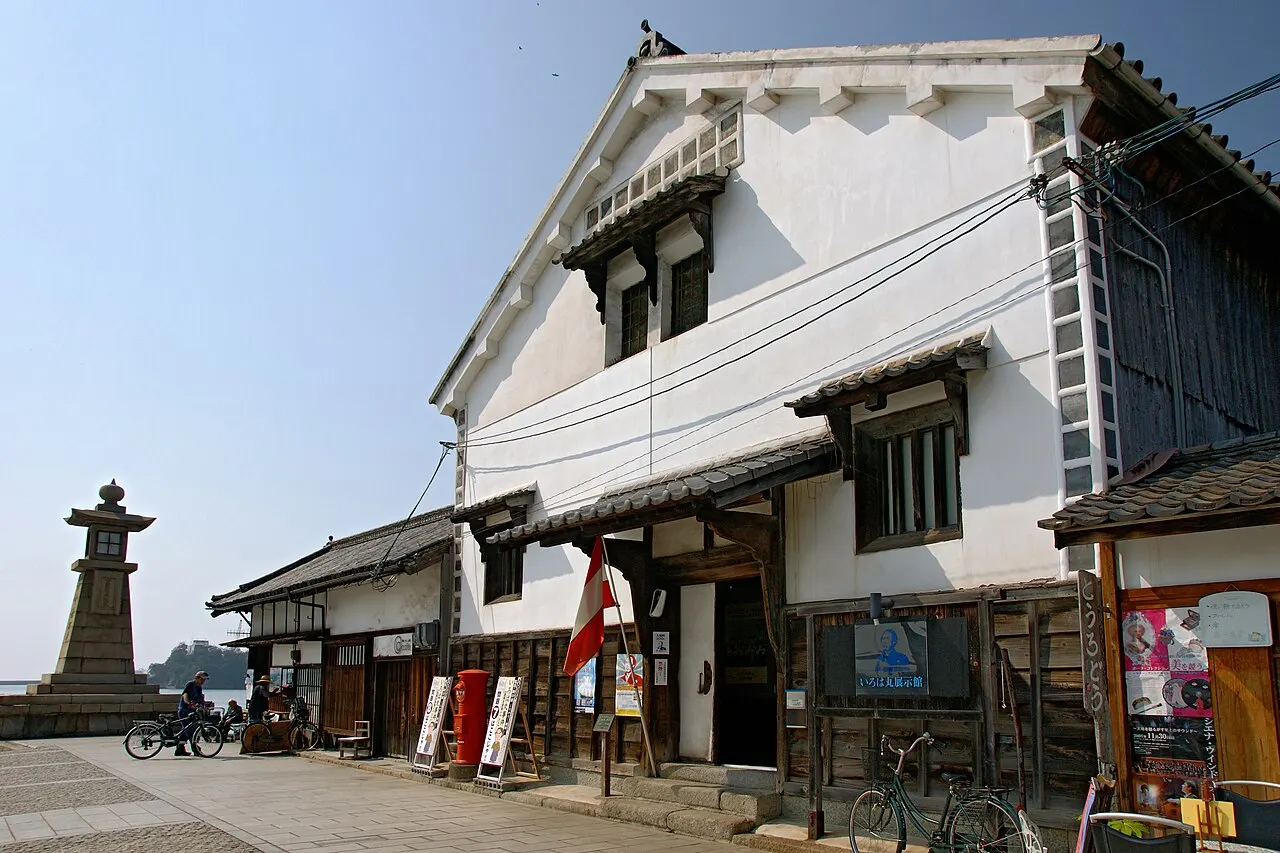
The Iroha Maru Museum in Tomonoura, opened in 1989, tells the story of the steamship Iroha Maru, sailed by Sakamoto Ryōma's Kaient...

Temples and Islands 4

Myōō-in, Fukuyama, Hiroshima, Japan

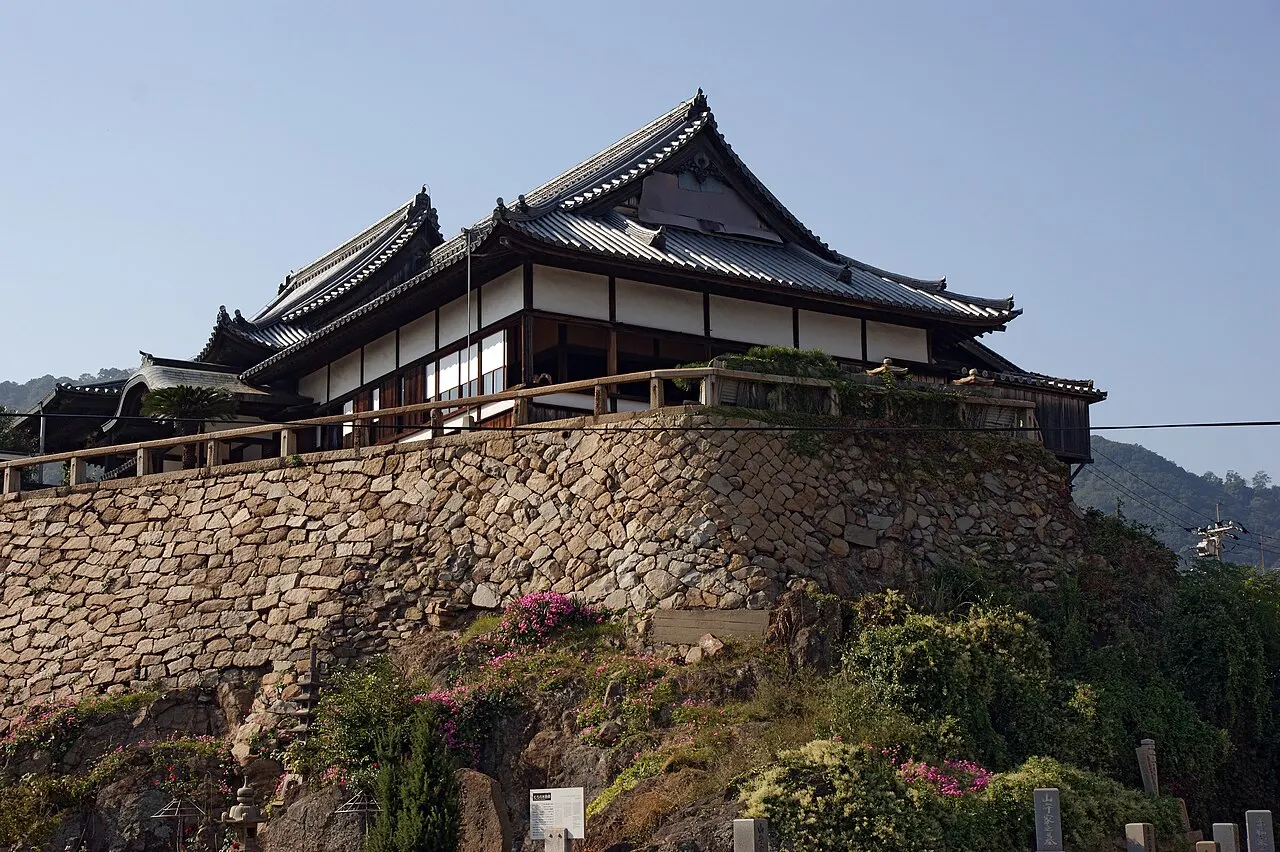
Myōō-in

Myōō-in is a Shingon Buddhist temple at the foot of Mount Atago beside the Ashida River in Fukuyama, said to have been founded by...
Kusado Inari Shrine, Fukuyama, Hiroshima, Japan

Kusado Inari Shrine

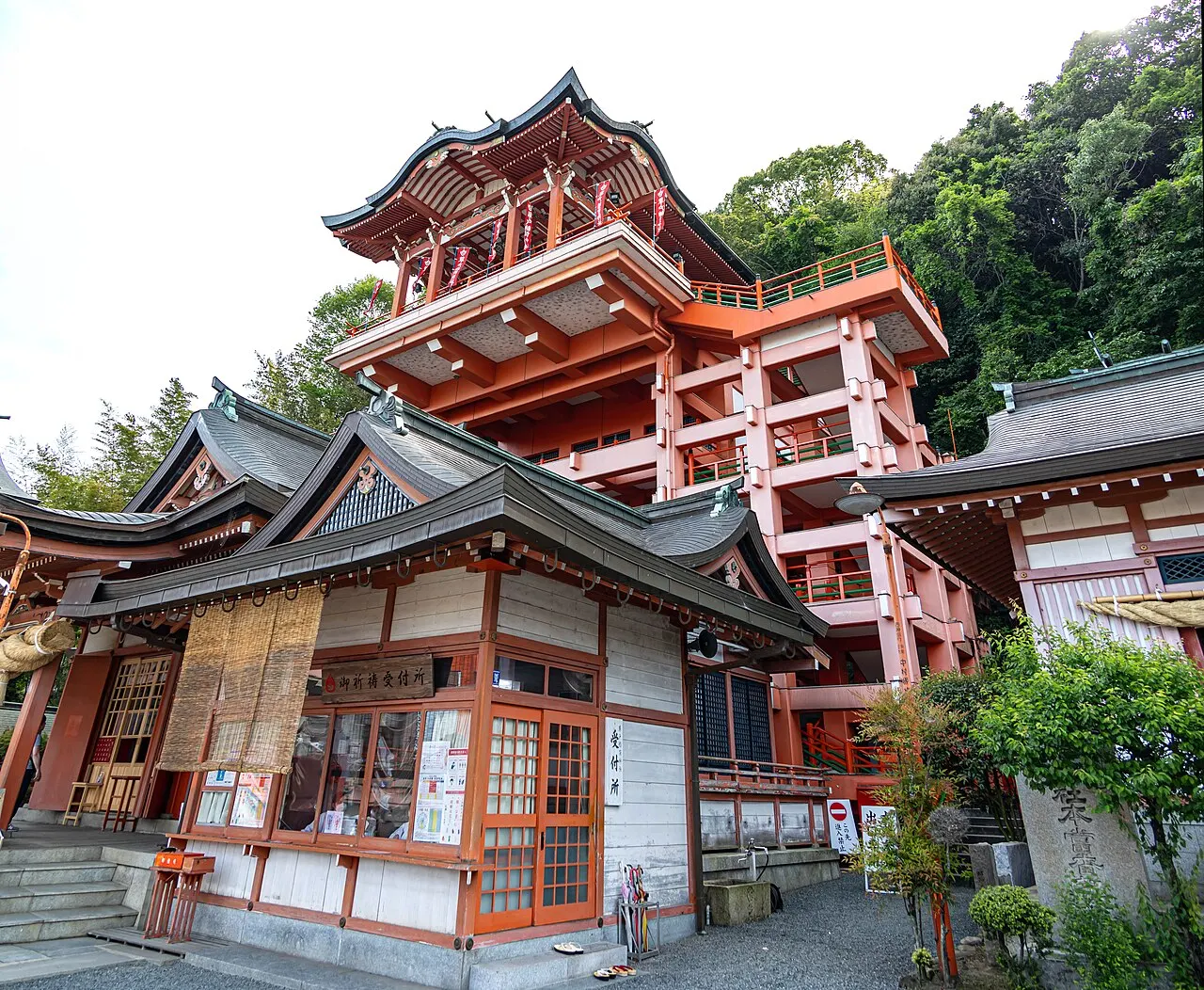
Kusado Inari Shrine is an Inari shrine in Fukuyama beside Myōō-in, once the temple's guardian shrine and sometimes named among the...
Sensuijima, Fukuyama, Hiroshima, Japan

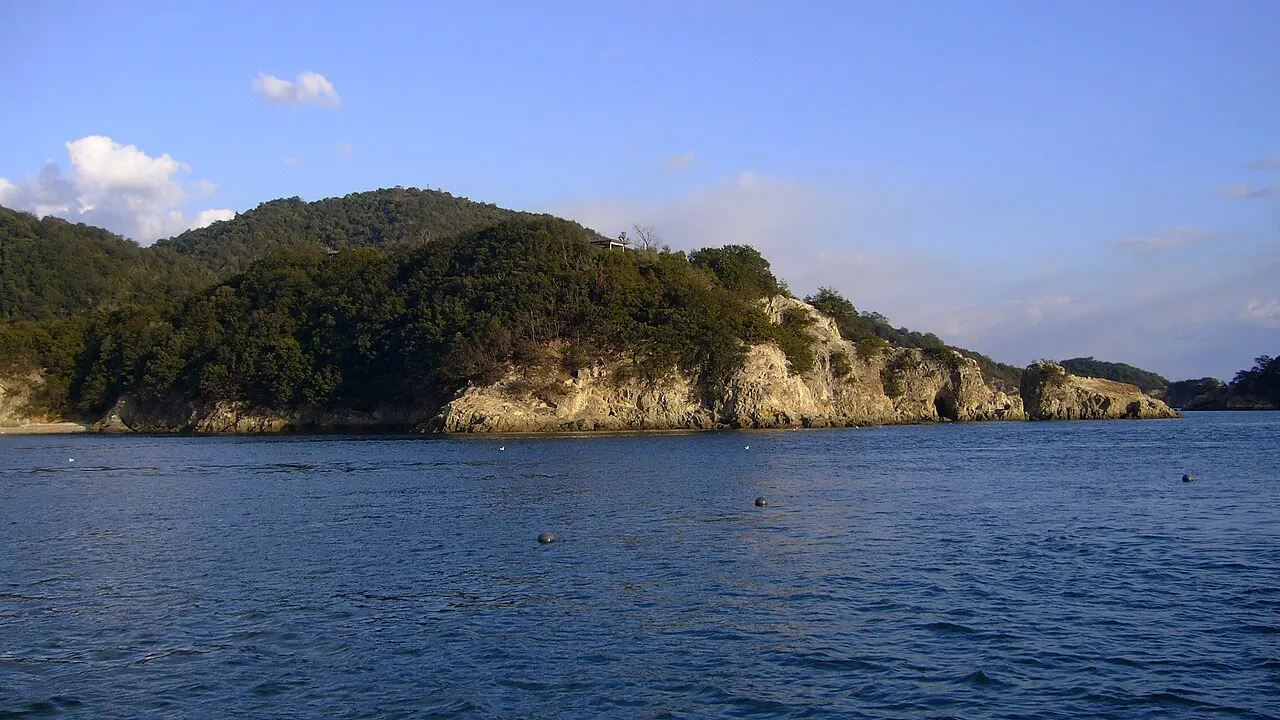
Sensuijima

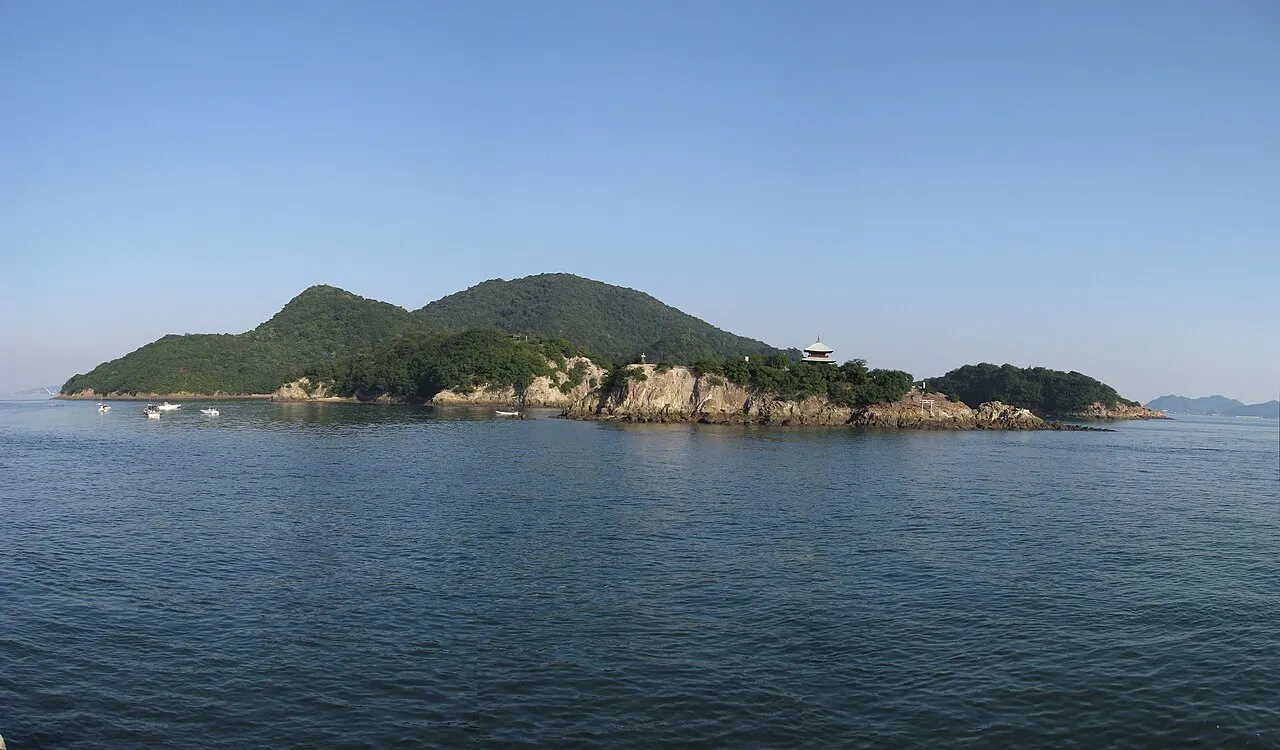
Sensuijima is an uninhabited island of about 6 km around, a short ferry ride from Tomonoura in the Setonaikai National Park, Japan...
Abuto Kannon, Fukuyama, Hiroshima, Japan

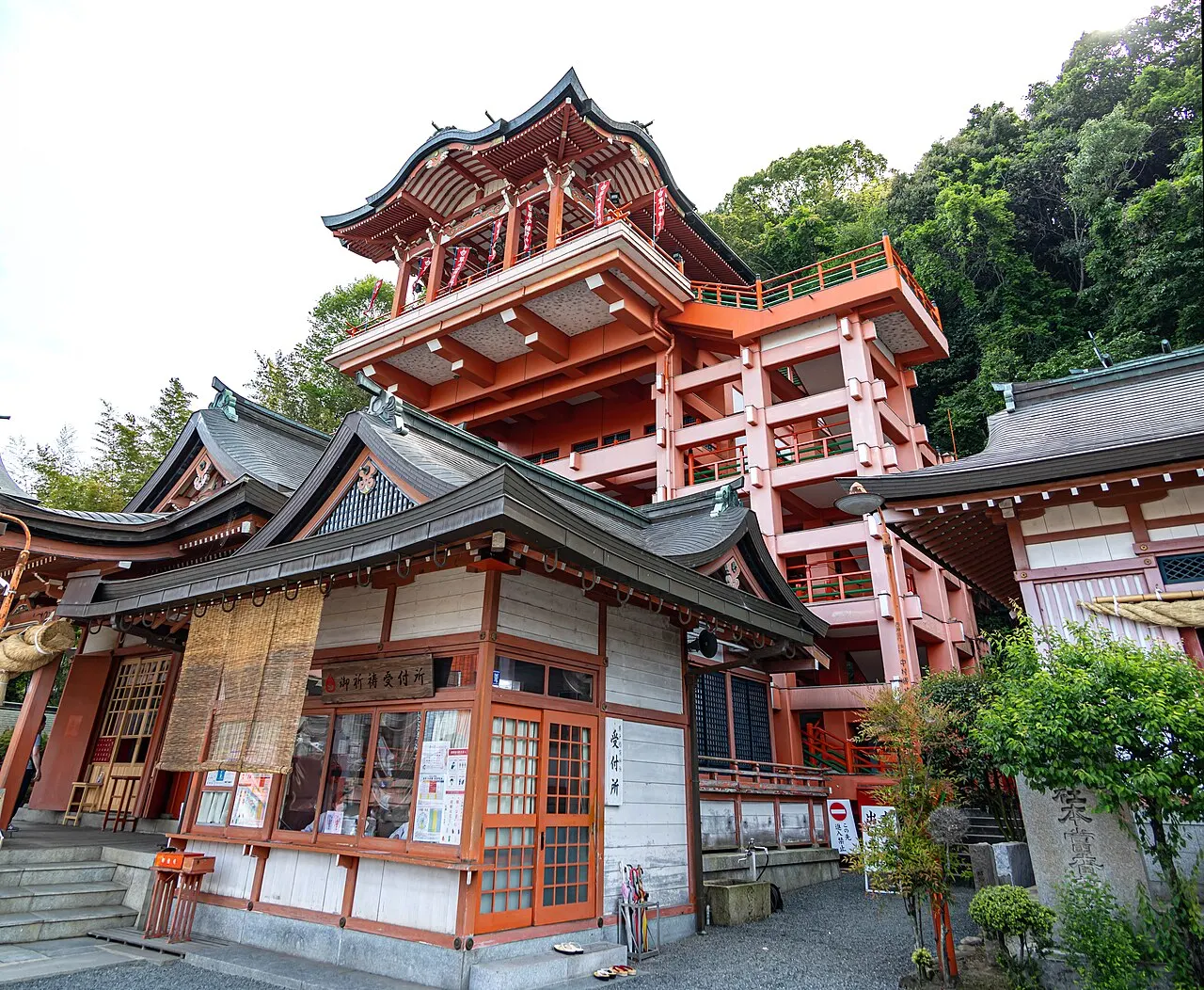
Abuto Kannon

Abuto Kannon is the Kannon hall of Bandai-ji temple, perched on the sheer cliff of Cape Abuto above the Seto Inland Sea in Fukuyam...

Reviews

No reviews yet. Been to Fukuyama? Be the first to share your experience.

Write a review

Share what you loved, what to skip and tips for other travelers.

Log in to write a review

Share your photos

Been to Fukuyama? Add your best shots to the gallery.

Log in to add photos

More places in Hiroshima

See all places in Japan →

Photo credits

Photo: Yanajin, Wikimedia Commons, CC BY-SA 3.0

Photo: 663highland, Wikimedia Commons, CC BY 2.5

Photo: 663highland, Wikimedia Commons, CC BY 2.5

Photo: Naokijp, Wikimedia Commons, CC BY-SA 4.0

Photo: 663highland, Wikimedia Commons, CC BY 2.5

Photo: OS6, Wikimedia Commons, CC BY-SA 3.0

Photo: 663highland, Wikimedia Commons, CC BY 2.5

Photo: 日:Jnn, Wikimedia Commons, CC BY 2.1 jp

Photo: Josep M. Gracia, Wikimedia Commons, CC BY-SA 4.0

Photo: Josep M. Gracia, Wikimedia Commons, CC BY-SA 4.0

Photo: Manish Prabhune, Wikimedia Commons, CC BY-SA 4.0

Photo: The Modern Polymath, Wikimedia Commons, CC BY-SA 4.0

Photo: 663highland, Wikimedia Commons, CC BY 2.5

Photo: carpkazu, Wikimedia Commons, Public domain

Photo: 663highland, Wikimedia Commons, CC BY 2.5

Photo: 663highland, Wikimedia Commons, CC BY 2.5

Photo: 663highland, Wikimedia Commons, CC BY 2.5

Photo: Kanesue from Japan, Wikimedia Commons, CC BY 2.0

Photo: Yanajin, Wikimedia Commons, CC BY-SA 3.0

Photo: 663highland, Wikimedia Commons, CC BY 2.5

Photo: 663highland, Wikimedia Commons, CC BY 2.5

Photo: 663highland, Wikimedia Commons, CC BY 2.5

Photo: 663highland, Wikimedia Commons, CC BY 2.5

Photo: 663highland, Wikimedia Commons, CC BY 2.5

Photo: 663highland, Wikimedia Commons, CC BY 2.5

Photo: 663highland, Wikimedia Commons, CC BY 2.5

Photo: 663highland, Wikimedia Commons, CC BY 2.5

Photo: 663highland, Wikimedia Commons, CC BY 2.5

Photo: Naokijp, Wikimedia Commons, CC BY-SA 4.0

Photo: Reggaeman, Wikimedia Commons, CC BY-SA 3.0

Photo: Naokijp, Wikimedia Commons, CC BY-SA 4.0

Photo: Carpkazu, Wikimedia Commons, Public domain

Photo: HKT3012, Wikimedia Commons, CC BY-SA 4.0

Photo: ja:User:Carpkazu, Wikimedia Commons, CC BY-SA 3.0

Photo: Aimaimyi, Wikimedia Commons, CC BY-SA 3.0

Photo: 663highland, Wikimedia Commons, CC BY 2.5

Photo: Naokijp, Wikimedia Commons, CC BY-SA 4.0

Photo: Reggaeman, Wikimedia Commons, CC BY-SA 3.0
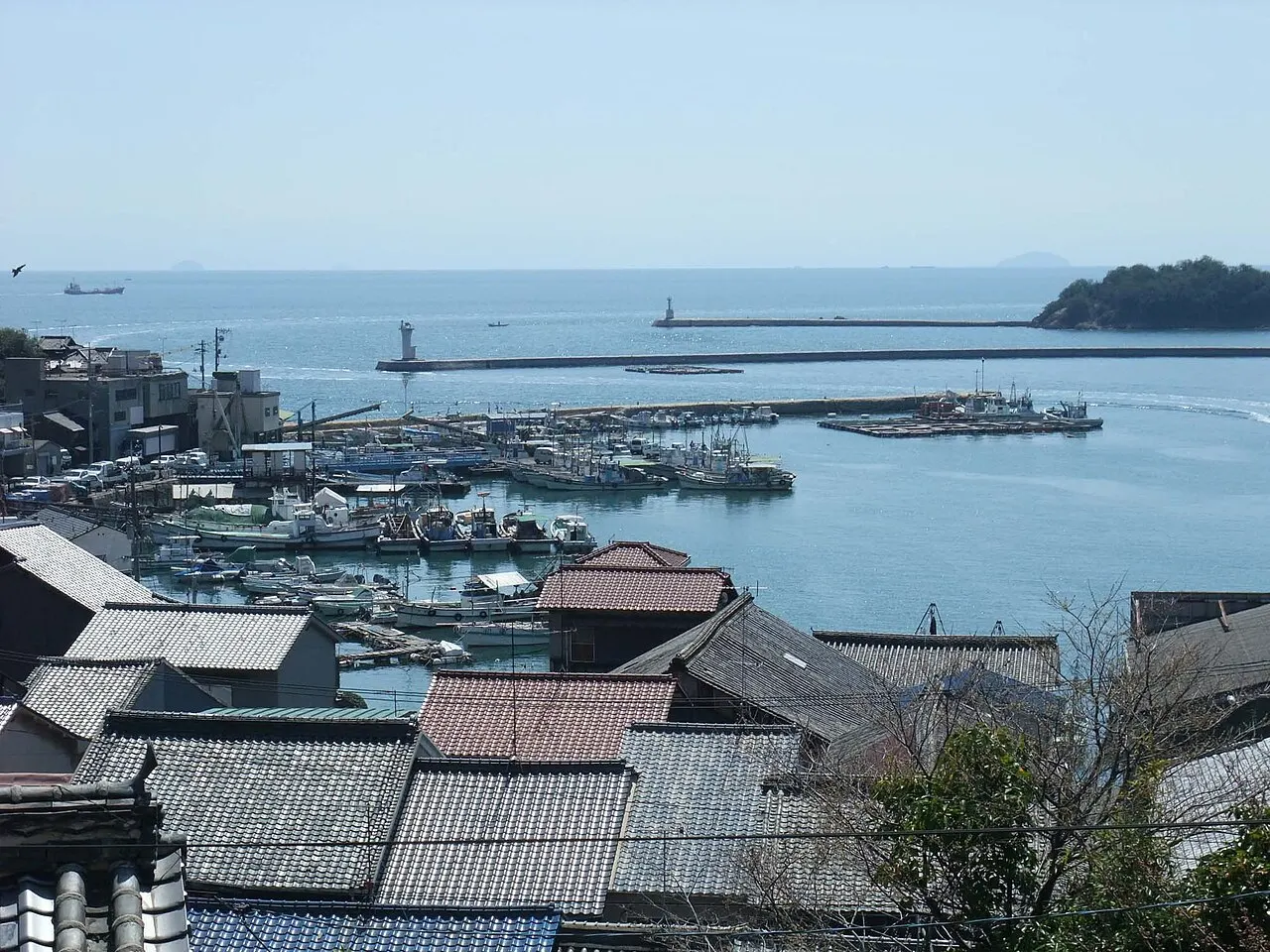
Photo: Reggaeman, Wikimedia Commons, CC BY-SA 3.0