
WiserMap — Choose wisely. Connect locally.Choose wisely. Connect locally.Add your business
Aguascalientes · Travel guide

Aguascalientes Mexico San Marcos Fair and Calvillo Guava

Aguascalientes is a compact, walkable colonial city in central Mexico, famous for its thermal springs, railway heritage, Day of the Dead art and the San Marcos Fair. Its historic centre has a baroque cathedral, red stone palaces, leafy gardens and some of the best small museums in the country.

By WiserMap TravelUpdated October 2026 9 places9 min read
FacebookXLinkedIn
At a glance Aguascalientes
  1. Best timeSpring brings the San Marcos Fair, while autumn and winter give mild weather and Day of the Dead events.
  2. How longTwo or three days cover the historic centre, the museums and a day trip to Calvillo.
  3. Getting thereFly into the city's international airport, or take a long-distance bus from Mexico City or nearby cities.

Why visit Aguascalientes

The city takes its name from the hot springs the Spanish found when they founded it in 1575. It later became a major rail junction and the site of the Revolutionary Convention of 1914, and many of its best sights come from those chapters of history.

The historic centre grew from a few traditional neighbourhoods, each with a church and a character of its own.

The historic centre

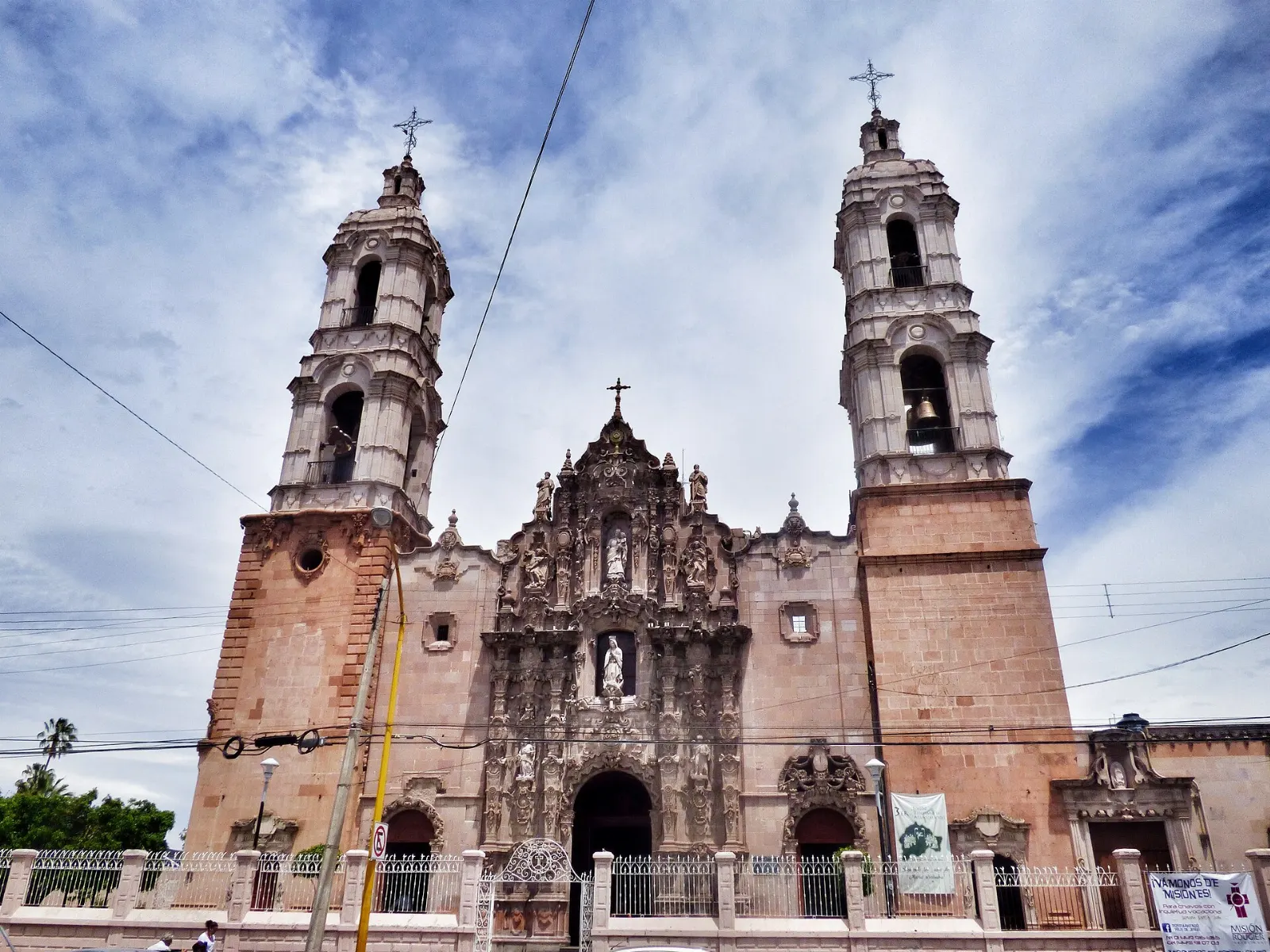
Baroque facade of the cathedral on Plaza de la Patria in Aguascalientes

Plaza de la Patria

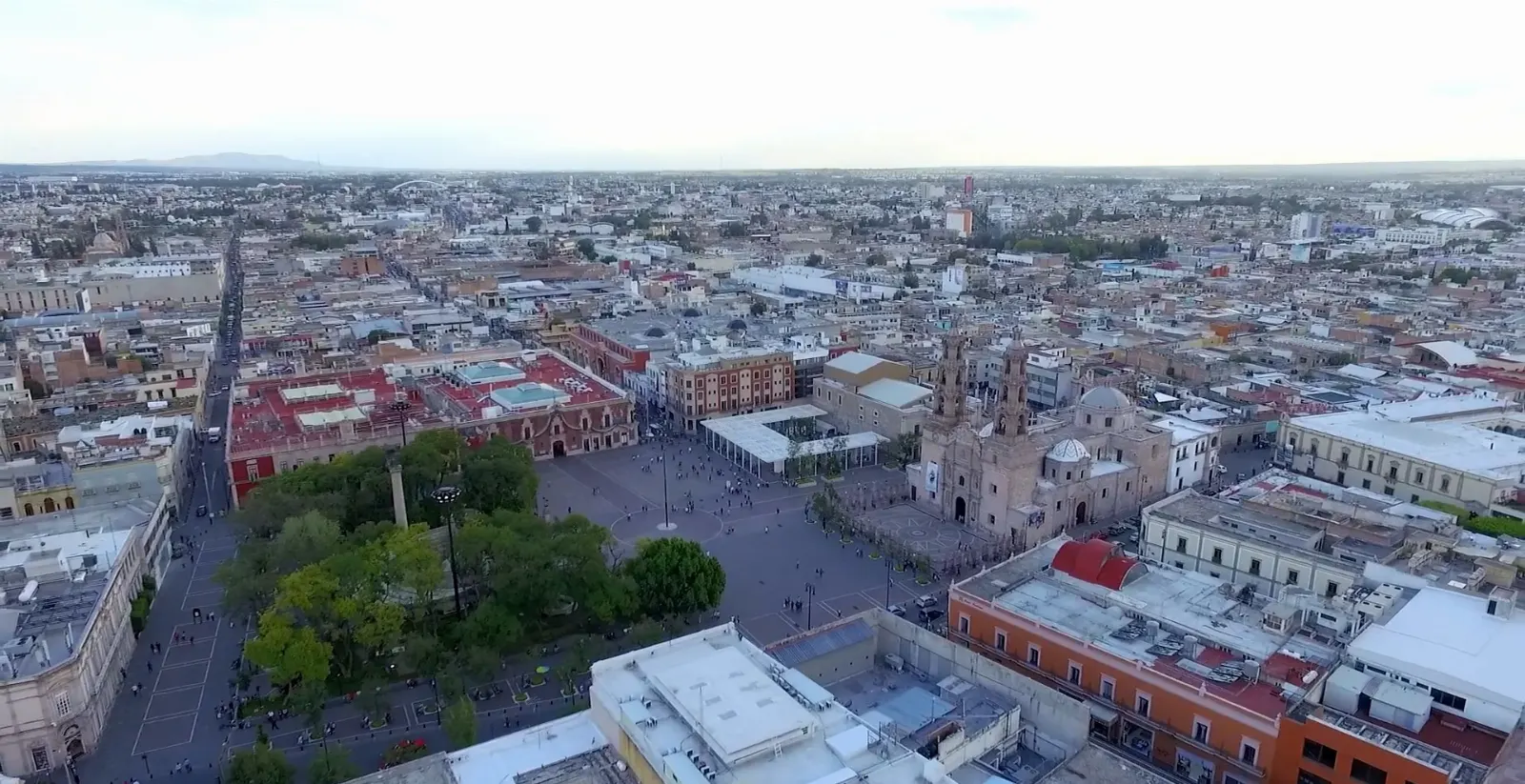
The main square is the heart of the city. It is framed by the cathedral and the Palacio de Gobierno, and a tall column in the middle commemorates Mexican independence.

The Baroque cathedral of Aguascalientes is dedicated to Our Lady of the Assumption. Photo: José Luis Tristán Espino, Wikimedia Commons, CC BY-SA 3.0

Red stone courtyard with arches in the Palacio de Gobierno in Aguascalientes

Catedral Basílica de Nuestra Señora de la Asunción

The baroque cathedral on the west side of the square dates from the 18th century and is dedicated to Our Lady of the Assumption. The interior contains paintings by the colonial artist Miguel Cabrera.

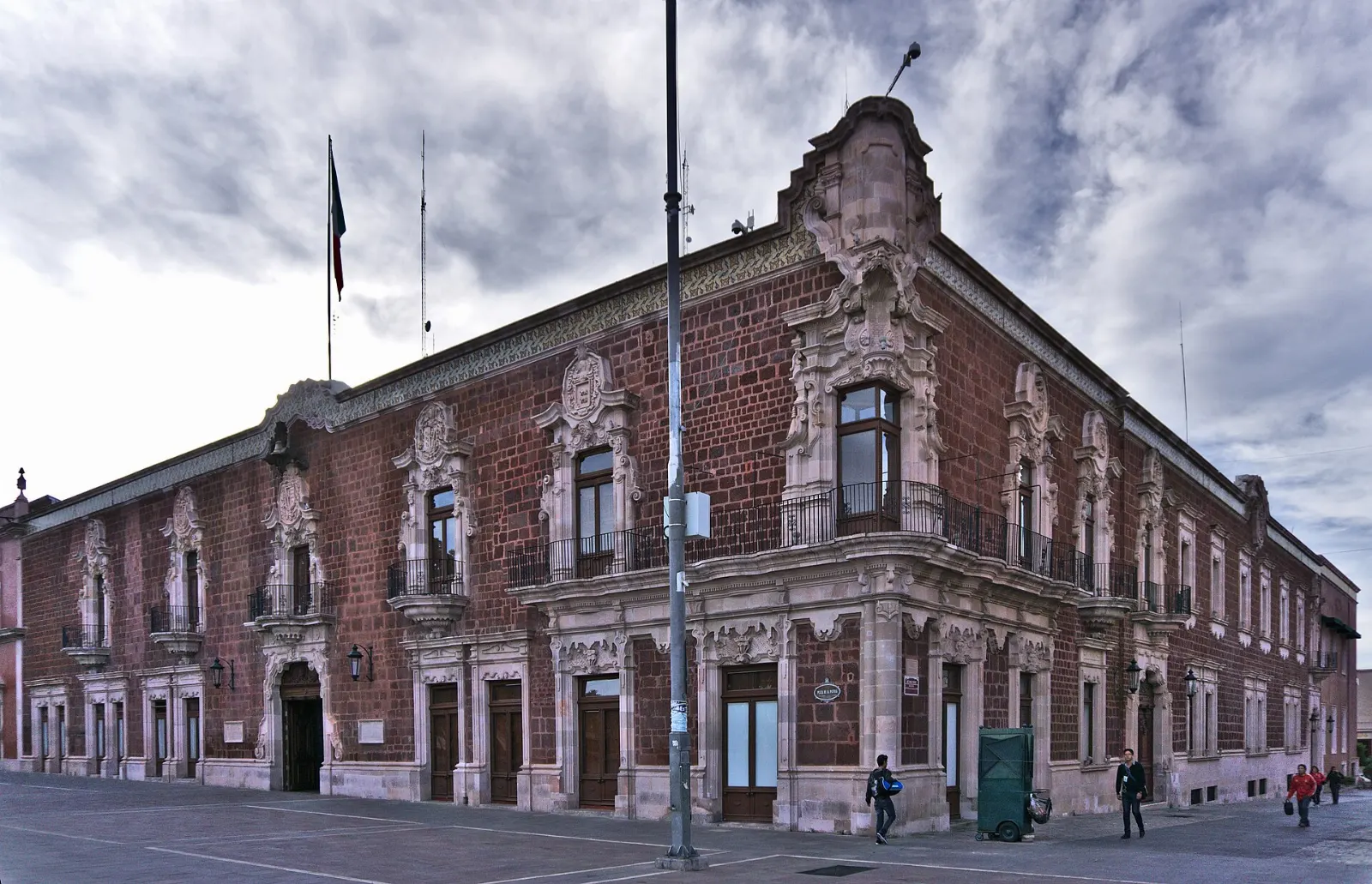
The Palacio de Gobierno is built of red volcanic stone and is known for its arches. Photo: José Luis Mondragón Garibay, Wikimedia Commons, CC BY-SA 4.0

Tree-lined paths of the Jardín de San Marcos next to the Templo de San Marcos, Aguascalientes

Palacio de Gobierno

This is considered the most outstanding colonial building in the city. Built of red volcanic stone, it has a central courtyard with arches and murals that you can usually visit during the day. Allow half an hour and look up at the carved details.

The Jardín de San Marcos is a symbol of the city and lies beside the Templo de San Marcos. Photo: Luis Alvaz, Wikimedia Commons, CC BY-SA 4.0

Garden and church at the Barrio del Encino beside the Posada museum, Aguascalientes

Jardín de San Marcos and the Templo de San Marcos

The garden is shown on the city crest and is a favourite spot for poets, artists and couples. Next to it, the Baroque Templo de San Marcos, finished in 1763, has a tiled dome.

The Posada museum stands beside the Templo del Señor del Encino in the Barrio del Encino. Photo: Luisalvaz, Wikimedia Commons, CC BY-SA 3.0

Museums and neighbourhoods

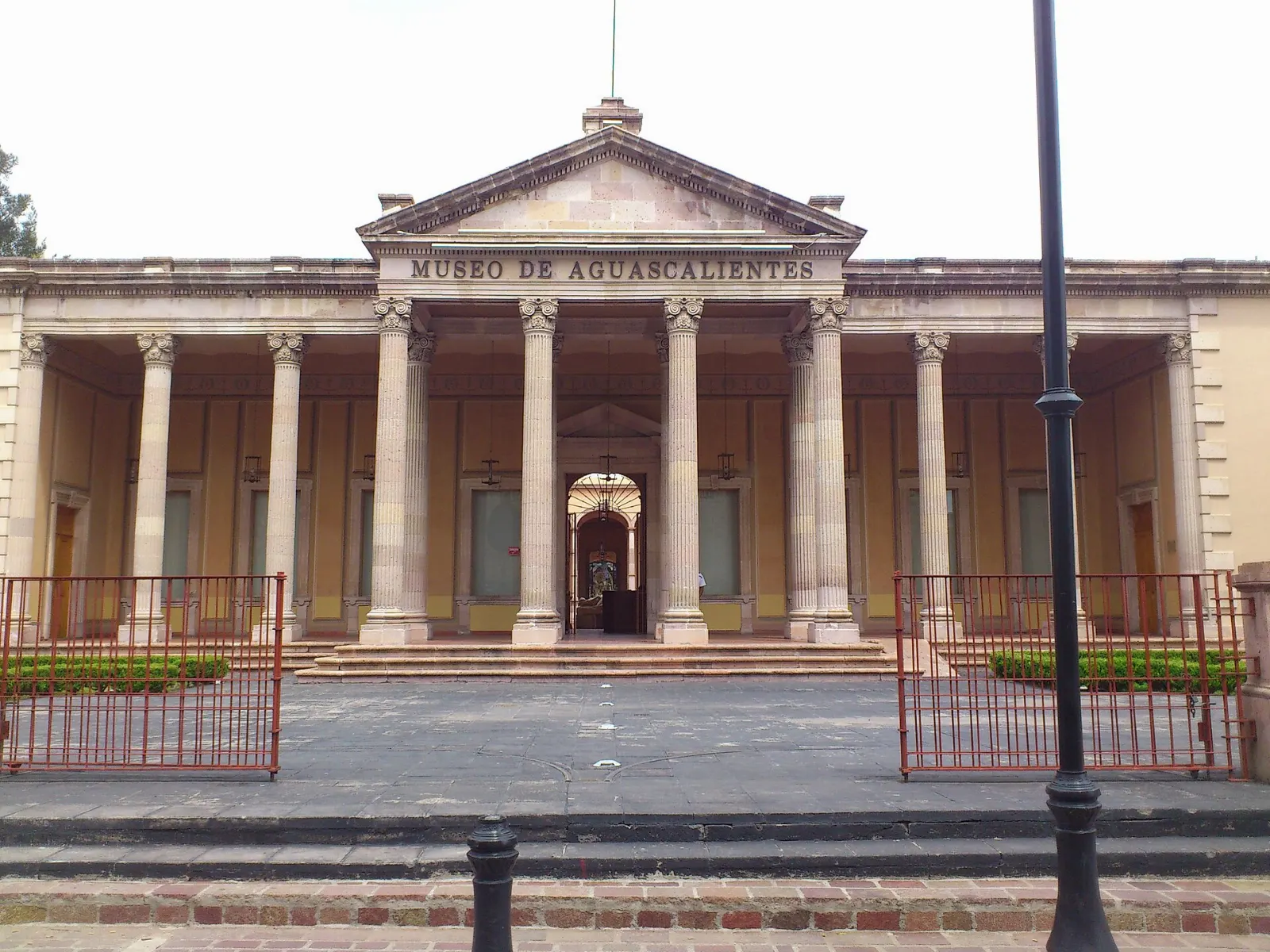
Classical museum building in Aguascalientes with pink stone facade

Barrio del Encino and the Museo José Guadalupe Posada

The Barrio del Encino is the oldest neighbourhood and has the Templo del Señor del Encino, built between 1773 and 1796, and a colonial square.

The Museo de Aguascalientes is housed in a building by the architect Refugio Reyes. Photo: Oscar Ramírez Álvarez, Wikimedia Commons, CC BY-SA 3.0

Museo Nacional de la Muerte

This museum celebrates the Mexican tradition of Day of the Dead, with works from pre-Hispanic times to today. Many people visit Aguascalientes for this museum alone.

Former railway workshops converted into the Museo Espacio in Aguascalientes

Museo de Aguascalientes

The art museum is housed in a Classical building by the architect Refugio Reyes and has works by Saturnino Herrán, who was born in the city.

Museo Espacio occupies the old railway workshops, once a major rail hub. Photo: Luis Alvaz, Wikimedia Commons, CC BY-SA 4.0

Baroque church facade and tiled dome of the Templo de Guadalupe, Aguascalientes

Museo Espacio and the old railway workshops

The Museo Espacio occupies the old railway workshops, where glass floors reveal remnants of the original tracks, and it shows rotating contemporary exhibitions. The nearby La Estación area was once one of the largest rail hubs in Latin America.

The Templo de Guadalupe has a Baroque facade and a dome covered in Talavera tiles. Photo: Luisalvaz, Wikimedia Commons, CC BY-SA 3.0

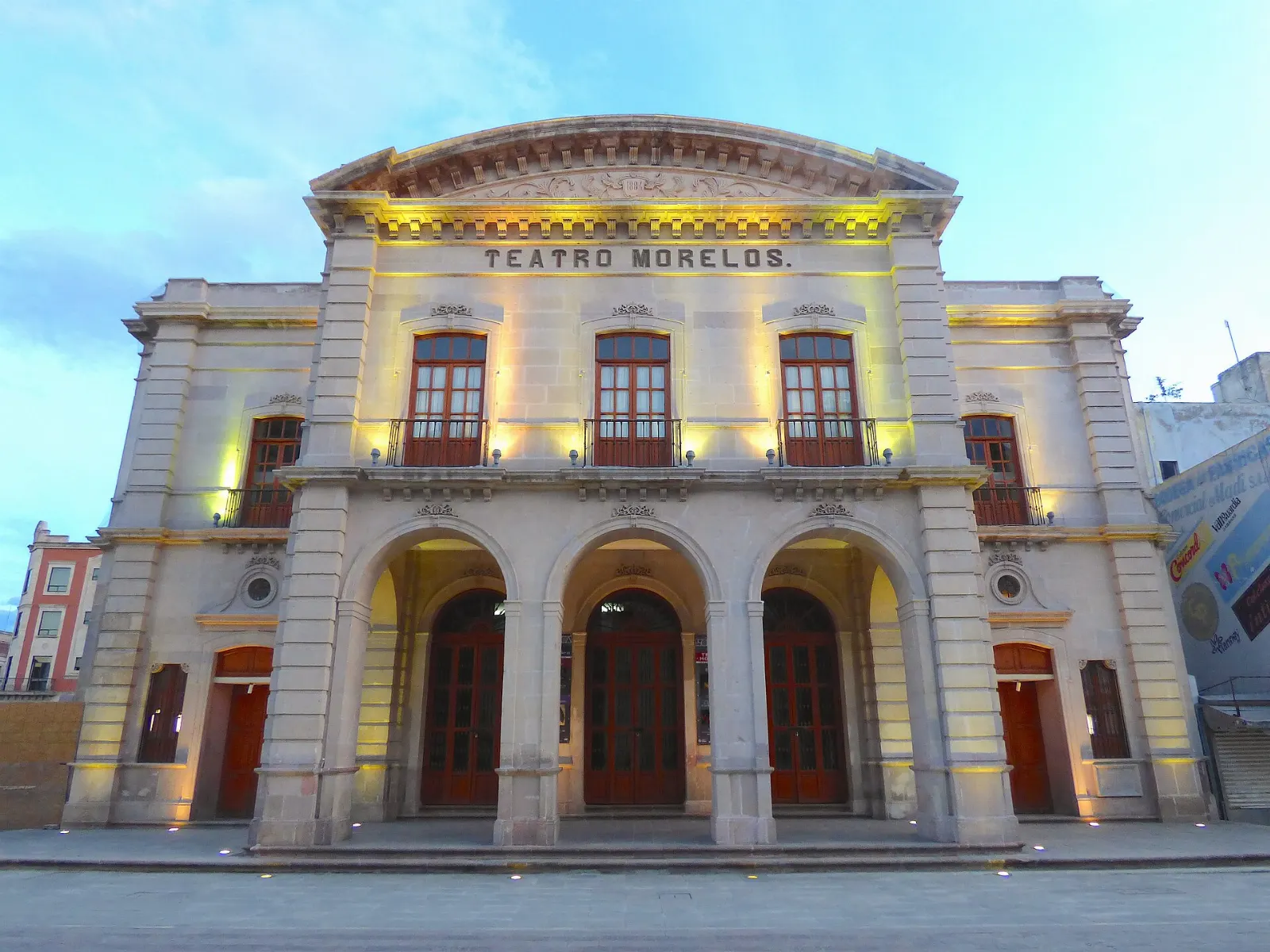
Facade of the Teatro Morelos in Aguascalientes

Templo de Guadalupe

In the Guadalupe neighbourhood, long known for pottery, this church has an exuberant Spanish Baroque facade and a dome covered in Talavera tiles. Inside you will find flower and angel motifs.

Teatro Morelos hosted the Revolutionary Convention of 1914. Photo: Luisalvaz, Wikimedia Commons, CC BY-SA 4.0

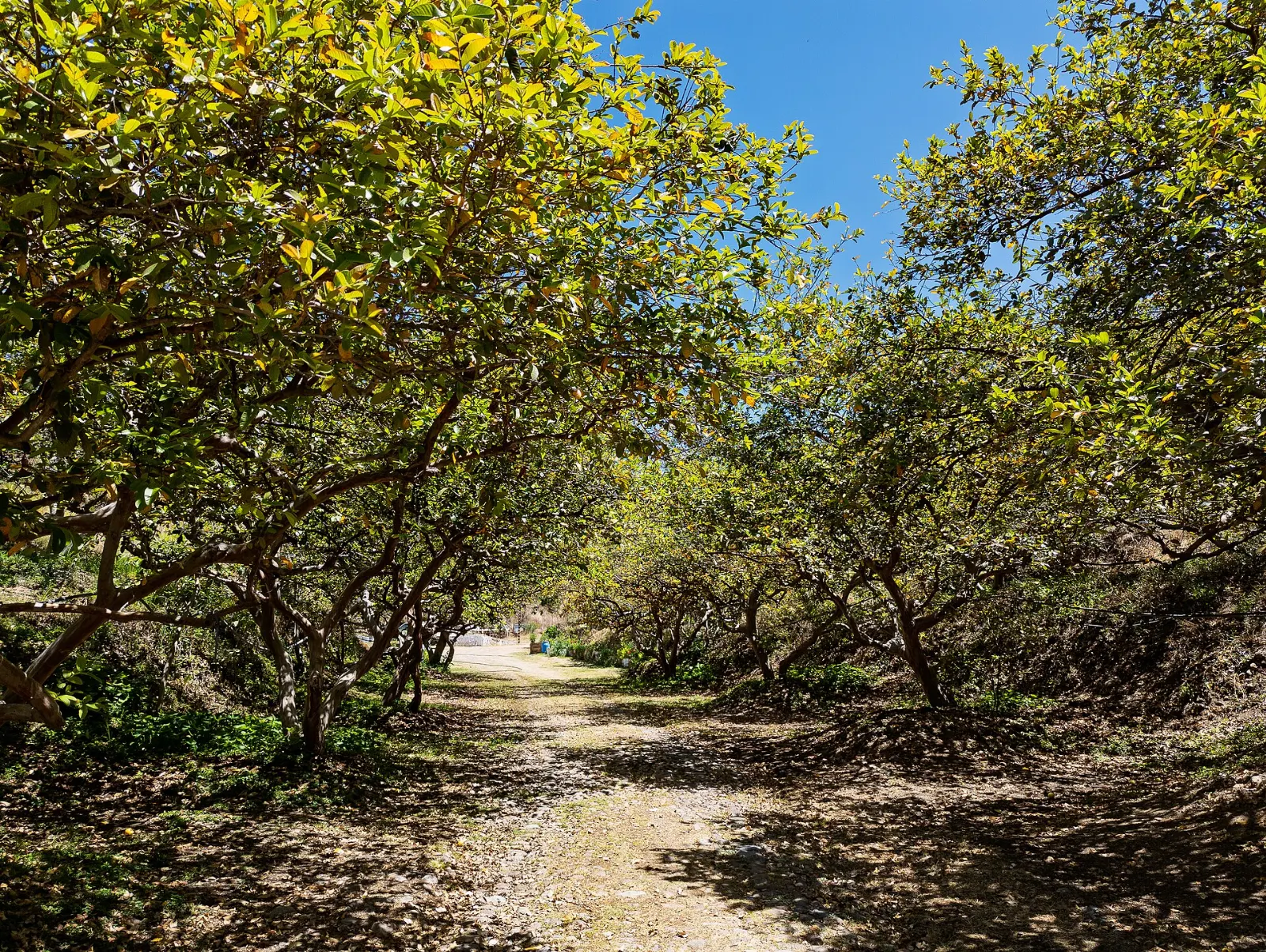
Fresh guavas piled at a market in Calvillo, Aguascalientes

Teatro Morelos

Opened in 1885, this theatre played a key role in the Mexican Revolution, because the Revolutionary Convention of 1914 met here. It is also the venue for the National Poetry Prize during the San Marcos Fair.

Calvillo is the largest guava producer in Mexico. Photo: ProtoplasmaKid, Wikimedia Commons, CC BY 4.0

Hot springs and a day trip

Ojocaliente baths

The Ojocaliente is an original bathhouse still in use, fed by thermal springs, and it connects to the origins of the city's name. It is a good way to relax after a day of sightseeing.

Calvillo

About 52 kilometres from the city, Calvillo calls itself the world capital of guava and is the largest guava producer in Mexico. Its main square is known for orange trees, and the Temple of Our Lord of the Salitre has a remarkable dome.

Food and local flavors

Guava is the local flavour, especially from Calvillo, where it appears in sweets, preserves and liqueurs. Pollo placero is a typical local chicken dish found in market eateries and traditional restaurants, so ask how it is prepared. Aguascalientes wine reflects a grape and wine-making tradition that dates back to the colonial period and continues today, so look for a local bottle in restaurants, and ask about nearby wineries and tastings.

Popular dishes to try in Aguascalientes

Guava in Aguascalientes
Guava Food and local flavorsGuava is the local flavour, especially from Calvillo, where it appears in sweets, preserves and liqueurs.Photo: ProtoplasmaKid, Wikimedia Commons, CC BY 4.0
Aguascalientes wine in Aguascalientes
Aguascalientes wine Aguascalientes wine reflects a grape and wine-making tradition that dates back to the colonial period and continues today, so look for a local bottle in restaurants, and ask…Photo: Josuemirandazepeda, Wikimedia Commons, CC BY 4.0

Where to stay

The Centro Histórico is the best base for first-time visitors, because the square, cathedral, museums and many restaurants are within walking distance. The Barrio de San Marcos suits fair visitors and garden lovers, with the Jardín de San Marcos, the church and lively evenings, though it is busiest in April and May. The Barrio del Encino suits art lovers and slow wanderers, with the Posada museum, a quiet square and a more local feel.

Where to stay in Aguascalientes

Centro Histórico, Aguascalientes
Centro Histórico Where to stayThe Centro Histórico is the best base for first-time visitors, because the square, cathedral, museums and many restaurants are within walking distance.Photo: Luis Alvaz, Wikimedia Commons, CC BY-SA 4.0
Barrio de San Marcos, Aguascalientes
Barrio de San Marcos The Barrio de San Marcos suits fair visitors and garden lovers, with the Jardín de San Marcos, the church and lively evenings, though it is busiest in April and May.Photo: Isacdaavid, Wikimedia Commons, CC BY-SA 4.0
Barrio del Encino, Aguascalientes
Barrio del Encino The Barrio del Encino suits art lovers and slow wanderers, with the Posada museum, a quiet square and a more local feel.Photo: Luis Alvaz, Wikimedia Commons, CC BY-SA 4.0
Aguascalientes old town, Aguascalientes
Aguascalientes old town One of the best areas to base yourself in Aguascalientes.Photo: A Handbook of Mexico, Great Britain. Naval Intelligence Division, 1…, Wikimedia Commons, Public domain

Best time to visit

The climate is semi-arid and warm, with rain concentrated from June to September. May and June are the hottest months, and winter nights can be cool. The big festival is the San Marcos Fair, held from mid-April to early May, with bullfighting, concerts and fireworks, and it draws millions of visitors. Day of the Dead events in late October and early November suit the museums.

Getting there and getting around

Aguascalientes International Airport lies about 16 kilometres from the city and has flights from Mexico City and from several US hubs. The bus station is about five kilometres from the main square, and buses from Mexico City take about six hours. By car, the city is on the federal highway network, and the drive from Mexico City is about five hours. In town, many sights are within walking distance of Plaza de la Patria.

A suggested itinerary

First day

Start at Plaza de la Patria, visit the cathedral and the Palacio de Gobierno, then relax in the Jardín de San Marcos in the afternoon.

Second day

Visit the Posada museum and the Museo Nacional de la Muerte in the morning, then the Museo de Aguascalientes and the Teatro Morelos.

Third day

Spend the morning at Museo Espacio and the old railway area, then take a day trip to Calvillo or end with a soak at the thermal baths.

Practical tips

  • Check your government's current travel advisory before you go.
  • Book hotels very early if you plan to visit during the San Marcos Fair.
  • Wear comfortable shoes, as the historic centre is best explored on foot.
  • Carry cash for market stalls and small museums.
  • Check each museum's closing day before you go, because some close one day a week.
AguascalientesWISERMAP PLACEAguascalientes: photos, reviews & things to doSee traveler photos and reviews, or share your own →

More places to visit

All travel guides →