This guide covers the best places to visit in Hunza Valley, from Karimabad's royal forts to the turquoise water of Attabad Lake and the jagged Passu Cones in Upper Hunza. It also explains when to go, how to reach the valley safely, the documents you need and how to travel respectfully in a close-knit mountain community.
At a glance Hunza Valley
Best timeApril for blossom; May to October for open roads and warm days; late October for autumn color.
How longFour to six days in the valley, plus travel days to and from Islamabad.
Getting thereFly from Islamabad to Gilgit when weather allows, then drive about two to three hours north on the Karakoram Highway.
Ad
Why visit Hunza Valley
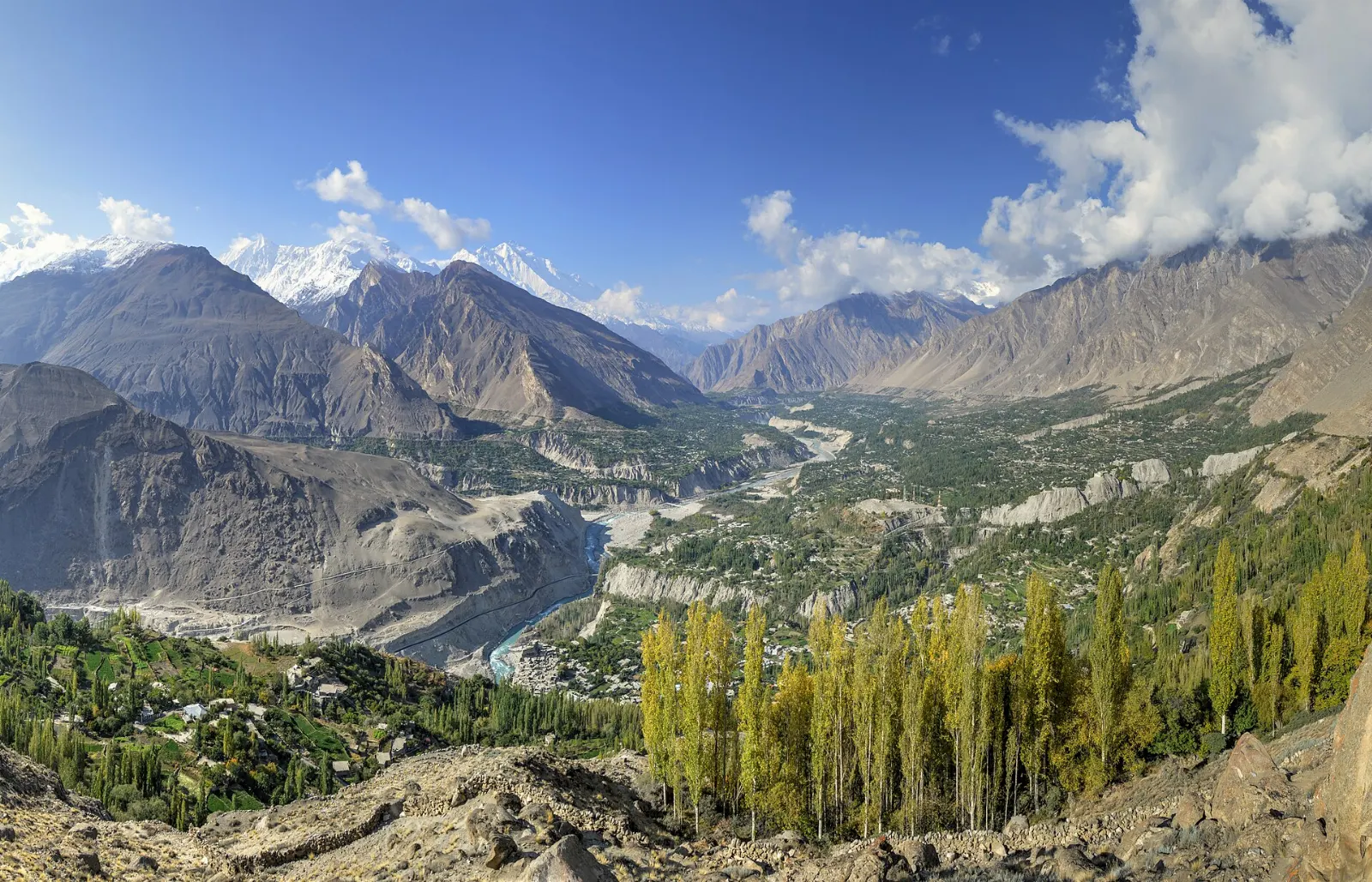
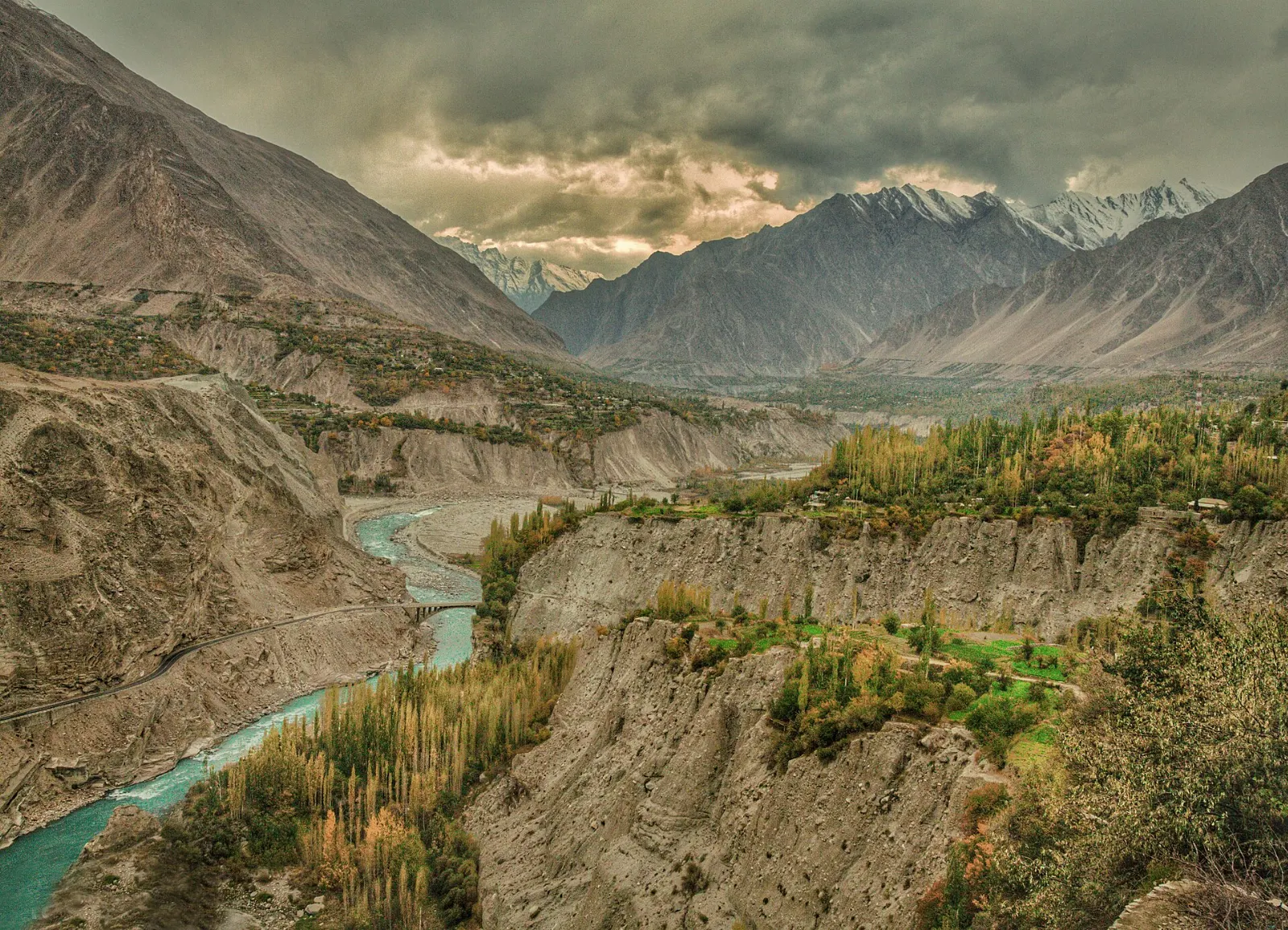
Hunza combines extreme scenery with easy access. Few places let you sit in a village café with a view of a peak more than 7,000 meters high and then drive on a paved highway to glaciers, suspension bridges and a border pass above 4,600 meters.
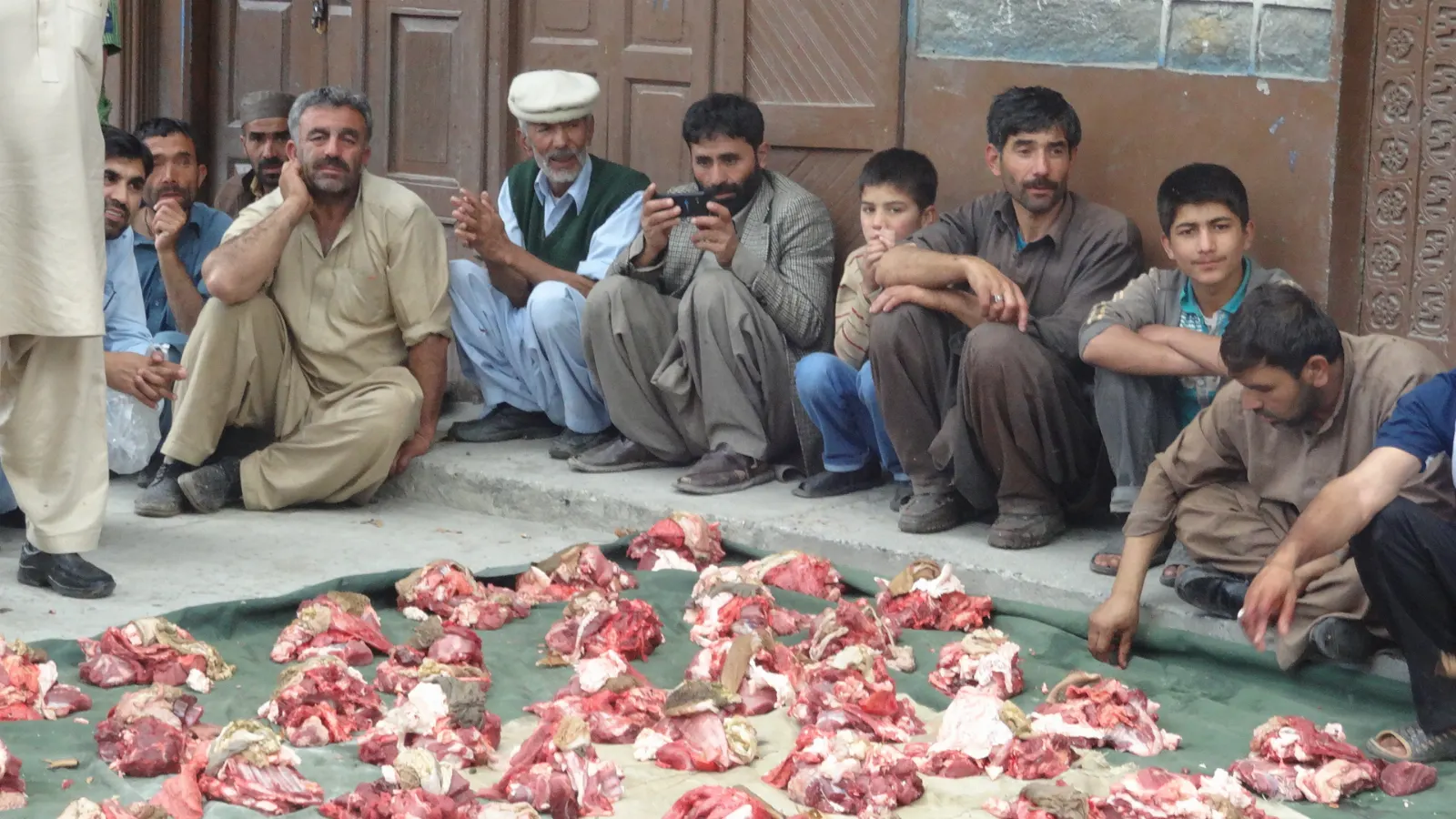
The people are just as memorable. Most residents are Ismaili Muslims, and the valley is known across Pakistan for high literacy, community-run schools and a strong tradition of hospitality. Burushaski is the main language in central Hunza, while Wakhi is spoken in Upper Hunza, also called Gojal.
Karimabad and Central Hunza
Karimabad, sometimes still called Baltit, is the main town of Central Hunza and the natural base for most visitors. It climbs a steep slope above the Hunza River, with a bazaar of craft shops and cafés running up toward the old fort.
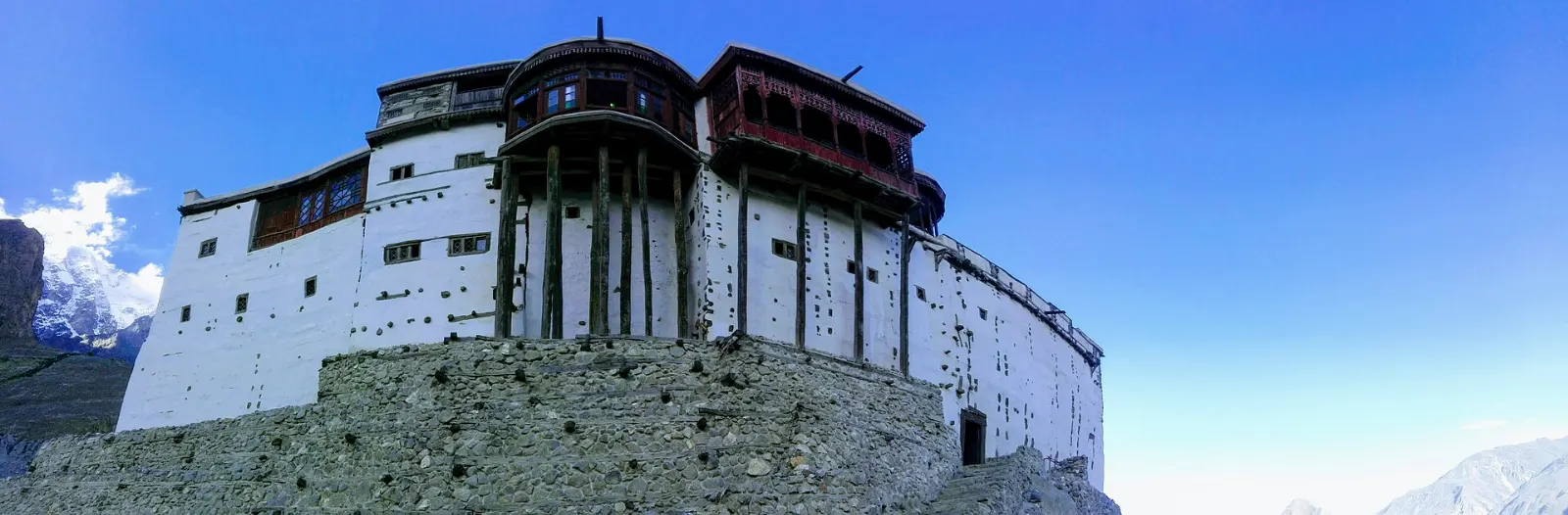
Baltit Fort
Baltit Fort crowns the top of Karimabad and was the main palace of the Mirs of Hunza for generations. Its oldest sections are several centuries old, and the fort was restored and opened as a museum with support from the Aga Khan Trust for Culture.
Baltit Fort was the seat of the Mirs of Hunza and is now a museum. Photo: AZEEM SHERA, Wikimedia Commons, CC BY-SA 4.0
Altit Fort and the Royal Garden
A short drive or a pleasant walk east of Karimabad, Altit Fort stands on a sheer rock above the Hunza River and is considered the older of the two forts, with parts believed to date back roughly a thousand years.
Altit Fort stands on a rock above the Hunza River and is the older of the two royal forts. Photo: Zia ul haq, Wikimedia Commons, CC BY-SA 4.0
Eagle's Nest at Duikar
High above Karimabad, the hamlet of Duikar sits on a ridge known for the viewpoint called Eagle's Nest. From here you see a sweep of peaks including Rakaposhi, Diran, Ultar Sar, Ladyfinger and Golden Peak, and both sunrise and sunset light them up dramatically.
The Duikar ridge above Karimabad is a popular viewpoint for sunrise and sunset. Photo: Maryyyyyyysalvatore95, Wikimedia Commons, CC BY-SA 4.0
Ganish village
Just below Karimabad near the Karakoram Highway, Ganish is one of the oldest continuously inhabited settlements in the valley.
Ganish is one of the oldest settlements in the valley and has a restored historic core. Photo: Abbashuru, Wikimedia Commons, CC BY-SA 4.0
Ultar Meadow and the irrigation channels
For a half-day walk, follow the trail behind Baltit Fort toward Ultar Meadow, beneath the Ultar Sar glacier. The route is steep and rocky and should be done with a guide or experienced local companion, but it rewards you with close views of hanging glaciers.
Ad
Attabad Lake and Upper Hunza
Attabad Lake
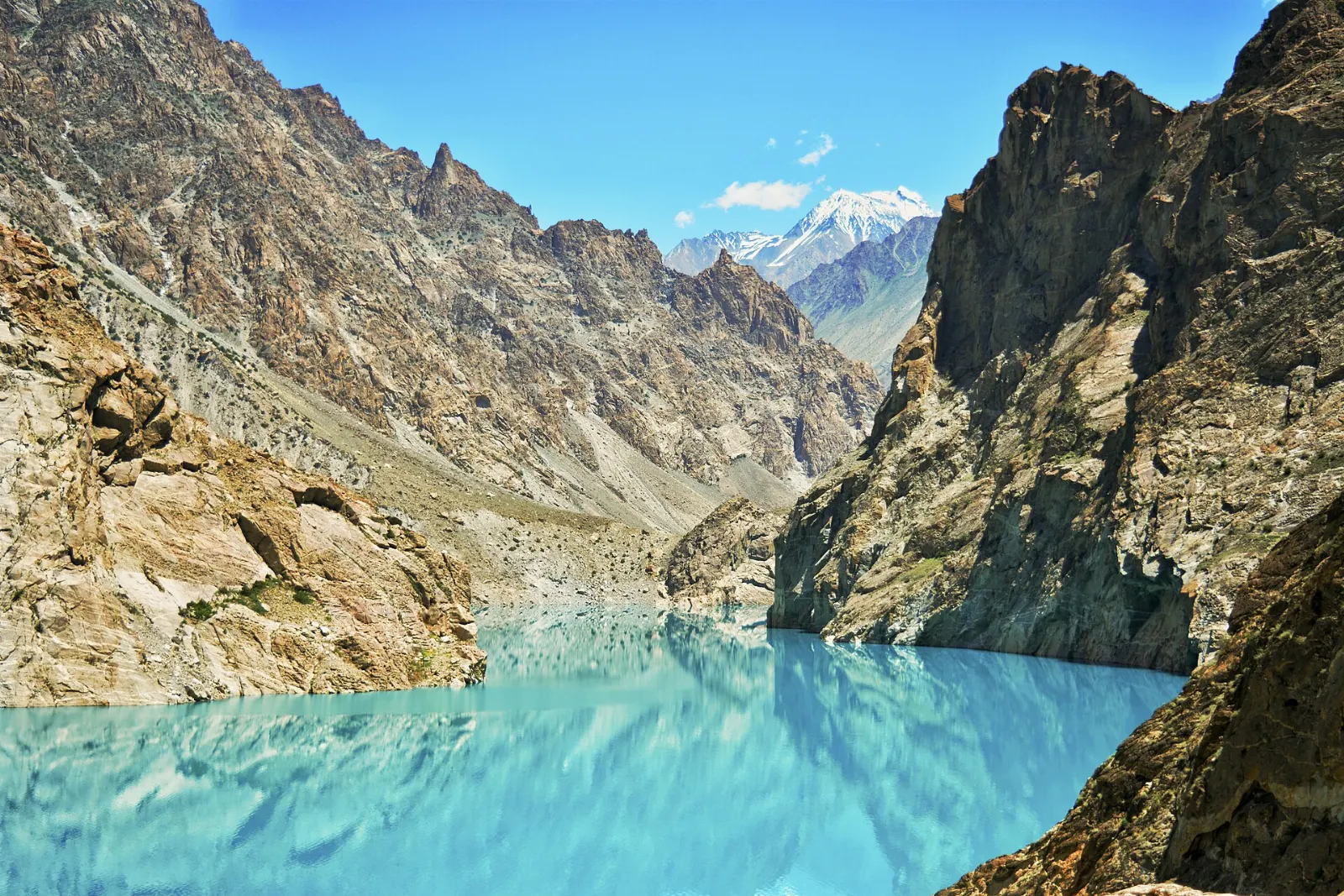
In January 2010, a massive landslide at Attabad village dammed the Hunza River and created a long lake of startling turquoise water. Several villages were flooded and the Karakoram Highway was cut for years until new tunnels opened along the shore. Today the lake is one of the most photographed places in Pakistan.
Attabad Lake formed after a massive landslide blocked the Hunza River in January 2010. Photo: Hassanzealous, Wikimedia Commons, CC BY-SA 4.0
Gulmit
North of the lake, Gulmit is a quiet Wakhi village and a good base for exploring Gojal. It has a small cultural museum, traditional houses and orchards, and views toward the Passu Cones.
Hussaini suspension bridge
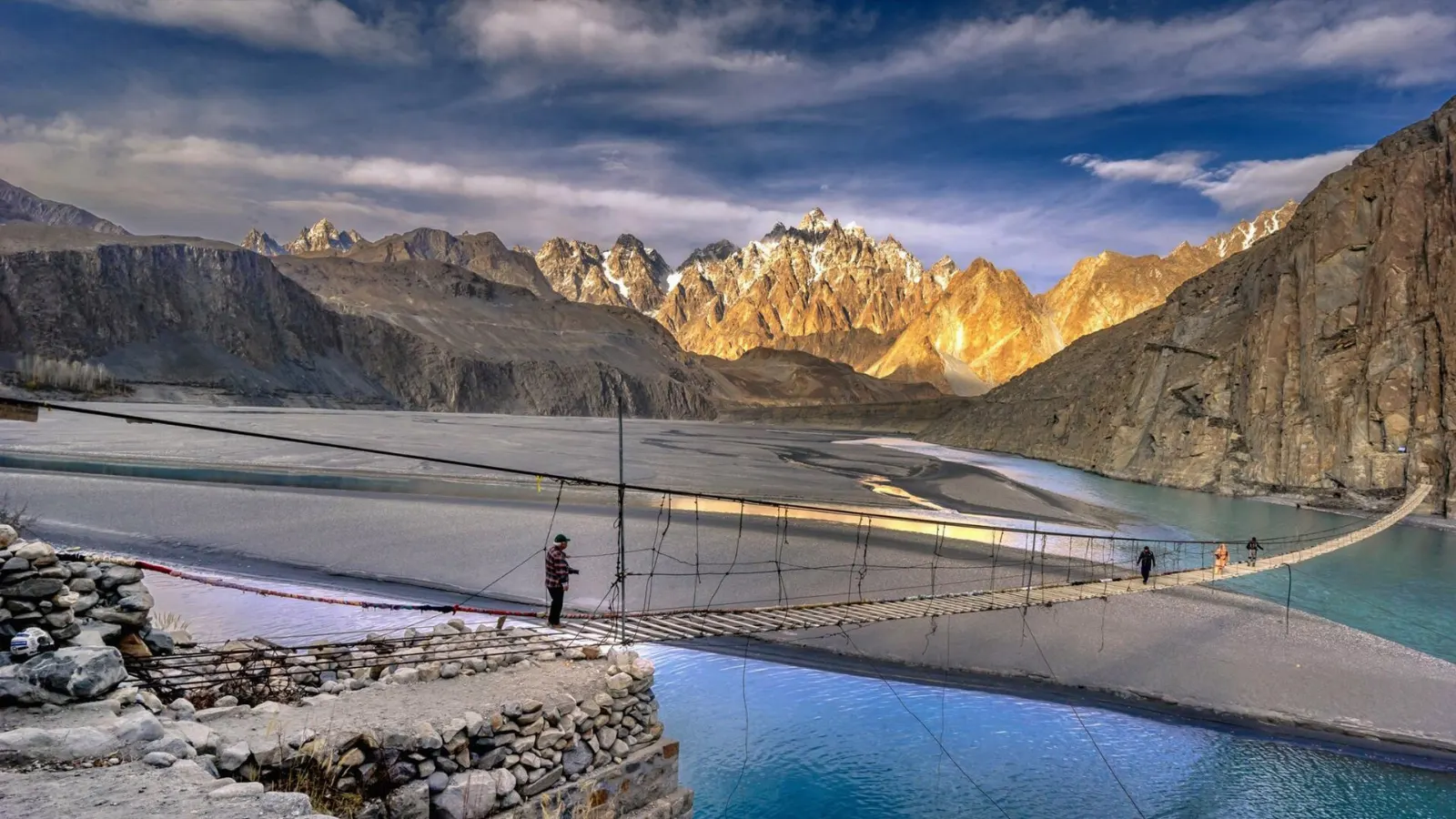
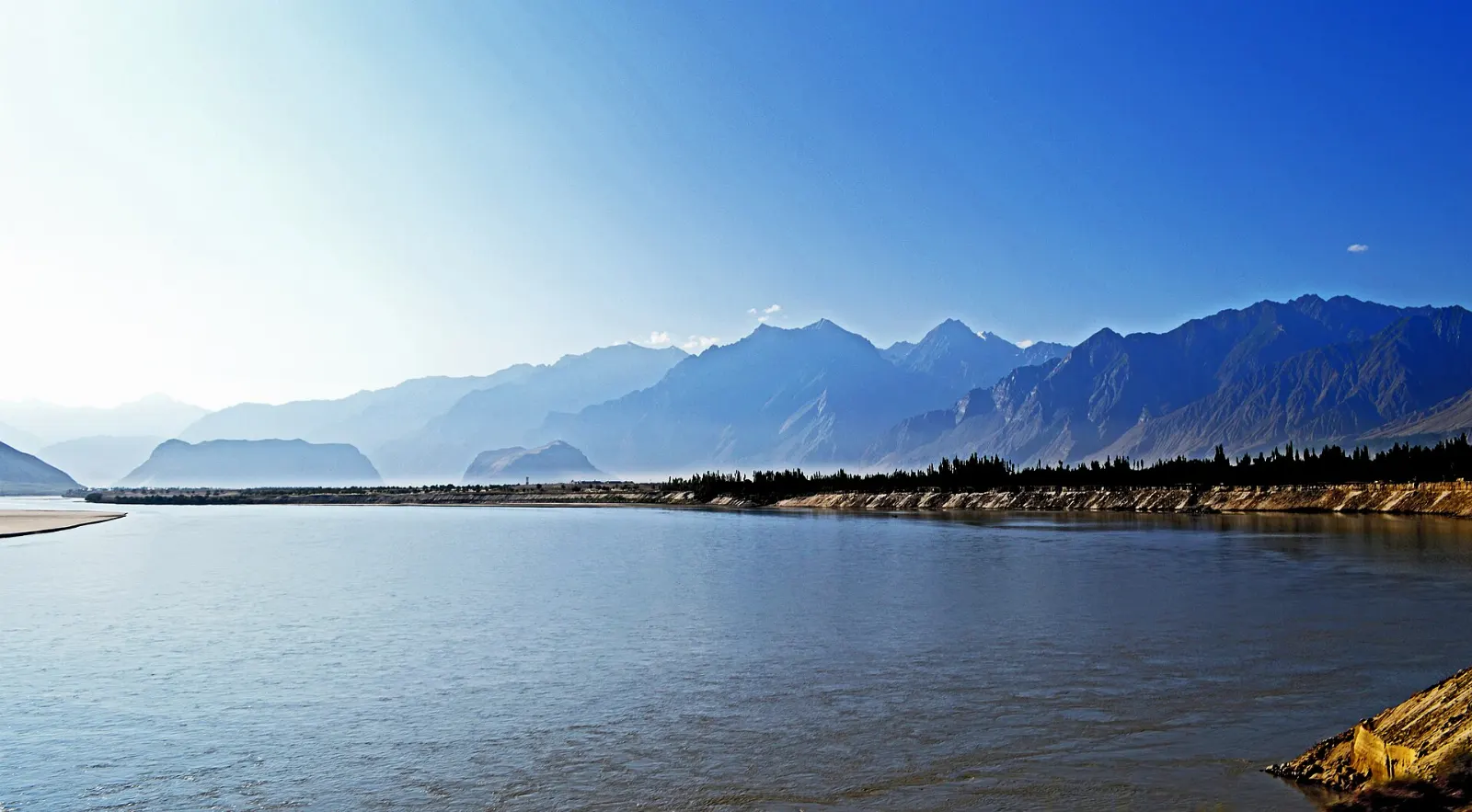
Near the village of Hussaini, a long and rickety suspension bridge of planks and cables crosses the Hunza River. Walking across, with gaps between the boards and the river rushing below, is a rite of passage for many visitors. Allow about an hour including the short walk down from the road.
The Hussaini suspension bridge crosses the Hunza River near the village of Hussaini. Photo: Iqbal Huma, Wikimedia Commons, CC0
Passu Cones and Passu Glacier
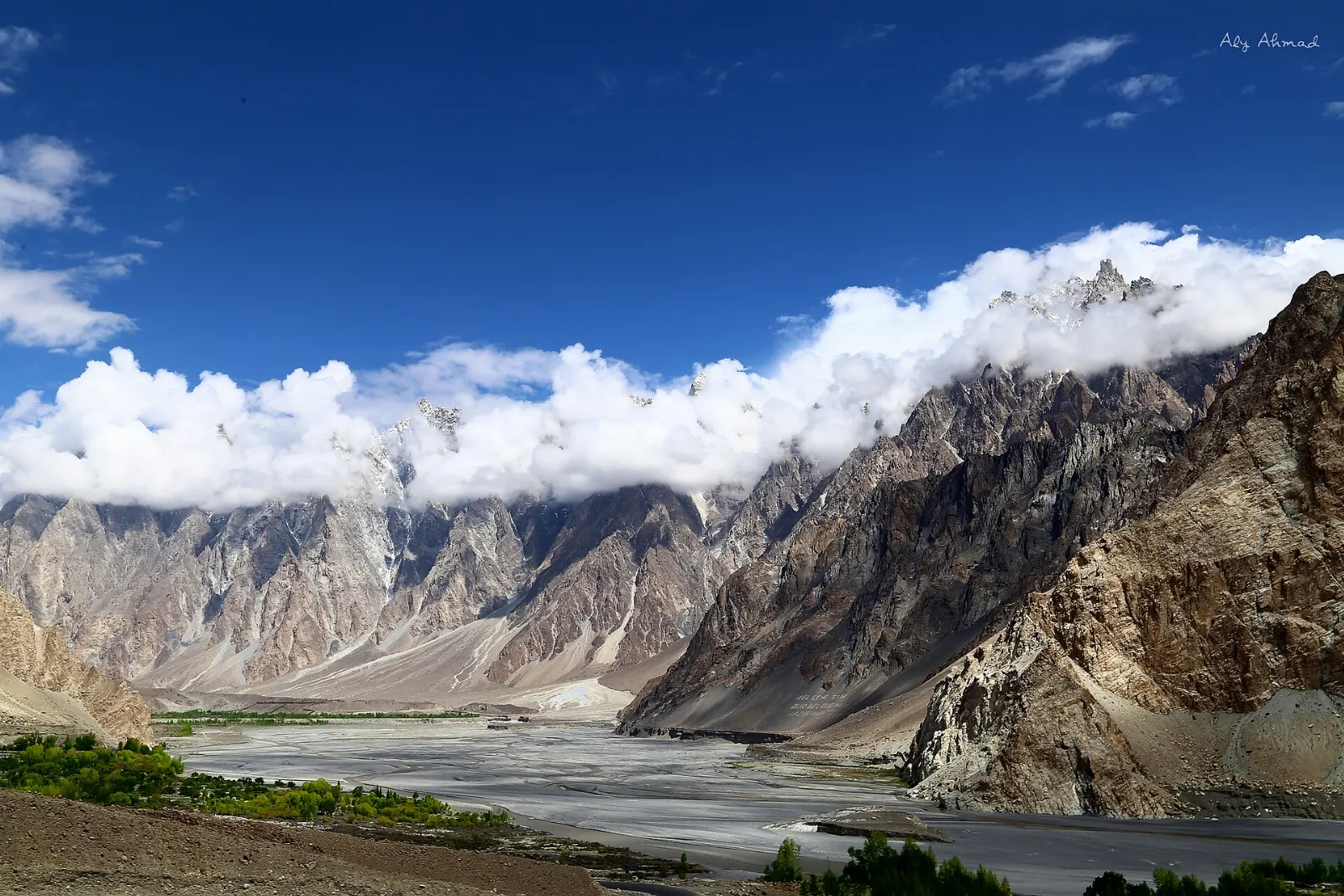
The sharp spires of the Passu Cones, also known as Tupopdan or Passu Cathedral, are the signature view of Upper Hunza. The best angles are from the highway just south of Passu village.
The Passu Cones, also called Tupopdan or Passu Cathedral, dominate Upper Hunza. Photo: Aly Ahmad1991, Wikimedia Commons, CC BY-SA 4.0
Khunjerab Pass
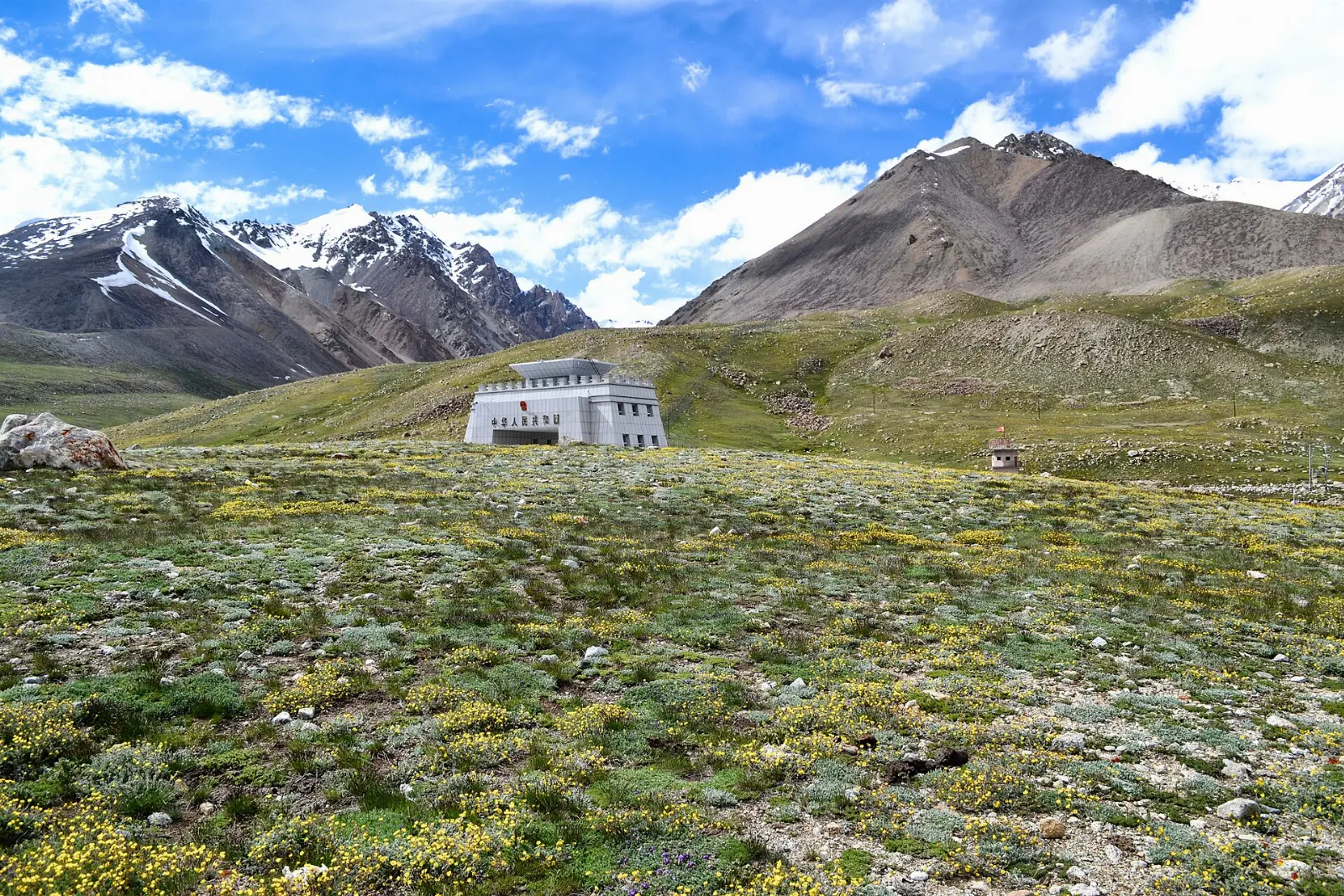
The Karakoram Highway climbs north through Sost to Khunjerab Pass on the Pakistan-China border, at about 4,693 meters. It is among the highest paved border crossings in the world, and the route passes through Khunjerab National Park, home to Marco Polo sheep, ibex and snow leopards.
Khunjerab Pass on the Pakistan-China border is among the highest paved border crossings in the world. Photo: Sheikh Danish Ejaz, Wikimedia Commons, CC BY-SA 4.0
Nagar and the Rakaposhi side
Rakaposhi viewpoint at Ghulmet
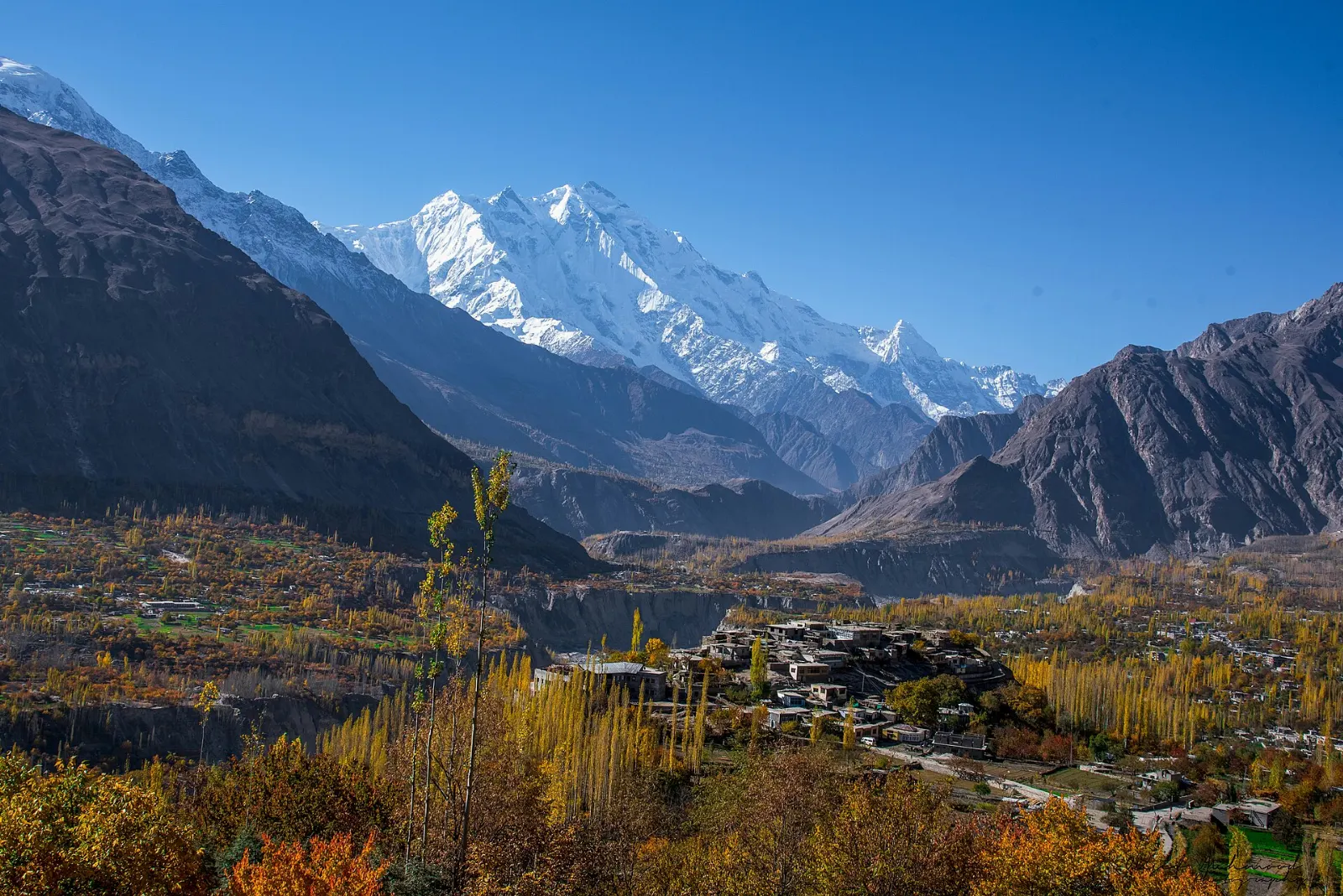
South of Karimabad on the Nagar side of the river, the village of Ghulmet offers the closest roadside view of Rakaposhi, which rises to about 7,788 meters. Cafés along the highway look straight up at the mountain's long ridges.
Rakaposhi rises to about 7,788 meters and is seen up close from Ghulmet in Nagar. Photo: Wasif Mehmood Arain, Wikimedia Commons, CC BY-SA 4.0
Hopar Glacier
A side road from Nagar climbs to Hopar, where a viewpoint looks over the Bualtar Glacier, a grey river of ice and rubble, with peaks rising beyond.
Ad
Food and local flavors
Hunza cuisine is simple, seasonal and built around grains, dairy, dried fruit and nuts. Look for chapshuro, a hand-sized bread stuffed with minced meat, onion and spices, baked until crisp.
Apricots are everywhere: fresh in summer, dried for winter, pressed into oil and used in soups and jams. Mulberries, cherries, walnuts and almonds are also grown, and walnut cake has become a favorite in Karimabad cafés.
Popular dishes to try in Hunza Valley
Apricot Diram fitti is a wholewheat bread drizzled with apricot oil or butter, and harissa is a slow-cooked wheat and meat porridge eaten in winter.Photo: Shisma, Wikimedia Commons, CC0Walnut cake Mulberries, cherries, walnuts and almonds are also grown, and walnut cake has become a favorite in Karimabad cafés.Photo: Andy Li, Wikimedia Commons, CC0Buckwheat Many cafés serve buckwheat pancakes, local cheeses and soups made with dried vegetables.Photo: Andrey Korzun, Wikimedia Commons, CC BY-SA 4.0
Where to stay
Karimabad is the best choice for a first visit, with the widest range of guesthouses, cafés and drivers, and walking access to Baltit Fort and the bazaar. Altit and Duikar suit travelers who want quieter surroundings and sunrise views, accepting a short drive to town.
In Upper Hunza, Gulmit and Passu are ideal for walkers and travelers heading toward Khunjerab, while lakeside properties around Attabad Lake attract couples and families who want water views.
Where to stay in Hunza Valley
Baltit Fort Where to stayKarimabad is the best choice for a first visit, with the widest range of guesthouses, cafés and drivers, and walking access to Baltit Fort and the bazaar.Photo: Alllexxxis, Wikimedia Commons, CC BY-SA 4.0Duikar Altit and Duikar suit travelers who want quieter surroundings and sunrise views, accepting a short drive to town.Photo: Noor ul ain Gulzar, Wikimedia Commons, CC BY-SA 4.0Passu In Upper Hunza, Gulmit and Passu are ideal for walkers and travelers heading toward Khunjerab, while lakeside properties around Attabad Lake attract couples and families who…Photo: Shahbazaslam1, Wikimedia Commons, CC BY-SA 4.0Khunjerab In Upper Hunza, Gulmit and Passu are ideal for walkers and travelers heading toward Khunjerab, while lakeside properties around Attabad Lake attract couples and families who…Photo: Kamil Masood, Wikimedia Commons, CC BY-SA 3.0
Ad
Best time to visit
Spring arrives in late March and April, when apricot and cherry blossom cover the valley in white and pink against snowy peaks. Days are mild but nights are cold.
Autumn, from late September into early November, is many travelers' favorite season. Poplar and fruit trees turn gold and red, skies are often clear and crowds thin out.
Getting there, getting around and staying safe
Check your government's current travel advice before you plan. Several governments advise against travel to large parts of Khyber Pakhtunkhwa and Balochistan, and the UK government specifically advises against all travel on the Karakoram Highway between Mansehra and Chilas via Besham and Dasu.
The simplest route is a domestic flight from Islamabad to Gilgit, a spectacular trip past Nanga Parbat that is often delayed or cancelled when weather is poor, so build in spare days.
Foreign visitors with a valid Pakistani visa generally do not need a special permit for Hunza, Attabad Lake or Khunjerab Pass, while some remote trekking areas require one.
Ad
A suggested itinerary
First day
Arrive in Gilgit and drive north, stopping at the Rakaposhi viewpoint in Ghulmet.
Second day
Tour Baltit Fort in the morning, walk to Altit Fort and the Royal Garden, and visit Ganish village.
Third day
Head north to Attabad Lake for a morning boat ride, continue to Gulmit, then cross the Hussaini suspension bridge and stop at the Passu Cones viewpoint.
Fourth day
Make the day trip to Khunjerab Pass, returning through Sost and Passu.
Fifth day
Return south, add a side trip to Hopar Glacier in Nagar, and drive on to Gilgit for an early flight, keeping an extra day in reserve in case flights are cancelled.
Practical tips
Read your government's latest travel advisory for Pakistan before booking and again before you travel, and register with your embassy if it offers that service.
Carry your original passport and visa everywhere, as checkpoints on the Karakoram Highway record foreign visitors.
Bring enough cash from Islamabad or Gilgit; ATMs in Aliabad and Karimabad exist but can be unreliable during power cuts.
Dress modestly, with arms and legs covered, and ask before photographing people, especially women.
Allow buffer days for cancelled flights and landslide closures on the Karakoram Highway.
Acclimatize gradually before going to Khunjerab, and descend if you develop headache, nausea or breathlessness.
Pack warm layers, sun protection and a headlamp; evenings are cold and power cuts are common.