Lake Como Italy Bellagio Grand Villas and Ferry Hops
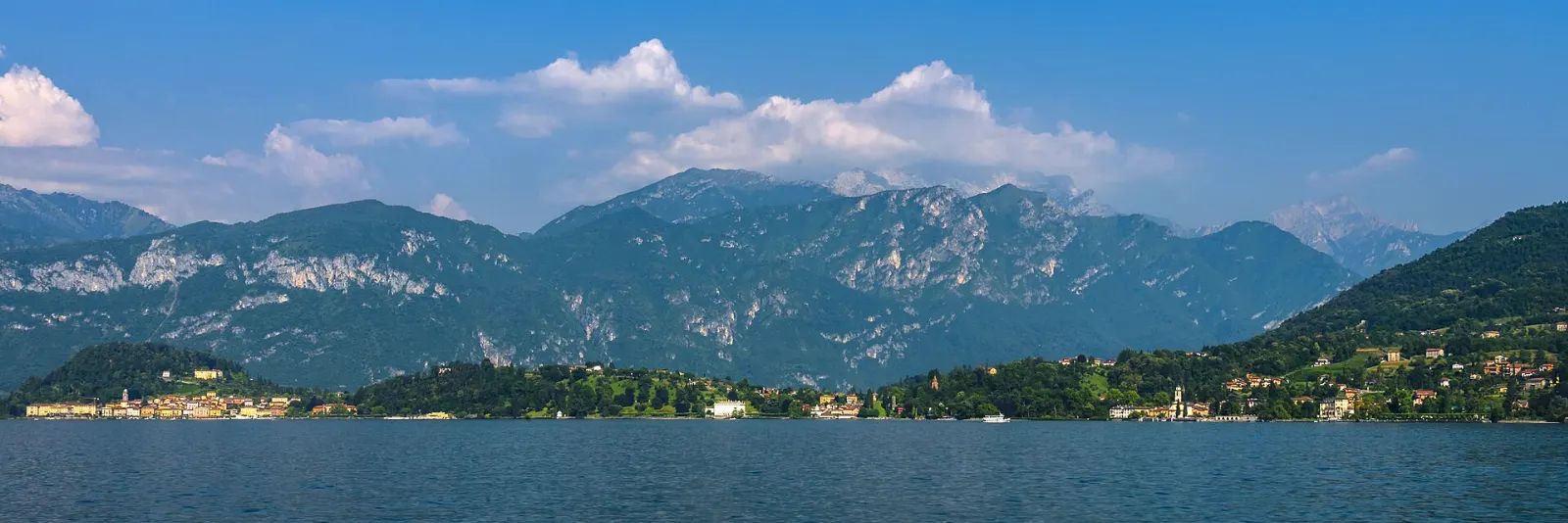
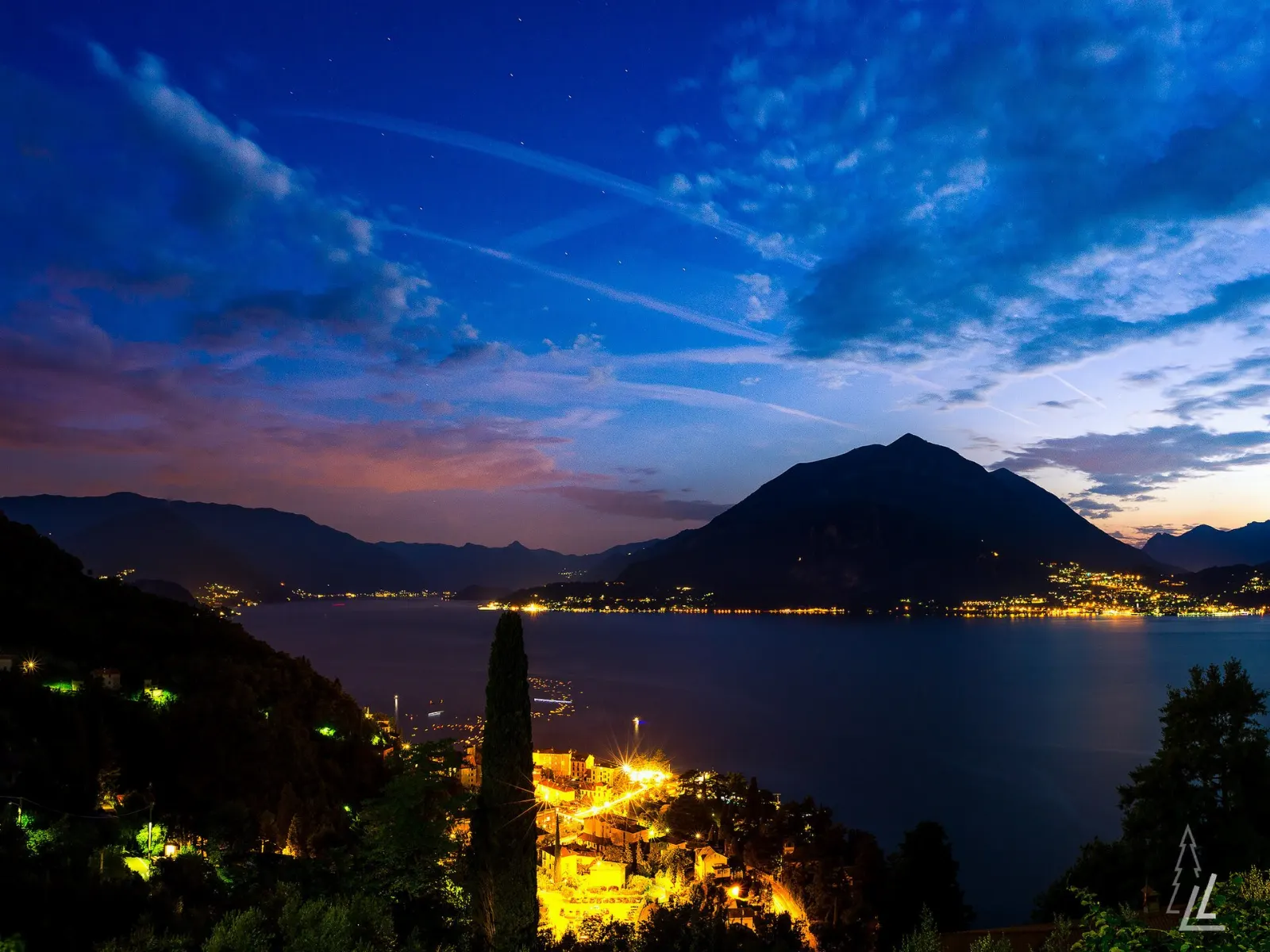
Lake Como lies in Lombardy at the foot of the Alps, about an hour north of Milan. Shaped like an upside-down letter Y, it splits into three branches around the Bellagio promontory, with steep, wooded mountains rising on all sides.
By WiserMap TravelUpdated October 20269 places10 min read
This guide takes you to the places that make the lake special, from the city of Como to the villages of the central lake and the famous villas of the western shore.
At a glance Lake Como
Best timeApril to June for blooming gardens and September to October for warm, quieter days.
How longThree to four nights to see Como town, the central lake villages and two or three villas.
Getting thereFly into Milan, then take a train to Como or Varenna and continue by ferry.
Ad
Why visit Lake Como
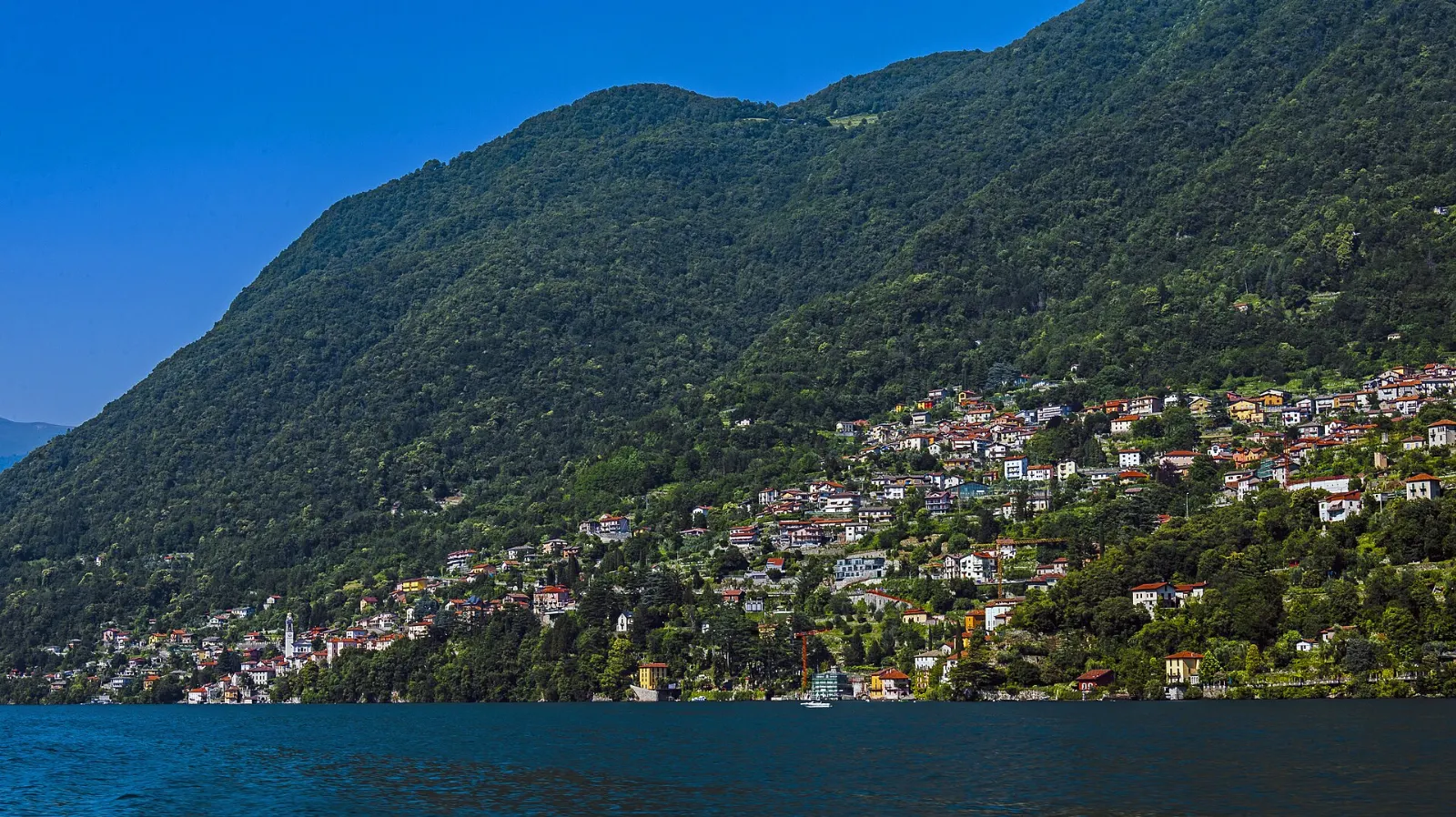
Lake Como is all about the combination of water, mountains and gardens. Ferries criss-cross between villages whose pastel houses sit right on the shore, and the views change constantly as clouds move over the peaks.
The area also has a long cultural history. Pliny the Elder and Pliny the Younger were born in Como, and the town later grew wealthy on silk production, an industry that still continues.
Best of all, you do not need a car. Trains reach the lake quickly from Milan, and the ferry network turns getting around into one of the highlights of the trip.
Como town and the southern lake
Como Cathedral and the old town
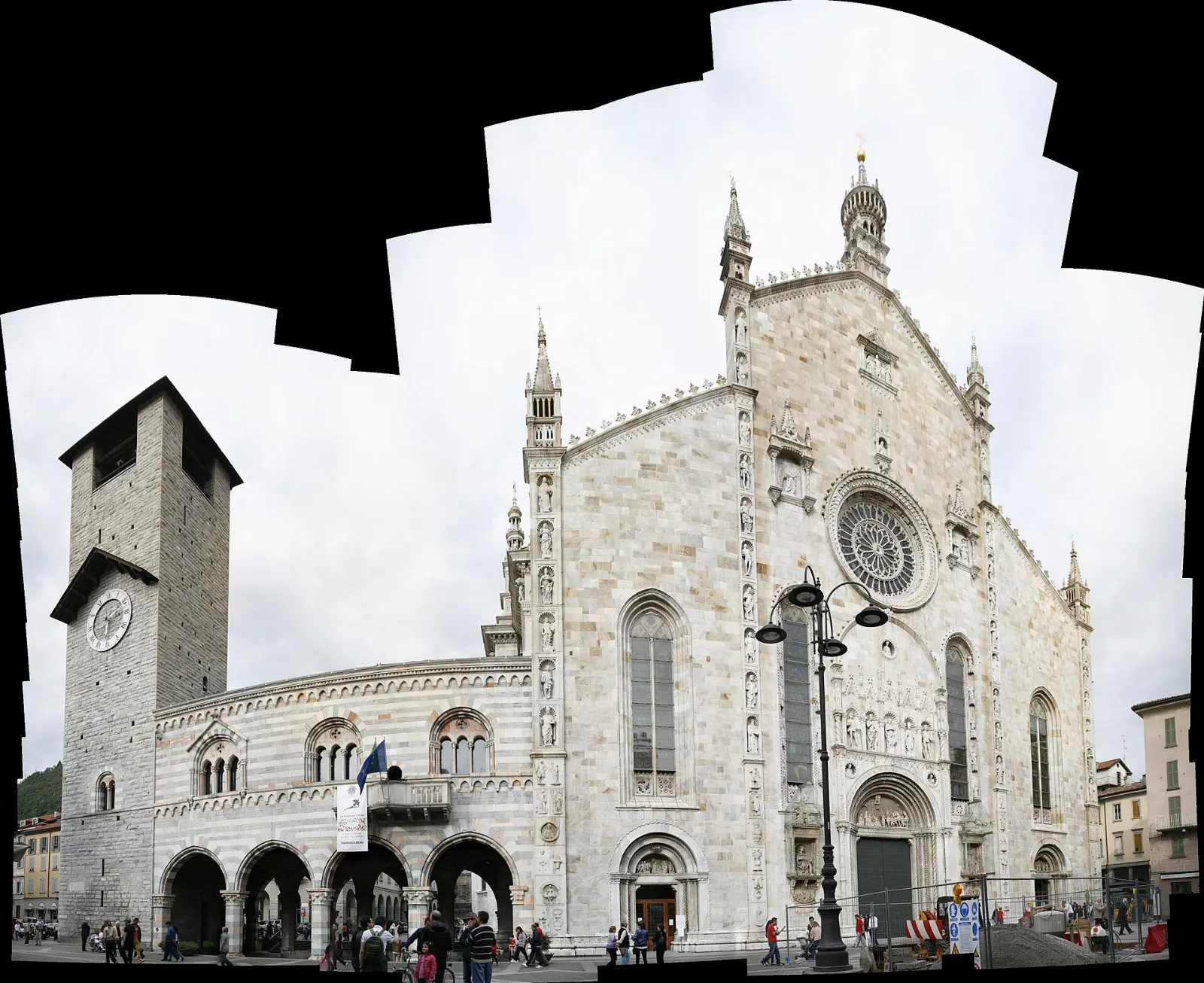
Como's walled old town is compact and largely pedestrian, with arcaded streets and squares that open onto the lakefront. The Duomo, built between the late fourteenth and eighteenth centuries, combines a Gothic marble facade with a Renaissance interior and a dome added later by the architect Filippo Juvarra.
Como Cathedral was built over several centuries and blends Gothic and Renaissance styles. Photo: Corby1960, Wikimedia Commons, CC BY-SA 4.0
Brunate funicular and the lakefront
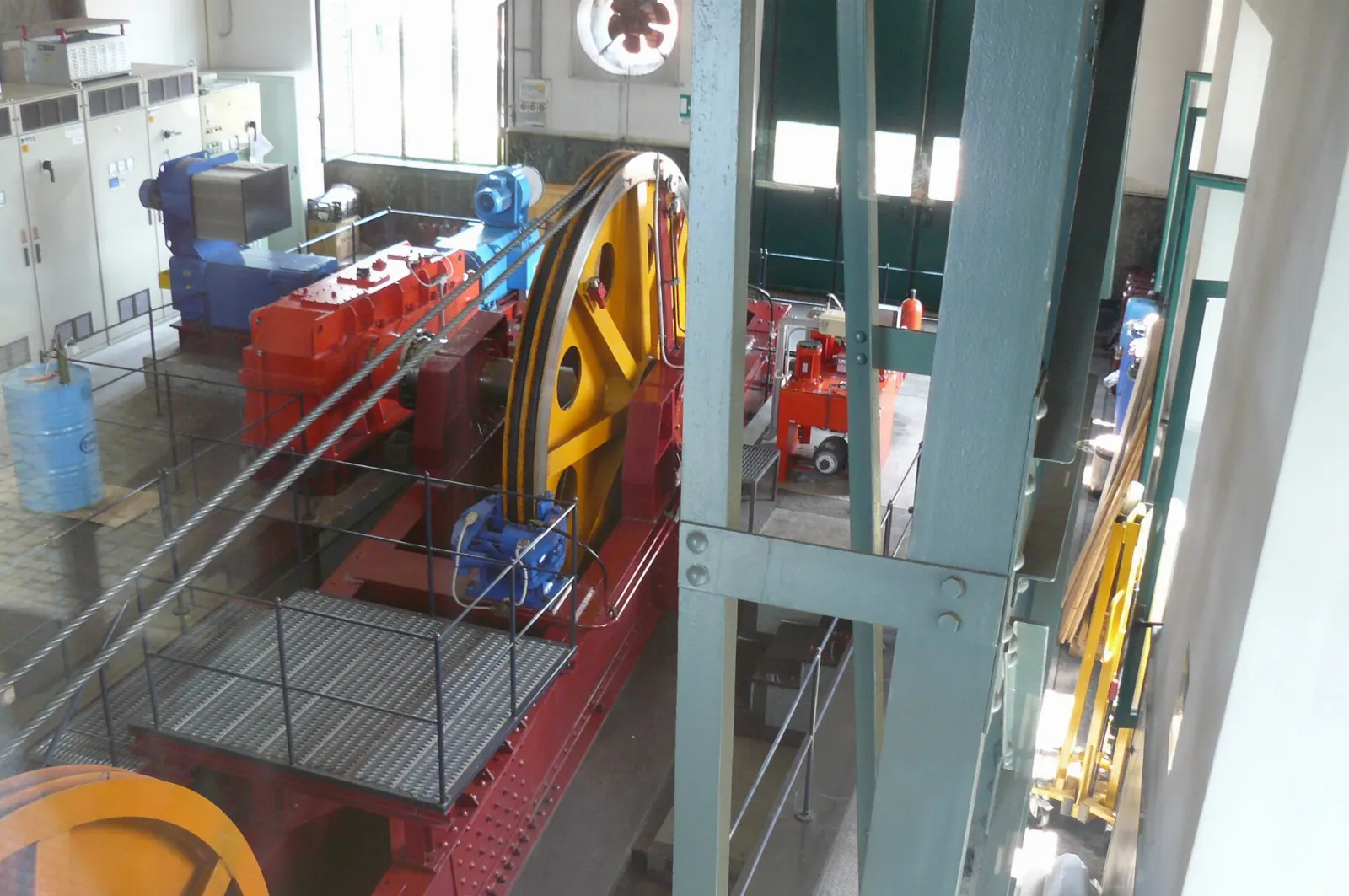
From the northern end of the lakefront, a funicular climbs steeply to the village of Brunate, about 700 meters above sea level, in around seven minutes.
The Como to Brunate funicular has carried passengers up the mountainside since the late nineteenth century. Photo: MOs810, Wikimedia Commons, CC BY-SA 4.0
Nesso
On the eastern shore of the Como branch, the village of Nesso sits where a stream plunges through a narrow gorge into the lake. A medieval stone bridge spans the gorge just above the water, and stairways lead down from the main road.
At Nesso, a stone bridge spans the gorge where a waterfall drops toward the lake. Photo: Daniel Case, Wikimedia Commons, CC BY-SA 3.0
Ad
Bellagio, Varenna and Menaggio
Bellagio
Bellagio occupies the tip of the promontory where the lake divides, which gives it views up all three branches. Its lanes of stone steps, called salite, climb from the waterfront past shops selling silk, leather and local crafts.
Allow a full day if you add the gardens. Bellagio is the busiest village in summer, so arrive by an early ferry or stay overnight to enjoy it in the quiet evening hours.
Villa Melzi gardens
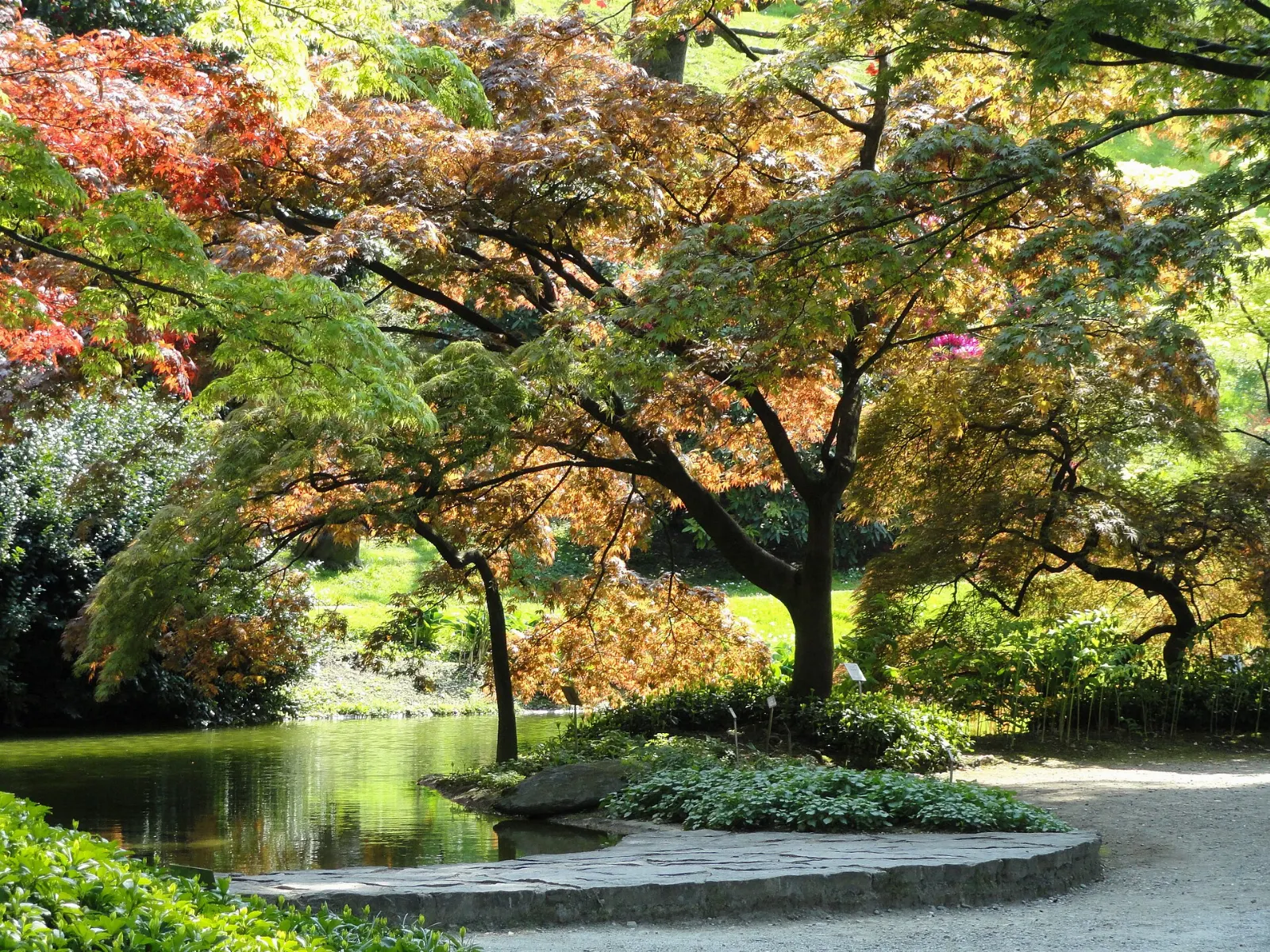
A short walk south of Bellagio's center, the gardens of Villa Melzi d'Eril were laid out in the early nineteenth century in English landscape style.
The gardens of Villa Melzi stretch along the shore just south of Bellagio's center. Photo: Daderot, Wikimedia Commons, Public domain
Varenna
Across the water on the eastern shore, Varenna is a small, romantic village of narrow alleys tumbling down to a tiny harbor. Walk the Passeggiata degli Innamorati, a lakeside walkway that links the ferry landing to the village center.
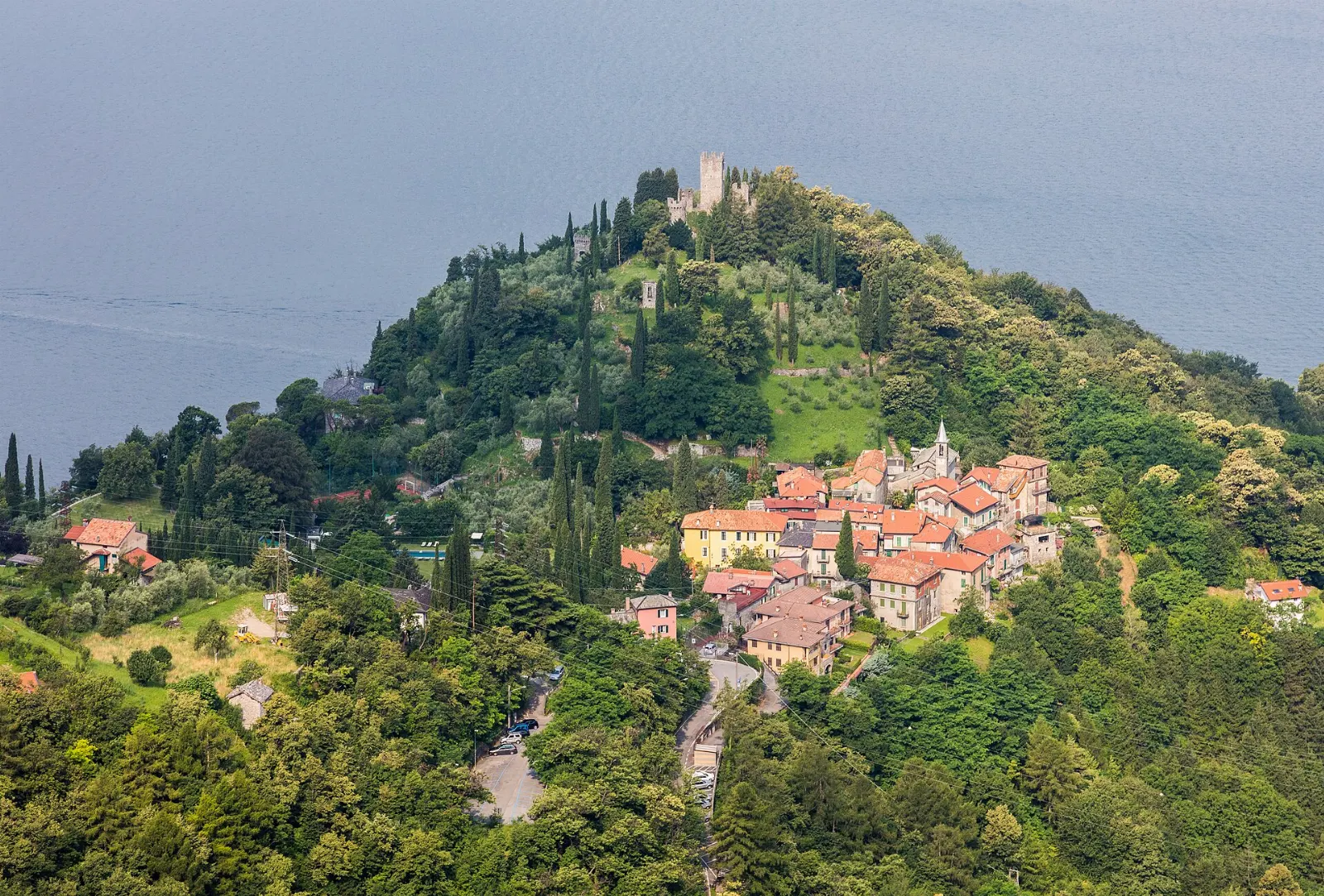
Varenna's houses rise from the water on the eastern shore, below Vezio Castle. Photo: Luca Casartelli, Wikimedia Commons, CC BY-SA 3.0
Castello di Vezio
Above Varenna, a stepped path of about twenty to thirty minutes climbs through olive groves to the medieval Castello di Vezio. The tower and walls offer sweeping views over the central lake, Bellagio and the mountains, and falconry displays are often held on the grounds.
Castello di Vezio is a medieval watchtower and castle on the hillside above Varenna. Photo: Diego Delso, Wikimedia Commons, CC BY-SA 4.0
Menaggio
On the western shore, Menaggio is a lively town with a broad lakefront promenade, a pretty main square and a good selection of shops and cafes.
Villas and islands of the western shore
Villa del Balbianello
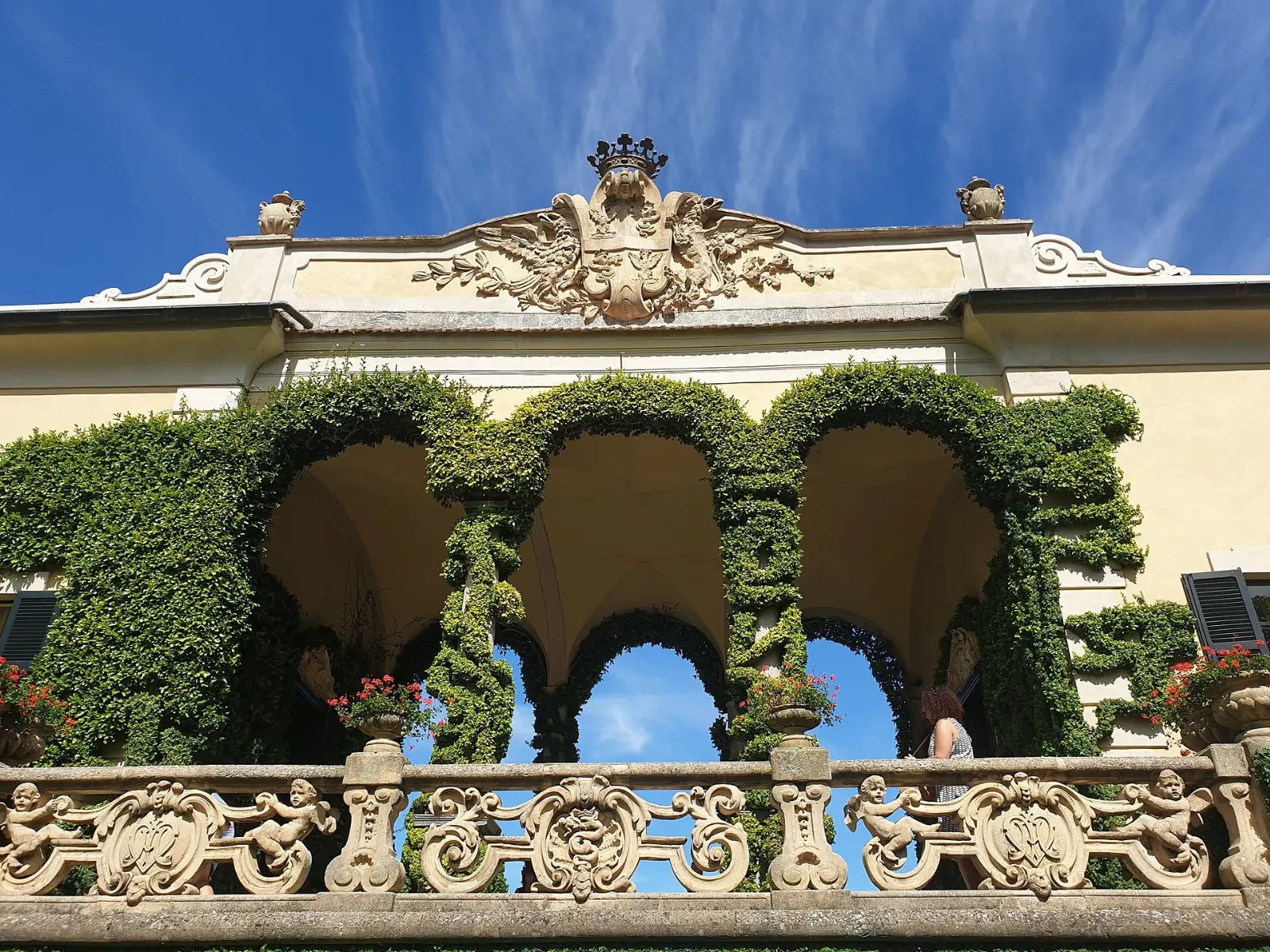
Perched on the wooded tip of the Lavedo peninsula near Lenno, Villa del Balbianello is perhaps the most photographed villa on the lake. Its terraced gardens, loggia and clipped plane trees look out over the water on three sides.
Villa del Balbianello occupies the tip of the Lavedo peninsula near Lenno. Photo: Sheeba Samuel, Wikimedia Commons, CC BY-SA 4.0
Villa Carlotta
In Tremezzina, directly across from Bellagio, Villa Carlotta combines a museum of sculpture and painting with a large botanical garden. Inside, look for works by Antonio Canova and his school and by the painter Francesco Hayez.
Villa Carlotta in Tremezzina is known for its art collection and spring azaleas and rhododendrons. Photo: Pierre André Leclercq, Wikimedia Commons, CC BY-SA 4.0
Isola Comacina
Lake Como's only island lies just off the western shore near Ossuccio. It was fortified in the early Middle Ages and was destroyed in 1169 after siding against Como in a regional war. Today it is a quiet archaeological site with the ruins of several churches set among trees.
Isola Comacina is the only island in Lake Como and holds the ruins of early medieval churches. Photo: Daniel Case, Wikimedia Commons, CC BY-SA 3.0
Greenway del Lago di Como
The Greenway is a waymarked walking route of about ten kilometers along the western shore, from Colonno through Sala Comacina, Ossuccio, Lenno and Tremezzo to Griante. It links old villages, churches and villas on mostly easy paths and village lanes.
Ad
Food and local flavors
Lake fish is central to the cuisine.
Mountain influences show up in hearty dishes such as polenta uncia, polenta layered with cheese and butter, and in pizzoccheri, buckwheat pasta baked with potatoes, cabbage and cheese from the nearby Valtellina valley.
For wine, look for reds from Valtellina, made from the Nebbiolo grape on steep terraces north of the lake, and white wines labeled Terre Lariane.
Popular dishes to try in Lake Como
Risotto Look for risotto con filetti di pesce persico, creamy risotto topped with perch fillets fried in butter and sage, a classic on many lakeside menus.Photo: Benoît Prieur, Wikimedia Commons, CC0Polenta Missoltini are shad that are salted, dried in the sun and pressed, then grilled and served with polenta and a drizzle of oil and vinegar, a traditional dish of the central lake.Photo: Andy Li, Wikimedia Commons, CC0Lake fish Food and local flavorsLake fish is central to the cuisine.Photo: Grand Parc - Bordeaux, France from France, Wikimedia Commons, CC BY 2.0
Where to stay
Como town suits travelers who want city life, museums, shopping and easy trains to Milan.
Bellagio is ideal for couples who want the classic Lake Como experience, with views up all three branches and ferries in every direction.
Menaggio and Tremezzina suit families and walkers.
Cernobbio, just north of Como, has grand historic hotels and a lakeside promenade, convenient for both the city and the southern lake.
Where to stay in Lake Como
Bellagio Bellagio is ideal for couples who want the classic Lake Como experience, with views up all three branches and ferries in every direction.Photo: Ray Swi-hymn from Sijhih-Taipei, Taiwan, Wikimedia Commons, CC BY-SA 2.0Menaggio Varenna is the most practical village base for travelers without a car, thanks to its train station and frequent ferries to Bellagio and Menaggio.Photo: Photograph by Mike Peel (www.mikepeel.net)., Wikimedia Commons, CC BY-SA 4.0Tremezzina Menaggio and Tremezzina suit families and walkers.Photo: Ottantafame, Wikimedia Commons, CC BY-SA 4.0Cadenabbia Menaggio has more services, while Tremezzo and Cadenabbia put you close to Villa Carlotta and Villa del Balbianello.Photo: Pierre André Leclercq, Wikimedia Commons, CC BY-SA 4.0
Ad
Best time to visit
Spring, from April to June, is a wonderful time for gardens, when azaleas, rhododendrons and camellias are in bloom and the mountains still have snow.
July and August are hot, humid and busy, especially in Bellagio and Varenna and on weekends when visitors arrive from Milan.
From November to March, many hotels, restaurants and villas close, and ferry schedules are reduced.
Getting there and getting around
The nearest airports are Milan Malpensa, Milan Linate and Bergamo. From Milan, trains run to Como San Giovanni and to Como Nord Lago, the station right by the lakefront, in under an hour.
Once there, ferries run by Navigazione Laghi are the best way to travel.
Driving is possible but the shore roads, particularly the western road through Tremezzina, are narrow, congested in summer and short on parking. Buses also connect Como with Bellagio and Menaggio.
Ad
A suggested itinerary
First day
Arrive in Como and explore the cathedral and old town.
Second day
Take a morning hydrofoil to Bellagio. Walk the lanes, visit the Basilica of San Giacomo and stroll the gardens of Villa Melzi.
Third day
Climb to Castello di Vezio in the morning, then visit the gardens of Villa Monastero.
Fourth day
Head to Lenno and visit Villa del Balbianello at your booked time. Walk a section of the Greenway, take a boat to Isola Comacina, then ride the ferry back to Como.
Practical tips
Book Villa del Balbianello and popular hotels well ahead for spring and summer.
Check ferry timetables each day and arrive early at busy landings in summer.
Validate or keep your ferry ticket handy, as inspectors check on board.
Wear comfortable shoes; villages are full of steep steps and cobbles.
Many villas close in winter and on certain weekdays, so confirm opening days in advance.
Carry a light jacket for boat rides, which are cooler than the shore.