Banff National Park protects a vast sweep of the Canadian Rockies in Alberta: jagged limestone peaks, turquoise glacial lakes, hot springs, canyons and a highway lined with icefields.
AT A GLANCE
Best time
Mid-June to late September for lakes and trails; December to March for skiing.
How long
Four to five days covers Banff town, Lake Louise, Moraine Lake and the Icefields Parkway.
Getting there
Fly into Calgary and drive about ninety minutes west, or take an airport shuttle.
Why visit Banff National Park
The park began with a hot spring. In 1883, railway workers came upon warm mineral pools on the lower slopes of Sulphur Mountain, and two years later the government set aside the area as a reserve, the seed of Canada's national park system.
Today you can ride a gondola to a summit, soak in hot springs, paddle a glacial lake and walk a canyon catwalk, all within an hour of town.
Banff town and its surroundings
Banff Avenue and the town centre
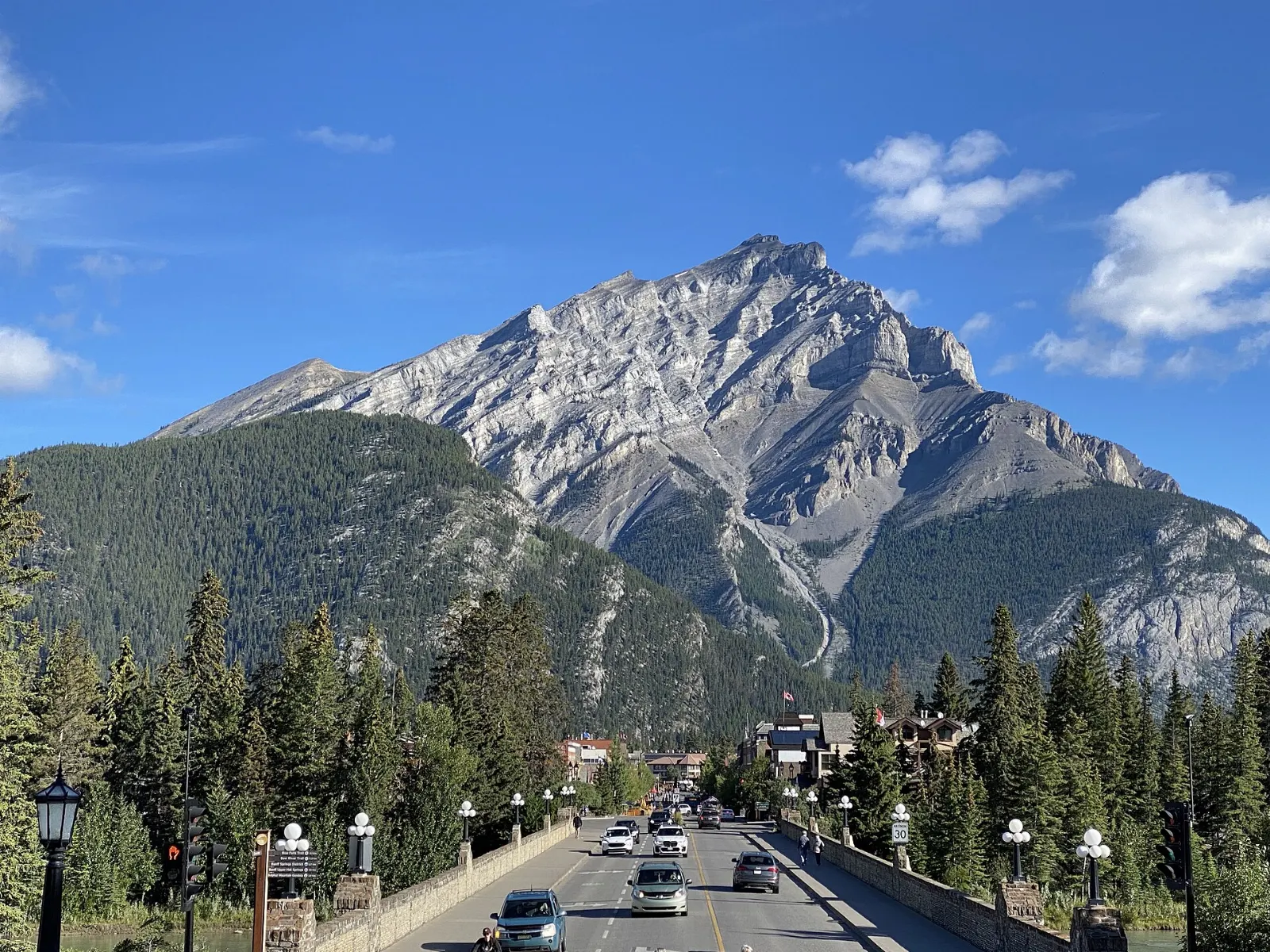
The town's main street runs straight toward the bulk of Cascade Mountain, lined with outdoor shops, galleries and restaurants.
Sulphur Mountain and the Banff Gondola
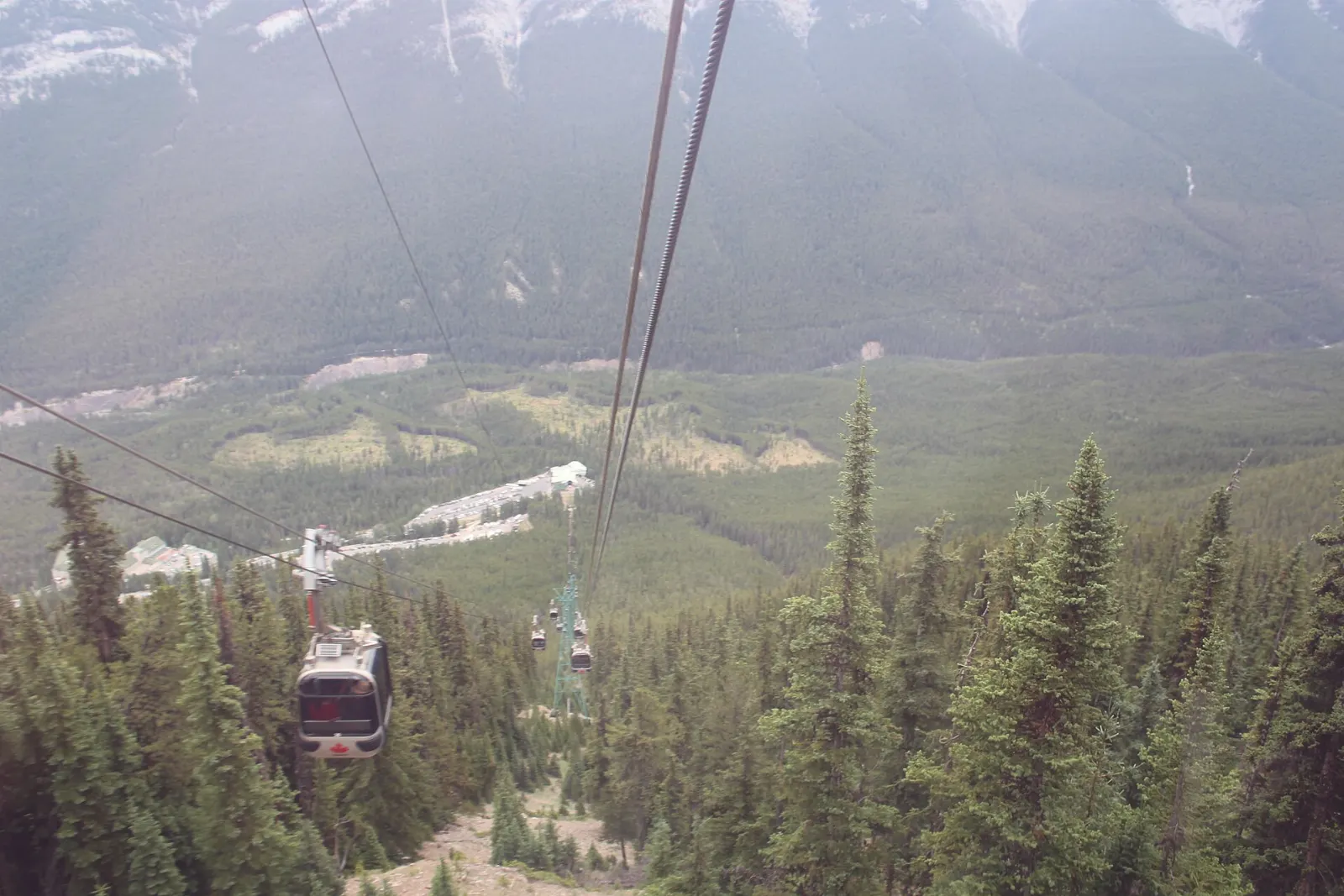
The gondola carries you up Sulphur Mountain in a few minutes to a summit building with viewing decks over six mountain ranges. From there, a boardwalk follows the ridge to Sanson's Peak and a historic weather observatory.
Cave and Basin National Historic Site
This is where the park began. A short tunnel leads into the cave where the warm spring was found, and exhibits tell the story of Canada's national parks and the Indigenous peoples who knew these springs long before.
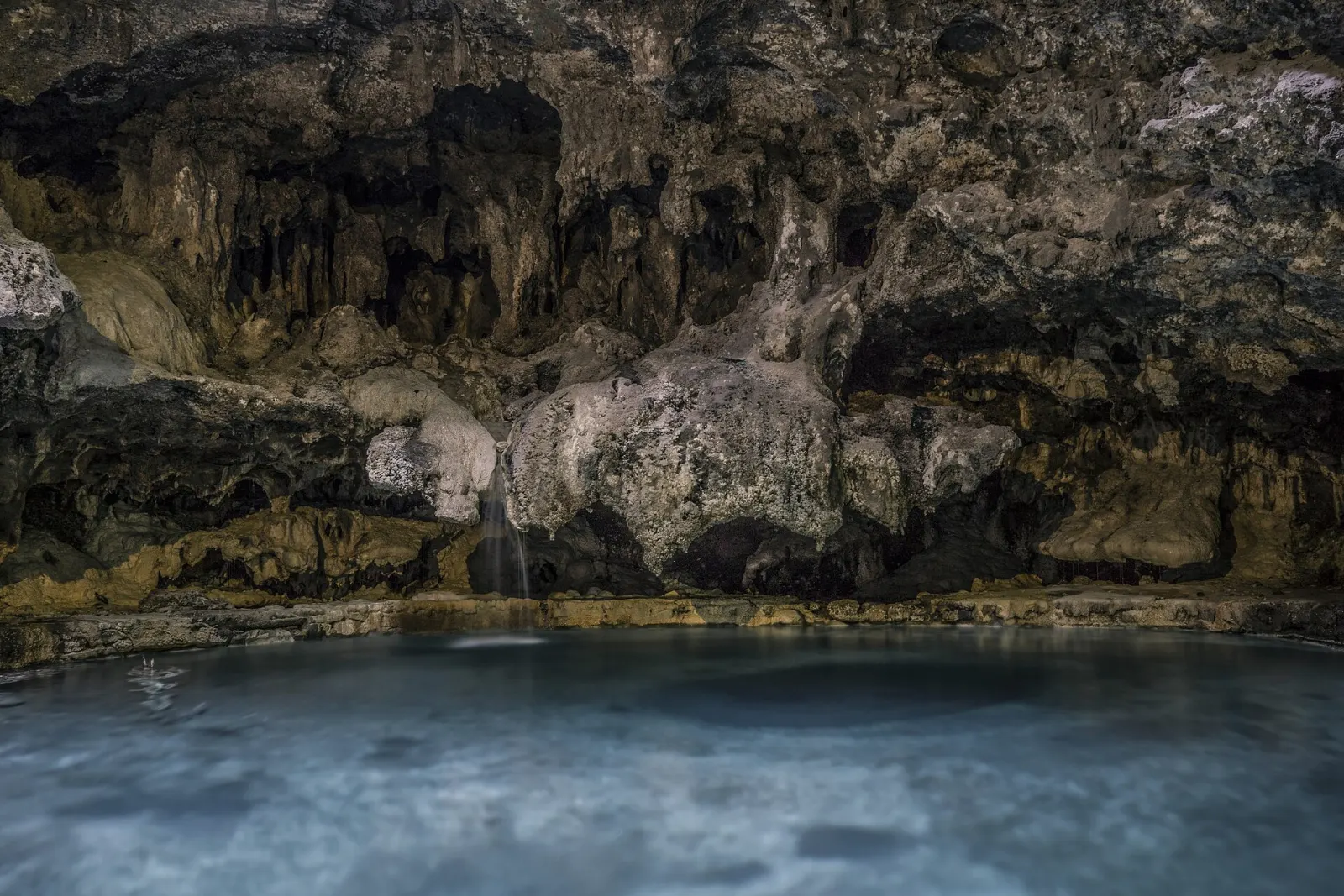
Bow Falls and the Vermilion Lakes
From town, an easy riverside path leads to Bow Falls, a broad set of rapids below the castle-like railway hotel. Nearby, the Surprise Corner viewpoint frames the hotel against the mountains.
Tunnel Mountain and the Hoodoos
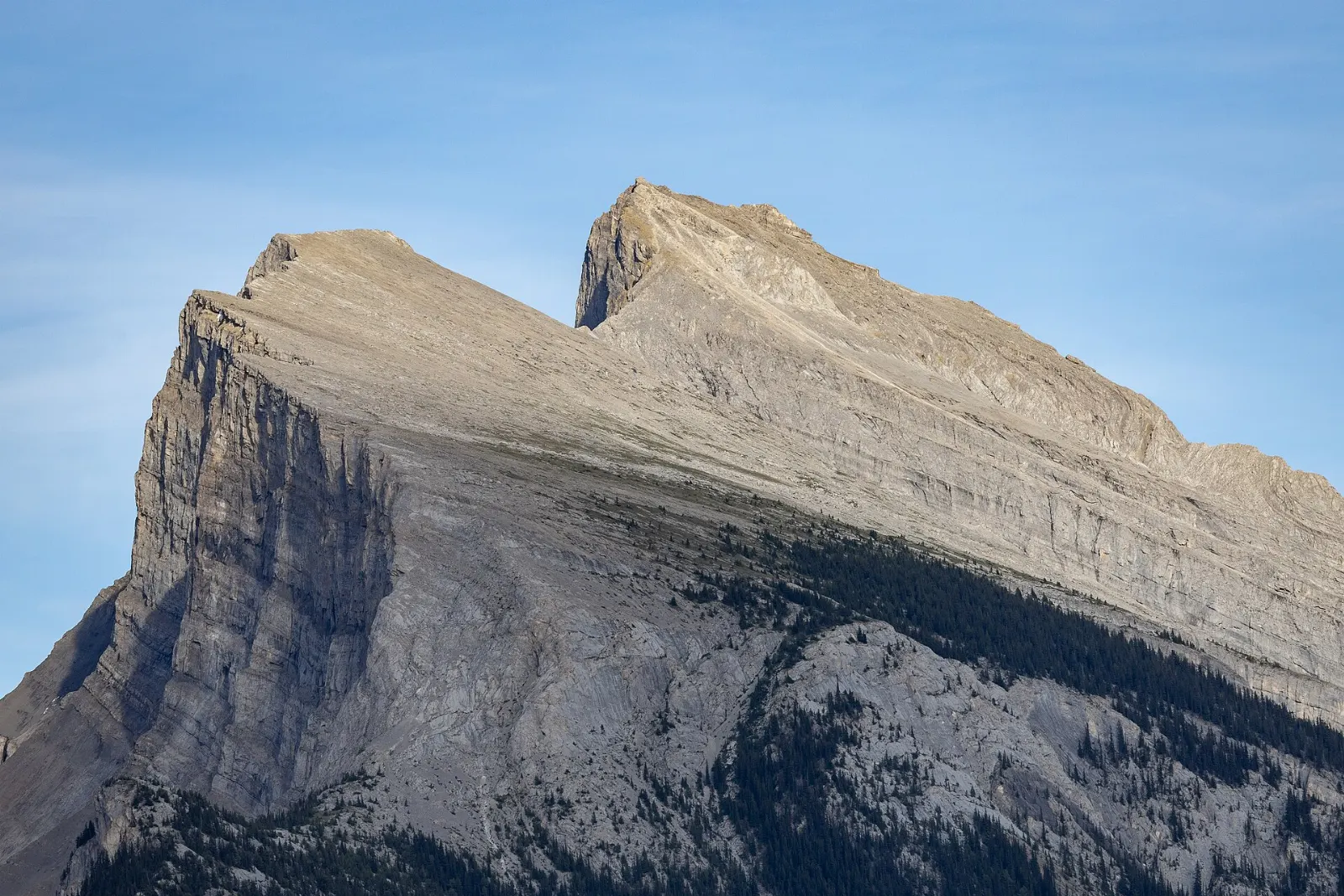
Tunnel Mountain, the small peak right beside town, offers one of the easiest summit hikes in the park: a switchbacking trail of about two kilometres each way to a ridge with views over Banff, the Bow River and Mount Rundle. Allow two hours.
Lake Minnewanka
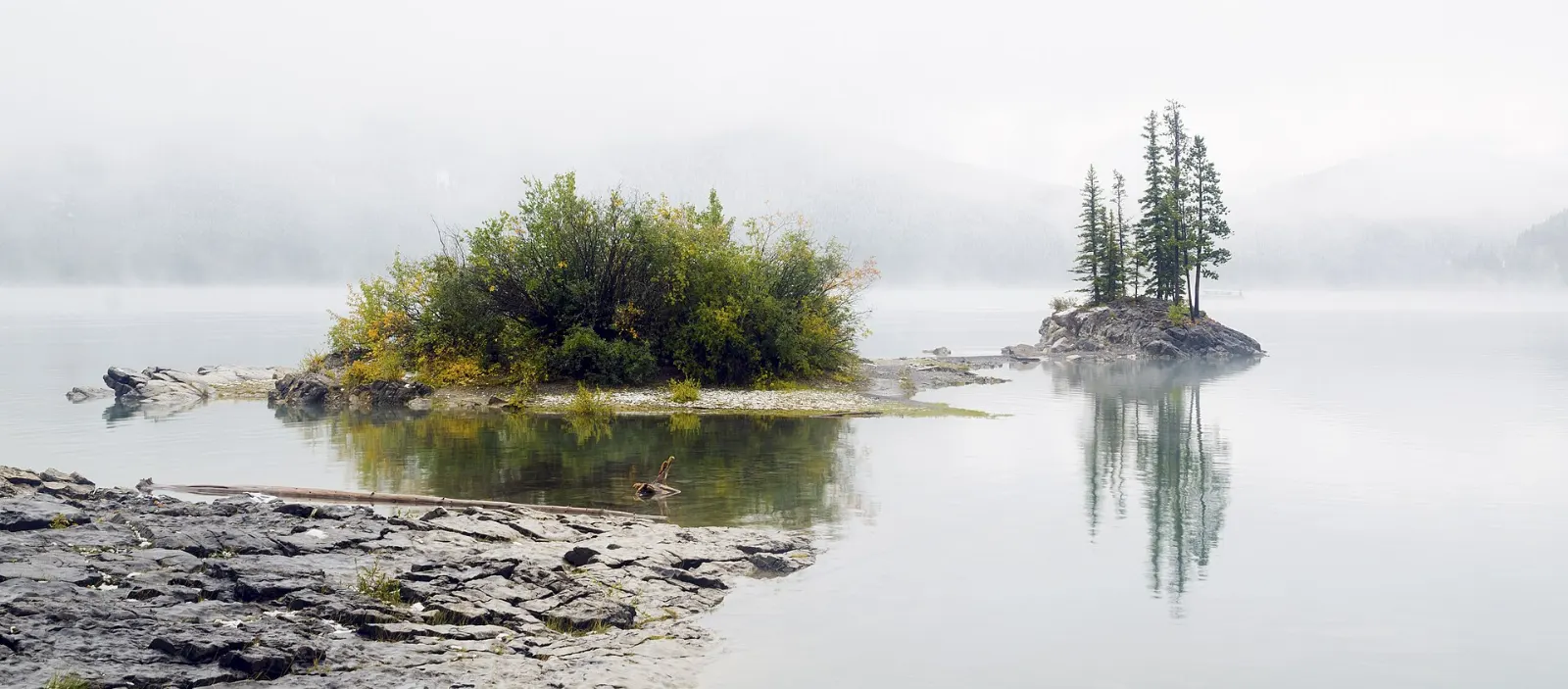
A scenic loop drive northeast of town leads to Lake Minnewanka, the largest lake in the park, where boat cruises run in summer and a lakeshore trail follows the water. The loop also passes Two Jack Lake, a favorite for picnics and sunrise photos.
The Bow Valley Parkway and Johnston Canyon
Between Banff and Lake Louise, the Bow Valley Parkway offers a slower, more scenic alternative to the Trans-Canada Highway, with pullouts, picnic sites and good chances of spotting wildlife.
Johnston Canyon
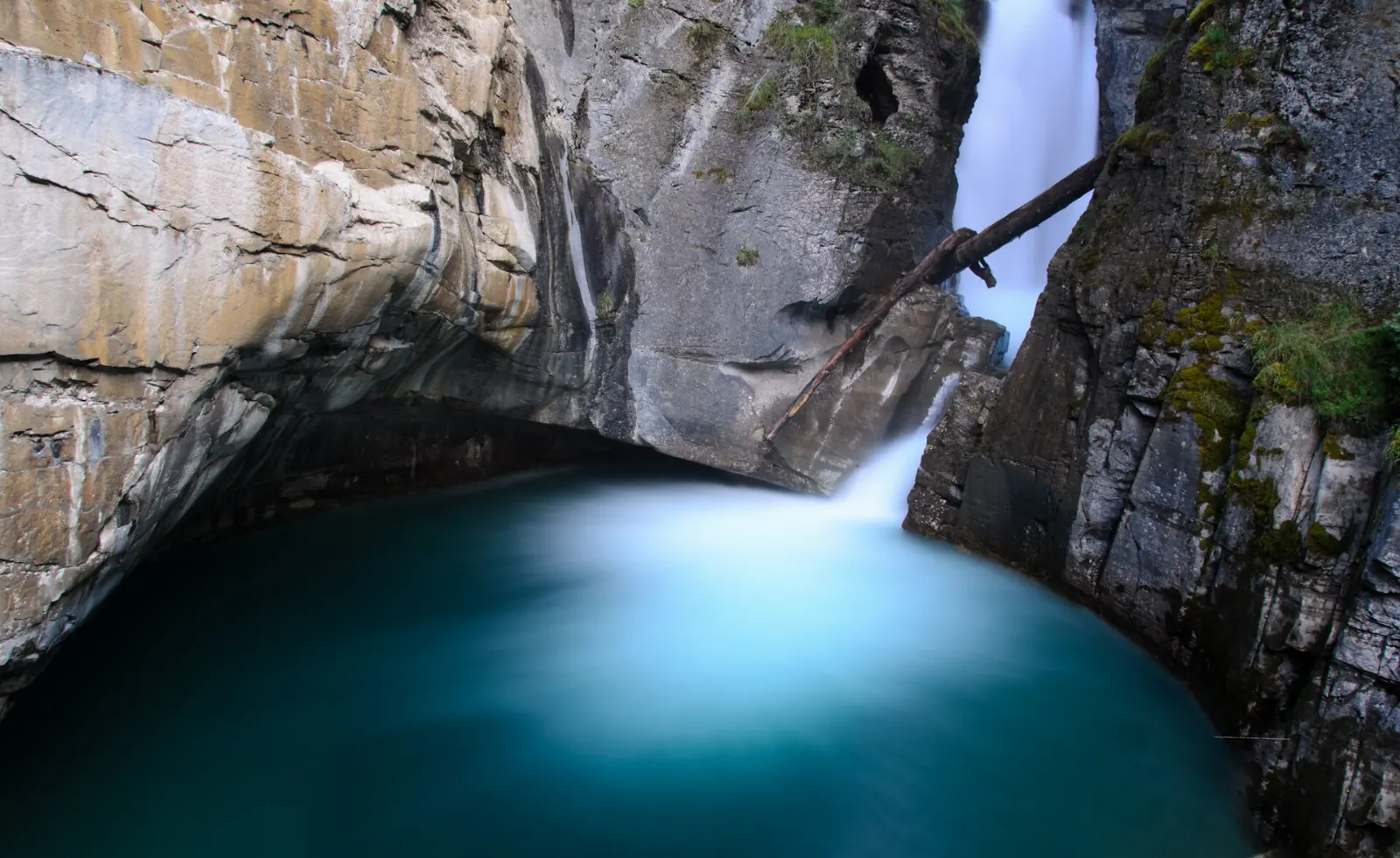
Steel catwalks bolted to the limestone walls carry the trail through a narrow canyon to the Lower Falls, about a kilometre from the parking area, and on to the higher Upper Falls.
Lake Louise, Moraine Lake and the Icefields Parkway
Lake Louise
The emerald lake below Victoria Glacier is the most famous view in the park. Walk the flat lakeshore trail, rent a canoe in summer or climb to the Lake Agnes Tea House, a historic hikers' teahouse above the lake that serves tea and baked goods in season.
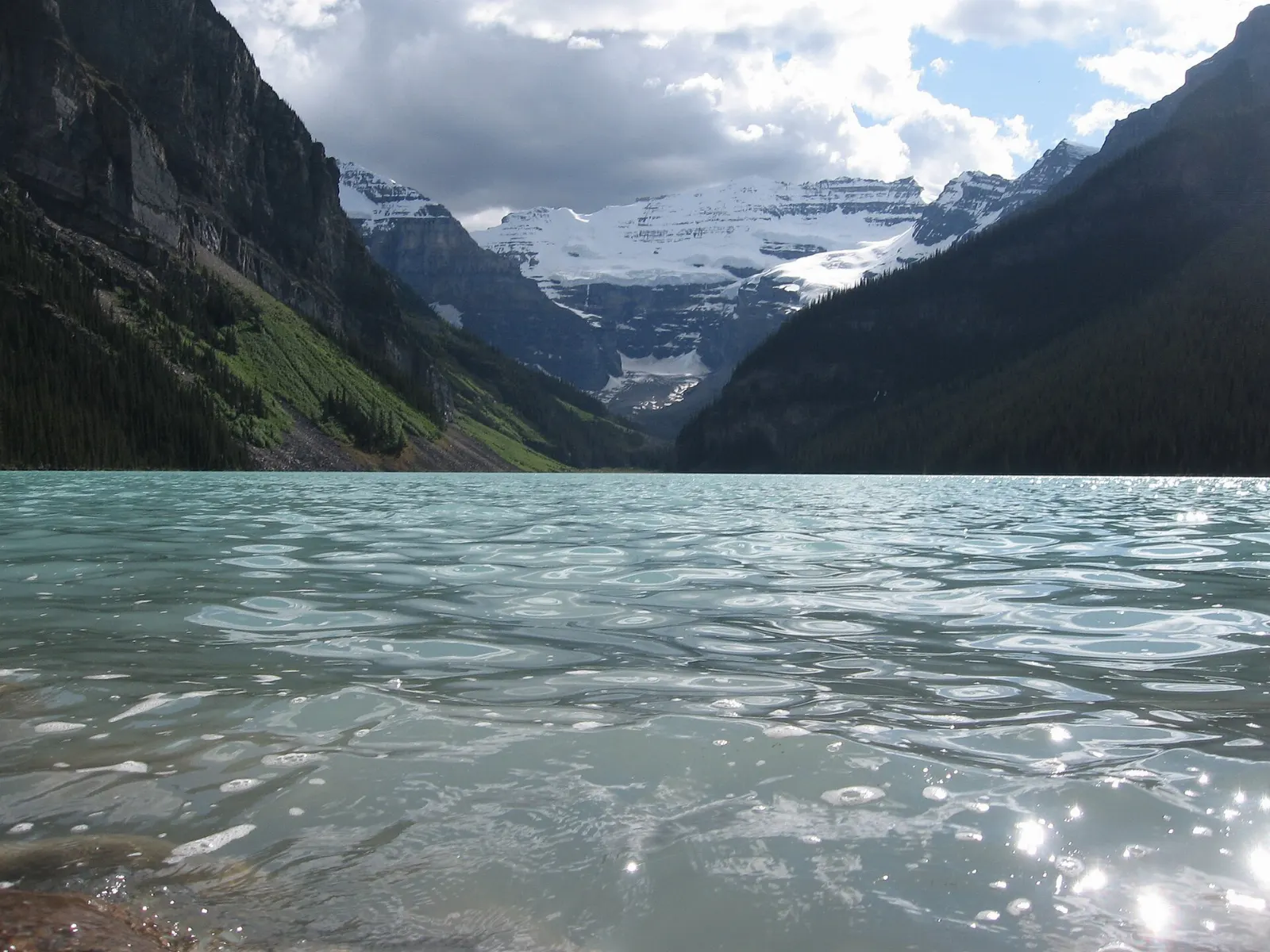
Lake Louise Gondola
Across the valley from the lake, the summer sightseeing gondola at the Lake Louise ski area climbs the slopes of Mount Whitehorn to a viewpoint facing Lake Louise and Victoria Glacier.
Moraine Lake
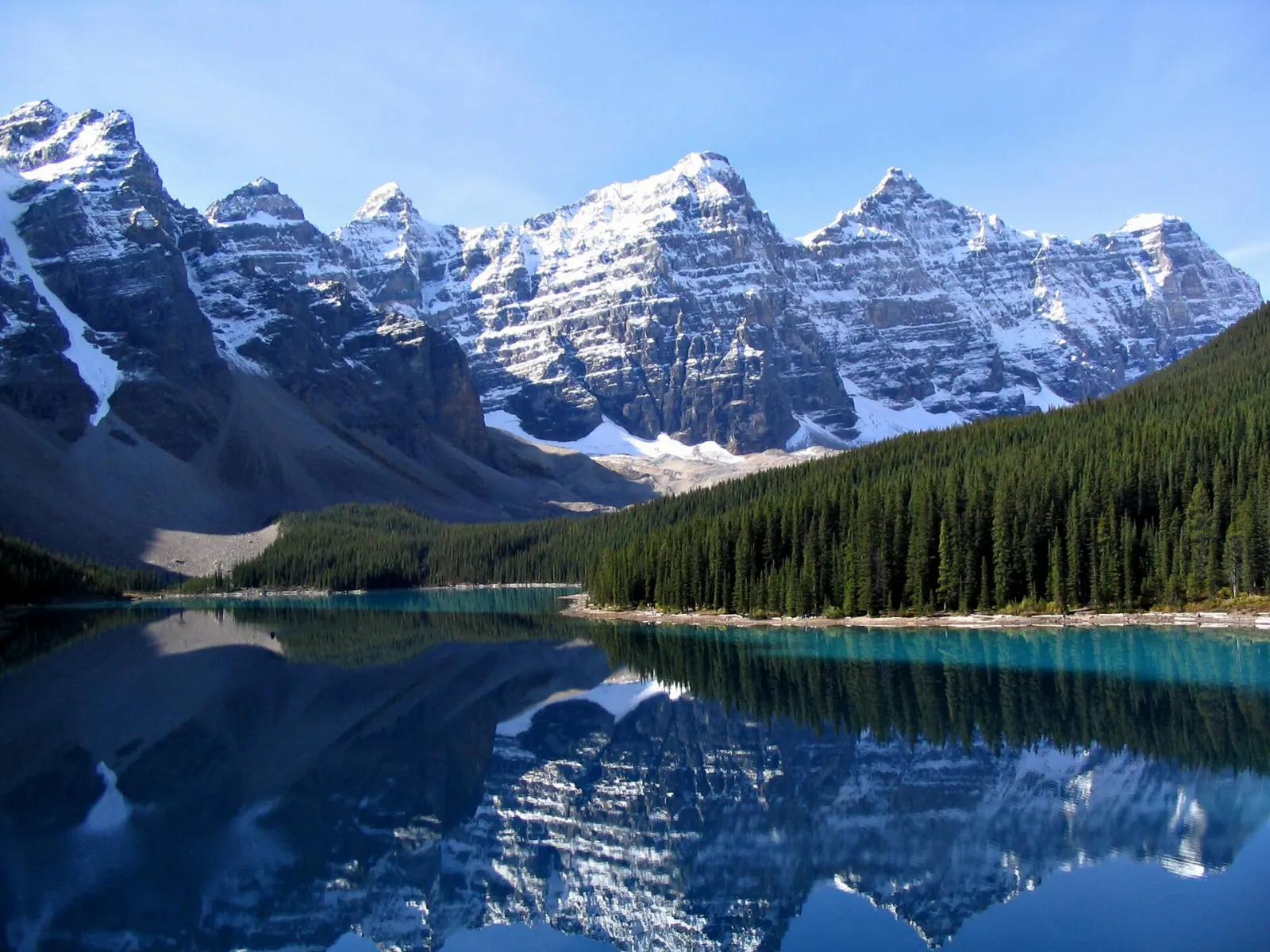
Moraine Lake sits beneath the Valley of the Ten Peaks, and its intensely blue water once appeared on the back of a Canadian banknote. A short climb up the Rockpile gives the classic view.
Icefields Parkway
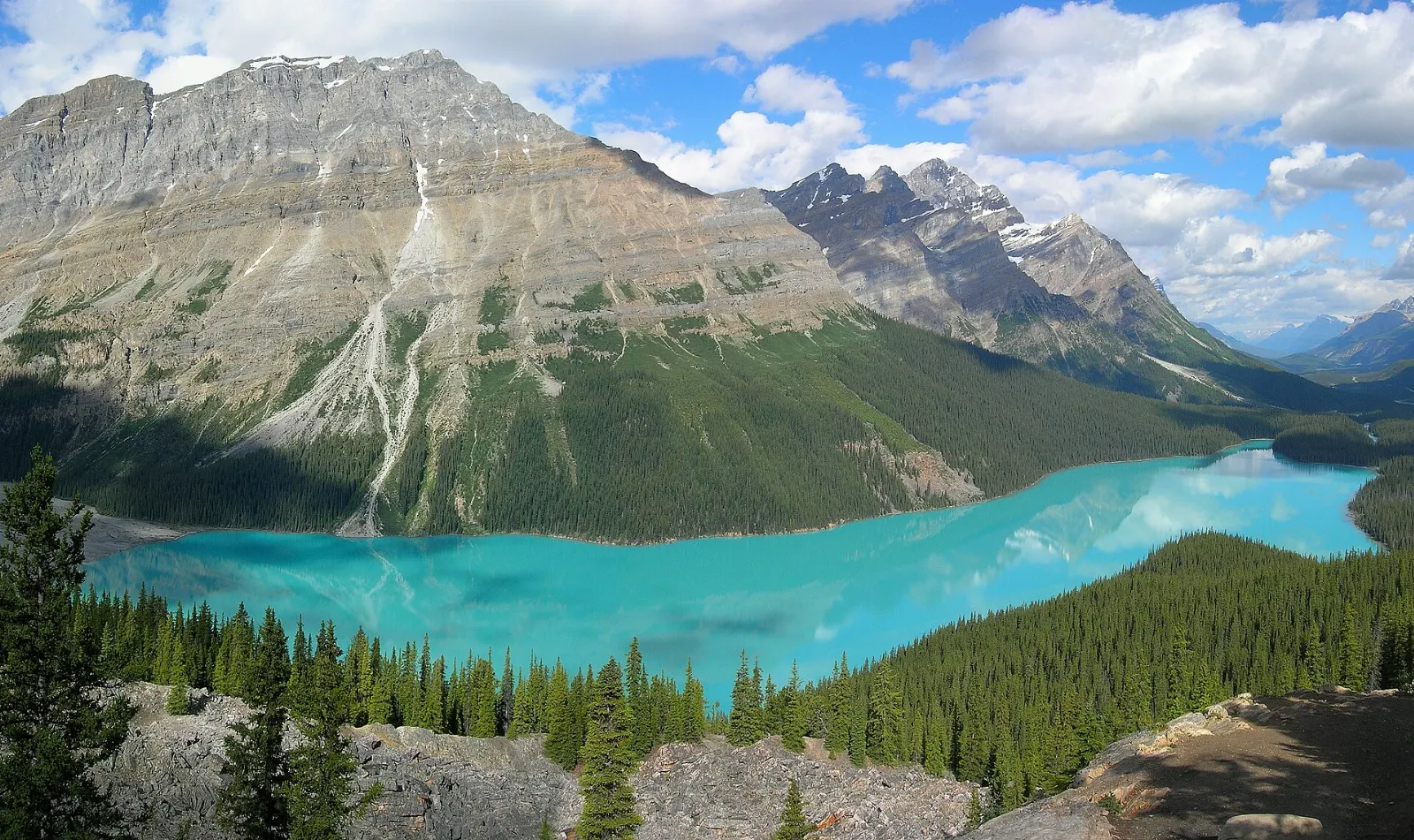
North of Lake Louise, the Icefields Parkway runs toward Jasper, past waterfalls, glaciers and lakes. Within Banff National Park, the highlights are Bow Lake, beside the road below Crowfoot Glacier, and Peyto Lake, seen from a viewing platform a short walk from a parking area.
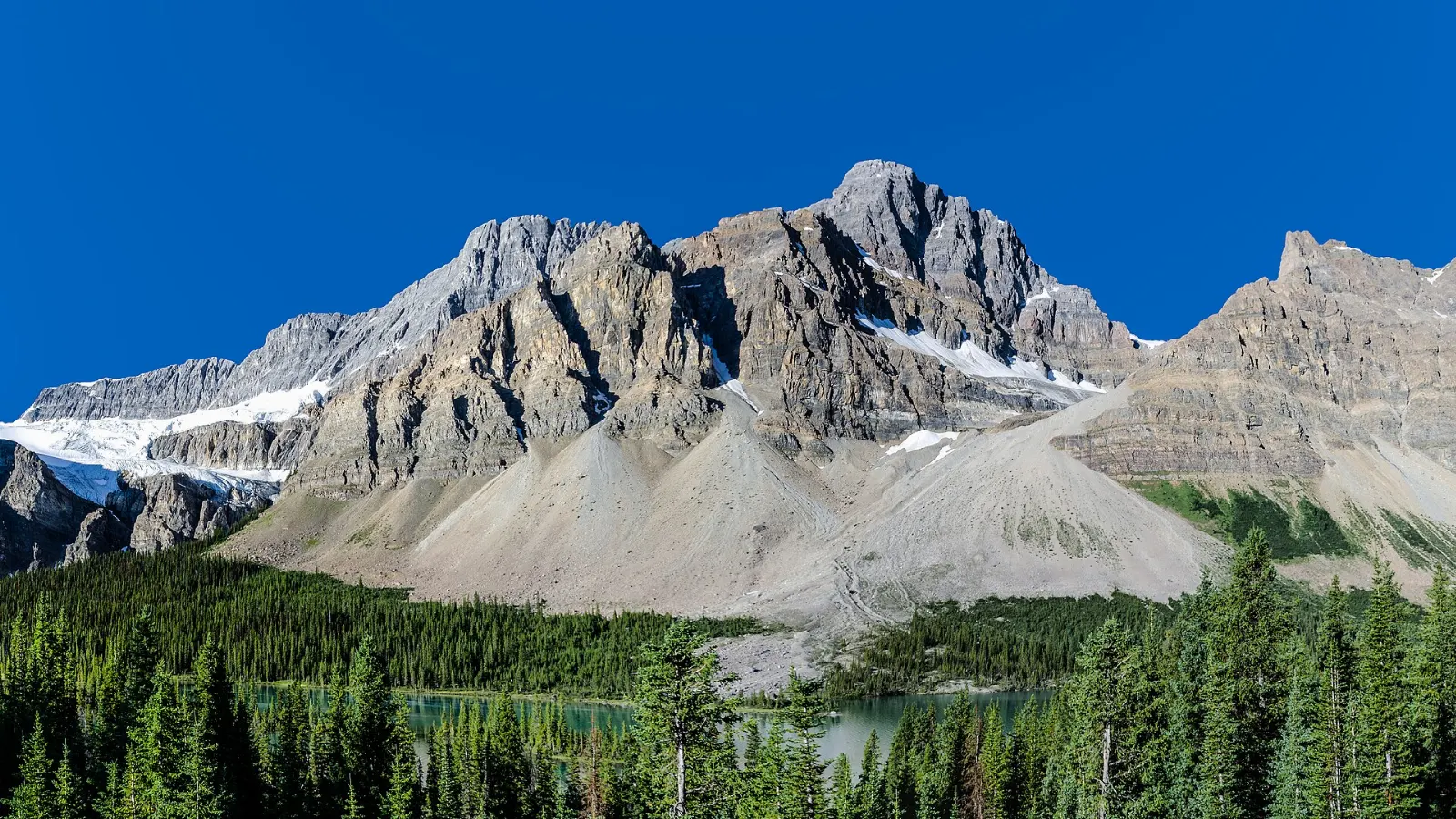
Bow Lake is especially lovely early in the morning, when the water is calm and Crowfoot Mountain is reflected in it, and the nearby trail to Bow Glacier Falls makes a rewarding half-day hike.
 Planning a trip to Banff National Park?Compare hotels, flights and vacation rentals for Banff National Park on Expedia.Book now
Food and local flavors
Banff's dining reflects Alberta ranch country and the mountains around it. Alberta beef is the classic order, and many menus feature bison, elk and wild game, along with trout and Arctic char.
Most restaurants are in the town of Banff, clustered along Banff Avenue and the side streets around Caribou and Wolf streets, from casual pubs and bakeries to fine dining.
Popular dishes to try in Banff National Park


Where to stay in Banff National Park
The town of Banff has the widest range of lodging, restaurants and services, and makes a convenient base for first-time visitors who want to walk to dinner and ride transit to trailheads.
Lake Louise is smaller and quieter, ideal if you plan early starts for Moraine Lake, Lake Louise and the Icefields Parkway. Along the Icefields Parkway, a few rustic lodges and hostels suit hikers who want to wake up in the backcountry.
Where to stay in Banff National Park


Best time to visit Banff National Park
Summer, from late June to early September, brings warm days, open trails and ice-free lakes, but also the biggest crowds.
Winter runs from roughly November to April, with three ski areas in the park, frozen lakes for skating at Lake Louise and snowshoe trails. The Banff Mountain Film and Book Festival takes place in late autumn.
Getting there and getting around
Calgary International Airport is the nearest major airport, about ninety minutes east of Banff by car via the Trans-Canada Highway.
Roam Transit runs public buses in Banff town and to Canmore, Lake Minnewanka, Johnston Canyon and Lake Louise, while Parks Canada shuttles serve Lake Louise and Moraine Lake in summer.
A suggested itinerary
First day
Explore Banff Avenue and the Cave and Basin, then ride the gondola up Sulphur Mountain and soak at the Upper Hot Springs.
Second day
Drive the Lake Minnewanka loop in the morning and take a cruise.
Third day
Take an early shuttle to Moraine Lake, then continue to Lake Louise and hike to the Lake Agnes Tea House.
Fourth day
Drive the Icefields Parkway, stopping at Bow Lake and Peyto Lake, and continue north as far as time allows.
Fifth day
Keep a flexible day for weather.
Practical tips
- Buy your park pass before you arrive and display it in your vehicle.
- Reserve Parks Canada shuttles for Lake Louise and Moraine Lake as soon as booking opens.
- Carry bear spray on trails, know how to use it and hike in groups.
- Stay at least one hundred metres from bears and wolves and thirty metres from elk and other large animals.
- Start early; parking at popular trailheads fills by mid-morning in summer.
- Pack layers, rain gear and sun protection, as mountain weather changes quickly.