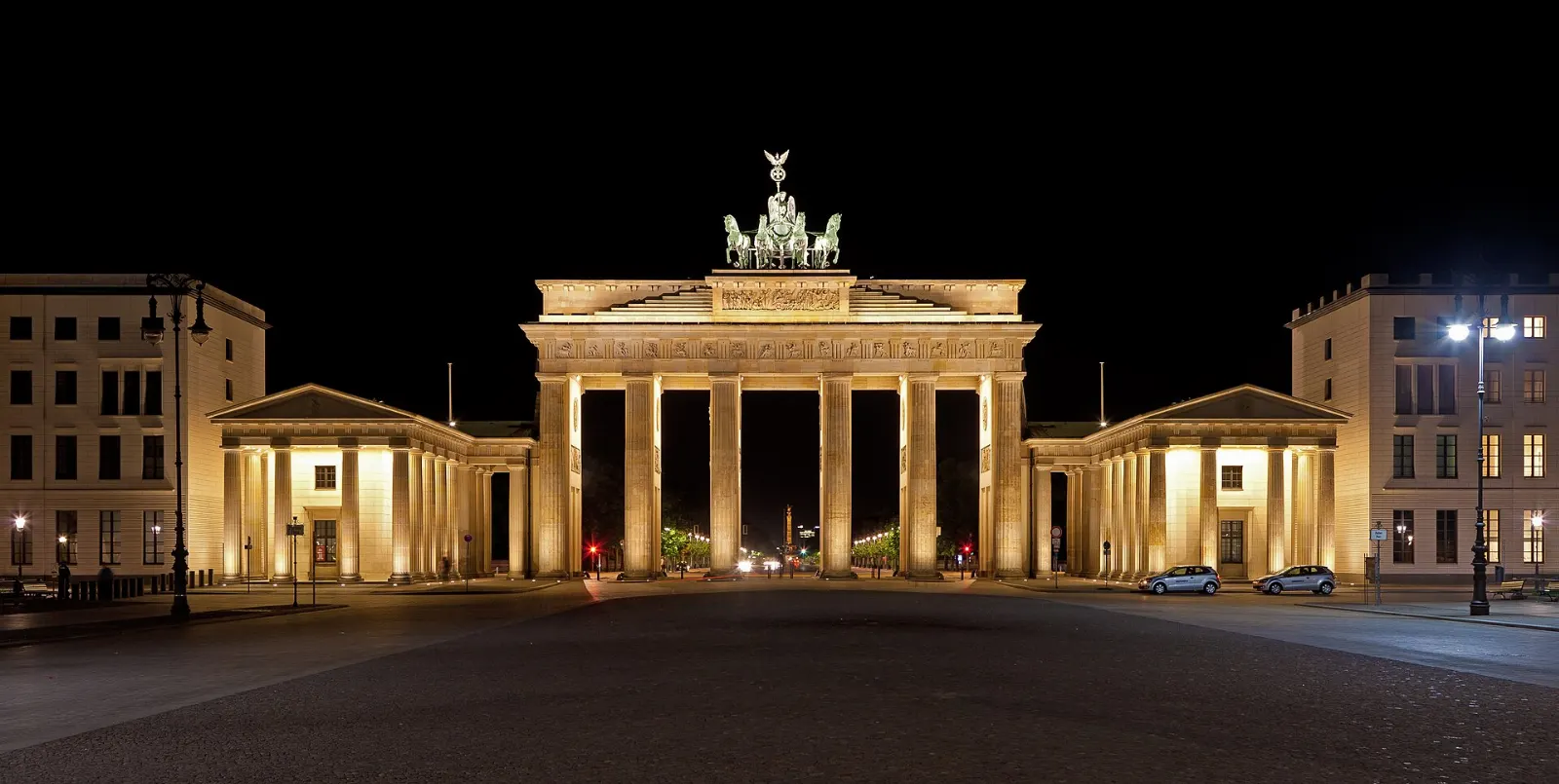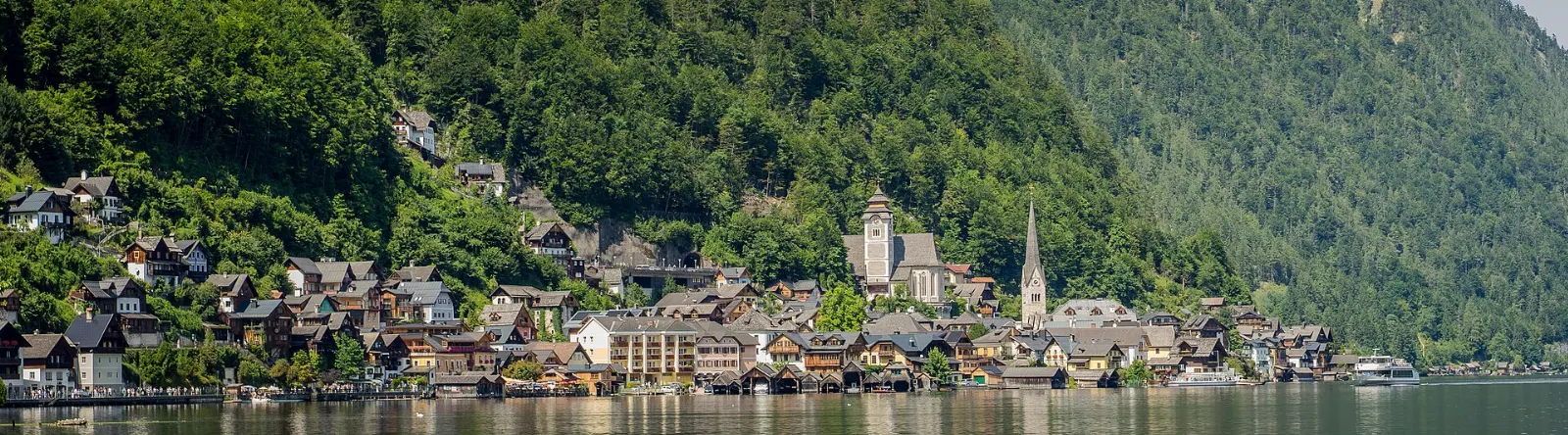
Hallstatt squeezes onto a ledge between a deep alpine lake and a mountain wall, and every building seems to have been placed for the view.
AT A GLANCE
Best time
May, June and September to early October for open attractions and fewer crowds.
How long
Stay at least one night; two or three days lets you add the Dachstein caves and Gosausee.
Getting there
Train to Hallstatt station and ferry across the lake, or bus via Bad Ischl; Salzburg is the nearest city.
Why visit Hallstatt
Few places hold so much history in so little space. Salt has been extracted from the mountain since the Bronze Age, and the salt itself preserved prehistoric tools, leather and textiles that archaeologists still study.
The setting is equally striking. Until the first road arrived in 1890, the village was reached mostly by boat or along narrow paths, and that isolation shows in its tight lanes, stacked houses and tiny churchyard.
The village: squares, churches and lakeshore
Marktplatz and the old lanes
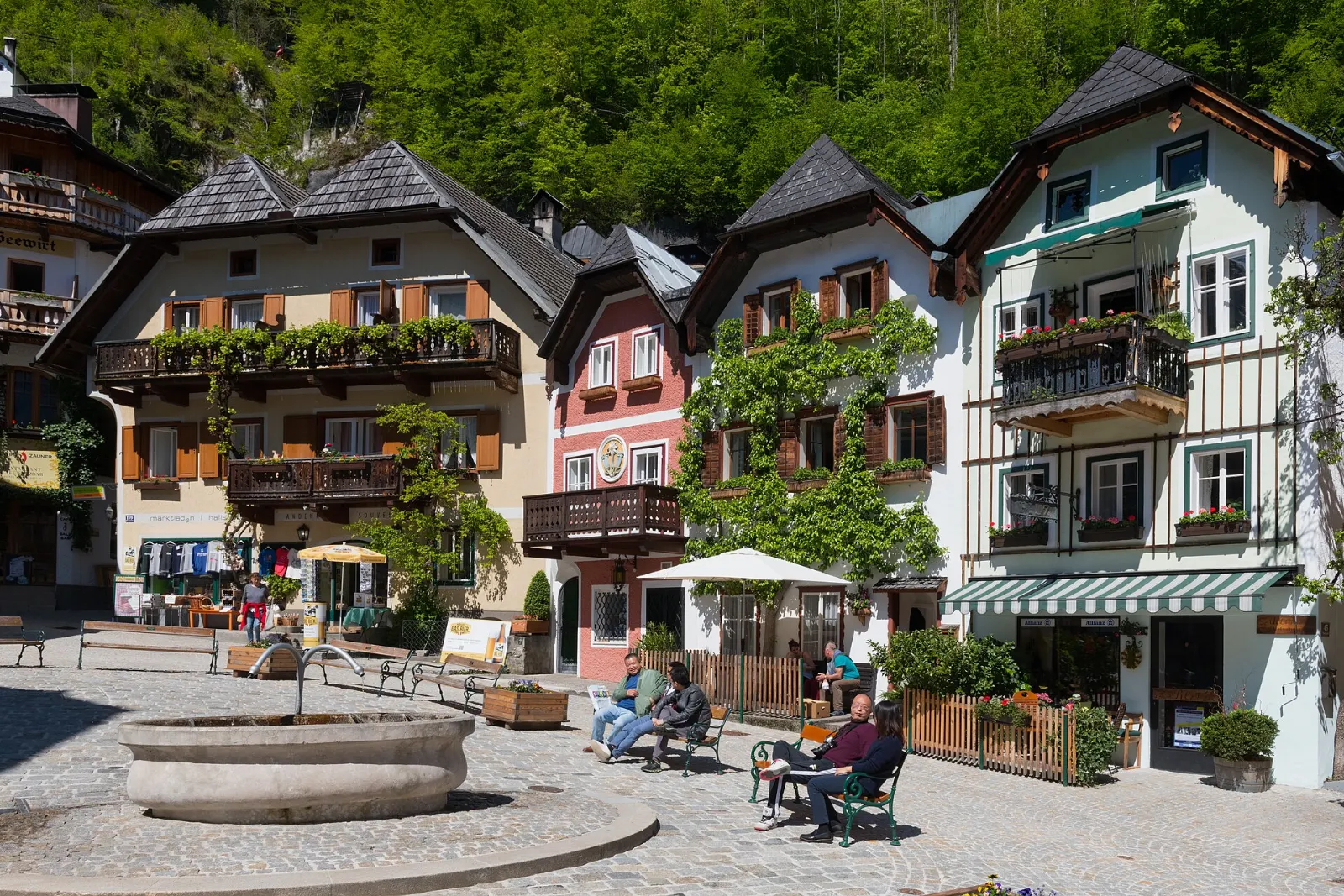
The small Marktplatz, framed by painted houses and centered on a Holy Trinity Column, is where most walks begin. From here, lanes and stairways climb between houses built against the slope, and Seestrasse runs along the water past boathouses and cafes.
Catholic parish church and the Beinhaus
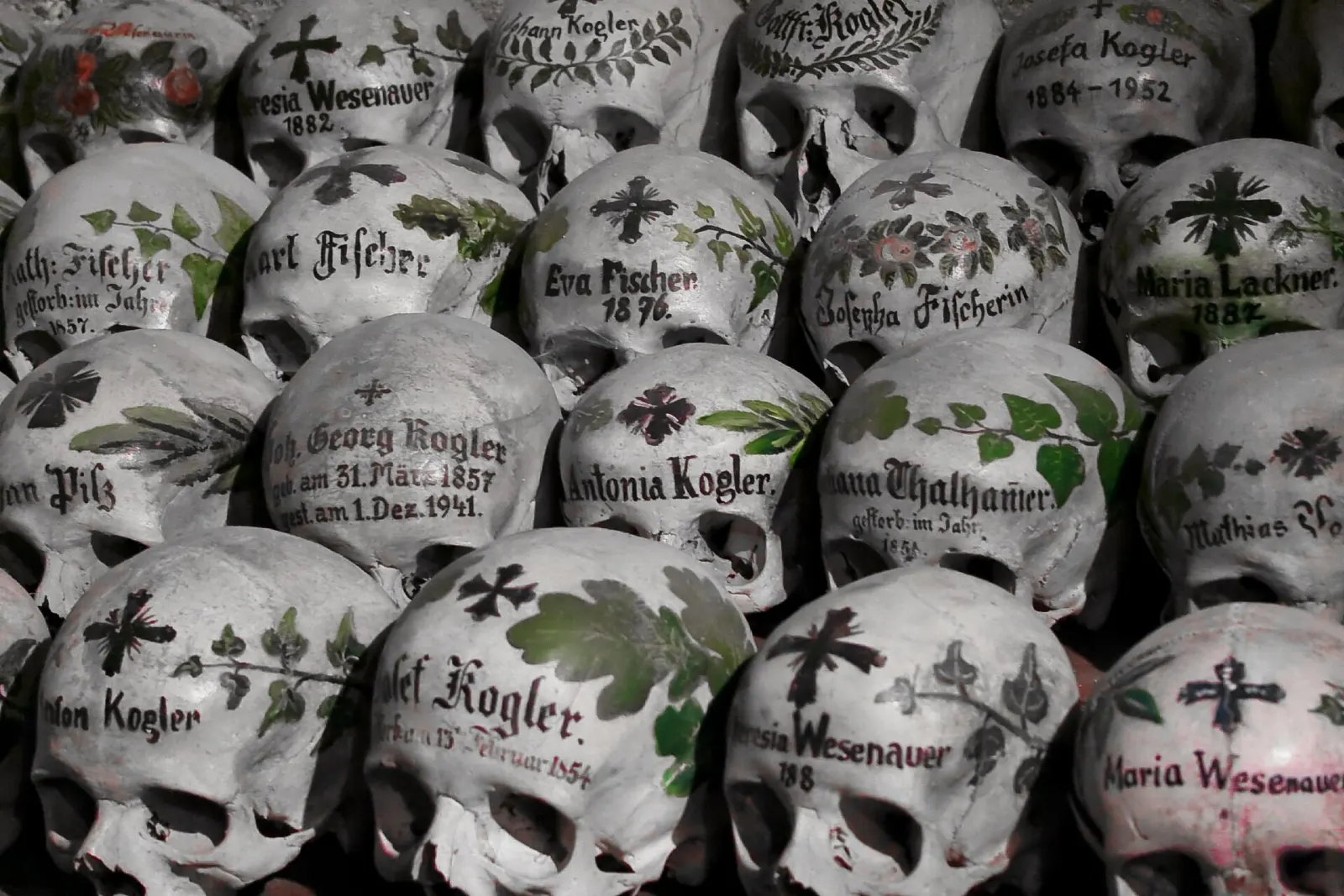
Climb the covered stairway from the center to the Catholic parish church, which sits on a terrace above the roofs with a fine late Gothic altar inside. In its churchyard stands St. Michael's Chapel, home of the Beinhaus, or bone house.
Protestant church and the postcard view
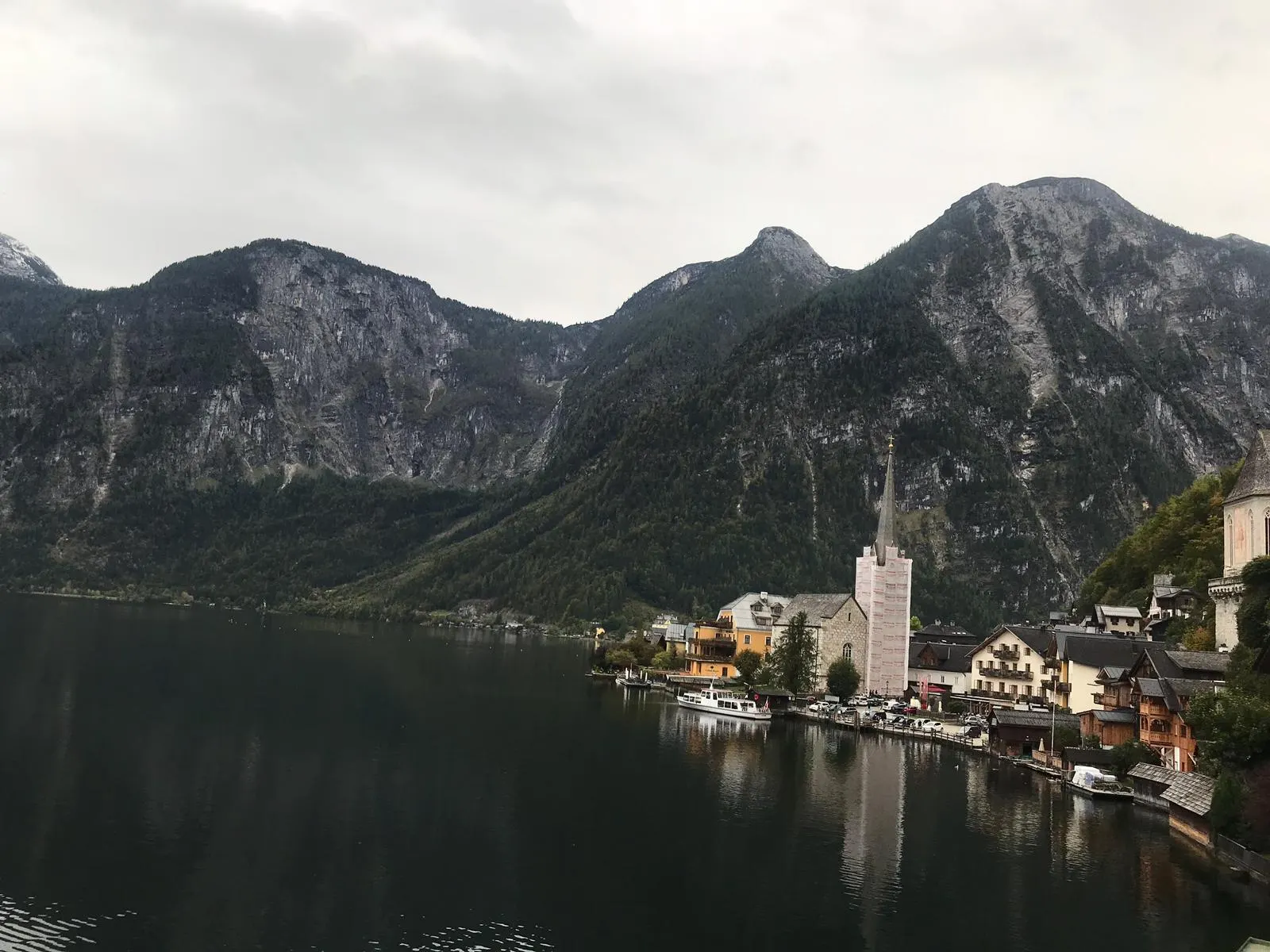
The Protestant parish church, with its slim pointed tower, stands right on the lakeshore and anchors the famous view of Hallstatt. The best-known vantage point is at the northern end of the village along the lakeside road, where houses, tower and mountains line up in one frame.
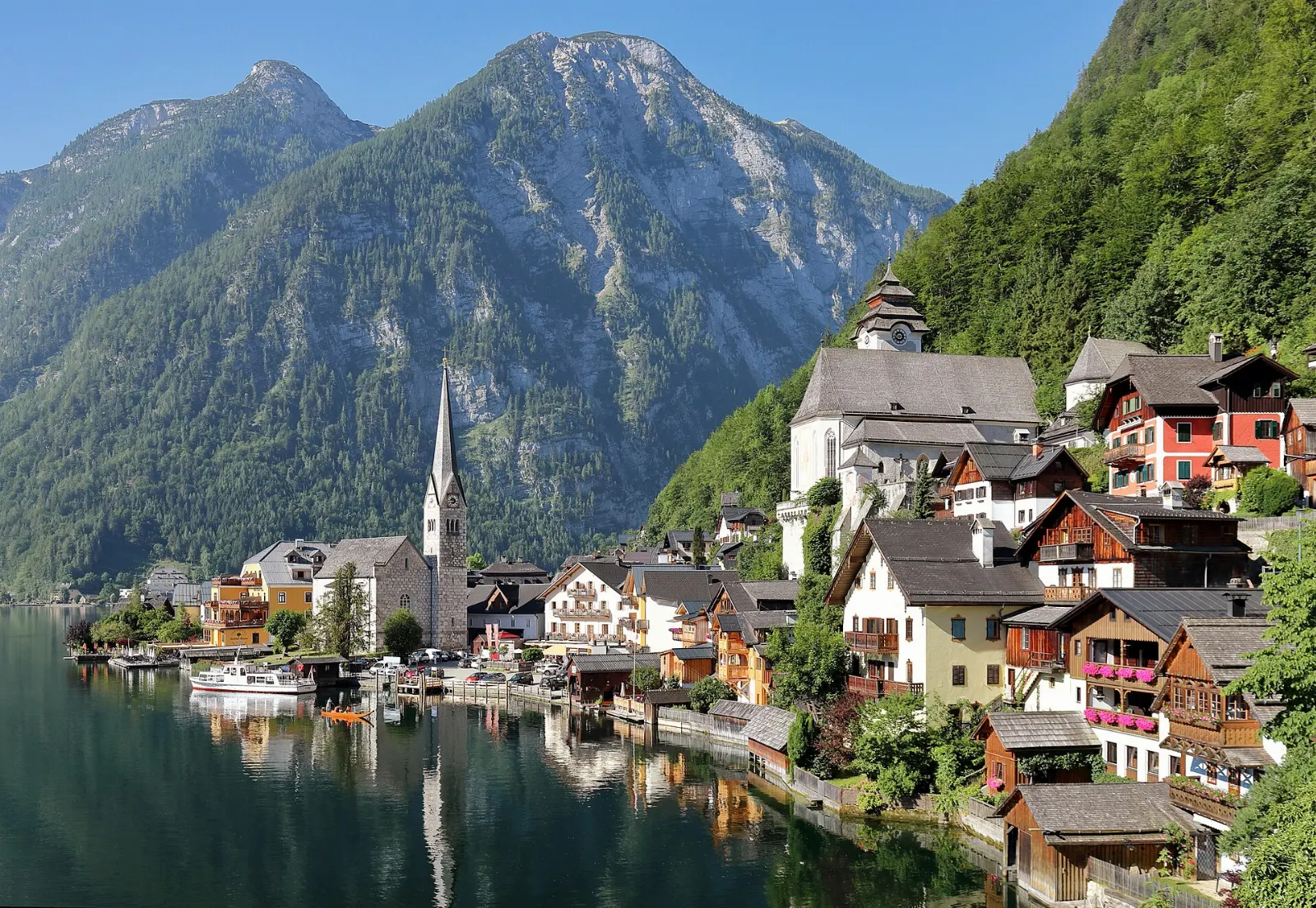
Hallstatt Museum
The village museum near the lake traces seven thousand years of salt mining, the Hallstatt culture and local life, with grave goods, mining tools and reconstructions. Allow about an hour, ideally before you visit the mine so you understand what you see underground.
The salt mountain and the Echerntal
Salzwelten salt mine
The Hallstatt salt mine, operated for visitors as Salzwelten, is often described as the oldest salt mine in the world. Guided tours lead through tunnels inside the mountain, include long wooden miners' slides, an underground salt lake and a mine train ride out.
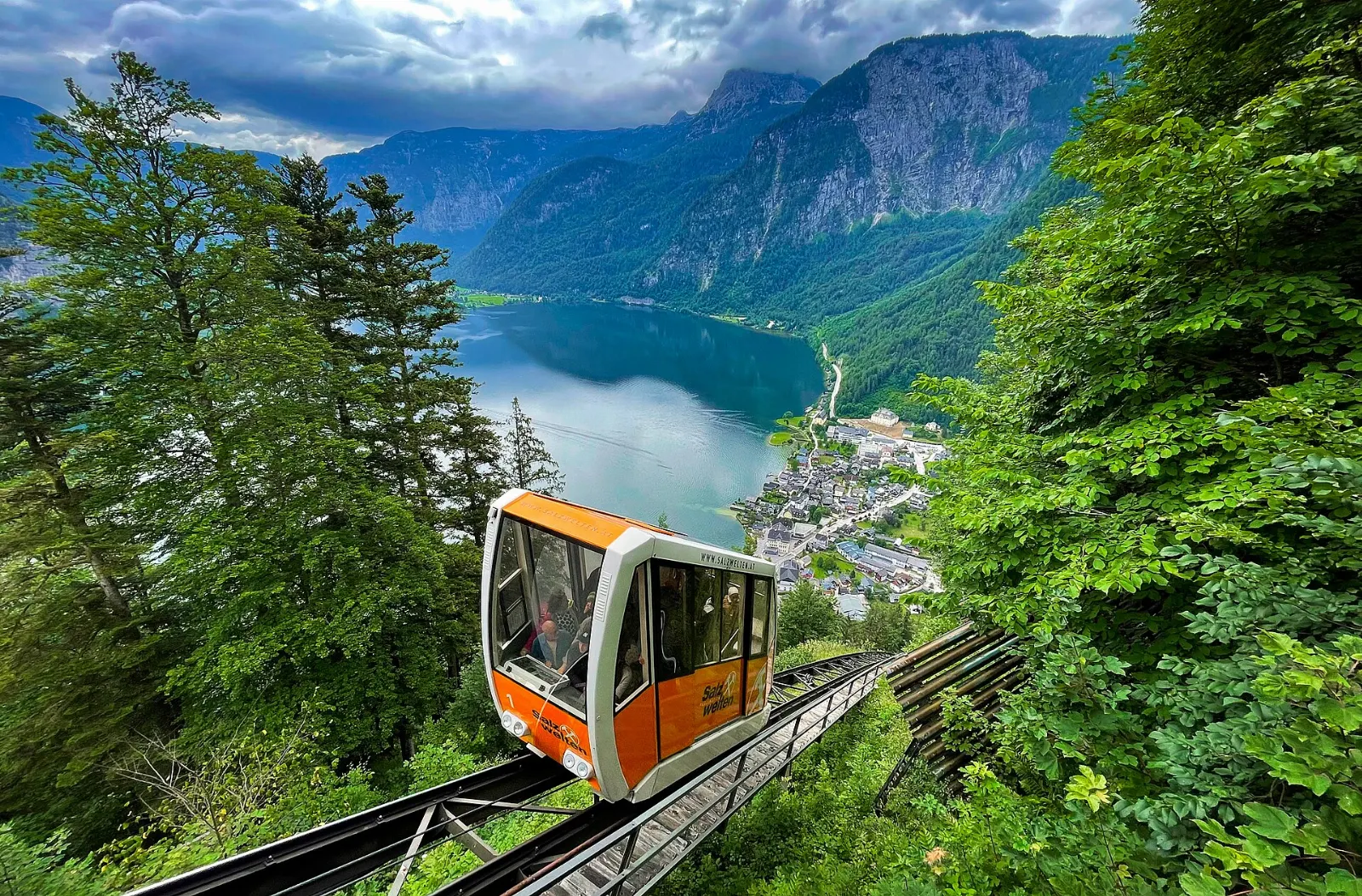
Skywalk and Rudolfsturm
At the top station, the Skywalk platform, also called the World Heritage View, projects from the cliff beside the Rudolfsturm, a medieval tower built to guard the mine that now holds a restaurant. The view drops straight onto the village roofs and across the lake to the Dachstein. Allow 30 minutes, more if you eat.
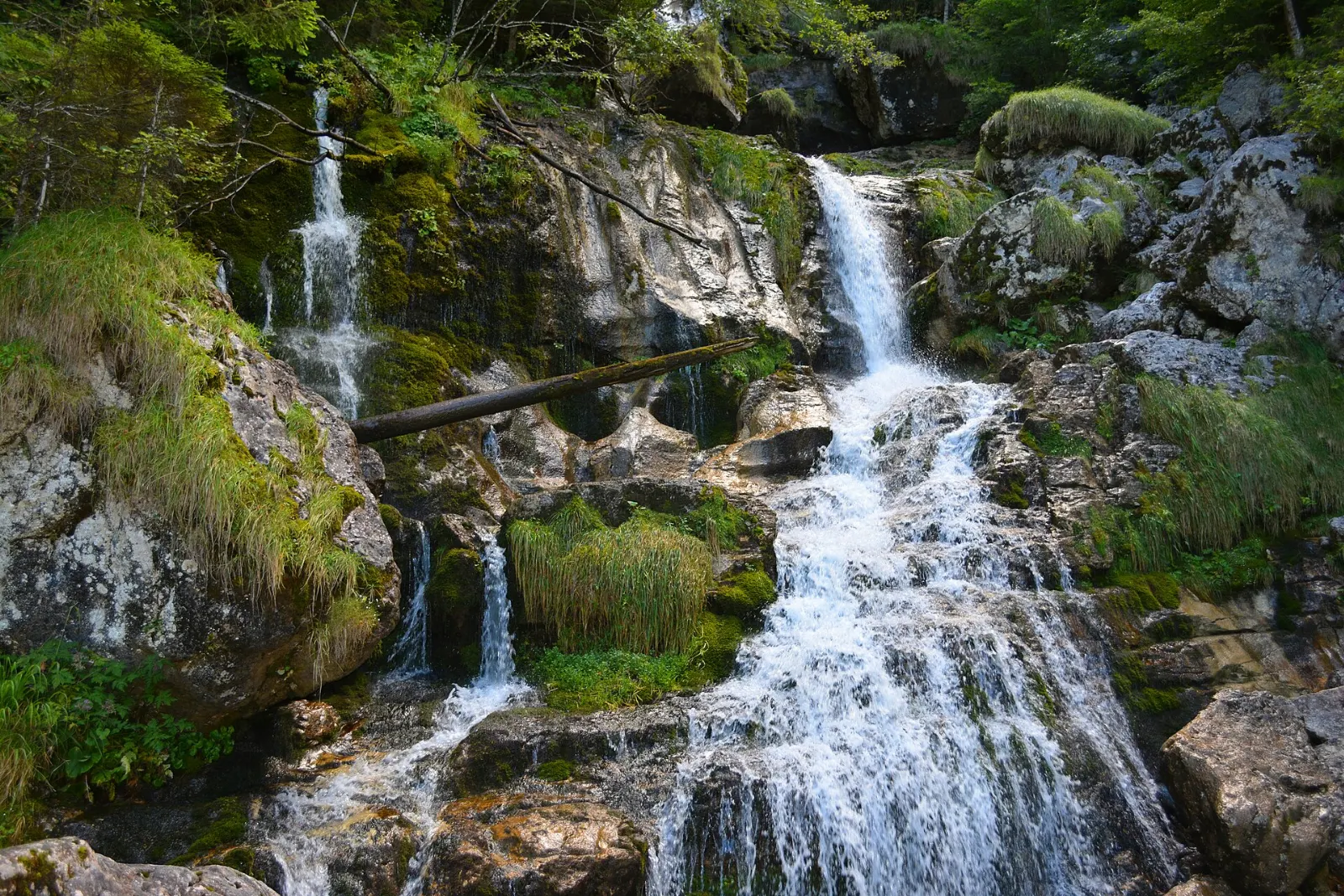
Echerntal and the Waldbachstrub waterfall
Behind the village, the Echerntal valley leads into the mountains along a stream lined with beech forest. An easy path, with a short steep section at the end, reaches the Waldbachstrub, a powerful waterfall at the head of the valley, and passes the Glacier Garden, where boulders carved by meltwater sit beside the trail.
Beyond the village: Dachstein, Obertraun and Gosau
Krippenstein and the 5fingers platform
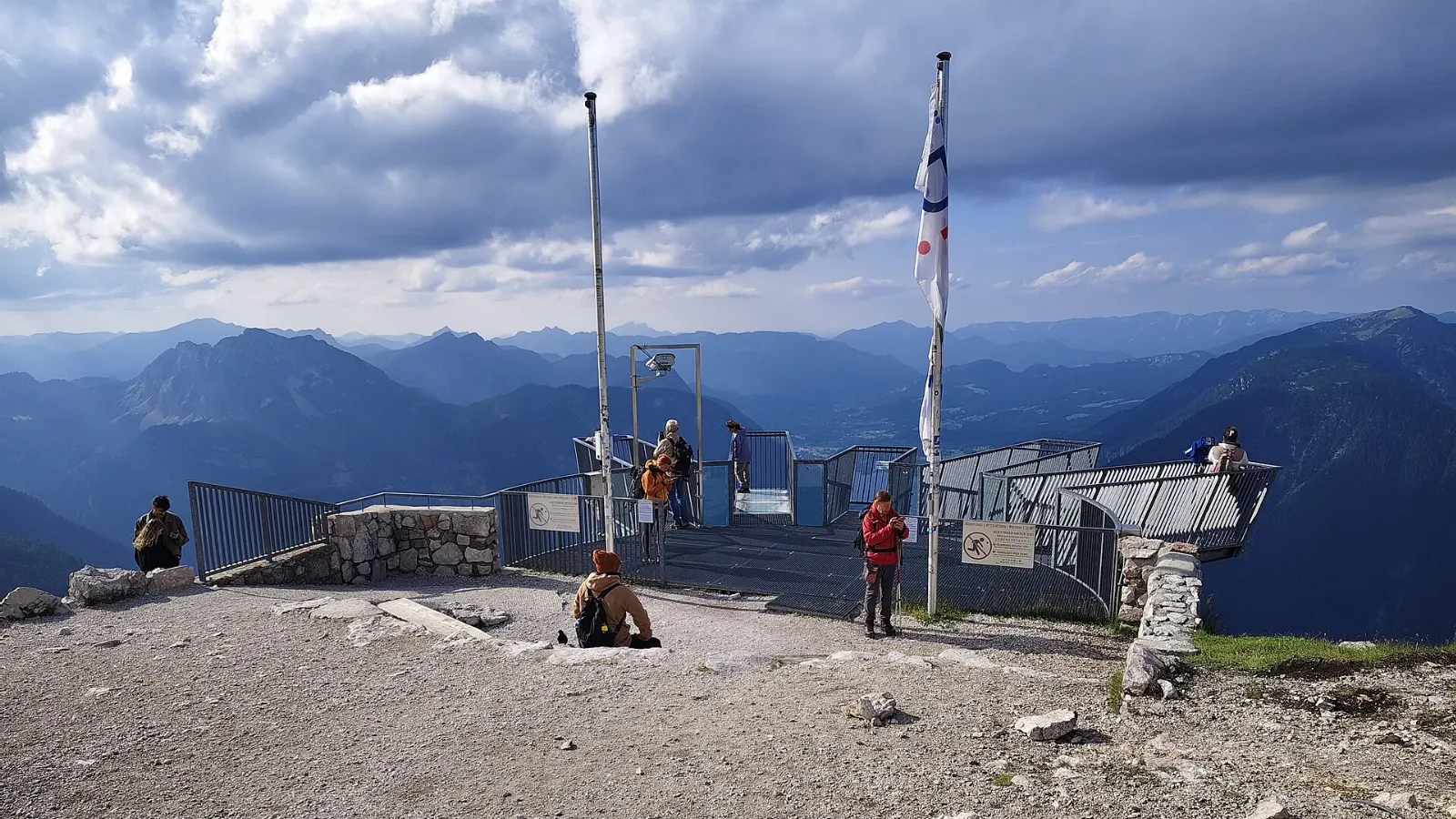
From Obertraun, at the southern end of the lake, the Dachstein Krippenstein cable car climbs in stages to the high plateau. Near the top, the 5fingers viewing platform juts over a sheer drop in the shape of an open hand, with the lake far below.
Dachstein Giant Ice Cave and Mammoth Cave
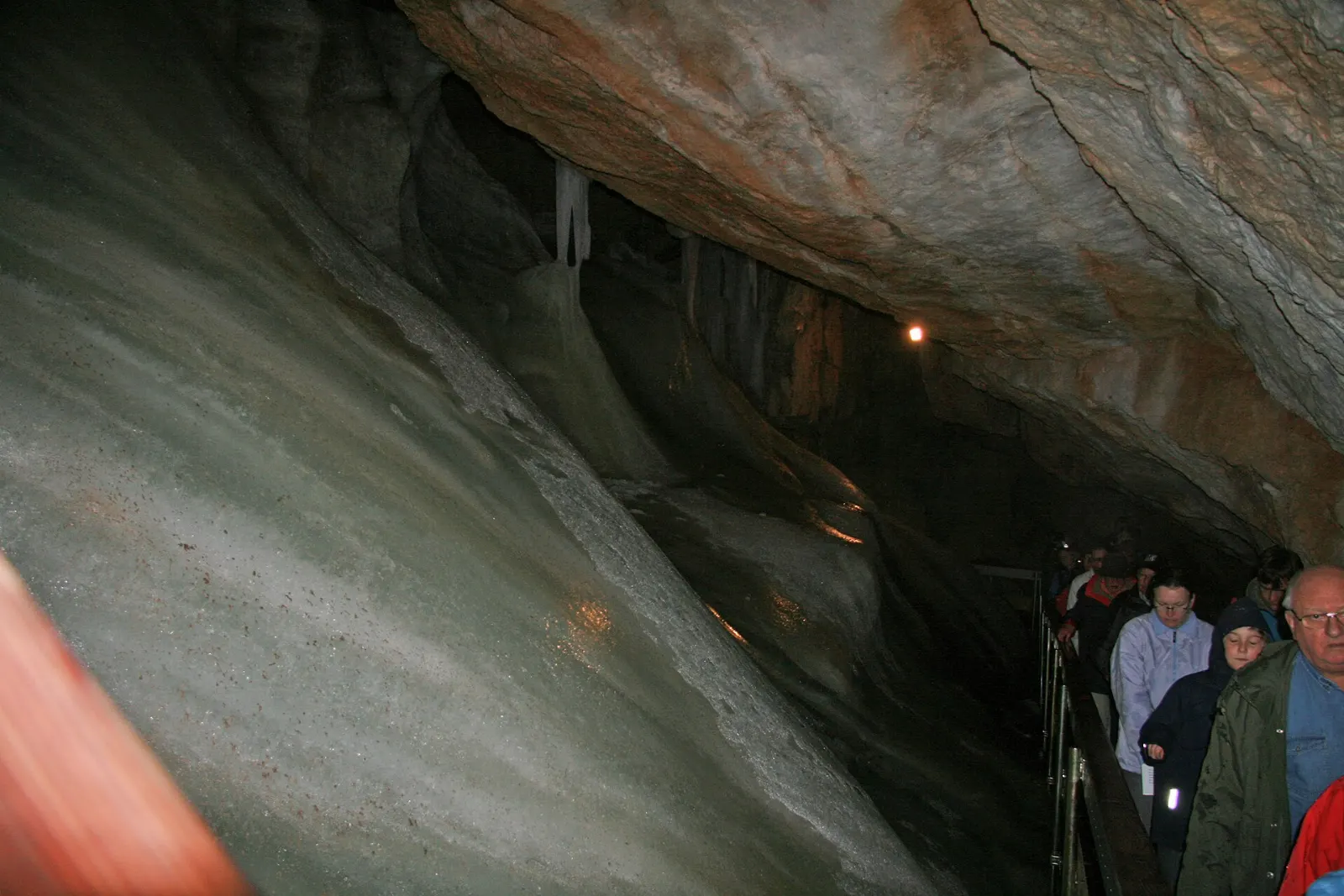
The middle station of the same cable car gives access to two remarkable caves. The Giant Ice Cave holds walls and frozen cascades of ice that last through summer, while the Mammoth Cave is a vast dry labyrinth of limestone passages.
Gosausee
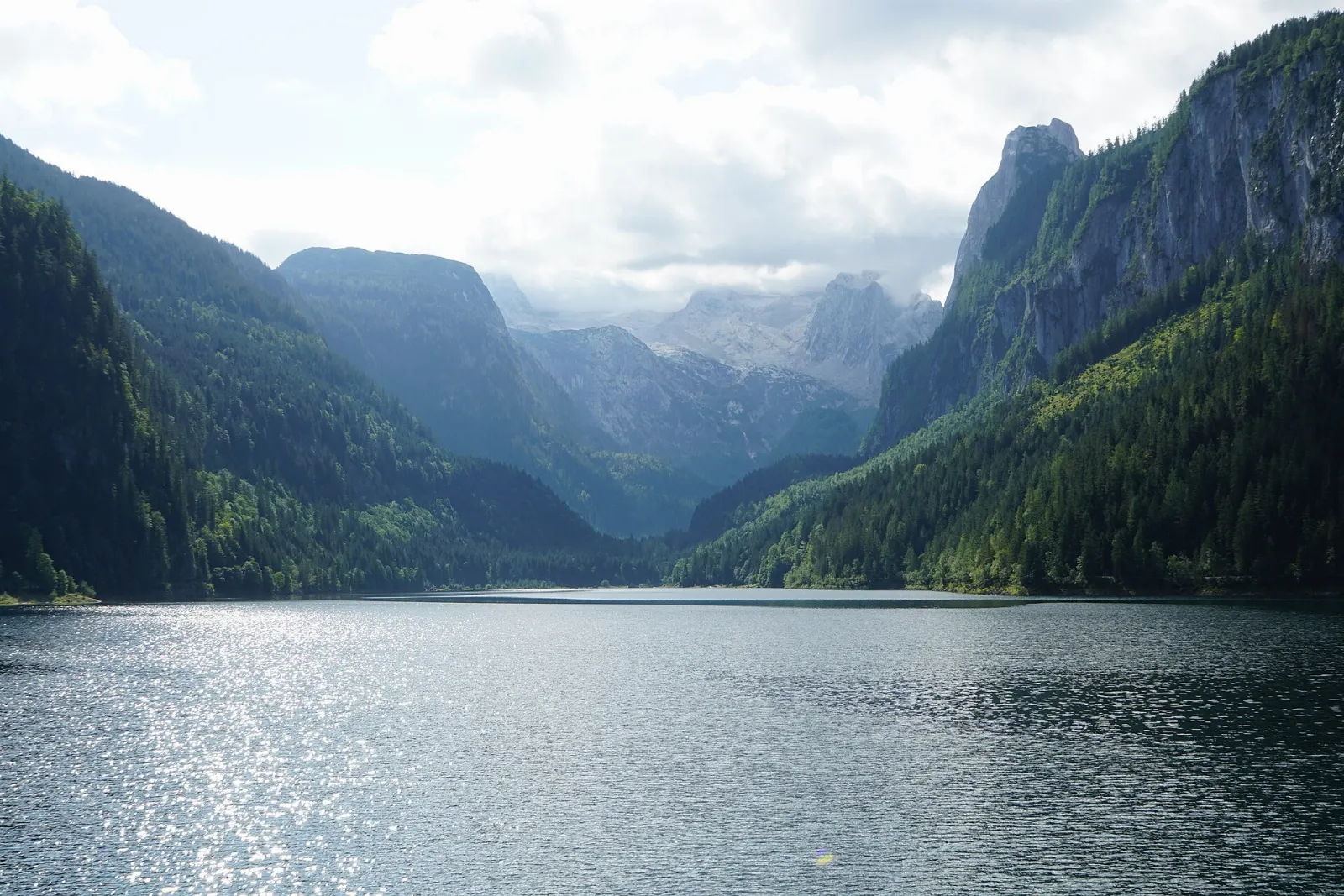
About half an hour's drive west of Hallstatt, the Vorderer Gosausee is a clear mountain lake with one of the finest views of the Dachstein glaciers. An easy trail circles the lake in about an hour, and longer paths continue to the upper lakes.
Bad Ischl
The spa town of Bad Ischl, roughly half an hour north, was the summer retreat of Emperor Franz Joseph, and his Kaiservilla is open for tours.
Food and local flavors
Hallstatt's specialty is fish from the lake, above all Reinanke, a whitefish, and char, often grilled whole or smoked.
Popular dishes to try in Hallstatt


Where to stay
Hallstatt center. Staying in the old village lets you enjoy it at dawn and dusk without day crowds.
Obertraun. Across the lake at its southern tip, Obertraun has more space, easier parking, a lakeside beach and direct access to the Dachstein cable car.
Bad Goisern and Gosau. These villages offer farm stays and alpine guesthouses with lower prices, good for road trippers who want a rural base.
Where to stay in Hallstatt


Best time to visit
Late spring and early autumn are ideal. In May, June, September and early October, the mine, cable cars and caves are usually open, hiking trails are clear and crowds are lighter than in midsummer.
Winter is quiet and atmospheric, with snow on the roofs and the Christmas season bringing extra visitors.
Getting there and getting around
By air. Salzburg Airport is the closest, under two hours away by road; Vienna and Munich airports are longer journeys.
By train. Take a train on the Salzburg to Vienna line to Attnang-Puchheim, then the regional line through Bad Ischl toward Obertraun.
By car. The village center is closed to visitor traffic.
Getting around. Everything in the village is walkable, with plenty of stairs.
A suggested itinerary
First day
Arrive by train and ferry in the late morning, drop your bags and visit the Hallstatt Museum.
Second day
Head to Obertraun early for the Krippenstein cable car, the 5fingers platform and a guided tour of the Giant Ice Cave.
Third day
Walk the Echerntal to the Waldbachstrub in the morning, then drive or take the bus to Gosausee for the loop trail and the Dachstein reflection, finishing with coffee and cake in Bad Ischl on your way out.
Practical tips
- Stay overnight if you can; the village is a different place before ten in the morning and after five in the evening.
- Book accommodation and summer cave tours well in advance.
- Respect residents: no drones, no entering private gardens or docks, and keep noise down in lanes and the churchyard.
- Wear shoes with good grip for steep stairways and mountain trails.
- Carry a warm layer for the salt mine, ice cave and Krippenstein plateau, even in summer.