Istanbul Turkiye Hagia Sophia and Bosphorus Ferries
Istanbul is the only great city in the world that straddles two continents. The Bosphorus Strait splits it between Europe and Asia, while the inlet of the Golden Horn divides the European side into the old walled peninsula and the hilly districts of Galata and Beyoglu.
By WiserMap TravelUpdated October 20269 places10 min read
Best timeApril to early June and September to November, for mild weather and walking.
How longFour days for the essentials; a week to explore neighborhoods and the Asian side.
Getting thereFly into Istanbul Airport or Sabiha Gokcen, then use metro, trams and ferries.
Ad
Why visit Istanbul
Few cities can match Istanbul's concentration of world-class sights.
But Istanbul is not a museum city. It is a working metropolis of millions, with a café culture, lively nightlife, contemporary art and constant movement on the water.
The food alone justifies a trip. Turkish cuisine draws on the kitchens of the Ottoman palace and the regions of Anatolia, and Istanbul serves it all, from street simit and grilled fish sandwiches to long evenings of meze and slow-cooked dishes.
Sultanahmet and the great monuments
Hagia Sophia
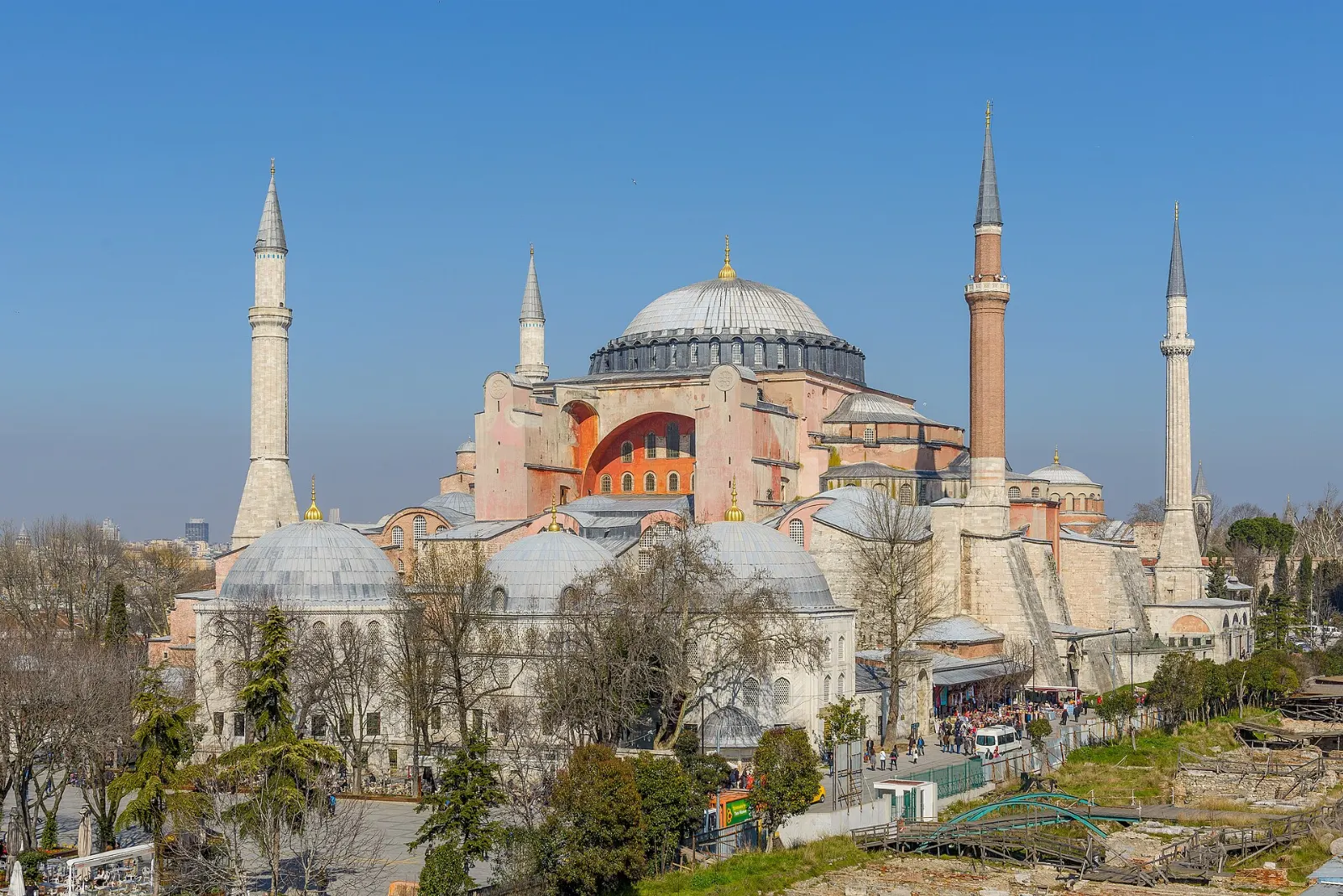
Completed in 537 under the emperor Justinian, Hagia Sophia was for nearly a thousand years the largest church in Christendom. It became a mosque after the Ottoman conquest in 1453, a museum in 1934 and again a mosque in 2020.
Foreign visitors now enter through a separate, ticketed route that leads to the upper gallery, while the ground floor is reserved for worshippers. Allow one to one and a half hours.
Hagia Sophia was completed in 537 under the Byzantine emperor Justinian. Photo: Arild Vågen, Wikimedia Commons, CC BY-SA 3.0
Sultan Ahmed Mosque, the Blue Mosque
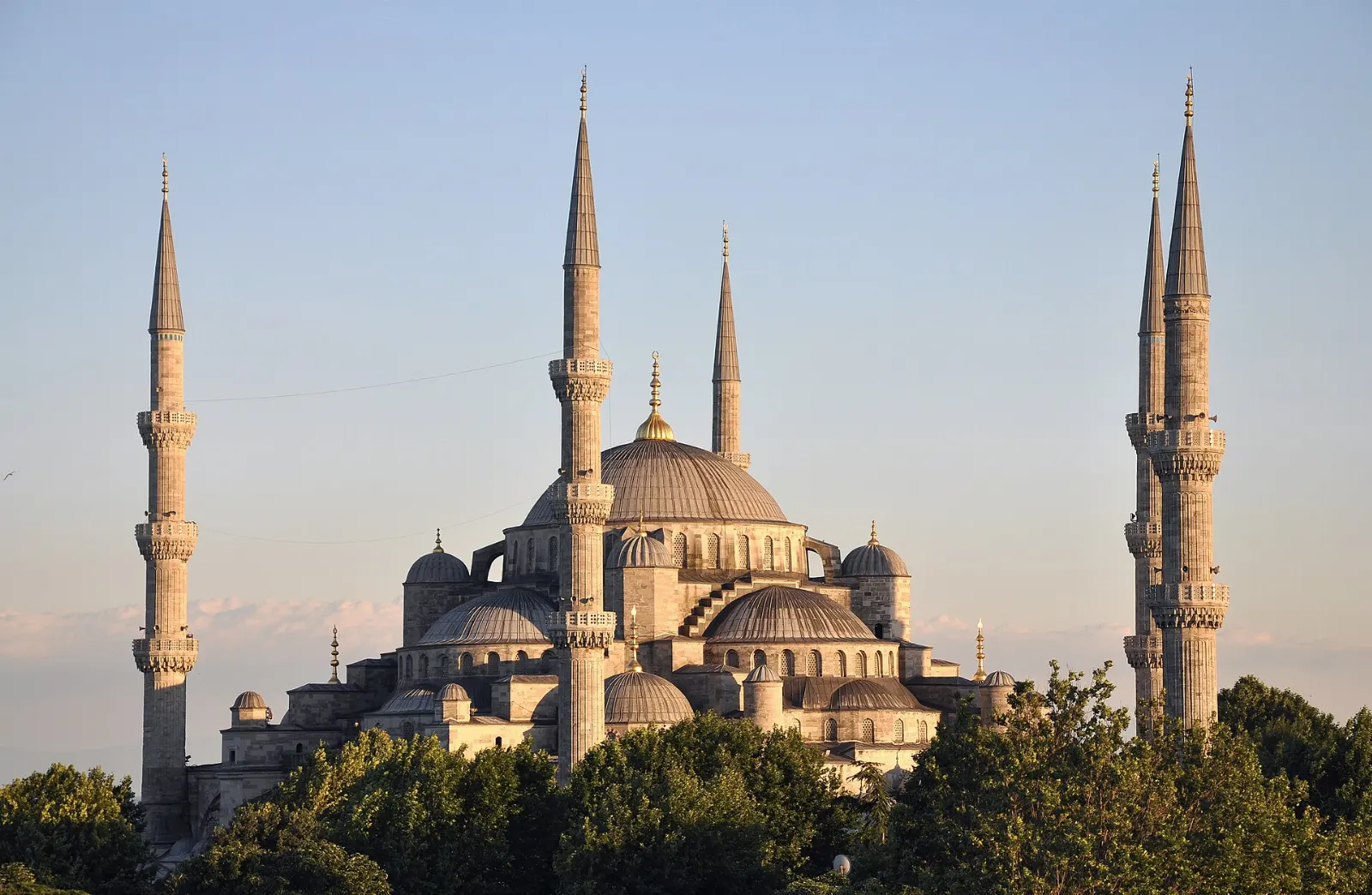
Facing Hagia Sophia across a park, the Sultan Ahmed Mosque was built in the early seventeenth century.
Practical tip: shoulders and knees must be covered, shoes are removed at the door, and women should bring a scarf. Avoid visiting around Friday midday prayers.
The Sultan Ahmed Mosque, known as the Blue Mosque, was completed in the early seventeenth century. Photo: Moonik, Wikimedia Commons, CC BY-SA 3.0
Topkapi Palace
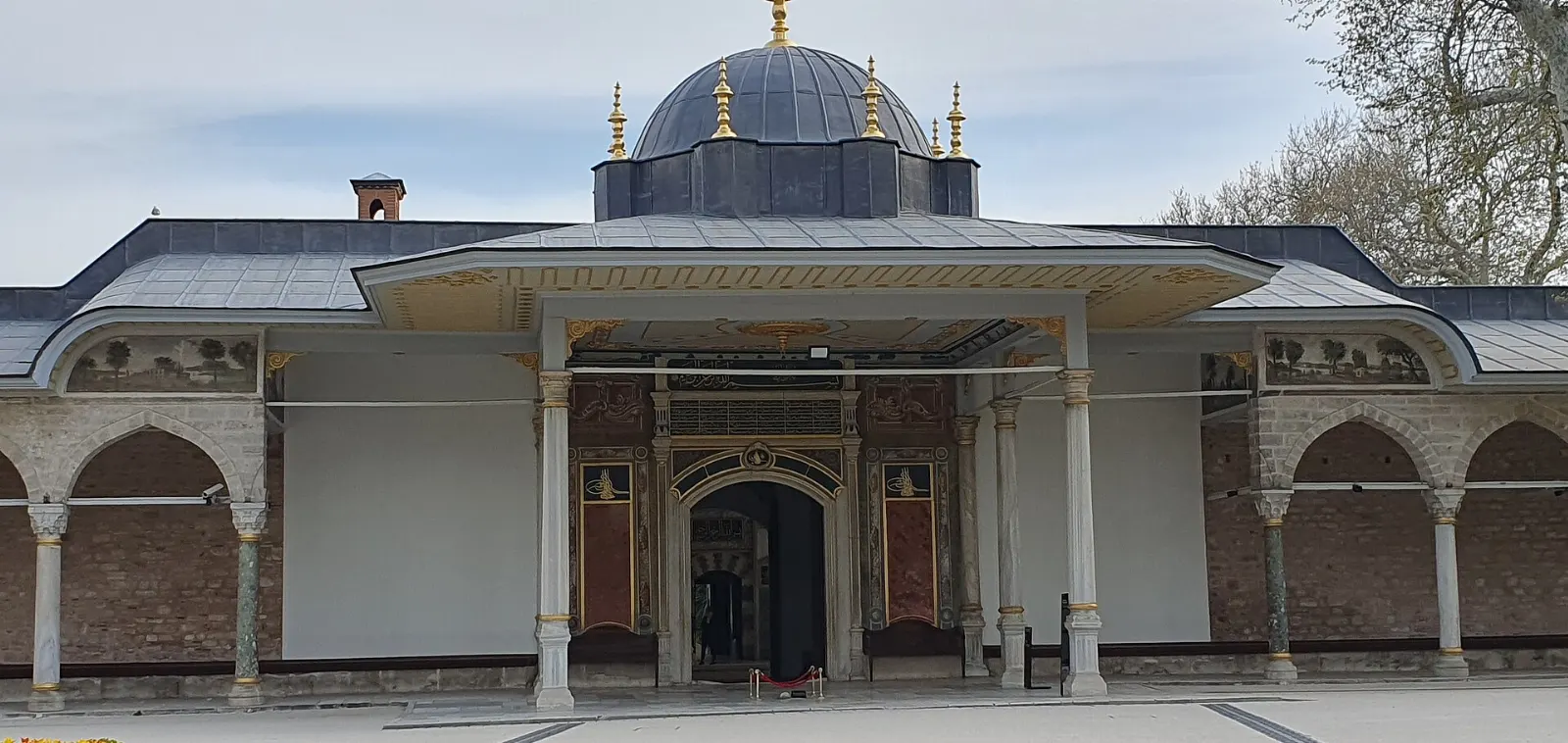
For nearly four centuries, Topkapi Palace was the seat of the Ottoman sultans.
Practical tip: the palace is closed on Tuesdays. Combine it with Hagia Irene, the Byzantine church in its outer courtyard, and the Istanbul Archaeology Museums just downhill, which hold the celebrated Alexander Sarcophagus.
The Gate of Felicity leads into the inner court of Topkapi Palace. Photo: Yair Haklai, Wikimedia Commons, CC BY-SA 4.0
Basilica Cistern
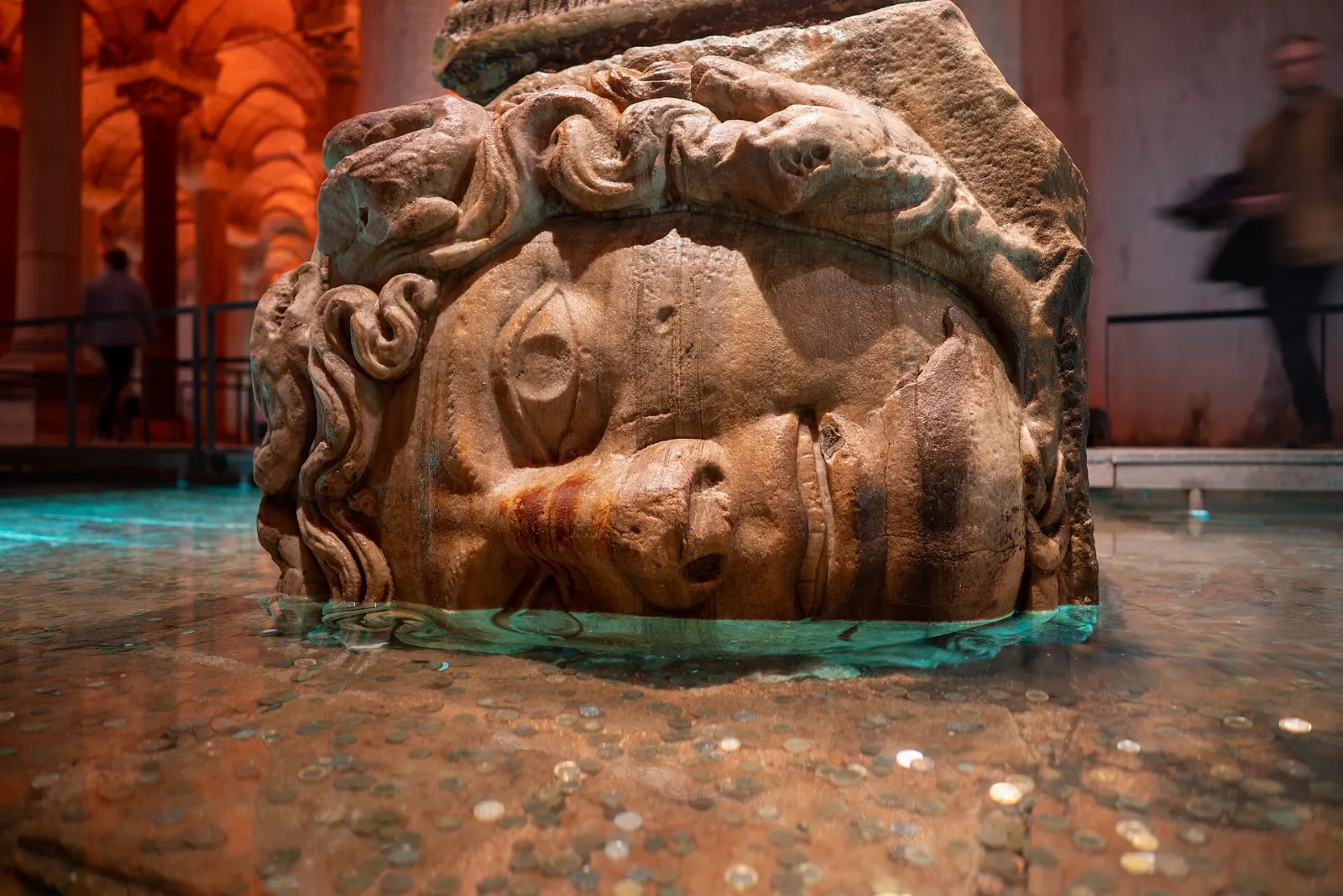
Under the streets of Sultanahmet lies the Basilica Cistern, a sixth-century underground reservoir supported by hundreds of marble columns, many reused from older buildings. Two columns rest on carved heads of Medusa, one placed sideways and one upside down.
The Basilica Cistern was built in the sixth century to store water for the city. Photo: Nan Palmero, Wikimedia Commons, CC BY 2.0
Ad
Bazaars and the hills of the old city
Grand Bazaar
The Grand Bazaar, or Kapalicarsi, grew from a fifteenth-century trading hall into a covered maze of dozens of streets and thousands of shops.
The Grand Bazaar is one of the largest and oldest covered markets in the world. Photo: Martin Falbisoner, Wikimedia Commons, CC BY-SA 4.0
Spice Bazaar and Rustem Pasha Mosque
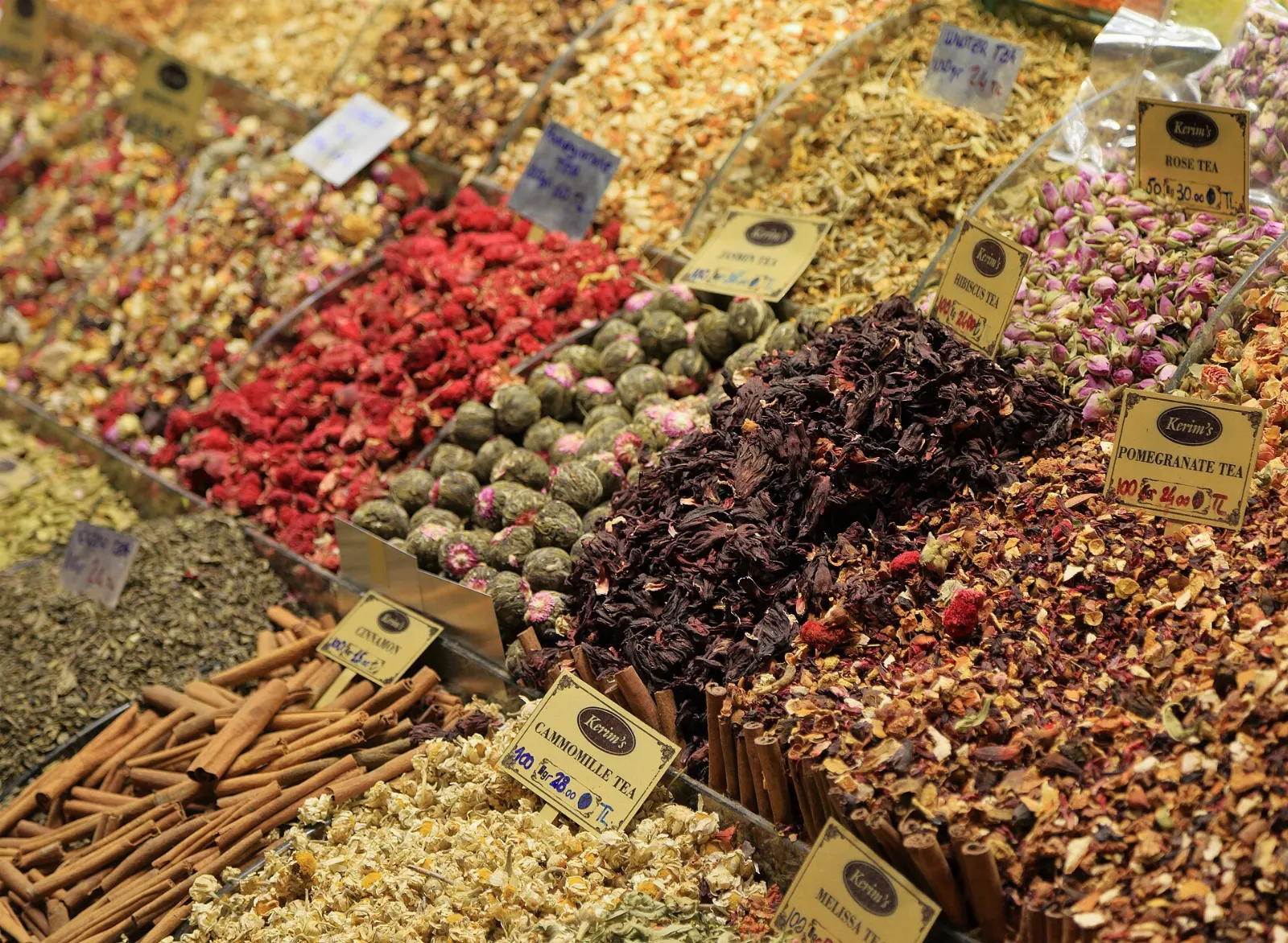
Down by the water in Eminonu, the Spice Bazaar, also called the Egyptian Bazaar, is an L-shaped seventeenth-century market selling spices, dried fruit, nuts, Turkish delight and teas. The surrounding streets are full of shops selling coffee, cheese and kitchenware.
Suleymaniye Mosque
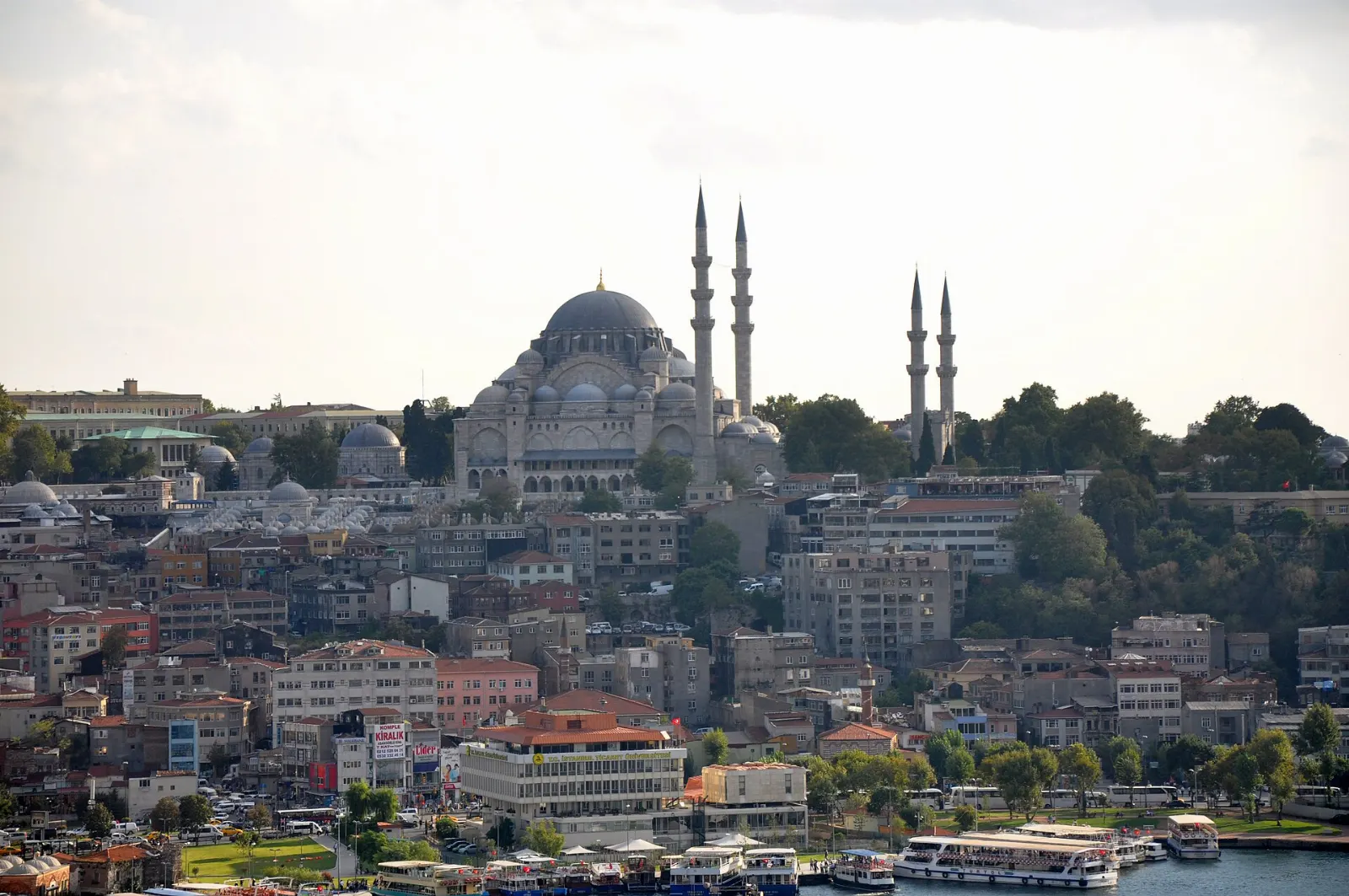
Crowning the third hill of the old city, the Suleymaniye Mosque was designed by the great architect Mimar Sinan for Suleiman the Magnificent and completed in the 1550s.
Practical tip: walk up from the Spice Bazaar through the old market streets, and stay for sunset views from the terrace.
The Suleymaniye Mosque was designed by the architect Mimar Sinan for Suleiman the Magnificent. Photo: Moonik, Wikimedia Commons, CC BY-SA 3.0
Balat and Fener
Along the Golden Horn, the old neighborhoods of Balat and Fener are known for colorful houses, steep cobbled streets and a long history of Greek, Jewish and Armenian communities.
Galata, Beyoglu and the Bosphorus
Galata Tower and Karakoy
Across the Galata Bridge, the stone Galata Tower was built by the Genoese in the fourteenth century and now houses a small museum with a panoramic viewing balcony.
Galata Tower was built by the Genoese in the fourteenth century. Photo: User:Ggia, Wikimedia Commons, CC BY-SA 3.0
Istiklal Avenue and Taksim
Istiklal Avenue is a long pedestrian street running from Tunel to Taksim Square, lined with nineteenth-century buildings, churches, bookshops and passages such as the Cicek Pasaji. A historic red tram runs along it.
Dolmabahce Palace
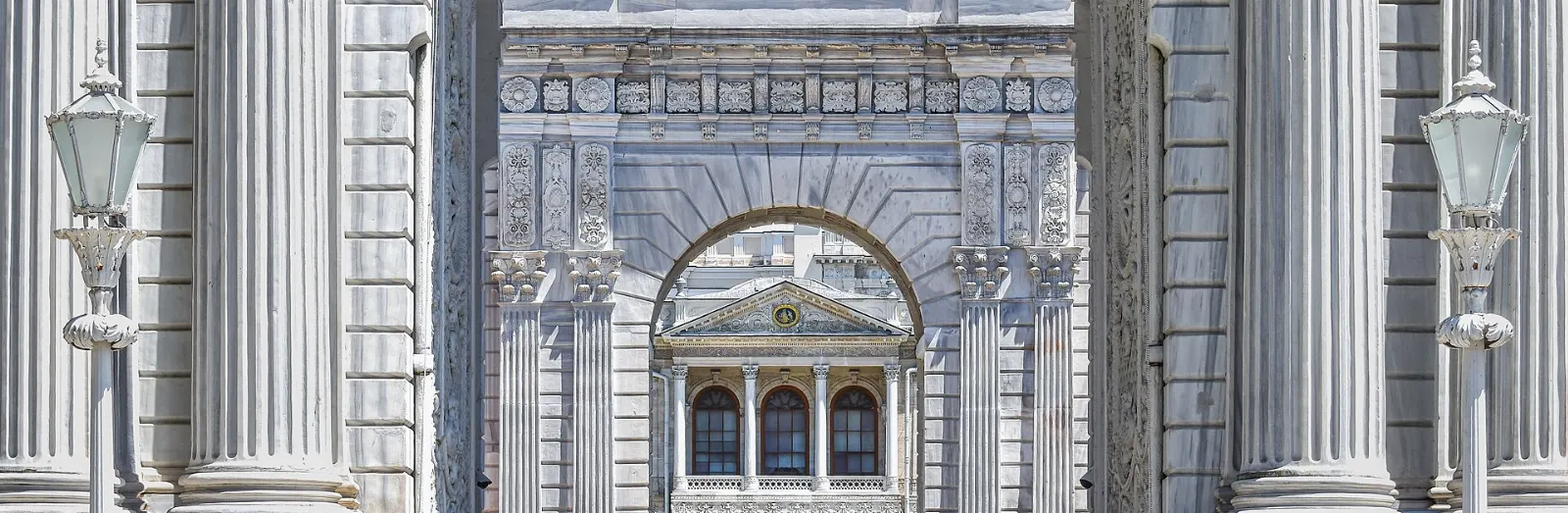
On the Bosphorus shore at Besiktas, Dolmabahce Palace was built in the mid-nineteenth century as the new imperial residence, mixing European styles with Ottoman tradition.
Dolmabahce Palace served as the main Ottoman imperial residence from the mid-nineteenth century. Photo: Julian Lupyan, Wikimedia Commons, CC0
A Bosphorus ferry and Kadikoy
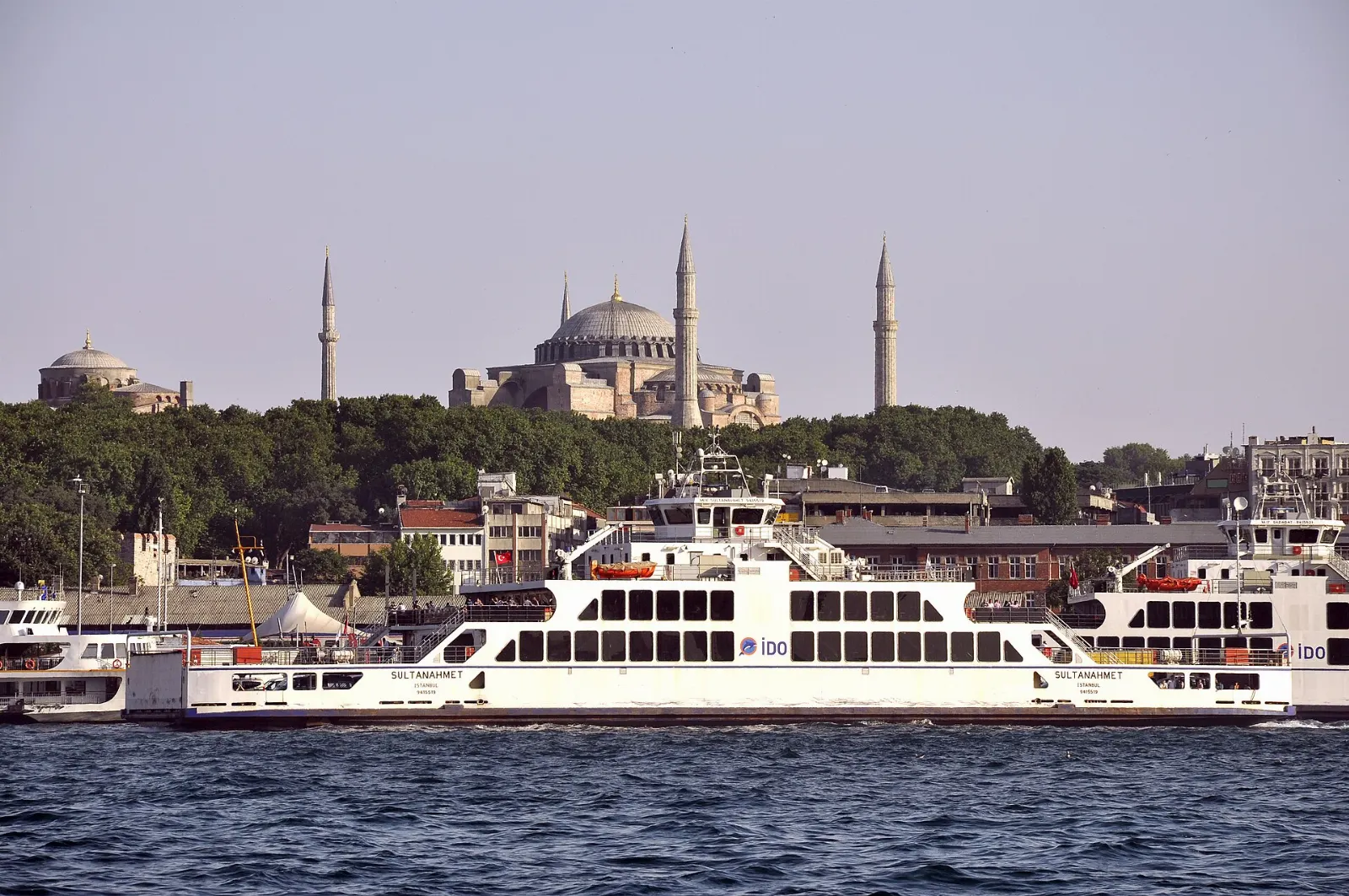
No visit is complete without time on the water. Public ferries link Eminonu, Karakoy and Besiktas with Kadikoy and Uskudar on the Asian side, and longer Bosphorus cruises run north past waterfront mansions and fortresses toward the Black Sea.
Practical tip: a regular commuter ferry with a cup of tea from the onboard vendor is one of the best value experiences in the city. Pay with an Istanbulkart.
Public ferries crisscross the Bosphorus between Europe and Asia. Photo: Moonik, Wikimedia Commons, CC BY-SA 3.0
Ad
Food and local flavors
Start the day with a Turkish breakfast, or kahvalti: cheeses, olives, tomatoes, cucumbers, honey and clotted cream called kaymak, eggs with sucuk sausage or menemen, a dish of scrambled eggs with tomato and peppers, and endless glasses of tea.
For sweets, try baklava, especially pistachio versions from Gaziantep traditions, Turkish delight, kunefe and milk puddings.
Popular dishes to try in Istanbul
Simit On the street, look for simit, a sesame-crusted bread ring, roasted chestnuts and corn, and midye dolma, mussels stuffed with spiced rice.Photo: Benreis, Wikimedia Commons, CC BY-SA 4.0Baklava For sweets, try baklava, especially pistachio versions from Gaziantep traditions, Turkish delight, kunefe and milk puddings.Photo: Dan from Brussels, Europe, Wikimedia Commons, CC BY-SA 2.0Lahmacun Kebabs range from Adana and Iskender to doner, and you will also find pide, the Turkish flatbread with toppings, and lahmacun.Photo: E4024, Wikimedia Commons, CC BY-SA 4.0Midye dolma On the street, look for simit, a sesame-crusted bread ring, roasted chestnuts and corn, and midye dolma, mussels stuffed with spiced rice.Photo: Nevit Dilmen (talk), Wikimedia Commons, CC BY-SA 3.0
Where to stay
Sultanahmet puts you next to the major monuments and suits first-time visitors on a short trip, though it is quiet at night.
Galata and Karakoy combine historic streets, cafes and nightlife with easy tram and ferry links, making them a good all-round choice.
Beyoglu and Cihangir are lively, artsy and central, suiting travelers who like restaurants and evenings out.
Besiktas and Nisantasi offer upscale shopping, Bosphorus proximity and a more local feel.
Where to stay in Istanbul
Karakoy Galata and Karakoy combine historic streets, cafes and nightlife with easy tram and ferry links, making them a good all-round choice.Photo: Arild Vågen, Wikimedia Commons, CC BY-SA 3.0Cihangir Beyoglu and Cihangir are lively, artsy and central, suiting travelers who like restaurants and evenings out.Photo: Wikimikey423, Wikimedia Commons, CC BY-SA 4.0Nisantasi Besiktas and Nisantasi offer upscale shopping, Bosphorus proximity and a more local feel.Photo: Ail Subway, Wikimedia Commons, CC BY 3.0Moda Kadikoy and Moda on the Asian side suit repeat visitors who want to live like a local, with excellent food and a short ferry ride to the old city.Photo: Arild Vågen, Wikimedia Commons, CC BY-SA 3.0
Ad
Best time to visit
Spring and autumn are ideal.
Summer is hot and humid, with the largest crowds at major sights, though evenings on the Bosphorus are wonderful.
During Ramadan, which moves each year, restaurants stay open and evenings come alive around iftar, the meal breaking the fast.
Getting there and getting around
Istanbul Airport, on the European side north of the city, is the main hub, linked to the center by the M11 metro line, Havaist airport buses and taxis.
Public transport is good and inexpensive. Buy an Istanbulkart, a rechargeable card used on the metro, trams, buses, funiculars and ferries.
Traffic is heavy, so avoid taxis at rush hour. Use licensed taxis with a meter, or a ride-hailing app.
Ad
A suggested itinerary
First day
Start early at Hagia Sophia, then visit the Blue Mosque outside prayer times and the Basilica Cistern.
Second day
Spend the morning at Topkapi Palace and the Harem.
Third day
Cross the Galata Bridge to Karakoy and climb the Galata Tower, then stroll Istiklal Avenue to Taksim.
Fourth day
Explore Balat and Fener in the morning, then catch a ferry to Kadikoy for the food market and an evening in Moda.
Practical tips
Remember the closing days: Topkapi Palace on Tuesdays, Dolmabahce Palace on Mondays, and the Grand Bazaar and Spice Bazaar on Sundays.
Carry a scarf and wear clothes covering shoulders and knees for mosque visits.
Get an Istanbulkart on arrival and top it up at machines in stations.
Book online tickets in advance for Hagia Sophia, Topkapi Palace and the Basilica Cistern to save time in lines.
Be wary of overly friendly strangers inviting you to bars or carpet shops.
Carry Turkish lira for small purchases, although cards are widely accepted.