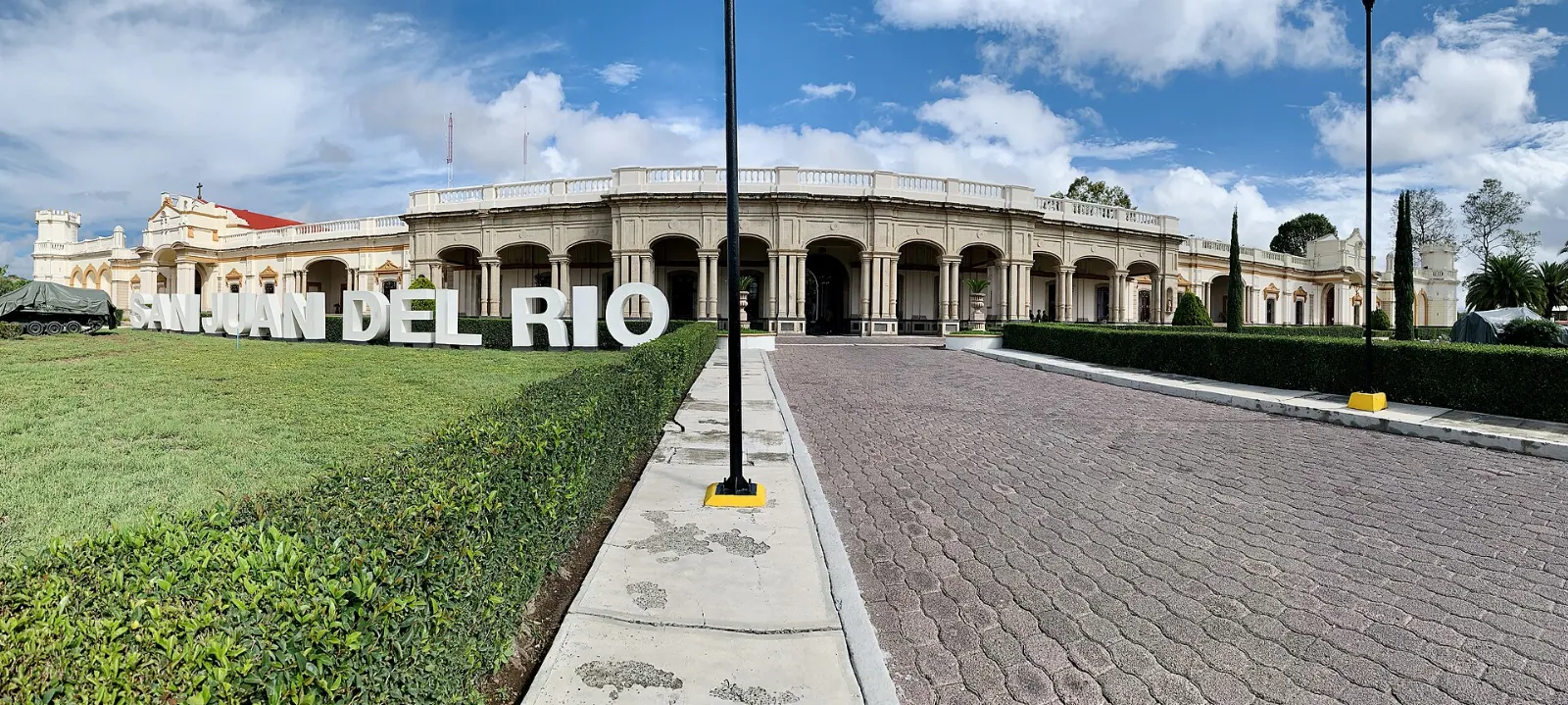
San Juan del Río is a colonial city in the south of Querétaro that most travellers pass on the highway without stopping. That is a missed chance.
AT A GLANCE
Best time
Late autumn to spring for dry weather, or early June for the wine and cheese fair.
How long
Plan two days in town, plus a day for Tequisquiapan and Bernal.
Getting there
Take Highway 57 or a frequent bus from Querétaro.
Why visit San Juan del Río
The city was founded on June 24, 1531, the feast of Saint John the Baptist, by the Otomí leader Fernando de Tapia, and it was one of the first Spanish settlements outside the Valley of Mexico.
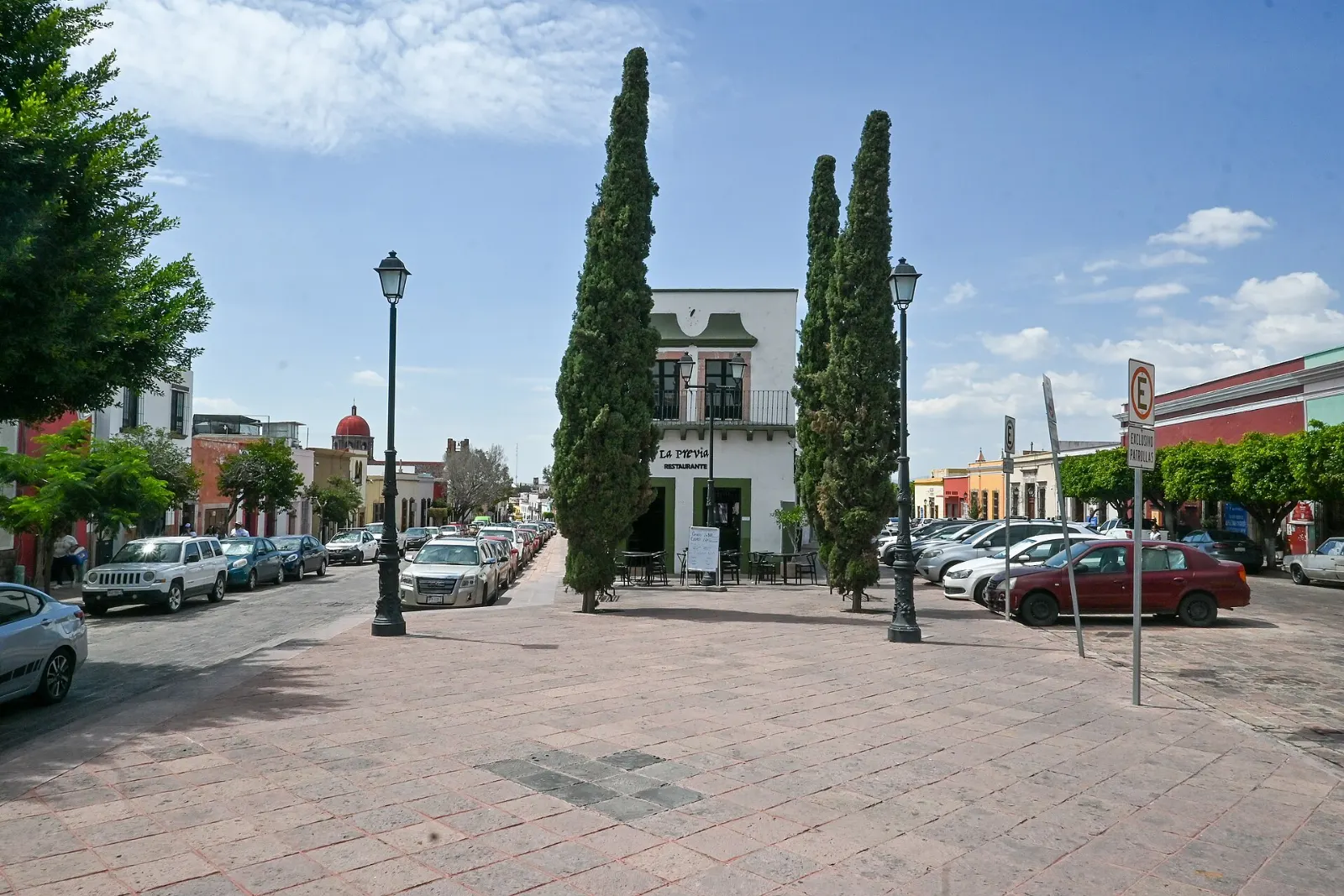
That history left a compact historic center of narrow lanes and wide plazas that is easy to walk. San Juan del Río is also quieter and less touristy than nearby Querétaro, which makes it a relaxed base for exploring the surrounding wine, cheese and spa country.
The best places to visit in the historic center
Puente de la Historia
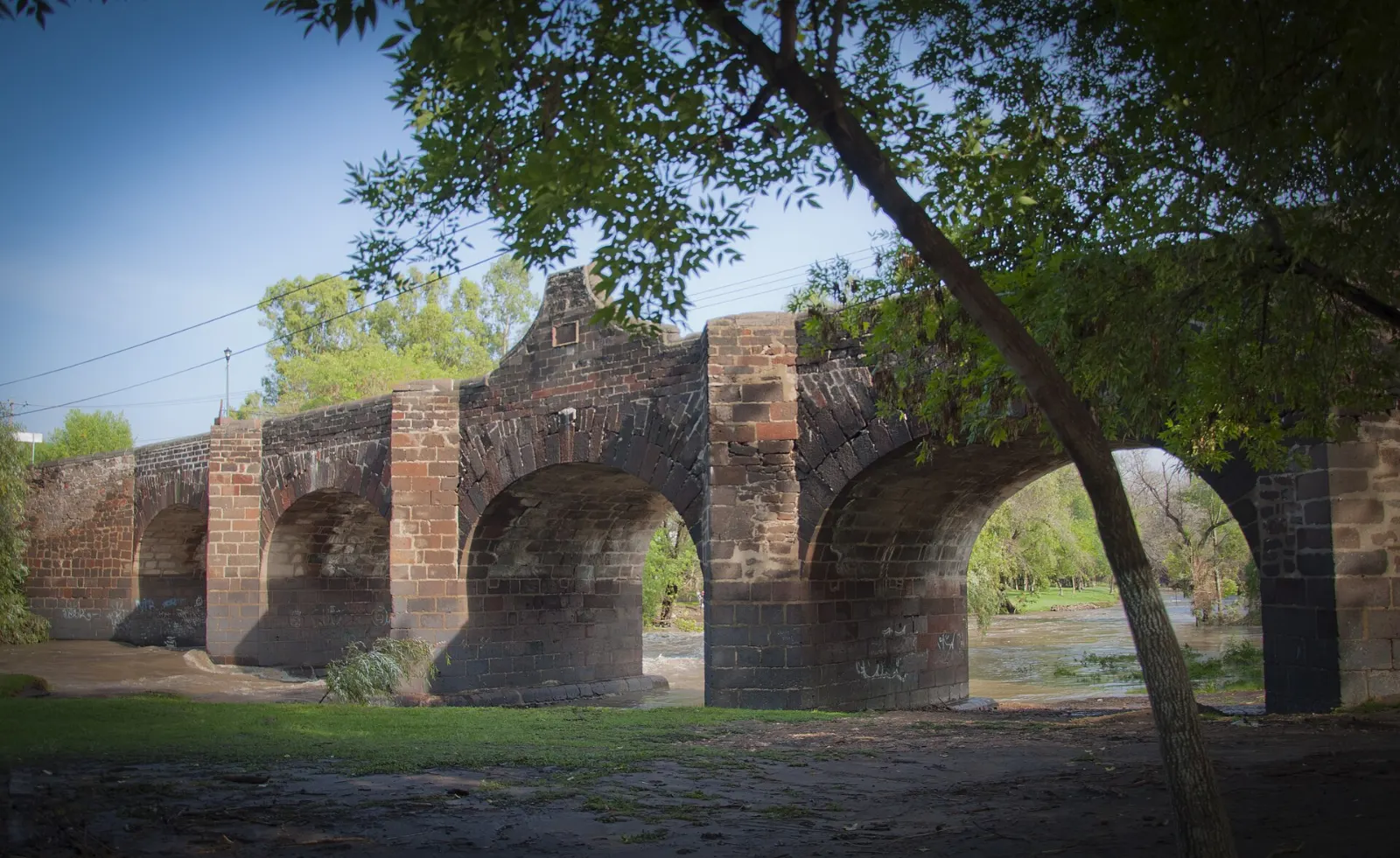
The stone bridge over the San Juan River on Avenida Benito Juárez is the city's best known landmark.
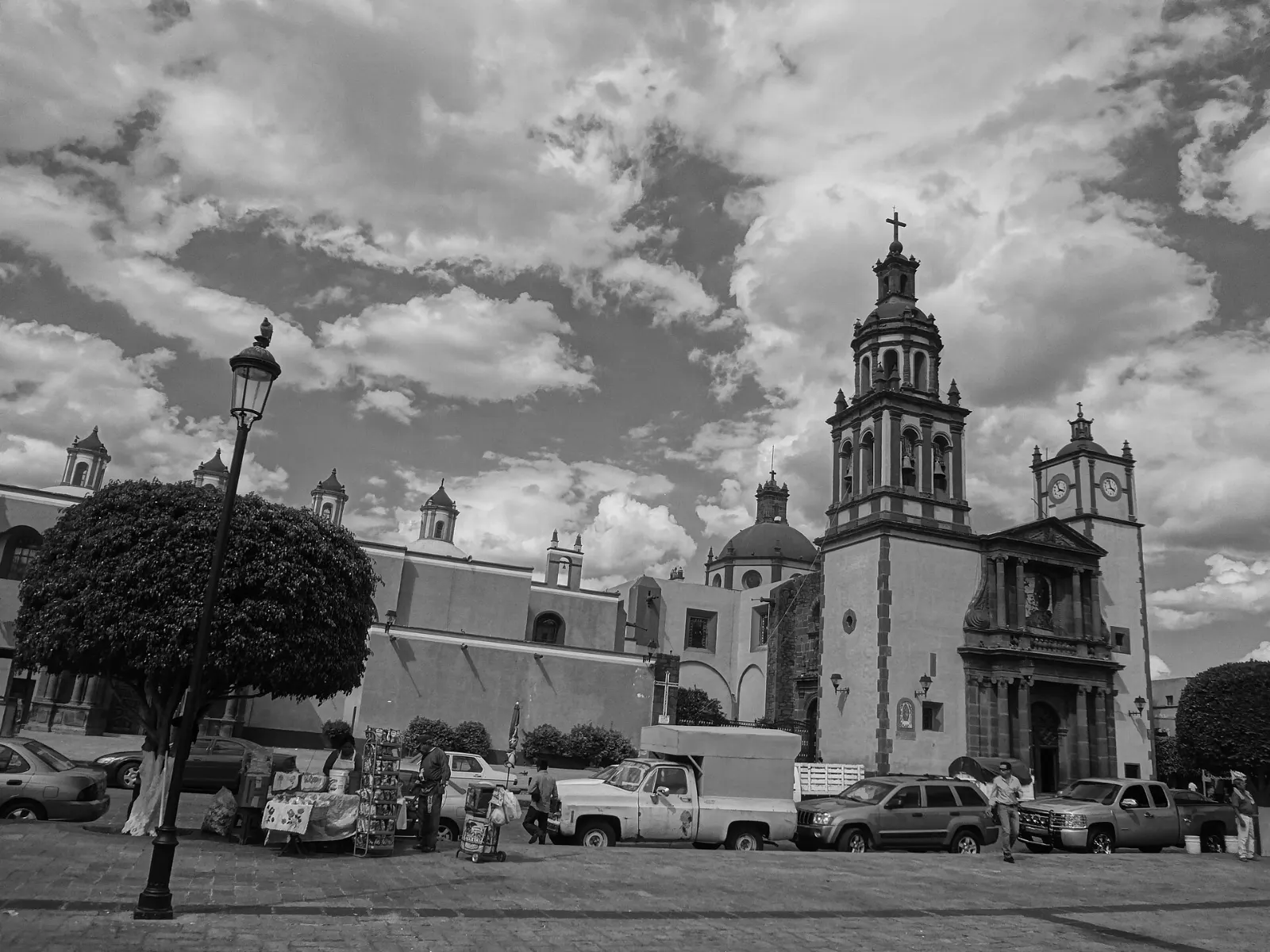
Parroquia de San Juan Bautista
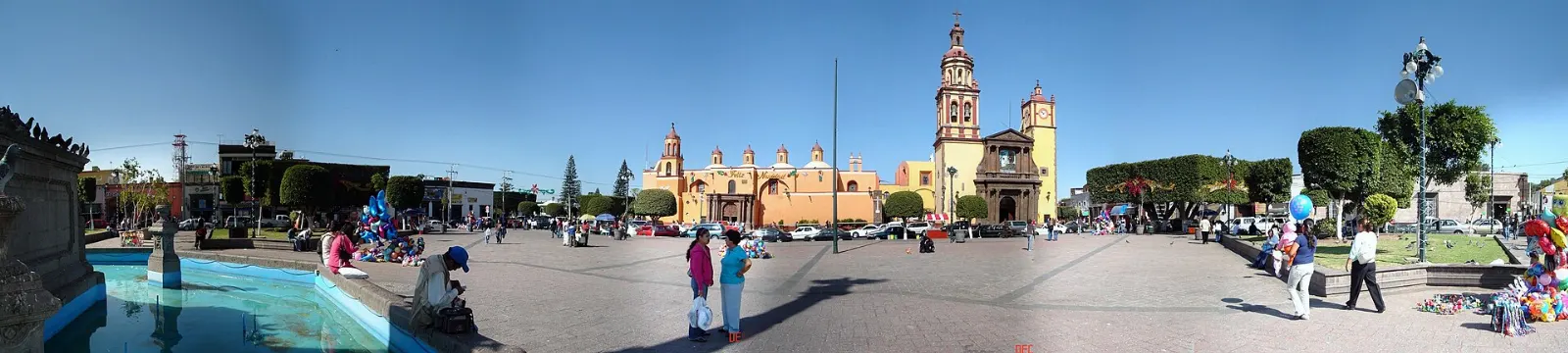
On Plaza Independencia, the parish church honours the city's patron saint, and images of Saint John the Baptist dominate its collection of colonial religious art. Construction stretched across several decades and was completed in the early eighteenth century.
Santuario de Guadalupe
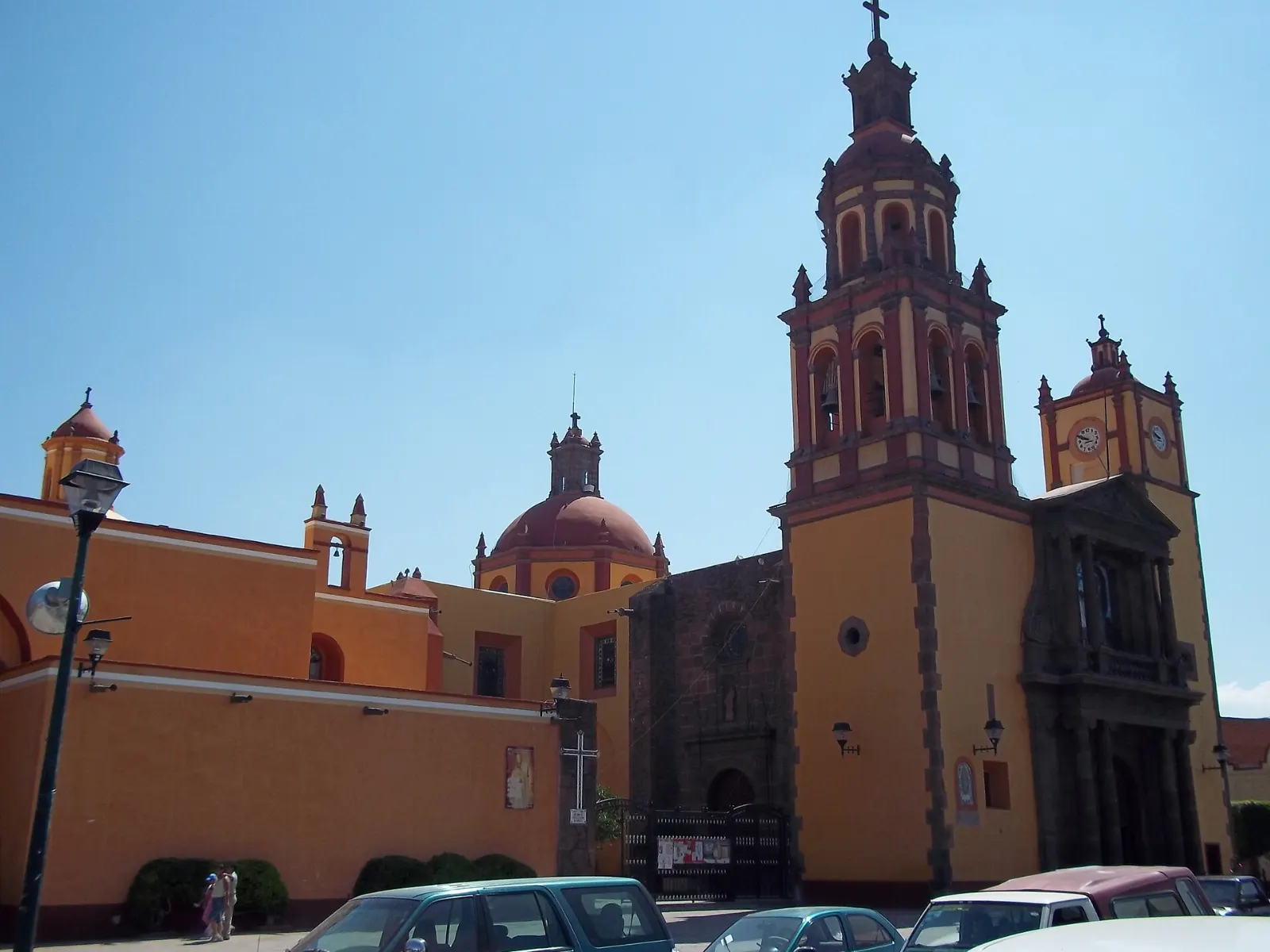
Just a few steps from the parish church, this neoclassical shrine is faced in light orange stucco and dedicated to Mexico's patron saint. It is smaller than the parish, but its color makes it a favorite for photographs.
Templo y Exconvento de Santo Domingo
At the corner of Juárez and Zaragoza avenues, the temple and former convent of Santo Domingo were built to serve the community with hospital care as well as religious teaching. The stone facade is adorned with three shields representing La Merced, San Francisco and Santo Domingo.
Templo del Señor del Sacromonte
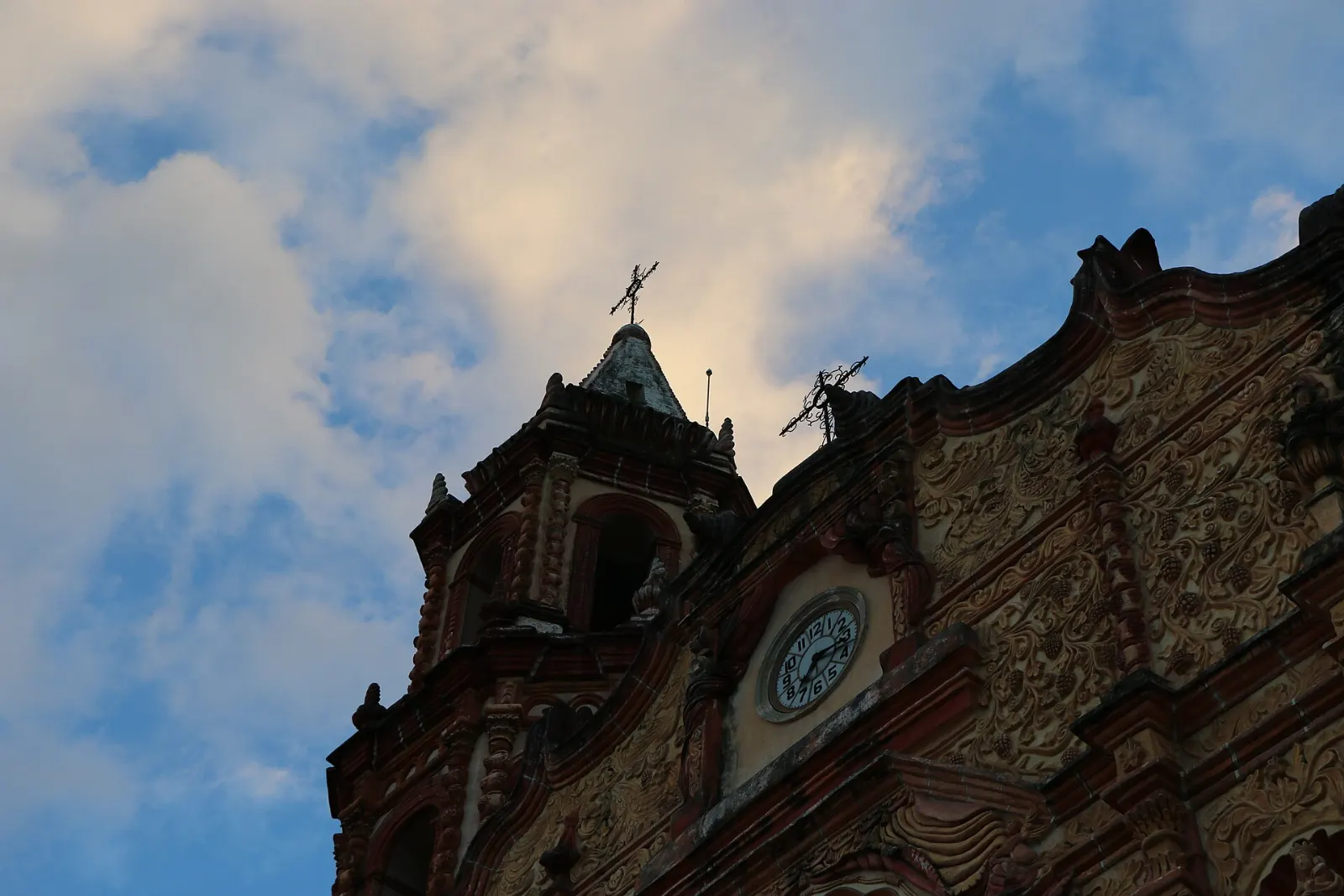
On Avenida Juárez Oriente, this early nineteenth century church was completed in 1831 and is known for its clock tower. It is a popular destination for pilgrims who believe it houses an object with miraculous powers.
Museo de la Muerte
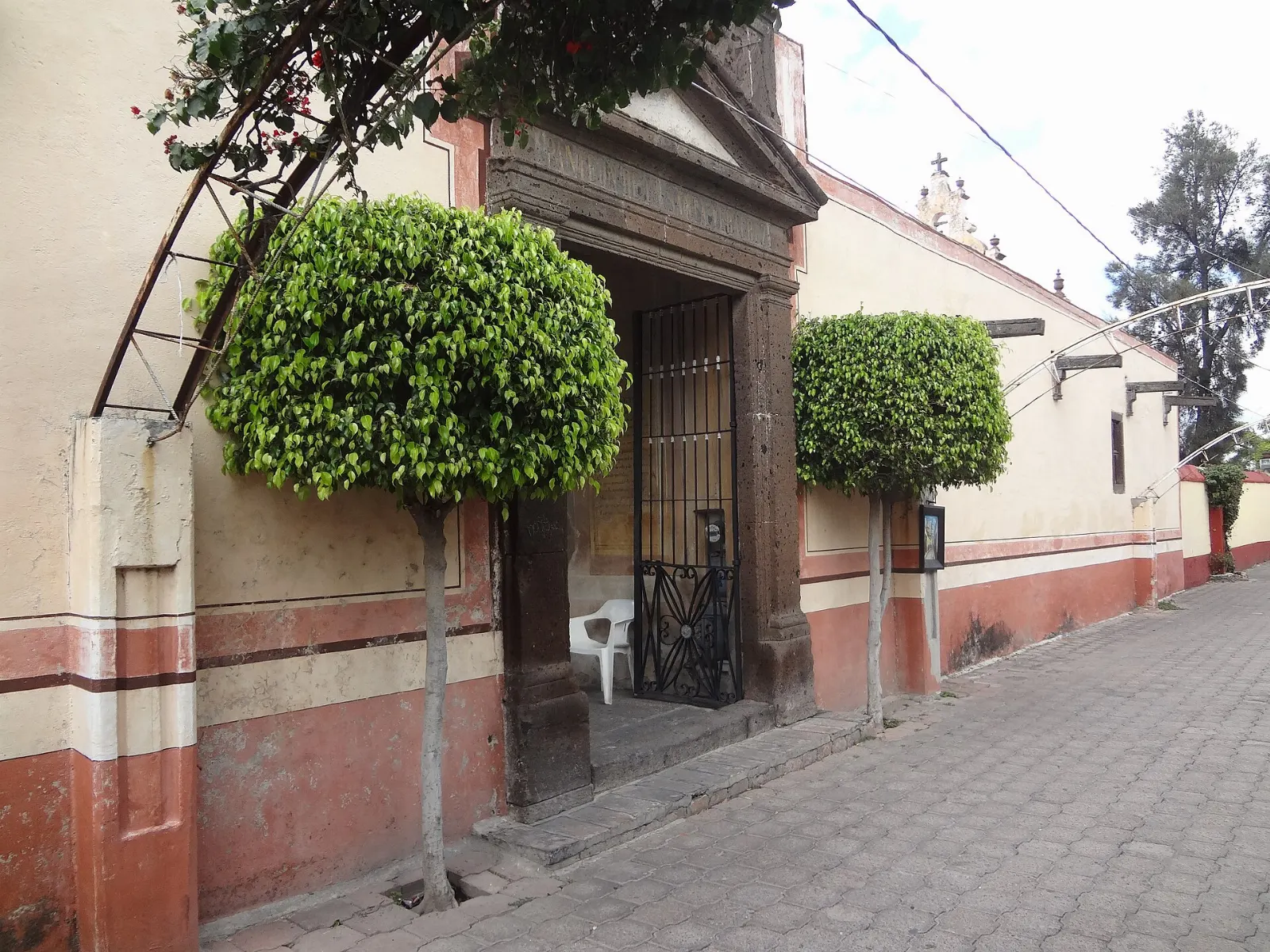
Set in the old Santa Veracruz cemetery, this museum looks at how Indigenous peoples and the Spanish viewed death, with exhibits on funeral customs, Day of the Dead and ideas of hell and purgatory. It is unusual, thoughtful and well suited to curious travellers.
Around the city
Zona Arqueológica La Cruz
On the Cerro de la Cruz, this site has been occupied by various indigenous cultures since at least 500 BC. You can see several small square temples and a large circular structure.
Hacienda La Llave
About eight kilometres from downtown, this palatial estate was built by Juan Jaramillo and has manicured gardens and granite walls. Access can depend on events and ownership, so ask locally or check ahead before making the trip.
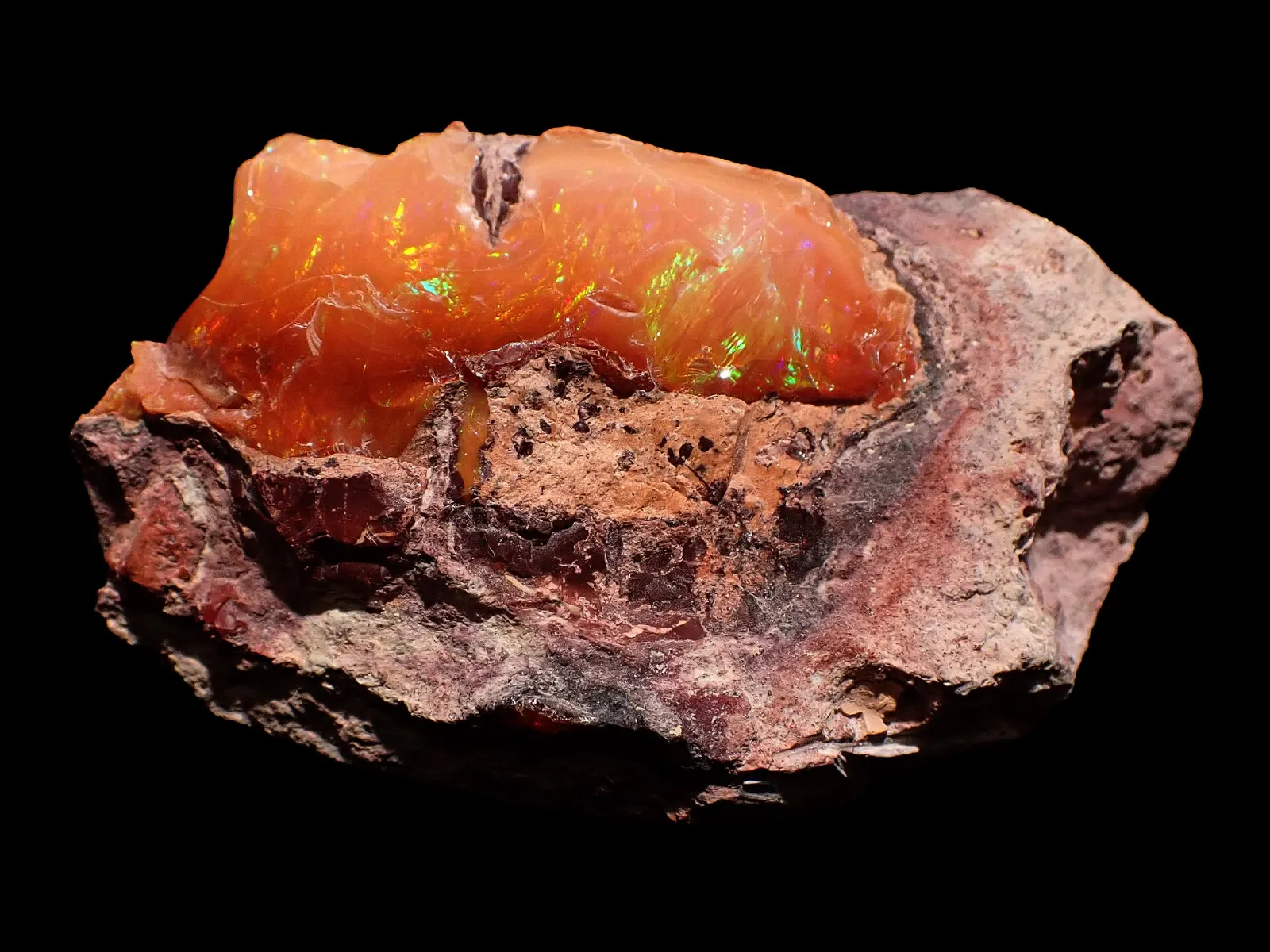
Opal jewelers
San Juan del Río is regarded for its opals, semiprecious stones whose colors shift with the light. Local jewelers, including the Cabrera family, specialize in opal jewelry that is often sold for export, and the stones are mined at nearby La Trinidad.
 Planning a trip to San Juan del Río?Compare hotels, flights and vacation rentals for San Juan del Río on Expedia.Book now
Day trips to Tequisquiapan and Bernal
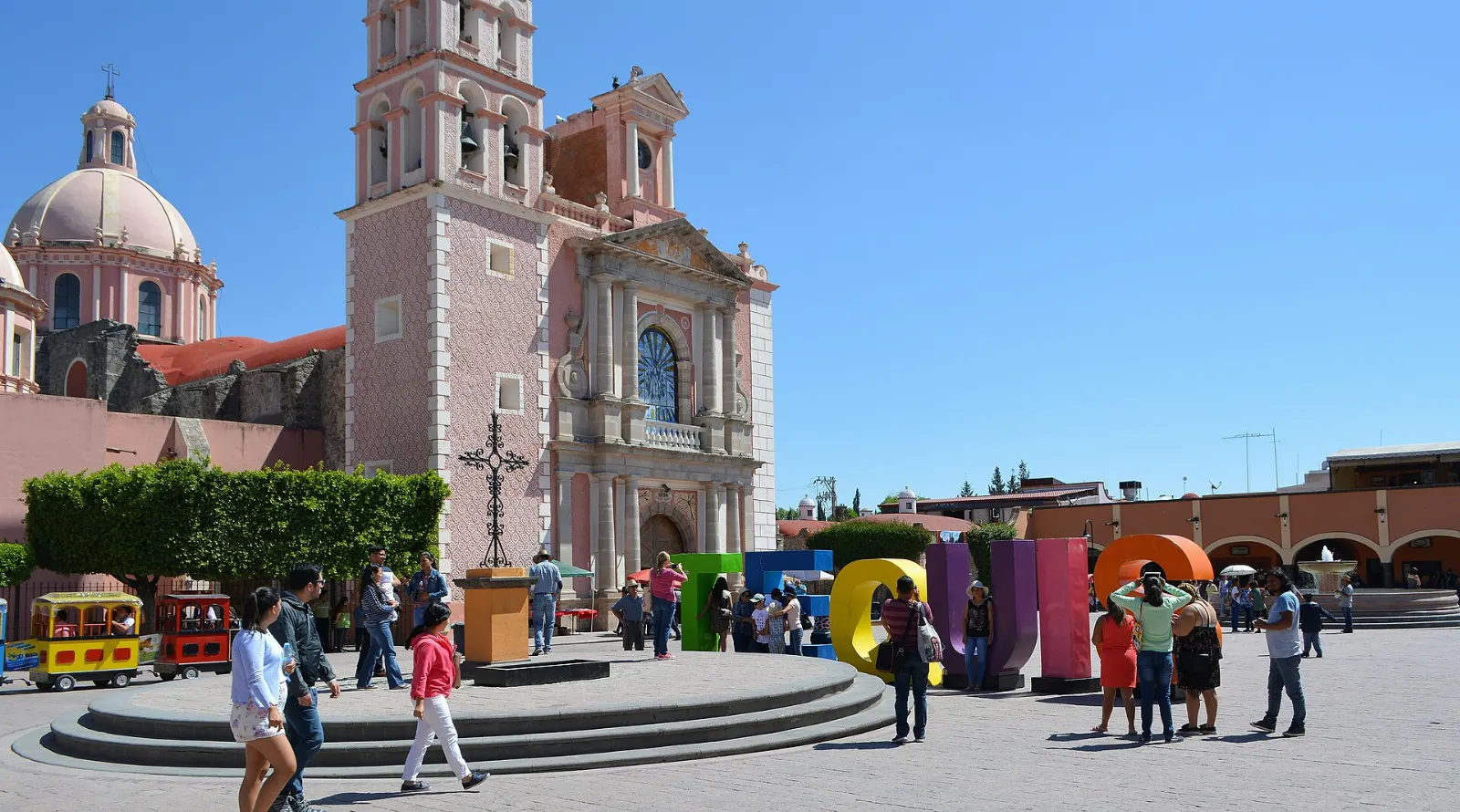
Tequisquiapan
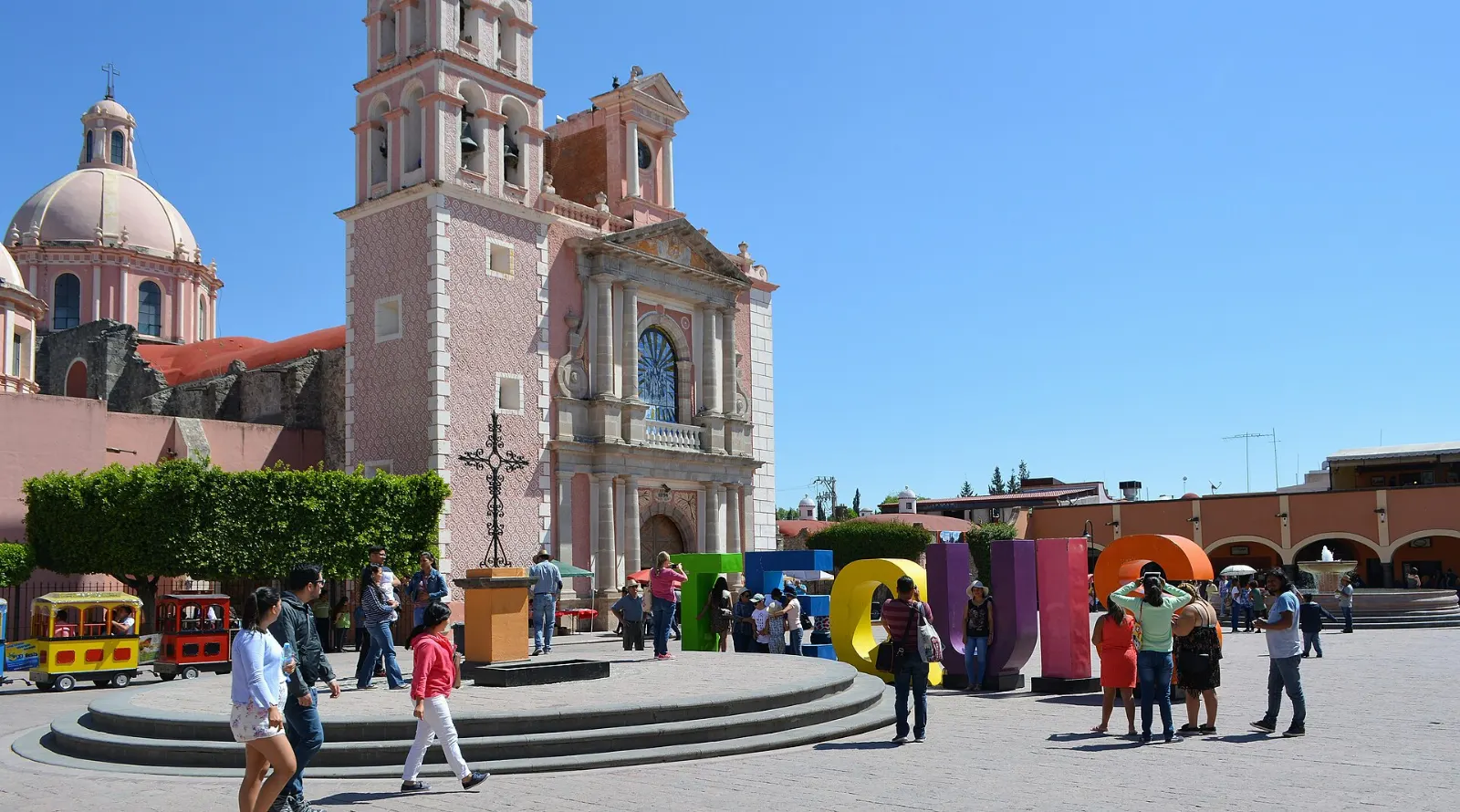
This colonial town is a popular weekend escape known for thermal spas and balnearios, and it is close enough to visit as a day trip. Plaza Hidalgo has cobblestone streets and arches, and the Iglesia de Santa María Asunción is built of pink sandstone.
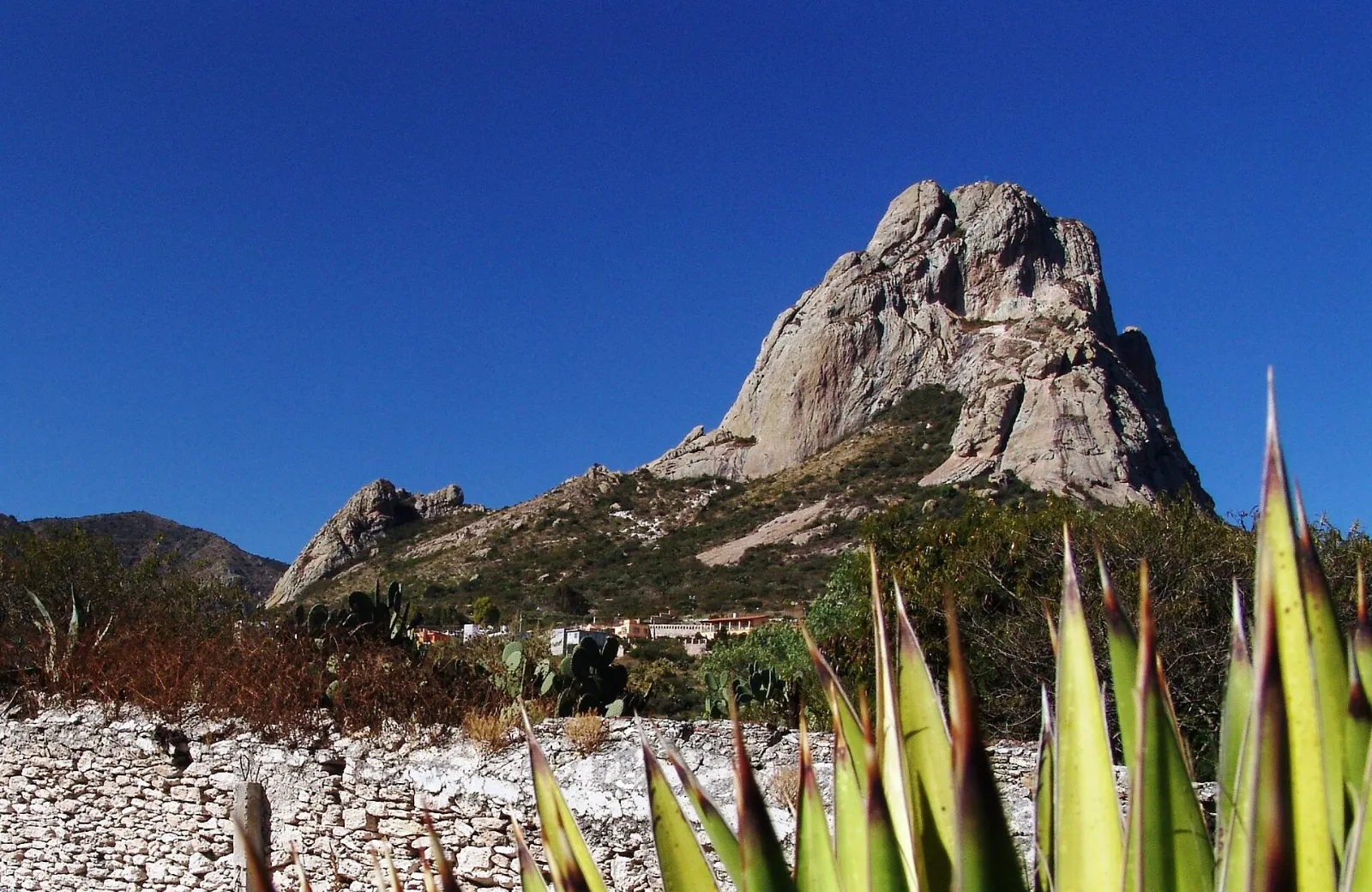
Peña de Bernal
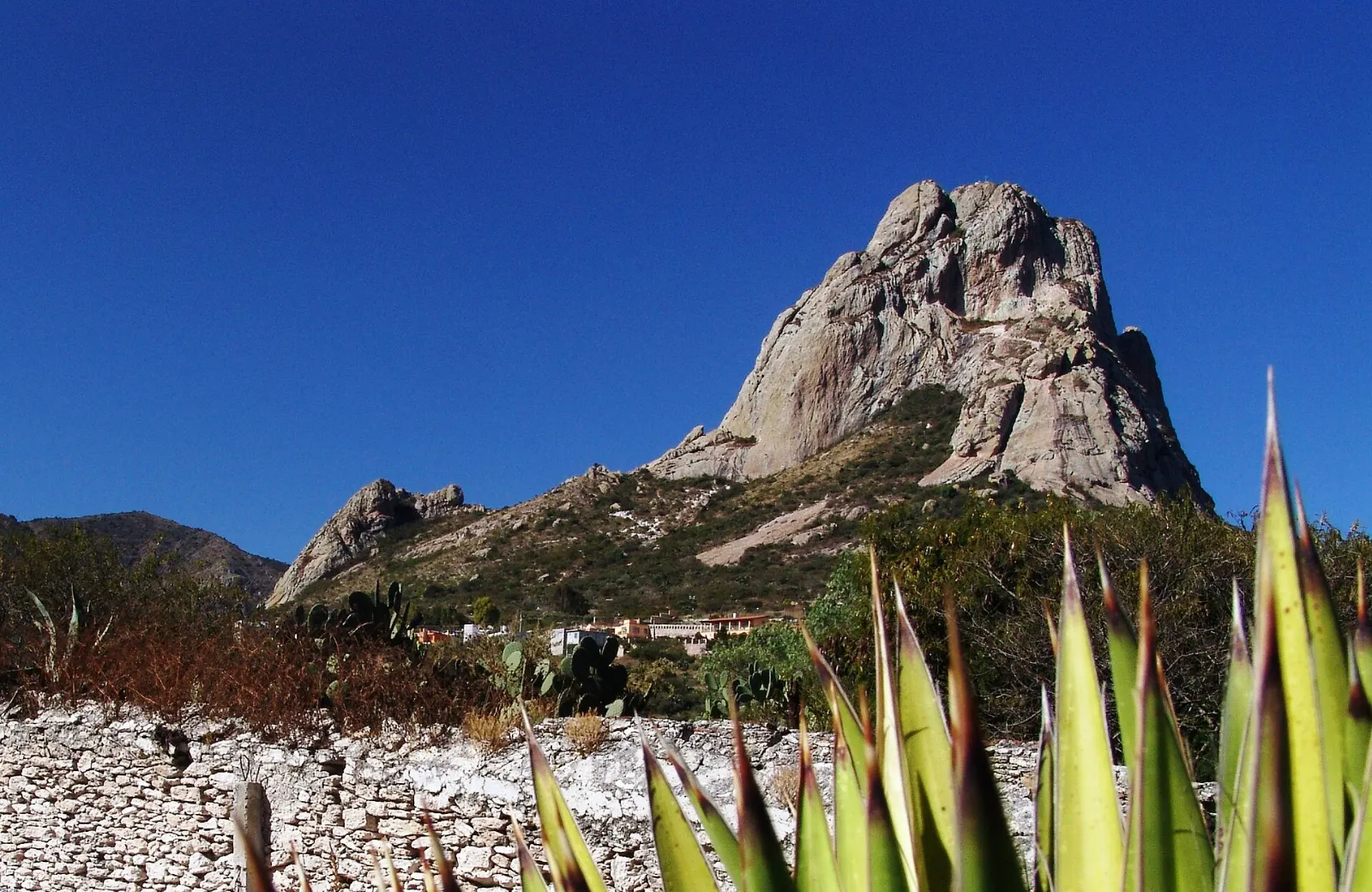
In the village of San Sebastián Bernal, the Peña de Bernal is a 433 metre monolith, the exposed core of an ancient volcano, and one of the tallest in the world. Many visitors hike to a small chapel at the highest point reachable on foot, and it is a pilgrimage for some.
Food and local flavors
Central Querétaro cooking is built on corn, cheese and regional wine. Look for gorditas de migajas, thick crumb gorditas that are a common dish in the central municipalities. The state promotes artisan cheeses made from goat, cow and sheep milk, and queso artesanal is a good gift. Street vendors in Tequisquiapan sell nopal en almíbar, cactus paddles soaked in syrup and crystallized, as a sweet snack. Querétaro wine is the second largest in Mexico after Baja California, and the Ruta del Queso y del Vino includes Freixenet, La Redonda and Los Aztecas, so a tasting makes a good afternoon.
Popular dishes to try in San Juan del Río


Where to stay
The Centro Histórico of San Juan del Río is the most practical base, since most sights, restaurants and shops are in the colonial center, an area of narrow alleyways and cobblestone streets that is easy to explore on foot. Tequisquiapan suits travellers who want thermal mineral spas, relaxed plazas and wineries nearby, and it is popular with weekend visitors from Mexico City. Santiago de Querétaro is about 50 kilometres to the northwest and makes sense if you want a larger city with more dining choices, its UNESCO historic center and the nearest major airport.
Where to stay in San Juan del Río


Best time to visit
San Juan del Río has a semi dry temperate climate, with most rain falling in summer. The drier months from late autumn through spring are the easiest for walking and day trips. The annual city fair around June 24 celebrates the city's founding and the feast of Saint John the Baptist, with concerts, bullfights and cultural events. At the end of May and the beginning of June, Tequisquiapan hosts the National Cheese and Wine Fair, and grape harvest celebrations at the wineries follow in summer.
Getting there and getting around
San Juan del Río is about 50 kilometres southeast of Querétaro and is connected to it and to Mexico City by Federal Highway 57 and the main freight railway. Buses leave the Querétaro bus terminal about every 15 minutes, and the ride takes 40 to 50 minutes. The city also has its own bus terminal, with long distance bus service. Flights land at Querétaro Intercontinental Airport, or you can fly to Mexico City and continue by road.
A suggested itinerary
First day
Walk the historic center, starting at the Puente de la Historia and continuing to Plaza Independencia, the parish church and the Santuario de Guadalupe.
Second day
Visit the Museo de la Muerte in the morning and the La Cruz archaeological zone after lunch.
Third day
Head to Tequisquiapan for Plaza Hidalgo, La Pila, the crafts market and a wine and cheese tasting. If time allows, finish at the Peña de Bernal.
Practical tips
- Check your government's current travel advisory before you go.
- Carry some local cash for markets, small shops and taxis.
- Wear comfortable shoes for cobblestone streets and for the hill at Bernal.
- Ask for a clear description of the stone before buying opal jewelry.
- Confirm museum and hacienda opening days before you make the trip.