Chetumal Mexico Bayfront Malecon Maya Ruins and Seafood
Chetumal is the capital of Quintana Roo, a bayfront city on the southern edge of the Yucatan Peninsula beside the Belize border. It lacks the resort glitz of the northern coast, which is a large part of its appeal.
By WiserMap TravelUpdated October 20268 places8 min read
Best timeChoose the drier months and avoid the peak of hurricane season.
How longAllow two to four days if you include the ruins west and north.
Getting thereFly in, ride the Tren Maya or take an ADO bus from Cancun.
Ad
Why visit Chetumal
Chetumal sits on the Bay of Chetumal near the mouth of the Rio Hondo, which forms part of the border with Belize. The city was founded by the military in 1898, but the area was a Maya realm long before that.
It is nicknamed the cradle of the mestizo for the story of Gonzalo Guerrero and Zazil Ha, whose children are described as among the first mestizos in the Americas. Add archaeology, seafood and sea views, and Chetumal makes a rewarding stop on a southern Yucatan route.
Chetumal rewards curious travelers who like places that are not built around tourism.
In the city
Most of the city's highlights sit along or near the waterfront, so they are easy to link on foot. Walk in the morning or toward evening, because midday heat can be intense.
Malecon de Chetumal
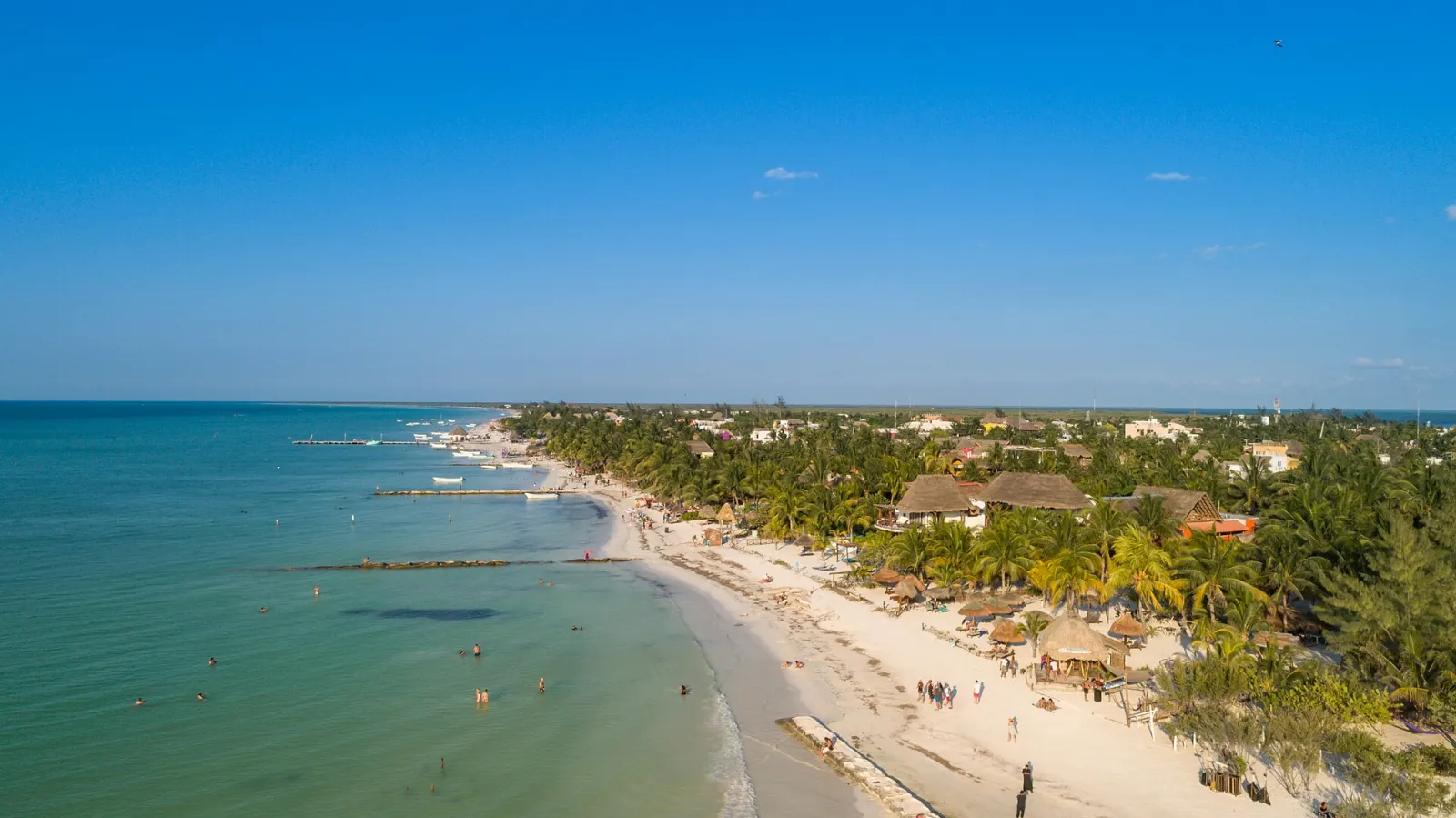
The waterfront promenade runs about three kilometres along the bay, past sculptures, parks, restaurants and the governor's palace. Walk it near sunset when the heat eases and the breeze picks up.
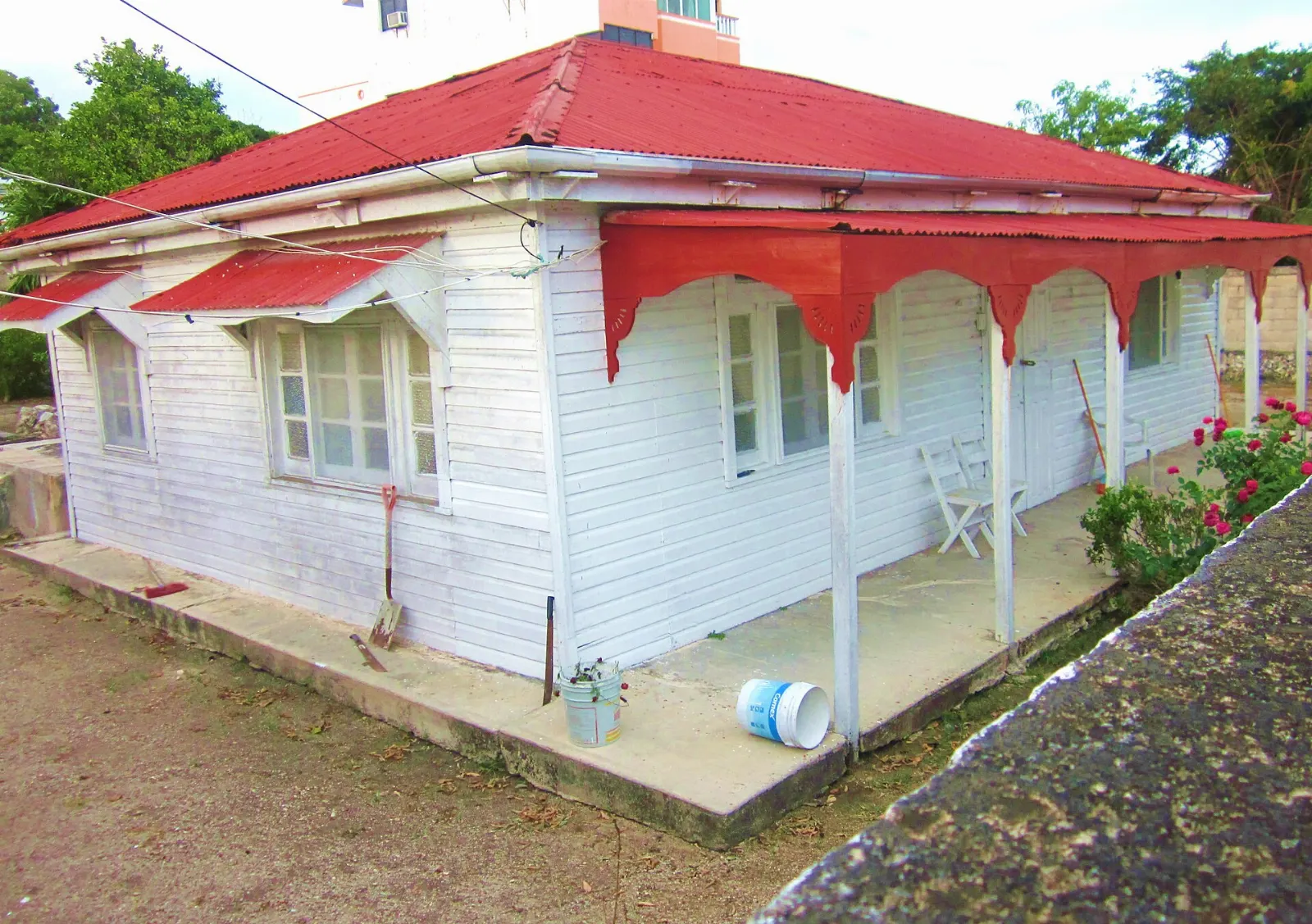
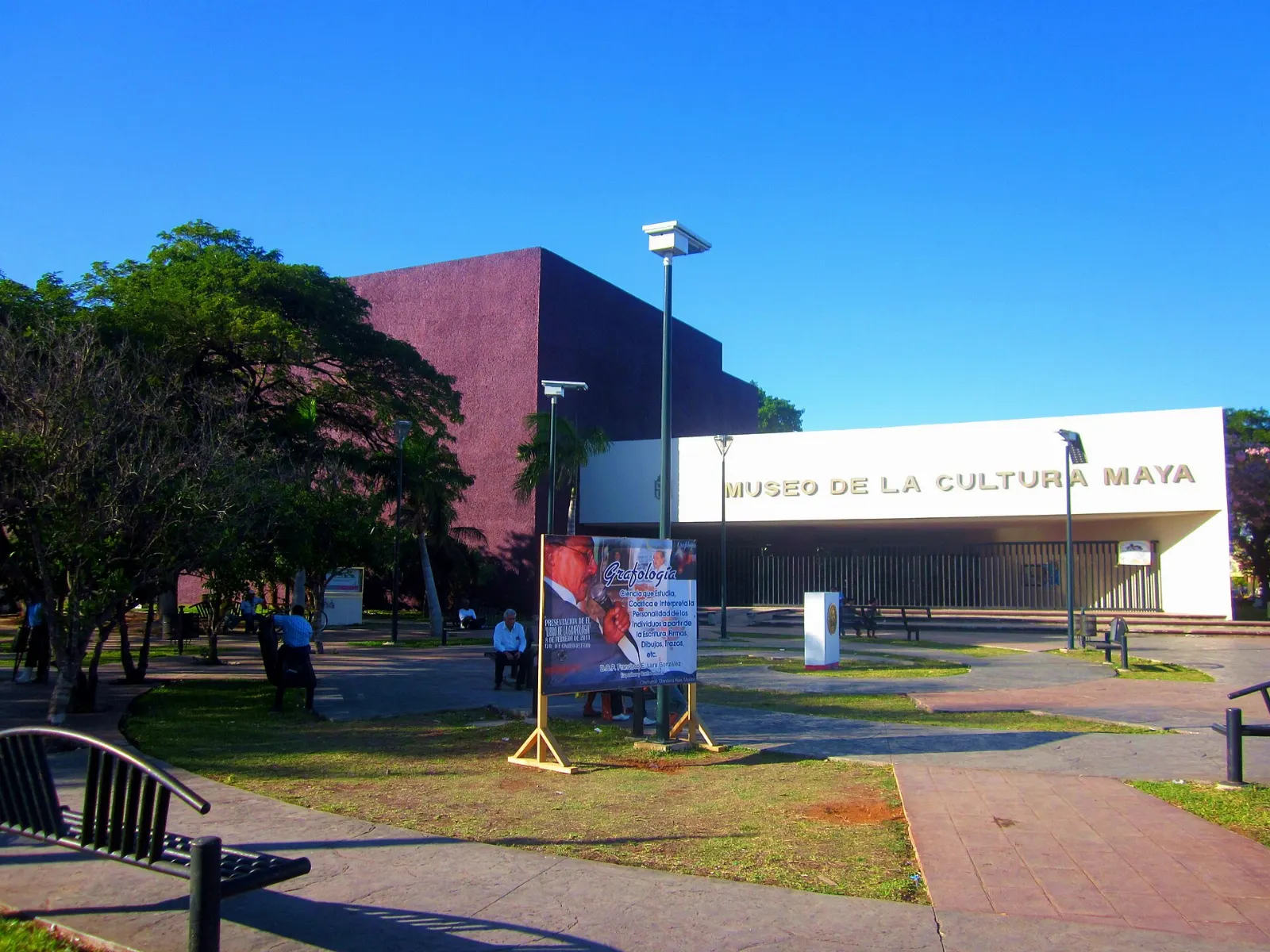
The museum presents the Maya civilization of the Yucatan Peninsula. Photo: holachetumal, Wikimedia Commons, CC BY 3.0
Museo de la Cultura Maya
This is the best museum in the city.
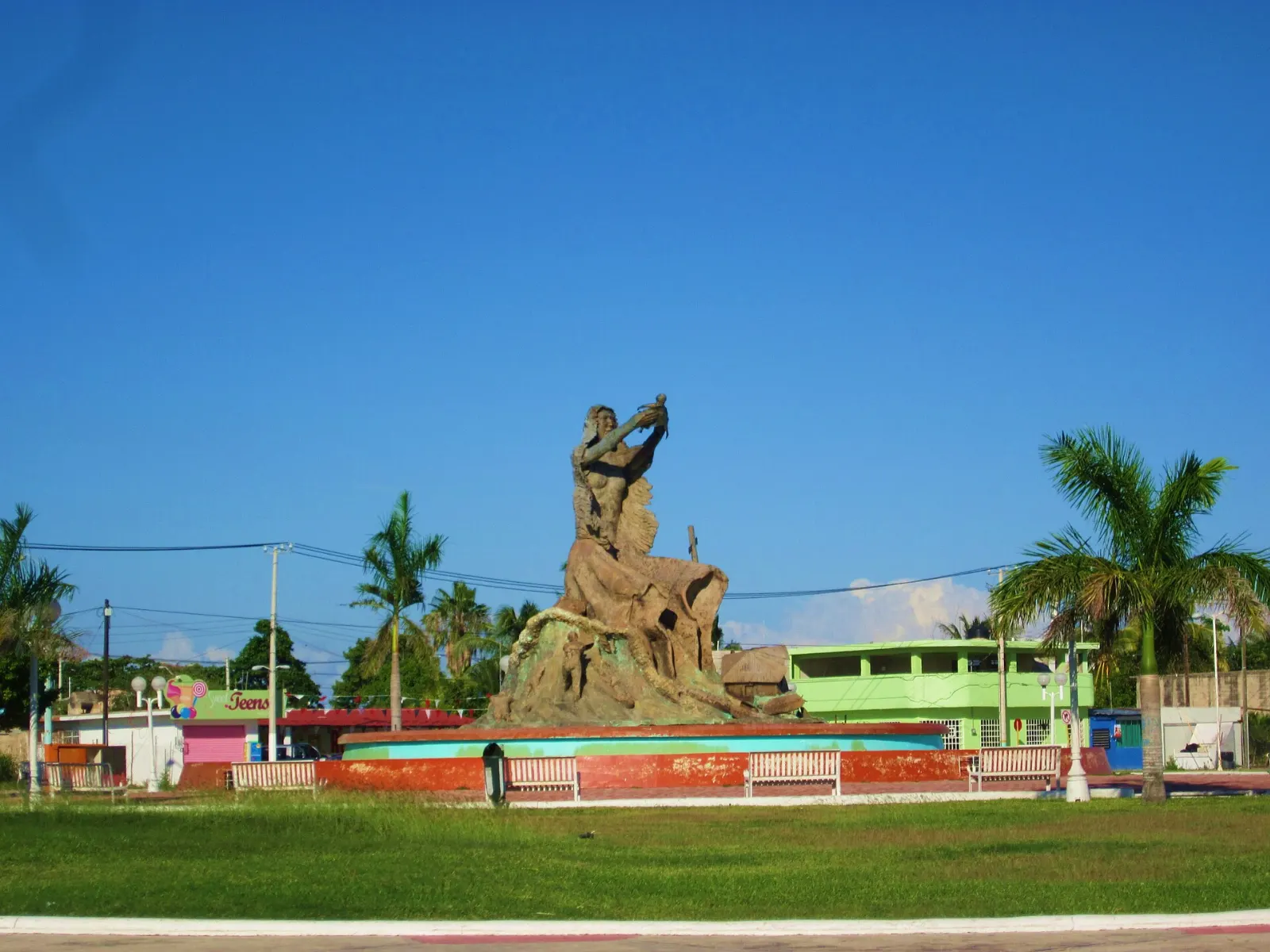
The monument is a landmark of the city center. Photo: holachetumal, Wikimedia Commons, CC BY 3.0
Centro Cultural de las Bellas Artes
Located on Avenida Heroes, this cultural complex sits within the walls of an old school and includes an open-air theater, an art walk and the city museum.
Monumento al Renacimiento
This modern monument is one of the city's best known landmarks and a quick photo stop on a downtown walk. Combine it with a visit to the nearby avenues and shops.
Bulebuzz and the bayfront drive
A small tourist bus called Bulebuzz has run along Avenida Heroes and Boulevard Bahia, and it is a simple way to see the city. Check whether it is running during your visit.
Calderitas is a fishing village north of Chetumal known for seafood. Photo: holachetumal, Wikimedia Commons, CC BY 3.0
Ad
Villages, ruins and day trips
The surrounding area holds some of southern Quintana Roo's best sights, and most are quieter than the ruins on the northern coast. Distances are real, so start early, carry water and plan the order of your stops.
Calderitas
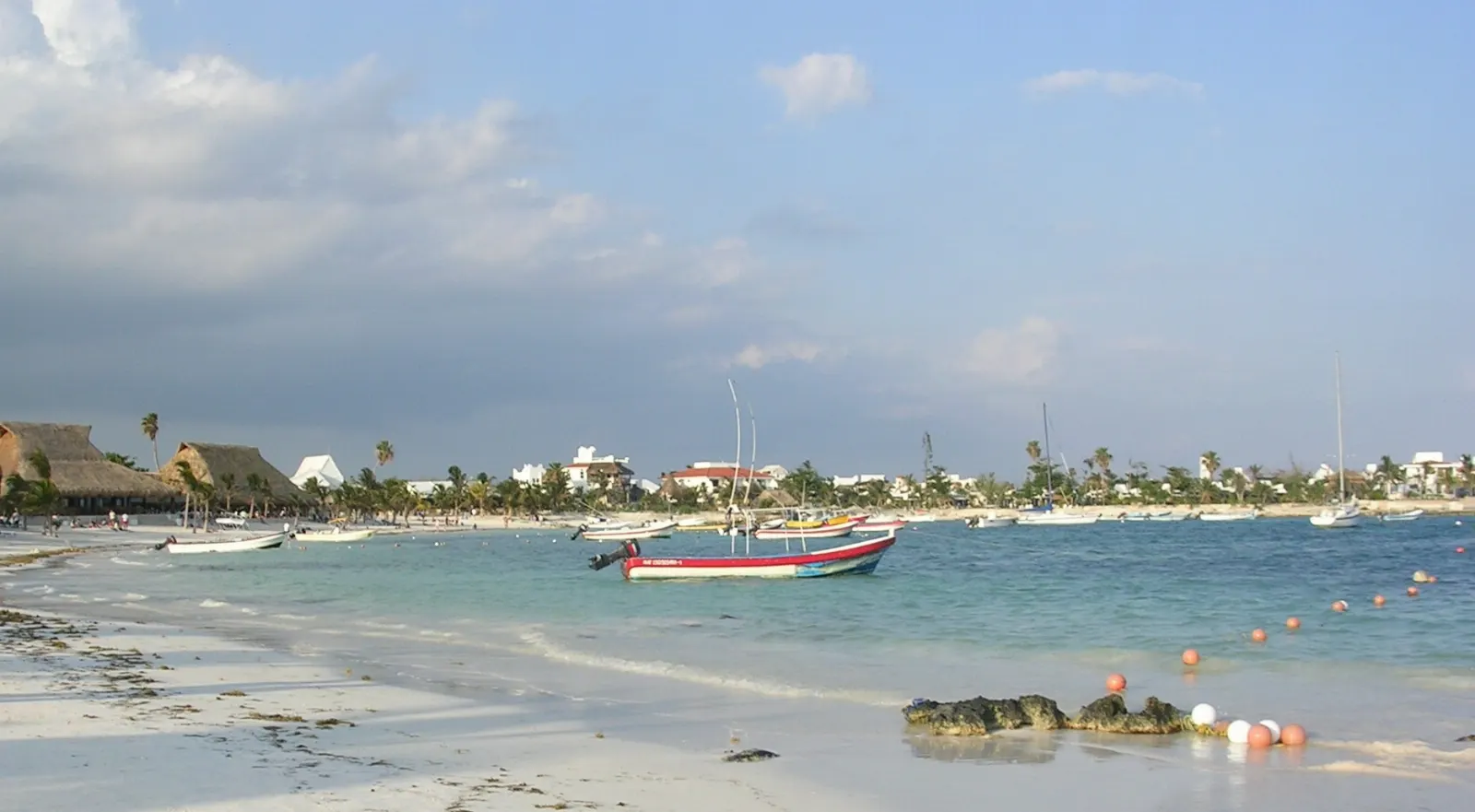
This fishing village about six kilometres north is known for seafood restaurants along the water. It is an easy half-day trip, and a shared ride leaves near the Maya museum.
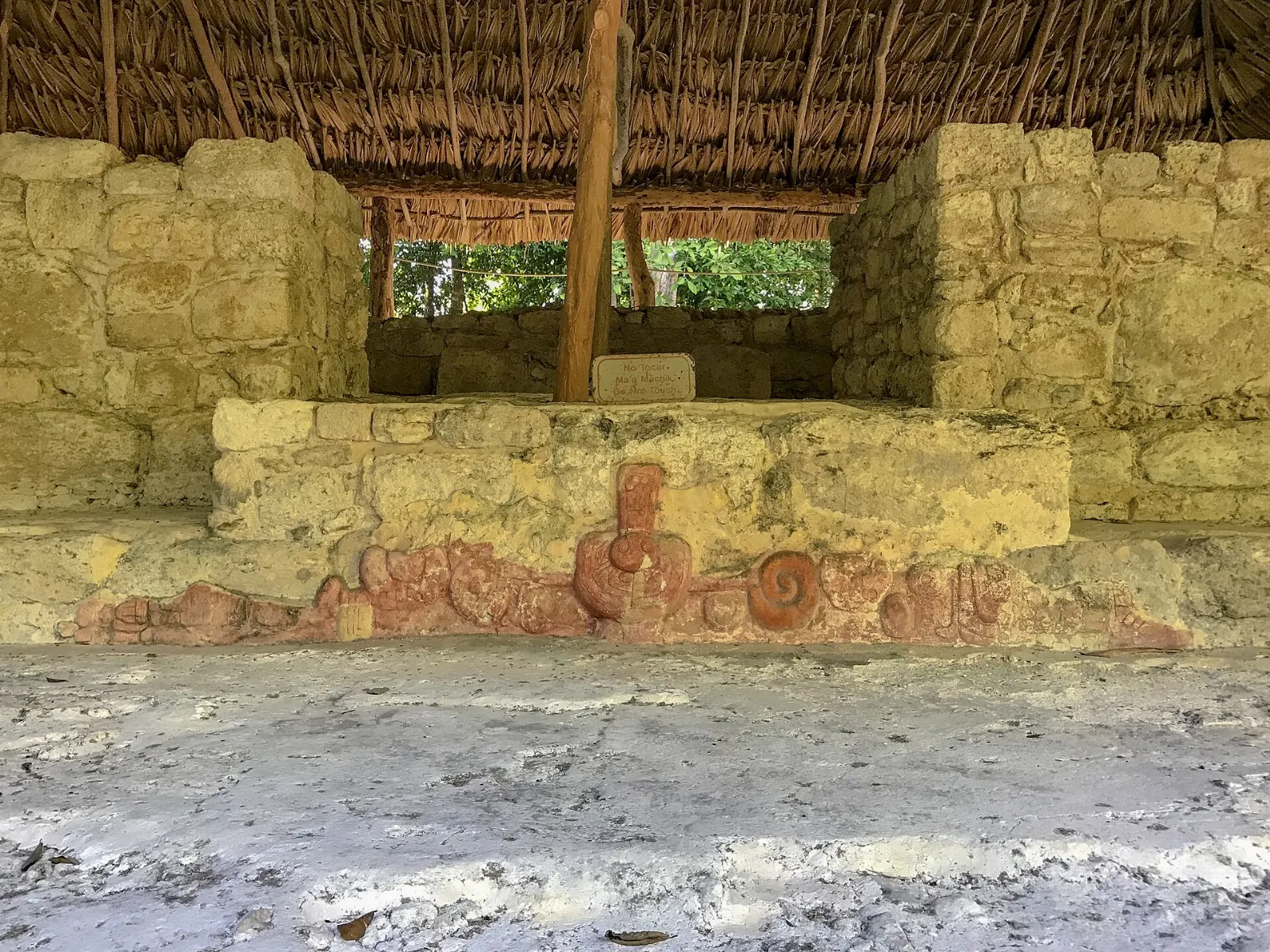
Oxtankah is a Maya city site near the shore north of Chetumal. Photo: Rafael Saldaña, Wikimedia Commons, CC BY 2.0
Oxtankah
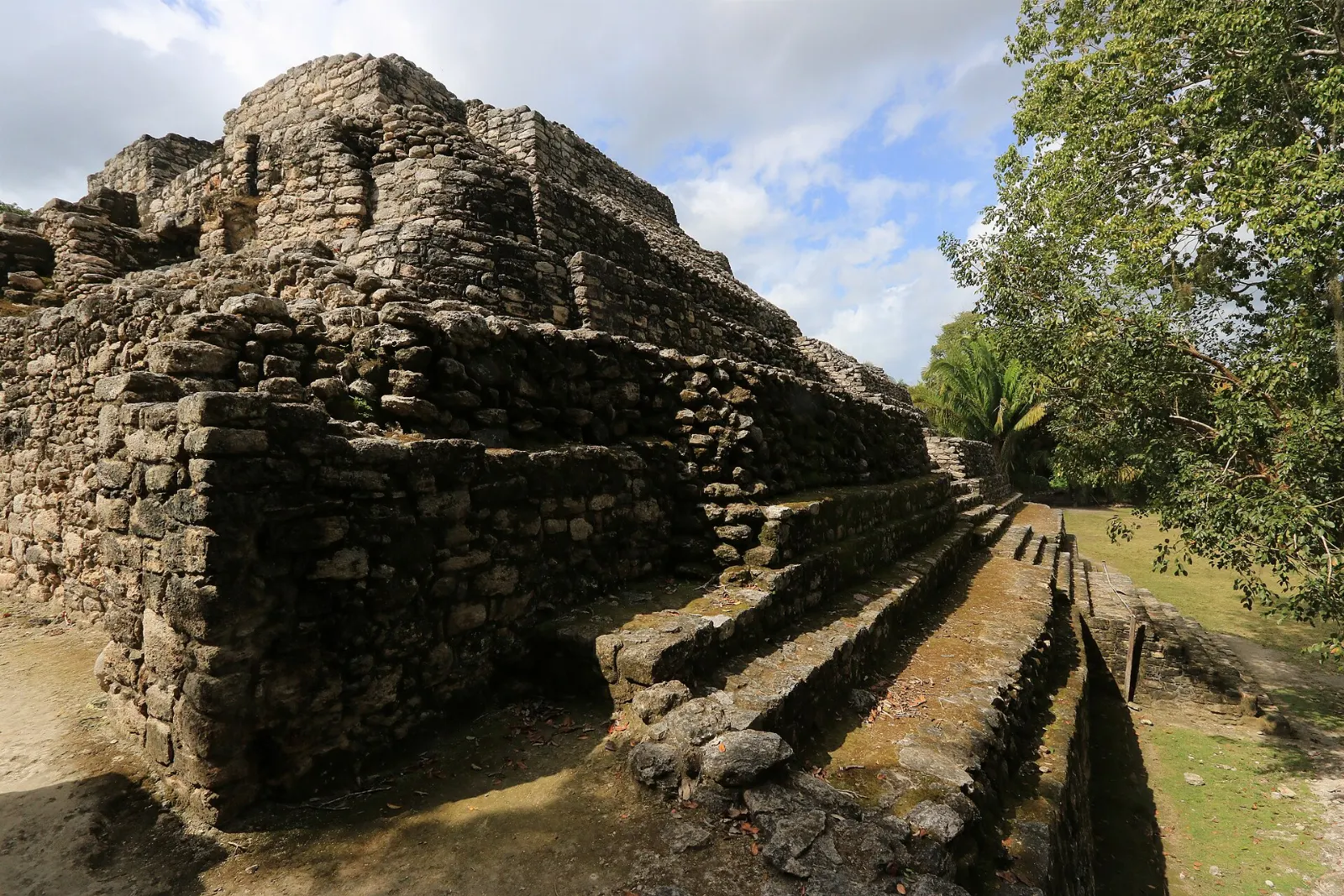
A Maya city about seven kilometres north of Calderitas, Oxtankah has small temples, palaces and plazas, roughly a kilometre from the bay. Bring water and repellent.
Kohunlich is known for large stucco masks from the Early Classic period. Photo: Dge, Wikimedia Commons, CC BY-SA 4.0
Kohunlich
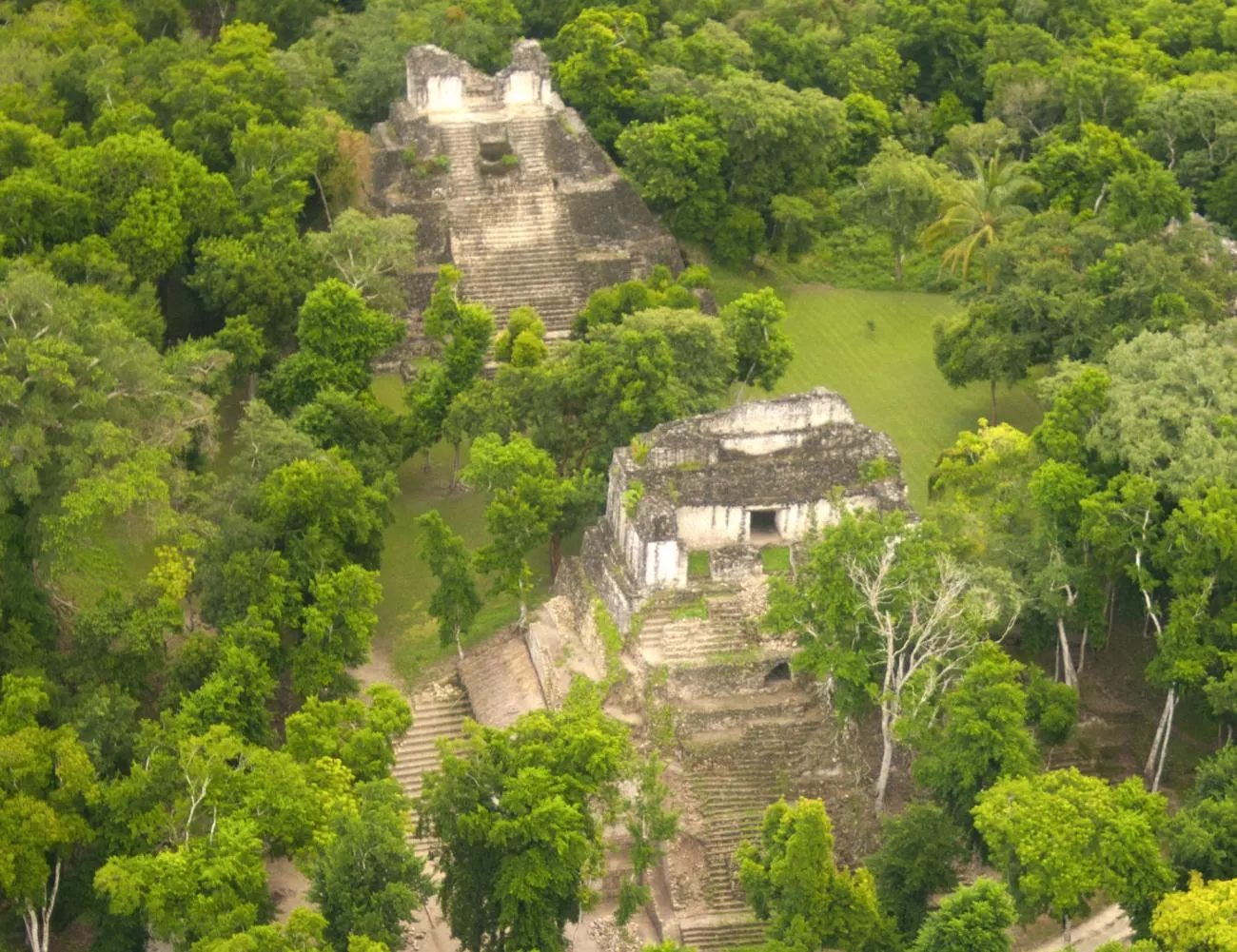
About sixty-five kilometres west of Chetumal, Kohunlich lies in dense rainforest and is famous for large carved masks on its main temple.
Dzibanche is a Maya city that reached its height in the Classic period. Photo: Lugares INAH, Wikimedia Commons, CC BY-SA 4.0
Dzibanche and Kinichna
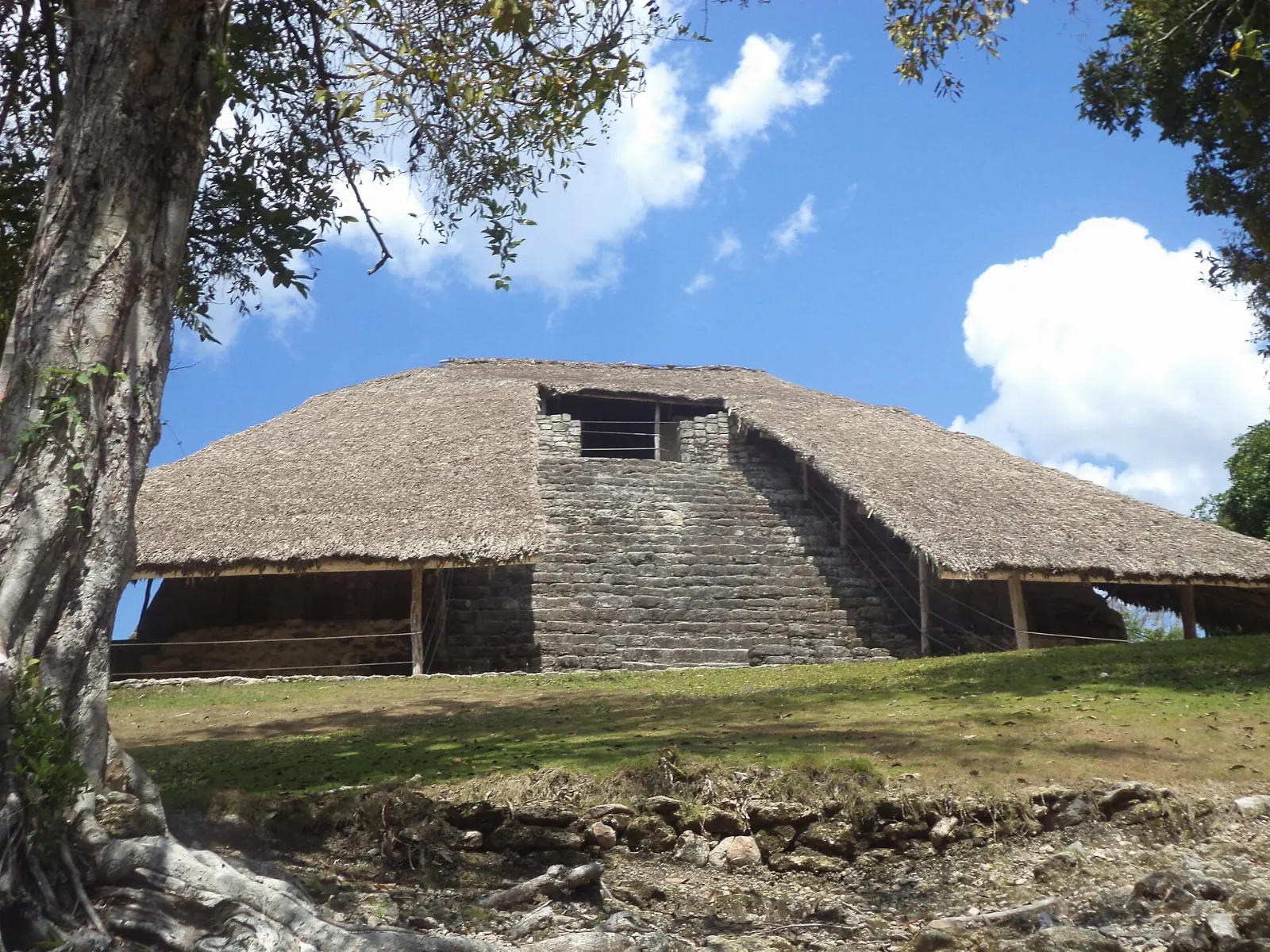
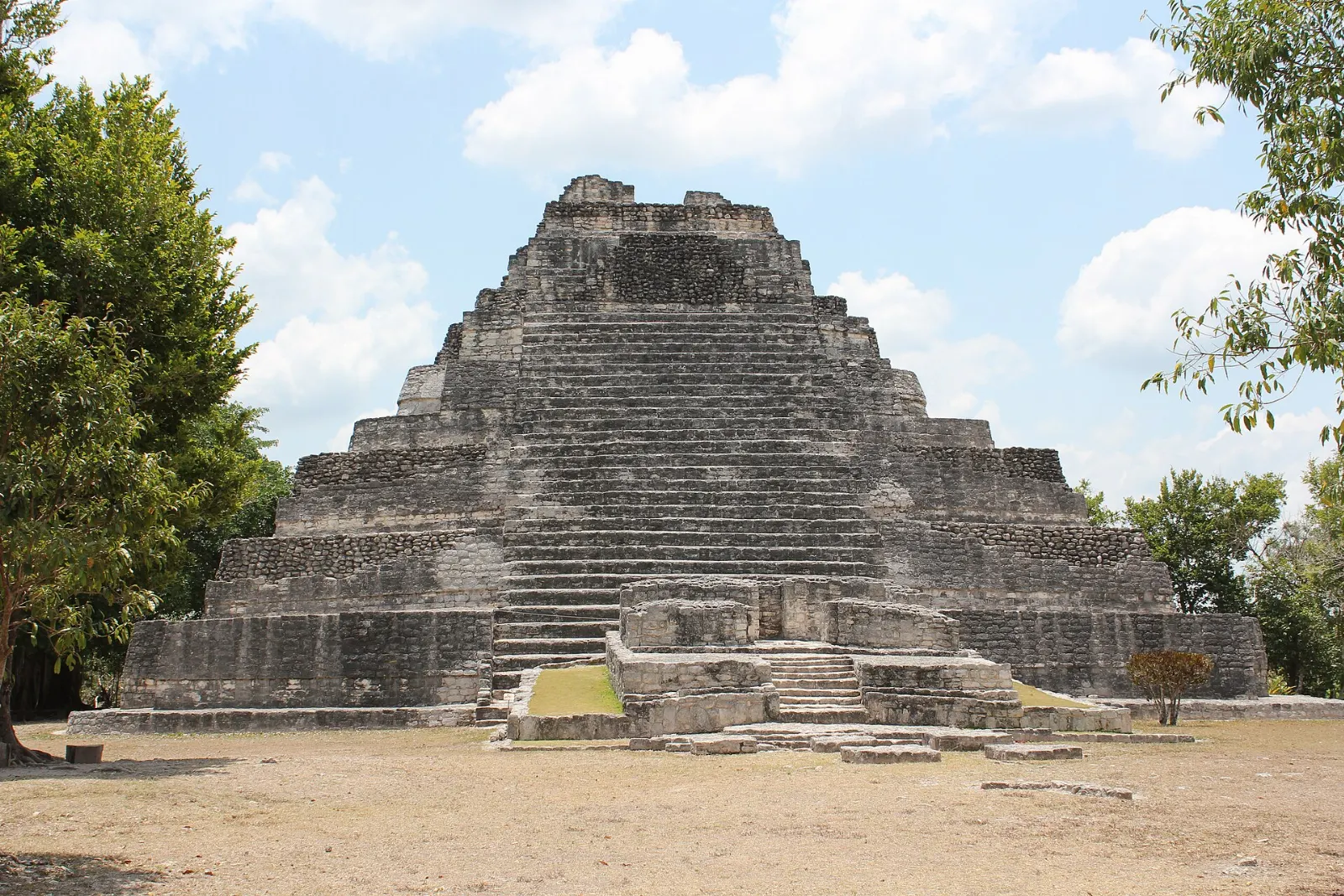
Dzibanche is about seventy-five kilometres west and was a major Maya city. Kinichna lies about two kilometres away and has a three-level pyramid.
Chacchoben is the largest Maya settlement in the lakes region. Photo: ImagePerson, Wikimedia Commons, CC BY 4.0
Chacchoben and the Blue Hole
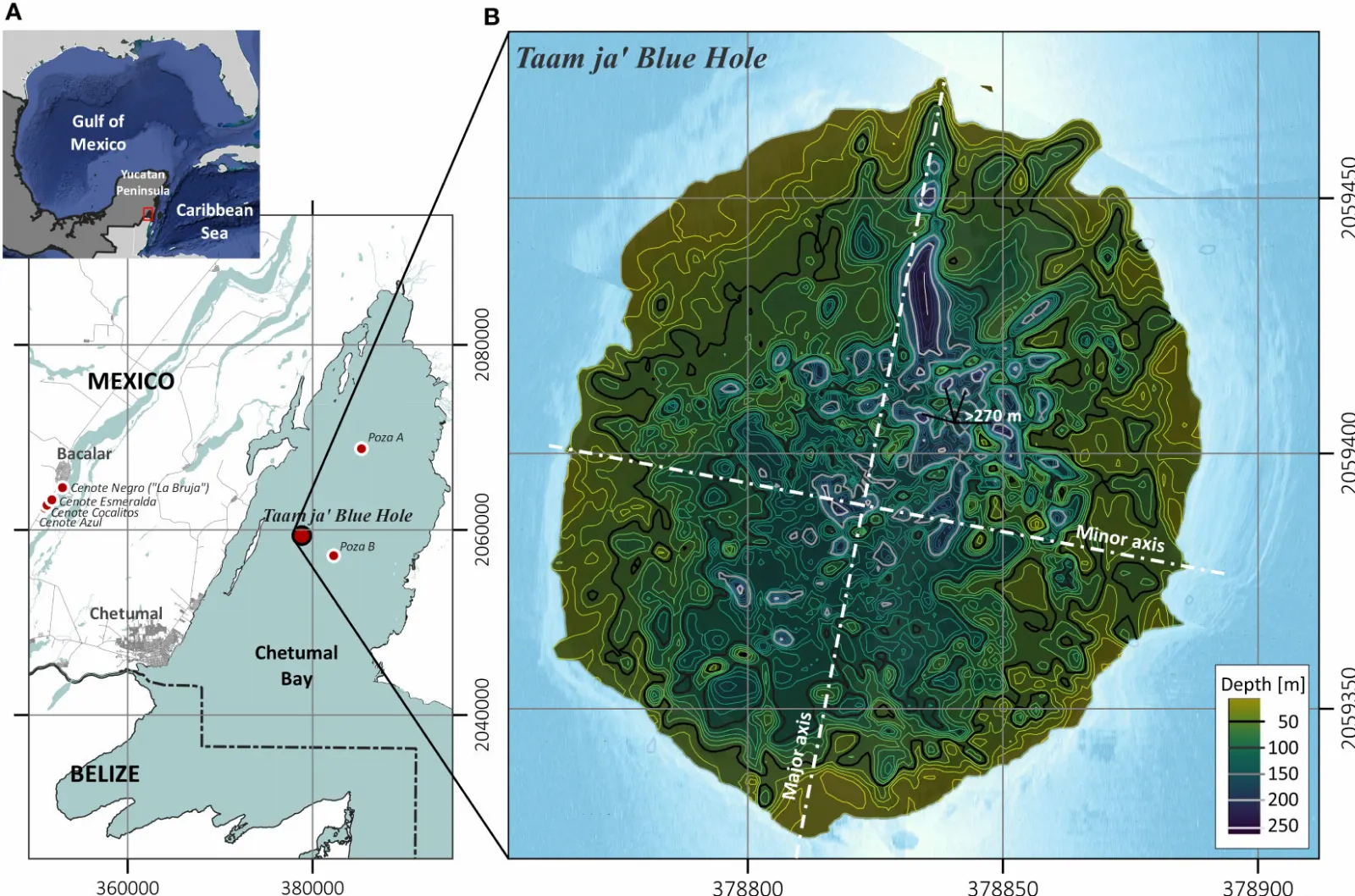
Chacchoben, about sixty kilometres north, is described as the largest Maya settlement in the lakes region. In the bay itself, the Taam Ja Blue Hole is a very deep sinkhole that dive shops can visit.
Xul-Ha, a quiet village at the south end of Lake Bacalar, lies about twenty kilometres away. It is a calm side trip by colectivo or second-class bus.
Food and local flavors
Chetumal's food reflects its bay setting and the wider Yucatan. Try tikin xic, fish marinated in achiote and sour orange and cooked in banana leaf, along with ceviche and fish tacos at casual waterfront spots.
For the best seafood, head to Calderitas, where restaurants are the village's main business. Smarter dining is concentrated on Boulevard Bahia, and everyday joints are scattered around the center, including near the old market.
Popular dishes to try in Chetumal
Tikin xic Try tikin xic, fish marinated in achiote and sour orange and cooked in banana leaf, along with ceviche and fish tacos at casual waterfront spots.Photo: ProtoplasmaKid, Wikimedia Commons, CC BY-SA 4.0Cochinita pibil Cochinita pibil, slow-roasted pork, appears on many menus too.Photo: El Nuevo Doge, Wikimedia Commons, CC0Ceviche Try tikin xic, fish marinated in achiote and sour orange and cooked in banana leaf, along with ceviche and fish tacos at casual waterfront spots.Photo: Gatodemichi, Wikimedia Commons, CC BY-SA 4.0Fish tacos Try tikin xic, fish marinated in achiote and sour orange and cooked in banana leaf, along with ceviche and fish tacos at casual waterfront spots.Photo: Larry Miller, Wikimedia Commons, CC BY-SA 2.0
Ad
Where to stay
Boulevard Bahia is the bayfront strip, with sea breezes, restaurants and easy access to the malecon.
Downtown Chetumal puts you close to the market, shops, museums and the central ADO station, which is handy for bus travelers and budget-minded visitors.
Calderitas, the fishing village to the north, is quieter and good for travelers who want fresh seafood and an easy base for Oxtankah.
Where to stay in Chetumal
Boulevard Bahia Where to stayBoulevard Bahia is the bayfront strip, with sea breezes, restaurants and easy access to the malecon.Photo: Adam Jones, Ph.D., Wikimedia Commons, CC BY-SA 3.0Downtown Chetumal Downtown Chetumal puts you close to the market, shops, museums and the central ADO station, which is handy for bus travelers and budget-minded visitors.Photo: holachetumal, Wikimedia Commons, CC BY 3.0Calderitas Calderitas, the fishing village to the north, is quieter and good for travelers who want fresh seafood and an easy base for Oxtankah.Photo: Rafael Saldaña from mexico city, Mexico, Wikimedia Commons, CC BY 2.0
Best time to visit
Chetumal is hot and humid for much of the year. The drier months from roughly November to April are the most comfortable for sightseeing, especially at ruins with little shade.
Summer afternoons bring heat and rain, and ruin visits are best in the morning. The city is much quieter than the northern resorts, so crowds are rarely a concern.
Ad
Getting there and getting around
Chetumal International Airport has flights mostly to Mexico City and Cancun. The Tren Maya station sits next to the airport, and trains run between Chetumal, Cancun and other Yucatan cities.
By road, Highway 186 crosses the southern Yucatan from Escarcega, and Highway 307 branches north toward Cancun. Services are sparse along the stretch west of the city, so refuel in advance.
For the Belize border or Caye Caulker and San Pedro, ferries and buses leave from the city. In town, taxis are cheap and the center is compact.
A suggested itinerary
First day
Visit the Maya museum in the morning, then walk the malecon and Monumento al Renacimiento, and dine on the bay.
Second day
Drive west to Kohunlich and Dzibanche and return before dusk.
Third day
Take a colectivo to Calderitas for seafood, visit Oxtankah in the morning if time allows.
Fourth day
Day trip to Xul-Ha and Bacalar, or continue north to Chacchoben.
Ad
Practical tips
Carry water, repellent and a hat for ruins with little shade.
Start archaeological visits early because they open in the morning and close in the afternoon.
Refuel before long stretches of highway west of the city.
Confirm train, flight and ferry schedules on official sites before you travel.
Bring your passport if you are heading toward the border.