WiserMap — Choose wisely. Connect locally.Choose wisely. Connect locally.Add your business
Barra de Potosí, Guerrero · Travel guide

Barra de Potosí Mexico Mangrove Lagoon Tours and Whales

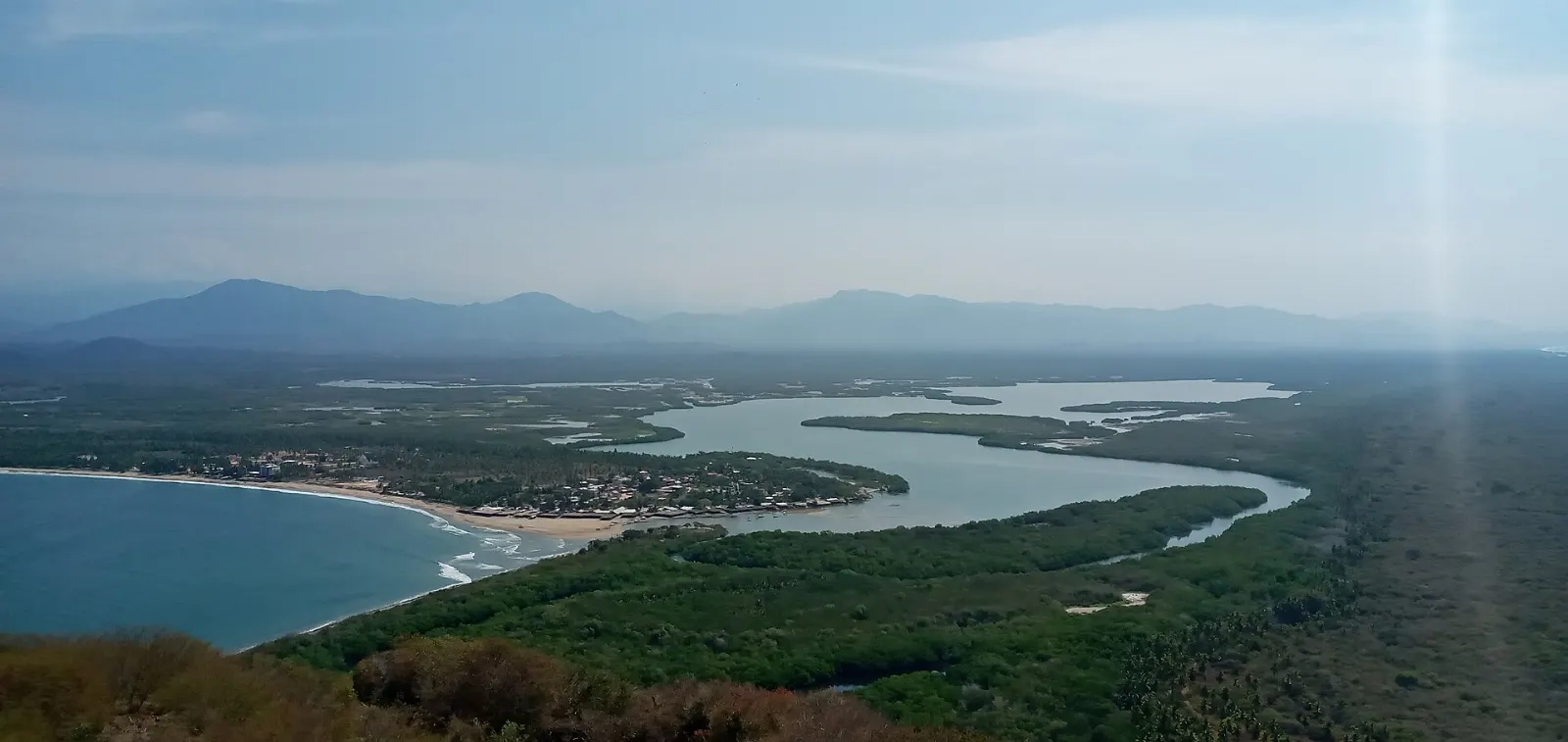
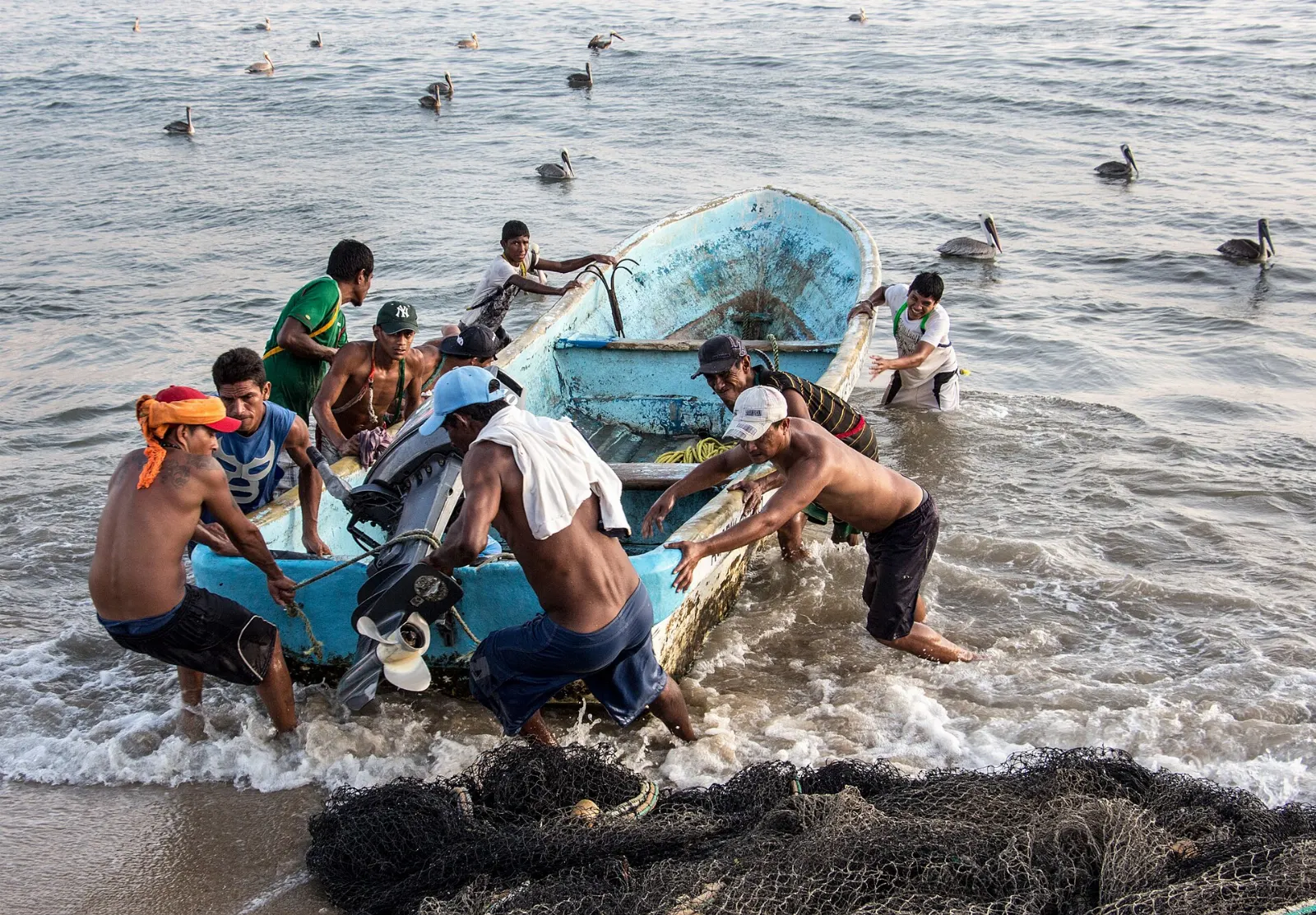
Barra de Potosí is a small fishing village on the Costa Grande of Guerrero, where a mangrove lagoon sits right behind the southern end of Playa Blanca. It is a place for slow days: a boat ride through the channels, fresh fish under a palm roof and long walks beside the Pacific. This guide covers the lagoon, the beach, the wildlife and a few worthwhile stops along the nearby coast.

By WiserMap TravelUpdated October 2026 4 places11 min read
FacebookXLinkedIn
At a glance Barra de Potosí
  1. Best timeThe winter months, when humpback whale tours run.
  2. How longOne relaxed day, or two nights if you add Zihuatanejo.
  3. Getting thereFly into Zihuatanejo and continue by road along the coast.

Why visit Barra de Potosí

The village is tiny. At the 2011 census it had fewer than 400 residents, with three main streets crossed by two more, and it sits at the edge of Laguna Potosí. That scale is the appeal: you walk from the beach to the lagoon in minutes and eat within sight of the boats that caught your lunch.

The lagoon and its surrounding ecosystem cover about 800 hectares, including roughly 454 hectares of mangrove. Researchers have recorded more than 200 bird species here, along with butterflies, fish, reptiles and mammals. Most visitors come on day trips from Zihuatanejo or from inland communities, so weekdays feel especially quiet.

The best places to visit around the lagoon and beach

Laguna Potosí

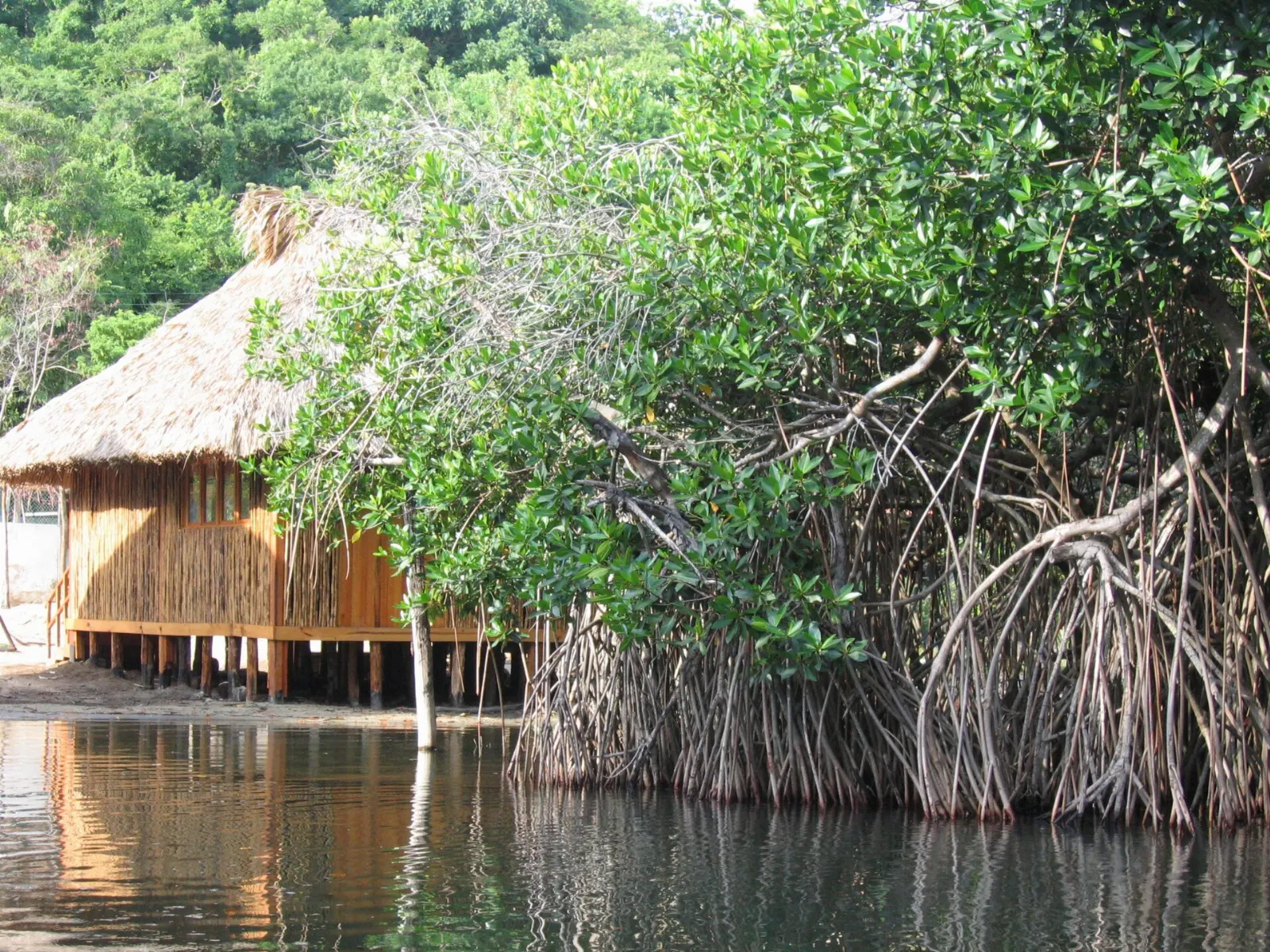
The lagoon is the heart of the village and the reason most people come. Local boat operators run lagoon tours through the mangrove channels, and a trip usually takes a couple of hours. Go early or late in the day when the light is soft and the birds are active.

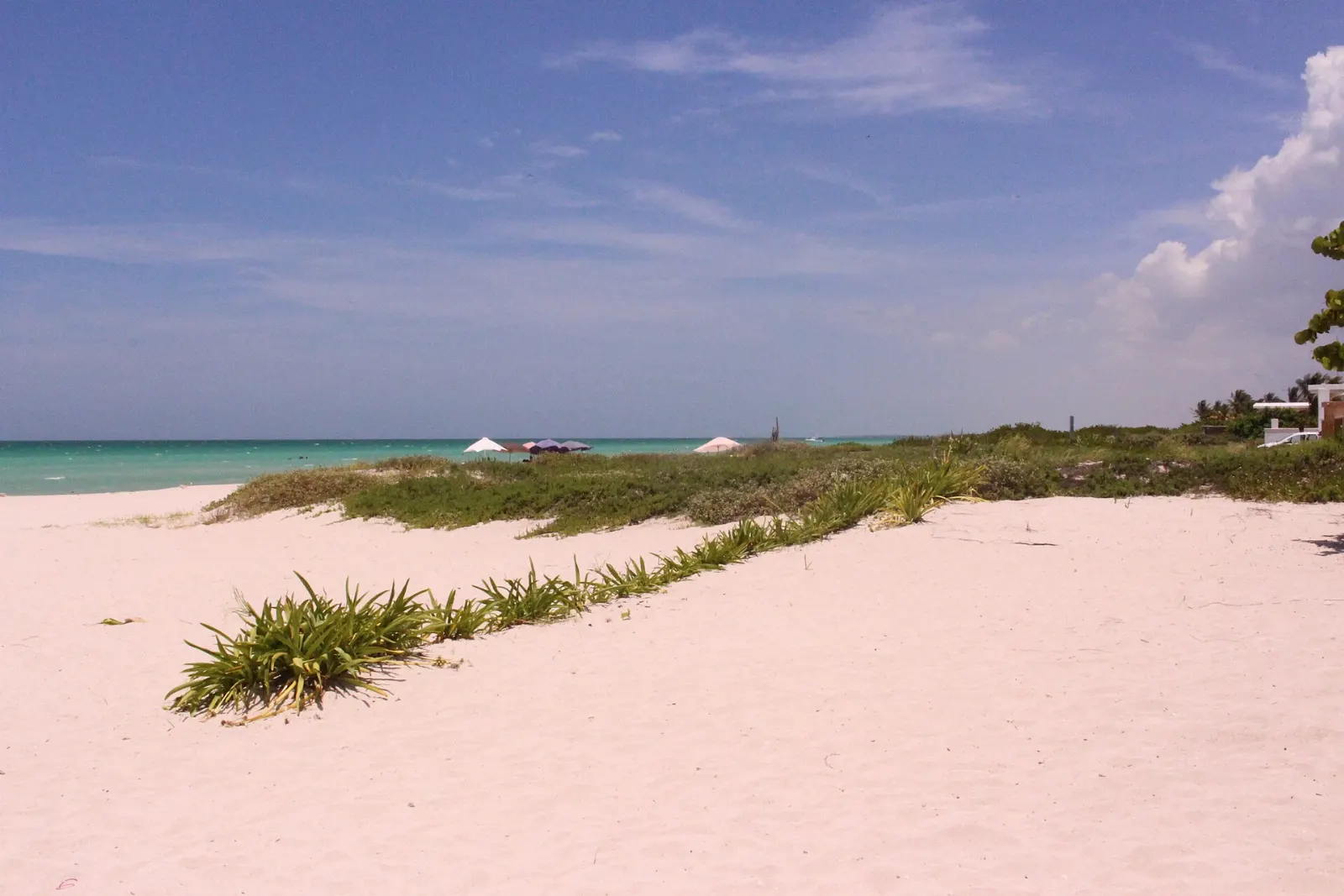
Long sandy Pacific beach with surf near Barra de Potosí, Guerrero

Playa Blanca

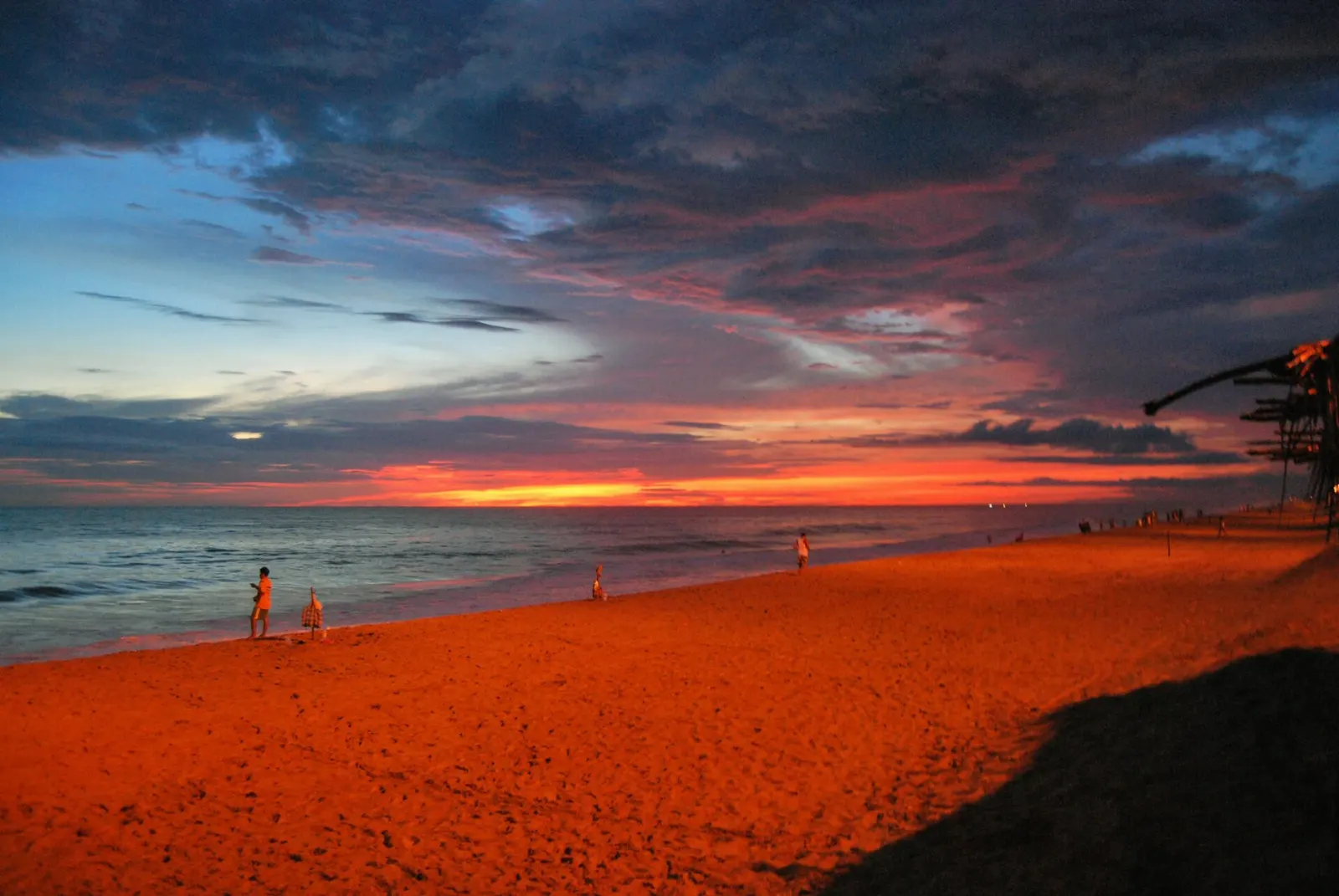
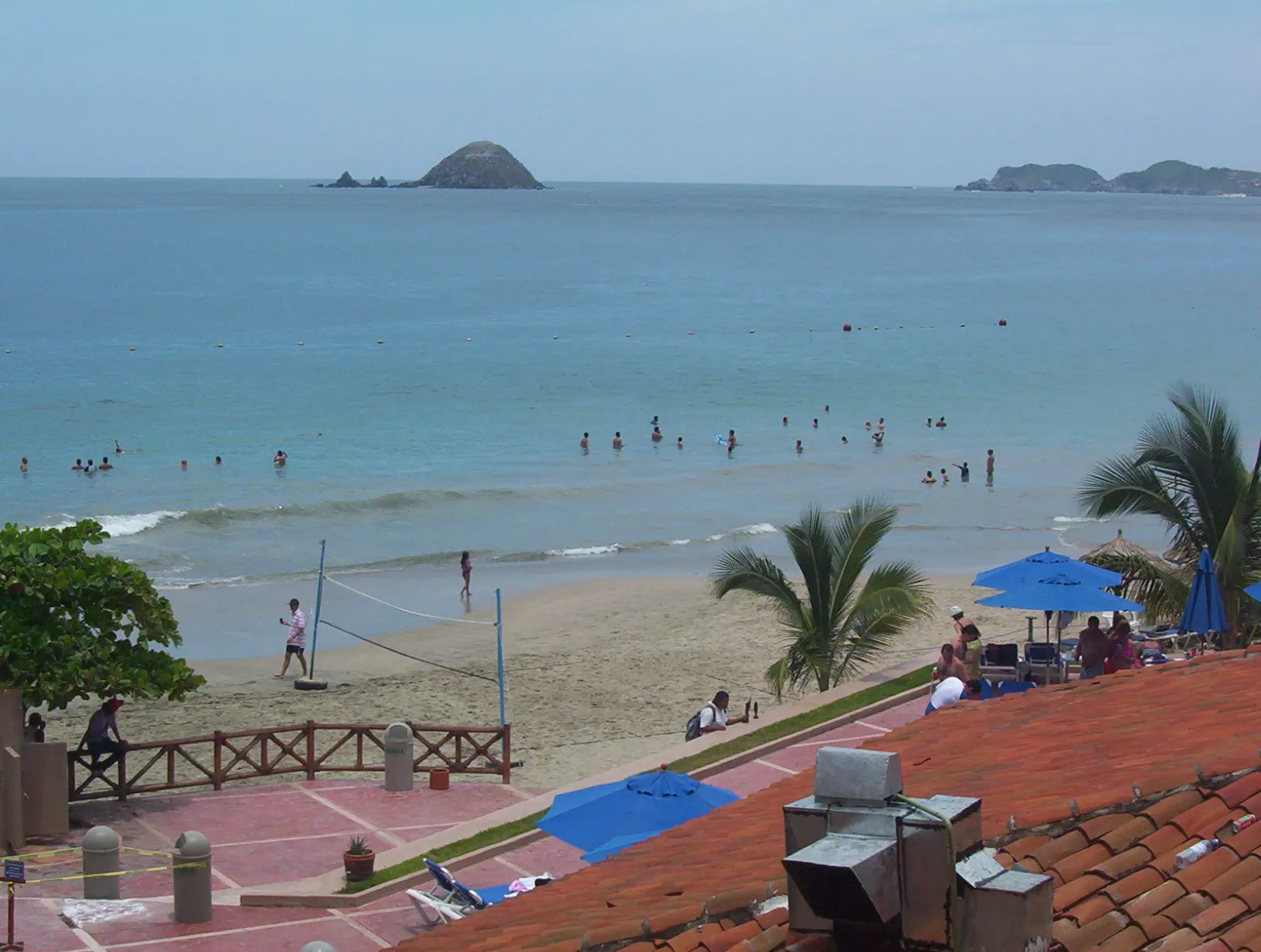
Barra de Potosí marks the southern end of Playa Blanca, a wide stretch of Pacific sand that feels empty outside weekends. Allow an hour or two for a long walk and bring shade, since the beach is open and exposed. Treat the surf with caution and ask locals where it is safe to swim.

Barra de Potosí sits at the southern end of Playa Blanca on the Pacific coast of Guerrero. Photo: Tomascastelazo, Wikimedia Commons, CC BY-SA 3.0
The offshore rock formations

The beach is known for unusual rock formations, often called haystacks, standing just offshore. They are best photographed from the sand at low sun, and they give the shoreline its distinct profile. Walk along the water line rather than climbing on wet rocks.

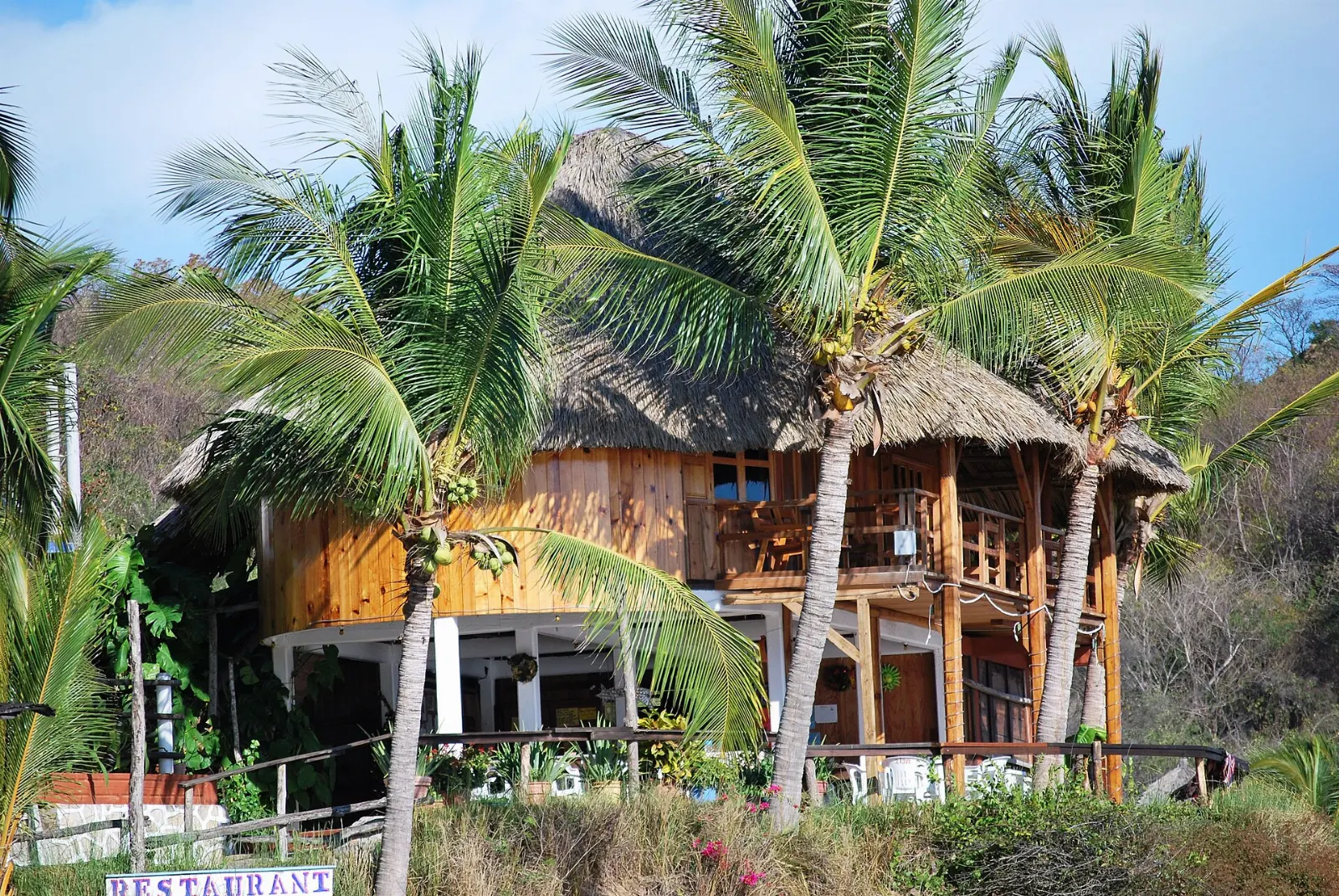
Open air palm-roofed restaurant beside a lagoon on the Guerrero coast, Barra de Potosí, Guerrero

The enramadas

Enramadas are open air restaurants covered in palm fronds, and they line both the lagoon edge and the beachfront. They fill up on weekends with families from nearby towns, so arrive before the midday rush or visit on a weekday. Order the fish of the day and ask what came in that morning.

Palm-covered enramadas line the lagoon and the beachfront and serve fresh fish. Photo: AlejandroLinaresGarcia, Wikimedia Commons, CC BY-SA 4.0

Kayaking the channels

Villagers rent kayaks for paddling around the lagoon, which is a quieter way to see the mangroves than a motorboat. Plan on one to two hours and keep to the calmer water near the shore. Ask the owner about wind and tide before you set out.

Birds, whales and the open sea

Whale watching season

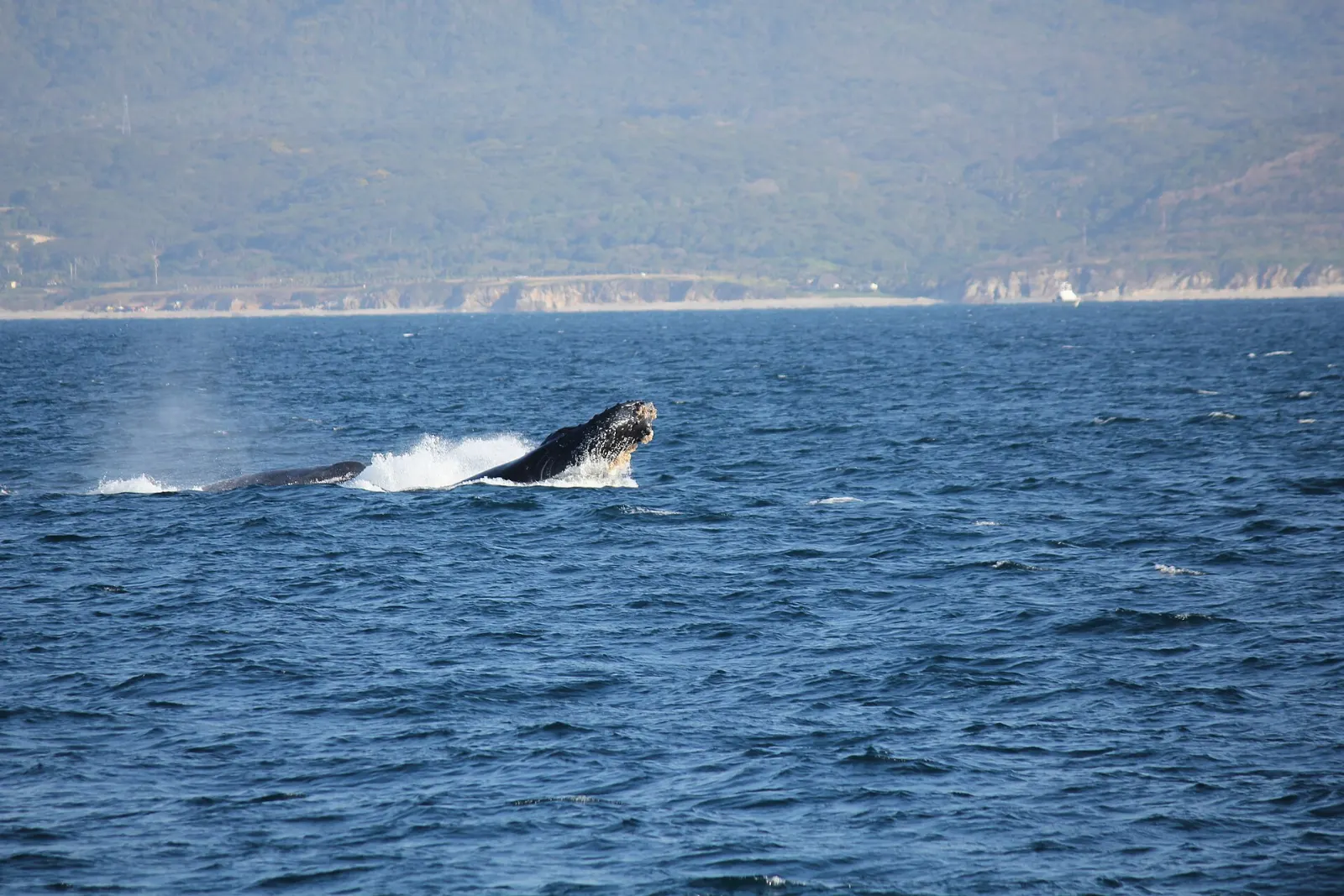
During the winter months villagers also offer humpback whale watching tours from the coast. Sea conditions decide whether boats go out, so keep your plans flexible. Choose an operator who keeps a respectful distance from the animals.

Stops along the nearby coast

Petatlán and the Santuario del Padre Jesús

Petatlán, the seat of the municipality that includes Barra de Potosí, lies on the Costa Grande between Zihuatanejo and Acapulco. Its large white sanctuary houses a 17th-century image of Christ that is a regional pilgrimage destination, especially in Holy Week. Allow an hour, dress modestly and check before you go whether services are under way.

Playa La Ropa

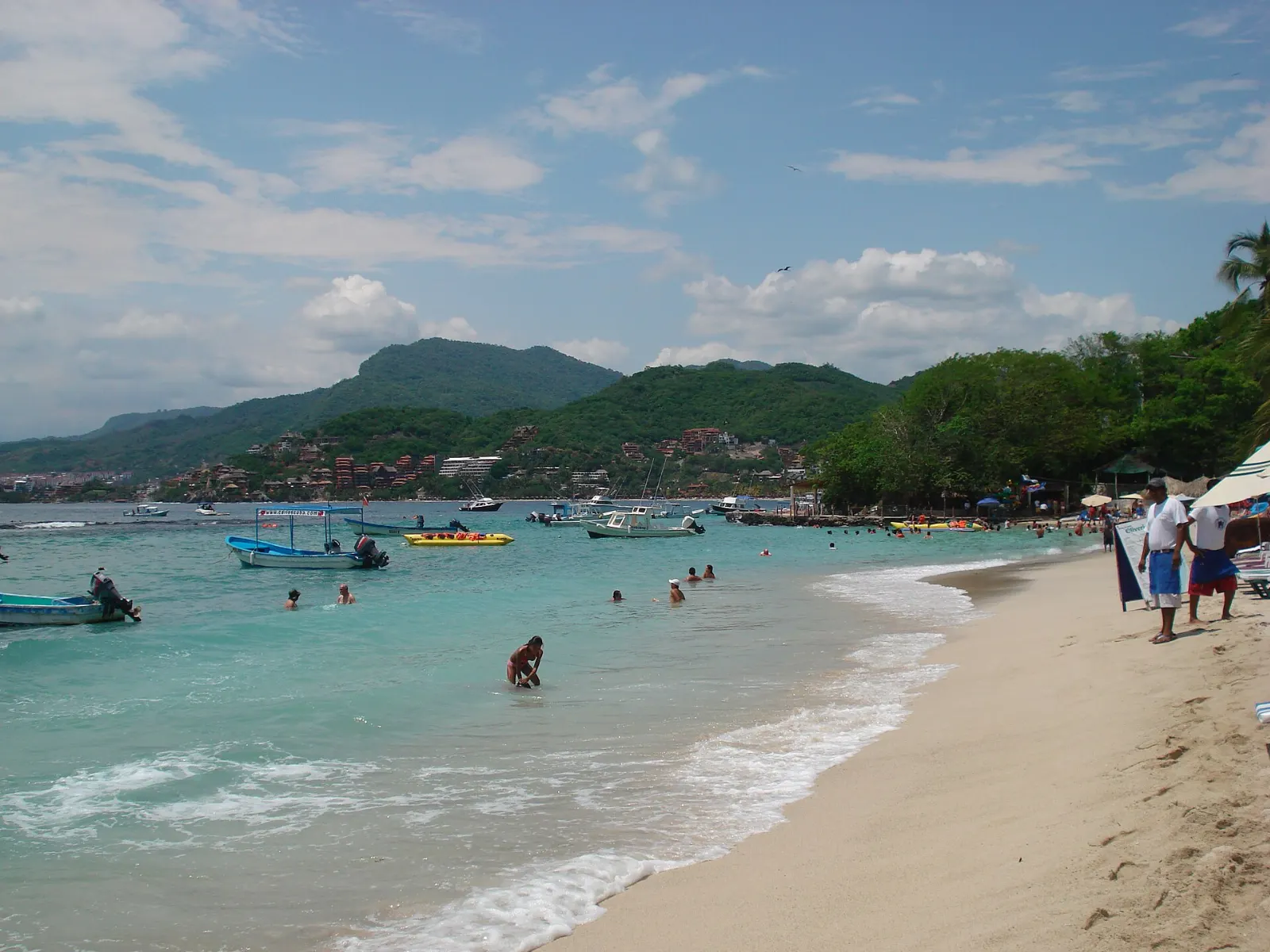
Playa La Ropa curves along the sheltered Bahía Zihuatanejo, whose calm water suits swimming. The name means beach of the clothes, after a shipwreck said to have carried Chinese silk. It makes an easy half day if you are staying in Zihuatanejo.

Palapas and sand at Playa Las Gatas across the bay from Zihuatanejo, Barra de Potosí, Guerrero

Playa Las Gatas

Boats leave from the pier in Zihuatanejo for Playa Las Gatas across the bay. The beach has white sand, palapas and snorkeling beside an artificial reef built in pre-Columbian times. The name refers to small, harmless sharks nicknamed she-cats for their whiskers.

Playa Las Gatas is reached by small boat from the pier in Zihuatanejo. Photo: jc_castaneda, Wikimedia Commons, CC BY-SA 3.0

Vicente Guerrero National Park

Created in 2023 between Ixtapa and Zihuatanejo, this park protects 724 hectares of dry jungle, mangrove swamp and coastal plain. It supports hundreds of bird species and reptiles, including crocodiles in the swamps. Keep a respectful distance from any wildlife and follow park signs.

Food and local flavors

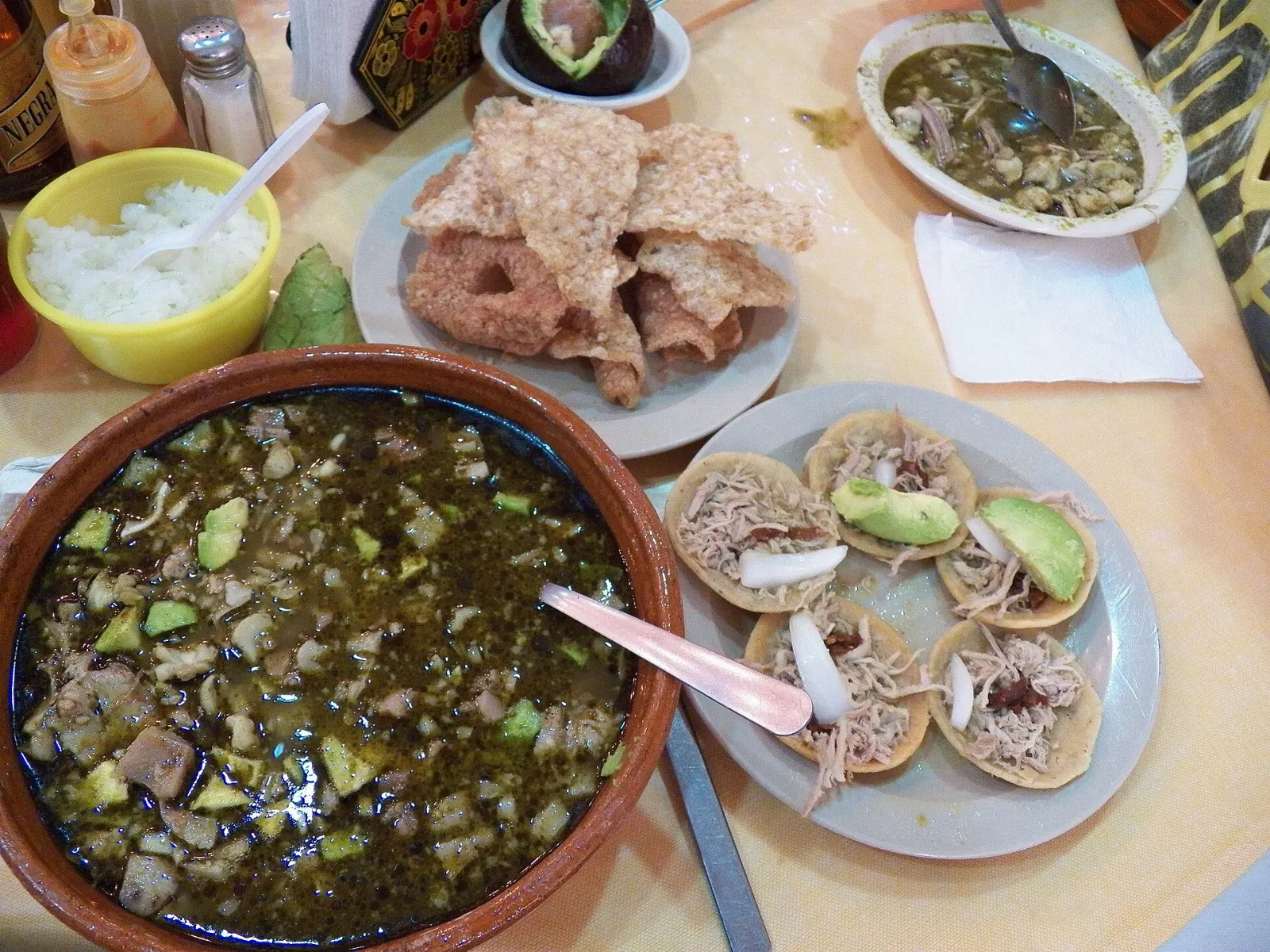
Seafood is the point here, and the enramadas serve fish that arrived that morning. Look for pescado a la talla, a whole fish brushed with chile paste and grilled, and for ceviche made with lime and fresh catch. On the wider coast, pozole verde is a regional favorite, a hominy stew colored and flavored by ground pumpkin seeds and green chiles, served especially on Thursdays. In Zihuatanejo, the municipal market and the small family kitchens near it are good places to try regional cooking at the weekend. Ask before you order what is fresh, and let the cook guide you.

Bowl of green pozole with hominy and garnishes, Barra de Potosí, Guerrero
Pozole verde is a regional favorite along the Guerrero coast, especially on Thursdays.Photo: Slevinr, Wikimedia Commons, CC BY 3.0

Popular dishes to try in Barra de Potosí

Pozole verde in Barra de Potosí, Guerrero
Pozole verde On the wider coast, pozole verde is a regional favorite, a hominy stew colored and flavored by ground pumpkin seeds and green chiles, served especially on Thursdays.Photo: Slevinr, Wikimedia Commons, CC BY 3.0
Pescado a la talla in Barra de Potosí, Guerrero
Pescado a la talla Look for pescado a la talla, a whole fish brushed with chile paste and grilled, and for ceviche made with lime and fresh catch.Photo: Ix kimiaranda, Wikimedia Commons, CC BY-SA 4.0
Ceviche in Barra de Potosí, Guerrero
Ceviche Look for pescado a la talla, a whole fish brushed with chile paste and grilled, and for ceviche made with lime and fresh catch.Photo: Gatodemichi, Wikimedia Commons, CC BY-SA 4.0

Where to stay

Barra de Potosí itself is the choice for travelers who want mornings on the lagoon and quiet evenings. Lodging in the village is limited and simple, so check current options and book ahead for weekends and holidays. Zihuatanejo suits most visitors: it keeps a relaxed, traditional town feel, with a pier, a market and many restaurants, and you can reach the lagoon on a day trip. Playa La Ropa is a good base if you want a beachfront stay on a sheltered bay and are happy to travel for your lagoon day. Ixtapa, a planned resort a few kilometers away, offers a larger range of hotels and a livelier evening scene, and it suits families and travelers who prefer resort comforts.

Curving beach and bay at Playa La Ropa in Zihuatanejo, Barra de Potosí, Guerrero
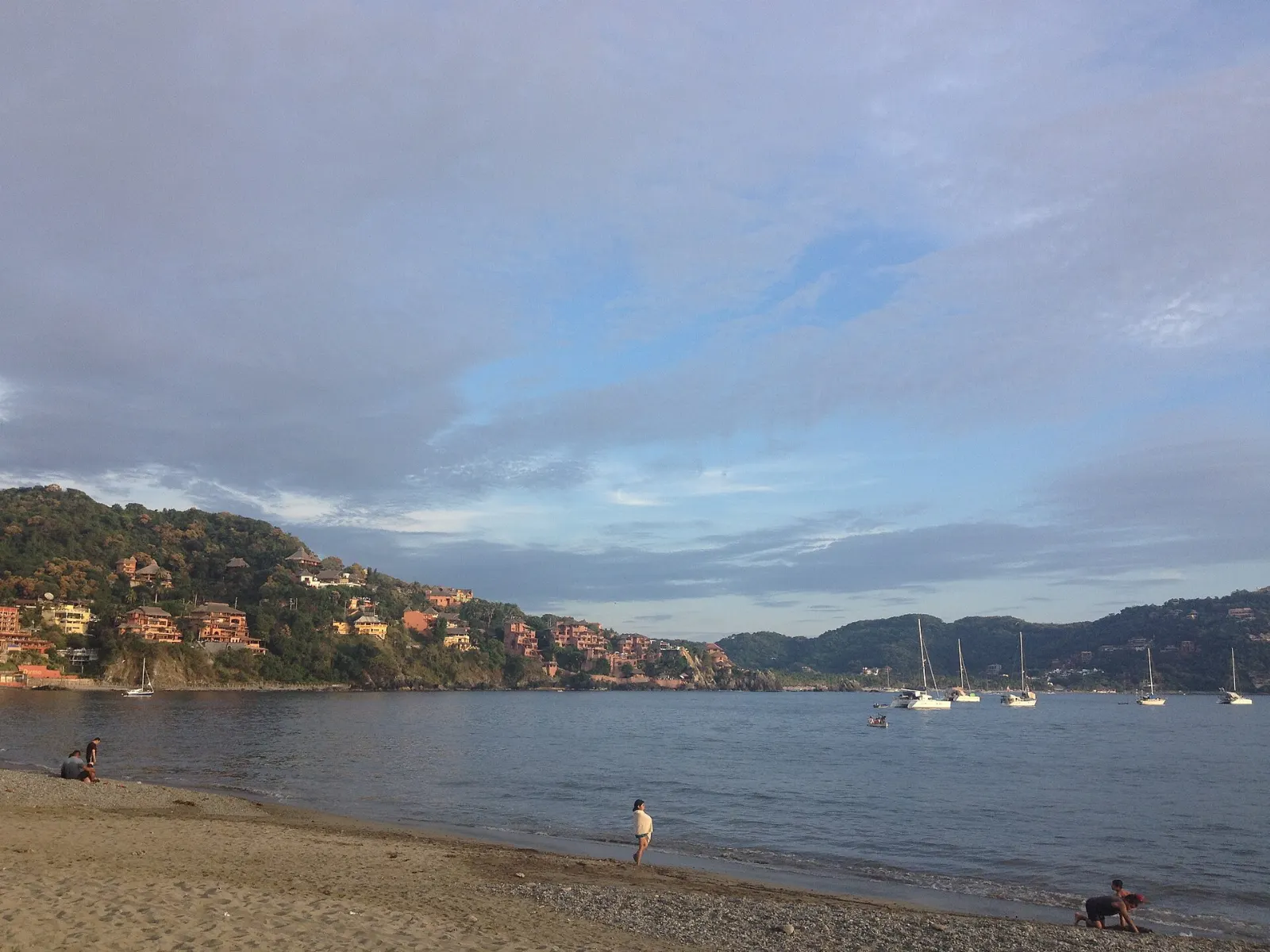
Playa La Ropa lies on the sheltered Bahía Zihuatanejo.Photo: eurimaco, Wikimedia Commons, CC BY-SA 3.0

Where to stay in Barra de Potosí

Barra de Potosí, Barra de Potosí, Guerrero
Barra de Potosí Where to stayBarra de Potosí itself is the choice for travelers who want mornings on the lagoon and quiet evenings.Photo: Pozytyv, Wikimedia Commons, CC BY-SA 4.0
Zihuatanejo, Barra de Potosí, Guerrero
Zihuatanejo Zihuatanejo suits most visitors: it keeps a relaxed, traditional town feel, with a pier, a market and many restaurants, and you can reach the lagoon on a day trip.Photo: Jim Grandy, Wikimedia Commons, CC BY 2.0
Playa La Ropa, Barra de Potosí, Guerrero
Playa La Ropa Playa La Ropa is a good base if you want a beachfront stay on a sheltered bay and are happy to travel for your lagoon day.Photo: Wiper México, Wikimedia Commons, CC BY-SA 3.0
Ixtapa, Barra de Potosí, Guerrero
Ixtapa Ixtapa, a planned resort a few kilometers away, offers a larger range of hotels and a livelier evening scene, and it suits families and travelers who prefer resort comforts.Photo: Comisión Mexicana de Filmaciones from México D. F., México, Wikimedia Commons, CC BY-SA 2.0

Best time to visit

The winter months are the most rewarding, because humpback whale tours run then and the lagoon is pleasant for long boat rides. Summer and early autumn bring heat, humidity and rain on this tropical Pacific coast, and the Pacific storm season runs through autumn, so check forecasts before you travel. Weekends fill with day-trippers from inland towns and from Zihuatanejo, so the village is calmest on weekdays. Holy Week brings large crowds and a famous Passion Play to nearby Petatlán, which is worth seeing if you plan ahead.

Humpback whale surfacing in the Pacific Ocean, Barra de Potosí, Guerrero
Humpback whales pass along this stretch of the Pacific coast during the winter months.Photo: terri_bateman, Wikimedia Commons, CC BY 2.0

Getting there and getting around

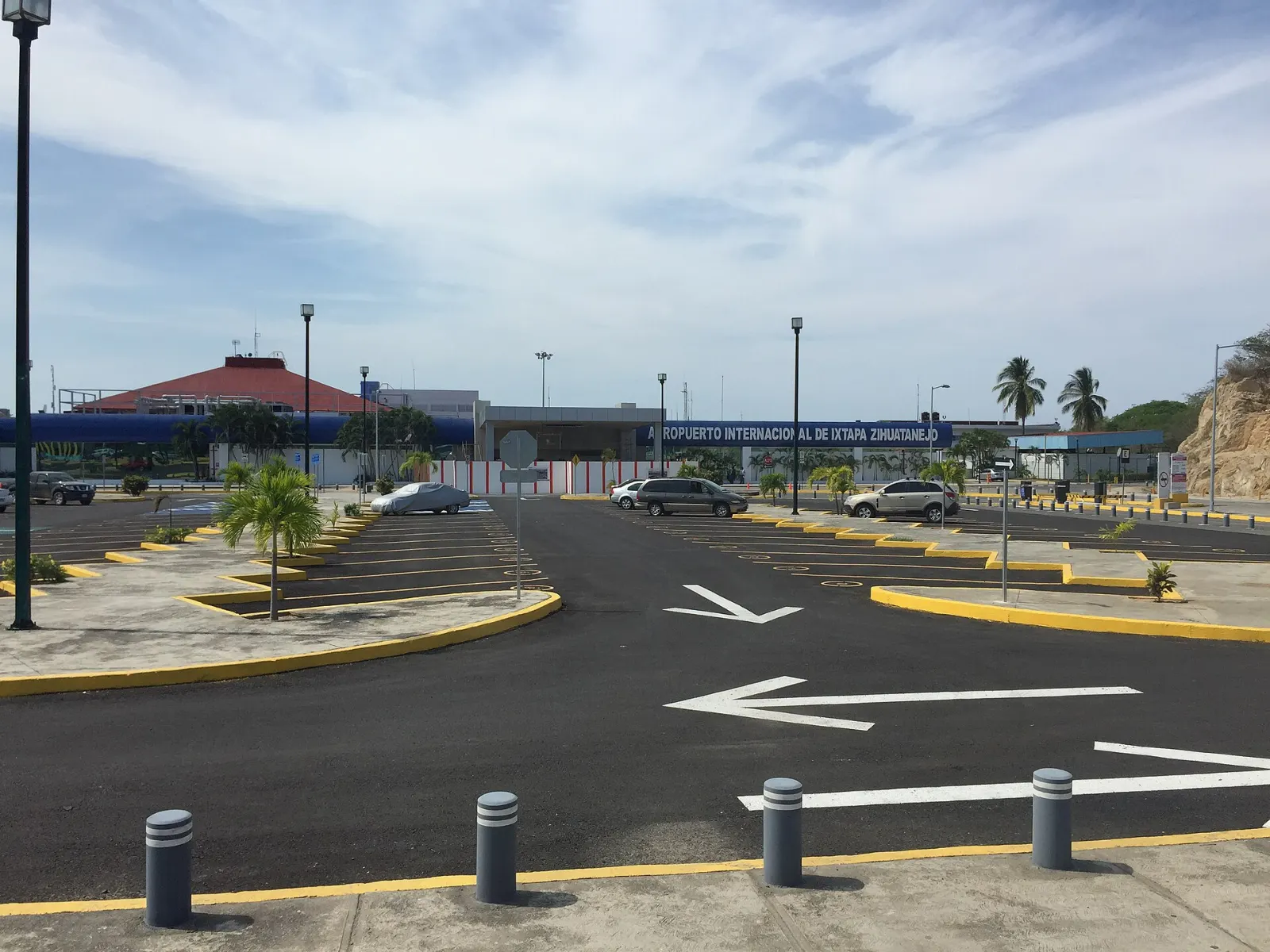
Most travelers arrive at Ixtapa-Zihuatanejo International Airport, which has nonstop flights from Mexico City and seasonal service from some cities in the United States and Canada. Acapulco International Airport is the other major airport in the state. The Pacific Coast Highway, Highway 200, links Zihuatanejo, Acapulco and the towns in between, and intercity buses run along it. Barra de Potosí is known for day trips from Zihuatanejo, so ask your hotel about tours, drivers or the best connection to the village. Once there, the village is compact and easy to walk, and local operators run the lagoon boats and kayaks. If you drive, stay on main roads and travel in daylight.

Terminal of Ixtapa-Zihuatanejo International Airport, Barra de Potosí, Guerrero
Ixtapa-Zihuatanejo International Airport is the nearest large airport for most visitors.Photo: Vmzp85, Wikimedia Commons, CC BY-SA 4.0

A suggested itinerary

First day

Travel to Barra de Potosí in the morning and take a lagoon tour while the light is soft. Eat lunch at an enramada, then walk Playa Blanca and photograph the offshore rocks before sunset.

Second day

Return to Zihuatanejo and take a boat to Playa Las Gatas for snorkeling. Spend the late afternoon at Playa La Ropa and have pozole or fresh fish for dinner in town.

Third day

Visit the sanctuary in Petatlán or the national park near Ixtapa. In winter, swap one of these for a whale watching tour.

Practical tips

  • Check your government's current travel advisory before you go.
  • Bring sun protection, a hat and plenty of water, because shade is limited on the beach.
  • Carry cash for small restaurants, boat operators and kayak rentals.
  • Ask local operators about sea and tide conditions before swimming or paddling.
  • Wear a life jacket on the lagoon, even in calm weather.
  • Visit on a weekday if you prefer a quiet beach.
  • Bring binoculars and insect repellent for the mangroves.
  • Learn a few Spanish phrases, since English is not widely spoken in the village.
Barra de PotosíWISERMAP PLACEBarra de Potosí: photos, reviews & things to doSee traveler photos and reviews, or share your own →

More places to visit

All travel guides →