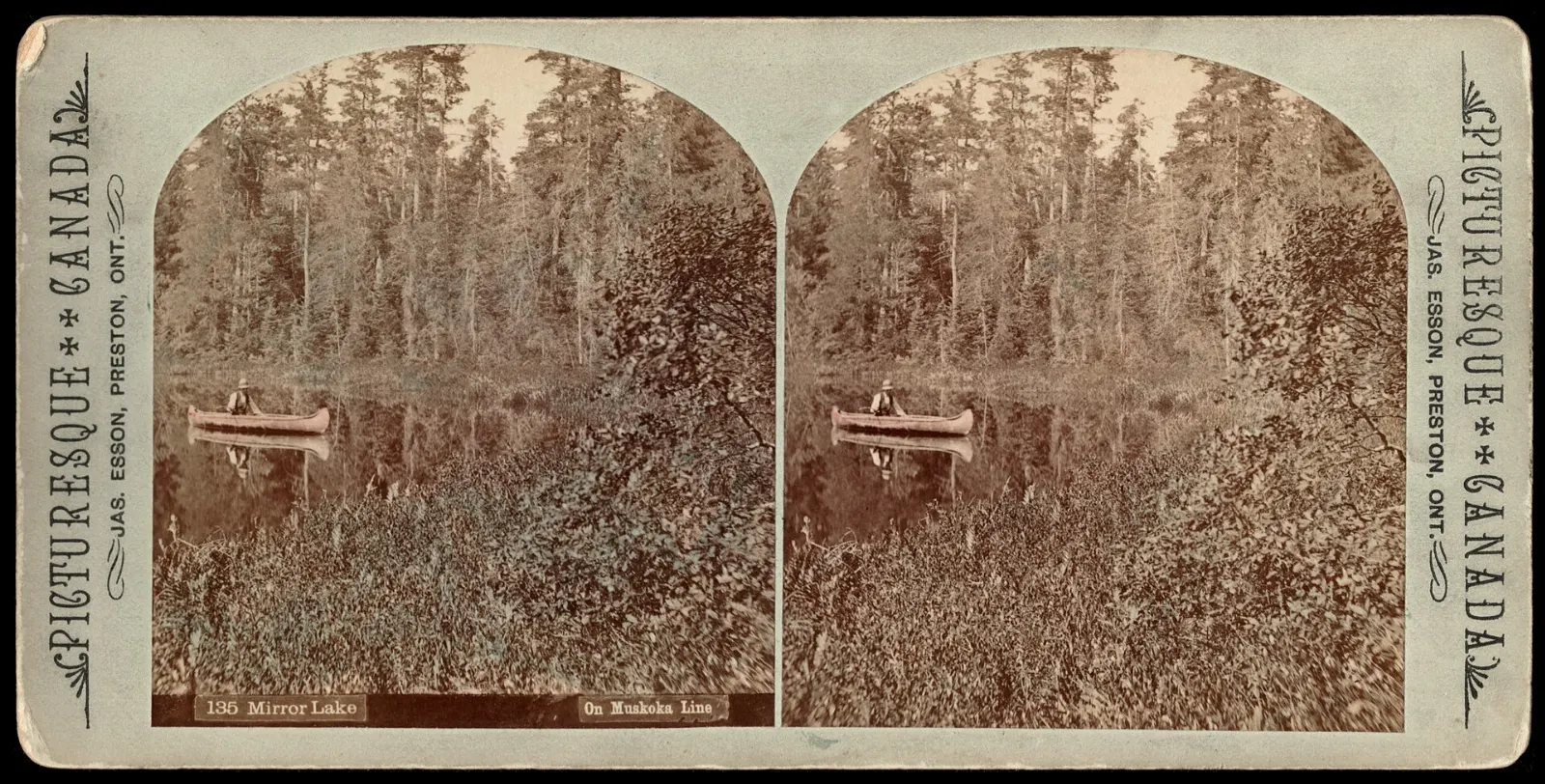
Muskoka is Ontario’s best-known cottage country, a rolling district of forest, rock and lakes about two to three hours north of Toronto. The permanent population is small, but in summer it swells as seasonal residents and visitors arrive for steamship cruises, waterfalls, canoe paddles and starry skies.
AT A GLANCE
Best time
July and August suit swimming and boating, while late September brings colorful forests.
How long
Plan a long weekend of three days to see the main towns and a few lakes.
Getting there
Drive from Toronto via Highway 400 or Highway 11, or use buses and a seasonal airport link.
Why visit Muskoka
Muskoka has the landscape that inspired Canadian painters: pink granite shorelines, dark pines and thousands of lakes and islands.
Many shorelines are private, so the best way to see the area is through towns, boat cruises, parks and public landings. Done well, a visit blends classic Canadian outdoors with small-town charm.
The best places to visit around the lakes
Gravenhurst and the RMS Segwun
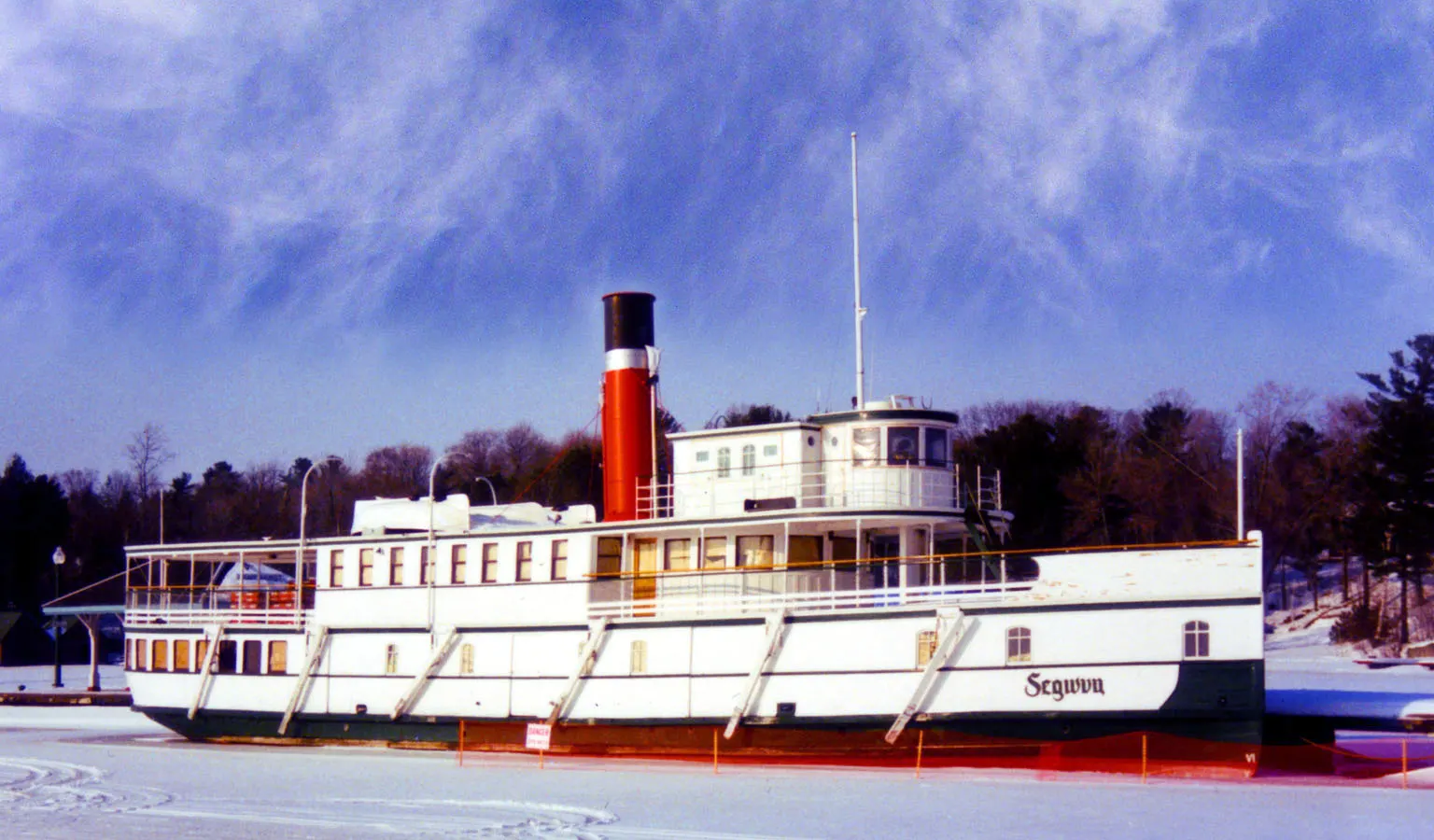
Gravenhurst calls itself the Gateway to Muskoka, and its waterfront is the place to board a cruise on three connected lakes. The steamship RMS Segwun, launched in 1925 on an 1887 hull, is the oldest operating steam-driven vessel in North America.
Bracebridge Falls
Bracebridge was built around a waterfall on the Muskoka River, and the falls still sit in the middle of town. Walk down from Main Street to the viewing area, then explore nearby falls such as Wilson’s Falls and High Falls.
Bala Falls
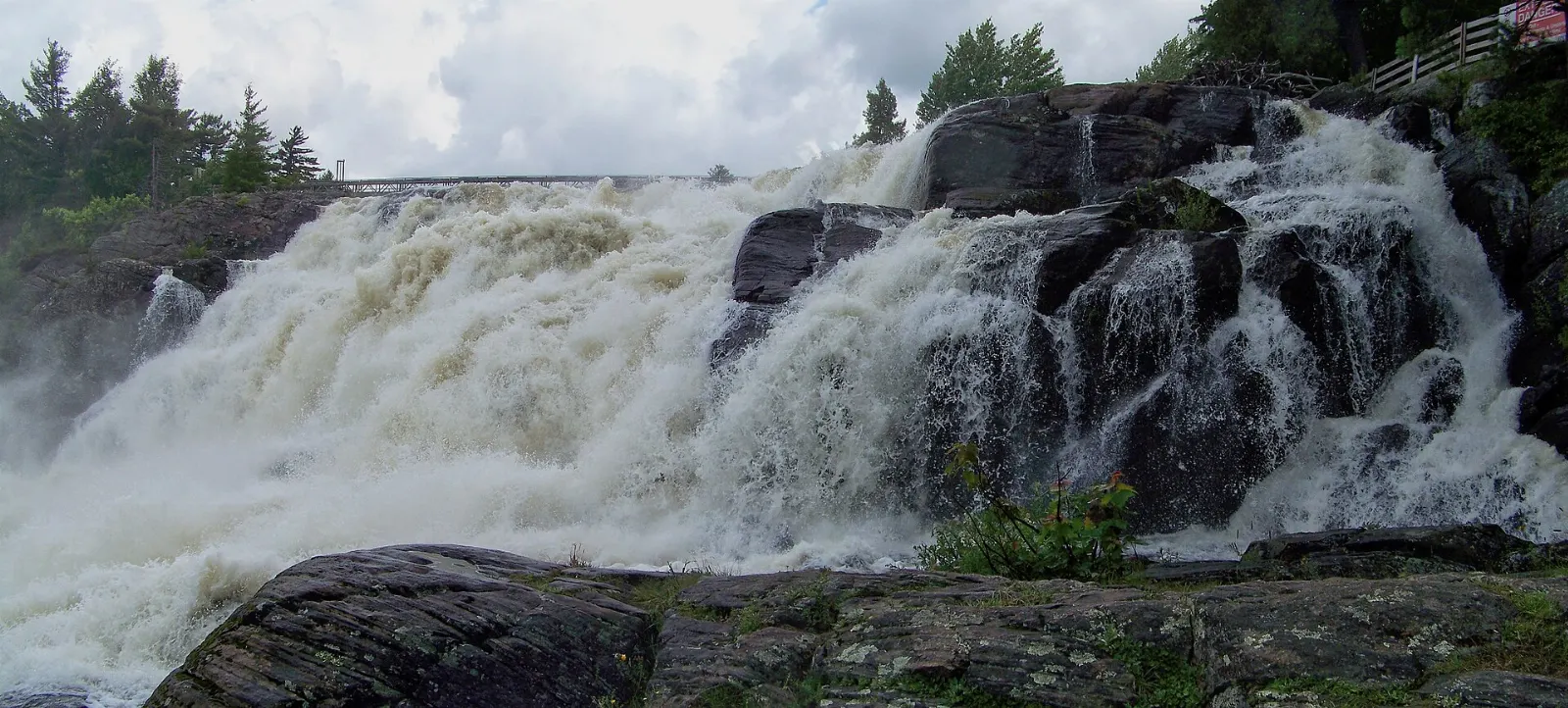
Bala sits at the west end of Lake Muskoka, where the water drops over bare Canadian Shield rock into the Moon River.
Port Carling locks
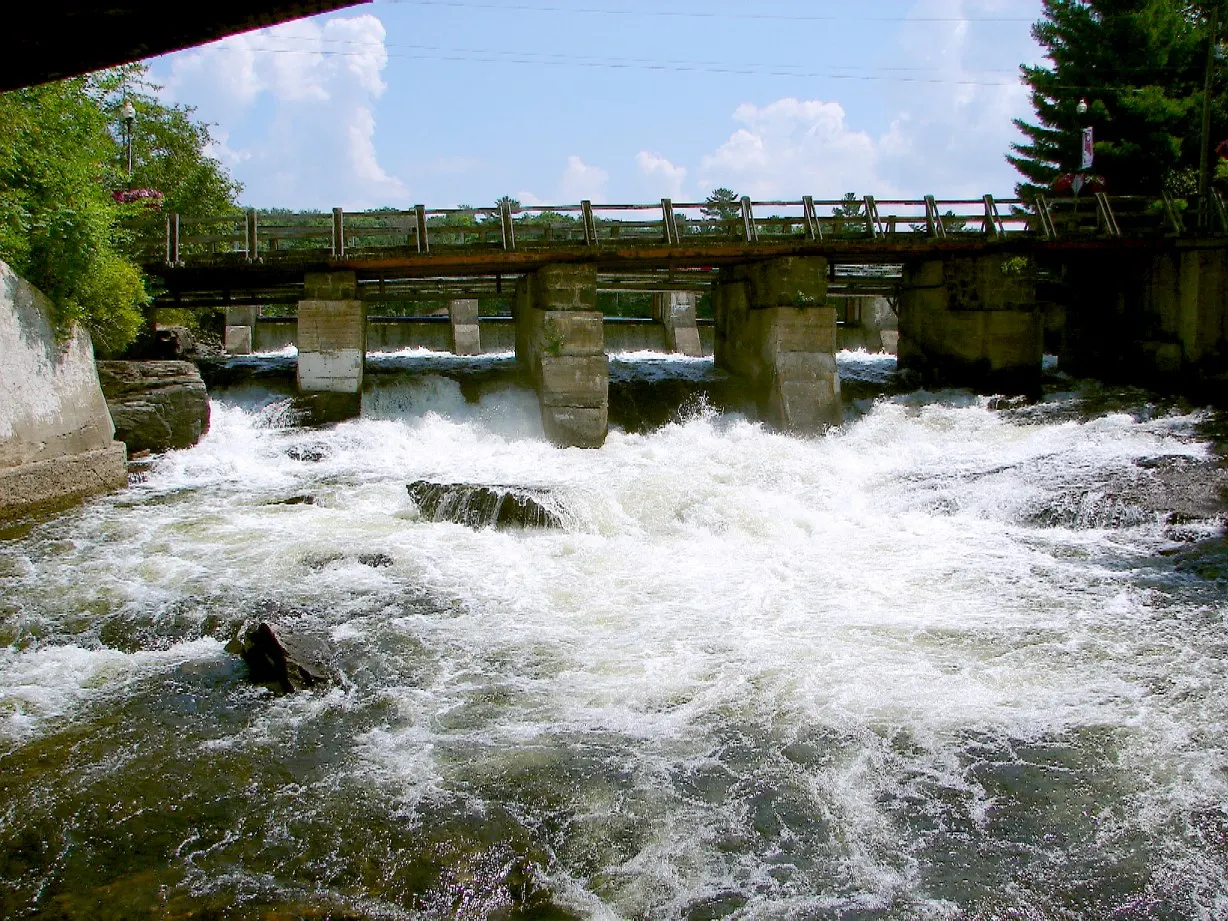
Port Carling, nicknamed the Hub of the Lakes, has a set of locks joining Lake Muskoka and Lake Rosseau. Watching boats of all sizes pass through is free entertainment, and the village has small shops and a historic boatbuilding tradition.
Lake Rosseau
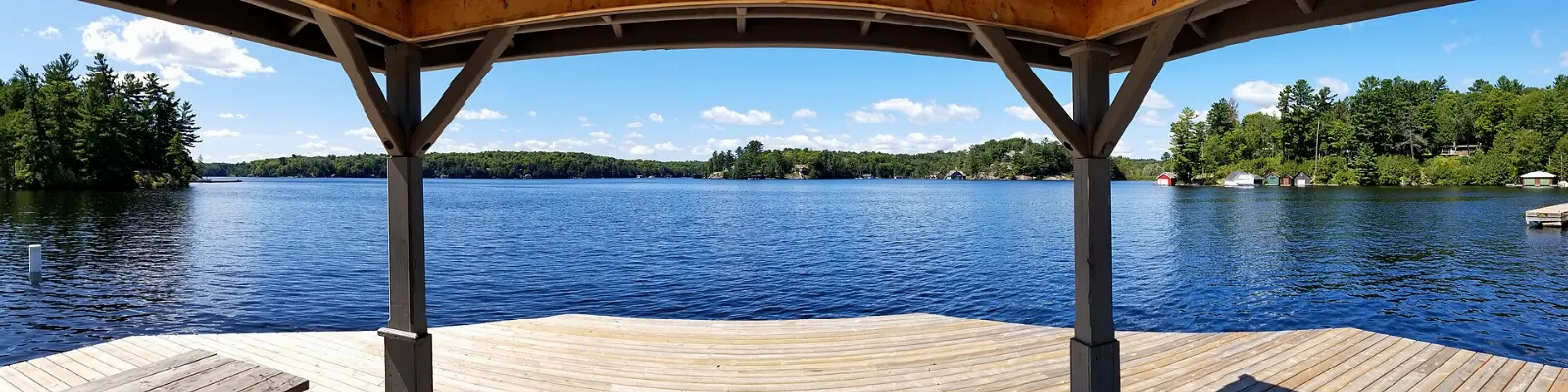
Lake Rosseau is one of the famous Muskoka lakes, lined with cottages dating back to the late nineteenth century. It connects to Lake Joseph through the narrows at Port Sandfield.
Huntsville and the wild side
Huntsville Group of Seven Outdoor Gallery
Huntsville has the largest population of the three major Muskoka towns, and its downtown trail displays more than eighty mural reproductions of Group of Seven paintings.
Arrowhead Provincial Park
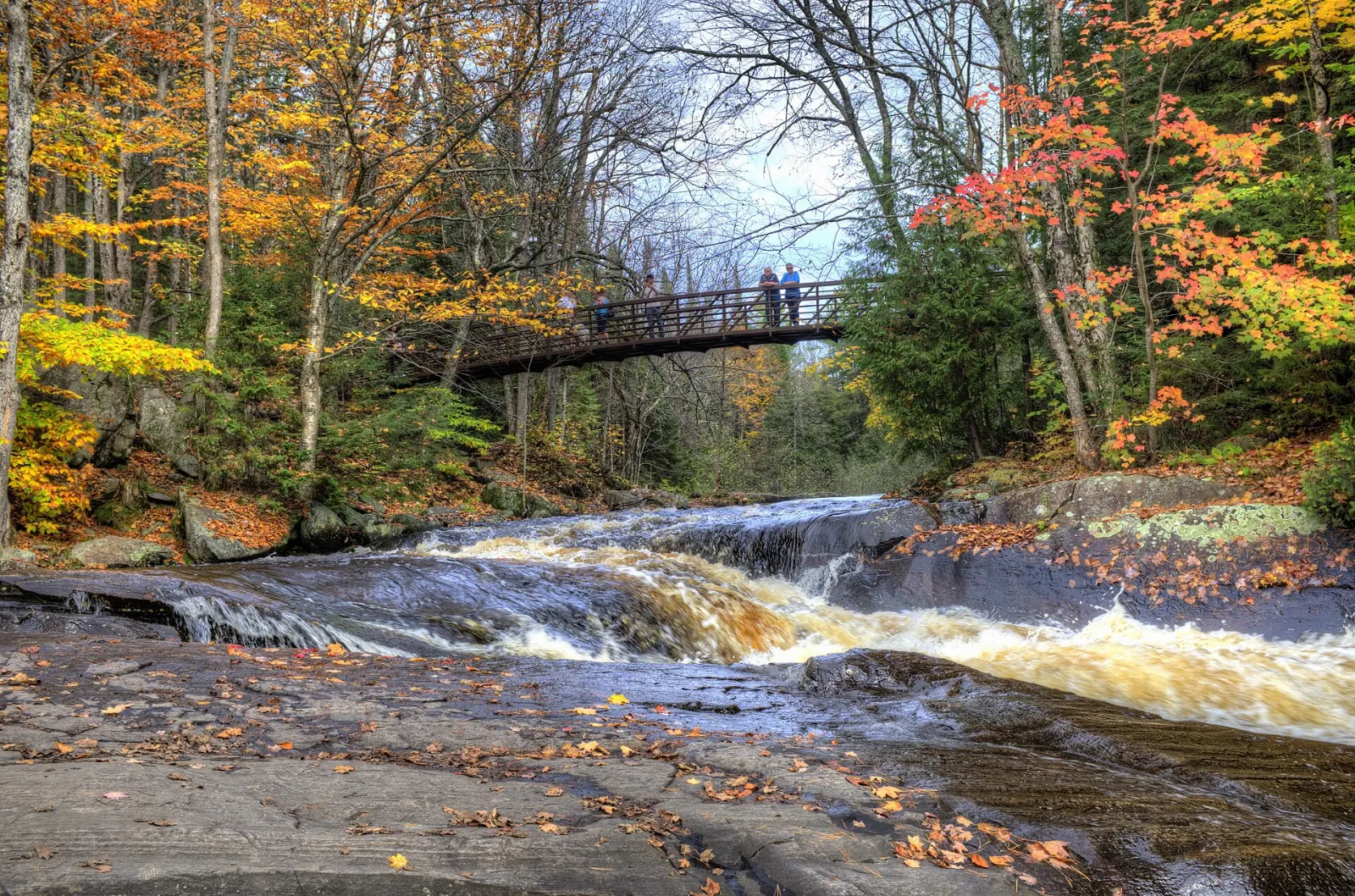
Arrowhead Provincial Park, near Huntsville, is open year-round and has trails, a river for paddling and winter skating and skiing. It connects through the Big East River to Algonquin Park.
Torrance Barrens Dark-Sky Preserve
Torrance Barrens was the first dark-sky preserve in Canada, known for its rock barrens and clear views of the stars.
Georgian Bay Islands National Park
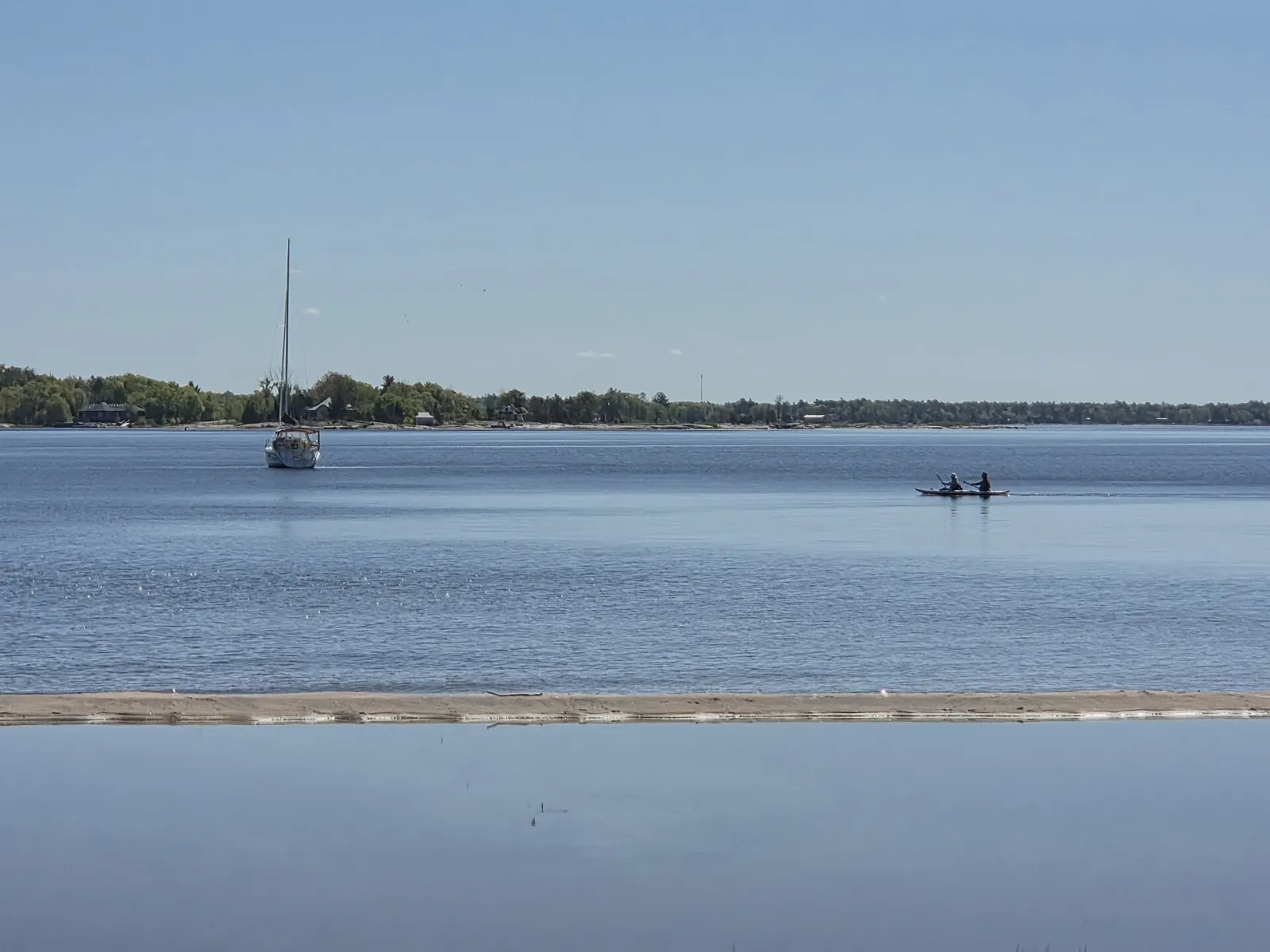
The park protects islands in the world’s largest freshwater archipelago, including Beausoleil Island. Access is by boat, so plan ahead and confirm seasonal transport with Parks Canada.
Algonquin Provincial Park
Algonquin lies east of Huntsville on Highway 60 and makes a rewarding day trip. Self-guided trails and lookouts offer a taste of the park, and moose are sometimes seen along the highway.
 Planning a trip to Muskoka?Compare hotels, flights and vacation rentals for Muskoka on Expedia.Book now
Food and local flavors
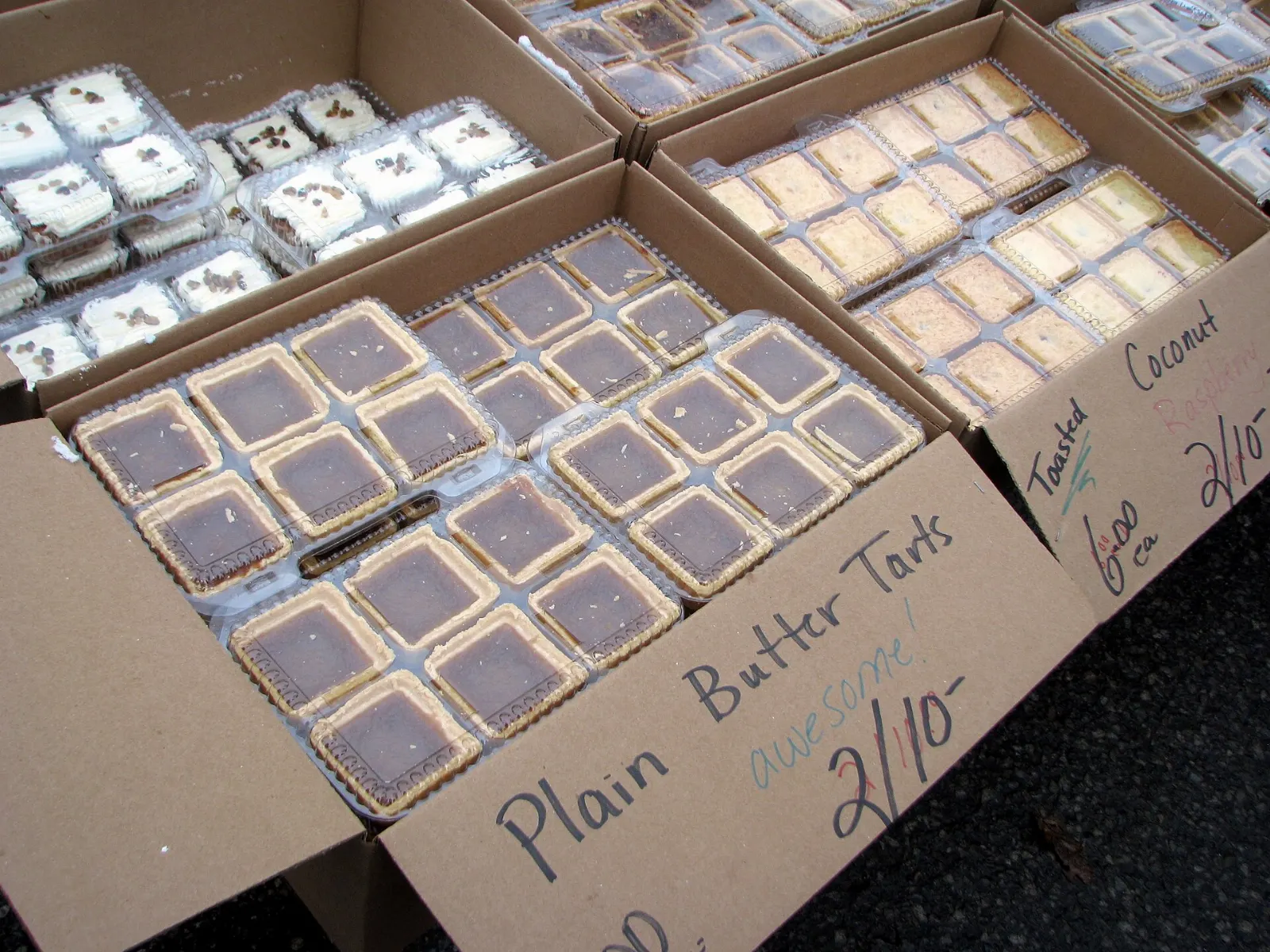
The butter tart is the classic treat here, a pastry shell filled with a sweet butter, sugar and egg mixture that bakes to a semi-set center. Central Ontario bakeries each claim a secret recipe, so a few taste tests are part of the fun, and a box makes a good gift for the cottage.
Maple syrup from Ontario sugar shacks turns up on pancakes and in baking, and Bala’s fame comes from cranberry growing, so look for cranberry preserves and baked goods in village shops and farm stands.
Popular dishes to try in Muskoka


Where to stay
Gravenhurst is a handy base near the south end of Muskoka.
Bracebridge is central and walkable, with its falls, shops and restaurants close together. It suits travelers who like to leave the car parked and who want services close by.
Port Carling puts you at the heart of the lakes, within reach of Lake Rosseau, Lake Muskoka and quiet roads.
Huntsville is the largest town and the gateway to Arrowhead and Algonquin. Choose it for hiking, paddling and winter activities.
Where to stay in Muskoka


Best time to visit
Summer is peak season, when the lakes are warm enough for swimming, cruises run frequently and the population swells with seasonal residents. Expect busy highways on Friday and Sunday evenings, and book early.
Early spring has blackflies and mosquitoes, so bring repellent in May. Autumn is excellent, with cooler nights and bright foliage, and crowds thin out after Labour Day.
Getting there and getting around
Most visitors drive from Toronto, with Highway 400 leading to the western side and Highway 11 serving Gravenhurst, Bracebridge and Huntsville. Gravenhurst is roughly 170 kilometers from downtown Toronto.
Ontario Northland runs buses to Huntsville, Bracebridge and Gravenhurst from Toronto and Barrie. Muskoka Airport has seasonal flights with a bus connection from Toronto Pearson, so check current schedules.
Once there, a car is the best way to get around, as buses mainly stop in the main towns.
A suggested itinerary
First day
Drive up Highway 11 to Gravenhurst, board a steamship cruise and have lunch by the water.
Second day
Go west to Bala Falls, then follow the lake roads to Port Carling to watch boats in the locks.
Third day
Head north to Huntsville for the Group of Seven murals and a walk in Arrowhead Provincial Park. If you have an extra evening, drive to Torrance Barrens for stargazing.
Practical tips
- Book cottages, cruises and campsites well ahead for summer weekends.
- Bring insect repellent, especially in late spring.
- Remember that many shorelines are private property, so use public landings and parks.
- Rent boats in Barrie or bring your own, as rentals are limited near the lakes.
- Check seasonal schedules for cruises, park services and transport to the islands.