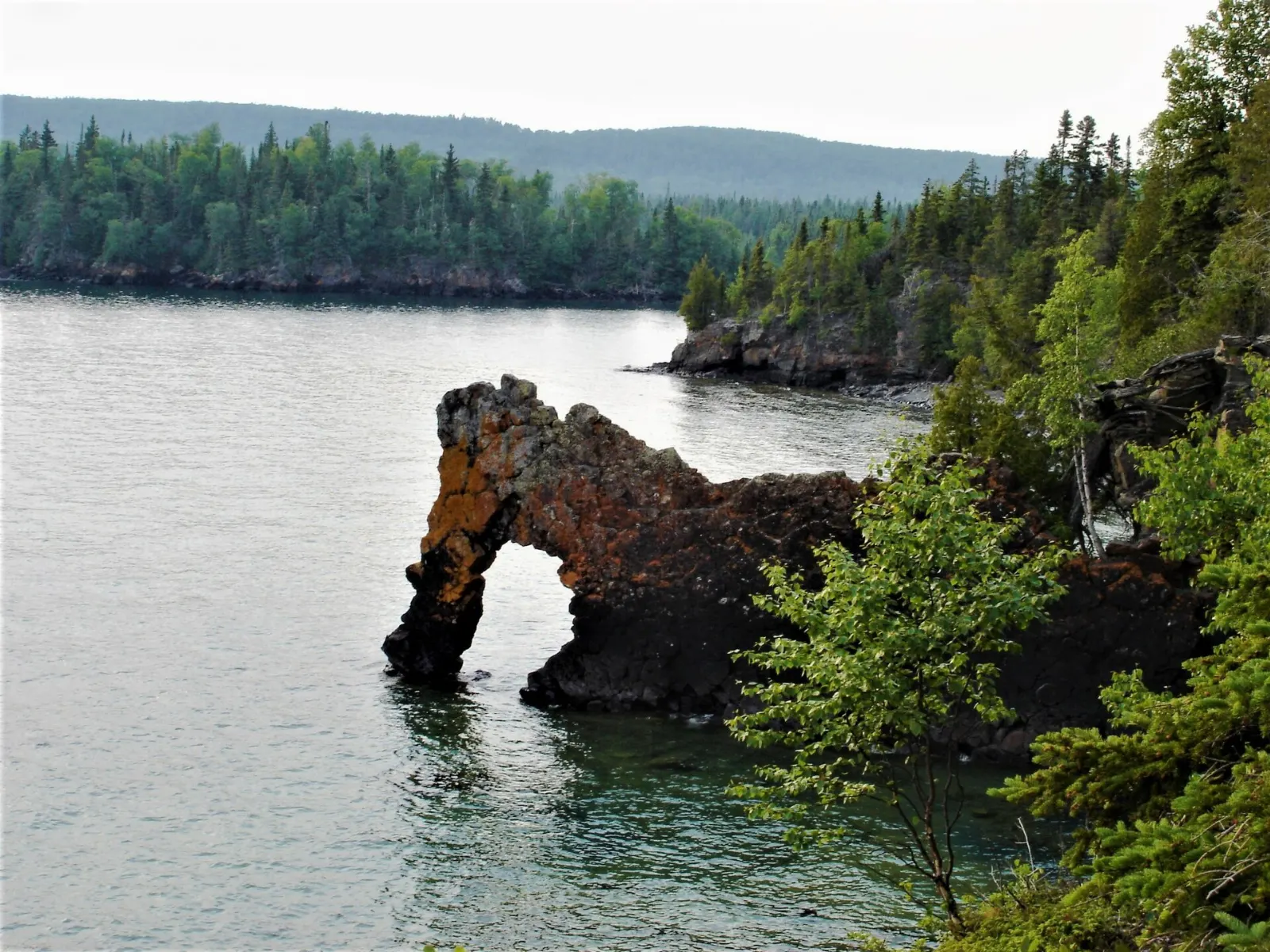
Sudbury sits on the Canadian Shield in Northern Ontario, a city of lakes, rocky hills and mining history that surprises most first time visitors. Officially Greater Sudbury, it covers more land than any other city in Ontario, and within one short drive you can visit a science centre shaped like snowflakes, stand beside a giant nickel and look out over a waterfall on the Onaping River.
AT A GLANCE
Best time
Late June to September for lakes, trails and festivals, or early autumn for colour.
How long
Plan two or three days, with a spare half day for the outlying lookouts.
Getting there
Fly into Sudbury Airport, drive Highway 17 or 69, or take a bus or train.
Why visit Sudbury
Few Canadian cities have a story as dramatic as this one. Sudbury lies within the Sudbury Basin, the eroded remnant of an impact crater left by an asteroid about 1.8 billion years ago, and that impact helped create the rich nickel and copper ores that built the town after railway crews blasted into them in the 1880s.
Smelting once scarred the landscape, but decades of regreening work brought back forests and clean lakes, and today Sudbury is known for outdoor recreation in every season. Italian, Finnish, Ukrainian, French and Indigenous communities shape its culture, signs and services are bilingual, and NASA astronauts even trained in the area during the Apollo program.
The best places to visit around the lakes and downtown
Science North
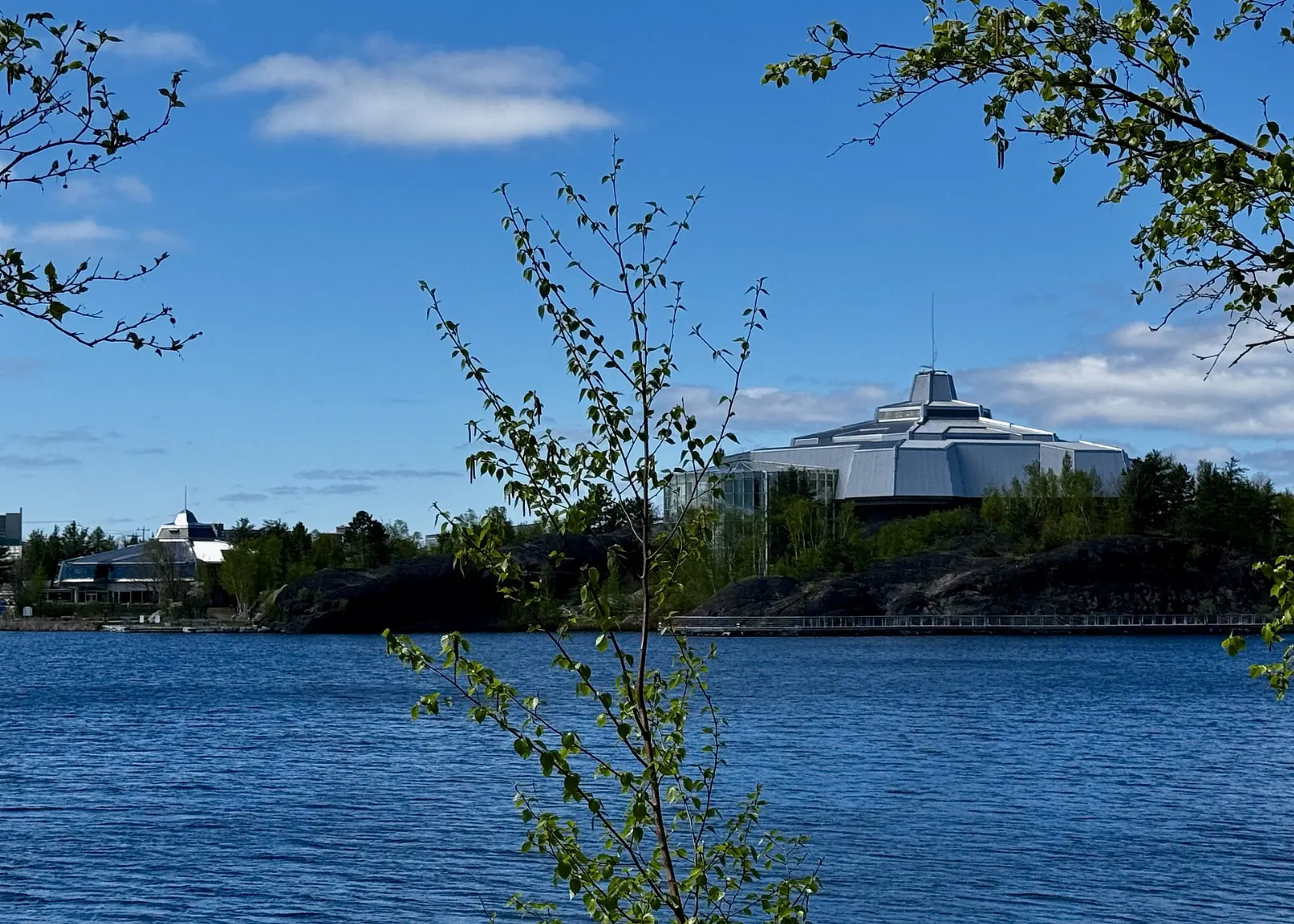
Science North is the city's best known attraction, two snowflake shaped buildings on the shore of Ramsey Lake joined by a rock tunnel that passes through a geological fault. Inside you will find an IMAX theatre, a butterfly gallery, a planetarium and hands on exhibits about northern ecosystems and technology.
Bell Park and Ramsey Lake
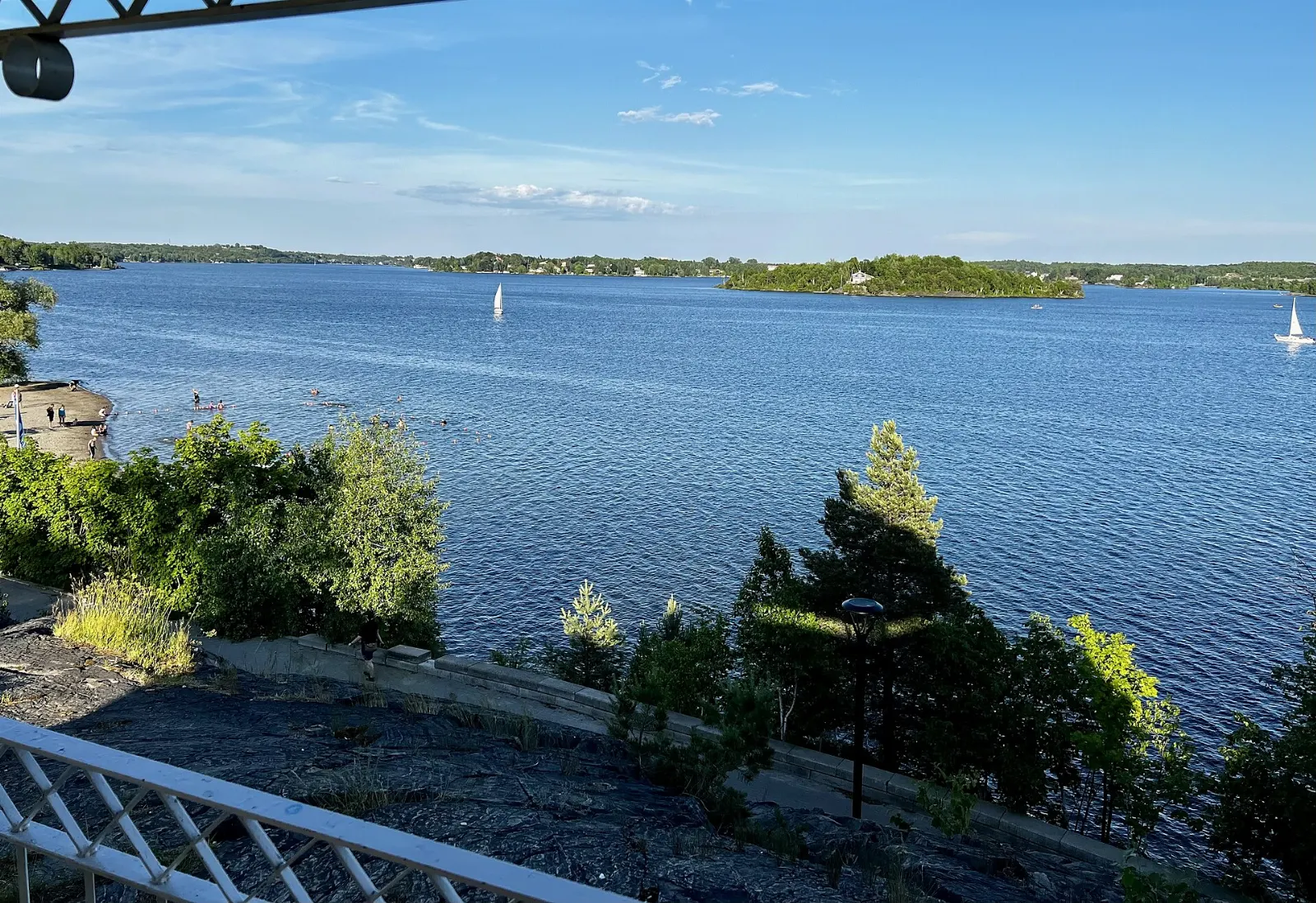
Bell Park runs along the western shore of the lake and connects to Science North by the Jim Gordon Boardwalk, so the two make an easy pairing.
Bridge of Nations
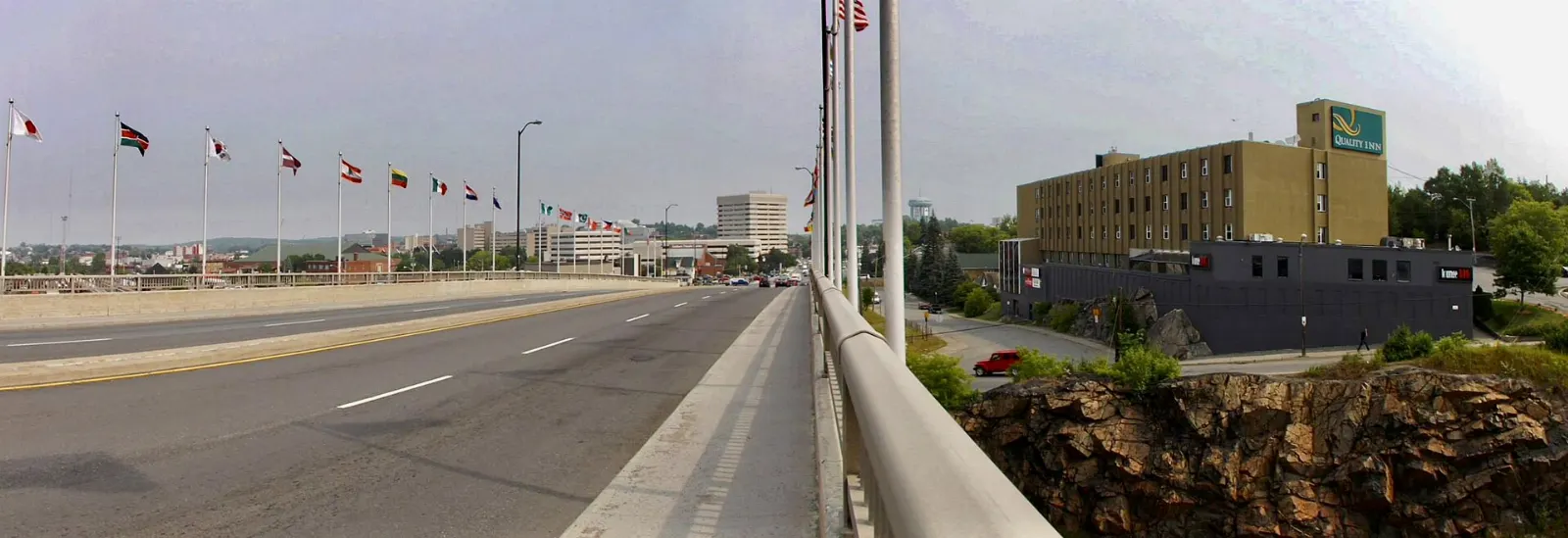
In the downtown core, the Bridge of Nations displays flags of the countries represented in the city's population, a fitting symbol of how many communities settled here. It takes only a few minutes to cross, so combine it with a walk through the centre and a coffee stop.
Art Gallery of Sudbury
The Art Gallery of Sudbury on John Street presents historical and contemporary Canadian art, while La Galerie du Nouvel Ontario on Larch Street focuses on contemporary work with an emphasis on French Canadian artists. Each is small enough for an hour, which makes them a good rainy day option.
Mining heritage and local history
The Big Nickel
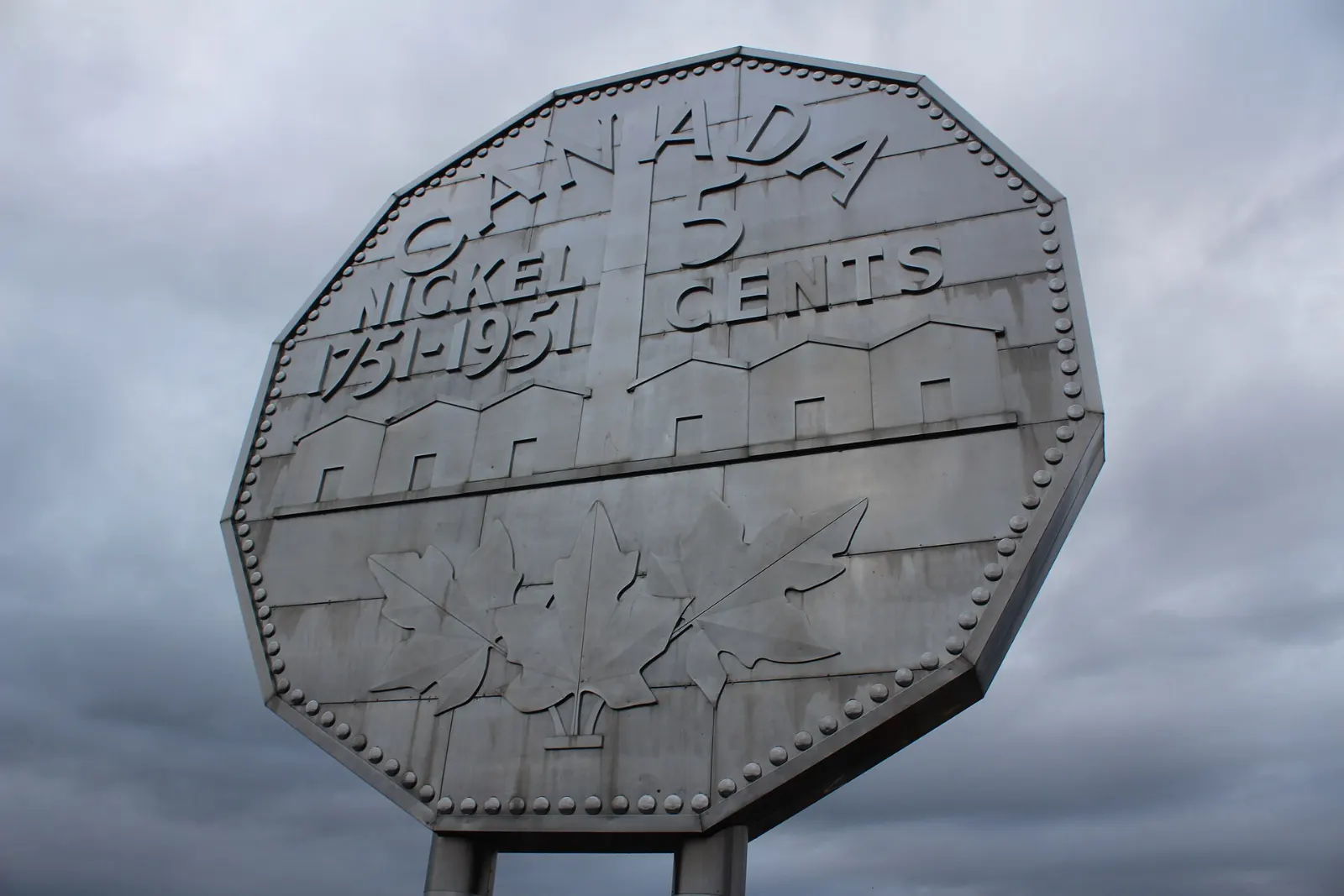
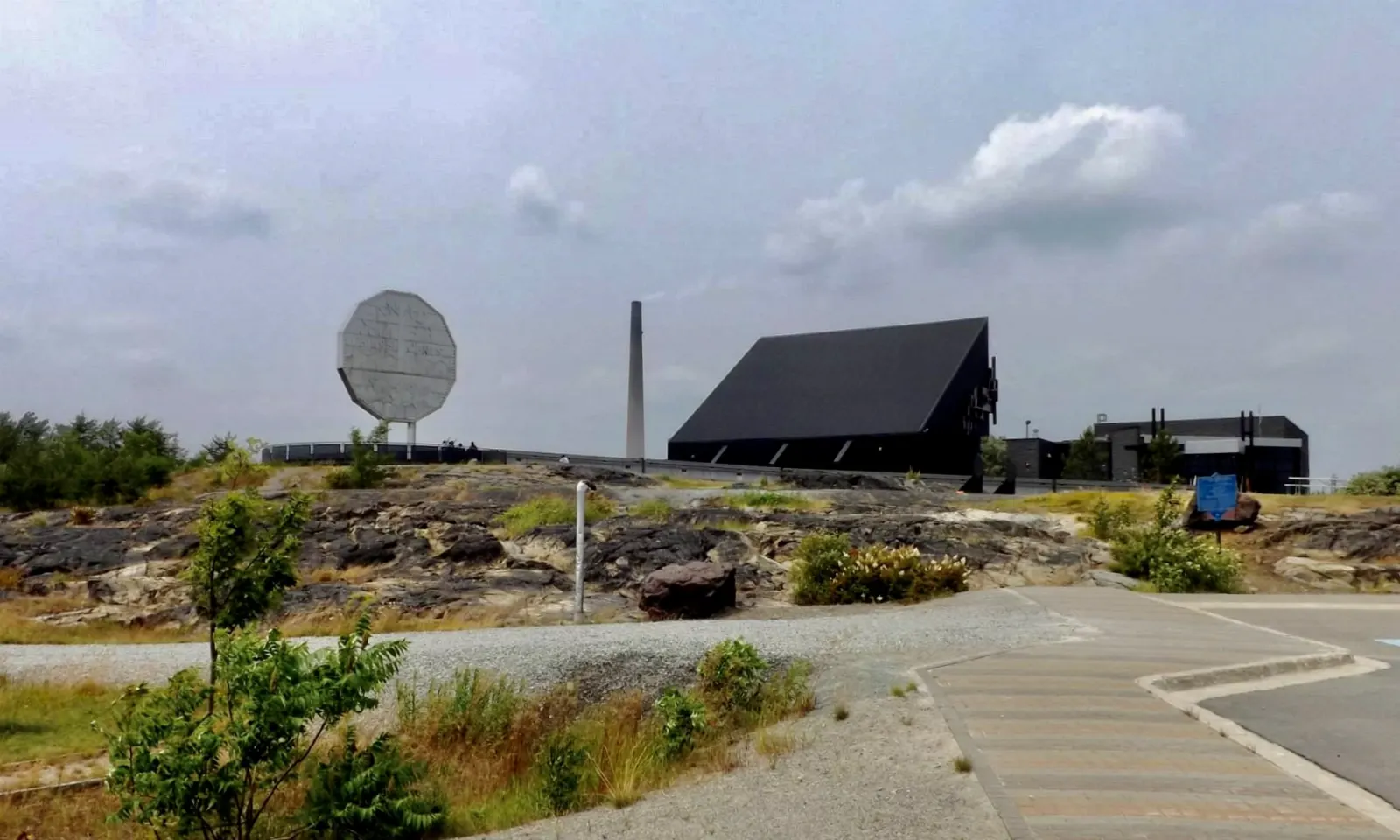
Standing nine metres tall, the Big Nickel is a replica of a 1951 five cent coin and is listed as the world's largest coin.
Dynamic Earth
Dynamic Earth is an earth science and mining centre run by Science North, with a guided underground tour, multimedia theatres and an outdoor science park. It is the best way to understand why the city exists.
Copper Cliff Museum and the Flour Mill Heritage Museum
Several small heritage museums show how early settlers and mining families lived, including the Copper Cliff Museum, the Flour Mill Heritage Museum and the Anderson Farm Museum. They are modest, community focused stops that suit a slow afternoon.
Northern Ontario Railroad Museum
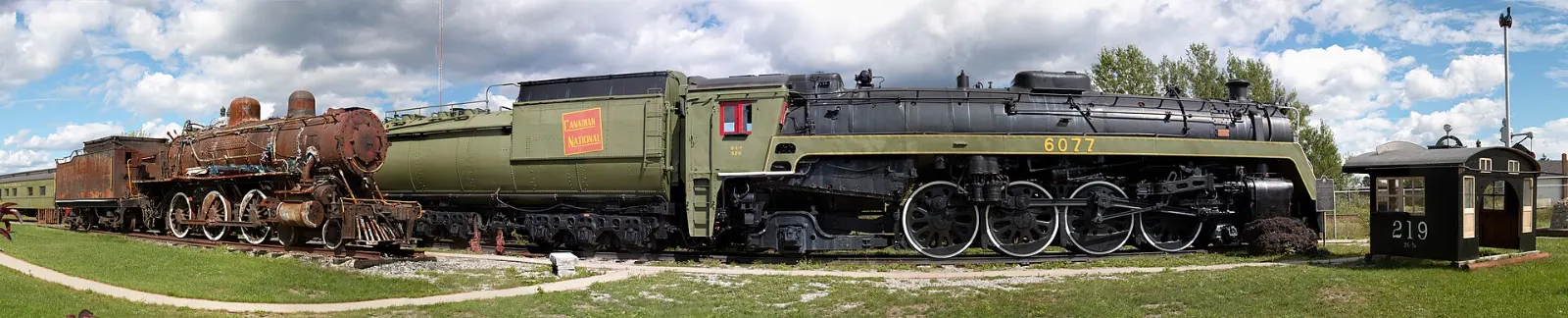
In Capreol, about 30 kilometres north of downtown, this museum has locomotives and rolling stock, a model railroad and a locomotive simulator. Rail fans and families will enjoy it, and Capreol is also a stop for VIA Rail's transcontinental train, The Canadian.
Lookouts and nature near the city
A.Y. Jackson Scenic Lookout
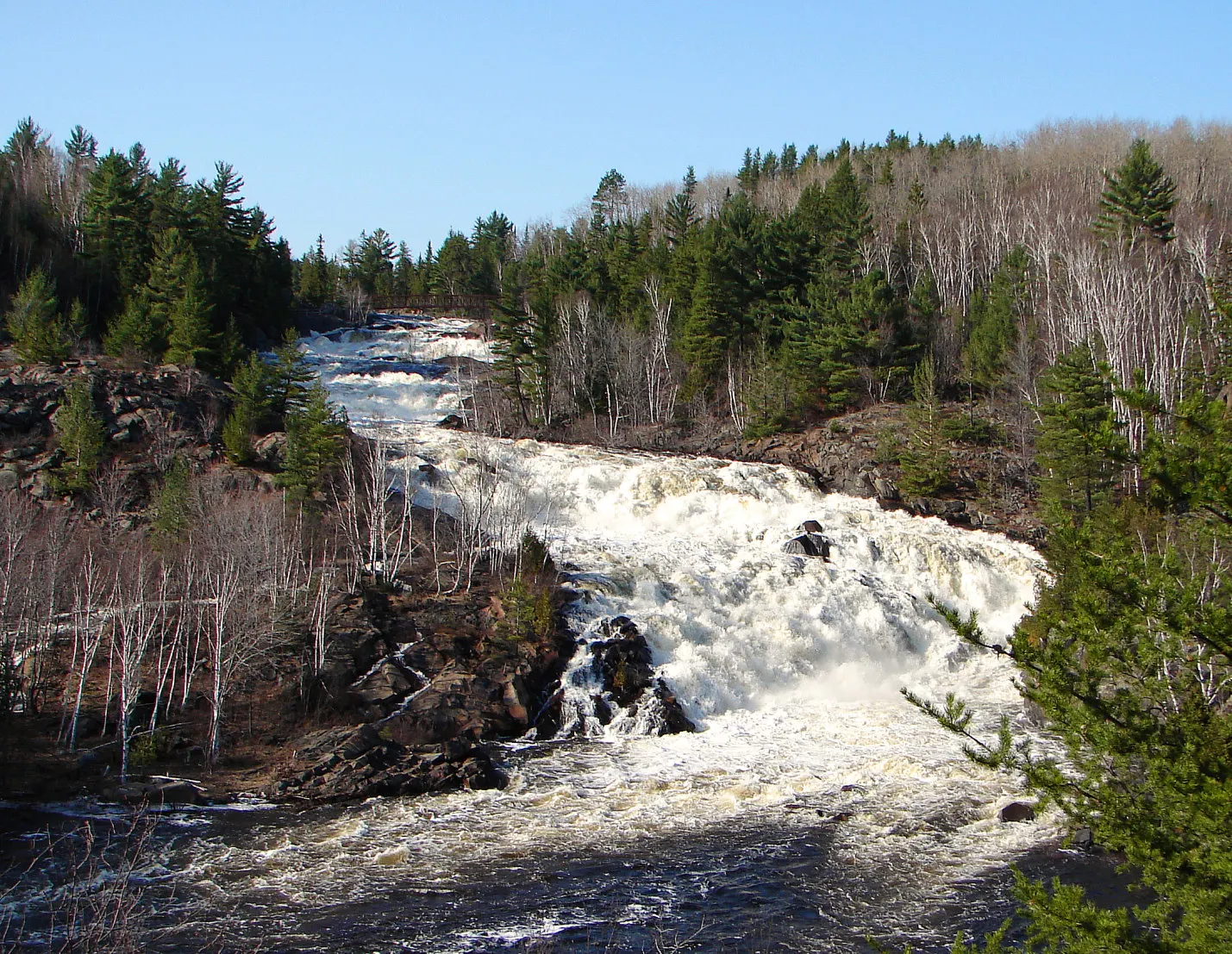
Named for the Group of Seven painter, this lookout on Highway 144 offers a view of High Falls on the Onaping River, about 43 kilometres northwest of downtown Sudbury.
Lake Laurentian Conservation Area
In the south end of the city, this large conservation area has about 55 kilometres of trails for hiking, jogging, biking and, in winter, skiing. Pick a short loop if you are pressed for time.
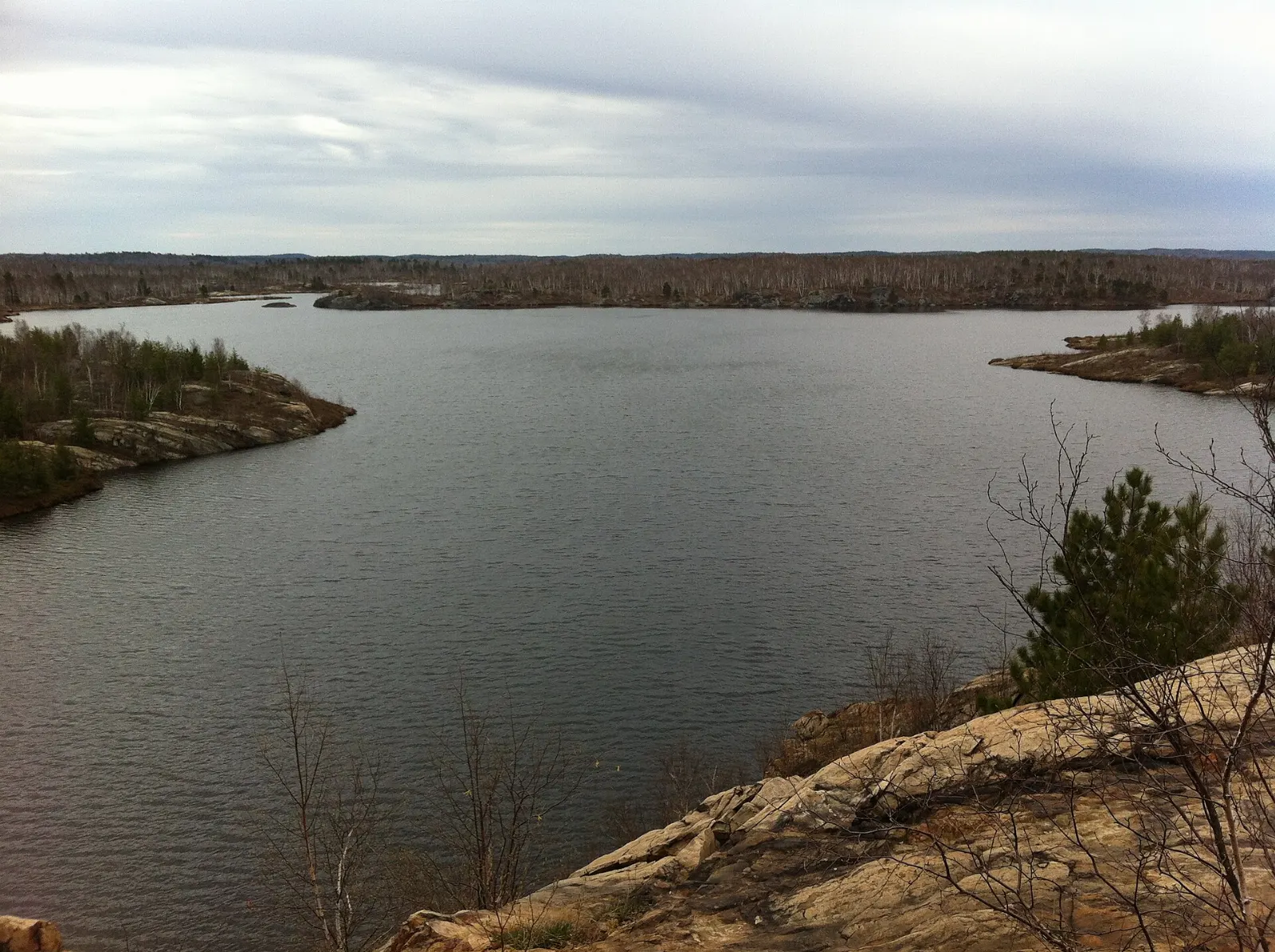
Fielding Bird Sanctuary and the Jane Goodall trail
Near Lively along Highway 17, the Fielding Bird Sanctuary protects managed habitat for birds, and a hiking and nature trail near Coniston is named for the scientist Jane Goodall. Both reflect the long regreening effort that restored life to the landscape after the smelting years.
 Planning a trip to Sudbury?Compare hotels, flights and vacation rentals for Sudbury on Expedia.Book now
Food and local flavors
Sudbury's food reflects the Italian, Finnish, Ukrainian, French and Polish communities that settled here. Look for perogies, the filled dumplings often served with onions and sour cream, at community events and family restaurants. Wild blueberries thrive on the rocky Shield soils, so wild blueberry pie is a summer treat worth ordering. Walleye, known as pickerel across Ontario, is a northern classic served fried or baked, and the lakes around the city support healthy populations of it.
Popular dishes to try in Sudbury


Where to stay
Downtown Sudbury suits first time visitors who want restaurants, galleries, theatres and the main bus connections within walking distance. Ramsey Lake is the pick for travellers who want water views, boardwalk strolls and quick access to Bell Park, Science North and Laurentian University on the lake shore.
If you prefer a quieter base, look at lodging in the outlying communities of the amalgamated city, though you will want a car. Book early for the first weekend of July when the music festival fills rooms, and again for peak summer and autumn weekends.
Where to stay in Sudbury


Best time to visit
Summer is the main season, with warm days that average around 25 degrees Celsius, swimming at Bell Park and a full calendar of outdoor events. Northern Lights Festival Boréal, one of Canada's oldest continuous music festivals, normally runs over the first weekend of July at Bell Park on the shore of Ramsey Lake. Autumn brings colour to the hills, cooler nights and thinner crowds, and Science North remains an easy indoor option.
Getting there and getting around
Sudbury Airport sits in Garson, about 25 minutes from downtown by car, with a direct Air Canada flight from Toronto Pearson and regional links on Bearskin Airlines. By road, Highway 17 runs east to North Bay and west to Sault Ste. Marie, Highway 69 heads south to Parry Sound and the Highway 400 to Toronto, and Highway 144 goes north to Timmins. Ontario Northland coaches link Sudbury with Toronto, Ottawa, Sault Ste. Marie and Timmins, and FlixBus serves Toronto. VIA Rail's The Canadian stops at Sudbury Junction, and a separate Sudbury station connects with White River, so check current schedules before you plan a rail trip.
A suggested itinerary
First day
Start at Science North, then walk the Jim Gordon Boardwalk to Bell Park for a swim or a cruise on the William Ramsey.
Second day
Visit the Big Nickel and Dynamic Earth in the morning and add the Copper Cliff Museum if you enjoy local history. In the afternoon, take a walk in the Lake Laurentian Conservation Area.
Third day
Drive Highway 144 to the A.Y. Jackson Scenic Lookout and High Falls.
Practical tips
- Pack layers, because lake breezes and cool evenings can arrive even in midsummer.
- Rent a car if you plan to see the lookouts, trails and Capreol, since the city is very spread out.
- Expect signs and services in both English and French.
- Check hours and seasonal dates for the cruise boat and small museums before you go.
- Bring insect repellent for trails and lakeside evenings in early summer.