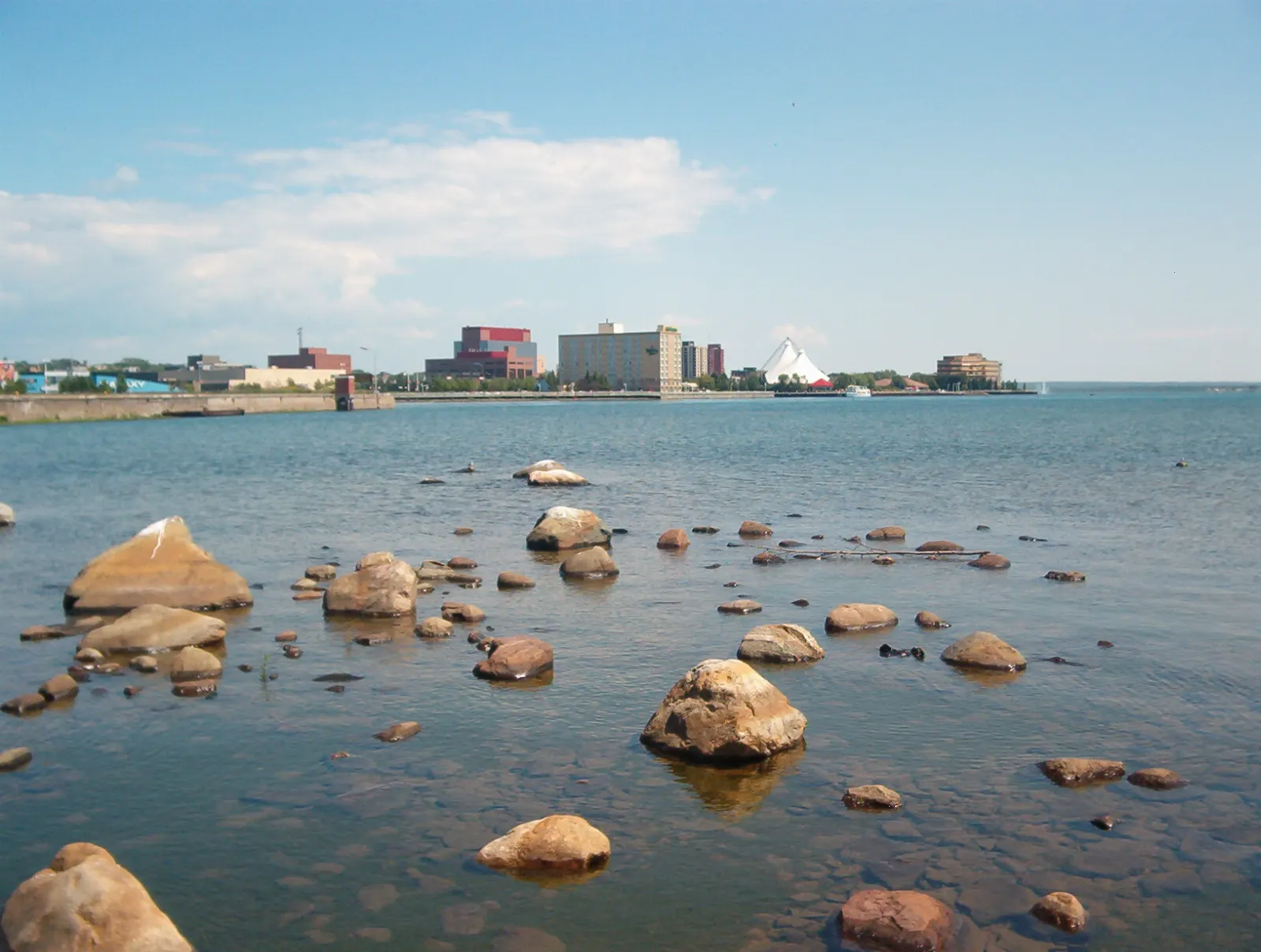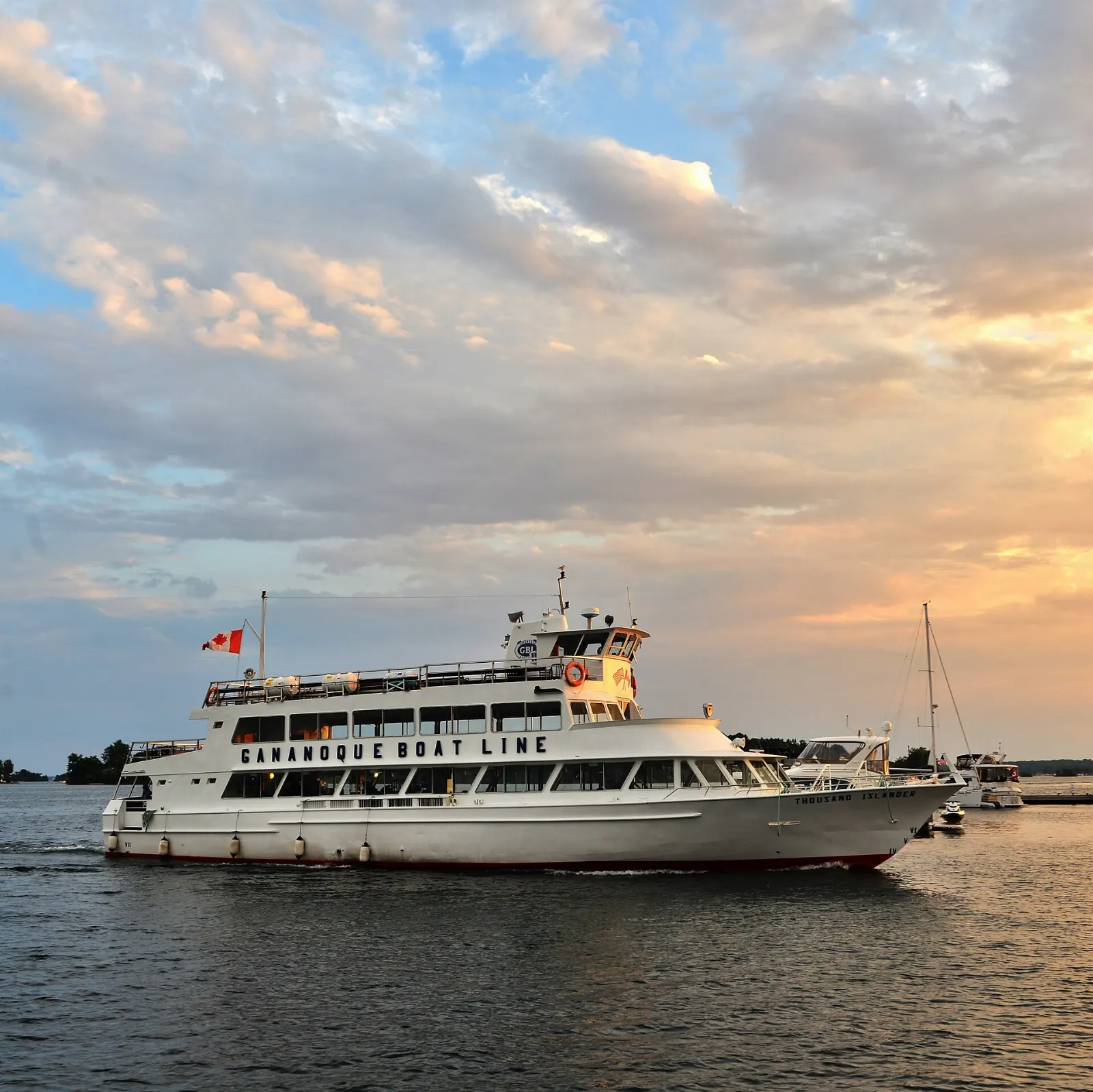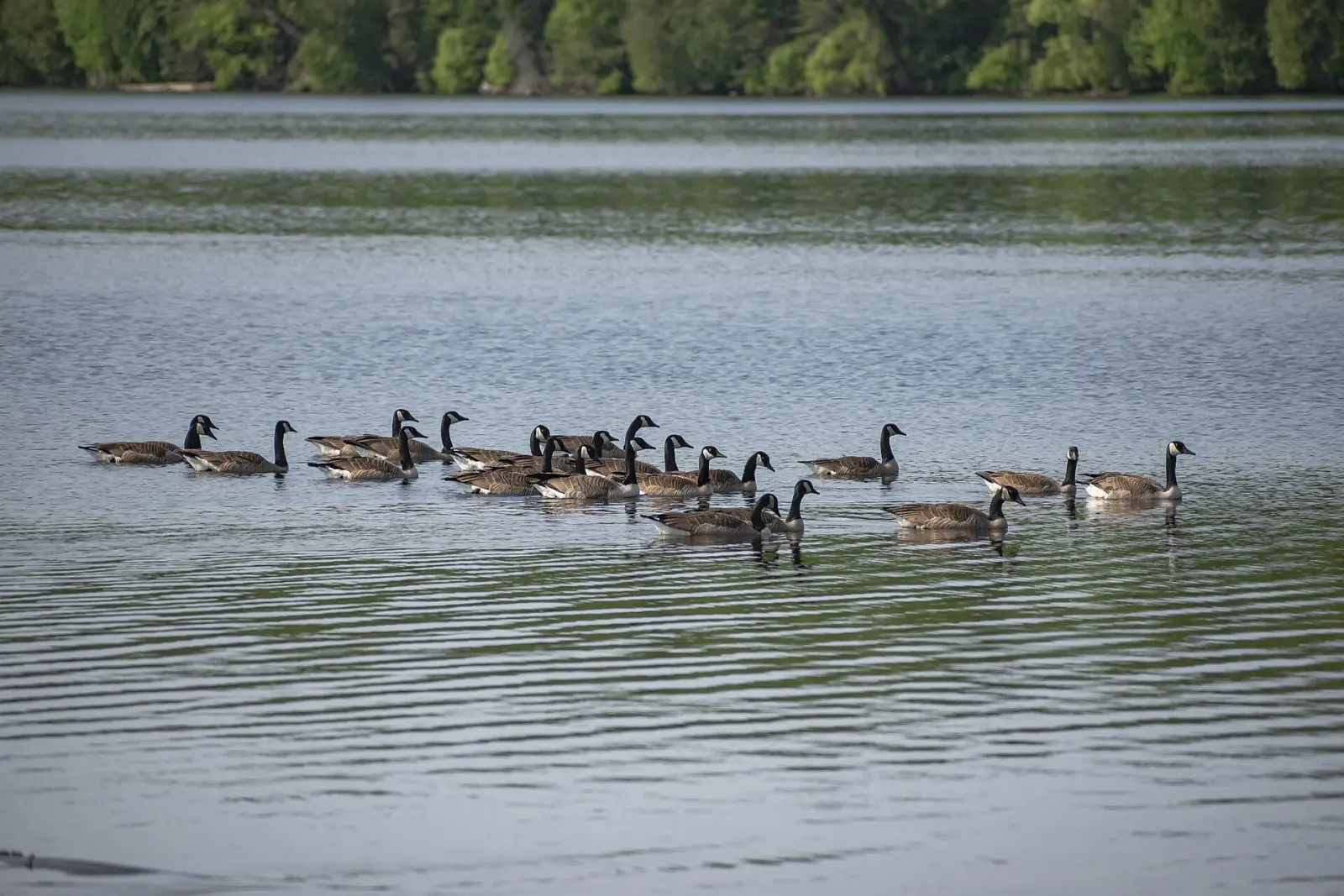
Huntsville is the largest town in the Muskoka district, set among lakes and forested hills about 215 kilometres north of Toronto. It is a lively base for cottage country, with a walkable Main Street, public beaches and one of the main roads into Algonquin Provincial Park.
AT A GLANCE
Best time
Summer for swimming and paddling, late September and early October for autumn colour, and winter for skating and snow sports.
How long
Allow two to four days, or longer if you plan a day in Algonquin Park.
Getting there
Drive north on Highway 11 from Toronto, or take a coach to the downtown stop.
Why visit Huntsville
Huntsville packs a lot into a small area. The Muskoka River runs through the downtown, three large lakes sit within the town boundary, and the Canadian Shield gives the whole district its rocky hills and sweeping views.
It also works as a gateway. Highway 60 starts here and leads to the west side of Algonquin Provincial Park, so you can pair a lake day with a wilderness day.
In and around downtown
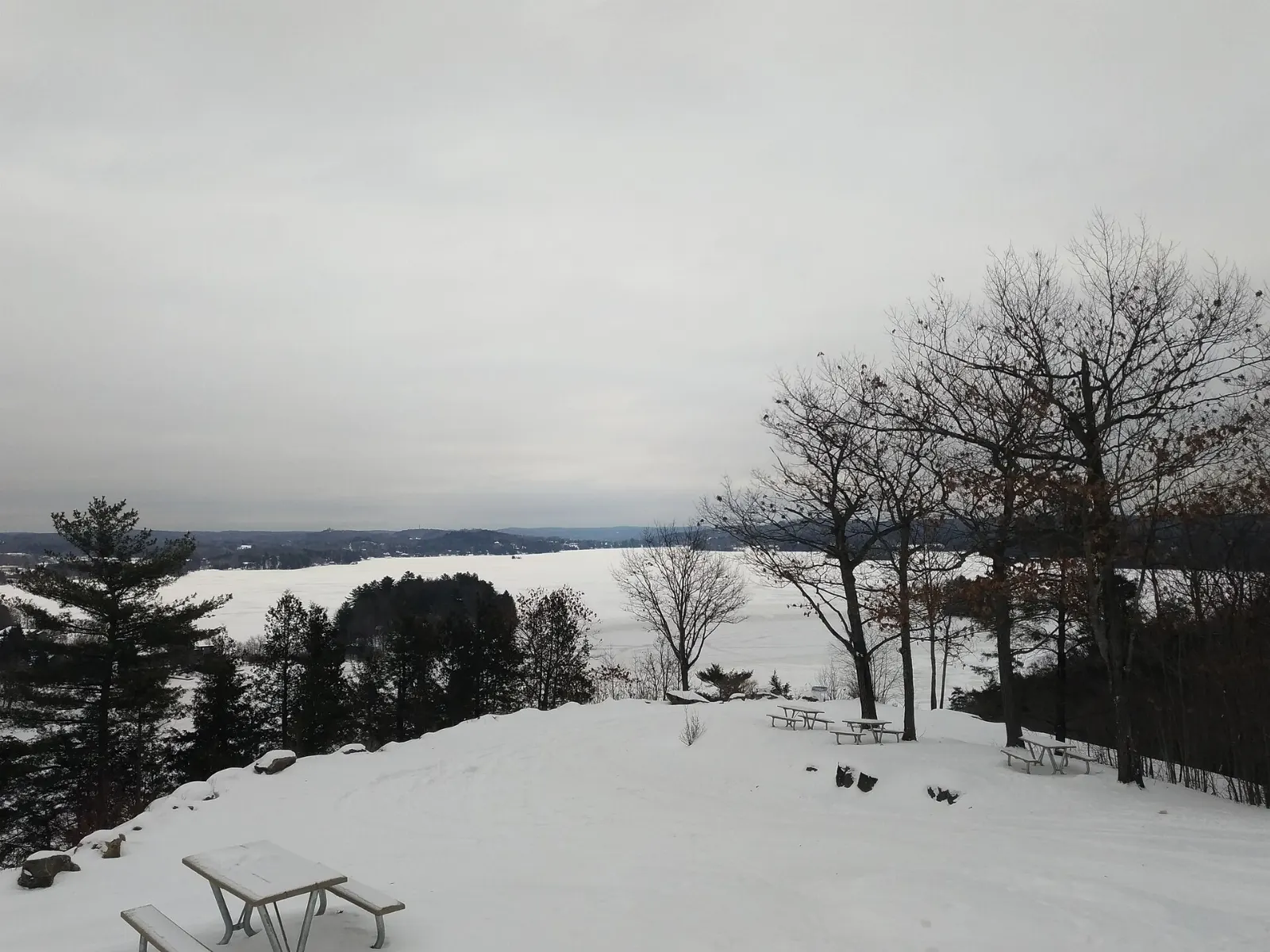
Lions Lookout
This viewpoint gives you a wide look over the town and the rolling Muskoka hills. Allow an hour, including the climb, and aim for late afternoon when the light is softer.
Group of Seven Outdoor Gallery
More than forty large murals reproduce paintings by Tom Thomson and the Group of Seven, who painted in this region.
Main Street and Hunters Bay
Main Street is where you find small shops, local art, cafes and views of the Muskoka River. Walk down to Avery Beach on Hunters Bay, a shallow beach along the Trans Canada Trail that suits families with young children.
Algonquin Theatre and Town Hall
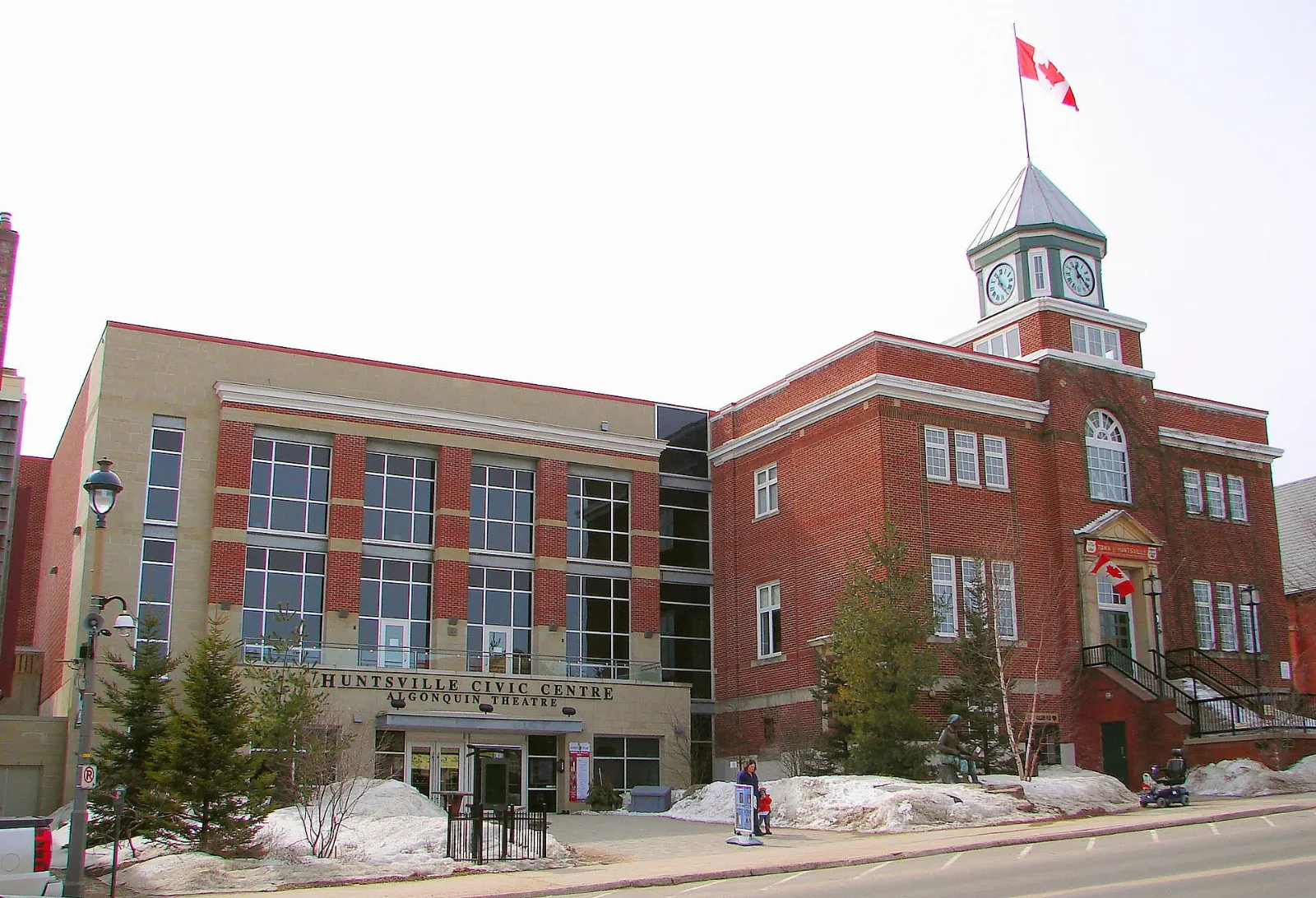
The Classical Revival Town Hall was built in 1926, and its clock faces came from the old Union Station in Toronto. The Algonquin Theatre next door stages concerts, plays and community events, so check its listings before you travel.
Muskoka Heritage Place
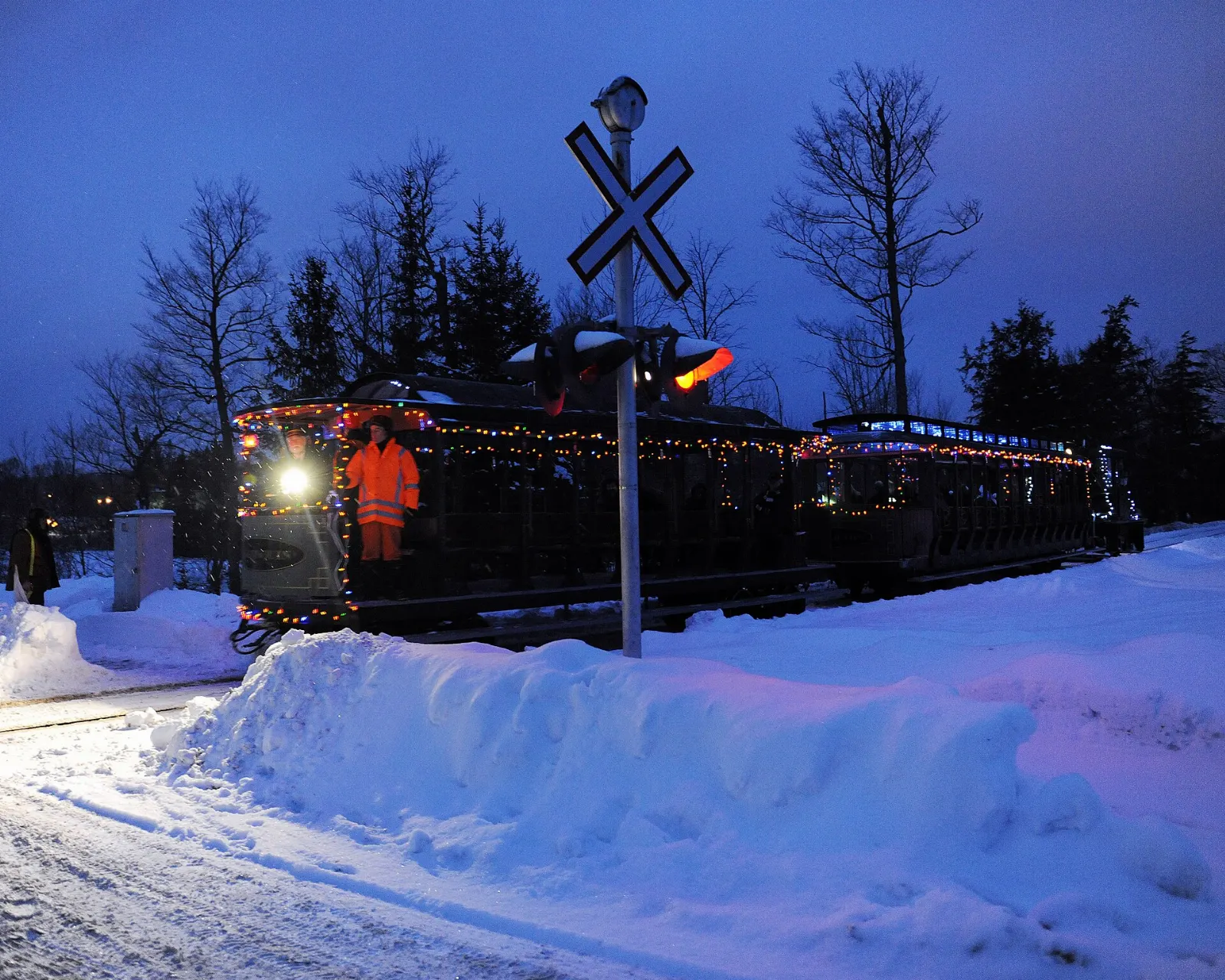
This 90-acre site combines museums with a pioneer village of authentic buildings.
Parks, lakes and the wider region
Arrowhead Provincial Park
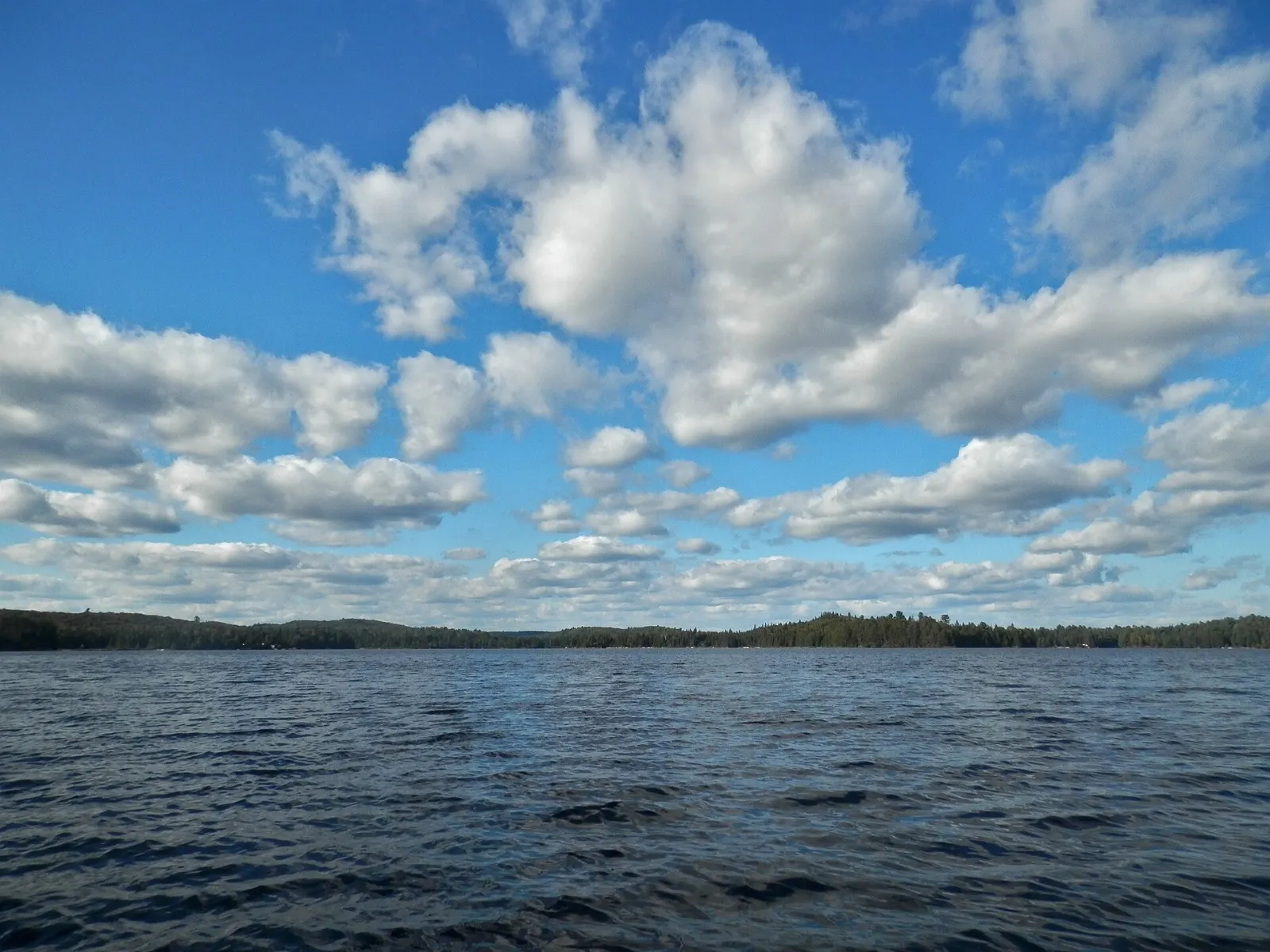
Arrowhead lies just north of town and protects part of the old shoreline of Glacial Lake Algonquin.
Limberlost Trails
Limberlost is a private forest reserve with more than 70 kilometres of trails for hiking, biking, skiing and snowshoeing, open to the public at no charge.
Algonquin Provincial Park
The west gate is about 40 kilometres east of Huntsville along Highway 60. The park covers around 7,650 square kilometres, with more than 2,400 lakes, and it is the oldest provincial park in Canada.
Treetop Trekking
Along Highway 60 you can try ziplines and aerial obstacle courses in the forest. It runs in the warmer months, so confirm the season and book ahead on busy weekends.
Port Sydney Beach
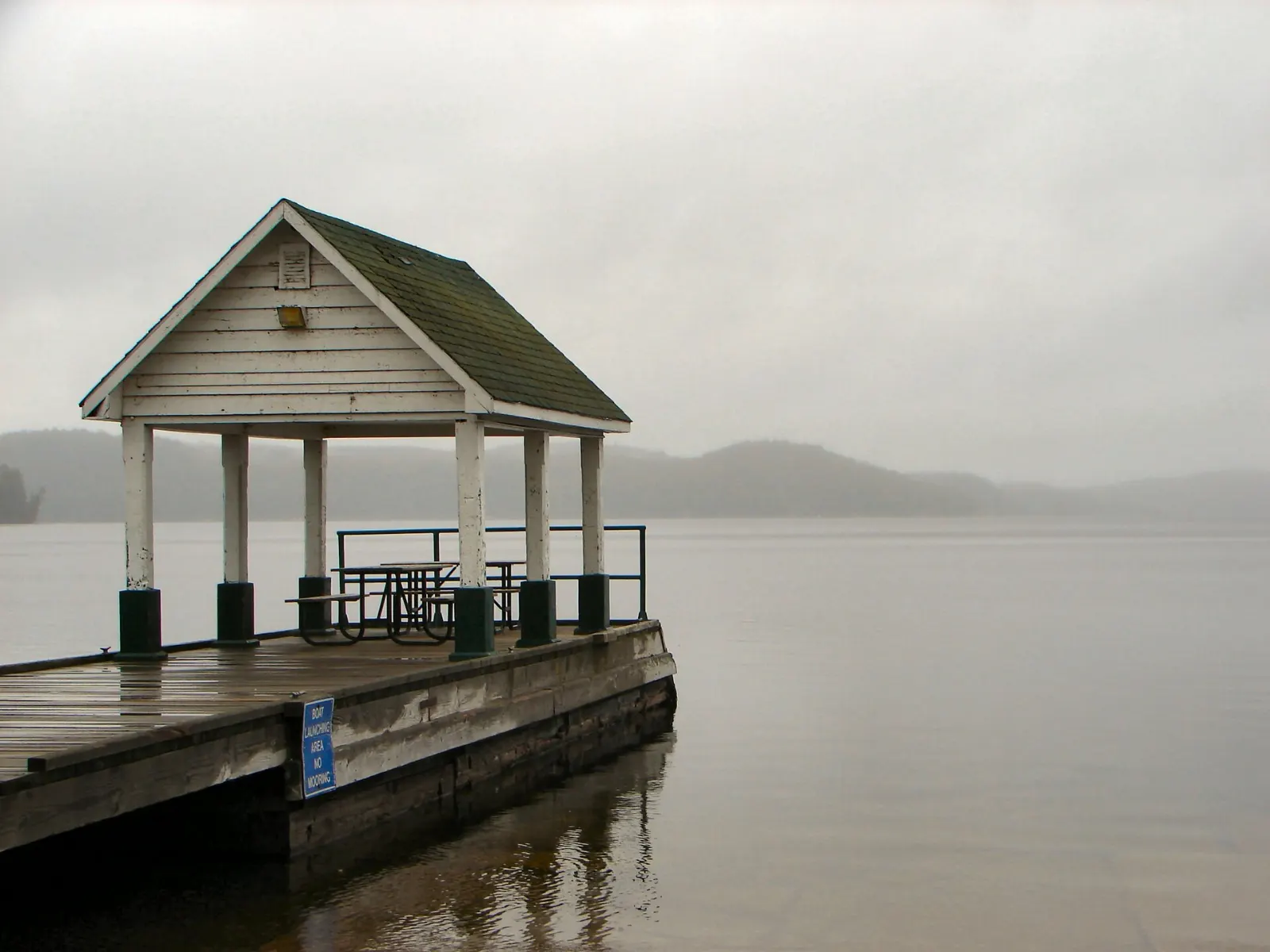
This beach south of town has a boat launch, a dock and washrooms. It makes an easy stop for a swim on a warm afternoon.
Lake of Bays
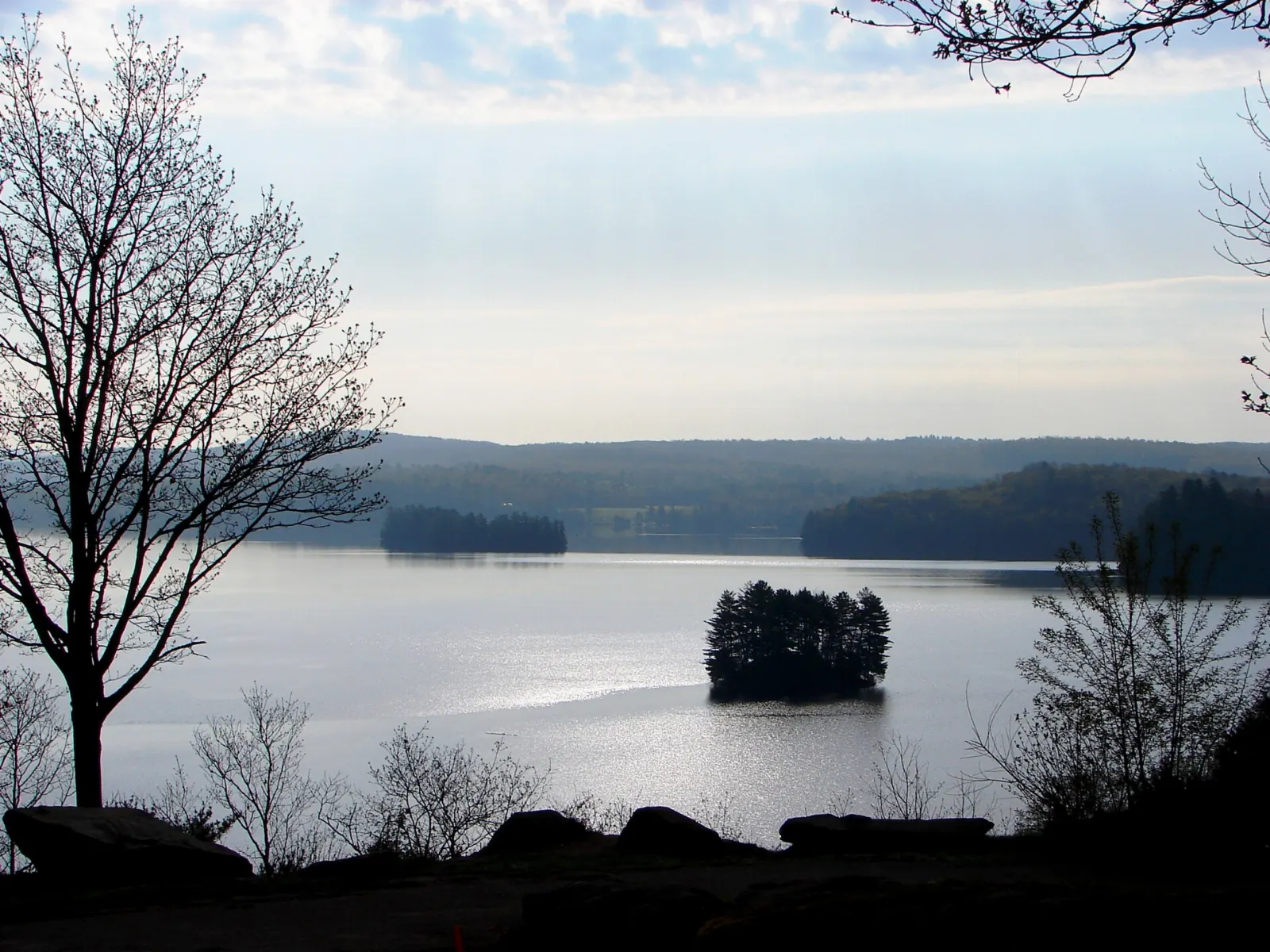
East of Huntsville, Lake of Bays has a long history as a resort lake, and the small community of Baysville sits on its shore.
 Planning a trip to Huntsville?Compare hotels, flights and vacation rentals for Huntsville on Expedia.Book now
Food and local flavors
Muskoka cooking leans on lake fish, baking and maple. Order pickerel, the local name for walleye; it is a classic of lakeside menus here. Look for butter tarts, the gooey Ontario pastry that bakeries in cottage country take seriously.
Main Street East and West hold most of the restaurants, from pizza and pasta rooms to waterfront pubs on the Muskoka River. A small brewhouse on Main Street also serves meals.
Popular dishes to try in Huntsville


Where to stay
Downtown Huntsville suits first-time visitors without a car, since shops, restaurants, the theatre and Avery Beach are all within walking distance.
Port Sydney is a quieter village south of town with a beach and a lake setting, a good fit for couples and families who want calm evenings.
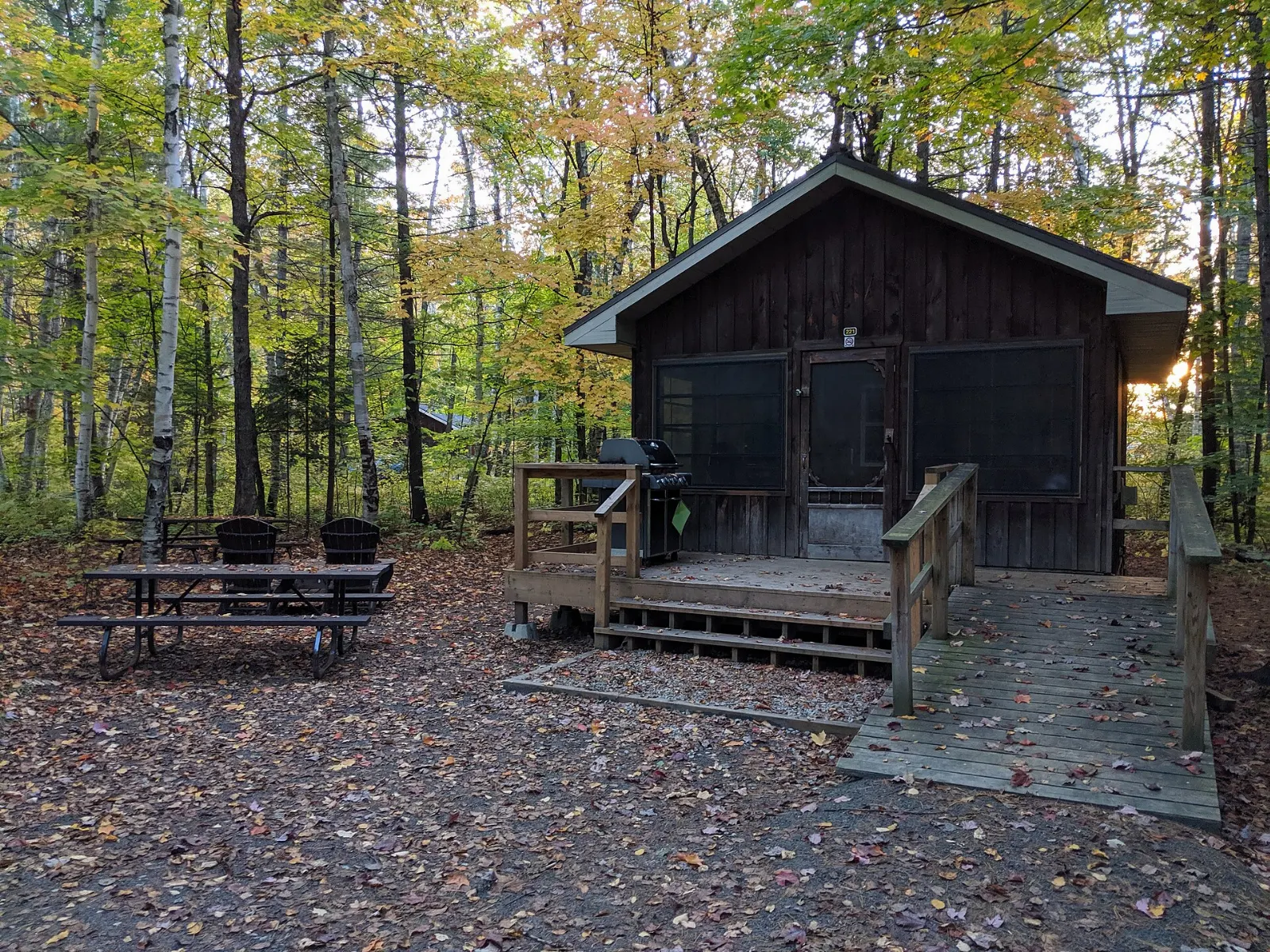
Arrowhead Provincial Park has several campgrounds, including radio-free areas, for campers and tent travellers. Summer rates and availability tighten quickly, so book well ahead for July and August.
Where to stay in Huntsville


Best time to visit
Summer brings warm, humid days and the best conditions for swimming, paddling and boating, but it is also the busiest season, with many visitors from Toronto.
Autumn colour usually peaks in late September and early October, and the air is cooler and the trails quieter. Winter is cold and snowy, since Huntsville is in the snowbelt, which suits skating, cross-country skiing and snowshoeing.
Events include the Huntsville Festival of the Arts and the Ironman 70.3 triathlon. Check dates locally.
Getting there and getting around
By car, Huntsville is on Highway 11, about 217 kilometres north of Toronto and 128 kilometres south of North Bay.
Without a car, Ontario Northland and FlixBus coaches serve Huntsville from Toronto and Barrie, and Northern Airport Service runs a shuttle from Toronto Pearson International Airport.
Downtown is easy to walk, but a car is the practical way to reach Arrowhead, Limberlost, Algonquin and the lakes.
A suggested itinerary
First day
Walk the Group of Seven Outdoor Gallery, browse Main Street, then climb to Lions Lookout in the late afternoon.
Second day
Head to Muskoka Heritage Place in the morning and ride the Portage Flyer if it is running.
Third day
Drive Highway 60 to the west gate of Algonquin Provincial Park for a trail walk or a paddle.
Fourth day
Hike or bike at Arrowhead Provincial Park or Limberlost, then drive around Lake of Bays and finish in Baysville.
Practical tips
- Check the Ontario Parks website for Algonquin permit rules and Arrowhead reservations before you travel.
- Book summer lodging and campsites many weeks ahead.
- Bring insect repellent for forest trails from late spring to midsummer.
- Pack layers, since lake evenings turn cool even after hot days.
- Fill your fuel tank in town before driving Highway 60 into the park.
- Check seasonal schedules for Muskoka Heritage Place and Treetop Trekking.