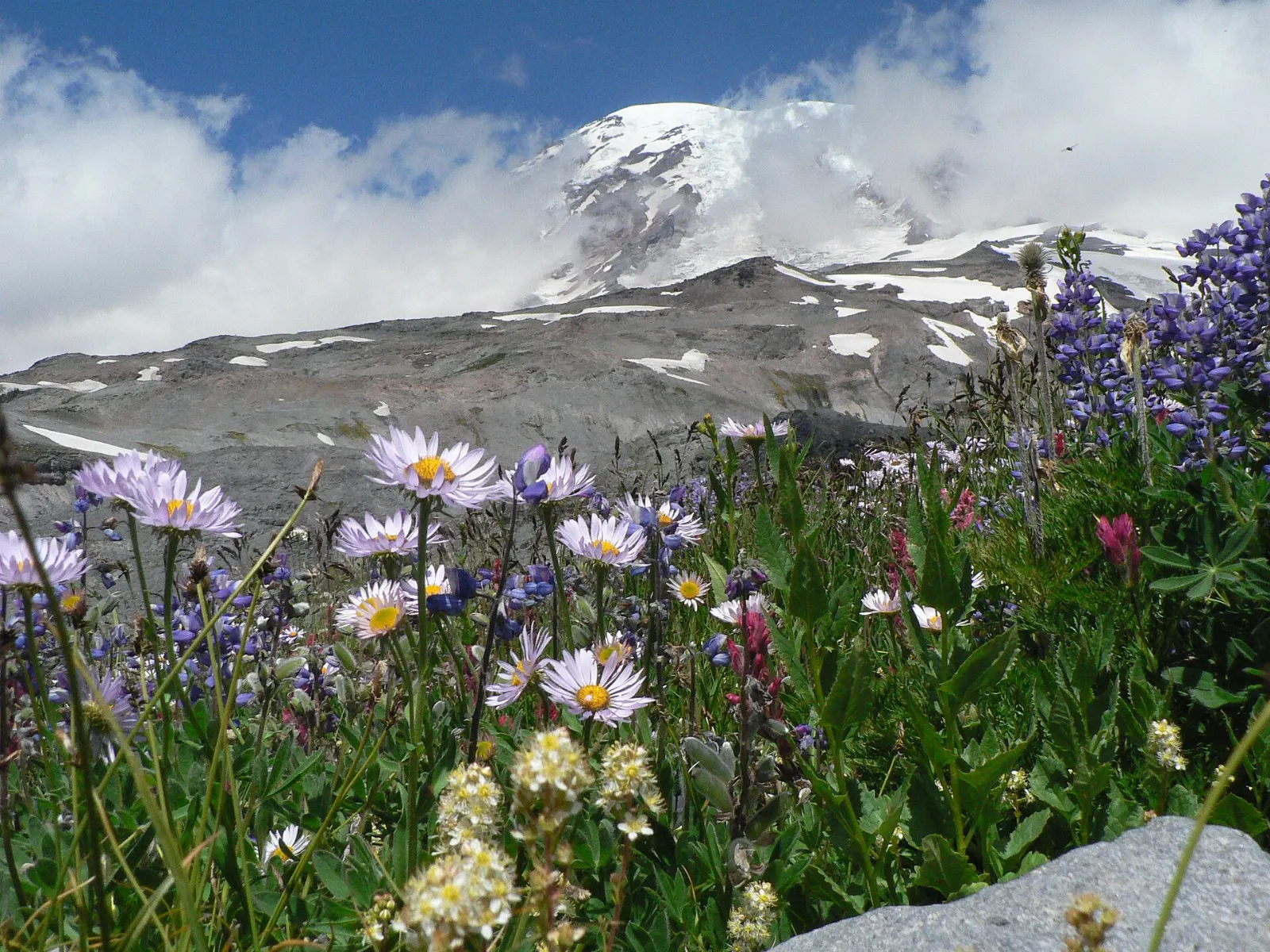
Under the rolling forests of south-central Kentucky lies the longest known cave system on Earth. More than four hundred miles of passages have been surveyed beneath Mammoth Cave National Park, and explorers keep adding more every year.
AT A GLANCE
Best time
April to May and September to October; the cave stays cool all year.
How long
One full day for two tours; two days to add hiking, paddling and nearby caves.
Getting there
Drive via I-65 to Cave City or Park City; Louisville and Nashville are the nearest major airports.
Why visit Mammoth Cave National Park
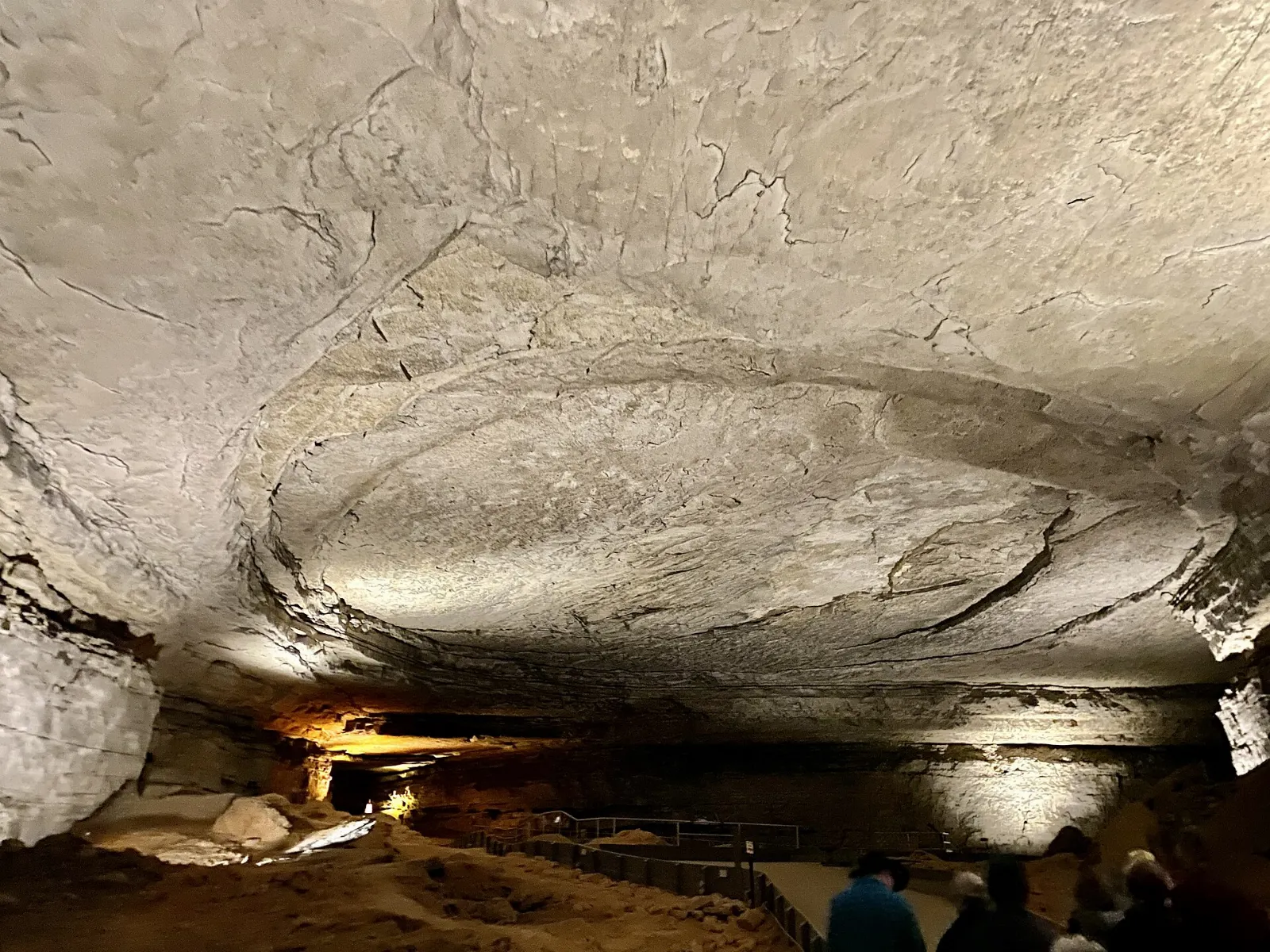
Mammoth Cave is not a single cavern but a vast, layered maze of passages carved through limestone over millions of years. A hard sandstone caprock keeps much of the system dry and stable, which is why some passages are huge, smooth-walled tunnels, while other sections where water seeps through are crowded with stalactites, stalagmites and flowstone.
The human history is just as compelling. Enslaved guides such as Stephen Bishop mapped and named many passages in the nineteenth century, and their names and stories are part of the tours.
Cave tours: the Historic Entrance and the big passages
Almost all of the cave can only be seen on a ranger-led tour, and every tour departs from the visitor center. Tours range from short, easy walks to strenuous crawling trips, and the selection changes by season.
Historic Entrance
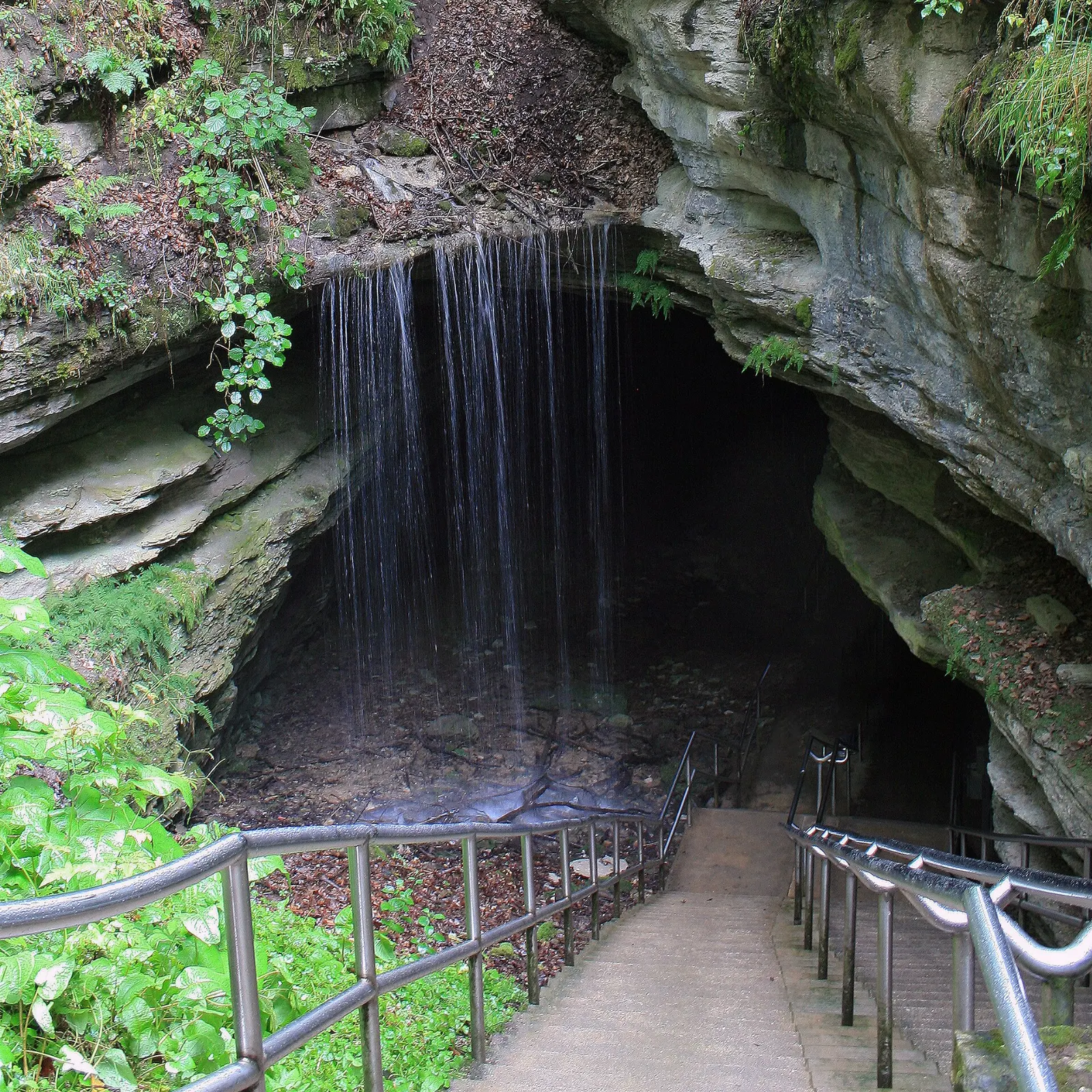
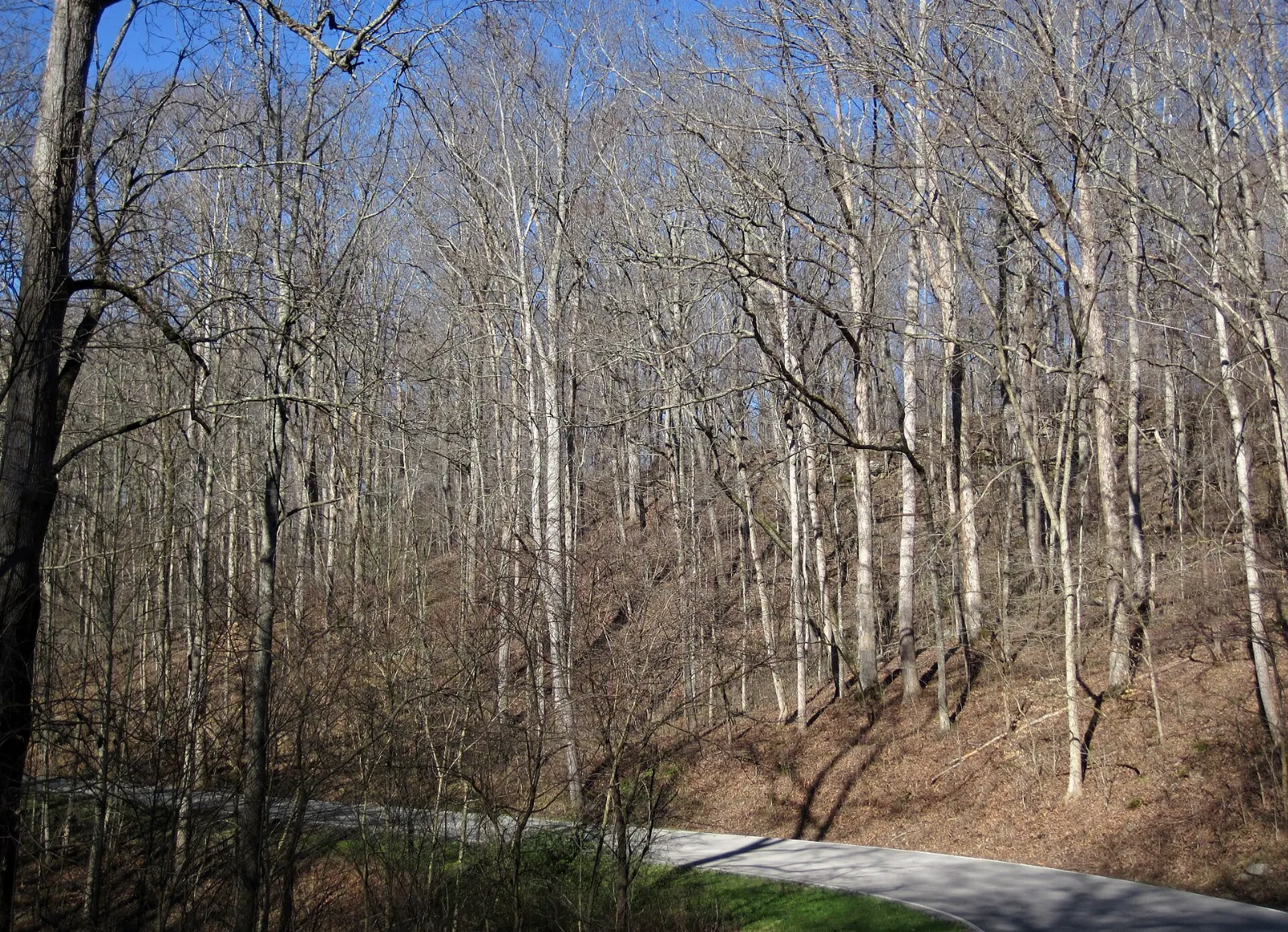
A short paved path from the visitor center leads down a wooded hillside to the natural mouth of the cave, where cool air spills out even on hot days. You can walk down to the entrance on your own without a ticket and feel the temperature change.
Historic Tour
This classic tour enters through the Historic Entrance and covers about two miles of passages. You walk past the remains of saltpeter mining works in the Rotunda, see the tall shaft of Mammoth Dome and the Bottomless Pit, and squeeze through the narrow, winding passages known as Fat Man's Misery and Tall Man's Agony.
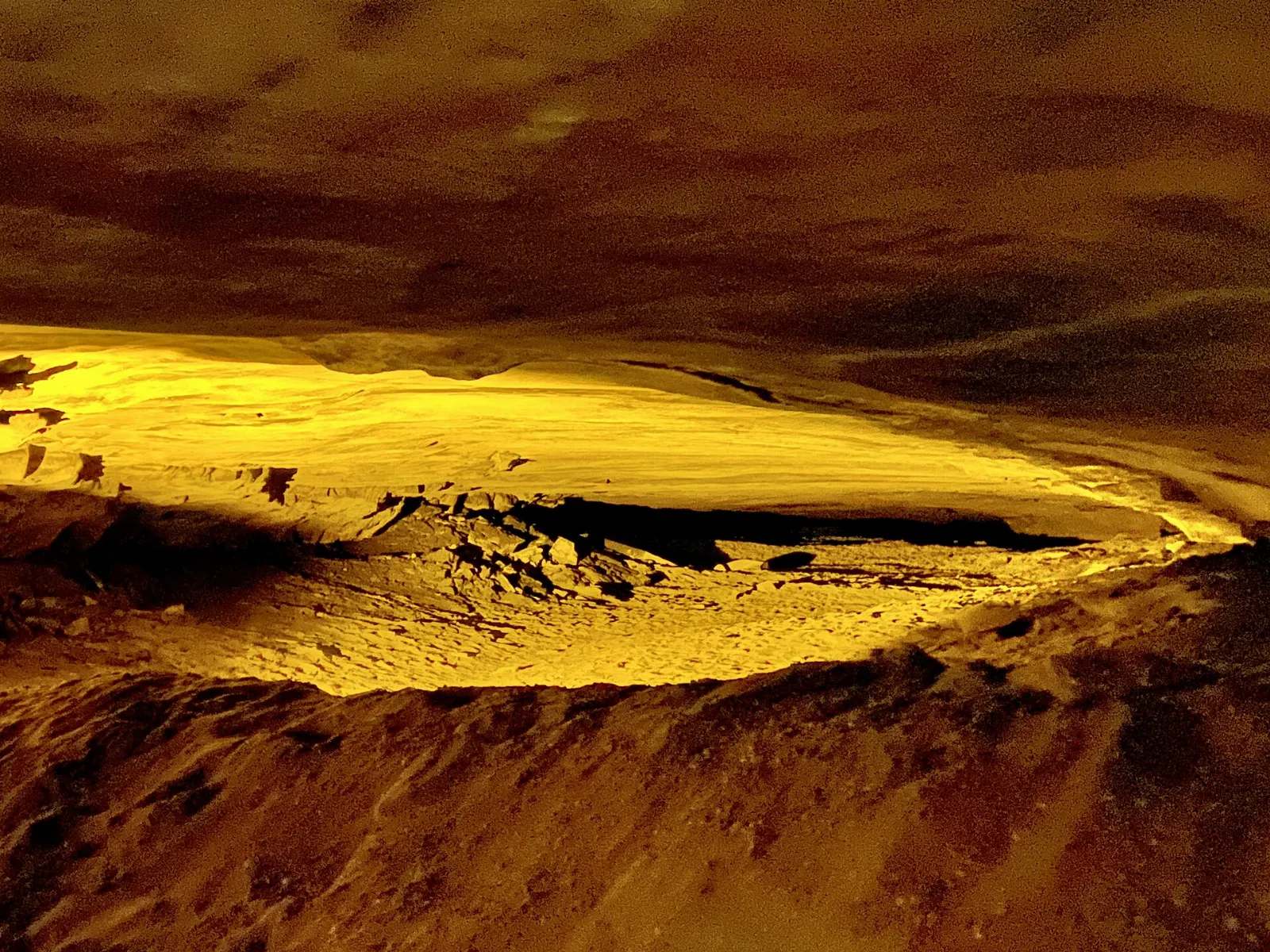
Fat Man's Misery is the passage most people remember: a slot only a body-width wide in places, carved by an ancient stream and polished smooth by generations of visitors.
Formation tours and Frozen Niagara
Frozen Niagara
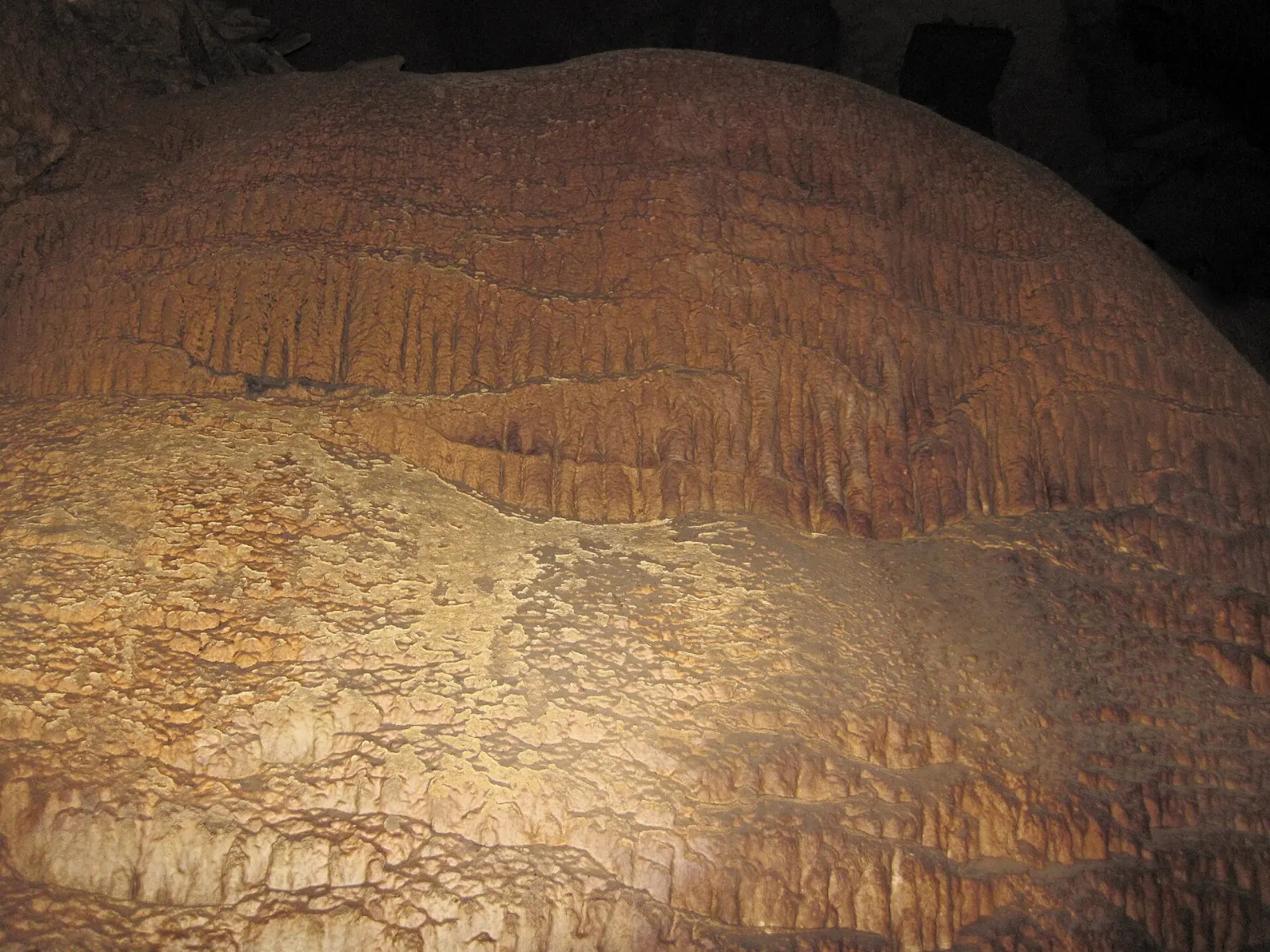
If you want stalactites and stalagmites, head for the Frozen Niagara area, the most decorated part of the cave on regular tours. The highlight is a massive flowstone formation that looks like a waterfall turned to stone.
Domes and Dripstones Tour
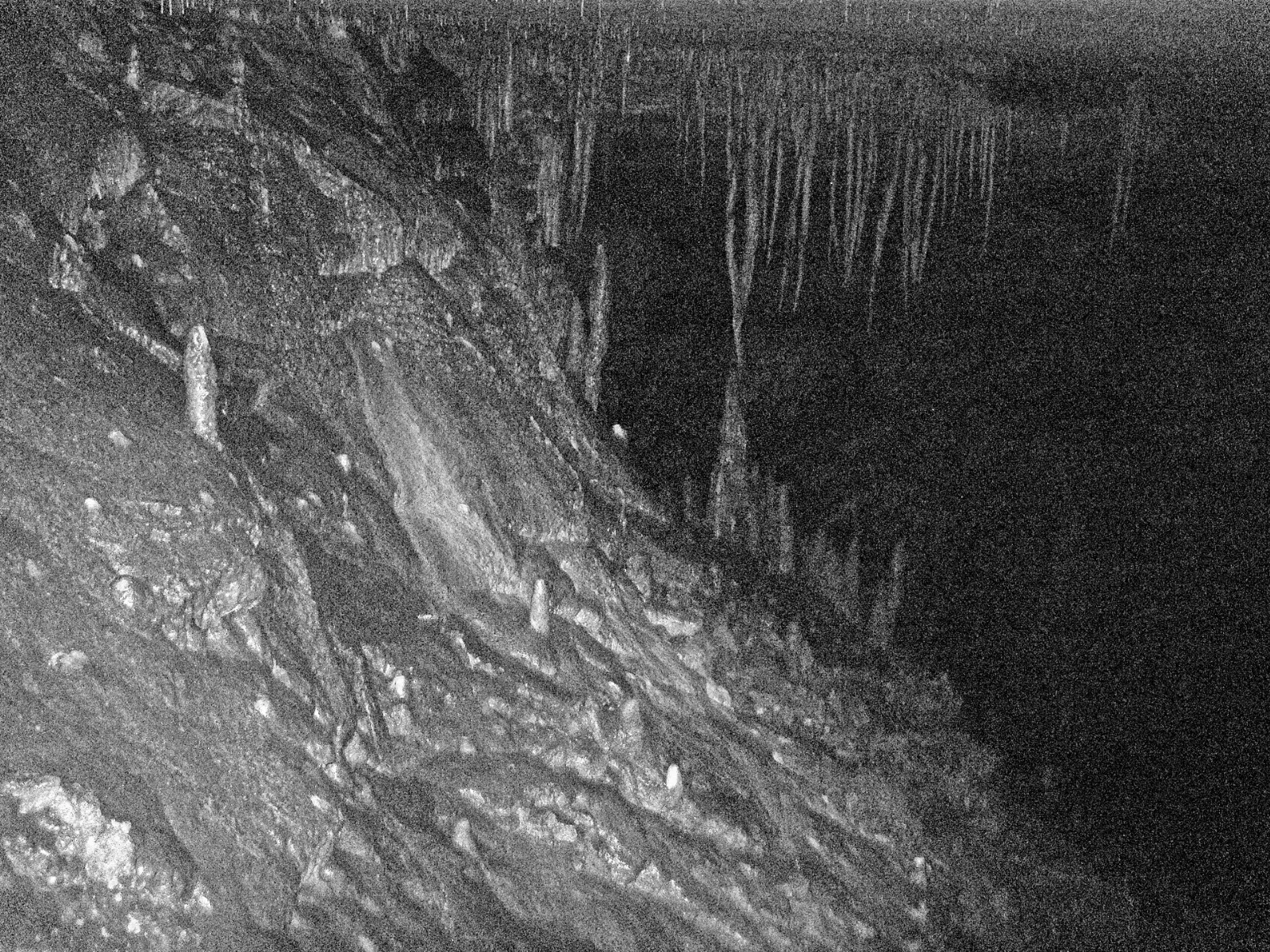
This popular tour enters the cave through a separate entrance and descends a long series of stairs through tall vertical shafts and domes before ending in the Frozen Niagara section. It lasts about two hours and involves roughly five hundred steps, so it suits people in reasonable shape.
Grand Avenue and special tours
For a full day underground, the long Grand Avenue tour covers about four miles, including some of the biggest passages in the cave, and ends at Frozen Niagara.
Above ground: trails, river and nearby caves
Cedar Sink
On the south side of the park, an easy trail of about a mile leads to Cedar Sink, a large collapsed sinkhole where a river appears from the rocks, flows across the bottom and disappears underground again. Stairs take you down for a closer look.
River Styx Spring, Echo River Spring and the Green River Bluffs
Several trails start close to the visitor center.
The Green River
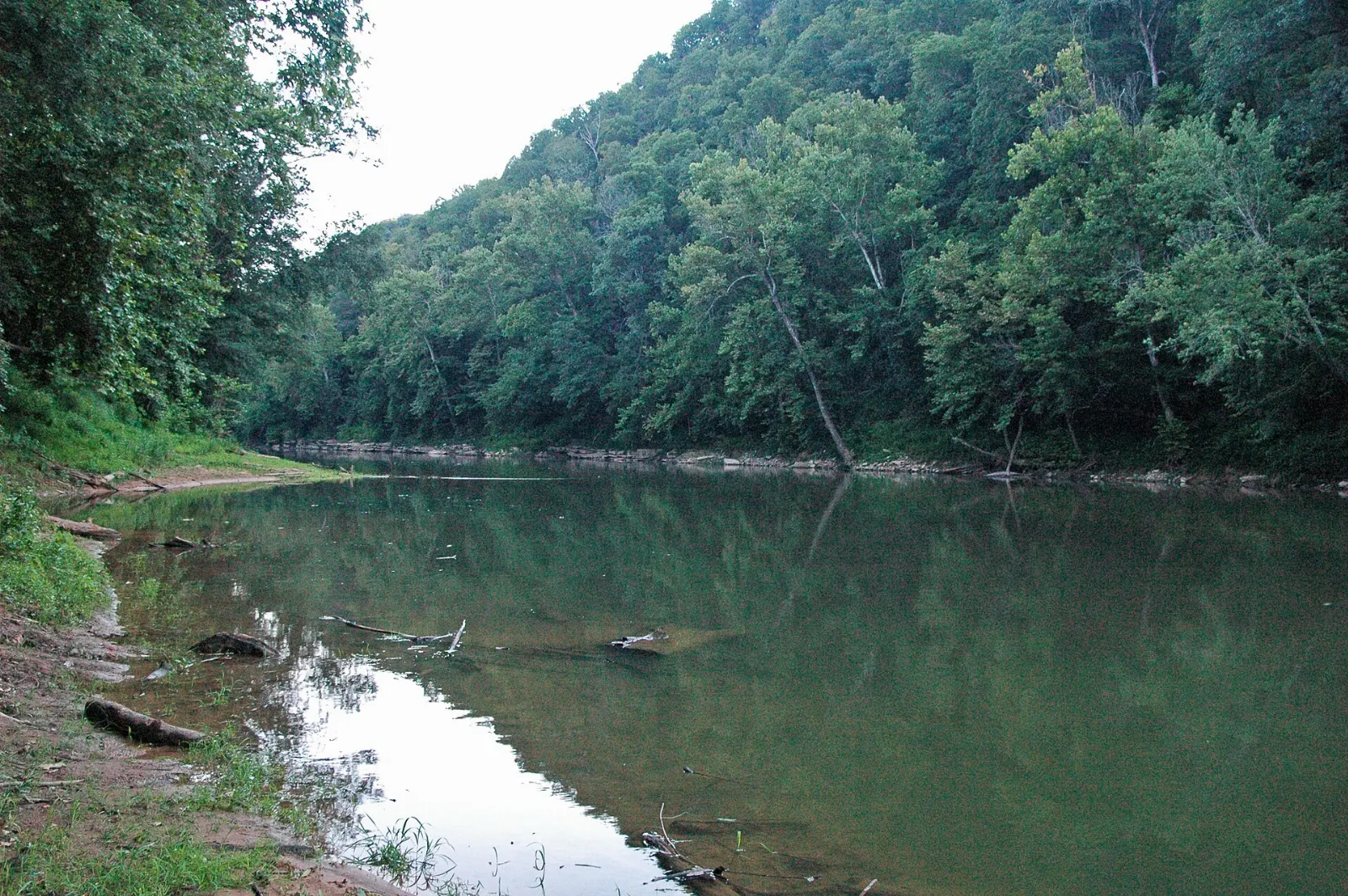
The Green River and its tributary, the Nolin, wind through the park and are popular for canoeing and kayaking, with local outfitters offering rentals and shuttles outside the park. The river is calm in most conditions and lined with bluffs and springs.
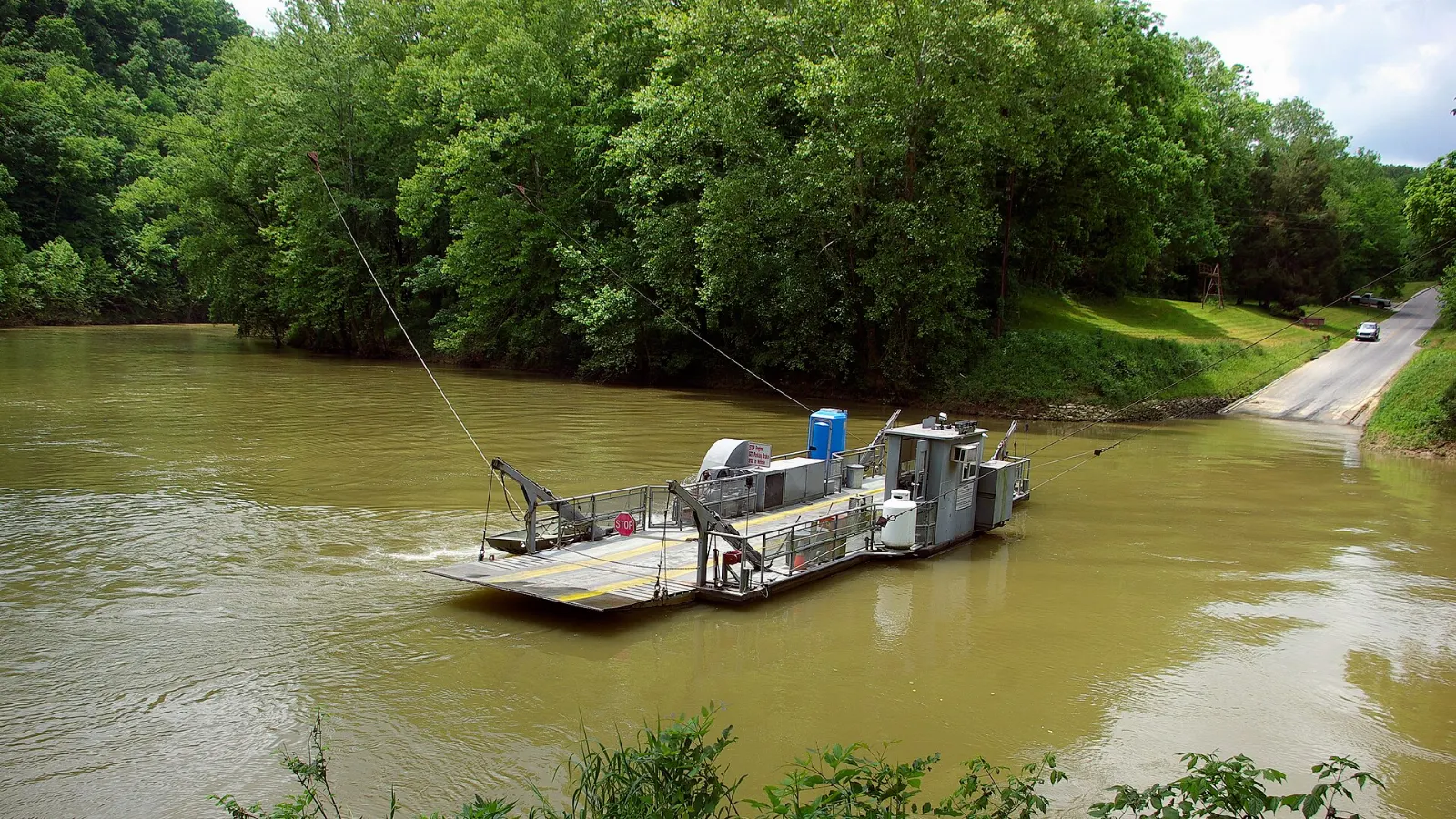
The small Green River Ferry carries cars and bikes across the river to the north side of the park, where you will find backcountry trails and horse campgrounds.
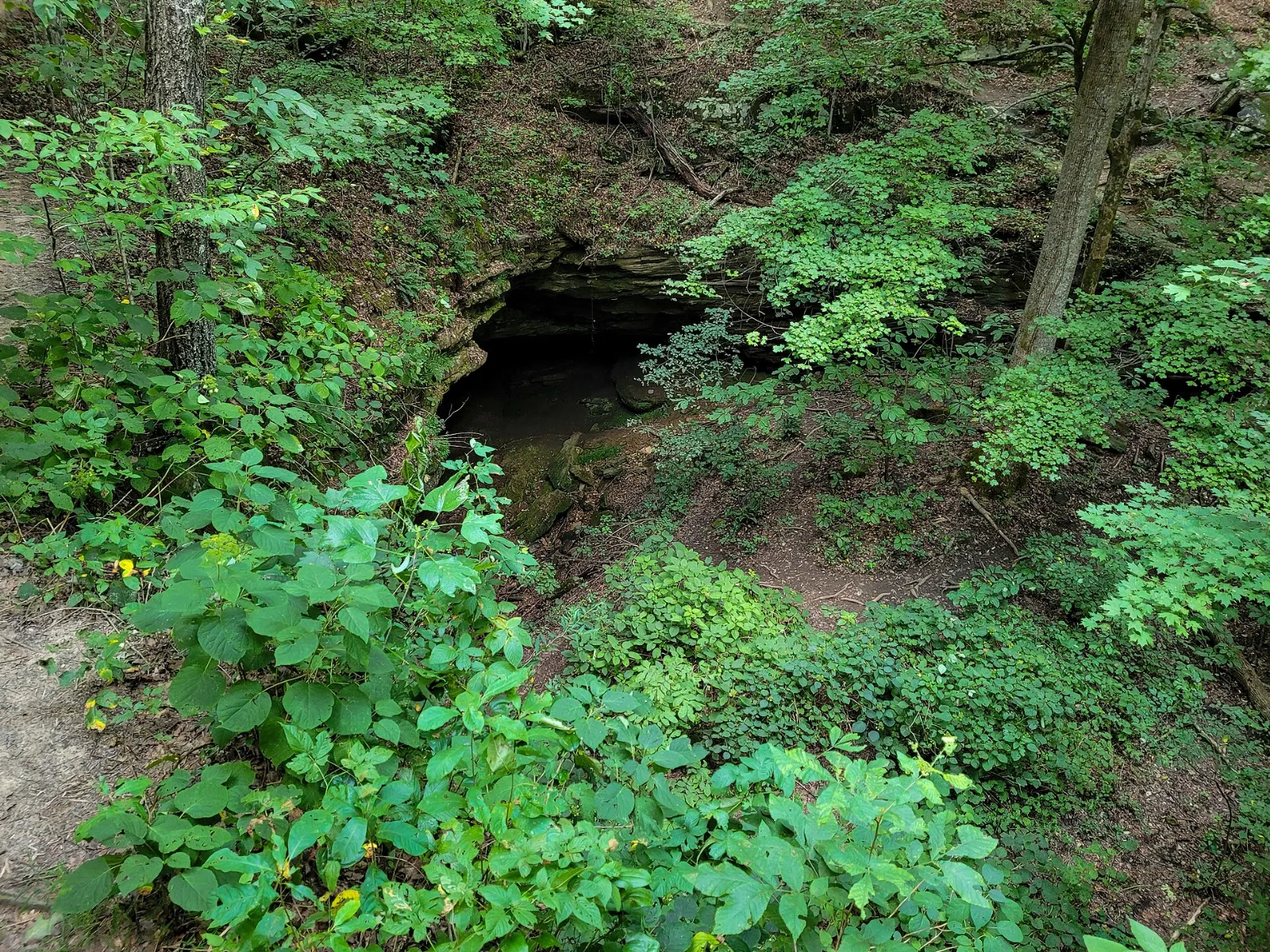
Sand Cave
Off KY 255, a short trail and boardwalk lead to the sandstone overhang of Sand Cave. In 1925, cave explorer Floyd Collins was trapped here, and the failed rescue became a national news story that helped build support for creating the park.
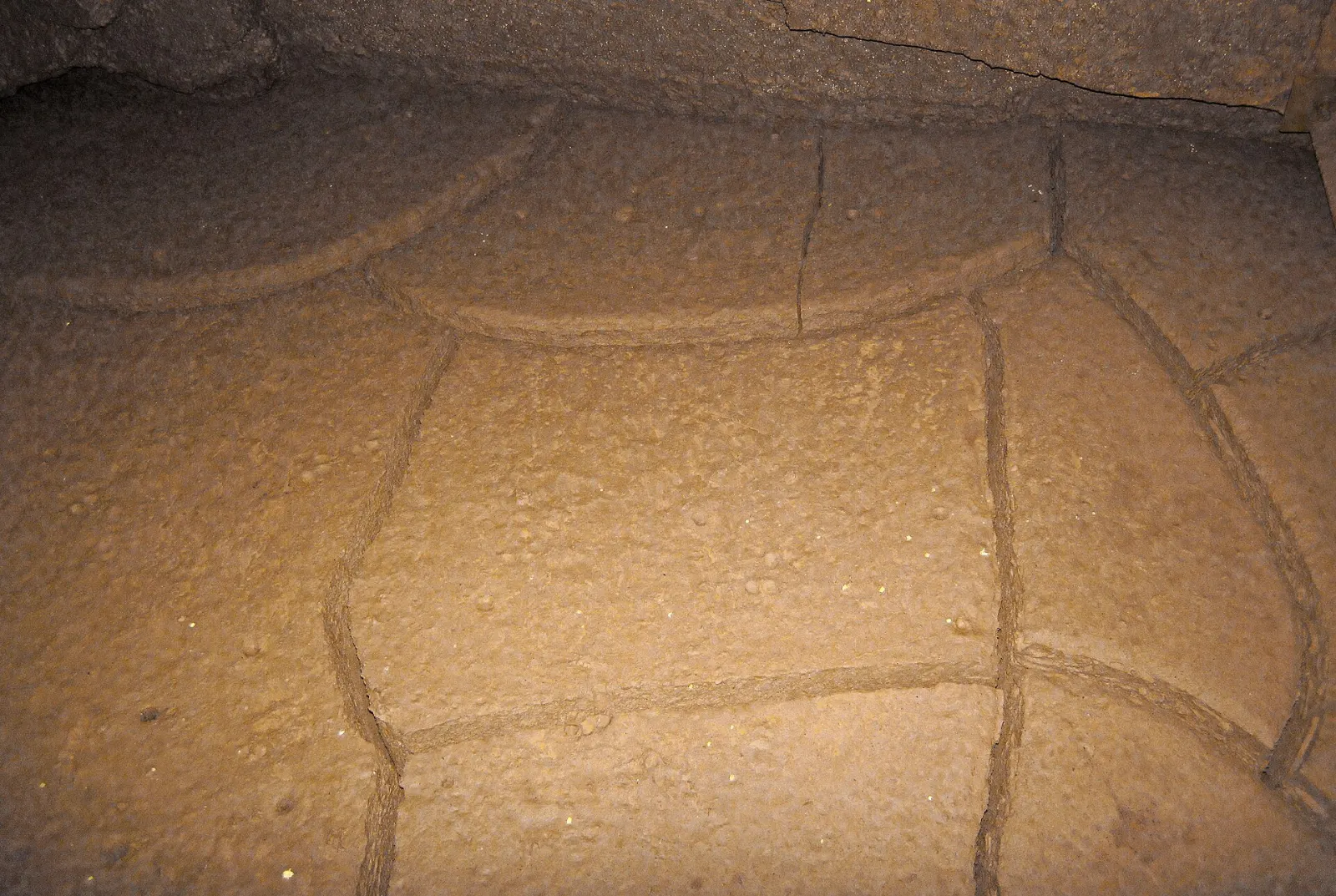
Hidden River Cave and the gateway towns
Just outside the park, the town of Horse Cave has Hidden River Cave, whose entrance opens into a sinkhole in the center of town, along with the American Cave Museum.
 Planning a trip to Mammoth Cave National Park?Compare hotels, flights and vacation rentals for Mammoth Cave National Park on Expedia.Book now
Food and local flavors
Dining inside the park is limited to the restaurant and grab-and-go options near the lodge, so many visitors eat in Cave City, Park City or Glasgow, or pack a picnic for the trails.
Popular dishes to try in Mammoth Cave National Park


Where to stay
Staying inside the park, at the lodge by the visitor center or at the main campground, lets you walk to the cave tours and enjoy quiet forest evenings and dark skies.
Cave City and Park City, along I-65, have many motels, cabins and campgrounds and are the most convenient bases for families and anyone combining the park with other local attractions. Glasgow suits travelers who want a small-town feel, and Bowling Green offers the most choice and is a good base if you also want city amenities.
Where to stay in Mammoth Cave National Park


Best time to visit
The cave itself stays at roughly the mid-fifties Fahrenheit all year, so tours are comfortable in any season. Spring brings wildflowers and flowing springs, though it is also the rainiest season.
Winter is the quietest season, with fewer tours on offer but short lines and peaceful trails.
Getting there and getting around
Most visitors drive. From I-65, take the Cave City exit and follow KY 70 west, or the Park City exit and follow KY 255 north, into the park.
Inside the park, roads are paved and well signed, and the visitor center has a large parking area.
A suggested itinerary
First day
Arrive early and visit the exhibits in the visitor center. Take the Historic Tour in the morning, then eat a picnic lunch and walk the River Styx Spring and Green River Bluffs trails.
Second day
Spend the morning paddling the Green River with a local outfitter.
Practical tips
- Reserve cave tours online in advance, especially for summer weekends and holidays.
- Bring a light jacket for the cave, even in summer, and wear sturdy shoes with good grip.
- Tell rangers if you have recently visited other caves; the park takes steps to protect bats from white-nose syndrome, including walking over treated mats after tours.
- Strollers, food and drink are not allowed on most tours; check rules for your tour.
- Check the official website for current hours and fees, tour schedules and accessibility.
- Use insect repellent and check for ticks after hiking in warm months.
Find local businesses in Cave City on WiserMap
Need a canoe outfitter, a diner, a campground or a gas station near the park?