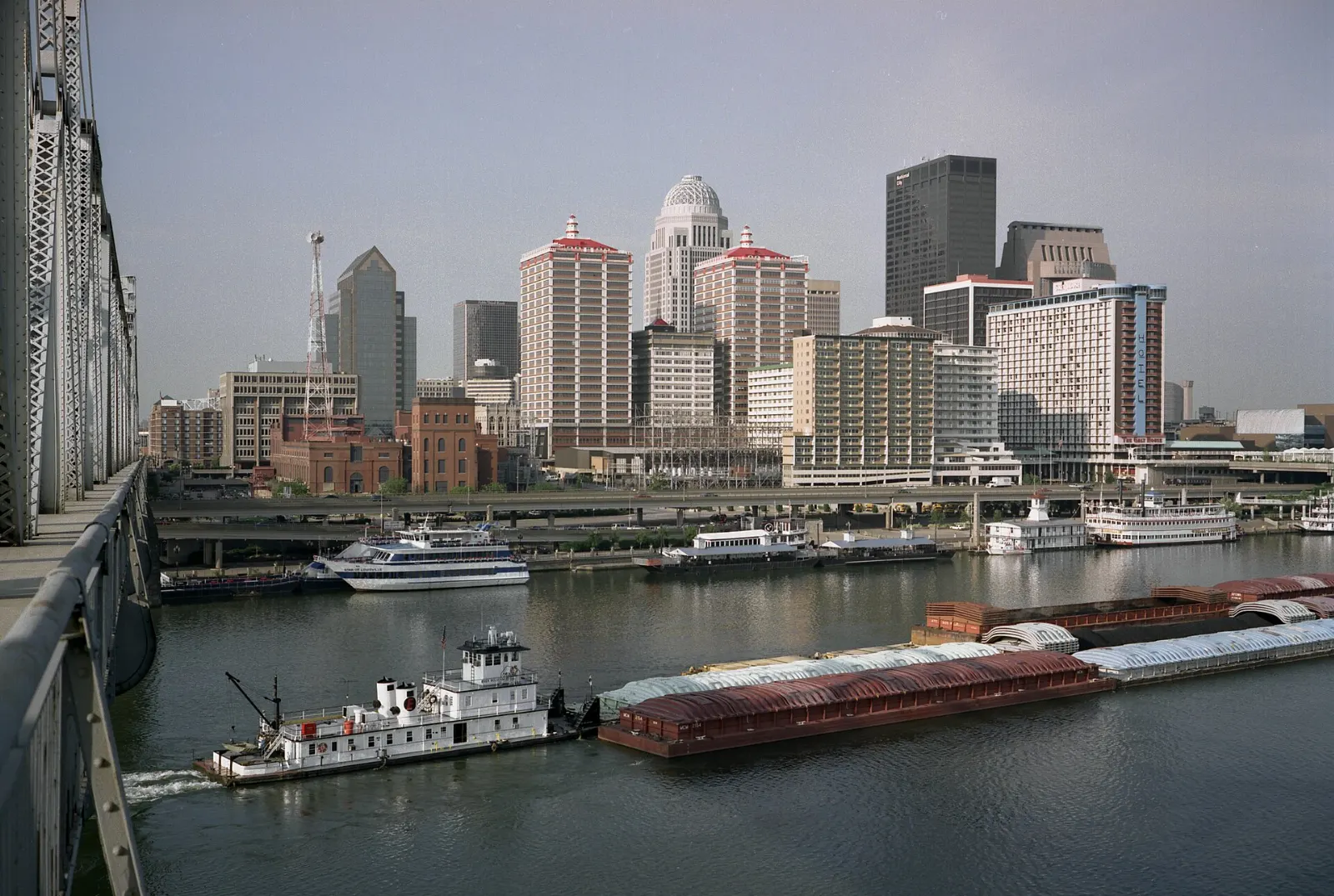
Louisville is the largest city in Kentucky, and it carries that title lightly. It sits on a broad bend of the Ohio River, looks across the water at Indiana and has long called itself the Gateway to the South.
AT A GLANCE
Best time
September to October for mild weather and festivals; late April to early May for the Derby buzz.
How long
Three days covers downtown, the riverfront, Churchill Downs and a neighborhood or two.
Getting there
Fly into Louisville Muhammad Ali International Airport, or drive in on I-64, I-65 or I-71.
Why visit Louisville
Louisville packs a surprising amount of character into a mid-sized, easy-going city. Downtown is compact enough to walk, and its West Main Street corridor lines up museums, distilleries and the Slugger factory within a few blocks.
Beyond the headline sights, Louisville is a city of neighborhoods. Old Louisville is the largest preservation district in the country made up almost entirely of Victorian architecture. The Highlands, strung along Bardstown Road, mixes galleries, record shops, coffeehouses and late-night bars.
Churchill Downs, downtown and Museum Row
Churchill Downs and the Kentucky Derby Museum
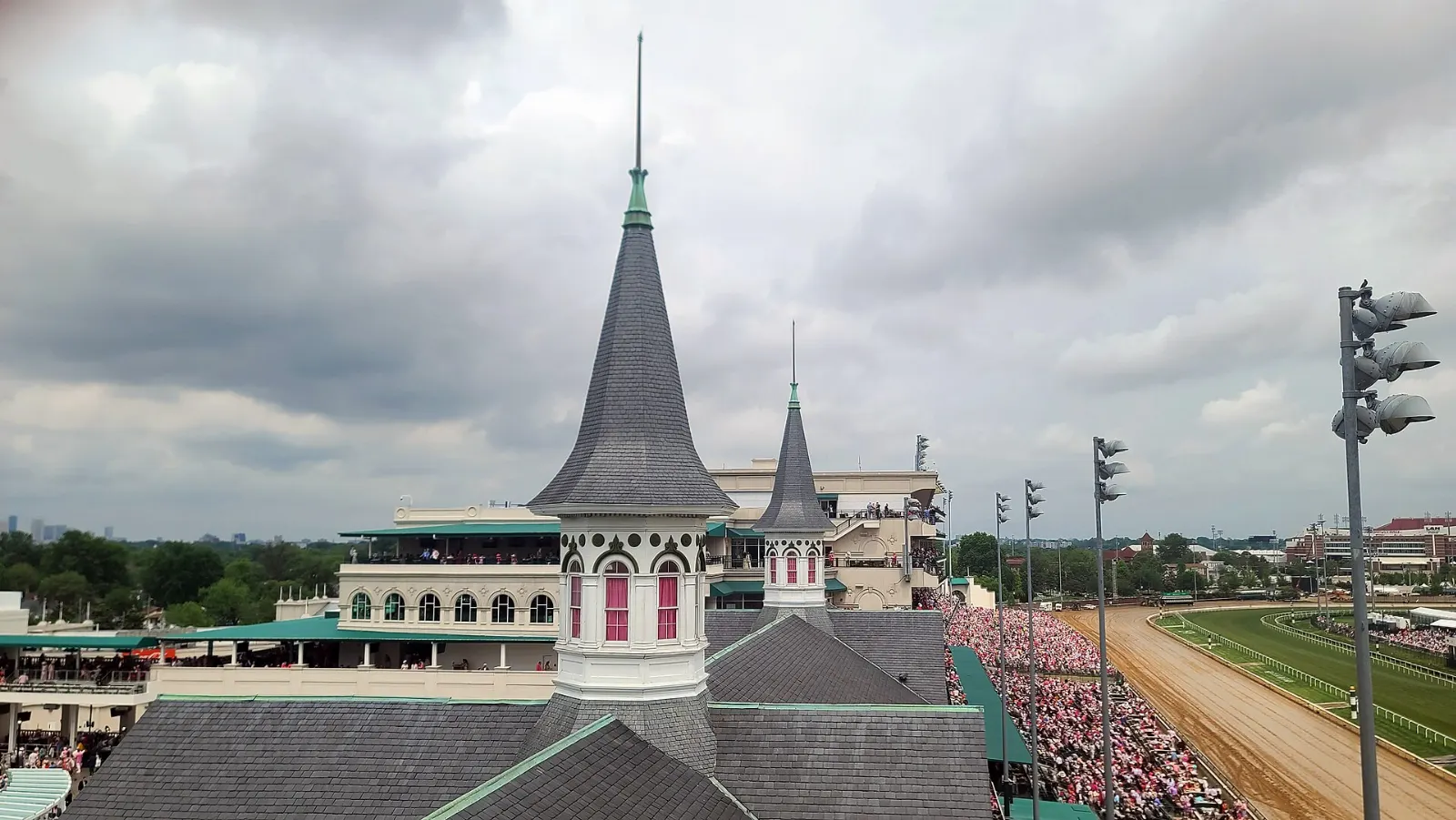
Even if you never place a bet, standing beneath the twin spires at Churchill Downs is a thrill. The Kentucky Derby is run here on the first Saturday in May, and the track holds race meets for several months of the year, including spring, September and November.
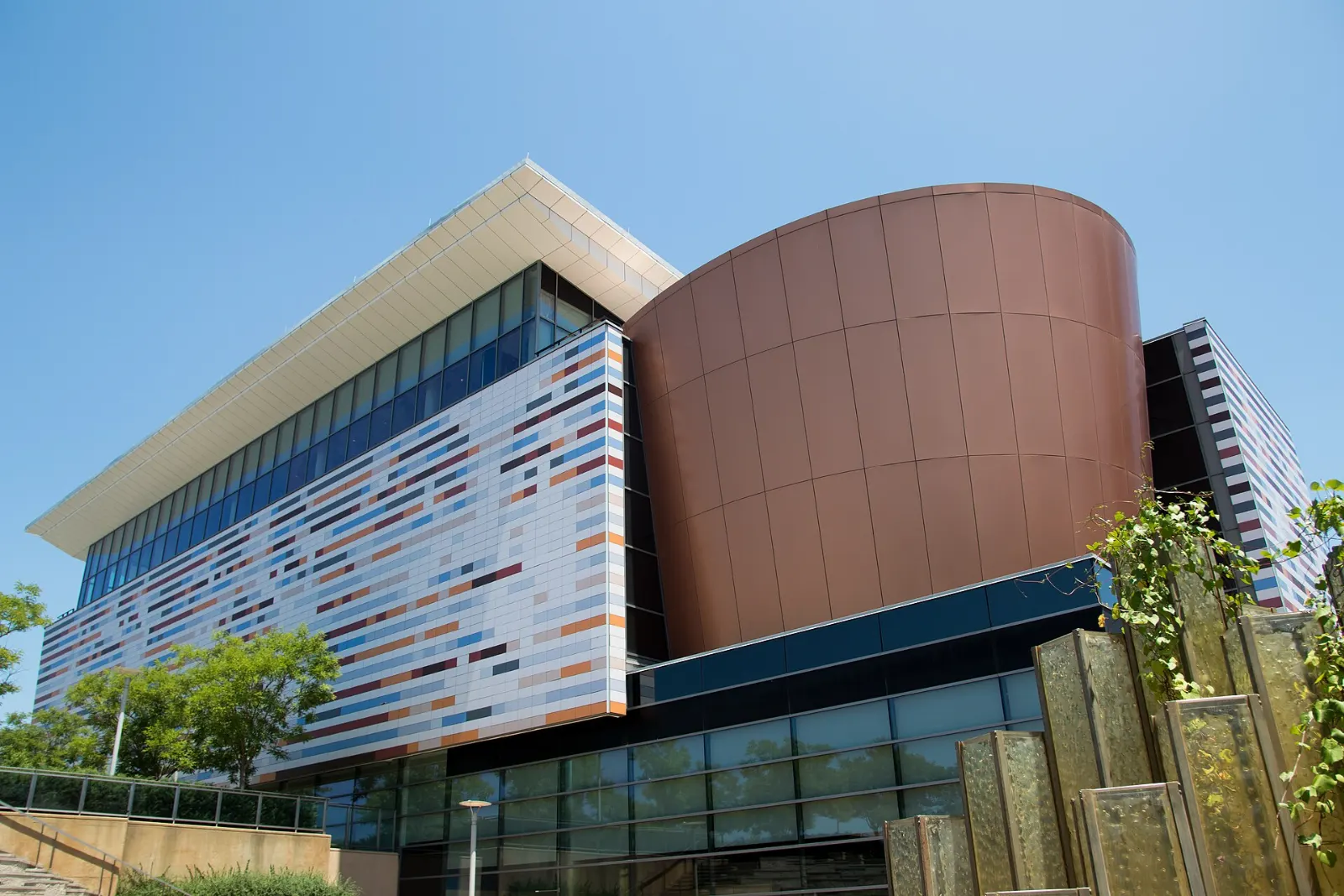
Muhammad Ali Center
Muhammad Ali was born in Louisville as Cassius Clay, and this multi-level cultural center on the riverfront tells his story with real depth. Exhibits cover his boxing career, his conversion and spiritual life, his refusal of the Vietnam War draft and his later humanitarian work. You can shadow box on an interactive screen and watch footage of his most famous fights.
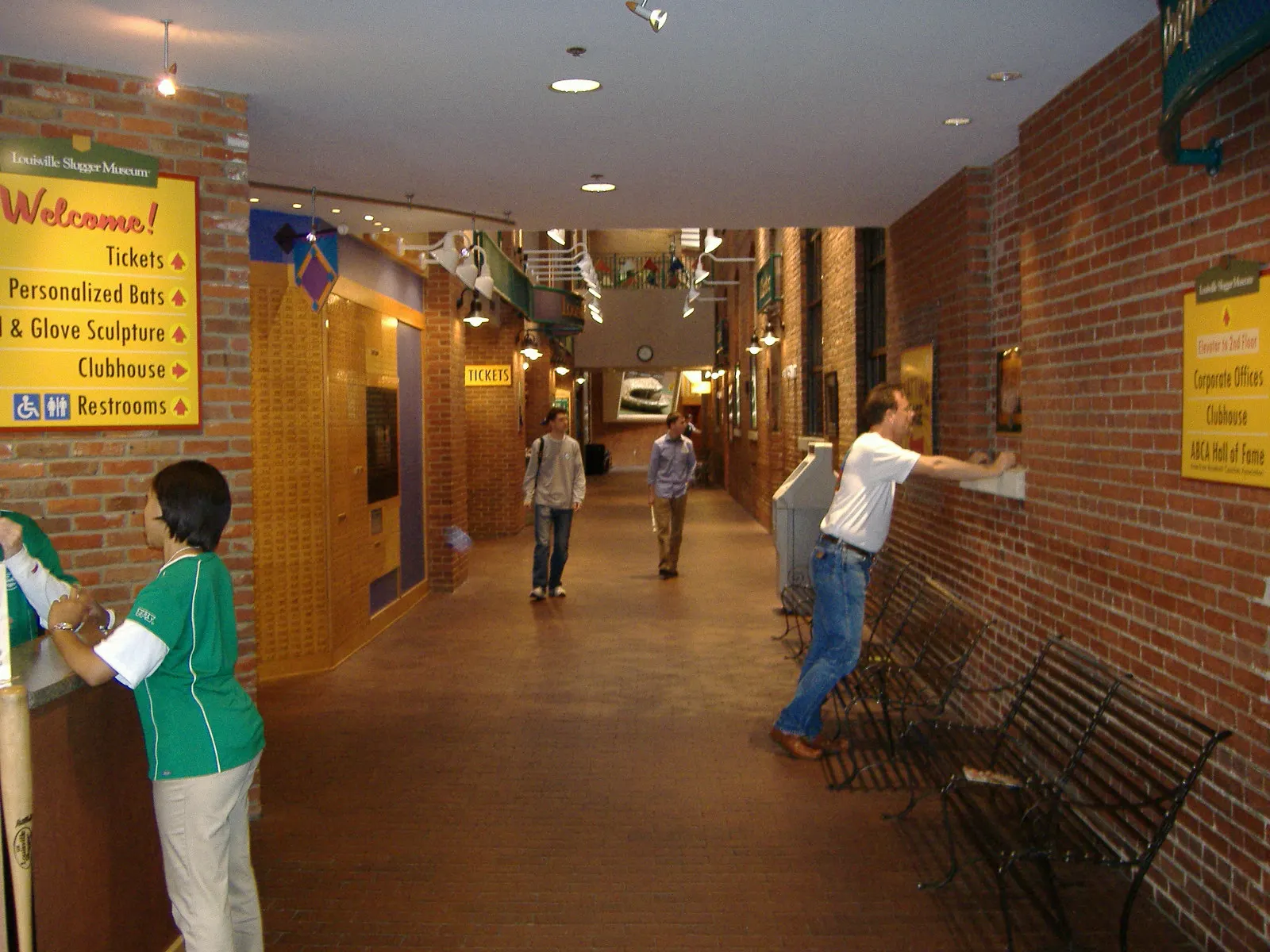
Louisville Slugger Museum and Factory
You cannot miss this one: a six-story steel bat leans against the building on West Main Street. Inside, a factory tour shows how wooden bats are turned and branded for professional players, and the museum displays historic bats swung by baseball legends. Every visitor gets a miniature bat to take home.
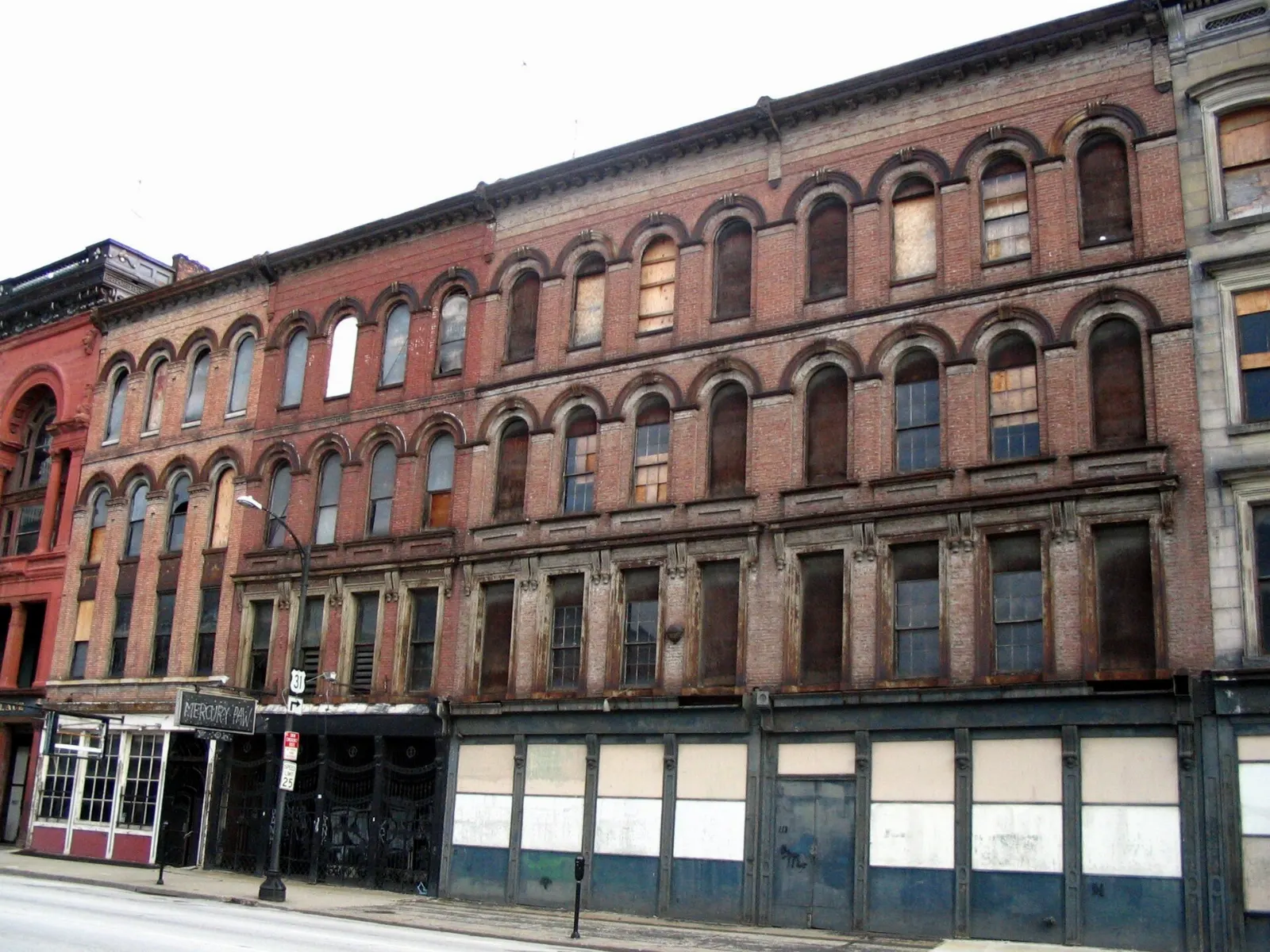
Whiskey Row and the Frazier History Museum
West Main Street was once lined with bourbon warehouses and offices, and its cast iron facades are some of the finest in the country. Today the area is known as Whiskey Row, with urban distilleries such as the Evan Williams Bourbon Experience and Kentucky Peerless Distilling offering tours and tastings.
The riverfront and the Ohio
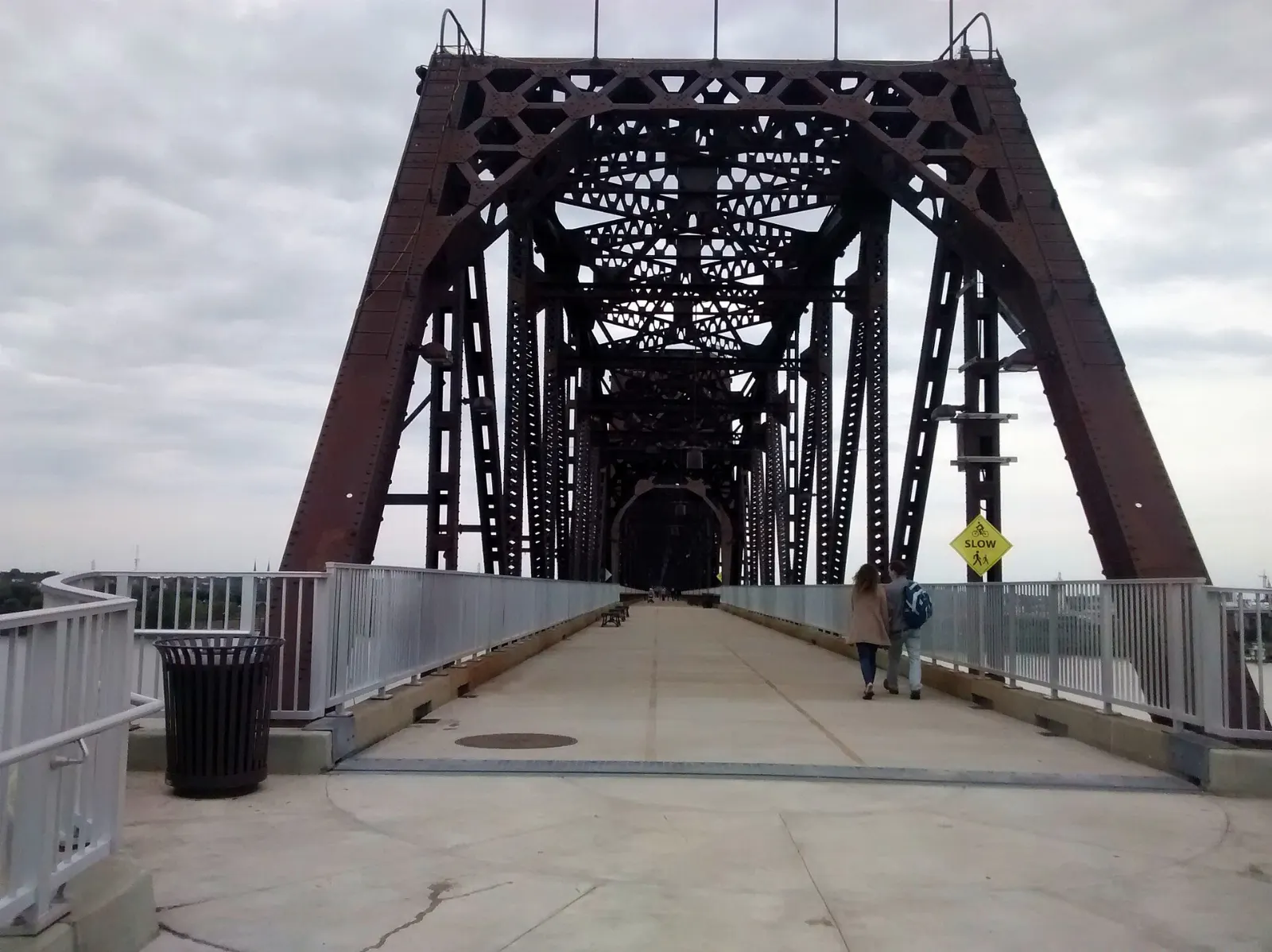
Waterfront Park and the Big Four Bridge
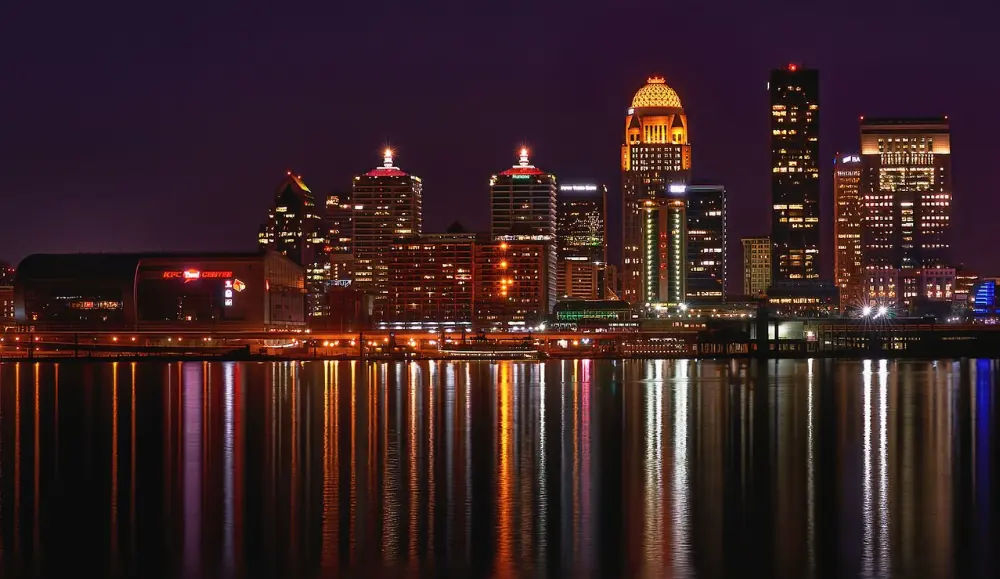
Waterfront Park stretches for more than a mile along the Ohio River, with lawns, fountains, playgrounds and wide views of the skyline. It hosts concerts, Fourth of July celebrations and the riverbank crowds for Thunder Over Louisville.
Belle of Louisville
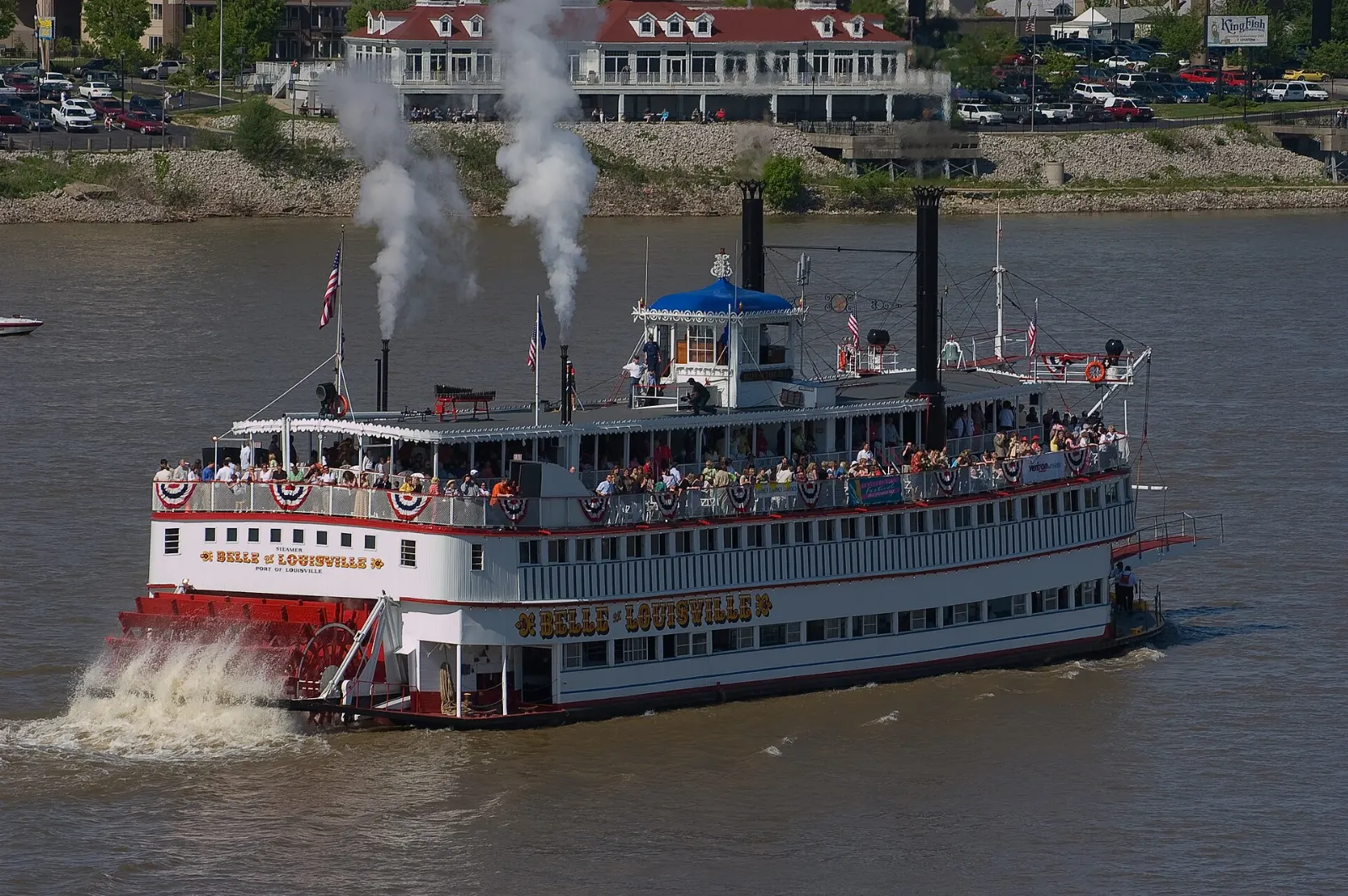
The Belle of Louisville is a genuine sternwheel steamboat and one of the few original river steamboats still operating in North America. Sightseeing, lunch and dinner cruises leave from the downtown wharf and give you a different angle on the bridges and skyline.
Falls of the Ohio
Across the river in Clarksville, Indiana, the Falls of the Ohio State Park protects fossil beds that are exposed when the river runs low, usually late summer and fall. You can walk out over ancient coral reef rock and look back at the Louisville skyline.
On WiserMap
Local businesses in Louisville

CellPhone Doctor
CellPhone Doctor is a cell phone repair business serving Huntsville, AL. It provides fast, affordable repairs for iPhone, Samsung, and other major smartphone br...

Bringer Appliance Repair
Bringer Appliance Repair is a local appliance repair business serving Louisville, KY and nearby areas with over 30 years of experience in repairing washers, dry...
Appliance Fix Experts
Appliance Fix Experts is an appliance repair business serving Dallas, TX, offering same-day repair services for washers, dryers, refrigerators, dishwashers, ove...
Old Louisville, the Highlands and the parks
Old Louisville and St. James Court
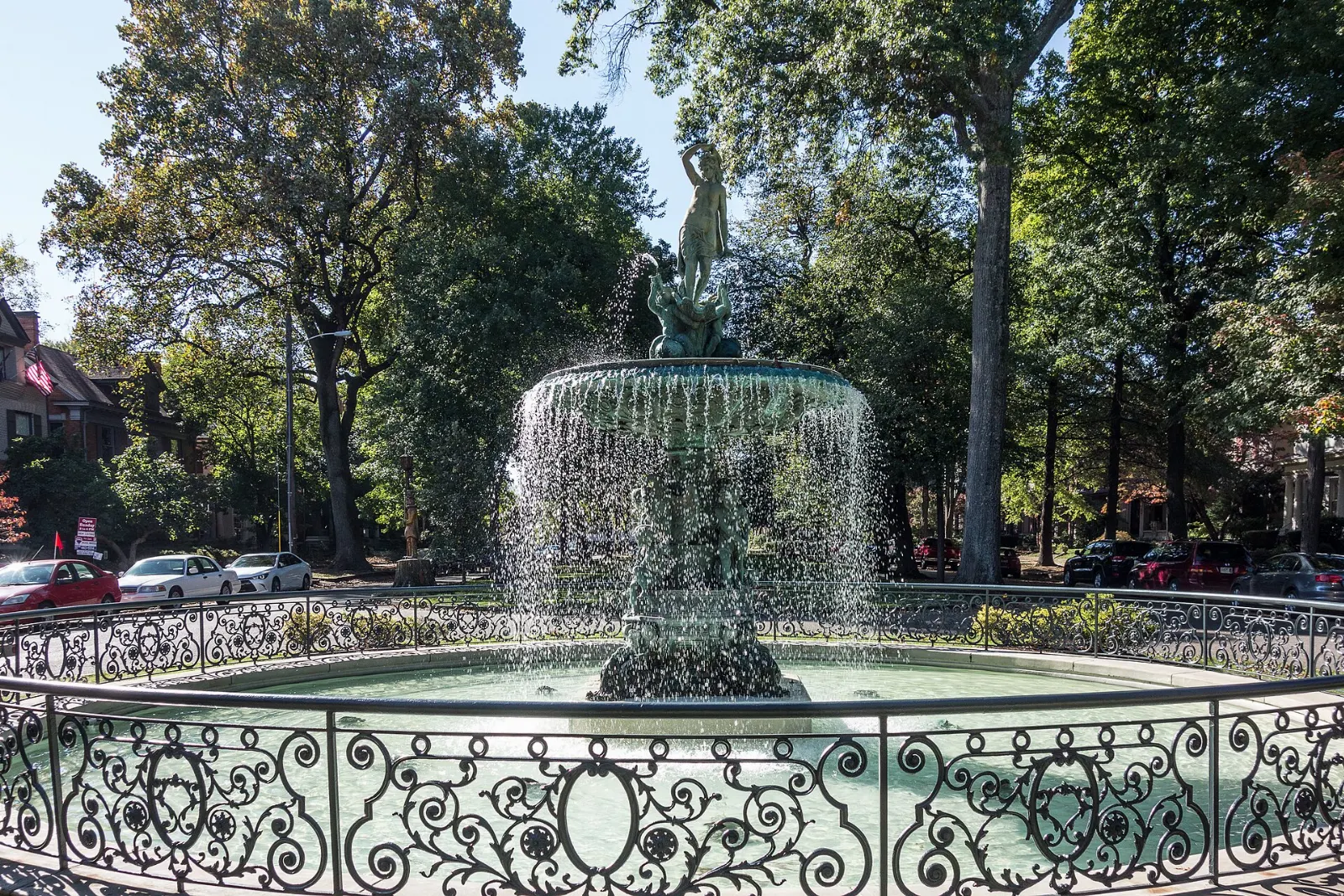
Just south of downtown, Old Louisville covers about forty-eight blocks of Romanesque Revival, Queen Anne and Italianate homes, many with original stained glass.
Speed Art Museum
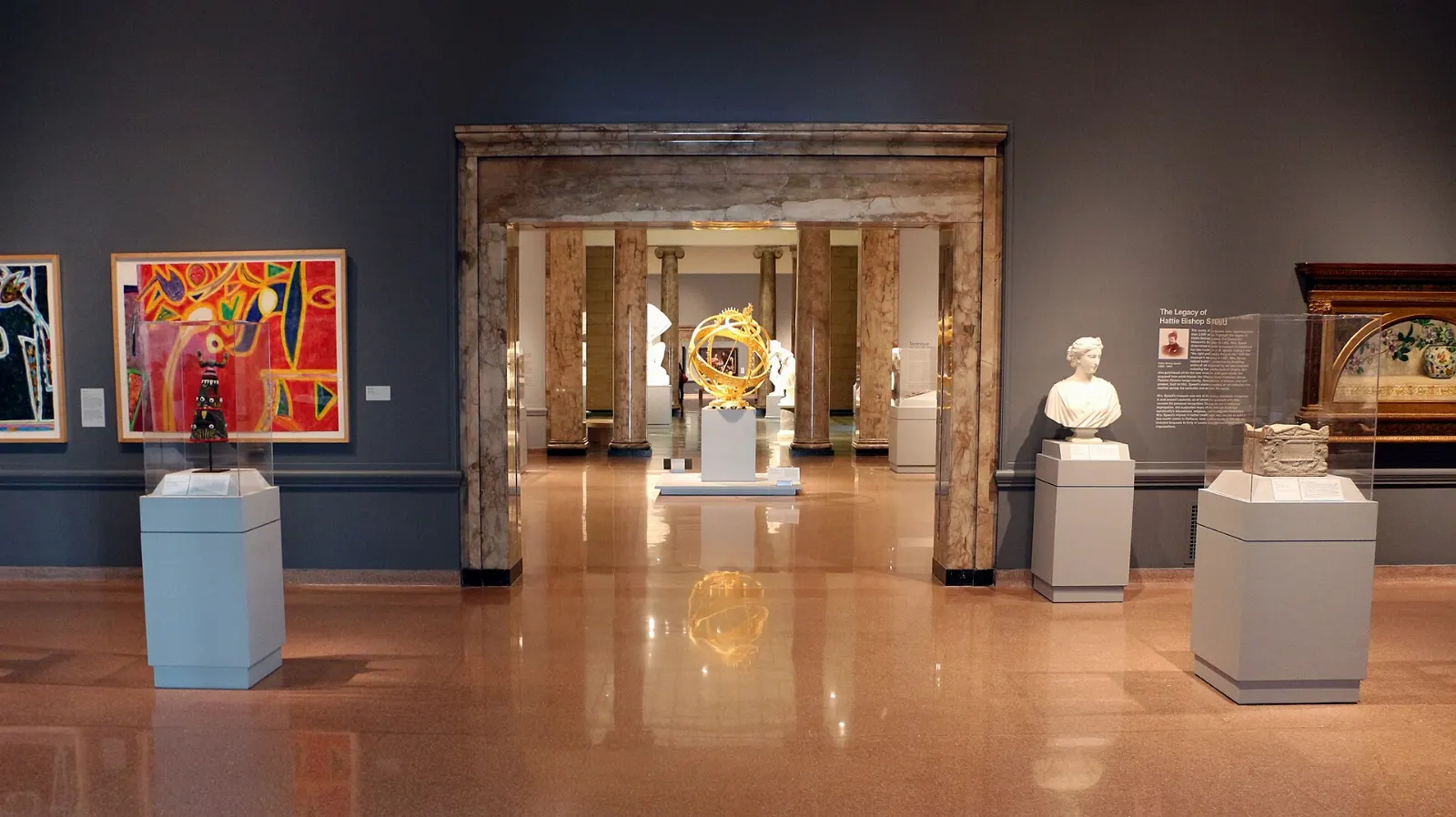
Kentucky's largest art museum sits beside the University of Louisville campus, a short drive or bus ride south of Old Louisville. Its collection spans European old masters, American paintings and contemporary work, and the light-filled north building opened in 2016 after a full rebuild.
The Highlands and Cave Hill Cemetery
Bardstown Road and Baxter Avenue form the spine of the Highlands, Louisville's most walkable nightlife and shopping strip, with independent shops, galleries, coffeehouses and a dense run of restaurants and bars. At its northern end, Cave Hill Cemetery spreads across nearly three hundred acres of rolling lawns, lakes and specimen trees.
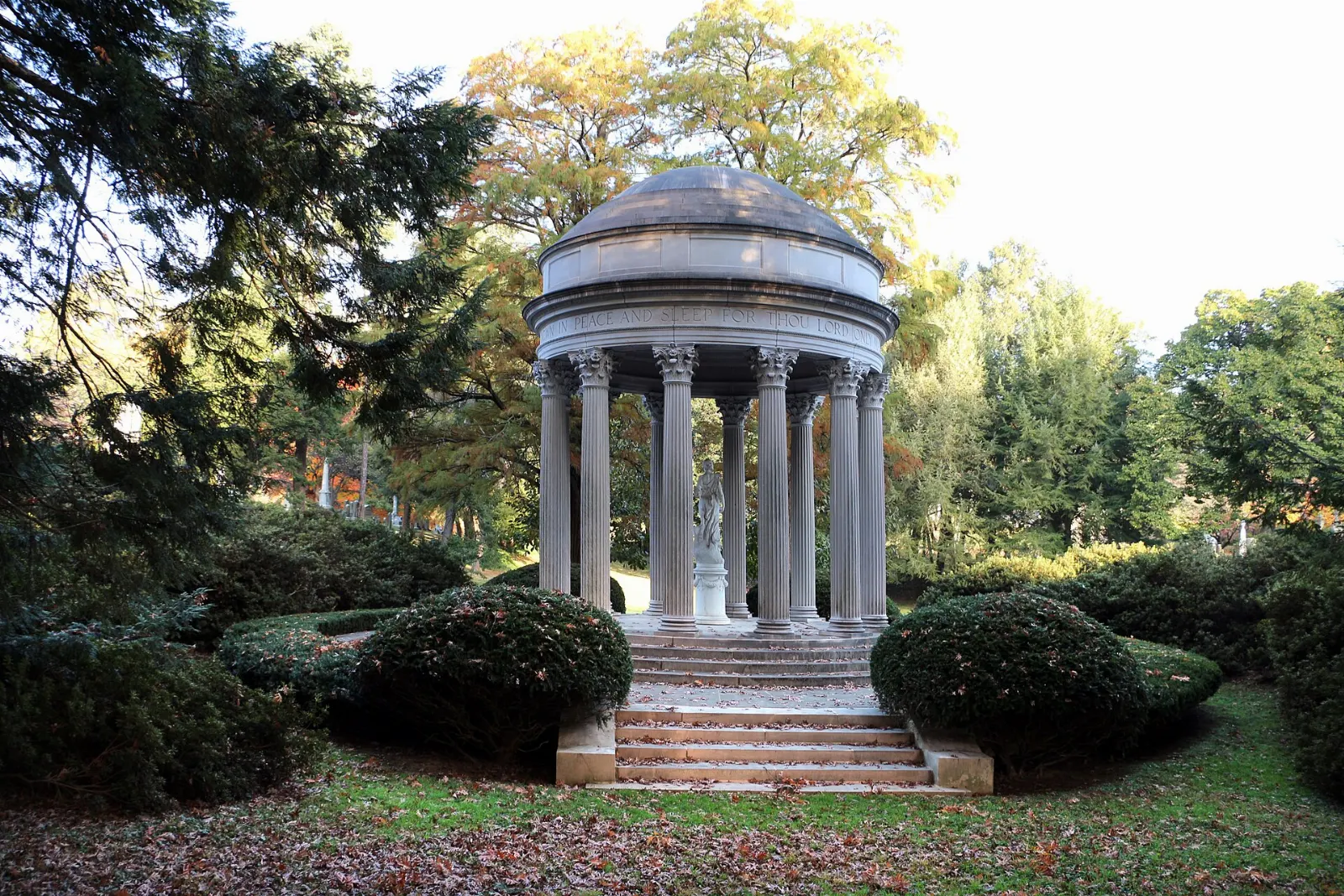
Cherokee Park and Iroquois Park
Louisville's Olmsted parks are some of the finest in the country. Cherokee Park, beside the Highlands, has a scenic loop of about two and a half miles with a lane reserved for walkers, runners and cyclists.
NuLu and Butchertown
East of downtown, the East Market District, known as NuLu, is lined with galleries, antique stores, boutiques and restaurants focused on local ingredients. Neighboring Butchertown has historic shotgun houses and a growing number of breweries and distilleries.
Food and local flavors
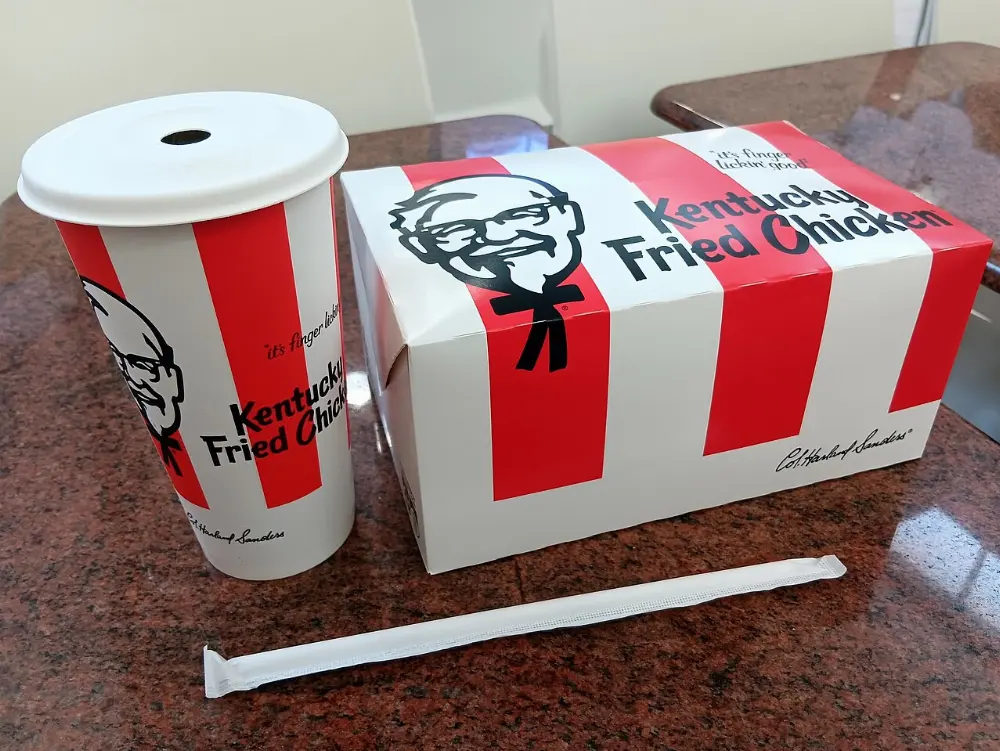
Louisville's signature dish is the Hot Brown, an open-faced sandwich of turkey and bacon smothered in Mornay sauce and broiled until bubbling. It was created at the Brown Hotel downtown in 1926, and you will find versions all over the city.
Bourbon runs through everything here, from cocktail lists to barbecue sauces. Whiskey Row and NuLu are good bases for tastings and craft cocktail bars.
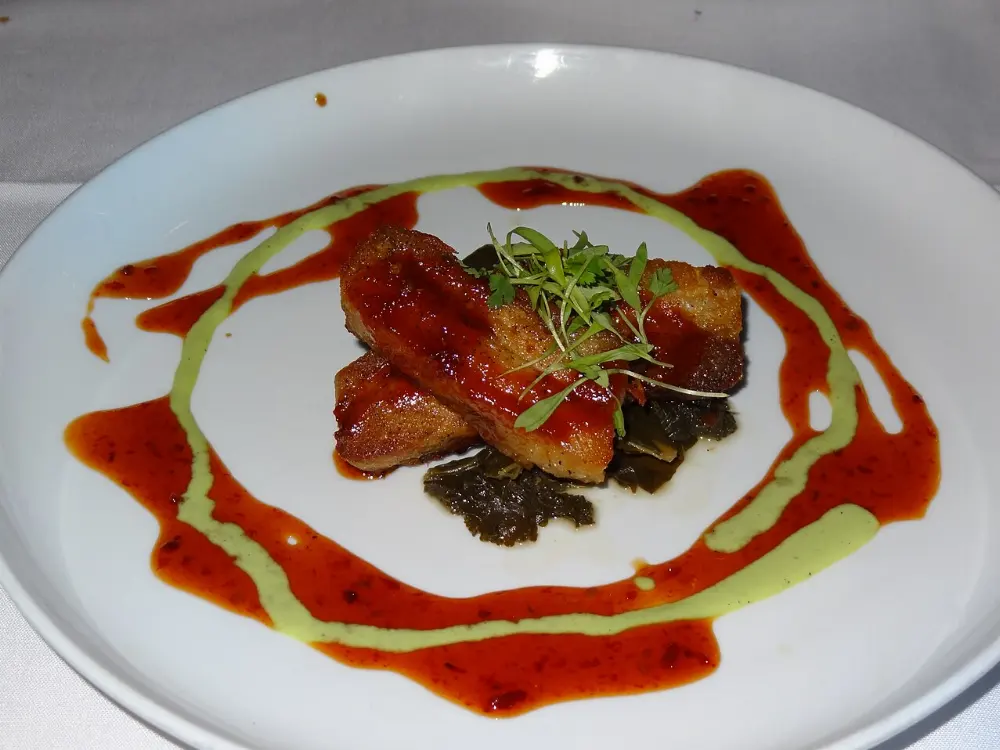
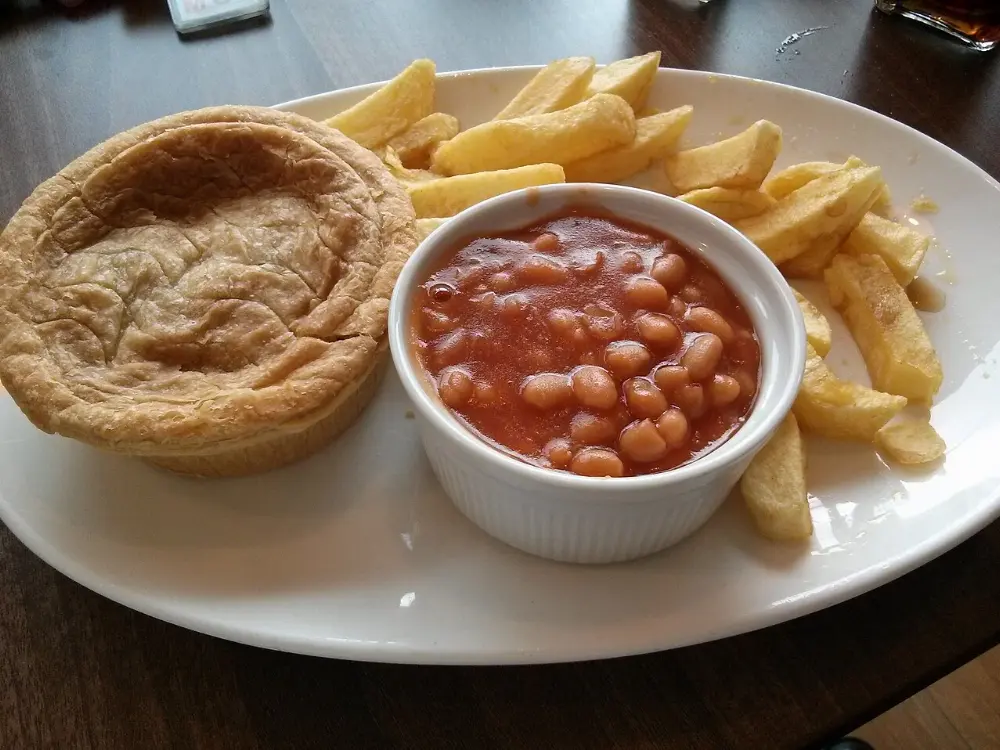
Popular dishes to try in Louisville

 Planning a trip to Louisville?Compare hotels, flights and vacation rentals for Louisville on Expedia.Book now
Where to stay
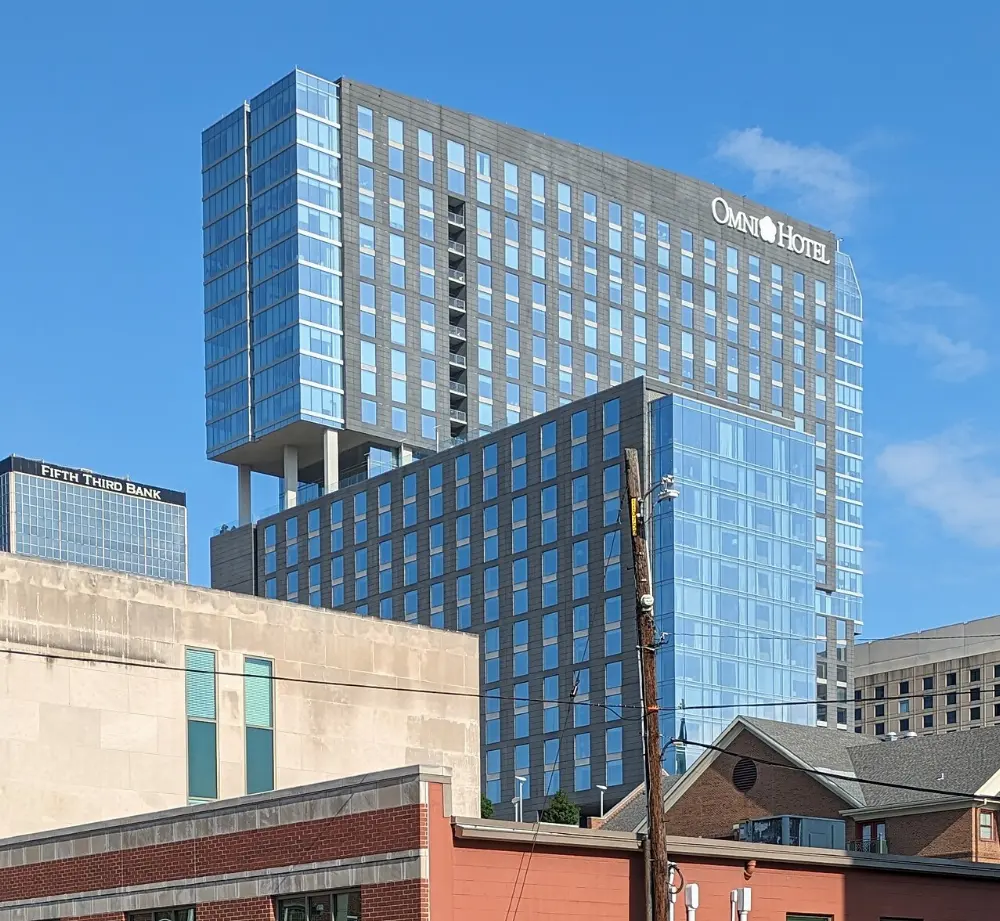
Downtown is the most practical base for a first visit. You can walk to Museum Row, Whiskey Row, the Ali Center and the riverfront, and many hotels occupy restored historic buildings.
NuLu and Butchertown work well if you want to be close to downtown but surrounded by restaurants and bars with a more local feel. Old Louisville offers bed and breakfasts in Victorian mansions, ideal for couples and architecture lovers.
Where to stay in Louisville
Top rated
Trusted by locals in Louisville
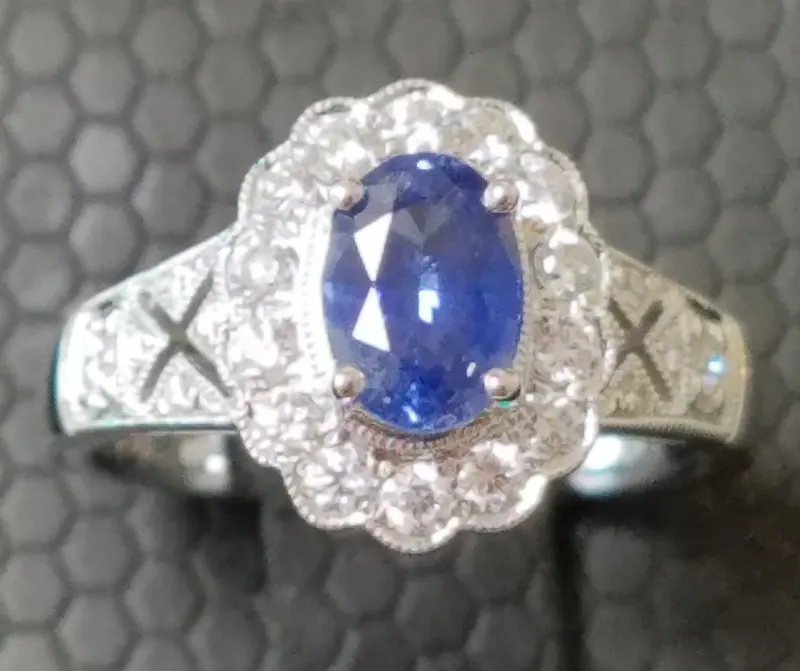
St Matthews Jewelers
St Matthews Jewelers is a jewelry business serving Louisville, KY. St Matthews Jewelers provides custom jewelry design, watch and jewelry repair, engraving, and...
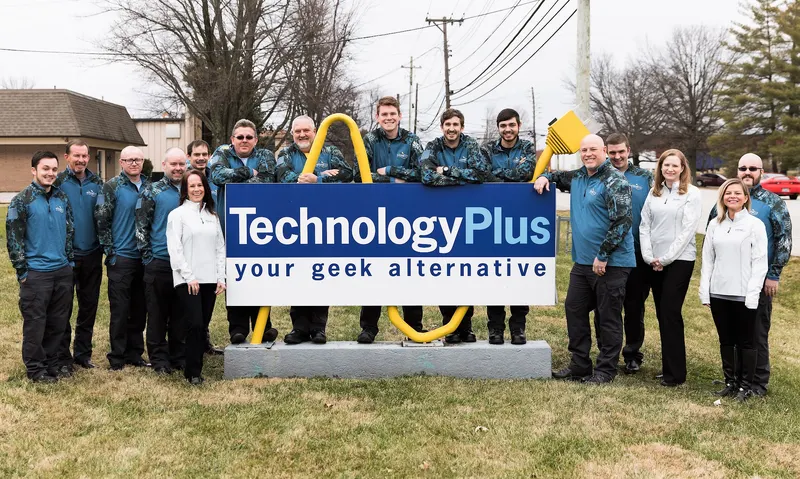
Technology Plus
Technology Plus is an IT services business serving Louisville. It provides managed IT infrastructure, structured cabling, and telecom solutions to keep business...
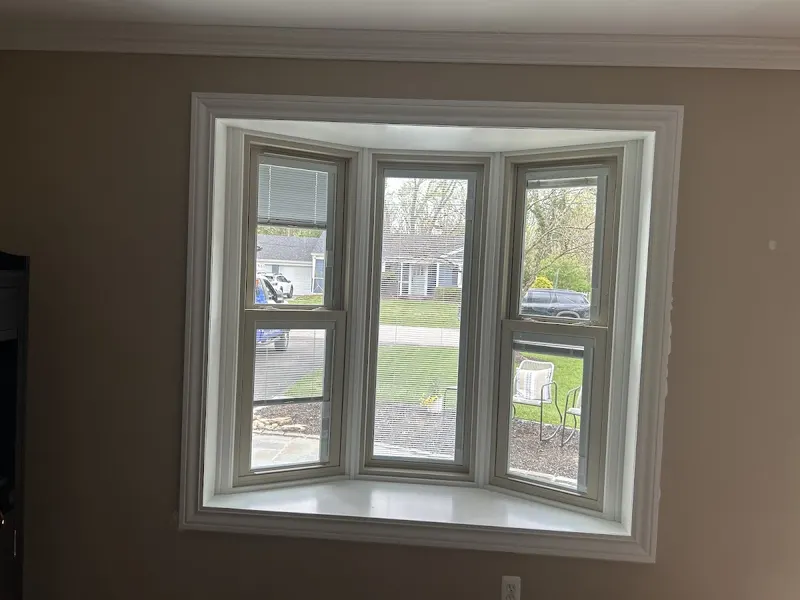
Windows Plus
Windows Plus is a window and door replacement business serving Cincinnati, OH. Windows Plus provides vinyl and wood window replacement, entry doors, roofing, si...
Best time to visit
Fall is widely considered Louisville's best season. September and October bring warm, sunny days, cooler nights and a busy calendar, including the St. James Court Art Show in early October.
Summer is hot and humid, with frequent afternoon thunderstorms, though evenings on the river are pleasant.
Getting there and getting around
Louisville Muhammad Ali International Airport sits just south of downtown and has nonstop flights to many major US hubs; it is a short drive or rideshare to the center.
Downtown, NuLu and Old Louisville are walkable, and TARC city buses connect them with the Highlands, Churchill Downs and the airport. For outlying sights, parks and distilleries in the countryside, a car or rideshare is far more convenient.
A suggested itinerary
First day
Start at the Louisville Slugger Museum, then walk east along West Main Street to the Frazier History Museum and the Bourbon Trail welcome center.
Second day
Head to Churchill Downs and the Kentucky Derby Museum in the morning, adding a track tour. In the afternoon, drive north to the Speed Art Museum and wander the streets of Old Louisville, touring the Conrad-Caldwell House.
Third day
Walk or drive through Cherokee Park in the morning, then visit Cave Hill Cemetery.
Before you go
More to discover in Louisville

Aable Appliance Repair
Aable Appliance Repair is a family-owned appliance repair business serving Louisville, KY and Southern Indiana since 1981. It provides fast, affordable repair s...
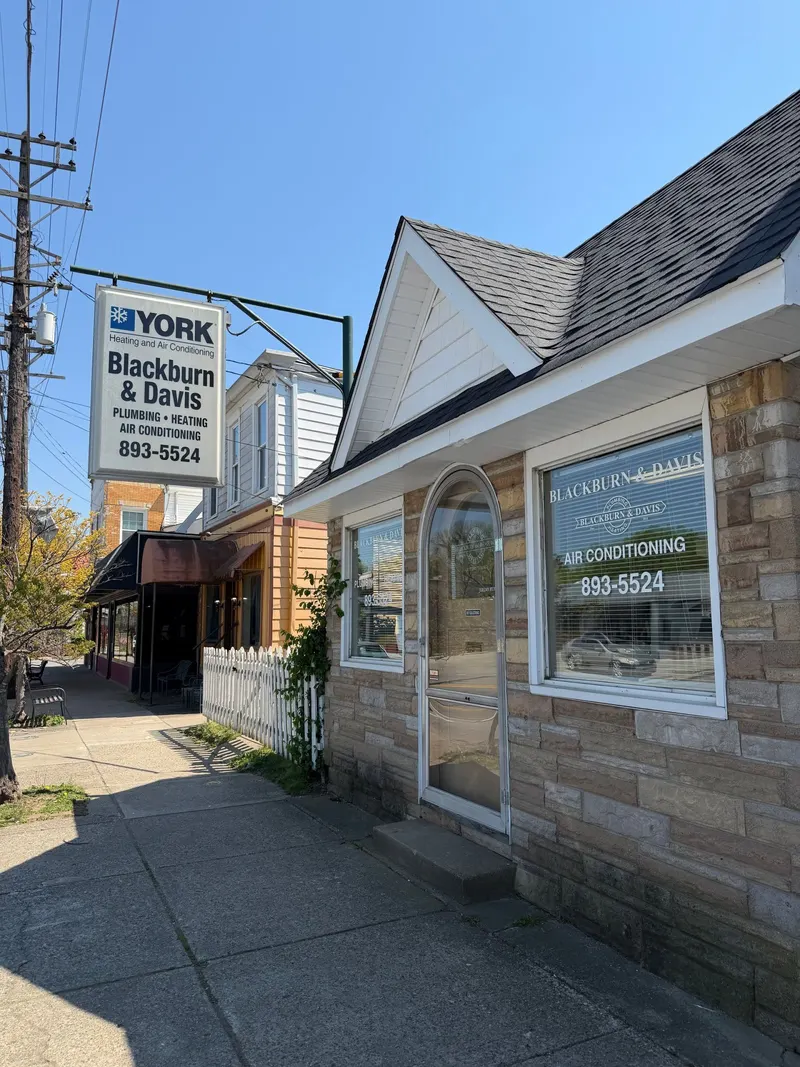
Blackburn & Davis Inc
Blackburn & Davis Inc is a Louisville, KY HVAC and plumbing contractor providing repair, replacement, and maintenance services for heating, cooling, plumbing, b...
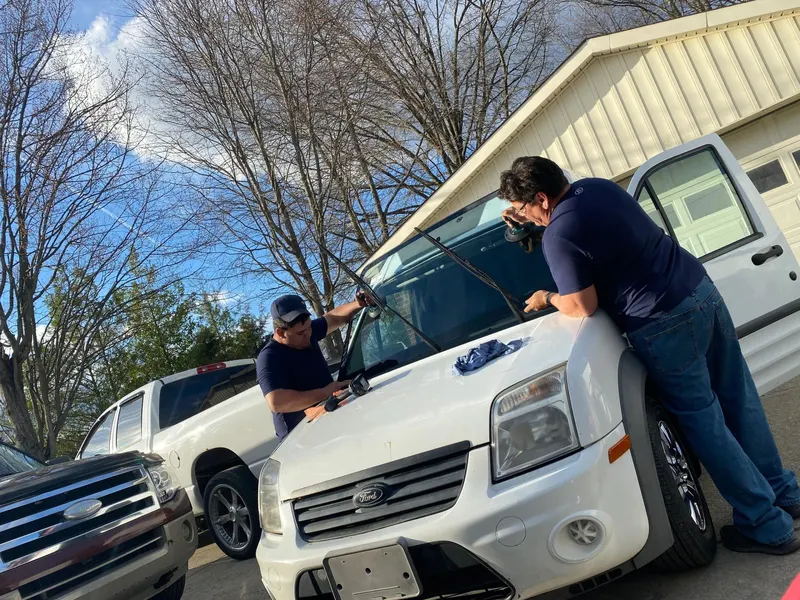
Auto Glass Mx
Auto Glass MX is a car glass replacement business serving Shively, KY. Auto Glass MX provides windshield and car window replacement services with over 37 years...
Practical tips
- Book Derby week lodging and tickets many months ahead, and expect strict bag rules at Churchill Downs.
- Distillery tours often sell out on weekends, so reserve online before you arrive.
- Bring a valid photo ID for any tasting, and remember that minors cannot enter tasting rooms.
- Check the official website for current hours and fees at museums and attractions before you go.
- Pack an umbrella in spring and summer, when sudden thunderstorms are common.
- Use rideshares or a guided tour if you plan to taste bourbon outside the city.
Find local businesses in Louisville on WiserMap
Looking for a bourbon bar, a bakery, a bike rental or a mechanic during your stay?