Savannah is a city best seen on foot.
AT A GLANCE
Best time
March to May and October to November for mild weather, blooming azaleas and comfortable walking.
How long
Two full days for the Historic District; three or four to add Bonaventure, Wormsloe and Tybee Island.
Getting there
Fly into Savannah/Hilton Head International Airport, take Amtrak, or drive via Interstate 95 and Interstate 16.
Why visit Savannah
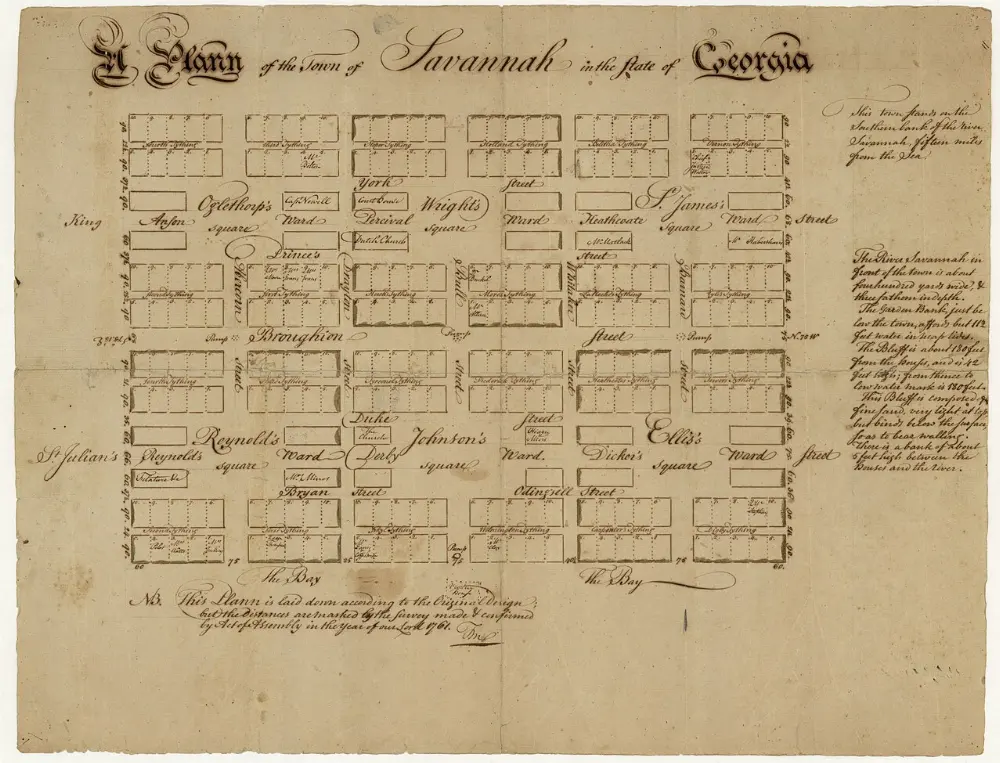
Savannah was founded in 1733 by James Oglethorpe as the first city of the Georgia colony, and his town plan, built around wards with a public square at the center of each, still shapes daily life.
The city's charm is more than architecture. Savannah has a strong food scene rooted in Lowcountry cooking, a big arts presence thanks to the Savannah College of Art and Design, and a relaxed attitude that shows in its long porches and outdoor tables.
The Historic District and its squares
Forsyth Park
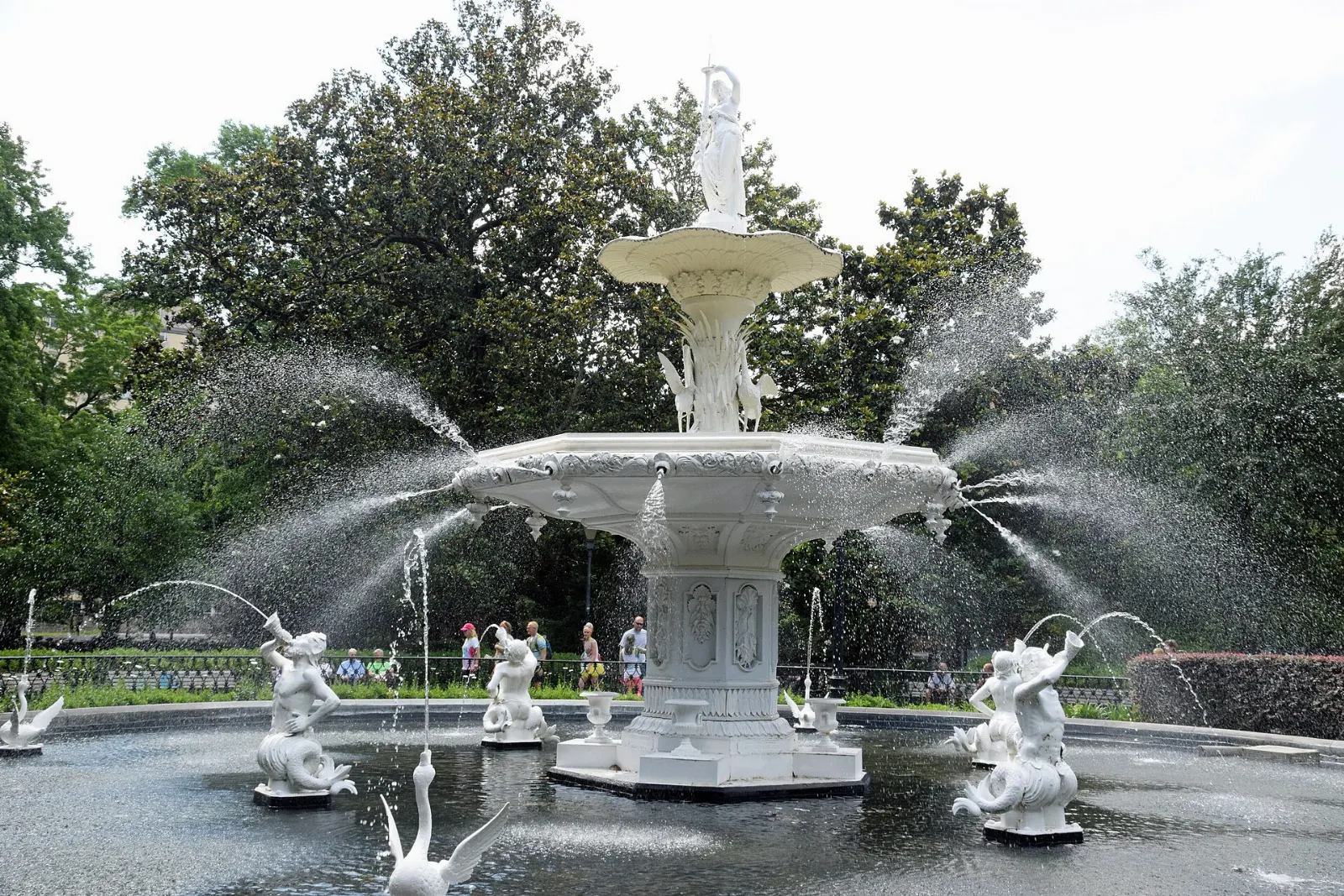
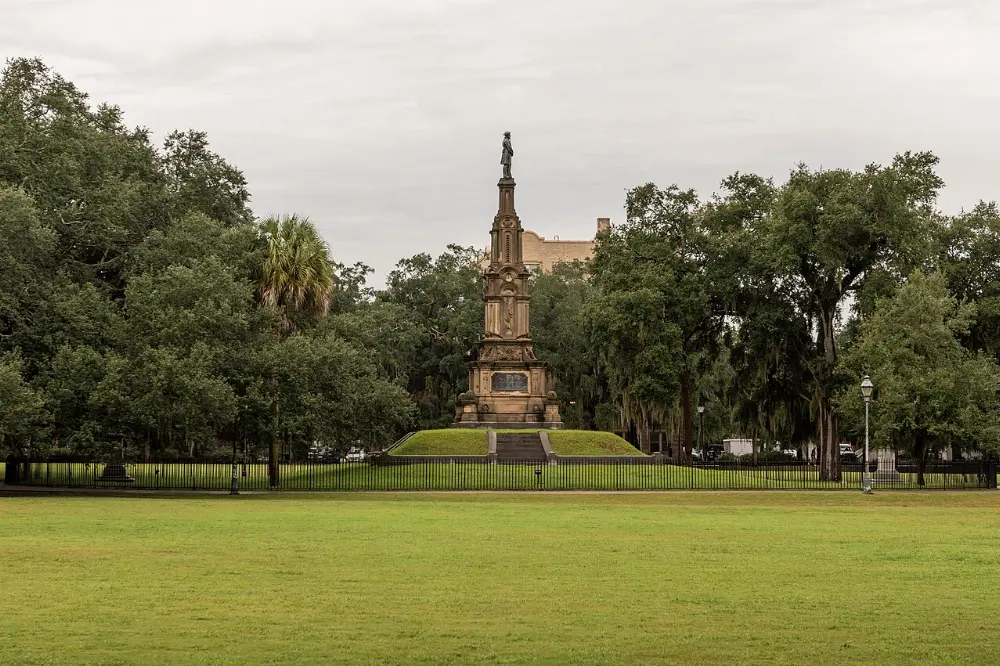
At the southern edge of the Historic District, Forsyth Park covers about thirty acres of lawns, oaks and walking paths. Its centerpiece is the white cast-iron fountain installed in 1858, one of the most photographed spots in the city.
Chippewa, Madison and the central squares
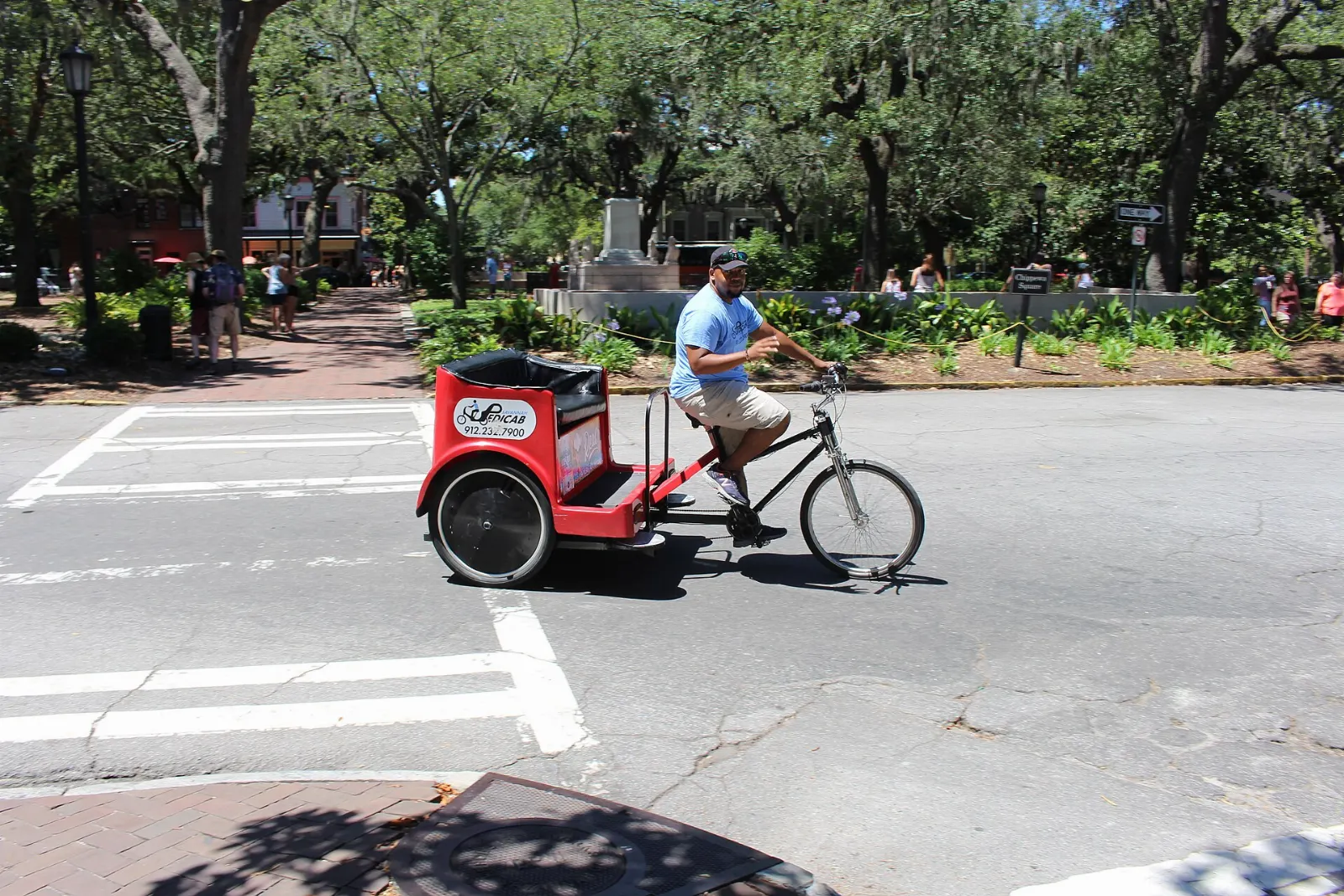
Bull Street runs north from Forsyth Park through a string of the city's most attractive squares. Chippewa Square holds a statue of Oglethorpe and is where the park bench scenes in the film Forrest Gump were shot; the prop bench itself is no longer there.
Cathedral Basilica of St. John the Baptist
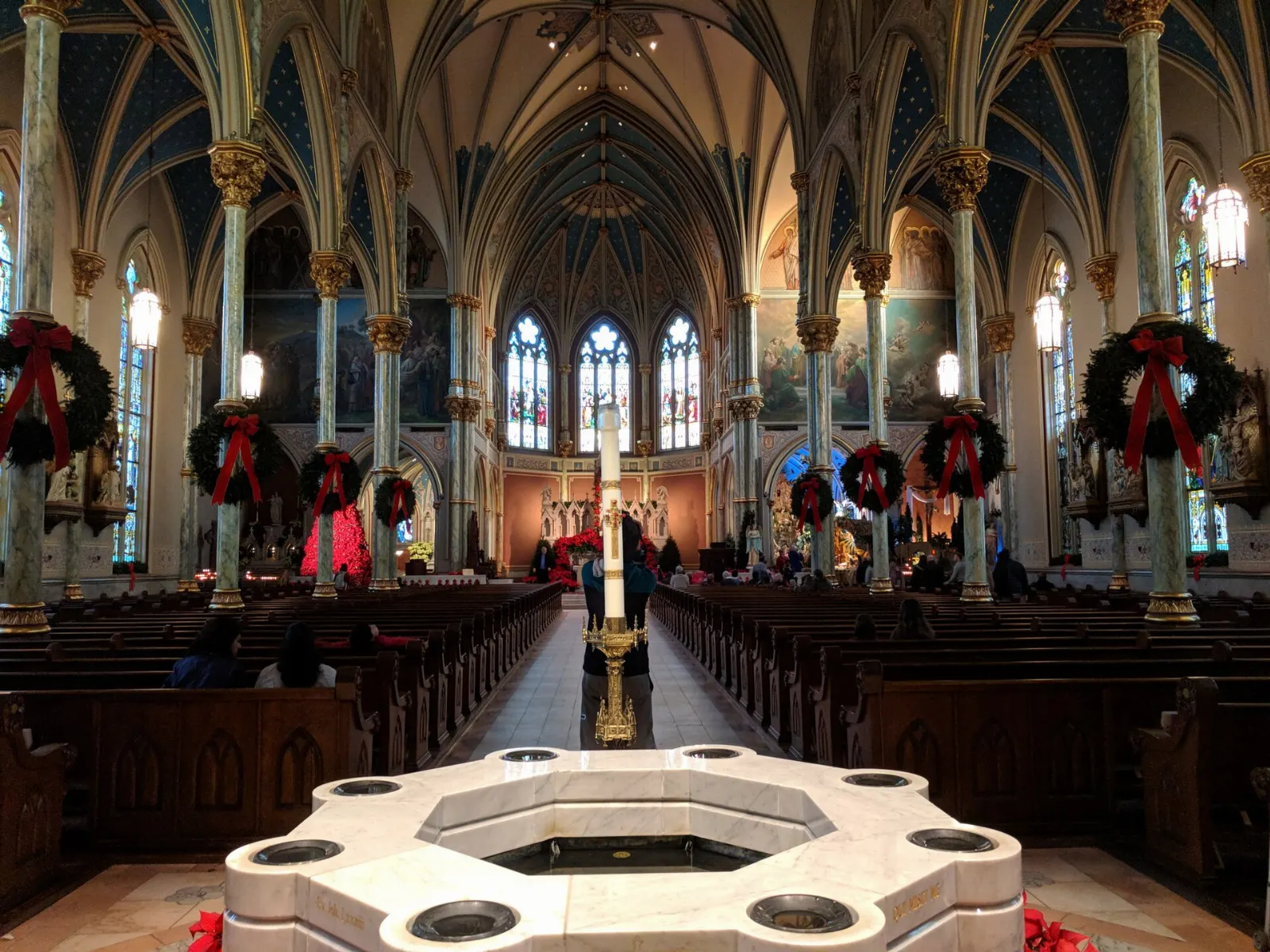
Facing Lafayette Square, this French Gothic cathedral with twin spires is the seat of the Catholic Diocese of Savannah. Inside, look for its stained glass windows and painted ceilings. Allow thirty to forty-five minutes.
Mercer Williams House and Monterey Square
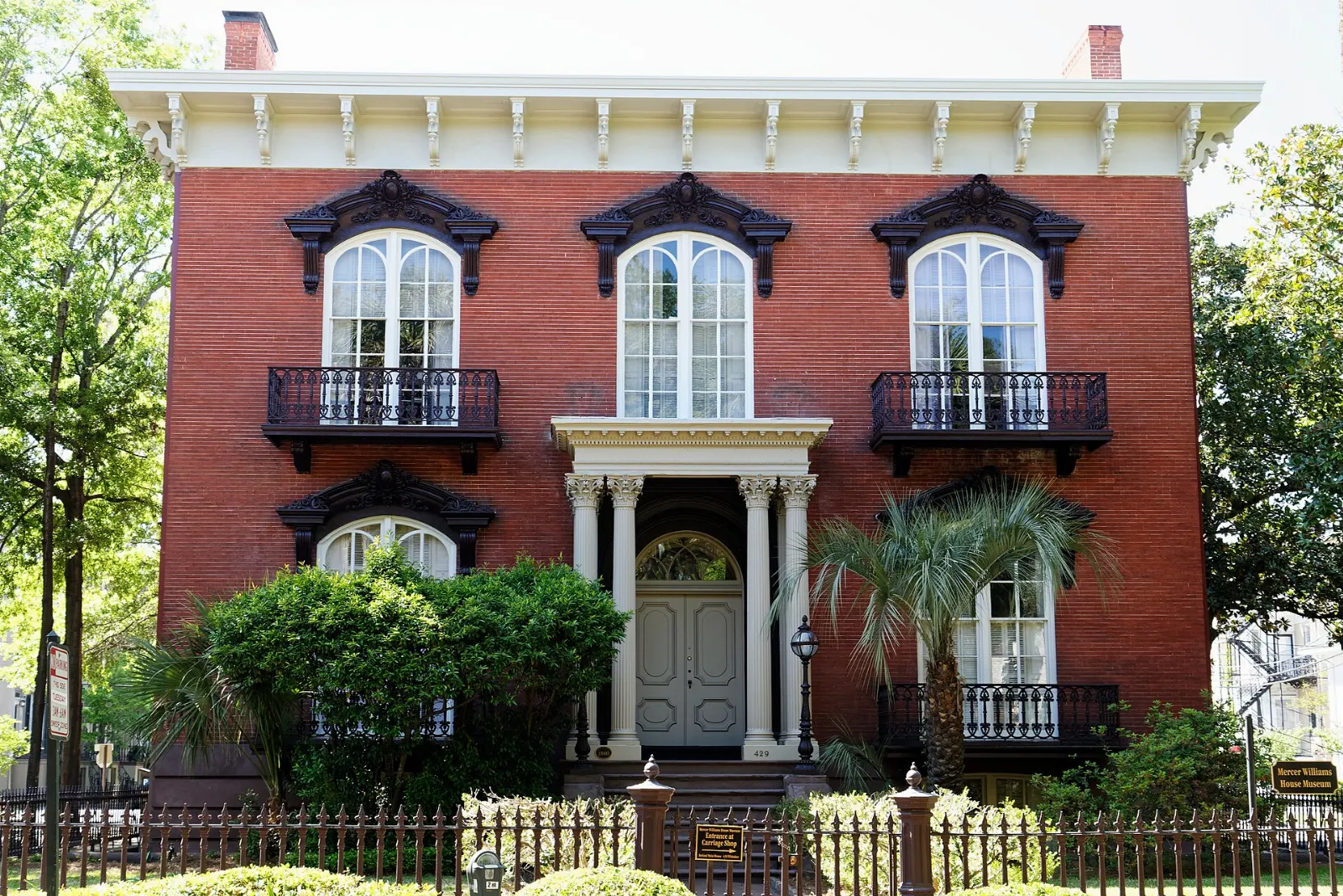
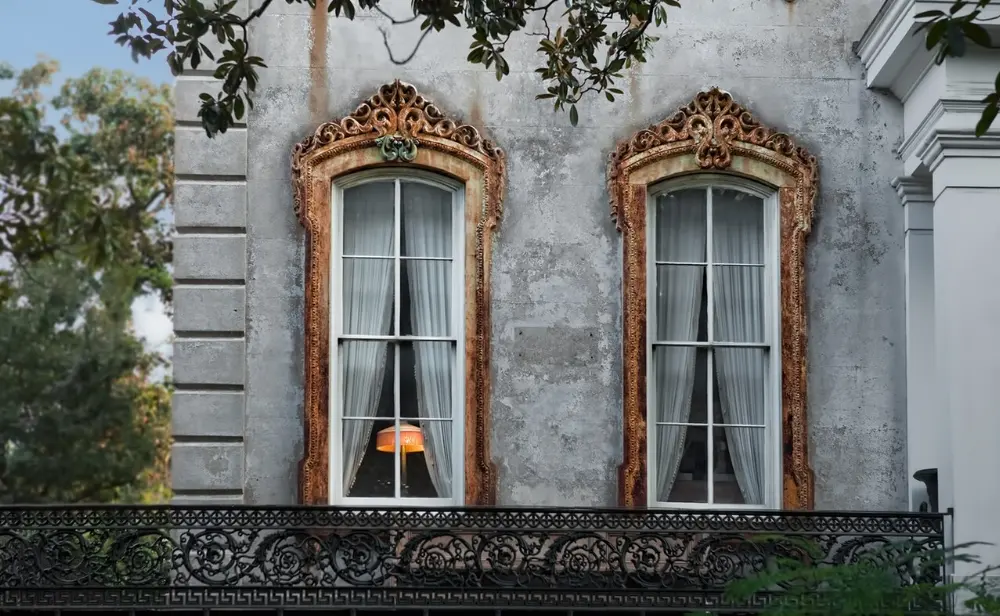
The red brick Italianate Mercer Williams House on Monterey Square became widely known through John Berendt's book Midnight in the Garden of Good and Evil. Guided tours cover the ground floor and the collection of antiques gathered by its restorer, Jim Williams.
Owens-Thomas House and other house museums
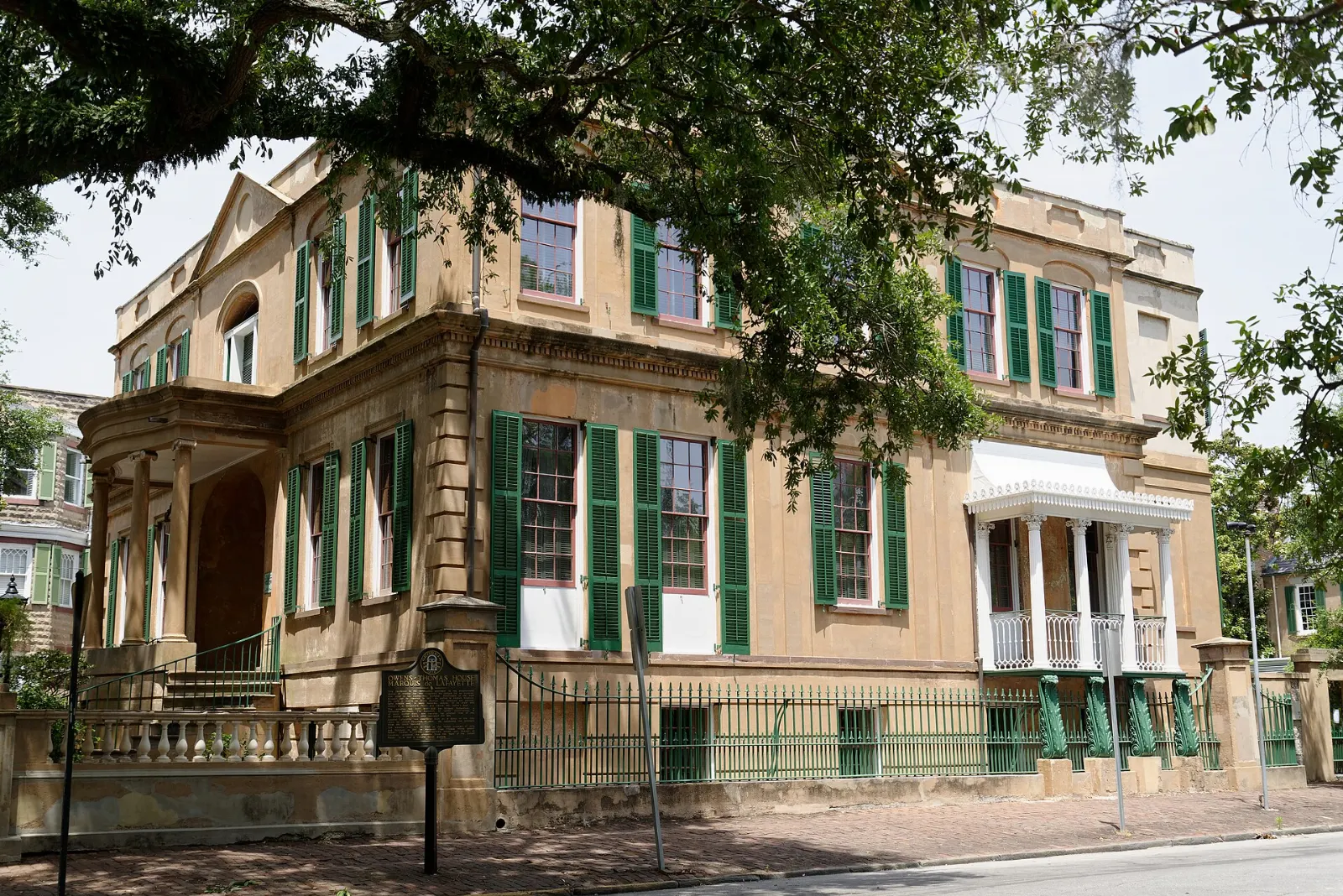
Designed by the English architect William Jay and completed in 1819, the Owens-Thomas House on Oglethorpe Square is run by Telfair Museums and includes one of the best preserved urban slave quarters in the South, where interpretation focuses on the enslaved people who lived and worked there. Allow an hour.
The riverfront and City Market
River Street and Factors Walk
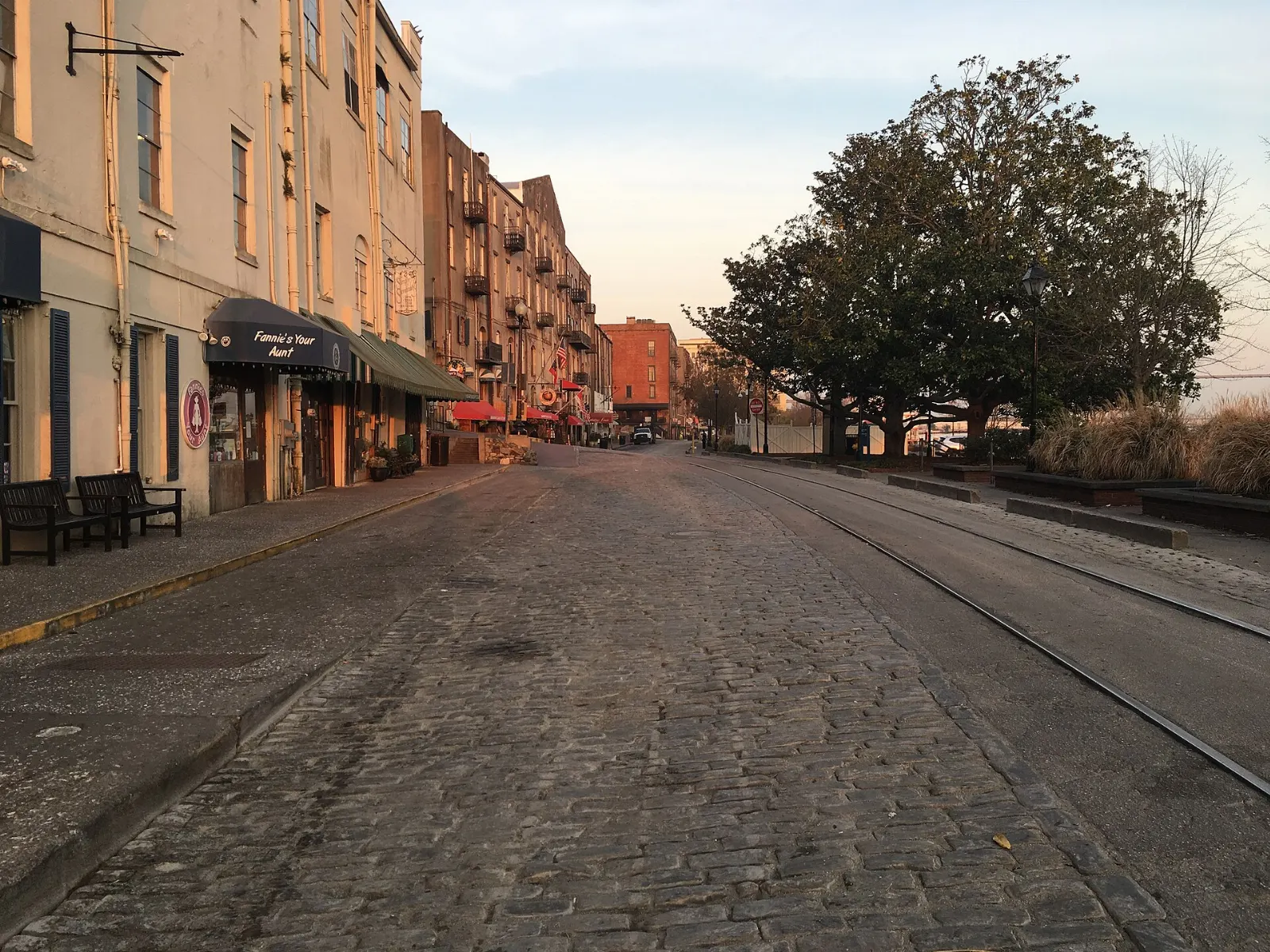
River Street runs along the Savannah River below a bluff, its cobblestones lined with brick buildings that once served as cotton warehouses.
City Market and Ellis Square
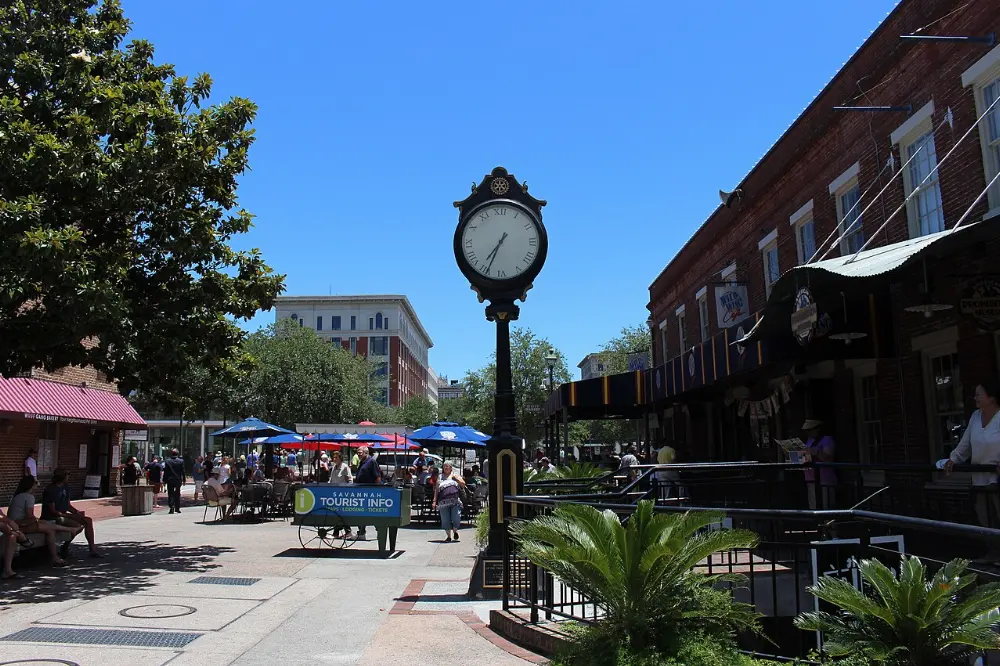
A few blocks inland, City Market is a pedestrian area of restored buildings with galleries, shops and outdoor dining, next to Ellis Square, which has a splash fountain children love in summer. Allow an hour or two, longer if you are eating.
SCAD Museum of Art and the Jepson Center
For contemporary art, the SCAD Museum of Art occupies a restored railroad building on the western edge of downtown, and the Jepson Center, part of Telfair Museums, shows modern and contemporary work in a striking building on Telfair Square.
On WiserMap
Local businesses in Savannah

Hello Cellular- Savannah
Hello Cellular- Savannah is a device repair business serving Savannah, providing repairs for phones, tablets, smartwatches, computers, and game consoles.

XFIX SAVANNAH
XFIX SAVANNAH is an electronics repair business serving Savannah, GA. It provides fast, affordable repairs for cell phones, computers, tablets, and game systems...
Coastal Custom Clean
Coastal Custom Clean is a pressure washing business serving Savannah, GA, offering residential and commercial exterior cleaning services including house washing...
Beyond downtown: cemeteries, marshes and the coast
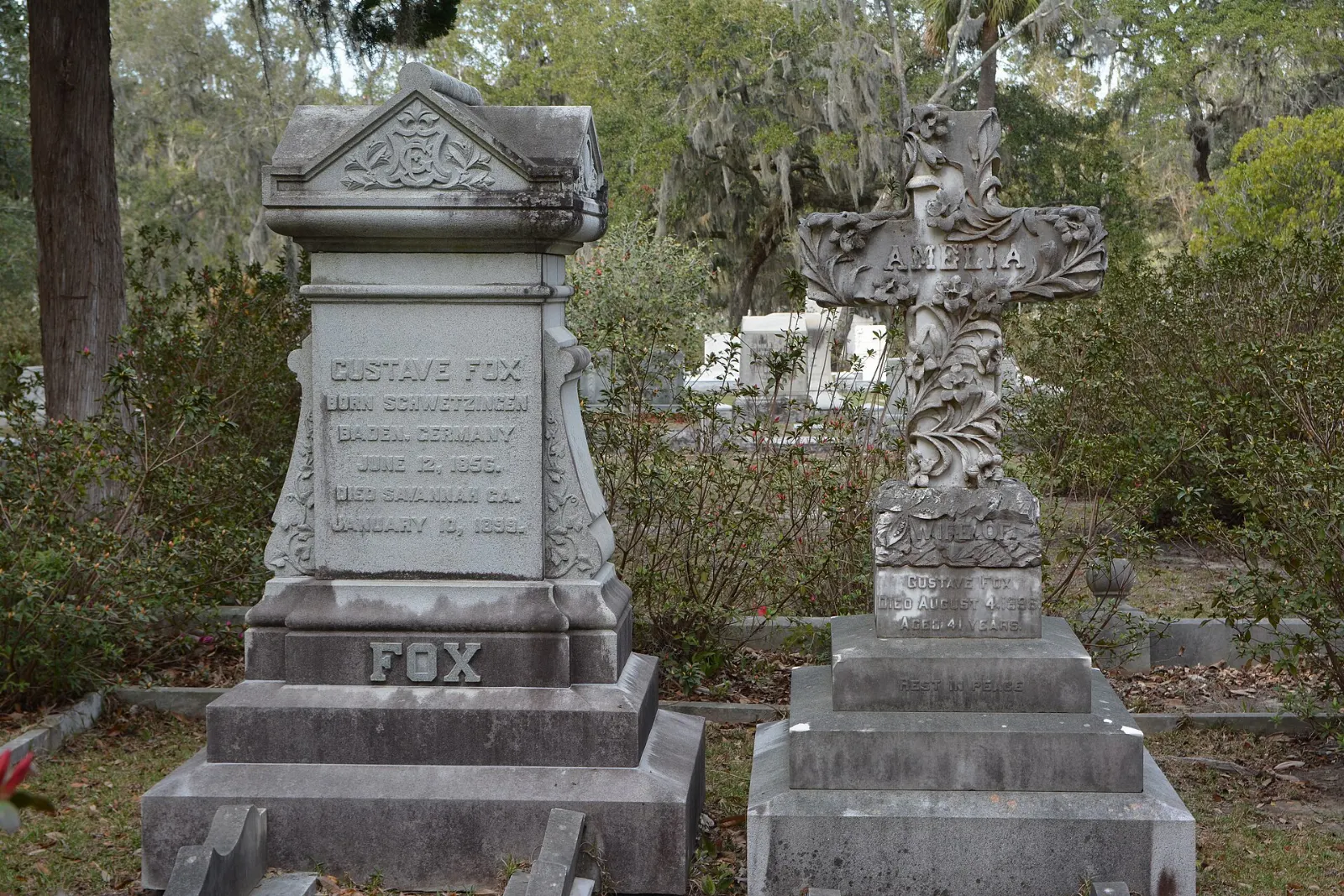
Bonaventure Cemetery
About fifteen minutes east of downtown, Bonaventure Cemetery sits on a bluff above the Wilmington River, with winding lanes under moss-covered oaks and carved monuments from the nineteenth century onward.
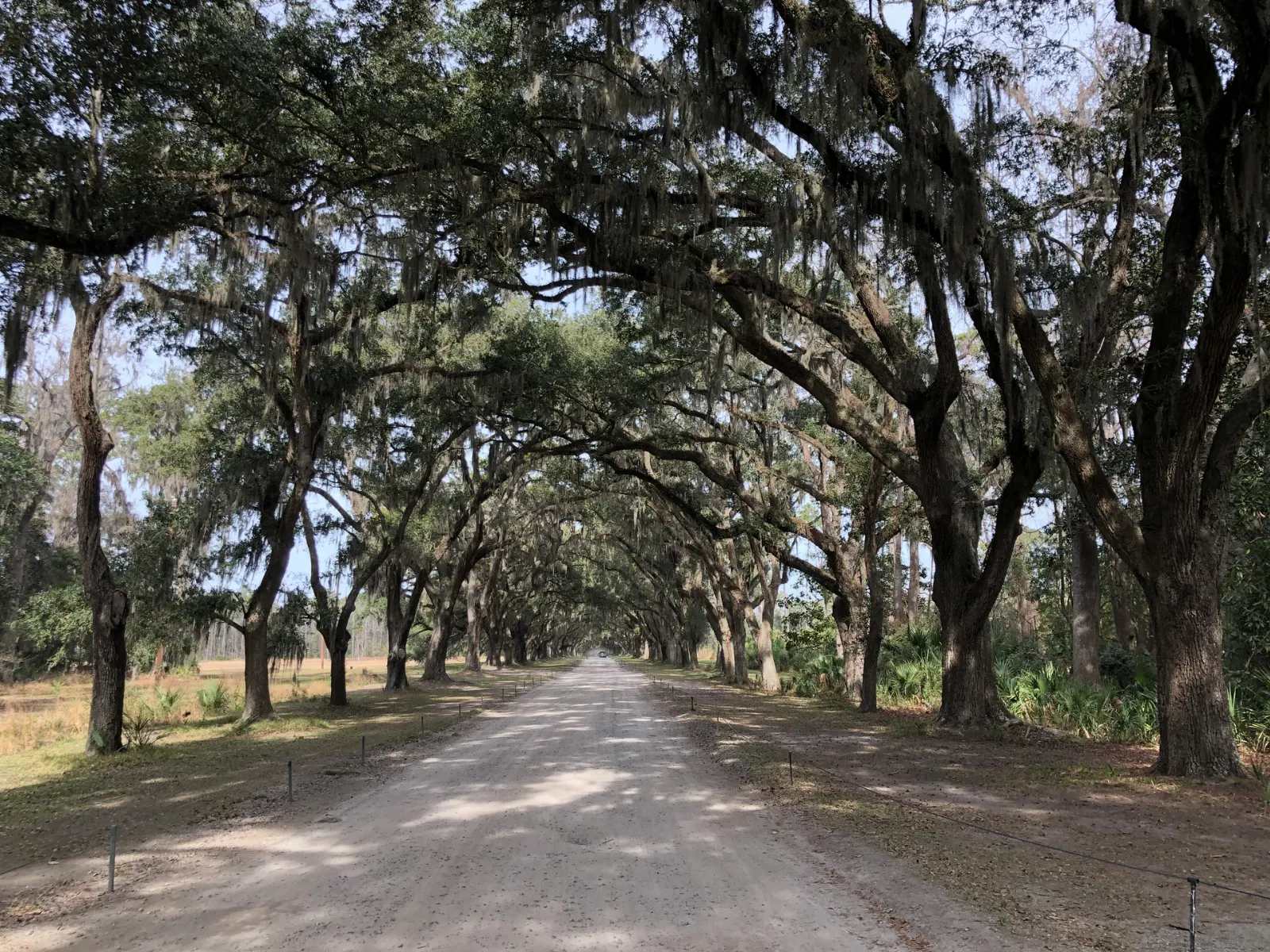
Wormsloe State Historic Site
On the Isle of Hope, Wormsloe is famous for its entrance avenue, where more than four hundred live oaks form an arch over a dirt road that runs well over a mile.
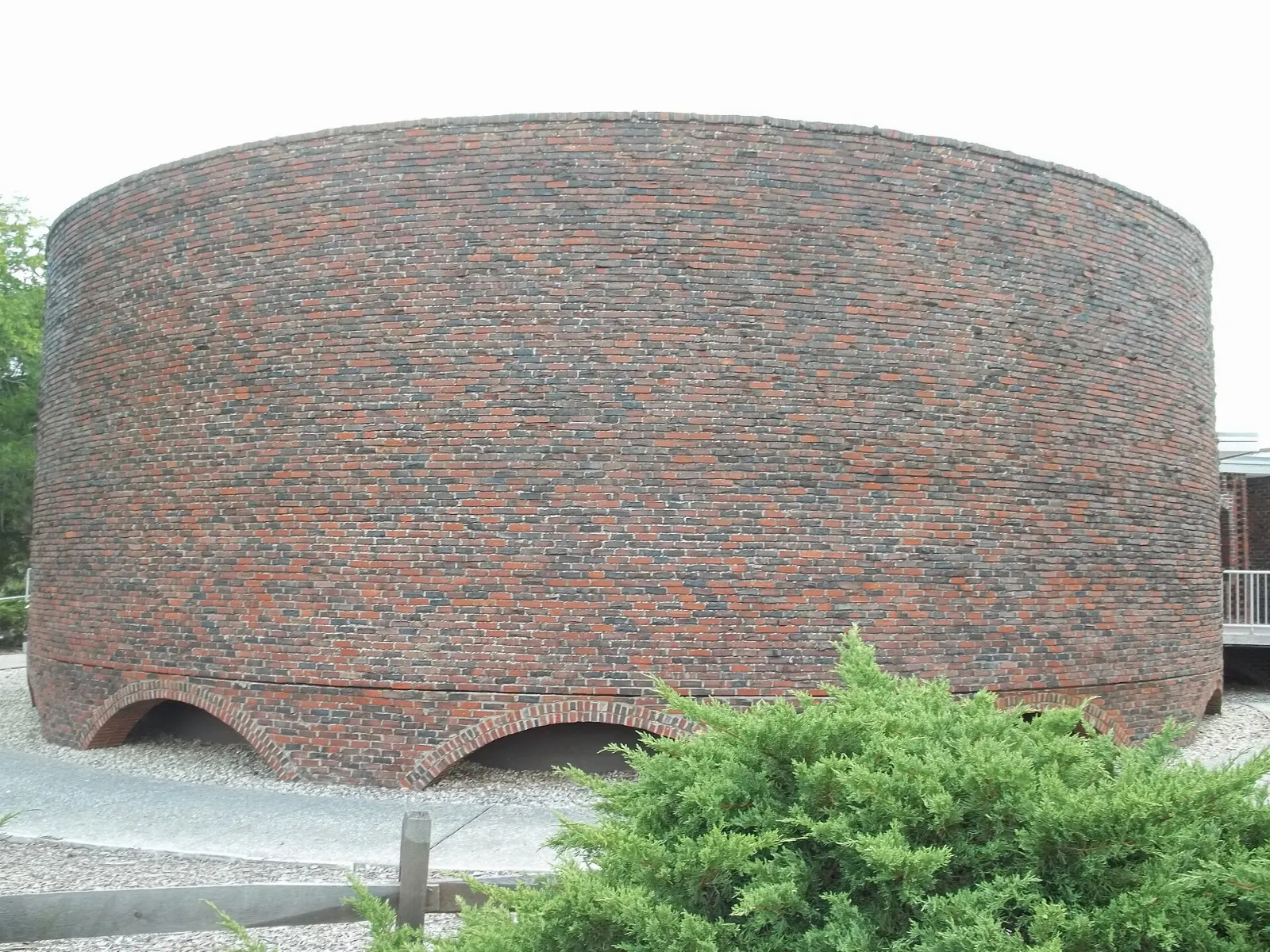
Fort Pulaski National Monument
On Cockspur Island, on the road to Tybee, Fort Pulaski is a massive brick fort surrounded by a moat. In 1862, Union rifled cannon breached its walls in a little over a day, a turning point that made masonry forts obsolete, and you can still see the shell damage.
Tybee Island
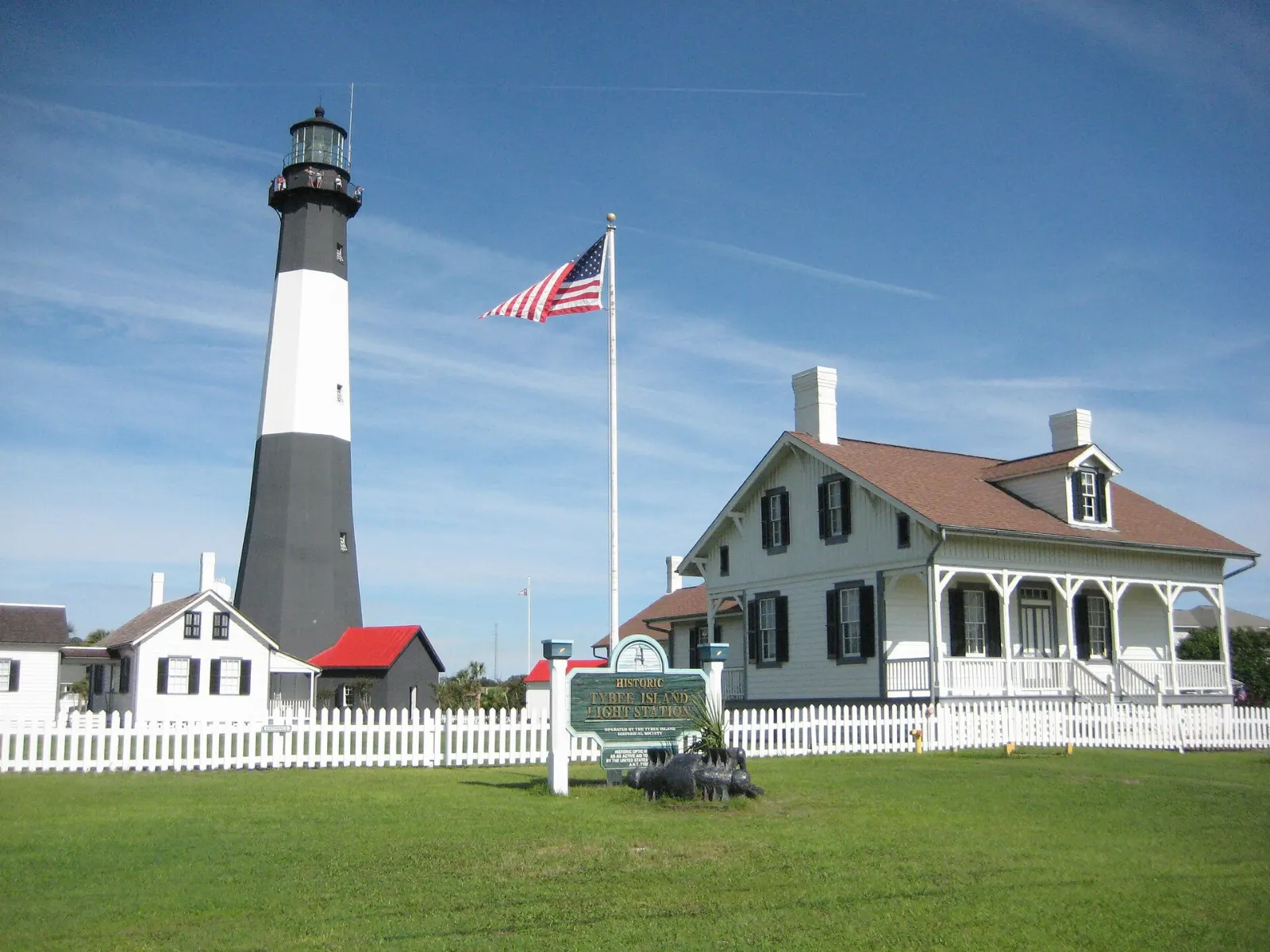
About twenty-five minutes from downtown, Tybee Island is Savannah's beach town, with a long sandy shore, a fishing pier and a casual, low-rise feel. The Tybee Island Light Station, Georgia's oldest and tallest lighthouse, can be climbed for views over the ocean and marshes, and the keepers' cottages hold small exhibits.
Food and local flavors
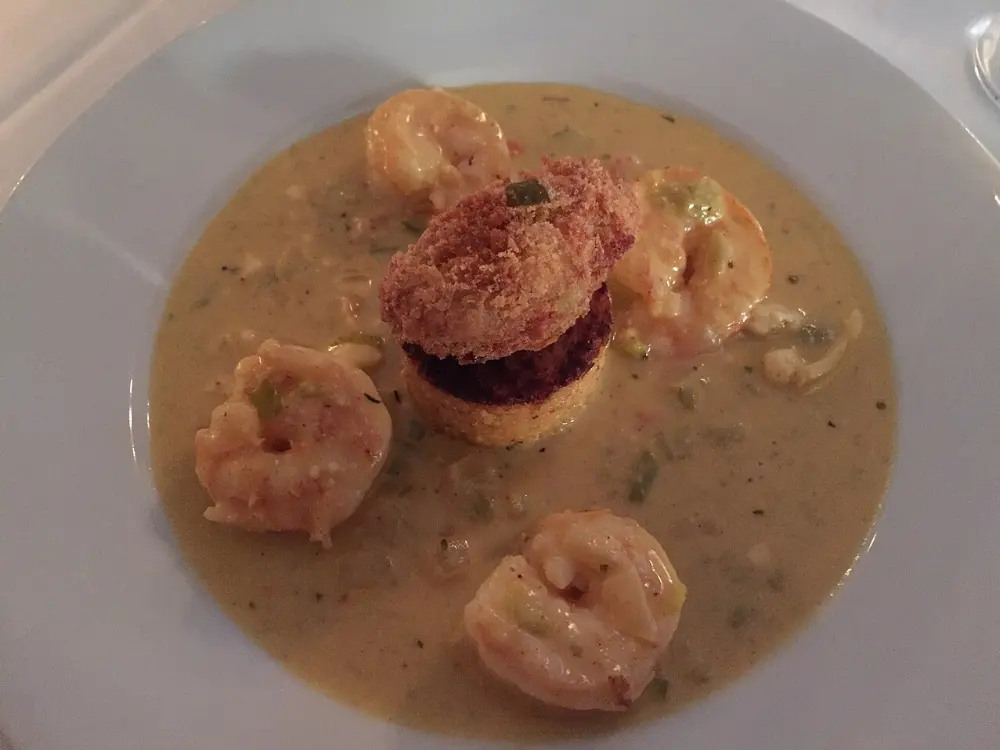
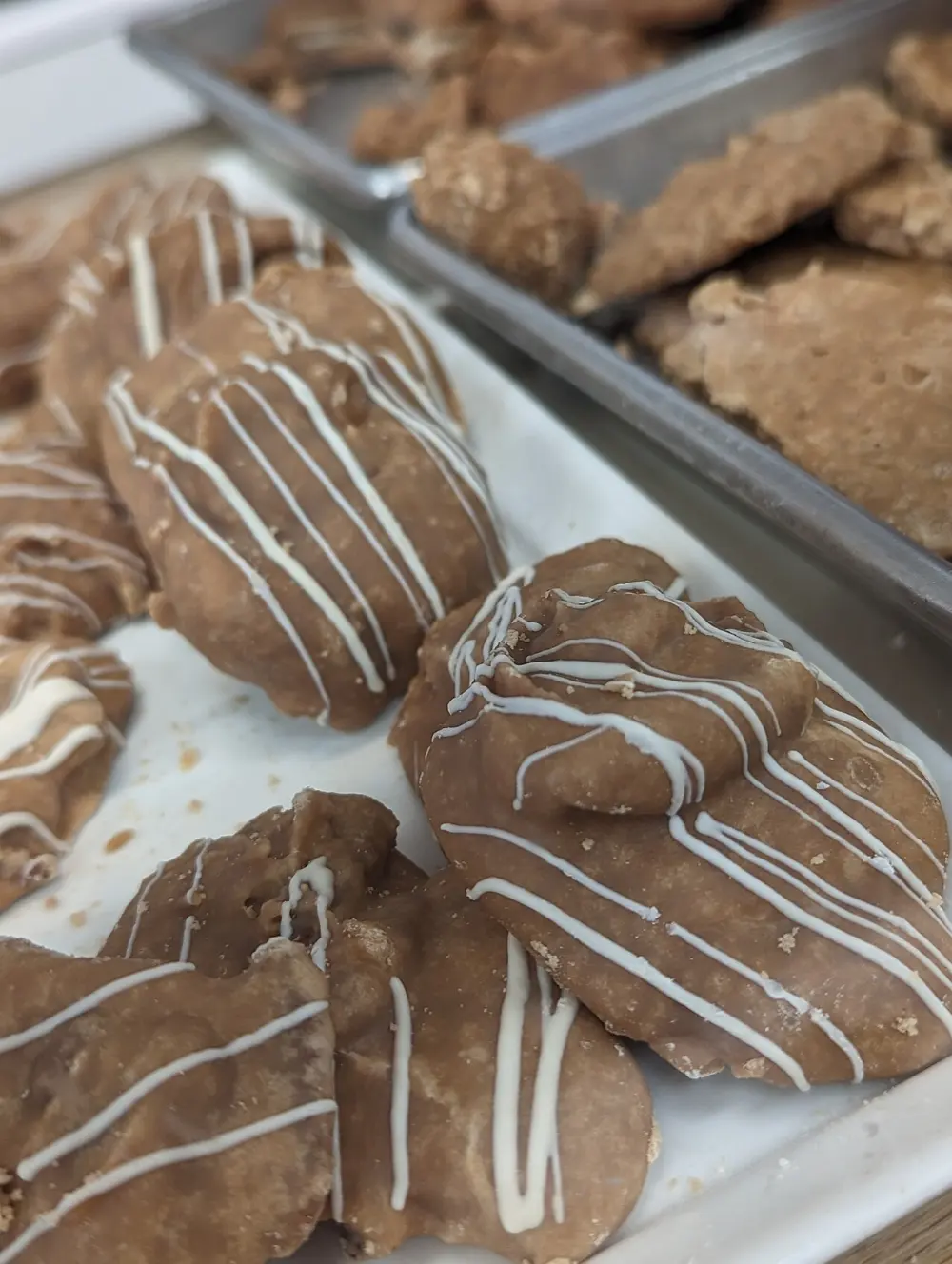
Savannah's cooking blends Southern comfort food with Lowcountry seafood. Shrimp and grits, often made with local wild Georgia shrimp, appears on menus across town, as does a Lowcountry boil of shrimp, sausage, corn and potatoes.
For a classic meal, Mrs. Wilkes' Dining Room on Jones Street has served Southern dishes family style at shared tables for decades.
Broughton Street is the main shopping street and has plenty of casual places to eat, while the Starland District south of Forsyth Park has a younger, more creative food scene with coffee shops and small restaurants.
Popular dishes to try in Savannah

 Planning a trip to Savannah?Compare hotels, flights and vacation rentals for Savannah on Expedia.Book now
Where to stay
The Historic District is the best base for most first-time visitors. Staying near the squares lets you walk almost everywhere, and many historic homes have been converted into inns.
The riverfront and City Market area puts you closest to restaurants, bars and nightlife, and suits groups and first-timers who want to be in the middle of things, though it can be noisy on weekends.
Families who want beach time may prefer Tybee Island, with rental houses and beach motels, and a short drive into town.
Where to stay in Savannah
Top rated
Trusted by locals in Savannah
South Shore Roofing
South Shore Roofing is a roofing business serving Savannah, GA, providing residential and commercial roofing services including roof replacement, repairs, and w...

Computer Solutions, Inc
Computer Solutions, Inc is an IT service and support business serving Savannah, Georgia. It provides managed IT services, computer repair, and technology soluti...
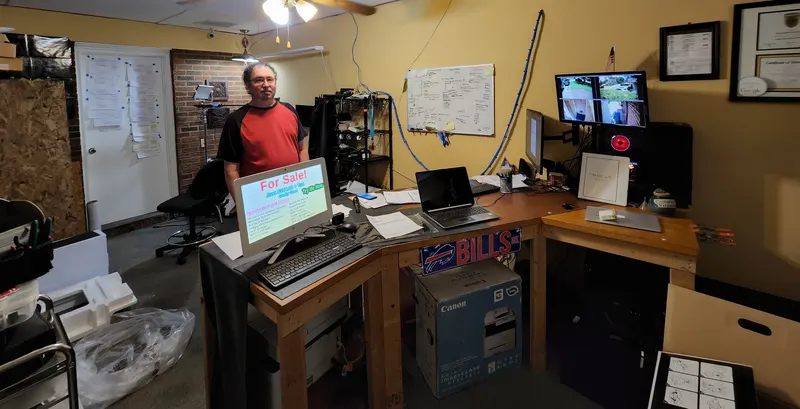
Tim's Computer Repair
Tim's Computer Repair is a computer repair business serving Savannah, GA. It provides PC and laptop repair, custom computer builds, virus removal, and data reco...
Best time to visit
Spring is Savannah's most popular season. From March into May, azaleas bloom in the squares and temperatures are ideal for walking.
Summer, from June through August, is hot and very humid, with frequent afternoon thunderstorms.
Autumn, from October to November, brings cooler days, lower humidity and lively cultural events, including the SCAD Savannah Film Festival.
Getting there and getting around
Savannah/Hilton Head International Airport lies about twenty minutes west of downtown by car, with nonstop flights to many major US cities.
Once you are in the Historic District, walking is the best way to get around.
Street parking downtown is metered and enforced, and garages are available.
A suggested itinerary
First day
Start with a morning walking tour of the squares, then visit the Owens-Thomas House.
Second day
Visit the Mercer Williams House and Monterey Square, then head to the SCAD Museum of Art or the Jepson Center.
Third day
Drive out to Wormsloe early, continue to Bonaventure Cemetery, then head east to Fort Pulaski.
Before you go
More to discover in Savannah

Skidaway Island Pro Wash
Skidaway Island Pro Wash is a professional washing service in Savannah, GA, offering soft washing, power washing, pressure washing, and window washing for resid...
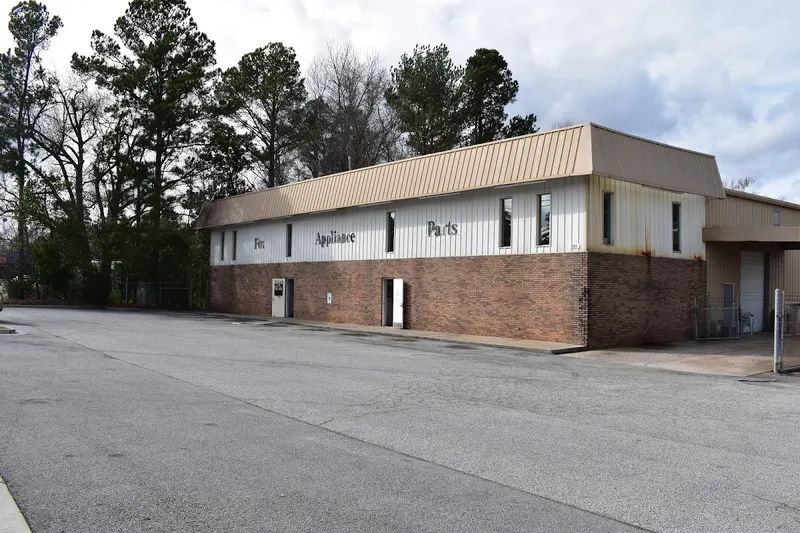
Fox Appliance Parts
Fox Appliance Parts is a specialized appliance parts supplier serving Atlanta, GA. Fox Appliance Parts provides a wide range of appliance parts for various bran...
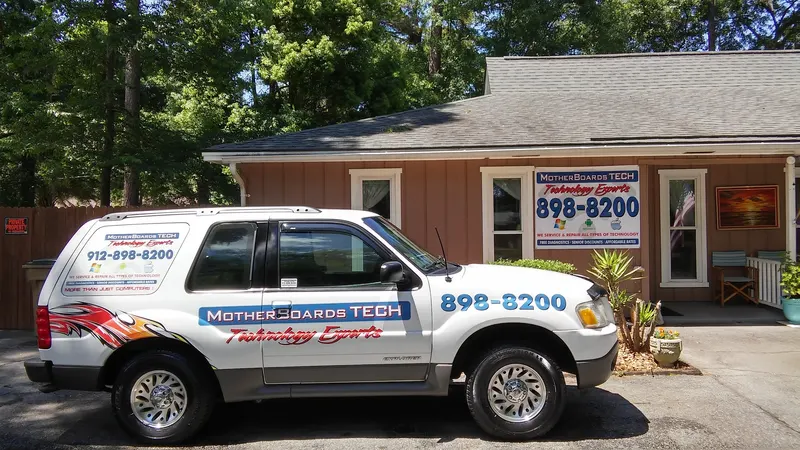
MotherBoards Tech
MotherBoards Tech is a computer repair business serving Savannah, GA, specializing in virus removal, Windows repair, desktop and laptop repair, and free diagnos...
Practical tips
- Wear comfortable shoes; cobblestones, brick sidewalks and steep river stairs are uneven.
- Carry water and sunscreen from late spring to early autumn, and plan outdoor walks for the cooler parts of the day.
- Bring insect repellent for evenings and for marsh areas, where tiny biting gnats can be a nuisance.
- Book house museum tours and popular restaurants ahead in spring and around St. Patrick's Day.
- Pay attention to downtown parking rules; meters and time limits are enforced.
- Use plastic cups only if you carry a drink outdoors, and keep to the Historic District boundaries where this is allowed.
Find local businesses in Savannah on WiserMap
Looking for a coffee shop near your square, a local guide or a place for dinner after River Street?