Pensacola sits at the far western tip of the Florida Panhandle, wrapped by water on three sides, and it carries more history than almost any city on the Gulf Coast. Spain first tried to settle Pensacola Bay in 1559, and the city has since flown the flags of Spain, France, Britain, the Confederacy and the United States.
AT A GLANCE
Best time
April to May and October for warm water, lower humidity and calmer crowds.
How long
Three to four days to combine history, beaches and the aviation museum.
Getting there
Fly into Pensacola International Airport or drive in on Interstate 10.
Why visit Pensacola
Pensacola gives you two trips in one. On the mainland is a walkable old city where Spanish, British and American periods overlap, with museums, live music and a busy restaurant scene along Palafox Street.
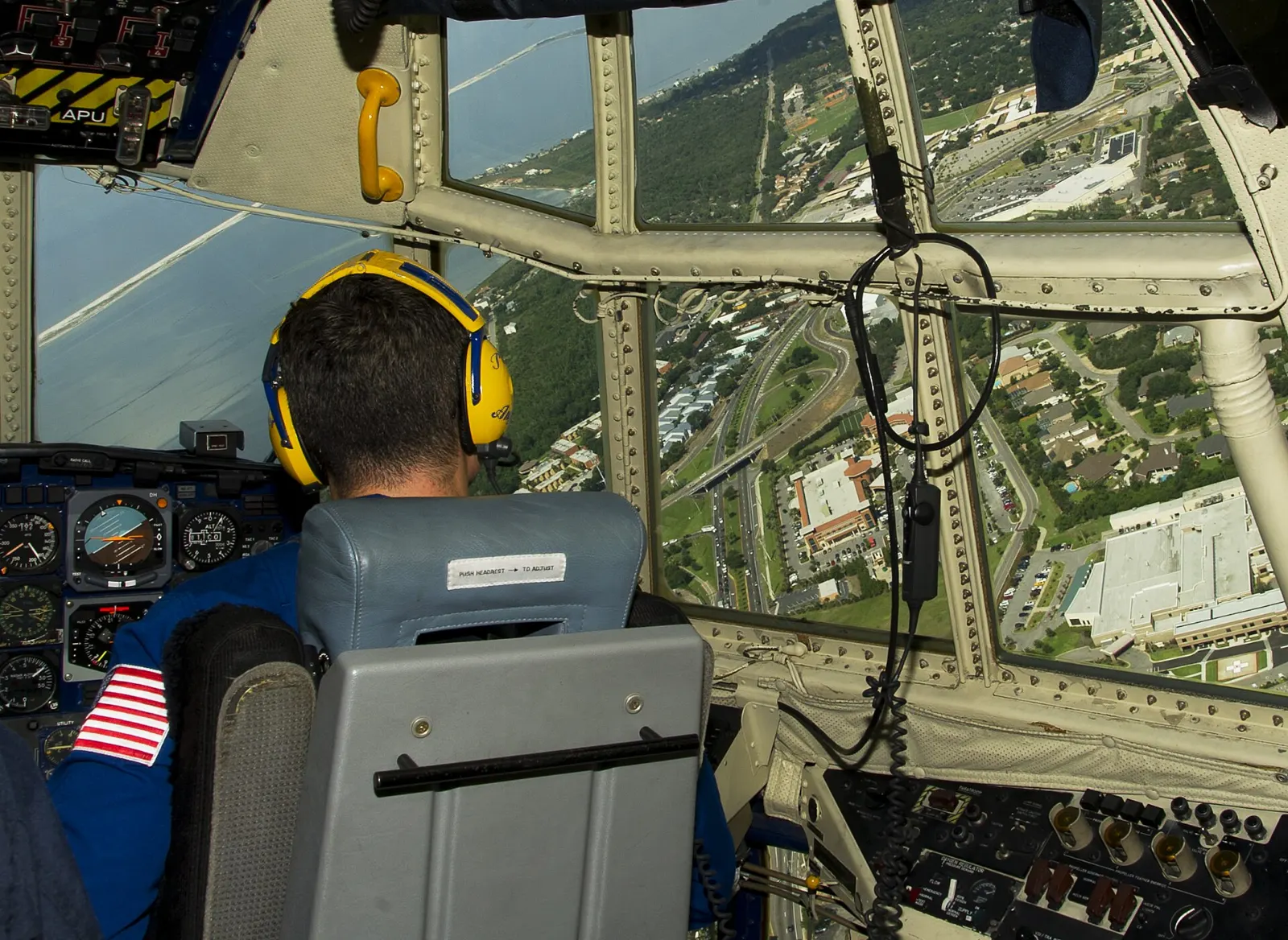
The city is also the home of naval aviation. Naval Air Station Pensacola became the Navy's first air station in 1913, it is the home base of the Blue Angels flight demonstration squadron, and it holds one of the largest aviation museums in the world.
Downtown and the historic districts
Downtown Pensacola is compact, flat and pleasant to explore on foot. Park once and plan to walk between the Seville district, the plazas and Palafox Street.
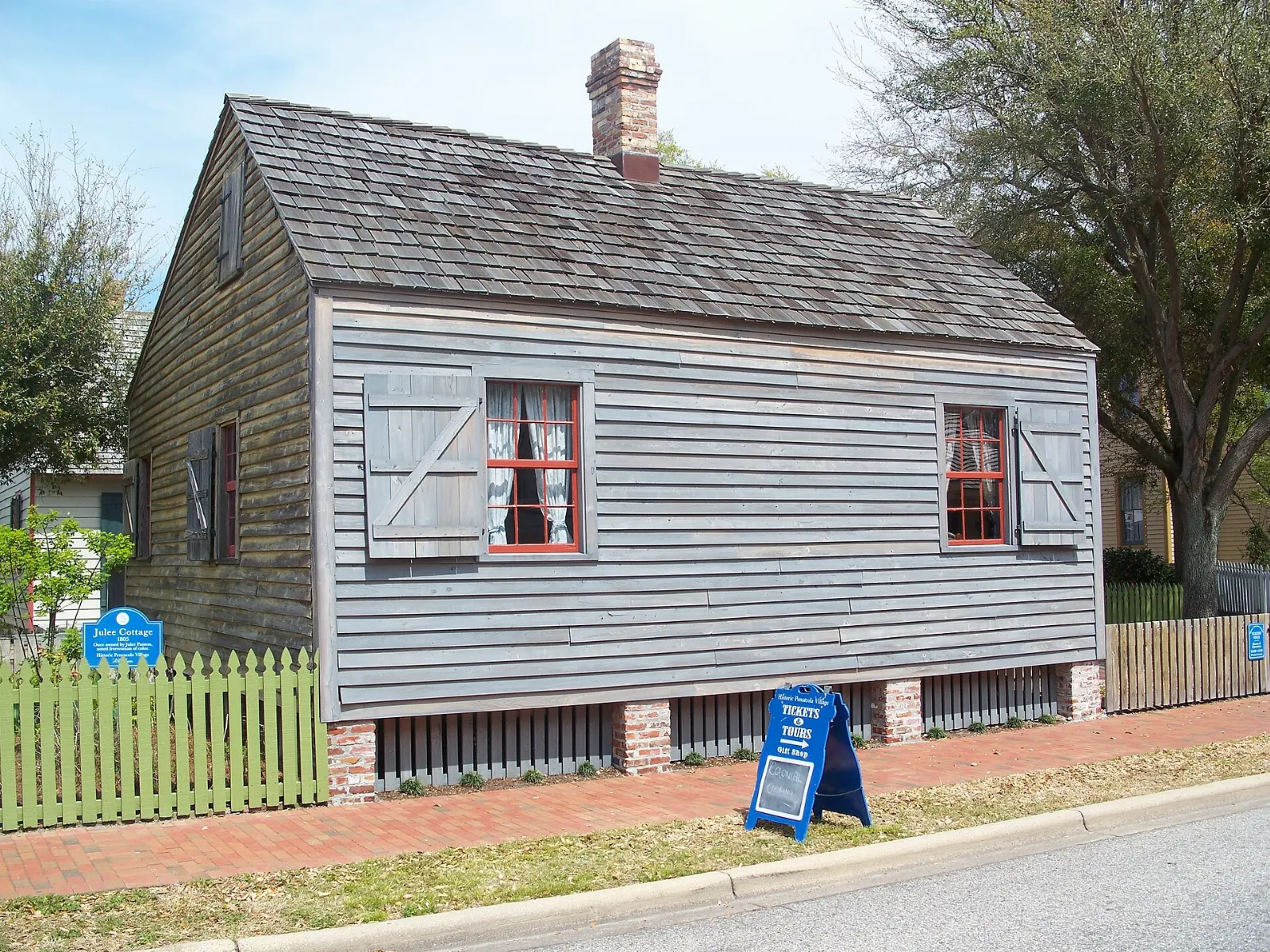
Historic Pensacola Village
In the Seville Historic District, near the bay, this cluster of preserved buildings and museums is run by the University of West Florida.
Plaza Ferdinand VII
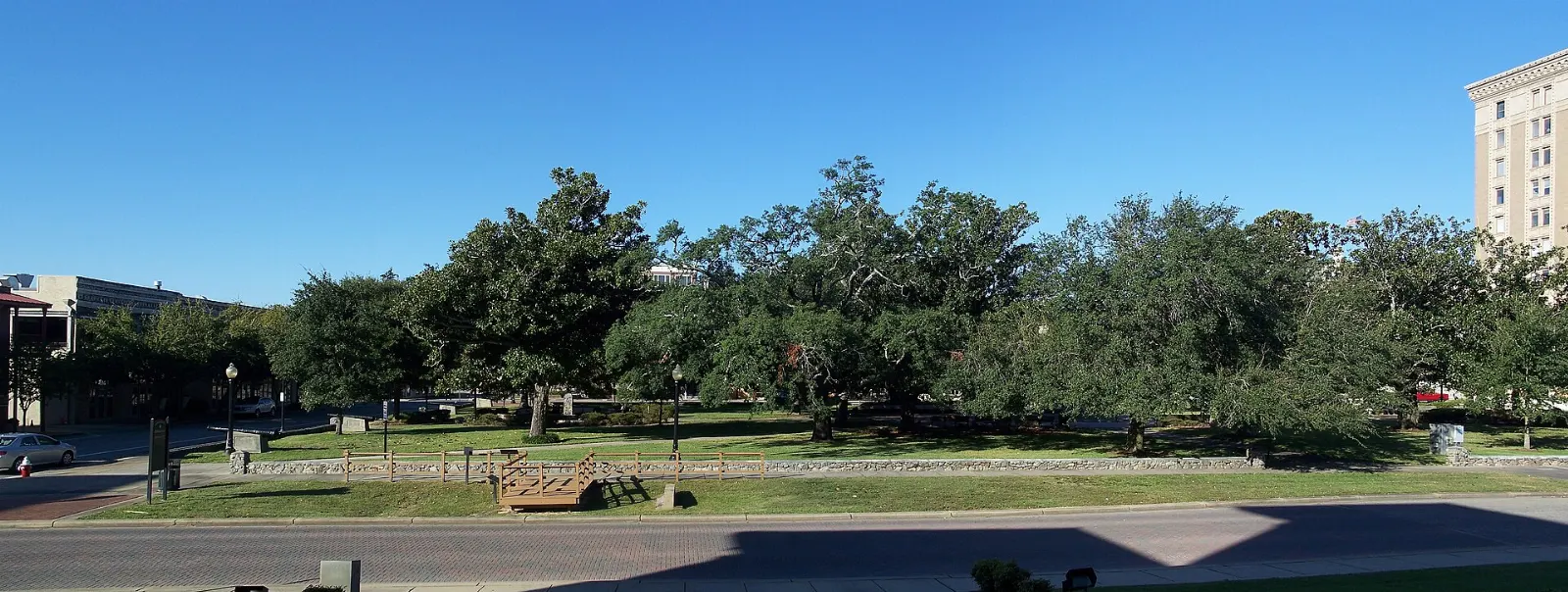
This small green square was at the heart of the British and Spanish towns, and in 1821 it was the site where Andrew Jackson accepted the transfer of Florida to the United States. A statue of Jackson and historical markers tell the story.
Palafox Street
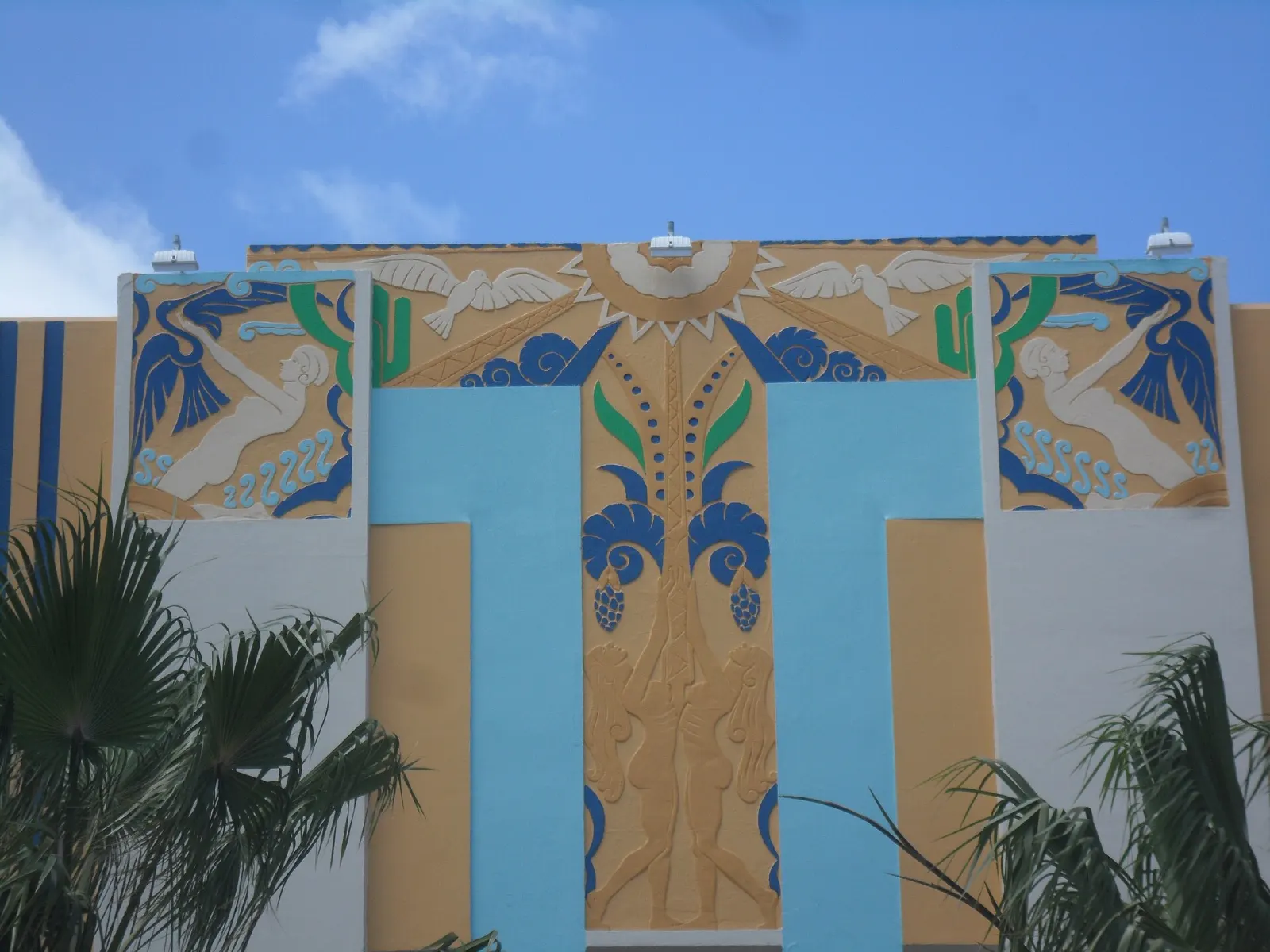
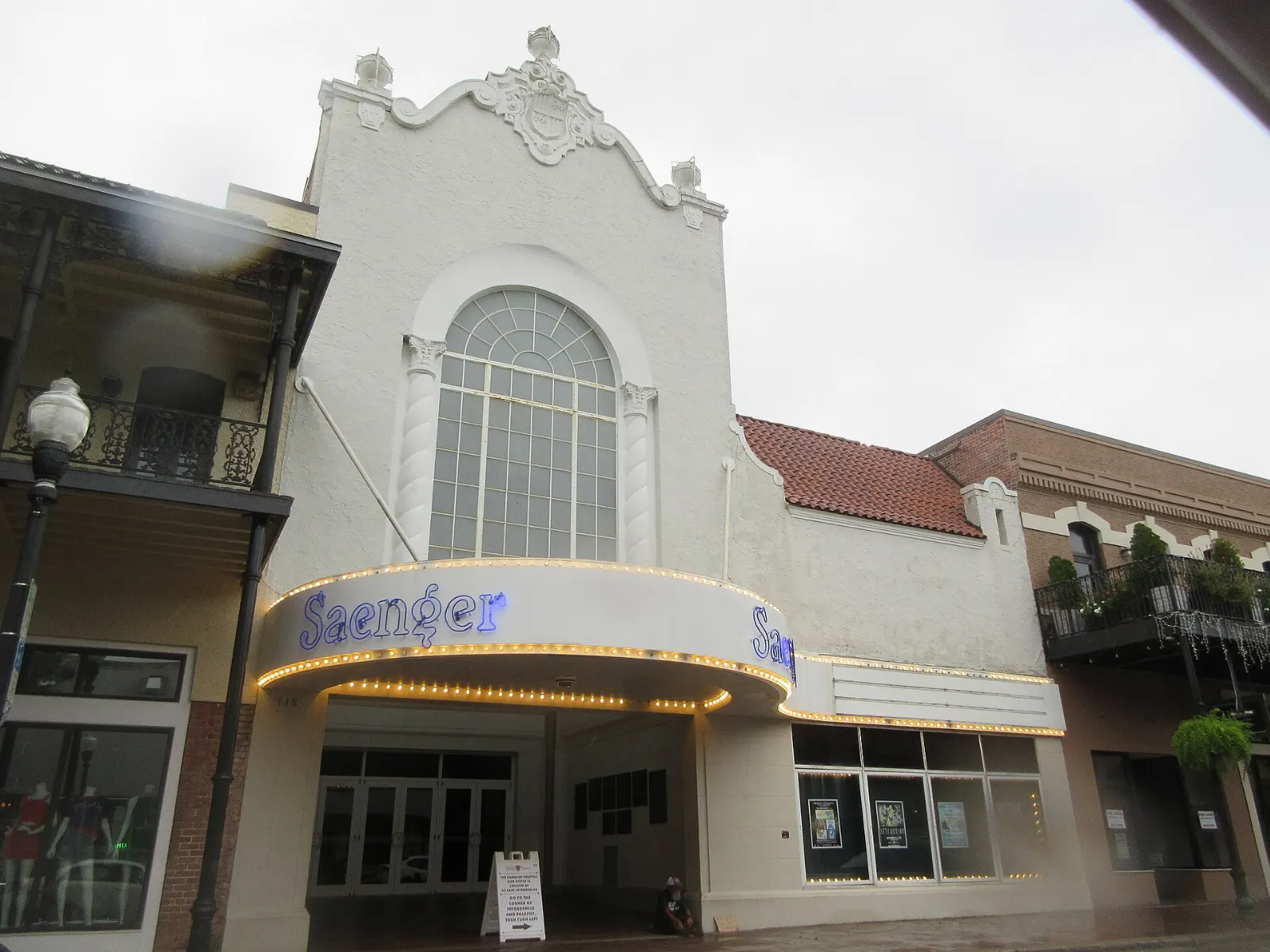
Pensacola's main street runs north from the waterfront, lined with restored commercial buildings, restaurants, bars and galleries. The Spanish Baroque revival Saenger Theatre hosts touring shows and concerts, and on Saturday mornings the Palafox Market fills Martin Luther King Jr. Plaza with farmers, bakers and artisans.
Naval Air Station Pensacola
Several of the city's most important sights sit inside the gates of the active naval base southwest of downtown. Public access rules can change, so check the official website of each site before you go and bring a valid government-issued photo ID for every adult in the car.
National Naval Aviation Museum
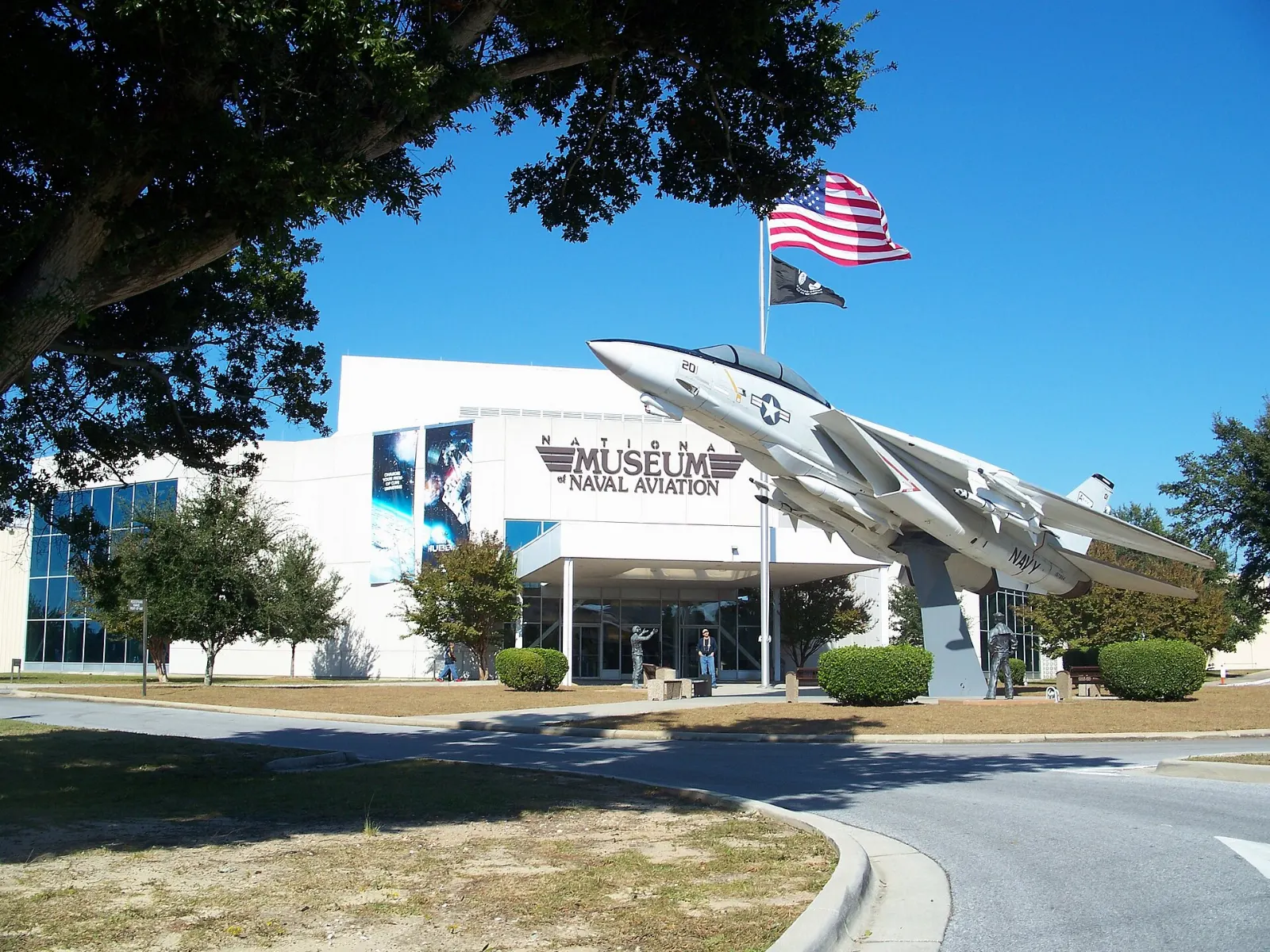
This enormous museum displays more than a hundred and fifty aircraft and spacecraft from Navy, Marine Corps and Coast Guard history, from early biplanes and the Curtiss NC-4, the first aircraft to fly across the Atlantic, to jets that served on modern carriers. Four former Blue Angels Skyhawks hang in formation in the atrium.
Pensacola Lighthouse and Maritime Museum
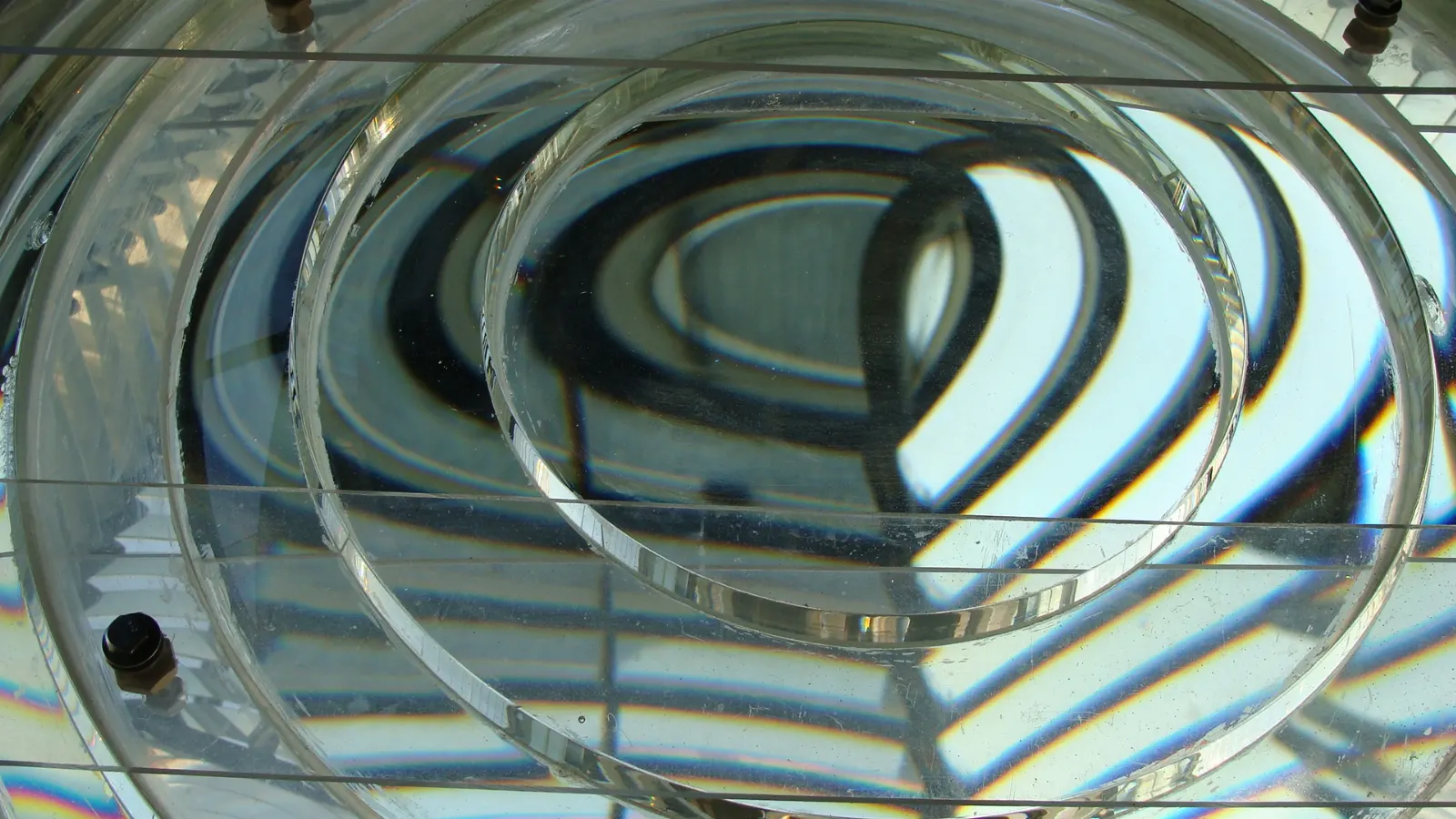
Standing on the bluffs near the base entrance to the bay, this lighthouse was first lit in the 1850s and its tower is painted black on top and white below.
On WiserMap
Local businesses in Pensacola
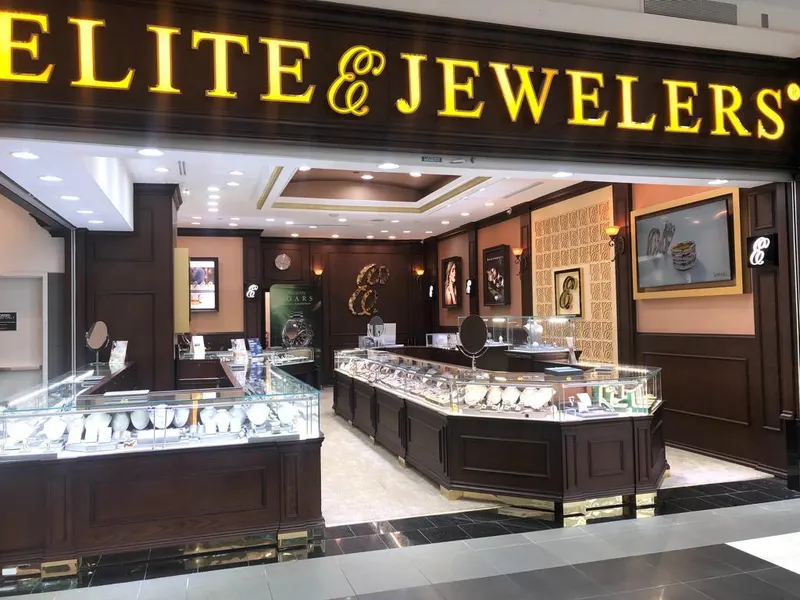
Elite Jewelers
Elite Jewelers is a fine jeweler offering exquisite craftsmanship and timeless elegance with collections including engagement rings, wedding bands, pendants, ea...
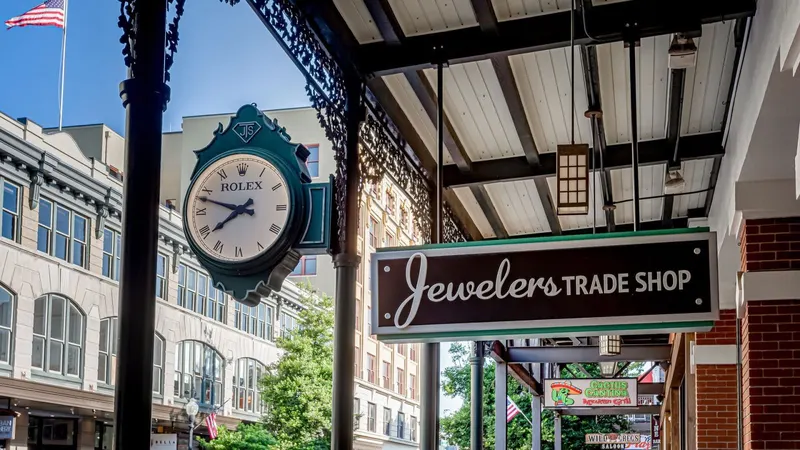
Jewelers Trade Shop
Jewelers Trade Shop is a jewelry store in Pensacola, FL offering fine jewelry, designer brands, custom designs, professional repair, and appraisals.
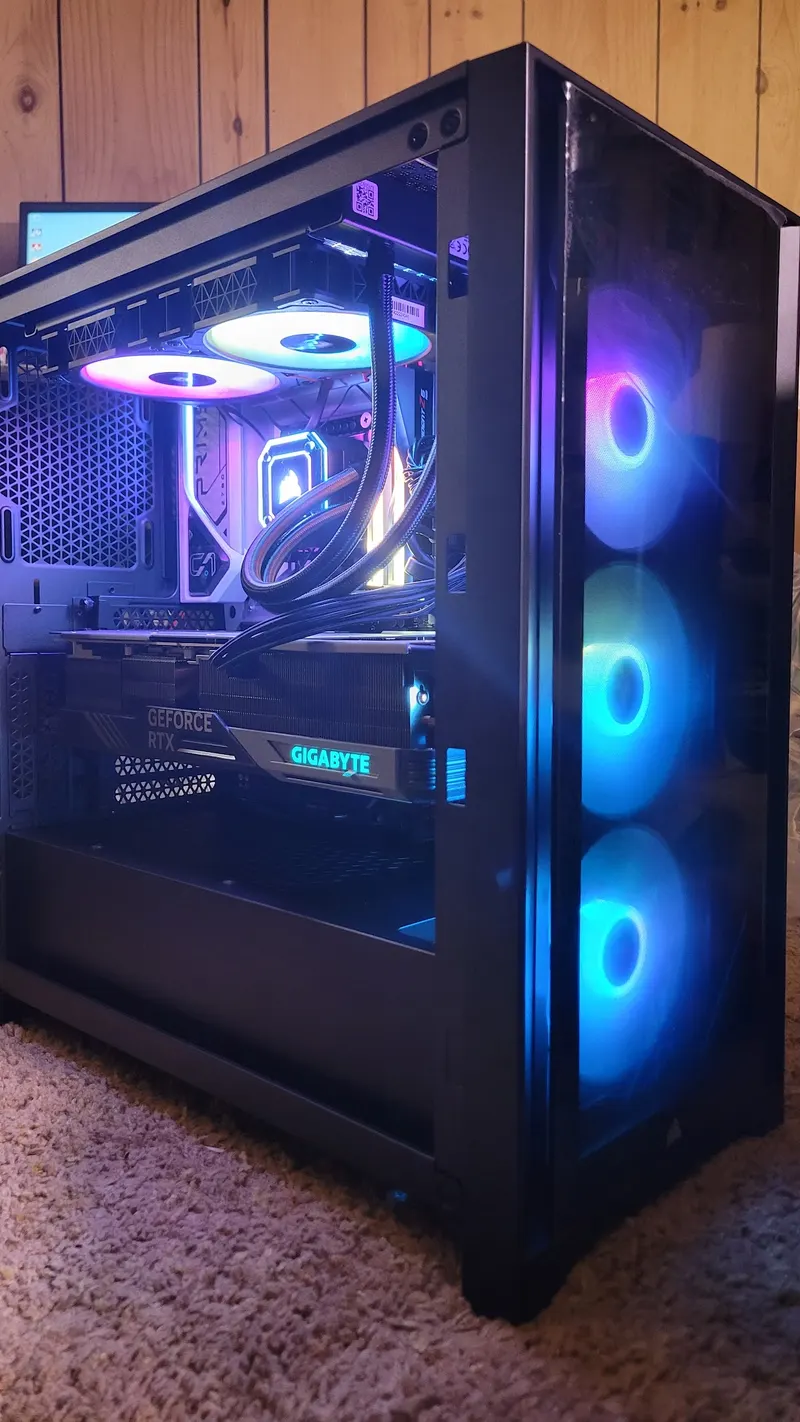
Pensacola Computers
Pensacola Computers is a computer repair and service business serving Pensacola, FL. It provides diagnostics, repair, upgrades, and remote troubleshooting servi...
Beaches, forts and parks
The Gulf beaches are reached by bridge across the bay and sound. Sand here is fine and bright, and the water ranges from pale green to deep blue on calm days.
Pensacola Beach
On Santa Rosa Island, Pensacola Beach is the area's main resort community, with restaurants, rentals and lifeguarded sections. Casino Beach, near the island's main intersection, is the busiest stretch and a natural starting point, marked by a large beach ball water tower.
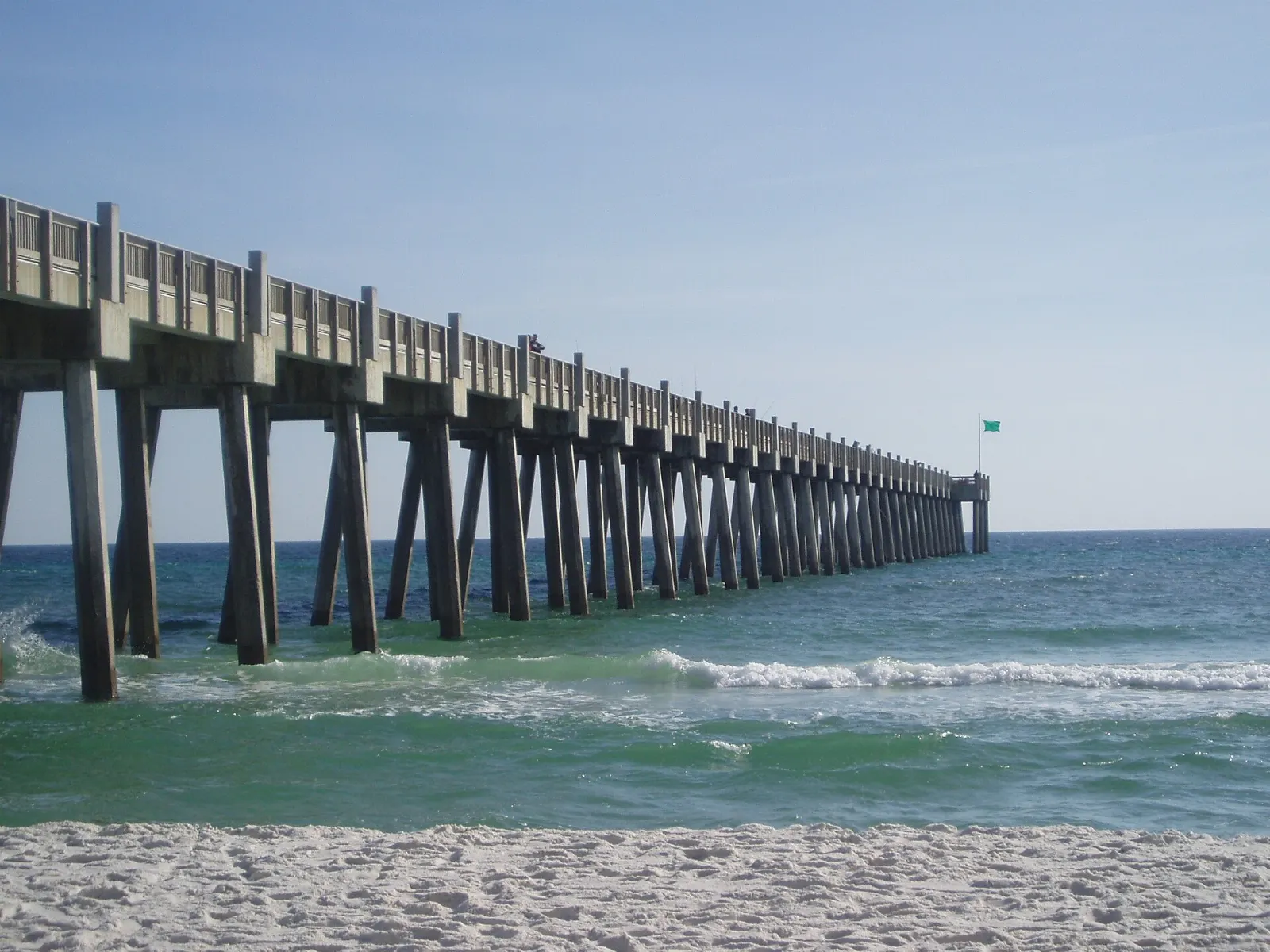
Pensacola Beach Gulf Pier
This long concrete fishing pier extends well out into the Gulf, letting you look down into clear water for rays, schools of fish and sometimes dolphins or sea turtles. Anglers come for king mackerel and cobia in season.
Fort Pickens
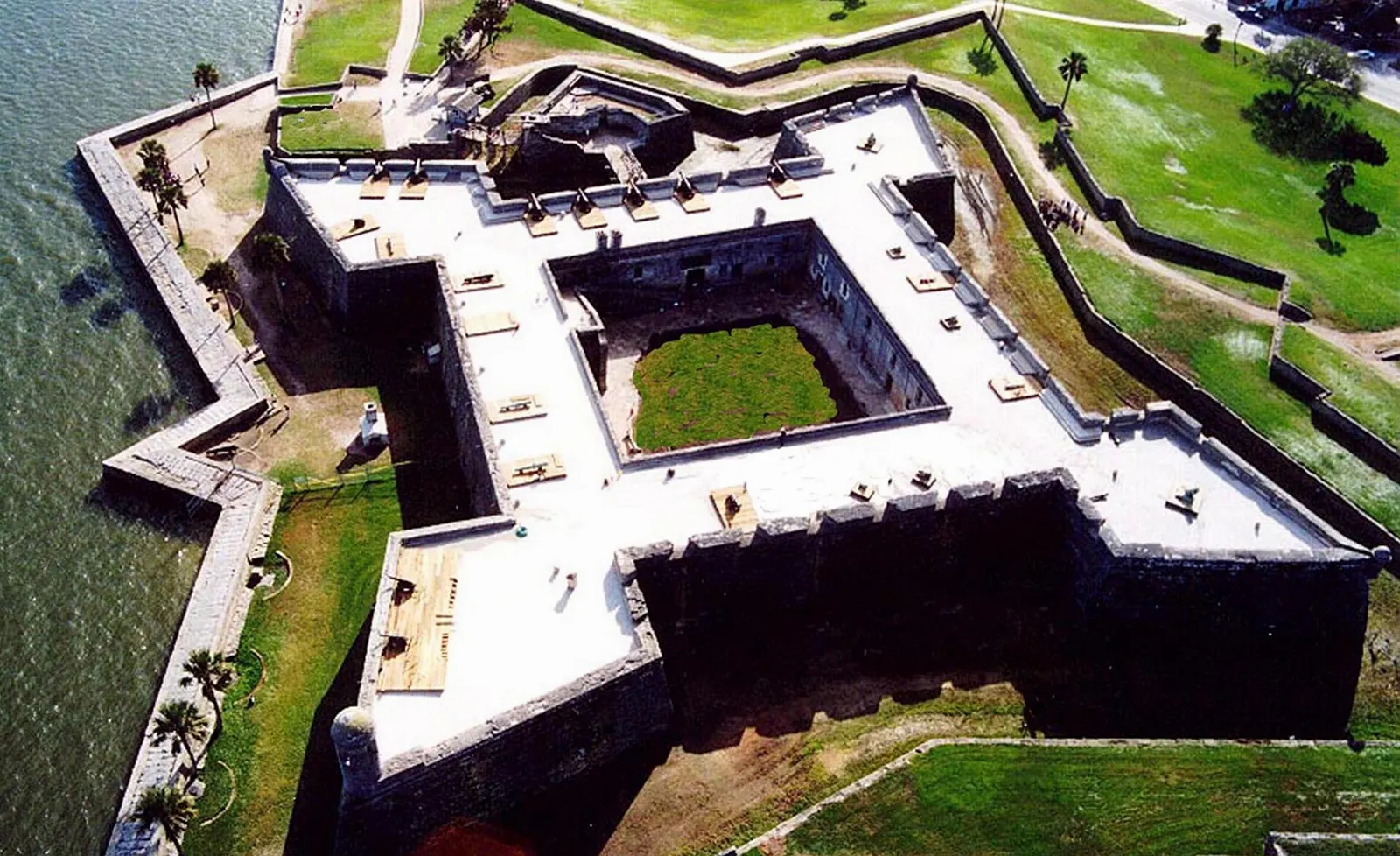
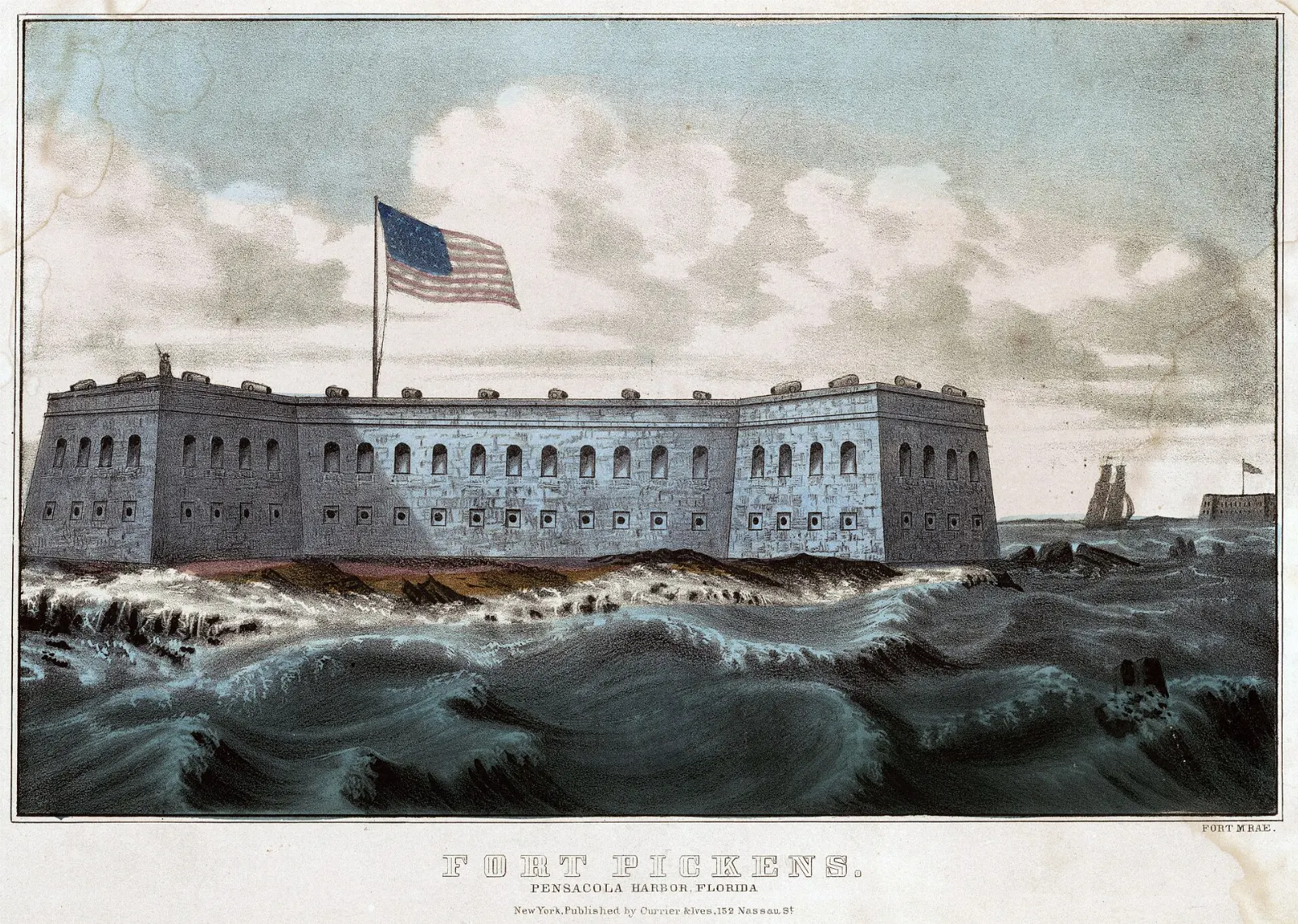
At the western end of Santa Rosa Island, inside Gulf Islands National Seashore, Fort Pickens is a massive brick fort completed in the 1830s that stayed in Union hands throughout the Civil War. The Apache leader Geronimo was held there in the 1880s.
Big Lagoon State Park
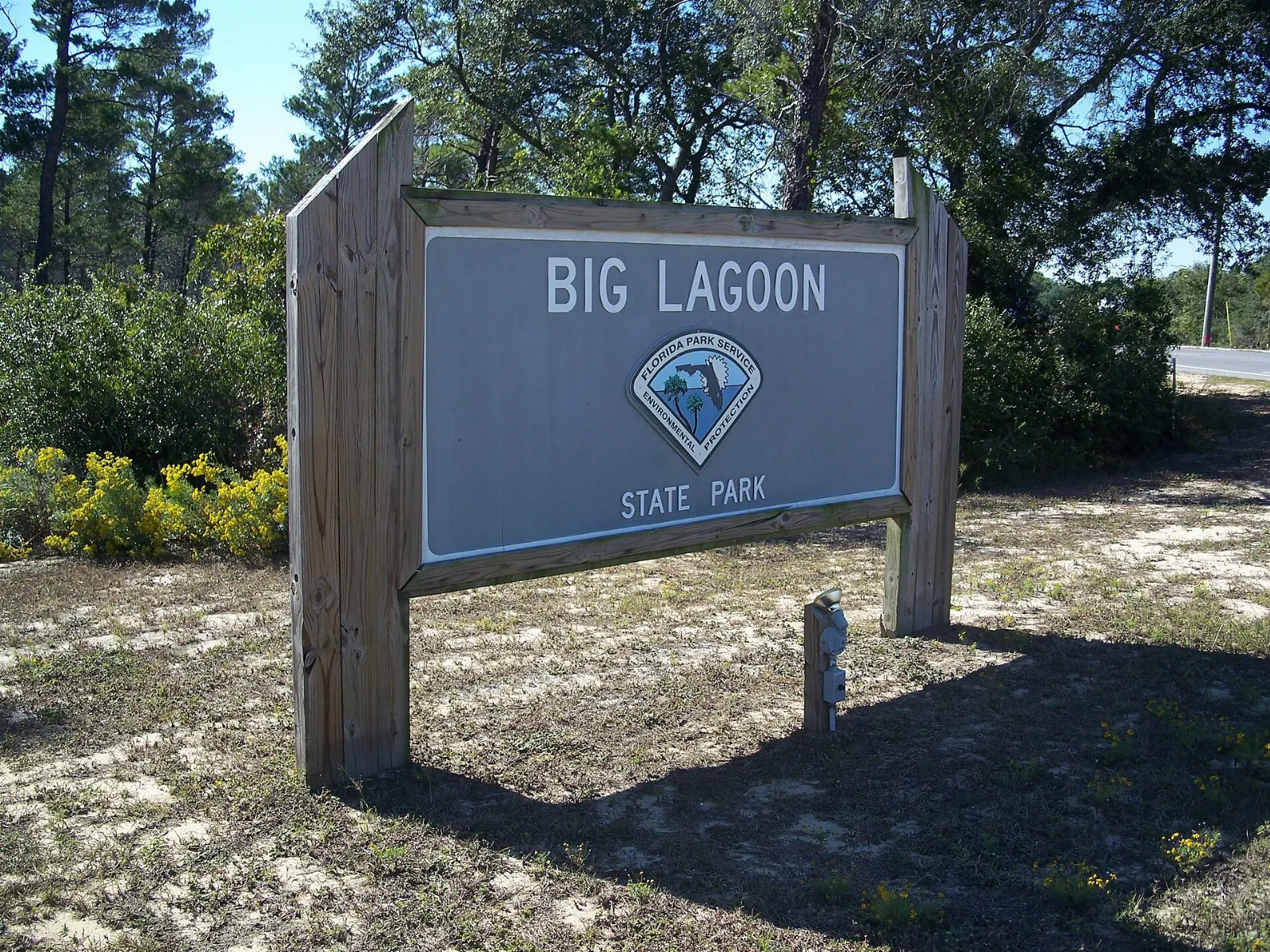
West of the city on the mainland, this park protects salt marsh, pine flatwoods and the calm, shallow waters of Big Lagoon.
Perdido Key and Johnson Beach
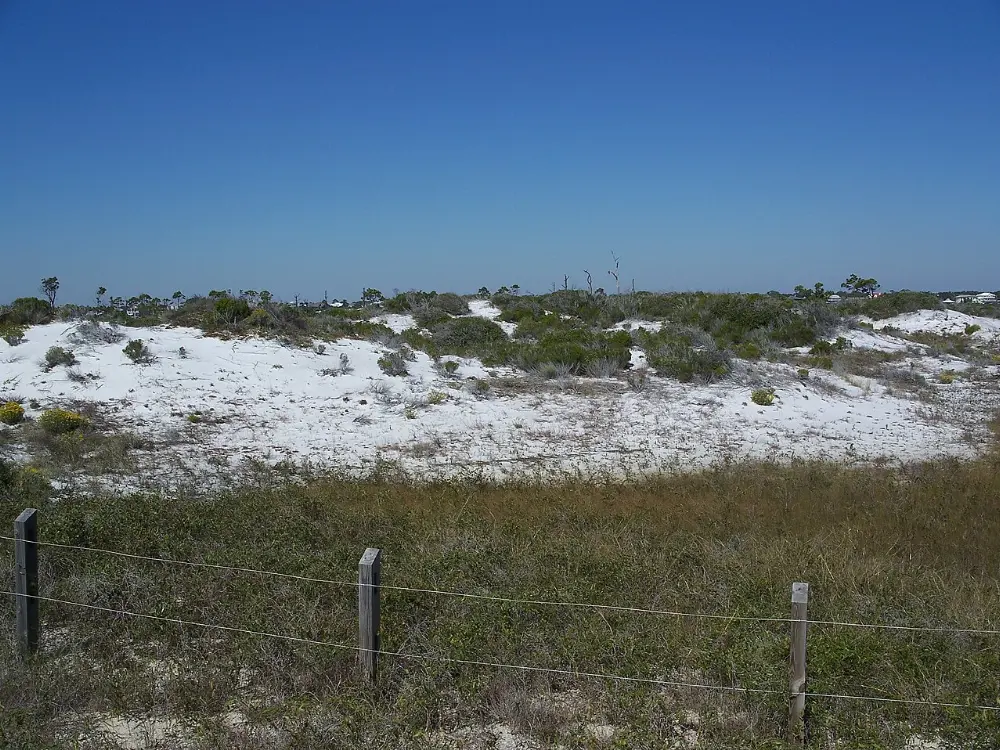
Perdido Key, the barrier island near the Alabama line, is quieter than Pensacola Beach. Its Johnson Beach section belongs to Gulf Islands National Seashore and offers miles of undeveloped dunes; if you walk east far enough you can find near-empty sand.

Food and local flavors
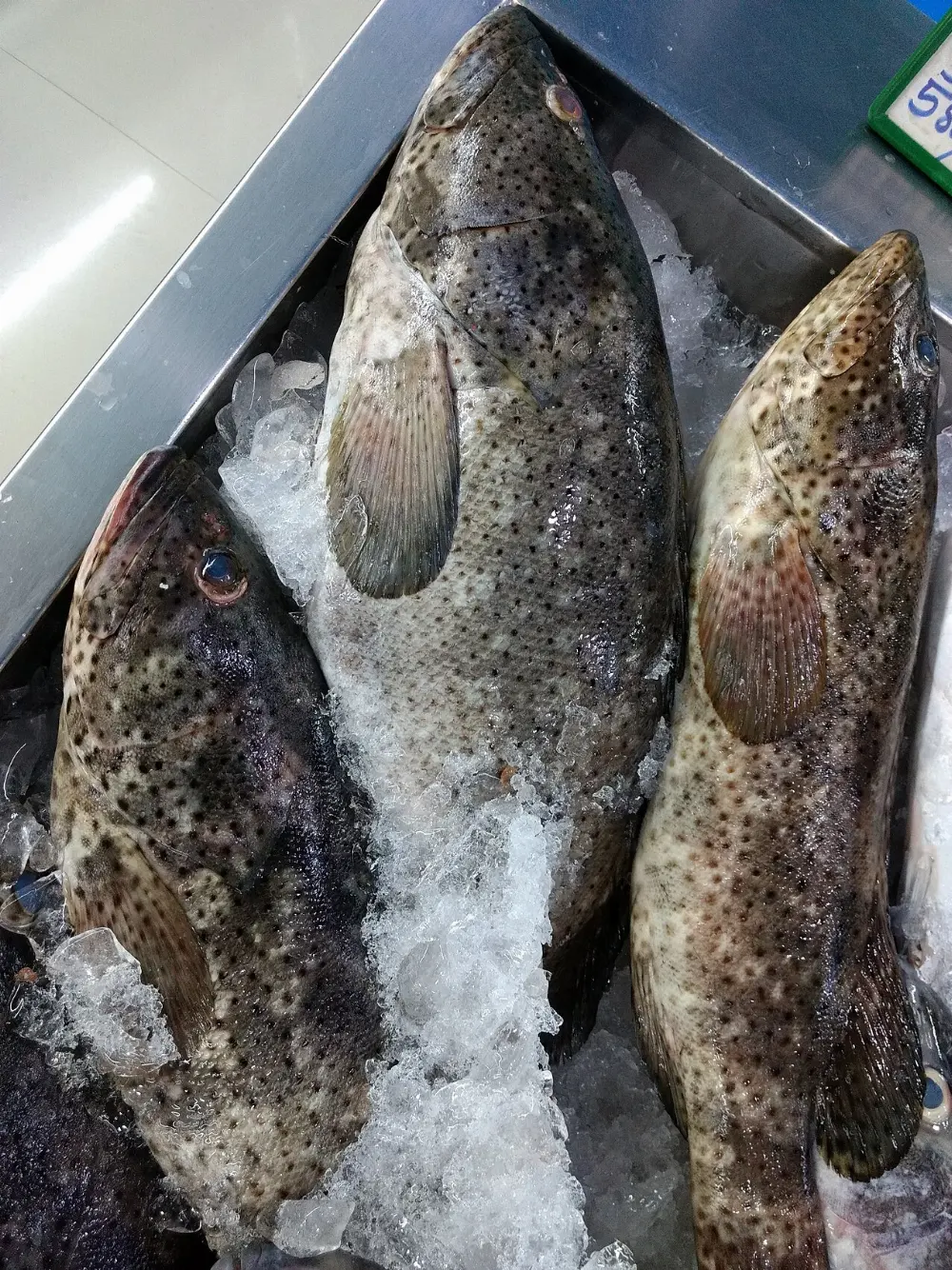
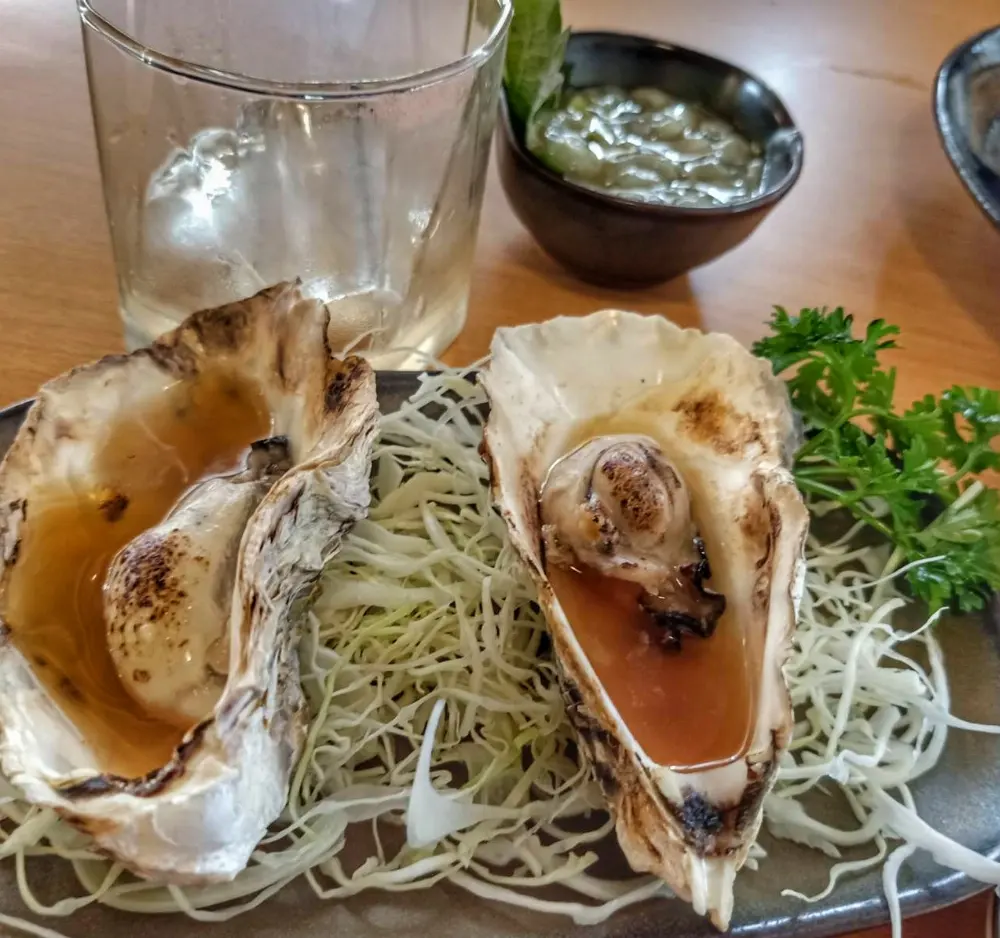
Pensacola eats from the Gulf.
Joe Patti's Seafood, a family fish market on the bayfront that has served the city for decades, is the classic place to see the day's catch, buy shrimp to cook yourself or pick up sushi and prepared dishes.
Popular dishes to try in Pensacola

 Planning a trip to Pensacola?Compare hotels, flights and vacation rentals for Pensacola on Expedia.Book now
Where to stay
Downtown Pensacola suits travelers who want restaurants, nightlife and history within walking distance, plus easy access to the naval base. Pensacola Beach is best for families and anyone who wants to step straight onto the sand, with condos and resorts along the Gulf and sound.
Where to stay in Pensacola
Top rated
Trusted by locals in Pensacola
Helzberg Diamonds
Helzberg Diamonds is a jewelry business serving Eau Claire, WI at Oakwood Mall. Helzberg Diamonds provides a wide range of fine jewelry including engagement rin...

Anytime Plumber
Anytime Plumber is a full-service plumbing business serving Pensacola, FL.
Marcone Supply
Marcone Supply is an online appliance parts store providing parts for kitchen, laundry, and total home appliances with expedited same day shipping.
Best time to visit
Spring, especially April and May, brings warm days, lower humidity and comfortable water by May. Summer is hot and humid with frequent afternoon thunderstorms, and it is the busiest beach season.
Events can shape your dates. Pensacola celebrates Mardi Gras with parades in late winter, the Fiesta of Five Flags marks the city's founding each spring and early summer, and the Pensacola Seafood Festival takes place in autumn.
Getting there and getting around
Pensacola International Airport sits a few miles north of downtown and has nonstop flights from several major hubs. Mobile, Alabama, has another airport about an hour away.
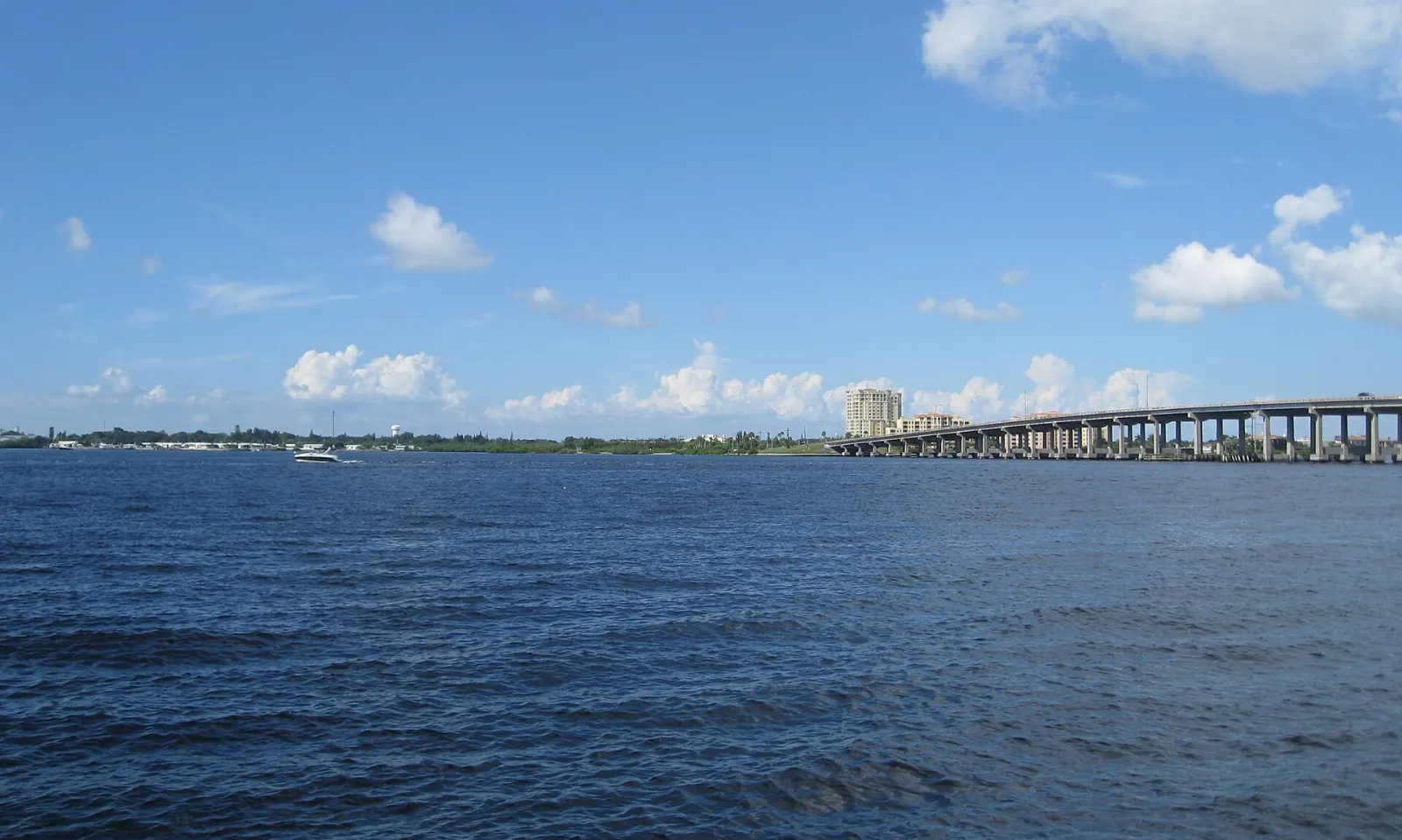
A car is the easiest way to get around. To reach Pensacola Beach, cross the Pensacola Bay Bridge to Gulf Breeze and then the Bob Sikes Bridge, which charges a toll.
A suggested itinerary
First day
Start at Historic Pensacola Village and Seville Square, walk through Plaza Ferdinand VII, then spend the evening dining and strolling along Palafox Street and the waterfront.
Second day
Head to Naval Air Station Pensacola for the National Naval Aviation Museum, timing your visit for a Blue Angels practice if one is scheduled, then climb the Pensacola Lighthouse in the afternoon.
Third day
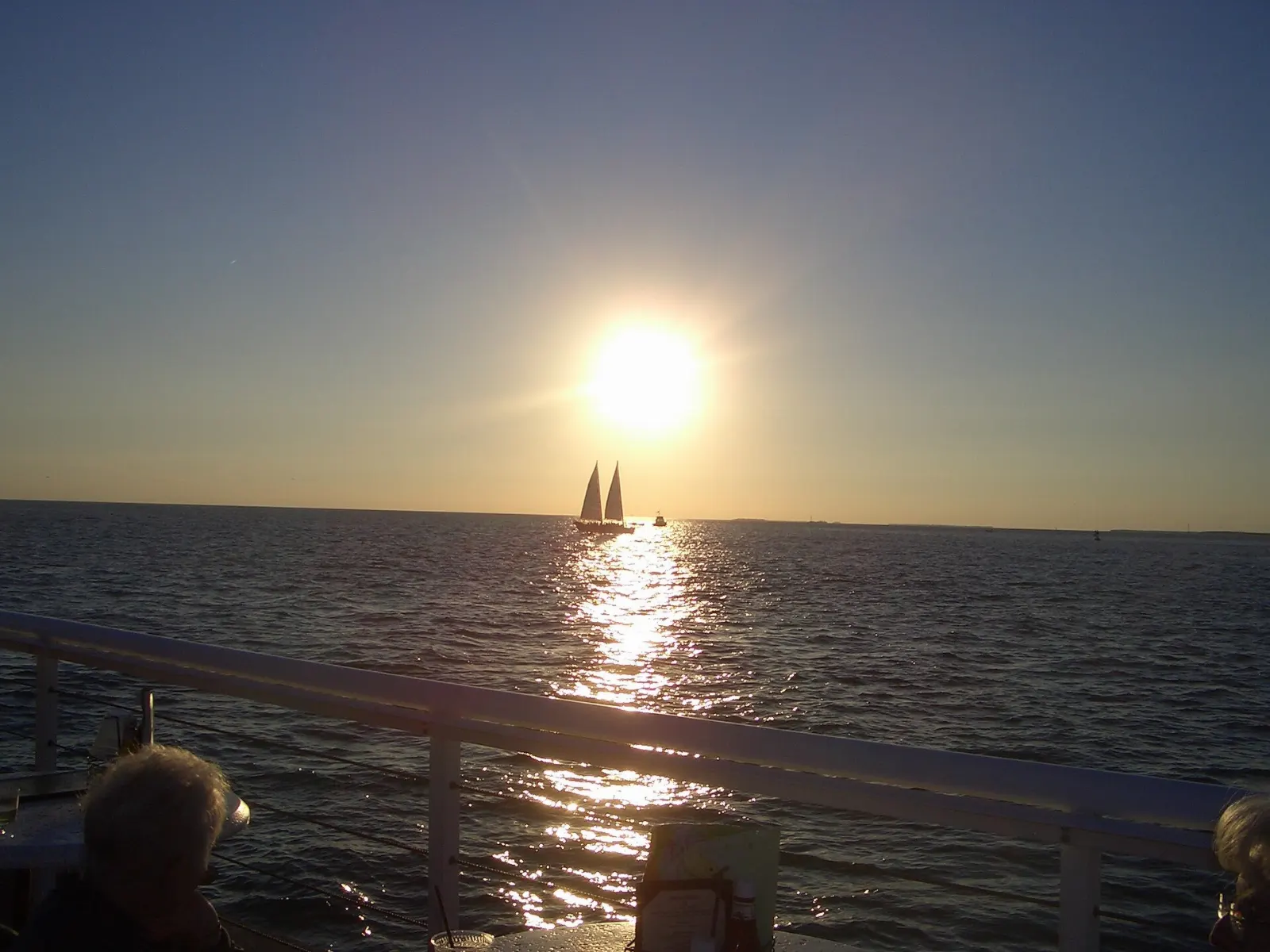
Drive to Santa Rosa Island, tour Fort Pickens in the morning, then spend the afternoon on Pensacola Beach and end with sunset on the Gulf Pier.
Fourth day
Go west to Big Lagoon State Park for a morning walk or paddle, then relax on the quiet sands of Johnson Beach before a seafood dinner.
Before you go
More to discover in Pensacola
The Tech Handyman
The Tech Handyman is a tech repair business serving Pensacola, specializing in iPhone, iPad, Mac, smartphone, and tablet repairs with a focus on customer servic...

TechShield Phone Repair
TechShield Phone Repair is a phone repair business serving Pensacola, FL. TechShield Phone Repair provides iPhone, iPad, Samsung Galaxy, Apple Watch, and gaming...

Pensacola Plumbers
Pensacola Plumbers is a full-service plumbing business serving Pensacola, FL and the Northwest Florida Panhandle. Pensacola Plumbers provides residential and co...
Practical tips
- Bring a valid government-issued photo ID for every adult if you plan to visit sites on Naval Air Station Pensacola.
- Learn the beach flag system and never swim during red-flag conditions, as rip currents can be dangerous.
- Check road status to Fort Pickens and Johnson Beach after storms, since sections can close for repairs.
- Book summer and holiday weekend stays early, and consider spring or autumn for better value.
- Pack reef-safe sunscreen, a hat and plenty of water; the sun reflects strongly off the white sand.
- Fill in dune holes and remove beach gear at night to protect nesting sea turtles from May through October.
Find local businesses in Pensacola on WiserMap
Looking for a seafood spot, a fishing charter, a bike rental or a coffee shop near your stay?