WiserMap — Choose wisely. Connect locally.Choose wisely. Connect locally.Add your business
Sisal, Yucatán · Travel guide

Sisal Mexico Flamingos Long Pier and Quiet Gulf Beaches

Sisal is a quiet port village on the Gulf of Mexico, about an hour from Mérida, where a colonial fort, a long pier and mangrove lagoons sit beside empty beaches.

By WiserMap TravelUpdated October 2026 8 places9 min read
FacebookXLinkedIn
At a glance Sisal
  1. Best timeWinter brings flamingos to the nearby lagoons and comfortable days at the coast.
  2. How longOne night suits most visitors, and two give time for a boat trip or a day at Celestún.
  3. Getting thereDrive northwest from Mérida in about 45 minutes, or take a limited local bus.

Why visit Sisal

Sisal was the main port of Yucatán before Progreso took over, and the fiber known worldwide as sisal takes its name from this town. Today about 1,800 people live here, and the village has been named one of Mexico's Pueblos Mágicos.

The appeal is simple: a long beach, a historic fort and lighthouse, saltwater marshes full of birds, and fishing boats heading out from the harbour.

Sisal town and shore

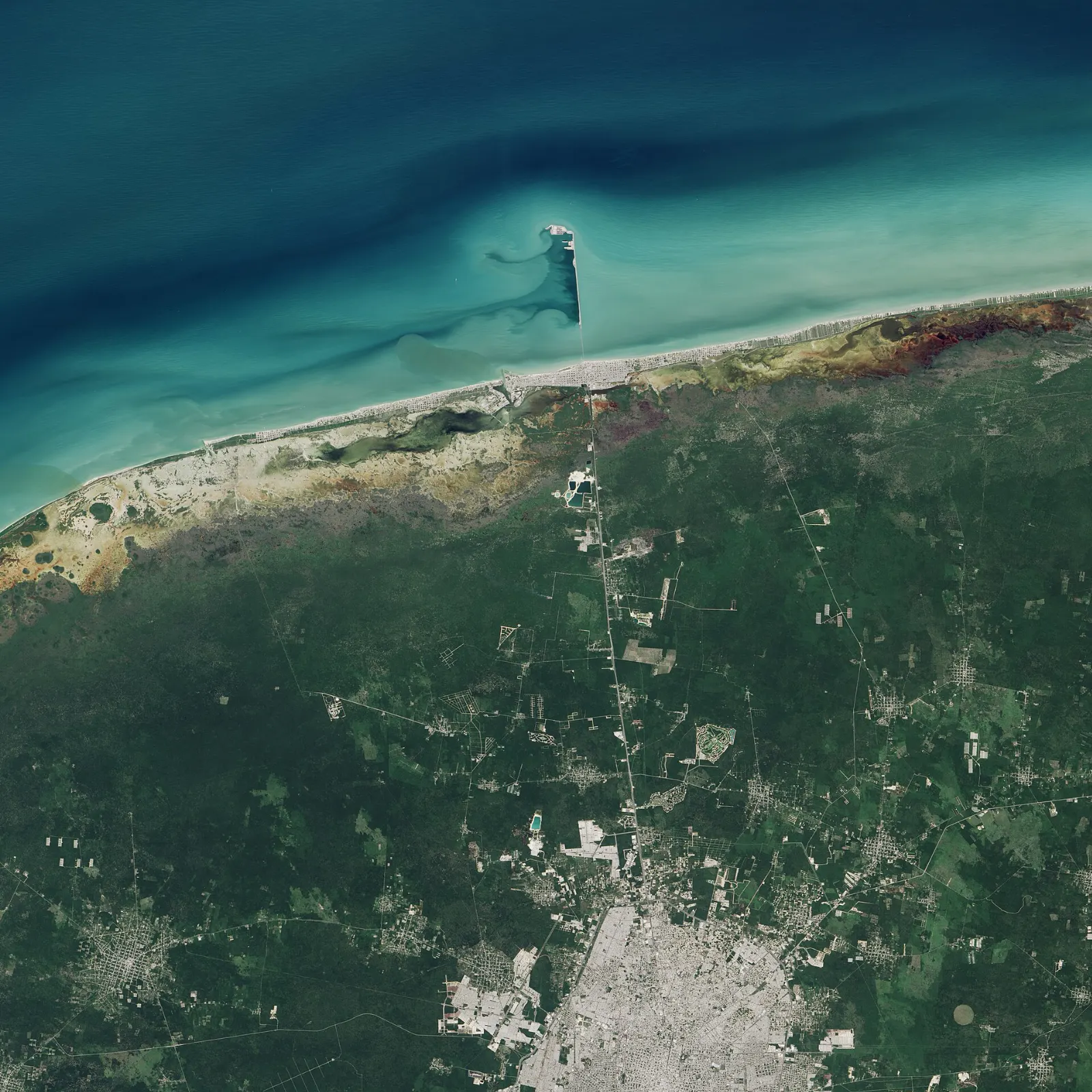
The long pier at Sisal stretching into the Gulf of Mexico, Yucatán

Muelle de Sisal

The long pier at the end of Calle 20 once handled cargo ships and now serves mostly as a pedestrian walkway. It makes a good short walk of twenty minutes or so, especially in the late afternoon. Bring a hat, because there is little shade on the boards.

The old cargo pier at Sisal is now used as a walkway. Photo: NASA, Wikimedia Commons, Public domain
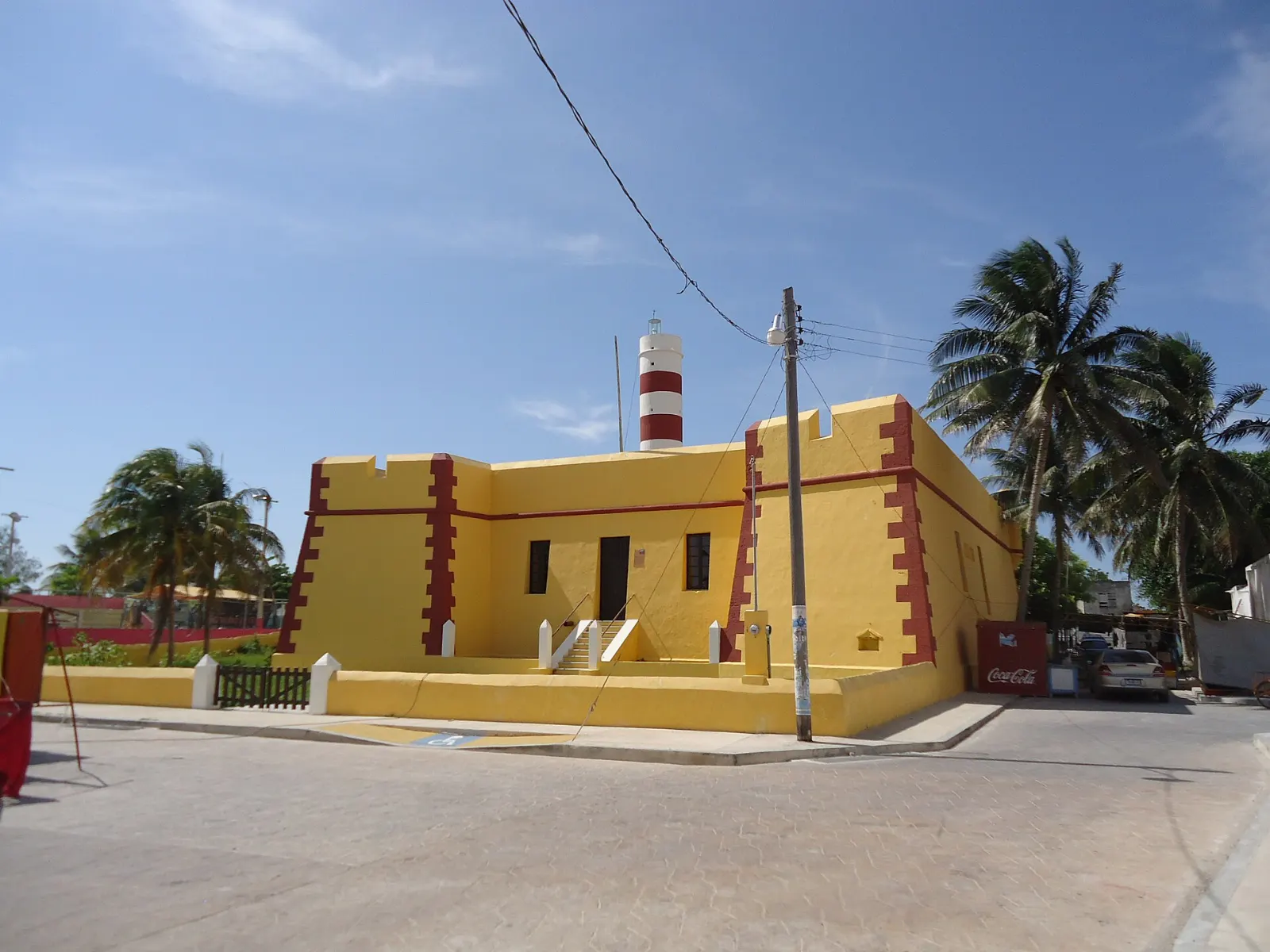
The colonial Fuerte de Santiago in Sisal with its lighthouse, Yucatán

Fuerte de Santiago

This late colonial fortress was built to protect the port from pirates, and it incorporates an old lighthouse. It is often described as the last fort Spain built in Mexico.

Fuerte de Santiago was built to defend the port from pirates. Photo: Misael Lavadores, Wikimedia Commons, CC BY-SA 3.0

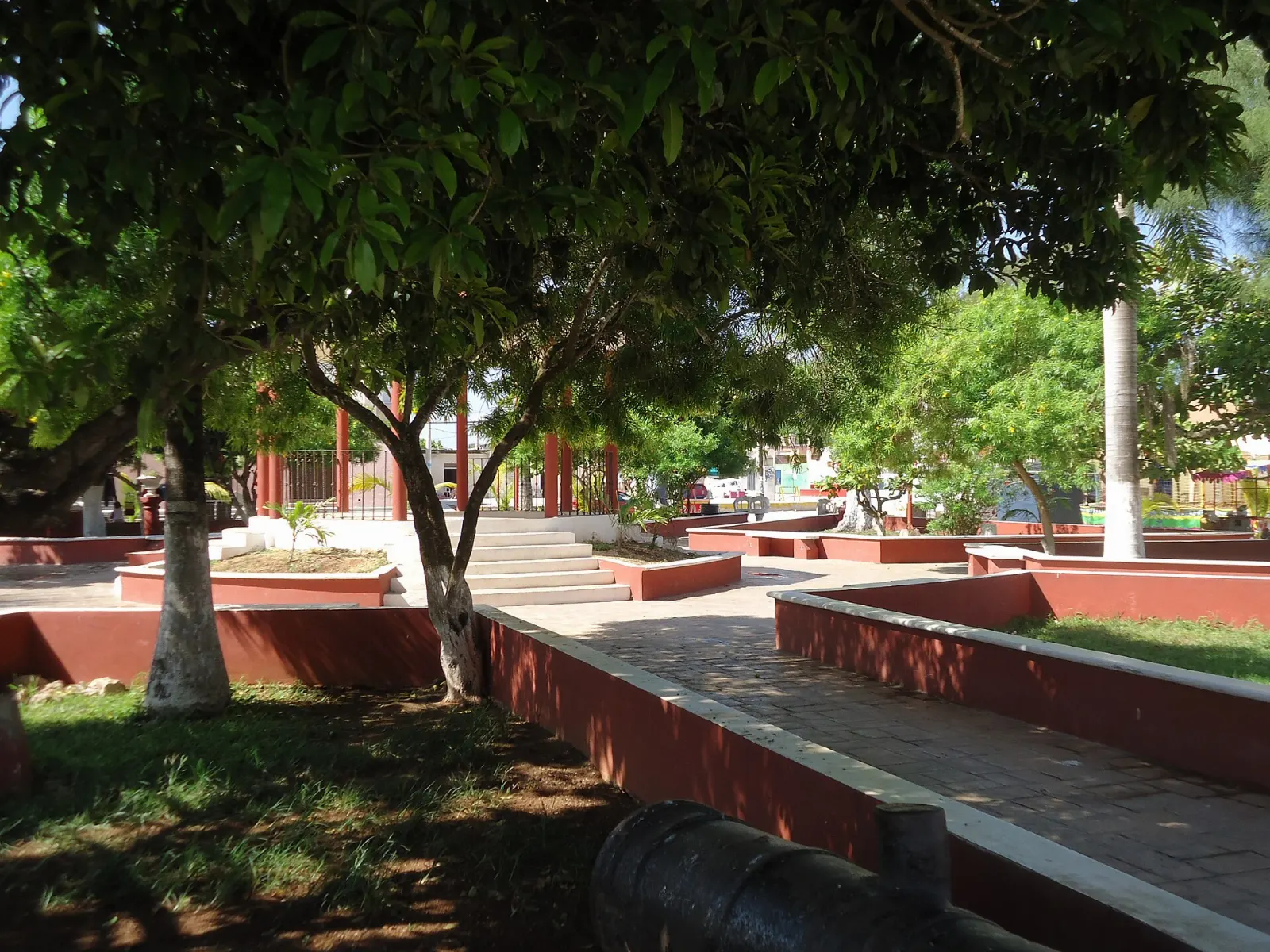
A street in the small town of Sisal in Yucatán

Mercado Municipal

The small municipal market on Calle 3 Oriente is the place to see local produce, meat and fresh seafood. Go in the morning, since market stalls wind down by early afternoon. It is a friendly stop if you want to understand daily life in a fishing village.

Sisal is small enough to explore on foot or by bicycle. Photo: Misael Lavadores, Wikimedia Commons, CC BY-SA 3.0

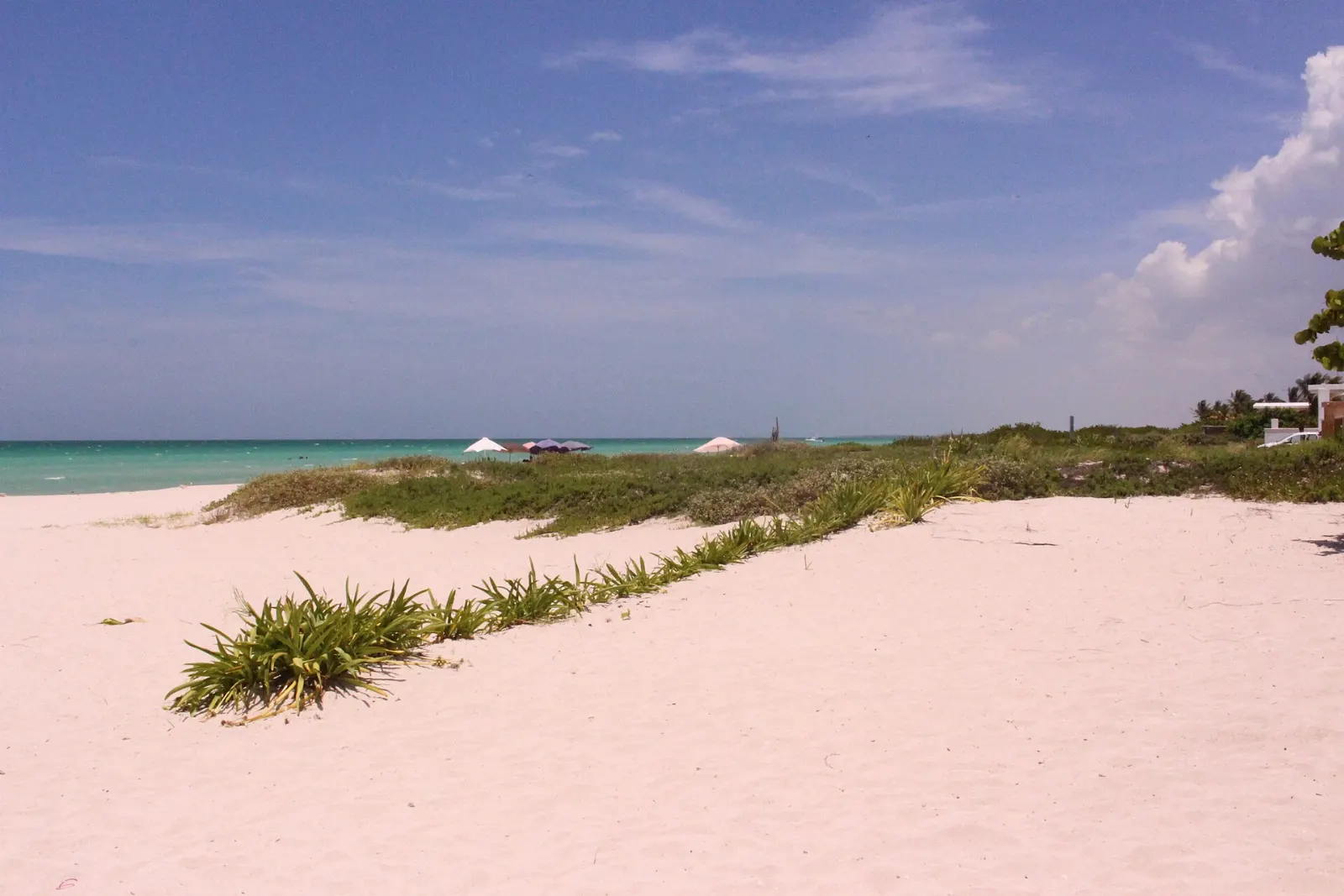
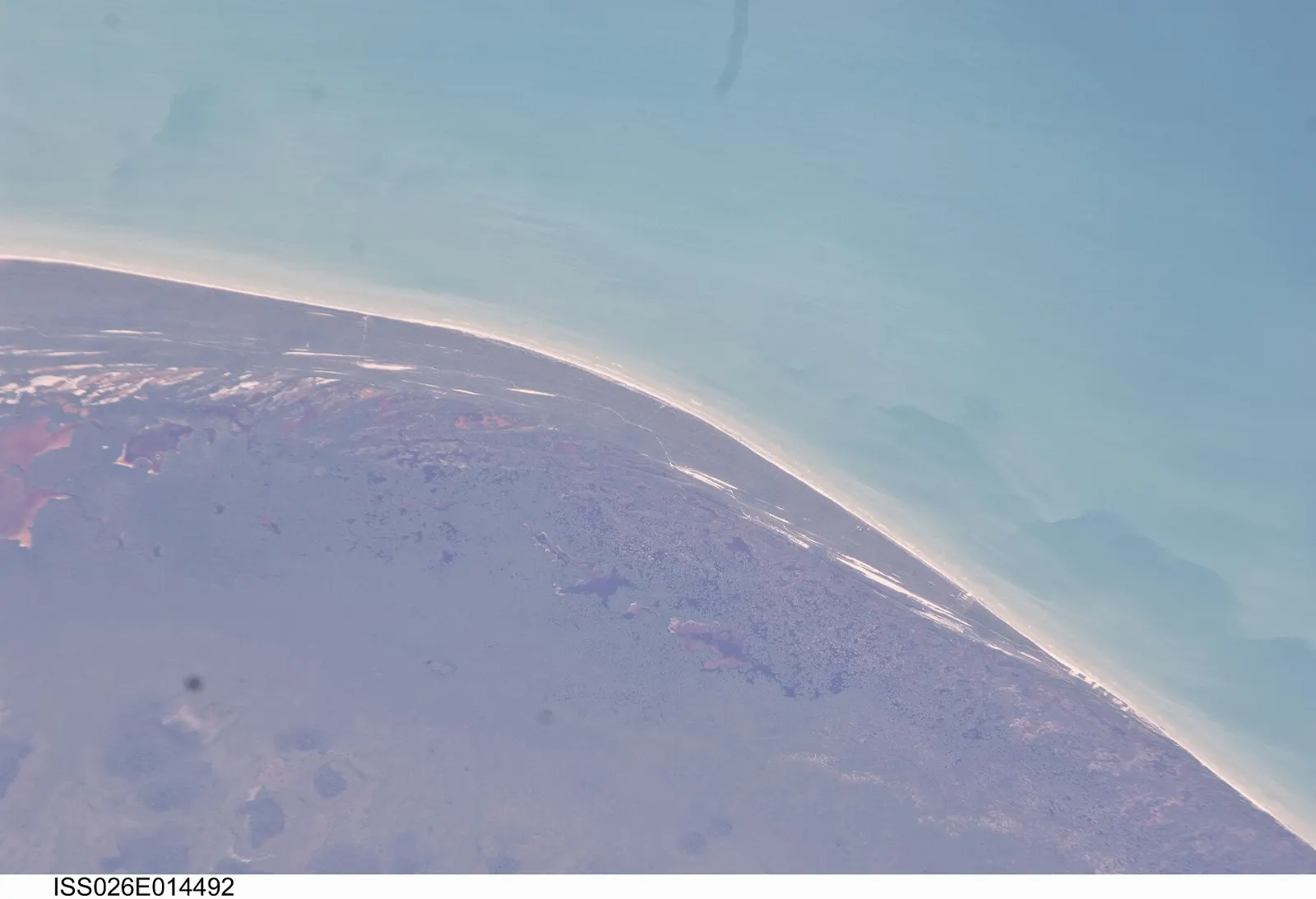
A long sandy beach on the Gulf coast at Sisal, Yucatán

The beach and kitesurfing

Sisal's beach is long and sandy, with miles of mostly empty shore and sea breezes that attract kitesurfers. Bring shade and water, and swim where the sea looks calm. The quiet stretches beyond the village centre are the best for long walks.

Sisal's beach stretches for miles with few visitors. Photo: Earth Science and Remote Sensing Unit, Lyndon B. Johnson Space Center, Wikimedia Commons, Public domain

Wetlands and wildlife

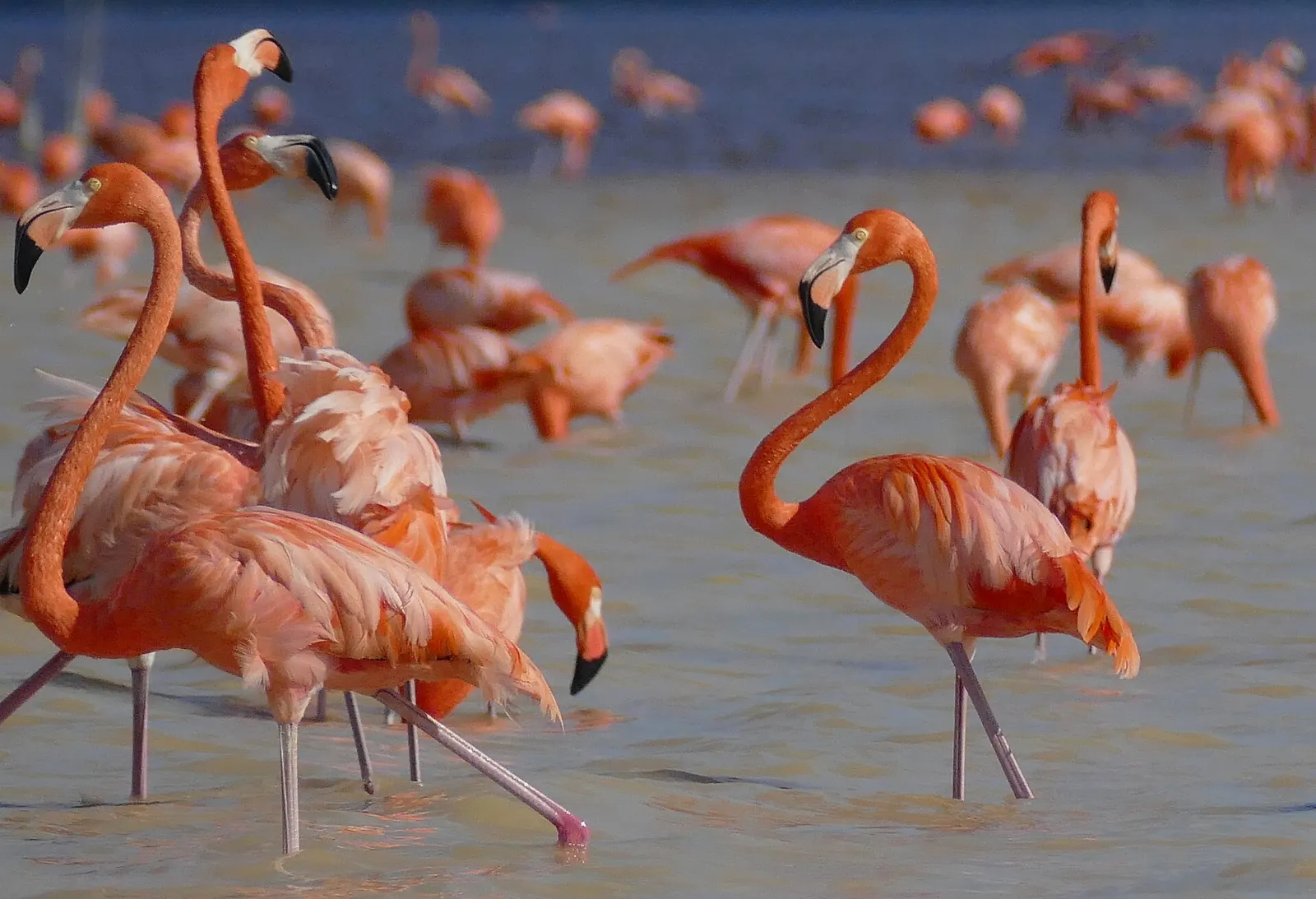
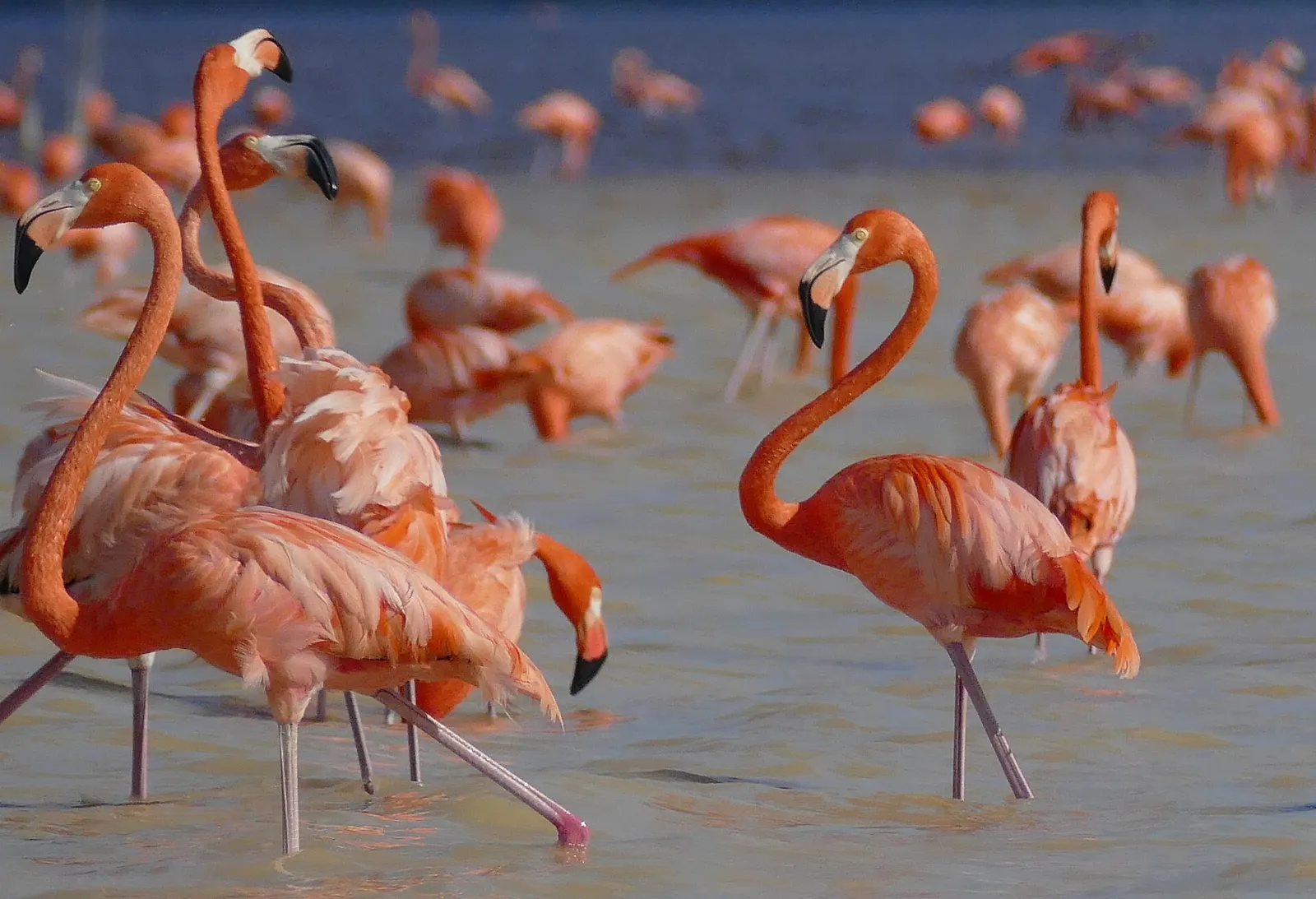
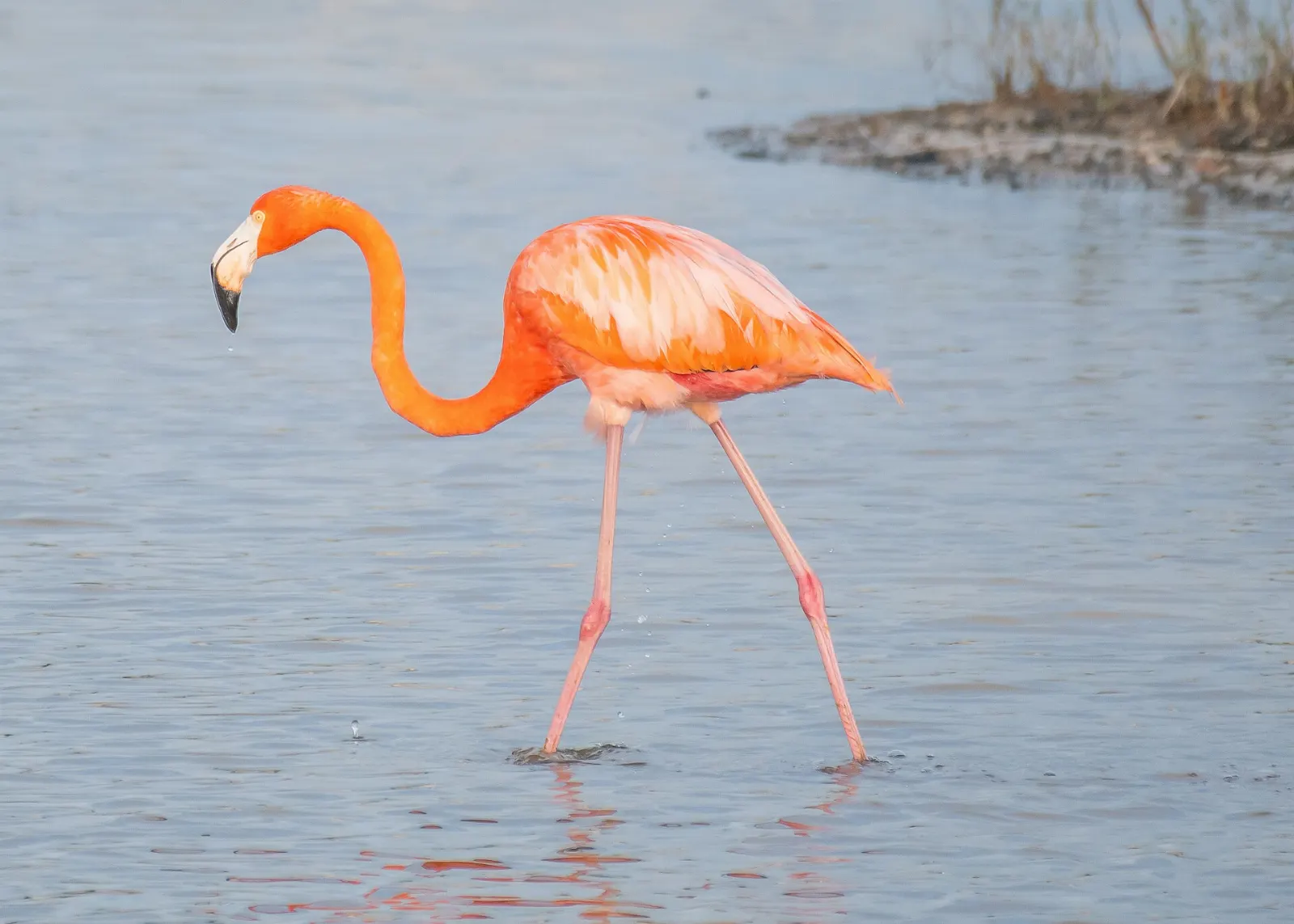
Pink flamingos feeding in a shallow lagoon in Yucatán, Sisal, Yucatán

Mirador de Charcas

On the road out of town, a small viewpoint overlooks saltwater marshes where flocks of flamingos feed in the winter months. A short trail leads from the roadside pull-off.

Flocks of flamingos gather in the coastal wetlands near Sisal in winter. Photo: Philip N. Cohen, Wikimedia Commons, CC BY-SA 2.0

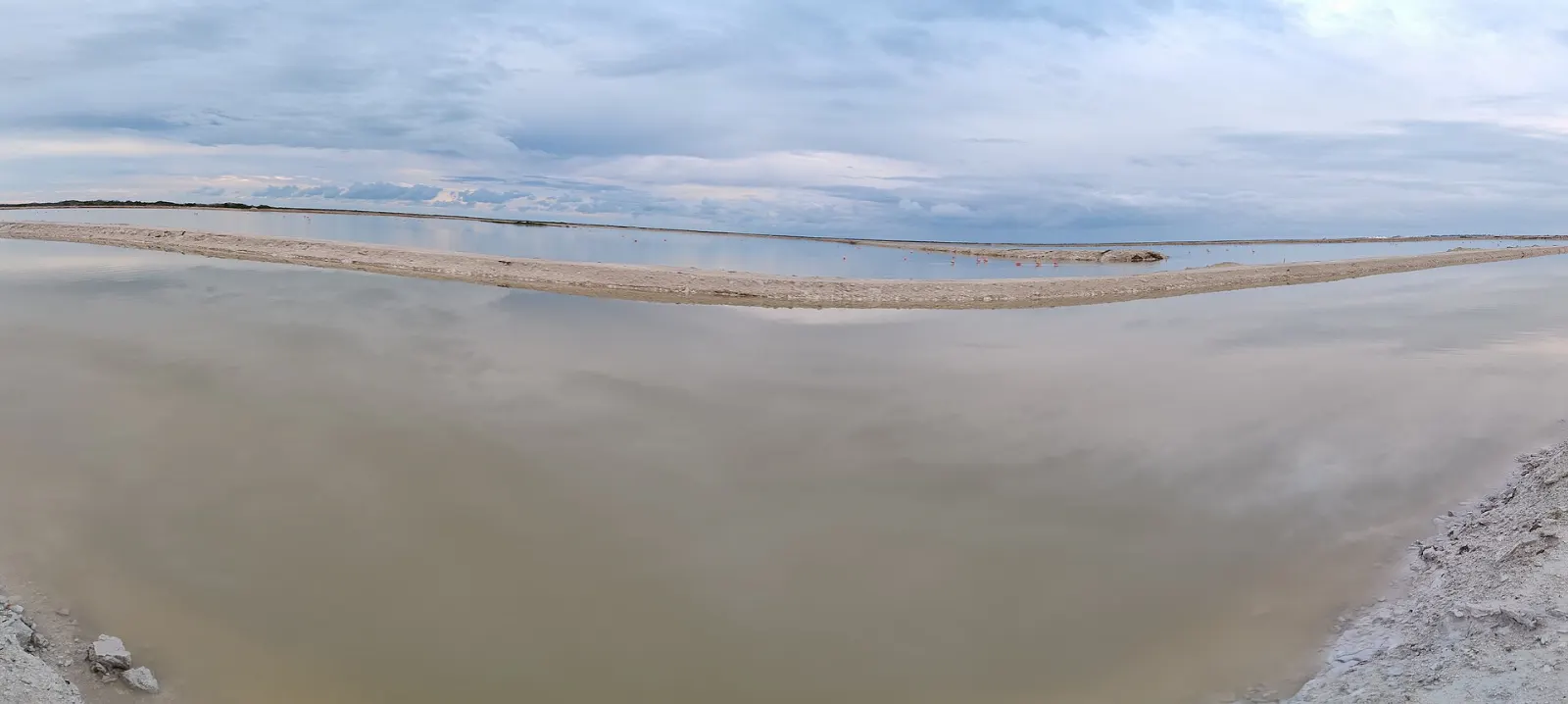
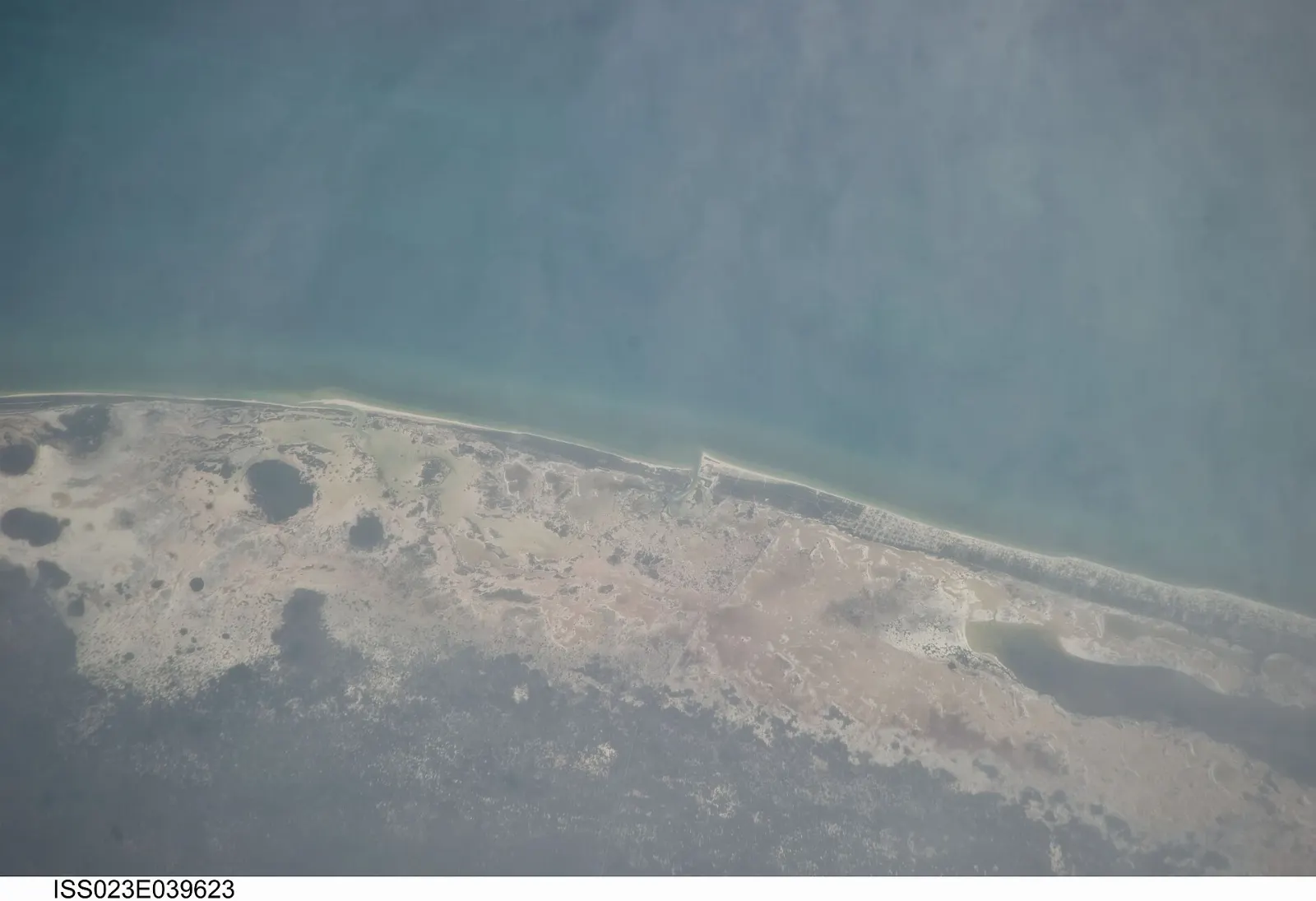
Mangroves and wetlands in the El Palmar reserve in Yucatán, Sisal, Yucatán

Reserva El Palmar

El Palmar is a state-protected wetland with coastal beaches and habitat for more than 200 bird species. It extends toward the Celestún Biosphere Reserve, so flamingos can appear in lagoons and mangroves here too.

El Palmar protects wetlands and beaches that host more than 200 bird species. Photo: Earth Science and Remote Sensing Unit, Lyndon B. Johnson Space Center, Wikimedia Commons, Public domain

Puerto de Abrigo

The sheltered harbour has docks for small boats, and it is where you hire a fishing boat or arrange a sightseeing trip on the Gulf. Agree on the route and timing before you set out.

Flamingos wading in the Ría Celestún lagoon, Sisal, Yucatán

Ría Celestún Biosphere Reserve

Celestún, to the west along the coast, is surrounded by a reserve of lagoons and mangroves that is famous for flamingos, with the best viewing generally from November to March.

Ría Celestún Biosphere Reserve is famous for its flamingos. Photo: Bernard DUPONT, Wikimedia Commons, CC BY-SA 2.0

Day trips from Sisal

Hunucmá and the Black Christ pilgrimage

Hunucmá is the town you pass on the way from Mérida.

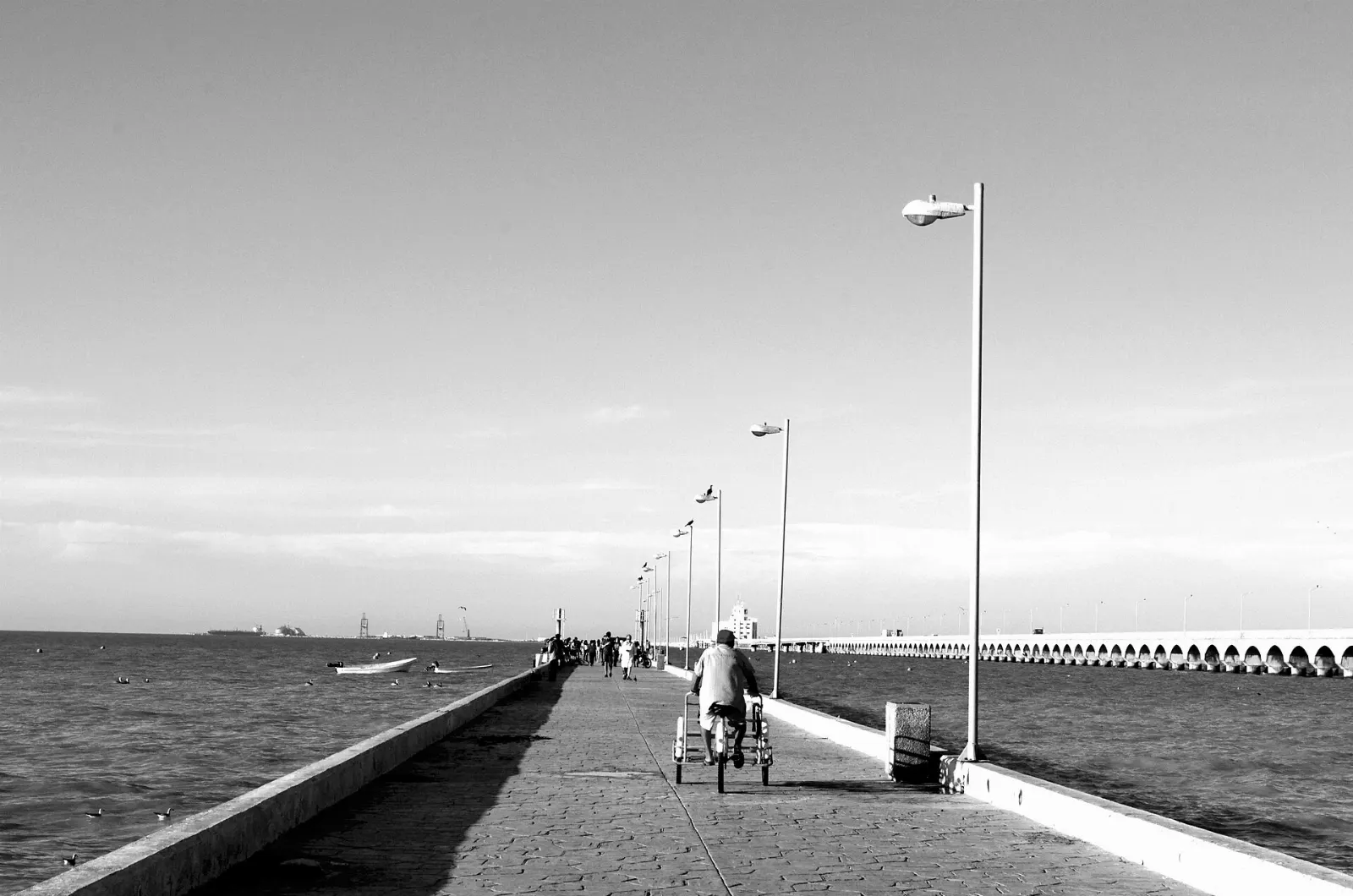
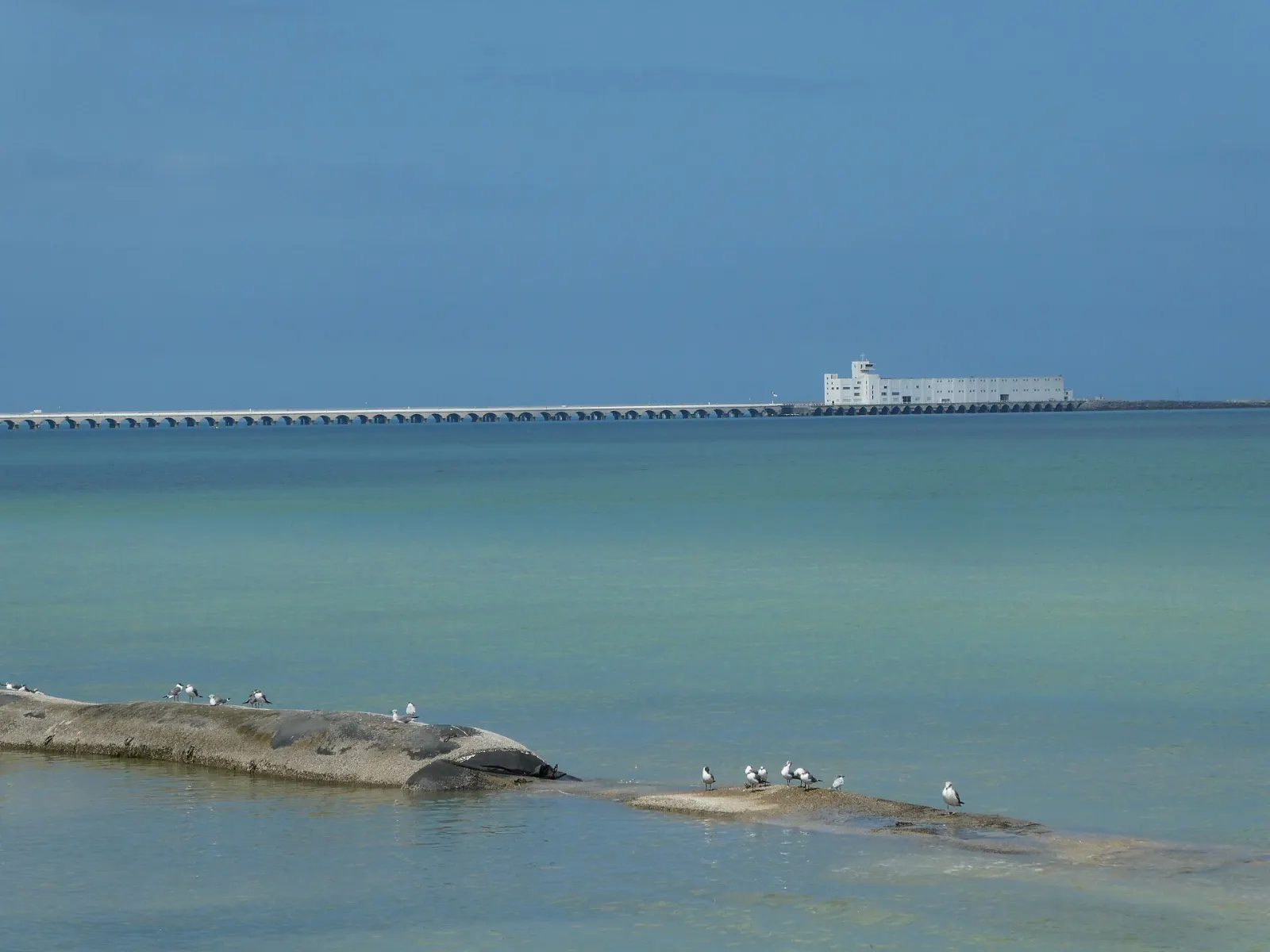
The long pier at Progreso on the Yucatán coast, Sisal, Yucatán

Progreso

Progreso, along the coast to the east, has one of the longest piers in the world, built out into the shallow water to reach deep enough sea. Nearby you can find the Xcambó archaeological site and a small flamingo colony at Uaymitún.

The pier at Progreso reaches far out because of the shallow water. Photo: Marysol*, Wikimedia Commons, CC BY-SA 2.0

Dzibilchaltún

South of Progreso, Dzibilchaltún is a Maya site known for its Temple of the Seven Dolls, where the sun shines through the window at the spring and autumn equinoxes. A cenote on site is open for a dip and a small museum adds context.

Food and local flavors in Sisal

Seafood leads the menu in a fishing village, and the beachfront palapa restaurants serve shrimp, octopus and lobster. Try tikin xic, a Yucatecan fish dish marinated in achiote and sour orange, wrapped in banana leaf and cooked over a wood fire, usually with grouper or snapper.

Inland Yucatecan classics also appear on local menus. Sopa de lima is a light chicken soup with citrus and crisp tortilla strips, cochinita pibil is slow-roasted pork in achiote and bitter orange, and poc chuc is citrus-marinated pork grilled over charcoal.

Popular dishes to try in Sisal

Tikin xic in Sisal, Yucatán
Tikin xic Try tikin xic, a Yucatecan fish dish marinated in achiote and sour orange, wrapped in banana leaf and cooked over a wood fire, usually with grouper or snapper.Photo: ProtoplasmaKid, Wikimedia Commons, CC BY-SA 4.0
Sopa de lima in Sisal, Yucatán
Sopa de lima Sopa de lima is a light chicken soup with citrus and crisp tortilla strips, cochinita pibil is slow-roasted pork in achiote and bitter orange, and poc chuc is citrus-marinated…Photo: Dan Cortés, Wikimedia Commons, CC BY 2.0
Cochinita pibil in Sisal, Yucatán
Cochinita pibil Sopa de lima is a light chicken soup with citrus and crisp tortilla strips, cochinita pibil is slow-roasted pork in achiote and bitter orange, and poc chuc is citrus-marinated…Photo: El Nuevo Doge, Wikimedia Commons, CC0
Poc chuc in Sisal, Yucatán
Poc chuc Sopa de lima is a light chicken soup with citrus and crisp tortilla strips, cochinita pibil is slow-roasted pork in achiote and bitter orange, and poc chuc is citrus-marinated…Photo: Gary Stevens, Wikimedia Commons, CC BY 2.0

Where to stay in Sisal

Sisal itself is the obvious base, with small, simple accommodation close to the beach and the pier. Because day-trip and weekend crowds arrive from Mérida, book ahead for Fridays and Saturdays.

Celestún suits travellers who plan to spend a full morning on the flamingo reserve and prefer a bigger beach town with more restaurants. Mérida is the best choice if you want city sights, a wide range of restaurants and the flexibility of a day trip to Sisal.

Where to stay in Sisal

Sisal, Sisal, Yucatán
Sisal Where to stay in SisalSisal itself is the obvious base, with small, simple accommodation close to the beach and the pier.Photo: Forest & Kim Starr, Wikimedia Commons, CC BY 3.0
Celestún, Sisal, Yucatán
Celestún Celestún suits travellers who plan to spend a full morning on the flamingo reserve and prefer a bigger beach town with more restaurants.Photo: Katja Schulz from Washington, D. C., USA, Wikimedia Commons, CC BY 2.0
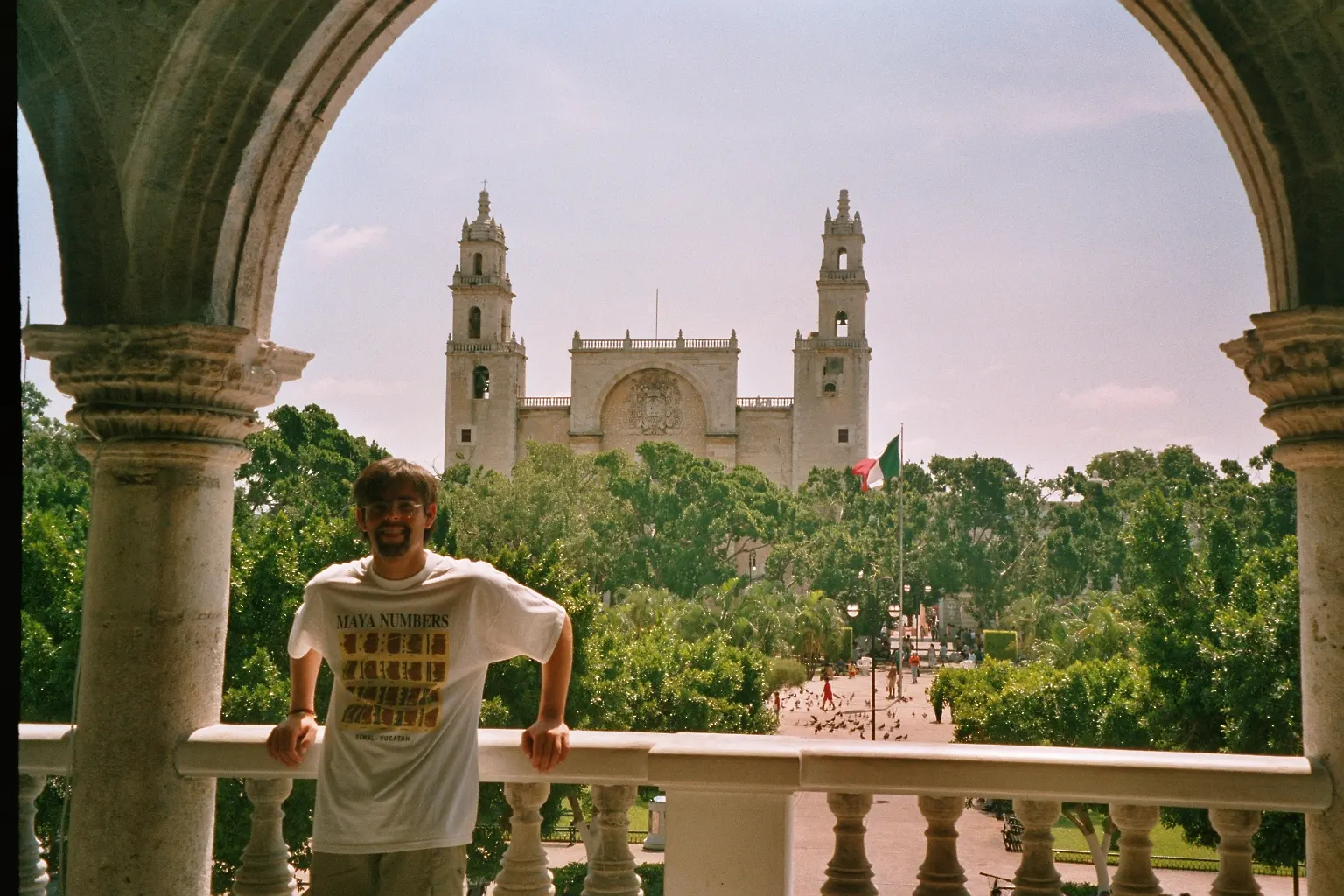
Mérida, Sisal, Yucatán
Mérida Because day-trip and weekend crowds arrive from Mérida, book ahead for Fridays and Saturdays.Photo: Wolfgang Sauber, Wikimedia Commons, CC BY-SA 3.0

Best time to visit Sisal

Winter is the favourite season, since flamingos feed in the coastal lagoons from roughly November to March, and January and February are usually the peak around Celestún.

Local events add colour. The Black Christ pilgrimage takes place each August, and Celestún fills during Holy Week and during the early autumn octopus season.

Getting there and getting around

Most visitors fly to Mérida and continue by road. From Mérida, drive northwest on highway 281 to Hunucmá, where the road turns north to Sisal, a drive of about 45 minutes.

Autobuses Oriente runs a small number of daily buses or combis from the Mérida Noreste terminal, and the ride takes roughly ninety minutes. Check current times locally, because departures are few and a missed bus means a long wait.

A suggested itinerary

First day

Arrive from Mérida in the morning, walk the pier, visit Fuerte de Santiago and browse the market.

Second day

Join a morning boat or kayak trip into the marshes or to the flamingo viewpoint.

Third day

If you have time, head east to Progreso for the pier and Xcambó, and add Dzibilchaltún on the way back toward Mérida.

Practical tips

  • Bring cash, since small restaurants and boat operators may not take cards.
  • Pack sun protection, a hat, water and insect repellent for the wetlands.
  • Start wildlife trips early for calmer water and better bird activity.
  • Confirm bus times locally and consider a rental car for flexibility.
  • Book weekend accommodation ahead, because Sisal draws day-trippers from Mérida.
SisalWISERMAP PLACESisal: photos, reviews & things to doSee traveler photos and reviews, or share your own →

More places to visit

All travel guides →