Izamal Mexico Yellow City Convent and Maya Pyramids
Izamal is a small city in Yucatán that people call the Yellow City, because most of its buildings are painted yellow. A huge Franciscan convent sits on top of an ancient Maya platform at its center, and other pyramids rise among the streets.
By WiserMap TravelUpdated October 20267 places8 min read
Best timeThe cooler months from November to March are the most comfortable.
How longCome for a day from Mérida, or stay one night to see the town after the crowds leave.
Getting thereTake a bus, taxi or the Tren Maya, since Izamal has its own station.
Ad
Why visit Izamal
Izamal lies about seventy kilometers east of Mérida and has been inhabited for a very long time. In ancient times it was sacred to the creator god Itzamna and to the sun god Kinich Ahau, and pilgrims came from across the Maya lands.
The Spanish built churches and convents on top of the largest Maya structures rather than demolish them. Today Izamal still draws pilgrims, who now come to honor Our Lady of Izamal.
The town is small enough to cover on foot, and the pace is gentle. Streets are painted in warm yellow, shops are open to the street, and the great convent is visible from almost everywhere.
Izamal also works well as part of a wider Yucatán trip, since Mérida, Chichén Itzá and Valladolid all lie along the same corridor.
The convent and the center
Convento de San Antonio de Padua
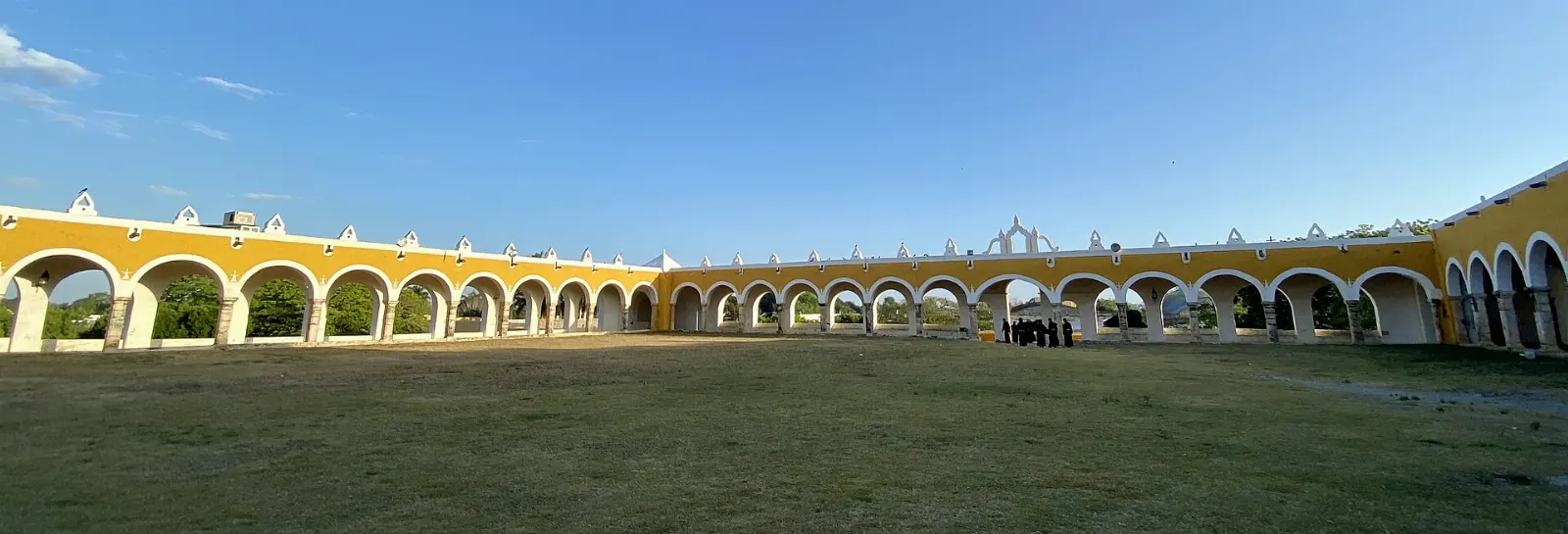
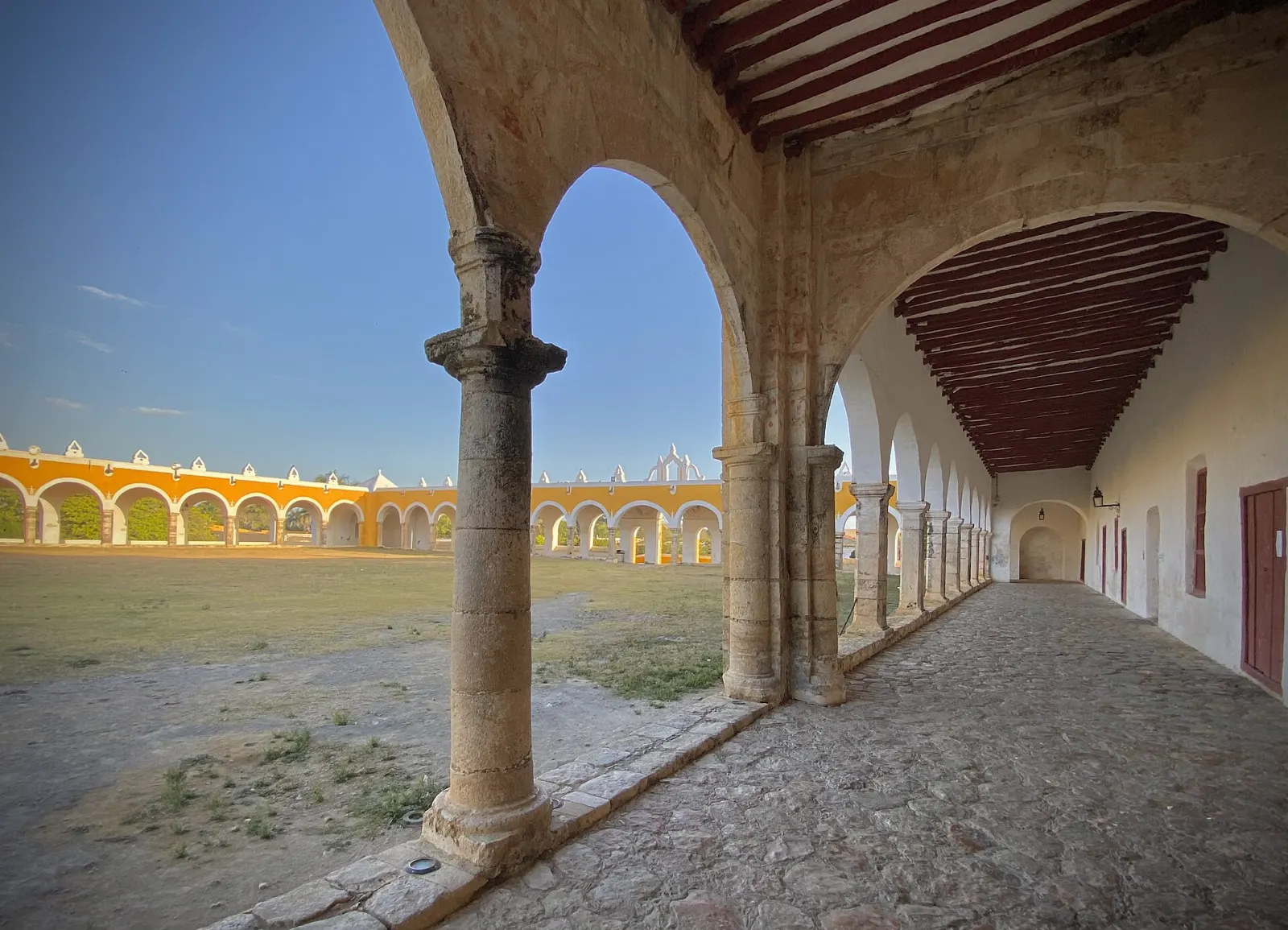
The Franciscan monastery was completed in 1561. It looks like it sits on a natural hill, but the base is an ancient Maya acropolis.
The convent church stands on an ancient Maya platform in the center of Izamal. Photo: Sharon Hahn Darlin, Wikimedia Commons, CC BY 2.0
The atrium
When it was completed, the atrium was second in size only to the one at the Vatican, according to local tradition. Its arcades frame the church and make a fine place to sit.
Our Lady of Izamal
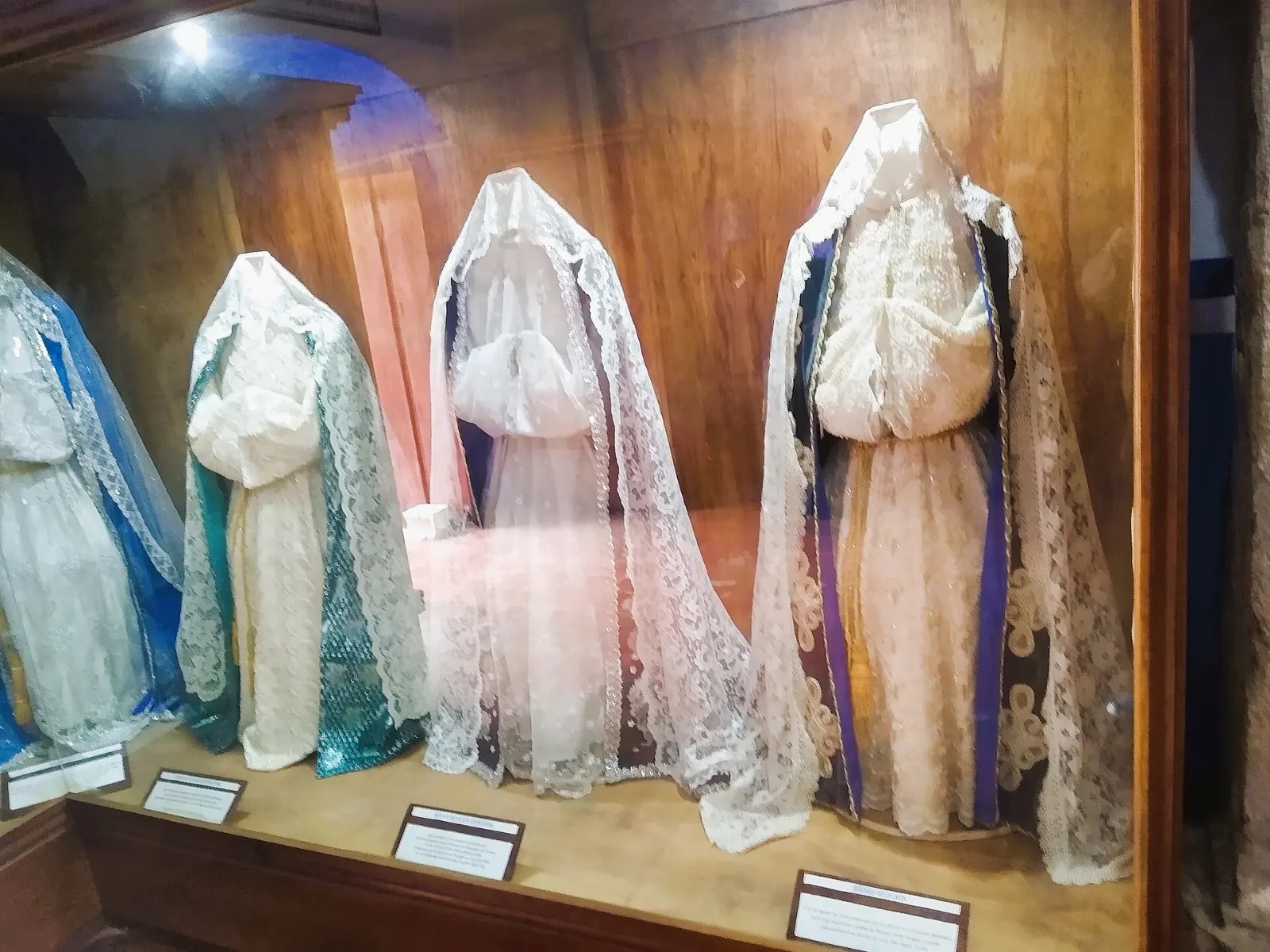
The Virgin of the Immaculate Conception is the center of local devotion. Pope John Paul II visited Izamal in 1993 and presented the statue with a silver crown.
Pilgrims come to Izamal to honor Our Lady of Izamal. Photo: Isaacvp, Wikimedia Commons, CC BY-SA 4.0
Centro Cultural and Palacio Municipal
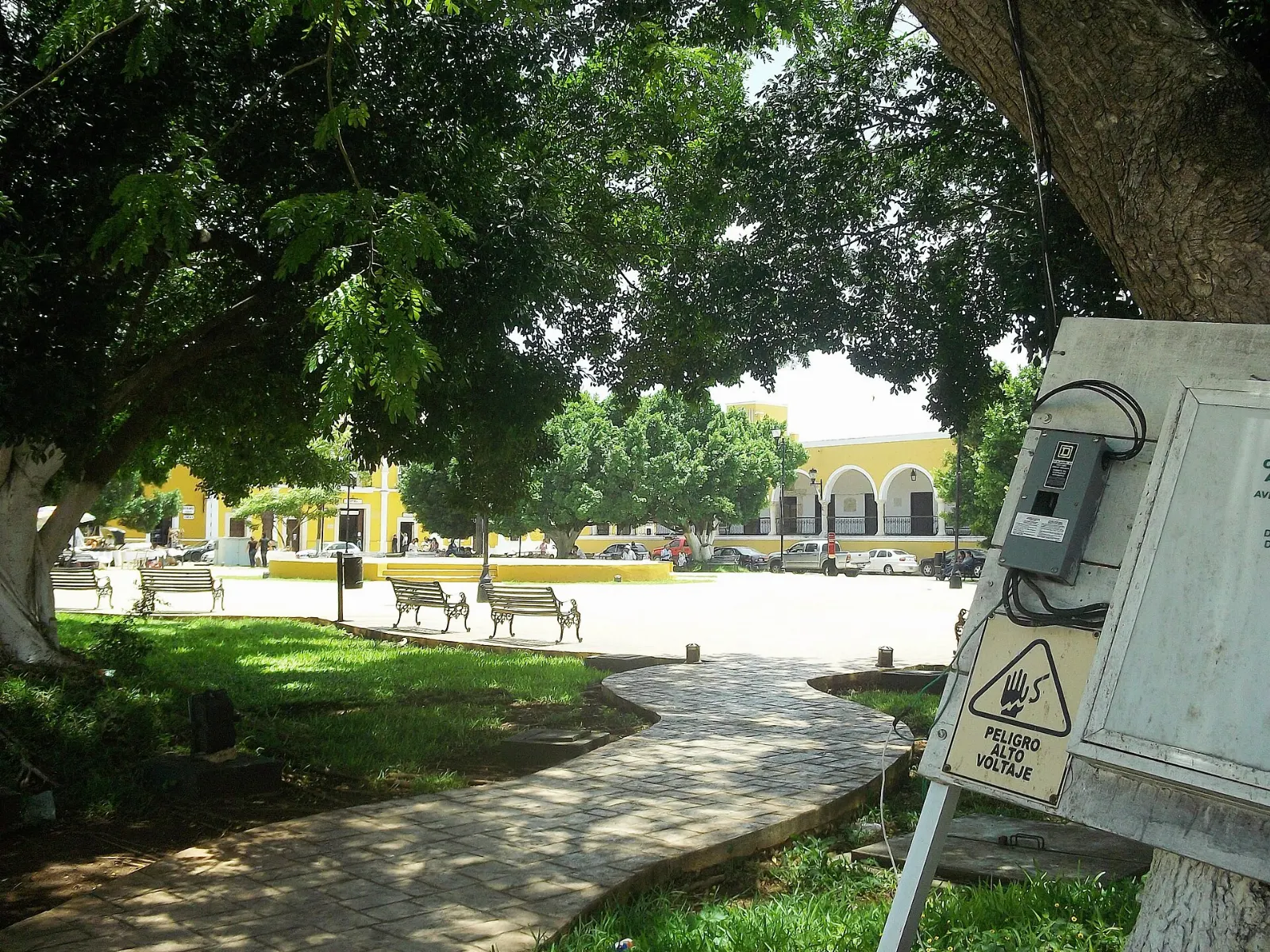
Beside the monastery on the 5 de Mayo park, the Centro Cultural has museum displays on local handicrafts and a cafe.
The Centro Cultural and the Palacio Municipal face the park next to the convent. Photo: Inri, Wikimedia Commons, CC0
Parque Zamná
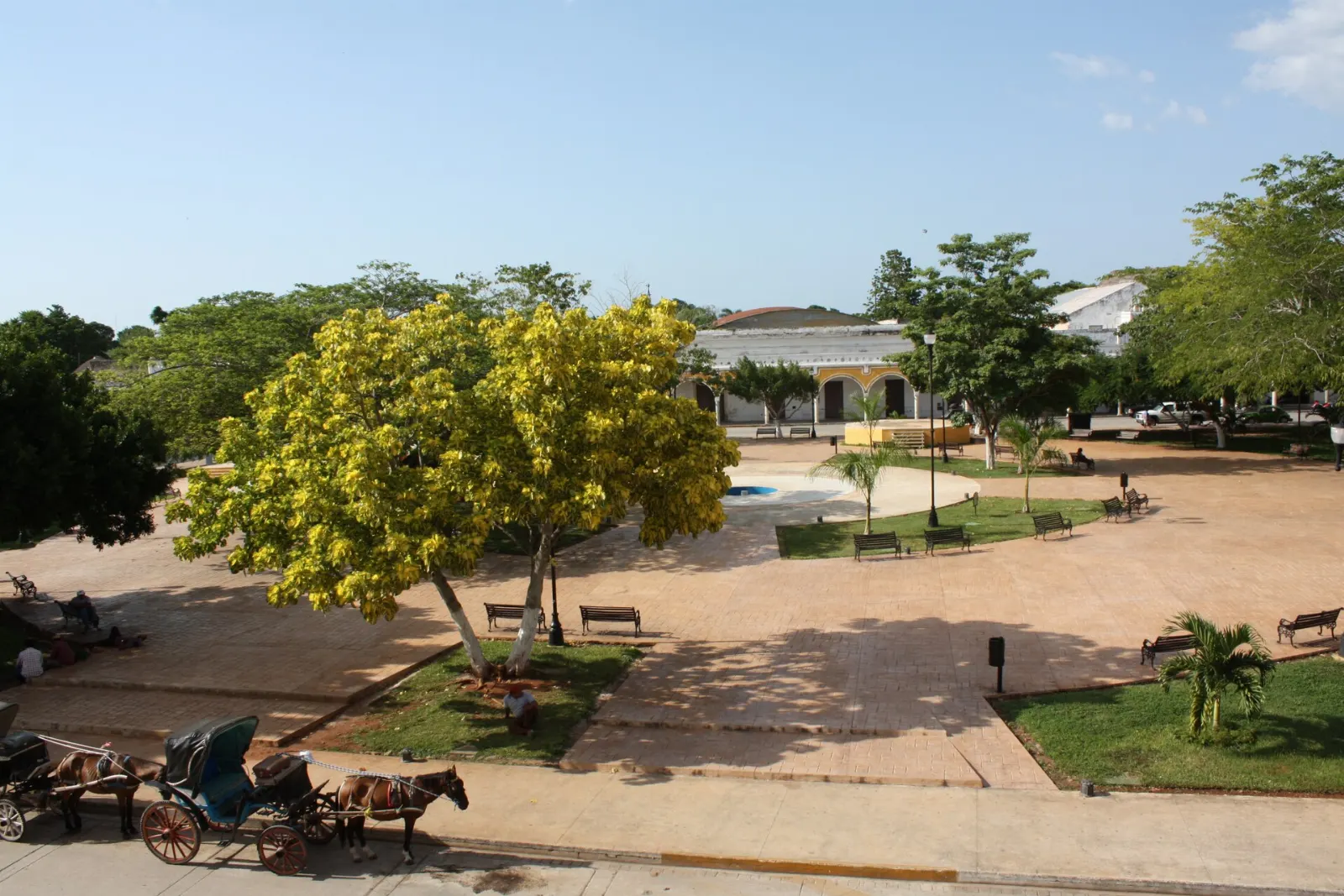
On Sundays, locals gather in the park on the north side of the monastery for a paseo with live music, vendors and refreshments. If you can plan your visit for a Sunday, do it.
Parque Zamná lies on the north side of the convent and fills with people on Sundays. Photo: David Cabrera, Wikimedia Commons, CC BY-SA 2.0
Ad
Maya structures and daily life
Kinich Kakmo
One of the Maya structures in the town center, Kinich Kakmo is close to a well-known restaurant. It is an easy short walk from the convent.
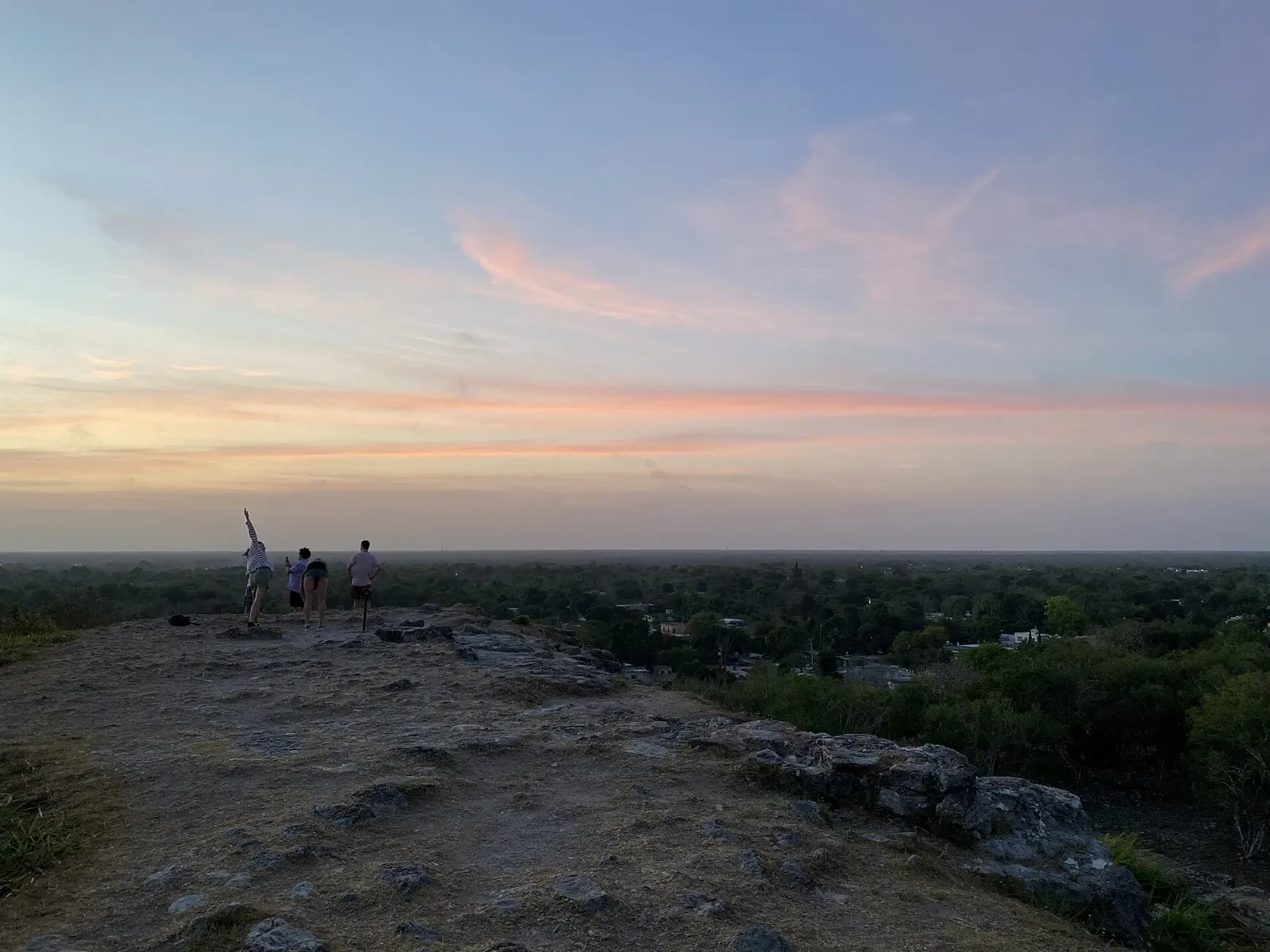
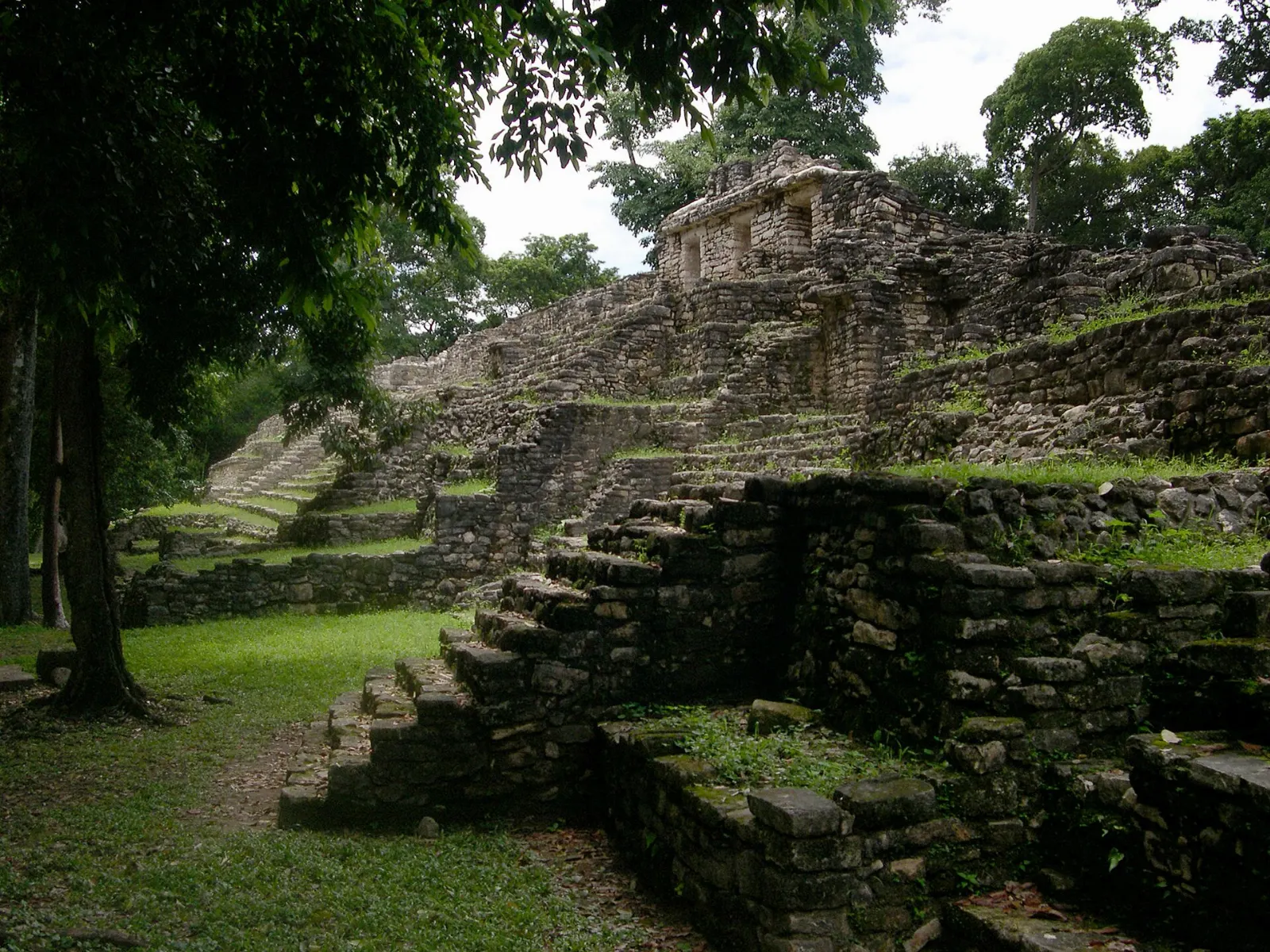
Kinich Kakmo is one of several Maya structures within the town of Izamal. Photo: Sharon Hahn Darlin, Wikimedia Commons, CC BY 2.0
Itzamatul and Chaltún Há
These are two more Maya structures among the streets. They are best combined with a slow walk through town, with a stop in the shade of a park in between.
Calesa ride
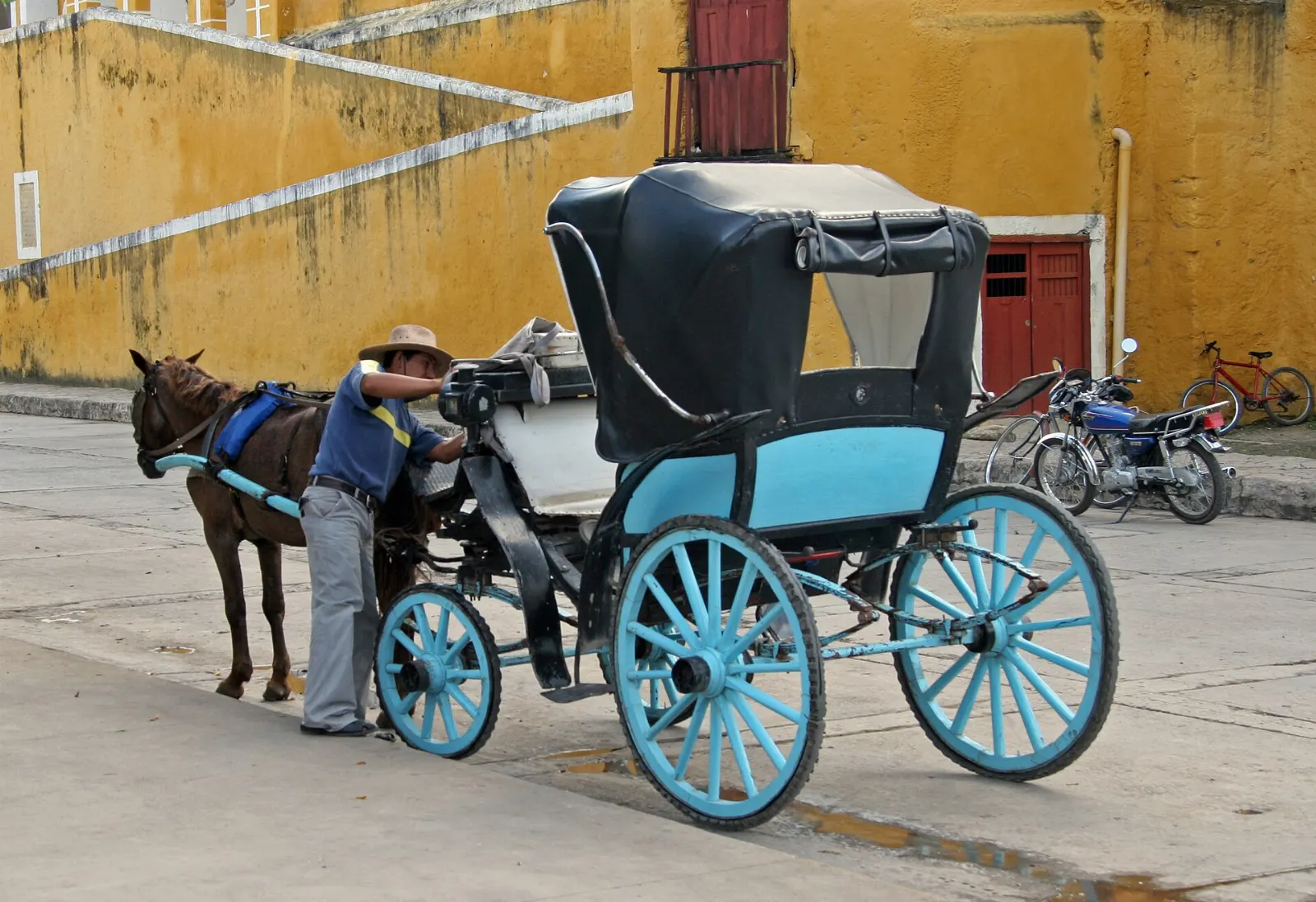
A calesa is a small coach drawn by burros or mules and often decorated with flowers or bright paint.
The municipal market is southwest of the monastery and is the place to see everyday life in the town. For souvenirs, the Hecho a Mano shop on the main square sells local handicrafts.
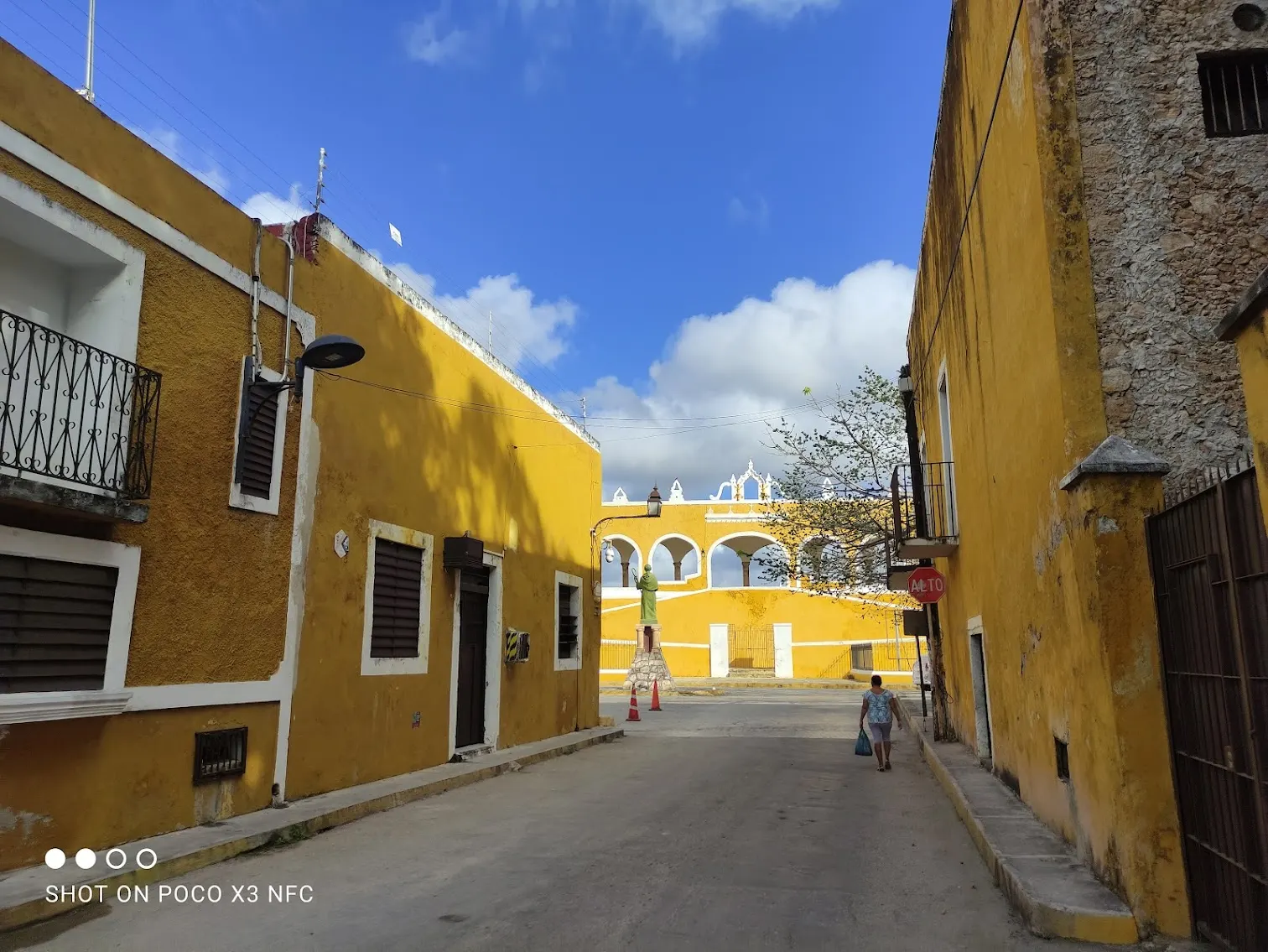
Most buildings in Izamal are painted yellow, which gives the town its nickname. Photo: CAHA0909, Wikimedia Commons, CC BY-SA 4.0
Food and local flavors
Izamal's restaurants specialize in Yucatecan cooking. Try cochinita pibil, pork marinated in achiote and slow-cooked in banana leaf.
Poc chuc is grilled pork in a citrus marinade, usually served with rice, beans and pickled onion.
The well-known Restaurante Kinich, near the entrance to the Kinich Kakmo pyramid, serves Yucatecan dishes and fresh tortillas made by hand. It is popular with locals on weekends, so go early.
Popular dishes to try in Izamal
Cochinita pibil Try cochinita pibil, pork marinated in achiote and slow-cooked in banana leaf.Photo: El Nuevo Doge, Wikimedia Commons, CC0Papadzules Papadzules are corn tortillas dipped in a pumpkin-seed sauce and filled with hard-boiled egg, and they are served with a tomato sauce.Photo: Nosferattus, Wikimedia Commons, CC0Poc chuc Poc chuc is grilled pork in a citrus marinade, usually served with rice, beans and pickled onion.Photo: Gary Stevens, Wikimedia Commons, CC BY 2.0Sopa de lima Sopa de lima is a bright lime soup, often with chicken and crisp tortilla strips.Photo: Dan Cortés, Wikimedia Commons, CC BY 2.0
Ad
Where to stay
Izamal has a modest number of hotels, bed and breakfasts and a campground, so book ahead for weekends.
The Centro is the best choice for most visitors. The convent, parks and restaurants are all within walking distance, and several small hotels are arranged around courtyards.
Parque Zamná, on the north side of the monastery, suits travelers who want to be steps from the Sunday paseo and the evening atmosphere.
Calle 33 and the streets around it are home to garden hotels and a campground with space and quiet.
Where to stay in Izamal
Centro The Centro is the best choice for most visitors.Photo: Diego77777, Wikimedia Commons, CC BY 4.0Calle 33 Calle 33 and the streets around it are home to garden hotels and a campground with space and quiet.Photo: Patrice78500, Wikimedia Commons, CC BY-SA 4.0
Best time to visit
Izamal has a tropical climate, like Mérida, with hot afternoons through much of the year. The cooler months, roughly November to March, are the most comfortable for walking between the sites.
Sundays are special because of the paseo at Parque Zamná. Evenings are also pleasant, with the sound and light show at the convent. The region's rainy season runs roughly from June to October, which brings humidity and the chance of storms.
Ad
Getting there and getting around
Izamal is about seventy kilometers east of Mérida. Oriente buses leave from Mérida's Noreste terminal roughly every hour, and the trip takes about ninety minutes to two hours.
The town is a stop on the Tren Maya, with its own station. Buses also run from Cancún and Valladolid, though schedules are limited, so check ahead.
Once in town, everything is within walking distance. If you drive, park near one of the three plazas around the convent.
A suggested itinerary
First day
Arrive in the morning and visit the convent, the atrium and the church. After lunch, walk to Kinich Kakmo and the other Maya structures, then take a calesa ride around the plazas.
Second day
Browse the municipal market and the Hecho a Mano shop, stop at the Centro Cultural, and spend a late afternoon on a bench in a park.
After Izamal
From Izamal, the state capital Mérida lies to the west, while Chichén Itzá, the largest ancient Maya site in Yucatán, lies to the east.
Ad
Practical tips
Check your government's current travel advisory before you go.
Bring a hat and water, as shade is limited between sites.
Check bus schedules for the return trip, since the last services leave in the early evening.
Dress modestly when entering the church.
Ask locally about the sound and light show schedule at the convent.