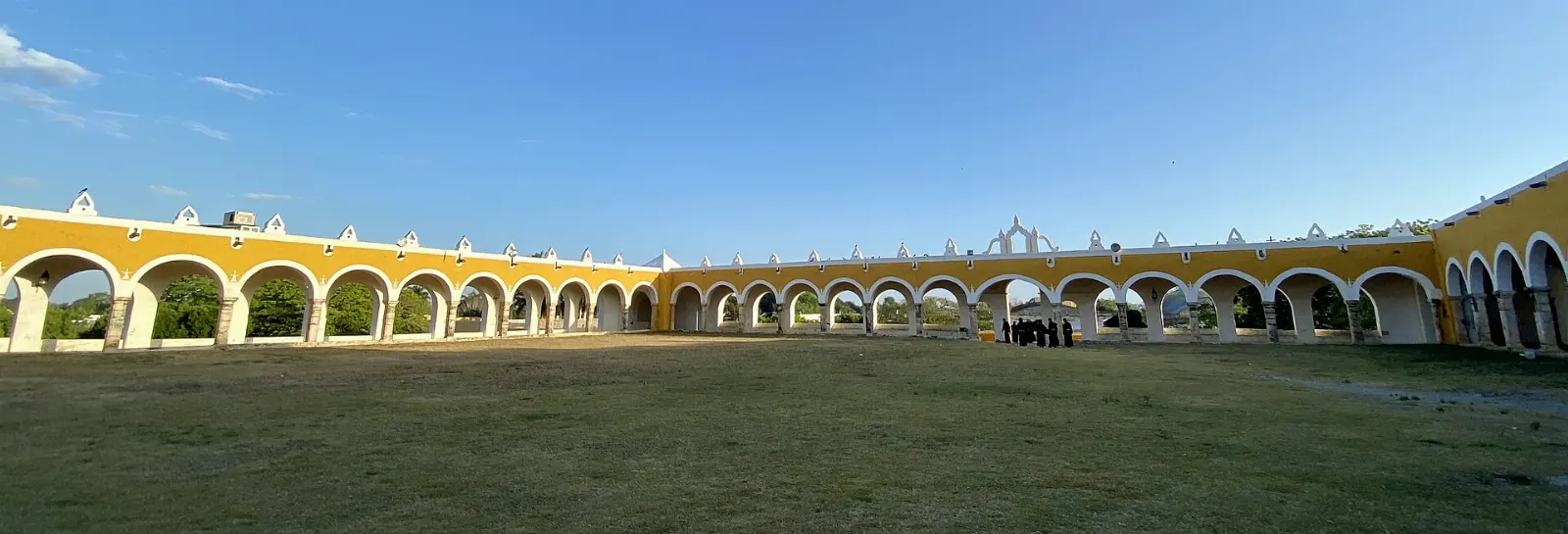
Maní is a small Maya town in the middle of Yucatán, about 100 kilometers south of Mérida, and one of Mexico's designated Pueblos Mágicos. It has been inhabited for thousands of years and was once the seat of the Tutul Xiu dynasty.
AT A GLANCE
Best time
November to March is the most comfortable season, and mid August brings the town fiesta.
How long
A half day covers the town, and a full day lets you add Ticul or the Puuc sites.
Getting there
Take a bus from Mérida in about two hours or drive south through the Puuc hills.
Why visit Maní
Maní packs a lot of history into a small place. The Maya settled here around four thousand years ago, and in the 13th century the Tutul Xiu moved their capital here from Uxmal.
That monastery is also where one of the most painful scenes in Yucatán history unfolded. On 12 July 1562, Friar Diego de Landa burned Maya books and thousands of sculptures in the plaza. Visiting the site is a quiet and thoughtful experience, and the town today feels welcoming and unhurried.
Beyond the history, Maní is a good place to learn about living Maya traditions. Beekeepers here still tend native stingless bees, cooks prepare regional dishes from family recipes, and weavers sell handmade textiles.
Things to see in town
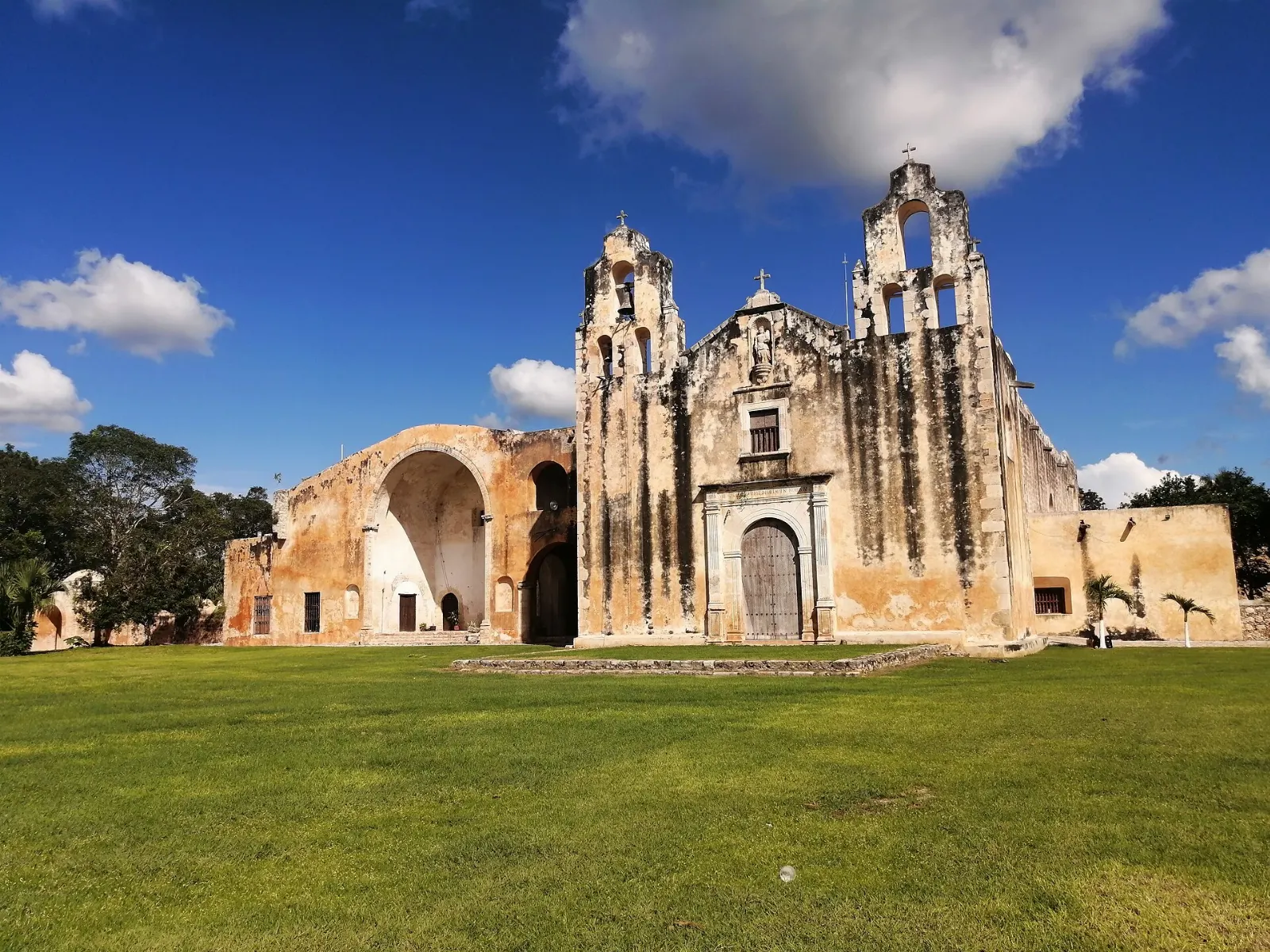
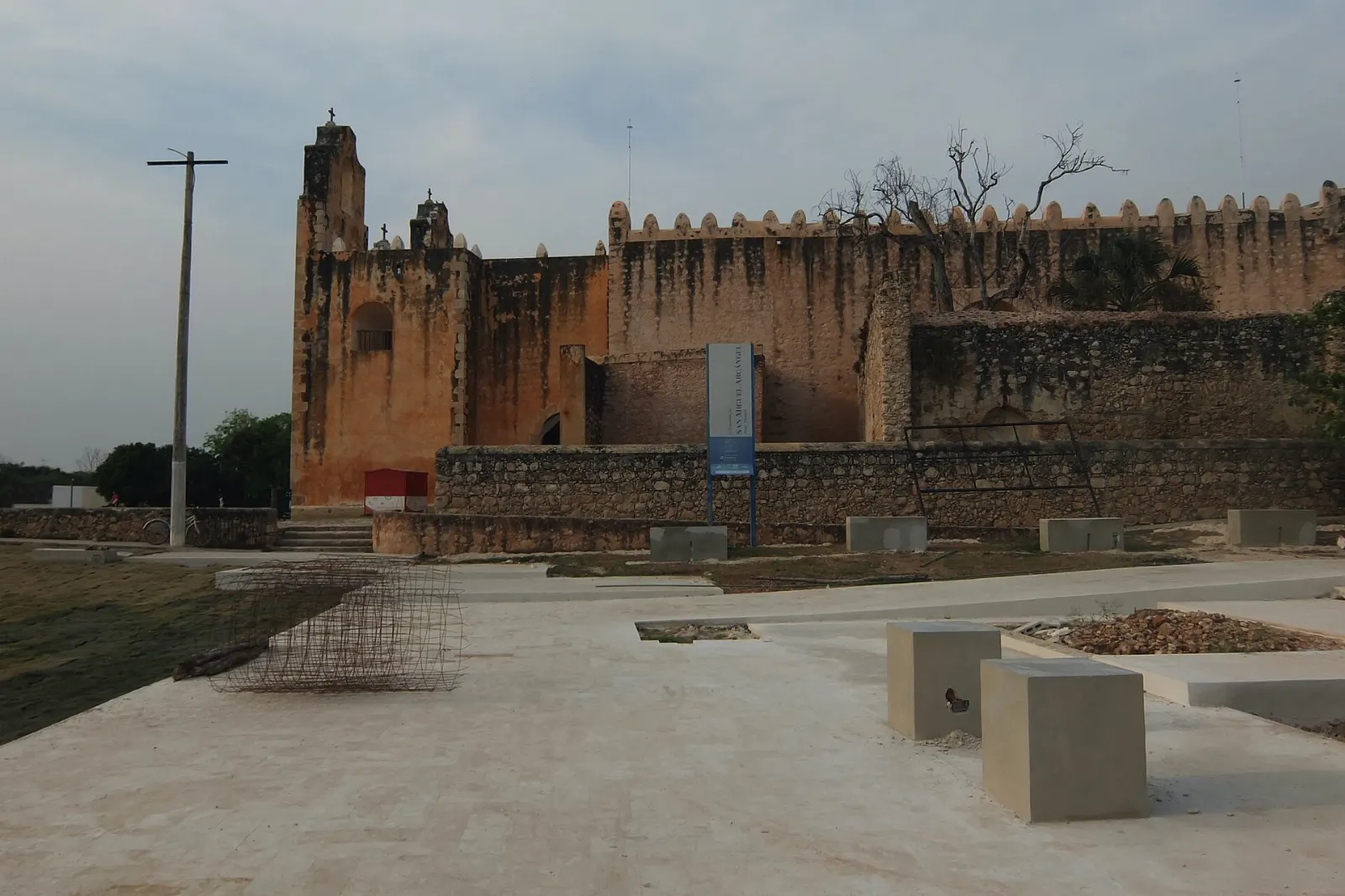
Monastery of San Miguel Arcángel
The church and former convent were built in 1549 and dominate the center of town. The limestone facade is lightly decorated, and a large atrium once held outdoor religious ceremonies for the Maya congregation.
Cenote X'Cabachén
This small cenote on Calle 25 is more important for its legend than for swimming. It holds little water and does not allow bathing, but the story is memorable: when the world ends, it is said to be the last cenote with water, guarded by the god Kukulcan.
Meliponario U Naajil Yuum K'iin
Maní is known for its meliponarios, where beekeepers raise native stingless bees called Melipona. At this one, hives sit inside hollowed logs stacked on racks, a very different sight from a typical beehive.
Meliponario Lool-Há
Lool-Há offers tours of the hives and honey tastings. It is open on fewer days than some others, so check the schedule before you go.
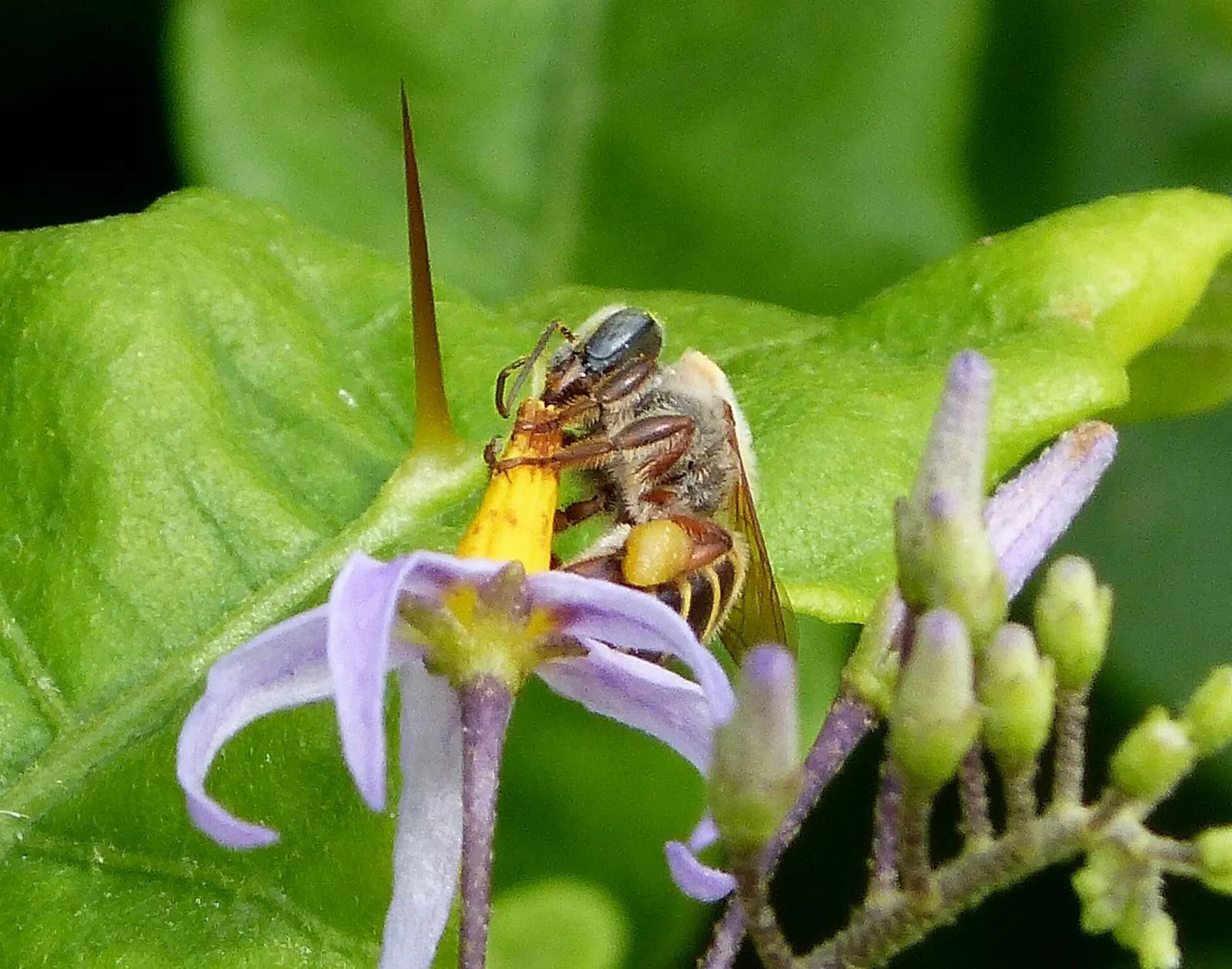
Meliponario Los Jazmines
Los Jazmines, also known as Xunan-Kab, runs tours with tastings and sells honey you can take home. The name Xunan Kab means roughly "regal lady bee" in Maya, and the bees have been kept in the Yucatán since before the Spanish arrived.
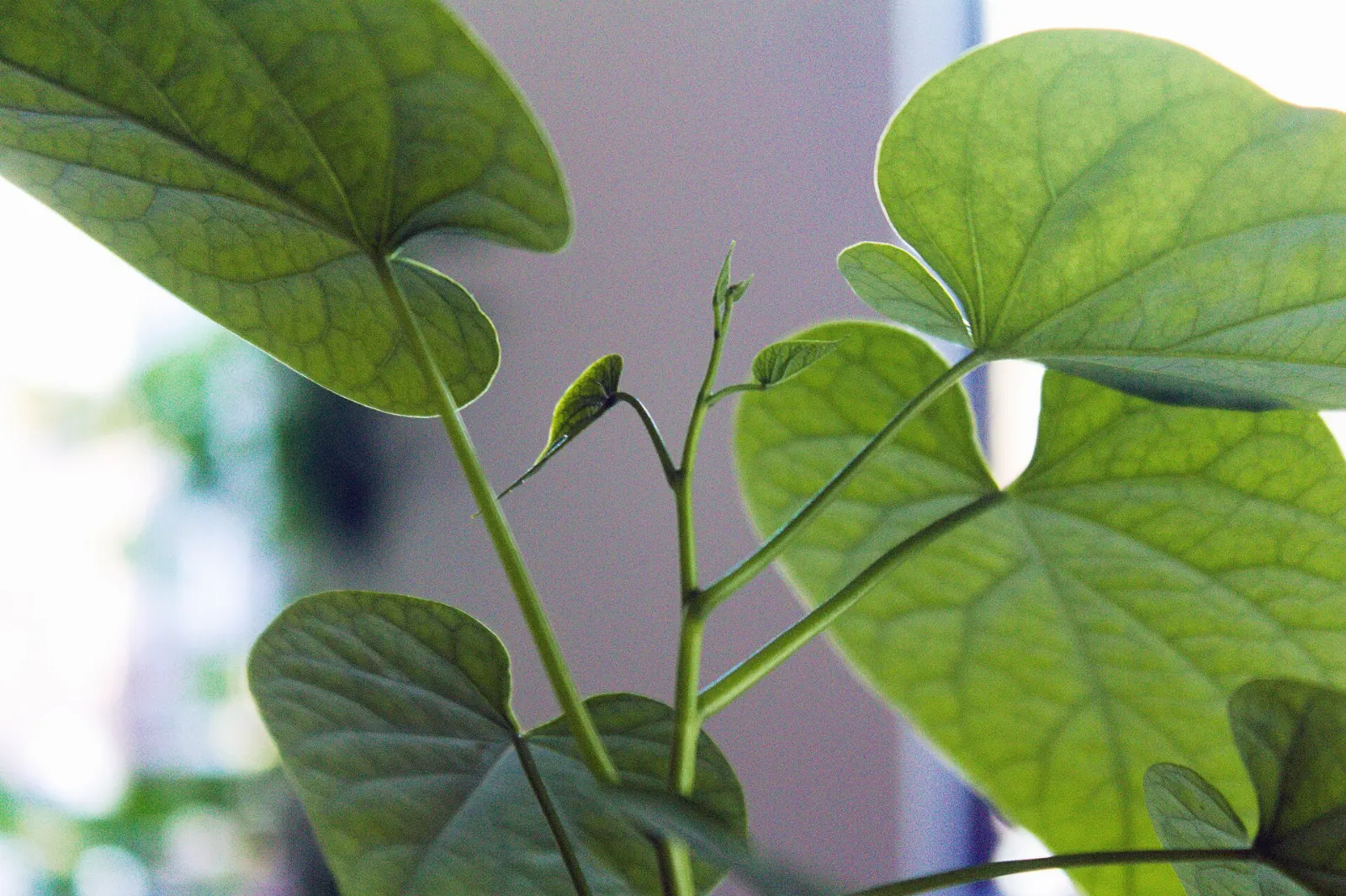
Mercadito Artesanal
This small craft market on Calle 27 sells woven shirts, blouses, blankets and tote bags. Look for genuine henequen products and hand-woven textiles, which make better souvenirs than cheap factory items.
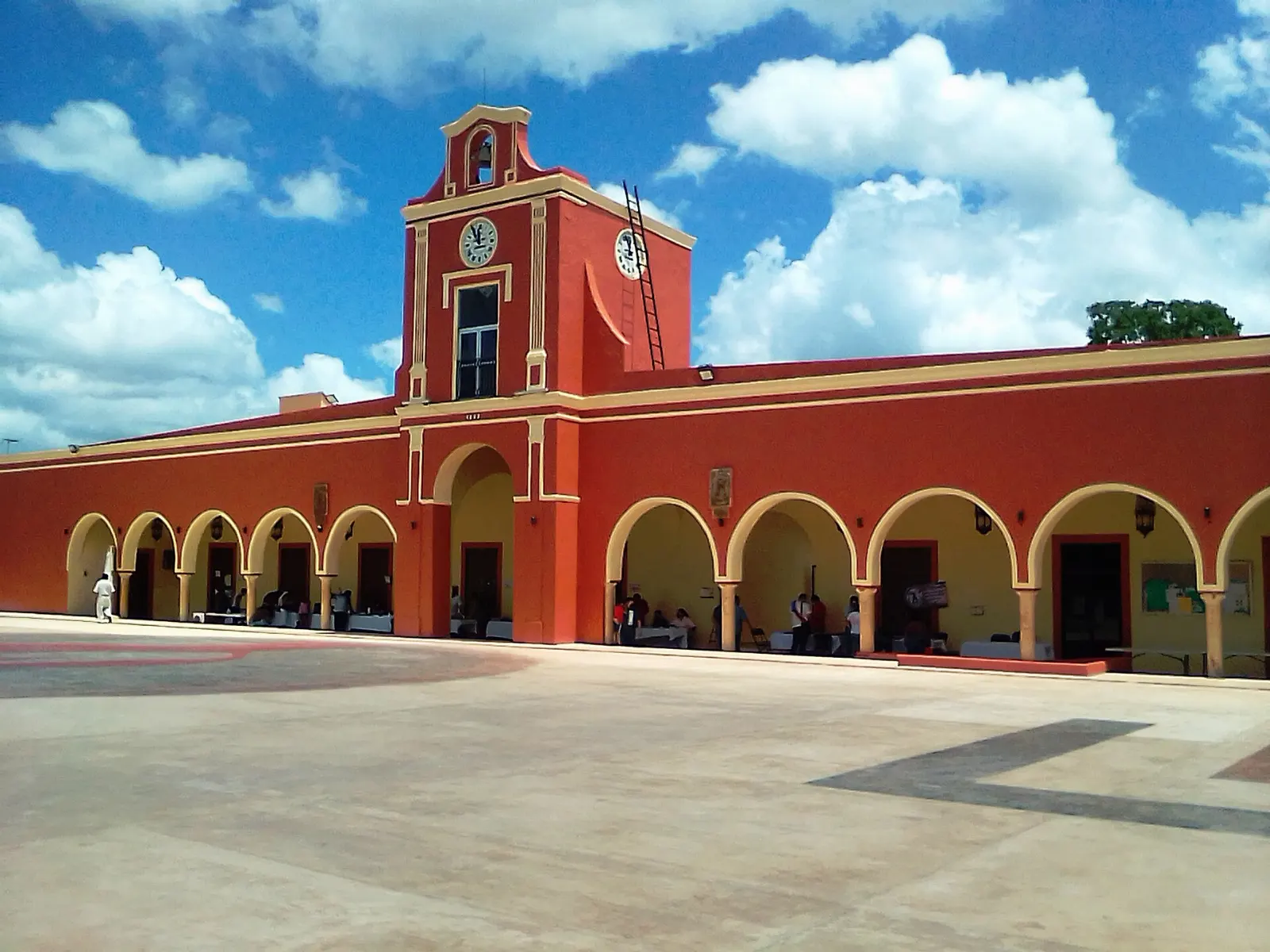
Around Maní
Ticul
Ticul lies about 16 kilometers west of Maní and is the main town in the area. It is known for its red pottery and for poc chuc. Plan a half day for the workshops and lunch.
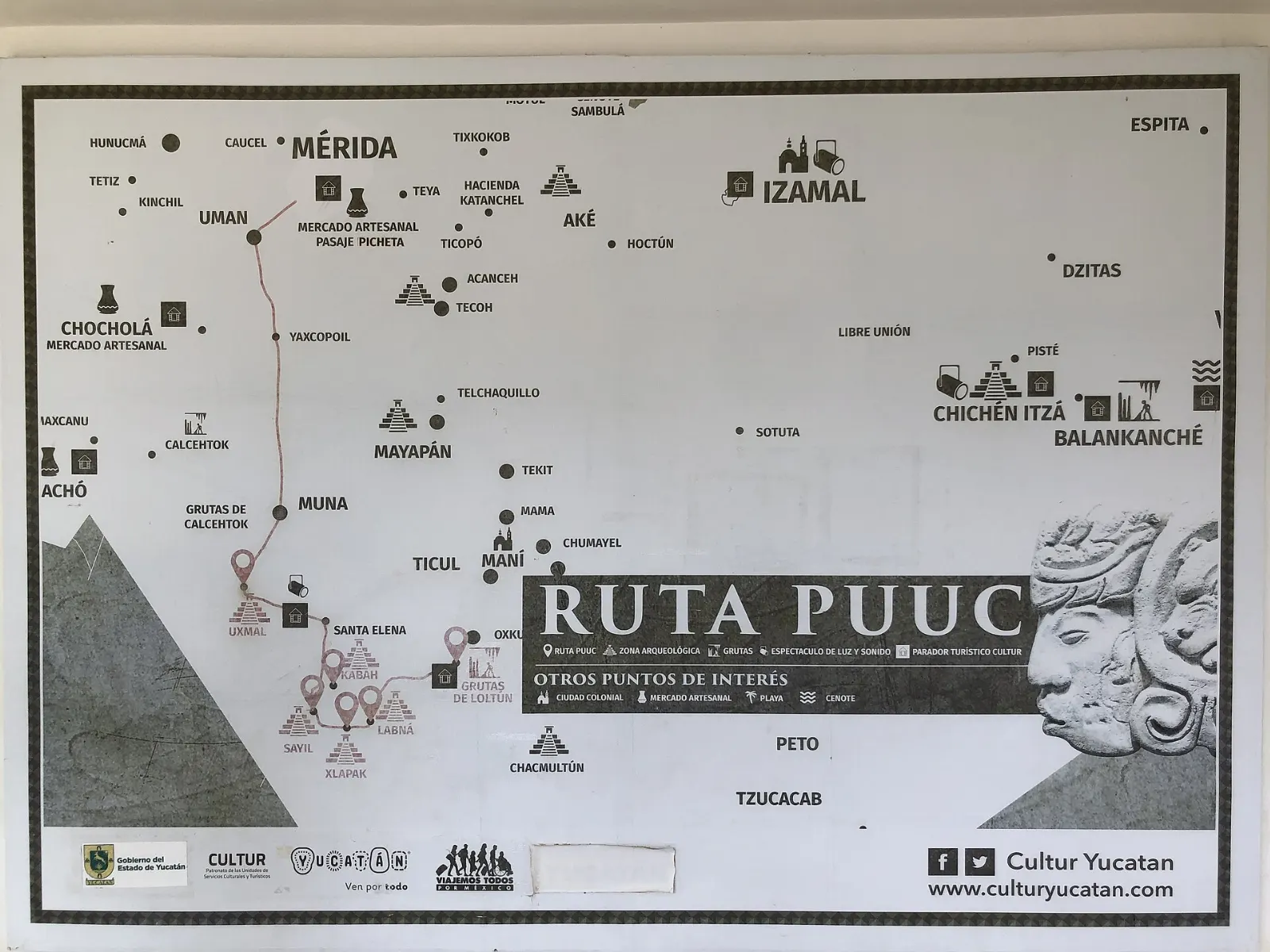
Ruta Puuc
The Ruta Puuc is a marked route of secondary roads through the Puuc hills, with Kabah, Sayil, Labna, Xlapak and the Loltún caves along the way. Labna is famed for its entrance arch, and Sayil was a small city that peaked around 900 AD.
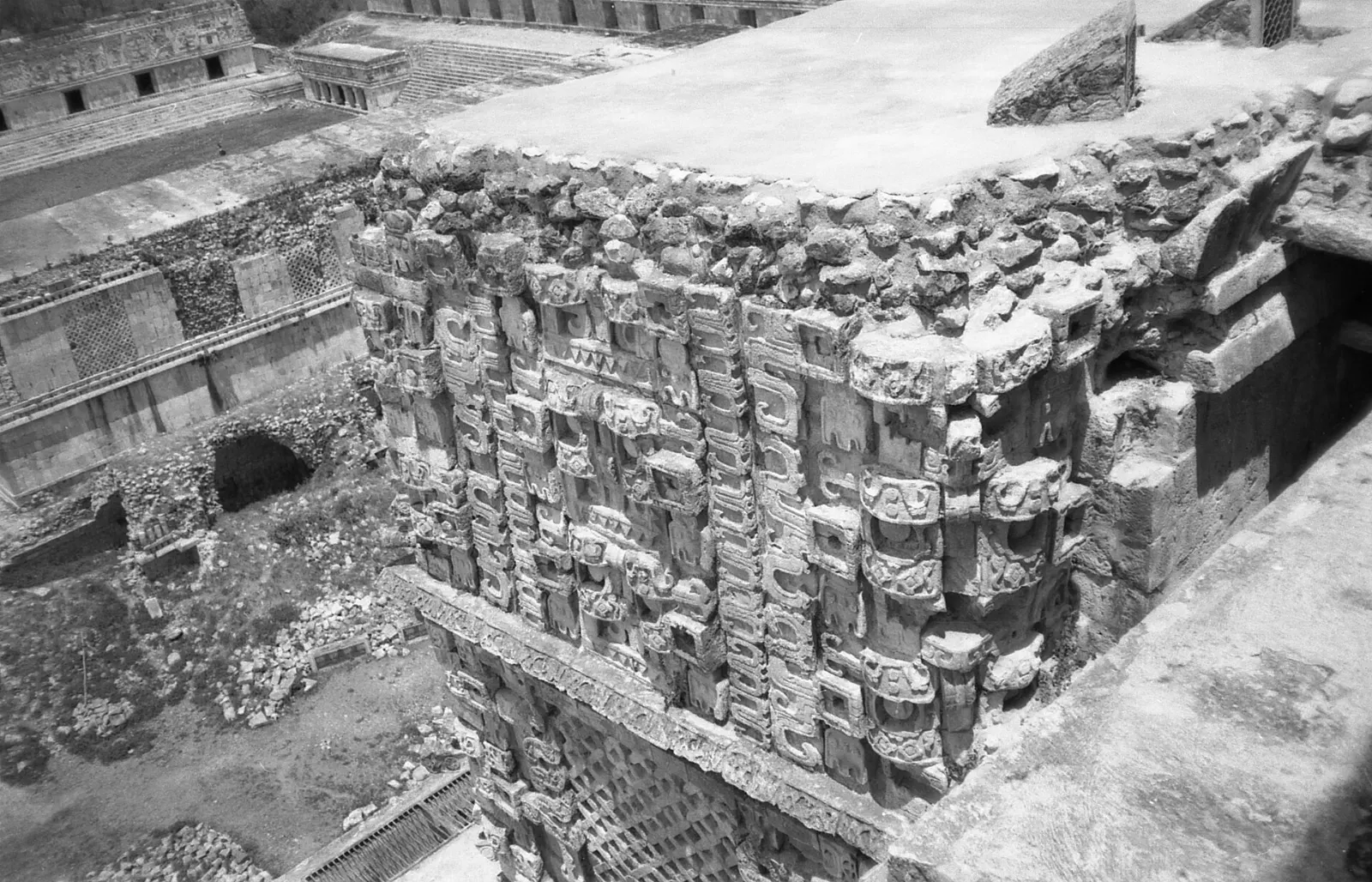
Uxmal
Uxmal is one of the great Maya cities, with the Pyramid of the Magician and ornate Puuc style facades. It is a UNESCO World Heritage Site and the city the Xiu dynasty ruled from before moving its capital to Maní.
 Planning a trip to Maní?Compare hotels, flights and vacation rentals for Maní on Expedia.Book now
Food and local flavors
Maní's restaurants serve homemade Yucatecan food in palapa-style dining rooms, and portions are generous. Pokchuc is the local signature, pork marinated in citrus and grilled over coals, served with habanero salsa. Sopa de lima is a bright chicken soup with lime and crisp tortilla, and cochinita pibil is slow-roasted marinated pork in banana leaf.
Look for the family-run restaurants near the main plaza and ask what the house specialty is. Aguas frescas are a refreshing alternative to soda.
Popular dishes to try in Maní


Where to stay
Lodging in Maní is simple. Maní itself has a couple of basic, clean hotels near the center, a good choice for budget travelers who want to walk to the monastery and hear the town quiet down after the day trippers leave.
Ticul is the closest larger town and works as a base for Maní, the Puuc sites and Uxmal. Mérida offers many more restaurants and hotels, and suits travelers who want to return to the city each night.
Where to stay in Maní


Best time to visit
Yucatán is warm all year. November to March is the driest and most comfortable stretch, with cooler mornings for walking and visiting ruins. Between June and October the wet season brings humid heat and afternoon downpours. The biggest event is the Festival of the Virgin of the Assumption, from 15 to 24 August, with regional music and dance, homemade foods and carnival games. Expect more visitors and a livelier plaza during those days.
Getting there and getting around
The nearest major airport is in Mérida, about 100 kilometers north. Buses from Mérida take about two hours, and the LUS and Noreste lines run frequent departures. If you cannot find a direct bus, take a LUS bus to Teabo and then a taxi for the last few kilometers.
The town is compact and easy to walk. Streets form a simple grid and are numbered, with even-numbered calles running north to south and odd-numbered calles running east to west. Taxis wait at a stand near the plaza.
A suggested itinerary
First day
Take an early bus from Mérida, visit the monastery, then spend the late morning at two meliponarios.
Second day
Spend the morning in Ticul for pottery and lunch, then continue to Uxmal for the afternoon light.
Third day
Drive the Ruta Puuc to Kabah, Sayil and Labna, with a stop at the Loltún caves if time allows.
Practical tips
- Dress modestly and quietly for the monastery, since it remains a place of worship.
- Check meliponario hours in advance, because they differ by day.
- Bring cash for small restaurants, craft stalls and local taxis.
- Carry water, a hat and sunscreen for the ruins.
- Do not expect to swim at X'Cabachén, which does not allow bathing.