Calvillo is a small town in the southwest corner of Aguascalientes, about an hour from the state capital. It is called the guava capital of the world, and the fruit shows up in sweets, drinks and festivals.
AT A GLANCE
Best time
Autumn through spring, with the guava fair in early December.
How long
Two days covers the town, the dam and a hacienda.
Getting there
Drive or take a taxi or shuttle from Aguascalientes city.
Why visit Calvillo
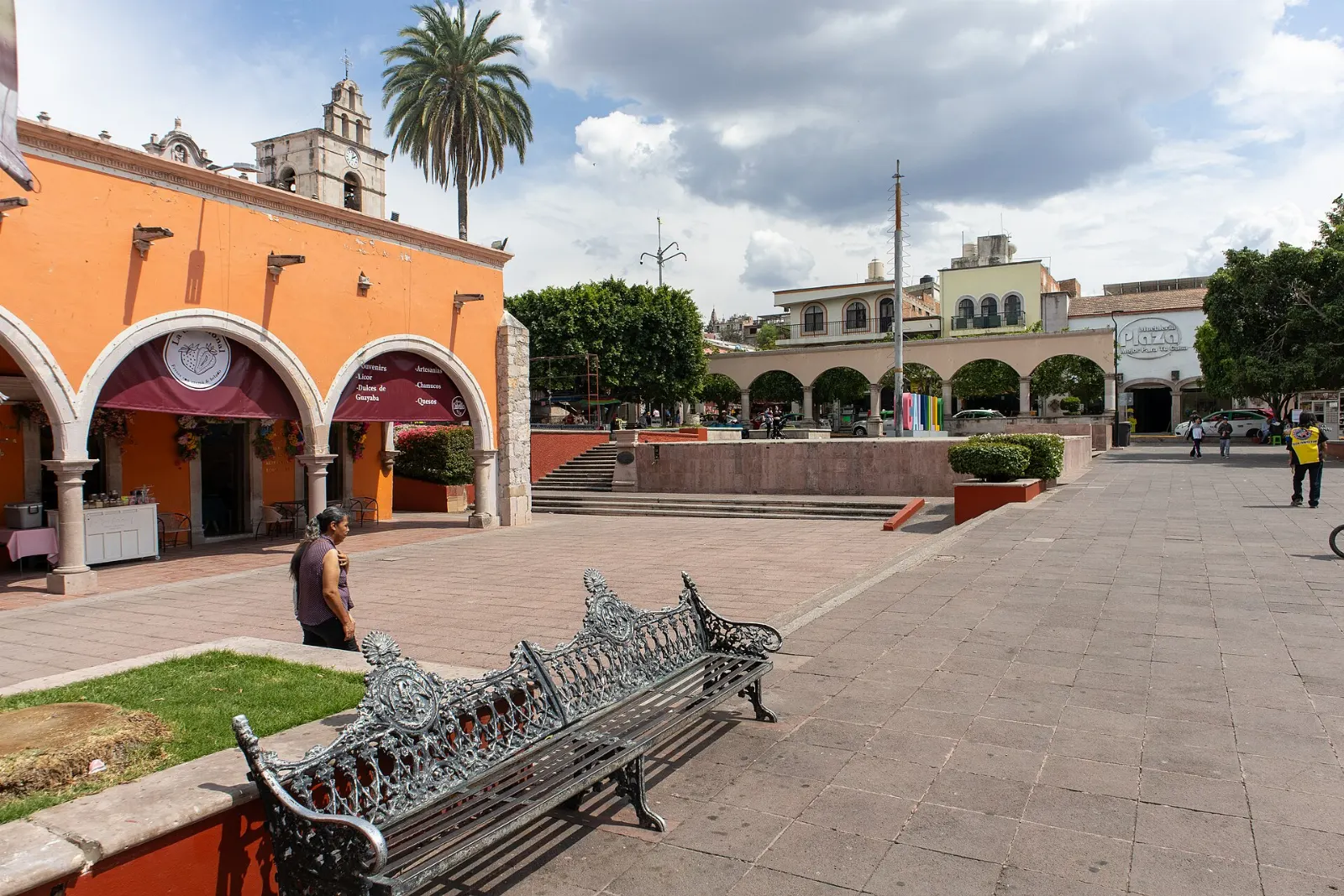
Calvillo is the second most populated town in Aguascalientes, yet it feels like a village. The main square is shaded by orange trees, families gather there on weekends, and the town is compact enough to explore on foot.
Beyond the center you find reservoirs, mountains and old haciendas that reflect the area's silver and farming history. Add embroidery villages and a strong culinary identity built around guava, and the trip feels both scenic and genuinely local.
The town is also a good contrast to the capital.
In and around the town center
Plaza Principal
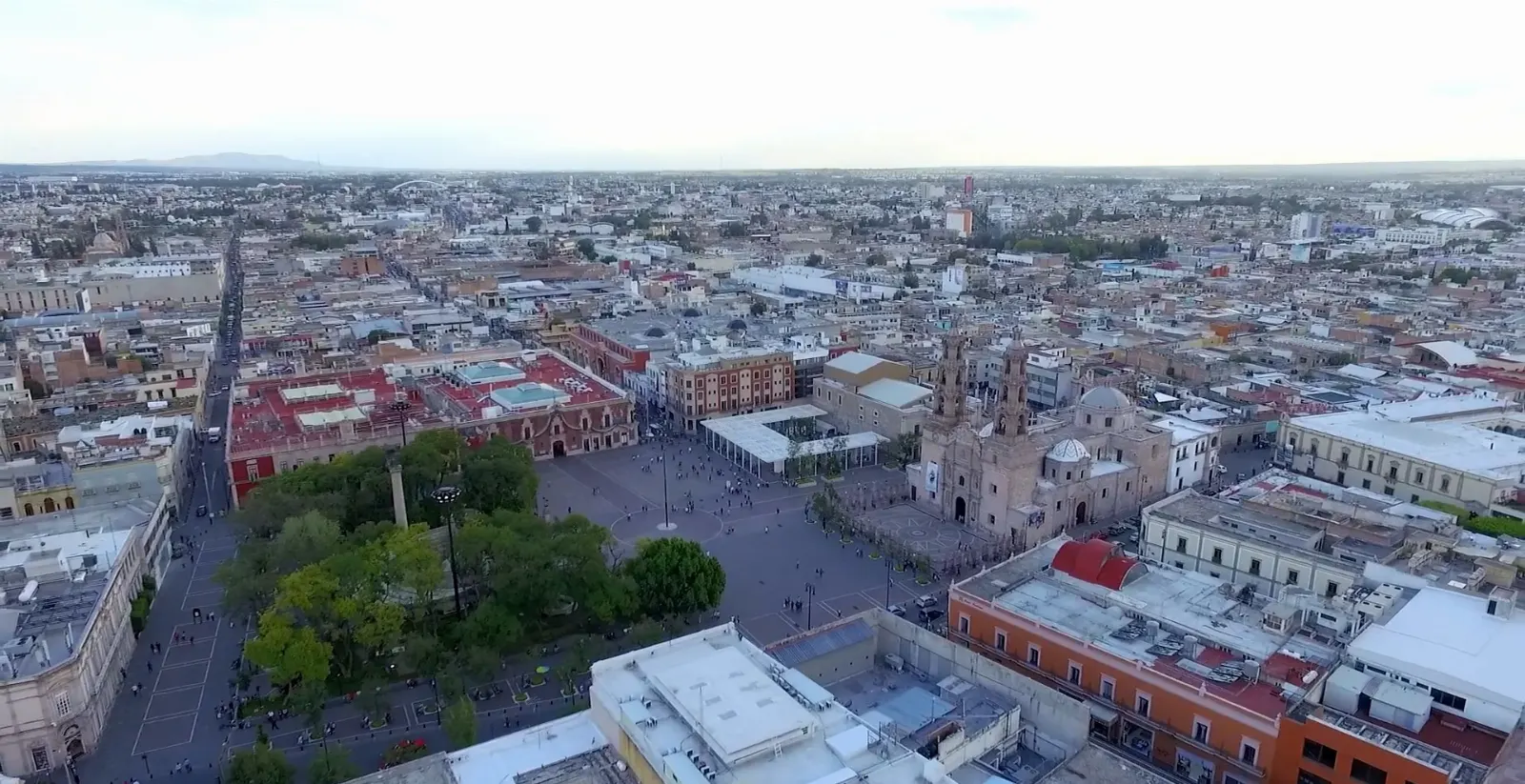
The main square dates from 1778 and is famous for its orange trees. On weekends it fills with food vendors, entertainers and families, which makes it the best place to soak up local life.
Parroquia del Señor del Salitre
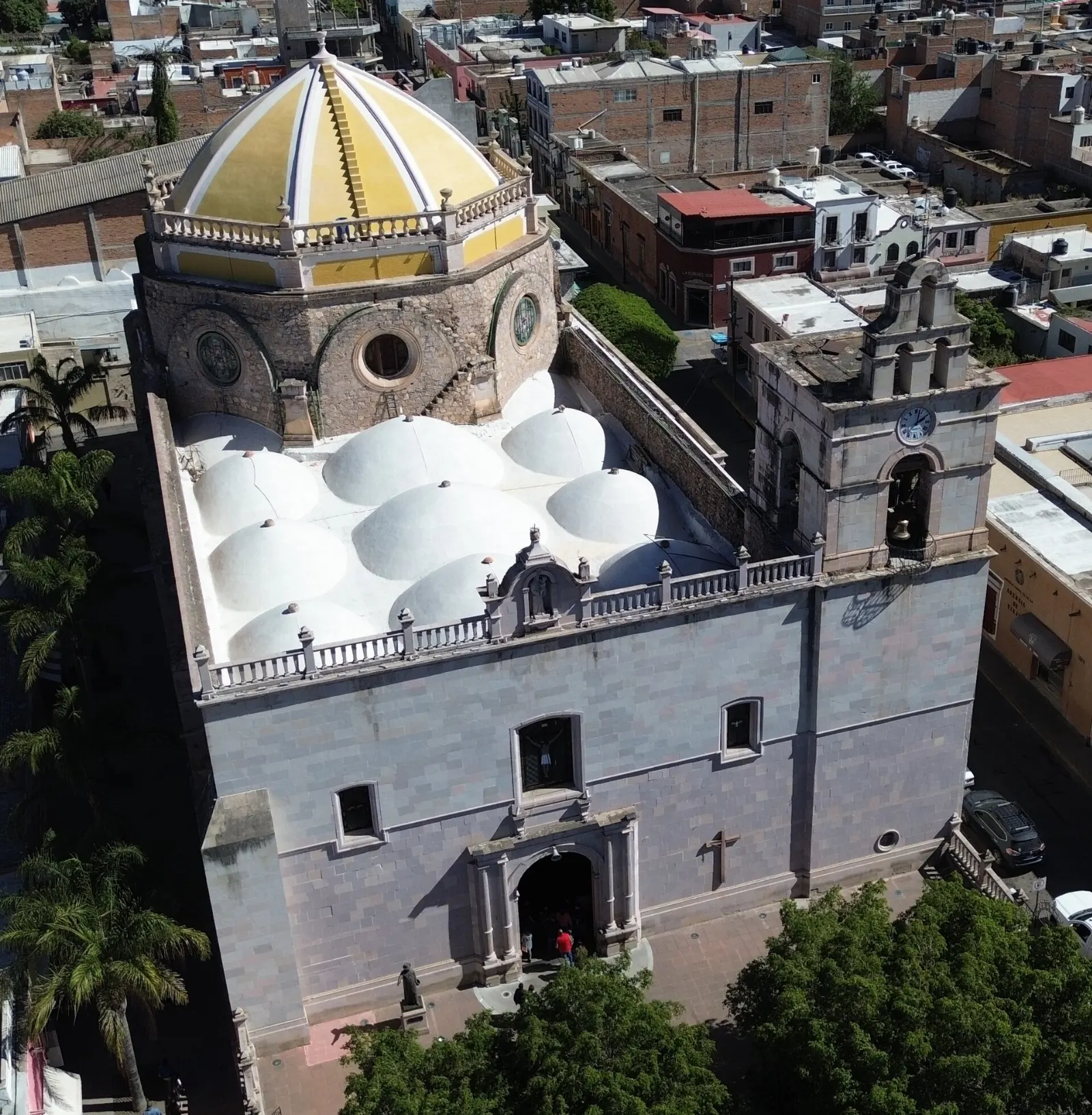
Facing the square, this church was built in 1772 and has three naves. Its dome is remarkable, an exceptionally large single piece, with murals showing the life of Saint Joseph, the town's patron.
Santuario de Guadalupe
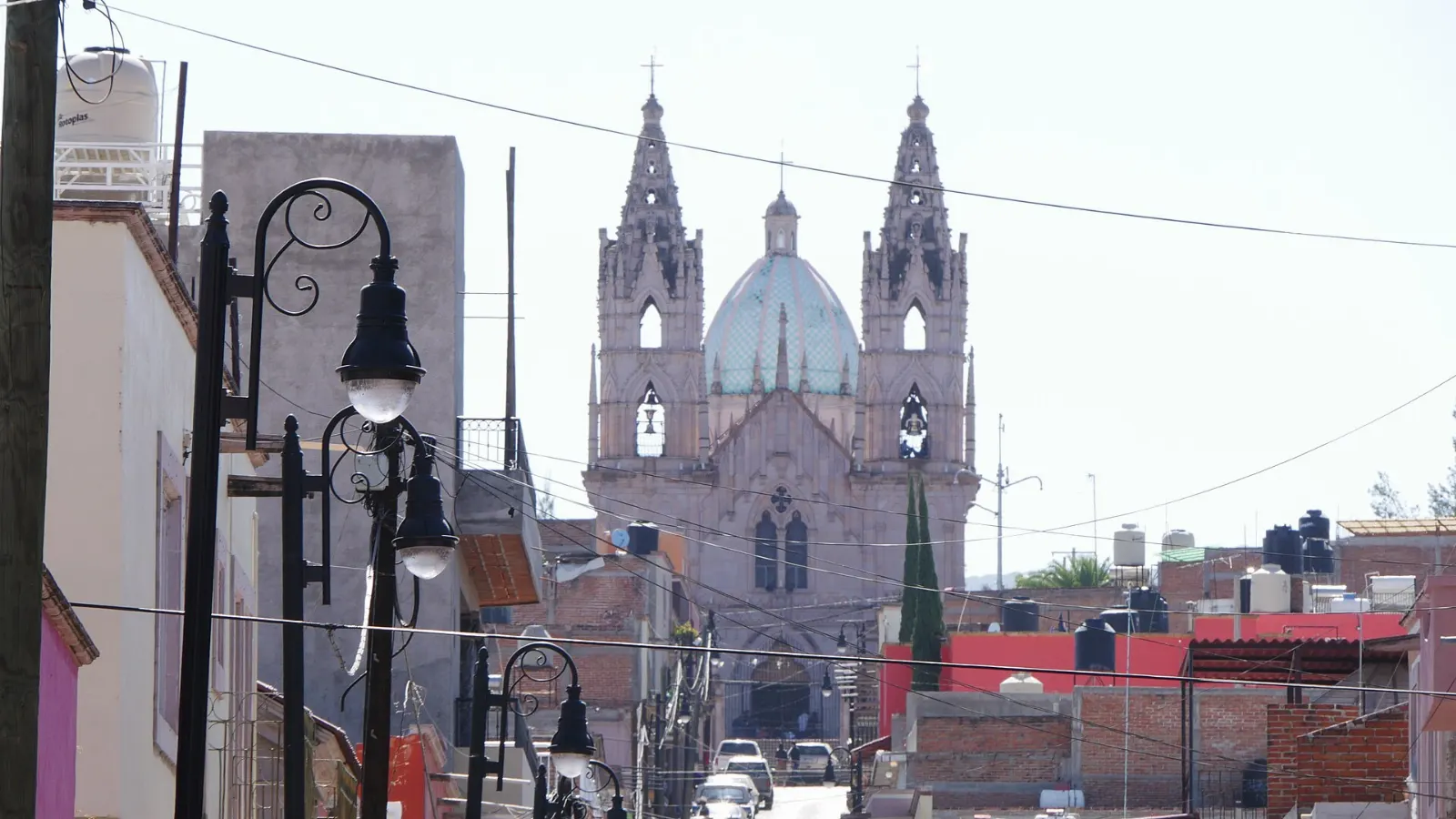
The Guadalupe sanctuary is a neo-gothic church with ornate belfries and an interior dominated by a gold-leaf altar. It is a short walk from the plaza.
Museo Nacional de los Pueblos Mágicos
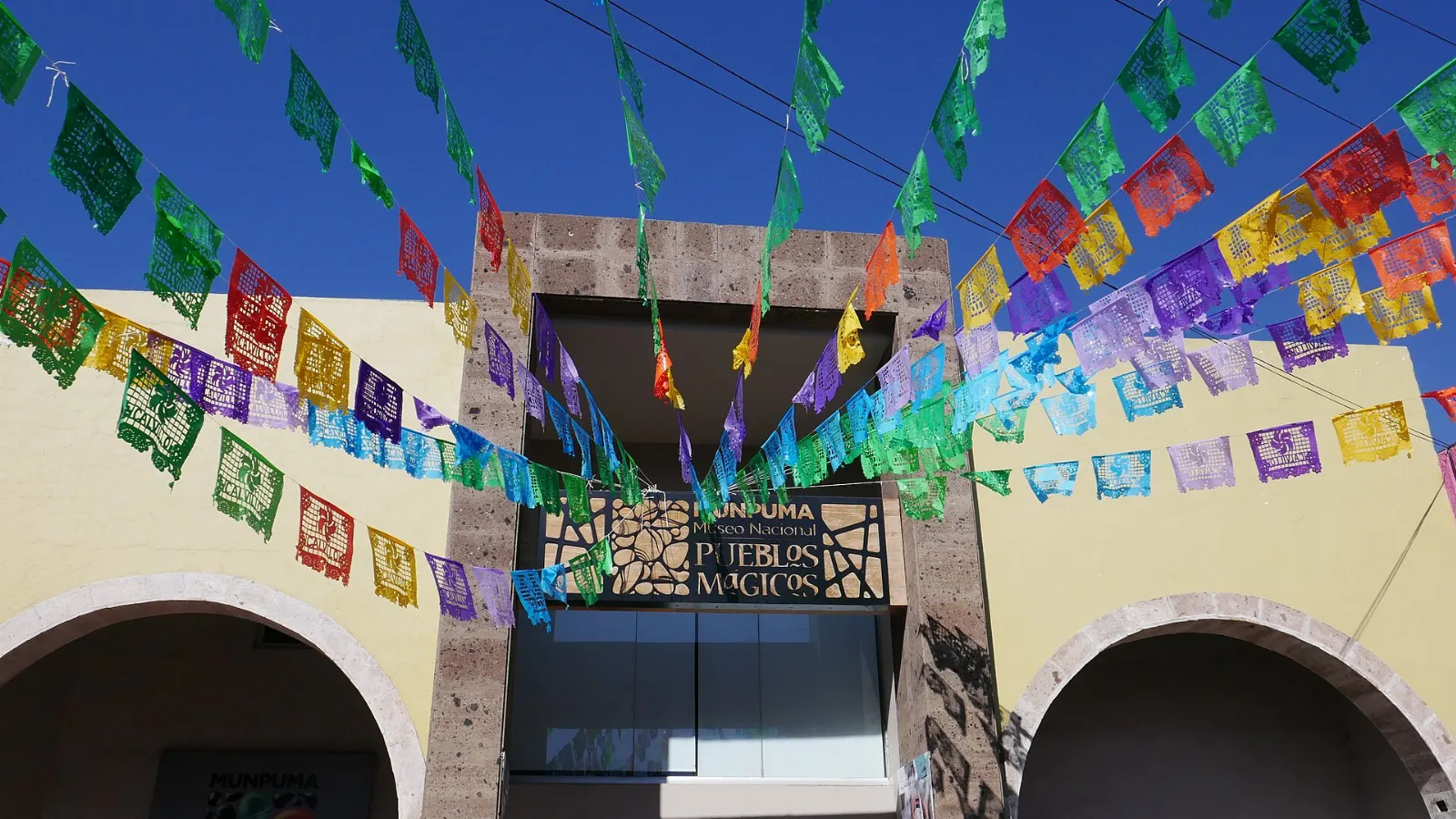
This museum on Avenida Benito Juárez tells the story of Mexico's Pueblos Mágicos program and how towns preserve their traditions. Calvillo is a fitting host for it.
Guava factory tour
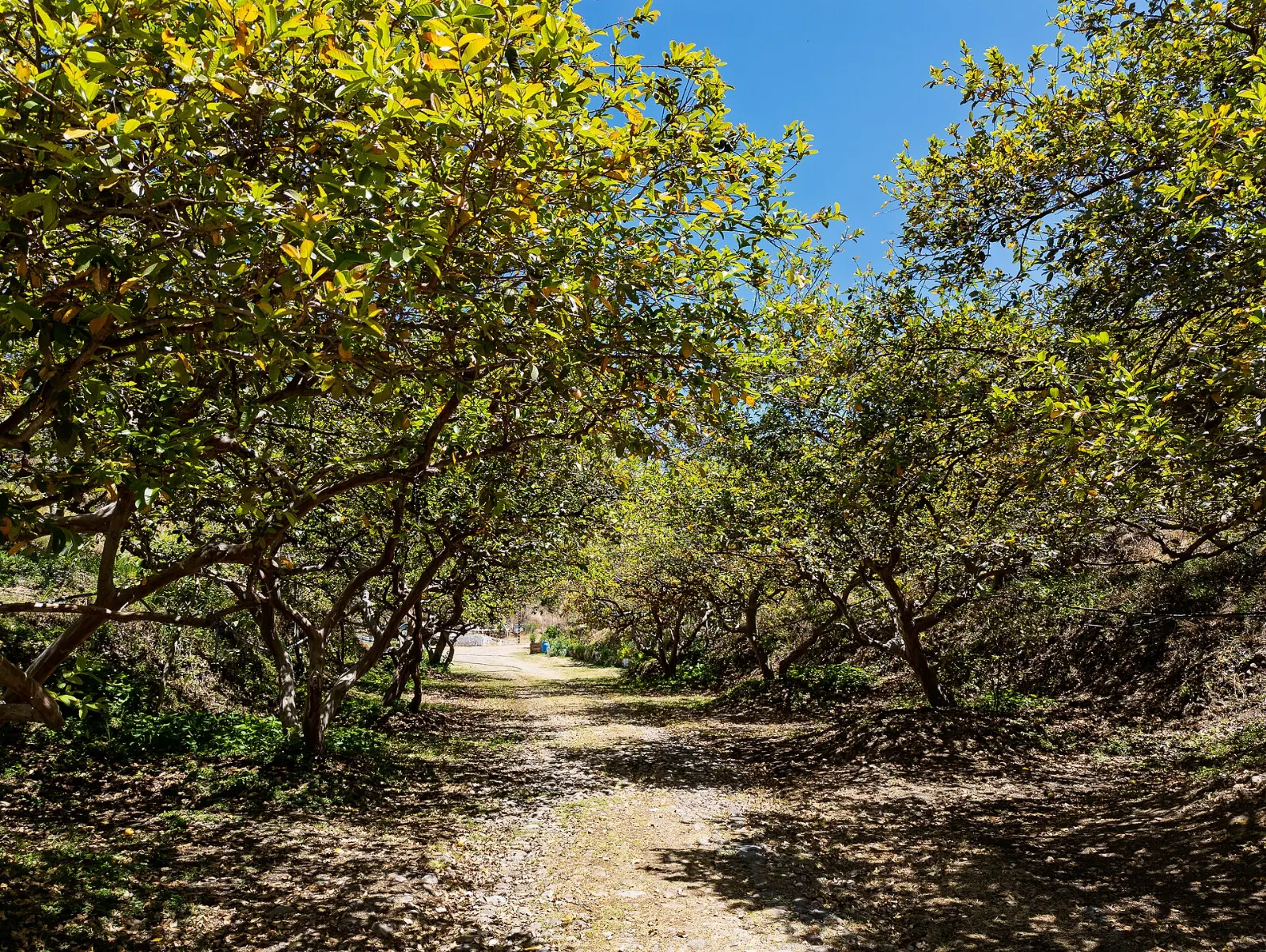
A guava processing facility offers tours that show how the fruit is washed, mashed and pressed into sweet sheets for baking and confectionery. You can taste chocolates, cookies and drinks made with guava.
Dams, haciendas and mountains
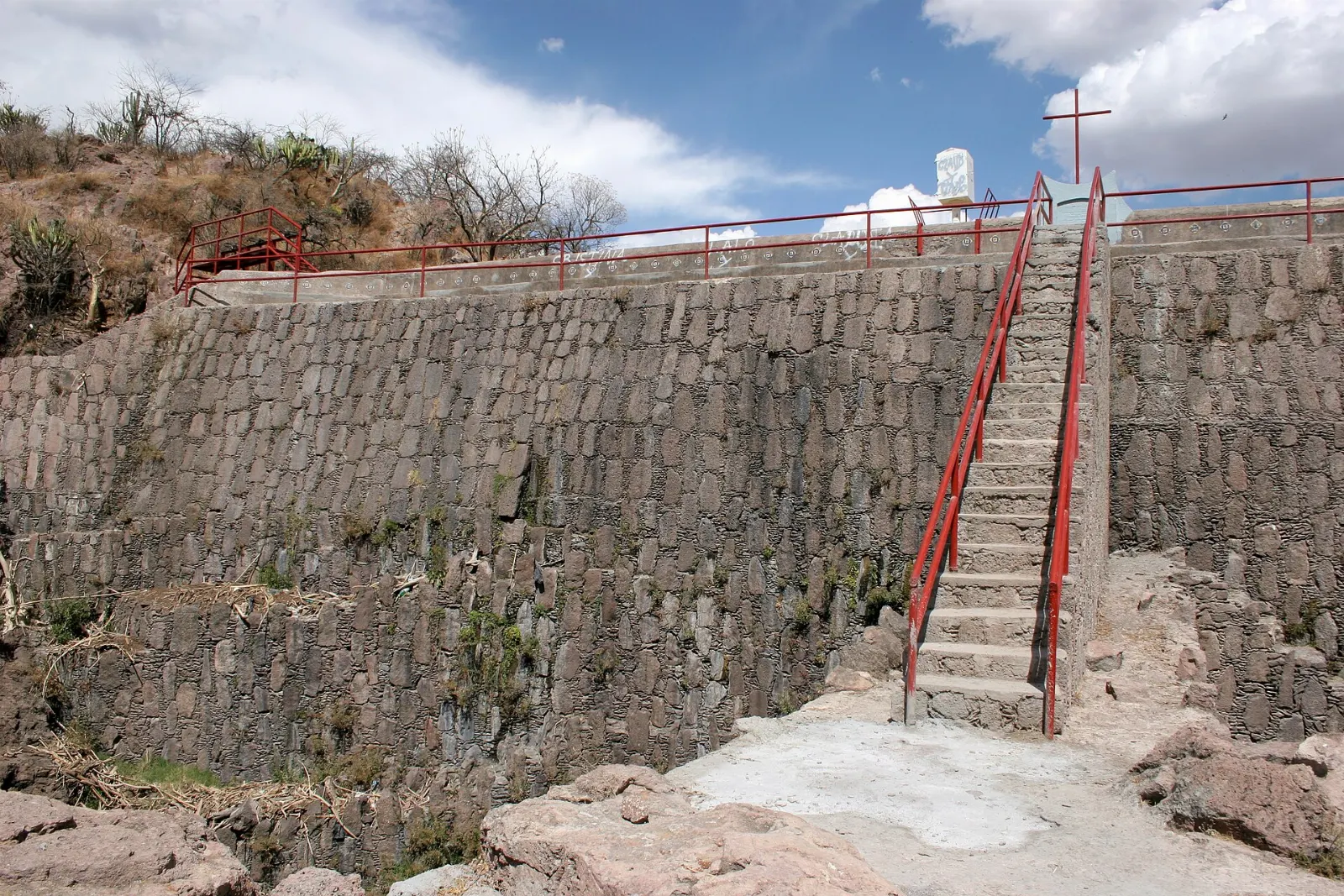
Presa de Malpaso
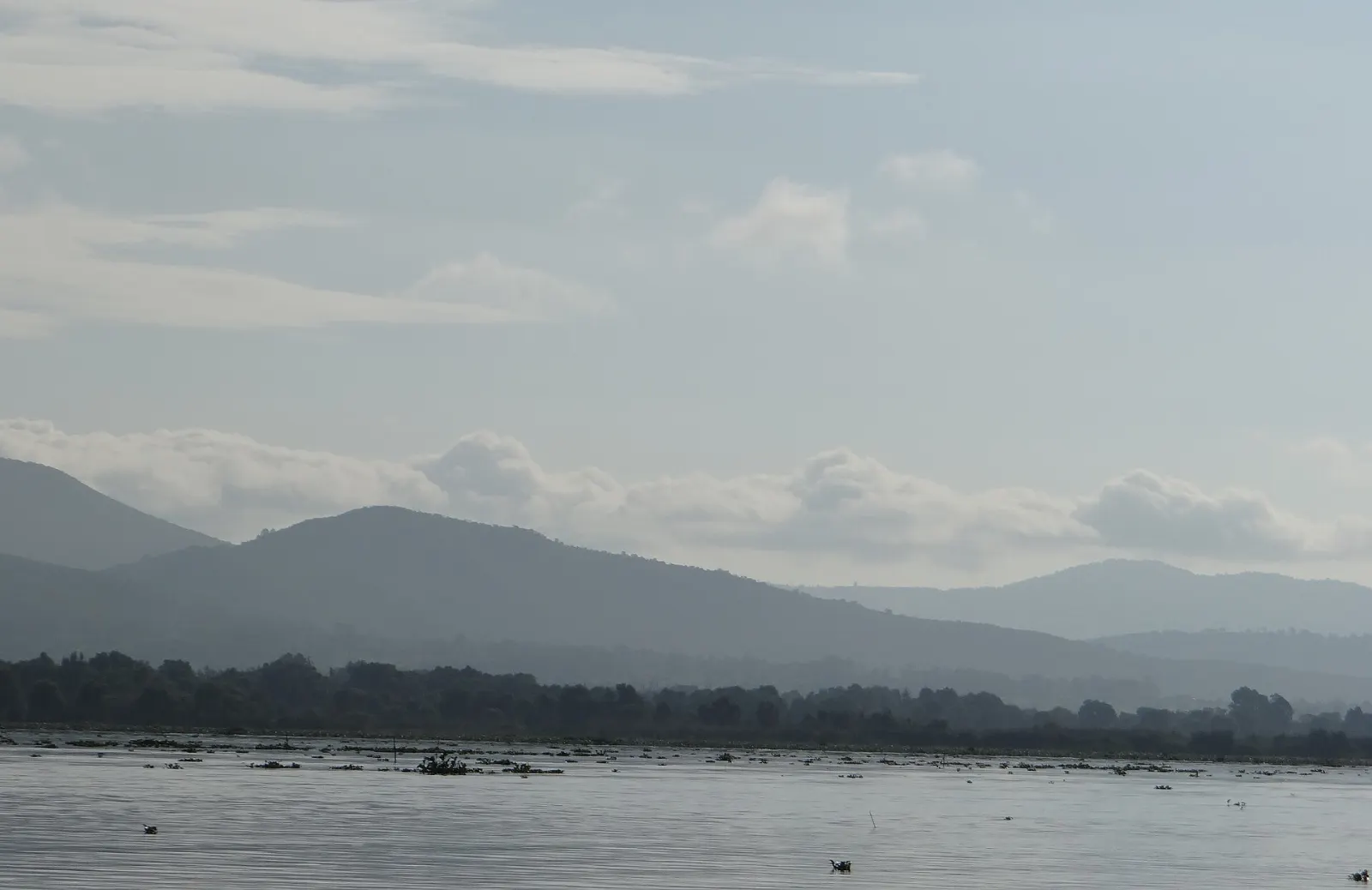
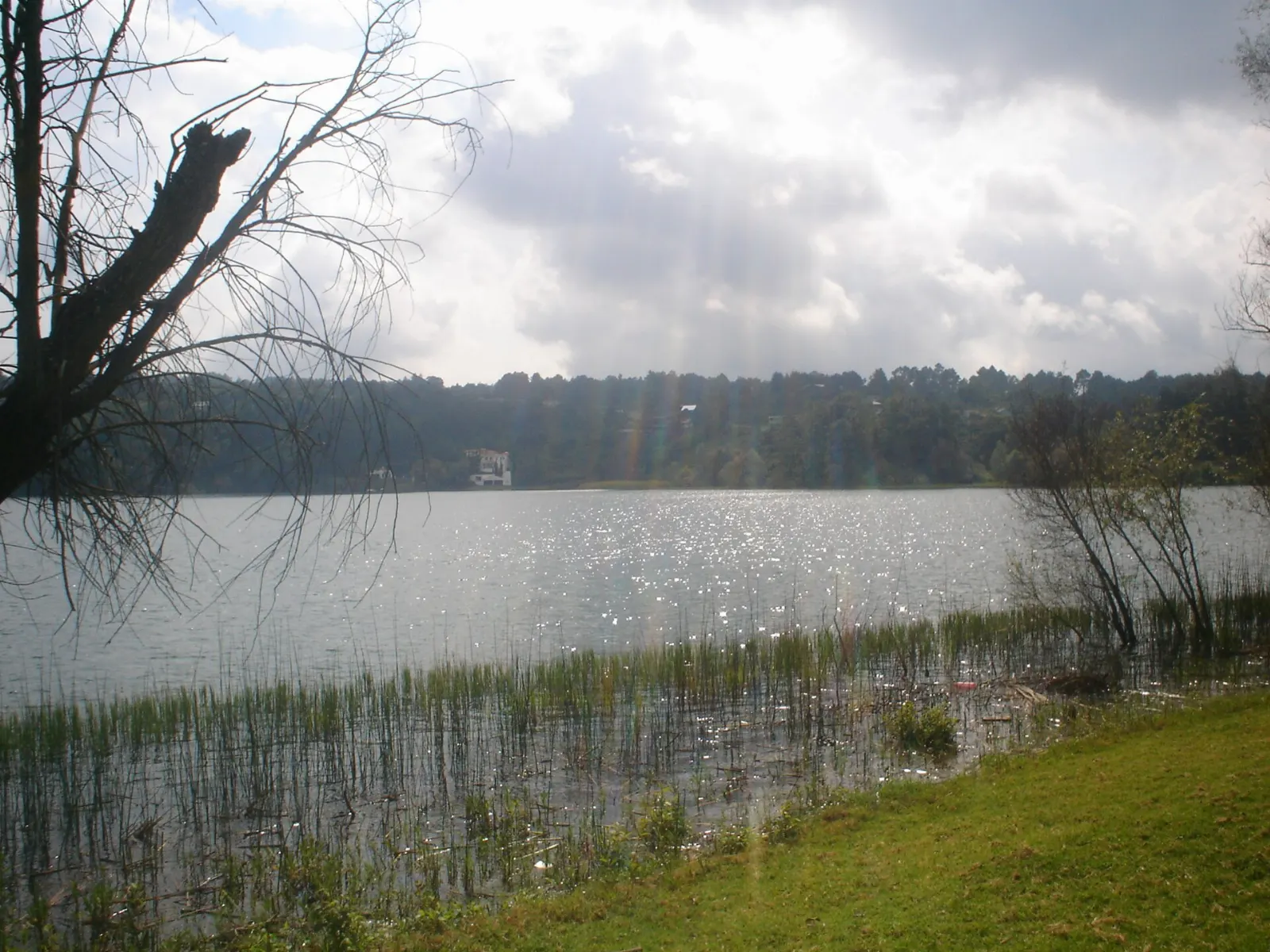
The Malpaso dam created a large reservoir that is a favorite for fishing, boating, horseback riding and lakeside meals. Three dams lie near Calvillo, on the Calvillo, La Labor and Santos rivers.
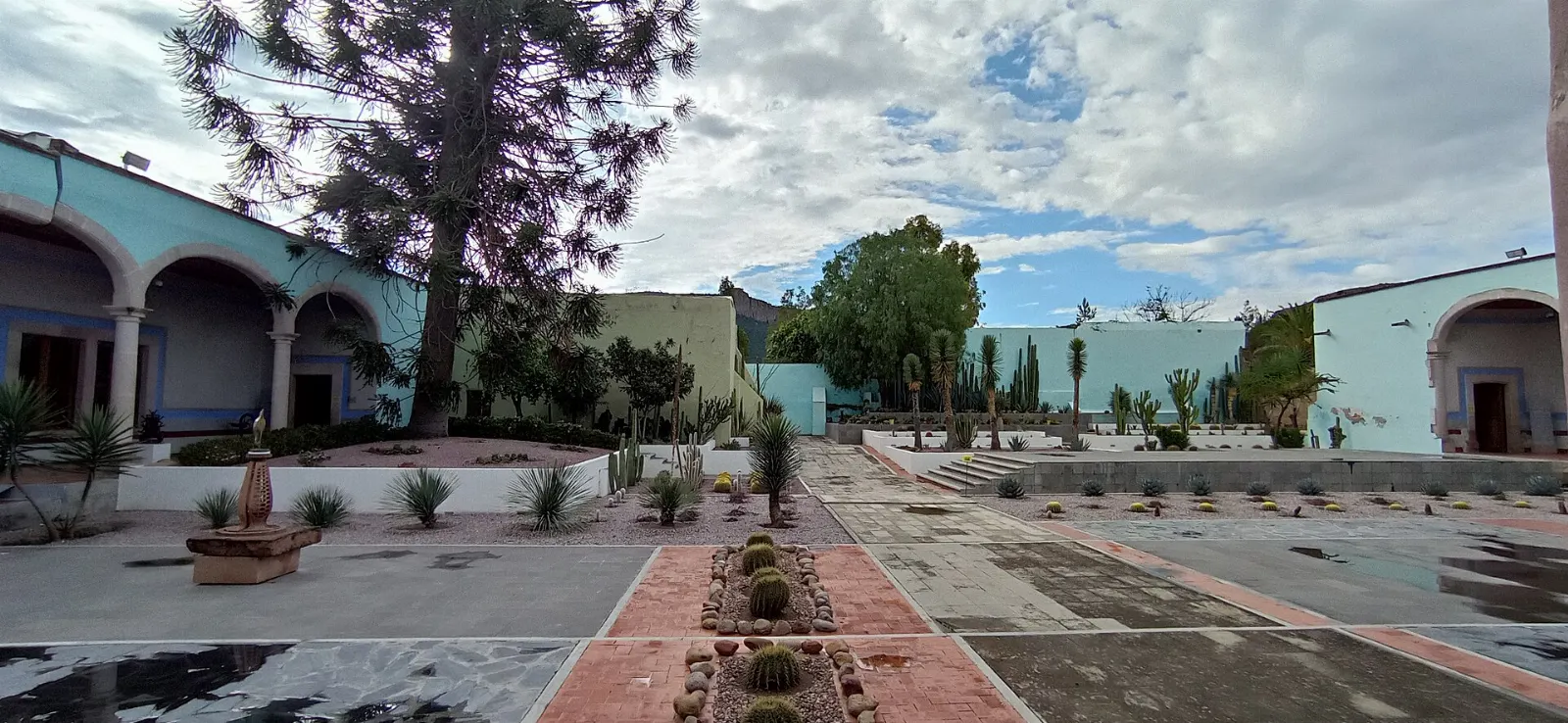
Haciendas of Calvillo
In the colonial period Calvillo prospered from silver and gold mining and agriculture, and great haciendas rose around it. Five well known ones are San Diego, La Primavera, La Labor, Vaquerías and La del Sauz.
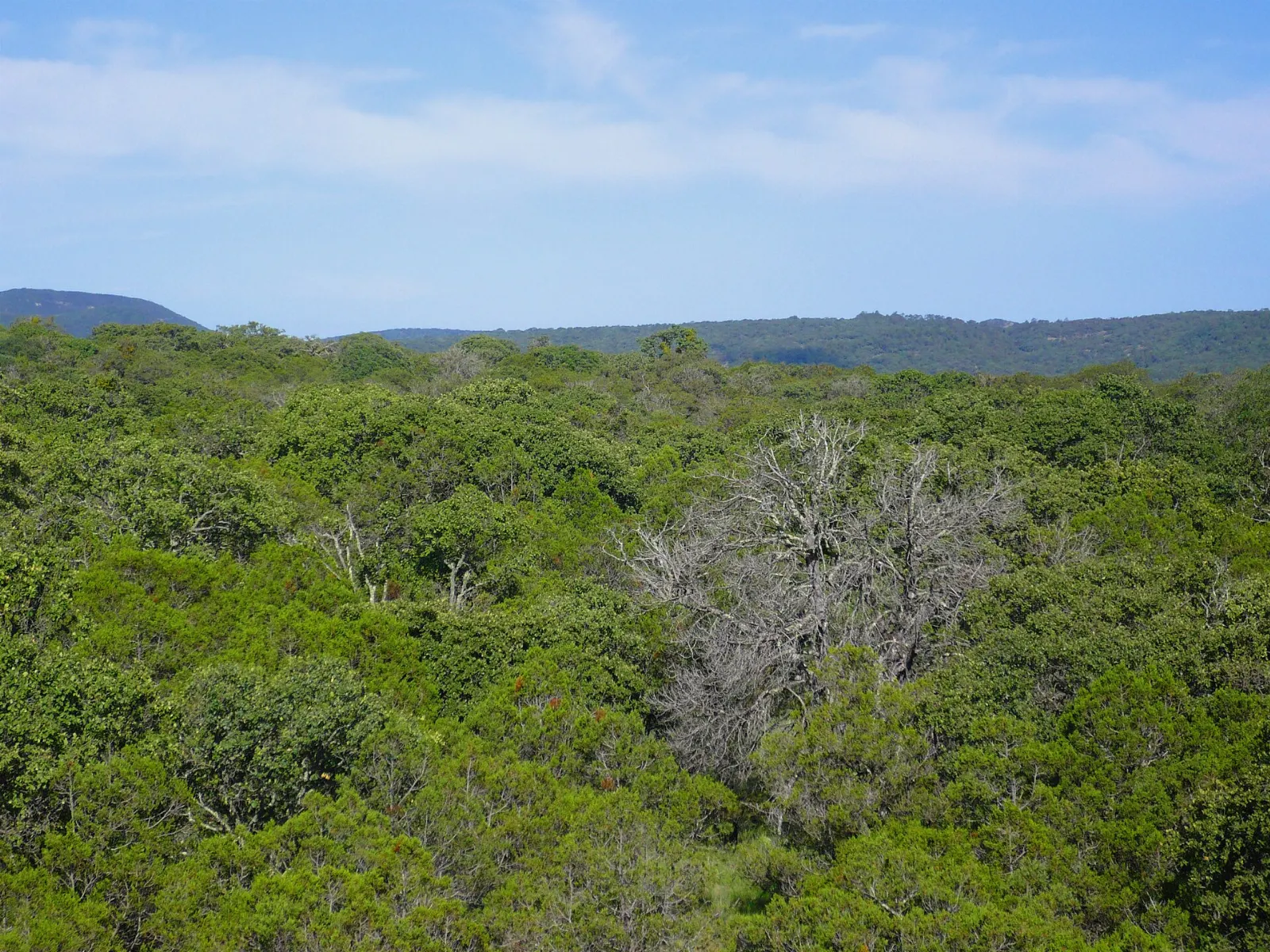
Sierra Fría and Sierra del Laurel
West and south of town, the Sierra Fría and the Sierra del Laurel offer pine and oak woods, canyon slopes and steep faces popular with rock climbers.
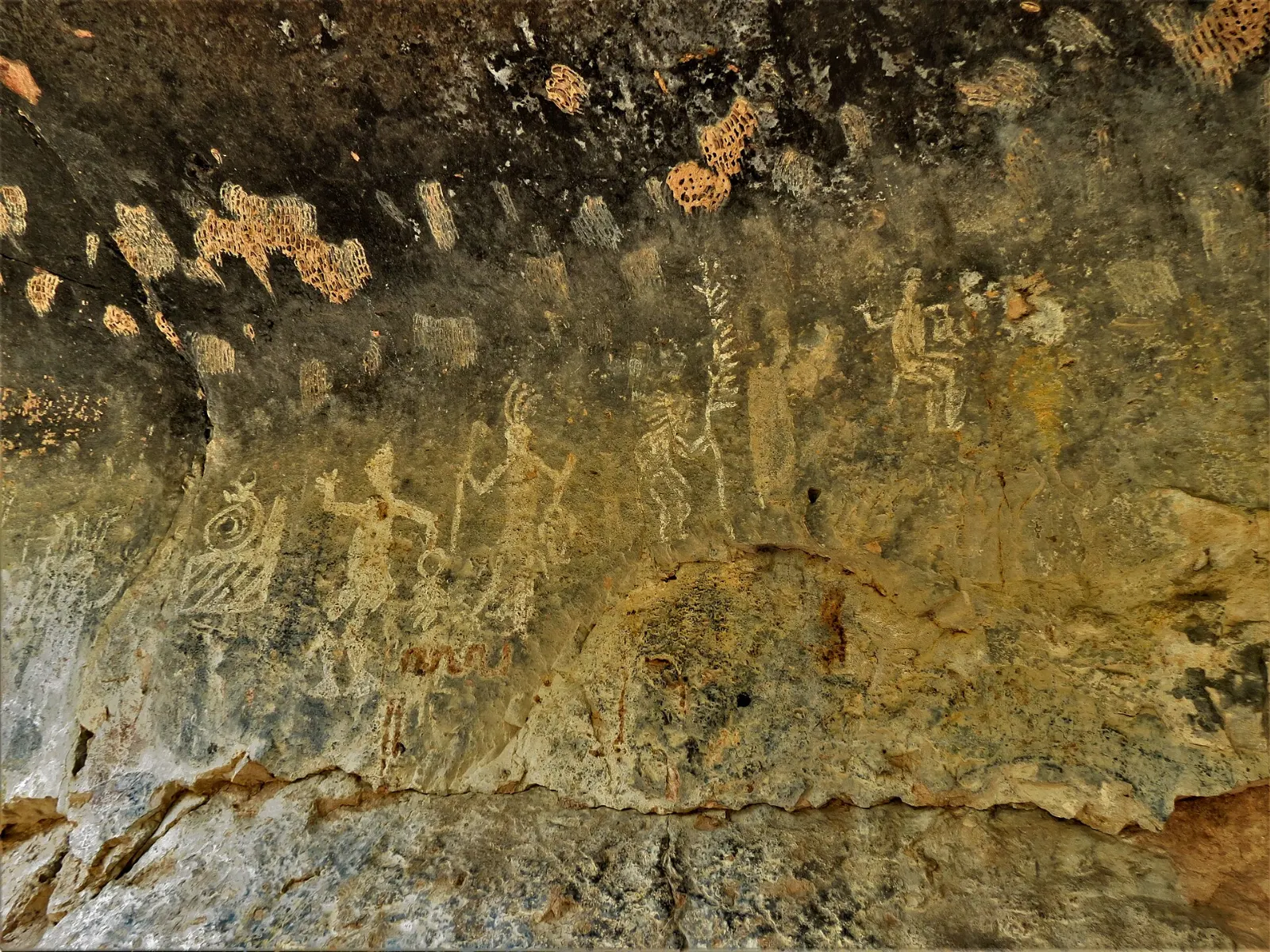
El Tepozán cave paintings
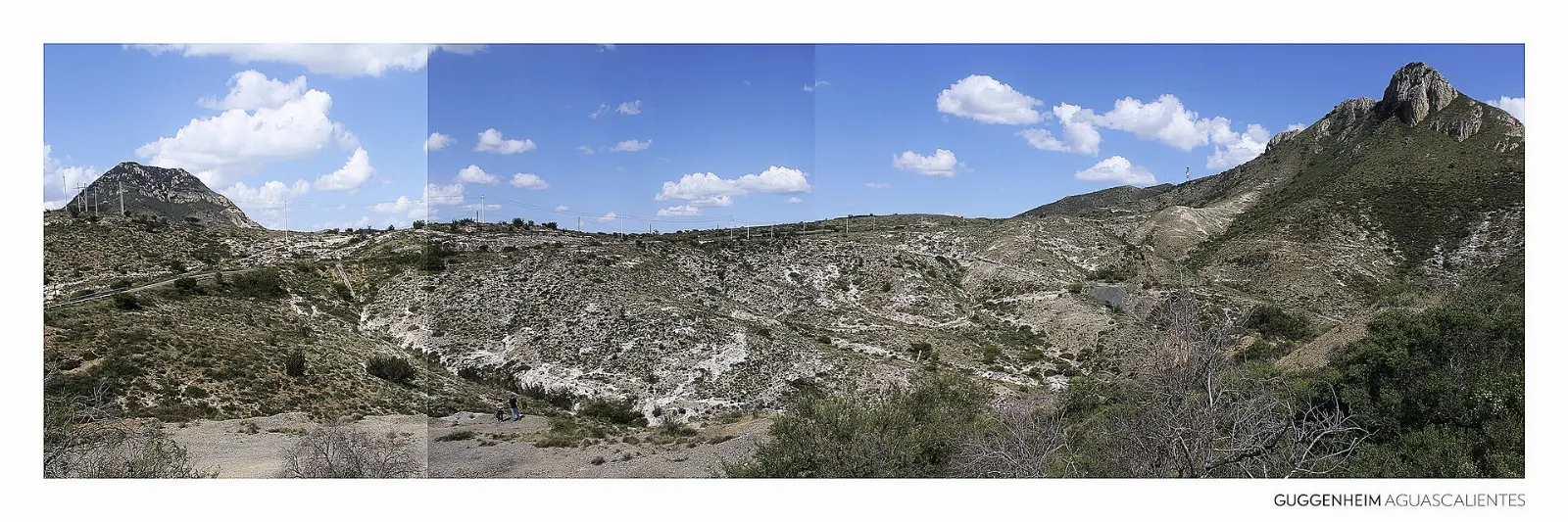
Near the town, an old convent and a gully at El Tepozán hold prehistoric cave paintings with figures in several colors. The site is a quiet stop for those interested in early history.
Temazcal steam bath
On the road toward La Panadera, a spa offers traditional temazcal steam baths and massages, a calming way to recover after a day of walking or climbing.
Deshilado embroidery in La Panadera
In nearby villages such as La Panadera, women still practice deshilado, a drawn-thread embroidery with Flemish and Venetian roots. It makes a meaningful souvenir.
 Planning a trip to Calvillo?Compare hotels, flights and vacation rentals for Calvillo on Expedia.Book now
Food and local flavors
Guava is everywhere. Candied guava and sweets are classic, while guava liqueur is a local specialty to sample at the Feria de la Guayaba in early December.
For savory meals, a pozolería serves red or green pozole, the hominy stew garnished with lettuce, radish and lime. Weekend stalls on the plaza and lakeside restaurants at Malpaso serve snacks, shrimp cocktails and regional dishes.
Popular dishes to try in Calvillo


Where to stay
Centro is the best base for most travelers. The plaza, churches, museum and restaurants are within a few minutes' walk, and the atmosphere is lively on weekends and quiet at night.
Malecón Norte runs along the Calvillo river and suits couples and travelers who want a quieter, garden-like setting with riverside views.
Aguascalientes city is a good alternative if you want more hotels, museums and dining variety.
Where to stay in Calvillo


Best time to visit
Calvillo has a humid subtropical climate, and the area is warm for much of the year. Heavy thunderstorms are common in summer, so plan outdoor excursions for mornings. Autumn through spring is the most comfortable time for walking and hacienda visits.
The Feria de la Guayaba in the first week of December is the major event, with local jams, pies, candies and liqueurs. Weekends are lively all year, and religious festivals around Saint Joseph add color.
Getting there and getting around
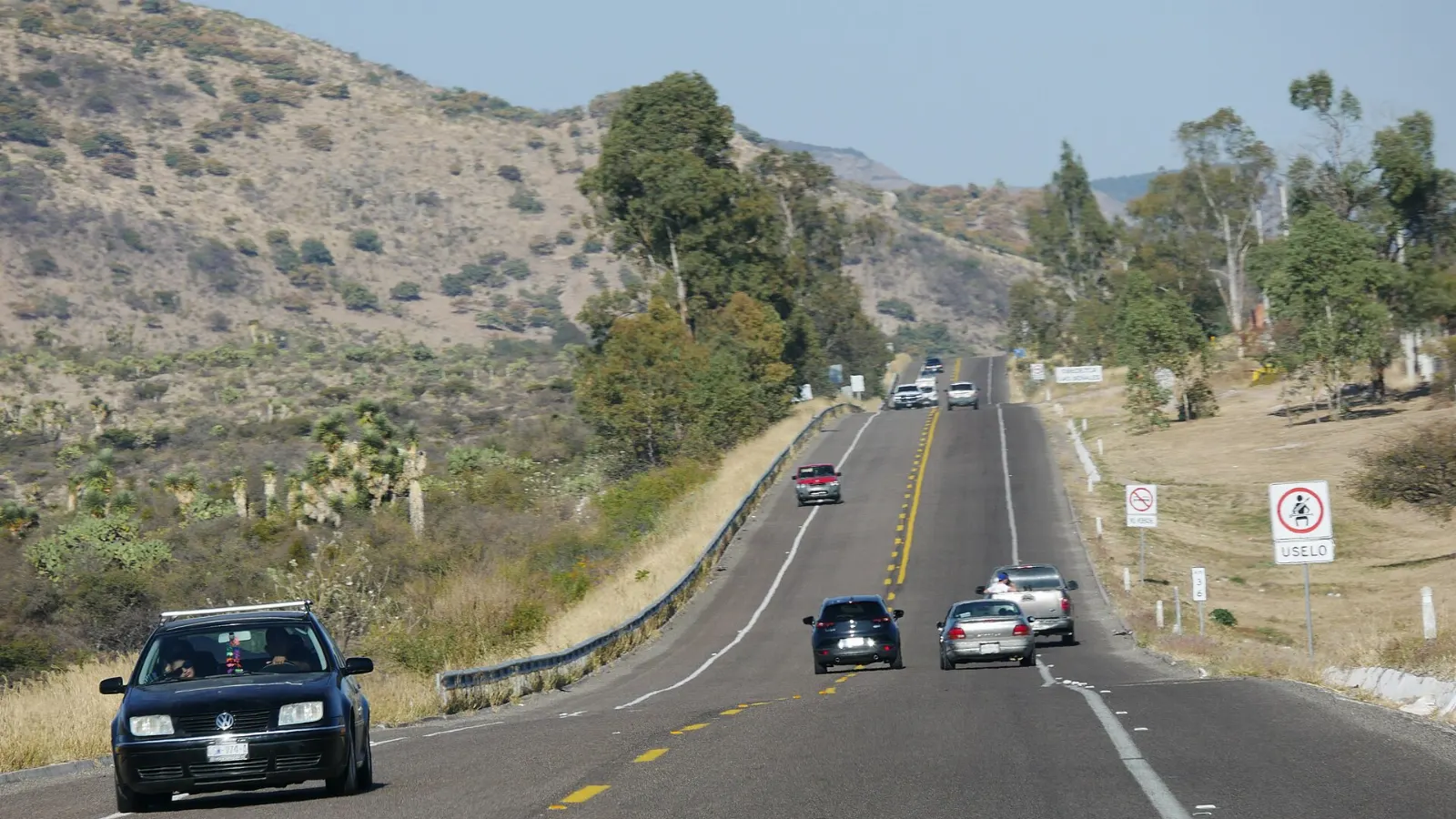
Calvillo lies about 52 kilometres from Aguascalientes city, roughly an hour's drive. Fly into Aguascalientes International Airport, or reach the city by bus or car from Mexico City, which takes about six hours by bus.
From the city, a taxi or shuttle bus is the easiest way to reach Calvillo without a car, though you should agree on the return trip. A rental car gives the most freedom for the dams, haciendas and embroidery villages.
A suggested itinerary
First day
Arrive in the morning and walk the plaza, the Señor del Salitre church and the Guadalupe sanctuary.
Second day
Visit a hacienda in the morning, then spend the afternoon by the Malpaso reservoir.
Third day
Use the extra day for the Sierra Fría or the cave paintings at El Tepozán with a local guide, then relax at a steam bath before returning to Aguascalientes city for your onward trip.
Practical tips
- Check your government's current travel advisory before you go.
- Carry some cash for market stalls, taxis and village shops.
- Confirm hacienda and factory tour schedules locally before you set out.
- Bring sun protection and a light rain jacket for summer storms.
- Dress modestly when entering churches.