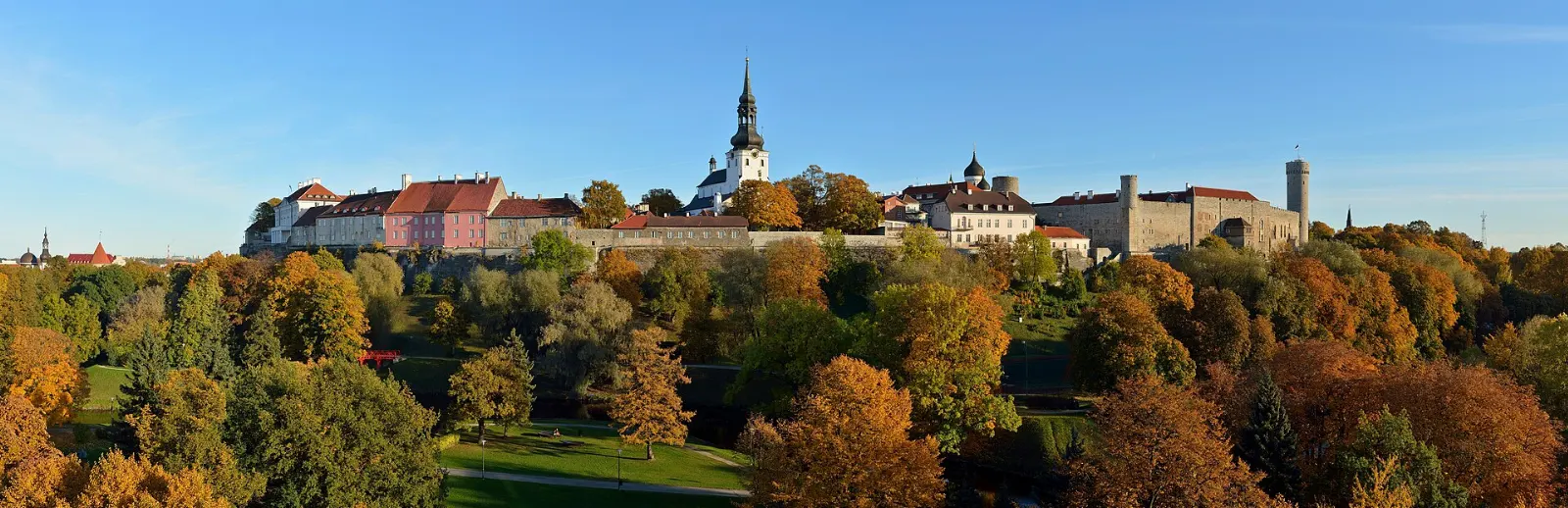
Tallinn is one of the few European capitals where you can step off a ferry and walk straight into a medieval town within a quarter of an hour.
AT A GLANCE
Best time
Late May to early September for long light evenings; December for the Christmas market.
How long
Two to three days covers the Old Town, Kadriorg and the seafront districts.
Getting there
Fly into Tallinn Airport or take a ferry from Helsinki or Stockholm to the Old City Harbour.
Why visit Tallinn
Tallinn grew rich in the Middle Ages as Reval, a Hanseatic trading port on the Gulf of Finland, and the money merchants made from grain, salt and furs paid for the stone walls, guild halls and churches you still walk past today.
The historic core is small enough to cross on foot in twenty minutes, yet it is layered with detail: carved doorways, courtyards and steep passages linking the upper and lower towns. Beyond the walls, parks, beaches and repurposed industrial spaces show how Estonians live now.
The Lower Town and Town Hall Square
The Lower Town, called All-linn, was where merchants and craftspeople lived, and it holds most of Tallinn's busiest streets. Enter through the twin towers of Viru Gate and follow Viru street uphill toward the main square.
Town Hall Square
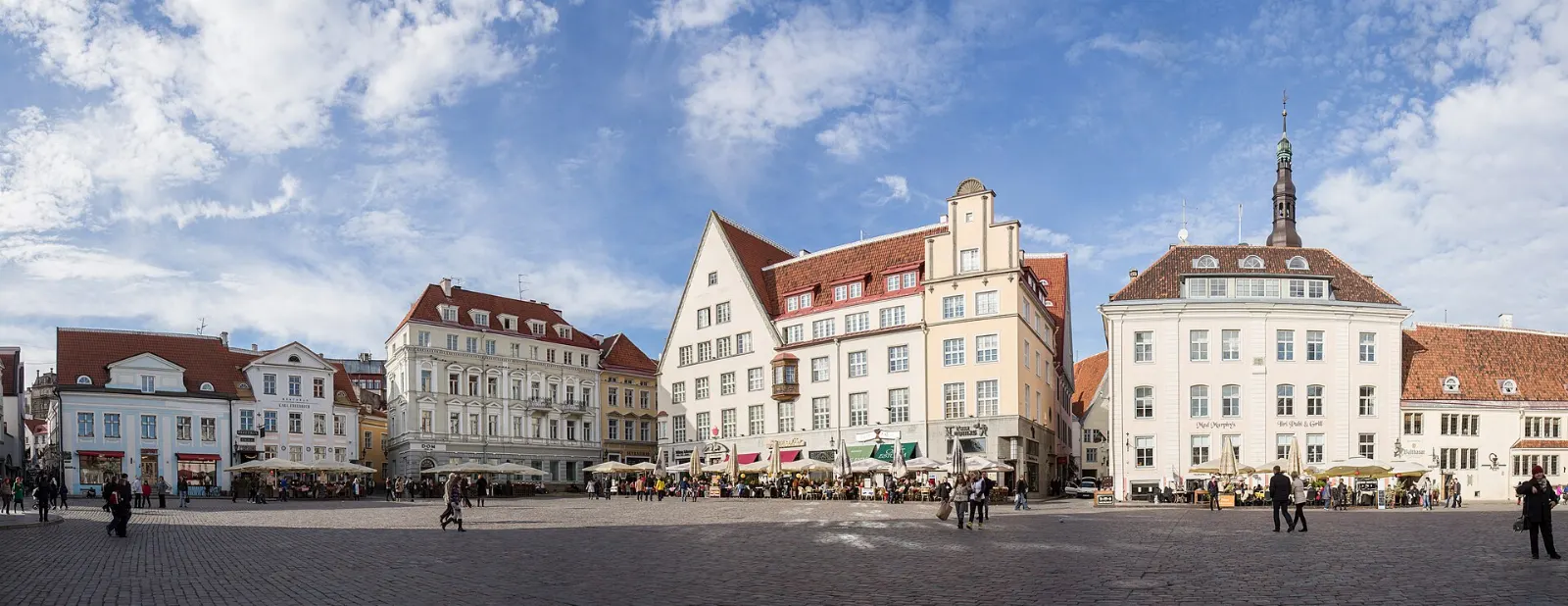
Raekoja plats has been the city's marketplace and meeting point for centuries. The Gothic Town Hall on its south side dates from around the turn of the fifteenth century, and the weather vane on its spire, a figure of a guard called Old Thomas, has become a symbol of the city.
St. Olaf's Church and Pikk street
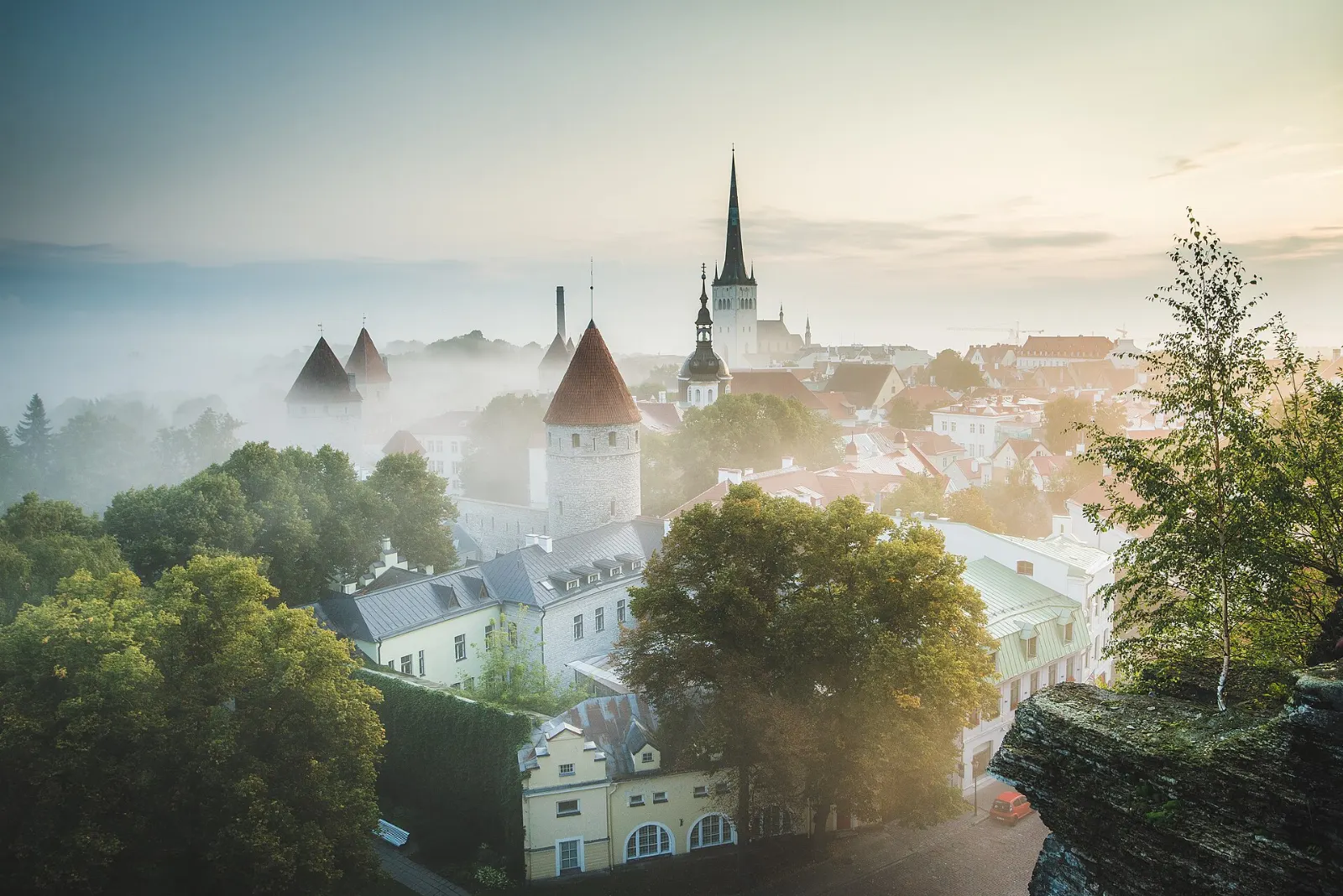
At the northern end of the Old Town, St. Olaf's Church rises above everything around it. Its spire was once among the tallest structures in the world, and during the Soviet period the tower was used for radio surveillance.
Fat Margaret and the Maritime Museum
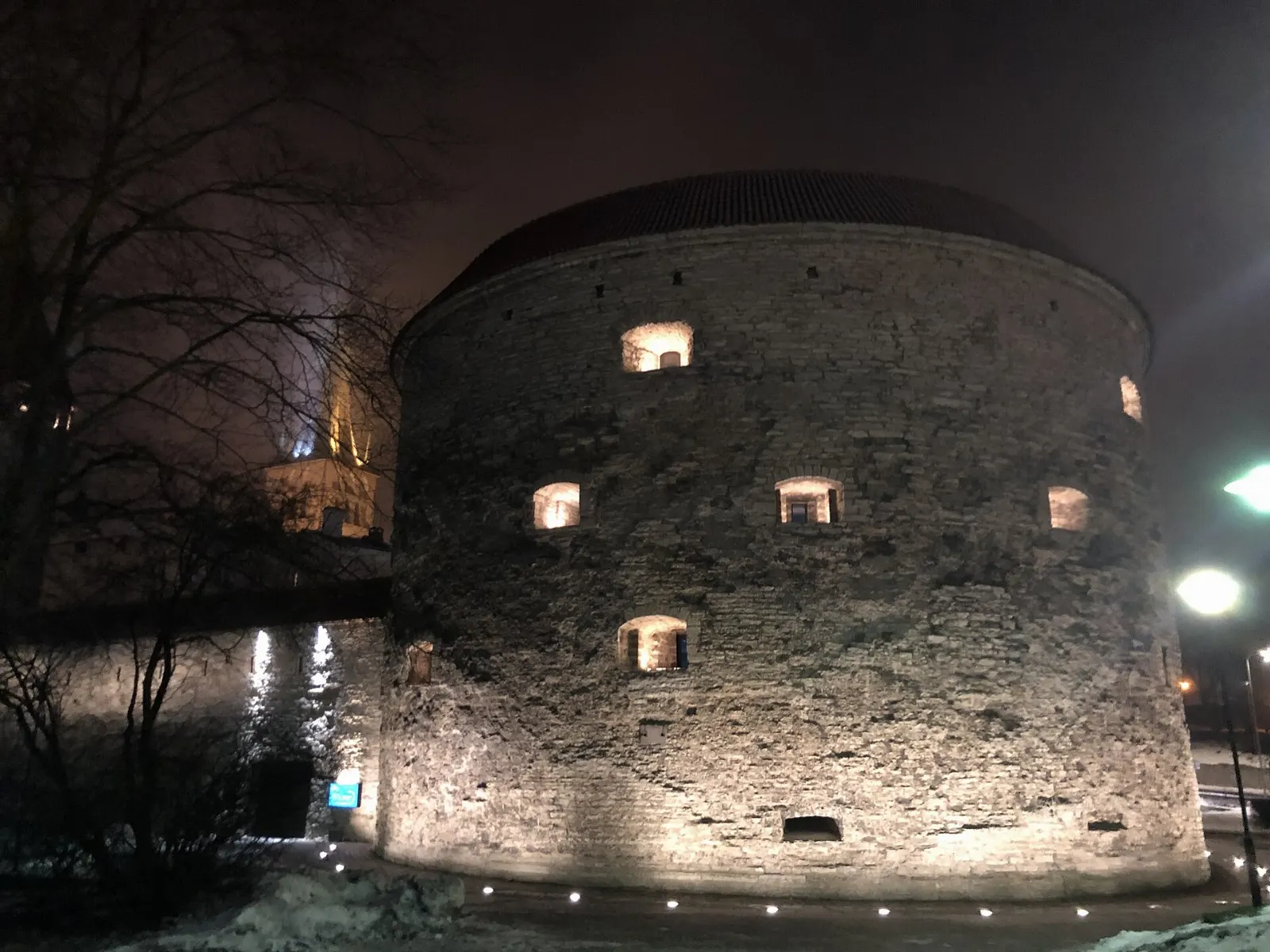
Pikk ends at the Great Coast Gate, guarded by the squat round cannon tower known as Fat Margaret. Inside, the Estonian Maritime Museum covers shipping, navigation and the city's seafaring past, and the rooftop has a good view toward the harbour.
St. Nicholas Church
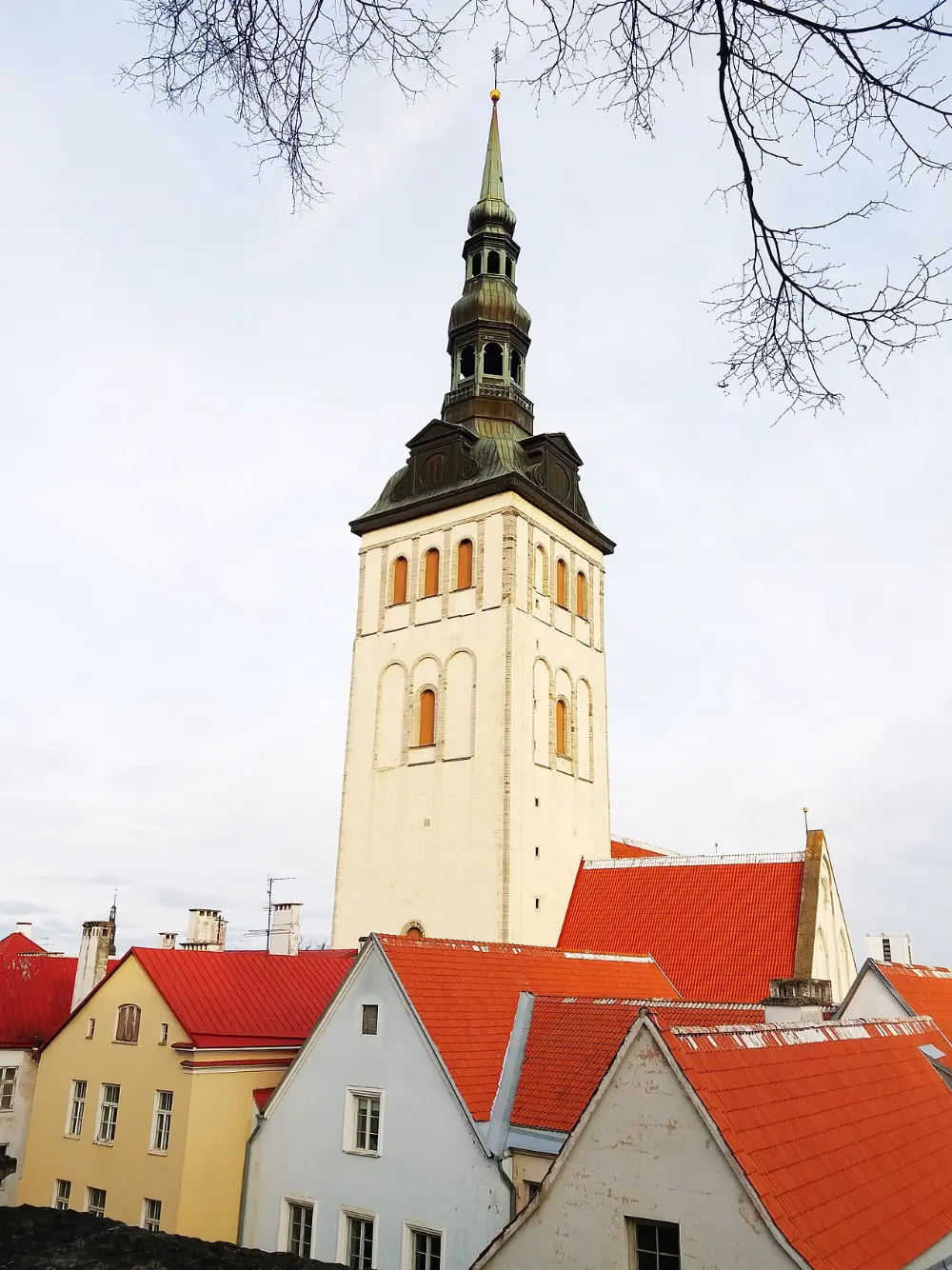
St. Nicholas Church, or Niguliste, was badly damaged in the Second World War and now serves as a museum of medieval church art. Its most famous treasure is a fragment of Bernt Notke's late medieval painting Danse Macabre, in which death leads people of every rank in a slow procession.
Toompea hill and its viewpoints
Toompea is the limestone hill that rises above the Lower Town. For centuries it belonged to the nobility and church while merchants lived below.
Alexander Nevsky Cathedral and Toompea Castle
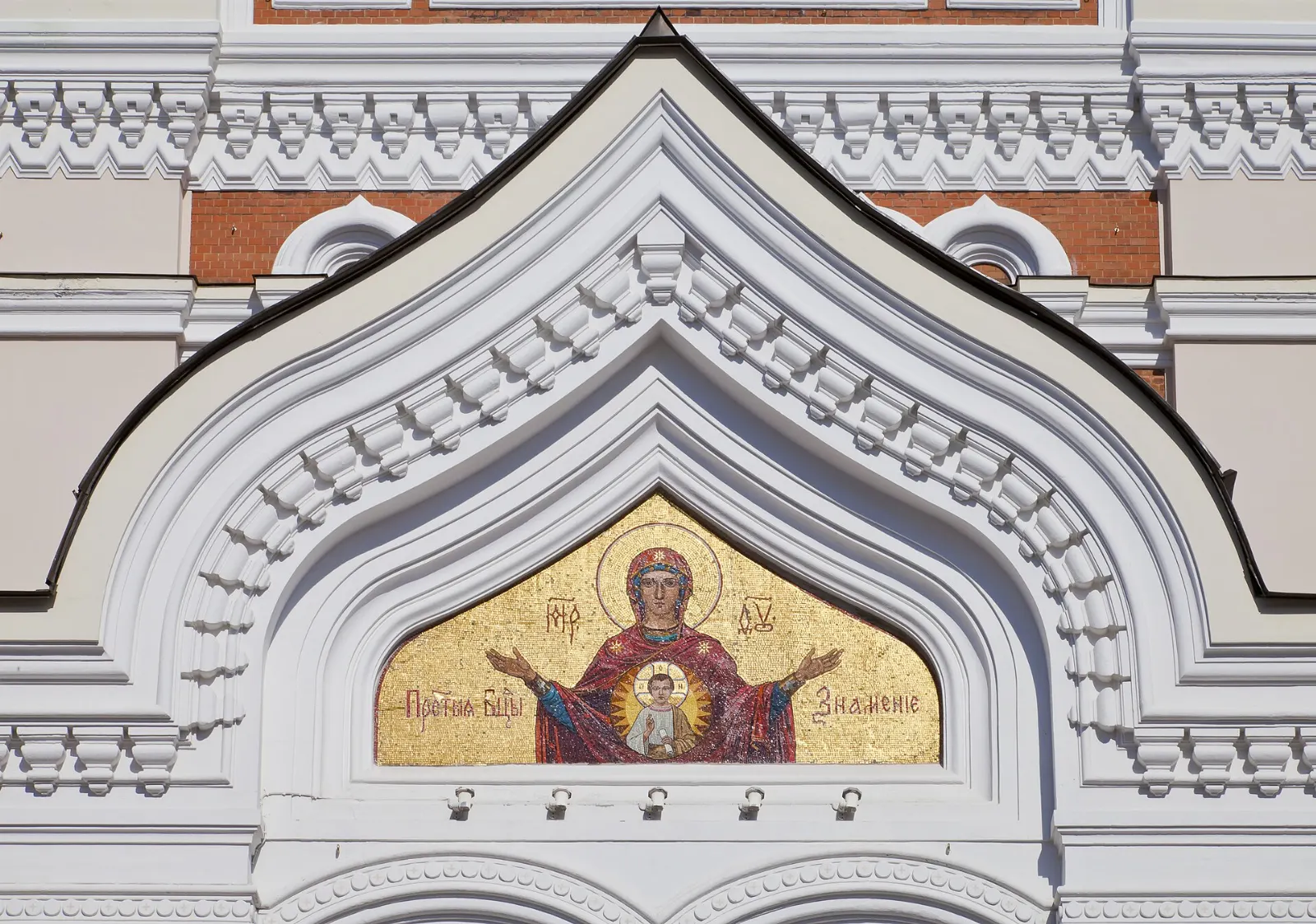
The onion-domed Alexander Nevsky Cathedral was built between 1894 and 1900, when Estonia was part of the Russian Empire, and it still serves an Orthodox congregation. Step inside quietly to see the icons and mosaics, and dress modestly, as you would for any active place of worship.
St. Mary's Cathedral
Tallinn's Lutheran cathedral, known locally as Toomkirik, began as a Catholic church in the thirteenth century and is the oldest church in the city. Its walls are hung with carved and painted coats of arms of the Baltic German noble families who worshipped here, and the tower can be climbed in season.
Kohtuotsa and Patkuli viewing platforms
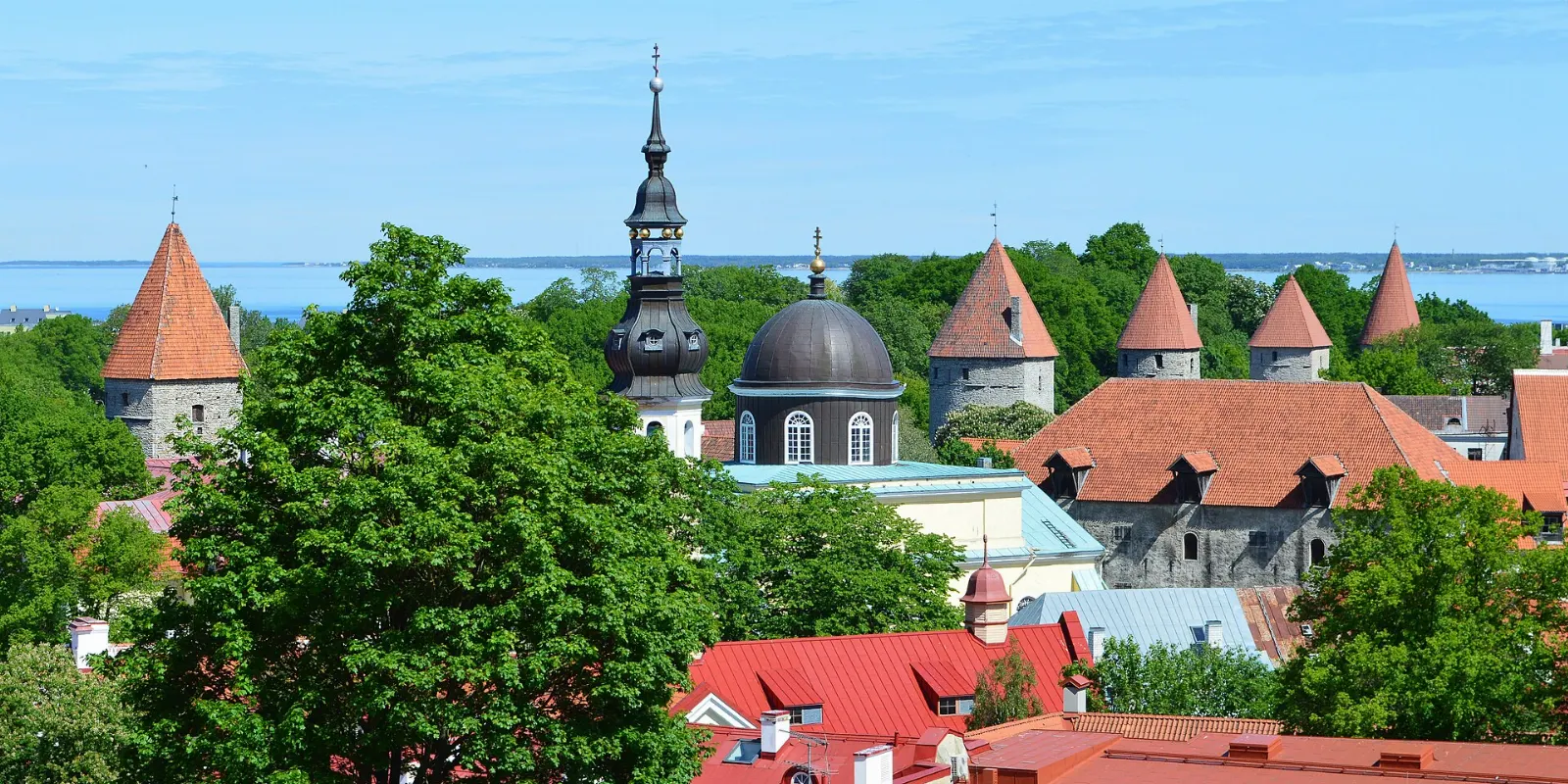
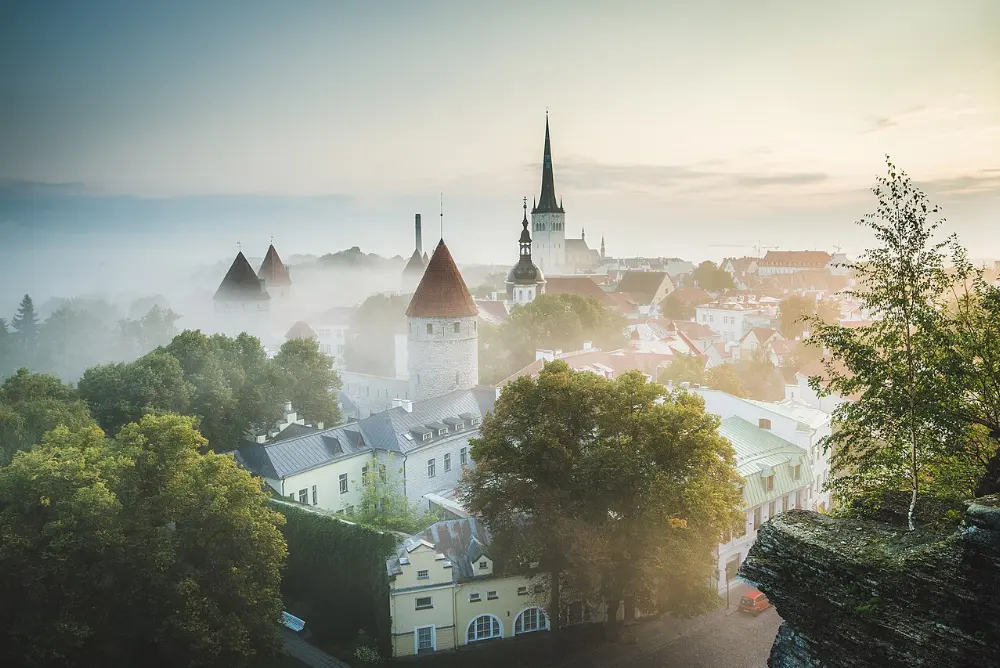
The reason most people climb Toompea is the view. From the Kohtuotsa platform you look across a sea of red roofs to St. Olaf's spire, the harbour and the towers of the modern centre.
Kiek in de Kök and the bastion passages
The name of this fifteenth-century artillery tower comes from Low German and means peep into the kitchen, a joke about how its guards could look down into the houses below. Today it is a museum of fortifications, and from here guided tours lead into the bastion passages, tunnels dug beneath the ramparts in the seventeenth and eighteenth centuries and later used as air raid shelters.
Kadriorg, Kalamaja and the seafront
Some of Tallinn's best experiences lie outside the walls, all within easy reach by tram, bus or a pleasant walk.
Kadriorg Palace and Park
Peter the Great commissioned this baroque palace in 1718 after taking the city from Sweden, and the Italian architect Niccolo Michetti designed it with a formal garden and a great hall rich in stucco.
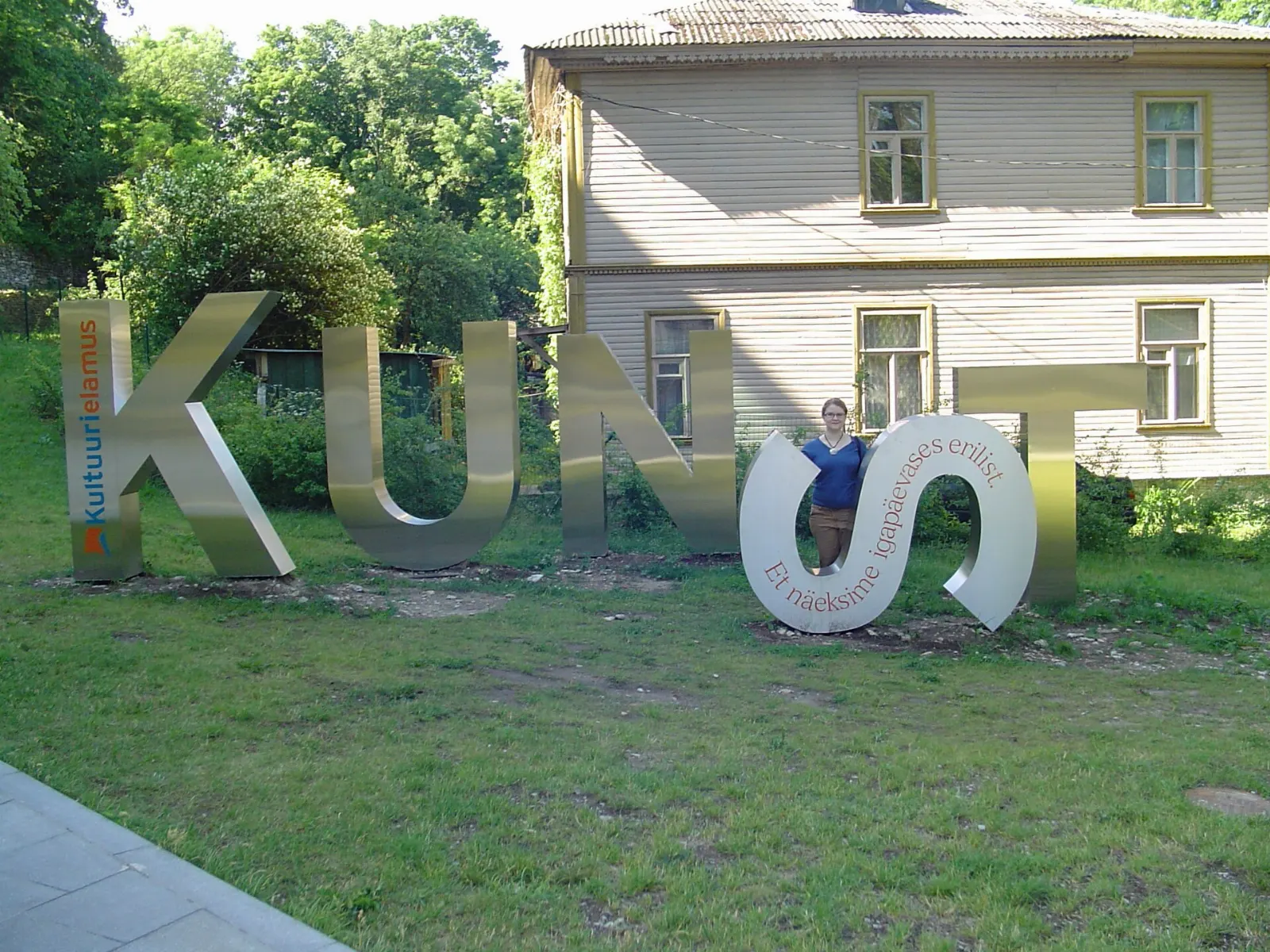
Kumu Art Museum
At the top of Kadriorg Park, Kumu is the largest building of the Art Museum of Estonia, opened in 2006 and partly cut into the limestone bank. Its permanent collection tells the story of Estonian art from the eighteenth century onward, and the galleries on art made under Soviet rule are particularly revealing.
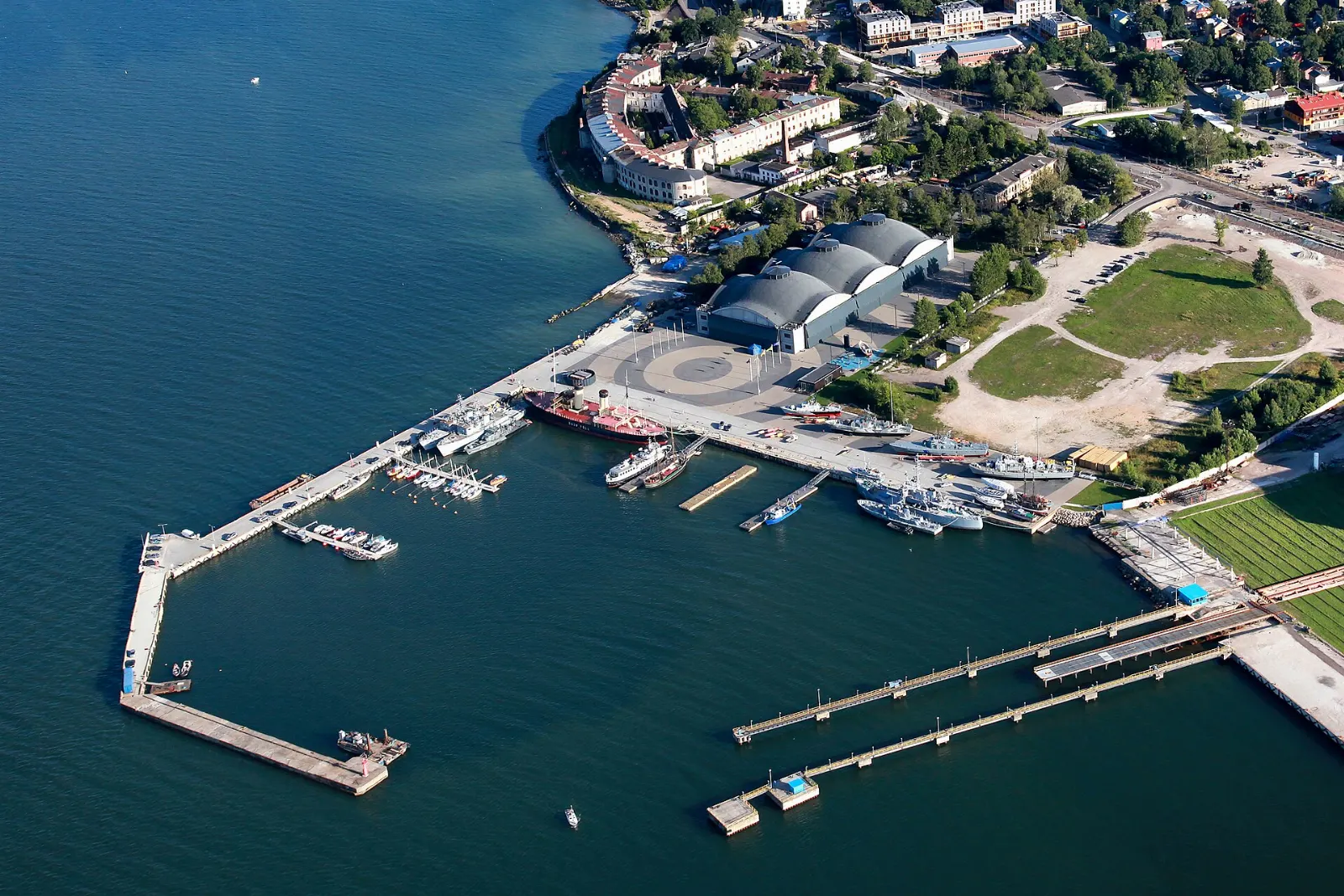
Seaplane Harbour
Lennusadam is a branch of the Estonian Maritime Museum housed in enormous concrete hangars with thin domed roofs, built for seaplanes during the First World War era. Inside, you can climb through the submarine Lembit, see the remains of a sixteenth-century shipwreck and look at early aircraft hanging overhead.
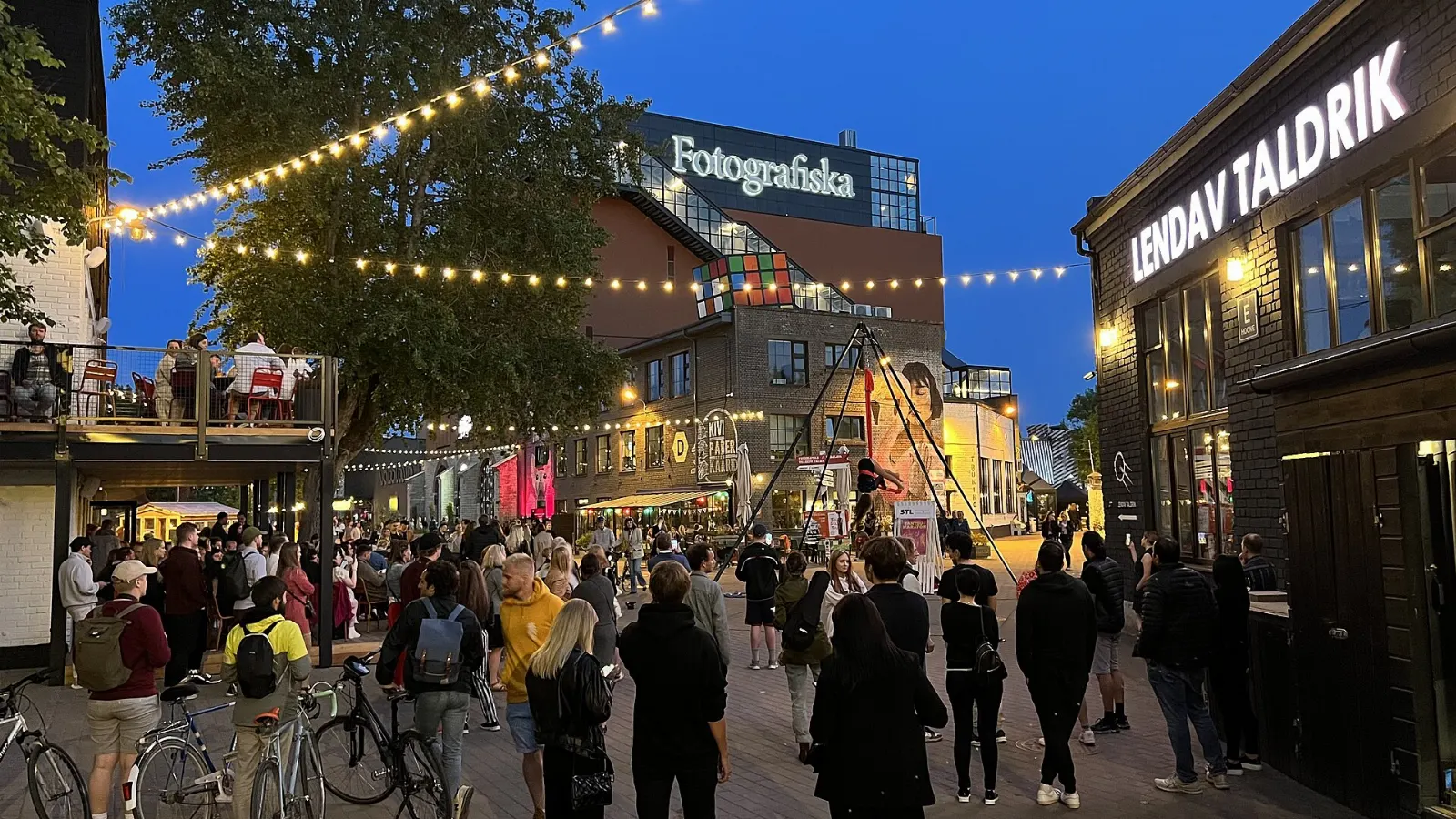
Kalamaja and Telliskivi Creative City
Kalamaja, whose name means fish house, is the city's oldest suburb, a grid of colourful nineteenth-century wooden houses just northwest of the Old Town and the Balti jaam station.
Pirita, the TV Tower and the Open Air Museum
East of Kadriorg, the coastal road leads to Pirita, with a long sandy beach, the ruins of St. Bridget's Convent and the Tallinn TV Tower, whose observation deck shows the city and, on clear days, the coast of Finland.
Food and local flavors
Estonian cooking is rooted in rye, fish, pork, potatoes, berries and the forest. Dark rye bread, called leib, is served with almost every meal, and you will often find it toasted with garlic as a bar snack.
Vana Tallinn, a dark, spiced rum-based liqueur, is the local souvenir in a bottle, and Estonia has a lively craft beer scene alongside its long-established breweries.
Popular dishes to try in Tallinn


Where to stay in Tallinn
The Old Town is the most atmospheric base, with small guesthouses and boutique properties inside historic buildings.
The city centre around Viru and Freedom Square has larger modern properties and easy tram access, a good choice if you arrive by air. The Rotermann Quarter suits those catching an early ferry.
Where to stay in Tallinn

Best time to visit Tallinn
Summer, from June to August, is the most popular season. Days are pleasantly warm, and around Midsummer it barely gets dark at night.
May and September are quieter and often bright. Autumn turns grey and wet by October. Winter is cold and dark, but December has its own appeal, with a Christmas market and tree on Town Hall Square and snow often covering the rooftops.
Getting there and getting around
Tallinn Airport lies within the city limits, southeast of the centre, and trams and buses link it to the city in about twenty minutes. Many visitors arrive by sea: frequent ferries cross from Helsinki in roughly two to three and a half hours depending on the vessel, and there is an overnight route from Stockholm.
Within the city, the Old Town is best explored on foot, and much of it is closed to general traffic.
A suggested itinerary
First day
Start early at Viru Gate and walk up to Town Hall Square before the crowds arrive. Climb Toompea by the short leg, see the Alexander Nevsky Cathedral and St. Mary's Cathedral, and linger at the Kohtuotsa and Patkuli viewpoints.
Second day
Take the tram to Kadriorg. Tour the palace and gardens in the morning, then spend the early afternoon at Kumu.
Third day
Walk the waterfront to Seaplane Harbour and explore the submarine and icebreaker. Continue into Kalamaja for lunch, wander its wooden streets, then browse Telliskivi Creative City and the market at Balti Jaama Turg.
Practical tips
- Wear comfortable shoes with good grip; Old Town cobbles are uneven and slippery when wet or icy.
- Visit the Old Town early in the morning or in the evening, when cruise passengers and day-trippers have left.
- Book the bastion passages tour and popular summer restaurants ahead, especially on weekends.
- Cards and contactless payments are accepted almost everywhere, including on public transport, so you will rarely need cash.
- Use ride-hailing apps or call a reputable taxi company rather than accepting rides from drivers waiting at the port.
- Pack a warm layer even in summer, as evenings by the sea can turn cool quickly.