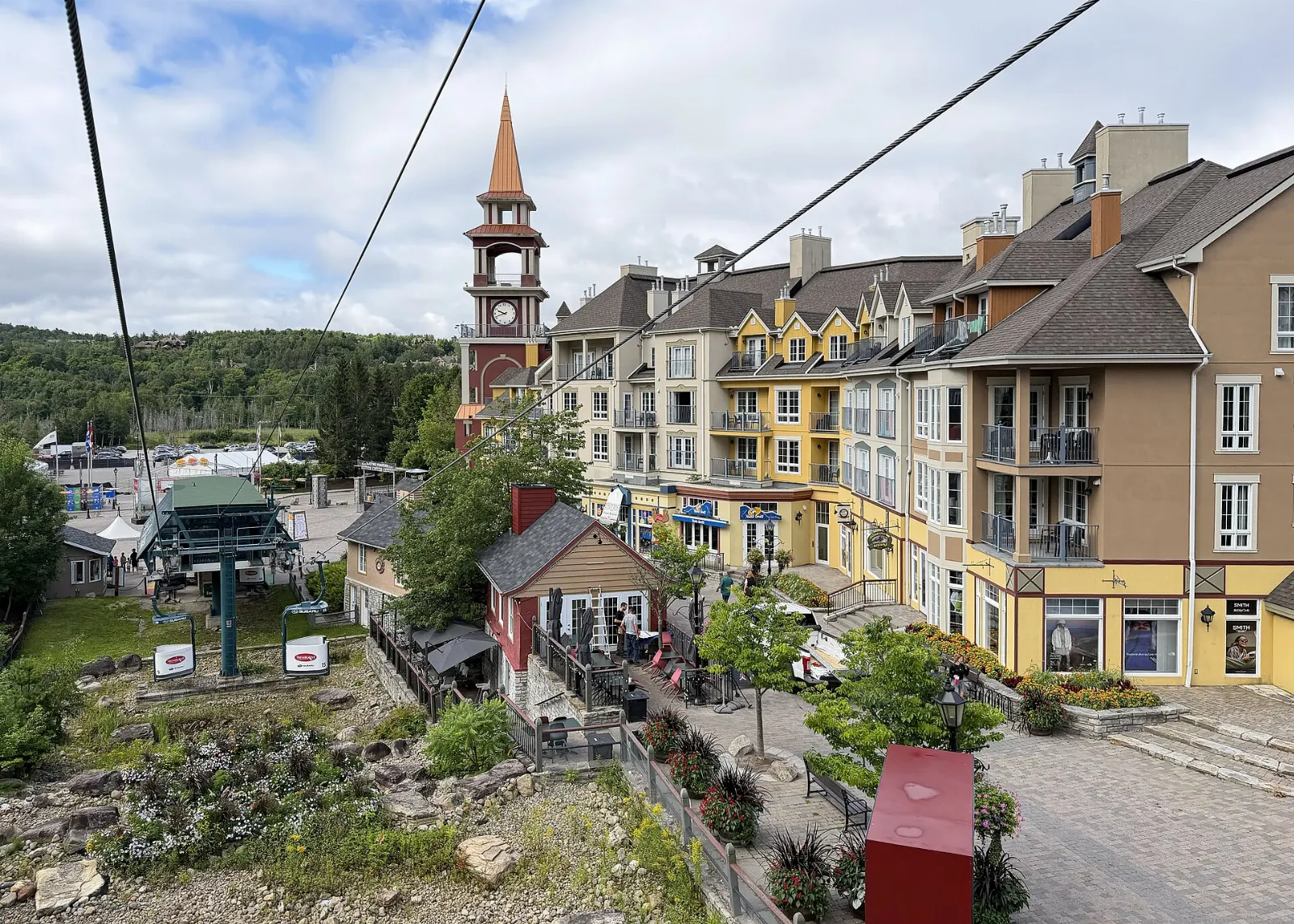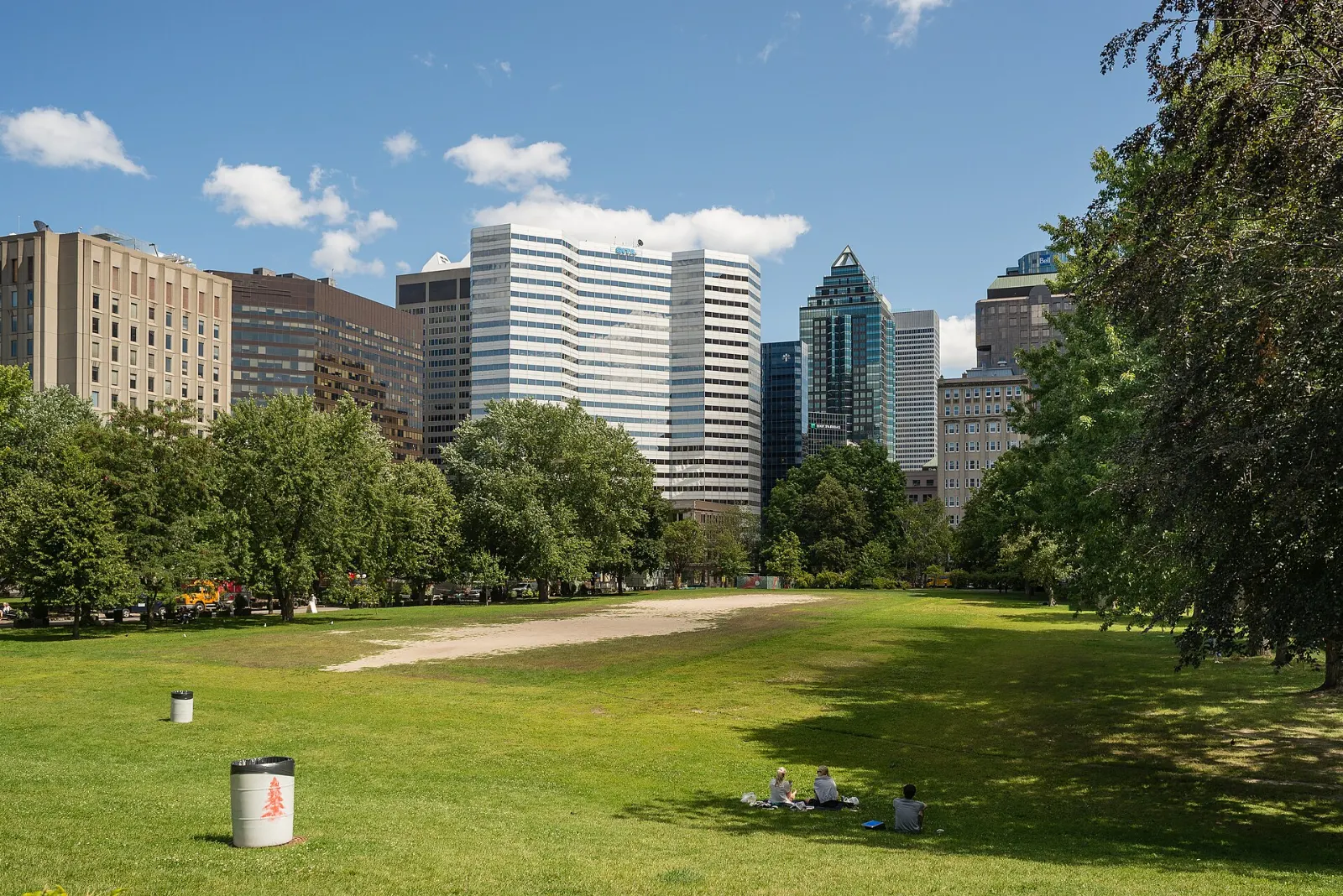
The Eastern Townships, called Estrie or Cantons-de-l'Est in French, fill the southeastern corner of Quebec between Montreal and the borders with Vermont, New Hampshire and Maine.
AT A GLANCE
Best time
Late June to October for lakes and colour, or December to March for skiing.
How long
Three to five days lets you sample two or three bases without rushing.
Getting there
Fly into Montreal and drive east on Autoroute 10 to reach Magog in roughly an hour and a half.
Why visit the Eastern Townships
The region was first home to the Abenaki, then settled by Loyalists who left the United States after the American Revolution and by later waves of farmers from New England and Ireland.
Today the draw is variety. You can paddle a lake in the morning, hike a mountain after lunch, taste a local wine in the evening and still be back at a village inn before dark.
Lakes and mountains
Magog and Lake Memphremagog
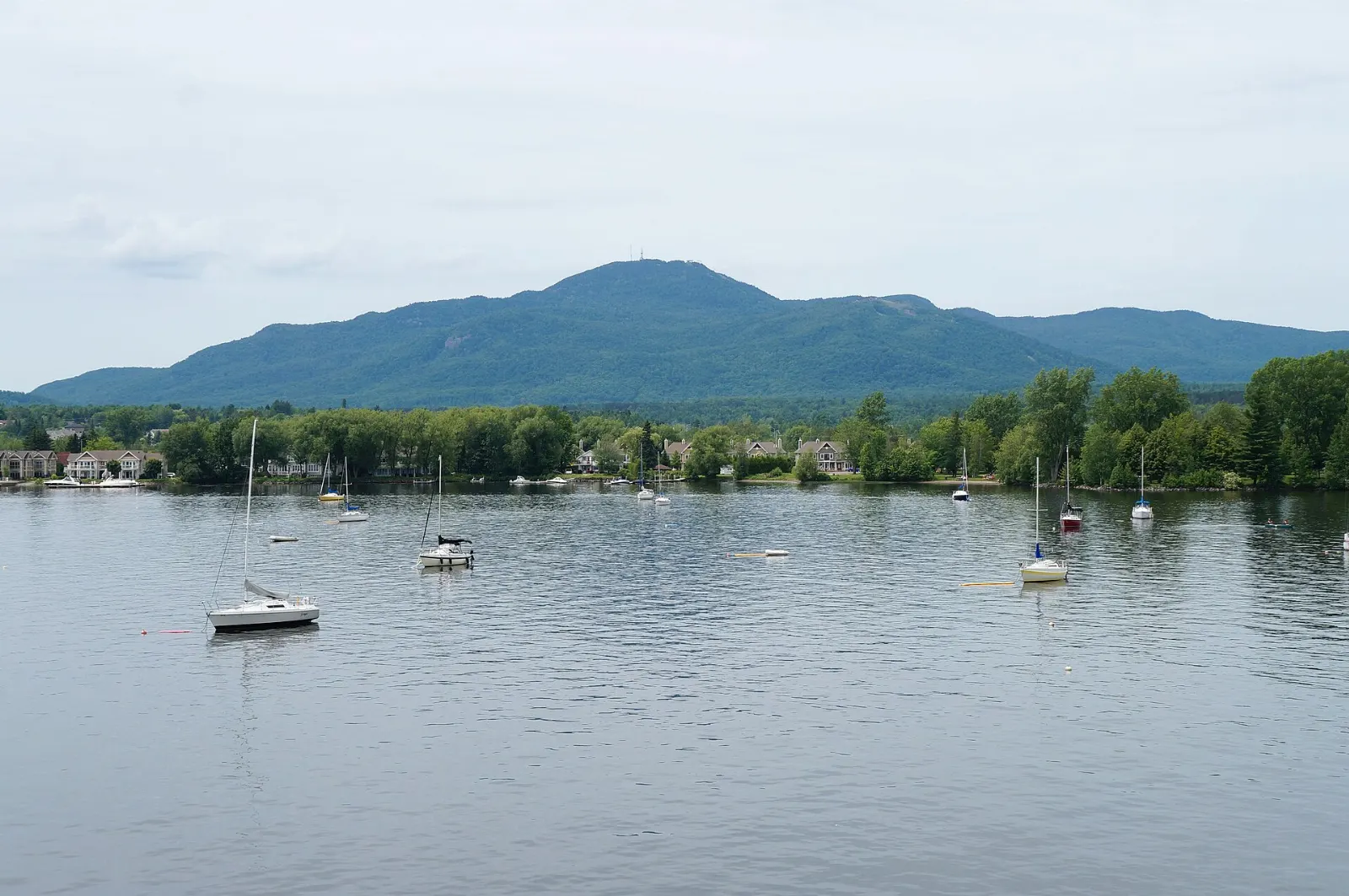
Magog sits at the northern end of Lake Memphremagog, a long glacial lake that runs south across the border toward Newport, Vermont. The town is built for visitors, with a lakeside path, cafés and boat rentals.
Mont Orford National Park
Mont Orford rises in a provincial park roughly ten kilometres northwest of Magog. In summer you can hike or cycle the park's trails, and in winter the mountain becomes one of the region's ski resorts.
North Hatley
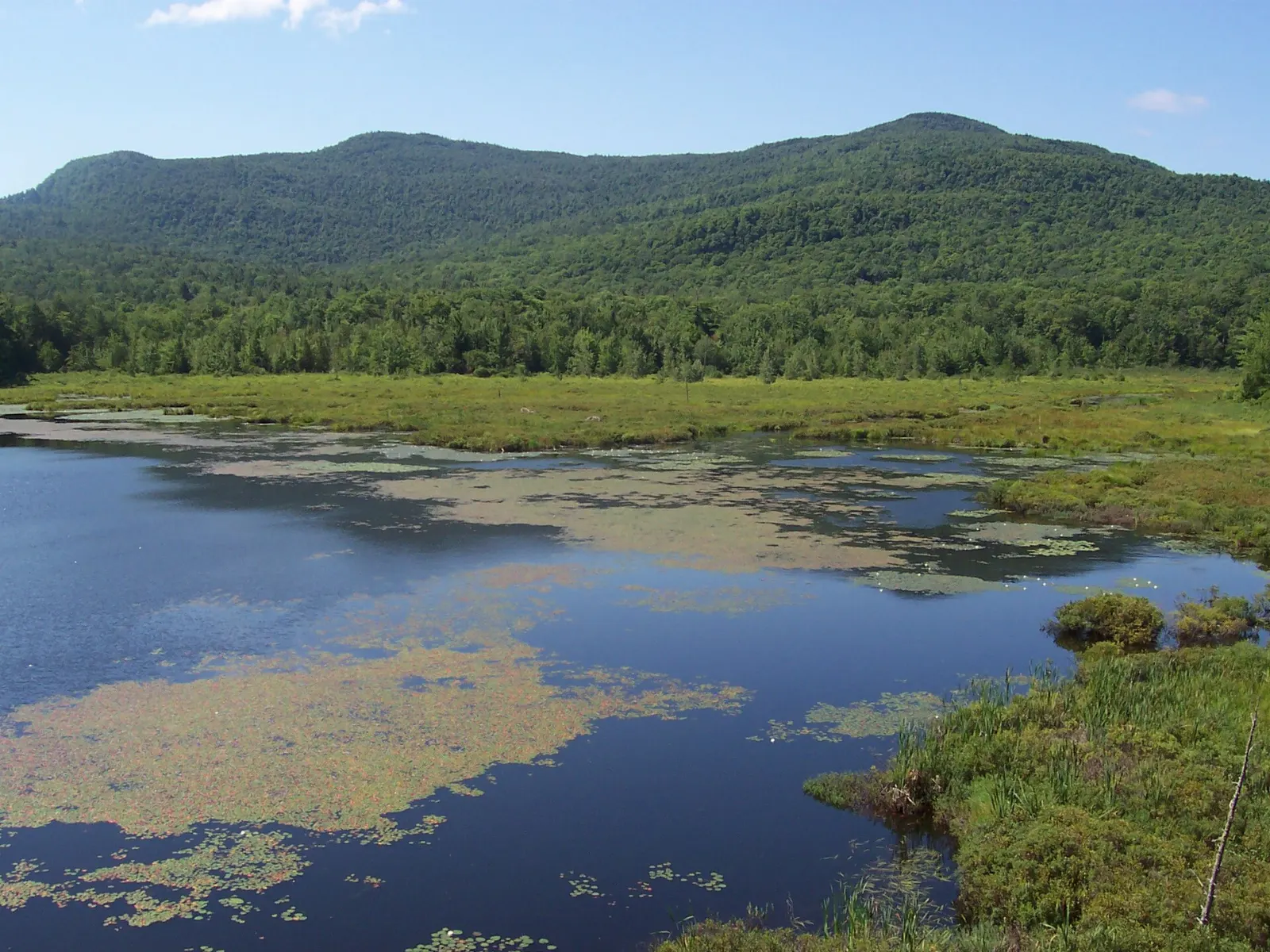
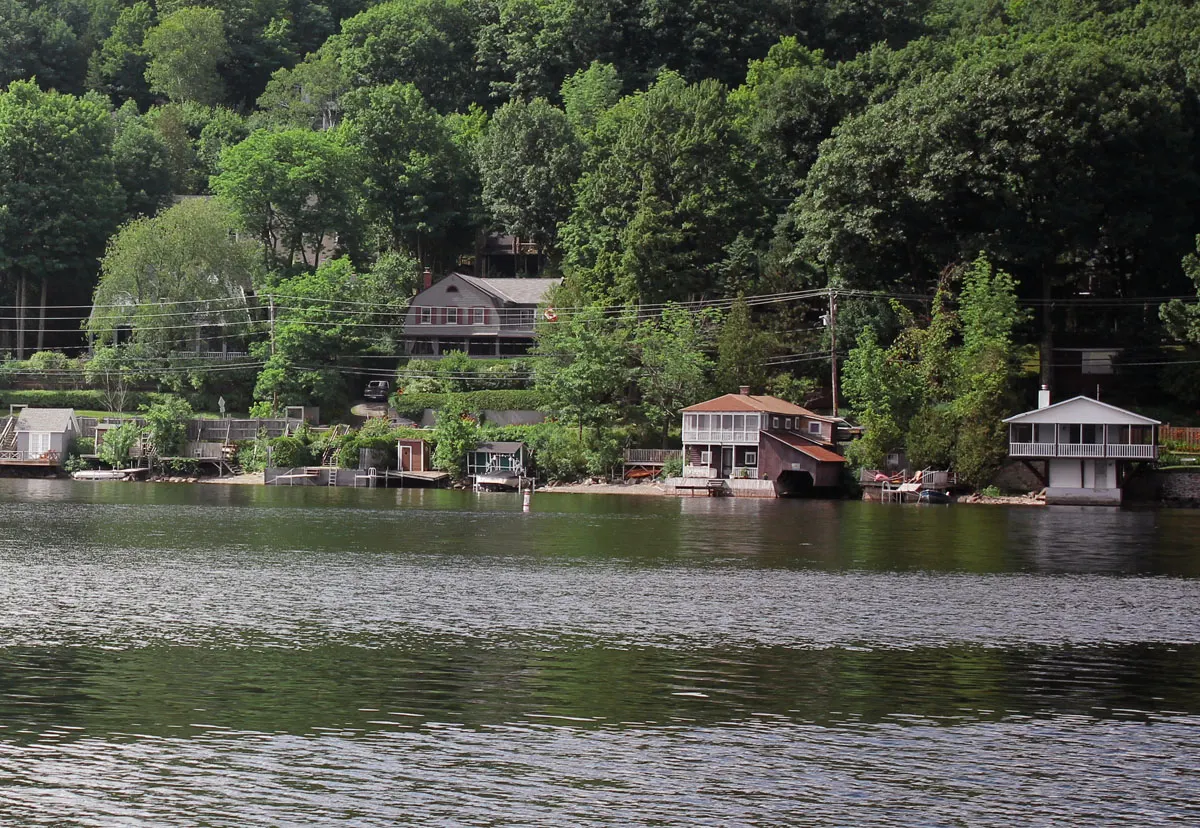
North Hatley is a small village at the northern tip of Lake Massawippi. Its grand lakeside houses were built largely by wealthy Americans from the southern states, and today they hold inns, galleries and cafés.
Ayer's Cliff
At the southern end of Lake Massawippi, Ayer's Cliff has long been a summer resort town. It suits a quiet swim, a picnic or a gentle drive around the lake.
Border towns and wild places
Stanstead and the Haskell Library
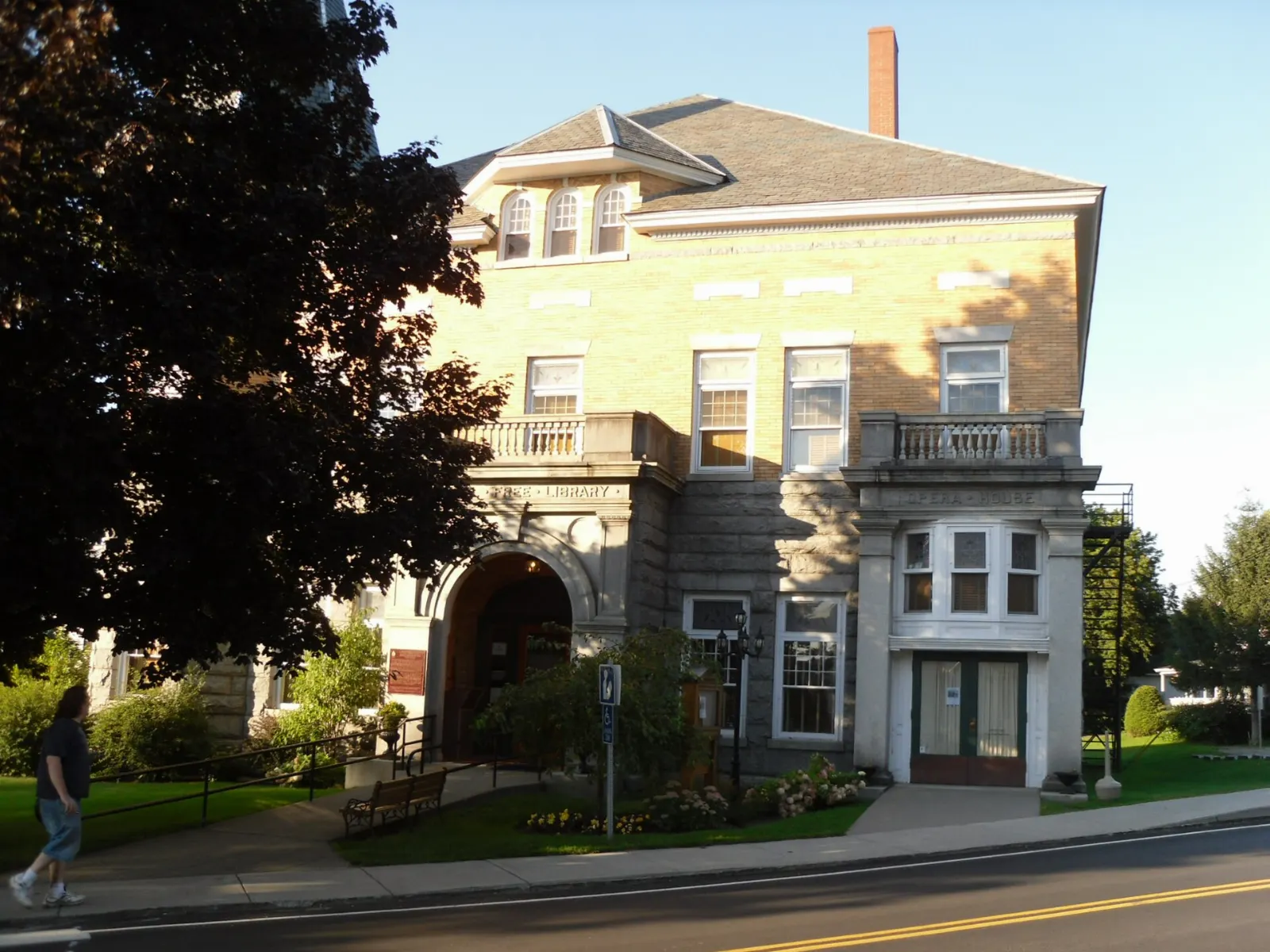
In Stanstead, the Haskell Free Library and Opera House sits right on the border, and a black line across the floor marks where Canada ends and the United States begins. Most opera seats are on the American side while the stage is in Canada.
Coaticook Gorge
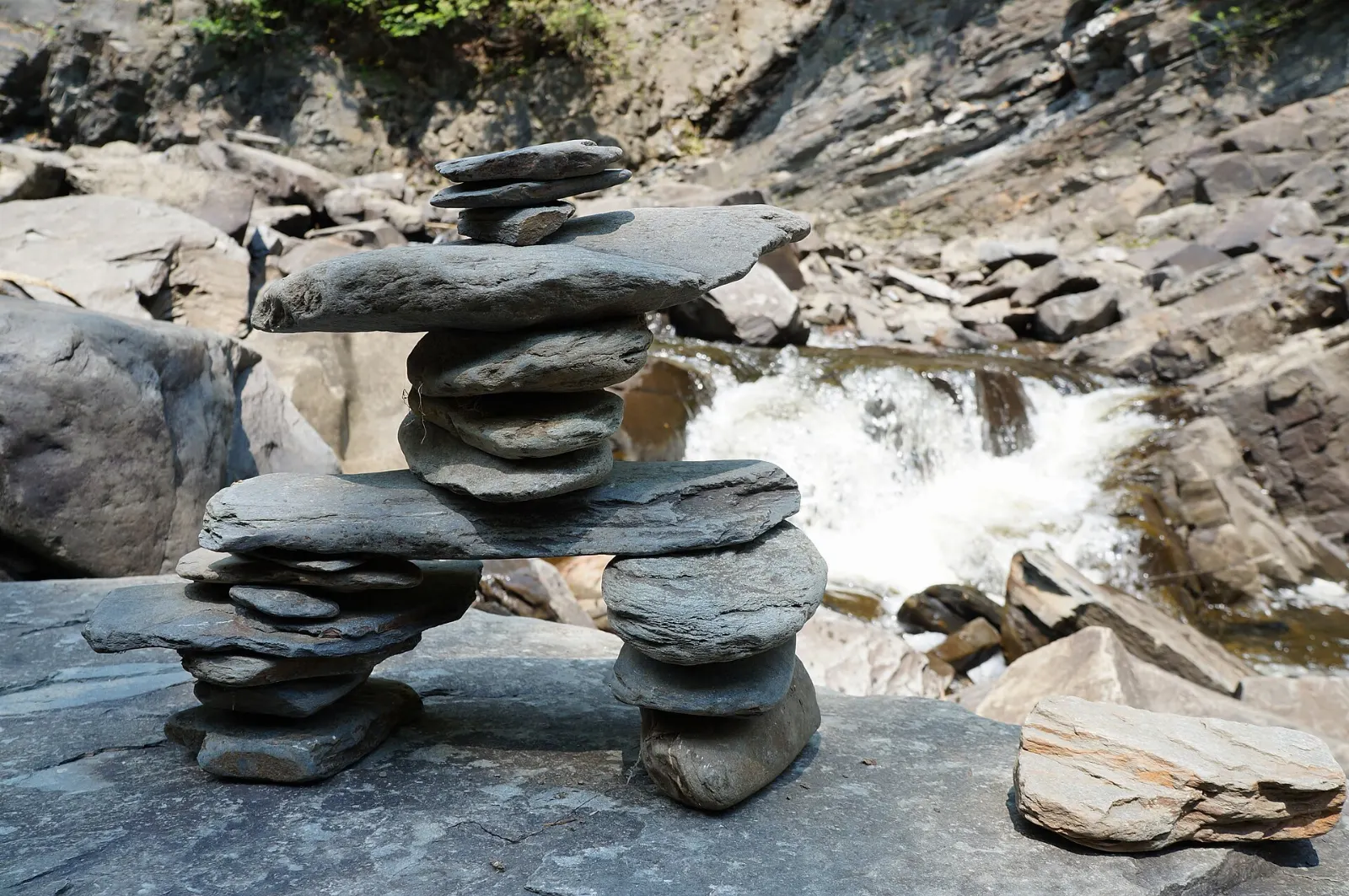
The Coaticook River cuts through a gorge about fifty metres deep and 750 metres long, and a trail follows its edge with a suspension footbridge across the drop. Plan one to two hours on foot.
Mont-Mégantic National Park
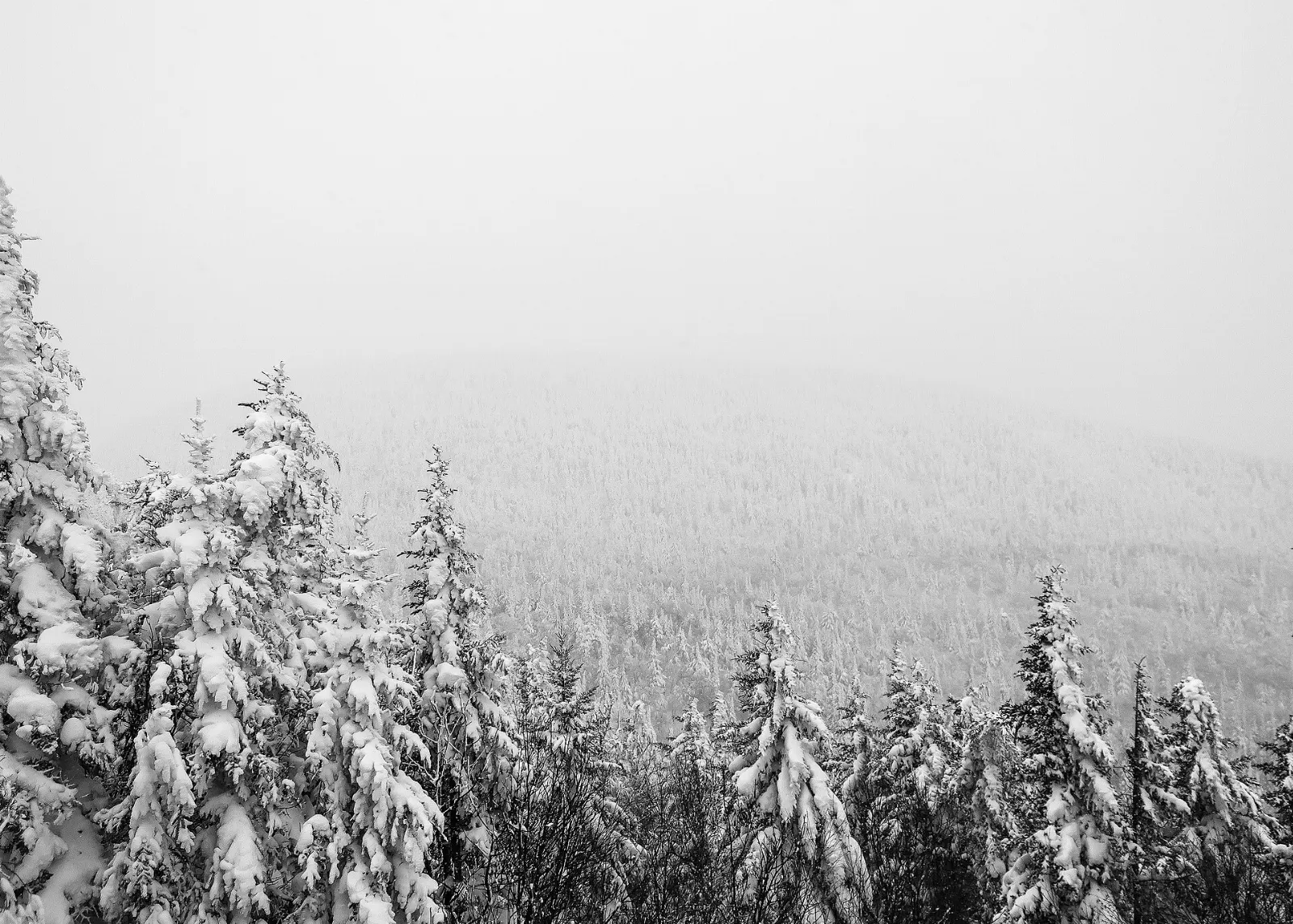
Mont-Mégantic is the tenth highest mountain in Quebec and the highest peak you can reach by car.

Sutton
Sutton is a lively village along the Vermont border with an artistic community, small galleries and year-round outdoor activity. Mont Sutton offers downhill skiing and snowboarding in winter, while Plein air Sutton has cross-country and snowshoe trails.
Bromont
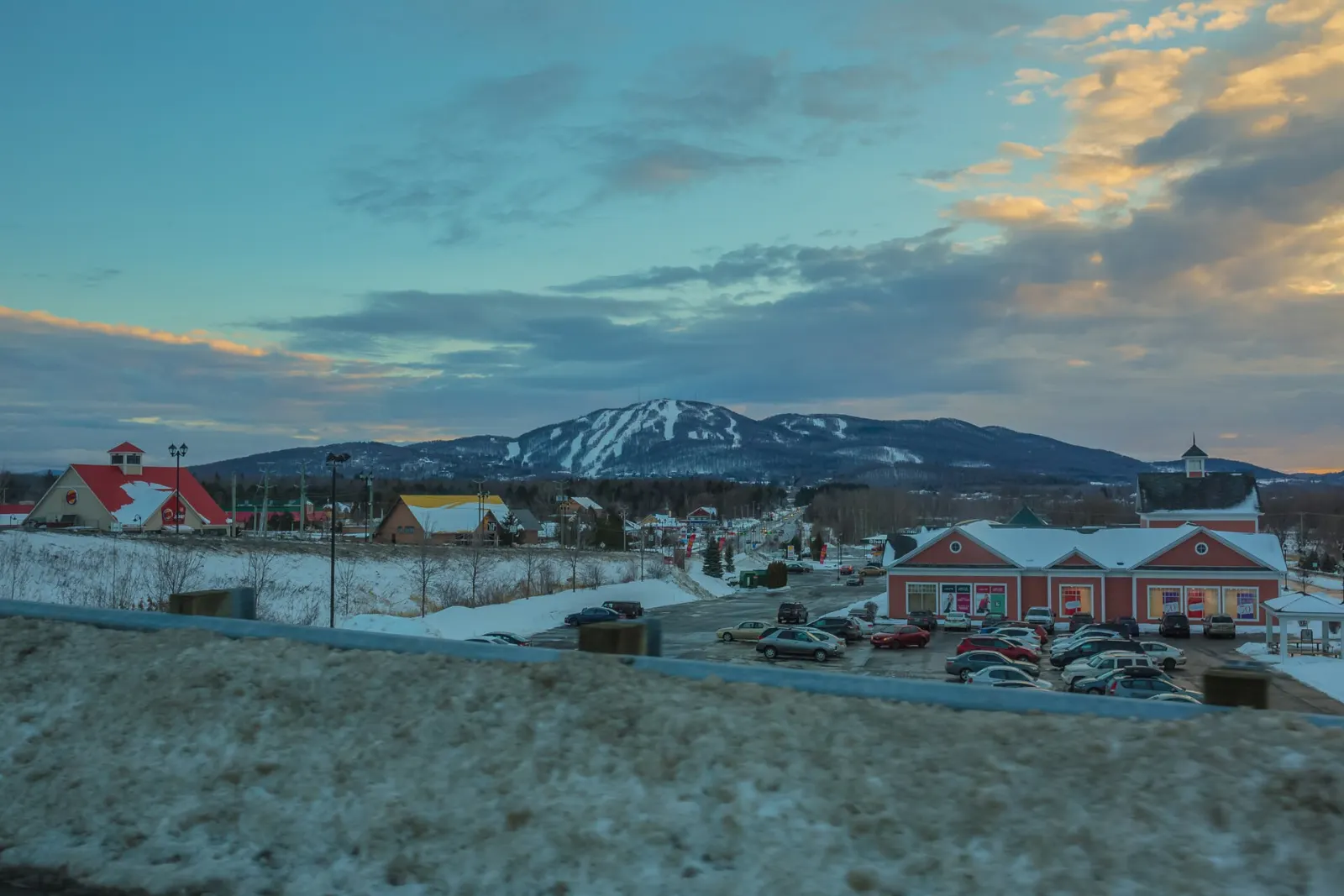
Bromont lies at the foot of Mont Brome and hosted the equestrian events of the 1976 Olympics. The ski area stays busy all year, with the largest mountain biking network in eastern Canada and a summer water park.
Granby Zoo
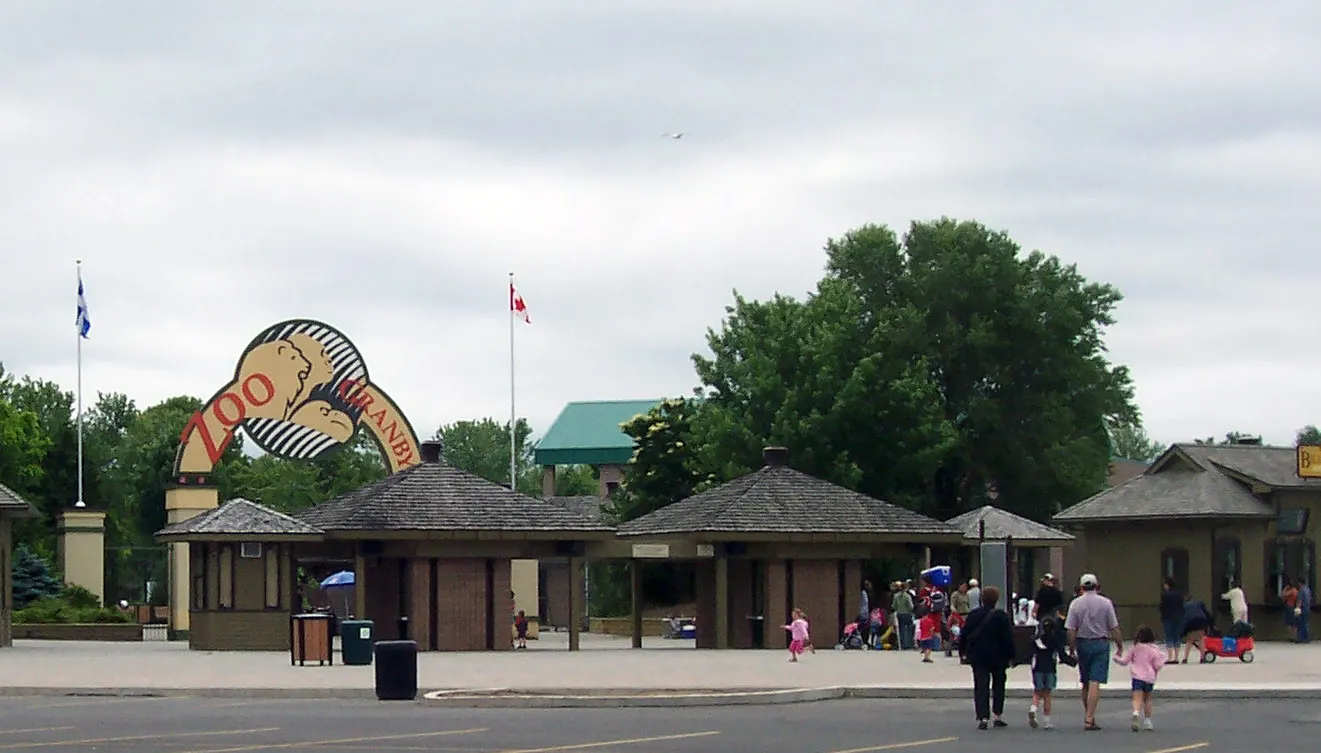
Granby is best known for its zoo, which also has a water park and amusement rides, with elephants, giraffes, gorillas and tigers among the animals. Allow most of a day.
Dunham and the wine route
Dunham is known for its wineries, which make part of the region's wine route. Many properties offer tastings and short walks among the vines.
 Planning a trip to Eastern Townships?Compare hotels, flights and vacation rentals for Eastern Townships on Expedia.Book now
Food and local flavors
Quebec's Eastern Townships take food seriously, and farm stands, bakeries and tasting rooms are easy to find.
Maple taffy, known as tire d'érable or tire sur la neige, is poured hot onto packed snow and rolled onto a stick. Look for it at sugar shacks in late winter.
Dunham wine comes from cool-climate grapes grown on the region's wine route, and many wineries also pour local cheeses. For a market stop, try the Marché de la Gare in Sherbrooke, where regional producers sell their goods.
Popular dishes to try in Eastern Townships


Where to stay
Choose your base by activity, because distances between villages are real.
Magog suits first-time visitors and families.
North Hatley is the best choice for couples and anyone who wants a quiet, romantic village on a lake, with inns and cafés within a short walk.
Bromont works for active families and cyclists, with its ski area, bike trails and water park close to the autoroute, so you can reach Montreal quickly.
In winter and on autumn weekends, book accommodation early, especially in the small villages.
Where to stay in Eastern Townships


Best time to visit
Summer brings warm, sometimes humid weather that is ideal for lakes, golf, cycling and farm stands, and it is the busiest season in Magog and North Hatley. Autumn is a favourite for fall colour across the hills, and orchards and wineries are lively then.
Festivals change from year to year, so check the regional tourism website for dates before you plan around one.
Getting there and getting around
Montreal-Trudeau International Airport is the main airport for the region. Sherbrooke has a small airport but no scheduled flights.
Limocar buses run from Montreal to Sherbrooke with stops that include Bromont and Magog, and La Québécoise connects Sherbrooke with Quebec City.
A car is by far the easiest way to explore. Autoroute 10 is the fastest road from Montreal, and Autoroute 55 comes up from Interstate 91 in Vermont and runs to Sherbrooke.
A suggested itinerary
First day
Start in Magog with a lakeside walk, then spend the afternoon at Mont Orford National Park.
Second day
Drive to North Hatley for a morning by Lake Massawippi, stop in Ayer's Cliff, then continue to Stanstead for the Haskell Library.
Third day
Visit the Coaticook Gorge in the morning, then drive to Mont-Mégantic and stay for the night sky if conditions are clear.
Fourth day
Head west to Sutton for a hike or ski, then taste wine in Dunham on the way toward Bromont or Montreal.
Practical tips
- Learn a few French greetings, because French is the main language in most villages.
- Rent a car, since public transport between small villages is limited.
- Bring a passport if you plan to visit border towns such as Stanstead.
- Pack layers for Mont-Mégantic, where summit evenings are cold even in summer.
- Book lodging early for fall weekends and for the ski season.