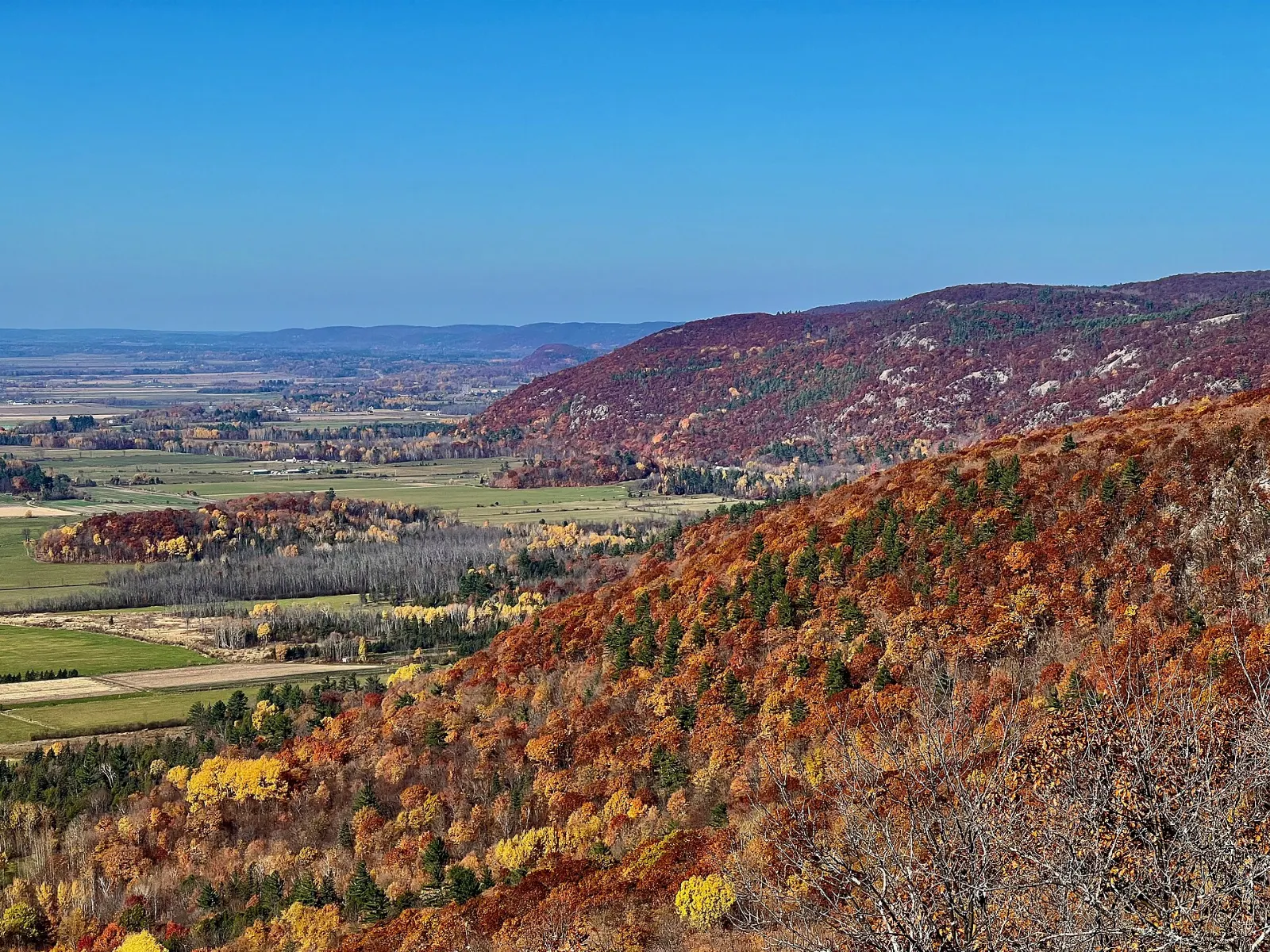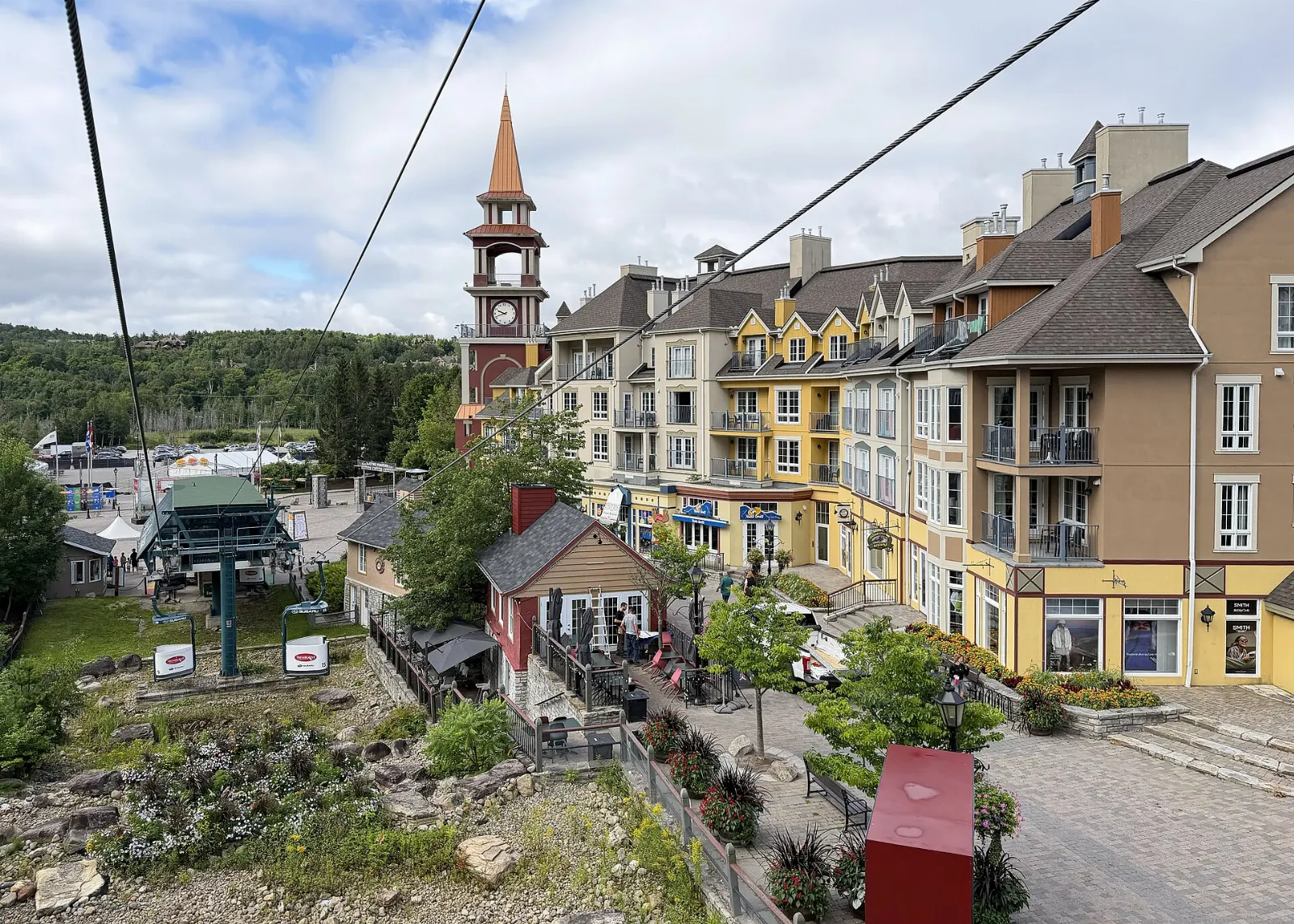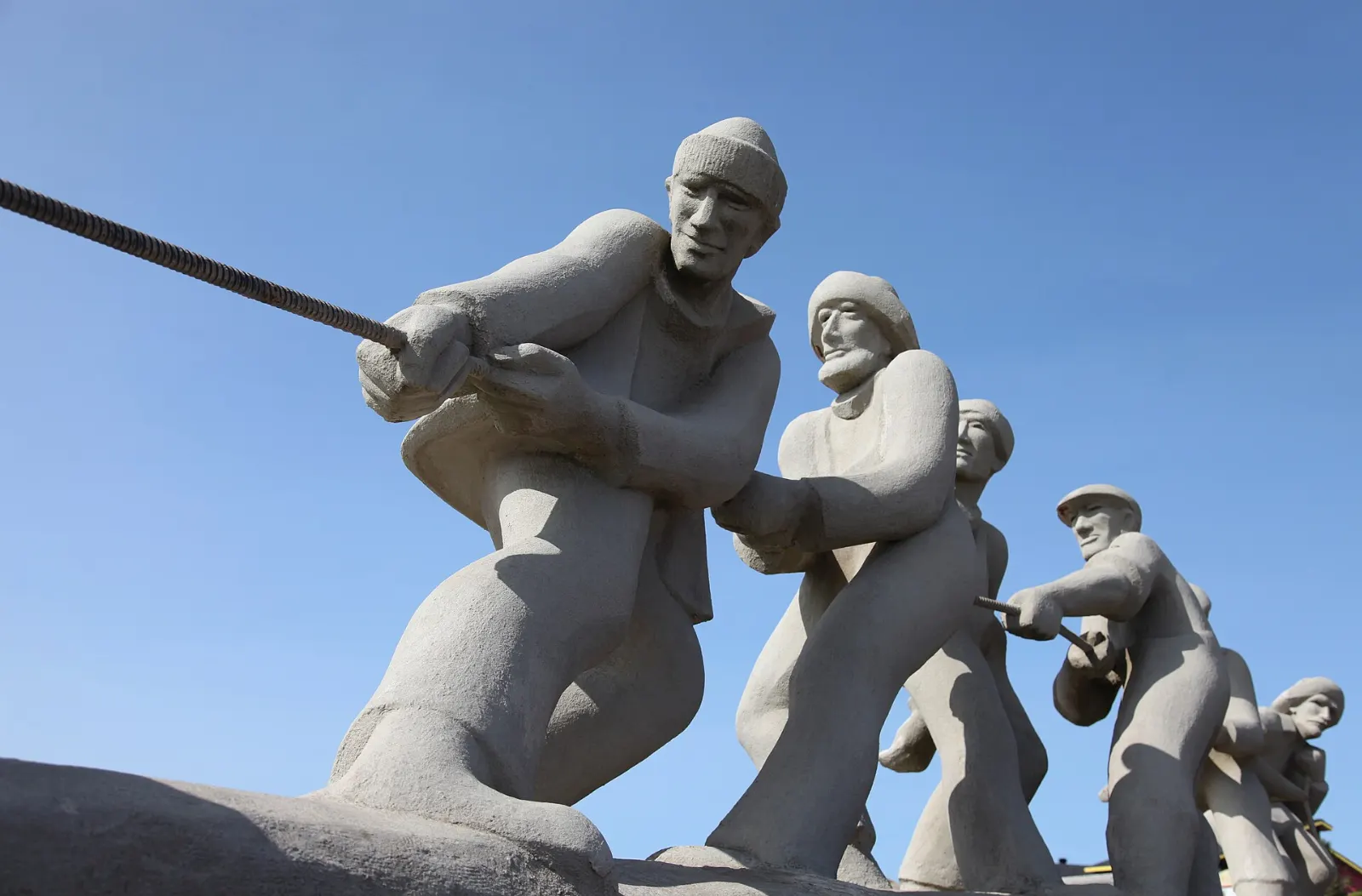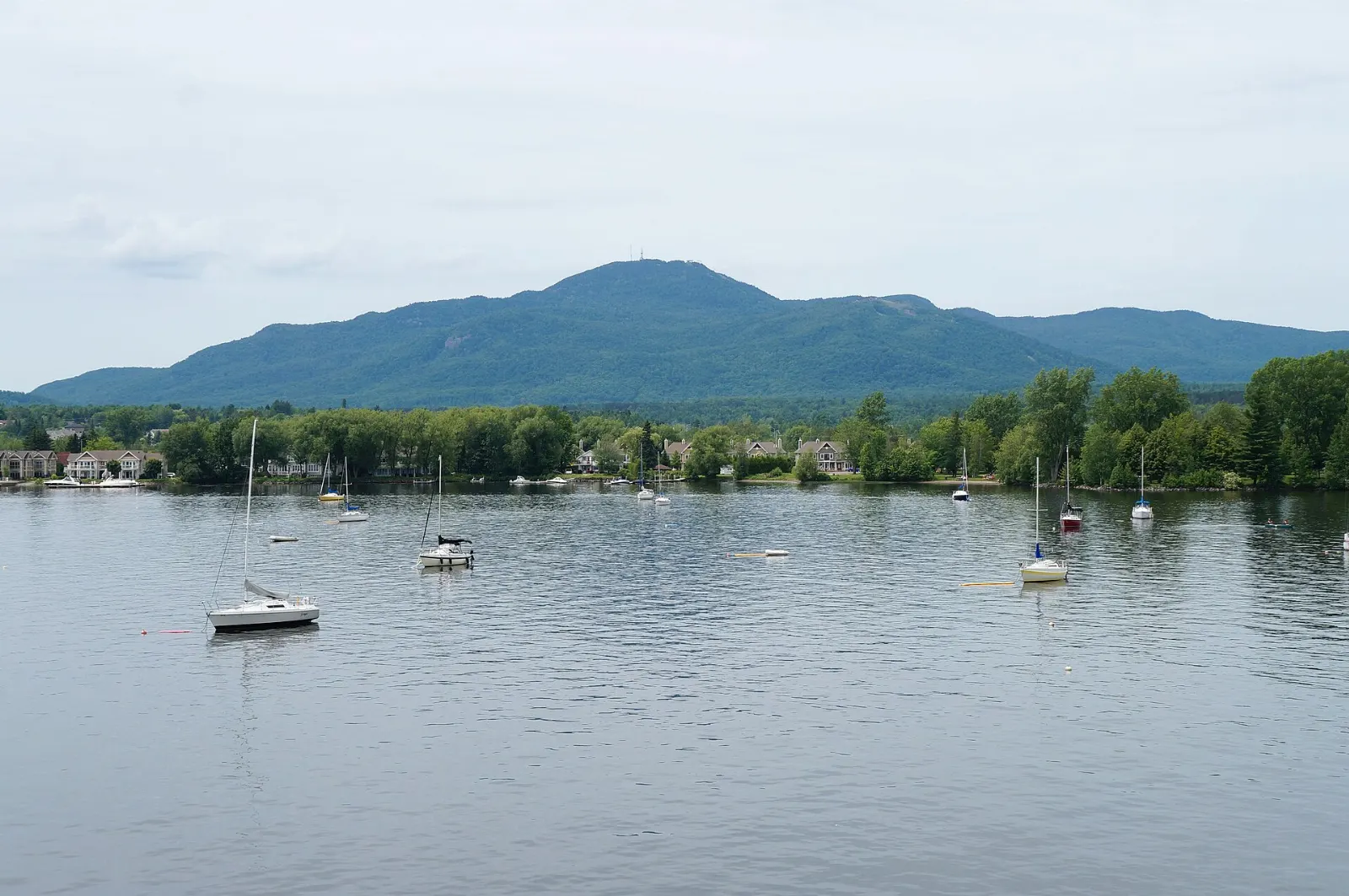
Île d'Orléans lies in the Saint Lawrence River just east of Quebec City, yet it feels like a different century. Farms, orchards and white-walled heritage houses line a single loop road, and the island has long been called the Garden of Quebec.
AT A GLANCE
Best time
Late spring to early autumn for fruit stands and farm visits, with golden color in October.
How long
A full day covers the loop, and an overnight stay lets you slow down.
Getting there
Cross the bridge from Beauport, then follow Route 368 around the island.
Why visit Île d'Orléans
The island is a National Historic Site of Canada with more than 600 recognized heritage buildings. It was among the first parts of Quebec colonized by the French, and many French Canadians can trace their ancestry to early settlers here.
It is also simply beautiful to drive and cycle. You can sample ice cider, pick apples, taste wine and look across the river to Quebec City, all within a day.
The six villages each have their own character, from the elegant, view-rich west end to the farmland and tidal calm of the east. Because the island is only 34 km long, you can stop as often as you like, linger over lunch at a farm and still be back in Quebec City by evening.
The western end and the bridge side
Sainte-Pétronille
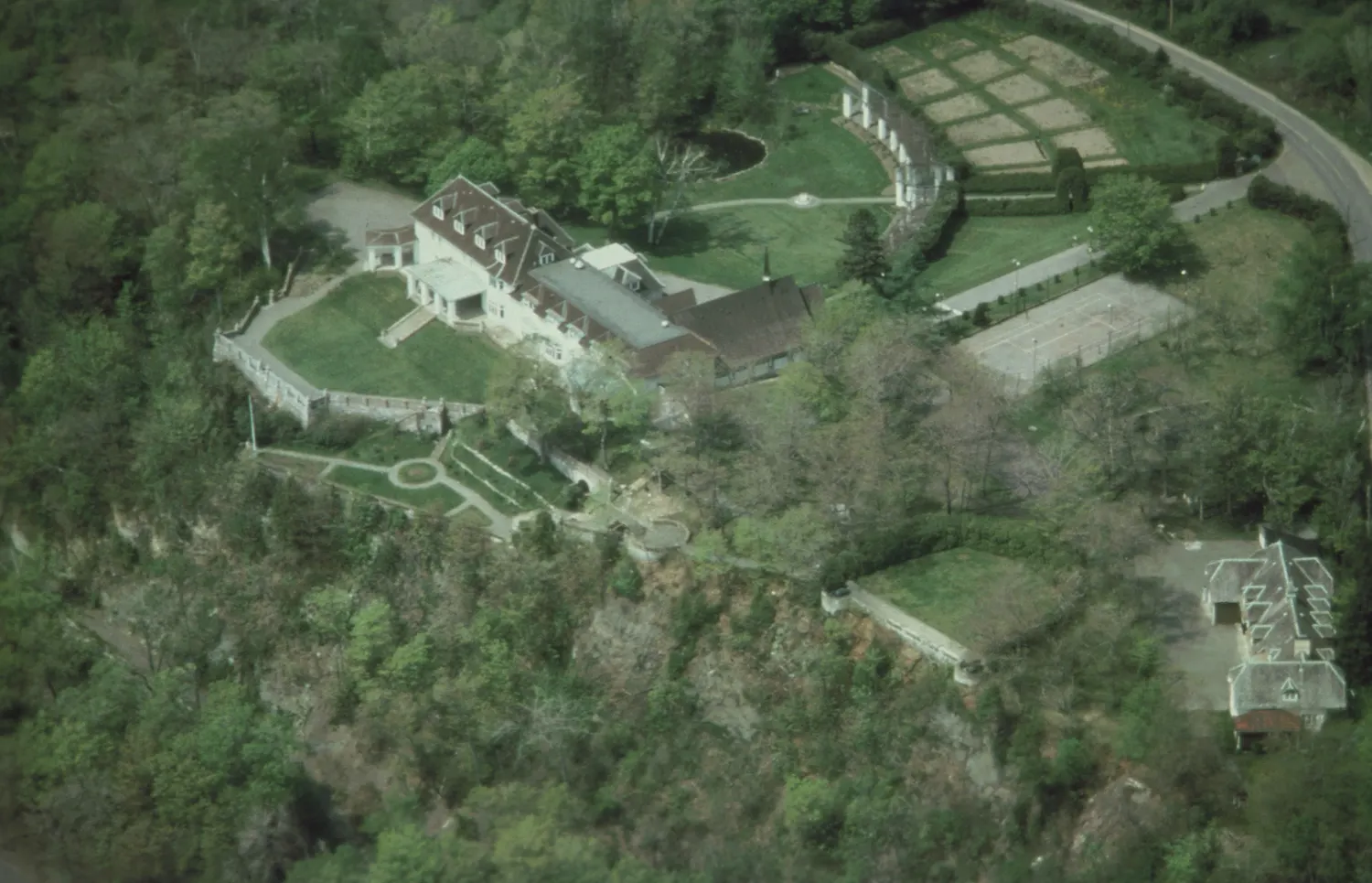
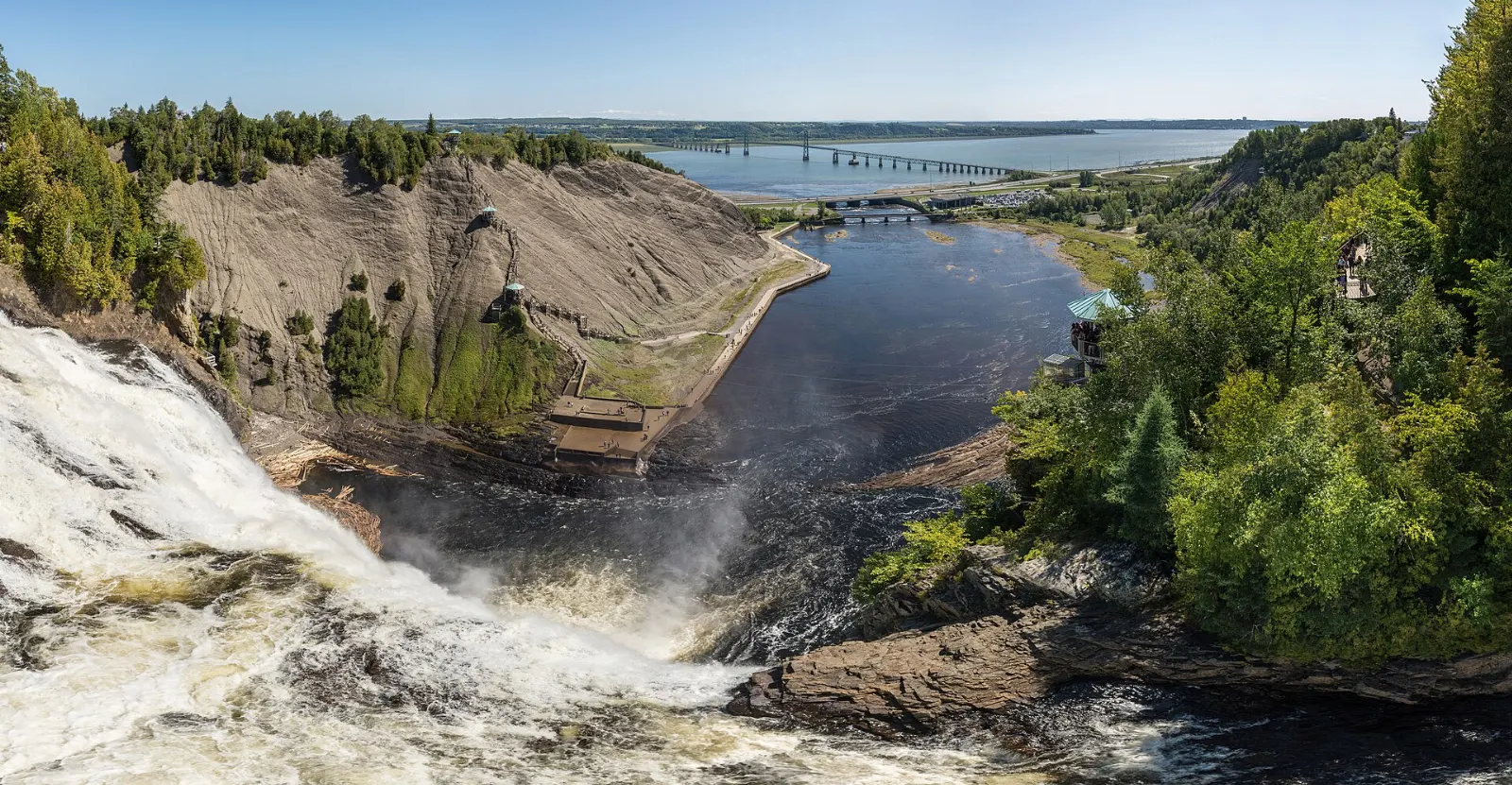
This village at the western tip faces Quebec City and is a good place to begin. A viewpoint overlooks Montmorency Falls and a wide panorama of the Saint Lawrence and the city skyline.
Chute Montmorency view
On a clear day, the waterfall on the mainland shore appears across the channel, and many visitors pair the island with the falls and the town of Beauport.
Saint-Pierre and the first farm stops
The first village after the bridge, Saint-Pierre, has cider houses, a vineyard and roadside produce stands. Stop here if you want to taste early and still have room to sample later in the day.
Heritage villages on the island
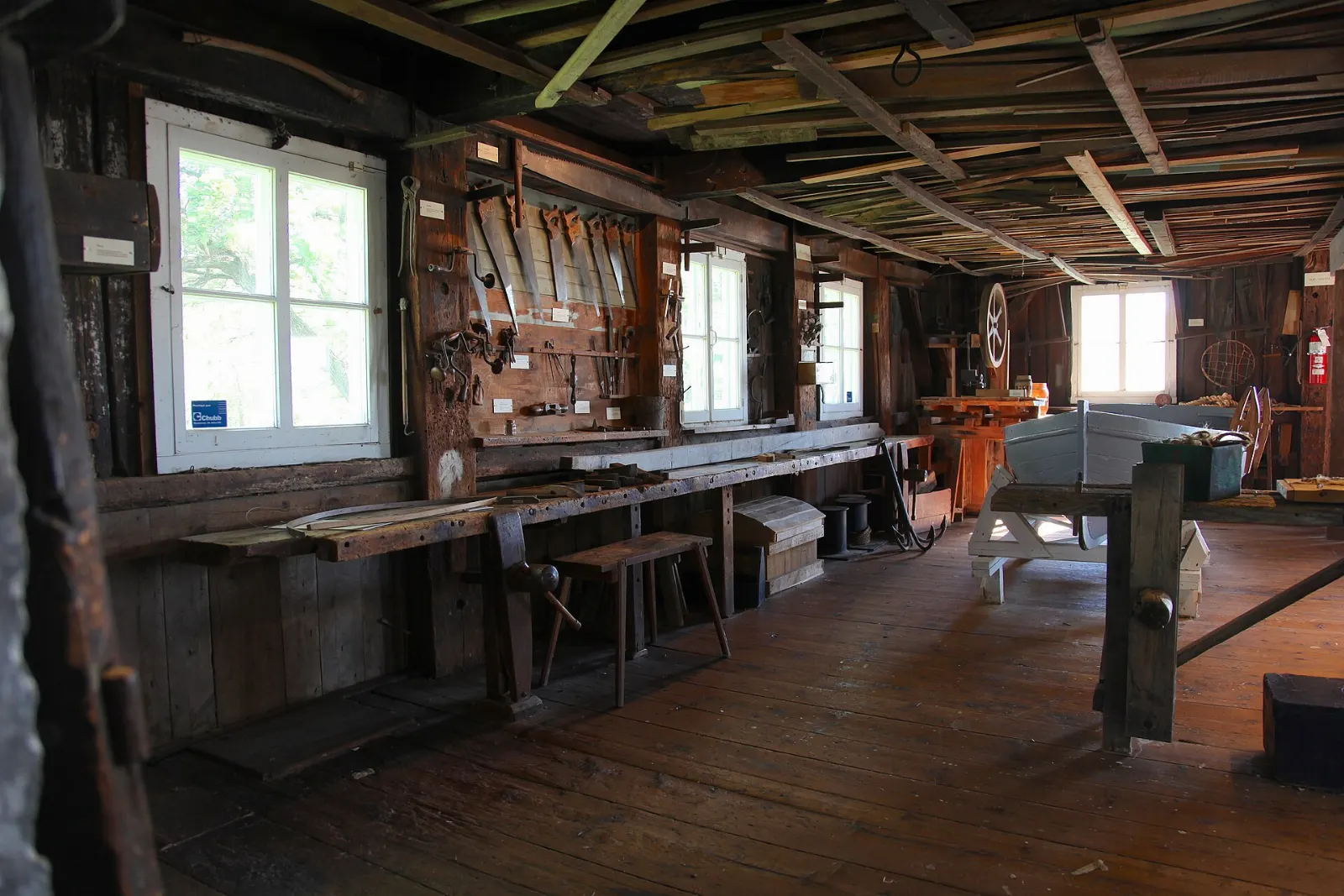
Parc maritime de Saint-Laurent
On the south shore, this historic shipyard and museum recalls the island's boat building trade, which has since vanished. It operates in the warm season, from mid-June to Thanksgiving, so check the official website before you go.
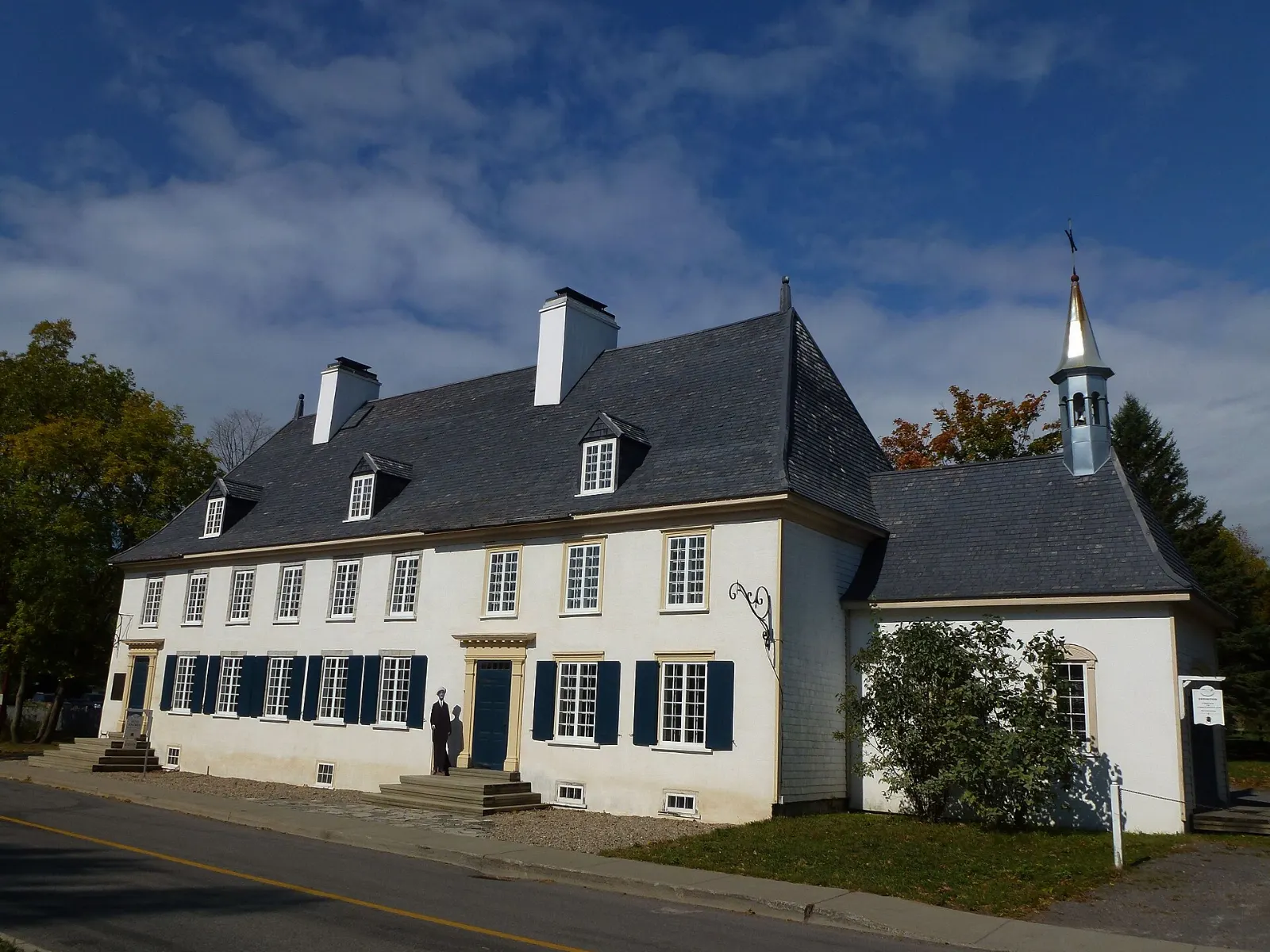
Manoir Mauvide-Genest
Built in 1734 by the royal surgeon Jean Mauvide in Saint-Jean, this manor is one of the best known historic houses on the island.
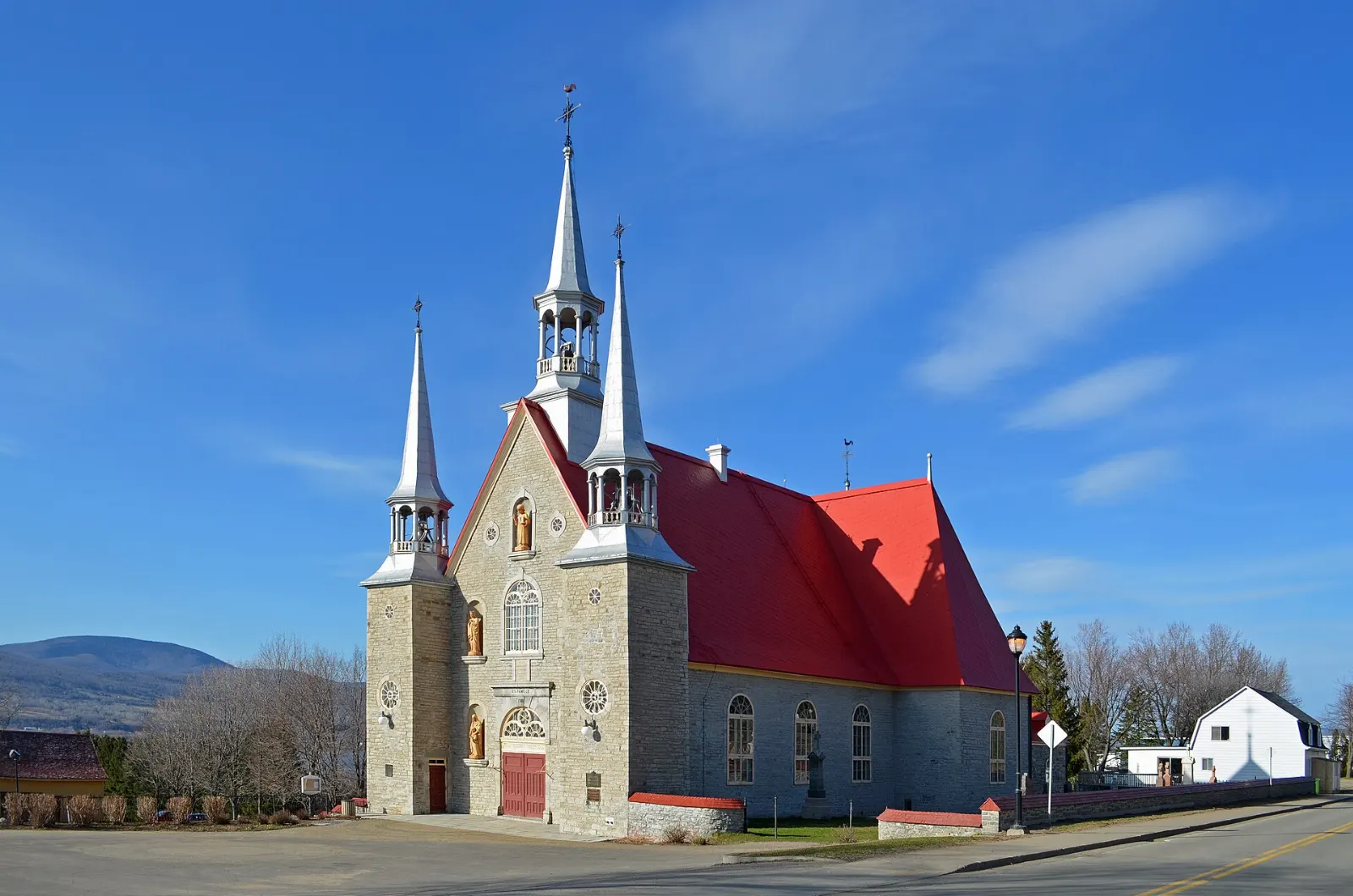
Sainte-Famille
The oldest parish on the island was founded here in 1661. The village has a handsome church and many old farmhouses along the Chemin Royal, so it is a good stop for a slow walk and photos.
Saint-François and the eastern tip
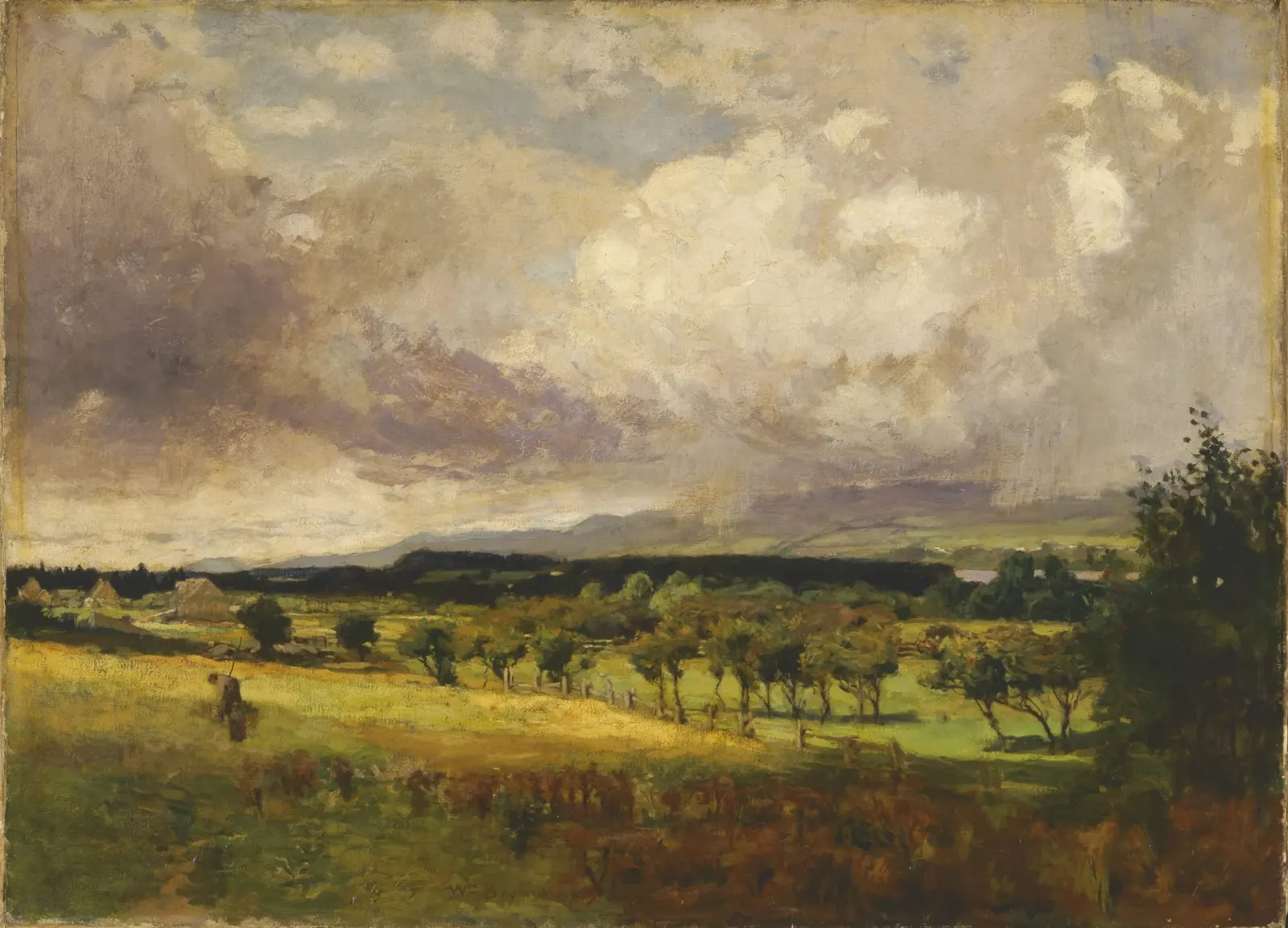
Jacques Cartier is said to have first set foot on the island here in 1535, calling it Île de Bascuz, a nod to Bacchus, for the wild grapes he found.
Cider, wine and farm stops
Cidrerie Verger Bilodeau
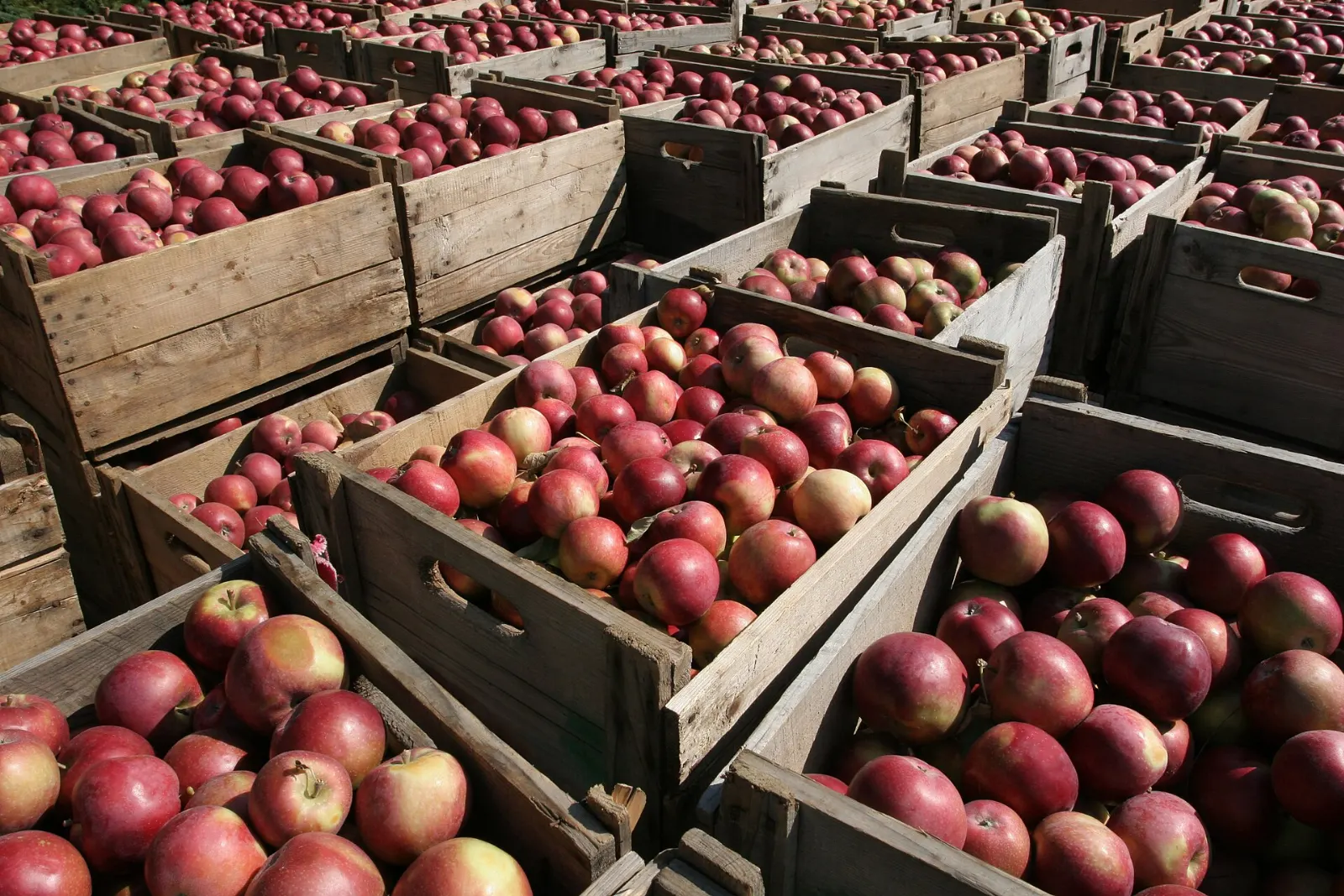
This cider house and orchard makes ice cider, sparkling wine and maple cider, and offers free sampling and pick-your-own apples.
Vignoble Isle de Bacchus
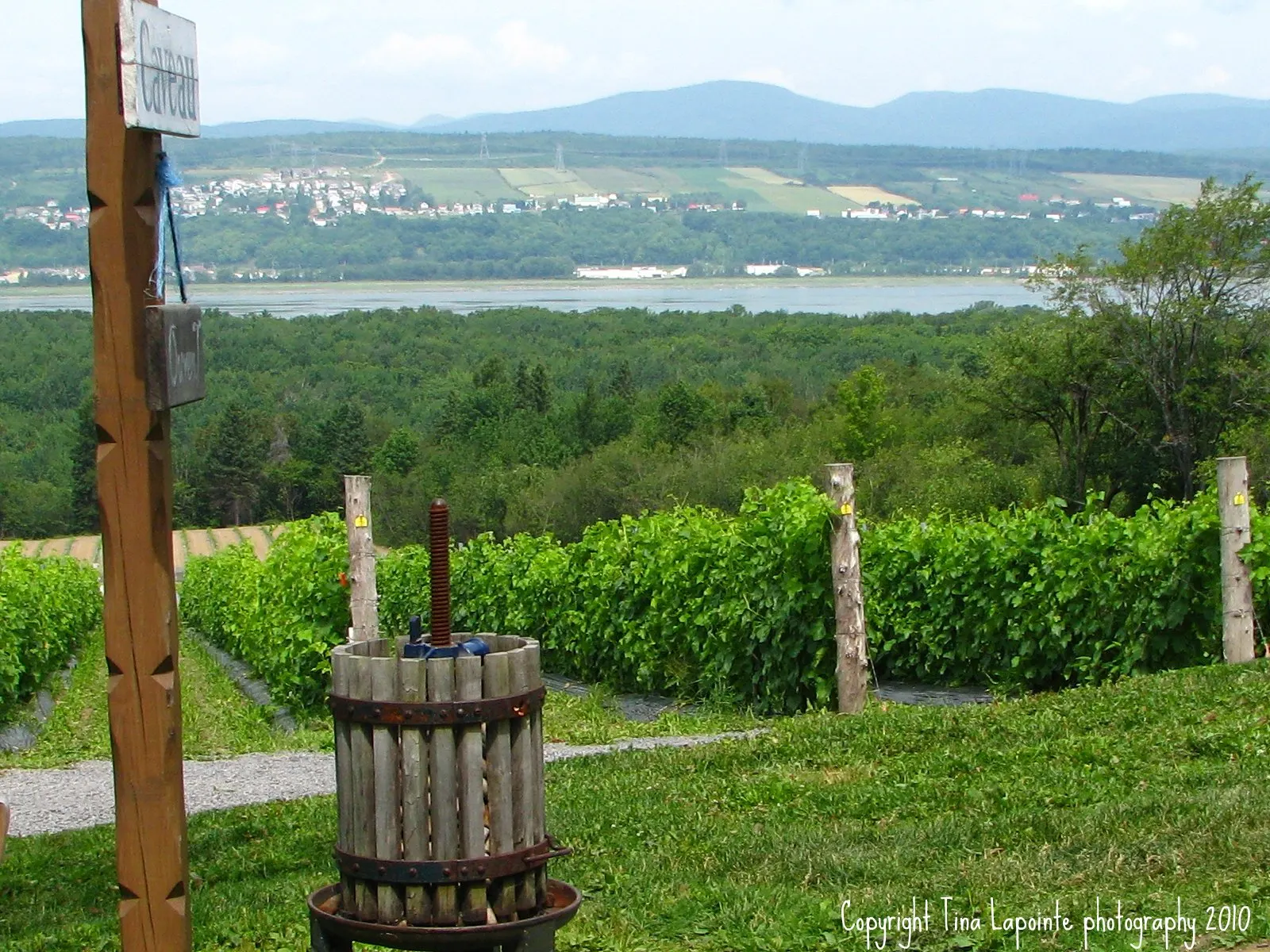
One of the island's established vineyards, with more than 11 hectares of vines and a range of reds, whites, rosés and ice wine.
Vignoble du Mitan and La Monnaguette
Vignoble du Mitan, in Sainte-Famille, offers white, rosé, red and late-harvest wines. La Monnaguette, in Saint-Pierre, specializes in black currant products, from liqueurs to meals.
 Planning a trip to Île d'Orléans?Compare hotels, flights and vacation rentals for Île d'Orléans on Expedia.Book now
Food and local flavors
The island's produce is the draw. Ice cider, made from frozen apples, was created in Quebec and is a sweet, concentrated drink often served as an aperitif or dessert wine.
For a casual stop, La Boulange in Saint-Jean is a bakery and café, and roadside fruit stands sell strawberries and apples in season. Pub Le Mitan in Sainte-Famille pours beer from the island's microbrewery.
Popular dishes to try in Île d'Orléans


Where to stay
Accommodation here leans toward bed and breakfasts in old houses, which suits the island's character. Sainte-Pétronille is the most scenic base, with views toward Quebec City and a quiet village feel.
Saint-Laurent sits on the river with waterfront inns, and works well for couples who want a romantic stay near the maritime park.
Saint-Jean is a good middle point for exploring, with several small guesthouses and a bakery on the main road.
Where to stay in Île d'Orléans


Best time to visit
Summer and early autumn are best, when roadside stands are full and farms, cider houses and vineyards are open. Strawberries and other fruit ripen through the warm months, and apples are the highlight of the harvest season.
Spring brings the sugar shack season, when maple products are made, and the island is quiet and green. Winter is cold, snowy and much quieter, and some attractions close, so confirm opening dates in advance.
Getting there and getting around
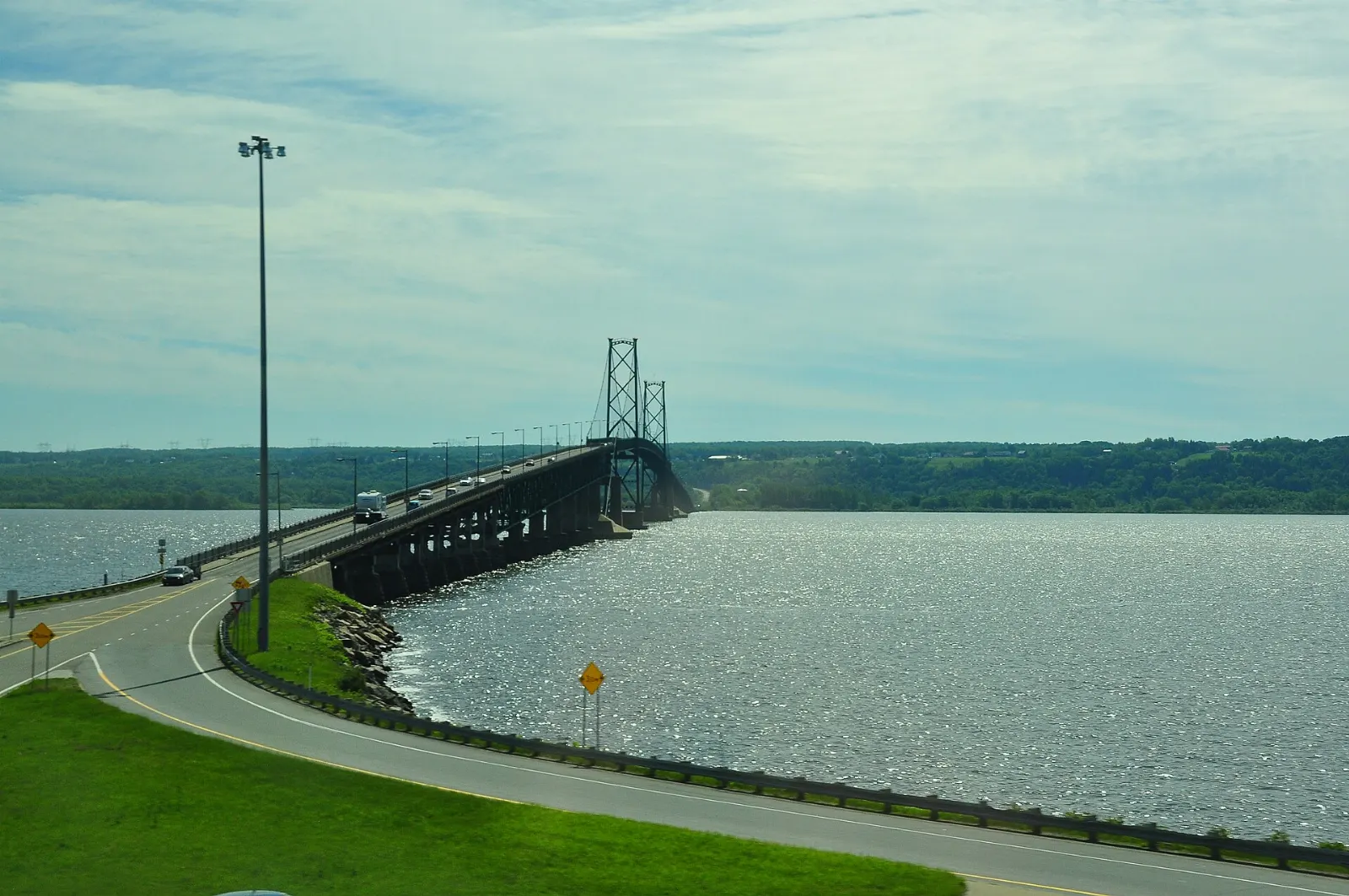
The island lies about 5 km east of Quebec City. From the mainland, drive across the Île d'Orléans Bridge from Beauport.
A car is the easiest way around, and cycling is popular with fit travelers, since the island is 34 km long and hilly in places.
Fly into Quebec City's airport and rent a car, or use the bus services from Montreal. Parking is generally easy at farms and villages, but weekends in peak season can be crowded.
A suggested itinerary
First day
Cross the bridge and taste at the first cider house and vineyard in Saint-Pierre. Continue to Sainte-Famille for the parish and farm stops, then reach Saint-François for a view of the river.
Second day
Spend the morning in Sainte-Pétronille at the viewpoint and village, then stop for lunch at a local bakery or café. In the afternoon, bike a section of the Chemin Royal and pick up fruit and maple products from the roadside stands before returning to the city.
Practical tips
- Share the driving if you plan to taste cider and wine at several stops.
- Start early on summer weekends to avoid congestion at the bridge.
- Check opening periods of the museum and farms on their official websites.
- Carry some cash for roadside fruit stands, as not all accept cards.
- Wear layers, since the river wind can make the island cooler than Quebec City.