Magdalen Islands Quebec Dune Beaches and Lobster Feasts
The Magdalen Islands, called Îles de la Madeleine in French, are a chain of windswept islands in the middle of the Gulf of St. Lawrence, off Prince Edward Island and the Gaspé Peninsula. Sand dunes link most of them, red cliffs frame the beaches, and colorful houses give the villages a cheerful look.
By WiserMap TravelUpdated October 20268 places8 min read
Best timeLate June to early September is the main season, and early September is quieter with warmer water.
How longPlan at least three days, because the ferry or flight and the distances between villages take time.
Getting thereTake the ferry from Souris on Prince Edward Island, or fly from Quebec City or Montreal.
Ad
Why visit the Magdalen Islands
The islands are remote enough to feel like a world of their own. Long beaches stretch between lagoons and dunes, wind and sea shape the cliffs, and fishing and seafood remain central to local life.
They also suit active travelers. Cycling, kayaking, kitesurfing and long beach walks are all part of the experience, and the sheer scale of sand and sky is memorable.
Distances between villages are longer than the map suggests, because roads follow narrow dunes between lagoons and the open sea. That makes the drive part of the pleasure, with wide views on both sides, but it also means a single day is rushed.
Havre-Aubert and the south
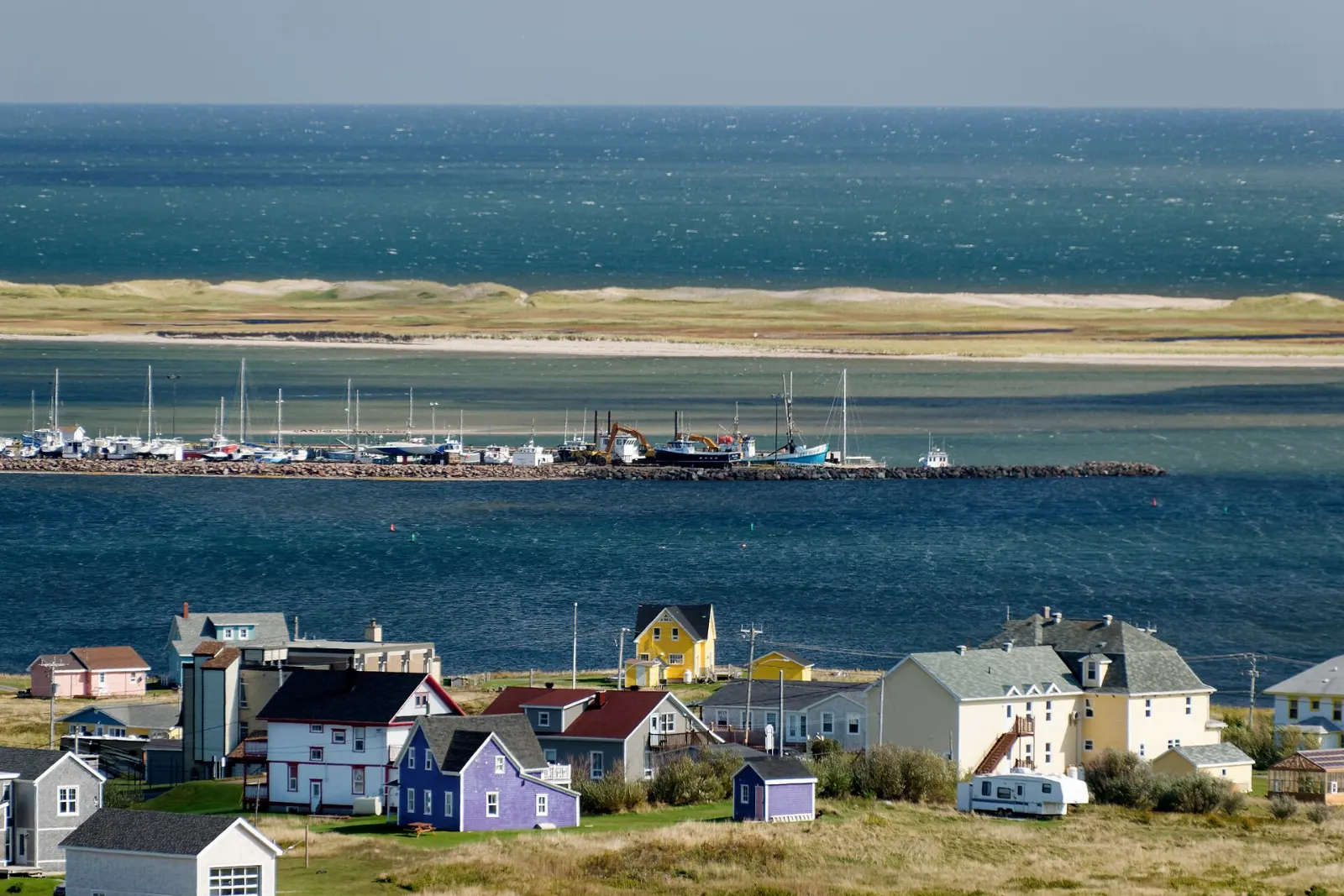
La Grave historic site
This is the oldest part of the islands, a former fishing village where fish was dried, salted and packed.
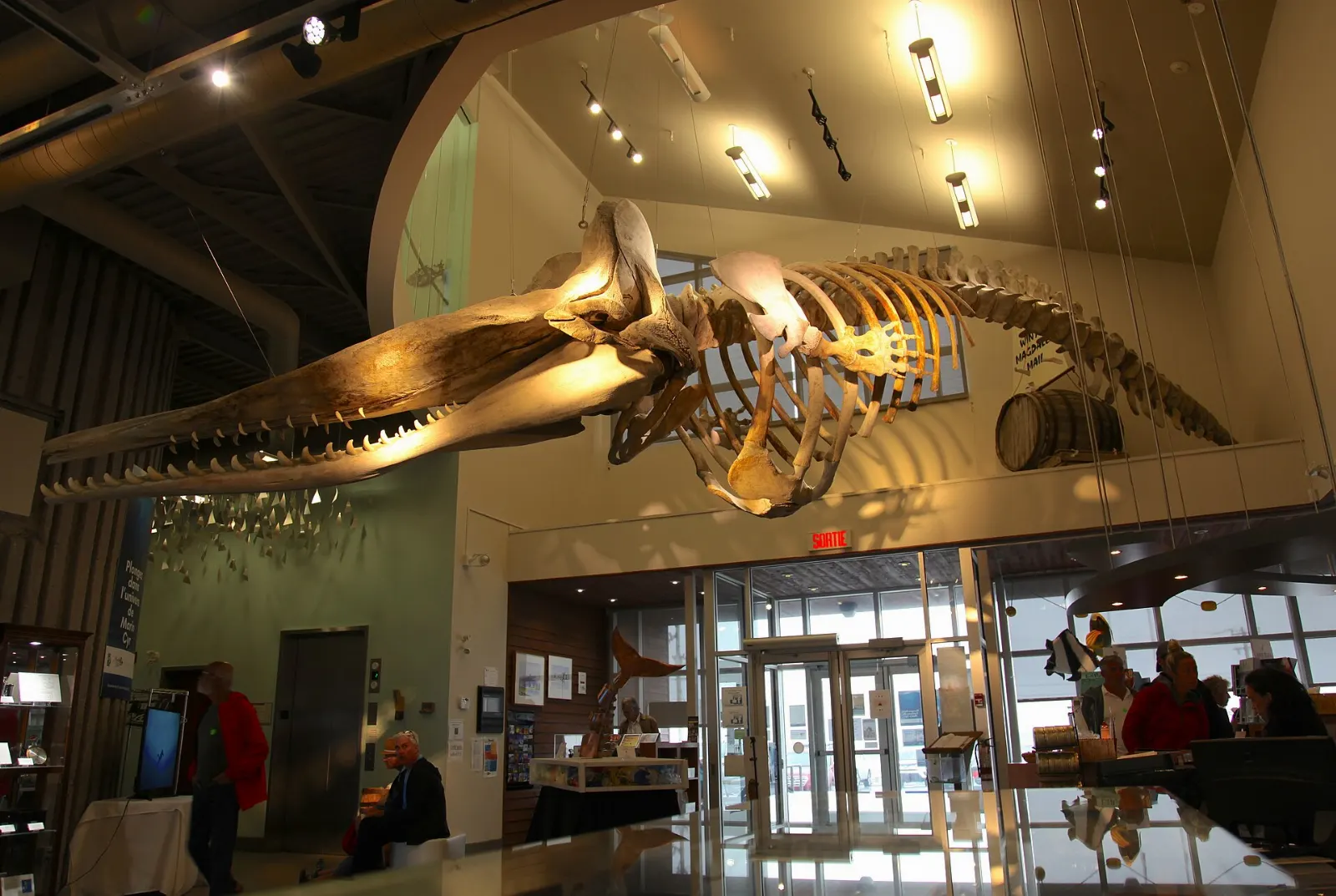
Musée de la Mer
The Museum of the Sea in Havre-Aubert presents the sailors and fishermen of the Gulf, with temporary exhibits and local art. It is a good rainy-day option and helps explain how islanders lived by the sea.
La Grave began as a fishing village and is now a historic district with artisans, a café and a marina. Photo: Gilles Desjardins, Wikimedia Commons, CC BY-SA 4.0
Artisans du Sable
Local artists in La Grave make objects from the sand of the islands, and the workshop welcomes visitors. It is an easy way to take home a distinctive souvenir and to meet the makers.
The Musée de la Mer presents the maritime history of the islands. Photo: Marc-Lautenbacher, Wikimedia Commons, CC BY-SA 4.0
Sandy Hook dune and the beaches
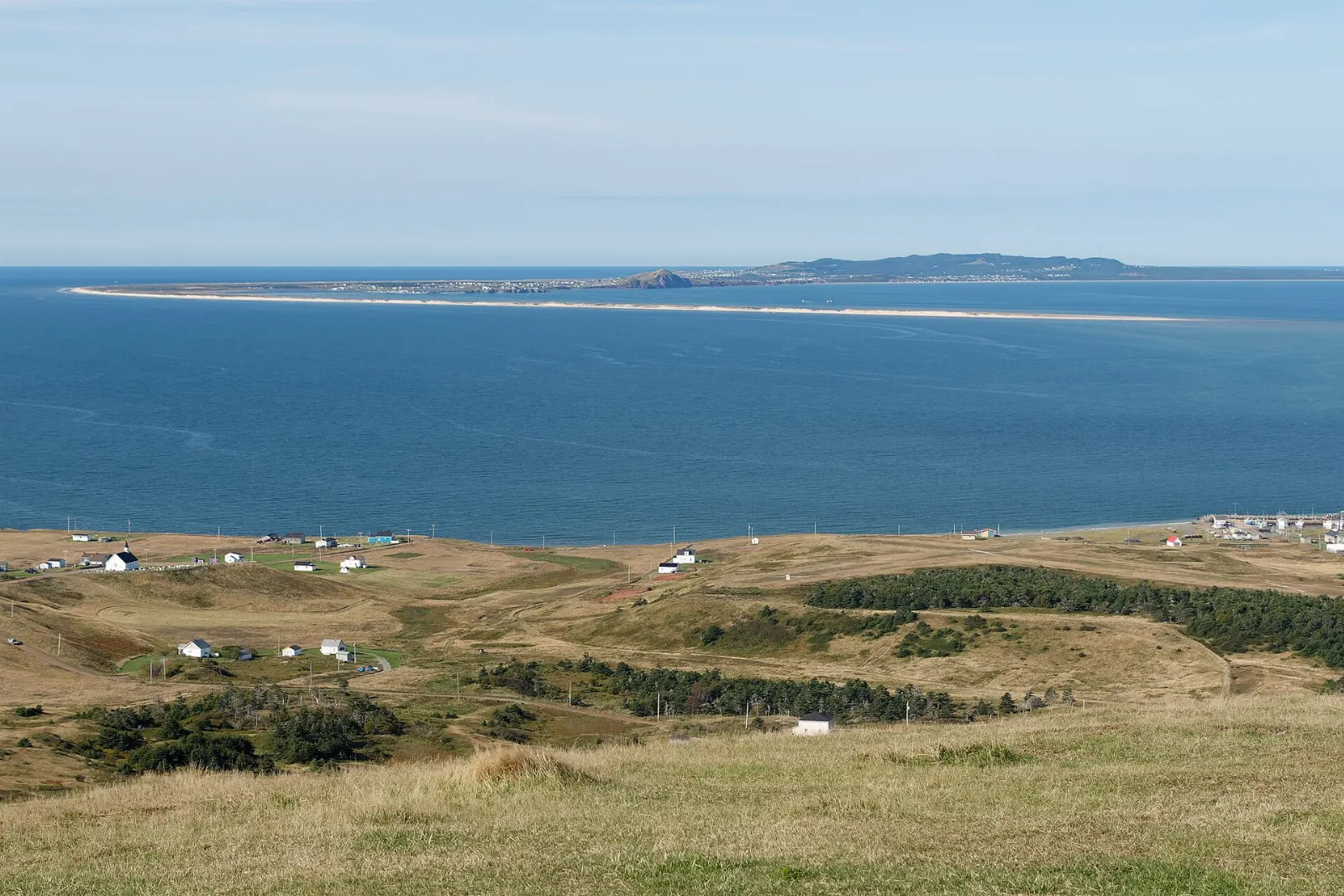
At the eastern end of Havre-Aubert, the Sandy Hook dune forms a long beach reaching toward Entry Island. The water warms up to about 18 degrees Celsius by mid-August, enough for a quick swim.
Sandy Hook dune stretches as a long beach toward Entry Island. Photo: Gilles Desjardins, Wikimedia Commons, CC BY-SA 4.0
Ad
Cap-aux-Meules and the central islands
Cap-aux-Meules
The only real town on the islands is the arrival point for the ferry and holds most services, including shops, banks and restaurants.
This island has the only airport and a maritime research center, and mussels are farmed in its waters.
Pointe-aux-Loups
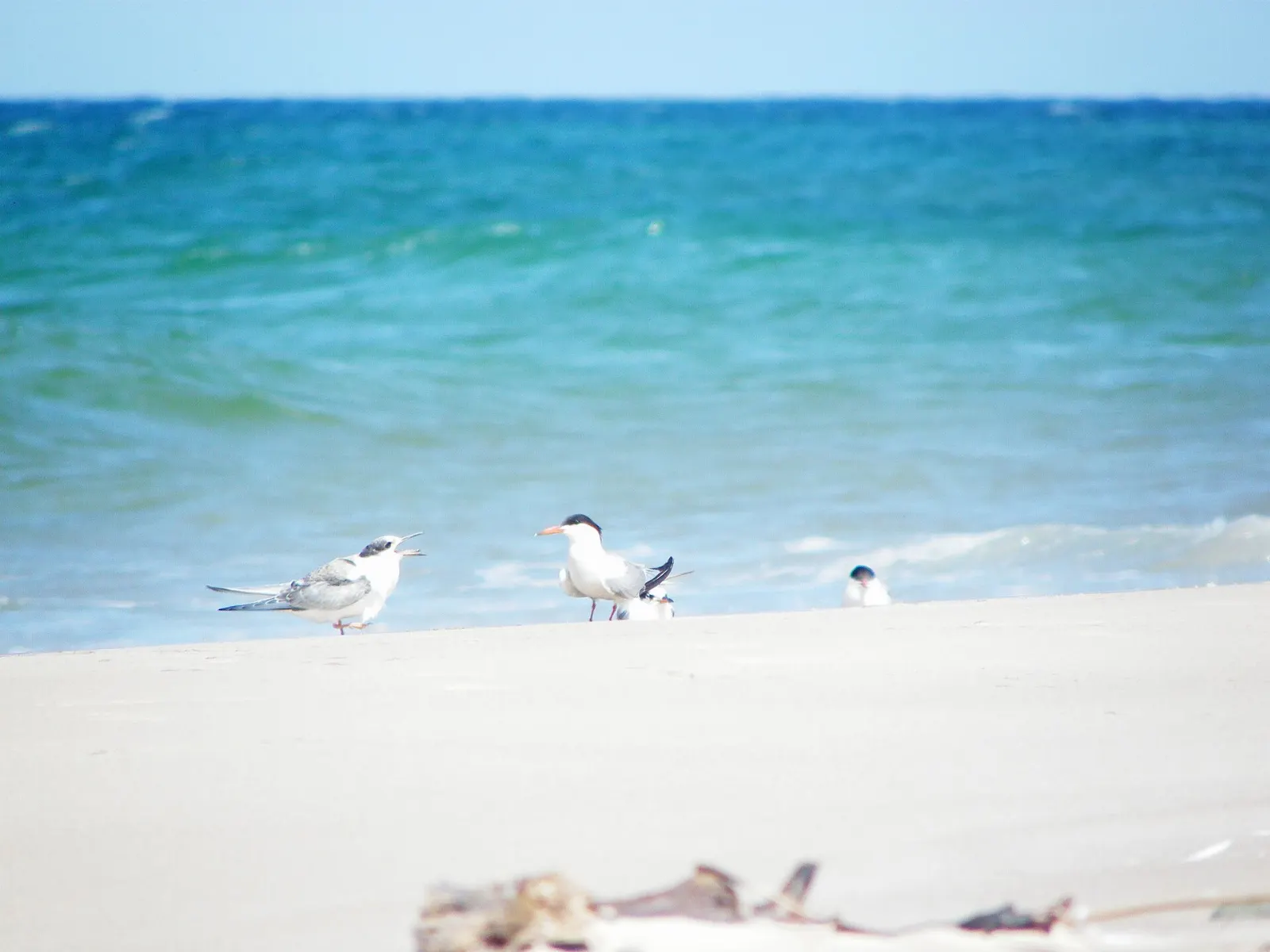
The island of Pointe-aux-Loups is known for its huge beaches, which feel wonderfully empty outside midsummer weekends. Allow an hour for a long walk along the dunes and bring a hat.
Pointe-aux-Loups is known for its huge beaches. Photo: Rozmador, Wikimedia Commons, CC BY-SA 3.0
The north and offshore islands
Grande-Entrée
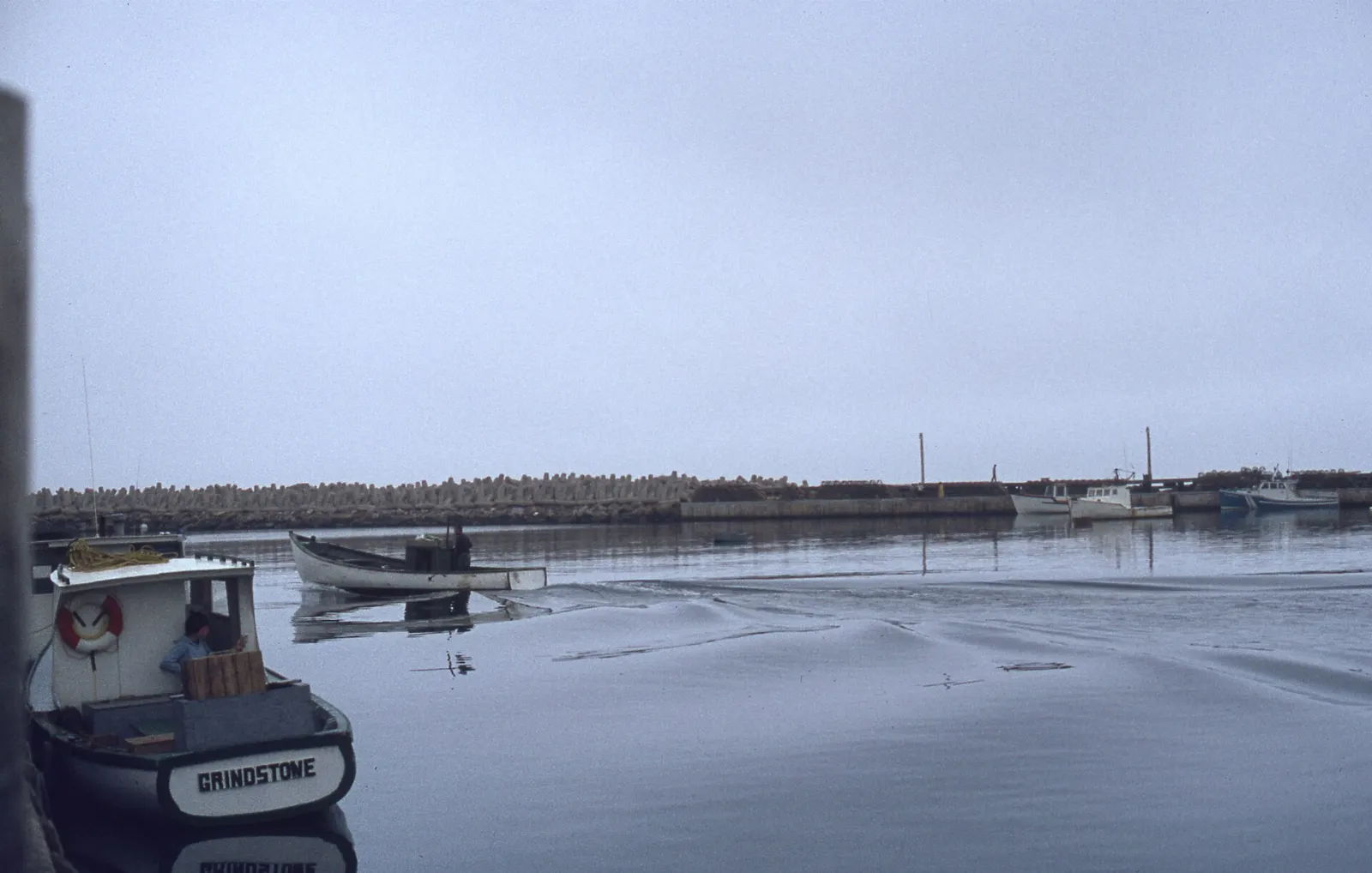
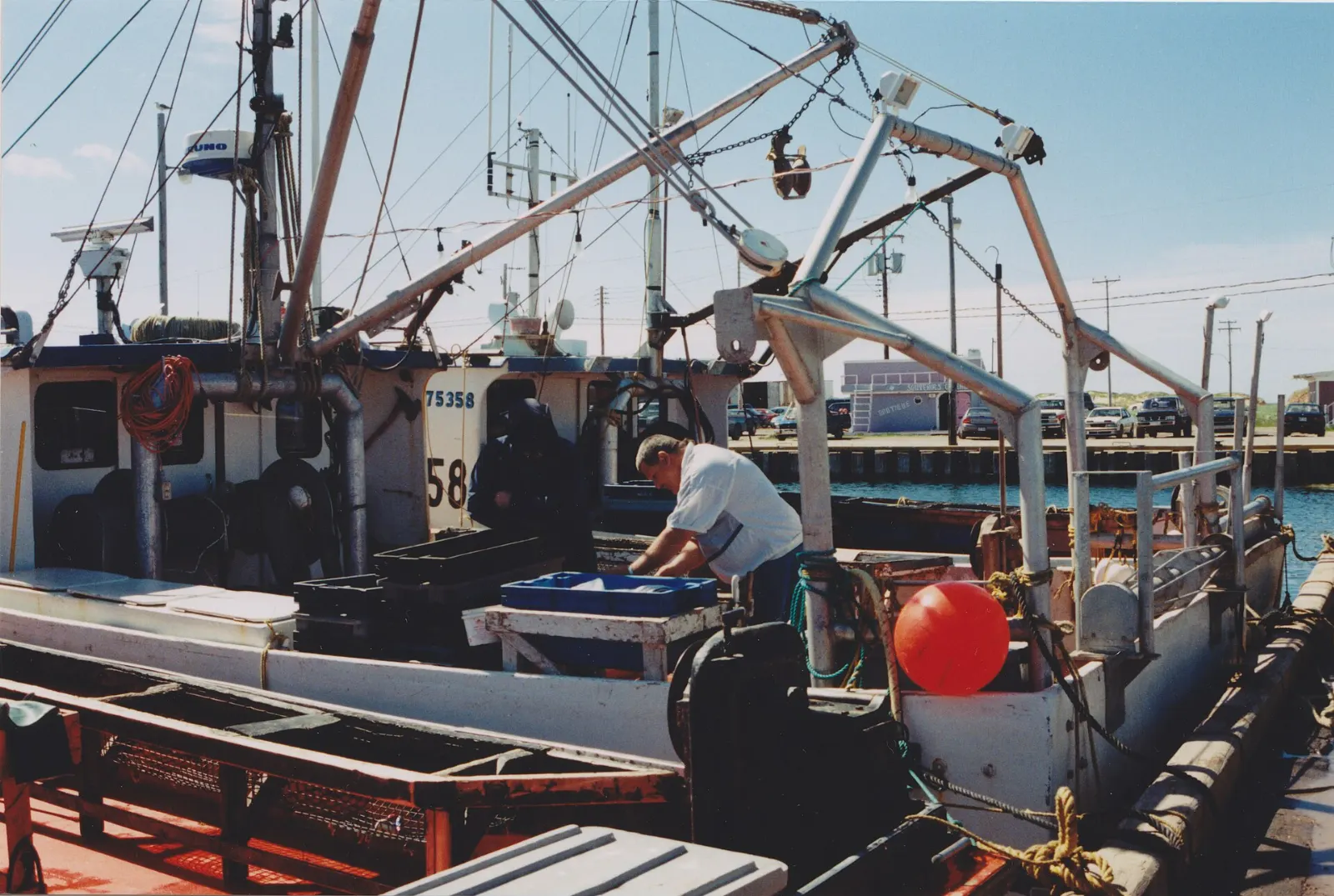
The northeastern village was named the lobster capital of Quebec in 1994, and it has an English-speaking community in neighboring Old Harry. Visit the harbor when boats come in and book a fresh seafood meal.
Grande-Entrée was named the lobster capital of Quebec in 1994. Photo: Nichole Ouellette, Wikimedia Commons, CC BY 4.0
Entry Island
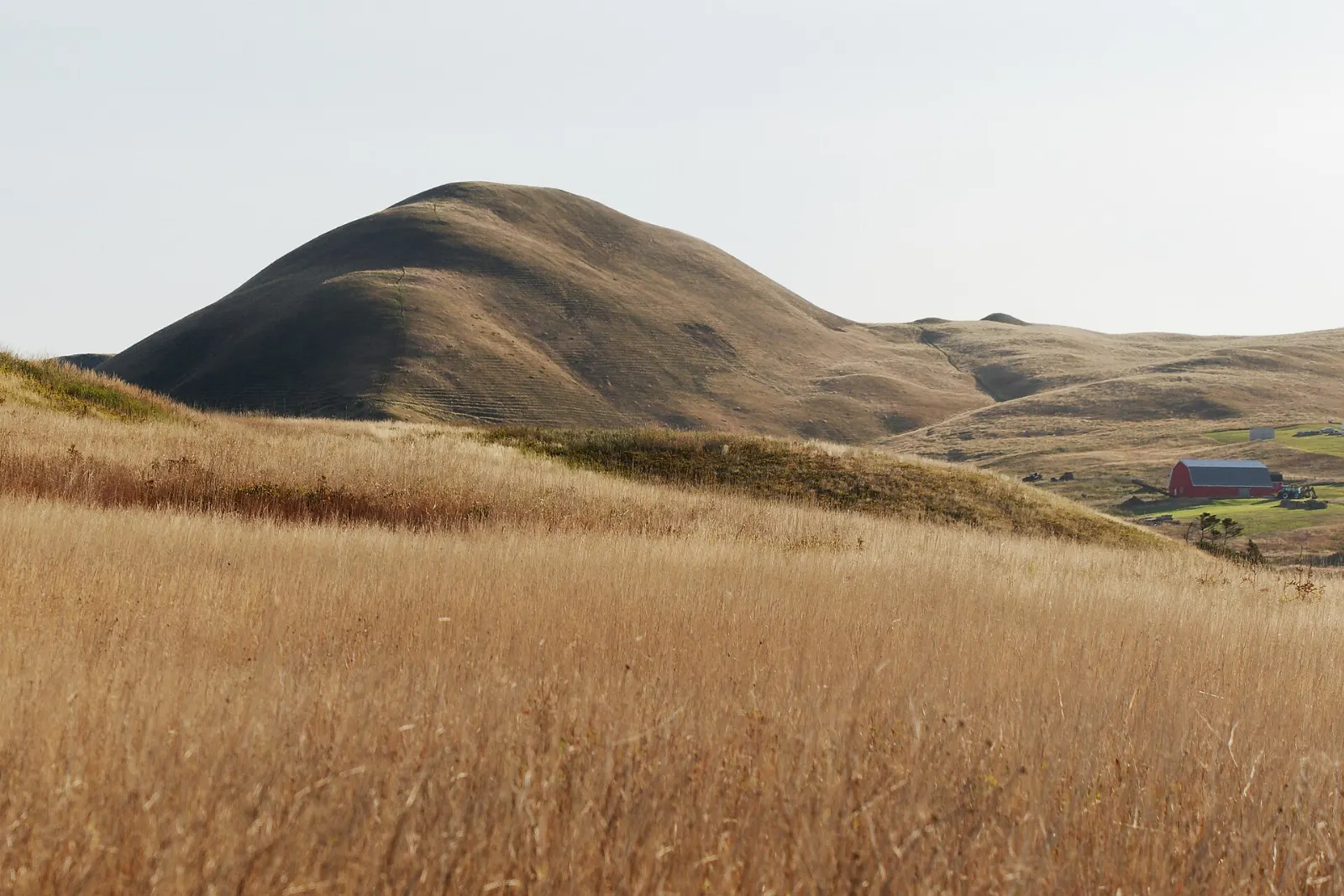
Île d'Entrée is the only inhabited island not joined to the others, and it is reached by local ferry.
Entry Island is the only inhabited island not linked by land to the others and is reached by ferry. Photo: Gilles Desjardins, Wikimedia Commons, CC BY-SA 4.0
Grosse-Île, Brion Island and Bird Rocks
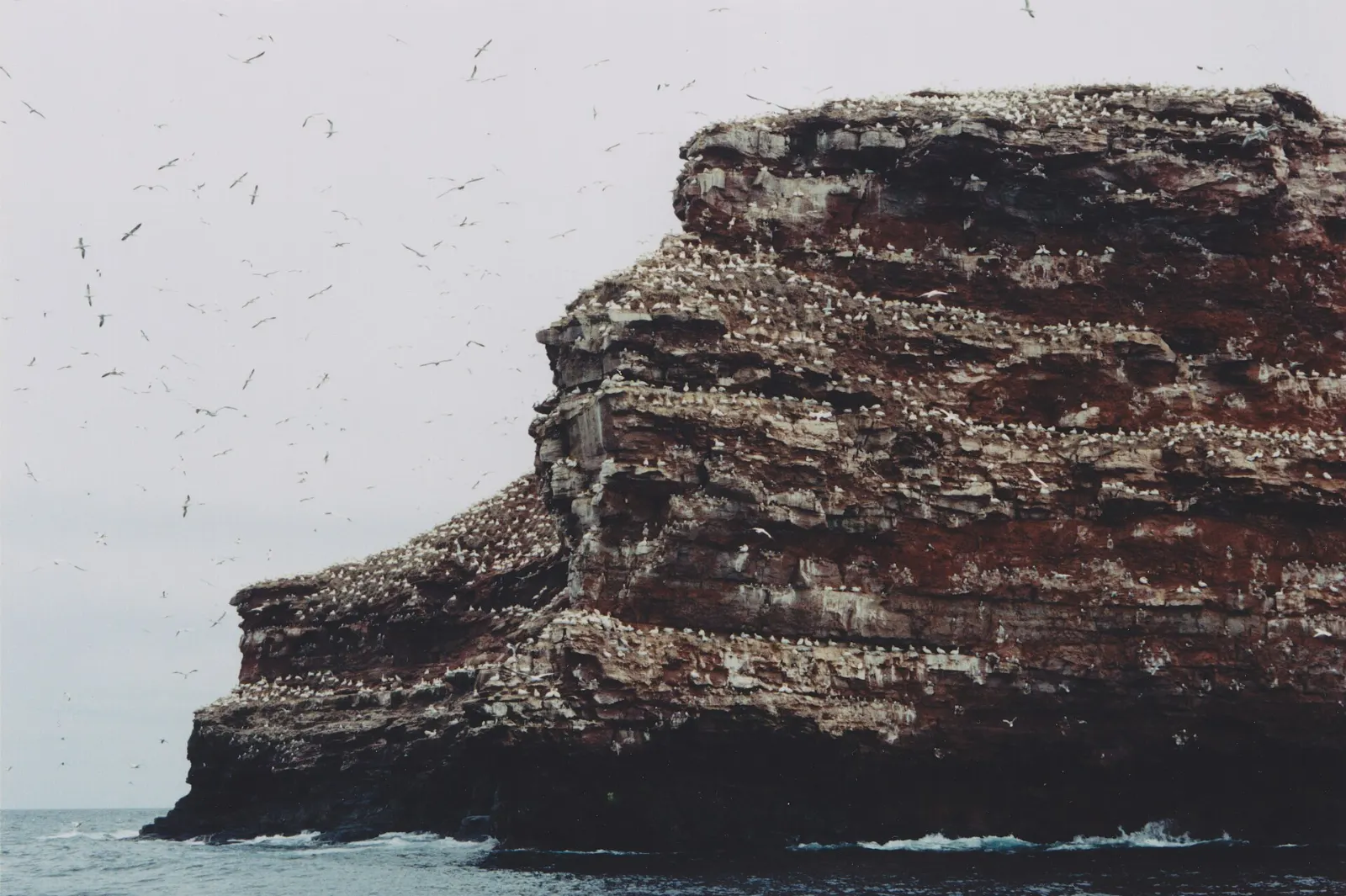
Grosse-Île holds the most important protected areas on the islands, and Brion Island is an ecological reserve.
Bird Rocks lie in the Gulf of St. Lawrence about 30 km from Grosse-Île. Photo: Nichole Ouellette, Wikimedia Commons, CC BY 4.0
Ad
Food and local flavors
Seafood defines the islands. Fresh lobster is best in early summer, and Grande-Entrée celebrates it. Pot-en-pot is a traditional seafood pie baked with a rich crust and is a must-try for first-time visitors.
Pied-de-Vent cheese comes from a local cheese factory on Havre-aux-Maisons, and the islands' microbrewery near Cap-aux-Meules brews beers from local ingredients, including a lager flavored with island herbs and flowers. A local products shop in Cap-aux-Meules is a good place to pick up gifts.
Popular dishes to try in Magdalen Islands
Lobster Fresh lobster is best in early summer, and Grande-Entrée celebrates it.Photo: Nick Ares, Wikimedia Commons, CC BY-SA 2.0Smoked herring Smoked herring, along with smoked scallops and mackerel, appears in shops and small restaurants.Photo: Daderot, Wikimedia Commons, CC0Pied-de-Vent cheese Pied-de-Vent cheese comes from a local cheese factory on Havre-aux-Maisons, and the islands' microbrewery near Cap-aux-Meules brews beers from local ingredients, including a…Photo: Gilles Desjardins, Wikimedia Commons, CC BY-SA 4.0
Where to stay
Cap-aux-Meules is the most practical base, with the widest range of restaurants, shops, bike rentals and tour operators, as well as the ferry terminal.
Havre-Aubert is the most charming choice, with La Grave, beaches and sunset views close by. It suits couples and travelers who like quiet evenings and old-fashioned atmosphere.
Grande-Entrée is the place for seafood lovers and anyone heading to Entry Island or the northern beaches. It is less lively but very scenic.
Where to stay in Magdalen Islands
Cap-aux-Meules Where to stayCap-aux-Meules is the most practical base, with the widest range of restaurants, shops, bike rentals and tour operators, as well as the ferry terminal.Photo: Larry from Charlottetown, PEI, Canada, Wikimedia Commons, CC BY 2.0Havre-Aubert Havre-Aubert is the most charming choice, with La Grave, beaches and sunset views close by.Photo: Nichole Ouellette, Wikimedia Commons, CC BY 4.0Grande-Entrée Grande-Entrée is the place for seafood lovers and anyone heading to Entry Island or the northern beaches.Photo: Nichole Ouellette/G. Lapointe, Wikimedia Commons, CC BY 4.0
Ad
Best time to visit
The main season runs from late June to early September. Water temperatures peak in August, and the lobster season is early summer.
In winter, a popular activity is to observe young seals on the ice floes, though services are limited and the weather is harsh. In December, the historic village of La Grave is lit up for its Christmas market, called Village de Noël, and transforms the waterfront.
Getting there and getting around
The islands are not the easiest place to reach. The ferry from Souris on Prince Edward Island arrives at Cap-aux-Meules after about five hours and needs a reservation, with a weekly cargo and passenger boat from Montreal, Quebec City and Chandler.
A rental car is the best way to move around, using the main road, Route 199. Cycling works too, with a paved shoulder along much of the route, though winds are strong.
Atlantic time applies, an hour ahead of the rest of Quebec. Fill up fuel and cash before arrival.
Ad
A suggested itinerary
First day
Arrive by ferry or plane, settle in Cap-aux-Meules and drive south to Havre-Aubert for La Grave, the museum and sunset on the dune.
Second day
Drive north through the central islands, visit the cheese factory and Pointe-aux-Loups beach, then reach Grande-Entrée for a lobster or pot-en-pot dinner.
Third day
Take the local ferry to Entry Island for hiking, or join a boat excursion to Bird Rock and Brion Island if conditions are calm.
Practical tips
Reserve the ferry, rental car and lodging as early as possible for July and August.
Learn a few French phrases, which are warmly appreciated.
Pack windproof layers, because the wind is constant and the air can feel cool.
Stay back from cliff edges, which are eroded and can collapse.
Bring cash and fill your fuel tank before leaving the mainland.