
Trois-Rivières, Quebec · Travel guide
Trois-Rivières Quebec Old Quarter and Historic Forges
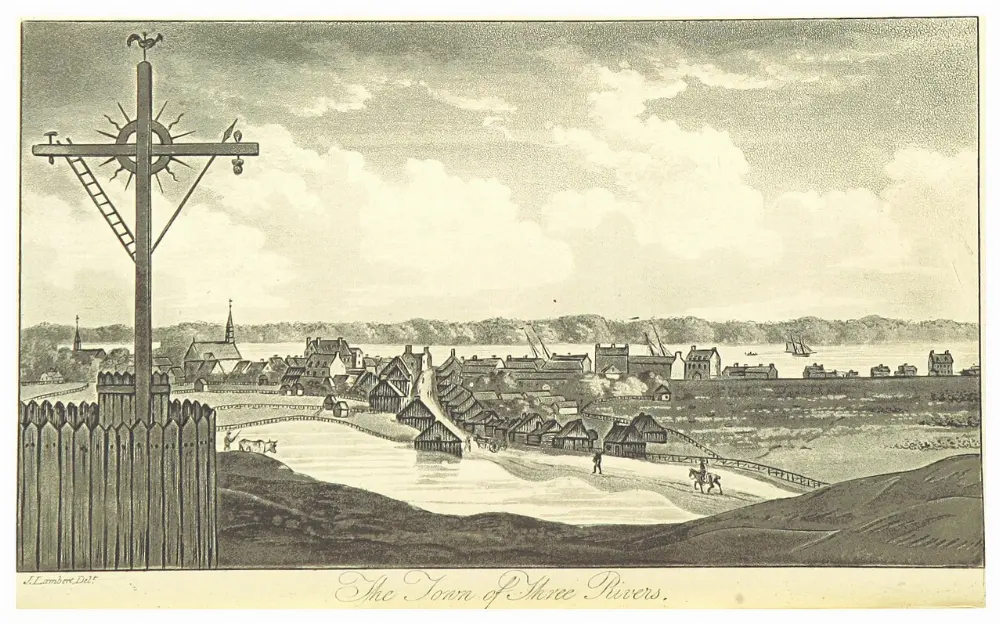
Trois-Rivières sits where the Saint-Maurice River meets the Saint Lawrence, roughly halfway between Montreal and Quebec City. Founded in 1634, it is one of the oldest towns in North America to have been settled by the French, and it rewards anyone willing to leave the highway.
At a glance Trois-Rivières
- Best timeLate spring to early autumn for festivals and river walks, with a colorful September.
- How longOne full day covers the old quarter and museums, two days adds the Forges and the shrine.
- Getting thereAutoroute 40 or the intercity bus between Montreal and Quebec City both stop here.
Ad
Why visit Trois-Rivières
The city is compact, walkable and proudly historic. The old quarter survived the great fire of 1908 that destroyed much of the town, so its 18th and 19th century houses still line the streets near the river.
It also makes an easy stopover. Many travelers pass it on the way between the two big cities, but a day or two here gives you a calmer, more local side of the Saint Lawrence. Most sights sit within a short drive of each other, which keeps the logistics simple and leaves time for a long lunch by the river.
The old quarter and its museums
Manoir Boucher de Niverville
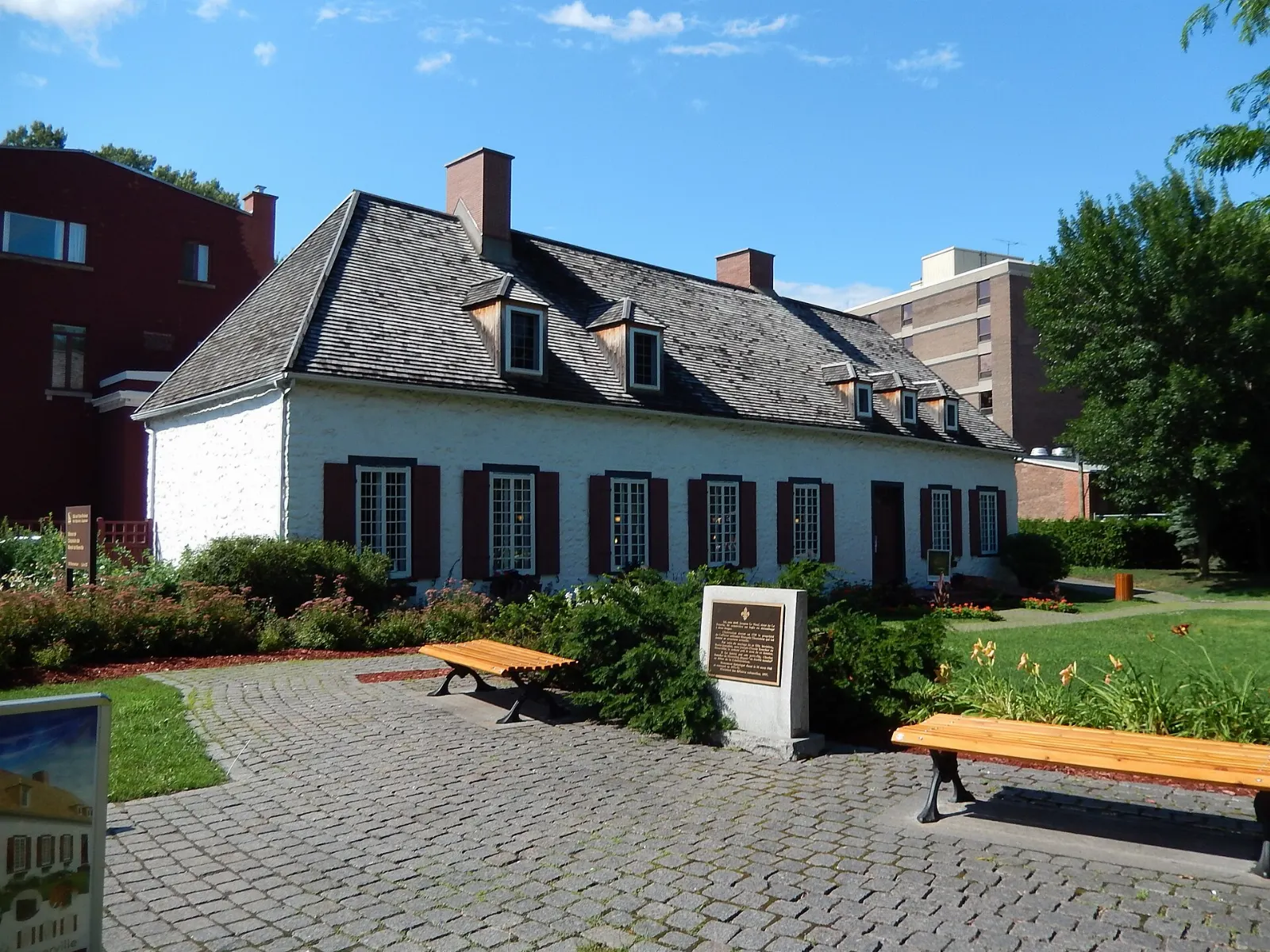
On Rue Bonaventure you will find the manor generally described as the oldest building in the city, dating from around 1668. Its exhibits explain daily life in New France, from politics to manners and customs.
The manor dates from around 1668 and is described as the oldest building in the city. Photo: Fralambert, Wikimedia Commons, CC BY-SA 3.0
Musée des Ursulines
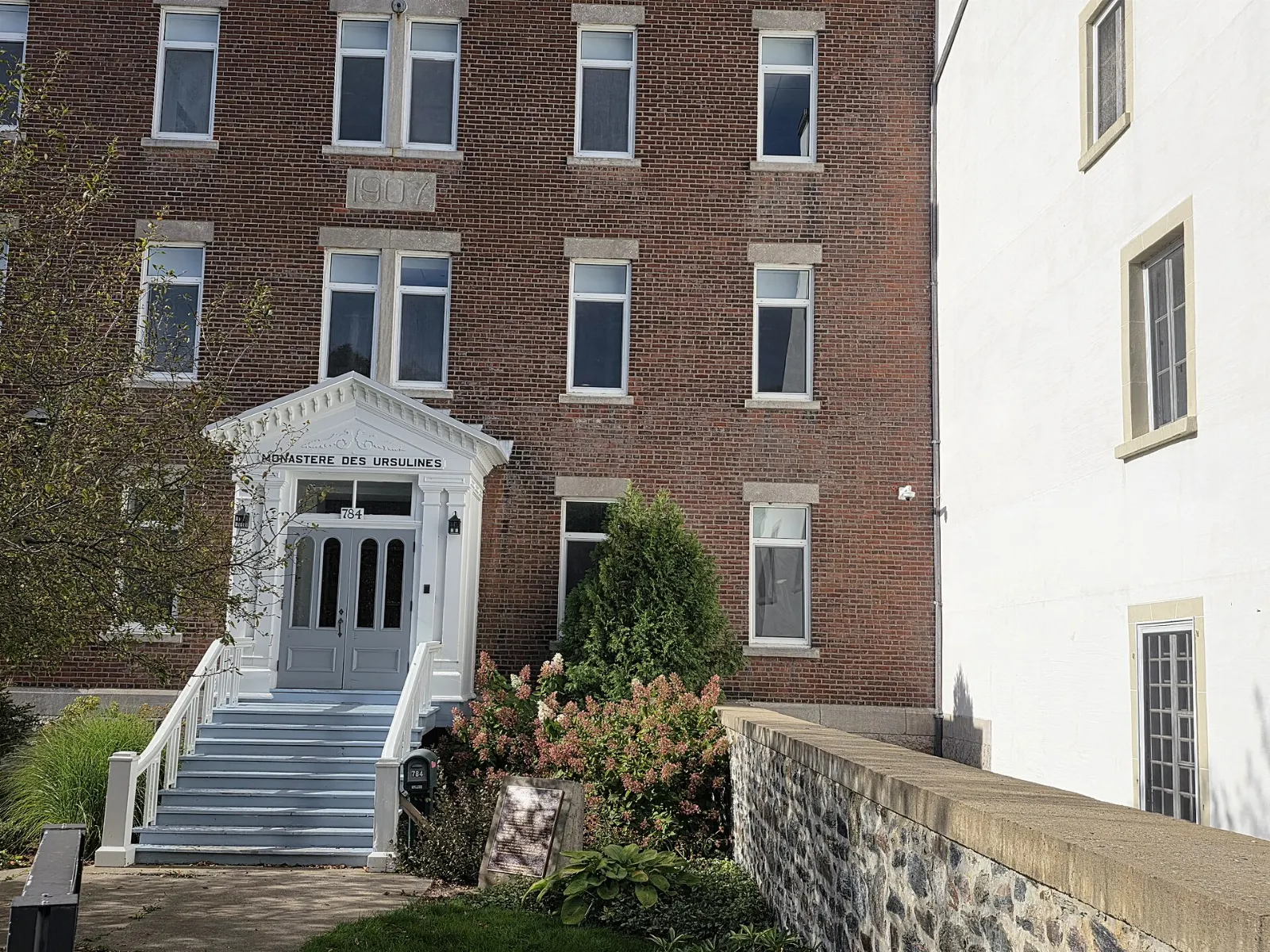
The Ursuline community arrived in the 1600s and shaped education here for centuries. The museum is a calm stop that pairs well with a stroll along Rue des Ursulines.
Musée québécois de culture populaire
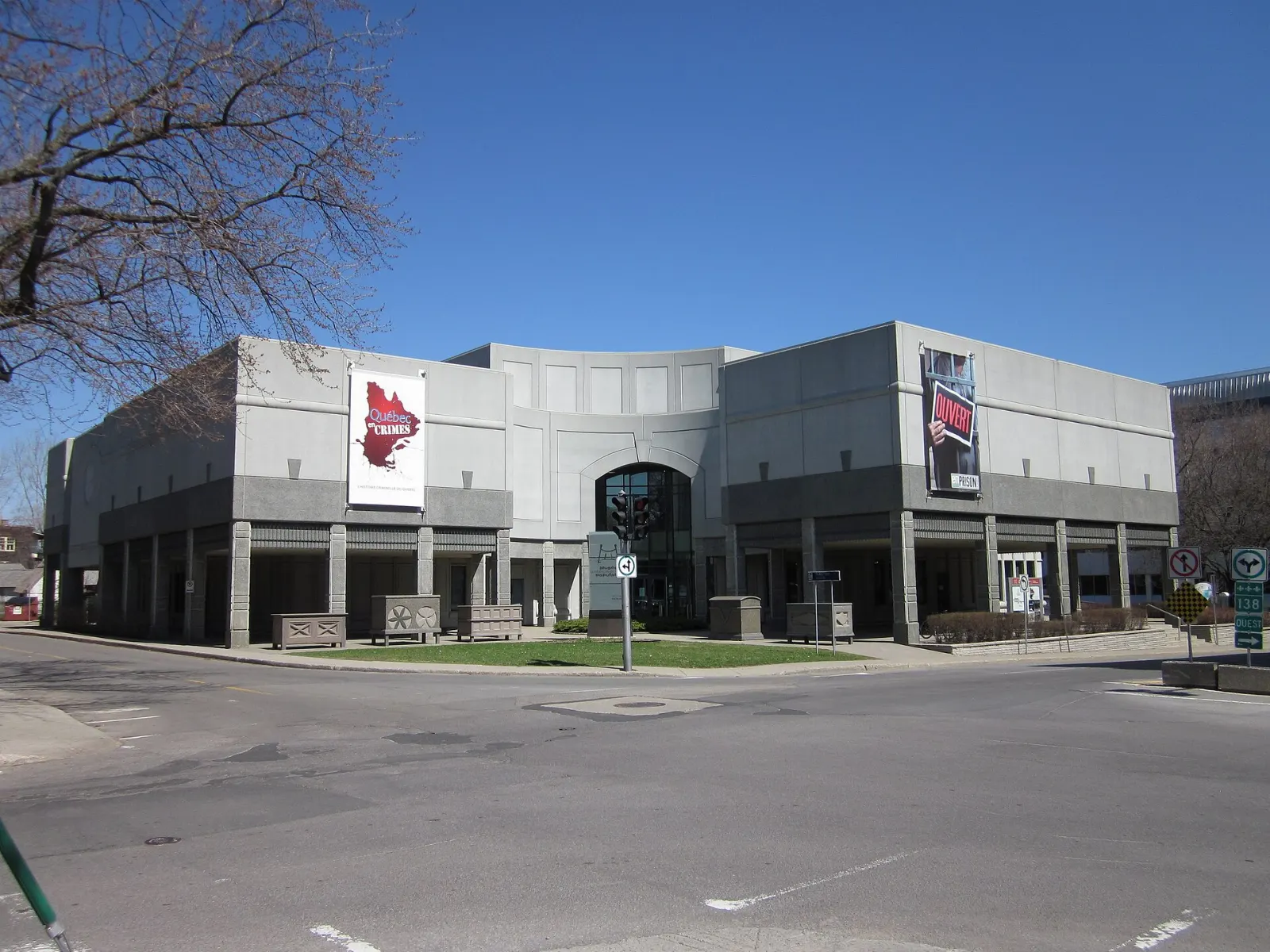
This museum on Rue Laviolette is known for bold exhibitions in a distinctly Quebec style, and it sometimes opens its storage area so you can see part of the collection. Plan about ninety minutes.
The Musée québécois de culture populaire stands on Rue Laviolette. Photo: Fralambert, Wikimedia Commons, CC BY-SA 3.0
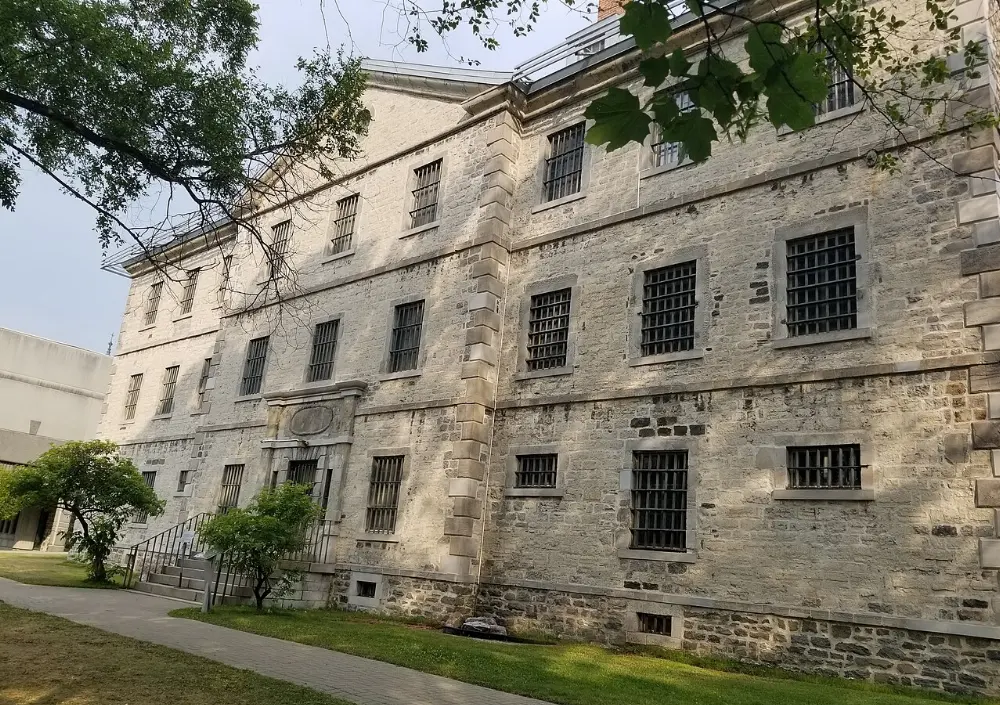
Old Prison of Trois-Rivières
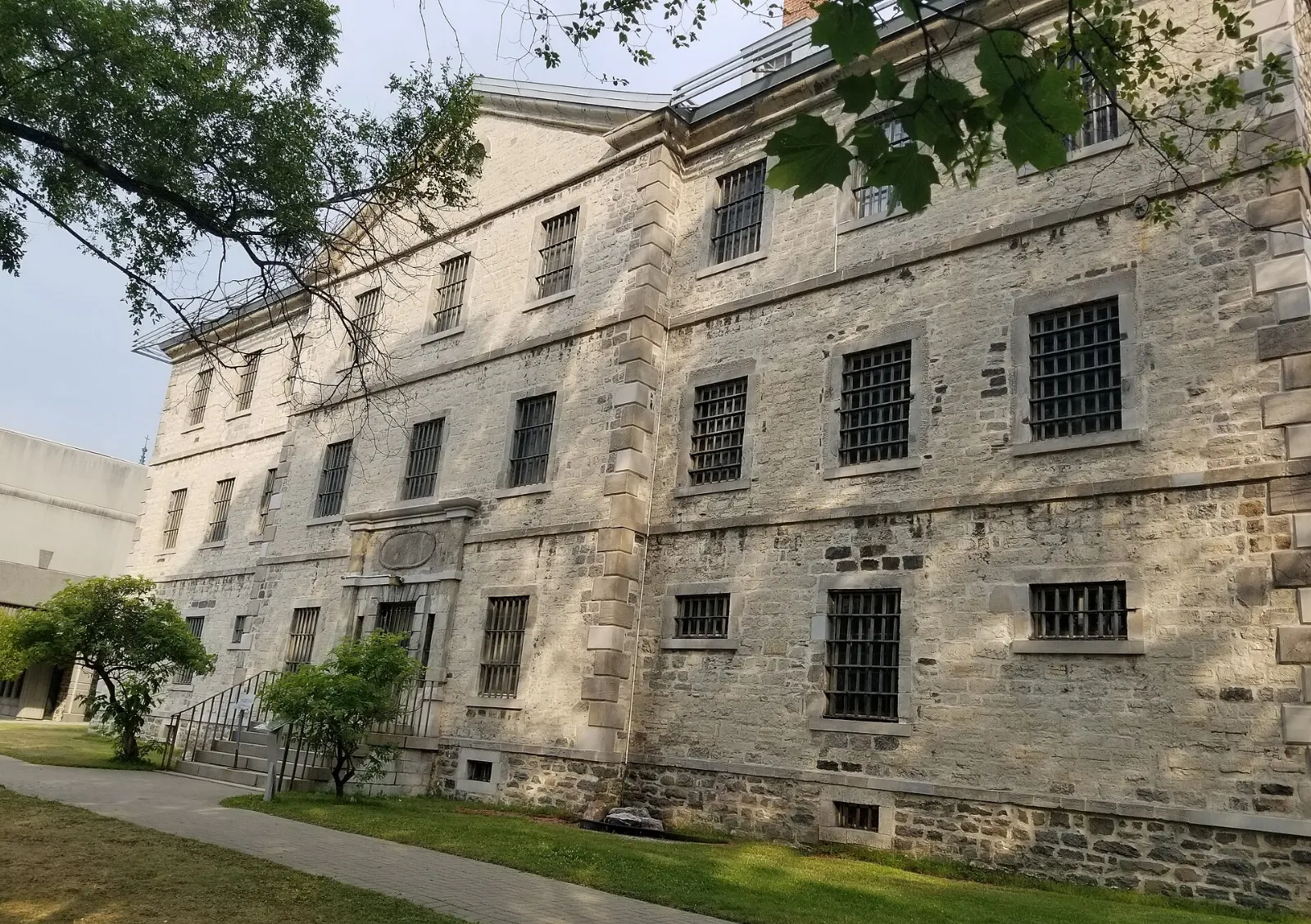
Next door, the former prison operated from 1822 to 1986 and is now a classified historic monument. Its guided visit, led by former inmates, takes you through cells and solitary confinement.
The Old Prison operated from 1822 to 1986 and is now a historic monument and museum. Photo: Claire Plourde, Wikimedia Commons, CC BY-SA 4.0
Borealis
Housed in a former paper mill filtration plant, Borealis tells the story of the pulp and paper industry that built much of the region. Allow an hour, and consider it if you enjoy industrial heritage.
Ad
Heritage sites and the river
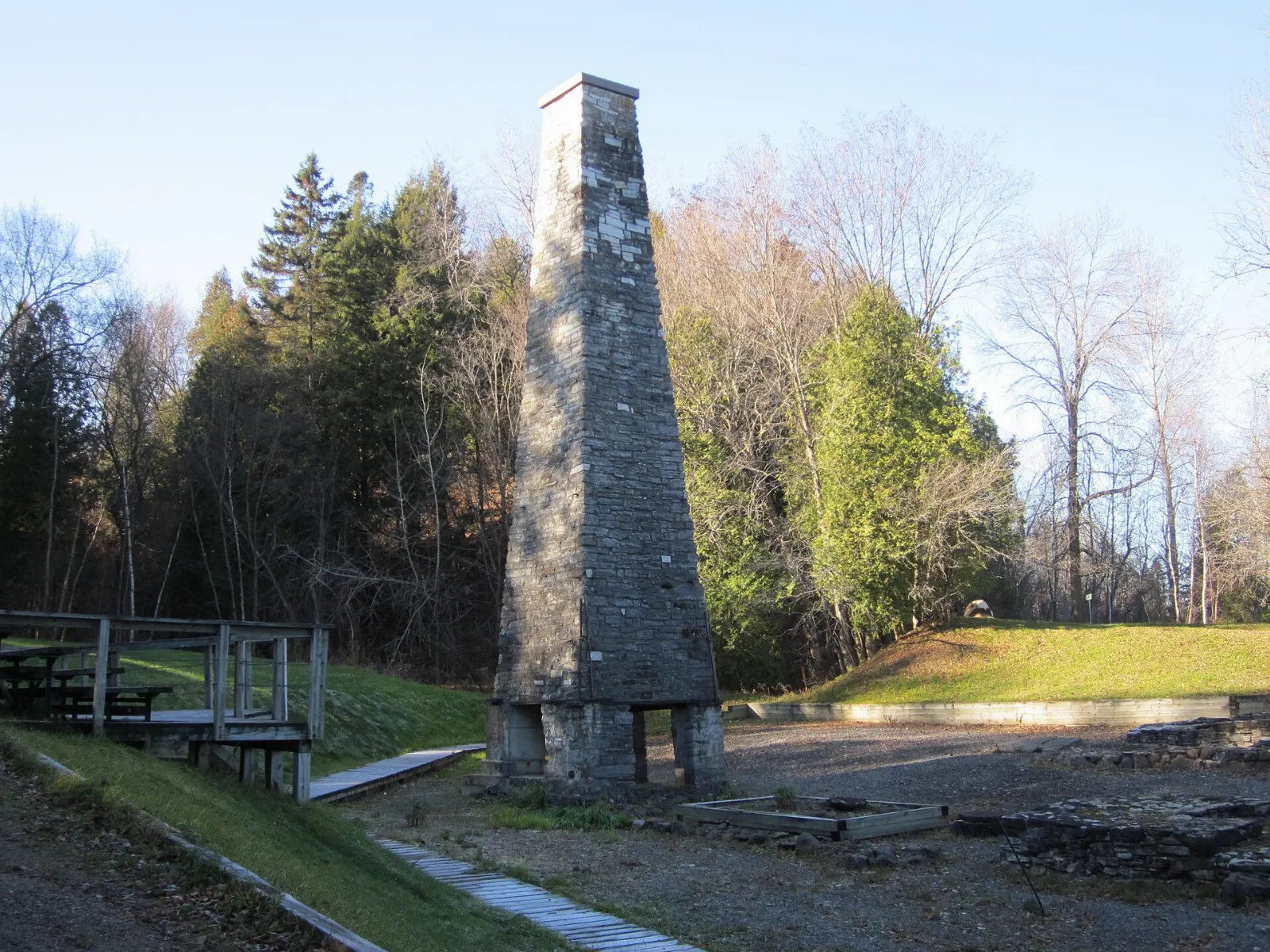
Forges du Saint-Maurice National Historic Site
North of downtown, this was the first ironworks in New France and the starting point of heavy industry in Canada. The archaeological remains and exhibits make it a rewarding half-day visit.
The Forges du Saint-Maurice were the first successful ironworks in New France. Photo: Fralambert, Wikimedia Commons, CC BY-SA 3.0
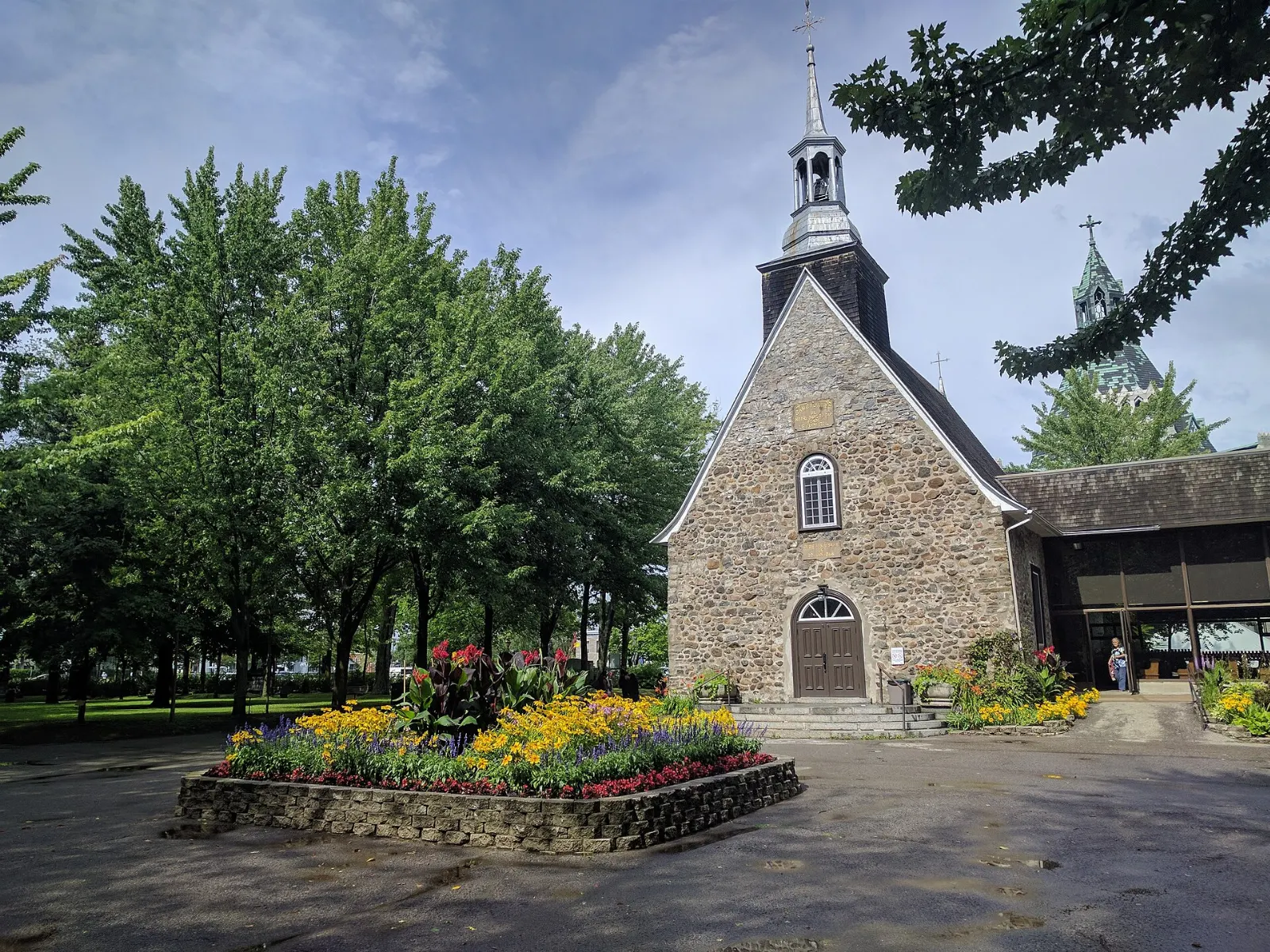
Our Lady of the Cape Shrine
This Catholic pilgrimage site lies on the Saint Lawrence east of the city center.
The shrine of Notre-Dame-du-Cap is a pilgrimage site east of downtown Trois-Rivières. Photo: jockrutherford from Owen Sound, ON, Wikimedia Commons, CC BY-SA 2.0
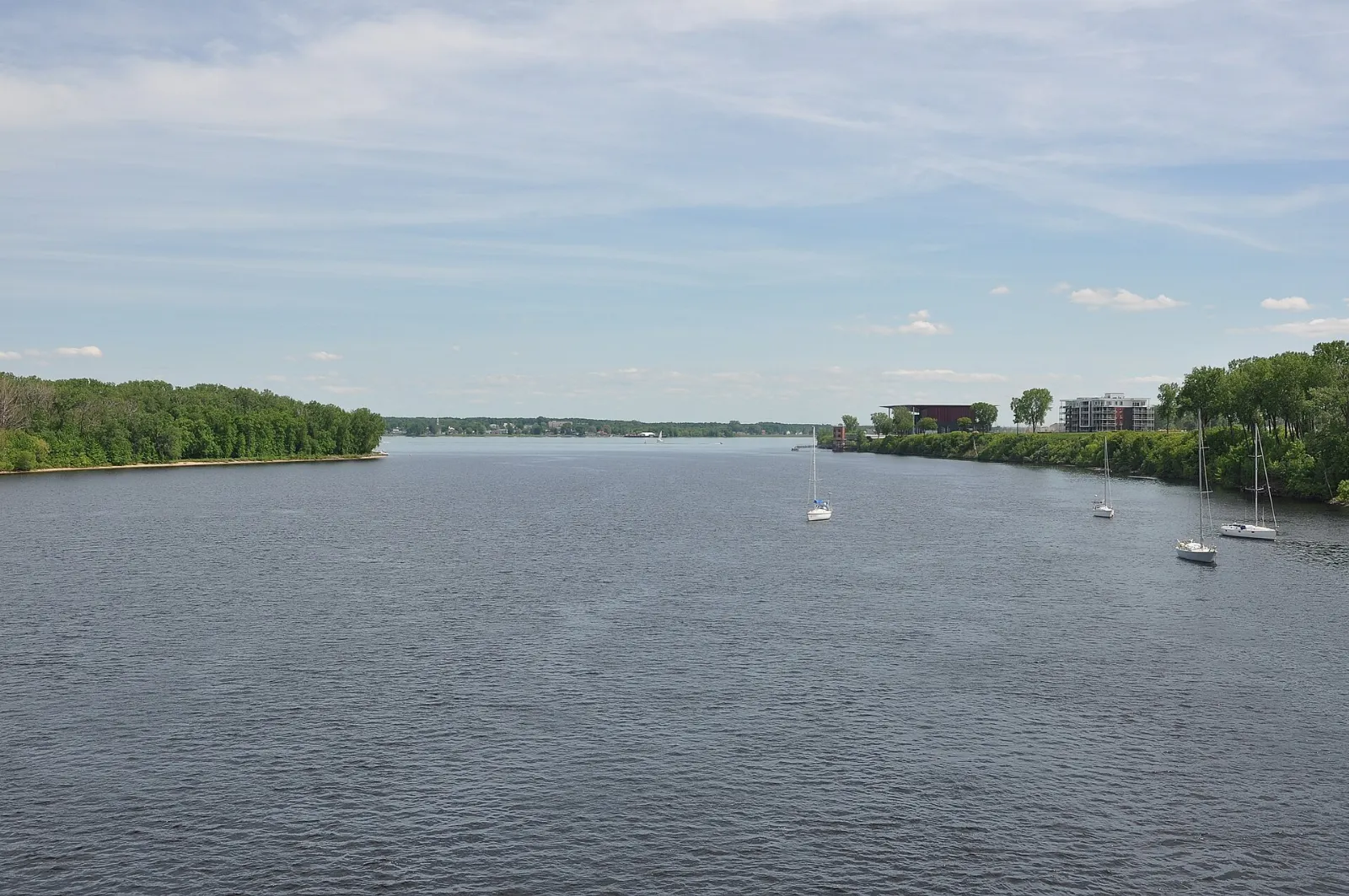
Parc de l'île Saint-Quentin
Jacques Cartier is said to have planted a cross on this island in 1535. Today it is a riverside park for walking and cycling, where you can rent bikes and sleds by the hour.
Île Saint-Quentin is a riverside park with walking and cycling trails. Photo: Robert Cutts, Wikimedia Commons, CC BY 2.0
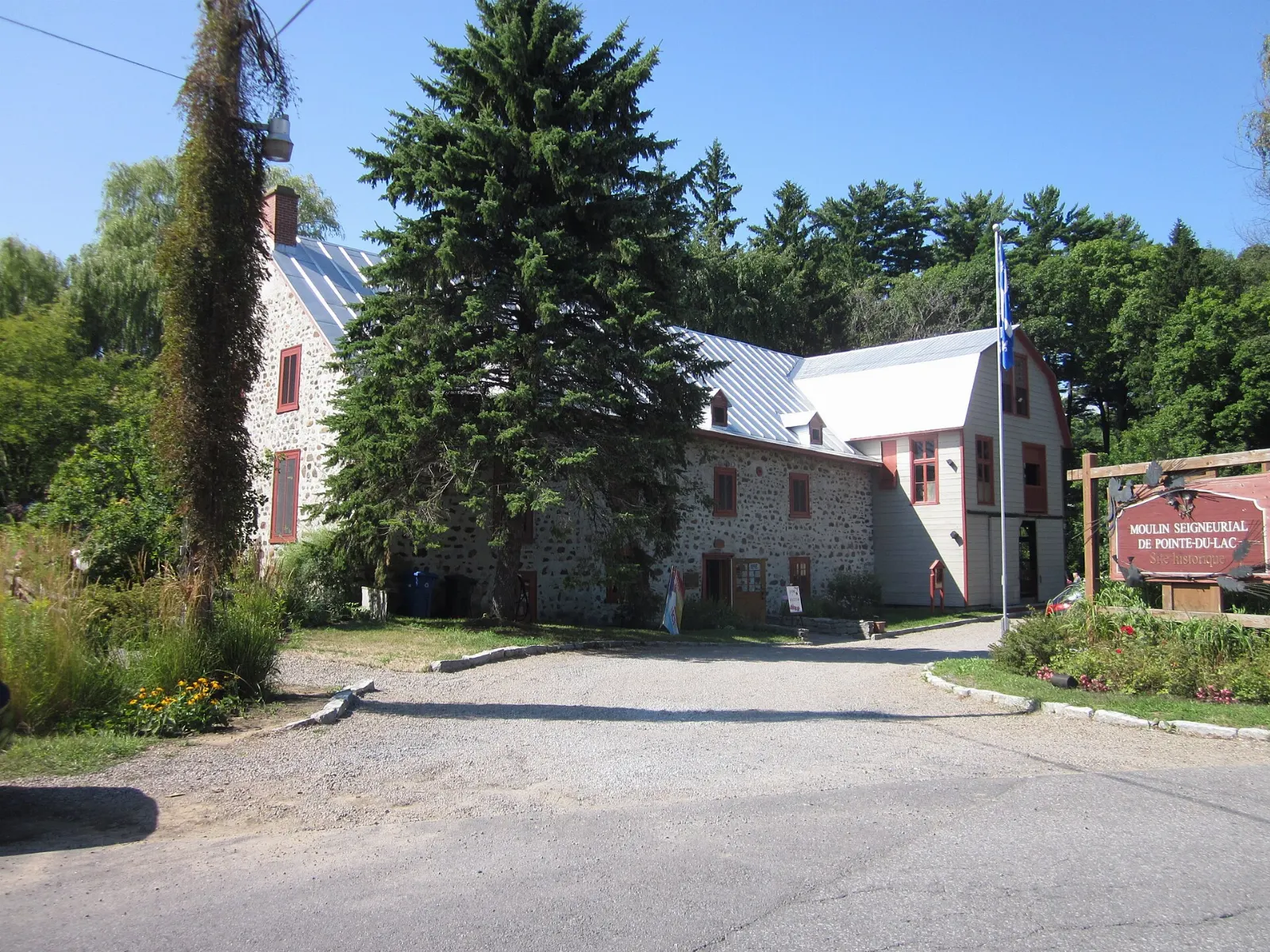
Moulin seigneurial de Tonnancour
West of downtown, this 18th century flour mill and sawmill still has hydraulic mechanisms in working order. An art gallery in the miller's house adds a cultural note.
The 18th century Tonnancour mill still has working hydraulic mechanisms. Photo: Fralambert, Wikimedia Commons, CC BY 3.0
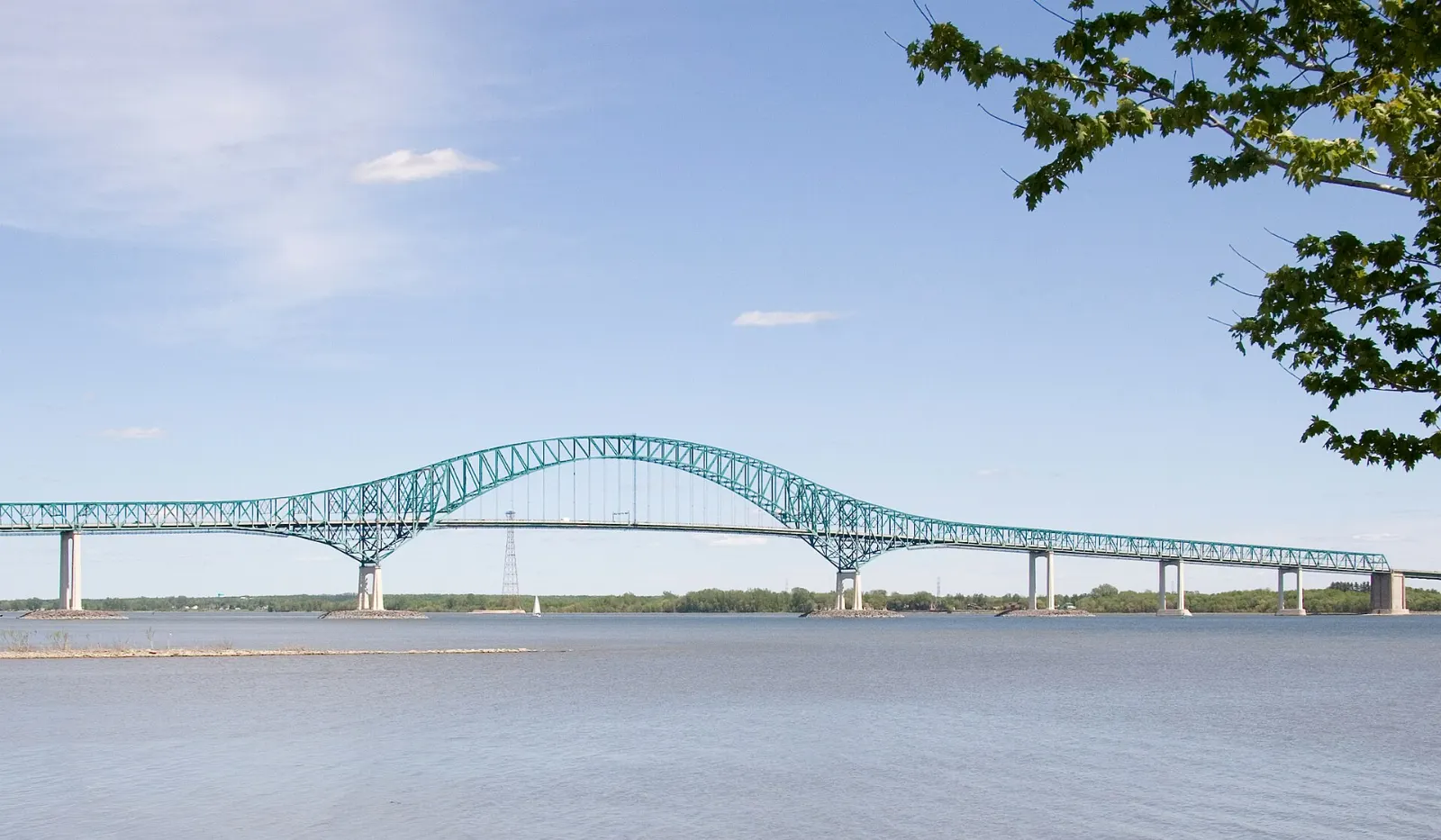
Laviolette Bridge
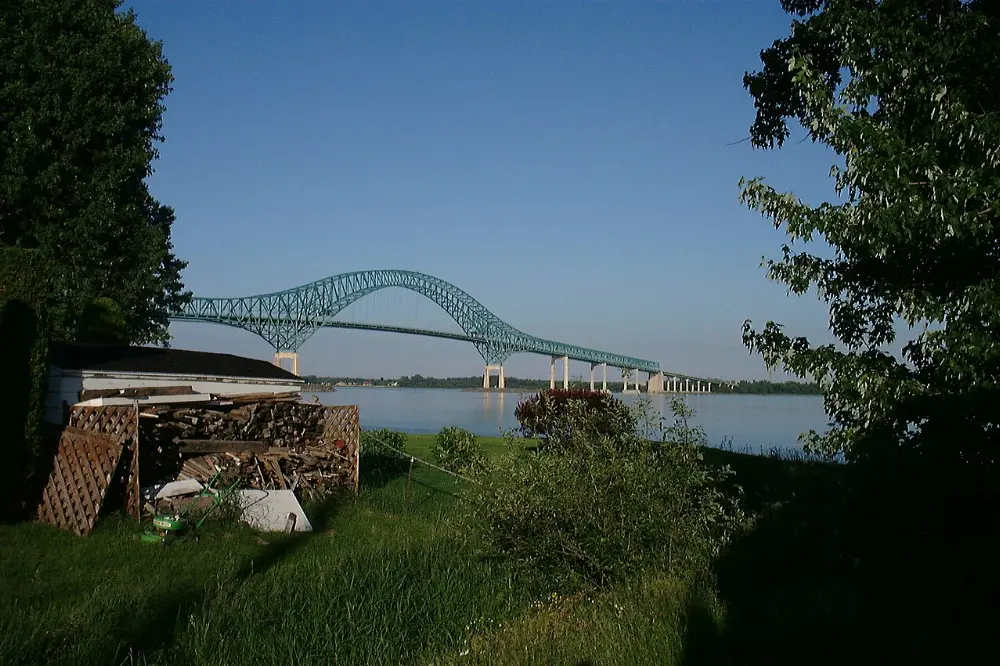
The arch bridge to Bécancour, opened in 1967, is the only crossing of the Saint Lawrence between Montreal and Quebec City. It makes a striking landmark from the waterfront, especially at dusk.
The Laviolette Bridge links Trois-Rivières to Bécancour and opened in 1967. Photo: KimonBerlin, Wikimedia Commons, CC BY-SA 2.0
Food and local flavors
Trois-Rivières eats in the Quebec tradition, and a small diner culture still thrives. Order fèves au lard, baked beans slow cooked with bacon and molasses or maple syrup, at a retro breakfast counter such as Binerie Chik on Rue Royale.
For atmosphere, Le Sacristain serves soups and grilled sandwiches in a former church, and the bar strip along Rue des Forges is the place for local beer. Try a craft brewery such as Archibald Microbrasserie if you want a pint with live music.
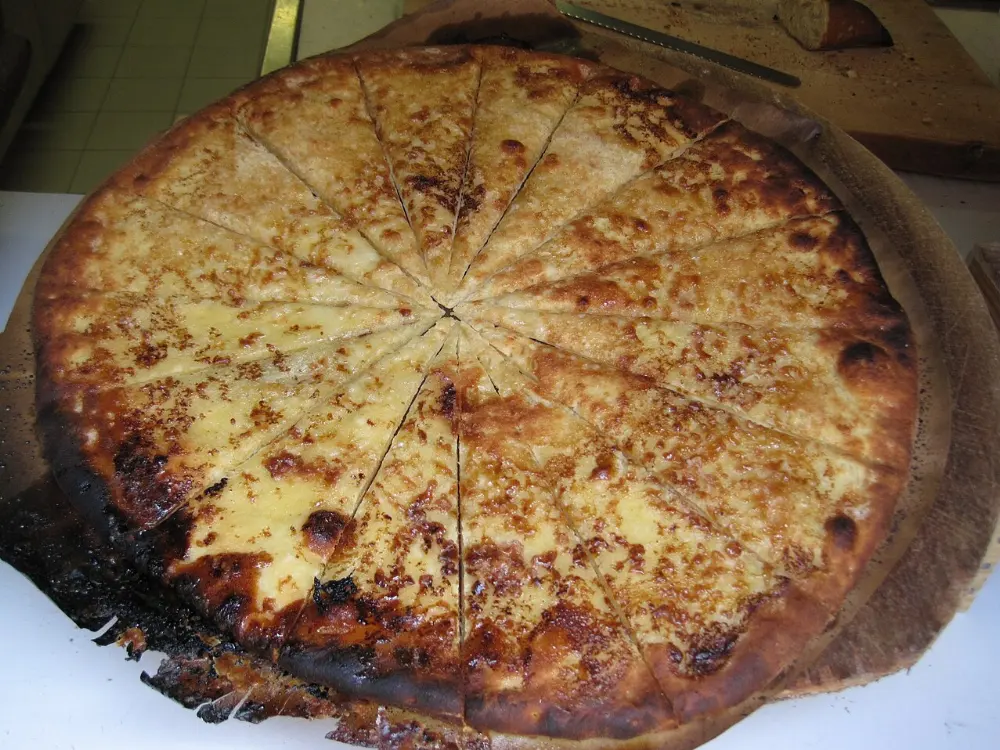
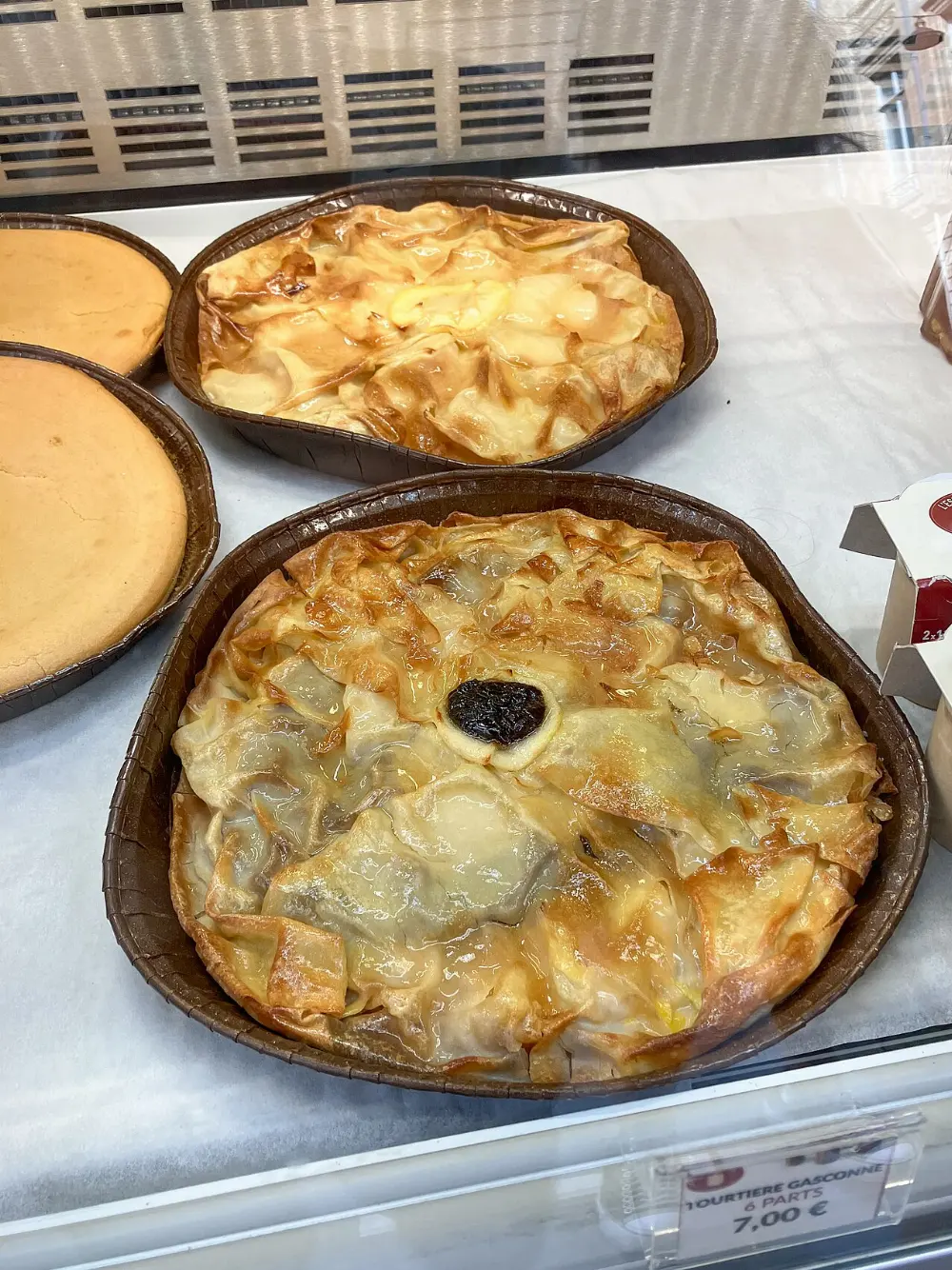
Popular dishes to try in Trois-Rivières

Ad
Where to stay
Pick your base by how you travel.
The Downtown near Rue des Forges area works well for travelers who want restaurants and bars close at hand, along with easy access to the bus network. It is also practical if you arrive by intercity coach.
Bécancour, across the Laviolette Bridge, is the quieter choice for travelers with a car who prefer a resort-style stay with a spa and golf, about ten minutes' drive from the city.
Where to stay in Trois-Rivières
Best time to visit
Summer is the busiest and most festive season. Early August brings the Grand Prix de Trois-Rivières, the largest motor racing event held on an urban circuit in the Americas, and the city also hosts music and poetry festivals through the warm months.
September is calm, with cooler air and fall color along the river. Winters are cold and snowy, but Île Saint-Quentin turns to skating trails, and the city is quiet.
Ad
Getting there and getting around
Trois-Rivières lies about 130 km from Montreal and 120 km from Quebec City on the north shore, and Autoroute 40 passes through town.
Orléans Express runs buses several times a day between Montreal and Quebec City with a stop here. Local airfield YRQ handles private aircraft only, so commercial travelers fly into Montreal or Quebec City instead.
Once in town, the old quarter and waterfront are easily walkable. The Société de transport de Trois-Rivières runs local buses, and taxis and Uber are available.
A suggested itinerary
First day
Spend the morning in Old Trois-Rivières, then visit the Manoir Boucher de Niverville and the Ursuline museum. After lunch, tour the Old Prison and the popular culture museum, and finish with dinner and a drink along Rue des Forges.
Second day
Head north to the Forges du Saint-Maurice in the morning, then drive east to Our Lady of the Cape Shrine.
Ad
Practical tips
- Check seasonal opening periods for the Forges and the museums on their official websites before you go.
- Book the Old Prison tour ahead during summer weekends.
- Wear comfortable shoes, since the old quarter is best explored on foot.
- Reserve accommodation early for the Grand Prix weekends in August.
- Learn a few French phrases, as service in French is the norm outside the main attractions.
 WISERMAP PLACETrois-Rivières: photos, reviews & things to doSee traveler photos and reviews, or share your own →
More places to visit
All travel guides →
Wendake, Quebec
Wendake Quebec Huron-Wendat Village and Kabir Kouba Falls
Sherbrooke, Quebec
Sherbrooke Quebec Lac des Nations and Eastern Townships
Eastern Townships, Quebec
Eastern Townships Quebec Lakes Vineyards and Stargazing
Charlevoix, Quebec
Charlevoix Quebec Baie-Saint-Paul Galleries and Le Massif
North Hatley, Quebec
North Hatley Quebec Lake Massawippi and Summer Theatre
Mont-Tremblant, Quebec