Sherbrooke is the largest city in the Eastern Townships, a university town where the Magog and Saint-François rivers meet.
AT A GLANCE
Best time
June to September for festivals and parks, or winter for snow and carnival.
How long
Two days covers the museums, lake and river parks, with a third for day trips.
Getting there
Take a bus from Montreal in about two hours or drive east on Autoroute 10.
Why visit Sherbrooke
Sherbrooke grew around the power of the Magog River. The loyalist Gilbert Hyatt dammed it in the early nineteenth century, a mill village called Hyatt's Mills followed, and in 1818 it was renamed after Governor General Sir John Sherbrooke.
Today the city is a university hub with a young population, and its eight educational institutions give it more students per resident than almost anywhere in Quebec.
The setting helps too. Mountains, rivers and lakes surround the city, and several ski hills lie close by, so a city break easily turns into an outdoor weekend.
Downtown and culture
Musée des beaux-arts de Sherbrooke
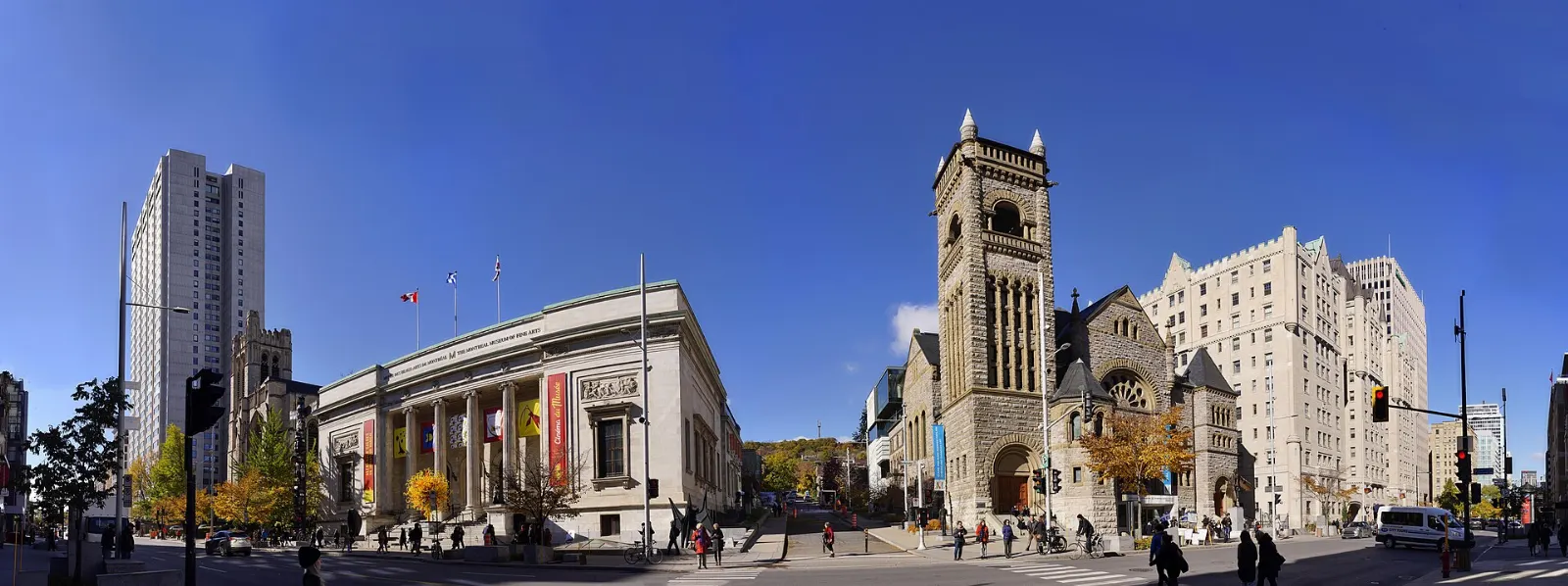
The fine arts museum is in the historic Eastern Townships Bank building downtown. Rotating exhibitions fill the lower floors, and the permanent collection includes works by Frederick Simpson Coburn, a painter from the region.
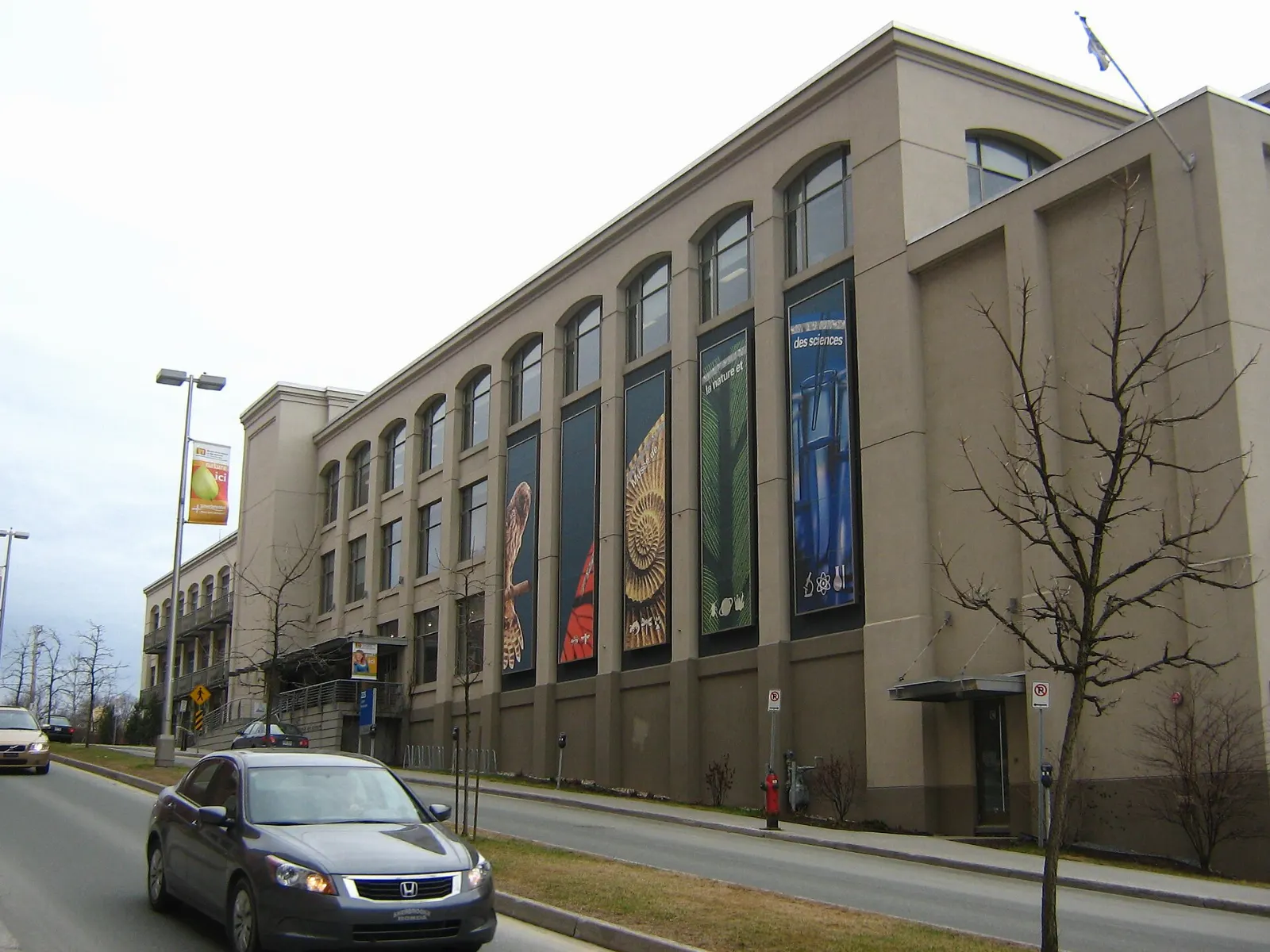
Musée de la nature et des sciences
The nature and science museum stands on rue Frontenac and suits families and curious travellers. It explores the natural history and science of the region with hands-on displays.
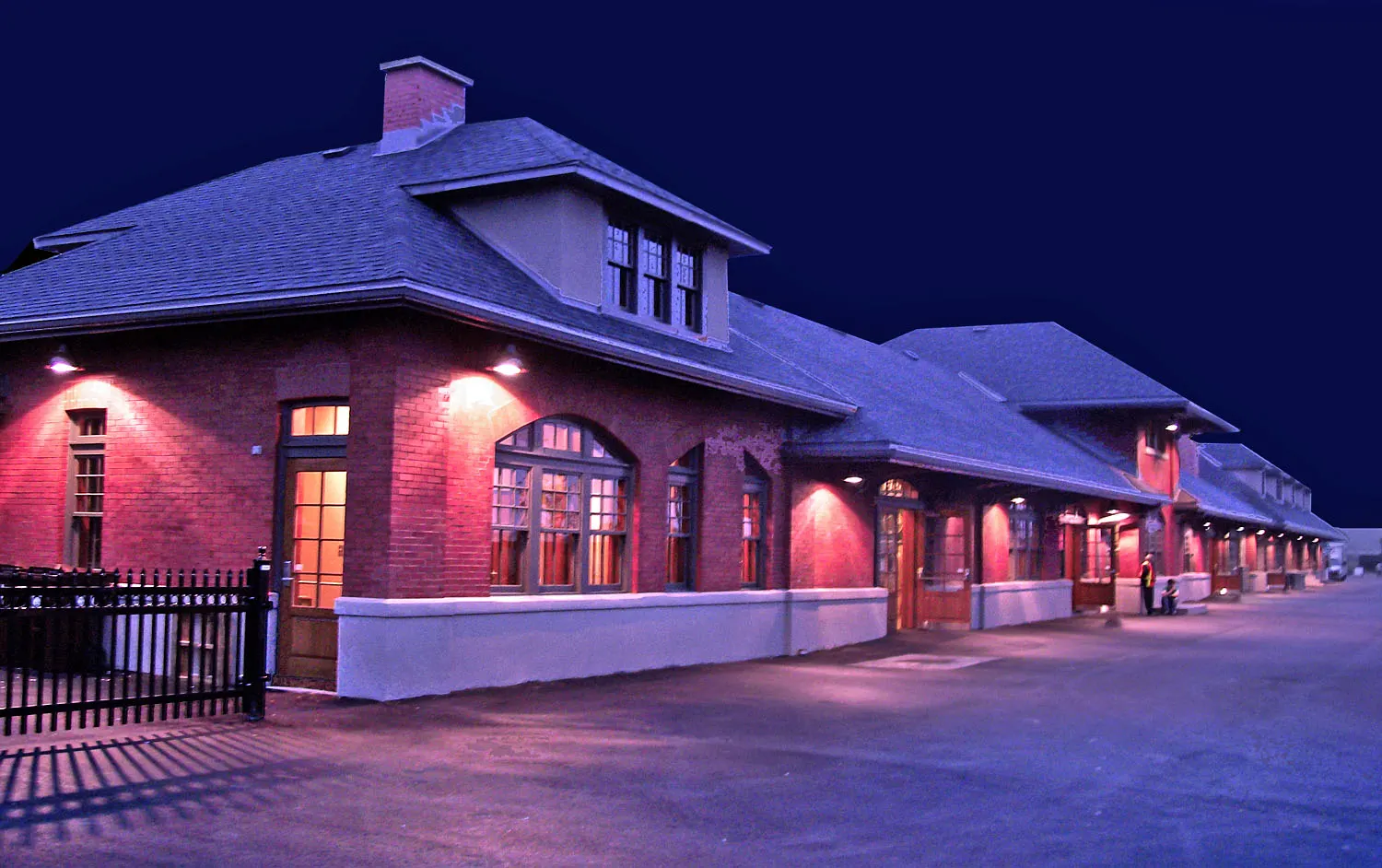
Marché de la Gare
The Marché de la Gare is a market where regional products are sold, and in summer local farmers sell produce outside. It is a good place to pick up picnic food, and there is a gelato counter for hot afternoons.
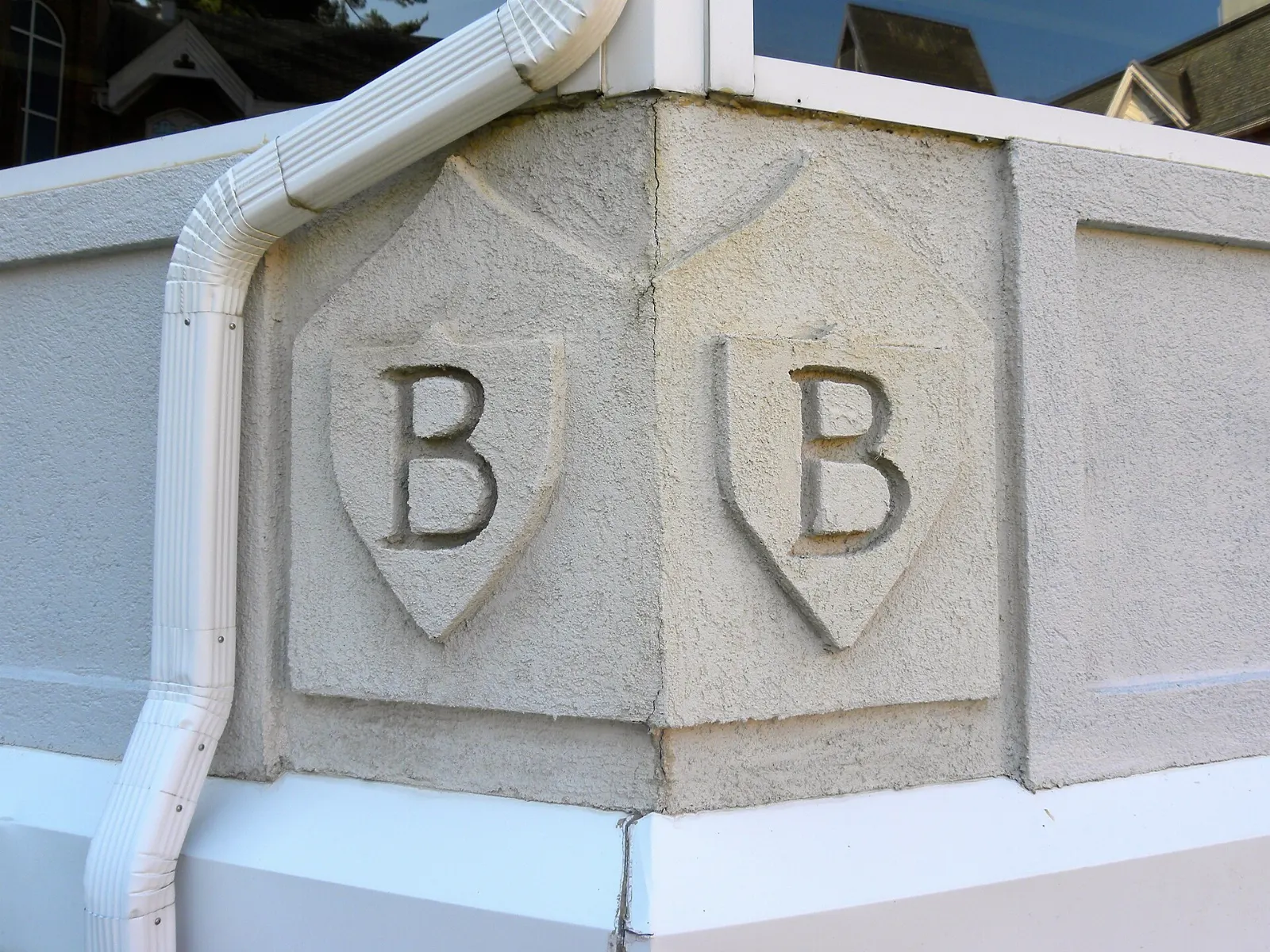
Lennoxville and Bishop's University
Lennoxville, now part of Sherbrooke, is the one spot in the region where English and French are spoken about equally.
Rivers, lakes and parks
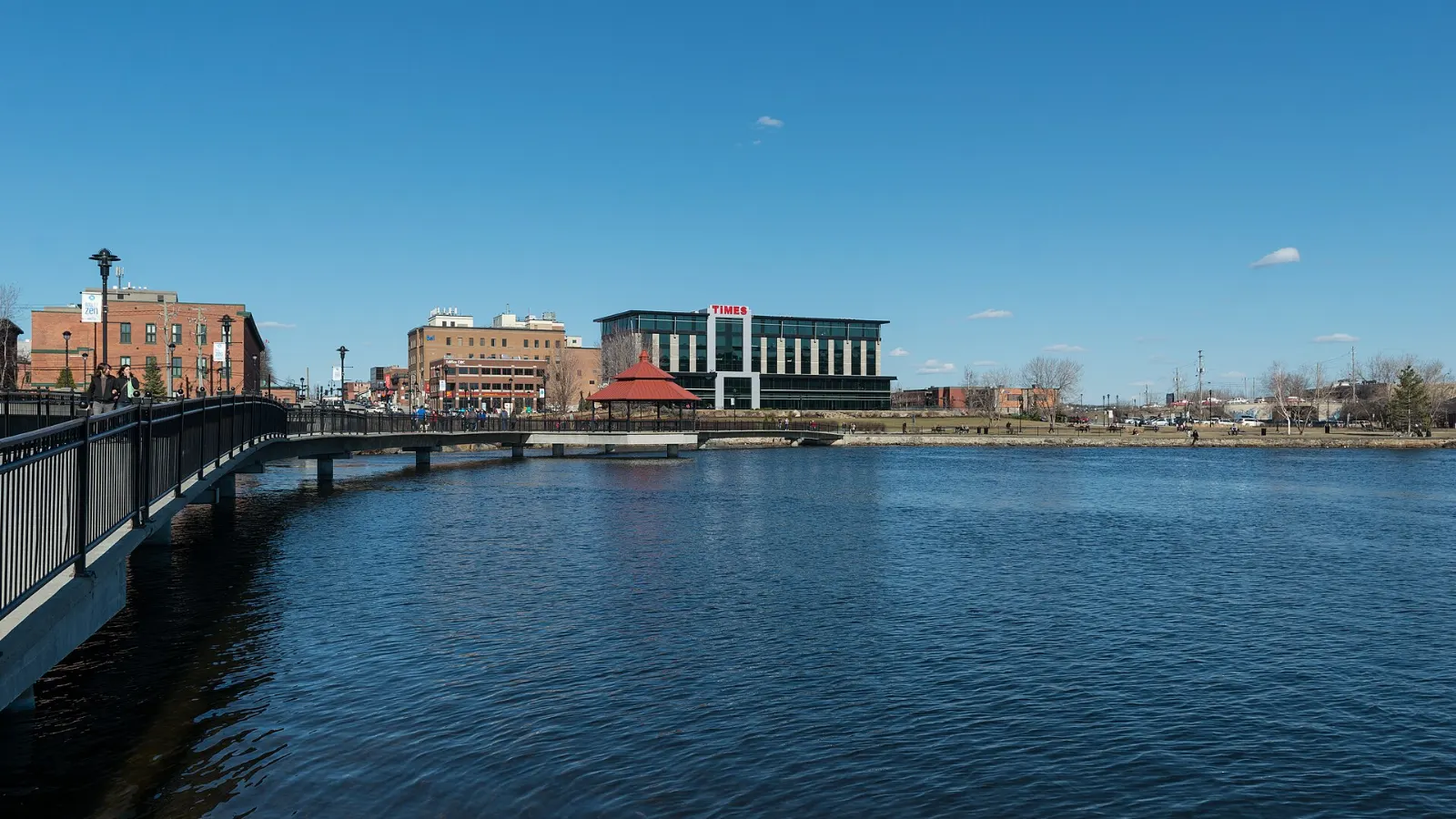
Lac des Nations
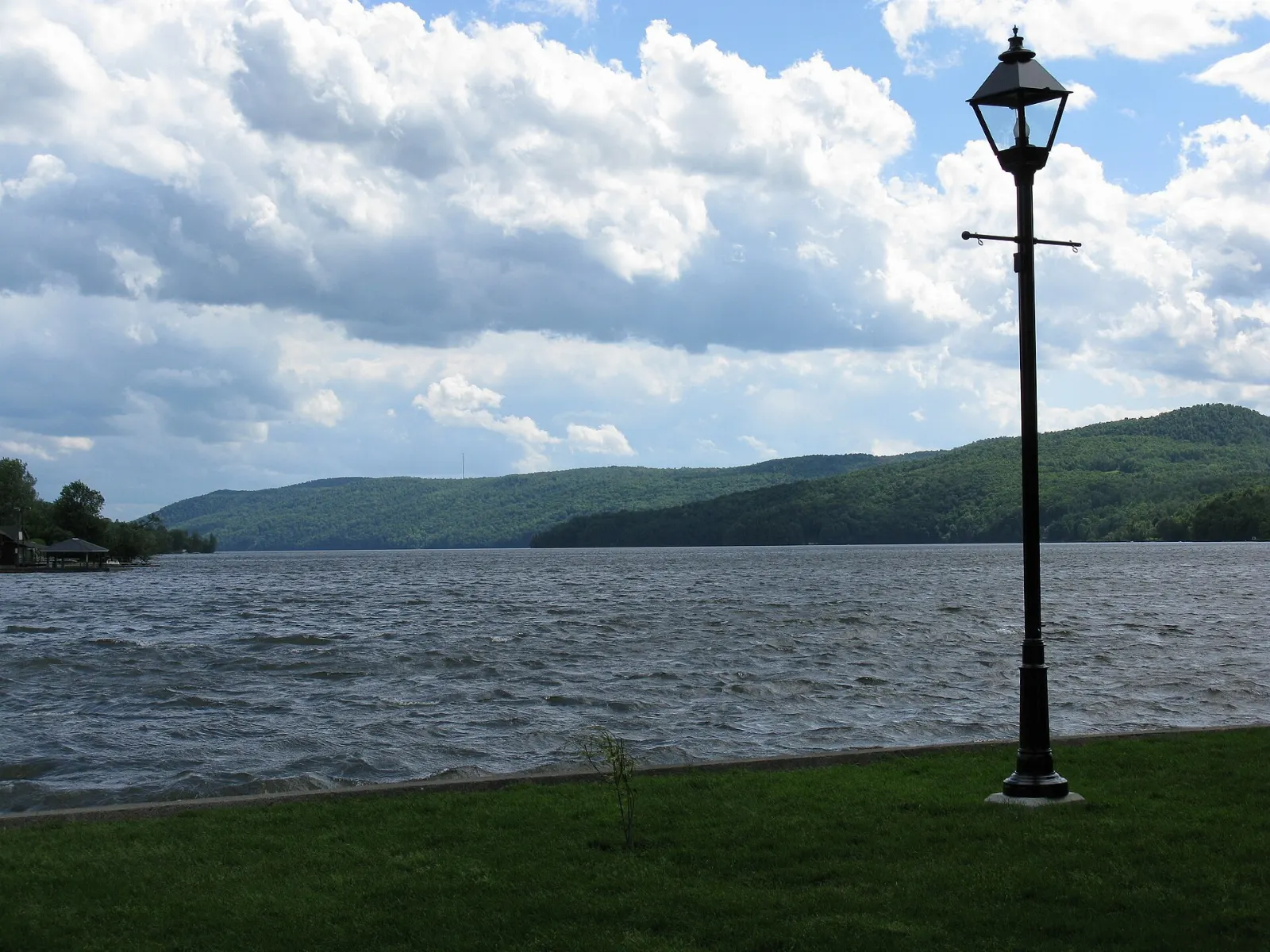
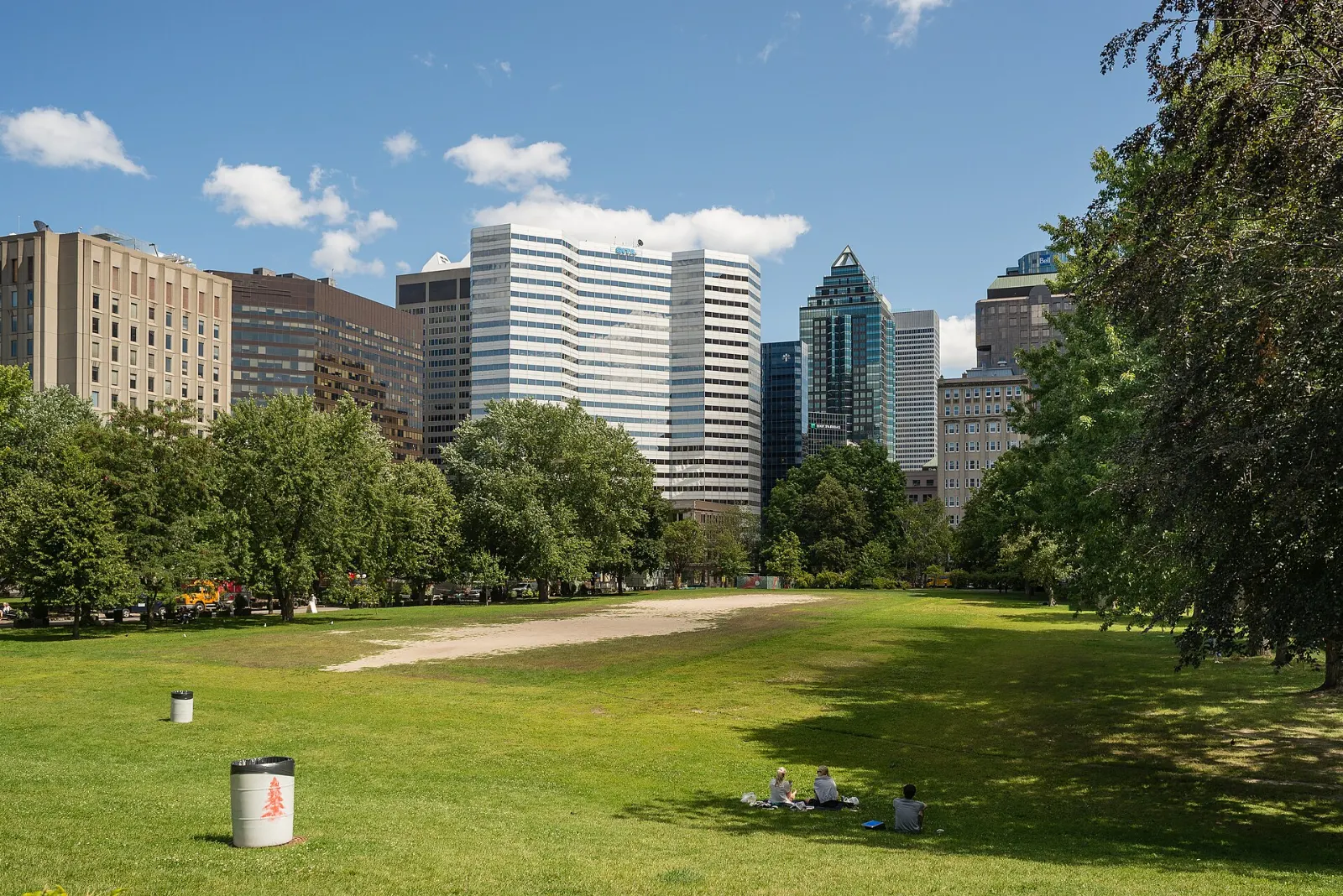
Lac des Nations lies about a kilometre from downtown, and a walkway lets pedestrians and cyclists circle it. It is the heart of summer life, with picnics, jogging and an evening stroll.
Parc Jacques-Cartier
This large park beside the lake hosts the Fête du Lac des Nations, which includes an international fireworks competition and local artists. It also stages the Carnaval de Sherbrooke in winter and the Fête Nationale celebrations.
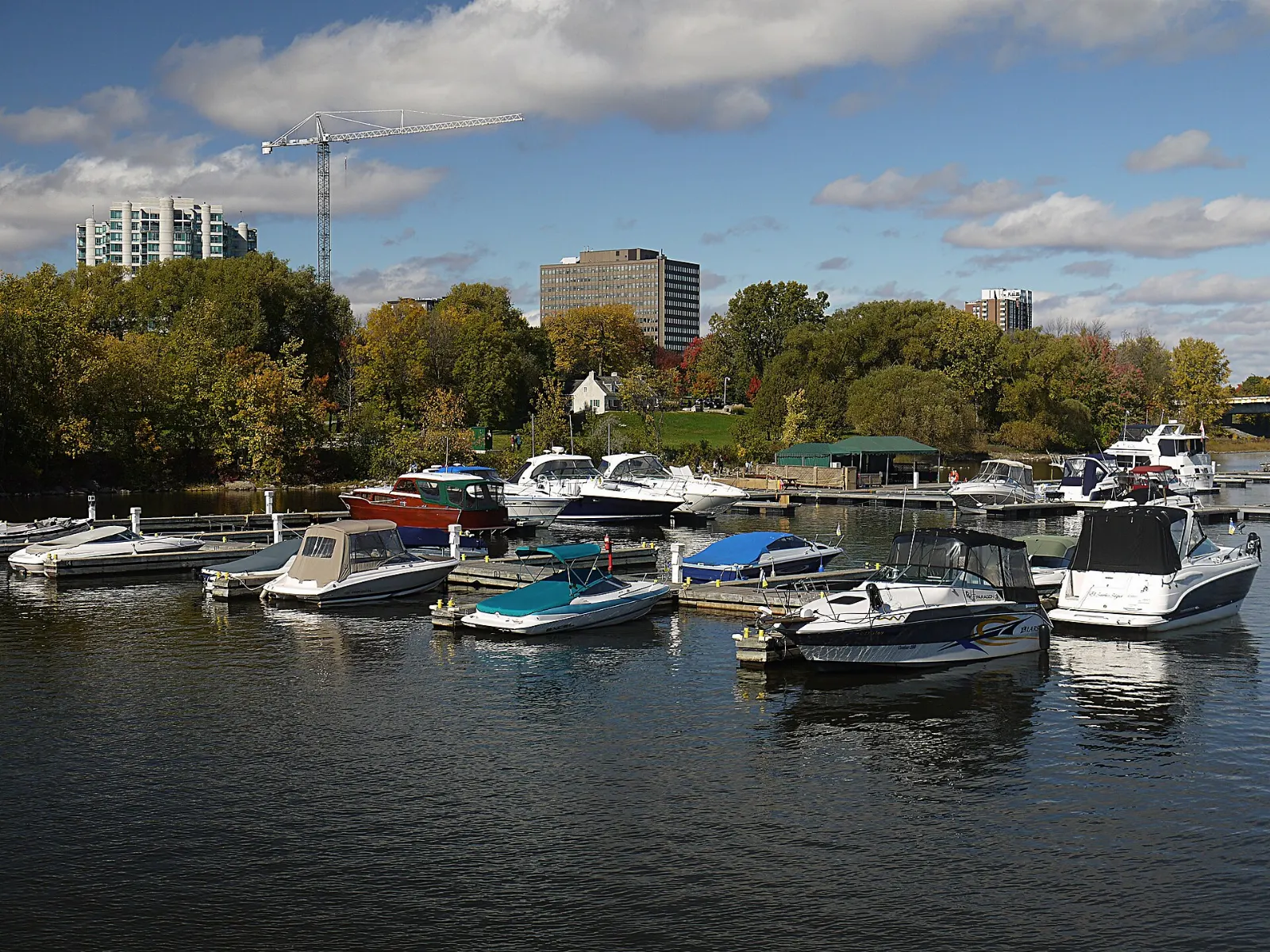
Parc Lucien-Blanchard and the Magog River
About three kilometres west of downtown, this park on the Magog River offers walking and cycling trails, a swimming beach and canoe, kayak and paddle-boat rentals.
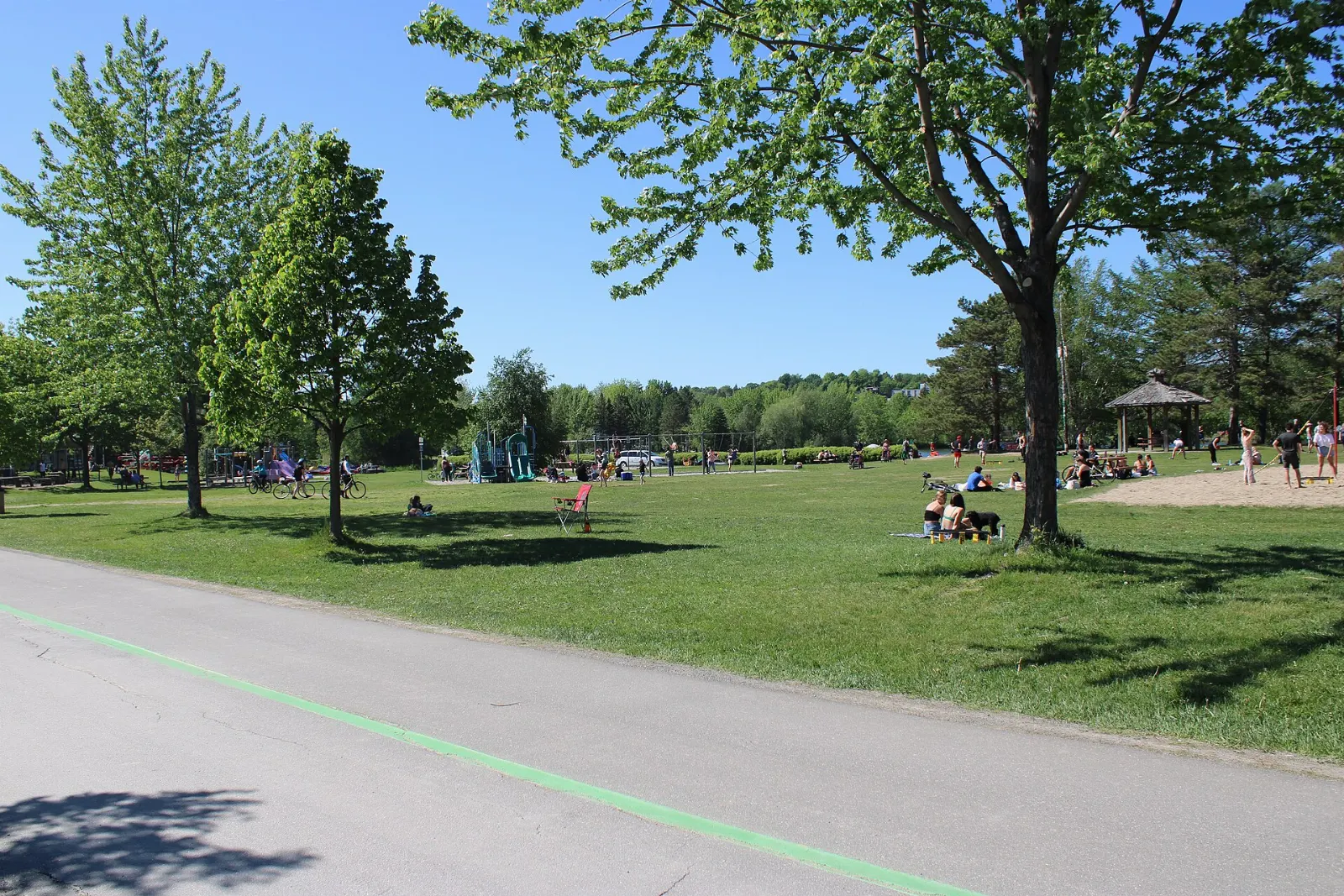
Bois Beckett
Bois Beckett is one of only two old-growth forests inside a Quebec city, and it has several trails. It is a restful place for a morning walk away from the traffic, and its eight trails add up to about six kilometres.
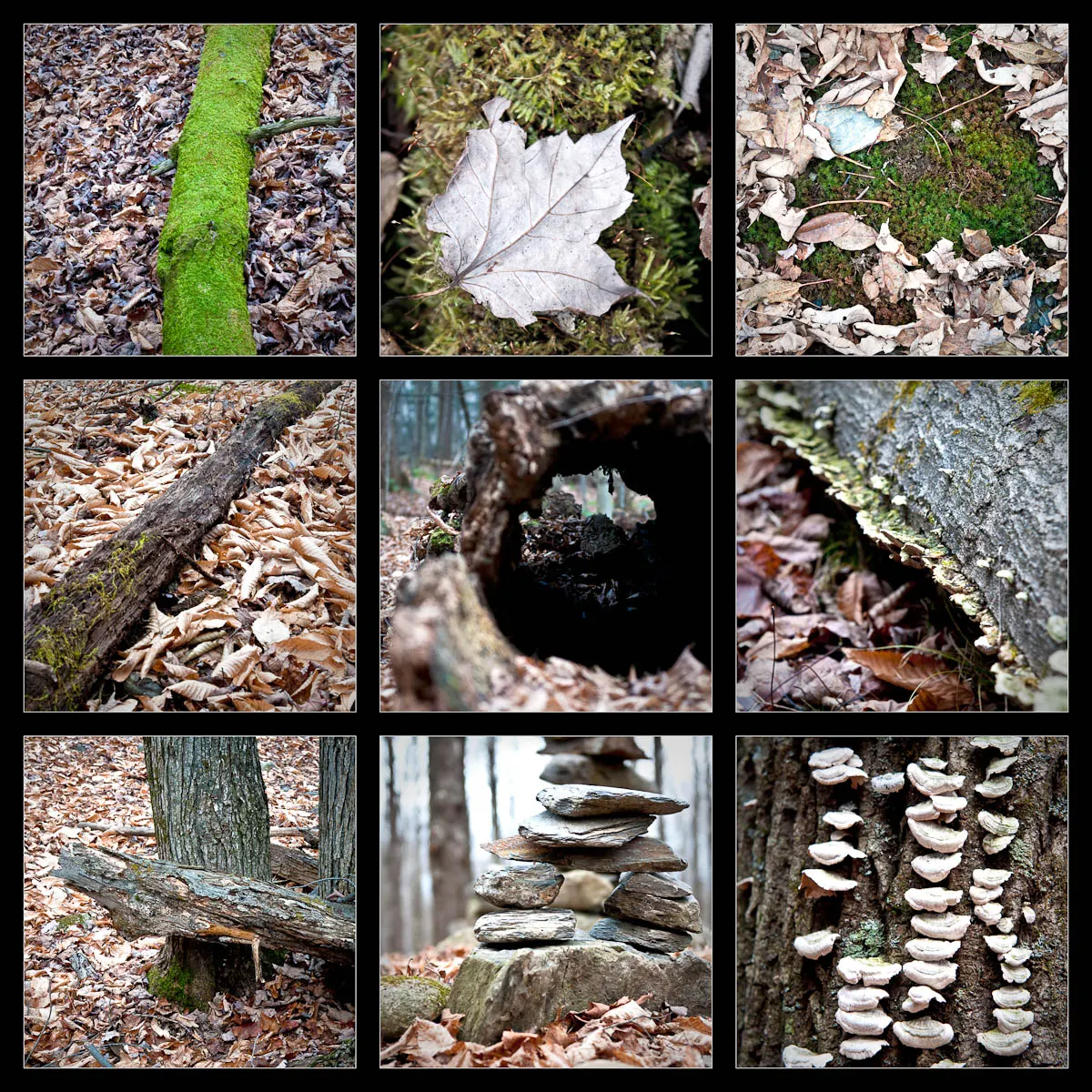
Marais Réal-D.-Carbonneau
This wetland is home to many plants and animals and makes a pleasant walk in spring, summer or fall. Bring binoculars for birds, and visit early in the day for the best chance of wildlife.
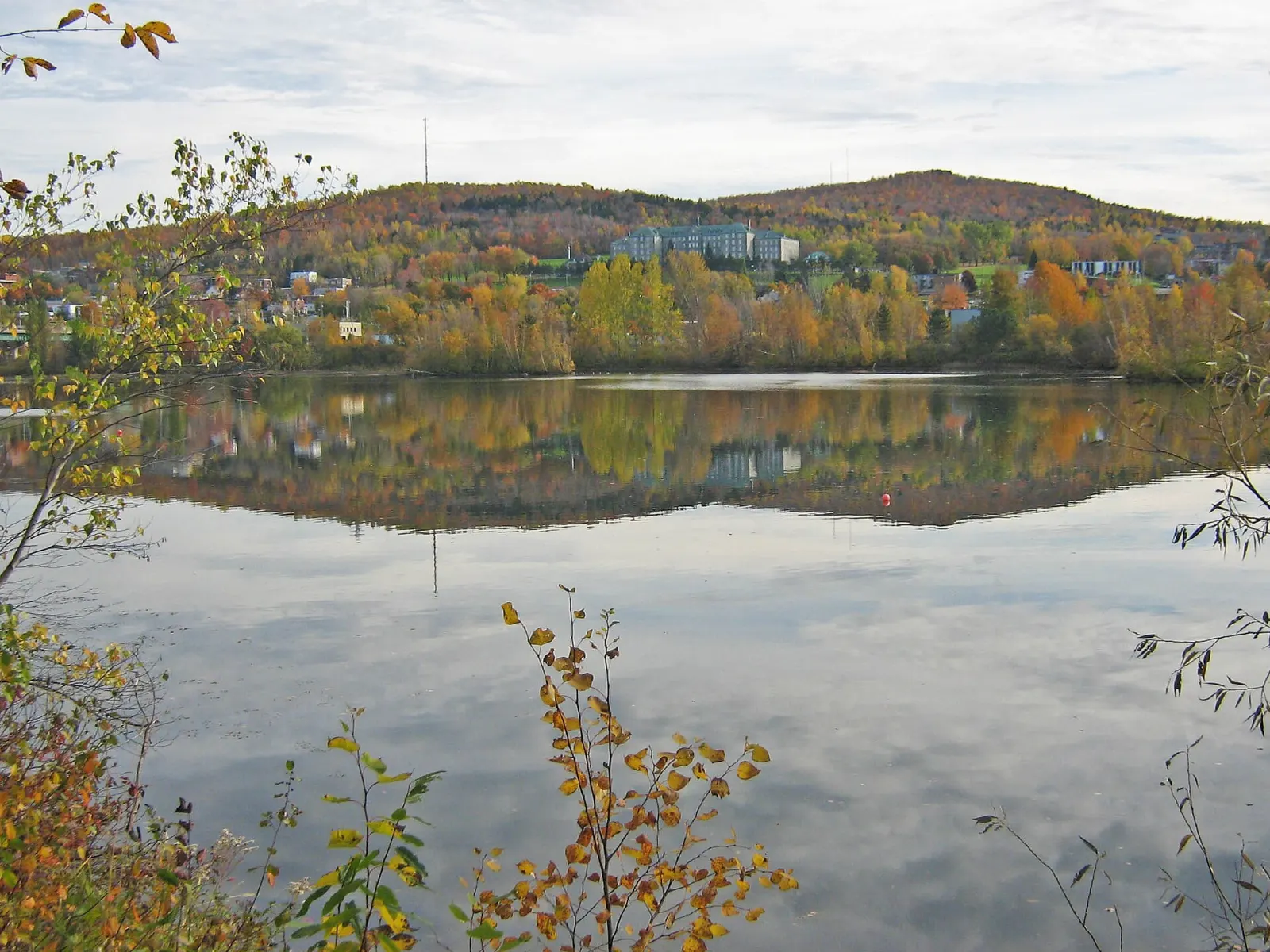
Mont-Bellevue
Mont-Bellevue is a large city park with downhill skiing in winter. It is a convenient choice if you want a short ski session or a quiet walk without leaving town.
 Planning a trip to Sherbrooke?Compare hotels, flights and vacation rentals for Sherbrooke on Expedia.Book now
Food and local flavors
Sherbrooke eats like a university town, with casual diners, bistros and brewpubs.
Ice cider is a sweet drink made from frozen apples that originated in Quebec, and you can find it in local shops around the Townships.
For a market stop, the Marché de la Gare brings farmers and producers together. Brewpubs such as Siboire, beside Lac des Nations, are popular for a meal and a local drink after a day out.
Popular dishes to try in Sherbrooke


Where to stay
Sherbrooke spreads across several districts, so choose your base by what you plan to do.
Downtown Sherbrooke is best for first-time visitors.
Lennoxville suits anyone who wants a smaller-town feel and an English-speaking atmosphere, with a university campus, pubs and quiet streets.
The Lac des Nations area is good for walkers and joggers who want the lake path at their door and a quick stroll to a brewpub.
Many travellers also choose inns and motels along the autoroutes, which are handy for drivers and for early departures.
Where to stay in Sherbrooke


Best time to visit
Sherbrooke has a humid continental climate, with long, cold, snowy winters and warm summers. Highs in July average about 25 degrees Celsius, and the city receives a large amount of snow each year, sometimes as late as May.
Summer is the liveliest season, with festivals such as the Fête du Lac des Nations, Sherblues & Folk and the Festival des traditions du monde. Autumn is crisp and colourful.
Getting there and getting around
Sherbrooke has a small airport with no scheduled flights, so most visitors arrive through Montreal.
By car, Autoroute 10 leads east from Montreal, Autoroute 55 comes south from the Trois-Rivières area and north from Vermont via Interstate 91. Carry a passport if you cross the border.
Inside the city, the Société de transport de Sherbrooke runs local buses, and taxis and Uber operate. A car still helps for day trips to Magog, Lake Massawippi or Mont-Mégantic.
A suggested itinerary
First day
Begin at the Musée des beaux-arts, then browse the Marché de la Gare.
Second day
Spend the morning at Parc Lucien-Blanchard or Bois Beckett, then head to Lennoxville for an afternoon around Bishop's University.
Third day
Take a day trip to Magog and Lake Memphremagog or to North Hatley, then return in the evening.
Practical tips
- Learn basic French phrases, because most residents speak French first.
- Check museum and park schedules before you go, as they change by season.
- Visit Parc Jacques-Cartier during festival weekends if you enjoy fireworks and crowds.
- Rent a bike for the lake path and the Magog River trails.
- Carry a passport for any drive across the Vermont border.