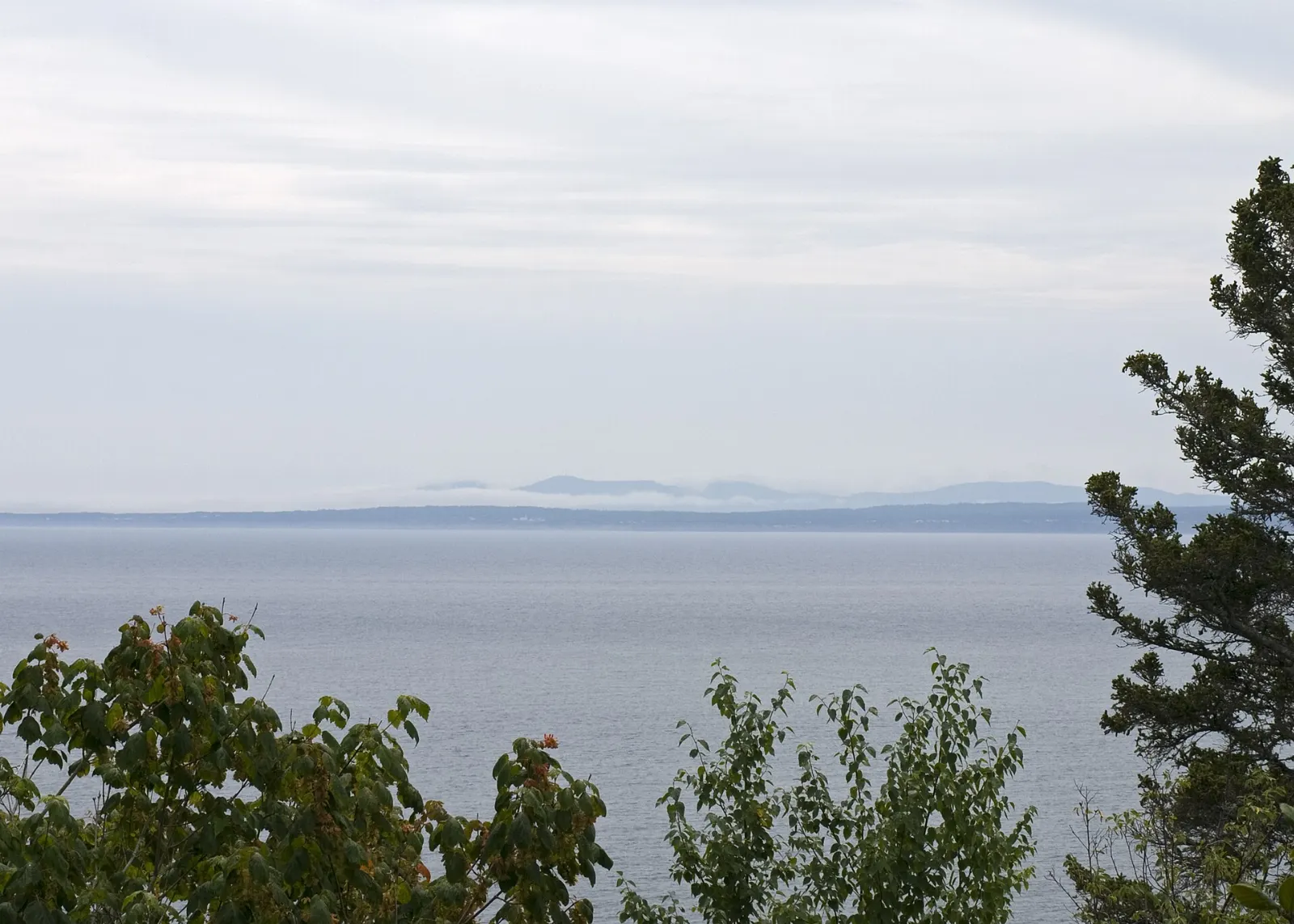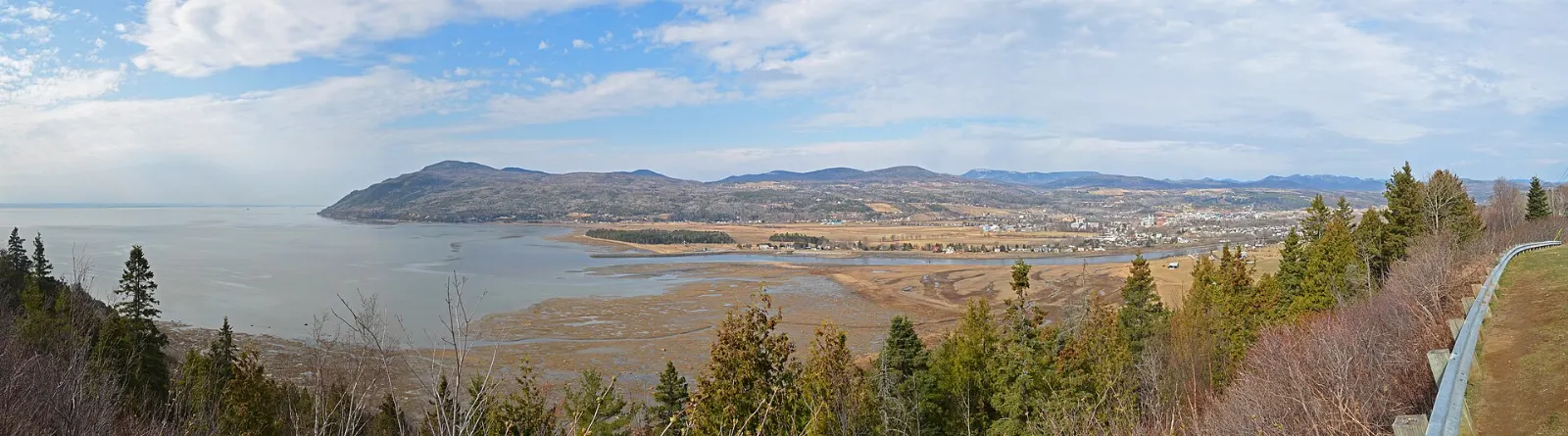
Charlevoix is the stretch of the St. Lawrence north shore east of Quebec City where mountains drop to the river, artists gathered in Baie-Saint-Paul and grand summer hotels rose at La Malbaie.
AT A GLANCE
Best time
Late June to October for villages and parks, or December to April for skiing at Le Massif.
How long
Three days covers the main towns, the island and one national park.
Getting there
Drive Highway 138 from Quebec City, which takes roughly an hour and a half to Baie-Saint-Paul.
Why visit Charlevoix
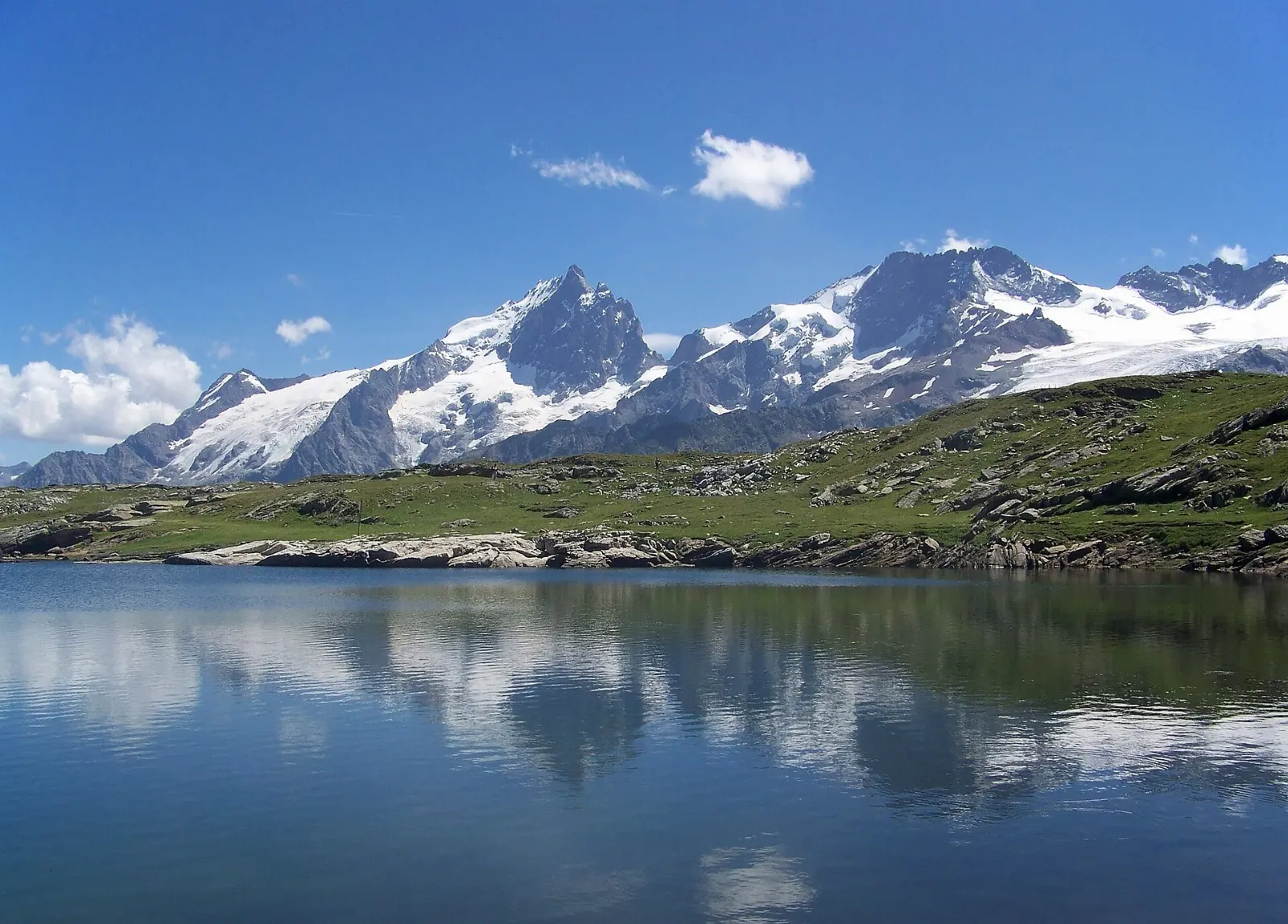
The region is named after a Jesuit historian and explorer who travelled here in the eighteenth century, and UNESCO designated it a World Biosphere Reserve in 1989. The landscape is unusual, because a meteorite struck here hundreds of millions of years ago and the crater shaped the valleys, hills and bays you drive through today.
It has been a holiday region for a long time. La Malbaie was known as the first resort area in Canada, and wealthy families, including future president William Howard Taft, returned each summer.
Baie-Saint-Paul and the south side
Baie-Saint-Paul
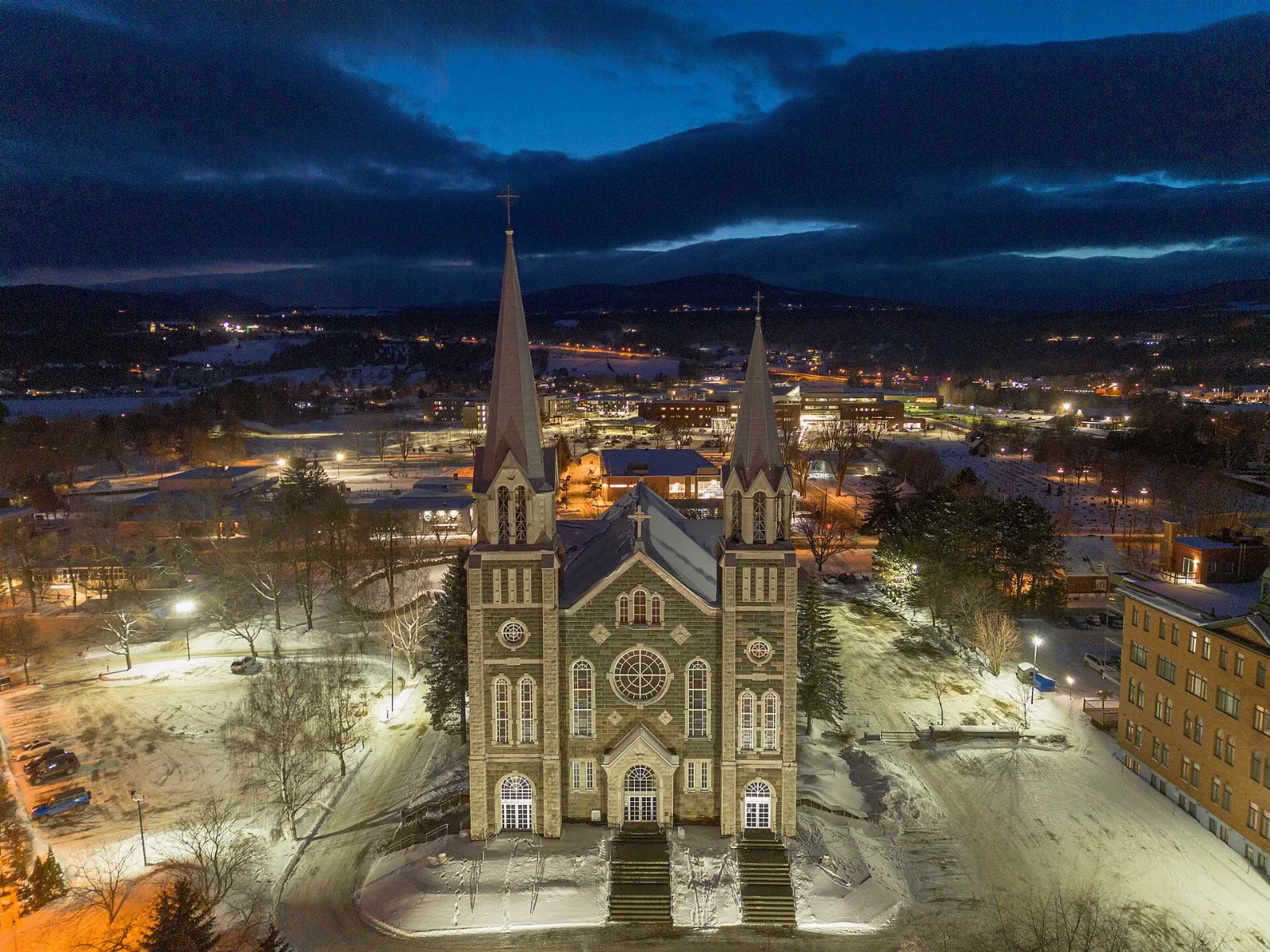
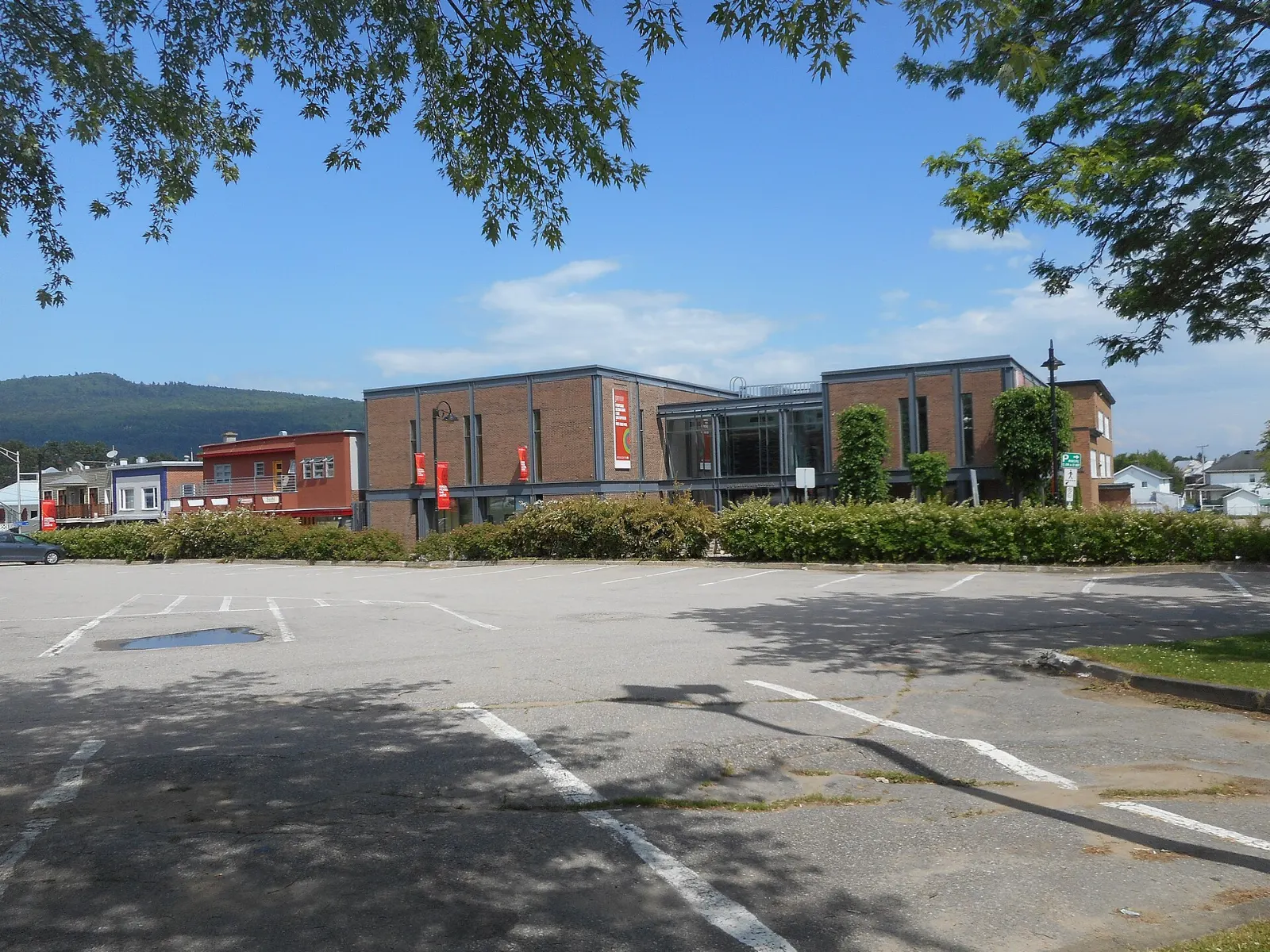
The arts town of the region sits at the mouth of the Gouffre River, ringed by hills and farmland. Walk the streets around the church, where galleries and small shops are close together, and allow half a day.
Musée d'art contemporain de Baie-Saint-Paul
Across from the church, this museum shows contemporary art and suits a rainy hour or two. The town also has a strong circus connection, since Cirque du Soleil was founded here by former street performers and gave its first show under that name in 1984.
Route des saveurs
Between Petite-Rivière-Saint-François and La Malbaie, a signed food route links producers of cider, craft beer, cheese, chocolate, duck and market-garden produce. Plan a slow day with a few stops rather than trying to see everything.
Le Massif de Charlevoix
West of town at Petite-Rivière-Saint-François, this ski mountain looks straight down on the river and has the largest vertical drop in Eastern Canada. Skiing usually runs from early December to late April.
La Malbaie, Pointe-au-Pic and Île aux Coudres
Île aux Coudres
A free ferry crosses from Saint-Joseph-de-la-Rive to this island in the St. Lawrence, which Jacques Cartier named in 1535 after the hazel trees he found. It is a compact place with old mills and craft studios, so allow half a day or stay overnight.
Manoir Richelieu and Pointe-au-Pic
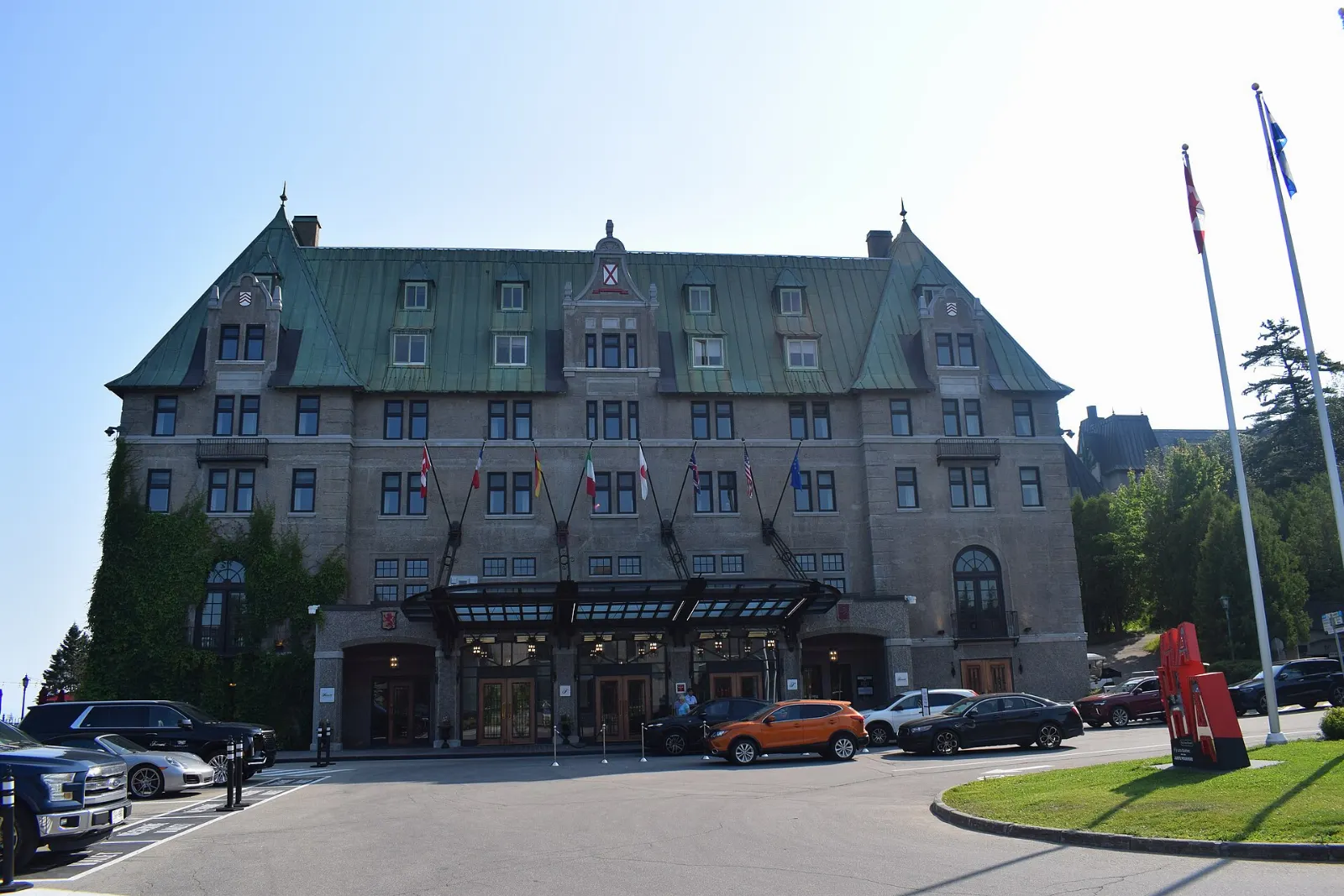
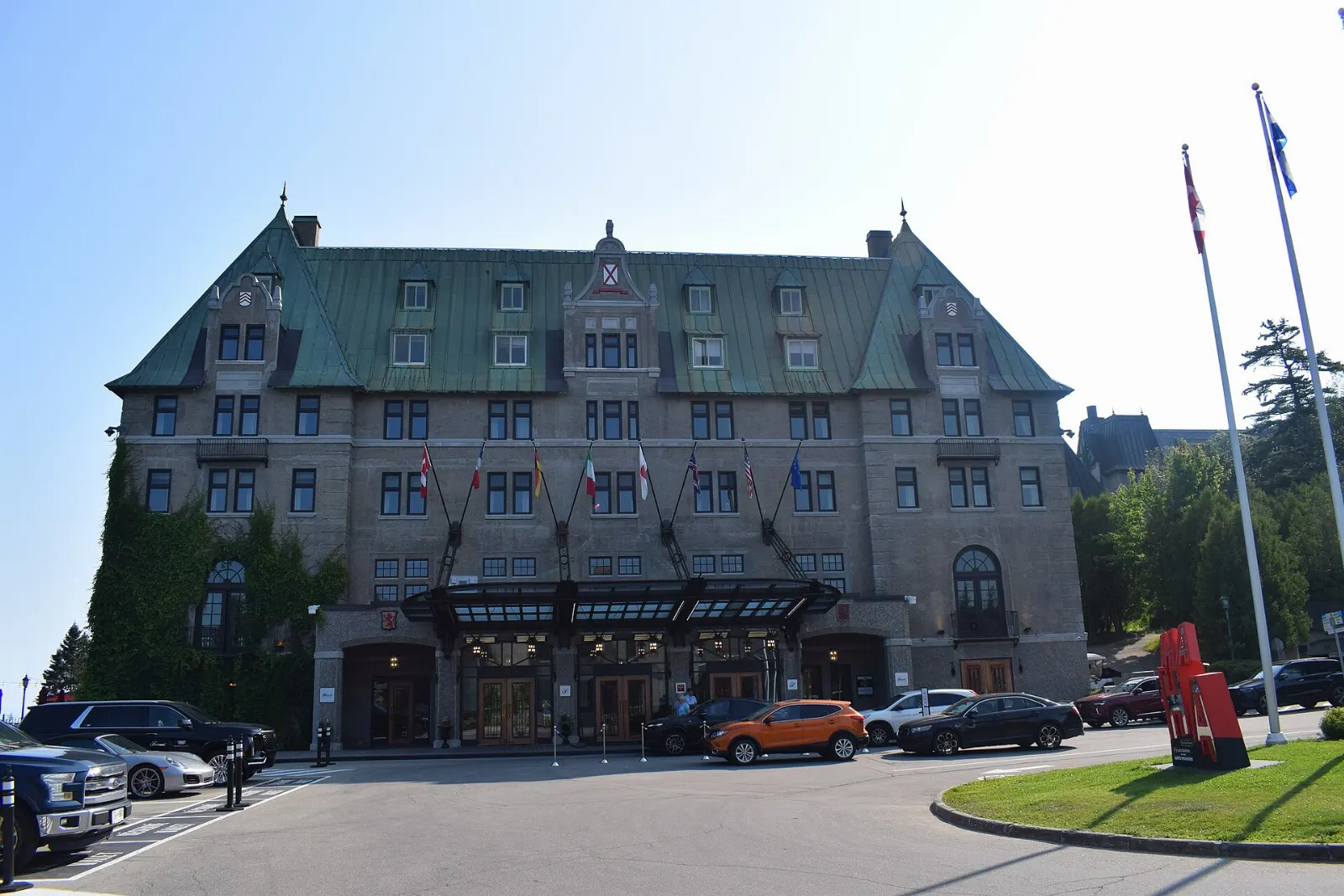
Above the river at La Malbaie, the Fairmont Le Manoir Richelieu is a castle-style hotel rebuilt in 1929 after fire destroyed the first building in 1928. You can admire it from the grounds and then wander the streets of Pointe-au-Pic, the old resort village that merged into La Malbaie in 1995.
Musée de Charlevoix
On the west side of La Malbaie bay, this museum covers folk art, regional history and culture and takes about an hour.
Jardins des Quatre-Vents
In the Cap-à-l'Aigle sector of La Malbaie, this private garden is described as one of the finest residential gardens in North America, and it is open by reservation only, so book ahead through its website.
National parks and wild country
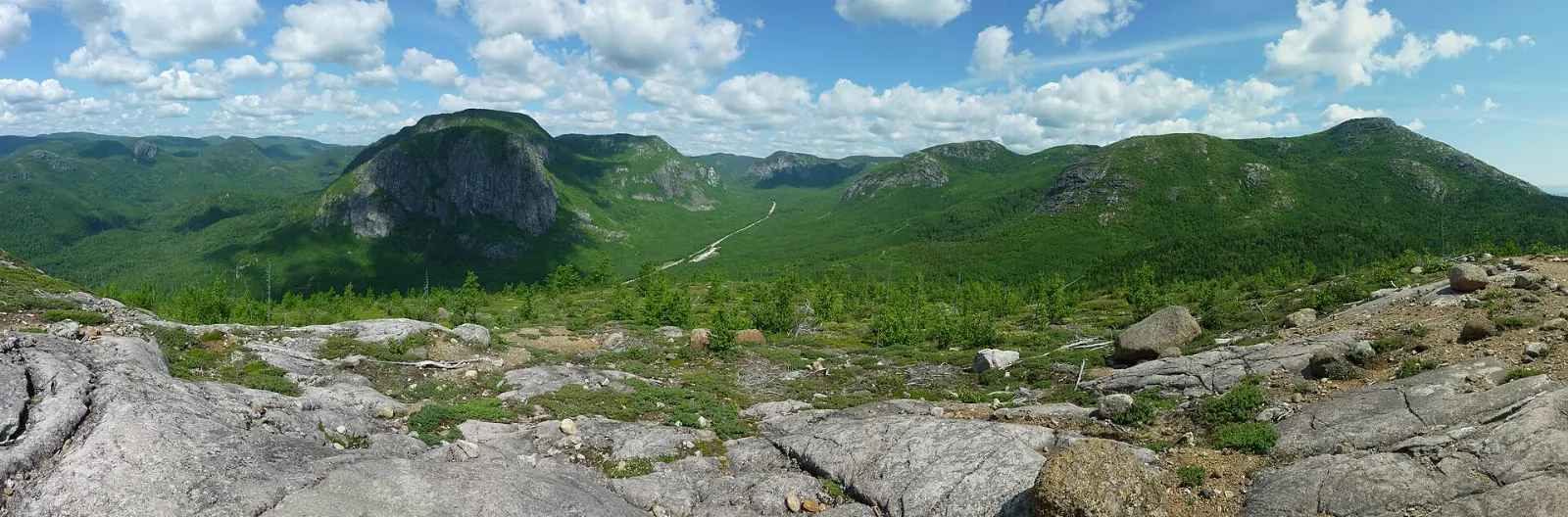
Parc national des Grands-Jardins
Reached by Route 381, this park has many lakes and rivers and is known for hiking, canoeing, kayaking and brook trout fishing. The climb up Mont du Lac des Cygnes is the hike many visitors choose.
Parc national des Hautes-Gorges-de-la-Rivière-Malbaie
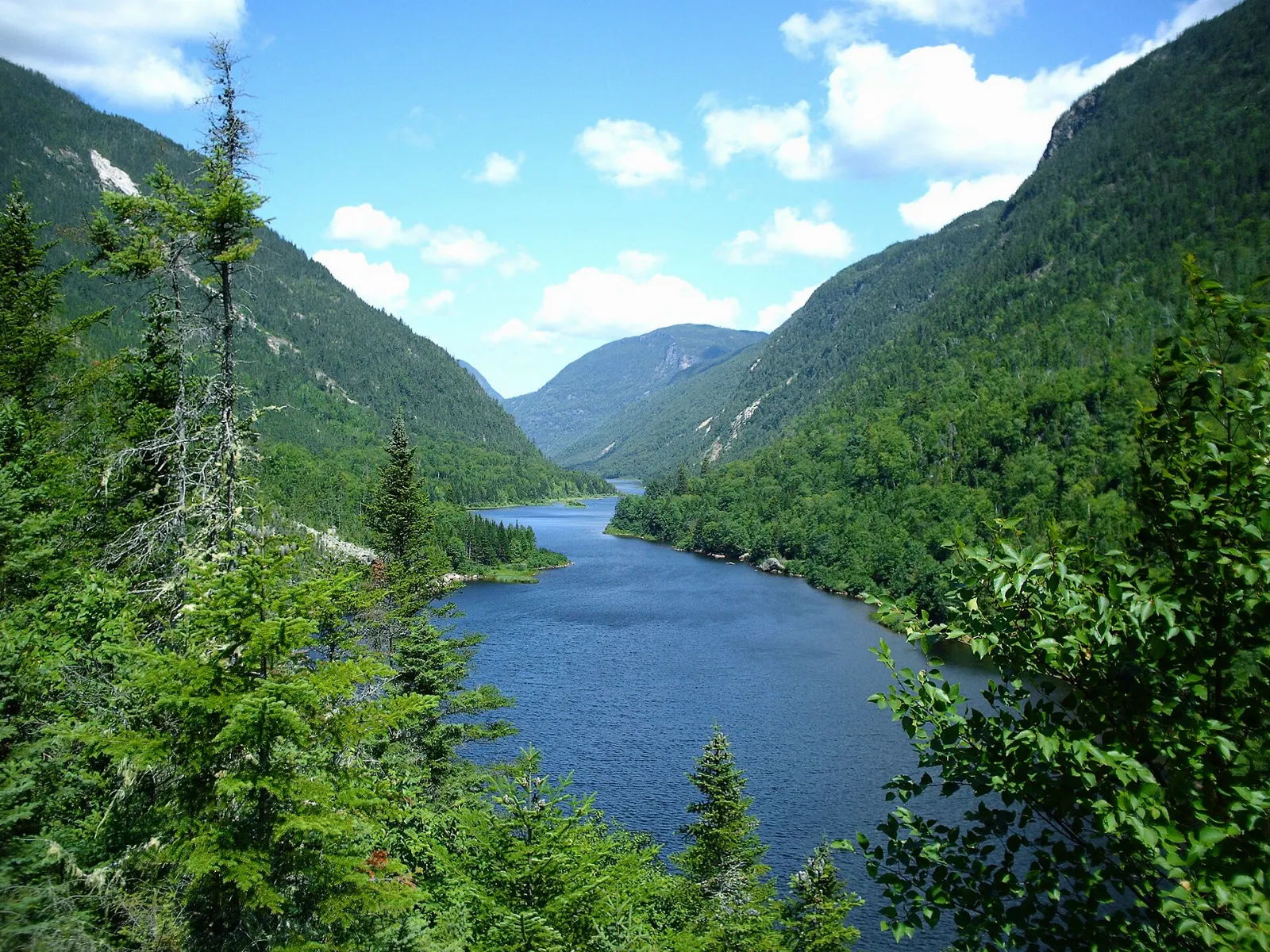
Further east, this park is the centrepiece of the UNESCO biosphere reserve and centres on a deep valley with walls above 800 metres, waterfalls and the Malbaie River below. It is a standout for canoeing, kayaking and the Acropole des Draveurs hike.
 Planning a trip to Charlevoix?Compare hotels, flights and vacation rentals for Charlevoix on Expedia.Book now
Food and local flavors
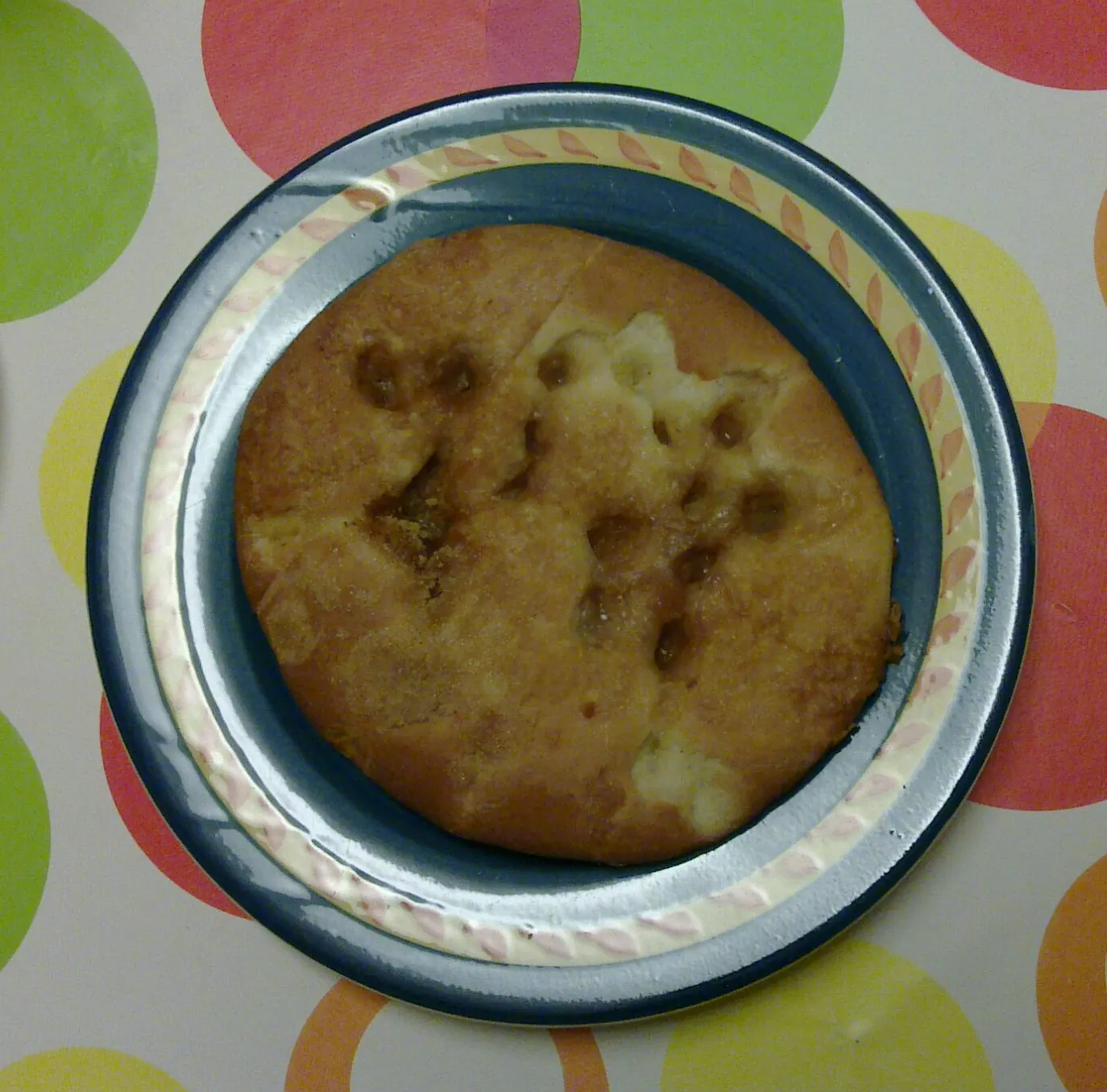
Charlevoix cooking leans on farm produce and the hearty traditions of Quebec winters. Look for tourtière, the Quebec meat pie traditionally eaten around Christmas and New Year, and for tarte au sucre, the sugar pie that is a classic of Québécois cooking.
For a food street, try the cafés and restaurants along rue Saint-Jean-Baptiste and rue Ambroise-Fafard in Baie-Saint-Paul, where several kitchens in old houses focus on Charlevoix products. One cheese shop on boulevard Mgr de Laval has a country-style restaurant attached.
Popular dishes to try in Charlevoix


Where to stay
Baie-Saint-Paul suits first-time visitors and art lovers, with galleries, cafés and restaurants within walking distance and Le Massif a short drive away.
Pointe-au-Pic, the old resort village inside La Malbaie, suits visitors who want river views and a historic atmosphere near the Manoir Richelieu. Île aux Coudres works for a quiet night of cycling and slow evenings, though you need to plan around the ferry.
Where to stay in Charlevoix


Best time to visit
Summer from late June to August is the warmest and busiest season, with the best conditions for the parks, gardens and ferries. September and early October bring cooler days and autumn colour along the river with fewer crowds. Winter belongs to Le Massif, and the cold is real, because air from the interior reaches the coast. Spring is a quiet shoulder season when snow melts and some seasonal sites have not yet opened.
Getting there and getting around
Most visitors drive. From Quebec City follow Highway 138 northeast. Baie-Saint-Paul is roughly an hour and a quarter to an hour and three quarters away depending on traffic, and the trip from Montreal takes four to five hours.
Intercar runs a bus service from Quebec City to Baie-Saint-Paul and other river towns, though some stops need reservations. Inside the region a car is the best way to reach the parks and farms. Ferries add options: one links Saint-Joseph-de-la-Rive with Île aux Coudres, another links Rivière-du-Loup with Saint-Siméon in about an hour, and a short free crossing connects Baie-Sainte-Catherine with Tadoussac.
A suggested itinerary
First day
Drive from Quebec City and stop at the lookout above Baie-Saint-Paul.
Second day
Take the ferry to Île aux Coudres for the morning, then continue along the river to La Malbaie.
Third day
Start in Cap-à-l'Aigle at the gardens, booked ahead, then drive up to Hautes-Gorges or Grands-Jardins for a half-day hike or paddle. Return along Highway 138 before dark.
Practical tips
- Book the Jardins des Quatre-Vents ahead, since visits are by reservation.
- Check ferry timetables and seasonal opening dates before you travel.
- Fill your fuel tank and pack snacks before heading to the national parks, which are well away from town services.
- Reserve rooms early for summer and ski weekends.
- English is understood in most tourist places, but French is the everyday language, so a few polite phrases go a long way.
- Bring layers, because weather by the river can change quickly.