The Laurentians rise north of Montreal as a range of old, rounded mountains, lakes and maple forest. For many Quebecers this is the nearest big-outdoors getaway, with ski hills in winter and cottage country in summer.
AT A GLANCE
Best time
Winter for skiing, late September to October for fall colour, summer for lakes.
How long
A long weekend works well; a week lets you add the national park.
Getting there
About an hour north of Montreal on Autoroute 15.
Why visit the Laurentians
The Laurentians are among the oldest mountains on Earth, formed more than a billion years ago, and today they are worn down into forested hills and lake basins.
Come for the skiing, the swimming lakes, the rail-trail rides and the village life. Everything is within a short drive of Montreal, so you can plan a weekend or a longer loop with several bases.
Skiing here has deep roots. The first ski lift in North America was built in the Laurentians in 1931, and by the late 1930s snow trains were carrying tens of thousands of skiers north from the city.
Mountains and parks
Mont-Tremblant Resort
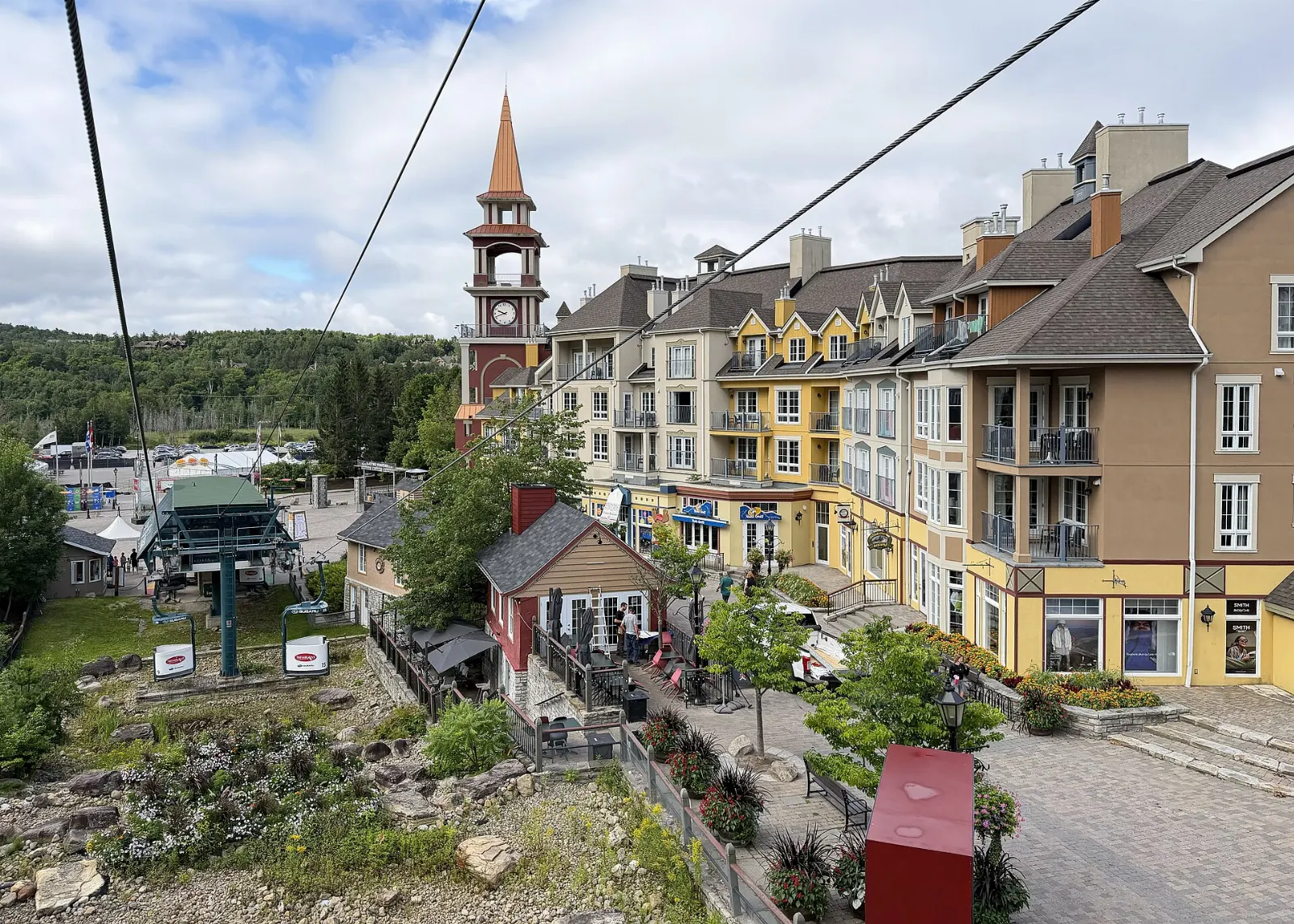
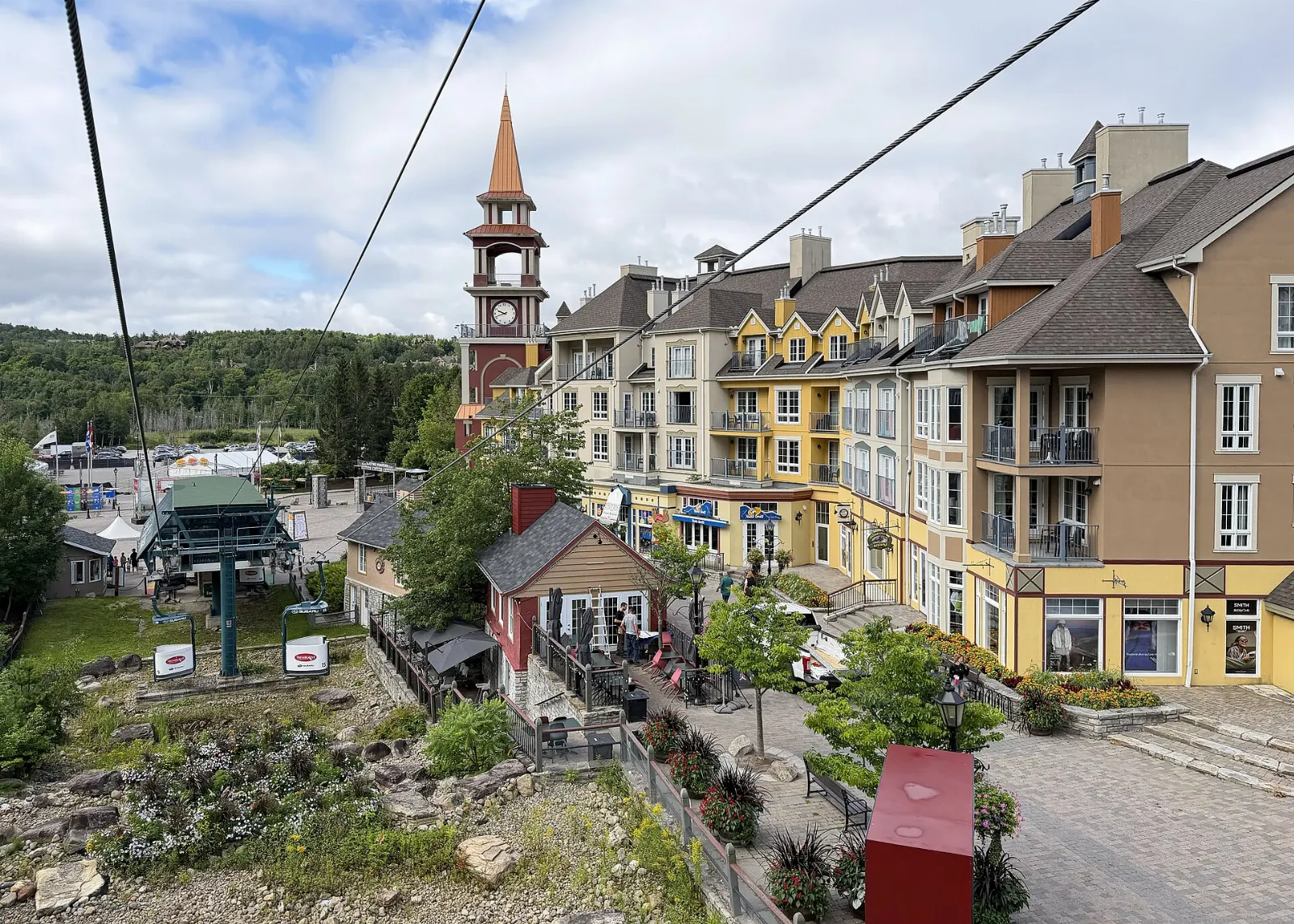
The resort at the foot of Mont Tremblant (875 metres) is a pedestrian village, so vehicles are kept out and a free gondola connects the lower hotels with the lifts. Skiing runs from about November to April, and in summer the area turns to golf, cycling and lake activities.

Mont Tremblant Summit and Lac Tremblant
Ride the gondola for views over the Laurentians, then walk down to the shore of Lac Tremblant for water sports. Winter visitors can try snowshoeing or dog sledding nearby. Check the resort website for operating dates before you plan a summit visit.
Mont-Tremblant National Park
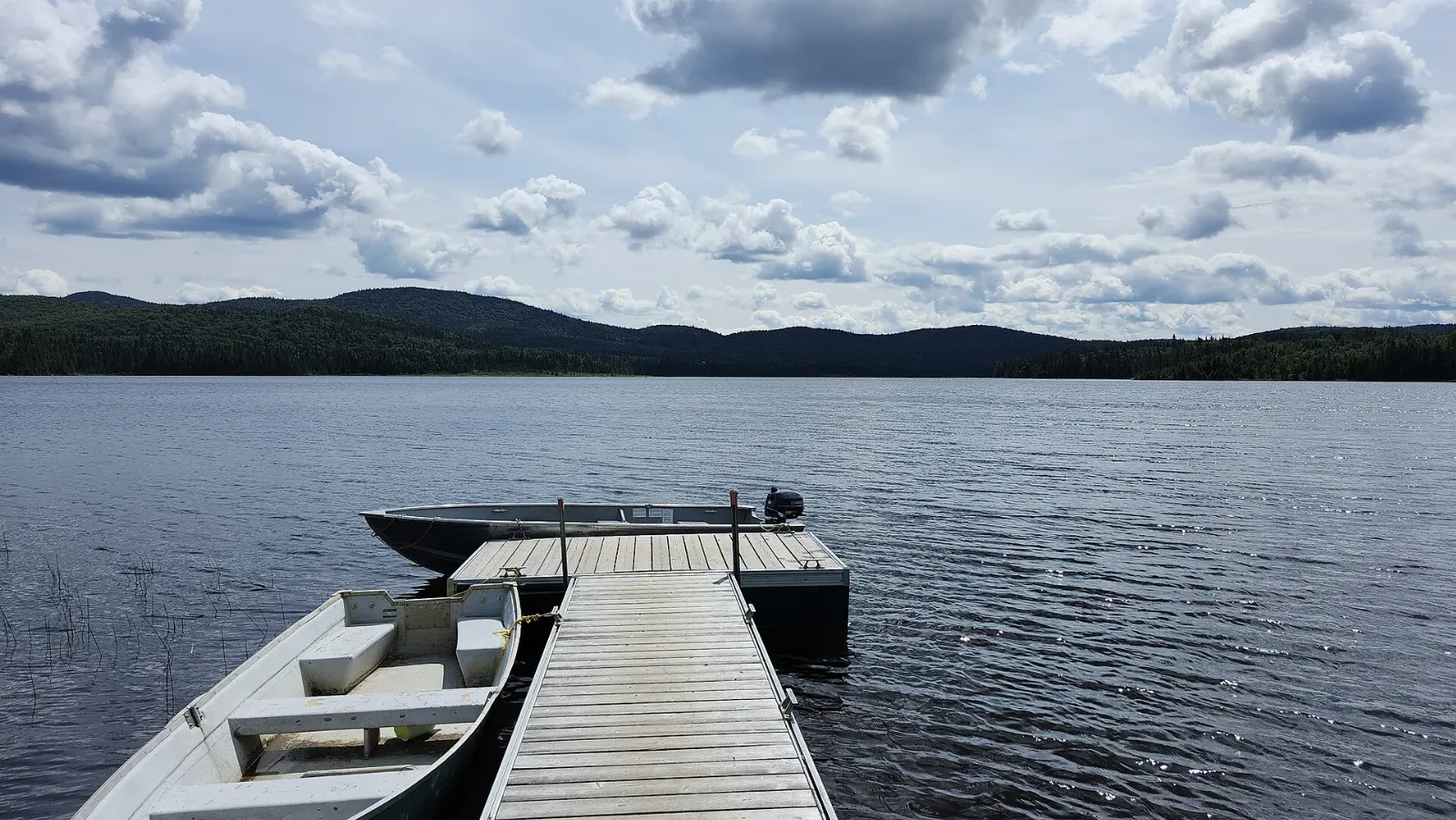
Quebec's oldest provincial park has an area of 1,510 square kilometres north of the resort and includes more than 400 lakes. It is divided into three main sectors, the valleys of the Diable River, Pimbina Creek and Assomption River, and the Diable sector is reached from Autoroute 15 and Route 117.
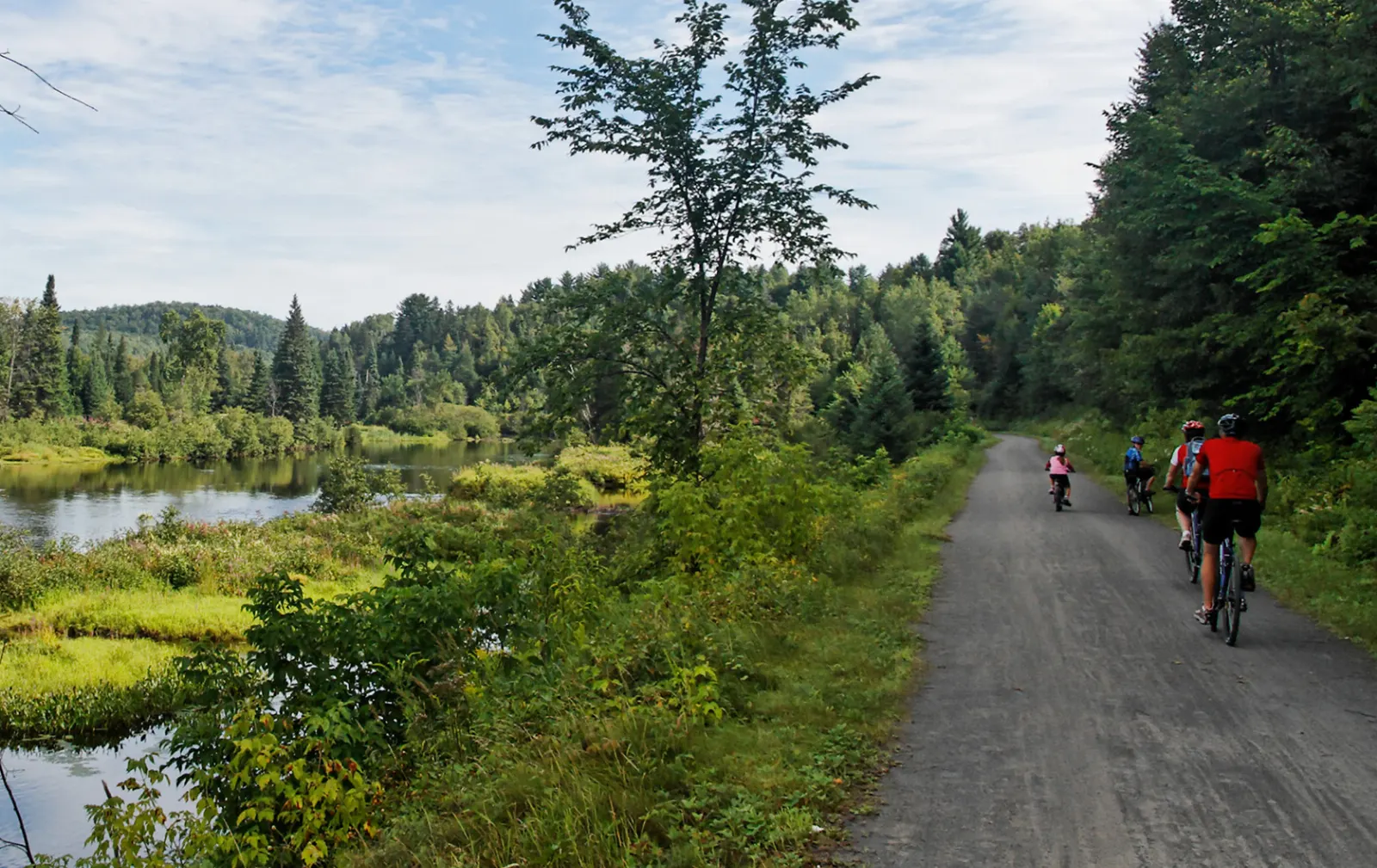
Le P'tit Train du Nord
This 200 km rail trail follows the old railway line through the Rivière du Nord valley between Saint-Jérôme and Mont-Laurier. You can cycle or hike in summer and cross-country ski in winter. It was a Canadian Pacific railway line from the 1890s until the 1990s, when it was converted into a trail.
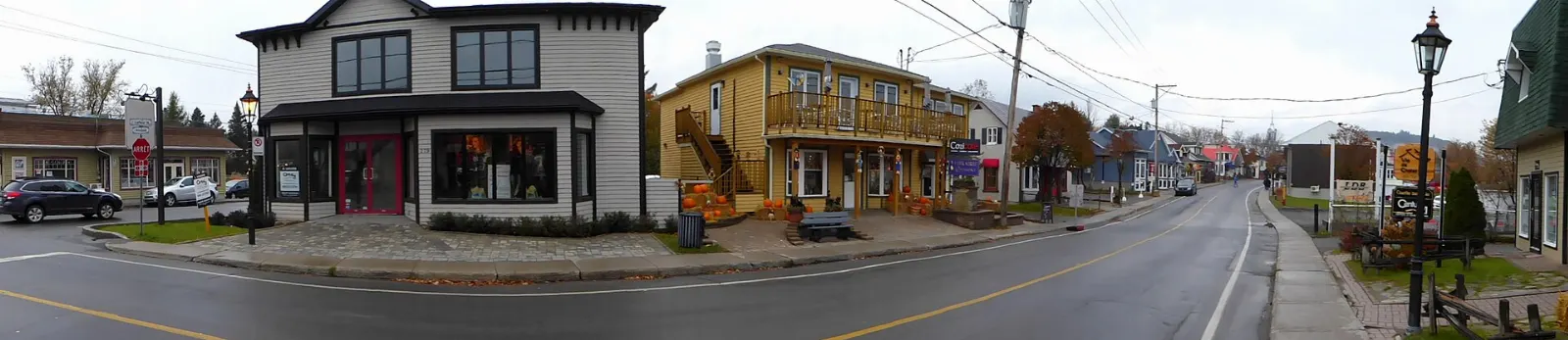
Towns and lakes
Saint-Sauveur
Around 60 km north of Montreal, Saint-Sauveur is known for ski hills that market themselves as the Valley of Saint-Sauveur, with night skiing and lively après-ski. In summer, stroll the main street or head to nearby lakes.
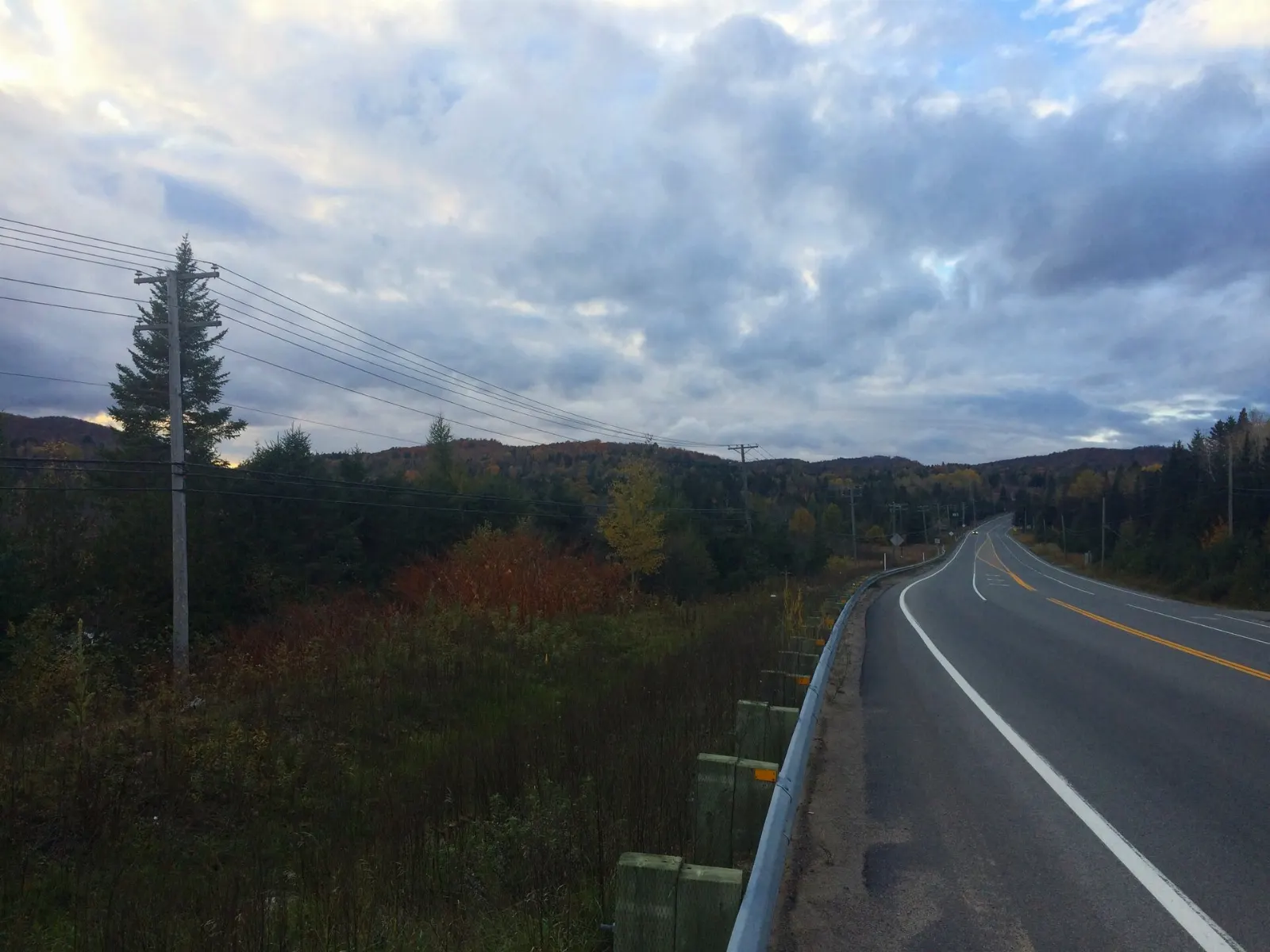
Sainte-Adèle and Mont Gabriel
Sainte-Adèle is the home of Mont Gabriel, a ski and golf resort surrounded by boreal forest. It is a pleasant midpoint between Saint-Sauveur and Sainte-Agathe-des-Monts.
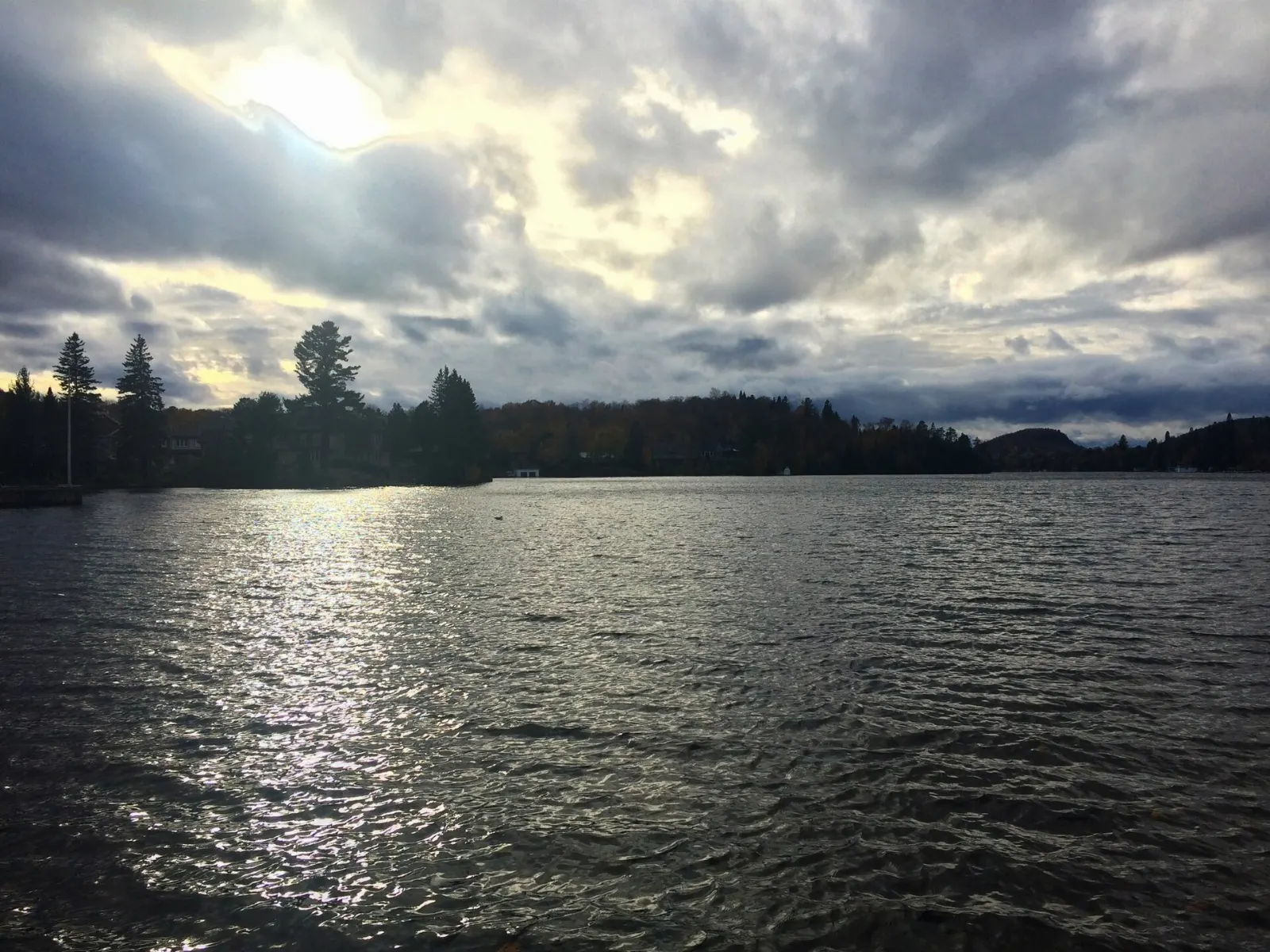
Sainte-Agathe-des-Monts and Lac des Sables
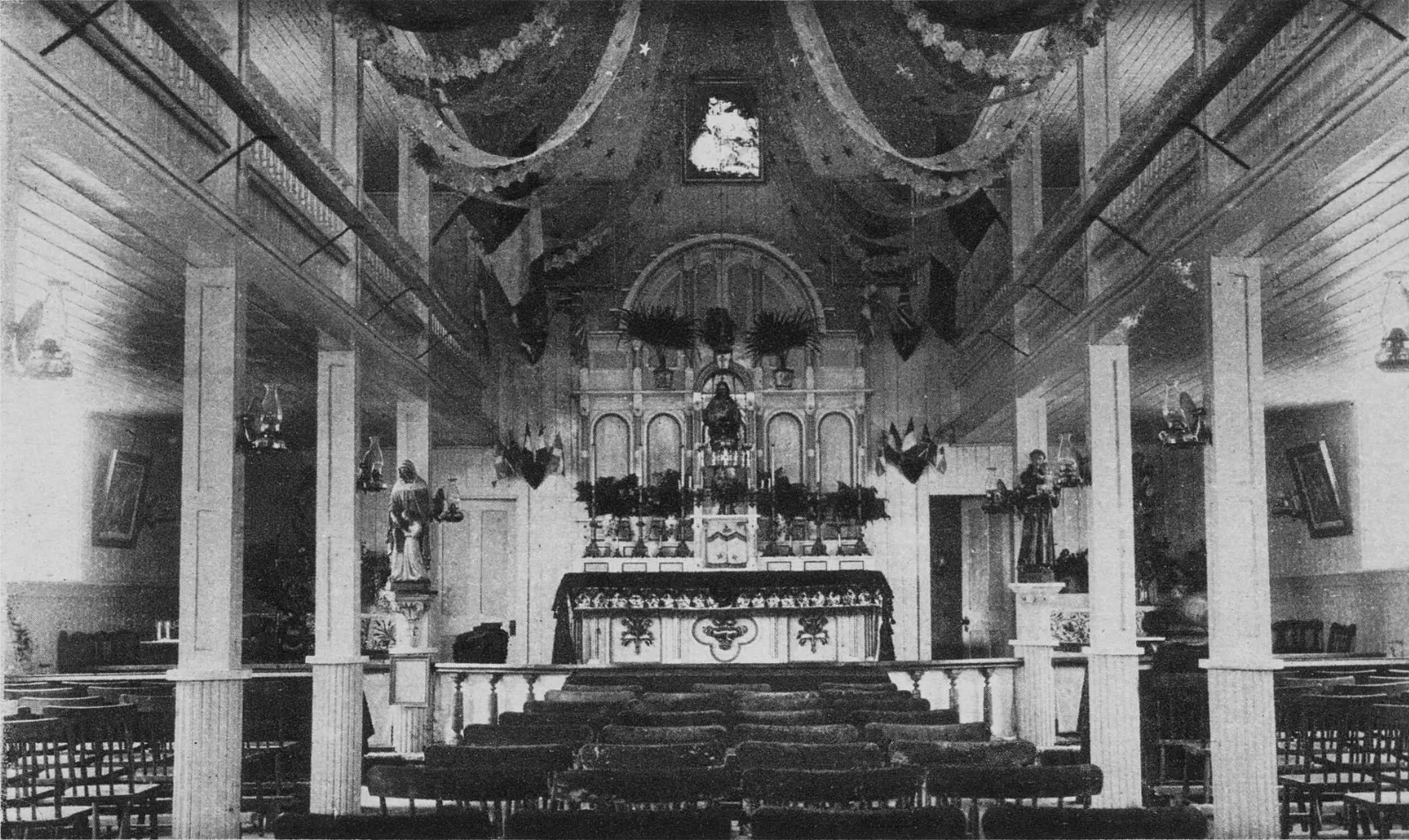
This lakeside town of about 10,000 people has long drawn English-speaking cottagers, and it began as a health resort for fresh mountain air. Take a boat cruise on Lac des Sables or relax at Tessier Beach, then look at the church built between 1905 and 1907.
Saint-Jérôme
Saint-Jérôme is the gateway to the Laurentians on Autoroute 15 and the southern end of the rail trail. Commuter trains from Montreal reach the town.
Oka
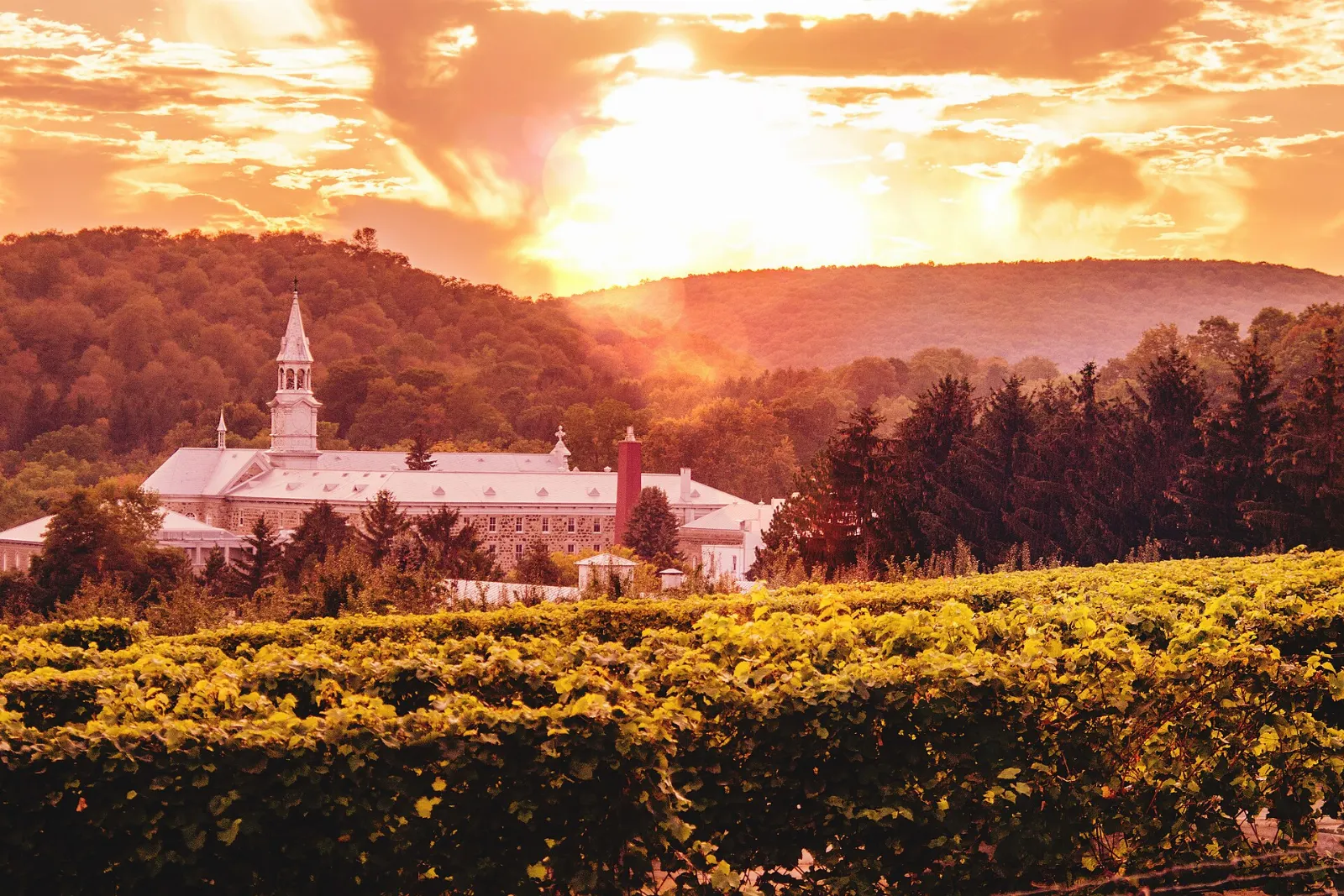
On the shore of the Lake of Two Mountains, Oka lies at the southern edge of the region and is known for its namesake cheese from the Abbey of Notre-Dame du Lac. The village is far from the mountains, so treat it as a short detour for the abbey grounds and cheese.
Harrington Buddhist Monastery
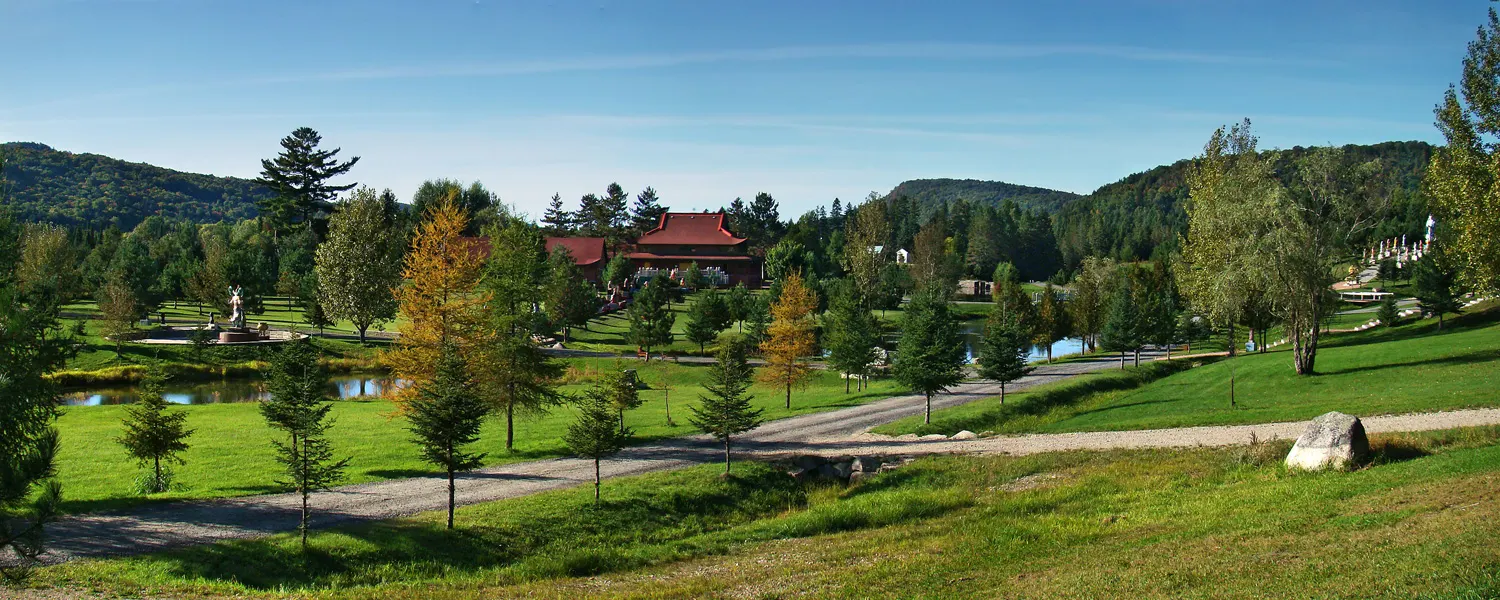
A Mahayana Buddhist monastery founded in 1990 stands near Harrington, about 40 km south of Mont-Tremblant. Large colourful statues illustrate scenes from the life of the Buddha.
 Planning a trip to Laurentians?Compare hotels, flights and vacation rentals for Laurentians on Expedia.Book now
Food and local flavors
Start with Oka cheese, a semi-soft washed-rind cow's-milk cheese first made by Trappist monks at the abbey in Oka, with a pungent aroma and a creamy, nutty flavour. Local apples also appear in ciders, pies and other products across the region.
Maple taffy, called tire d'érable in French, is boiled maple syrup poured onto snow and lifted on a stick, usually at a sugar shack in late winter.
Popular dishes to try in Laurentians


Where to stay
Mont-Tremblant is the best choice for skiers and families who want everything on foot: shops, restaurants and the gondola sit together in the pedestrian village.
Sainte-Agathe-des-Monts has a long tradition of inns and bed-and-breakfasts beside Lac des Sables, and works for couples and lake lovers. Sainte-Adèle is a good middle base for golfers and those who want to visit several towns.
Where to stay in Laurentians


Best time to visit
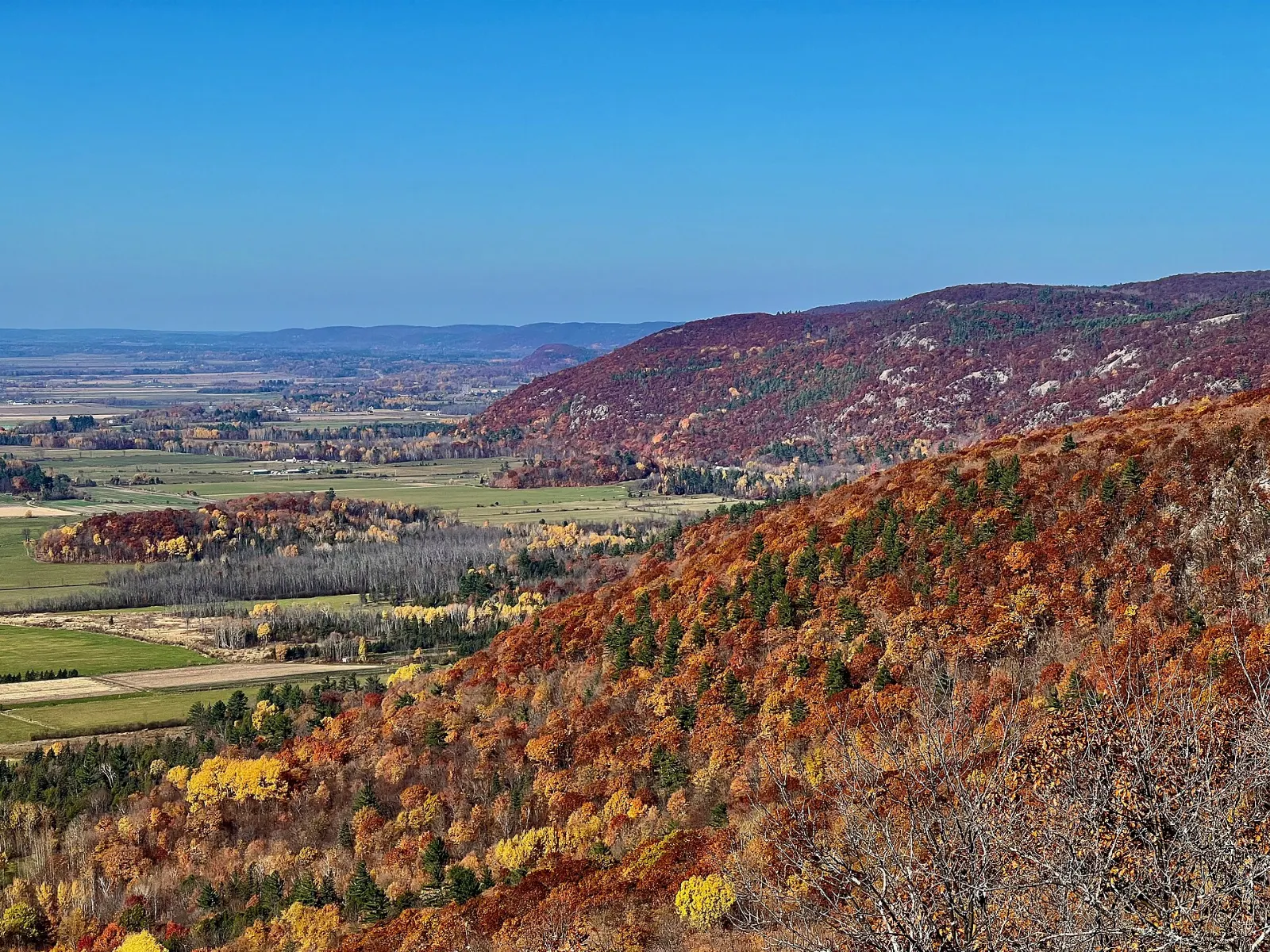
Winter brings reliable skiing from about November to April, along with snowshoeing, skating and cross-country trails. Summer is warm for swimming, cycling, golf and paddling, while the sugar maples and birches turn bright in autumn, usually around late September and October.
Spring can be muddy between seasons, though it is the time for sugar shacks and maple taffy. Festi-Neige in Sainte-Agathe-des-Monts runs from mid-January to mid-February.
Getting there and getting around
The main airport is Montréal-Trudeau, with Ottawa as an alternative. Mont-Tremblant also has a small airport at La Macaza with some flights, mostly in winter.
Intercity buses link Montreal with Saint-Jérôme, Sainte-Agathe-des-Monts and Mont-Tremblant, and a winter shuttle runs from the airport to the resort. Regional transit buses connect towns along the corridor. A car is the most flexible way to see the area.
A suggested itinerary
First day
Drive north on Autoroute 15 and stop in Saint-Sauveur for a walk or a ski session.
Second day
Ride a stretch of Le P'tit Train du Nord, then spend the afternoon on a boat cruise or beach at Sainte-Agathe-des-Monts.
Third day
Ride the gondola in the morning, then hike or paddle in Mont-Tremblant National Park.
Practical tips
- Book winter lodging and lift tickets well ahead for school holidays.
- Bring layers, because mountain weather changes quickly.
- Buy park access through the official park authority rather than at the gate.
- Rent bikes near Saint-Sauveur or along the rail trail for easy day rides.
- Learn a few French greetings, which locals appreciate.