Along the north shore of the Gulf of St. Lawrence, a chain of roughly a thousand islands and islets rises from cold green water.
AT A GLANCE
Best time
Summer, when boat tours run and seabirds nest.
How long
Two or three days, with at least one full day on the water.
Getting there
Drive Route 138 or fly to Havre-Saint-Pierre, then take a boat.
Why visit Mingan Archipelago
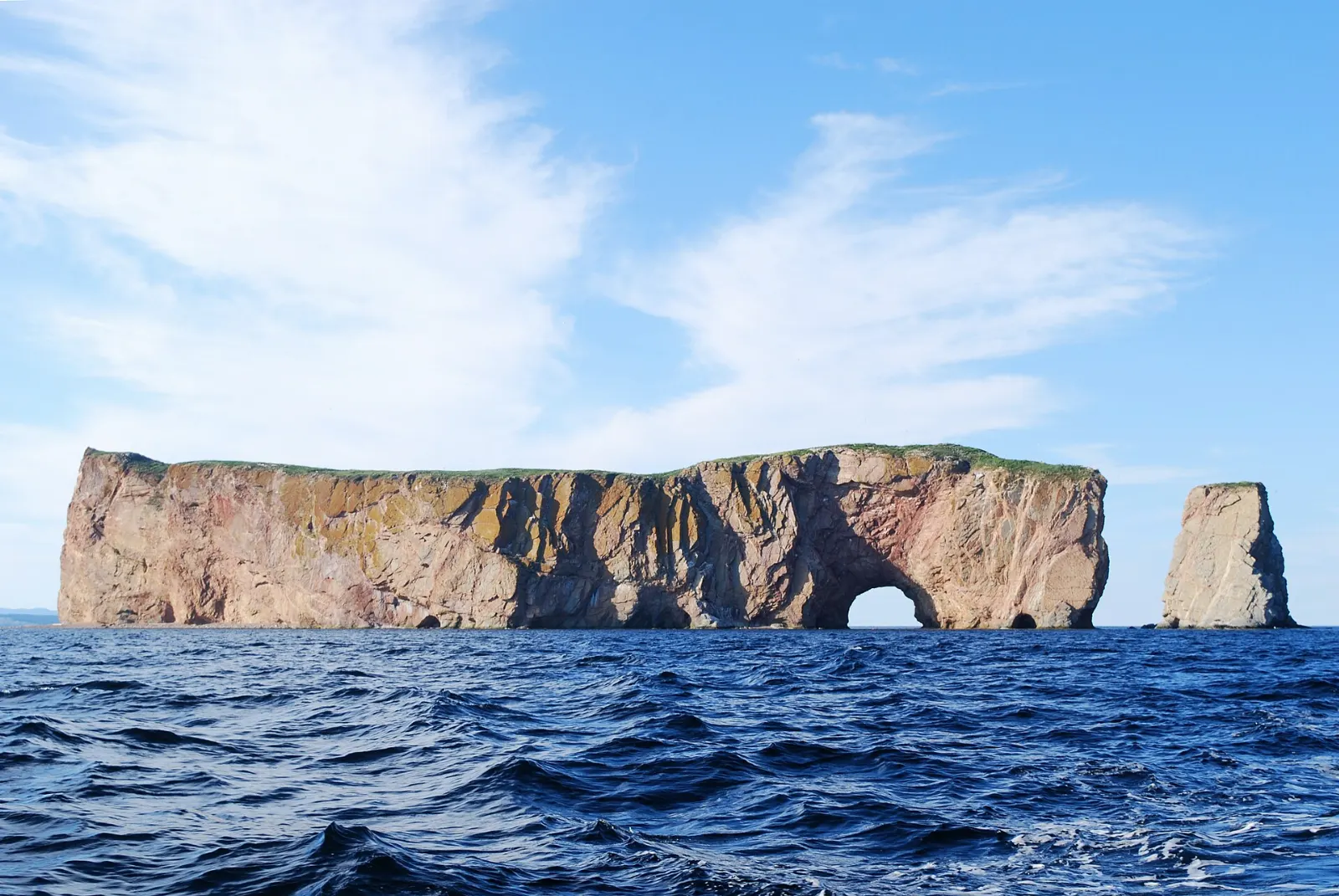
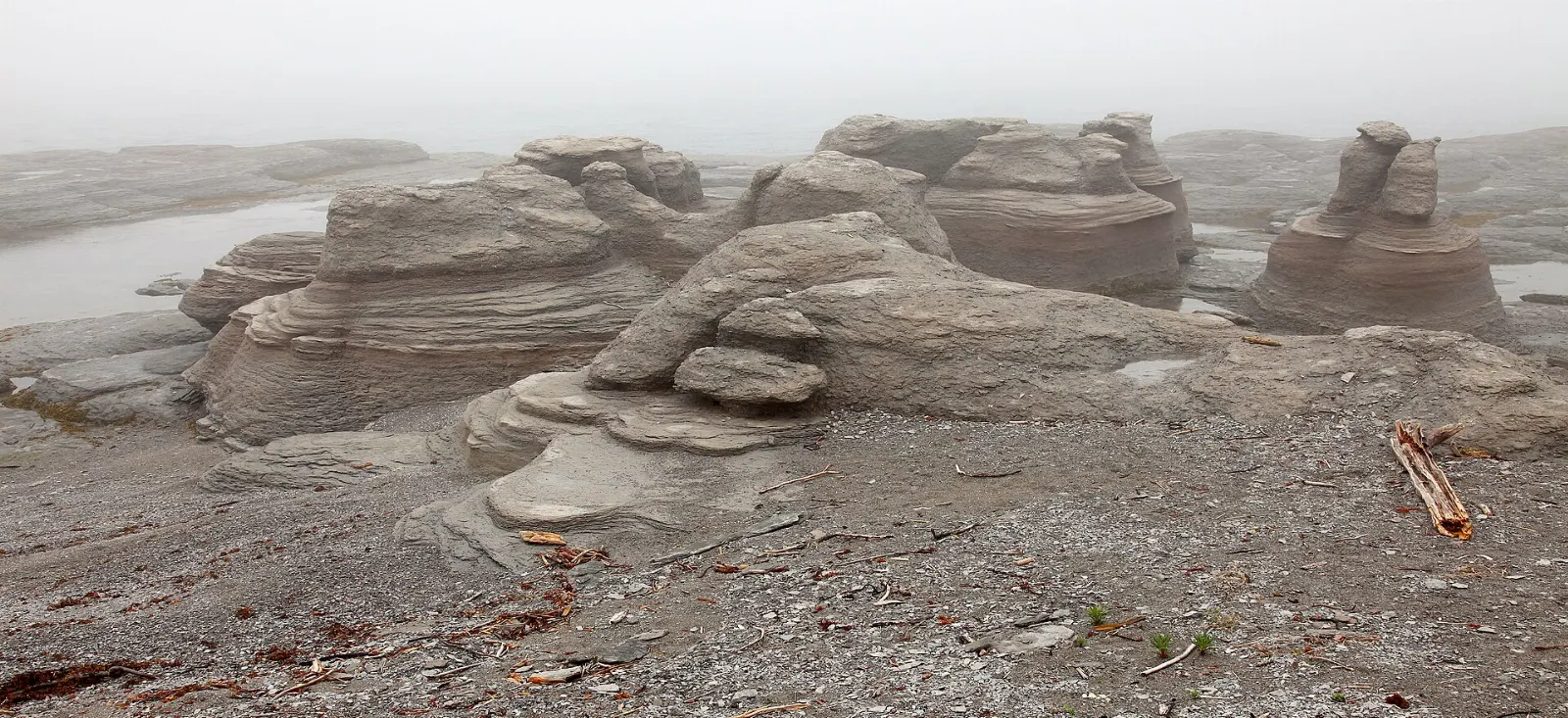
The park reserve was established in 1984 and holds the largest group of erosion monoliths in Canada. The islands rose slowly after the last glaciation, and waves, wind and seasonal freezing have since sculpted the limestone into towers and arches.
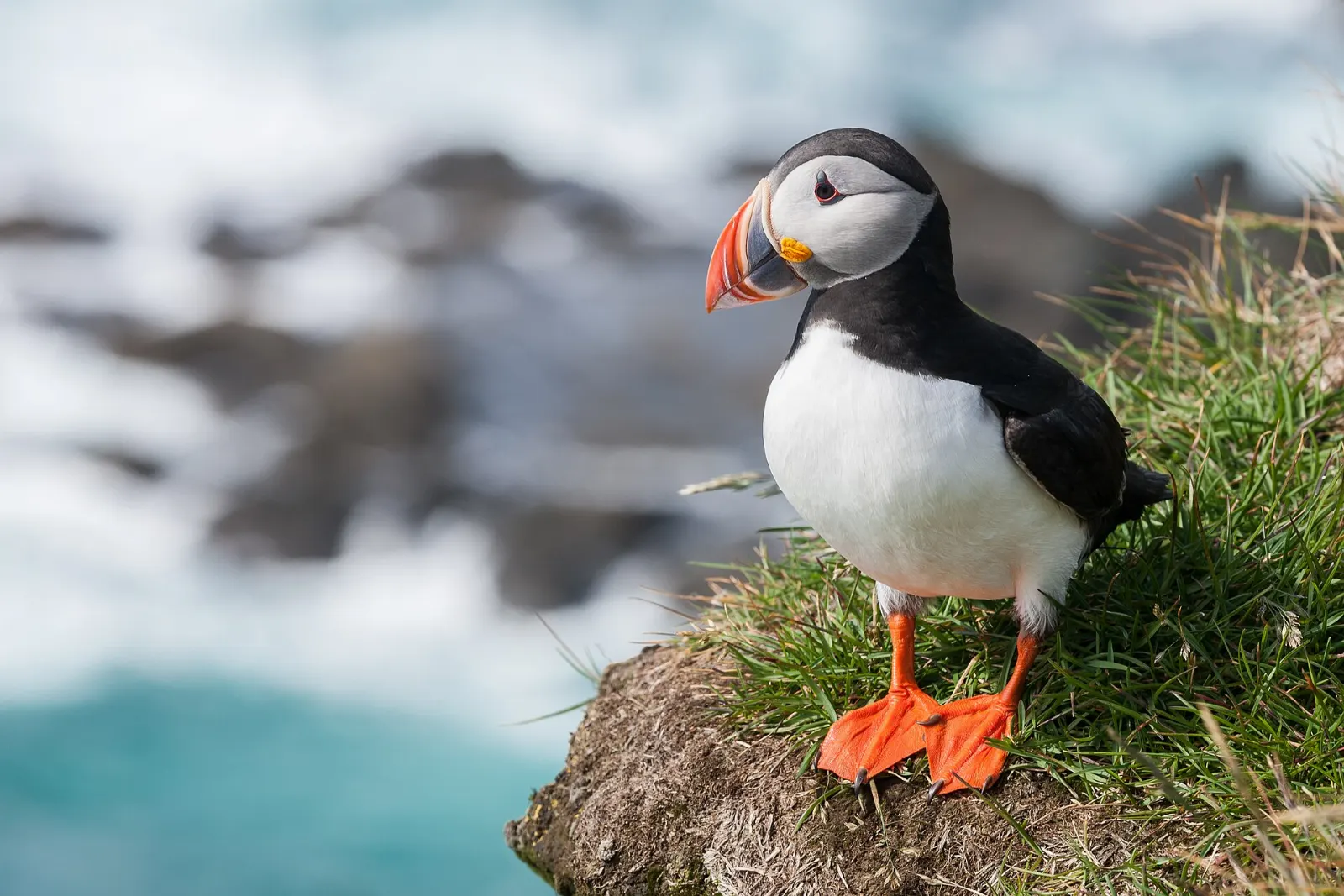
The reserve is also a refuge for wildlife. Nearly 200 bird species have been seen here, including large colonies of Arctic terns, common terns and common eiders, and the Atlantic puffin is the park symbol. Minke, humpback and fin whales feed in the surrounding waters.
Human history runs deep too. People have used these islands for at least 2,000 years, first for shellfish, salmon and seal, and later by Basque, Spanish and Portuguese fishers. Today the islands feel remote, and that quiet is part of the experience.
The best places to visit on the islands
The limestone monoliths
The monoliths are the signature sight of the archipelago. Look for the sculpted pillars and cliffs of pale limestone along the shore. Several islands have them, so ask your boat operator which stops include a landing and how long you will have on shore.
Île aux Perroquets
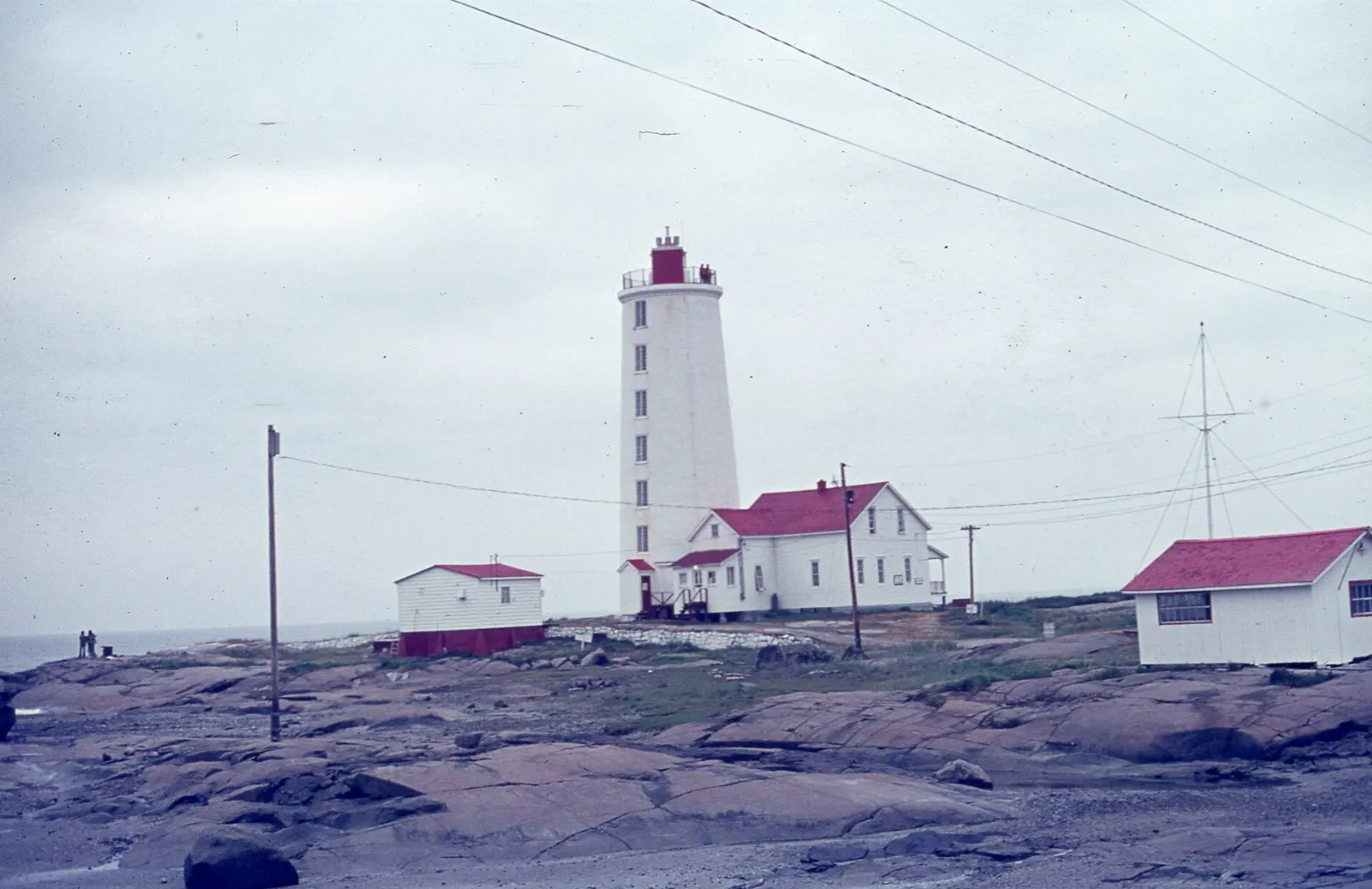
This island has a lighthouse station and the former keeper's house. An exhibition in the fog alarm building tells how the keepers and their families lived here. Allow a couple of hours on the island and wear sturdy shoes for the paths.
Petite île au Marteau
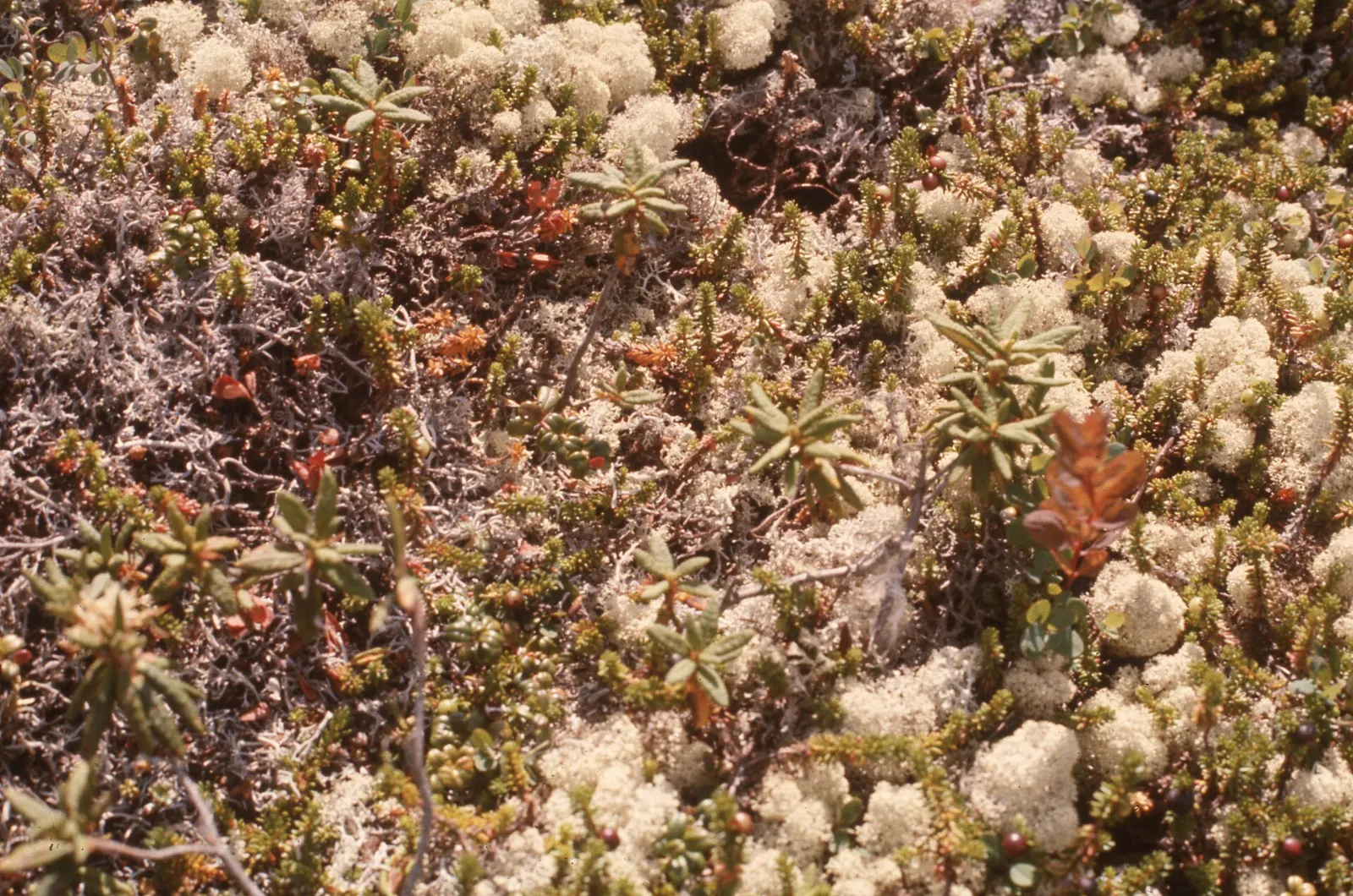
Boat trips to Petite île au Marteau reach a small island with a lighthouse and a trail through boreal vegetation. Parks Canada guides lead short walks that explain edible plants such as Labrador tea, balsam fir and cloudberry. Check the guide schedule before you book, because walks run only in the warmer months.
Île Nue de Mingan
Archaeologists excavated a stone oven here that Basque whalers used in the 17th and 18th centuries to melt whale blubber. The island is a reminder that Europeans fished and hunted along this coast for centuries before Route 138 existed. Ask your operator whether a landing is planned, as access depends on weather.

Sea kayaking and island camping
The reserve has campsites on six islands, reached only by boat, each with a tent platform, table and cooking hearth. There are no shops or restaurants on the islands, so you must bring all your food and water. Sea kayakers can paddle between the islets, but this is open water, so go with a guide unless you have experience.
The best places to visit on the mainland
Havre-Saint-Pierre
Havre-Saint-Pierre is the main base, a seaport town on the Pointe-aux-Esquimaux that Acadian families from the Magdalen Islands settled in 1857. The Maison de la Culture Roland Jomphe, in a former Hudson's Bay Company store, presents the town's history. Stroll the harbor for ships and fishing boats.
Longue-Pointe-de-Mingan
This village has a long sandy beach, a wooden promenade and a giant puffin statue that has become a roadside landmark. Boats to the islands also leave from here, which makes it a good alternative to Havre-Saint-Pierre. Take a short walk on the promenade after a day at sea.
The Mingan Island Cetacean Study station
The research station in Longue-Pointe-de-Mingan studies whales and other marine mammals in the gulf. Visitors can sometimes join the team on a zodiac and approach marine life, so ask about the current program. The station depends on visitor support, so it is a good way to give back.
The Innu community of Ekuanitshit
Mingan is also the home of the Innu community of Ekuanitshit. In summer, Parks Canada offers a guided activity with community members that introduces Innu culture, and it is worth planning around. Check the schedule in advance, as it runs only on certain days.
Baie-Johan-Beetz
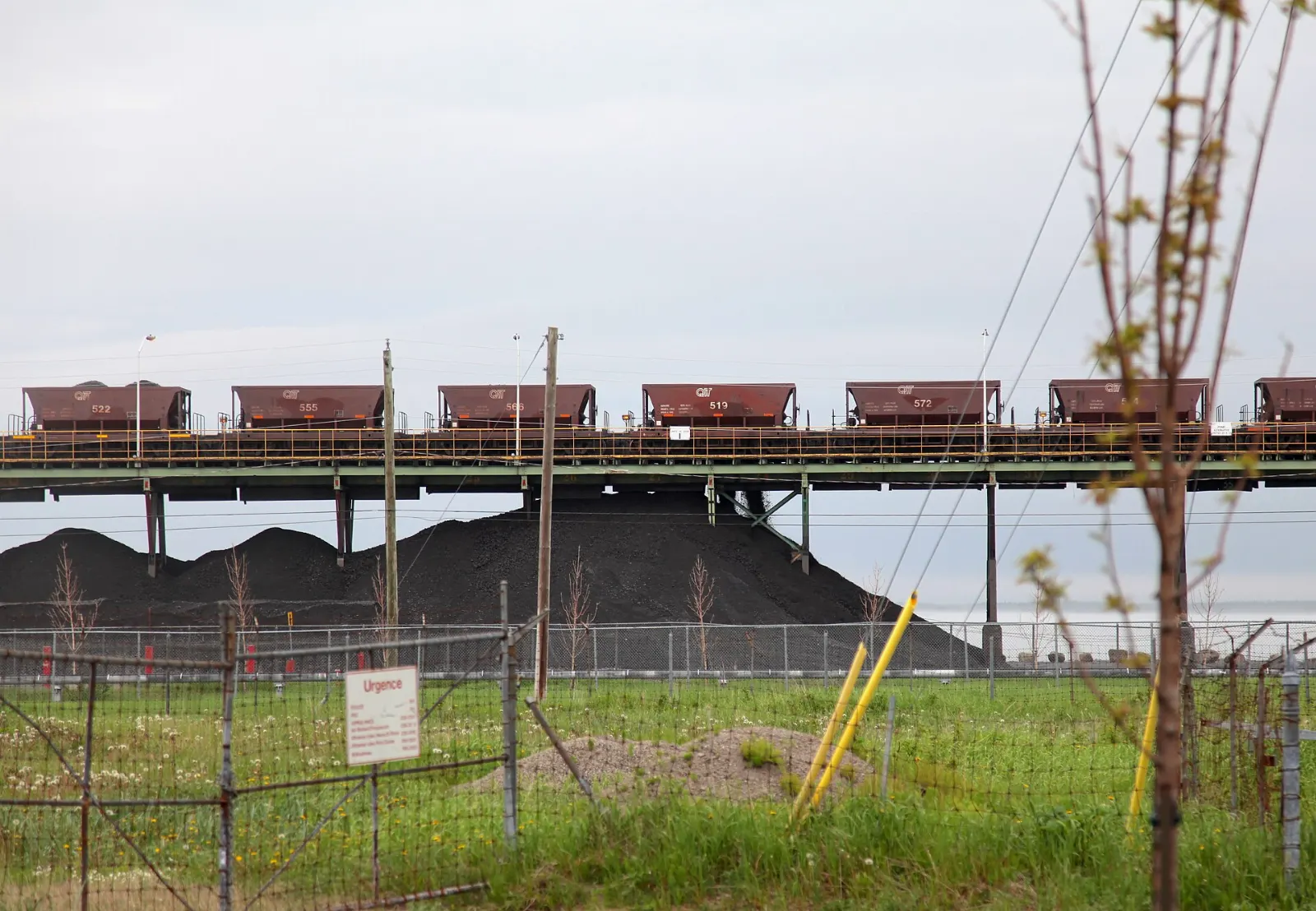
This village sits about 66 kilometers east of Havre-Saint-Pierre along Route 138, among bays and coastal islands. Visit the Château Johan-Beetz and hike the trail to Quetachou Falls. Fill your tank first, because services thin out toward the end of the road.
Food and local flavors
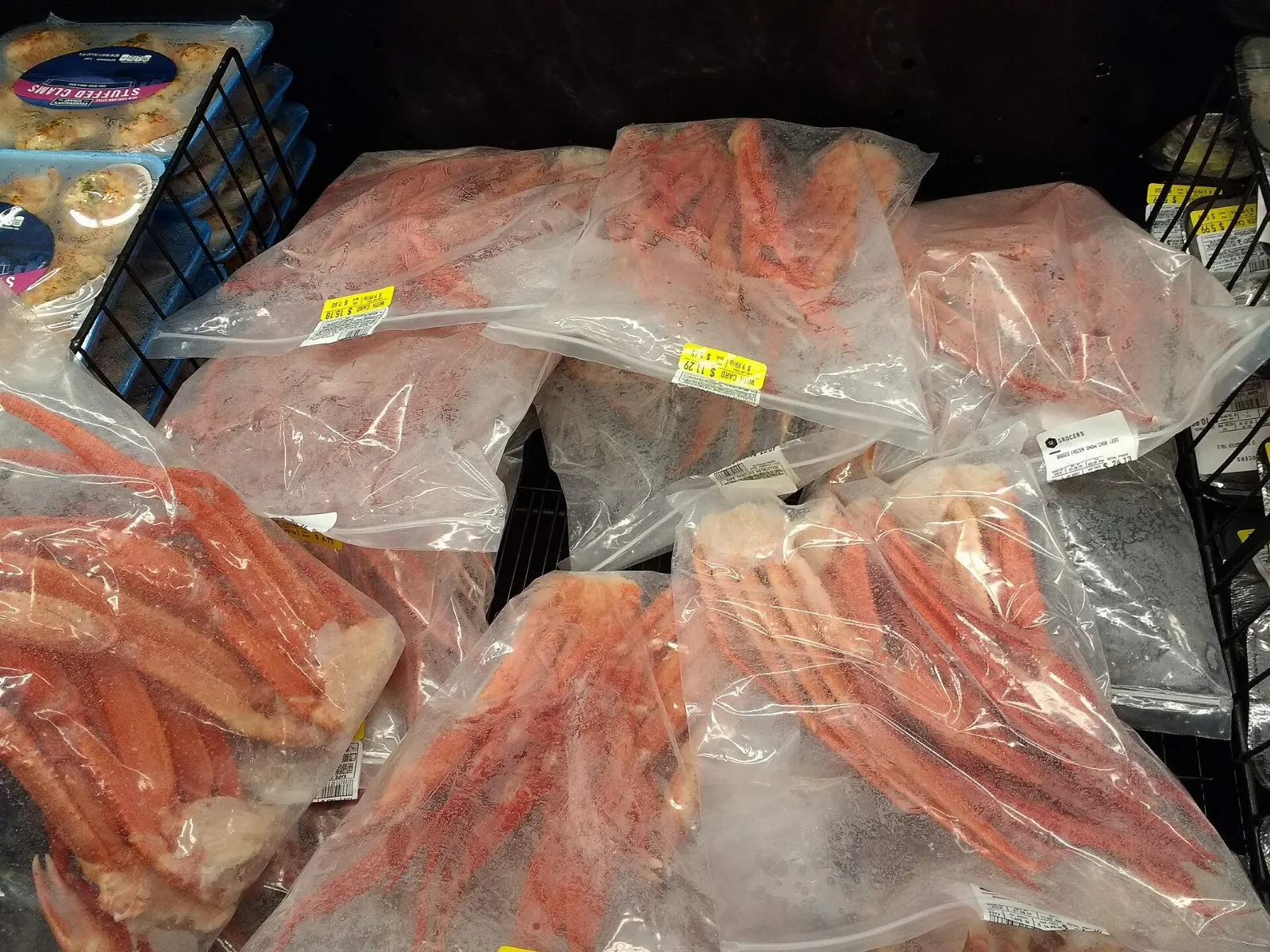
Havre-Saint-Pierre is known for its fishing, and the local catch is made up largely of snow crab, scallops and lobster, along with salmon and trout from nearby rivers. Look for snow crab and scallops in season on restaurant menus, and ask at the town fish market about what came in that week. The region is part of a gourmet route, so small restaurants often feature local seafood. Stock up at a grocery in town before you head out, since the islands have no places to buy food or drink.
Popular dishes to try in Mingan Archipelago National Park Reserve


 Planning a trip to Mingan Archipelago National Park Reserve?Compare hotels, flights and vacation rentals for Mingan Archipelago National Park Reserve on Expedia.Book now
Where to stay
Havre-Saint-Pierre has the widest choice of inns, hotels and restaurants, and it suits most visitors who want a comfortable base near the boat dock. Longue-Pointe-de-Mingan is smaller and quieter, with a beach and easy access to boats and the marine research station. Baie-Johan-Beetz appeals to travelers who want a peaceful village along the coast and are happy to drive for their tours. On Île aux Perroquets, the lighthouse keeper's house and his assistant's house take overnight guests in summer, and it is a memorable choice for a special trip. Campers can reserve one of the island campsites through Parks Canada, and should book early for summer.
Where to stay in Mingan Archipelago National Park Reserve


Best time to visit
Summer is the season for the archipelago. Parks Canada information services and boat excursions operate from June to September, and puffins and other seabirds nest on the islands. The climate is subarctic, with cool summers and cold, snowy winters, so pack a warm layer, a windproof jacket and rain gear even in July. Mid summer also brings the guided programs, including the Innu activity and the boreal walks. Fog and wind can delay crossings at any time, so leave a spare day in your plans if you can. Cool, clear mornings often give the best light for photographs of the limestone. Outside the season, the islands are largely closed to visitors, though winter travelers can find snowmobile trails on the mainland.
Getting there and getting around
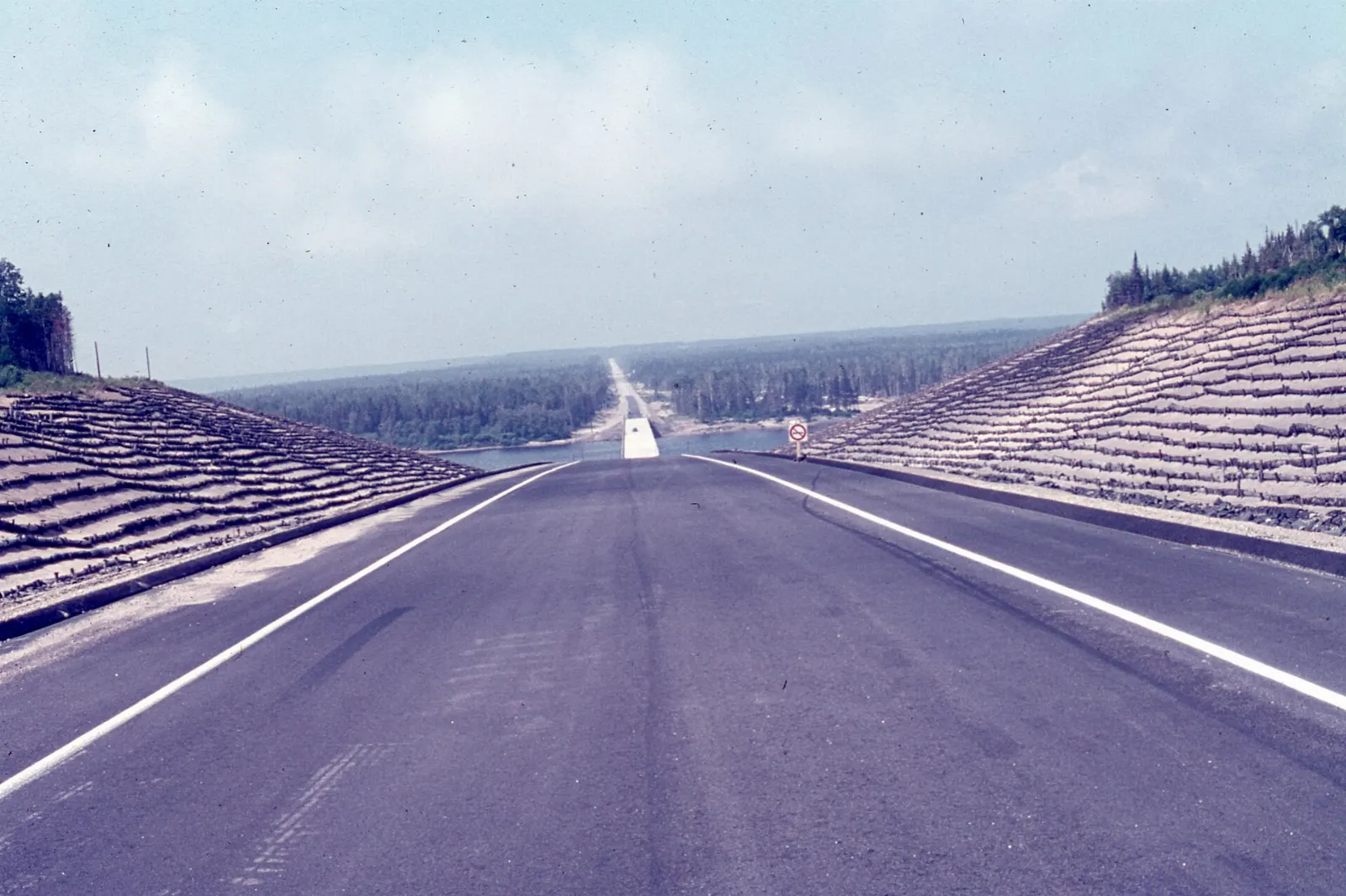
Route 138 is the only road, running along the north shore. It is about 870 kilometers from Quebec City to Havre-Saint-Pierre, and about 218 kilometers east of Sept-Îles. An Intercar bus links Sept-Îles and Havre-Saint-Pierre on several days a week. Air Liaison flies into Havre-Saint-Pierre, and Sept-Îles also has scheduled air service. The Bella Desgagnés, a supply ship run by Relais Nordik, calls at Havre-Saint-Pierre from early April to early October. From Havre-Saint-Pierre or Longue-Pointe-de-Mingan you cross to the islands by boat or helicopter, and a park admission fee applies, so check the Parks Canada website before you go.
A suggested itinerary
First day
Arrive in Havre-Saint-Pierre, visit the Maison de la Culture Roland Jomphe and walk the harbor. Eat seafood for dinner and confirm your boat departure.
Second day
Take a full day boat excursion to the monoliths and the lighthouse islands. Pack lunch, layers and binoculars, and look for puffins and seals along the way.
Third day
Drive to Longue-Pointe-de-Mingan for the beach, the giant puffin and the research station. Continue east to Baie-Johan-Beetz if you have time for Quetachou Falls.
Fourth day
If you have another day, book a second boat trip to a different island, or paddle with a guide. A second crossing lets you compare the monoliths, the lighthouse stations and the bird colonies, and the light changes from one trip to the next.
Practical tips
- Reserve boat tours and island campsites early in the season.
- Pack warm, waterproof clothing even in summer.
- Bring food, water and anything else you need, because the islands have no services.
- Do not touch the nesting birds or the Mingan thistle, which is rare.
- Keep to marked trails and carry out all your trash.
- Check the weather, since rough seas can cancel crossings.
- Fill your fuel tank in Havre-Saint-Pierre before driving further east.
- Speak some French, as it is the main language along the coast.